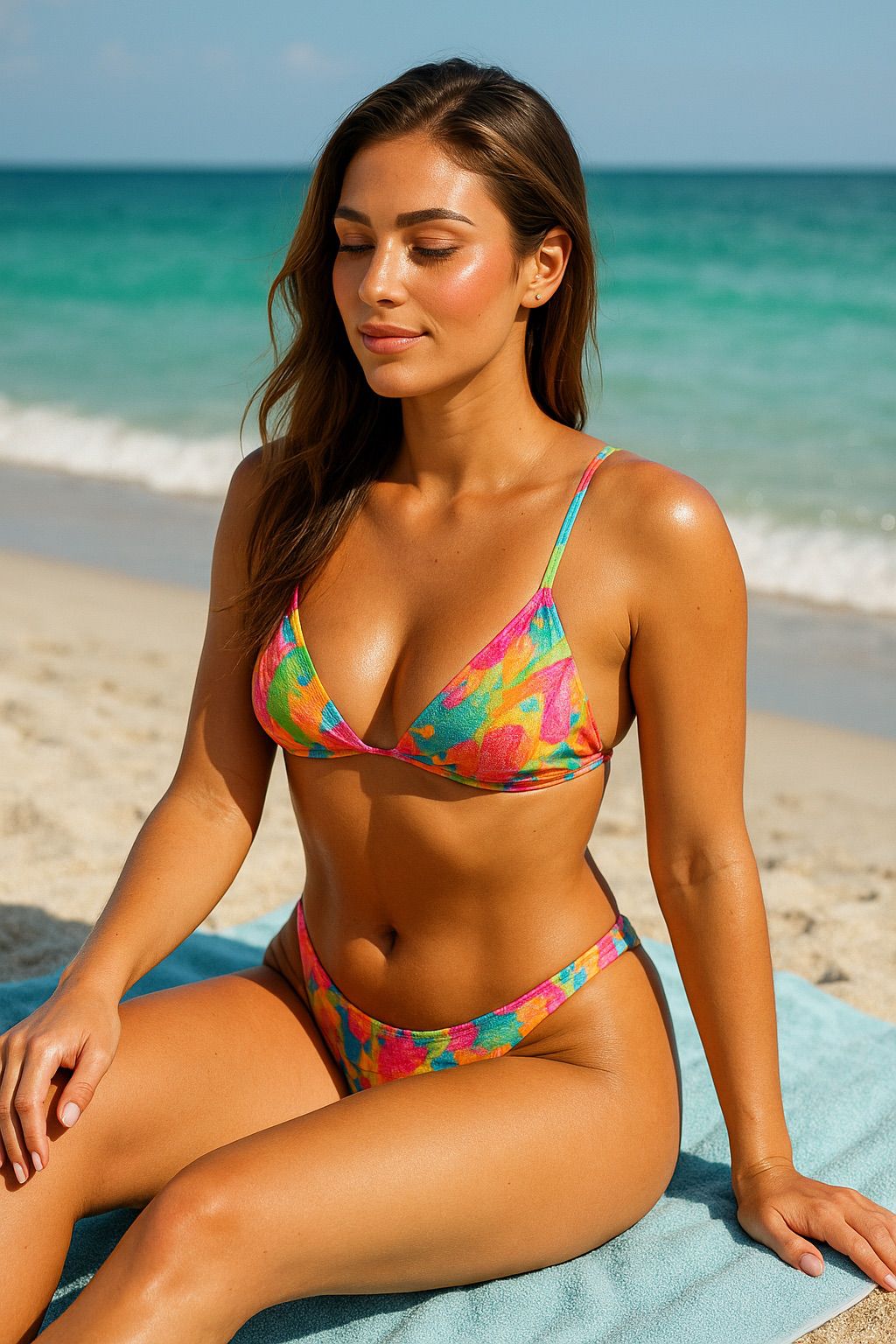
Category: Fashion

Kiss of Midnight: Why the Vampire Vixen Owns the Night

Dave

There are costumes that come and go with the shifting tides of pop culture, flashes of novelty that fade as quickly as they arrive, but then there are those that remain carved into the very heart of Halloween itself. The Vampire Vixen is one of those immortals, timeless in her allure, eternally seductive, eternally dangerous. She is the woman who walks into the party and makes heads turn not because she is flashy, but because she radiates a primal, intoxicating energy that whispers of midnight kisses and eternal hunger. Lace clings to her curves, fangs glint when she smiles, and her blood-red lips promise a temptation that no mortal should resist but every mortal always does. It is not just a costume. It is a declaration: that on this night of masks and mischief, you are not just playing dress-up—you are stepping into the role of the most seductive predator folklore has ever given us.

The legend of the vampire has always been steeped in contradictions. It is a monster and a lover, a symbol of death and eternal life, a figure of fear that is somehow even more captivating because of that fear. That duality is exactly why the Vampire Vixen reigns supreme when it comes to sexy costumes. Unlike so many others that have to work hard to be edgy or risqué, the vampire has been sexy from the very beginning. From the gothic literature of the 1800s to the golden age of Hollywood, from Anne Rice’s dreamy immortals to the modern streaming obsessions with sultry vampire clans, the allure has always been the same: eternal beauty, dangerous intimacy, and the whisper of surrender under the cover of night. To put on the lace dress and slip in the fangs is to embody that timeless seduction. And that is why the Vampire Vixen works, year after year, without fail.

There is something almost primal about the way people react to vampires, especially the sensual female vampire. She is not a passive figure. She is not the damsel waiting to be rescued or the sidekick to some greater hero. She is the hunter. She is the one with the control, the power to give or take life, the ability to bend hearts and minds with a glance. On Halloween, when the rules of the ordinary world fall away, women step into that role willingly. The lace dress becomes the uniform of dominance, the blood-red lips a weapon of mass destruction, the fangs sharp punctuation to every smirk. It is no wonder people cannot look away. The Vampire Vixen costume doesn’t just show skin; it shows power dressed up as seduction, danger packaged as desire.

And what makes it irresistible is how versatile it can be. Some Vampire Vixens lean into gothic elegance—long flowing lace gowns, dramatic capes, jewelry that glitters like it was stolen from castles centuries ago. Others embrace the modern twist, short lace dresses, thigh-high boots, chokers, and corsets that toe the line between couture and sin. Some play it dark and frightening, with fake blood dripping from their lips and pale makeup that makes them look freshly risen from the grave. Others keep it sleek and mysterious, lips painted crimson, fangs just barely peeking when they smile, giving off the impression that they could bite, but maybe, just maybe, they’ll spare you tonight. That flexibility means no matter who wears it, the Vampire Vixen feels personal, tailored, like an extension of the woman herself.

There is also the undeniable fact that vampires as cultural icons have always been dripping with sexuality. Think of the great vampire stories—from Bram Stoker’s Dracula, where the bite was described with the passion of forbidden romance, to the black-and-white vampire queens of old cinema, to the endless franchises that turned vampires into romantic antiheroes. The bite is always intimate. It is an exchange of life and death, pain and pleasure, dominance and surrender. The Vampire Vixen costume taps directly into that cultural current. Those fangs are not plastic toys; they are symbols of appetite, of indulgence, of dangerous passion. And those blood-red lips? They are the gateway to a kiss you may not survive but cannot stop craving.

Halloween is the perfect stage for this character. On no other night is it so acceptable to lean into danger, to play at being a creature of the night who walks the edge of fear and desire. The Vampire Vixen thrives here, glowing in candlelight, standing out under neon strobe, commanding attention whether she is on the dance floor, in a photo booth, or simply walking into a room. People gravitate toward her because the costume doesn’t just say “sexy”—it says unforgettable. It promises a story that will linger long after the last pumpkin has rotted on the porch.

But the humanizing element, the reason why this costume keeps going viral every Halloween, is because every Vampire Vixen is also uniquely herself. She is not a copy-paste template of “woman in black with fangs.” She is the girl-next-door who suddenly looks like she might ruin your life in the best way possible. She is the shy introvert who, for one night, lets the lace and the lipstick transform her into the queen of the party. She is the woman who knows exactly what she’s doing, who uses the costume as a statement, a celebration of her confidence, her allure, her unapologetic embrace of her own sexuality. That is the real magic. The Vampire Vixen is not just playing pretend—she is an amplifier. She is what you already are, turned up to eleven, bathed in moonlight and red velvet.

And yes, it is a costume steeped in cliché, but clichés exist for a reason. They work. They resonate. You can walk into any Halloween event, from the biggest nightclub bash to the smallest house party, and there will be at least one Vampire Vixen. And every single time, she will own the night. People will remember her. Photos will get shared. The fangs and the lace will etch themselves into the collective memory of that evening. She doesn’t just blend in—she defines the vibe.

Perhaps that is why the Vampire Vixen has never faded while so many other costumes come and go. She is not bound to a trend, not tied to a single movie or moment. She is eternal, just like the creatures she represents. You could wear her in the 1980s, the 2000s, or right now in the age of social media dominance, and she still carries the same power. If anything, she thrives even more now, because the camera loves her. A Vampire Vixen knows how to work the lens, how to flash the hint of fang at just the right moment, how to let the crimson lips become the center of focus. She is built for the viral age because she has always been viral, centuries before hashtags ever existed.

So if you are choosing your costume this year and you want something that guarantees attention, seduction, and just the right mix of danger and fun, you cannot go wrong with the Vampire Vixen. Slip into that lace dress, paint your lips the deepest red you can find, let the fangs click into place, and smile like you’ve just spotted your next victim. Halloween is your night. Own it the way only a Vampire Vixen can.

Because in the end, it’s not the ghosts or the goblins or even the witches that people talk about the next day. It’s the woman who looked like midnight itself walked into the room, who made them forget whether they should be afraid or infatuated, who left them wondering if maybe she was more than just a costume. That’s the spell. That’s the bite. That’s the reason the Vampire Vixen will forever own the night.

Related Posts

Midnight Magic: Why the Sexy Witch Will Always Rule Halloween

Dave

There’s something about Halloween that brings out a wild spark in all of us. Maybe it’s the electric hum of autumn leaves crunching under boots, maybe it’s the thrill of stepping into a costume that makes you feel more daring than you ever would in the daylight, or maybe it’s just the sugar rush of too much candy and too many spiked ciders. Whatever it is, October 31st has become the one night of the year where fantasy and fun collide, where the veil between the ordinary and the extraordinary feels thin enough to step through. And at the very heart of this enchanted masquerade stands a figure who has never once lost her crown as queen of Halloween: the witch. Not the old crone version, though that has its charms, but the bold, sultry, spellbinding incarnation that struts into the party in thigh-highs, corset, and a pointy hat tilted just so. The Sexy Witch is not only iconic, she’s eternal, because her magic isn’t just about broomsticks and black cats—it’s about power, seduction, and the playful thrill of turning a night of fear into a night of fantasy.

It’s almost funny how natural the evolution of the Sexy Witch seems when you look at it through history’s lens. Witches were once feared—hunted even—for their supposed powers, accused of dancing with devils, brewing potions, or bewitching neighbors. But fast forward through centuries of folklore, literature, and Hollywood, and witches slowly transformed into something else entirely. They became mysterious, alluring, the kind of women who knew things other people didn’t, who dared to live outside the rules. When Halloween morphed into a celebration of dress-up and indulgence, the witch costume adapted right along with it. Gone was the hunched hag with warts and rags; in her place came the seductive sorceress with legs for days, a bodice that promised temptation, and a smirk that suggested she knew exactly how to use her magic on you.

And isn’t that what makes the Sexy Witch such an irresistible archetype? She blends danger with delight. She is at once the outsider and the star of the show, the woman who can cast a spell and steal your drink in the same breath. Put a woman in a corset, thigh-high boots, and a sharp black hat, and suddenly the room doesn’t just notice her—it orbits her. That’s not just a costume. That’s power, plain and simple, dressed in lace and satin.

Of course, part of the fun of Halloween is exaggeration, and the Sexy Witch costume embraces that wholeheartedly. The thigh-highs aren’t just shoes—they’re armor for seduction, legs turned into statements that say confidence without speaking a word. The corset isn’t just a top—it’s a spellbook of curves, cinched to highlight the figure in a way that teases and taunts. The pointy hat? That’s the crown. Because let’s be honest: in a sea of cats, vampires, and whatever pop-culture moment is trending this year, the Sexy Witch hat is still the single most recognizable silhouette at the party. It doesn’t just say “witch”—it screams it, but with a wink.

And the thing about this costume is that it has layers—not just fabric layers, but emotional ones. Every woman who puts on that pointy hat isn’t just slipping into a role, she’s tapping into something older, something primal. She’s channeling centuries of stories where women with power were both feared and desired. On Halloween, the Sexy Witch costume gives permission to lean into that energy, to flirt with the dark while owning the spotlight. It’s rebellion in fishnets, empowerment in black velvet. It’s taking a character who was once demonized and flipping the script into a celebration of confidence, charm, and charisma.

Think about it: every Halloween party has its Sexy Witch. She’s the one twirling her wand with a smirk, the one laughing too loudly in the corner while sipping something neon-green out of a skull-shaped glass, the one who makes eye contact across the dance floor and somehow convinces you that following her into the night would be both the best and worst decision you’ve ever made. And that’s the spell of it—the costume isn’t just an outfit, it’s a whole mood, a story unfolding with every glance and grin.

But the Sexy Witch isn’t limited to just one interpretation. Some lean into gothic elegance—long, flowing black dresses slit high at the leg, with lace gloves and dramatic makeup. Others go playful, mixing glitter and neon, turning the hat into a fashion statement instead of just a prop. Some wear as little as possible, turning “broomstick chic” into “broomstick barely-there,” while others go for full fantasy armor, sexy but also badass, like they’re ready to hex anyone who gets in the way of their cauldron cocktails. The variety is endless, which is part of why this costume never loses popularity. The Sexy Witch adapts, evolves, reinvents herself every year, just as the real idea of witches has always shifted with the times.

There’s also something about the witch as a cultural figure that makes her uniquely suited to be sexy. Unlike zombies, who rot, or ghosts, who vanish, witches are human—but amplified. They have knowledge, agency, independence. They’re not victims in horror stories, they’re the ones pulling strings. That inherent autonomy translates perfectly into the Halloween scene. Sexy witches aren’t waiting to be rescued. They’re casting spells, running covens, and maybe hexing their exes for fun. And when you slip into that corset and lace, you’re not just pretending—you’re embodying that same fierce energy, even if only for a night.

The other thing the Sexy Witch costume does, maybe better than any other, is blur the line between scary and sexy. Halloween has always thrived on that tension—why do we love scary movies? Because the adrenaline makes us feel alive. The Sexy Witch channels that exact energy: she might hex you, or she might kiss you, and the thrill is you don’t know which. It’s playful danger, safe transgression. It’s the costume equivalent of a wicked grin in the dark.

And sure, critics will roll their eyes and mutter about “overly sexualized costumes,” but here’s the truth: the Sexy Witch endures because she’s chosen, not imposed. Women don’t wear her because they’re forced to—they wear her because they want to. Because the hat feels powerful. Because the corset feels daring. Because on October 31st, when the world is watching and the rules are suspended, being the Sexy Witch is a way to say: I’m in control of the spell tonight.

That’s why you’ll never see a Halloween without her. Trends will come and go—sexy avocado costumes, sexy meme costumes, even sexy versions of random cartoon characters—but the witch remains eternal. She was here in the earliest parties, she’s here in the TikTok era, and she’ll be here when the next generation is carving their own pumpkins. The broom may be a prop, the hat may be oversized, but the magic? The magic is very real.

So the next time you see a Sexy Witch strutting into the party, corset laced tight, boots climbing high, hat tipping like a crown, remember this: you’re not just looking at another Halloween outfit. You’re looking at centuries of myth reborn as empowerment, you’re looking at mischief wrapped in satin, you’re looking at the queen of Halloween herself. And if you’re not careful, you just might find yourself under her spell.

Because let’s be honest—on Halloween night, when the music is loud, the lights are low, and the air is thick with the smell of cider and pumpkin spice, everyone’s secretly hoping to be enchanted by a witch. And the Sexy Witch knows it. She always has. That’s why she’s never going away.

Related Posts

Own the Shoreline: How to Pose Confidently in a Swimsuit

Dave

There’s a moment everyone knows but few talk about—the instant you step out onto the beach or poolside in your swimsuit, adjust your towel, and someone suggests, “Let’s take a picture.” The waves sparkle, the sun kisses your skin, and suddenly your mind is racing, wondering how to stand, where to put your arms, or whether you look as awkward as you feel. But here’s the truth: confidence in a swimsuit isn’t about having the “perfect” body—it’s about owning the one you already have and learning how to showcase it with grace, ease, and a little playful flair. Posing confidently in a swimsuit is part art, part mindset, and part letting go of the inner critic that whispers louder than the sound of the sea. Once you learn how to quiet that voice and lean into authenticity, you’ll find that confidence photographs far better than any muscle line or contour ever could.

The first secret to posing in a swimsuit is remembering that your body is not the problem—the hesitation is. Confidence radiates through photos, and it begins before you even strike a pose. Think of how you feel when you catch yourself in a mirror on a day you’re feeling good; you stand taller, you smile naturally, and the energy you project is effortless. That’s what makes a swimsuit photo magnetic. It’s not about sucking in or forcing an angle that hurts your back—it’s about capturing that sense of ease you feel when you’re laughing with friends, when the sun warms your shoulders, when you forget you’re being watched at all. If you want to look good in a swimsuit photo, start by feeling good in your own skin.

Body posture is the foundation of any great pose. The beach isn’t a fashion runway, but posture transforms everything. Stand tall, shoulders relaxed, spine lengthened. Imagine a string gently pulling your head toward the sky—not stiff, but lifted. This simple adjustment elongates your body, opens your chest, and instantly makes you look more self-assured. When sitting or kneeling, avoid slouching into yourself; instead, keep your back engaged, lean slightly forward, and let the posture communicate confidence. Posture doesn’t just make you look better; it makes you feel more powerful, and that inner strength shines in every frame.

Angles are your friend. No one looks their best standing flat to the camera with arms glued to their sides. Turning slightly, shifting your weight to one hip, or creating subtle bends in your body introduces natural curves and dynamism to the photo. Think of your body like lines in a painting—angles and movement create interest. Place one foot slightly forward, cross your ankles when sitting, or lean into the camera just a bit. Small adjustments make a big difference, softening the frame while adding personality. Swimsuit photos thrive on motion, even if it’s just the suggestion of it. Instead of rigid stillness, create shapes that feel alive.

Arms and hands are often the most awkward part of posing, but they don’t have to be. The trick is to give them something to do. Run your hand through your hair, rest it lightly on your hip, adjust your sunglasses, or playfully brush sand from your leg. When arms have a purpose, the whole photo feels more natural. Avoid pressing them flat against your body, which can look stiff. Instead, create space by bending an elbow or lifting an arm slightly away from your torso. These small gestures not only highlight your swimsuit but also emphasize confidence and ease.

Expression seals the deal. Confidence in a swimsuit doesn’t require a sultry pout or exaggerated laugh—though those can work, too. The most magnetic expressions are the ones that feel authentic. Think about how the beach makes you feel—carefree, happy, energized. Let that energy rise to the surface. A soft smile, a playful glance over your shoulder, a wide grin caught mid-laugh—all of these read beautifully on camera. The camera doesn’t need perfection; it needs emotion. That’s what people connect with, and that’s what will make you look confident without trying too hard.

Props and environment are your secret allies. Sunglasses, hats, beach bags, towels, or even a coconut drink can give you something to interact with, making poses feel less forced. Leaning against a surfboard, walking along the waterline, or splashing in the waves adds movement and narrative to the image. When you’re engaged with your environment, you forget the camera is there—and that’s when the most captivating, natural shots happen. Confidence is never louder than when it looks like you’re genuinely having fun.

Lighting, too, plays a role. Early morning or golden hour—the time just before sunset—offers soft, flattering light that smooths skin and adds a warm glow. Harsh midday sun can be tricky, but positioning yourself with the light behind you or using reflective surfaces like sand or water can turn it into an advantage. Good lighting doesn’t just flatter features; it enhances the overall vibe, making you appear more radiant and confident. Knowing how to position yourself in relation to light is like knowing your best angles—it’s a skill that amplifies everything you already have.

Mindset, though, remains the ultimate tool. Confidence isn’t about faking it until you make it—it’s about shifting your focus. Instead of obsessing over how you look, think about what the photo represents: a memory of joy, a celebration of summer, a moment of freedom. When you stop worrying about flaws and start leaning into the feeling of the moment, the pose comes alive. Remember that everyone, no matter how confident they appear, has insecurities. What sets apart those who photograph well isn’t a flawless body—it’s the decision to own their presence regardless. Confidence isn’t about absence of doubt; it’s about showing up anyway.

Practice helps, too. You don’t have to wait until you’re standing on the sand with the waves crashing to experiment. Stand in front of a mirror, try out poses, tilt your chin, shift your hips, find what feels natural. The more familiar you become with your own body’s lines, the easier it will be to slip into a confident stance when the moment arises. This isn’t vanity—it’s self-awareness. Athletes practice before a game, dancers rehearse before a performance. Why shouldn’t you practice the art of confidence in your own skin?

Finally, remember that imperfection is part of the charm. Sometimes the best swimsuit photos aren’t posed at all—they’re the candid ones, where you’re mid-laugh, chasing a wave, or shaking out your hair. Those moments radiate realness. They show not just how you look but how you feel. Confidence isn’t about striking the “perfect” pose; it’s about embracing your imperfect, joyful, authentic self in the moment. When you can do that, every pose, whether polished or playful, becomes an expression of confidence.

So how do you pose confidently in a swimsuit? You start with mindset—accepting and celebrating yourself. You focus on posture, angles, and expression, letting them communicate ease. You use your environment and props to tell a story. You let the light work in your favor, you practice until it feels natural, and above all, you let go of perfection. Because confidence isn’t about having the “ideal” body; it’s about realizing you don’t need one to deserve space in the frame. You only need to show up, breathe, and let the ocean remind you that beauty is not a standard to meet but a state of being to embrace.

At the end of the day, the beach doesn’t care if your abs are sculpted or your swimsuit is from a designer label. The waves don’t care about cellulite, scars, or stretch marks. The ocean has always welcomed every body, and the sun shines equally on everyone who dares to step into the light. Confidence in a swimsuit is not about being flawless—it’s about belonging to yourself, in that moment, fully and unapologetically. And that kind of confidence? It’s contagious, unforgettable, and worth capturing every single time.

Related Posts

Sun, Shade, and Shimmer: Makeup Looks That Bring Swimwear Colors to Life

Dave

There is an art to summer beauty, and nowhere is it more playful, more experimental, and more radiant than when it collides with swimwear. Swimwear has always carried its own power, a shorthand for mood and identity, but the way makeup can complement those colors elevates the entire look from simple beach-day styling to a personal fashion statement written in sunlight, shadow, and sparkle. Matching makeup to swimwear colors is not about following rigid rules but about creating a harmony between fabric and face, between the body clothed for water and the expression carried above it. The result is more than just flattering. It’s captivating, memorable, and sometimes even transformative, taking a simple dip in the ocean and turning it into a runway moment framed by waves and sky.

Think of a bold red bikini, fiery and commanding, alive with drama. On its own, red swimwear already radiates confidence. Paired with the right makeup, though, it becomes a complete story. A red lip to match is a classic choice, one that screams timeless glamor, echoing Marilyn Monroe’s playful photos on the beach, but with a modern twist, that red could be paired with glowing bronzed skin, feathered brows, and dewy highlighter. Instead of going heavy with eyes, a swipe of waterproof mascara and a golden shimmer on lids is enough to let the lip and the suit do the talking. In the sunlight, it’s less about perfection and more about energy — red in fabric, red on lips, sun on skin, and an entire world watching as confidence walks by.

Now imagine the opposite: a white bikini, minimalistic and clean, the fabric a blank canvas for endless possibility. White, though pure and simple, offers a powerful contrast to skin tones and natural colors, meaning makeup can swing in any direction. Some lean toward ethereal beauty — think pastel pink lips, soft peach blush, and luminous skin that feels almost angelic against the stark white of the suit. Others push the drama, pairing white with electric hues in makeup: cobalt blue eyeliner, neon coral lips, or shimmering metallic highlights that catch the sun like jewelry. White allows experimentation because it is both everything and nothing, the perfect balance against which any color pops.

Black swimwear, meanwhile, is the ultimate in sophistication. A sleek one-piece or bikini in black exudes chic timelessness, and makeup that complements it can either intensify that edge or soften it. A smoky eye with waterproof liner and bronzed cheekbones creates a smoldering, sultry look, echoing night even under bright sun. But pair black swimwear with bare skin, sheer gloss, and little more than brushed-up brows, and suddenly the vibe shifts to minimalist cool — effortless beauty that doesn’t need to announce itself loudly. The suit is the anchor, the makeup the mood swing. Black leaves room for both.

Tropical brights — aqua, lime, hot pink, and sunshine yellow — bring their own energy, demanding makeup that knows how to play. Aqua swimwear practically begs for turquoise shadow smudged across lids or eyeliner flicked in ocean blue, echoing the water you’re about to dive into. Lime green pairs beautifully with coral lips or a wash of bronzed orange shadow, creating a high-fashion tropical fruit palette across your face. Hot pink is electric, so pairing it with glowing fuchsia blush or a matching lip creates cohesion, while keeping eyes neutral balances the intensity. Sunshine yellow is playful and warm, and peachy tones on lips and cheeks or golden metallic touches on lids amplify its warmth without overpowering it. With brights, balance is the key — pick one feature to match the intensity, and let the rest of the face breathe in soft, natural tones.

Soft pastels, on the other hand, invite dreamlike makeup looks that lean into romance and femininity. A lavender bikini pairs magically with lilac shimmer swept across eyelids, or even a glossy pink lip that adds whimsy. Baby blue swimwear looks radiant with flushed cheeks and soft nude gloss, the kind of makeup that enhances without competing. Peach swimwear finds its soulmate in coral or apricot tones, blending fabric and face in a warm harmony that feels like sunset captured in cosmetics. With pastels, it’s less about contrast and more about cohesion — a watercolor wash of gentle shades that feel breezy, effortless, and endlessly photogenic.

Patterned swimsuits — florals, stripes, animal prints — offer the most creative playground of all. A leopard-print bikini pairs effortlessly with bronzed makeup, smoky eyes, and bold lips, leaning into its wild side. A floral print calls for soft, romantic shades pulled from the flowers themselves: pink lips, rosy cheeks, a touch of lavender on lids. Nautical stripes in navy and white might pair best with classic red lips and winged liner, echoing vintage pin-up glamour in a way that feels both nostalgic and modern. The secret is to look at the print, pick a color within it, and let your makeup echo it subtly — not by copying the pattern, but by weaving one shade into your look so it ties together without becoming overwhelming.

And let’s not forget metallics. Gold, silver, and bronze swimsuits are high drama, already sparkling under the sun. Makeup here must decide whether to compete or complement. A gold bikini begs for golden highlighter across cheekbones, bronze tones sweeping across eyelids, and warm, glossy nude lips that make the whole look sunlit and glowing. Silver swimwear pairs beautifully with cool-toned makeup: icy highlighters, taupe eyeshadow, plum lips. Bronze suits lean into earthy tones — terracotta blush, copper shadow, brick red lips. Metallics are unapologetic, and the makeup should be too.

The final layer in all of this is practicality. Beaches and pools demand waterproof, sweat-resistant formulas that hold up to sun, salt, and chlorine. Confidence in swimwear makeup is not just about colors and harmony but about knowing the look will last. Waterproof mascaras, gel liners, tinted balms with SPF, and lightweight foundations or skin tints that won’t melt are the true backbone of a swimwear-makeup marriage. The glow must look effortless, but effort goes into choosing formulas that hold up under heat and water.

When swimwear and makeup work together, the effect is alchemy. It is not about hiding, not about creating a mask, but about amplifying what’s already there, letting color tell a story that connects your suit, your face, and your mood. It’s about turning a beach day into an expression of identity, a pool party into a runway, a dip in the ocean into a photoshoot. Swimwear colors are never just colors — they are moods, attitudes, statements. And makeup, when done right, is the echo that makes them sing.

At the end of the day, makeup looks that complement swimwear colors are not about rules but resonance. It’s about red lips with red bikinis because you feel bold, or golden highlights with white suits because you want to glow like light itself. It’s about pastels with pastels, brights with brights, contrasts that surprise and harmonies that soothe. It’s about creating a whole moment that is uniquely yours, where fabric and face become one radiant expression of summer, confidence, and beauty.

Related Posts

Runways and Rapture: How New York Fashion Week SS26 Turned the City Into a Stage

Dave

New York Fashion Week SS26 arrived not with a whisper but with a thunderclap, and if you were anywhere in Manhattan this week you could feel the ground vibrating under the weight of stilettos, camera shutters, and the collective heartbeat of an industry that thrives on reinvention. Fashion Week has always been a spectacle, but this season, it feels more like a cultural uprising. The clothes are only the start of the story. The real magic is in the mood — and New York is the ultimate co-conspirator, playing host to a festival that turned the city into one giant, glittering runway. From Chelsea’s converted shipping terminals to intimate designer studios, from dog-walked runways to Studio 54-inspired soirées, SS26 is proving that fashion isn’t just about what we wear — it’s about who we are, what we hope for, and what we dare to celebrate.

There’s something about New York Fashion Week that feels like a pilgrimage. People pour into the city as if the skyline itself were stitched in couture. Designers, models, editors, influencers, celebrities, the merely stylish, the wildly eccentric — they all converge in a blur of movement and intention. But SS26 brought a sharper edge, a feeling that after years of uncertainty, delays, and global turbulence, fashion was ready to not only play again but to strut with audacity. It’s not just a comeback; it’s a coronation. And New York, with its relentless energy, embraced its role as the epicenter of reinvention.

Michael Kors set the tone early, staging his collection in a historic Chelsea shipping terminal that felt more like a cathedral of industry than a fashion venue. Against the backdrop of worn brick and river views, Kors sent models gliding down the runway in earthy tones that whispered of natural landscapes while still roaring urban sophistication. Creams, browns, soft blacks, and the occasional shock of sunflower yellow or island pink hinted at destinations both exotic and familiar. The collection balanced utility with sensuality, as if to say: you can be practical without being predictable. You could imagine slipping one of his linen suits on for a boardroom in the morning and then catching a flight to Tahiti by nightfall without ever changing. Kors’ show was a reminder that American glamour isn’t always loud — sometimes it’s the kind that grows on you, like a sun-soaked memory you don’t realize you love until it’s gone.

Ralph Lauren, the old master, responded not with noise but with quiet authority. His show, hosted in his private Madison Avenue studio, unfolded like an intimate conversation with fashion history. Guests sipped champagne under the glow of chandeliers as Lauren sent out models in fluid silhouettes and perfectly tailored classics. Oprah and Gayle King, front-row royalty, nodded approvingly as if to say: here is a man who knows the art of timelessness. Lauren didn’t chase trends — he never does. Instead, he refined them, reminding us that heritage isn’t about nostalgia, it’s about resilience. In a week full of bold statements, Lauren’s was the most understated of all, and somehow, that made it louder than the rest.

But of course, New York thrives on the unexpected, and SS26 delivered. Collina Strada, forever the enfant terrible of American fashion, rolled out a collection that defied categorization. Models stormed the runway like characters out of a dream, wearing garments that seemed stitched together from the discarded imagination of a cosmic carnival. There were sequins clashing with florals, exaggerated silhouettes collapsing into soft drapery, and accessories that looked like they were plucked straight from a surrealist painting. Collina Strada doesn’t design for the faint of heart — and that’s precisely why the crowd couldn’t stop cheering. If Kors was the elegant whisper and Lauren the dignified nod, Collina Strada was the raucous laugh that makes you spill your martini. And at Fashion Week, all three belong in the same conversation.

LaQuan Smith, the enfant terrible’s opposite but equally adored, reminded us that New York nightlife and New York fashion are two sides of the same sequined coin. His SS26 show was all about unapologetic glamour, the kind of body-con silhouettes and cutouts that dare you to look away but know you won’t. Smith’s runway felt like a party you weren’t quite invited to, yet couldn’t help sneaking into. And that’s the essence of his magic: exclusivity mixed with aspiration. Everyone leaves wanting more, and more is exactly what he gives.

Off-White™, too, made waves with its return. The label, long synonymous with urban cool, leaned heavily into its sportswear-meets-luxury ethos, sending out looks that were as at home on the runway as they’d be in a late-night Brooklyn warehouse rave. Bold typography, reimagined street codes, and structural tailoring reminded us why Off-White™ is a cultural language unto itself. The show wasn’t just about clothes — it was about community, about being part of an in-group that extends beyond fashion into lifestyle, attitude, and identity.

Yet the real surprises of Fashion Week weren’t the big names but the rising voices. Rachel Scott of Diotima, recently tapped as creative director at Proenza Schouler, proved she’s more than ready for the spotlight. Her SS26 collection shimmered with Caribbean influence, weaving crochet textures into urban silhouettes in ways that felt both grounded and transcendent. L’Enchanteur, the sibling-run label, took mythology and turned it into wearable poetry, while Gabe Gordon’s debut blurred the lines between tailoring and performance art. These shows weren’t just collections; they were declarations. They told us the future of fashion isn’t locked in Paris or Milan — it’s alive and pulsing in New York’s veins.

But perhaps the most charming moment came not from gowns or glamour but from a dog show. Yes, you read that right. Susan Alexandra teamed up with Rachel Antonoff for a runway where rescue pups trotted alongside models, their tails wagging as loudly as the crowd’s applause. The clothes were whimsical and fun — jewel-tone accessories, playful dresses — but the dogs stole the show, proving that sometimes fashion works best when it doesn’t take itself too seriously. The fact that several of the dogs were available for adoption only underscored the point: fashion can save lives, too, and sometimes the best accessory is a furry friend.

As for the parties — oh, the parties. Valentino turned back the clock with a Studio 54-inspired bash that felt like a fever dream of glitter and disco. Cher, because of course Cher, appeared as if summoned by sheer fabulousness, sending the crowd into hysterics. DJs spun into the early morning, champagne flowed like water, and if you looked closely enough you could see editors and influencers, rivals by day, dancing shoulder to shoulder by night. Over in Brooklyn, Veuve Clicquot staged a Jacquemus-themed picnic that turned an industrial rooftop into a surreal meadow, while Ralph Lauren invited a select few to “Ralph’s Club,” his take on sophisticated nightlife complete with jazz, oysters, and enough velvet to upholster all of Manhattan. Fashion Week is always about the runway, but in SS26 the after-hours proved equally essential. It wasn’t just about seeing and being seen; it was about living the experience fully, as if every night was the closing chapter of a novel too good to put down.

And yet, beneath the glitter, SS26 carried a quiet undercurrent of purpose. Designers leaned into natural palettes — sands, browns, muted greens — and sustainable fabrics. The runway was peppered with recycled materials, organic cottons, and futuristic synthetics designed to last longer and waste less. This wasn’t sustainability as a marketing gimmick but as a design principle, woven into the DNA of the season. You could feel it in Kors’ linen, in Diotima’s crochet, even in the experimental textiles of Off-White™. Fashion Week, so often criticized for excess, seemed to whisper a new promise: beauty without recklessness, spectacle without guilt.

New York itself, of course, was the star. The city doesn’t just host Fashion Week; it becomes Fashion Week. Streets transformed into catwalks, subways filled with showgoers dressed like characters from another dimension, and even the gray September skies seemed to take on a cinematic filter. The city’s energy fed into the collections, and the collections fed back into the city, creating a feedback loop of creativity that’s impossible to replicate anywhere else. You could argue Paris has history, Milan has craftsmanship, and London has edge — but New York? New York has life. Raw, unfiltered, unapologetic life.

What does all this mean for fashion as a whole? SS26 seems to suggest that we’re in an age of synthesis. The old and new, the sustainable and the extravagant, the quiet and the loud — they’re no longer at odds. They coexist, sometimes uneasily, but always in dialogue. Kors’ earthy elegance converses with Collina Strada’s anarchic play. Ralph Lauren’s heritage nods to Diotima’s fresh voice. Even the dogs trot happily alongside the models. The industry, once fractured by trend wars and generational divides, feels like it’s learning to tell one story again — a story of multiplicity, where no single definition of beauty reigns supreme.

As the week rolled on, each show, each party, each whispered conversation in the front row added to the narrative. Trends emerged not just from the runway but from the way people moved through the city. Oversized sunglasses were everywhere, not as a style choice but as shields against paparazzi flash. Metallic accents glimmered on everything from handbags to nails. Sneakers, yes sneakers, continued their reign, often paired with couture gowns in a mash-up that once would have horrified traditionalists but now seems utterly modern. If there was a single theme to SS26, it was freedom — the freedom to mix, to play, to wear what you want, how you want, where you want.

By the time the last show closed and the final after-party bled into morning, SS26 had done what every great Fashion Week does: it created memories, set trends, and gave us a glimpse of the future. But it also reminded us of the simple joy of dressing up, of expressing ourselves, of being part of a community that, at its best, celebrates individuality while welcoming everyone into the fold. Fashion isn’t just about the runway; it’s about the sidewalks, the taxis, the loft parties, the whispered “I love your look” exchanged between strangers. In New York, those moments are everywhere, and during Fashion Week, they shine brighter than sequins under a disco ball.

So what will we remember from New York Fashion Week SS26? We’ll remember Kors’ earthy glamour, Lauren’s dignified timelessness, Collina Strada’s joyful chaos, LaQuan Smith’s unapologetic seduction, Off-White™’s urban cool, and the new voices who dared to join the chorus. We’ll remember the dogs, the parties, the rooftops, the velvet, and the champagne. We’ll remember that in a world often weighed down by seriousness, fashion still knows how to make us smile. Most of all, we’ll remember that for one week in September, New York wasn’t just a city. It was the center of the universe, and everyone, from models to dogs to celebrities to wide-eyed kids clutching their first show invites, had a role to play in the spectacle.

Fashion may move fast, but moments like these linger. SS26 wasn’t just a collection of shows; it was a story told across streets, stages, and skylines. A story of resilience, joy, and possibility. And like all the best stories, it leaves us eagerly waiting for the next chapter.

Related Posts

Waves of Confidence: Finding Yourself in Swimwear

Dave

For as long as fashion has existed, few items of clothing have carried as much weight — emotional, cultural, even historical — as swimwear. The bikini, the one-piece, the tankini, the high-waisted retro set, even the humble cover-up, all come with layers of meaning far beyond fabric and thread. Swimwear is not just about the beach or the pool; it is about exposure, about vulnerability, about standing in front of the world without the usual armor of jeans and jackets and sweaters. And because of that, it is also one of the most powerful pieces of clothing when it comes to confidence. To wear swimwear is to stand in the light of sun and self-acceptance, to say, “This is me, exactly as I am.” But for many, that road to confidence is a winding one, filled with doubts, comparisons, and quiet battles. Yet the beauty of it is this: confidence in swimwear is not about the body at all. It’s about how you choose to see yourself.

Most of us have a memory of that awkward moment, maybe in adolescence, maybe later, when stepping out in a swimsuit felt like stepping onto a stage under a spotlight. The water glimmered invitingly, friends laughed easily, but inside, there was hesitation. Too pale, too curvy, too skinny, too tall, too short — the list of “too much” and “not enough” seemed endless. These thoughts weren’t born within us but pressed upon us by decades of glossy magazine covers, advertising campaigns, and social scripts that dictated what a “beach body” was supposed to look like. The myth of the perfect body in the perfect bikini became a cage that kept countless people from ever feeling the sand between their toes without self-consciousness.

But here’s the truth: every body is a beach body. The phrase “beach body” is nothing more than a marketing invention designed to sell diets, gym memberships, and swimsuits themselves. The beach itself does not care. The waves don’t crash differently depending on the size of your hips, the tide doesn’t pause to measure the flatness of your stomach. Confidence in swimwear begins when you realize that nature does not judge you, and neither should you. The ocean accepts every single body that dares to dive in.

What’s more, swimwear has always been about rebellion and liberation. In 1946, when the bikini first appeared, it was considered scandalous, a challenge to modesty and tradition. But women wore it anyway, claiming their right to dress as they pleased. That spirit of defiance still lingers in every bikini strap and one-piece silhouette. To put on swimwear is to participate in a long tradition of saying, “I will not hide.” Confidence, then, is not about how you look but about embracing your freedom.

Finding confidence in swimwear is also about fit, not size. There is magic in the right swimsuit — one that hugs you in all the right places, that flatters without constraining, that makes you want to move rather than hide. For some, that’s a bold bikini in neon or animal print. For others, it’s a sleek one-piece with clean lines. High-waisted retro styles give some a sense of vintage glamor, while sporty two-pieces empower others with strength and ease. The point is not the category of swimsuit but the way it makes you feel. When you slip into swimwear that feels like an extension of yourself, confidence follows naturally.

Accessories play a role too. A breezy sarong tied around the waist, a wide-brimmed straw hat, oversized sunglasses, or a sheer kaftan can add flair and comfort. They create not just an outfit but an experience, a vibe. These layers are not about hiding; they’re about style, about creating a look that feels intentional rather than fearful. Confidence often comes when we feel we are presenting ourselves in a way that matches who we are. Swimwear is no different.

Of course, confidence in swimwear is not just about the fabric but about mindset. The critical voice that whispers in your head is not truth — it’s noise. It’s the echo of years of cultural conditioning that told you to shrink, to compare, to cover up. One of the most radical acts of self-love you can perform is to drown out that voice with your own: “I belong here. I deserve this sunlight. My body is mine, and it is enough.” The people who shine the brightest on the beach are never the ones with so-called “perfect” proportions. They are the ones laughing freely, splashing in the waves, eating ice cream with sticky hands, living fully in the moment. That is what confidence looks like.

The journey to swimwear confidence also means redefining beauty. Media images have long celebrated narrow standards, but the reality is that beauty lives in diversity. Stretch marks are stories written on skin. Cellulite is as natural as freckles. Scars are reminders of survival. Freckles, curves, angular frames, softness, strength — all are forms of beauty when seen without comparison. Swimwear lays the body bare, yes, but in doing so, it reveals truths that are far richer than airbrushed perfection. Confidence means allowing those truths to exist unapologetically.

There’s also a practical element: practice makes powerful. Confidence is a muscle, and like any muscle, it strengthens with use. The first time you wear a swimsuit after months or years of avoidance, it may feel uncomfortable. But each time you step onto the sand, each time you slip into the pool, each time you let yourself be photographed without covering up, you build resilience. Confidence doesn’t arrive all at once. It grows in moments — when you choose to say yes to joy rather than no out of fear. When you choose to join the beach volleyball game instead of sitting out. When you let yourself float in the water without worrying what you look like from the shore. These choices accumulate, and slowly, they form a new reality where swimwear becomes second nature rather than a battlefield.

Confidence in swimwear also comes from community. There is something transformative about surrounding yourself with people who uplift rather than judge. Go to the beach with friends who celebrate you, who cheer you on, who remind you that life is too short to sit in the shade wrapped in insecurity. Social media, too, has become a surprising ally in this journey. The rise of body-positive influencers showing unedited, joyful photos in all kinds of swimwear has given millions the courage to reimagine what is possible. Representation matters. To see someone who looks like you thriving in swimwear is to realize that you can thrive too.

And then there is the deeper truth: swimwear confidence is about joy. It’s about reclaiming the simple pleasures of life without self-consciousness. It’s about running into the ocean without tugging at your straps, lying on a towel without worrying about rolls or angles, dancing at a beach party without checking yourself every five seconds. Joy is the fuel of confidence. When you allow yourself to feel joy, confidence follows naturally. Swimwear becomes not a test, but a ticket to freedom.

The ultimate irony is that nobody is looking at you as closely as you think. Most people at the beach are too wrapped up in their own moments — their children building sandcastles, their partners napping in the sun, their own insecurities whispering in their ears — to scrutinize you. The only gaze that truly matters is your own, and when you soften it, when you treat yourself with the same compassion you would give to a friend, you unlock the freedom to live fully.

So finding confidence in swimwear is not about transforming your body. It is about transforming your perspective. It is about shifting from “how do I look?” to “how do I feel?” It is about remembering that the ocean doesn’t care about size tags or cellulite, that the sun shines on every body equally, that joy is infinitely more attractive than perfection. Confidence is not about the bikini. It’s about you, standing tall, smiling freely, and allowing yourself to be seen.

The next time you put on swimwear, think of it not as exposure but as liberation. You are not displaying yourself for judgment. You are claiming your right to experience the world fully — the warmth of the sun, the coolness of the waves, the laughter of friends, the taste of salt on your lips. Swimwear is simply the costume of that freedom, and confidence is the performance you give not to others, but to yourself. You don’t need to wait until you’ve changed anything about your body. The time to step into confidence is now, exactly as you are, because the beach is waiting, the waves are calling, and life is too short to sit out of the water.

Related Posts

The Empowered Lens: How to Plan Bikini Photo Shoots That Celebrate People, Not Objects

Dave

There’s a moment on every summer shoreline when the wind drops, the water inhales, and the sun hovers just above the horizon like a held note. Photographers call it golden hour, but the name undersells what it does to a person’s confidence: light softens, edges warm, and even the shyest among us feels a little braver. It’s an ideal time to make images in swimwear, and also a dangerous time—because the same glow that flatters can tempt us to forget that the person in the frame is a person first. “Bikini photo shoots done right” is not a mood board; it’s a philosophy. It’s the decision to treat the body not as material but as meaning, to invite collaboration rather than extract compliance, to design a shoot where dignity is built into the logistics and creativity grows out of trust. This essay is a road map for photographers, influencers, brand creatives, and hobbyists who love summer aesthetics and want to do them humanely. It’s a long walk—from first message to final edit—because respect is not a filter you add in post. It’s a workflow.

Before you even think about locations or lenses, begin with values. Say them out loud, write them down, put them into your call sheet: consent-centered, adult-only, inclusive, culturally respectful, environmentally gentle, safety-forward, no sexualization, no diet talk, no retouching that rewrites bodies. If that sounds like an HR policy rather than a creative brief, good—because the most liberating shoots are the ones where boundaries are explicit. When every collaborator knows the rules, they can play inside them with confidence. Share those values in your initial outreach: “I’m planning an empowerment-focused swimwear portrait session for adults (18+). Poses will remain natural and non-sexualized. You’ll help craft the concepts, approve wardrobe, and choose the images that get shared.” That one paragraph reframes the entire enterprise from “I take” to “we make.” It also pre-screens for the right fit. People who only want spectacle drift away; people who want to be seen—not displayed—lean in.

Next comes consent, which isn’t a single yes—it’s a rolling conversation. Start with a short questionnaire that asks comfort levels on a spectrum: “Which poses feel good? Which don’t? How do you feel about close-ups of midsection, back, thighs? Do you want to jump, swim, lounge, dance? Any colors or cuts you love or avoid?” Include a section for accessibility needs (mobility, sensory, medical), religious or cultural considerations (e.g., modest swimwear, hijab-friendly styling), and privacy preferences (anonymous posting, face partially obscured, first-name-only credits, or keep images private). Send a plain-language contract that distinguishes three things people often conflate: 1) consent to be photographed on the day, 2) permission to use images in a portfolio/social (limited and revocable if you agree), and 3) any commercial licensing (separate, paid, and negotiated). Build in a kill switch: the right to stop a shot, change an outfit, or call the session without penalty. Consent without exit isn’t consent; it’s pressure.

Casting, like light, reveals your ethics. If you want empowerment, your roster should look like real beaches do: different ages (adults only), sizes, skin tones, genders, and abilities. Avoid tokenism—don’t slot diversity into a single frame and call it done. Instead, design micro-stories that honor each person’s individuality: a runner cooling down at the tideline, a book lover in a striped cabana chair, a surfer waxing a board while chatting with friends, a wheelchair user navigating a boardwalk with sunlight flaring the spokes, a trans woman being fanned with a straw hat by her best friend while both laugh, a duo of older models—silver hair catching the last rays—clinking iced tea. The goal is not to showcase bodies for appraisal but to show people in their element. When models feel like whole humans on camera, audiences stop scanning for flaws and start looking for feelings.

Wardrobe is where many shoots tip toward objectification without meaning to. Your styling note should whisper ease, not performance. Encourage models to bring options that make them feel powerful: classic bikinis, high-waisted sets, sport tops, rash guards, one-pieces, swim leggings, sarongs, linen shirts, roomy button-downs, crochet cover-ups, sun hats, scarves, and jewelry that won’t snag. If you’re supplying pieces, size-inclusive means truly inclusive; carry stock from petite to plus, with cuts that support busts without forcing cleavage. Offer adhesive nipple covers, seamless underwear, and body tape for those who want them—and don’t treat any of it as mandatory. Bring towels, robes, and a pop-up changing tent; privacy isn’t a luxury on a beach—it’s a right. Ban performative impracticalities: no stiletto heels sinking into sand, no swimsuits two sizes too small “for look,” no glass props that can shatter on public shorelines. Empowerment is comfortable by design.

Your mood board should balance aesthetics with evidence of care. Include lighting and palette references (golden hour ambers, midday glints, blue hour cobalt), but also add pages for body language: expansive arms, weight on a strong leg, shoulders back but relaxed, genuine laughter that crinkles eyes, quiet moments—eyes closed, chin lifted into the breeze. Sprinkle in “negative space” frames where the body occupies a corner and the horizon carries most of the emotion; it teaches you not to rely on curves for interest. Include “hands” studies: that gentle grip on a hat brim, fingers trailing in water, palms pressed to sternum in a breath-check. When you brief your team, talk verbs, not shapes: “walk, sway, stretch, breathe, spin, lean, listen to the waves.” Verbs evoke presence; fixed shapes invite performance.

Scouting a location is part aesthetics, part ethics, part logistics. Public beaches offer texture and variety—piers, rock jetties, dunes, showers, lifeguard towers—but they also carry bystanders, regulations, and fragile habitats. Read the posted signs. No stepping on dunes (those grasses hold coastlines together). Keep the crew footprint small and portable: collapsible reflector, lightweight stands, sandbags, microfiber towels for gear, trash bags to leave the place cleaner than you found it. If the tide chart were a person, it would be your assistant director—consult it like gospel. Know sunrise and sunset angles, know where the sun drops behind buildings, and how wind will cut the temperature. If privacy is a priority, look for a secluded cove or rent a beachfront property with permission. For pool shoots, get written authorization from owners or hotels; for piers or state parks, call the permitting office and expect to carry insurance if you’re commercial. Pay location fees promptly. Public beauty is not a free-for-all; it’s a shared inheritance that expects manners.

Safety is not a buzzkill; it’s a creative multiplier. Assign a safety lead who watches currents, guards bags, and politely intercepts onlookers. Pack a kit: SPF 30+ reef-safe sunscreen, aloe, bug spray, electrolytes, bandaids, tweezers, wet wipes, hair ties, hand warmers (yes, in summer—people get chilled after swimming), menstrual products, a compact first-aid book, and a whistle for emergencies. Walk the terrain barefoot before asking anyone else to—check for broken shells, fishing hooks, glass. Establish a buddy system if you’re shooting in water: one person swims, one spots, one photographs. Set dress codes for crew that signal professionalism (lightweight shirts, IDs on lanyards) so strangers know who’s with you. Do not shoot minors in swimwear—ever. If you’re on a public beach, keep a respectful radius from families and avoid angles that accidentally include strangers in swim attire; their consent matters too.

Gear choices can either flatten a person into “figure” or render them as presence. The difference isn’t just focal length; it’s intention. A 35mm or 50mm prime invites closeness without distortion if you shoot at eye level; a 24–70mm zoom gives you pace without shouting across sand. Telephotos (85–135mm) compress background clutter into pleasing blur while preserving breathing room. Use a circular polarizer to tame glare on water and deepen skies; bring a 5-in-1 reflector (silver/white/gold) and an assistant who knows that “gold” can go brassy if overused. If you light, keep it gentle—battery strobes feathered off the face, big umbrella or octa as high-key fill, or a single backlight to rim hair at sunset. Respect the ambient story; don’t bulldoze it. Shoot RAW for latitude, but expose for skin first. Sand fools meters—chimp the histogram, not the LCD. Remember that your gear choices should support body-friendly angles: a slight top-down for seated shots (not to “slim,” but to honor posture), level horizon for power stances, low vantage for dancing silhouettes against sky. If your lens turns a person into geometry, stop and reframe.

Directing is where empowerment either lands or evaporates. Words matter. Replace “sexy” with “strong,” “soft,” “playful,” “serene,” “athletic,” “regal.” Replace “suck it in” with “grow tall.” Replace “arch your back” with “breathe into your chest and find length.” Replace “give me more” with “tell me how that felt—want to try a variation?” The best direction is a collaboration of sensations: “Feet in the foam, hold your hat—okay, listen for the seventh wave and turn toward it, eyes closed for two beats, then open.” Mirror the pose with your own body. Celebrate micro-feedback: “That hand on your hip looked smart; keep it; yes to that laugh.” Build rest into the pace so people don’t tire into compliance. Keep a private vocabulary for wardrobe adjustments (quietly offer to check straps or ties; never touch without explicit permission). And allow truly candid moments to rule the gallery. Empowerment lives in the frame where a person forgets there is a frame.

Representation is not complete without texture of story. Invite each subject to bring a “meaning prop” that tells on their life: a dog’s leash, a surf wax comb, a dog-eared book with sea-notes in the margins, a picnic blanket hand-quilted by an aunt, a stethoscope for the ER nurse who came straight from nights, a parasol a grandmother carried in another country. These details turn a swimwear frame into a portrait; they anchor beauty in biography. If you’re shooting for a brand, fight for captions that honor this: “Amira, community organizer and weekend longboarder, wearing the Tulum one-piece—pockets because she asked for them.” No euphemisms like “real women”; all women are real. No “flattering” as code for “shrinking.” Talk fit and feel. Talk use.

Music turns a beach into a room. Build a collaborative playlist beforehand—subjects add their confidence tracks, you add instrumentals that soothe nerves between takes. Keep volume neighborly. When the song that makes someone feel invincible comes on, give them the frame to be invincible. Movement sequences—twirls, sprints through ankle-deep water, slow walks hip-to-hip—work best when sound choreographs breath. Silence also has its place; the hush a person enters while listening to waves is a portrait all by itself.

Editing carries its own ethics. Color grade to the day’s truth; don’t turn 5 p.m. into a tropical noon if it wasn’t. Honor skin as skin—texture, pores, freckles, tan lines, scars, stretch marks, body hair. Remove temporary distractions (a stray hair across an eye, a sand blotch on a calf), but never “perfect” a person into a doll. If a subject has a long-standing scar or birthmark they want softened for personal reasons, follow their lead, but default to reverence. Keep body proportions real—no liquify, no limb-lengthening. Sequence the gallery like a story: open with a wide establishing frame, move through quieter chapters, and end on something triumphant or mischievous that feels like a curtain call. Deliver both hero edits and a contact sheet; empowerment includes choice. If someone asks to pull an image after delivery, honor it; their body, their archive.

Captions and posting are the public face of your values. Ask your subject how they want to be named and credited; link to their work or fundraiser if they have one. Add content notes where appropriate (e.g., “swimwear” for viewers who filter feeds at work). Avoid engagement bait that treats a person like a poll (“Which body type do you prefer?” is not a question; it’s harm). Pre-moderate comments or warn followers that disrespect vanishes. Your comment section is part of the set; keep it safe. If you’re a brand, pay everyone on time and at fair rates; if you’re a hobbyist, offer trade that benefits both sides and doesn’t devalue working models’ labor. If your account earns money, tithe some of that to beach cleanups, inclusive swimwear initiatives, or swim-safety programs that teach adults who weren’t given the chance as kids.

Cultural respect is not mood—it’s method. Don’t borrow motifs (e.g., leis, saris, beadwork) as “aesthetic” without community involvement and understanding. If your subject’s culture has norms around modesty or hair covering, design the shoot to honor them and showcase ingenuity: long-sleeve swim tops with vivid prints, half-gloves for sun protection, elegant cover-ups in motion. Translate empowerment into contexts where agency and belonging are the center. A shoot that makes one person feel powerful at the expense of another’s culture isn’t empowerment; it’s costume.

Weather will change your plan; let it change your story, not your respect. Overcast? Lean into soft, painterly frames and whispered color palettes. Windy? Turn sarongs into choreography and hair into narrative—pin flyaways when someone asks; otherwise, let the breeze be a character. Too bright? Look for backlit shade, use hats and umbrellas, or reschedule. Heat wave? Cut the set length, prioritize hydration and breaks, cool towels on necks, shade tent as sanctuary. Putting care first is not unprofessional; it’s how professionalism looks to the person being photographed.

A few concrete do’s and don’ts crystallize all of this. Do: contract consent and usage clearly, bring a changing tent, hire a diverse crew, keep a safety lead, scout with tide charts, make a shared playlist, bring size-inclusive wardrobe, and build breaks. Don’t: touch the model or their wardrobe without permission, ask for “sexier,” shoot minors, aim lenses toward bystanders in swimwear, post bloopers that undermine dignity, retouch away identity, or joke at someone’s expense. It’s remarkable how creative teams bloom when they know the work won’t ever cross the line.

Empowerment also lives behind the camera. If you are the photographer, remember you are not only technician but host. Introduce everyone by name; ask pronouns; check in before each setup: “How’s your energy? Want a warmer towel? Any pose you’ve been thinking about?” Share the LCD often; put the camera into your subject’s hands and ask which frames feel like them. If they shrug at your favorite shot, let it go. The goal is not to collect trophies for your portfolio; it’s to co-author images that someone wants to keep for years because they recognize themselves in them. The biggest compliment you can get isn’t “You made me look good,” it’s “You made me feel safe enough to be myself.”

Consider the ripple effects when bikini shoots are done this way. A teenager scrolling (who you will never photograph) sees adults of every stripe being joyful and unashamed and internalizes a new script about bodies. A brand quietly raises its sample-size order to include real range and sells more because people recognize themselves. A couple in their fifties books a session and rediscovers play. Someone who left swim culture because of shame starts swimming again. An influencer with reach posts a resources list—swim lessons for adult beginners, surf camps for women, adaptive boards for para-athletes, inclusive swimwear labels—and uses their platform as a bridge rather than a mirror. Photography can’t fix culture, but it can irrigate places where better culture wants to grow.

There will always be critics who insist that any swimwear imagery is inherently objectifying. Engage them with humility. Acknowledge the industry’s history of turning bodies into inventory. Then point to your methods. Show the intake forms that center consent, the contracts that separate portfolio from commercial use, the casting that looks like actual humanity, the lighting that caresses rather than carves, the editing that keeps skin human, the captions that name people’s work and wisdom, the comment policies that treat respect like architecture. You’re not arguing that a bikini is liberation; you’re arguing that agency is—and that clothing can be canvas when agency holds the brush.

One last scene, because the small details are what memory keeps. The sun has dropped; the sky is violet with a seam of neon at the horizon. Your last frame is not a posed triumph but a weary smile as someone pulls on an oversized shirt and takes a long drink of water. The crew is packing—reflector claps shut, tripod legs scrape sand, someone’s laughter stutters and spreads. You walk the last twenty yards together, eyes scanning for forgotten hair ties and stray safety pins; you leave the beach cleaner than you found it. Later, as files back up and the first contact sheet appears on screen, you’re tempted to triage quickly, to scroll for fireworks. Don’t. Start with the quiet frames where shoulders are down and breath is visible. Start with the images where a person took up exactly as much space as they wanted, no more, no less. That’s the electricity you came for, and it’s the one that lasts: not the spectacle of a body, but the evidence of a person.

Related Posts

Vintage Beach Fashion: Then vs. Now — A Journey Through Sand, Style, and Time

Dave

The beach has always been more than just a stretch of sand and water—it’s a stage. For over a century, it’s been where trends are born, where boundaries are tested, and where style is as much a part of the experience as the ocean breeze itself. Whether it’s a prim Edwardian woman dipping her toes into the surf in a wool bathing dress or a modern influencer flaunting a minimalist bikini in the glow of a tropical sunset, beach fashion has mirrored society’s changing attitudes toward beauty, modesty, freedom, and fun.

To trace the evolution of beachwear is to walk along a shoreline where each era leaves its footprints in the sand. Those prints may fade, but they shape the path forward, guiding us from the corseted days of the past to the sun-kissed, filter-ready looks of today. And in this comparison between vintage beach fashion and modern-day style, we discover not just changes in fabric and form, but in the very spirit of how we dress for the shore.

The Early 1900s — When the Beach Meant Layers
If you strolled along the beach in the early 20th century, you’d find women in bathing costumes that looked more suited for a picnic than a swim. Floor-length skirts, high collars, puffed sleeves, stockings, and even shoes were part of the ensemble. These garments were usually made from heavy materials like wool or flannel—absurd choices for water play by today’s standards, but perfectly aligned with the modesty norms of the era. For men, one-piece tank suits that covered the torso and extended to mid-thigh were the norm, and in many places, regulations dictated exactly how much skin could be shown.

These early beachgoers didn’t so much swim as they “bathed” or waded, often in the presence of chaperones. Bathing machines—small wooden huts on wheels—allowed women to change in privacy and enter the water without being seen in their bathing costumes. It was a time when the beach was more a place for decorous socializing than uninhibited play.

The 1920s–1930s — The First Real Shift
By the Roaring Twenties, the beach began to loosen up. Women’s bathing suits shed some layers, shortening skirts and sleeves, though they still covered most of the body. Materials like jersey wool allowed for more form-fitting designs, signaling a subtle embrace of the body’s natural shape. Beach pajamas—a wide-legged trouser set often made of lightweight fabric—became a stylish alternative for seaside lounging, especially among the fashionable elite.

Men’s swimwear began to shrink, too. The tank suit still reigned, but by the ’30s, some designs allowed the top to be removed, baring the chest—something considered scandalous just a decade earlier. Hollywood films of the time helped glamorize the beach, with stars like Jean Harlow and Esther Williams making swimwear aspirational.

The 1940s — War, Utility, and the Birth of the Bikini
The 1940s were defined by wartime fabric rationing, which ironically helped streamline beachwear. Swimsuits became more economical in cut, with higher hemlines and lower backs. For women, the two-piece emerged—not yet the bikini as we know it, but a midriff-baring design with high-waisted bottoms and structured tops.

Then, in 1946, French designer Louis Réard introduced the bikini, named after Bikini Atoll, site of atomic bomb tests. The bikini was explosive in its own way: so revealing that no model would initially wear it. Réard ultimately hired a Parisian nude dancer to debut the look. While the bikini was slow to catch on in conservative circles, it was a sign of the liberation to come.

The 1950s — Glamour Meets the Shore
The postwar era brought a return to indulgence and femininity in fashion, and beachwear followed suit. Women’s swimsuits in the ’50s often featured sweetheart necklines, cinched waists, and built-in bras, evoking the pin-up aesthetic popularized by icons like Marilyn Monroe and Brigitte Bardot. Fabrics were more varied, with cotton blends and early synthetics adding durability and stretch.

Men’s swimwear got shorter, with trunks replacing the older tank styles. Bold prints—stripes, checks, and tropical motifs—were everywhere, and surf culture began to influence mainstream styles, especially in California.

The 1960s–1970s — Liberation and Playfulness
By the 1960s, the bikini was no longer shocking—it was trendy. Designers experimented with bold prints, psychedelic colors, and daring cuts. Mod fashion made its way to the beach, with high-cut legs and bandeau tops. Crochet bikinis and handmade swimwear reflected the era’s DIY spirit.

The 1970s pushed boundaries even further. Thongs and string bikinis appeared, challenging ideas about modesty worldwide. Men’s swimwear followed suit with shorter, tighter trunks, though board shorts also gained popularity in surf communities. Polyester became the fabric of the decade—stretchy, quick-drying, and perfect for vibrant patterns. The beach became a playground for self-expression, and swimwear was a clear statement of personality.

The 1980s — The Aerobics Era Hits the Sand
The ’80s brought athleticism and boldness to beach fashion. Women’s swimsuits often featured high-cut legs that seemed to reach the waist, creating the illusion of longer legs—a look popularized by shows like Baywatch. Neon colors, metallic fabrics, and bold graphics ruled the shoreline. One-piece swimsuits made a strong comeback in sporty cuts, often with plunging backs or mesh panels.

For men, the decade was a split personality: brightly patterned short trunks for the casual crowd, and minimal swim briefs for the bold. Fitness culture permeated everything, and beachwear was no exception—showing off a toned body was as much the point as swimming.

The 1990s — Casual Cool Takes Over
The ’90s marked a more relaxed approach to beach style. Minimalism was in: solid colors, sleek cuts, and simple designs. Bikinis often featured triangle tops and string sides, while one-pieces leaned toward streamlined athletic styles. Sport brands like Speedo and Nike made functional swimwear fashionable.

Men’s swimwear lengthened again, with knee-length board shorts dominating the scene, thanks in part to surf and skate culture. The decade also saw the rise of the “tankini,” offering women more coverage while maintaining a two-piece look.

The 2000s — Mix, Match, and Brand Power
By the early 2000s, beachwear became more personalized. Mixing and matching bikini tops and bottoms was a trend, allowing for more individuality. Logos and brand names—Billabong, Roxy, Quiksilver—were proudly displayed. Metallic fabrics, bold patterns, and embellishments like rings or beads added flair.

Men’s board shorts were longer and baggier than ever, often paired with rash guards for surfers or casual wearers who valued sun protection. Swimwear was now as much about lifestyle branding as it was about function.

The 2010s–Today — Inclusivity, Sustainability, and Style Freedom
In the last decade, beach fashion has entered its most diverse era yet. There’s no single dominant style—retro high-waisted bikinis, minimal string designs, sporty one-pieces, and modest swimwear all coexist. Social media has brought global influences to everyone’s feeds, blending styles from different cultures and decades.

Inclusivity is now a driving force: brands are designing for all body types, offering extended sizes and adaptive swimwear. Modest swimwear options, like the burkini, have gone mainstream, allowing women from various cultural backgrounds to enjoy the beach without compromising their values.

Sustainability is also reshaping the industry, with eco-friendly fabrics made from recycled ocean plastics gaining popularity. Today, a swimsuit isn’t just about style—it’s about ethics, identity, and the freedom to choose what makes you feel confident.

Then vs. Now — The Heart of the Comparison
When we place vintage beach fashion beside today’s styles, the differences are obvious: fabric technology, comfort, and cultural openness have transformed what we wear to the shore. But the similarities are just as striking—beachwear has always been about more than swimming. It’s a form of self-expression, a reflection of society’s values, and a little bit of theater performed under the sun.

In the past, swimwear was often a compromise between modesty and practicality. Today, it’s about choice. You can channel the glamour of the ’50s, the boldness of the ’70s, the athleticism of the ’80s, or the minimalism of the ’90s—and no one blinks an eye. The shoreline has become a democratic runway where every style has a place.

In the end, whether you’re wearing a structured one-piece from a bygone era or a barely-there bikini hot off an influencer’s Instagram, the spirit is the same: to enjoy the beach, the sun, and the feeling of being alive. Fashion changes, but the joy of the shore is timeless.

Related Posts

A Brief History of the Bikini: From Scandal to Symbol of Liberation

Dave

The bikini, that deceptively small arrangement of fabric and string, has lived many lives in its eight decades of modern history. It’s been condemned as indecent, celebrated as empowering, fetishized by advertising, immortalized in music, and reinterpreted by every generation that’s slipped it on. Today, it’s as much a cultural icon as it is an article of clothing, woven into our collective memory of summer. But the road from scandal to global staple was anything but smooth—it’s a story of design, defiance, and the shifting tides of body politics. The bikini didn’t just emerge; it detonated into public consciousness, challenging conventions of modesty and redefining beach culture forever.

Long before the modern bikini made its controversial debut, ancient history had already flirted with the idea. Archaeologists have unearthed mosaics from around 4th-century Sicily showing athletic women in bandeau-like tops and briefs while tossing balls and lifting weights. These “bikini girls,” as they’re now called, were practical rather than provocative—garments for sport and movement, not for sunbathing. Roman bathhouses and Greek athletic competitions also embraced minimal coverage for certain activities, suggesting that the bikini’s “scandal” was really a modern invention born of centuries of prudish dress codes. Then came the Middle Ages, and with them a long stretch of covered bodies, where the idea of revealing a midriff in public was unthinkable for most of the Western world.

Fast forward to the early 20th century, and swimwear was still far from what we’d recognize today. In the 1910s and 1920s, women’s swimsuits were one-piece, wool-knit garments that clung heavily when wet and left behind modest tan lines. The interwar years brought sleeker silhouettes, higher hemlines, and halter necklines, especially along the Riviera where film stars and wealthy tourists set trends. But even then, the exposed midriff was rare. Two-piece swimsuits began to appear in the late 1930s and early 1940s, often with high-waisted bottoms that covered the navel—a deliberate design to stay within decency laws and social norms.

World War II set the stage for change in an unexpected way. Fabric rationing in the early 1940s, imposed to support the war effort, meant clothing manufacturers were encouraged to use less material. Swimwear designers responded by trimming fabric from sleeves, skirts, and yes, even swimsuits. American designer Claire McCardell and others began making two-pieces with narrower sides and lower backs, hinting at a new era of exposure. By the war’s end, the world was ready for something bolder—though no one quite expected what would happen in Paris in 1946.

It was July 5, 1946, when French engineer-turned-designer Louis Réard unveiled a swimsuit so small he claimed it could fit “in a matchbox.” He named it after the Bikini Atoll, a cluster of islands in the Pacific where the U.S. had just conducted atomic bomb tests—suggesting his creation would be equally explosive. And it was. Réard’s bikini was made of just 30 inches of fabric, cut to expose the navel for the first time in modern swimwear. The top was a simple triangle halter; the bottoms were minimalist, tied at the sides. So scandalous was the design that Réard couldn’t find a professional model willing to wear it. Instead, he hired Micheline Bernardini, a 19-year-old nude dancer from the Casino de Paris, to pose in his creation. The photos made headlines worldwide, and Bernardini reportedly received thousands of fan letters.

But the reaction wasn’t all applause. Many countries, including Italy, Spain, and even parts of the U.S., banned bikinis from public beaches. Church leaders decried them, and women in bikinis were often turned away from resorts. Even in France, the bikini took years to become widely accepted—its association with sex work, scandal, and impropriety proved stubborn. Still, young women, especially in cosmopolitan cities, began adopting the style, often in defiance of the rules.

The 1950s saw the bikini inch toward mainstream fashion, thanks in part to Hollywood and European cinema. Brigitte Bardot’s famous appearances at the Cannes Film Festival—lounging in printed bikinis and tousled hair—cemented the bikini as a symbol of effortless sensuality. American films were slower to embrace the look, but stars like Ava Gardner and Rita Hayworth wore bikinis in private shoots, hinting at the glamour without courting too much controversy. In 1957, Playboy featured its first bikini spread, solidifying its status in the male imagination, even if much of society still viewed it as risqué.

Then came the 1960s, and with them, the sexual revolution. The bikini found its cultural moment, aided by shifting attitudes toward the body and sexuality. Ursula Andress’ emergence from the sea in the 1962 James Bond film Dr. No—wearing a belted white bikini with a hunting knife—became one of cinema’s most iconic scenes. Raquel Welch’s fur-trimmed prehistoric bikini in One Million Years B.C. (1966) turned heads for its audacity and novelty. The bikini was no longer just beachwear; it was a pop culture phenomenon, a statement piece in film, music, and advertising. The song “Itsy Bitsy Teenie Weenie Yellow Polka Dot Bikini” became a playful anthem, reinforcing the garment’s place in the popular imagination.

The 1970s expanded the bikini’s boundaries further. String bikinis became a defining look of the decade, offering even less coverage and more customization. Swimwear fabrics improved, with Lycra and spandex allowing for stretch, durability, and vibrant prints. The rise of sports culture also influenced bikini design—athletic cuts appeared alongside skimpy designs, showing the bikini’s versatility. In Brazil, the bikini evolved into the fio dental or thong style, embracing a body-positive, skin-celebrating aesthetic that would later influence global fashion.

By the 1980s, the bikini was a global norm. Supermodels like Christie Brinkley, Elle Macpherson, and Kathy Ireland became synonymous with sun-soaked glamour, gracing magazine covers and advertisements in bikinis of every style and color. The fitness craze of the decade pushed the “bikini body” ideal, for better or worse, as a benchmark of health and beauty. Sports Illustrated’s annual Swimsuit Issue exploded in popularity, turning bikini shots into aspirational fantasies for millions.

The 1990s brought minimalism back to the forefront—sleek, sporty cuts often in solid colors dominated runways and beaches alike. Pop culture moments, like Pamela Anderson running in slow motion in a red Baywatch bikini, became visual shorthand for beach life. Meanwhile, the rise of fast fashion made bikinis accessible at every price point, ensuring they were no longer limited to the wealthy or fashion elite.

The 2000s and 2010s saw the bikini diversify beyond a single narrative. Social media, especially Instagram, fueled trends like high-cut bottoms (reviving an ’80s silhouette), mix-and-match separates, and retro high-waisted styles. Influencers embraced sustainable swimwear brands, and conversations about body diversity began reshaping marketing campaigns. Brands started showcasing models of varied shapes, sizes, and backgrounds in bikinis, challenging decades of narrow ideals.

Today, the bikini exists in countless forms—microkinis, tankinis, cut-out designs, sustainable fabrics, modest options, and gender-inclusive designs. It’s worn by athletes, celebrities, influencers, and everyday people alike. The symbolism has shifted: for some, it’s still about allure; for others, it’s about personal empowerment, comfort, or reclaiming space in public without shame. The bikini has weathered moral panics, cultural shifts, and fashion revolutions to become one of the most enduring icons in modern apparel.

What’s remarkable about the bikini’s story is how it mirrors broader social change. Every time the bikini pushed the boundaries of exposure, it was a reflection of women challenging the boundaries of their freedom. Every backlash against it revealed deeper anxieties about sexuality, gender, and control. And every reinvention proved its adaptability—not just to trends, but to the needs and values of the people wearing it.

The bikini’s history isn’t just about a garment. It’s about who gets to decide what’s “appropriate,” about the power of self-expression, and about the joy of feeling sun on your skin without apology. It’s proof that sometimes, the smallest pieces of fabric can carry the biggest stories.

Related Posts

DIY Swimwear: Can You Make Your Own Bikini?

Dave

The idea probably begins with a late-night scroll—one too many cute swimsuits in your feed, each tagged with a price that makes your debit card wince. Or maybe it starts in a thrift store, your fingers trailing over a bolt of fabric that feels like summer under your palm. Whatever the spark, the thought lands with the same mix of thrill and trepidation: Could I make my own bikini? A question equal parts craft project and personal dare. And beneath it, something deeper—a tug toward control, toward creativity, toward wearing something that carries the fingerprint of your patience and personality instead of a brand logo. In a world where bikinis are churned out by the millions in glossy factories, the idea of making your own is like deciding to bake bread in an era of drive-throughs. It’s slower, messier, and infinitely more satisfying.

For the uninitiated, the prospect can feel absurd. Isn’t swimwear some arcane alchemy of elastic and magic stitches, perfected only by those with industrial machines and years of apprenticeship? The truth is more democratic. Yes, bikinis are a little technical—stretch fabrics have their quirks, and there are tricks to making something that will survive both the surf and the sun. But the barrier to entry is not nearly as high as most people think. A basic home sewing machine, a handful of notions, some patience, and a willingness to practice on scraps before you cut into your dream fabric are your main tickets in. The rest? Well, that’s style and spirit, and you’ve already got those.

Step one in your DIY bikini odyssey is a choice that feels deceptively simple but will set the tone for the whole project: fabric. Swimwear calls for materials with both stretch and recovery, meaning they need to stretch to fit your body snugly and then snap back to shape after you take them off. The classics are nylon-spandex or polyester-spandex blends, sometimes with a lining for modesty or structure. In your hands, they feel slick and slightly cool, like the surface of a pond just before you dive in. Prints open up an entire gallery of personality—tropical florals for the escapist, nautical stripes for the retro romantic, solid black for the minimalist with secrets. There’s something intoxicating about standing in a fabric store, bolts fanned out before you, knowing this will be more than just cloth; it will be a second skin you made yourself.

Once you’ve got your fabric, you’ll meet the next big fork in the road: pattern. You can draft your own (ambitious, but not impossible if you’ve dabbled in garment making) or buy one online from the many indie designers who cater to home sewists. Patterns range from modest high-waisted bottoms and supportive tops to daring string bikinis that would barely pass muster in a game of beach volleyball. Here’s where you confront a small but liberating truth—your bikini doesn’t have to please anyone’s idea of “on-trend” but yours. Want a top with wide straps for comfort? Do it. Want a reversible design so you pack light for vacation? Totally doable. Want to engineer a suit that actually fits your bust and hips without compromise? Welcome to the revolution.

If fabric and pattern are the canvas and sketch, then notions are the paints—elastic for leg openings and waistbands, closures for halter straps or back bands, optional padding for tops. Swimwear elastic is different from the garden-variety elastic you might use in pajamas; it’s resistant to chlorine and saltwater, ensuring your masterpiece doesn’t sag after its first encounter with the deep end. Choosing notions is like choosing jewelry—you’re thinking not just about function but about how the little details finish the whole look. A gold clasp at the back can elevate a simple design into something that looks plucked from a boutique rack. And don’t underestimate the psychological lift of good tools—sharp shears, a fresh stretch needle in your machine, and a walking foot that coaxes slippery fabric into submission.

Then comes the cutting, which is as much about courage as it is about precision. There’s a quiet drama in laying your pattern pieces on the fabric, making sure the stretch runs in the right direction, pinning them in place. Once you make the first cut, you’re committed, and the sound of scissors through spandex is oddly thrilling—like the first bite into something you baked yourself. This is where mistakes are born and, thankfully, where they can often be rescued. Stretch fabric is forgiving; seams can be unpicked, straps reattached, lines altered. Perfection is overrated; progress is the real prize.

Sewing swimwear is where the magic—and the learning curve—really kicks in. The stitches that hold bikinis together have to stretch without breaking, which means you’ll lean on zigzag stitches or specialized stretch stitches your machine might offer. Seams need to be smooth and strong, and hemming the elastic into the edges without puckering the fabric is a skill you’ll get better at with practice. The first time you manage to sew a clean, even edge on a stretchy bikini bottom feels like a small miracle. And yes, there will be moments of frustration—a seam that twists, a strap that comes out uneven, elastic that refuses to sit flat—but those are the moments that teach you more than any YouTube tutorial ever could.

The fitting stage is both exciting and, let’s be honest, humbling. Trying on something you’ve made yourself can be a bit like hearing your own voice on a recording: it’s familiar but also strangely revealing. A waistband might sit differently than you pictured, a top might gape a little. But here’s the beauty of DIY: you can change it. Add darts, adjust elastic tension, swap straps. Every tweak makes the bikini more yours, and every fitting session teaches you more about what makes swimwear comfortable and flattering for you. And there’s a quiet satisfaction in realizing you’re tailoring something not for a generic size chart but for your own living, breathing form.

And then, one day—or rather, one late night, if you’re the sort who sews with coffee and playlists—you finish it. The last stitch is tied off, the last loose thread snipped. You hold it up, this small, bright thing that once was just a sketch in your head. There’s pride in the symmetry, in the neat seams, but more than that, there’s the electric knowledge that you could do it again. You could make ten more, each one different, each one an evolution of your style. In that moment, the question “Can you make your own bikini?” has shifted into something quieter but more potent: “What else can I make?”

Wearing it for the first time is the real test, of course. The beach or pool becomes your runway, though not in the stiff, self-conscious way of a fashion show. It’s subtler than that—you feel it in the way you stand, in the ease with which you move. People might compliment the color or the cut, and you’ll smile, knowing they’re seeing only the final chapter of a story that began with a roll of fabric and a hunch that you could figure it out. The best part isn’t even the compliments; it’s the intimacy of knowing your bikini has no twin in the world, that it’s as one-of-a-kind as your tan lines.

Over time, you might start seeing possibilities everywhere. That old maxi dress you don’t wear anymore? Enough fabric for a color-blocked bikini. The remnant bin at the fabric store? A treasure chest for bold prints you’d never commit to in a $120 retail suit. Friends might drop hints about wanting their own custom swimwear, and if you’re generous—or entrepreneurial—you might start sewing for others. It’s a slippery slope from personal project to small business, and many indie swimwear brands have started exactly this way: at a kitchen table, with a borrowed machine and the nerve to think “Why not?”

Making your own bikini isn’t just about thrift or even style; it’s a quiet rebellion against disposability. Fast fashion has trained us to think of clothes as temporary, interchangeable, even forgettable. But when you sew something yourself, you invest not just money but hours and focus, and that investment changes how you treat it. You mend instead of discard. You store it carefully instead of letting it fade in the backseat of your car. And, maybe most importantly, you notice—how fabric behaves, how seams age, how salt and sun alter colors over time. The relationship becomes reciprocal: you take care of it, and it takes care of you.

There’s also a kind of empowerment in swimwear-making that goes beyond craft. Bikinis are loaded garments in our culture, carrying more than just the weight of fabric and elastic. They are tied to body image, to confidence, to all the stories we tell ourselves about what is “beach ready.” Making your own is a way of editing those stories. You choose cuts and colors that make you feel ready, without waiting for some arbitrary green light from fashion magazines or fitness influencers. You realize that “ready” isn’t about the body changing for the bikini but about the bikini being made for the body you have right now.

This is not to say every attempt will be a masterpiece. There will be duds. The top that looks great on the hanger but sags in the surf. The bottoms that ride up in ways that are unprintable. But even the flops have value; they teach you about fit, about tension, about patience. They also give you a better appreciation for the skill in well-made commercial swimwear—not to intimidate you out of trying again, but to inspire you. And with each attempt, your hands grow more confident, your stitches straighter, your eye sharper.

In the end, the question of whether you can make your own bikini transforms into whether you want to keep making them. For some, one suit is enough—a fun experiment, a badge of accomplishment. For others, it’s the beginning of a new way of dressing, of engaging with clothing as something you participate in creating rather than simply consuming. And once you’ve crossed that threshold, you may find yourself looking at all your clothes differently, wondering how they came to be and whether you could recreate them, too.

DIY bikinis may not change the world, but they can change your summer. They can shift the way you see your body, your creativity, and your relationship to the clothes you wear in your most unguarded moments. They can turn a beach day into a celebration of something you made with your own two hands. And maybe, just maybe, they can spark the realization that self-reliance and self-expression are a pretty unbeatable combination—on the shore and everywhere else.

Related Posts

The Irresistible Journey of the Swimsuit

Dave

Oh, darling, let’s slip into something more comfortable—preferably made of quick-dry fabric—and take a long, lingering stroll through the steamy, sun-dappled history of the swimsuit. It’s a story that’s part fashion evolution, part cultural rebellion, and part unabashed flirtation with the limits of what’s “decent.” And like any great romance, it began with a little bit of shyness, grew bold with time, and eventually decided that modesty was optional when the beach beckoned.

Our tale begins in the prim and proper 1800s, when the mere thought of a woman’s ankle flashing in public could spark a scandal worthy of gossip columns. Back then, “swimwear” was less about sun-soaked seduction and more about… well, not drowning under the weight of your own clothes. Women wore bathing dresses made of heavy wool—yes, wool, the least sexy and most suffocating fabric known to humankind—paired with stockings, bloomers, and even full-on corsets. Imagine wading into the water swaddled in something that could double as an overcoat, while the men sported striped one-piece suits that looked suspiciously like prison uniforms. The only thing these ensembles revealed was that the Victorians had a serious aversion to tan lines.

But the early 20th century was feeling cheeky. The flirty spirit of the Roaring Twenties shook off the dust of propriety and introduced the world to swimsuits that showed—gasp!—knees. It was scandalous enough to cause fainting spells among the more fragile sensibilities, but it also sparked an intoxicating taste for freedom. Swimmers like Annette Kellerman, a daring Australian who famously wore a fitted one-piece in public, challenged the rules and even got herself arrested for indecency. But my, oh my, she also set a precedent that the swimsuit could be not only functional but alluring. Think of her as the pin-up girl of the swimming pool before pin-ups were even a thing.

By the 1930s, swimsuits had shed a few more inches of fabric, and the beaches were looking more like a flirtation zone than a moral battleground. Materials like Lastex (a rubber-yarn blend) made suits cling in all the right places, and sweetheart necklines, ruching, and halter straps turned seaside attire into something tantalizing. Men, meanwhile, ditched their modesty panels and started showing more thigh, perhaps realizing that a little skin in the sun could work wonders for their appeal.

And then came 1946. Ah, the year the world fell head over heels for the bikini. Invented by French designer Louis Réard, the bikini was a two-piece that dared to bare the midriff, and its debut caused a sensation akin to fireworks on Bastille Day. Réard named it after Bikini Atoll, the site of atomic bomb testing, claiming it would have the same explosive impact on the public. He wasn’t wrong. The first bikini model was a Parisian nude dancer, because, as Réard cheekily put it, no “respectable” model would wear such a revealing garment. But society has always had a soft spot for the bold, and soon enough, Hollywood bombshells like Brigitte Bardot and Ursula Andress turned the bikini into an object of mass desire.

The 1960s and ’70s rode that wave hard. The bikini got smaller, sexier, and more diverse in design—triangle tops, string ties, bandeaus—while the cultural revolution gave everyone permission to flaunt it. The sexual liberation movement turned the swimsuit into a political statement: “My body, my choice, my swimsuit.” Suddenly, the beach became a catwalk of liberation, where minimal coverage equaled maximum confidence.

Of course, the 1980s had to go and turn up the drama. Think neon colors, high-cut legs, and one-pieces that could make your hips look like they went on for miles. The Baywatch era brought the iconic red lifeguard suit, which was less about saving lives and more about making hearts stop. Lycra and spandex clung to every curve, creating silhouettes so sharp they could cut glass. It was bold, it was sexy, and it was unapologetically over the top.

By the 1990s and 2000s, swimsuits had gone global in style influence. Brazilian cuts sashayed into the mainstream, cheeky bottoms made waves, and tankinis offered a middle ground for those flirting with the idea of baring it all but not quite ready to commit. The Y2K era brought metallic fabrics, embellishments, and designs that looked just as good lounging poolside with a cocktail as they did in the surf.

And here we are in the 2020s, where the swimsuit is more than a garment—it’s a declaration. Designers are blending sensuality with sustainability, proving you can make hearts race without making the planet sweat. Recycled nylon, eco-friendly dyes, and ethically made swimwear are the new sexy. And inclusivity is finally stealing the spotlight: brands are embracing every body type, skin tone, and gender expression, because desire is as diverse as humanity itself. Swimsuits today aren’t just about seduction—they’re about celebrating the whole spectrum of beauty, unapologetically and with a wink.

What’s delicious about this journey is how the swimsuit has always reflected our collective flirtation with the idea of freedom. From wool-covered ankles to barely-there microkinis, each stage has been a little tease, a little dare, a little whisper that maybe, just maybe, we’re ready to show the world exactly who we are—sun-kissed, salt-water tousled, and utterly irresistible. The beach has never been just about swimming; it’s a stage for performance, a playground for the bold, and a canvas where desire and style paint together under the sun.

So the next time you slip into your swimwear—whether it’s a retro-inspired one-piece or a barely-there bikini—remember, you’re not just putting on fabric. You’re stepping into over a century of evolution, rebellion, and romance. You’re part of a love affair between body and water, style and skin, modesty and mischief. And sweetheart, that’s one relationship that will never go out of style.

Related Posts

Swimwear You’ll Fall in Love With (and Your Ocean Will Thank You For)

Dave

There’s something deliciously intimate about slipping into a swimsuit that feels like it was made just for you — the way the fabric drapes, the subtle lift, the tiny secret of confidence tucked into a seam. Now imagine that same thrill braided with a softer promise: that the suit hugging your skin also kept a fishing net from choking a coral reef, or that the dye on its surface wasn’t paid for in polluted rivers. That’s the heart-skip of sustainable swimwear — equal parts flirtation and conscience — and it deserves to be worn, admired, and whispered about in changing rooms and on boardwalks. Sustainability in swimwear feeds the same impulse that makes someone whisper into your ear: “I thought of you when I chose this.” It’s personal, considered, and, yes, a little seductive.

Let’s start with the names that make your heart skip like the first warm day of spring. Outerknown, the surf-born brand co-founded by Kelly Slater, offers pieces made with regenerated ECONYL® — a yarn spun from reclaimed nylon, including abandoned fishing nets and industrial waste. When you slide into something from their collection, you’re not only choosing a flattering cut; you’re choosing material that’s been rescued from a future landfill and remade into something playful and resilient. That reclamation story — a dirty old net becoming a bikini that hugs your hips — is oddly romantic: a phoenix story for polyester.

Patagonia, the brand that’s practically the Greenpeace of outdoor gear, brings that same stubborn durability and care to swim and surf pieces. Their swimwear lines lean hard into recycled materials and fair-trade practices — garments that were engineered to last seasons rather than a single Instagram moment. There is something quietly alluring about a suit that refuses to play fast and disposable: it tells the world you prefer depth to flash. Wearing Patagonia to the water signals you’re someone who plans to come back — to this beach, to this shoreline — again and again.

If splashy prints are your love language, Mara Hoffman gives you guiltless glamour. Hoffman has pushed the envelope — not only in saturated palettes and painterly designs, but in moving toward bio-based and recycled fabrics, even experimenting with wood-pulp derived textiles that mimic the stretch and resilience we expect from modern swimwear. There’s a flirt in the way her pieces parade color and pattern, but beneath that fun is a serious devotion to rethinking what luxury can, and should, mean. That tension — between showstopper beauty and thoughtful craft — makes her suits dangerously desirable.

But let’s pause for a human moment: I once tried on a one-piece whose print made me look like a sun-dappled siren, and the label whispered that it was made partly from recycled fishing nets. For a second I felt like Poseidon’s eco-conscious cousin: both powerful and responsible. That tiny fact — recycled fibers, fairer factories — does something to the chemistry. It turns ordinary vanity into a small, sweet act of care. It’s flirtation with a conscience, and I’ll admit: it’s intoxicating.

Across the field of designers and indie studios, common threads tie the best names together: regenerated nylons (ECONYL® is frequently called out), recycled polyester, and a newer, breathless promise to explore bio-based alternatives that reduce petroleum dependence. These materials keep the stretch and quick-drying properties we demand while cutting a lot of the waste story out of the supply chain. It’s technical, sure, but it’s also romantic in a practical way: beautiful things need to last, and lasting things are kinder to the people and places they pass through.

There’s also a delightful spectrum of scale in this movement. Some labels are tiny ateliers sewing in carefully monitored batches; others are established houses retooling their supply chains. Small brands sell swimwear in limited runs, so there’s a sense of you and only you — exclusive, intimate, like a secret shared over cocktails. Larger players, like Patagonia and Outerknown, bring a different seduction: the comfort of knowing the practices are system-level, that the tiny acts of many people add up to meaningful impact. Either path offers romance: one is the thrill of discovery, the other the satisfaction of proven care.

Now, let me flirt with the practicalities, because sustainable choices are not just ethereal—they’re clever. Eco-swim fabrics like regenerated nylon are often made from post-consumer waste, including fishing nets and carpets. That means the raw material already exists; it’s not carved fresh from fossil fuels. Brands often emphasize care instructions and craftsmanship, inviting you to be part of their durability covenant: wash gently, dry in shade, avoid rough surfaces — little rituals that extend the life of your swimsuit and deepen the relationship. When a suit asks you to pay attention, that attention becomes mutual. You care for the suit; the suit returns the favor by not falling apart mid-summer.

Sustainability also rewrites the palette of desirability. The sexy, sunlit tone now includes labels like “made-to-last,” “recycled content,” and “ethical manufacturing.” It’s thrilling to watch fashion editors and cultural tastemakers uplift brands that marry craft with responsibility. Publications are curating lists of small and medium brands that do this well, highlighting designers who commit to transparency and purpose beyond marketing copy. That public appetite is flirtatious in its own right — the market is giving these brands a wink and a nod, rewarding them for doing complicated, sometimes expensive, right things.

Let’s talk about coverage and inclusion, because desire comes in many forms. Sustainable swimwear isn’t just about materials; it’s about honoring different bodies and bathing styles — surf suits, full-coverage pieces, high-waisted vintage shapes, and daring micro cuts. A brand’s ethics are amplified when their sizing is inclusive and their manufacturing considerate. It’s doubly seductive when a swimsuit both flatters your shape and respects the hands that stitched it. Beauty that includes is inherently more attractive — warmth and welcome are powerful aphrodisiacs. And many forward brands are increasingly aware of that, expanding sizes and offering diverse silhouettes.

Of course, sustainability is not a single-note love song — there are controversies and nuances. Recycled synthetics are a huge step forward, but synthetic fibers still shed microplastics in the wash. Some trailblazers are experimenting with natural fibers and new bio-based textiles that promise less shedding and better end-of-life profiles. That’s where the future gets exciting — brand innovation that gamely aims for both performance and a gentler planetary footprint. And honestly, watching designers tackle this is like watching a good rom-com: you root for the awkward, earnest attempts and celebrate the breakthroughs.

Buying sustainable swimwear also rewires the thrill of shopping. The instant gratification of a cheap, trendy suit is replaced with the slow burn of considered choice. There’s ceremony in selecting a piece knowing it was made with care, measured against environmental impact, and possibly produced in fair conditions. This method of consumption asks you to become an accomplice in a kinder loop: keep, repair, rewear. The payoff? A closet that tells a cleaner story and a confidence that doesn’t feel stolen from the planet. It’s the difference between a one-night fling and an honest relationship. And really, who doesn’t prefer something authentic that lingers in memory?

Now to the sensual, stubborn recommendations — the brands and approaches worth a flirt. Start with materials you can trust: ECONYL® and REPREVE are established recycled options that many reputable labels use to great effect; actress-worthy silhouettes and surfer-approved boardshorts alike have been recut from these materials. Look for brands that publish details about their fabrics and their factories; transparency is the lingerie of integrity. Smaller brands often offer limited runs and hand-finished details that feel bespoke; larger, sustainability-minded houses bring scale and verifiable practices. Read the label, check the return policy, and listen to your gut — if the piece feels right and the story checks out, that’s when the sparks fly.

And for the romantics among us, there’s an additional layer: stories behind the swimwear. A label that trains local artisans, a brand that partners with ocean cleanup efforts, a collection that transforms reclaimed nets into glossy prints — these narratives make a swimsuit more than an object. It becomes a keepsake of intention. True seduction sometimes arrives as a story whispered in your ear: “This was saved, remade, and chosen for you.” If you find a piece that comes with a story that thrills you, let it cloak you like a secret admirer.

Before we glide away, I’ll leave you with a little ritual you can try: when you first wear a sustainable suit, take a moment on the beach or by the pool to feel the fabric between your fingers, read the label, and give a silent thank you to the hands and processes that conspired to make it. Then move — swim, laugh, run along the shore. That first wear is a small ceremony that honors the choices behind the garment. It’s flirtation, ritual, and gratitude in a single breath.

Sustainability in swimwear is, at its best, deliciously seductive. It trades in thoughtful restraint rather than scarcity; it’s a long, slow romance with the sea rather than a quick hookup. The brands leading the charge — whether they’re surf-heritage outfits repurposing ocean waste, luxury designers experimenting with bio-based fabrics, or tiny studios sewing with deliberate, limited runs — all bring one unifying message: beauty need not cost the planet. So wear your suit like you mean it. Let your choices be quiet seductions: an Econyl strap that brushed a reef clean, a recycled fiber that remembers a fisherman’s net and now remembers you. Flirt with the world, but be gentle. The ocean, like any lover, deserves care.

Related Posts

Behind the Seams: Women Designing the Bikinis They Always Wanted

Dave

Darling, let’s slip into something a little more comfortable, shall we? No, not that lacy number tucked away in the back of the drawer—we’re talking bikinis. Not just any bikinis, mind you, but the kind women dream of. The kind that whisper sweet nothings of confidence to every curve, caress every roll and ripple with respect, and make you feel like the goddess you always suspected you were. Gone are the days when bikini shopping meant wrestling with strings and sighing in fluorescent-lit changing rooms. Today, a revolution is happening, darling, and it’s led by the fiercest, most fabulous force on the planet—women designing bikinis for women. Who better, right?

For decades, the bikini has danced between scandal and liberation. It was born in rebellion, a cheeky little number debuted by Micheline Bernardini in 1946 that made headlines and dropped jaws. But as deliciously daring as it was, the evolution of the bikini was long dominated by men who, let’s face it, weren’t exactly wearing the things themselves. They were designing for fantasies—not for function, and certainly not for the full spectrum of female bodies or desires. Women were told how to look, how to feel, and what to squeeze into. The message? Beauty was one-size-fits-all. Spoiler alert: it isn’t. Never was.

But now? Oh honey, the tides are changing—and it’s women who are steering the ship. Across beaches, runways, and boardrooms, female designers are stitching together more than swimsuits. They’re threading together movements, mantras, and missions. These designers aren’t just reimagining bikini bottoms and bandeaus—they’re reworking the very fabric of the industry. And they’re doing it with sass, soul, and a heavy dose of style. Let’s unfasten the clasp of convention and dive into the stories of the women behind the seams.

Let’s start with Karina Irby, the sun-kissed Australian beauty and founder of Moana Bikini, who doesn’t just embrace body positivity—she practically throws a luau for it. With her unapologetic social media presence (think unfiltered selfies, cellulite and all), Karina isn’t here to please anyone but herself. Her bikinis are loud, bright, and dripping with confidence—just like the women who wear them. They’re made for movement, adventure, and—most importantly—comfort. Karina saw an industry filled with airbrushed expectations and said, “Screw that.” Her brand didn’t just sell swimwear; it sold self-love, stitched into every seam. She made bikinis feel like a celebration, not a critique.

Then there’s Marysia Reeves, whose brand Marysia has a softer, more romantic aesthetic—think scalloped edges and luxury fabrics that practically purr against your skin. Formerly a ballerina, Marysia understands the importance of movement, of grace, of being held just right. Her designs are elegant, yes, but they’re also practical. Designed with women’s real lives in mind—nursing moms, beach-lounging bookworms, active toddlers-in-tow types—Marysia swimwear doesn’t force you into a mold. It adapts to you. Because true beauty, as any flirt worth her salt will tell you, is never rigid.

Brittany Kozerski Freeney, the woman behind JADE Swim, has mastered minimalism with a sultry wink. Her pieces are the epitome of sleek sophistication—clean lines, rich tones, and silhouettes that seem to melt into your body like warm honey. But don’t let the simplicity fool you. These are powerhouse pieces. JADE Swim is committed to sustainability, and Brittany’s designs often use eco-friendly materials that are as good for the planet as they are for your peach. It’s swimwear for the modern muse—bold, intentional, and always just a little bit mysterious.

Let’s not forget Becca McCharen-Tran, the visionary behind Chromat—a label that’s practically a rebellion in lycra. If inclusivity had a swimsuit, this would be it. Chromat designs for all genders, all sizes, all abilities, and all identities. Their runway shows are a carnival of joy, featuring models in wheelchairs, trans bodies, plus-size beauties, and non-binary babes. Becca doesn’t just break the mold—she melts it down and recasts it as something fabulous. Her swimwear is architectural, daring, and celebratory. She believes fashion should uplift every body, and every bikini she creates is a love letter to the wearer’s power.

Speaking of celebration, let’s shimmy over to Gabrielle “Gabi” Gregg, co-founder of Premme and the queen of making plus-size swimwear a hot ticket item. Long before “inclusive sizing” became a buzzword, Gabi was blogging her way into the hearts of women who had never seen their bodies reflected in swimwear ads. When she launched her own collections, the world took notice—and with good reason. Her bikinis don’t hide a damn thing. They flaunt. They shimmer. They dare. They whisper, “Yes, baby, you can.” And then they scream it from the poolside cabana.

You want a dose of fierce and feminine? Let’s talk about Lindsay Albanese and The Fileist, a newer name in the swimwear game but one that’s already making waves. With a background in fashion styling, Lindsay knows that a bikini isn’t just something you wear—it’s something you become. Her designs flirt with classic silhouettes but with a modern twist, offering high-waist cuts, adjustable straps, and fabrics that hug without suffocating. They’re made for real-life women—sun-chasers, jet-setters, or just a mama trying to sneak in five minutes of sun while her kid digs a moat. Practical? Yes. Sexy? Absolutely.

Each of these women is stitching together a revolution. Their brands are less about conforming and more about celebrating—every shape, every shade, every stretch mark, every scar. They’re reclaiming the narrative, flipping the script that once said you had to look a certain way to earn your place on the sand. These designers are turning beaches into catwalks of confidence, where women wear bikinis not to be ogled, but to own every inch of themselves.

And oh, how delightful it is to see. Because when women design bikinis for themselves and for each other, magic happens. Suddenly, bikinis have room for hips that don’t lie, thighs that kiss, and bellies that jiggle. Suddenly, swimwear is less about hiding and more about living. And isn’t that the whole point? To live, to laugh, to leap into the surf without worrying about a wardrobe malfunction?

What’s so seductive about this shift isn’t just the aesthetics—it’s the empowerment. These brands aren’t just about stitching fabric. They’re stitching identity, expression, autonomy. They’re letting women write their own style stories, chapter by radiant chapter. It’s about time the industry realized that there’s nothing sexier than a woman who feels like herself. Comfort is confidence’s best-kept secret, and style without it? That’s just another pretty prison.

So, the next time you’re bikini shopping, pause. Think about who made it, who it was made for. Was it designed to constrain you, or to celebrate you? Was it built for the male gaze, or for the inner goddess stretching inside you, just dying to bask in the sun? If you choose a piece from one of these women-led brands, chances are you’ll feel the difference before you even look in the mirror. Because it’s not just the cut or color that makes it special. It’s the intention. The respect. The joy. That sexy little secret sewn right into the lining that says, “You’re enough. You’ve always been enough.”

This movement—this sizzling, sparkling, sun-drenched revolution—isn’t slowing down anytime soon. And why should it? Women have always known what they needed from their clothes. We were just waiting for the industry to hand over the shears. Now that the scissors are in our hands, we’re cutting away the shame, the rigidity, the unrealistic expectations. We’re trimming the fat of fashion myths and draping ourselves in truth. The truth that comfort is chic. That every body is a bikini body. That confidence is contagious.

So, go ahead. Tie that top with pride. Hike those bottoms like you mean it. And the next time someone dares to suggest what you “should” wear, just smile, slide on your shades, and strut away—your bikini was made by a woman who knows better.

Related Posts

Recreating the Most Iconic Bikini Moments in Movie History

Dave

There’s something unforgettable about a perfectly timed entrance. The moment when sunlight hits the water just right, when music swells and the camera pans to reveal not just a character—but a statement. In cinema, the bikini has long transcended its humble roots as a piece of swimwear. It’s become a symbol, a plot device, a cultural lightning rod. From the sultry slow motion of Phoebe Cates rising from the pool in Fast Times at Ridgemont High to Halle Berry stepping from the sea in Die Another Day, certain bikini moments have branded themselves into film history. These scenes didn’t just showcase bodies—they captured the essence of a moment, a mood, a generation. Now, decades later, fans and cosplayers are bringing these memories back to life with stunning photo recreations that pay homage to the originals while breathing new energy into them. Welcome to a joyful, nostalgic, and empowering celebration of Iconic Movie Bikini Moments Recreated.

To understand why these moments stick with us, it helps to revisit how bikinis made their mark in cinema. In the early years of Hollywood, modesty ruled supreme. Swimsuits were one-piece, conservative, and often regulated by moral codes that kept things strictly family-friendly. But as social norms shifted through the 1960s and ’70s, so did fashion—and film followed suit. Suddenly, a bikini on-screen wasn’t just acceptable; it was a shorthand for cool, sexy, daring, or even comedic. It became the costume that could stop time—making the audience forget the plot and just look.

Take Dr. No (1962), the film that started the James Bond franchise. When Ursula Andress emerged from the Caribbean surf wearing a white bikini, a knife on her hip, and seashells in her hand, the world changed. That moment was raw yet polished, fierce yet feminine. It redefined what it meant to be a “Bond girl” and became the prototype for countless beach scenes that followed. Andress herself didn’t think the outfit was particularly special at the time, but the image became legendary. Today, her beachwalk is reimagined in fan art, Halloween costumes, and modern homages in everything from music videos to swimsuit collections.

Fast forward 40 years and Halle Berry steps onto the same cinematic beach in Die Another Day (2002), wearing an orange bikini that mirrored Andress’s look—but with a distinctly modern twist. The homage was intentional, but Berry made the moment her own. With her sculpted silhouette, confident gait, and effortless charisma, she wasn’t just playing a role—she was entering the cinematic lineage. It was sexy, yes, but also powerful. For Black women especially, seeing a woman of color in a scene that was once monopolized by Eurocentric beauty ideals meant something deeper than a simple fashion moment.

Then there’s Phoebe Cates in Fast Times at Ridgemont High (1982), a movie about teenage awkwardness, rebellion, and hormonal chaos. Her character’s poolside scene—wearing a red bikini, walking in slow motion to The Cars’ “Moving in Stereo”—became one of the most quoted, parodied, and referenced moments in teen movie history. For better or worse, it showcased the intersection of fantasy, adolescence, and the male gaze. Yet Cates herself carried the role with a sense of self-possession that kept the scene iconic rather than exploitative. It was cheeky, surreal, and unforgettable.

These legendary film moments inspired a wave of imitators and innovators. Denise Richards in Wild Things, Angelina Jolie in Tomb Raider: Cradle of Life, Bo Derek in 10, and even animated entries like Jessica Rabbit in her sultry red number—all became part of the cinematic swimsuit canon. And now, years later, a new generation is doing something beautiful: they’re stepping into these moments themselves. Through cosplay, themed photoshoots, Instagram editorials, and even fan-made short films, women (and men) are reimagining these iconic bikini scenes—not just mimicking them, but adding their own twist.

It’s cosplay with a twist of nostalgia and a splash of empowerment. The recreations don’t aim for exact duplication—they celebrate reinterpretation. A plus-size model recreates Halle Berry’s sea scene and looks stunning. A group of friends redoes the Baywatch run across the sand, giggling all the way. A drag queen channels Ursula Andress with pearls and sass. These are more than costumes. They’re declarations: “I belong in this narrative, too.”

What makes this movement especially exciting is the sheer diversity of who participates. In contrast to the often homogeneous casting of original Hollywood scenes, today’s recreations are inclusive, global, and wonderfully unpredictable. Skin tones, body types, ages, and genders are fluid in this world. That orange bikini? Worn by a curvy Latina mom on vacation. The red poolside number? Reimagined by a Korean influencer with a love for retro fashion. Even Bo Derek’s braided beach look has been recreated (and updated thoughtfully) by African models who reclaim the styling with cultural pride rather than appropriation.

These modern recreations also benefit from contemporary technology. High-resolution photography, cinematic filters, and smart styling give everyday creators the tools to rival major studio productions. A well-planned iPhone shoot with golden hour lighting and some post-editing magic can look like a magazine spread. Fashion brands and swimwear lines are catching on, too—releasing capsule collections inspired by these scenes. The nostalgia market is booming, and the bikini is riding that wave.

But it’s not just about likes, followers, or fashion. There’s an emotional core to these recreations that’s hard to ignore. For many, it’s a kind of healing—a playful way to reclaim the confidence that might’ve been lost in adolescence. Women who grew up feeling like they never had the “bikini body” advertised in movies now post recreations proudly, often accompanied by heartfelt captions about self-love and growth. The very scenes that once made them feel excluded have become opportunities for empowerment. What once was unreachable is now theirs to recreate, own, and share.

And it’s not just women. Men have joined the fun with gender-bent recreations and drag interpretations that both honor and parody the originals. Think of a burly guy in a flowing orange bikini striking Halle Berry’s pose, complete with sea spray and smirk. Or a drag artist in a red bikini channeling Phoebe Cates with exaggerated flair. The result is often humorous, but always celebratory. It’s about joy, creativity, and the sheer absurdity of how seriously we sometimes take beauty standards. These recreations are often more honest than the originals—because they’re rooted in fun, not pressure.

Another fascinating aspect of this trend is the locations. Some recreators go all-in, visiting the original film sets or beaches to take their shots. Diehard Bond fans trek to the Bahamas or Thailand to walk the same sand. Others get creative with pools, bathtubs, or Photoshop. What matters isn’t precision—it’s passion. Whether you’re striking a pose in your backyard kiddie pool or on the shores of Positano, what you’re really doing is connecting with cinema history in a deeply personal way.

The online community surrounding these recreations has also become a kind of support group. Comments sections are filled with encouragement: “You nailed it!” “Even better than the original!” “This gave me chills!” There’s something magical about strangers hyping each other up for simply stepping into a bikini and saying, “This is mine now.” It’s a far cry from the judgmental, Photoshopped world of early-2000s fashion magazines.

Of course, not every recreation is perfect. Some walk a thin line between homage and parody, and critics will always have their opinions. But the very existence of this trend challenges the old gatekeepers of style and sex appeal. It suggests that we don’t need permission from movie studios or beauty editors to see ourselves as glamorous, powerful, or cinematic. We just need a little inspiration, some stretchy lycra, and a camera.

This movement also intersects with broader cultural shifts. As we reexamine the impact of the male gaze in media, these recreations offer a subtle subversion. The original scenes were often filmed through a lens that objectified or reduced female characters to set pieces. But when someone willingly recreates the scene with agency, intention, and personality, the power dynamic flips. It’s not about being looked at—it’s about being seen.

And let’s be honest—part of the appeal is just plain fun. Who doesn’t want to channel their inner Bond girl or teenage dream once in a while? The act of posing in the surf, flipping your hair back, or walking in slo-mo to a killer soundtrack is playful and performative in the best way. It reminds us that fashion isn’t always about trend forecasting or elite runways. Sometimes, it’s about standing in your kitchen in a red bikini with sunglasses and pretending you’re in a blockbuster.

As we look to the future of fashion and film, it’s clear that the bikini isn’t going anywhere. It will continue to evolve, reappear, and surprise us in new ways. But what’s even more thrilling is that the control over its legacy has shifted. It’s no longer just about what movie studios choose to immortalize—it’s about what fans choose to reclaim. With every re-creation, we add new voices to the narrative, new stories to the scene.

So whether you’re donning a white belt-bikini with seashells, a hot orange halter, or a red number that screams “’80s dream girl,” know this: you’re stepping into a tradition. Not just of swimwear, but of cinema, memory, and self-expression. You’re making waves in your own way.

Related Posts

The Rise of Retro: How the High-Waisted Bikini Made a Stunning Comeback

Dave

There’s something unmistakably captivating about a revival. Be it vinyl records, vintage convertibles, or red lipstick, certain trends have a way of clawing back into the spotlight—often better than ever. Among these reclaimed icons is a staple of beachwear that has graced sun-drenched coastlines from the golden age of Hollywood to today’s Instagram feeds: the high-waisted bikini. Once dismissed as outdated or modest in an era of stringy swimwear and low-rise everything, this retro-inspired silhouette is enjoying a powerful resurgence. And it’s not just about nostalgia—it’s about confidence, body positivity, fashion, and the way women are reclaiming their relationship with swimwear on their own terms. The high-waisted bikini isn’t just a piece of fabric stitched into a flattering shape. It’s a statement. It’s an attitude. It’s a comeback that tells a story worth unraveling.

The origins of the bikini itself are relatively modern in the grand scheme of fashion history. Though ancient mosaics in Sicily depict women in what resemble two-piece swimsuits, the term “bikini” wasn’t coined until 1946. Louis Réard, a French engineer and designer, introduced the bikini to the world with a jaw-dropping debut: a model named Micheline Bernardini wore Réard’s scandalously skimpy two-piece at the Piscine Molitor in Paris. It was so tiny that no mainstream model would agree to wear it. Named after the Bikini Atoll, a nuclear test site in the Pacific, the design was intended to be explosive—and it was. The bikini shocked a conservative post-war society and took years to be fully accepted.

But even in those early years, bikinis didn’t look like the floss-thin triangles we associate with some modern versions. In the 1950s and early ’60s, modesty still reigned. Think high-waisted bottoms that hugged the waistline and cupped the hips, often paired with structured tops or even halter-style bralettes. Stars like Marilyn Monroe, Elizabeth Taylor, and Brigitte Bardot made the look iconic. These swimsuits highlighted curves while still leaving a little to the imagination. They were sexy without being overt, stylish without being loud. They evoked a certain elegance—like walking barefoot through a French Riviera resort, the sea breeze flirting with a silk headscarf and cat-eye sunglasses.

Then came the cultural revolutions of the late ’60s and ’70s, and swimwear followed suit. Hemlines climbed, tops shrunk, and low-rise bottoms became the defining trend for decades to come. By the 1990s and early 2000s, the high-waisted bikini was almost nowhere to be found. It was branded as matronly, prudish, or out of touch. Mainstream fashion favored as little fabric as possible. The “bikini body” myth reached a fever pitch—unrealistic beauty standards, diet culture, and Photoshopped perfection dominated magazines, ad campaigns, and pop culture. Swimwear became a source of anxiety for many, not empowerment.

But fashion, like the tide, always comes back around. In the 2010s, something shifted. Fueled by a growing movement of body positivity, inclusivity, and fashion nostalgia, the high-waisted bikini began its unexpected return. At first, it started quietly—seen in curated vintage shops, on style blogs, or in music videos channeling old Hollywood glam. But before long, it had hit the mainstream, showing up in collections from designers big and small. Celebrities, influencers, and everyday women alike embraced the style with open arms—and for good reason.

So what exactly is it about the high-waisted bikini that has women reaching for it again, decades after it disappeared from the frontlines of fashion? It’s a perfect storm of form and function. For starters, the cut is universally flattering. By sitting above the natural waistline, high-waisted bottoms emphasize the narrowest part of the torso and elongate the legs. They provide more coverage without sacrificing style, giving wearers a sense of comfort and security without feeling frumpy. That’s no small feat in a world where swimwear often feels more like a test of confidence than a form of self-expression.

Then there’s the versatility. High-waisted bikinis come in every imaginable color, pattern, and silhouette—from minimalist monochromes to bold florals, from cheeky cuts to full coverage. They can be sporty, feminine, vintage, or modern. Paired with a crop top, sarong, or denim shorts, they even work outside the beach. For women who want to express personal style while feeling empowered in their own skin, this resurgence offers endless opportunities.

But more than anything, the high-waisted bikini’s comeback reflects a cultural shift in how we talk about beauty and bodies. For so long, women were taught that swimwear was a battleground: a place where flaws were exposed and comparisons were inevitable. Marketing campaigns showed one narrow version of attractiveness—thin, white, young, toned. If you didn’t fit that mold, you were often excluded from the narrative altogether. But today’s fashion culture, slowly but surely, is turning that idea on its head. Brands are featuring models of all sizes, skin tones, and body types. Campaigns are focusing on authenticity rather than airbrushed perfection. And the high-waisted bikini has emerged as a kind of emblem of this new wave: a celebration of the body as it is, not as it should be.

Social media, for all its pitfalls, has played a surprising role in this transformation. Platforms like Instagram, TikTok, and Pinterest have allowed women to showcase their style on their own terms. Instead of waiting for a fashion magazine to tell them what’s acceptable, they’ve become the tastemakers. Influencers and content creators from diverse backgrounds have helped redefine what beachwear confidence looks like. You’re just as likely to see a curvy mom rocking a gingham high-waisted two-piece as you are a model with washboard abs. This democratization of style has been nothing short of revolutionary.

And let’s not forget the comfort factor. The world is coming off a pandemic-era lifestyle that prioritized ease, practicality, and emotional wellness over rigid dress codes. Sweatpants became chic. Bra-free days were normalized. And when it came time to return to beaches, resorts, and pool parties, many women simply weren’t willing to go back to uncomfortable, restrictive clothing—especially not something as intimate as a swimsuit. The high-waisted bikini offered a compromise: stylish and chic, but also supportive, secure, and confidence-boosting. It’s fashion’s equivalent of a deep breath.

The beauty of the high-waisted bikini resurgence is that it doesn’t belong to any one generation. Gen Z wears it with fresh irony and vintage flair. Millennials embrace it for its balance of modern design and timeless appeal. Even Gen X and Baby Boomers are finding comfort in the style, appreciating how it bridges nostalgia and confidence. Unlike some trends that cater exclusively to youth culture, this one carries a sense of timelessness that transcends age.

Of course, some critics still scoff at the high-waisted style, branding it as old-fashioned or unsexy. But that criticism reveals more about the critic than the garment. For too long, sex appeal has been narrowly defined by exposure—shorter, tighter, skimpier. The comeback of the high-waisted bikini challenges that notion head-on. It redefines sexy as something more nuanced: confidence, comfort, elegance, and choice. There’s something undeniably powerful about a woman choosing what makes her feel beautiful—whether that’s a bold low-cut suit or a modest high-waisted number. The key word is “choosing.”

Retailers have certainly taken note. From luxury brands like Zimmermann and Solid & Striped to fast fashion giants like H&M and Target, everyone is cashing in on the demand. Even big box stores now feature high-waisted options in a variety of fits and sizes. There’s a growing awareness that swimwear isn’t one-size-fits-all, and the fashion world is finally beginning to accommodate that truth.

Designers, too, are getting creative. They’re blending vintage silhouettes with modern materials—like eco-friendly fabrics, mesh panels, or unexpected hardware. They’re experimenting with asymmetry, ruching, and bold prints. The result is a category of swimwear that feels both timeless and fresh. It’s not about replicating the past—it’s about honoring it while updating it for a new era.

More importantly, the rise of the high-waisted bikini has given way to important conversations around inclusivity, self-image, and autonomy. Every time a woman posts a picture of herself unapologetically wearing a style that once might have been deemed “unflattering” by rigid beauty norms, it chips away at decades of shame. It tells the next generation that there’s no such thing as a “bikini body”—just a body in a bikini.

The beach, once seen as a minefield of insecurities, is becoming more like a runway of self-love. And the high-waisted bikini, in all its retro glory, has become one of the brightest stars in this transformation. It’s not just fashion—it’s liberation stitched into a stylish silhouette. It’s proof that what we wear can be both personal and political. And it’s a reminder that sometimes, to move forward, we have to look back.

So the next time you see someone rocking a high-waisted bikini with effortless grace, know that it’s more than a nod to Marilyn or a Pinterest aesthetic. It’s a symbol of fashion’s full circle. Of empowerment. Of choice. And of the enduring truth that the most powerful style trend is—and always will be—confidence.

Related Posts

Beyond the Bikini: Must-Have Beach Cover-Ups That Transform Your Look

Dave

The beach has long been more than just a destination—it’s a mood, a mindset, a moment of escape. It’s where we go to unwind, reconnect with ourselves, feel the sun warm our skin, and let the sound of waves drown out the everyday buzz of life. But between dips in the ocean, sunbathing sessions, and breezy boardwalk strolls, there’s something else just as essential as the perfect bikini: the beach cover-up. These light, flowing, and versatile wardrobe staples do more than cover—they complete the entire beach look. They protect us from the sun, help us transition from sand to street, and give us that effortlessly chic vibe that says, “Yes, I’m on vacation—and I feel amazing.”

Once upon a time, cover-ups were considered mere afterthoughts—practical throw-ons to shield from the sun or walk back to the hotel. But today, they are statement pieces in their own right. Fashion has caught up with function, and cover-ups now speak as loudly as the swimsuits beneath them. In fact, a great cover-up can be the difference between a rushed scramble off the beach and a slow, confident strut to the nearest seaside café. The best part? There’s something for everyone, every mood, every body type, and every budget. Whether you lean toward boho elegance, urban edge, or classic glam, the world of beach cover-ups has opened wide its doors.

Let’s start with the timeless sarong, perhaps the most iconic and versatile cover-up of all time. Known around the world by different names—pareo in Tahiti, lungi in parts of South Asia, kikoy in East Africa—it’s a rectangular or square piece of fabric that can be tied in dozens of ways. As a skirt, dress, halter top, or even headwrap, the sarong is as much an expression of creativity as it is a functional piece of clothing. Toss it over your bikini bottoms for a quick walk or style it into a dress for a beachside dinner, and suddenly you’ve transformed a strip of cloth into fashion. Its lightweight nature means it dries quickly, folds easily into your beach bag, and looks good whether it’s solid-colored, tie-dyed, embroidered, or printed with tropical florals.

Next up is the kaftan, the queen of comfort and elegance. Flowing, breezy, and often made of cotton, silk, or chiffon, kaftans are ideal for those who want full coverage without sacrificing style. They float around the body, skimming rather than clinging, making them perfect for hot climates or for days when you just want to feel a little more relaxed. Kaftans can be simple or intricately detailed—think embroidered necklines, beaded hems, or bell sleeves. Some resemble gowns more than cover-ups, which makes them ideal not just for lounging but for transitioning directly into an evening look. You’ll often find kaftans gracing resort runways and luxury beach clubs, and for good reason—they’re the epitome of chic.

Shirt dresses are another favorite, especially among those who prefer something structured but still breathable. The best ones are oversized button-downs that can be worn open over your suit or belted to create shape. Linen, cotton poplin, or even denim versions can all serve different vibes—crisp and classic, casual and sporty, or artsy and undone. White shirt dresses are especially popular because they reflect the sun and give that effortless Hamptons feel. Pair them with a wide-brim hat and oversized sunglasses, and you’ve got yourself a timeless beach look. Their practicality can’t be ignored either; many shirt dresses have pockets (a rarity in women’s beachwear!) and easily move from beach blanket to beachfront brunch with zero awkwardness.

For those who love modern edge with a touch of glamour, the kimono-style cover-up is the holy grail. With their flowing sleeves, bold prints, and often sheer fabrics, kimonos feel like a cross between a robe and a runway piece. They come in varying lengths—cropped, mid-thigh, or floor-grazing—and bring drama in the best way possible. Throw one over a solid-color swimsuit, and suddenly you’re making a statement. Add some jewelry and sandals, and you’ve got a look that can go from the beach to an art gallery opening (yes, really). Kimonos can be especially flattering on all body types because they elongate the figure and create fluidity in movement.

Let’s not overlook the crochet cover-up, a bohemian dream that has made a huge comeback. Inspired by the 70s but refreshed with modern cuts and colors, crochet cover-ups are usually made from cotton yarns and offer peek-a-boo detailing that lets your swimsuit shine through. From mini dresses to tunics to full-length pieces, crochet styles are sexy without being too revealing. The texture alone makes them stand out on a beach full of smooth synthetics. They look particularly good paired with natural elements—wooden bangles, leather sandals, and straw hats. Crochet is more than just a trend; it’s a texture that gives depth and earthiness to your beach look.

For the athletic or on-the-go beachgoer, rompers and jumpsuits make a practical and stylish choice. These one-piece wonders are great for those who don’t want to fuss with coordinating separates. Lightweight materials like rayon or jersey knit allow for breathability and movement, while elastic waists or drawstrings help define your shape. You can find rompers with spaghetti straps, off-the-shoulder designs, or sporty racerbacks. They’re especially useful if you’re biking to the beach, chasing kids, or playing volleyball—whatever your day looks like. The ability to throw one on and go is part of their magic.

Maxi dresses round out the list of must-haves. These long, flowing dresses often come with spaghetti straps or halter necklines and are made of lightweight, breathable materials. The appeal here is comfort and elegance in equal measure. Maxi dresses can be printed or plain, stretchy or fitted, boho or sleek. They are the easiest way to feel “dressed” with zero effort. On cooler beach days, they also add a touch of warmth. And let’s be honest—there’s just something about a long dress fluttering in the ocean breeze that feels cinematic.

When selecting a cover-up, think beyond aesthetics—consider functionality too. Will it dry quickly after you toss it on over a wet suit? Does it provide enough sun protection for your shoulders? Is it easy to take off and put on in a beach restroom? These questions matter because the right cover-up should enhance your beach experience, not make it more complicated.

Cover-ups are also a chance to experiment with color, print, and texture in ways you might not in your everyday wardrobe. The beach is one of the few places where a neon tie-dye kimono or a see-through gold crochet tunic feels not just appropriate but fabulous. Don’t be afraid to step outside your usual style zone. After all, a vacation or beach day is about breaking routine. Maybe you’re usually all neutrals, but the beach brings out your bold side. Or maybe you prefer minimal silhouettes, but suddenly a floaty, floor-length kaftan calls to you. Let your instincts guide you—your cover-up should feel like an extension of your mood.

And speaking of mood, there’s an undeniable emotional element to cover-ups. There’s a comfort in wrapping yourself in a soft, oversized piece of fabric after a swim. There’s a confidence that comes from having something beautiful and easy to slip into, something that flatters your body, no matter how you feel that day. There’s security in having the option to show a little or a lot, to blend in or stand out. It’s why people end up loving their cover-ups just as much, if not more, than their swimsuits. Sometimes it’s the cover-up that gets the compliments, that makes the Instagram post pop, that gets borrowed by a friend “just for a minute” and never returned.

Ultimately, the best beach cover-up is the one that makes you feel like your best, most relaxed, and radiant self. Whether you’re lounging with a book, sipping something cool under an umbrella, walking barefoot along the shore, or dancing around a beach bonfire, your cover-up should move with you, breathe with you, and help you live fully in that moment. Because beach style isn’t about perfection—it’s about expression.

So as you pack your beach bag this season, don’t forget the essentials: sunscreen, a good playlist, snacks, and yes—a cover-up (or two or three). Give it the same thought and love you give your swimsuit. You’ll be surprised at how much more elevated, effortless, and empowering your beach days feel when you’re wrapped in something that feels as good as the sun on your skin.

Related Posts

The Best Bikini Styles for Every Body Type

Dave

Summer’s golden hour arrives with the kind of unapologetic heat that makes us crave the sea, the sun, and the joy of simply being. As beach towels unroll, sunblock is lathered, and flip-flops kick up grains of sand, the question that quietly echoes in the minds of many isn’t about the waves or the weather—it’s about what we’re wearing to meet the season. More specifically, which bikini best celebrates the body we’re in? It’s not just about fashion. It’s about feeling free, empowered, and seen—regardless of shape or size. In a world that still likes to market beauty in narrow templates, choosing the perfect bikini is less about trends and more about honoring individuality. The truth is, there isn’t one bikini body. There are billions.

We all know that uneasy dance with the mirror, trying on bikini after bikini, each one either clinging too tightly, slipping where it shouldn’t, or simply failing to speak to who we are. But here’s the liberating secret: there is no single perfect bikini. There is only the perfect bikini for you. The magic lies in understanding your body type—not to change it or conform, but to work with it, highlight it, love it. Bikinis are not about hiding flaws but showcasing confidence. Whether you’re petite, athletic, curvy, tall, pear-shaped, or somewhere beautifully in between, there’s a style that whispers (or shouts), “This is me, and I love how I look.”

For those with an hourglass figure—where hips and bust are nearly equal in width with a narrower waist—the key is balance. Your shape already turns heads, so opt for styles that don’t throw it off. A supportive underwire or halter top can accentuate your bust while offering needed lift, and classic high-cut or side-tie bottoms will play up those curves without overpowering your waist. Ruched sides and vintage-inspired cuts give a nostalgic nod while offering structure. Color blocking also does wonders here—breaking up the silhouette to emphasize your natural symmetry. What’s most important? Choosing pieces that keep up with your energy and let you move without fuss.

If you’re pear-shaped—wider hips, narrower shoulders, and a smaller bust—you’re in excellent company. This is one of the most common body types, and it’s ripe for contrast and creativity. Look for tops that add visual interest: ruffles, bold patterns, or push-up styles that draw the eye upward and create a sense of proportion. Halter necklines and bandeau styles can be super flattering. On the flip side, opt for solid-colored bottoms with clean lines. High-waisted briefs or skirted bikini bottoms can balance out your lower half while offering comfortable coverage. Don’t shy away from showing skin—own your shape with pieces that celebrate your curves instead of covering them.

Apple-shaped bodies—where weight is concentrated around the midsection, and the hips and shoulders are more aligned—benefit from pieces that draw the eye away from the torso and upward toward the face or downward toward the legs. A plunging neckline or V-neck top can elongate the torso, creating a more vertical line that feels lighter and leaner. Tankini-style tops with strategic ruching around the waist can add definition and comfort at the same time. Pair with high-rise bottoms that sit just above the belly button to gently sculpt and support. Monokinis with cutouts at the sides are a daring and gorgeous choice, hinting at skin while playing with form and structure.

For athletic or rectangular body types—think straight lines, fewer curves—the bikini becomes a canvas for play. Your shape can handle nearly every trend, from string bikinis to asymmetrical tops to cheeky bottoms. Ruffles, ties, prints, and textured fabrics are your best friends—they add dimension and softness. Triangle tops paired with Brazilian or tie-side bottoms can introduce curve where there’s less. Wrap tops or tops with embellishments can visually widen the bust, while high-leg cuts help give the illusion of longer legs and defined hips. The goal isn’t to “fake” curves—it’s to embrace the flexibility and fun your body allows you to have in style.

Petite bodies—shorter frames and smaller proportions—do best with bikinis that don’t overwhelm. Avoid large patterns or excessive fabric that can swallow your figure. Instead, reach for high-cut bottoms that elongate the legs and plunging necklines that stretch your torso visually. Minimalist styles, like bandeaus or tiny triangle tops, help your proportions shine. Don’t underestimate the power of fit—ill-fitting straps or too-loose bottoms can quickly shift from stylish to awkward. Petite doesn’t mean less; it means streamlined, powerful, and playful. Bonus tip: metallics and bright colors can give the illusion of more volume without adding bulk.

Tall women, on the other hand, have the height advantage and can often wear dramatic cuts that others might shy away from. Long torsos are perfect for high-waisted styles and longline bikini tops, which break up vertical space in flattering ways. You can rock bold prints, horizontal stripes, and statement pieces like wrap bikinis or one-shoulder tops. Consider bottoms with more coverage if you want to visually balance your height or draw focus. That said, if you want to lean into statuesque vibes with leggy, high-rise cuts and daringly minimal tops—go for it. Being tall is your beach superpower.

Let’s not forget about plus-size beauties—those with fuller figures often get cornered into choosing between style and support, but that’s a false choice. Brands are finally catching up with the reality that beauty isn’t one-size-fits-all. Underwire tops, thicker straps, and structured cups offer not just support but style, especially when paired with high-waisted bottoms that hug in all the right places. Wrap tops, balconette bikinis, and strategic mesh panels can be stunning and functional. Confidence radiates far more than fabric ever could, and choosing a bikini that fits like it was made for you can spark that inner glow.

But here’s something we don’t talk about enough: body type is only a small part of the story. You are not a fruit or a shape on a chart. You are a complex, dynamic human being whose relationship with your body shifts with time, mood, and season. That’s why personal style matters just as much as fit. Maybe you’re drawn to bold prints that reflect your adventurous side. Maybe you love retro cuts that tap into nostalgia. Or maybe, for you, the ultimate bikini is the one that lets you dive headfirst into the waves without a care in the world. Functionality and personality aren’t separate—they’re symbiotic.

Don’t be afraid to break “rules.” The best-dressed woman on the beach is never the one who followed a formula—it’s the one who feels completely herself. If you’re curvy and want to wear a string bikini, do it. If you’re flat-chested and love triangle tops, wear them. The only opinion that truly matters is yours. Social media and fashion magazines may sell an image, but confidence is the real brand. And when you find that one bikini that makes you walk taller, smile bigger, and move more freely, everything else melts away like ice cream in the sun.

We live in a world of increasing inclusivity, and the swimwear industry is finally beginning to catch up. Brands now offer extended sizes, adaptive swimwear, maternity options, and sustainable fabrics—all reflecting a shift toward diversity and responsibility. It’s no longer about changing ourselves to fit the clothes, but finding clothes that honor who we are. That evolution isn’t just welcome—it’s long overdue.

Shopping for bikinis doesn’t have to be a dreaded ritual. It can be an act of self-love. It can be the moment you say, “This body—right here, right now—is worthy of celebration.” It might take trying on ten different suits, but when you find the one, it’s like discovering your favorite song all over again. The melody fits, the lyrics feel like your own, and you can’t help but want to dance—or, in this case, dive into the ocean with abandon.

So, as the tide rolls in and the summer sun glistens on the waves, stand tall in whatever style speaks to you. Let the straps hug you like an old friend, the colors lift your spirits, and the silhouette remind you of your strength. There is no perfect body—only the perfect match between confidence and fabric. Every body is a bikini body. You just have to let it shine.

Related Posts

Waves of Change: Sustainable Swimwear Brands Making a Splash

Dave

In a world where climate change headlines flood our newsfeeds and the ocean’s plastic count rivals the stars, it’s hard to ignore the fashion industry’s role in the environmental crisis. And while fast fashion may dominate the conversation, one of its lesser-discussed offshoots—swimwear—has quietly contributed to the problem. Most swimsuits are made from petroleum-based synthetics like nylon and polyester, which shed microplastics, resist decomposition, and often come from exploitative labor chains. But there’s a new wave forming—one that blends style with sustainability, innovation with ethics. It’s the rise of sustainable swimwear brands, and they’re redefining what it means to look good, feel good, and do good all at once.

Swimwear, by its very nature, should be synonymous with nature. It’s the outfit of choice for ocean swims, sunbathing under open skies, lounging by pristine pools, and adventuring through crystal-clear lagoons. So why should the very clothing we associate with water be part of what’s polluting it? That contradiction sparked a movement. Small designers, ethical entrepreneurs, and major fashion houses alike began asking tough questions about their impact. What emerged was a new generation of swimwear brands committed to sustainability—not as a buzzword, but as a core identity.

To understand why sustainable swimwear matters, we need to examine the traditional process. Conventional swimwear relies heavily on virgin synthetic fabrics like polyester, spandex, and nylon, all derived from oil. These materials aren’t biodegradable, meaning your favorite triangle bikini from 2012 might still be intact in a landfill long after you’ve retired it. Worse yet, every time you wash it, tiny microfibers are released into the water system. These microplastics eventually make their way to the ocean, harming marine life and infiltrating our food chain. It’s not just about aesthetics anymore—it’s about health, ethics, and responsibility.

That’s where sustainable swimwear brands come in. Many of them now use regenerated materials, like ECONYL®, which is made from waste such as fishing nets, industrial plastic, and fabric scraps rescued from landfills and oceans. ECONYL® is not only high-quality and durable, but it can be recycled infinitely without losing its integrity. Another favorite is REPREVE®, which transforms plastic bottles into yarn. These fabrics help close the loop on waste while reducing the need for new petroleum extraction. But material innovation is just the start. Sustainability also extends to ethical labor practices, eco-conscious packaging, slow fashion principles, and carbon offsetting.

Let’s spotlight some standout sustainable swimwear brands that are making meaningful waves in the industry. Each of these labels doesn’t just sell swimsuits—they embody a lifestyle that celebrates the planet while empowering the people who wear them.

1. Vitamin A
California-based and eternally chic, Vitamin A was one of the early pioneers of sustainable swimwear. The brand developed EcoLux™, a signature fabric made from recycled nylon fibers. Their pieces radiate effortless cool—sleek silhouettes, rich earth tones, and buttery-soft textures. But their impact goes deeper than style. Vitamin A is a member of 1% for the Planet, donating a portion of sales to environmental organizations. Their commitment to female empowerment and ethical manufacturing practices makes them a standout for conscious consumers who want to look stunning without compromising their values.

2. Summersalt
Born from a desire to revolutionize fit and function, Summersalt has become a go-to for eco-conscious shoppers. Their suits are made from recycled polyamide and come in a wide range of sizes, with fits based on data from over 10,000 body scans. But their appeal is more than technical—bold color blocking, asymmetrical designs, and confidence-boosting cuts make these suits stand out on any beach. Summersalt also prioritizes ethical production and transparent supply chains, proving that inclusivity and sustainability can go hand in hand.

3. Mara Hoffman
Mara Hoffman began her brand with bright prints and bohemian vibes, but in 2015, she pivoted hard toward sustainability. Her swimwear is crafted from recycled polyester, REPREVE®, and ECONYL®, often in sculptural cuts that exude modern sophistication. But Mara doesn’t stop at eco-materials. She embraces full lifecycle thinking—from design to disposal—and uses her platform to advocate for systemic change in the fashion industry. Her transparency and honesty are refreshing in a space that’s often plagued by greenwashing.

4. TomboyX
If you’re tired of hyper-feminine swimwear norms and want pieces that affirm a range of gender expressions, TomboyX delivers. Their gender-neutral swimsuits are crafted from OEKO-TEX® certified recycled materials and designed to fit real bodies comfortably. TomboyX is a B Corp that supports LGBTQ+ rights, sustainability, and radical inclusivity. Whether it’s swim trunks, longline tops, or unisuits, their line is designed with a fierce commitment to both people and the planet.

5. Outerknown
Founded by pro surfer Kelly Slater, Outerknown fuses surf culture with sustainable fashion. While the brand initially focused on menswear, its swimwear collection has since gained popularity for its relaxed aesthetic and impressive eco-credentials. Outerknown’s suits are made from 100% recycled materials and manufactured in Fair Trade Certified™ factories. With ocean conservation woven into its DNA, the brand regularly participates in beach clean-ups and environmental activism. When you wear Outerknown, you’re supporting a surfer’s vision of a cleaner, kinder future.

6. Alyned Together
This lesser-known gem is built around circularity and community. Alyned Together offers classic cuts in sophisticated colors, all made from ECONYL® and sewn in small batches in ethical facilities. They even have a recycling program that allows customers to return old swimwear for store credit, ensuring less waste ends up in landfills. It’s a brand for people who want their wardrobe to reflect their values quietly but powerfully.

Beyond these six, dozens of brands worldwide are making strides in sustainable swimwear—from Copenhagen’s Underprotection to Australia’s Baiia, Brazil’s Nagnata to Canada’s Londre. The movement is global, diverse, and rapidly expanding. And it’s not just about women’s fashion. Men’s sustainable swimwear is also having a moment, with brands like Riz Boardshorts and Fair Harbor creating stylish options from recycled ocean plastics. Kids’ swimwear, too, is getting the eco-upgrade, allowing entire families to enjoy the water with a clearer conscience.

But let’s not sugarcoat it—sustainable swimwear can be pricey. A high-quality, ethically made bikini often costs significantly more than fast fashion alternatives. It’s a reflection of fair wages, responsible sourcing, and smaller production runs. The flip side is that these suits last. They’re built to withstand salt, sun, chlorine, and time. Investing in fewer, better pieces not only reduces environmental impact but often ends up being more economical in the long run. The key is shifting our mindset from disposable fashion to thoughtful consumption.

That said, affordability in sustainability matters. Some brands offer lower-cost options or periodic sales, and secondhand marketplaces like Poshmark or Depop now feature pre-loved sustainable swimwear. Renting swimwear is even emerging as an option for special occasions. And DIY hacks, like upcycling old suits or repairing damaged ones, empower consumers to be part of the solution.

Of course, sustainability is never perfect. Even the best recycled fibers release some microplastics. Not all brands can afford complete transparency. And shipping swimsuits across oceans still has a carbon cost. But progress, not perfection, is the goal. Every time you support a brand that’s trying to do better, you vote for a different future. You tell the fashion industry that you value ethics over excess, nature over novelty.

Let’s humanize this idea a bit more. Imagine standing in the fitting room, holding a vibrant red bikini made from ocean-recycled nylon. You read the tag—it tells the story of a ghost fishing net turned fabric turned swimsuit. You smile. Not just because it fits, but because it feels like more than just a swimsuit. It feels like a statement. You’re not just preparing for vacation—you’re participating in a movement.

Or maybe you’re scrolling online, comparing brands. You read reviews, learn about small-batch manufacturing in Bali, fair wages in Portugal, women-run factories in Peru. You realize your purchase isn’t just a transaction—it’s a connection. Between your lifestyle and someone else’s livelihood. Between your beach day and the coral reefs it affects. Between style and substance.

Sustainable swimwear isn’t a niche anymore—it’s the future. It’s fashion’s reckoning with its past and its embrace of a better path forward. It’s not always easy or convenient, but it’s worthwhile. And it’s deeply personal. It’s about how you want to show up in the world, both on the beach and off.

When we choose to buy better, we help reshape an industry. We fund innovation. We tell designers that ethics matter. We show our children what responsibility looks like. And we make the world just a little more beautiful—not with more stuff, but with more intention.

The next time you dip your toes into the ocean, think about what you’re wearing. Let your swimwear reflect the same love and respect you feel for the water itself. Support brands that are doing the hard work. Be proud of your choices. And remember: looking good never has to come at the planet’s expense.

Related Posts

The Art of Swimwear Alchemy: How to Mix and Match Like a Style Icon

Dave

There’s something magical about swimwear. Maybe it’s the way the sun hits your shoulders while the waves break in the distance, or how the right swimsuit can make you feel like the most confident version of yourself. But here’s the thing: you don’t need a drawer full of expensive designer bikinis to make a splash. You just need to master one transformative skill—mixing and matching. It’s a subtle art that, when done right, transforms you into a beachside fashionista without even trying. It’s less about rules and more about instinct, a playful balancing act between creativity and cohesion. And anyone, truly anyone, can do it like a pro.

If you’ve ever stared into your closet thinking your swimwear options feel stale or uninspired, you’re not alone. Many of us buy swim sets that stay paired the same way forever—black top, black bottom, rinse, repeat. But the idea that swimwear should only be worn as matching sets is as outdated as wearing heels to the beach. Mixing and matching swimsuits isn’t just a budget-friendly hack—it’s a style revolution. It breathes life into old pieces, multiplies your outfit options, and lets you express your personality in bold, unfiltered ways.

But before we dive into the how, let’s take a moment to appreciate the why. Swimwear has evolved beyond function; it’s become fashion’s warm-weather frontier. Just like shoes and bags, swimsuits have become seasonally curated, styled, and even collected. Women and men alike are pushing boundaries, using swimwear to express everything from mood to identity. With social media’s influence, beach looks are now editorial-worthy. It’s no longer just about tan lines—it’s about telling a story, and mixing and matching gives you the power to tell a different story every time you step out in the sun.

So where do you begin? First, understand your inventory. Pull out every bikini top and bottom you own and lay them flat. It’s time to treat this like building a capsule wardrobe. Look for what you’ve got in terms of cuts, colors, textures, and patterns. Maybe you have a red halter top, a floral high-waisted bottom, a neon green triangle bikini, and a classic navy boyshort. Suddenly, instead of two or three sets, you see infinite combinations. That red halter might suddenly look vibrant paired with the floral bottoms. The navy boyshorts could ground that bright green top. The possibilities stretch out like a sunlit ocean.

The next step is to identify your style anchors. These are your go-to pieces—comfortable, flattering, versatile. Maybe it’s a solid black bandeau that fits like a dream or a white ribbed bottom that goes with everything. These become the backbone of your mix-and-match operation. With them, you can afford to get bold with the other half of your suit. Prints, textures, and bold colors pair easily with reliable neutrals. Think of it like pairing your favorite jeans with a funky patterned top—it works because you’ve balanced the look.

Let’s talk color theory—but don’t worry, this isn’t an art class. You don’t need to memorize the color wheel, but having a basic grasp of complementary shades helps a lot. Warm tones like reds, oranges, and yellows often play well together. Cool tones—blues, purples, greens—tend to create a calming, oceanic vibe when combined. Want something more eye-catching? Try contrasting warm and cool tones. Picture a cobalt top with a sunflower yellow bottom. It’s bold, playful, and undeniably stylish. And if you’re not feeling brave, monochrome or tonal mixing (different shades of the same color) can be sleek and elegant without feeling over-the-top.

Patterns add another layer of complexity—and excitement. Stripes, polka dots, florals, animal prints—they all have their place in the mix-and-match world. The secret is to treat patterns like accents. Start with a printed piece you love, then anchor it with a solid that matches one of the colors in the pattern. A leopard print top with a black bottom? Timeless. A paisley bottom with a rust-colored top? Unexpected and cool. If you’re mixing two patterns, make sure one is subtle (like a thin stripe or tiny polka dot) and the other more dominant. That way, they don’t compete—they complement.

Texture, too, is an underrated factor. Think ribbed fabrics, smocked details, crochet accents, or shiny metallics. These tactile differences can make even a monochrome look feel dynamic. For instance, a matte black top with a shimmer black bottom creates a cohesive yet multidimensional outfit. This trick is perfect for those who prefer minimalist styles but still want their swimwear to feel fresh and current.

Then comes fit. Style means nothing if you’re uncomfortable. High-cut legs elongate the figure, but they’re not for everyone. Some love the retro feel of a high-waisted bottom, while others prefer cheeky cuts. Tops range from sporty to strappy, bandeau to halter. When mixing and matching, it’s key to balance proportions. A tiny triangle top often pairs well with fuller coverage bottoms. A structured or underwire top can offset a skimpy bottom for a more sophisticated feel. The point isn’t to conform to a standard but to find a balance that makes you feel confident, secure, and beautiful in your own skin.

Now, don’t forget accessories. Swimwear mixing and matching doesn’t end with bikinis and trunks. Sarongs, cover-ups, sunglasses, straw hats, statement earrings—they complete the look. A simple black-and-white combo can be elevated instantly with a colorful headscarf or a woven beach tote. Layered necklaces look gorgeous against tanned skin and minimalist swim styles. Slide into embellished sandals or throw on a kimono, and you’ve got an outfit that transitions effortlessly from beach to boardwalk.

Of course, men aren’t excluded from this style playground. Mixing and matching works just as well for trunks and rash guards, tank tops, or button-down cover-ups. For guys, color coordination and pattern contrast are key. Pairing a tropical printed short with a neutral tee, or mixing two subtle patterns like micro-checks and ombré stripes, creates dimension and character. Throw in some stylish sunglasses and a casual bucket hat, and you’re golden.

It’s also worth noting that sustainable swimwear brands have embraced the mix-and-match trend. Instead of selling fixed sets, they offer tops and bottoms separately. This gives consumers more power to curate their own looks, reduce waste, and support ethical fashion. Brands like Summersalt, TomboyX, and Vitamin A are leading the way with inclusive sizing and interchangeable designs that encourage experimentation and individuality.

Another beauty of mixing and matching is its practicality. Let’s say you’re traveling light. Instead of packing five full swim sets, bring three tops and three bottoms. That’s nine different combos right there. Add in a couple of sarongs and you’re basically set for a two-week vacation. It’s functional fashion at its finest—especially for those who value style without sacrificing suitcase space.

Now let’s humanize all this. Picture yourself in the mirror before heading to the pool party. You’ve got that floral high-waisted bottom you love—it hugs just right. But the matching top feels tired. You hesitate. Then you remember the olive green wrap top you tossed in last minute. You try them together. And suddenly, boom—it works. The contrast makes your outfit pop, and more importantly, it feels like you. You grab your shades, throw your hair into a bun, and head out the door feeling radiant—not because of the outfit, but because it feels effortless, expressive, and totally your own.

Or imagine this: you’re with friends on a beach trip. Everyone’s laying out their towels and slipping off sandals. One friend turns to you and says, “I never would’ve thought to pair those two, but it looks amazing.” That’s the moment. Not the validation, but the shared spark—when creativity is noticed and maybe even inspires someone else to try the same.

Mixing and matching swimwear is about more than just fashion. It’s about permission—the freedom to experiment, to be a little wild, to rediscover old favorites in new ways. It’s about shedding expectations, embracing imperfections, and stepping into the sunlight feeling authentically you. It doesn’t matter if you’re on a yacht or a backyard kiddie pool. What matters is how you feel in what you wear. Confidence is contagious. And when you dress with intention—even in a bikini—it shows.

So the next time you’re tempted to buy yet another matching set, pause. Open your drawer. Play around. Break up the couples. Cross style boundaries. You might just discover a version of yourself you didn’t know was hiding under those same-old swimsuit combos.

Style is not about following trends. It’s about expressing who you are. And there’s no better place to start than in the summer sun, with the waves as your runway and a mixed-and-matched look that tells the world you’re here, you’re confident, and you’ve got this.

Related Posts

Sunkissed Style: The Hottest Swimwear Trends of Summer

Dave

There’s something about the first blast of summer heat that triggers a universal itch to ditch the heavy fabrics of spring and dive headfirst into the carefree allure of swimwear. Whether you’re lounging poolside with a book in hand, chasing the tide along the beach, or planning that perfect Instagram moment, what you wear this season is more than just about sun protection—it’s a statement of self, a reflection of mood, and increasingly, a way to celebrate body positivity and personal flair. The swimwear trends of this summer are bold, fresh, and more inclusive than ever. This isn’t just about fashion—it’s about freedom, fun, and finding the suit that makes you feel unstoppable.

Walking through the hottest swimwear boutiques or browsing the digital racks online, it’s clear this summer belongs to the return of vivid expression. Color is back with a vengeance—think saturated lime greens, fiery tangerines, hot pinks, and oceanic blues that seem to shimmer with life. These shades don’t whisper; they shout, “Look at me!” And that’s the point. After a few years of pandemic-induced modesty and subdued hues, people are ready to live—and dress—out loud again. This summer’s palette reflects a collective rebirth, a renaissance of confidence and vibrancy that’s palpable at every beach, resort, and rooftop pool.

But it’s not just the colors that are loud—the cuts are speaking volumes too. Enter the microkini, a trend that’s as tiny as it is unapologetically daring. These barely-there suits, often featuring string-thin straps and minimalist triangles, are showing up on everyone from celebrities to influencers. But the surprising thing? They’re not just worn by size-zero models anymore. The microkini trend has become symbolic of a deeper shift: embracing the body you have, rather than hiding it. More women—and men—are choosing these bold pieces not because they’re perfect, but because they feel powerful in them.

Then there’s the rise of high-cut one-pieces, a retro nod to the ‘80s Baywatch era, but with a contemporary edge. These suits elongate the legs and define the waist while offering a bit more coverage without sacrificing sex appeal. Designers are mixing this vintage silhouette with modern textures—think ribbed fabrics, mesh inlays, and even metallic sheens—to create pieces that bridge nostalgia and now. And these aren’t just for swimming. Paired with denim cutoffs or a flowing skirt, today’s one-piece is tomorrow’s festival bodysuit or brunch-ready outfit.

In contrast to the microkini’s minimalism and the one-piece’s throwback vibe, we’re also seeing the mainstreaming of swimwear that doubles as high fashion. Think sculpted silhouettes with dramatic sleeves, asymmetrical necklines, or even corseted waists. These pieces aren’t just for sunbathing—they’re for turning heads at the beach club. It’s swimwear for the style-conscious, the woman who wants to make an entrance, even if she’s walking across hot sand. Labels like Jacquemus, Hunza G, and even Zara’s premium lines are reimagining the swimsuit as couture you can swim in.

Textural play is also big this season. While traditional spandex and nylon blends still dominate, there’s a new appetite for crinkled fabrics, velvet-like terry cloth, and crochet. Yes, crochet is back—and not just in grandma’s shade of beige. We’re talking rainbow crochet bikinis, open-weave coverups, and matching headscarves that create an almost bohemian beach goddess look. This handmade aesthetic feels especially right now. Maybe it’s the post-pandemic craving for things that feel crafted and human. Or maybe we just like how these pieces photograph in golden hour lighting. Either way, crochet is one of the surprise darlings of the season.

Another powerful trend? Cut-outs. These strategic slashes, keyhole openings, and off-shoulder designs are everywhere, adding flirt and flair to otherwise simple silhouettes. Cut-outs create intrigue, letting skin peek through in unexpected places—along the ribcage, below the bust, across the back. It’s like someone took a pair of scissors to a classic design and accidentally made something totally new and hot. What’s even better is how these details can flatter every body type. A well-placed cut-out can accentuate curves, highlight collarbones, or give the illusion of an hourglass figure without the need for boning or padding.

Matching sets are also making waves, and we’re not just talking about bikini tops and bottoms. This year, it’s all about the coordinated three-piece set: a bikini, a sarong, and a matching shirt or jacket. It’s the fashion-forward way to go from sand to sidewalk without ever changing your outfit. Perfect for beachside lunches or spontaneous sunset cocktails, these sets blend comfort, coverage, and sophistication. The best part? They eliminate the need for overthinking your vacation wardrobe. Throw on some sandals and oversized sunglasses, and you’re done.

Men’s swimwear hasn’t been left out of the style evolution either. The days of baggy, knee-length board shorts are fading. In their place are tailored, shorter-cut trunks that hit mid-thigh and come in everything from tropical florals to geometric patterns. Just like women’s swimwear, men’s suits are playing with color, texture, and retro inspiration. Think retro stripes, bold neons, and even matching sets with short-sleeved button-ups. The rise in gender-neutral and fluid fashion is also making its mark, with several brands offering swim pieces designed to be unisex, allowing couples or friends to coordinate in style.

Inclusivity is, perhaps, the most important trend of all. Swimwear brands are waking up to the fact that beauty comes in every size, shape, gender, and skin tone. Companies like Summersalt, Chromat, and Savage X Fenty are leading the way, featuring models that reflect real people: curvy, pregnant, trans, plus-sized, older, disabled. Swimwear is no longer just for the thin and tanned; it’s for everyone. This shift isn’t just visible in ad campaigns—it’s in the design itself. More suits now come with adjustable elements, built-in support, and options for different torso lengths, making them wearable for a broader range of bodies.

Sustainability is also at the heart of many of this summer’s collections. As consumers grow more eco-conscious, brands are responding by offering suits made from recycled ocean plastic, regenerated nylon, and biodegradable packaging. Labels like Vitamin A, AURA, and Reformation are showing that style doesn’t have to come at the planet’s expense. These aren’t just functional swimsuits—they’re fashion statements with purpose. Wearing them feels like participating in something larger: a movement toward mindful consumption that aligns with a sun-soaked, saltwater lifestyle.

Accessories have evolved right alongside the swimwear. The bucket hat has made a serious comeback, along with oversized straw visors, tortoiseshell sunglasses, and shell-accented jewelry. Bags are getting an update too—woven totes, see-through PVC clutches, and netted hammocks to carry sunscreen, water bottles, and romance novels in style. Footwear is following suit, with jelly sandals, platform flip-flops, and cushy espadrilles completing the look. The vibe is playful, breezy, and distinctly nostalgic—but with a modern twist.

Swimwear this summer also embraces cultural fusion. Designers are pulling inspiration from global influences: Brazilian high-leg cuts, Caribbean-inspired prints, East Asian floral motifs, and Middle Eastern desert tones. This isn’t appropriation—it’s a celebration, with many creators pulling directly from their own heritage to bring something deeply personal and authentic to the fashion world. The result is a melting pot of styles that feel fresh, worldly, and rooted in story.

Let’s not forget the sheer fun of it all. Swimwear this season is about joy. It’s about choosing the pineapple print because it makes you smile or going for that neon pink suit because it matches your energy. It’s about the little things—feeling the sun on your shoulders, the way your legs look with a fresh tan, the giggle you let out when you cannonball into a pool wearing something a little out of your comfort zone. The hottest swimwear trends of summer aren’t just trends—they’re expressions of how we want to live: bold, unfiltered, and radiant.

In a way, swimwear encapsulates everything we hope summer will be: wild, uninhibited, beautiful, and fleeting. These pieces—whether strappy bikinis, dramatic one-pieces, or eco-conscious trunks—become mementos of the season. Years from now, when you pull them out of a drawer or stumble across a photo on your phone, they’ll remind you not just of a time, but of a feeling. The freedom of summer. The rush of being in the moment. The confidence of showing up as yourself. Because at the end of the day, the best trend is the one that makes you feel good in your own skin.

So whether you’re a minimalist in a sleek black suit, a maximalist rocking head-to-toe print, or somewhere in between, this summer’s swimwear has something for you. It’s bright. It’s bold. It’s body-celebrating. And most importantly—it’s yours to define.

Related Posts