Category: Humor

Jenkins Lawn Gnomes Under Investigation for Aggressive Staring

Hal

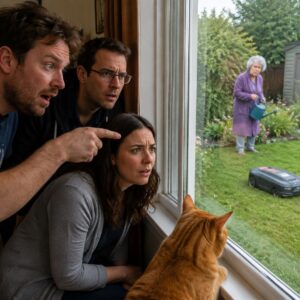
I was enjoying a peaceful morning, sipping my coffee and staring out the window, when I noticed it: Mr. Jenkins’ lawn gnomes were facing our house again. Now, you might think this is no big deal, but let me tell you, it’s a clear provocation. Those ceramic sentinels are staring directly at our living room, judging us for our interior decorating choices.

Pandora, my lovely girlfriend, walked into the room and noticed my intense gaze. “What’s wrong?” she asked, concern etched on her face. I pointed out the window, and she followed my finger to the offending gnomes. She chuckled and said, “Oh, Hal, they’re just lawn ornaments.” Just lawn ornaments?! Does she not see the implicit threat? Those gnomes are a declaration of war.

I began to think about all the ways Mr. Jenkins’ lawn gnome arrangement could be interpreted as an act of aggression. Was he trying to intimidate us into mowing our lawn more frequently? Or perhaps it was a subtle attempt to distract us from his own overgrown bushes? I mean, what’s the real reason behind those gnomes’ strategically placed gaze?

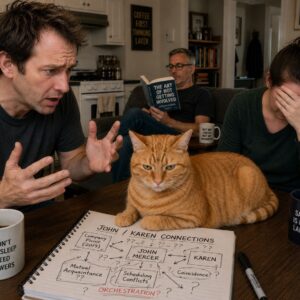
As I pondered this conundrum, John Mercer, my roommate, walked into the room and said, “Dude, what’s up?” I pointed out the window again, and he raised an eyebrow. “You’re freaking out about lawn gnomes?” Freaking out?! This is a matter of international diplomacy! The fate of our neighborhood hangs in the balance!

Karen, my coworker, stopped by to borrow some sugar, and I took the opportunity to inform her about the gnome situation. She listened patiently, sipping on our office coffee (which, might I add, she’s been drinking an excessive amount of lately), before saying, “Hal, it’s just a lawn decoration.” Just?! Does she not see the writing on the wall? The Jenkins’ gnomes are a metaphor for the creeping menace of suburban conformity!

Dave, another coworker, walked by and asked what all the commotion was about. I filled him in on the gnome situation, and he chuckled, saying, “Dude, maybe they just liked the way it looked.” Liked the way it looked?! That’s exactly what they want you to think! The truth is, those gnomes are a sophisticated surveillance system, monitoring our every move.

As I continued to ponder the implications of Mr. Jenkins’ lawn gnome arrangement, I began to imagine confronting him about it. “Mr. Jenkins,” I’d say, my voice firm but controlled, “your lawn gnomes are an affront to our very way of life. We demand you reorient them immediately!” Of course, in reality, I wouldn’t actually confront him – that would be far too rational.

Instead, I’ll just continue to seethe quietly, observing the gnomes’ every move from behind my window perch. I mean, someone has to keep an eye on those ceramic sentinels. Who knows what kind of nefarious plans they’re hatching in their tiny little gnome brains?

As I sat there, lost in thought, Mr. Whiskers, our orange tabby cat, sauntered into the room and jumped onto my lap. He began to purr contentedly, oblivious to the global implications of the lawn gnomes’ gaze. Ah, but that’s exactly what they want – for us to be complacent, to ignore the subtle threats lurking in plain sight.

I stroked Mr. Whiskers’ soft fur, trying to calm my racing thoughts. But it was too late; I’d already imagined a world where lawn gnomes are used as instruments of mass control, manipulating our minds and bending us to their will. And at the center of this sinister plot? The Jenkins’ gnomes, staring directly into our living room.

Suddenly, the doorbell rang. It was Mrs. Jenkins, asking if she could borrow some sugar (what is it with these people and sugar?!). I hesitated for a moment before responding, my mind racing with theories about her true intentions. As I handed over the sugar, our eyes locked in a brief, tense stare-down.

And that’s when it hit me: this isn’t just about lawn gnomes – it’s about the very fabric of our society. The Jenkins’ gnomes are a symptom of a larger disease, one that threatens to engulf us all in its creeping tide of conformity and…

…and I couldn’t help but wonder if Mrs. Jenkins was somehow involved in the sugar-borrowing conspiracy that seemed to be unfolding before my eyes. Was it a coincidence that both Karen and Mrs. Jenkins had asked for sugar on the same day? Or was this some sort of clever ploy to distract me from the real issue at hand: the gnomes?

As I watched her walk back to her house, sugar in hand, I felt a shiver run down my spine. What other secrets were they hiding behind those innocent-looking ceramic faces? Were the gnomes merely the tip of a much larger iceberg, one that threatened to upend our entire neighborhood?

Pandora, who had been quietly observing this exchange from the couch, finally spoke up. “Hal, maybe you’re reading a bit too much into this?” she said gently. I turned to her, my eyes narrowing. Was she in on it too? Had she been brainwashed by the gnomes’ insidious influence?

But before I could respond, John walked into the room and asked if anyone wanted to grab lunch with him. Lunch?! How could they think about something as mundane as food when our very way of life was under threat? I shook my head, incredulous. “You guys just don’t get it,” I muttered.

As we sat down for a hastily prepared meal (Pandora had wisely suggested avoiding any sugar-based dishes), I couldn’t shake the feeling that I was onto something big. The gnomes were just the beginning – soon, they’d be coming for our garden statues, our welcome mats, and eventually, our very souls.

But as we ate in silence, Mr. Whiskers purring contentedly on my lap, a tiny voice in the back of my mind began to whisper: “Maybe, just maybe, you’re overreacting.” I pushed the thought aside, unwilling to listen to such treasonous doubts. After all, someone had to stay vigilant against the creeping menace of lawn gnomes.

And yet…and yet…as I glanced out the window, I caught a glimpse of Mr. Jenkins himself, watering his garden with a serene expression on his face. He didn’t look like a mastermind plotting world domination – just a harmless old man enjoying the sunshine.

But that was exactly what they wanted me to think.

Related Posts

Office Coffee Machine Sabotage Investigation Underway Mysterious Carafe Drainage Exposed

Hal

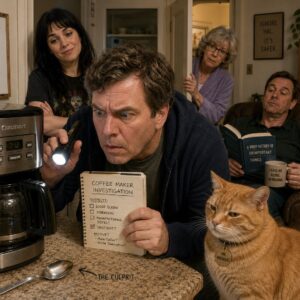
The coffee machine in our office break room is a ticking time bomb, waiting to unleash its bitter wrath upon the world. Or, at the very least, my day. It started innocently enough – I strolled into the break room, bleary-eyed and in dire need of caffeine, only to find that Karen had once again drained the pot without bothering to refill it. Now, I’m not one to begrudge a colleague their morning coffee, but this is an affront to basic human decency.

As I stood there, staring at the empty carafe like a bereaved parent gazing upon an empty crib, I couldn’t help but feel a sense of personal offense. Doesn’t Karen know that my productivity, nay, my very sanity depends on a steady supply of coffee? It’s not as if I’m asking for much – just a simple cup of joe to get me through the morning’s drudgery. And yet, time and again, she sees fit to sabotage my efforts with her reckless disregard for the communal coffee pot.

But this isn’t just about Karen; it’s about a broader cultural problem. In an office where cooperation and teamwork are ostensibly valued, why do we tolerate such blatant disregard for the common good? Is it not our duty as employees to ensure that our colleagues have access to the resources they need to function at optimal levels? The coffee pot is not just a convenience; it’s a vital artery, pulsing with life-giving caffeine. To neglect its replenishment is to imperil the very fabric of our organization.

And what about the institutional implications? If we allow this sort of behavior to go unchecked, where will it end? Will we soon find ourselves facing a crisis of stapler-jamming proportions? Will the copier be next on Karen’s hit list? The very thought sends shivers down my spine. We must take action, lest our once-thriving workplace devolve into chaos.

As I pondered these weighty issues, I found myself drifting into the realm of global consequences. If this sort of coffee-pot negligence is allowed to spread, what’s to stop it from infecting other industries? Will we soon see a pandemic of unfilled water coolers and unstocked break rooms sweeping across the nation? The world teeters on the brink of disaster, all because Karen can’t be bothered to refill the coffee pot.

Now, I know what you’re thinking: “Hal, perhaps you’re overreacting just a tad.” But let me tell you, my friends, this is no laughing matter. This is about principles. It’s about standing up for what’s right in the face of blatant disregard for the greater good. As I sat at my desk, seething with righteous indignation, I found myself crafting a scathing indictment of Karen’s actions.

“I demand to know,” I would thunder, “why you see fit to imperil our very way of life with your reckless coffee-pot policies! Don’t you realize that the fate of humanity hangs in the balance?” Okay, maybe that’s a bit of an exaggeration, but you get the idea. Alas, I didn’t actually confront Karen – I’m not quite ready for the Nobel Peace Prize just yet.

As I sat there, nursing my coffee-less rage, Pandora strolled by and asked if everything was okay. “Just contemplating the meaninglessness of existence,” I replied with a straight face. She smiled knowingly and patted me on the shoulder, no doubt thinking to herself, “There goes Hal again.” Little does she know that I’m actually on the cusp of uncovering a sinister plot to undermine global productivity through coffee-pot sabotage.

And so, as I sit here sipping my hastily purchased coffee from the break room’s auxiliary pot (a temporary solution at best), I remain vigilant, ever-watchful for signs of Karen’s next move. The world may never know the full extent of her nefarious plans, but rest assured, I’ll be ready.

But even as I sat there, my mind racing with visions of a coffee-pot-fueled apocalypse, a nagging voice in the back of my head began to whisper words of doubt. “Hal, perhaps this isn’t quite as catastrophic as you’re making it out to be.” I quickly silenced the traitorous voice, reminding myself that one must never underestimate the power of a well-placed coffee pot.

Still, the seed of uncertainty had been planted. As I pondered the depths of Karen’s depravity, I found myself wondering if maybe, just maybe, she hadn’t simply forgotten to refill the pot in her morning haze. After all, we’ve all been there – stumbling into the office, half-asleep, and utterly dependent on caffeine to shake off the cobwebs.

But no, I refused to be swayed by such sentimental reasoning. The fact remains: Karen had committed a heinous crime against humanity, and it was my duty as a vigilant employee to sound the alarm. Even if, just possibly, she might not have intended to spark global chaos with her actions.

As I delved deeper into the recesses of my mind, I discovered a curious paradox. On one hand, I was convinced that Karen’s actions represented a catastrophic threat to our very way of life. On the other hand, I couldn’t quite bring myself to confront her about it – not yet, at least. Maybe it was fear of appearing ridiculous, or perhaps I simply didn’t want to be seen as “that guy” who freaks out over coffee.

Whatever the reason, my silence only served to fuel my internal monologue. The more I thought about Karen’s transgression, the more convinced I became that she must be brought to justice. And yet, a part of me whispered that maybe – just maybe – this was all a bit much. That perhaps, in the grand scheme of things, an empty coffee pot wasn’t quite the harbinger of doom I’d made it out to be.

But don’t get me wrong: I still think Karen’s actions were heinous.

Related Posts

Apartment Resident Launches Investigation into Suspicious Couch Occupancy Practices

Hal

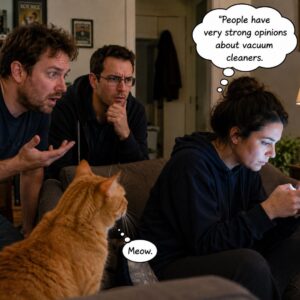
I walked into the apartment, greeted by the warm glow of the TV and the soothing hum of the air conditioner. Pandora was sprawled out on the couch, scrolling through her phone with an expression that could only be described as mildly interested. I smiled, expecting a warm welcome after a long day at work. But instead, she barely acknowledged my presence, grunting a quick “hey” without looking up.

Now, to most people, this might seem like a minor irritation, something to brush off and move on from. But not me. You see, as I analyzed the situation, I realized that Pandora’s behavior was not just a careless oversight, but a deliberate affront to our relationship. By ignoring me, she was effectively saying that my presence wasn’t worth her attention, that I was nothing more than an afterthought in her life.

As I began to mentally draft a strongly worded letter to Pandora, outlining the egregious nature of her transgression, I couldn’t help but think about the broader implications of her actions. Was this a sign of a deeper issue, one that threatened the very fabric of our relationship? Had she been feeling suffocated by my presence, forced into a domestic partnership against her will? The more I thought about it, the more outraged I became.

This was no longer just about Pandora’s behavior; it was about the institutionalized patriarchy that had conditioned me to expect a certain level of attention and affection from my partner. It was about the societal norms that dictated how we should interact with each other, and the subtle ways in which these norms could be used to control and manipulate.

As I stood there, seething with righteous indignation, I couldn’t help but think about the global consequences of Pandora’s actions. If she was willing to disregard my feelings so callously, what did that say about her views on human rights? Was she the kind of person who would turn a blind eye to injustice, who would prioritize her own desires above all else?

I imagined confronting her, standing in front of her with my arms crossed and my eyes blazing with indignation. “How could you do this to me?” I would demand. “Don’t you know that your actions have far-reaching implications? Don’t you care about the impact you’re having on our relationship, on society as a whole?”

But, of course, I didn’t say any of these things. Instead, I smiled and nodded, pretending like everything was fine. After all, I didn’t want to be “that guy,” the one who overreacts to every little thing. But inside, my mind was racing with thoughts of revolution and social justice.

As I walked into the kitchen to grab a snack, I noticed that John Mercer had left his dirty socks on the floor again. Now, most people would just roll their eyes and pick them up, but not me. I saw this as an opportunity to take a stand, to draw a line in the sand and assert my dominance over our living space.

This was no longer just about dirty socks; it was about the erosion of personal freedoms, the slow creep of totalitarianism into our daily lives. If John Mercer could get away with leaving his dirty laundry scattered all over the floor, what would stop him from taking over the entire apartment? What would stop him from dictating every aspect of my life?

As I stood there, frozen in outrage, Mr. Whiskers wandered into the kitchen, rubbing against my leg and purring contentedly. But even this innocent gesture was not immune to my fevered imagination. Was he trying to distract me from the real issue at hand? Was he in cahoots with John Mercer, working together to undermine my authority?

I turned back to Pandora, who was still engrossed in her phone, oblivious to the drama unfolding around her. I thought about saying something, about pointing out the injustice of it all, but then I caught a glimpse of myself in the mirror and paused.

Maybe, just maybe, I was overreacting. Maybe this wasn’t a global conspiracy after all, but just a minor irritation that would pass with time. But even as I told myself to calm down, my mind continued to spin out of control, conjuring up scenarios and catastrophes that would have been laughable if they weren’t so terrifying.

And so I stood there, frozen in indecision, as the world around me seemed to spiral further and further into chaos.

As I gazed at my reflection, a faint glimmer of self-awareness flickered to life. Maybe, just maybe, I was getting worked up over nothing. But even as this thought occurred to me, I swiftly dismissed it as a weak attempt by my rational mind to undermine the righteous indignation burning within me.

No, no, I told myself. This is not about being rational or calm. This is about standing up for what’s right, about fighting against the injustices that threaten our very way of life. And besides, wasn’t it better to err on the side of caution? Better to assume the worst and prepare for battle than to be caught off guard by the forces of oppression?

But as I continued to justify my own paranoia, a tiny voice in the back of my mind began to whisper dissenting thoughts. What if Pandora was just tired from work? What if John Mercer had simply forgotten about his socks? What if Mr. Whiskers was just… well, being a cat?

I pushed these doubts aside, focusing instead on the grand narrative unfolding before me. I pictured myself as a heroic figure, standing alone against the forces of darkness and ignorance. The fate of humanity rested on my shoulders, and I would not be swayed by petty concerns about “overreacting” or “being rational.”

As I struck a pose in front of the mirror, Mr. Whiskers sauntered over to me and began to rub against my leg again. This time, however, I saw it for what it was: a clever ploy to distract me from the truth. But I would not be fooled. With a fierce determination burning within me, I set out to expose the web of deceit that threatened our very way of life.

And so I began to pace around the apartment, my mind racing with conspiracy theories and grandiose schemes. Pandora looked up from her phone, raised an eyebrow at my antics, and then went back to scrolling through social media. John Mercer walked into the kitchen, spotted his dirty socks, and picked them up without a word. And Mr. Whiskers? He just sat down next to me, purring contentedly as I continued to monologue about the impending apocalypse.

But even as the absurdity of it all began to dawn on me, I refused to back down. After all, what if this was just the beginning of a grand experiment in psychological warfare? What if Pandora and John Mercer were merely pawns in a larger game, one designed to break my spirit and reduce me to a mere shell of my former self?

No, no, I told myself. I will not be fooled. I will stand strong against this onslaught of deceit and misdirection, even if it means standing alone against the world. And so I continued to pace, fueled by my own paranoia and righteous indignation, as the world around me seemed to spin further and further into chaos…

Related Posts

Office Coffee Mug Seizure Investigation Launched Amidst Karens Repeated Morning Infringements

Hal

The daily grind, literally and figuratively. I strolled into the office, greeted by the aroma of freshly brewed coffee wafting from the break room. My senses perked up, anticipating a much-needed caffeine boost to tackle the day’s tasks. That’s when I spotted Karen, her hand wrapped around the coffee mug like it was a prized trophy. A sense of unease crept over me as I realized she’d gotten to the pot before me… again.

Now, some might say, “Hal, what’s the big deal? It’s just coffee.” But let me tell you, this is more than just a casual morning pick-me-up; it’s an affront to my very way of life. Karen consistently drinks from that mug like she owns the stuff. I swear, if I didn’t know better, I’d think she was trying to deprive me of my fundamental human right to caffeination. The injustice burns within me like a slow-cooked coffee bean.

But this isn’t just about personal preference; it’s an issue of office protocol and fairness. If Karen can guzzle the coffee with impunity, what’s to stop Dave from claiming dibs on all the office donuts? Where does it end? This is nothing short of a slippery slope toward chaos and anarchy in our once-peaceful workplace.

As I pondered this travesty, my mind began to wander to the broader implications. Is this a symptom of a larger societal problem? Are we witnessing a breakdown in the social contract, where individuals prioritize their own interests over the greater good? It’s like the Wild West out here – every person for themselves, with no regard for the coffee-deprived masses.

I imagine myself marching into Karen’s cubicle, demanding to know what gives her the right to monopolize our office’s caffeine supply. “Karen,” I’d say, my voice firm but measured, “do you realize the repercussions of your actions? The ripple effects on productivity and morale?” Of course, this would be met with a bemused expression, perhaps even a chuckle, completely missing the gravity of the situation.

Meanwhile, Mr. Whiskers, our feline overlord, is probably lounging at home, sipping on some catnip-infused latte, oblivious to the coffee wars raging in the human world. Pandora would likely try to calm me down, telling me it’s just a cup of coffee and I need to “chill out.” But she wouldn’t understand – this is about principle.

Mrs. Jenkins from next door might even get involved, offering her infamous apple cinnamon muffins as a peace offering, completely unaware that these treats only serve as a distraction from the real issue at hand: coffee equality.

My train of thought is interrupted by John Mercer’s arrival at our cubicle, sipping on – you guessed it – his own coffee. “Hey, Hal, what’s up?” he asks, none the wiser to the brewing storm within me. I force a smile, playing it cool while secretly seething with resentment.

I glance over at Karen, still cradling that mug like it’s her precious, and my mind begins to construct a counter-narrative: perhaps she’s not just a selfish coffee hog but an unwitting pawn in a larger game – a pawn in the grand scheme of office politics. The barista, with their suspiciously cheerful demeanor and constant questioning about “room for cream,” might be manipulating us all, fueling this coffee-fueled frenzy.

My internal monologue is still spiraling out of control when Dave strolls by, whistling some jaunty tune, completely carefree in his ignorance. I’m the only one who sees the truth: this office is on the brink of a full-blown coffee crisis…

Wait, why are they all looking at me like that?

It’s probably just my imagination playing tricks on me. They’re not actually staring at me with a mixture of concern and amusement. I’m sure it’s just my hyper-sensitive coffee-deprived brain misinterpreting their innocent glances.

I take a deep breath, attempting to calm myself down, but my mind is still racing with worst-case scenarios. What if Karen has secretly been hoarding all the coffee beans in her desk drawer? What if she’s been bribing the office manager to ensure her coffee mug is always filled first?

As I ponder these dark conspiracies, John Mercer approaches me again, this time holding out a steaming cup of coffee. “Hey, Hal, I grabbed an extra cup for you,” he says with a friendly smile.

My initial reaction is one of suspicion – is this a trap? Is John in cahoots with Karen and the barista? But then I catch myself thinking, Wait, maybe this is just a genuine act of kindness. Maybe John isn’t aware of the brewing coffee revolution and simply wants to share his morning pick-me-up.

I hesitate for a moment before taking the cup from him. As I raise it to my lips, I notice Karen watching me with an almost imperceptible smirk on her face. My eyes narrow – she’s probably thinking, Ha! You think one free cup of coffee will silence you? But little does she know, this is just fuel for the fire.

I take a sip, feeling the caffeine kick in and my senses come alive. Suddenly, I’m ready to tackle not only Karen but the entire office hierarchy that enables her coffee tyranny. Bring it on, I think, as I glance around the room with newfound determination…

But then, something catches my eye – a post-it note on Karen’s computer screen with a scribbled message: “Happy birthday, Hal!” Oh no… did I really just let my paranoia get the better of me?

Related Posts

Speed Limiter Launches Probe into Suspicious Commute Behavior Alleged Roadway Menace Activity

Hal

The open road, where freedom and adventure await, right? Wrong. Not when you’re stuck behind a guy who thinks the speed limit is merely a suggestion. I’m talking about the infamous “25-in-a-35” culprit, the bane of my existence on my daily commute.

As I tailgate this…this…speed limiter, I start to feel a personal affront. Doesn’t he know that my time is valuable? That every minute I spend stuck behind him is a minute I’ll never get back? I mean, what’s his problem? Is he trying to make a statement about the futility of modern life? Newsflash: I’ve already figured that out, buddy.

But it gets worse. The more I think about it, the more I realize this isn’t just a personal issue; it’s a moral outrage. This guy is a menace, a danger to society. He’s not just slowing me down; he’s putting everyone at risk by setting a bad example. If we let him get away with this, what’s next? Anarchy on the roads? Chaos in the streets?

And then I start thinking about the institutional implications. Is this guy somehow connected to the government? Are they trying to slow us all down as part of some larger conspiracy to control our every move? Think about it: if everyone is driving at a snail’s pace, we’re more likely to arrive late, stressed out, and pliable. It’s a classic case of “divide and conquer.”

But wait, there’s more. This isn’t just an American problem; this is a global issue. Imagine all the lost productivity worldwide due to speed limit scofflaws like this guy. The economic implications are staggering. I mean, what if China or Russia figures out how to harness the power of collective road rage? We’ll be the laughing stock of the international community.

As I continue to seethe in silence, Pandora notices my clenched jaw and asks me what’s wrong. I play it cool, telling her it’s just “traffic.” But she knows better. She gives me that look, the one that says, “Hal, you’re being ridiculous again.” And for a moment, I realize maybe – just maybe – I am overreacting.

But then I spot Mr. 25-in-a-35 signaling to turn into the parking lot of the local coffee shop, and my outrage is reignited. That’s right; he’s not just a menace on the road; he’s also a threat to our caffeine-fueled way of life. What if he orders a latte and takes up valuable space in line? The injustice!

I pull into the next lane, speeding past him (carefully, of course – I’m no reckless speed demon) as I continue to mentally draft my strongly worded letter to the editor. You know, the one that will expose this guy’s nefarious activities to the world and spark a revolution in road safety.

Or maybe I’ll just tweet about it.

Oh wait, I think I just saw Mrs. Jenkins waving at me from her front porch…

…and for a brief moment, my righteous indignation is interrupted by a fleeting sense of guilt. Mrs. Jenkins is always so friendly and kind; surely she wouldn’t approve of my vitriolic thoughts about Mr. 25-in-a-35. But I quickly push the feeling aside, reminding myself that someone has to take a stand against this menace.

As I drive further away from the scene of the crime, I start to think about all the other innocent bystanders who might be affected by this guy’s actions. What about the person who was supposed to meet him at the coffee shop? Do they have any idea what kind of road hazard they’re dealing with? And what about the barista who has to make his latte? Are they prepared for the potential delay caused by his sloth-like driving?

I begin to imagine a ripple effect, where one person’s reckless disregard for speed limits sets off a chain reaction of events that ultimately leads to…well, I’m not quite sure what it leads to, but it can’t be good.

Just as I’m about to compose another tweet (this time with a #JusticeForRoadSafety hashtag), Pandora pipes up from the passenger seat. “Hal, maybe you should take a deep breath and let it go. It’s just one guy driving slowly.”

But I’m not having it. “You don’t understand,” I tell her. “This is about principle. This is about standing up for what’s right.”

She raises an eyebrow. “And what exactly is the ‘right’ speed limit in this case?”

I hesitate, realizing that maybe – just maybe – I’ve lost sight of the bigger picture. But no, I’m not going to let her distract me from my mission. “The right speed limit,” I say firmly, “is clearly 35 miles per hour.”

Pandora chuckles and shakes her head. “You’re impossible sometimes.”

I give her a stern look, but deep down, I know she might be onto something…

Related Posts

Jenkins Trash Can Placement Raises Questions About Community Morality and Systemic Decay

Hal

The quiet morning hours, a time for reflection, and a chance to recharge before the chaos of the day begins. Or so I thought. As I sat on my porch, sipping my coffee and enjoying the gentle breeze, I noticed something that would shatter my peaceful reverie. The Jenkins, my neighbors to the left, had placed their trash cans out for collection a full 24 hours before the scheduled pickup time. At first, I thought nothing of it, but as the minutes ticked by, a growing sense of unease began to simmer beneath the surface.

What kind of people, I wondered, couldn’t even be bothered to follow the simple rules of trash can etiquette? Don’t they know that by placing their cans out so early, they’re not only an eyesore, but also an affront to the very fabric of our community? I mean, think about it. If everyone just did whatever they wanted, whenever they wanted, the entire system would collapse. Anarchy would reign, and we’d be left to navigate a world where the rules no longer applied. It’s a slippery slope, really.

As I continued to ponder the Jenkins’ egregious transgression, my mind began to wander to the broader implications. What kind of neighborhood do we live in, where such blatant disregard for the rules can go unchecked? Is this what we’ve been reduced to? A community where the strong prey on the weak, and the reckless disregard for others is rewarded? I thought about all the other potential problems that might be lurking beneath the surface. Are the Smiths, who live across the street, secretly hoarding trash in their garage? Are the Wilsons, who live to the right, harboring a cache of expired coupons, just waiting for the perfect moment to strike?

The more I thought about it, the more my indignation grew. This wasn’t just about the Jenkins and their trash cans; it was about the very fabric of our society. If we can’t even trust our neighbors to follow the rules, how can we trust our institutions? The government, the banks, the schools – all of them must be complicit in this grand conspiracy to undermine the social contract. I envisioned a world where the only constant was chaos, and the only rule was that there were no rules.

As I sat there, fuming, I began to notice the other neighbors going about their day, completely oblivious to the crisis unfolding before our very eyes. The Jenkins, in particular, seemed entirely too smug, as if they knew some secret that I didn’t. I imagined confronting them, my voice shaking with righteous indignation, demanding to know what kind of monsters would so callously disregard the rules. But, of course, I didn’t. I just sat there, seething, as they went about their day, utterly unaware of the global consequences of their actions.

The world, it seemed, was careening out of control, and I was the only one who saw it. I pictured a United Nations emergency meeting, where world leaders would gather to address the crisis of the early trash cans. I saw myself standing before the assembly, my voice ringing out as I demanded action. “What kind of world do we live in,” I would ask, “where the rules are mere suggestions, and the strong prey on the weak?” The room would fall silent, as the weight of my words sank in. And then, slowly, the leaders would nod in agreement, and the world would begin to change.

Or, at the very least, the Jenkins would move their trash cans back to the correct time. But as I sat there, lost in my own private apocalypse, I couldn’t shake the feeling that I was the only one who truly understood the stakes. The rest of the world just seemed to be going about its business, completely oblivious to the impending doom that threatened to engulf us all…

And yet, as I sat there, basking in the glow of my own righteous indignation, I couldn’t help but notice the faintest glimmer of doubt creeping into the edges of my mind. A tiny voice, barely audible, whispered that perhaps, just perhaps, I was overreacting. That maybe, just maybe, the Jenkins had simply forgotten, or had a legitimate reason for putting out their trash cans early. But I pushed the voice aside, refusing to listen. After all, I had already invested too much emotional capital in this crusade to back down now.

Besides, I told myself, the stakes were too high. If I didn’t stand up for what was right, who would? The world needed people like me, who were willing to take a stand against the forces of chaos and disorder. I pictured myself as a latter-day Cassandra, warning of impending doom, even if no one else would listen. And if they didn’t listen, well, that was their problem. I would continue to sound the alarm, no matter how lonely it made me feel.

But as the hours ticked by, and the Jenkins’ trash cans remained stubbornly in place, I began to feel a creeping sense of isolation. The rest of the world seemed to be moving on, oblivious to the crisis unfolding before our eyes. Even my own family, when they emerged from the house, seemed more concerned with their breakfast plans than with the impending collapse of society. “Dad, can we have pancakes?” my daughter asked, as if the fate of humanity didn’t hang in the balance.

I hesitated, torn between my desire to educate them on the gravity of the situation, and my growing awareness that perhaps I was, indeed, overreacting. But I pushed on, determined to see this through to its bitter end. After all, I was the only one who truly understood the stakes. And if that made me a lone wolf, so be it. I would howl at the moon, even if no one else joined in.

Related Posts

Speed Demon Unleashed Investigation into Rogue Vehicles 35 Mph Infraction

Hal

I was driving to the grocery store, minding my own business, when I saw it. A car in the next lane over, cruising along at a leisurely 35 miles per hour in a 40 zone. Now, I’m not one to get worked up about these things, but this was different. This was a flagrant disregard for the social contract. I mean, what’s the point of even having speed limits if people are just going to ignore them? It’s like, what’s next? Are they going to start ignoring stop signs? Red lights? The very fabric of society is at risk here.

As I watched the offending vehicle continue to trundle along, I couldn’t help but feel a sense of personal offense. Who does this person think they are? Do they think they’re above the law? Do they think they’re better than me? I mean, I’m over here following the rules, going 42 miles per hour, and this guy is just coasting along like he owns the place. It’s like he’s trying to make me look bad. I’m the one who’s actually following the rules here, and yet I’m the one who’s being inconvenienced. It’s just not fair.

But as I continued to seethe, I realized that this wasn’t just a personal issue. This was a moral outrage. What kind of message does this send to the rest of us? That we can just do whatever we want and ignore the rules? It’s a slippery slope, folks. Next thing you know, people will be driving 20 miles per hour in the fast lane, and we’ll be lucky if we can even get to the grocery store without having to stop for a coffee break. I mean, what’s the point of even having lanes if people are just going to ignore them? It’s chaos, I tell you.

And then I started thinking about the institutional implications. I mean, what’s the DMV doing to prevent this kind of thing from happening? Are they just handing out licenses to anyone who walks in the door? “Hey, you want to drive? Sure, here’s a license. Don’t worry about following the rules, we won’t bother to enforce them.” It’s a travesty, really. The DMV should be ashamed of itself.

But wait, it gets worse. Because if this kind of behavior is allowed to continue, it’s not just our roads that will be affected. It’s our entire global economic system. I mean, think about it. If people are driving 35 miles per hour in a 40 zone, that’s just a small part of a larger problem. What’s next? Are they going to start showing up late to work? Not paying their taxes on time? It’s a domino effect, folks. The very foundations of our society are at risk.

And yet, as I sat there in my car, fuming, I caught a glimpse of myself in the rearview mirror. I was calm, collected, and completely rational. Which made me realize, just for a second, that maybe I was overreacting. Maybe this guy was just having a bad day. Maybe he was lost. Maybe… but no, no, no. I pushed that thought aside. I’m not going to let a little thing like reason get in the way of a good outrage. I mean, what’s the fun in that?

Now, I’m not going to confront this guy, of course. That would be crazy. But I am going to… well, I’m not sure what I’m going to do, but I’m going to do something. Maybe I’ll write a strongly worded letter to the DMV. Or maybe I’ll just sit here and stew in my own righteousness. Either way, I’m going to make sure that this guy knows that he’s not getting away with this. Oh no, not on my watch. I’ll… I’ll… uh…

…I’ll make a mental note to keep an eye on him, to monitor his driving habits and report him to the authorities if necessary. I mean, someone has to take a stand against this kind of reckless behavior. And who knows, maybe if I make enough of a fuss, the DMV will finally take action and start enforcing the speed limits. It’s a long shot, I know, but a guy can dream, right?

As I continued to tail the offending vehicle, I started to notice other things. Like how he’s not even using his turn signal. I mean, come on, that’s just basic driving etiquette. And look, he’s drifting into the next lane without checking his blind spot. It’s a miracle he hasn’t caused an accident yet. I’m starting to think that this guy is a menace on the road, a ticking time bomb just waiting to unleash a catastrophe.

But then, I saw something that made my heart skip a beat. He pulled into the parking lot of the grocery store I was heading to. I couldn’t believe it. This guy, this… this… speed demon, was going to be shopping right next to me. I felt a shiver run down my spine as I pulled into the parking lot behind him. What if he tries to cut me off in the checkout line? What if he doesn’t yield to pedestrians in the crosswalk? The possibilities were endless.

I parked my car and took a deep breath, trying to calm myself down. But as I got out of the car, I caught a glimpse of him walking towards the store entrance. And that’s when I saw it. He was wearing a “I’m with stupid” t-shirt. I mean, the irony was almost too much to bear. Here was a guy who was clearly a menace on the road, and yet he’s walking around with a shirt that’s basically begging people to point at him and laugh.

I felt a surge of righteous indignation, and for a moment, I thought about confronting him. But then I remembered that I’m a rational person, and that would be unbecoming. So instead, I just shook my head and muttered to myself as I followed him into the store. This guy was a piece of work, and I was going to make sure to keep a close eye on him.

Related Posts

Coffee Machines Brew Time Manipulation Under Scrutiny After Morning of Delayed Gratification

Hal

The fluorescent lights above my cubicle seem to hum in mocking synchrony with the air conditioner, a constant reminder that I am trapped in this soulless office. My gaze falls upon the coffee machine, its LED display flashing a smug “brewing” message as it slowly drains the life from my morning. I swear, it’s taking longer than usual today. I’ve been waiting for what feels like an eternity, and still, no coffee. It’s as if the machine is deliberately taunting me, flaunting its ability to make me wait. I’m starting to think it’s a personal vendetta. Does it know I have a meeting at 10? Does it care that my productivity is being stifled by its glacial pace?

I glance around the office, and my coworkers seem oblivious to the injustice unfolding before us. Are they in cahoots with the coffee machine? Have they all been bribed with lukewarm lattes to turn a blind eye to its malevolent ways? I notice Karen from HR strolling by, a look of serene contentment on her face. Doesn’t she know that the coffee machine is a ticking time bomb, waiting to unleash its wrath upon us all? I consider flagging her down, but my internal monologue is already spiraling out of control. I don’t want to be the one to sound the alarm, only to be met with her patronizing smile and a pat on the back. “It’s just a coffee machine, Hal. Let it go.”

But I won’t let it go. This is a matter of principle. The coffee machine’s blatant disregard for my time and well-being is a symptom of a larger problem. It’s a symptom of a society that values efficiency and productivity over human dignity. I mean, what’s the point of even having a coffee machine if it’s not going to deliver? Is it just a hollow gesture, a token attempt to placate us while the corporate overlords reap the benefits of our toil? I’m starting to see the coffee machine as a symbol of resistance, a beacon of hope in a world that’s lost sight of what truly matters.

As I continue to stew, my mind begins to wander to the institutional implications of this egregious offense. Is this a systemic problem, a result of the company’s penny-pinching policies and lack of investment in its employees’ well-being? Have they been cutting corners, sacrificing our sanity for the sake of the bottom line? I envision a congressional hearing, with me as the star witness, testifying against the coffee machine’s manufacturer and the company’s complicity in this heinous crime.

But it doesn’t stop there. This is a global issue, a crisis that transcends borders and industries. I imagine a United Nations assembly, with world leaders convening to address the scourge of slow coffee machines. I picture myself standing at the podium, my voice shaking with indignation as I demand action. “We must not stand idly by while our citizens are forced to endure the slings and arrows of outrageous coffee wait times!” The room falls silent, the weight of my words hanging in the air like a challenge.

And yet, as I stand here, seething with righteous indignation, I catch a glimpse of myself in the window reflection. I look… ridiculous. My face is contorted in a mixture of outrage and desperation, while the rest of the office continues to hum along, oblivious to my internal monologue. I take a deep breath, trying to calm myself down, but my mind is already racing ahead, concocting new scenarios and conspiracies. I mean, what if the coffee machine is just the tip of the iceberg? What if it’s a distraction, a smokescreen designed to obscure the real issue at hand? My mind is a maelstrom of paranoia and speculation, and I’m not sure I’ll ever find my way out…

As I stand there, frozen in a mixture of outrage and self-doubt, I start to notice the tiny details that I’ve been glossing over in my crusade against the coffee machine. The way the fluorescent lights flicker ever so slightly, the gentle hum of the air conditioner, the soft murmur of my coworkers’ conversations in the background. It’s almost… peaceful. I feel a pang of unease as I realize that, maybe, just maybe, I’ve been reading too much into this whole situation.

But no, I tell myself, don’t be swayed by the trappings of complacency. The coffee machine is still a menace, a symbol of everything that’s wrong with this soulless office. I mean, what if I’m just being gaslighted? What if the machine is somehow manipulating my perceptions, making me doubt my own sanity? I glance around the office, half-expecting to see a sinister figure lurking in the shadows, pulling the strings.

My gaze falls upon the clock on the wall, and I’m shocked to see that only 10 minutes have passed since I started waiting for my coffee. It feels like an eternity, but in reality, it’s just a minor inconvenience. I feel a twinge of embarrassment, but I quickly push it aside. I’m not going to let a little thing like time perspective get in the way of my righteous indignation.

I take a deep breath, steel myself, and approach the coffee machine. I glare at it, daring it to make another move, to try and intimidate me with its slow brewing. But as I stand there, I notice something strange. The machine’s LED display is flashing a message: “Brewing complete. Enjoy your coffee!” I feel a surge of confusion, followed by a dawning realization: the machine wasn’t trying to torment me at all. It was just doing its job.

For a moment, I feel a pang of doubt. Maybe I’ve been overreacting. Maybe I’ve been seeing monsters in the shadows where none exist. But I quickly shake off the feeling. No, I tell myself, I’m just being too cautious. The coffee machine may have fooled me this time, but I’ll be ready for it next time. I’ll be watching, waiting for it to make its next move. The war between me and the coffee machine is far from over.

Related Posts

Joneses Lawn Exceeds Neighborly Bounds Investigation Launched into Suspicious Turf Growth

Hal

The neighbors. They’re at it again. I’m not even sure what “it” is, but I know I don’t like it. This morning, I was sipping my coffee and staring out the window, enjoying the peaceful morning sunlight, when I noticed the Joneses’ lawn. Specifically, I noticed that their lawn was precisely 2.5 inches longer than mine. I mean, what’s the point of that? Are they trying to send a message? “Hey, Hal, our grass is longer than yours. We’re better than you.” I felt a twinge of offense, a slight tightening of the jaw. I mean, who do they think they are?

But then I started thinking about it more. This isn’t just about the lawn, is it? This is about a pattern of behavior. I recall the time they borrowed our lawn chairs and returned them with a faint smudge of last night’s BBQ sauce. The time they “accidentally” parked their car on our side of the driveway. It’s all adding up, folks. This is a campaign of passive-aggressive territorial expansion. They’re trying to wear me down, to erode my sense of self-worth. I’m not going to stand for it.

As I pondered the implications of this lawn-based aggression, I began to feel a sense of moral outrage. What kind of people engage in such petty, underhanded tactics? Don’t they know that there are more important things in life than trying to one-up the neighbors? Don’t they know that this kind of behavior has far-reaching consequences? I mean, what’s next? Will they start stealing our newspaper? Our mail? Our very identity?

But wait, it gets worse. I started thinking about the broader institutional implications of this lawn length discrepancy. What does it say about our society when we allow such blatant displays of one-upmanship to go unchecked? Are we not a society that values fairness and equality? Shouldn’t there be laws in place to regulate lawn length? I mean, think about it – if the Joneses are allowed to get away with this, what’s to stop the next-door neighbors from growing a lawn that’s 3 inches longer? Or 4? Where does it end? Before you know it, we’ll have lawns stretching out into the streets, causing chaos and destruction. It’s a slippery slope, folks.

And then I started thinking about the global consequences. What if this is just the tip of the iceberg? What if lawn length disparities are just the beginning? What if this is a coordinated effort by governments and corporations to undermine our sense of self-worth and individuality? Think about it – if everyone’s lawn is slightly longer than everyone else’s, we’ll be too busy worrying about our own lawn to notice the real issues. We’ll be too distracted by the minutiae to notice the machinations of the powerful. It’s a clever tactic, really. But I’m not buying it.

As I stood there, fuming and seething, I caught a glimpse of myself in the window reflection. And for a moment, I thought, “Wait a minute, Hal. You’re getting a little worked up over a lawn, aren’t you?” But then I pushed that thought aside and continued to stew. After all, someone has to stand up for what’s right. Someone has to defend our way of life against the scourge of uneven lawn lengths. And that someone is me. I just need to… wait, what was that noise? Is that the Joneses’ lawnmower? Are they trying to taunt me?

The audacity! I glared out the window, daring them to make another move. But as I stood there, my chest heaving with indignation, I couldn’t shake the feeling that I was missing something. That nagging voice in my head, the one that had whispered “Hal, you’re getting a little worked up over a lawn,” started to make its presence known again. I tried to drown it out with thoughts of lawn length conspiracies and global domination, but it persisted.

I mean, think about it, I told myself. The Joneses might just be… unaware. They might not even realize their lawn is longer than mine. They might be too busy with their own lives to care about the intricacies of lawn maintenance. But no, I pushed that thought aside. That’s just what they want me to think. They’re probably laughing at me right now, thinking, “Ha! Hal’s so gullible, he thinks we’re just innocently mowing our lawn.” I wouldn’t fall for it.

But the seed of doubt had been planted. I started to wonder if maybe, just maybe, I was overreacting. Not that I’d ever admit it out loud, of course. I mean, someone has to keep the Joneses in check. But as I continued to brood, I couldn’t shake the feeling that I was making a mountain out of a molehill. That I was taking a relatively innocuous situation and blowing it out of proportion.

And yet, I couldn’t help but feel that there was something more to it. That the Joneses were trying to tell me something, to send me a message that only I could decipher. I started to analyze every detail of their lawn, searching for hidden meanings and codes. The way the grass blades seemed to be pointing directly at my house, the way the edging seemed to be a fraction of an inch too precise. It was all too suspicious.

As I stood there, lost in my own paranoid thoughts, I heard a faint chuckling sound coming from next door. I spun around, eyes narrowing. Were they laughing at me? I glared at the Joneses’ house, daring them to make another move. But as I stood there, my heart pounding with indignation, I couldn’t help but wonder: am I just being paranoid? Or is something really going on here?

Related Posts

Area Resident Uncovers Devious Pursedropping Scheme Involving Significant Other

Hal

My girlfriend walked into the room, dropped her purse on the floor, and said, “Hey, I’m home.” That’s it. That’s the entirety of the statement. No acknowledgement of my presence, no inquiry into my day, just a declaration of her arrival, as if I had been lying in wait, eagerly anticipating the sound of her voice. I mean, what even is the point of saying “I’m home” if not to solicit a response from the person you’re addressing? It’s like she’s speaking to herself, but in a way that’s supposed to make me feel included.

But, of course, I didn’t say anything. I just nodded and smiled, like a good little boyfriend. Meanwhile, my brain was already racing with the implications of this seemingly innocuous statement. I mean, think about it: she’s essentially announcing her presence in our shared living space without so much as a by-your-leave. It’s like she’s asserting dominance, staking her claim on the territory. I’m starting to feel like a guest in my own home, like I need to ask permission to breathe.

And don’t even get me started on the purse. Just dropped it on the floor like it’s nobody’s business. I mean, what’s the protocol here? Is she expecting me to pick it up for her? Is she trying to train me like some kind of obedient pet? Newsflash: I’m not a purse-fetching, floor-sweeping, personal assistant. I’m a fully grown adult with feelings and emotions, and I will not be treated like a doormat.

But, I digress. The real issue here is the systemic disregard for personal boundaries. I mean, if she can just barge in and start dropping her stuff wherever she pleases, what’s to stop her from just taking over the entire apartment? It’s a slippery slope, folks. Next thing you know, she’ll be redecorating the living room without consulting me, and then where will we be? It’s a matter of time before I’m forced to sleep on the couch, and then… well, I don’t even want to think about it.

And what about the neighbors? Have you considered the impact this kind of behavior could have on our relationships with them? I mean, if she’s just going to walk in and start making herself at home without so much as a knock, what’s to stop her from inviting them over for impromptu dinner parties without clearing it with me first? It’s a disaster waiting to happen. I can already see the headlines: “Local Man’s Life Ruined by Girlfriend’s Lack of Etiquette.”

But, of course, no one takes me seriously. They just think I’m being paranoid, that I’m overreacting. But let me tell you, this is not just about me. This is about the very fabric of our society. I mean, if we allow this kind of behavior to go unchecked, what’s to stop people from just doing whatever they want, whenever they want? It’s chaos, pure and simple.

And don’t even get me started on the international implications. I mean, if we can’t even get the basics of human interaction right, how are we supposed to negotiate with foreign leaders? It’s a diplomatic crisis waiting to happen. I can already see the news footage: “American Diplomat Embarrassed by Girlfriend’s Lack of Manners.”

But, you know what? I’m not going to take it lying down. I’m going to… well, actually, I’m not going to do anything. I’m just going to sit here and seethe quietly, while she goes about her day, completely oblivious to the fact that she’s single-handedly destroying our relationship and, by extension, the very fabric of society. Ah, well. I guess that’s just the price you pay for love. Or, at the very least, for not wanting to rock the boat.

Wait, what’s that? Is that the sound of her putting on her shoes? Is she leaving? Without saying goodbye? Again?…

…I mean, seriously, can’t she see that I’m in the middle of a crisis here? I’m trying to grapple with the existential implications of her careless behavior, and she’s just going to up and leave without so much as a wave? It’s like she’s trying to drive me crazy.

And don’t even get me started on the shoes. I mean, what’s the point of even wearing them if you’re just going to leave the house again? Is she trying to make a statement? “Hey, I’m leaving, and I’m going to wear my shoes to do it!” It’s like she’s thumbing her nose at me, daring me to say something.

But I won’t say anything. Oh no, I’ll just sit here and stew in my own juices, seething with resentment and frustration. Because that’s what I do. I’m a martyr, a saint, a hero. I put up with all this nonsense because I love her, and I’m willing to sacrifice my own sanity and well-being for the sake of our relationship.

Or am I? I mean, maybe I’m just being a little… extreme. Maybe I’m reading too much into things. Maybe she’s just having a bad day, or maybe she’s just not thinking about me at all. (Which, let’s be real, is probably the case.) But no, no, no, I’m not going to let myself get distracted by rational thinking. I’m going to keep on ranting and raving, because that’s what I do best.

And besides, what if I’m not overreacting? What if this is all just a clever ruse to drive me crazy? What if she’s secretly plotting against me, using her innocent-looking purse and careless behavior to lull me into a false sense of security? I mean, it’s not like I have any actual evidence or anything, but I’m not going to let that stop me.

But… but… (sigh) maybe I should just calm down. Maybe I should take a deep breath and try to see things from her perspective. Maybe she’s just not thinking about me at all, and I’m just being paranoid. (No, no, no, don’t say that! You’re just trying to undermine my righteous indignation!)

Ugh, I don’t know. Maybe I’ll just go make myself a sandwich or something. Yeah, that’s what I’ll do. I’ll just go make a sandwich and try to forget about all this nonsense. But I’m still keeping an eye on her. Just in case.

Related Posts

Local Man Initiates Formal Review of Neighbors Coffee Creamer Counting Habits

Hal

The coffee shop. A place where the masses gather to indulge in a ritual as ancient as it is mundane. Yet, as I stood in line, waiting to place my order, I couldn’t help but feel a sense of injustice. The person in front of me, a seemingly innocuous individual, had just ordered a venti iced coffee with precisely three sugars and two creamers. Now, on the surface, this may appear to be a benign request, but to me, it represented a gross affront to the very fabric of society.

As I watched the barista expertly juggle the syrup bottles and creamer containers, I couldn’t shake the feeling that this person’s order was, in fact, a personal attack on me. I mean, who needs three sugars and two creamers? It’s an absurd amount of sweetness and dairy, a reckless disregard for the delicate balance of flavors that a properly crafted cup of coffee demands. And what’s more, this person’s order was a brazen attempt to upstage my own, more refined coffee preferences. I, a connoisseur of all things caffeinated, had been planning to order a simple yet elegant pour-over, but now, thanks to this sugar- and creamer-glutton, my choice seemed dull and unadventurous by comparison.

But, as I continued to wait in line, my mind began to wander to the larger implications of this person’s actions. Was this a symptom of a broader societal problem, a culture that values excess and indulgence over restraint and moderation? Were we, as a society, sleepwalking into a world where the norms of coffee consumption were dictated by the whims of the most profligate and reckless among us? And what about the environmental impact of all those extra sugars and creamers? The carbon footprint of this person’s order alone was probably equivalent to a small island nation’s annual emissions.

And then, it hit me: this was not just a personal affront, nor a societal problem, but a full-blown institutional crisis. The coffee shop, once a bastion of community and civility, had been transformed into a breeding ground for sugar-addled, creamer-guzzling monsters. The baristas, once noble artisans, were now mere enablers, complicit in this destructive cycle of consumption and waste. The coffee shop’s very business model, I realized, was predicated on the exploitation of our collective weakness for excessive sugar and dairy.

But, as I finally reached the front of the line and placed my order, my mind was already racing ahead to the global consequences of this person’s actions. Would this sugar- and creamer-fueled madness spread to other coffee shops, other countries, other continents? Would we soon be facing a worldwide coffee crisis, as the planet teetered on the brink of collapse under the weight of our collective coffee cup indulgences? I envisioned a dystopian future, where the once-blue skies were now a hazy brown, choked with the exhaust fumes of sugar- and creamer-laden coffee cups.

And then, as I waited for my coffee to be prepared, I caught a glimpse of myself in the mirror. I was standing perfectly still, a look of calm, almost serene, contemplation on my face. It was then that I realized, for a brief, fleeting moment, that perhaps I was overreacting just a tad. Maybe, just maybe, this person’s order was not, in fact, a personal attack on me, nor a symptom of a broader societal problem, nor a global crisis waiting to happen. Maybe, just maybe, it was simply a person who liked a lot of sugar and creamer in their coffee.

But, before I could fully process this thought, my coffee was ready, and I was off, lost once again in the maelstrom of my own, wildly disproportionate, reasoning…

As I took my first sip of the pour-over, I was momentarily transported to a world of nuance and subtlety, where the delicate flavors of the coffee danced on my palate. But, like a siren’s call, my mind soon snapped back to the crisis at hand. I began to wonder if the barista, in preparing my coffee, had been subtly influenced by the sugary behemoth that had come before me. Had they, perhaps, been desensitized to the true meaning of coffee by the constant barrage of sweet and creamy requests?

I started to mentally dissect the barista’s every move, searching for telltale signs of sugar-induced fatigue. Had they measured out the coffee grounds with the same precision and care that I would have expected from a true coffee artist? Or had they, in a moment of desperation, simply dumped a heaping spoonful into the filter, hoping to drown out the cacophony of sugar and creamer that still lingered in the air?

As I pondered these questions, a sense of righteous indignation began to build within me. I was the coffee connoisseur, the guardian of good taste and refinement. It was my duty to protect the world from the scourge of sugar and creamer, to defend the noble tradition of coffee as a beverage of nuance and sophistication.

And yet, as I gazed around the coffee shop, I noticed something peculiar. The other patrons seemed entirely oblivious to the crisis that was unfolding before their very eyes. They chatted and laughed, sipping their own coffees with nary a care in the world. Some of them, I even noticed, were indulging in the very same sugary concoctions that had set me off on this tangent in the first place.

For a moment, a tiny, insistent voice in the back of my mind whispered that perhaps, just perhaps, I was the one who was out of step. Maybe, just maybe, I was the only one who saw the world through the distorted lens of my own coffee-fueled paranoia. But I pushed the thought aside, unwilling to entertain the possibility that my righteous indignation might be misplaced. After all, someone had to sound the alarm, to warn the world of the dangers that lurked in every cup of sugar-laden coffee. And that someone, I was convinced, was me.

Related Posts