Category: Travel

First Thai Kickboxing Experience

Dave


While in Thailand for joint military exercise Cobra Gold I took the opportunity to see a live Muay Thai kickboxing event. During the event they started out with the lower weight classes and worked their way up to the main event fight. From my observations the lower age and weight class fighters were primarily just trying to get points, but as the skill level got higher you could clearly see the fighters were trying to knock each other out. It was a really neat experience to take in the Thai culture through this sporting event. Unfortunately at the time I did not have a high quality digital camera, so these are the best photos I was able to take.

Related Posts

Deutsches Haus

Dave


After a 12 hour shift and then a 1 hour bus ride back to the hotel, during Cobra Gold 2000 in Nakhon Ratashima, Thailand I enjoyed going out to a local restaurant called the Deutsches Haus. It was owned by the nicest German man named George. George would cook up some good food, sing karaoke, and he always kept the beer cold.


One night George even closed down his shop to go out to a popular local establishment called “Unique” and have some fun and watch the entertainment.

Related Posts

Welcome to Thailand

Dave


This is my first time ever to Nakhon Ratchasima, Thailand I took a couple photos looking out of my hotel room window to see what Korat had to offer. Then I decided to go for a walk to see for myself. While walking down the street there was a guy riding an elephant, so I asked him if I could take photo.

Related Posts

Radio Tower View of Ali Al Salem Air Base

Dave


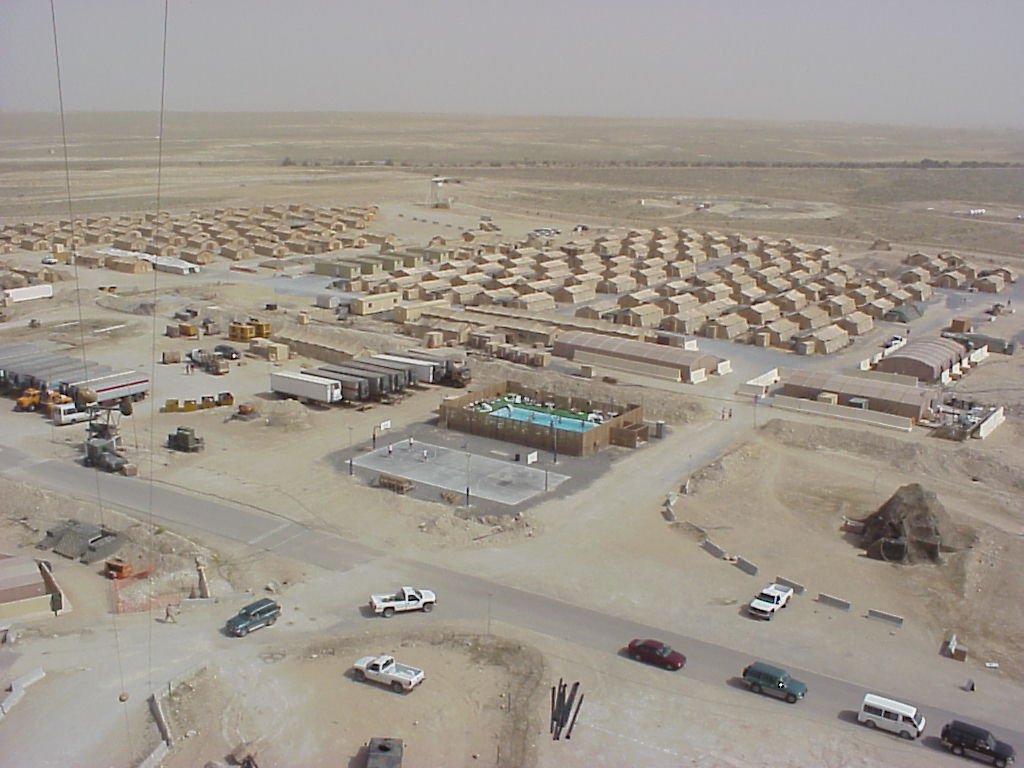
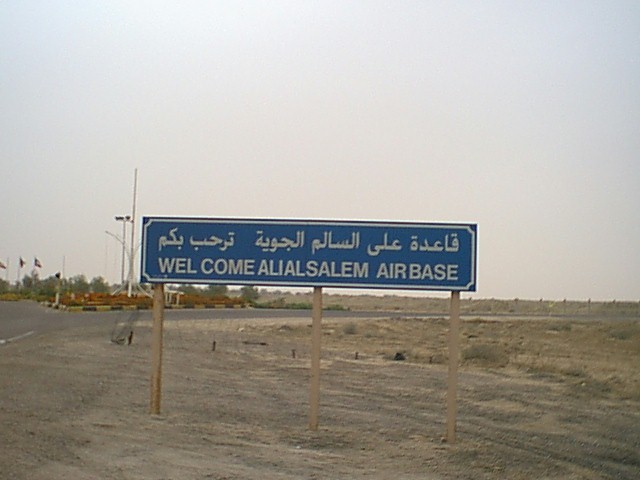
The view of Ali Al Salem Air Base from the radio tower. This definitely gives a bird’s eye perspective of what it was like on this base. You may notice a swimming pool in the photos. The swimming pool was only 3 feet deep and the main reason it was there was because it was the largest source of water in case of a fire.

Related Posts

Air Force Predator Aircraft

Dave


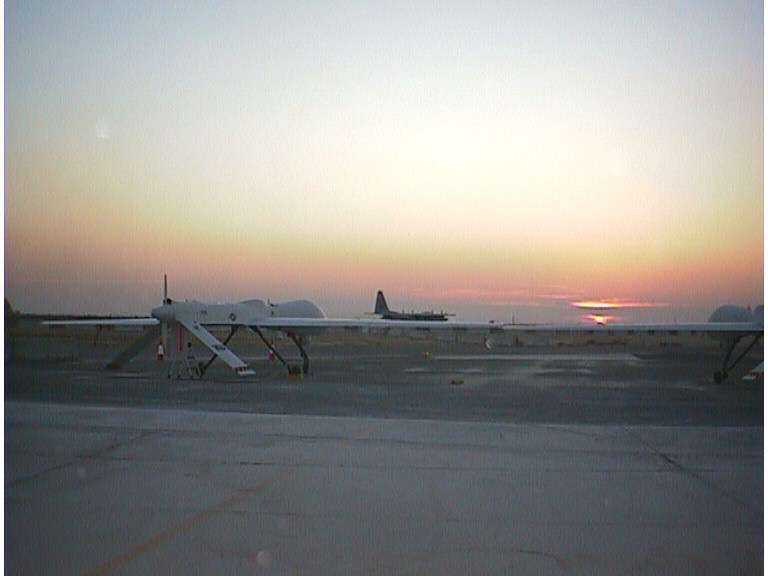
During my time at Ali Al Salem air base in Kuwait it was common occurrence to see the Air Force Predator aircraft. This plane is pretty cool because it is an unmanned aircraft and has virtually a lawnmower engine to power it.


There was a lot of debate between different types of pilots about if the Predator pilots should actually be considered pilots because they sit on the ground and are in no imminent danger if something should fail on the aircraft. They have no threat to life or limb if they do something wrong with the aircraft. It is much like playing a video game.

Related Posts

Hardened Aircraft Shelter at Ali Al Salem

Dave


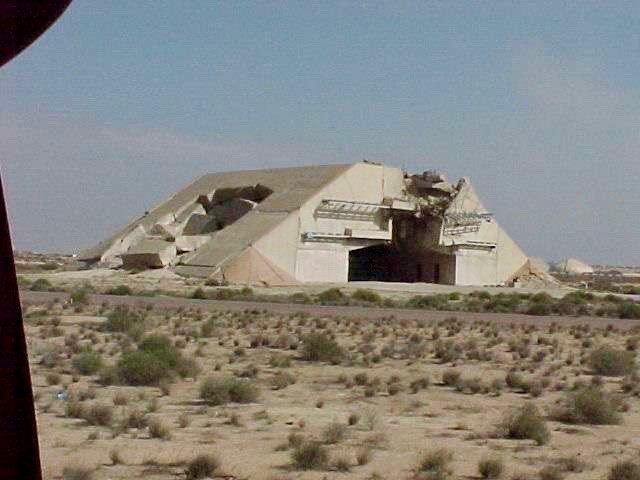
Here are some photos of the hardened aircraft shelter’s (HAS) at Ali Al Salem air base in Kuwait. The story behind the HAS was that they were built by the French and they were designed with 10 foot reinforced concrete. Apparently the French who built them for the Kuwaiti’s sold them as being bomb proof. When Iraq invaded Kuwait they took over these facilities and then during Operation Desert Storm the United States came in and bombed the heck out of them. I heard the Kuwaiti’s sued the French for the HAS not being bomb proof like they were sold as.

Related Posts

Okinawa Dragon Boat Race

Dave


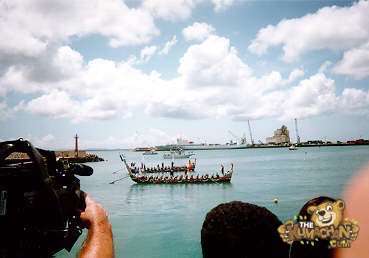
Went to watch the dragon boat races at Tomarin in Okinawa. This was a pretty neat event. There were teams with Okinawan people from different places and there were also teams from different military bases in Okinawa. It seemed as though they were building friendships through friendly competition while experiencing some of the Okinawan culture.

Related Posts

Jason Newsted (Former Metallica Bassist) the Unknown Story

Dave

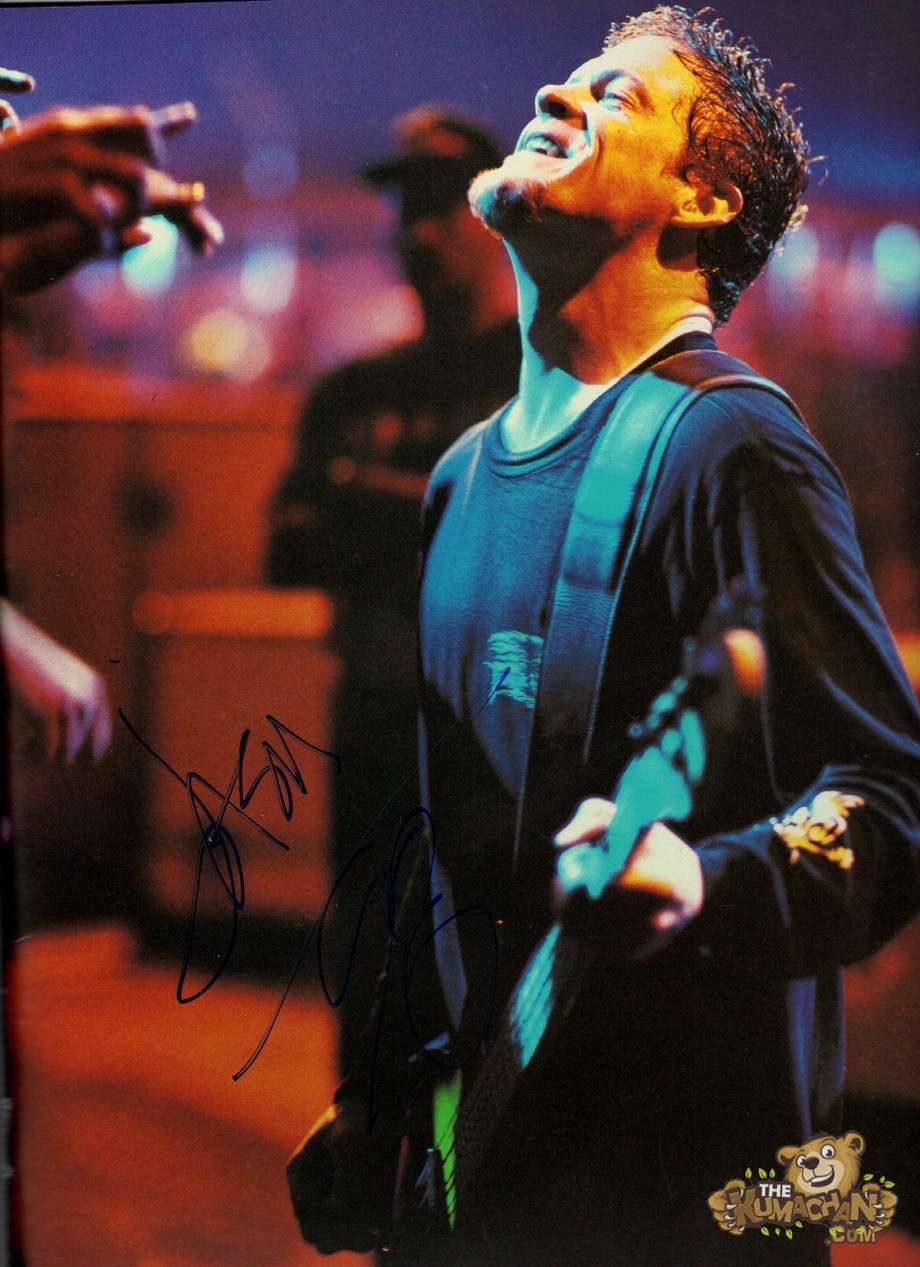
In 1998 I was in Okinawa, Japan when I received my Metallica fan club magazine which informed me of the bands upcoming tour. It was actually happening, Metallica was coming to Japan. I knew immediately I had to get tickets. So I checked with the Metallica club to see if I could get tickets through them for their Tokyo show. Unfortunately they weren’t sending tickets to fan club members overseas. So I did the next best thing, I went to a ticket office in Okinawa and purchased tickets. Next I had to get time off work and buy plane tickets to go to Tokyo from Okinawa. Once I got that squared away, then I just had to wait for the time to arrive.’, ‘The time finally came, I left for Tokyo on May 5th, 1998. Upon arriving at Narita airport I had to make my way to Ginza where I was staying. I went to the hotel and checked in. Dropped my bags off and took a shower. I decided to relax the first day because on the 6th is when I was going to the concert at the Tokyo dome in Budokan. I had purchased an extra ticket because I had a Japanese friend who wanted to go to the concert with me. So I went out to meet him and give him his ticket. When I met him in Shinjuku he had some troubling news. Because he was in a band called Janus and they were part of the X-Japan family. The lead singer from the band X-Japan had died and he had to attend his funeral, so he wasn’t able to make it to the concert. So I had this extra ticket and I didn’t know anybody else to give it to.

The following day I wore my Metallica fan club t-shirt and was pumped and ready for the concert. During the train ride I decided it would be best for me to try to sell my extra ticket outside the stadium. I stood around for a little while and nobody wanted to buy my extra ticket. Since I didn’t want to wait any longer I decided that it was a lost cause trying to sell it. So I decided to just go into the concert. As I was walking around the stadium to find the entrance there was a bouncer standing outside. He saw my t-shirt and asked me if I was a Metallica fan club member. I told him I was, then he told me that if I came back the following day I would be able to get backstage to meet the band. I thought this was some pretty cool news so it made me more pumped to go in and see the concert. Once I was in the stadium I was anxious for the concert to start. It was unbelievable, I was half way around the world from where I had seen my first Metallica concert in Ionia, Michigan, and I was about to see Metallica live again. Fifteen minutes into the concert I had already lost my voice from yelling as loud as I could. The concert went on and it was a kick ass show. After the show I took the train back to Ginza voiceless and wore out from attending an awesome performance.

The following day I went back to Budokan to see about getting backstage to meet the band. I walked around talking to some staff who pointed me in the right direction to get in line. Since I was so early I decided to buy some pamphlets to get autographed by the band. Then I found the line and I was the 2nd person in line waiting to get backstage. I started talking to Japanese guy in line in front of me and he was from near Osaka. He then asked me since I came from so far away that if I wanted to be first in line. I said, “Hell yeah” and he let me go in front of him. While waiting to go backstage Niclas Swanlund (writer for the Metallica fan club magazine) came out and told us what was going on. He told us that because the band was conducting interviews with local radio stations and TV stations, only Jason Newsted would be coming out to meet us. I must admit, I was a little disappointed because I was looking forward to meeting James Hetfield, the lead singer. Niclas Swanlund went on to tell us that Jason doesn’t like flashes from cameras. So if we had a camera we needed to cover the flash. Since all I had was a $10 disposable camera this was no big deal I would just cover the flash with my finger.

They escorted the line backstage where we waited for Jason to come out. When Jason finally came out I was surprised to see that me standing 6 foot 1 inch was taller than short little Jason who was only 5 feet 10 inches tall. As he walked out I snapped a picture with my finger over the flash as he walked up to me. When he got to me I gave him my pamphlets for him to sign and I told him that I was from Michigan too. He said, “Oh yeah, where about?” I told him I was from Saranac and before I said anything else, he said, “Oh yeah, that’s up near my aunt in Ionia”. After he signed my pamphlets he started working his way down the line to the other fan club members. He made it to the 4th person and he paused for a second. He said, “Where am I?” I blurted out, “You’re in fucking Japan man.” He then glanced down and said, “I know that dude”. He then proceeded down the rest of the line when a guy came out and took Jason outside to show him a Harley Davidson motorcycle that had Metallica painted on the gas tank. Once he came back in, he was walking on his way to the concert. I was so excited that I just met Jason Newsted from Metallica I wanted to say, “Rock on” before his show. As he was walking by, I blurted out, “Jason!” and before I got to say “rock on”. He just shook his head and I heard him mumble to the person he was walking with, “These fans” then I couldn’t hear what else he said. It was as if he was getting an attitude because I wanted to let him know I appreciated their music.

I ended up venturing back to Okinawa where I told my coworkers about my experience of going to the Metallica concert and getting backstage to meet Jason Newsted. I didn’t forget to leave out the part about him being a little guy with a big attitude towards his fans. I brought in my pictures after having them developed and the picture of Jason did not turn out since I wasn’t able to use a flash, but my picture of Niclas Swanlund and me did turn out. After that one experience I never looked at the band quite the same so in 2001 when I heard news that Jason was leaving the band I was not heart broken. Once I heard Metallica’s 3rd bassist was going to be Rob Trujillo, previously from Ozzy, I knew the band was going to rock again.

Related Posts

Wings Over the Pacific: The Living Story of Kadena Air Base

Dave

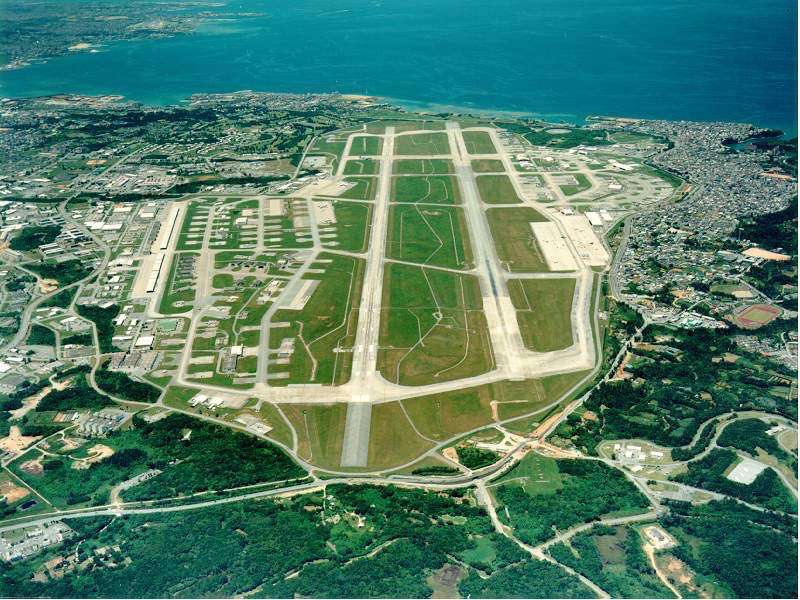
From above, the photograph captures the essence of Kadena Air Base with startling clarity. The long stretch of runway cutting across the Okinawan landscape, the rows of aircraft lined up as though waiting for their cue to leap into the sky, and the sprawling infrastructure that supports one of the most significant air installations in the world tell a story far deeper than any single image could capture. This is Kadena, the “Keystone of the Pacific,” a place where history, strategy, and human life intersect in ways both dramatic and subtle. To see it from the air is to glimpse not just a military outpost, but a microcosm of decades of alliance, tension, innovation, and resilience.

Kadena’s roots stretch back to World War II, when the United States seized Okinawa in the bloody battle of 1945. In the aftermath of that brutal campaign, the U.S. military recognized Okinawa’s unmatched strategic location, situated within striking distance of China, Korea, Taiwan, and Southeast Asia. Construction began quickly, and what started as hastily built runways for wartime operations soon grew into a permanent fixture of American presence in the Pacific. For Okinawans, this marked the beginning of a new era—one in which their island home would forever be tied to the geopolitics of global superpowers. For the United States, Kadena represented a foothold that could not be surrendered, a launch point for projecting power across half the globe.

Over the decades, Kadena Air Base evolved from those rough beginnings into the sprawling installation seen in the aerial photograph today. The flight line itself is an emblem of scale. Housing fighters, bombers, reconnaissance planes, refueling tankers, and support aircraft, the runway is not just a strip of concrete but the heartbeat of Pacific air operations. During the Cold War, Kadena’s importance was magnified as tensions between the United States and the Soviet Union spread across Asia. Missions flown from Kadena tracked Soviet bombers, monitored missile tests, and ensured that any aggression could be met with overwhelming force. The base became both a shield and a sword, protecting U.S. allies while simultaneously reminding adversaries that American airpower was only hours away.

Yet Kadena is more than a chess piece on a strategic board. It is also a community. For thousands of U.S. service members and their families, Kadena has been home—sometimes for a few years, sometimes for entire careers. Life on base has its routines: school buses weaving through neighborhoods, commissaries stocked with American goods, recreational centers buzzing with activity. At the same time, just outside the gates lies Okinawa, with its own culture, traditions, and perspectives on the base’s presence. The relationship between Okinawans and Kadena has always been complex, marked by both cooperation and tension. Festivals like the annual Friendship Festival open the flight line to the public, allowing locals and visitors alike to see the aircraft up close, taste American food, and interact with U.S. airmen. These events serve as cultural bridges, softening the stark reality that Kadena is ultimately a fortress of war planted in the heart of Okinawa.

The flight line itself is a spectacle of organized chaos. Each aircraft parked there represents countless hours of maintenance, training, and coordination. F-15 Eagles, long the guardians of the skies over Japan, have thundered down these runways for decades. KC-135 tankers extend the reach of fighters and bombers alike, ensuring that missions can stretch far beyond the horizon. Surveillance aircraft quietly record the movements of ships, missiles, and adversaries across the Pacific. At any given time, an exercise, a deployment, or an urgent mission might spring into action, and the flight line transforms into a hive of motion—engines roaring, crews hustling, aircraft lifting into the sky one after another. To see it from above is to see the choreography of power, a ballet performed not with dancers but with machines of war.

Kadena’s significance has not diminished in the post-Cold War era. If anything, the rise of China, the enduring threat from North Korea, and the persistent instability across Asia have made the base more relevant than ever. Each aircraft that takes off from its runways is both a reassurance to allies and a warning to potential aggressors. The geopolitical landscape may shift, but the utility of Kadena remains constant. Its proximity to hotspots ensures that crises can be met within hours rather than days. For this reason, the base has often been called America’s “unsinkable aircraft carrier.” The photograph of the flight line is not just a snapshot of physical structures—it is a snapshot of deterrence, readiness, and resolve.

Still, it is impossible to discuss Kadena without acknowledging the human cost and complexity of its existence. For Okinawans, the base is a daily reminder of a war that ended decades ago but left scars that remain unhealed. Noise from aircraft disrupts daily life. Accidents, though rare, leave lasting impressions. Protests have called for reductions or removals of the U.S. presence. And yet, alongside this resistance, there is also cooperation. Okinawans work on base, trade flourishes between local businesses and the military community, and many Okinawan families have interwoven their lives with Americans stationed there. The aerial photograph captures steel and concrete, but it cannot capture the delicate threads of human interaction that define the base’s true story.

What makes Kadena unique is its ability to embody contradictions. It is at once a symbol of war and of peace, of dominance and of partnership, of American might and Okinawan endurance. When jets thunder down the runway, they remind the world that the Pacific is not an uncontested space. When children climb into cockpits during open days, they remind us that even engines of war can spark wonder and dreams. The photograph of the flight line freezes these contradictions into a single frame, but in reality they play out daily, in the lives of airmen, families, and Okinawans alike.

As technology continues to advance, Kadena is preparing for the future. The aging F-15s are being phased out, replaced by aircraft better suited to modern threats. Drones and unmanned systems are beginning to supplement manned fighters, adding new dimensions to air operations. Cyber warfare and space-based capabilities are increasingly tied to the missions launched from this very flight line. In the coming decades, the photograph you have today may look quaint, a reminder of a transitional moment between eras. Yet the essence of Kadena—its location, its purpose, its symbolism—will remain unchanged. The Pacific will always need a keystone, and Kadena will always fill that role.

The human stories will evolve as well. New generations of airmen will arrive, wide-eyed and uncertain, and leave years later with memories etched into their bones. Okinawan children will continue to grow up hearing the roar of jets overhead, sometimes resenting it, sometimes embracing it, but always aware that their island holds a place at the crossroads of global history. Families will make friendships that outlast deployments. Marriages will cross cultures. And every spring, when the Friendship Festival returns, the flight line will once again open to laughter, music, and shared humanity, if only for a weekend.

In the end, the photograph of Kadena’s flight line is not just a record of what is there. It is a symbol of what has been and what will be. It tells of a world war that reshaped the Pacific, of a Cold War that demanded vigilance, of a modern era where the balance of power still hangs by the sound of jet engines. It tells of communities shaped by proximity, of cultures forced together, of alliances that endure despite hardship. And it tells of the enduring human fascination with flight, power, and the endless horizon. To stand on Kadena’s runways, to live in its neighborhoods, or to gaze upon it from above is to witness the constant interplay of history and future. The photograph may freeze the flight line in time, but the story of Kadena never stops unfolding.

Kadena Air Base is not simply a place. It is an idea made manifest in concrete and steel, in jet fuel and radar beams, in uniforms and traditions. It is the embodiment of a century of conflict and cooperation, a living monument to both the dangers and the possibilities of human ambition. To look at that aerial photograph is to see more than runways—it is to see a story of war and peace, of alliances and divides, of people striving to make sense of a world where the skies are never truly empty. And perhaps that is the ultimate truth of Kadena: it is at once a fortress and a community, a source of division and unity, a reminder of the past and a beacon for the future. The photograph captures the flight line, but only imagination and empathy can capture its soul.

Related Posts

From Basic to Biloxi: My First Days at Keesler Air Force Base

Dave


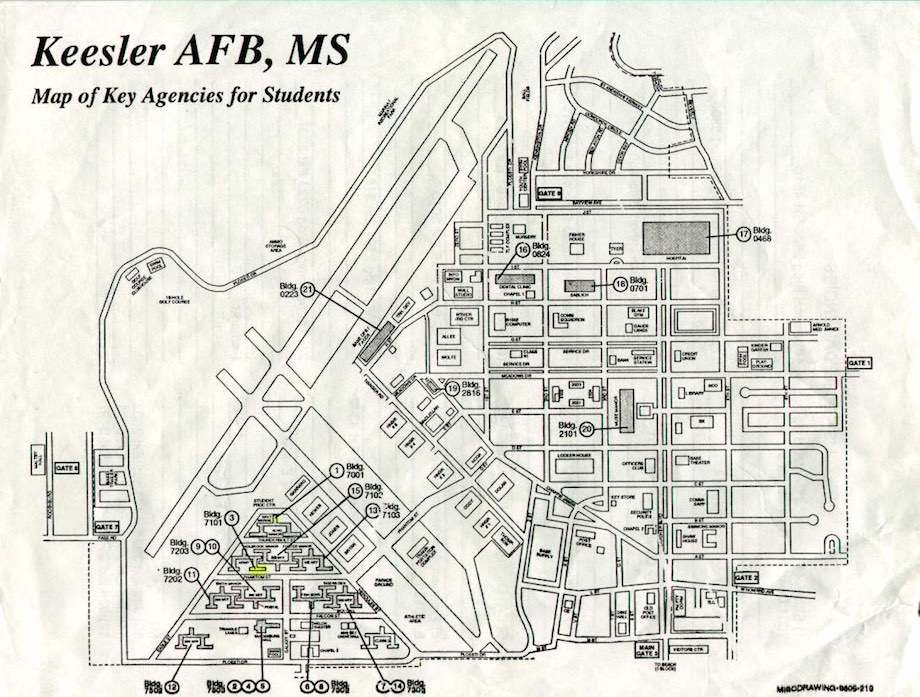
Map of Keesler Air Force Base in Biloxi, Mississippi

After graduating from Basic Military Training in San Antonio, Texas, I boarded a plane bound for New Orleans, Louisiana. From there, a bus carried me east along the Gulf Coast until we pulled into Biloxi, Mississippi—home of Keesler Air Force Base. The ride was long but filled with the kind of nervous anticipation that only comes with stepping into a completely new world. Clutching my issued duffel and the folded map of the base I’d been handed, I felt the weight of both excitement and nerves. Keesler would be my home for the next sixteen weeks, a place where I would trade the rigid lessons of basic training for the focused challenge of technical school. This was where the Air Force would turn recruits into professionals with real skills, and it was where I would begin to understand the role I had committed to play in serving my country.

The journey from civilian life to military life had already been dramatic at Lackland, but Keesler marked another turning point. Unlike basic training, where every day was a battle against fatigue, inspections, and the relentless push for discipline, technical training carried a different atmosphere. It wasn’t about survival anymore—it was about specialization. Here, we weren’t just Airmen in formation; we were future technicians, controllers, maintainers, and operators. Keesler was where the Air Force took its wide-eyed graduates and funneled them into their career fields, shaping us into the gears that kept the military machine running. For me, it was a chance to finally see the path I had chosen take form.

That map they gave me wasn’t just a folded piece of paper—it was a lifeline. Keesler sprawled out like its own city, with dormitories stacked row by row, classrooms buzzing with instructors, chow halls echoing with hundreds of conversations, PT fields alive with running cadences, and technical facilities where the hum of machines mixed with the scratch of chalkboards. For someone fresh off the bus, it was overwhelming. Every corner of that map represented a place I would come to know intimately: places where I would struggle with lessons, places where I would grow in confidence, and places where I would finally realize that the Air Force wasn’t just a uniform but a calling.

Life at Keesler settled into a rhythm that was both exhausting and exhilarating. Our mornings began with the sharp call of accountability formations, followed by long hours of lectures in classrooms filled with the glow of projectors and the drone of technical jargon. Afternoons were often hands-on, with lab sessions that required patience, precision, and teamwork. Inspections came without warning, and study sessions filled every free block of time. Evenings often blurred into nights, spent balancing between homework and the rare luxury of a few hours of downtime. Yet in the grind, we found friendship. My fellow Airmen became more than classmates—they became family. We shared laughter during long study nights, pushed each other through physical training, and swapped stories of home during rare quiet moments. Alone, Keesler could break you; together, it gave us strength.

The Gulf Coast setting added its own character to the experience. Humidity clung to the air, wrapping around us like a heavy blanket during outdoor drills, and sudden summer storms would sweep across the base, drenching us one moment and leaving clear skies the next. On weekends, if we earned the privilege, we could venture off base and taste a bit of southern life—seafood gumbo, jazz drifting from bars, and the sight of the Gulf of Mexico stretching into the horizon. These escapes reminded us that there was still a world beyond the gates, even if our time within them was tightly controlled.

Looking back, my arrival at Keesler marked the moment when the Air Force stopped being an abstract idea and became real. The base map I clutched that first day symbolized more than just directions—it was a guide into a new identity, one rooted in service, discipline, and purpose. By the time sixteen weeks had passed, I no longer looked at that map as a stranger. I could walk its halls and roads without thinking, every building tied to a memory of struggle, triumph, or growth. When I finally marched away from Keesler with my technical training complete, I realized I had transformed. I was no longer just a nervous newcomer clutching a piece of paper; I was an Airman with a skill set, a mission, and the confidence to meet whatever came next.

Related Posts