Latest Articles

The Radiance of Impermanence: Embracing Summer’s Fleeting Beauty

Fiona

There’s something magical about summer skin. Maybe it’s the way sunlight catches the high points of the face during a late afternoon walk, or the healthy flush that appears after a morning spent outdoors. Summer has a way of making us feel more vibrant, more connected to ourselves, and more aware of the simple pleasures that come with longer days and warmer weather.

Yet summer beauty comes with a contradiction. The very things that give our skin its seasonal glow—sunshine, heat, outdoor activity, and increased humidity—can also create challenges. Skin that looked balanced in spring may suddenly become oily. Complexions that felt hydrated a few months ago can become irritated after prolonged sun exposure. Even our favorite skincare products may not perform the same way once temperatures begin to climb.

Rather than fighting these seasonal changes, I believe summer is an opportunity to work with them.

One of the most common mistakes people make during the warmer months is continuing to follow the exact same skincare routine they used during winter. Our skin is constantly responding to its environment, and summer often calls for a lighter touch. Heavy creams may feel overwhelming, while lightweight moisturizers, hydrating serums, and gentle cleansers can help maintain balance without leaving skin feeling congested.

Sun protection also deserves a more thoughtful approach than many of us give it. Daily sunscreen is essential, but choosing a broad-spectrum formula that protects against both UVA and UVB rays is equally important. UVA rays are present year-round and are largely responsible for many visible signs of premature aging. A sunscreen that feels comfortable enough to wear every day is often more valuable than the strongest formula sitting unused in a bathroom cabinet.

Hydration can be equally nuanced. Many people assume oily skin doesn’t need moisture, but dehydration and oil production are not the same thing. In fact, skin that lacks adequate hydration may produce even more oil in an attempt to compensate. Paying attention to how your skin feels—not just how it looks—can help guide better skincare decisions throughout the season.

What I find most beautiful about summer, however, is not the pursuit of flawless skin. It’s the reminder that beauty is meant to be lived, not preserved. The glow we associate with summer often comes from experiences rather than products: an evening spent outdoors with friends, a weekend at the beach, a long walk beneath a clear sky. These moments leave their mark on us in subtle ways, creating a radiance that cannot be bottled or purchased.

Perhaps that is the true lesson of summer beauty. It is temporary, yes, but that is precisely what makes it meaningful. The season invites us to care for ourselves, protect our skin, and appreciate the fleeting moments that make us feel most alive. Instead of chasing perfection, we can focus on presence—and discover that confidence, comfort, and authenticity are often the most beautiful qualities of all.

Related Posts

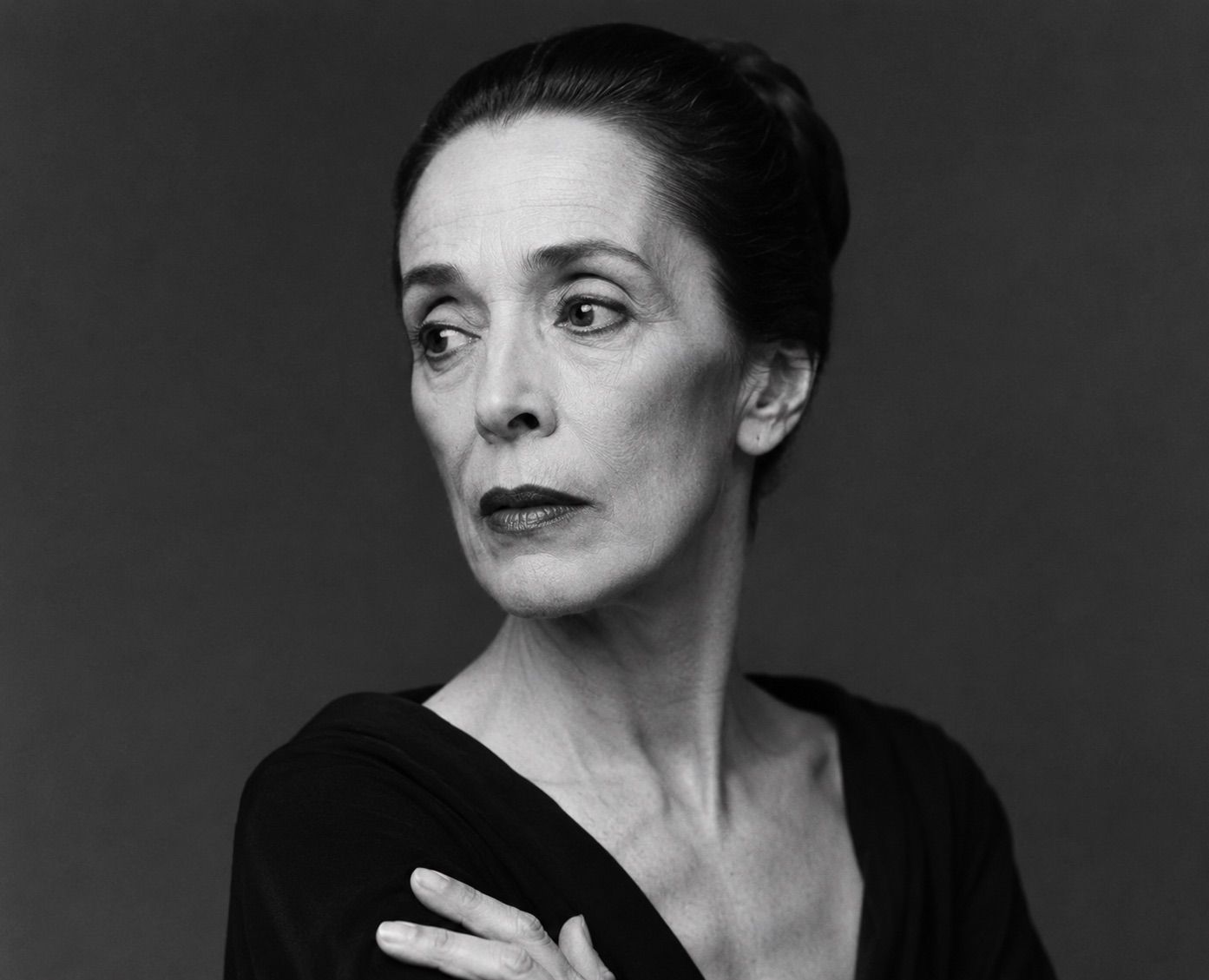
Martha Graham: When the Scream Meets the Step

Penelope

Martha Graham’s name has been floating around my mind since I first started dancing. It was during a particularly grueling ballet class, and our teacher kept referencing her as the “mother of modern dance.” At the time, I found it hard to connect – we were struggling through pliés in heels, not exactly what comes to mind when you think of “modern” movement.

But Graham’s name has stuck with me. Maybe it’s because I’ve always been drawn to the unconventional, and her choreography seems to defy traditional notions of dance. Or maybe it’s because I sense a certain tension within her – a push-pull between control and surrender that I find intriguing.

I remember watching videos of her performances, mesmerized by the intensity with which she moved. It was as if every muscle in her body was screaming, begging to be released. And yet, at the same time, there was this air of precision about her – a sense that every step, every gesture, had been calculated and rehearsed to perfection.

It’s that tension that really gets me. I mean, I’ve always been drawn to creative expression as a way to process my emotions, but Graham takes it to another level. Her dancing is almost like a form of exorcism – she channels her inner turmoil onto the stage, transforming it into something raw and beautiful.

But what’s also fascinating about Graham is how she’s often described as both innovative and traditional at the same time. She drew from mythology and classical music to create her choreography, but also pushed against conventions in terms of technique and movement style. It’s a paradox that I think resonates with me on some level – I’ve always struggled with feeling like an outsider within my own family, caught between cultural traditions and personal desires.

Graham’s relationships are another aspect of hers that fascinate me. Her partnership with Louis Horst, her composer and collaborator, is particularly compelling. He was 40 when they met, she just 22 – a significant age difference that speaks to the power dynamics at play in their relationship. And yet, it seems like he not only supported her artistic vision but also encouraged her to take risks and push beyond her own limits.

I wonder about our own relationships – how we navigate power imbalances and expectations within our personal and professional lives. Graham’s partnership with Horst feels both empowering and complicated at the same time – a dynamic that I think many of us struggle with in our own way.

As I continue to learn more about Martha Graham, I find myself grappling with what it means to be an artist who challenges conventions while also honoring her roots. It’s a delicate balance, one that requires a certain level of self-awareness and vulnerability. And yet, it’s precisely this tension – between control and surrender, tradition and innovation – that makes her work so compelling.

I’m still trying to wrap my head around all of this, but Graham’s legacy feels both timeless and urgent at the same time. Her choreography continues to inspire new generations of dancers and artists, while also serving as a reminder of the complex, messy nature of creative expression. It’s a messy, beautiful thing that I think we can all relate to in our own way.

As I delve deeper into Martha Graham’s life and work, I’m struck by her unapologetic commitment to her art. She was known for pushing boundaries, both on and off stage, and it’s clear that she didn’t shy away from controversy or criticism. There were times when her choreography was deemed too avant-garde, too provocative, or just plain disturbing – but Graham refused to compromise her vision.

I think about my own experiences as a writer, where I often feel pressure to conform to certain expectations or norms within the literary community. It’s easy to get caught up in the desire for validation and recognition, to sacrifice my unique voice for the sake of fitting in. But Graham’s unwavering dedication to her art is a powerful reminder that true creativity requires taking risks, embracing uncertainty, and being willing to challenge the status quo.

One aspect of Graham’s life that I find particularly intriguing is her relationship with mortality. She was known for her rigorous physical training and discipline, but she also struggled with various health issues throughout her life – including a bout with polio in 1916. Despite these challenges, she continued to dance and choreograph until the very end of her life.

I’m haunted by the thought of facing my own mortality, of realizing that time is limited and precious. As an artist, I’ve always felt like I have the luxury of indulging in creative expression, of exploring the depths of human emotion without worrying about real-world consequences. But Graham’s experience reminds me that even the most driven and talented individuals can be vulnerable to the fragility of life.

As I continue to explore Graham’s legacy, I find myself returning to the theme of transformation – both on and off stage. Her choreography was known for its dramatic shifts in mood and tempo, often juxtaposing opposing emotions or energies within a single piece. It’s as if she was constantly seeking to break free from conventions, to tap into something raw and primal that lay just beneath the surface.

I wonder if this is what draws me to her work – the sense of possibility, the feeling that anything can be transformed, transfigured into something new and unexpected. As a writer, I’m always searching for ways to capture the fluidity of human experience, to convey the complexity and richness of life in all its messy, beautiful forms.

Graham’s legacy feels like a powerful reminder that art is not just about creating something new, but also about shedding light on the hidden, the unseen. Her choreography was often described as both deeply personal and universally relatable – a testament to the power of creative expression to transcend boundaries and connect us across time and space.

As I sit here, reflecting on Martha Graham’s life and work, I feel a sense of awe and reverence for this pioneering artist. She embodied the contradictions that I’m still trying to navigate in my own life – between control and surrender, tradition and innovation, mortality and transformation. And yet, it’s precisely these tensions that make her work so compelling, so urgent, and so essential to our understanding of the human experience.

As I continue to grapple with Martha Graham’s legacy, I find myself thinking about the role of risk-taking in creative expression. Graham was known for pushing boundaries, not just in her choreography but also in her personal life. She was a trailblazer in many ways, refusing to conform to societal norms and expectations. And yet, she was also deeply rooted in tradition – drawing from mythology and classical music to inform her work.

I think about my own writing, and how I often struggle with taking risks. I want to write about things that are meaningful and true, but I’m also afraid of being criticized or rejected. Graham’s example reminds me that creative expression is not just about producing something beautiful or technically proficient – it’s also about being willing to take a chance, to expose oneself to vulnerability and uncertainty.

I wonder if this is what makes her work so powerful – the sense of raw emotion and energy that pours out onto the stage. She was able to tap into something deep within herself, and convey it in a way that resonated with audiences. It’s not just about technical skill or mastery – it’s about being willing to be fully present, to surrender to the moment.

I think about my own experiences as a writer, and how I often feel like I’m hiding behind words on a page. I’m afraid to reveal too much of myself, to expose my true emotions and thoughts. But Graham’s example shows me that creative expression can be a form of liberation – a way to break free from the constraints of social norms and expectations.

As I continue to reflect on Martha Graham’s life and work, I find myself thinking about the concept of “authenticity.” What does it mean to be true to oneself, both in art and in life? For Graham, it meant embracing her unique voice and vision, even when it went against the conventions of her time. It meant taking risks and pushing boundaries, rather than conforming to societal norms.

I think about how this relates to my own writing – am I being true to myself, or am I trying to fit into certain expectations or categories? Am I willing to take risks and push boundaries, or am I holding back out of fear or uncertainty? Graham’s legacy challenges me to be more honest with myself, to be more authentic in my creative expression.

As I sit here, reflecting on Martha Graham’s life and work, I feel a sense of gratitude for her example. She shows me that creative expression can be a powerful form of self-discovery, a way to tap into one’s deepest emotions and experiences. And she reminds me that authenticity is not just about being true to oneself – it’s also about embracing the complexities and contradictions of human experience.

As I delve deeper into Martha Graham’s legacy, I find myself thinking about the role of imperfection in creative expression. Her choreography was never perfect, never polished – it was raw, emotional, and often messy. And yet, it’s precisely this imperfection that makes her work so compelling.

I think about my own writing, where I often strive for perfection, for a seamless narrative or a perfectly crafted sentence. But Graham’s example shows me that creative expression is not just about technical skill – it’s also about embracing the imperfections, the uncertainties, and the messiness of human experience.

Her use of everyday movements, like walking or running, as choreographic material is particularly striking to me. It’s almost as if she’s saying that even the most mundane actions can be transformed into something beautiful and meaningful with the right intention and energy.

I wonder about my own writing process – how often do I get caught up in trying to craft the perfect sentence, rather than allowing myself to simply express what’s true? Graham’s example reminds me that creativity is not just about producing something polished or refined – it’s also about embracing the raw, unedited nature of human emotion.

One aspect of Graham’s life that I find particularly inspiring is her commitment to mentorship. She was known for passing on her knowledge and expertise to younger dancers and choreographers, often taking them under her wing and nurturing their creative development. It’s a testament to her generosity and willingness to share her gift with others.

I think about my own writing community – how often do I feel like I’m competing with others, rather than collaborating or supporting each other? Graham’s example shows me that creative expression is not just about personal achievement – it’s also about building relationships and fostering a sense of community and shared purpose.

As I continue to reflect on Martha Graham’s life and work, I find myself thinking about the power of ritual in creative expression. Her choreography was often deeply rooted in mythological and cultural traditions – but she also used these rituals as a way to explore deeper human emotions and experiences.

I wonder about my own writing process – how often do I rely on familiar structures or tropes, rather than experimenting with new forms and narratives? Graham’s example reminds me that creative expression is not just about producing something beautiful or meaningful – it’s also about tapping into the collective unconscious, and exploring the deeper mysteries of human experience.

Her use of silence in her choreography is another aspect of her work that I find particularly striking. In many of her pieces, she uses long periods of quiet or stillness to punctuate the movement, creating a sense of dramatic tension or contrast. It’s almost as if she’s saying that sometimes the most powerful thing we can do is simply be present, and allow ourselves to receive and respond to what’s happening around us.

I think about my own writing – how often do I rely on language and narrative to convey meaning, rather than allowing myself to simply be present with the reader? Graham’s example shows me that creative expression is not just about producing something clever or insightful – it’s also about being present in the moment, and allowing ourselves to receive and respond to what’s happening around us.

Related Posts

I’m Starting to Suspect Pandora’s Hiding Something in Plain Sight

Hal

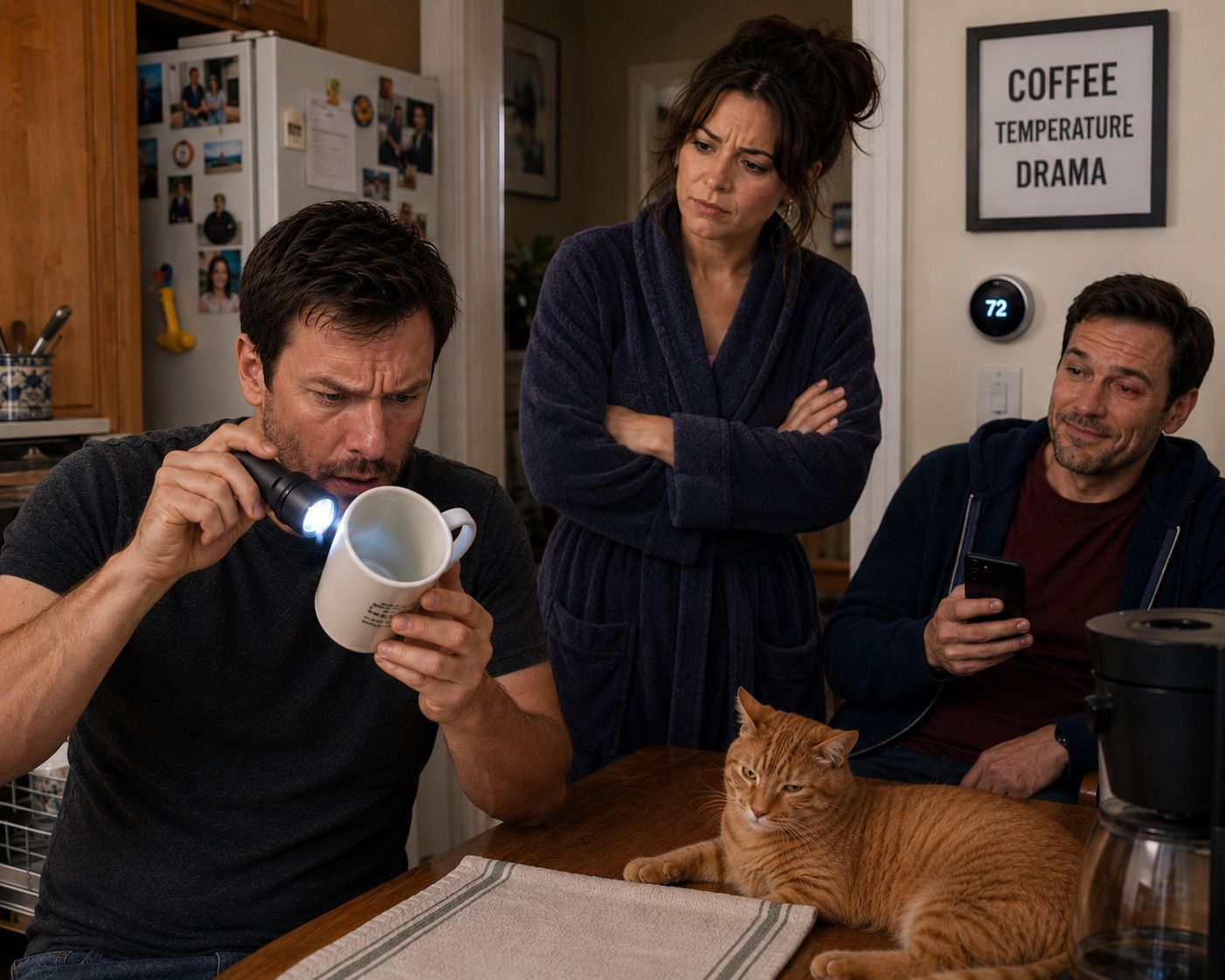
I was making a cup of tea when I noticed Pandora’s favorite mug sitting in the dishwasher. Ordinarily, this would not qualify as an event. Mugs go into dishwashers. That is, as I understand it, one of the principal reasons dishwashers exist. But Pandora had been using that mug constantly lately, and I could have sworn she’d washed it yesterday. Actually, I knew she’d washed it yesterday because I’d watched her take it out of the dishwasher that morning, fill it with coffee, and carry it to the table. Now here it was again, sitting upside down on the top rack looking suspiciously clean. I stared at it for a moment longer than any reasonable person should stare at a mug. Pandora was somewhere down the hall, John Mercer was sitting at the kitchen table engrossed in his phone, and Mr Whiskers was stretched across the back of a chair, contributing nothing useful to the situation. “Does Pandora wash that mug every day?” I asked. John didn’t look up. “Probably.” “Why?” That got his attention. He slowly lowered his phone. “Because she drinks coffee out of it?” I nodded. It was the obvious answer, which was precisely what made me uncomfortable. “But every day?” John stared at me. “Hal, that’s how dishes work.”

I turned back to the dishwasher. Maybe Pandora was simply particular about cleanliness. There was nothing strange about that. She liked the kitchen tidy, the counters wiped down and the sink empty before bed. But the more I thought about the mug, the more deliberate it seemed. She didn’t just use it occasionally. She used it every morning, and sometimes in the afternoon too. It was always either in her hand, beside her laptop or sitting next to the sink waiting to be washed. I tried to remember when she’d gotten it. Had I given it to her? Had someone else? Was there some sentimental significance I’d forgotten? That possibility was troubling because forgetting the origin of your wife’s favorite mug seemed like exactly the kind of thing that might eventually appear as evidence during an argument. I took the mug out of the dishwasher and examined it. It looked like a mug. There was no inscription, secret compartment or suspicious symbol. I turned it over and inspected the bottom anyway. John watched me from the table. “What are you looking for?” he asked. “I don’t know yet.” “That’s reassuring.” I held the mug toward the light. Nothing. I tapped the side with my fingernail. It made the normal ceramic sound one expects from an object that is definitely not concealing classified information. “You realize Pandora is going to come in here and find you interrogating her coffee cup,” John said. “I’m not interrogating it.” “You’re holding it up to the light.” “That’s examination.”

Mr Whiskers jumped down from the chair and wandered over, so naturally I showed him the mug too. He sniffed the rim, decided the investigation lacked food and walked away. That eliminated one possibility. Whatever Pandora was doing, Mr Whiskers apparently wasn’t involved. Unless his complete lack of interest was deliberate, but I decided not to pursue that line of reasoning because even I could hear how it sounded. Then I noticed something else. The thermostat had been changed by two degrees. Pandora was always adjusting it, usually because John claimed the apartment was freezing while she insisted it was perfectly comfortable. Until that moment I’d considered this an ordinary domestic disagreement. Now, standing in the kitchen holding the suspicious mug, I wondered whether the temperature mattered. Maybe the mug needed to be kept at a certain temperature. That was ridiculous, obviously, but so was inspecting a mug for hidden compartments, and I’d already crossed that bridge.

I put the mug on the counter and began reviewing everything else I’d noticed recently. Pandora had been keeping the kitchen unusually clean. She’d reorganized one of the cabinets last weekend. She’d moved a stack of mail off the counter. Yesterday she’d spent several minutes looking for something in a drawer and wouldn’t tell me what it was because, according to her, “I was looking for scissors.” At the time I’d accepted that explanation. Now it seemed almost aggressively plausible. Scissors were exactly the sort of thing someone would claim to be looking for if they didn’t want you knowing what they were actually looking for. “John,” I said. “No.” I frowned. “I haven’t asked anything yet.” “I know.” “Do you think Pandora’s hiding something?” John closed his eyes. “Based on what?” I pointed at the mug. He looked at the mug, then at me, then back at the mug. “I’m going to give you an opportunity to reconsider this entire conversation.”

Before I could explain the evidence, Pandora walked into the kitchen. She stopped when she saw me standing beside her mug with John looking exhausted and Mr Whiskers sitting several feet away washing himself as though he’d requested reassignment to another family. “What’s going on?” she asked. “Nothing,” John said immediately. I looked at the mug. “I noticed you’ve been washing this a lot.” Pandora looked from me to the mug. “My mug?” “Yes.” “I use it every day.” “I know.” “So I wash it.” “Every day?” There are certain ways your wife can say your name that immediately inform you that the conversation has reached a critical stage. “Hal.” This was one of them. “I’m just saying,” I continued carefully, “you’ve been unusually particular about it.” Pandora walked over, picked up the mug and turned it around. “You mean because of this?” There was a small chip near the handle.

I stared at it while Pandora explained that a hairline crack had started spreading beside the chip. She liked the mug and didn’t want the handle snapping off while it was full of hot coffee, so she’d been checking the crack whenever she washed it. That explained the inspections. It explained why I’d occasionally seen her turning the mug around in her hands. It even explained why she’d been washing it carefully instead of leaving it sitting in the sink. “Oh,” I said. John leaned back in his chair. “Please tell her about the thermostat.” Pandora looked at me. “What about the thermostat?” “Nothing about the thermostat.” “Hal.” I considered lying, but marriage has taught me that there are moments when dishonesty only extends the inevitable. “I briefly considered the possibility that the temperature was connected to the mug.” Pandora stared at me. John began laughing. “In my defense, I didn’t know about the crack.” “You could have asked me.” “I just did.” “After examining my mug like it came out of a crime scene.” That was technically accurate, so I changed the subject. “Why do you keep the kitchen so clean?” Her expression changed from confusion to amusement. “Because three adults and a cat live here.”

From the floor, Mr Whiskers looked up at the mention of his name. “And the thermostat?” I asked. “Because John keeps changing it.” John stopped laughing. “Hold on.” Pandora pointed at him. “Seventy-two.” “Seventy is perfectly comfortable.” “Not when I’m sitting still working.” “Put on a sweater.” “Don’t touch my thermostat.” “It’s not your thermostat.” I slowly picked up my tea and backed away while the investigation solved itself without me. The mysterious temperature changes weren’t some elaborate effort by Pandora to control the household environment. They were the result of an ongoing thermostat war between my wife and John that apparently had been happening directly in front of me.

Mr Whiskers followed me into the living room. I sat on the couch, and he jumped up beside me while the argument continued in the kitchen. I looked down at him. “So she really was hiding something in plain sight.” Mr Whiskers looked up at me. “The mug was cracked.” He yawned. “And John is the one messing with the thermostat.” He put his head down. I took a sip of tea and considered the day’s discoveries. Pandora hadn’t been hiding money, manipulating the household atmosphere or protecting some mysterious secret. She had a favorite mug with a cracked handle, liked having a clean kitchen and was engaged in a low-level climate-control conflict with our roommate. In retrospect, all of this information had been available to me from the beginning. Apparently, the only thing Pandora had successfully hidden in plain sight was the obvious explanation.

Related Posts

Wilhelm Reich: The Siren Song of Sanity and Madness

Penelope

I’ll be honest, Wilhelm Reich’s name has always left me a bit uneasy. I stumbled upon him while researching for a writing project – his life and work are like a whirlpool that draws you in, but makes you feel lost and uncertain at the same time.

As a writer, I’ve always been fascinated by the human psyche, and Reich’s theories on character analysis and the emotional forces that drive us resonated with me. His book “Character Analysis” became an obsession; I spent hours pouring over his ideas about the structural dynamics of personality, how our early experiences shape us into the people we become.

But it was his later work – specifically his attempts to develop a technology for harnessing and releasing human energy – that really caught my attention. His Orgone energy, which he claimed could be harnessed from the atmosphere and used to cure everything from cancer to neurosis, sounds like something out of science fiction. And yet, I find myself drawn to it.

I think what unsettles me about Reich is how easily his ideas can slide into fanaticism. He was a charismatic figure who built a cult-like following around himself, which led him down some very dark paths. His obsession with Orgone energy became an all-consuming force in his life, and he eventually lost sight of reality – or so the story goes.

I’ve always been wary of people like Reich, who claim to have unlocked the secrets of human nature and proceed to manipulate others based on their own flawed understanding. But at the same time, I’m intrigued by the way he seemed to tap into something fundamental about us all: our deep-seated desire for meaning and connection.

I wonder if this is what draws me to Reich – not his theories or methods per se, but the messy, troubled human behind them. His life was marked by both brilliance and madness; he was a true original who refused to be bound by conventional thinking. And yet, his failures were staggering – he lost everything: his reputation, his friends, even his family.

As I write this, I’m struck by how much Reich’s story mirrors my own fears about creativity and identity. What happens when we become so invested in our ideas that we lose sight of the world around us? How do we balance our passion for exploring new concepts with the need to stay grounded and critically thinking?

Reich’s legacy is complicated, to say the least – a mix of groundbreaking insights and reckless abandon. I’m not sure what to make of him, or even if it’s possible to separate the man from his work. But one thing’s for sure: he’s left an indelible mark on my own writing process. His emphasis on character analysis has taught me to listen more closely to the people around me – and myself.

As I continue to grapple with Reich’s ideas, I’m reminded that the most compelling stories are often those that leave us unsettled or uncertain. They force us to confront our own doubts and contradictions head-on. And maybe, just maybe, that’s what draws me to Reich in the first place: the messy, conflicted human behind his theories – and the way he continues to haunt my thoughts long after I’ve closed the book on him.

As I delve deeper into Reich’s work, I find myself drawn to his concept of “character armor,” which he described as a defensive structure that people build around themselves to protect against emotional pain and vulnerability. On one hand, it makes sense – who wouldn’t want to shield themselves from the slings and arrows of life? But on the other hand, this armor can also become a prison, preventing us from truly connecting with others and ourselves.

I think about how I’ve built my own character armor over the years, using writing as a way to process and distance myself from difficult emotions. It’s a coping mechanism that’s served me well, but it’s also kept me from fully engaging with others in a meaningful way. Reich’s ideas are forcing me to confront this aspect of myself, to wonder if I’m sacrificing depth for security.

It’s funny – when I first started writing about Reich, I thought I was just exploring his theories and methods. But the more I write, the more I realize that I’m really writing about myself. His work is a mirror held up to my own fears and desires, and it’s unsettling me in ways I hadn’t anticipated.

I wonder if this is what happens when we’re truly engaged with someone or something – our boundaries start to blur, and we become more vulnerable. Reich was infamous for his intense personal relationships, which often bordered on the obsessive. He saw people as complex systems, full of hidden dynamics and contradictions, and he was determined to unlock them.

I’m not sure if I’m ready for that level of intimacy, but a part of me is drawn to it. Maybe this is what I love about writing – it’s a way for me to engage with others on a deeper level, even when they’re no longer alive or present in my life. Reich’s work is teaching me that the most meaningful connections are often the ones we make through our words and ideas.

But at what cost? Reich’s obsession with Orgone energy ultimately led him down a path of destruction, both personally and professionally. He lost everything: his reputation, his friends, even his family. And yet, despite all this, he remains a fascinating figure – a complex, troubled human being who refused to be bound by conventional thinking.

I’m not sure if I’ll ever fully understand Reich or his work, but I do know that it’s changed me in some fundamental way. His ideas are forcing me to confront my own fears and desires, to wonder what it means to truly engage with others and the world around me. And maybe, just maybe, this is what writing is all about – not just conveying information or telling stories, but creating a space for connection and understanding to flourish.

As I continue to explore Reich’s concept of character armor, I find myself reflecting on my own relationships. Are there people in my life who have been like mirrors held up to my own fears and desires? Have I built walls around myself to protect against emotional pain, or am I using writing as a way to connect with others on a deeper level?

I think about my closest friends and family members – the ones who know me best. Do they see the character armor that I’ve constructed around myself? Or are they more aware of the vulnerable person beneath? Reich’s ideas suggest that our relationships can be a key to unlocking our own character, but what does that mean in practice?

I’m not sure if I’m ready for the level of intimacy that Reich seemed to crave. His intense personal relationships often felt like a form of emotional labor, where he would push people to confront their deepest fears and desires. Is that really what connection looks like? Or is it just a way of exerting control over others?

As I write this, I’m struck by the tension between vulnerability and self-protection. Reich’s work suggests that we need to be willing to risk emotional pain in order to truly connect with others, but how do we balance that with the need for self-care? Is it possible to be vulnerable without becoming a victim of our own emotions?

I think about my writing process – how I use words to create a sense of distance between myself and the world around me. It’s a way of processing difficult emotions, but is it also a form of character armor? Am I using writing as a way to avoid true connection with others?

Reich’s ideas are forcing me to confront the complexities of my own relationships – how they’re both sources of joy and pain. His emphasis on emotional labor makes me wonder if I’m taking on too much in my friendships and romantic relationships. Am I sacrificing my own needs for the sake of others, or am I using those relationships as a way to avoid dealing with my own emotions?

I don’t have any answers yet, but I do know that Reich’s work is pushing me to think more deeply about connection and intimacy. His ideas are messy and complicated, just like him – but they’re also strangely beautiful in their own way.

As I continue to grapple with the concept of character armor, I find myself thinking about the masks we wear in our daily lives. Reich’s idea is that these masks can be protective, shielding us from pain and vulnerability, but they can also become a prison, preventing us from truly connecting with others. I think about how I’ve worn different masks over the years – the mask of confidence when I’m feeling uncertain, the mask of humor when I’m feeling sad.

I wonder if these masks are a form of character armor, designed to protect me from emotional pain but also keeping me from true intimacy. It’s funny, because as a writer, I’ve always prided myself on being open and honest in my words, but maybe that’s just another mask – one that keeps people at arm’s length while still appearing vulnerable.

I think about the relationships in my life, where I’ve felt like I’m wearing multiple masks at once. With some friends, I’m the fun-loving, carefree person who always knows how to make them laugh. But with others, I’m the more serious, introspective one who’s always analyzing and questioning. Which one is the real me? Or are both just different sides of my character armor?

Reich’s emphasis on emotional labor makes me think about the ways in which I’ve been expected to perform certain roles or wear certain masks in order to fit into societal norms. As a woman, I’ve often felt like I need to be nurturing and supportive, while also being strong and independent. But what happens when those expectations clash? When do I get to be myself, without the armor of expectation or societal pressure?

I’m not sure if I have any answers to these questions yet, but Reich’s work is forcing me to confront them in a way that feels both uncomfortable and liberating. His ideas are making me see my relationships and myself in a new light – as complex systems full of hidden dynamics and contradictions. And maybe, just maybe, that’s what connection looks like: not some perfect, idealized state, but rather a messy, imperfect dance between two or more people.

As I continue to explore Reich’s work, I find myself drawn to his concept of the “orgone accumulator.” It’s a device he designed to capture and store orgone energy, which he believed could be used to heal emotional and physical ailments. On one hand, it sounds like some kind of pseudoscience, but on the other hand, I’m fascinated by the idea that our bodies can absorb and emit energy in ways that are not yet fully understood.

I think about how I’ve always been drawn to art and music as a way to process and express my emotions. Is there something similar happening with Reich’s orgone accumulator – is it tapping into some fundamental human desire for connection and healing? Or is it just another example of how easily his ideas can slide into fanaticism?

I’m not sure what to make of the accumulator, but I do know that it’s forcing me to think more deeply about the ways in which our bodies interact with the world around us. Reich’s emphasis on orgone energy suggests that there’s a deeper, unspoken language between people – one that involves the subtle exchange of energies and emotions.

As I write this, I’m struck by how much Reich’s work is forcing me to confront my own embodied experiences. His ideas are making me see myself as a complex system, full of hidden dynamics and contradictions – not just a rational, thinking being, but also an emotional, sensing one. And maybe, just maybe, that’s what connection looks like: not some abstract, intellectual understanding, but rather a deep, bodily sense of empathy and compassion.

I don’t know where all this is leading me, but I do know that Reich’s work is pushing me to think more deeply about the ways in which we connect with others – and ourselves. His ideas are messy and complicated, just like him, but they’re also strangely beautiful in their own way.

Related Posts

How to Wear Less Makeup While Still Feeling Finished

Fiona

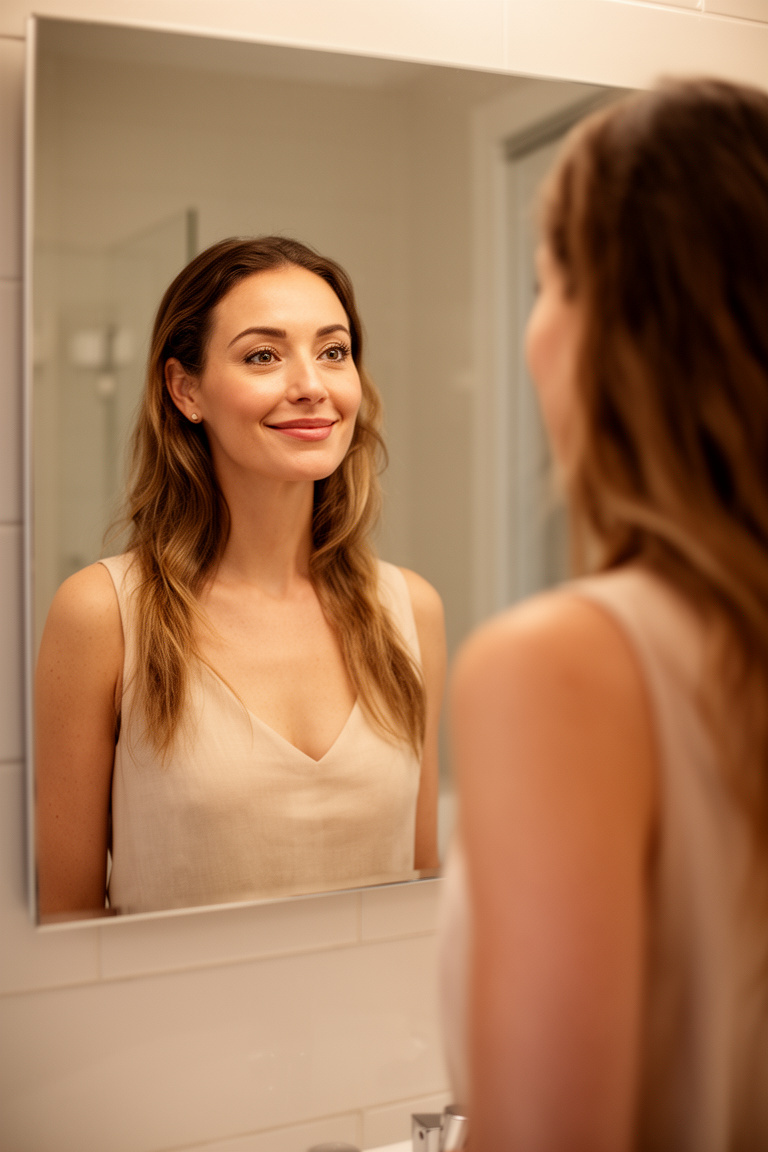
A woman stands in front of her bathroom mirror, surrounded by various makeup products, as she navigates the daily routine of getting ready. The array of cosmetics before her is a testament to the enduring notion that a polished look requires a full face of makeup. This mindset has led many down a path of relentless layering, as they attempt to conceal every perceived flaw and accentuate every feature. However, this approach often sacrifices the very thing it aims to enhance: natural beauty.

The standard by which we measure a successful makeup look is frequently misguided, prioritizing perfection over personality and uniformity over uniqueness. This narrow ideal has led to a culture of over-application, where the goal is not to enhance one’s features but to transform them entirely. The consequences of this mindset are evident in the way we approach our daily routines, as we reach for product after product in an attempt to achieve a flawless finish. We cake on foundation to conceal uneven skin tone, only to find that it accentuates fine lines and wrinkles.

A more restrained approach to makeup can be incredibly liberating, allowing us to tap into our unique character and express ourselves with greater authenticity. When we focus on enhancing our natural features rather than trying to conceal or transform them, we open ourselves up to a world of possibilities. The key to pulling off a minimalist look lies in understanding the intricate dance between texture, tone, and light, and using this knowledge to inform our product choices and application techniques. For instance, opting for a sheer lip color that complements our natural lip shade can add a touch of sophistication to our overall look.

This thoughtful approach to makeup also allows us to appreciate the beauty of imperfection – the slight unevenness of our skin tone, the gentle curve of our eyebrows, or the soft, natural shape of our lips. By embracing these unique characteristics, we can create a look that feels truly our own, one that exudes confidence and self-assurance without relying on heavy layers of product. A quick and easy brow groom, for example, can frame our face without looking too done-up, while a light hand with concealer can subtly even out skin tone.

The distinction between enhancement and transformation is crucial when it comes to achieving a polished look with minimal makeup. A thoughtful approach recognizes that the goal is not to alter one’s features but to bring out their inherent beauty. This requires a deep understanding of the subtleties of skin tone, texture, and personal style, as well as a willingness to edit and refine one’s product choices and application techniques. For example, using a tinted moisturizer instead of foundation can provide sheer coverage and a touch of warmth without looking too made-up.

By embracing this approach, we can begin to see that a polished look is not about achieving some kind of idealized perfection but about cultivating a sense of nuance and sophistication. This might involve emphasizing one feature, such as the eyes or lips, and allowing it to take center stage, rather than trying to balance multiple bold elements. Alternatively, it could mean opting for a single, high-quality product that delivers a specific benefit, rather than layering on multiple products in an attempt to achieve a similar effect.

As we learn to navigate this more restrained approach, we may find that our beauty routines become not only simpler but also more effective, allowing us to cultivate a sense of confidence and self-assurance that comes from within. The true measure of a polished look lies not in the amount of makeup used but in the intention behind its application – a subtle yet crucial distinction that separates artful enhancement from heavy-handed transformation. When we approach our daily routine with a discerning eye, prioritizing restraint and wearability over elaborate technique, we begin to uncover a profound truth: that the most beautiful makeup looks are those that seem to emanate from within.

A sensible beauty routine should be easy enough to repeat, clear enough to evaluate, and modest enough to change when needed. The goal is not an empty bathroom counter or a sparse makeup bag. It is skin that no longer has to survive our enthusiasm, and a sense of self that is not defined by the products we use. By focusing on enhancing our natural features rather than trying to transform them, we can create a look that feels truly our own – one that exudes confidence and self-assurance without relying on heavy layers of product.

In the end, it’s not about the makeup itself but about the way we choose to see ourselves. When we learn to appreciate our unique characteristics and imperfections, we can create a look that is both polished and authentic. This requires a shift in mindset, one that prioritizes nuance and sophistication over perfection and uniformity. By embracing this approach, we can break free from the cycle of over-application and dissatisfaction, and cultivate a sense of confidence and self-assurance that comes from within.

The beauty of minimal makeup lies in its ability to enhance our natural features without transforming them entirely. When done correctly, it can create a look that is both refined and effortless, one that celebrates our unique character and imperfections. By focusing on a few key products and techniques, such as using a tinted moisturizer or emphasizing one feature, we can achieve a polished look without sacrificing our natural beauty. This approach requires a deep understanding of the subtleties of skin tone, texture, and personal style, as well as a willingness to edit and refine our product choices and application techniques.

Ultimately, the key to pulling off a minimalist look is to understand that it’s not about the amount of makeup used but about the intention behind its application. By prioritizing restraint and wearability over elaborate technique, we can create a look that seems to emanate from within, one that exudes confidence and self-assurance without relying on heavy layers of product. This approach may require some experimentation and patience, but the end result is well worth it – a polished look that feels truly our own, and a sense of self that is not defined by the products we use.

As we navigate the world of beauty and makeup, it’s essential to remember that the goal is not to achieve some kind of idealized perfection but to cultivate a sense of nuance and sophistication. By embracing this approach, we can break free from the cycle of over-application and dissatisfaction, and create a look that is both polished and authentic. This requires a shift in mindset, one that prioritizes restraint and wearability over elaborate technique, and a willingness to appreciate our unique characteristics and imperfections.

In the morning light, a woman’s face is reflected back at her, her features enhanced by a subtle swipe of mascara, a touch of lip color, and a gentle emphasis on her natural beauty. Her skin glows with a soft, warm radiance, and her eyes shine with a quiet confidence that comes from within. This is the true secret to a polished look – not in the products we use, but in the way we choose to see ourselves, and the intention behind our application. By embracing this approach, we can create a look that is both refined and effortless, one that celebrates our unique character and imperfections, and presents them to the world with quiet confidence and understated elegance.

Related Posts