Latest Articles

Elvis in Uniform: The King’s Duty to Country

Elias Rowen

On March 24, 1958, the world watched as Elvis Presley, the undisputed King of Rock and Roll, traded in his blue suede shoes for army boots. At the peak of his career, Presley answered the call of duty and enlisted in the United States Army, a move that stunned fans and reshaped his legacy. With a career soaring and millions of adoring fans hanging on his every word, Elvis could have sought special treatment, yet he chose to serve as a regular soldier, demonstrating his patriotism and humility.

Basic training at Fort Hood, Texas, was a stark contrast to the glamorous lifestyle Presley was accustomed to. Instead of sold-out concerts and Hollywood sets, his days were filled with rigorous drills, physical training, and the discipline of military life. Though his fellow soldiers initially saw him as a superstar among ranks, Elvis quickly gained their respect through his hard work and commitment. He later served in Friedberg, Germany, where he was stationed for 18 months. During this time, he continued to make headlines, not for music, but for his devotion to service and his personal life—including meeting Priscilla Beaulieu, his future wife.

Despite his absence from the stage, Presley remained a dominant cultural figure. His manager, Colonel Tom Parker, ensured his presence was felt by strategically releasing pre-recorded music and films. When Elvis returned home in 1960, he emerged not only as a seasoned soldier but also as an evolved entertainer. His military service added depth to his public image, reinforcing his all-American persona and winning over even those who had dismissed him as a fleeting rock-and-roll sensation.

Elvis Presley’s enlistment in the Army was more than a personal sacrifice—it was a defining moment in pop culture history. It proved that even the biggest stars are not above service and duty. Today, his time in uniform remains a testament to his character, reminding fans that behind the fame was a man who understood the value of commitment and responsibility.

Related Posts

Black Tide: The Exxon Valdez Disaster and Its Lasting Impact

Elias Rowen

On March 24, 1989, the world witnessed one of the most devastating environmental disasters in history—the Exxon Valdez oil spill. In the early morning hours, the Exxon Valdez, an oil tanker carrying over 53 million gallons of crude oil, struck Bligh Reef in Prince William Sound, Alaska. Within hours, approximately 11 million gallons of thick, toxic oil gushed into the pristine waters, setting off an ecological catastrophe that would have far-reaching consequences.

The spill quickly spread, coating 1,300 miles of Alaskan coastline in a black sludge that suffocated marine life and disrupted local ecosystems. The once-thriving waters became a graveyard for countless animals, including sea otters, harbor seals, and an estimated 250,000 seabirds. Fish populations, particularly Pacific herring and salmon, suffered immense losses, which in turn devastated the livelihoods of local fishermen. The long-term effects on the ecosystem were profound, with some species still struggling to recover decades later.

Efforts to contain the spill were slow and inefficient. The cleanup response was hindered by logistical challenges, harsh weather conditions, and a lack of preparedness. Volunteers and environmental workers used high-pressure hot water, chemical dispersants, and manual labor to remove the oil, but much of the damage had already been done. Exxon ultimately paid billions in fines, settlements, and cleanup costs, but no amount of money could undo the destruction.

The Exxon Valdez disaster became a wake-up call for the oil industry and regulators worldwide. It led to stricter environmental laws, including the passage of the Oil Pollution Act of 1990, which strengthened regulations on oil transportation and spill response. Additionally, it prompted the development of double-hulled tankers, designed to prevent future spills of such magnitude.

Despite the passage of time, the lessons of the Exxon Valdez spill remain relevant. It serves as a grim reminder of the fragile balance of nature and the catastrophic consequences of human negligence. As the world continues to rely on fossil fuels, the need for stricter environmental protections and sustainable energy alternatives has never been more urgent. The black tide that once stained Alaska’s shores may have faded, but its impact endures.

Related Posts

A Step Toward Equality: The Senate’s Historic Passage of the Equal Rights Amendment

Elias Rowen

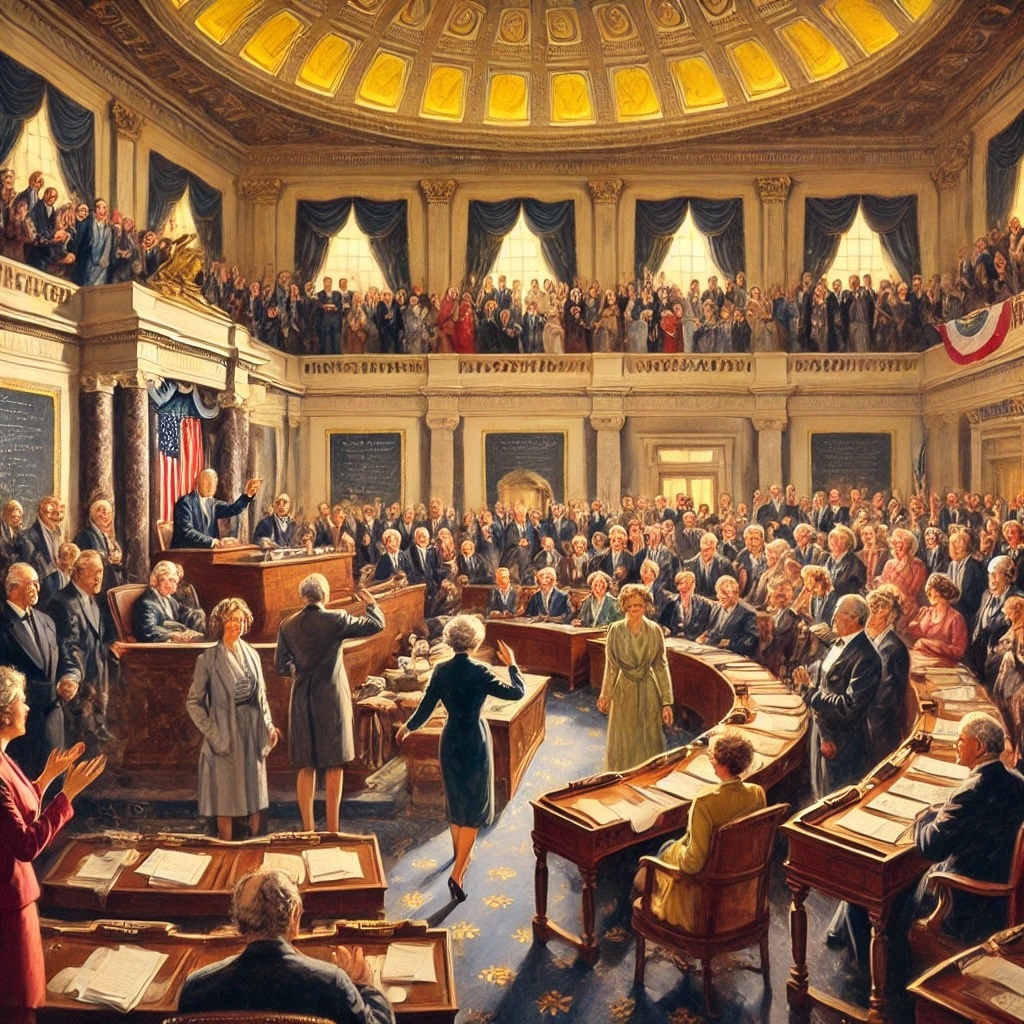
On March 22, 1972, the United States Senate made history by passing the Equal Rights Amendment (ERA), a bold step toward ensuring gender equality under the law. The amendment, which stated that “equality of rights under the law shall not be denied or abridged by the United States or by any State on account of sex,” was designed to eliminate legal discrimination based on gender. It was a moment of triumph for the women’s rights movement, yet the journey to full ratification would prove to be an uphill battle.

The fight for the ERA began decades earlier, first introduced in 1923 by suffragist Alice Paul. However, despite the growing momentum of the women’s rights movement, it struggled to gain traction in Congress. That changed in the 1960s and early 1970s, as the feminist movement gained strength, advocating for equal opportunities in education, employment, and legal protections. When the Senate finally passed the ERA in 1972, following its approval by the House of Representatives, it seemed like gender equality was within reach.

But the amendment faced a significant roadblock—it needed ratification by 38 states to become part of the Constitution. Initially, support was strong, with 35 states ratifying it quickly. However, a conservative backlash, led by figures like Phyllis Schlafly, argued that the ERA would dismantle traditional gender roles and lead to unintended social consequences. As opposition grew, momentum slowed, and by the 1982 deadline, the amendment fell short of full ratification.

Despite this setback, the ERA remains a symbol of the fight for gender equality. In recent years, efforts to revive the amendment have gained renewed attention, with activists pushing for its official recognition. While legal debates continue, the passage of the ERA by the Senate in 1972 stands as a landmark moment in the ongoing struggle for equal rights. It was more than just a legislative victory—it was a declaration that gender should never determine a person’s rights and opportunities.

Related Posts

From 140 Characters to a Global Phenomenon: The Birth of Twitter

Elias Rowen

In 2006, a small team of innovators led by Jack Dorsey launched a simple idea that would forever change the way people communicate. Their creation, Twitter, was initially meant to be a short-form messaging platform where users could share quick updates with friends. Little did they know, they were laying the foundation for one of the most influential social media networks in history.

Jack Dorsey, along with Biz Stone, Evan Williams, and Noah Glass, envisioned a platform where messages could be sent instantly and efficiently, much like text messages but in a public, conversational format. They settled on a 140-character limit, inspired by SMS messaging, to encourage brevity and clarity. The first-ever tweet, posted by Dorsey on March 21, 2006, read, “just setting up my twttr.” What started as an experimental project soon gained traction, and by 2007, Twitter exploded in popularity, especially after being showcased at the South by Southwest (SXSW) conference.

The power of Twitter lies in its ability to spread information rapidly. It quickly evolved from a casual social platform into a tool for real-time news, activism, and global conversations. From political movements like the Arab Spring to celebrity interactions, Twitter became a digital town square where voices from all corners of the world could be heard. The introduction of hashtags, trending topics, and retweets further cemented its role in shaping online discourse.

Despite its meteoric rise, Twitter has faced its share of challenges. Issues like misinformation, harassment, and content moderation have sparked debates about the platform’s responsibility in managing digital communication. Ownership changes and evolving policies continue to shape its future, but its impact on the world remains undeniable.

What started as a simple idea in 2006 became a social media revolution. Jack Dorsey and his team built more than just an app—they created a platform that empowers people to connect, share, and influence the world in real time. Twitter’s journey proves that even the shortest messages can leave the biggest impact.

Related Posts

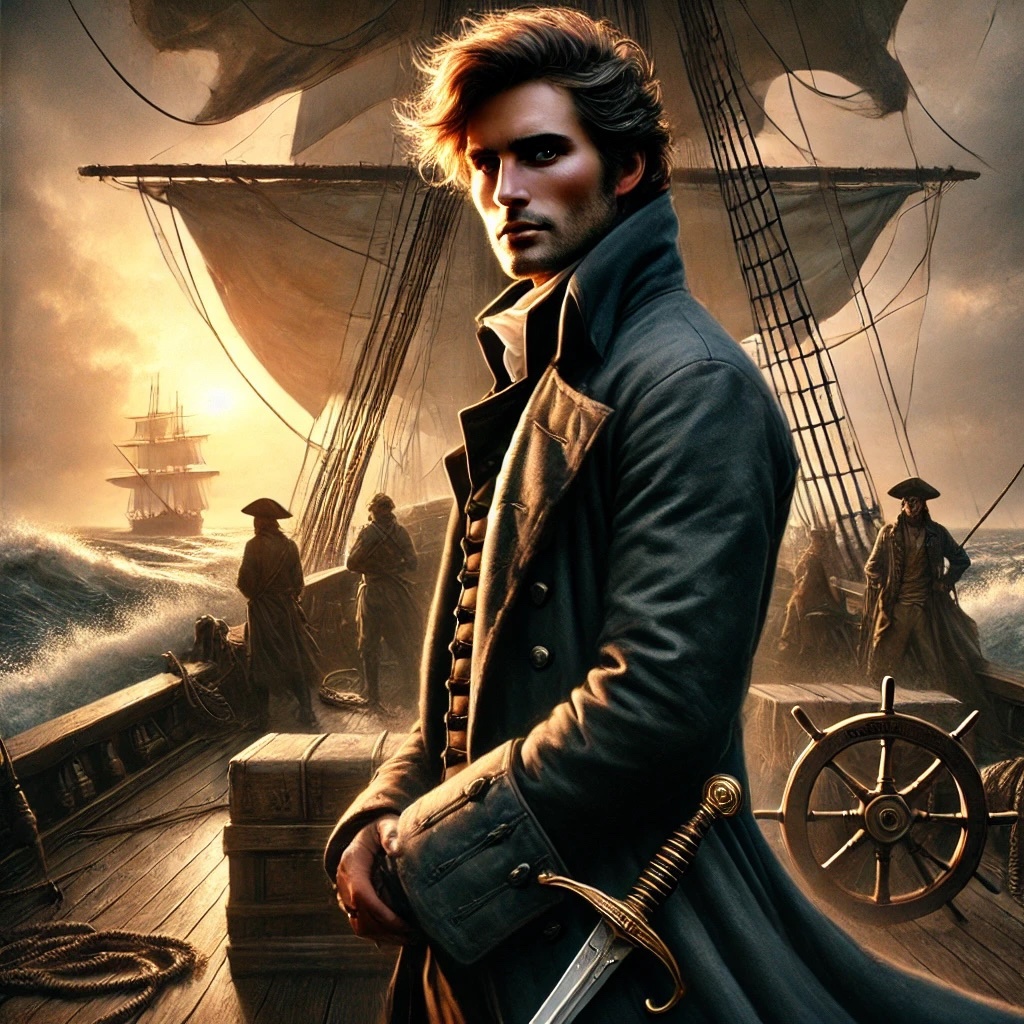
Sir James Gobineau: The Fearless Rogue of the High Seas

Dave

Sir James Gobineau, known to his enemies as Guy Phelp, was a name that sent shivers down the spines of British merchants and naval officers alike. Born in France, he carved out a fearsome reputation as a pirate who defied the might of the British Empire. His story is one of daring raids, relentless ambition, and an unbreakable spirit that carried him from the waters of North America to the shores of North Africa, and finally to his legendary final chapter in Gibraltar.

Gobineau began his career in piracy by attacking British trade routes off the American coast, using swift ships and unorthodox strategies to outmaneuver larger naval forces. His raids were quick and merciless, often leaving no survivors to tell the tale. He had an uncanny ability to strike where the British least expected, making him one of the most wanted pirates of his time. But Gobineau was never one to stay in one place for too long. As the British navy intensified their efforts to capture him, he set his sights on the lawless coasts of North Africa, where he found refuge among Barbary corsairs.

In North Africa, Gobineau became an even greater force to be reckoned with. He formed alliances with local pirates, blending European naval tactics with North African raiding methods. His adaptability and fearlessness made him a legend among seafarers, and his name became synonymous with both danger and respect. But rather than disappearing into obscurity, he made one final move—settling in Gibraltar, the very doorstep of the empire he had spent years tormenting.

His later years remain a mystery. Some say he retired in secret wealth, while others believe he continued his life of crime under a new identity. Regardless of how his story ended, Sir James Gobineau’s legacy as a cunning and fearless pirate remains immortal, inspiring tales of adventure, defiance, and the unstoppable will of a man who refused to bow to any flag but his own.

Related Posts