Latest Articles

The 2003 Invasion of Iraq: A War That Shaped the 21st Century

Elias Rowen

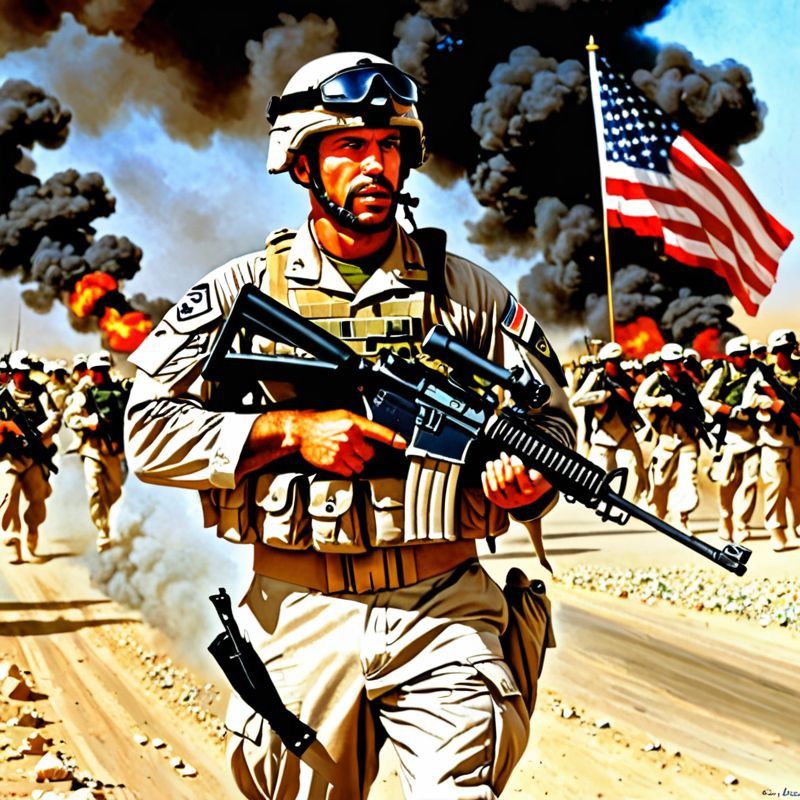
On March 20, 2003, the United States, along with a coalition of allies, launched a military invasion of Iraq. Dubbed “Operation Iraqi Freedom,” the war aimed to overthrow Iraqi leader Saddam Hussein, who was accused of possessing weapons of mass destruction (WMDs) and supporting terrorism. What began as a swift military campaign soon unraveled into a prolonged and controversial conflict, leaving a lasting impact on Iraq, the Middle East, and global politics.

The invasion was driven by fear and urgency. Following the 9/11 attacks, the U.S. government, led by President George W. Bush, pushed the narrative that Iraq posed an imminent threat. Intelligence reports suggested that Hussein was developing WMDs, though no such weapons were ever found. Despite international skepticism and opposition, including from the United Nations, the U.S. and its allies moved forward with the military operation. Within weeks, Baghdad fell, and Saddam Hussein’s regime collapsed. However, instead of bringing stability, Iraq descended into chaos.

As the war dragged on, the absence of WMDs and the growing insurgency fueled criticism of the invasion. Iraq became a battlefield for sectarian violence, terrorist groups like Al-Qaeda gained a foothold, and American troops found themselves in a deadly and unpredictable conflict. The war took a massive human toll—thousands of U.S. and coalition soldiers lost their lives, while hundreds of thousands of Iraqi civilians perished. The political landscape of Iraq was permanently altered, but the road to democracy was fraught with corruption, instability, and extremist uprisings, leading to the eventual rise of ISIS.

The legacy of the Iraq War remains deeply divisive. While some argue that removing Saddam Hussein ended a brutal dictatorship, others see the war as a tragic mistake based on faulty intelligence and strategic miscalculations. The conflict reshaped U.S. foreign policy, strained international alliances, and left Iraq struggling with long-term instability. Even two decades later, the invasion of Iraq serves as a cautionary tale about the costs of war, the consequences of intervention, and the importance of truth in matters of life and death.

Related Posts

Rekindling the Olympic Flame: Pierre de Coubertin’s Vision for Global Unity

Elias Rowen

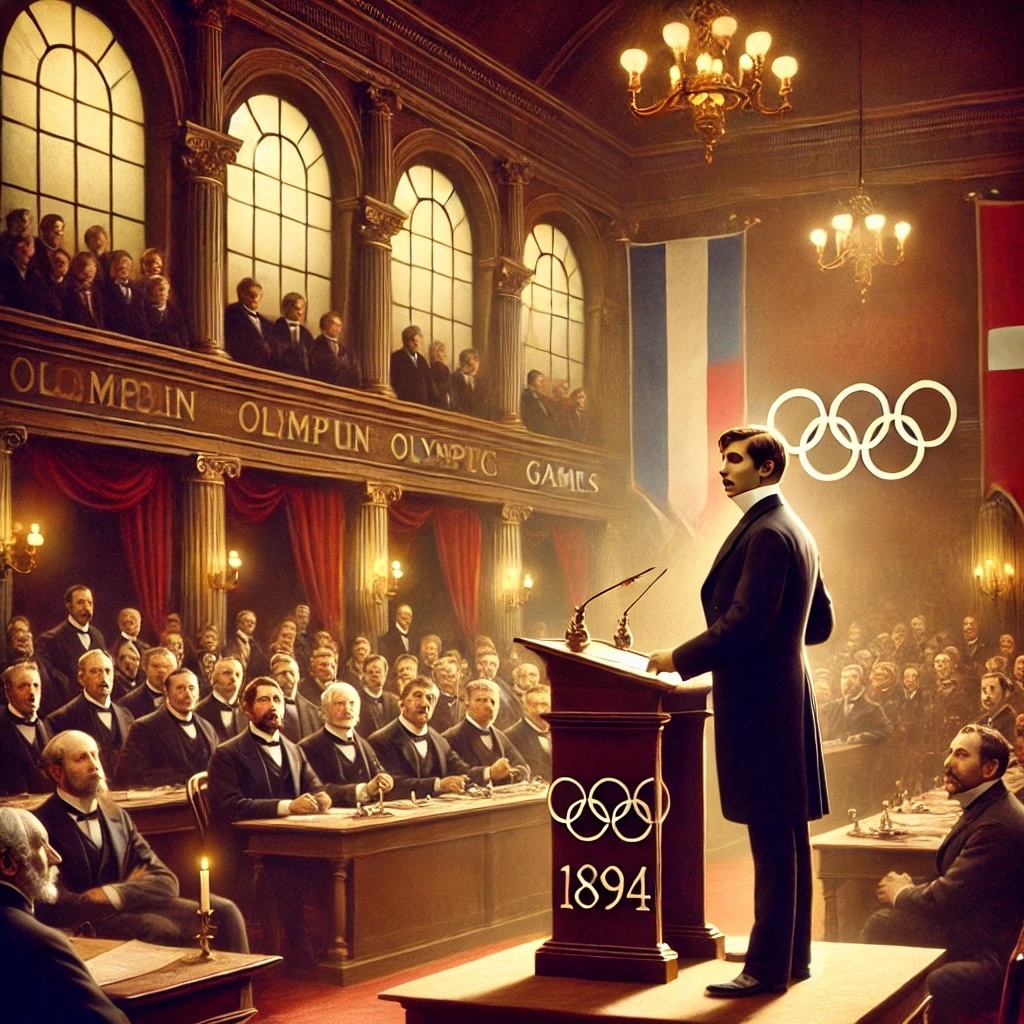
In 1894, a French educator named Pierre de Coubertin had a dream—one that would transcend borders, cultures, and politics. He envisioned a revival of the ancient Olympic Games, an event that had once united the city-states of Greece in peaceful competition. But instead of limiting it to one country or a single region, he sought to make it a worldwide celebration of athleticism, sportsmanship, and international camaraderie. This vision would become the foundation of the modern Olympic Games.

At the time, the world was on the cusp of change. Industrialization was reshaping societies, and nationalism was at an all-time high. Coubertin believed that sports could serve as a bridge between nations, fostering understanding and mutual respect. He proposed the idea of the modern Olympics at the International Congress on Physical Education in Paris in 1894. His passion and persuasive argument convinced the attendees, leading to the formation of the International Olympic Committee (IOC). This historic moment set the stage for the first modern Olympic Games, which would take place in Athens in 1896—paying homage to the ancient Greek tradition.

Coubertin’s efforts were not without challenges. Many doubted the feasibility of an international sporting event, citing logistical issues and political tensions. However, his determination and belief in the power of sport won over key supporters. The inaugural games in Athens proved to be a success, with athletes from 13 nations competing in nine sports. The event reignited global interest in competitive athletics and set the precedent for the international spectacle we celebrate today.

The modern Olympics are more than just a sporting event; they embody Coubertin’s ideals of excellence, respect, and friendship. They provide a platform for athletes to showcase their skills while promoting peace and unity among nations. His famous motto, “Citius, Altius, Fortius”—meaning “Faster, Higher, Stronger”—continues to inspire generations of Olympians.

Pierre de Coubertin’s vision changed the world. What began as a bold idea in 1894 has grown into the greatest sporting event on Earth, uniting billions of people every four years. His legacy lives on, reminding us that through sport, humanity can come together, overcoming differences to celebrate achievement, perseverance, and the unbreakable spirit of competition.

Related Posts

What the New JFK Assassination Files Reveal: A Closer Look at the Mystery That Won’t Go Away

Dave

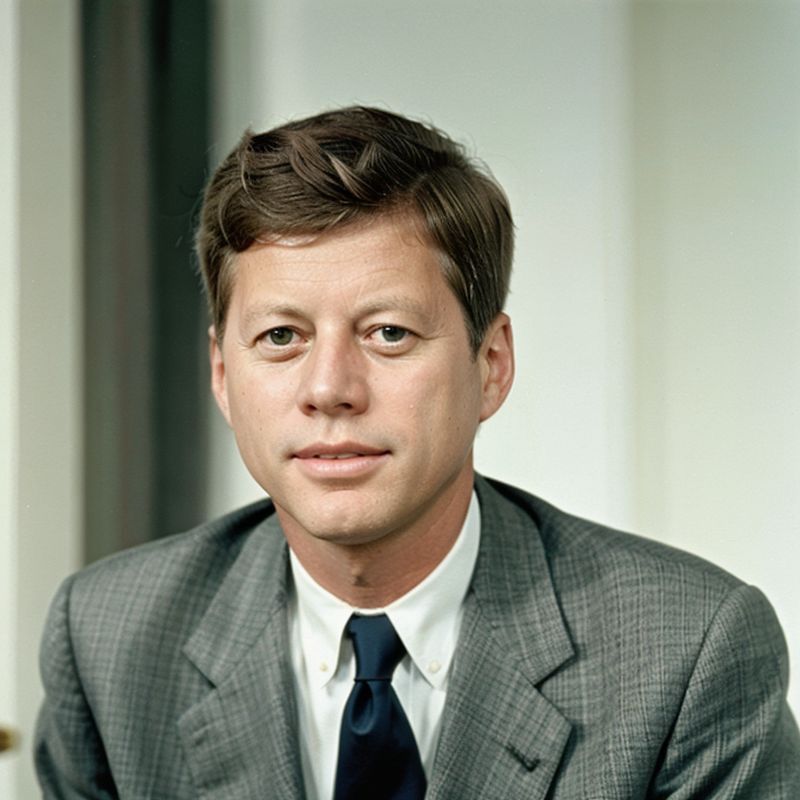
The assassination of President John F. Kennedy on November 22, 1963, is one of the most shocking and debated events in American history. Despite the official conclusion that Lee Harvey Oswald acted alone, theories about conspiracies, cover-ups, and foreign involvement have persisted for decades. In March 2025, the U.S. government declassified a massive batch of documents related to the assassination, offering a fresh look at the investigation and the political world of the 1960s. These newly released files have reignited public interest in the case, providing new details while largely reinforcing the long-standing conclusion that Oswald was the lone gunman. But, as always, the release raises new questions and fuels ongoing speculation.

Reinforcing the Warren Commission’s Conclusion
At the heart of these newly revealed documents are the findings of the Warren Commission, which was set up shortly after Kennedy’s assassination to investigate what happened. The Commission concluded in 1964 that Oswald was responsible for the killing, acting alone. The newly released files largely confirm this conclusion, offering more context about Oswald’s life—his time in the Soviet Union, his radical views, and his ties to communist groups. The documents provide a clearer picture of the FBI’s surveillance on Oswald, shedding light on his activities before and after the assassination. Despite the ongoing conspiracy theories, the files don’t provide any earth-shattering evidence that changes the original narrative: Oswald, for better or worse, is still seen as the lone gunman.

A Cold War Context
One of the most interesting things these files offer is a deeper understanding of the Cold War climate in which the assassination took place. The documents reveal just how closely the U.S. government was watching Oswald and his connections to the Soviet Union and Cuba. While it was clear that Oswald had ties to the Soviet Union, the files do not present any proof that the Soviet government or its intelligence agencies played a role in the assassination. Similarly, the government’s suspicions about Cuba’s involvement, sparked by the fraught relationship between the U.S. and Fidel Castro’s regime, are explored, but again, no direct link to the assassination is found. There’s plenty of evidence in the files about U.S. fears of foreign influence, but it still doesn’t suggest that a foreign power was behind Kennedy’s death.

The Persistence of Conspiracy Theories
Despite the mountain of evidence in the files, the conspiracy theories surrounding Kennedy’s assassination are far from going away. Since the assassination, people have speculated about the involvement of the Mafia, the CIA, or even shadowy government forces, and the new documents don’t put those theories to rest. If anything, they highlight how the public’s fascination with alternative explanations grew over time. The FBI’s investigation explored many of these leads, but most came to nothing. Still, the allure of conspiracy remains strong. People continue to search for answers in these files, hoping for a smoking gun that will confirm their suspicions.

The documents also show how the government handled the investigation. The FBI tracked down leads and gathered evidence, some of which proved unhelpful, but many of the files show that the authorities were genuinely trying to figure out what happened—despite the occasional misstep or overlooked detail. This adds a bit of texture to the investigation, showing that even those who were investigating were working within the confines of a highly charged political climate.

The Secret Files We Still Don’t Have
Even with all the new information, the release isn’t complete. Some documents, including recent FBI reports and other sensitive materials, remain sealed. This continuing secrecy only fuels suspicions that there’s more to the story that the government isn’t ready to share. While the released files give us a lot of new material to sift through, it’s clear that we might never have the full picture. The government has promised that more documents will be released in the future, but whether these will provide the final answers remains to be seen.

So, What Does All This Mean?
The release of these documents is a huge deal for historians, researchers, and anyone who’s ever been fascinated by the JFK assassination. While the files offer new details about the investigation and the Cold War context of the time, they don’t dramatically change the narrative that Oswald acted alone. There are more insights into the U.S. government’s fears about Cuba and the Soviet Union, and the documents provide a more detailed account of the FBI’s role in the investigation. But despite the thousands of pages released, many of the questions that have lingered for decades remain unanswered.

The mystery surrounding Kennedy’s death isn’t likely to be solved anytime soon. The files may help us understand more about the context of the time, but they don’t offer the definitive breakthrough that some people had hoped for. Still, this release has brought us one step closer to understanding the events of that fateful day in Dallas—and yet, for all we’ve learned, the JFK assassination continues to remain one of the greatest mysteries in modern American history.

Related Posts
The 1790 Naturalization Act: The Birth of American Citizenship—But Not for All

Elias Rowen

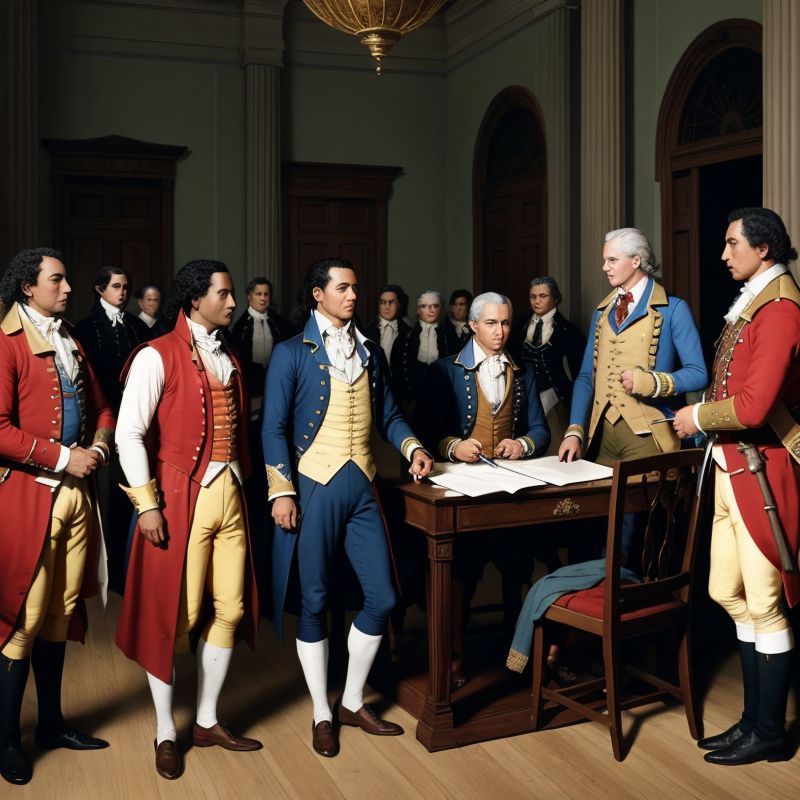
In 1790, just a few years after the birth of the United States, Congress passed the first law defining who could become an American citizen. The Naturalization Act of 1790 established a process for granting citizenship to immigrants, but with a stark limitation—it was restricted to “free white persons” of good moral character who had lived in the country for at least two years. This law, while foundational in shaping American identity, also set a precedent for racial exclusion that would influence immigration policies for generations.

At its core, the Act reflected the young nation’s struggle to define itself. The Founding Fathers had just fought for independence, championing ideals of freedom and equality, yet these principles were not extended to all. Enslaved people, Indigenous Americans, and non-white immigrants were explicitly excluded from the path to citizenship. This law reinforced the racial hierarchy of the time, ensuring that the privileges of American life—including voting, land ownership, and political participation—remained in the hands of white men.

The consequences of the 1790 Naturalization Act were profound. It laid the groundwork for future restrictive policies, such as the Chinese Exclusion Act of 1882 and the immigration quotas of the early 20th century. The idea that citizenship should be tied to race persisted well into the 20th century, with non-white immigrants facing legal and social barriers to becoming fully recognized Americans. It wasn’t until the mid-20th century, with the Civil Rights Movement and immigration reforms of the 1960s, that these restrictions were fully dismantled.

Looking back, the 1790 Act serves as both a historical milestone and a cautionary tale. It reminds us that the fight for equality in America has been long and complex. While the nation has made significant progress, the debate over who belongs and who has the right to call themselves American continues. Understanding the past helps ensure that the ideals of liberty and justice apply to all, regardless of race or background.

Related Posts

St. Patrick’s Day: A Global Celebration of Irish Spirit

Elias Rowen

Every year on March 17, people around the world don green attire, raise a glass, and take to the streets to celebrate St. Patrick’s Day. What began as a religious feast day honoring Ireland’s patron saint has evolved into a global festival of Irish culture, heritage, and unity. From the bustling parades of New York City to the green-lit landmarks of Sydney, St. Patrick’s Day has transcended its origins to become a symbol of joy, resilience, and community.

The holiday traces its roots back to the 5th century when St. Patrick, credited with bringing Christianity to Ireland, passed away. Over the centuries, Irish communities marked the occasion with church services and feasts. However, as Irish immigrants spread across the world, so too did their traditions. The first recorded St. Patrick’s Day parade didn’t even take place in Ireland—it was in 1737 in Boston, where Irish immigrants sought to celebrate their heritage in their new home. Today, major cities like Chicago, London, and Buenos Aires join Dublin in hosting grand parades, concerts, and cultural events. Even the Chicago River is dyed green in a spectacular annual tradition!

Beyond the parades and parties, St. Patrick’s Day carries a deeper meaning. It serves as a testament to the endurance and influence of the Irish diaspora, a reminder of how immigrants have shaped the world with their traditions, music, and sense of community. It’s a day when people of all backgrounds can join in the celebration, enjoying Irish folk music, dancing, and, of course, the iconic shamrock symbolizing good luck.

While St. Patrick’s Day is synonymous with fun and festivity, its true magic lies in its ability to bring people together. Whether raising a pint of Guinness in a packed pub or sharing a quiet meal of corned beef and cabbage with loved ones, the spirit of the holiday is one of camaraderie and cultural pride. No matter where you are in the world, on March 17, everyone can feel a little Irish.

Related Posts