Latest Articles

The Maastricht Treaty: The Blueprint for a United Europe

Dave

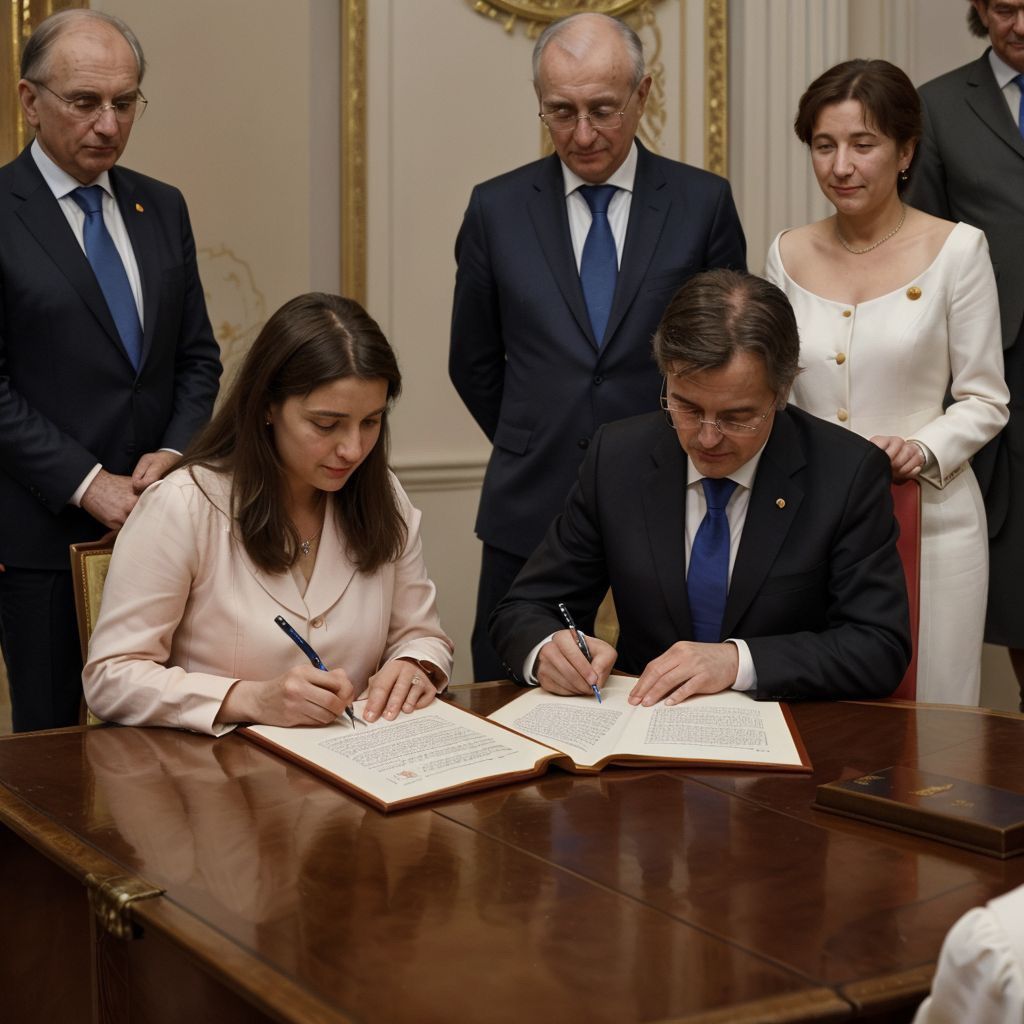
In the early 1990s, Europe stood at a crossroads. After decades of economic cooperation and political dialogue, the need for deeper integration among European nations became clear. This vision was realized on February 7, 1992, with the signing of the Maastricht Treaty, a landmark agreement that laid the foundation for what we now know as the European Union (EU). More than just a treaty, it was a bold step toward unity, prosperity, and a shared European identity.

The Maastricht Treaty had three main pillars. First, it formally established the European Union, giving it a political structure that extended beyond just economic cooperation. Second, it paved the way for the creation of a common currency—the euro—by setting strict economic and financial criteria that member states needed to meet. Third, it introduced European citizenship, allowing individuals to move, live, and work freely across member nations. This was a groundbreaking shift, reinforcing the idea that Europe was not just a collection of countries but a community of people.

Beyond economic and monetary policies, the treaty also strengthened cooperation in areas like foreign policy, security, and justice. It expanded the powers of European institutions, including the European Parliament, giving citizens a stronger voice in decision-making. The agreement also introduced policies on environmental protection, social rights, and public health, reflecting a broader commitment to the well-being of Europeans beyond just economic growth.

However, the treaty was not without controversy. Many feared that transferring power from national governments to a centralized European authority would erode sovereignty. In some countries, public resistance led to referendums, debates, and demands for renegotiations. Despite these challenges, the Maastricht Treaty was ratified, and on November 1, 1993, the European Union officially came into existence.

Today, the Maastricht Treaty remains one of the most significant agreements in modern European history. It transformed a vision of unity into reality, shaping the EU into a global political and economic powerhouse. While debates about integration and sovereignty continue, the treaty’s legacy is undeniable—it set the stage for a Europe that is more connected, cooperative, and influential on the world stage.
Related Posts

The British Invasion Begins: The Beatles Arrive in America

Elias Rowen

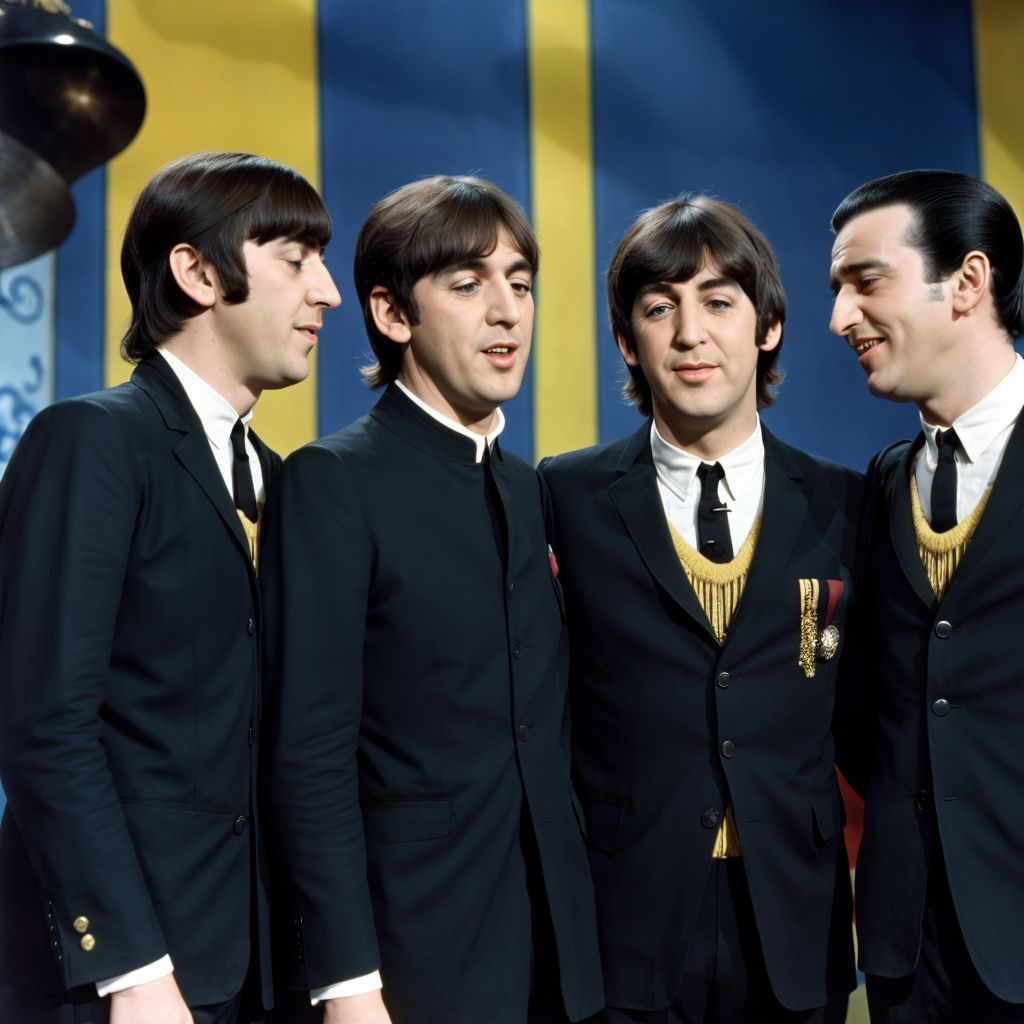
On February 7, 1964, four young men from Liverpool stepped off a plane at John F. Kennedy Airport in New York, greeted by thousands of screaming fans. The Beatles had officially arrived in the United States, marking the beginning of a cultural phenomenon that would come to be known as “Beatlemania.” Their arrival wasn’t just a band landing in a new country—it was the start of a musical revolution that would forever change pop culture, music, and the very fabric of the 1960s.

At the time, America was still reeling from the tragic assassination of President John F. Kennedy just months earlier. The nation was in need of something uplifting, something exciting. Enter John Lennon, Paul McCartney, George Harrison, and Ringo Starr, four charismatic musicians whose fresh sound, boyish charm, and infectious energy captivated an entire generation. Their first press conference was electric—cheeky wit, quick humor, and undeniable chemistry endeared them to both fans and skeptical reporters alike.

Just two days later, on February 9, The Beatles made their legendary debut on The Ed Sullivan Show. Over 73 million Americans tuned in, making it one of the most-watched television broadcasts in history at the time. The performance, featuring hits like All My Loving and I Want to Hold Your Hand, sent shockwaves through American culture. The Beatles weren’t just another band; they were a movement, and their impact was immediate. Teenagers copied their hairstyles, radio stations played their music on repeat, and concert venues were overwhelmed by frenzied fans desperate for a glimpse of the Fab Four.

Their arrival in 1964 was just the beginning. Over the next few years, The Beatles would continue to dominate the charts, reinventing music with each album and leaving an indelible mark on the world. But it all started with that first step onto American soil, that first scream of an adoring fan, and that first chord strummed on The Ed Sullivan Show. The British Invasion had begun, and music would never be the same again.

Related Posts

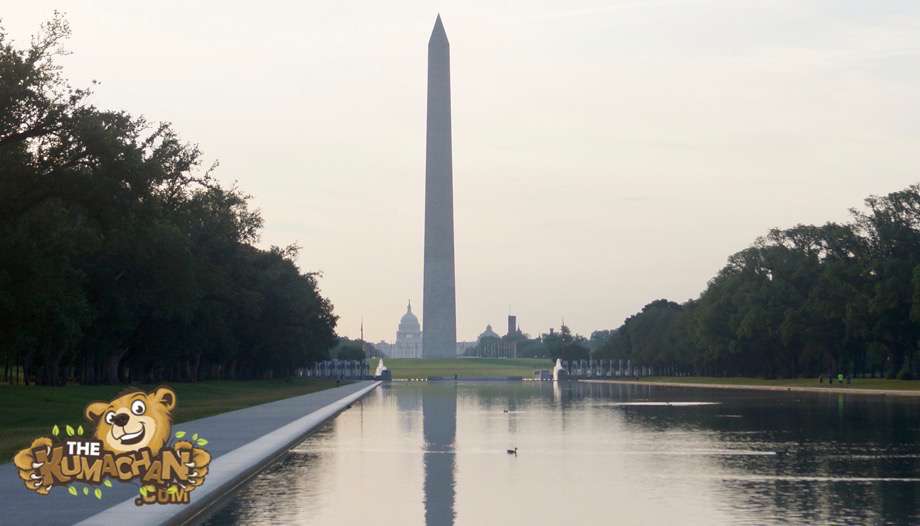
Restoring an Icon: The Washington Monument Reopens in 1988

Elias Rowen

For nearly a century, the Washington Monument stood as a towering tribute to the first President of the United States, a beacon of national pride in the heart of Washington, D.C. However, by the late 20th century, the beloved landmark had begun to show its age. Structural concerns, wear from millions of visitors, and the effects of time had taken their toll. In 1988, after an extensive restoration project, the Washington Monument was reopened to the public, revitalized and ready to continue inspiring future generations.

The restoration process was no small feat. Engineers and conservationists worked meticulously to reinforce the 555-foot obelisk, repairing cracks, strengthening its foundation, and updating its interior. The elevator, which had long been a point of concern, received modern upgrades, ensuring a safer and smoother ride to the observation deck. The exterior, composed of marble, granite, and bluestone gneiss, was carefully cleaned and repaired, restoring its once-brilliant facade. The project, which took several years to complete, was a testament to the nation’s commitment to preserving its history.

When the monument reopened in 1988, visitors eagerly lined up to once again experience breathtaking panoramic views of the nation’s capital from its summit. The restoration not only safeguarded the structure but also rekindled public appreciation for its historical and architectural significance. It was a moment of renewal, reminding Americans of the enduring legacy of George Washington and the resilience of the nation he helped build.

Today, the Washington Monument remains one of the most recognizable symbols of the United States. The 1988 restoration was just one chapter in its long history of preservation, ensuring that this iconic structure continues to stand tall for generations to come.

Related Posts

The Dawn of a New Reign: Queen Elizabeth II’s Ascension in 1952

Elias Rowen

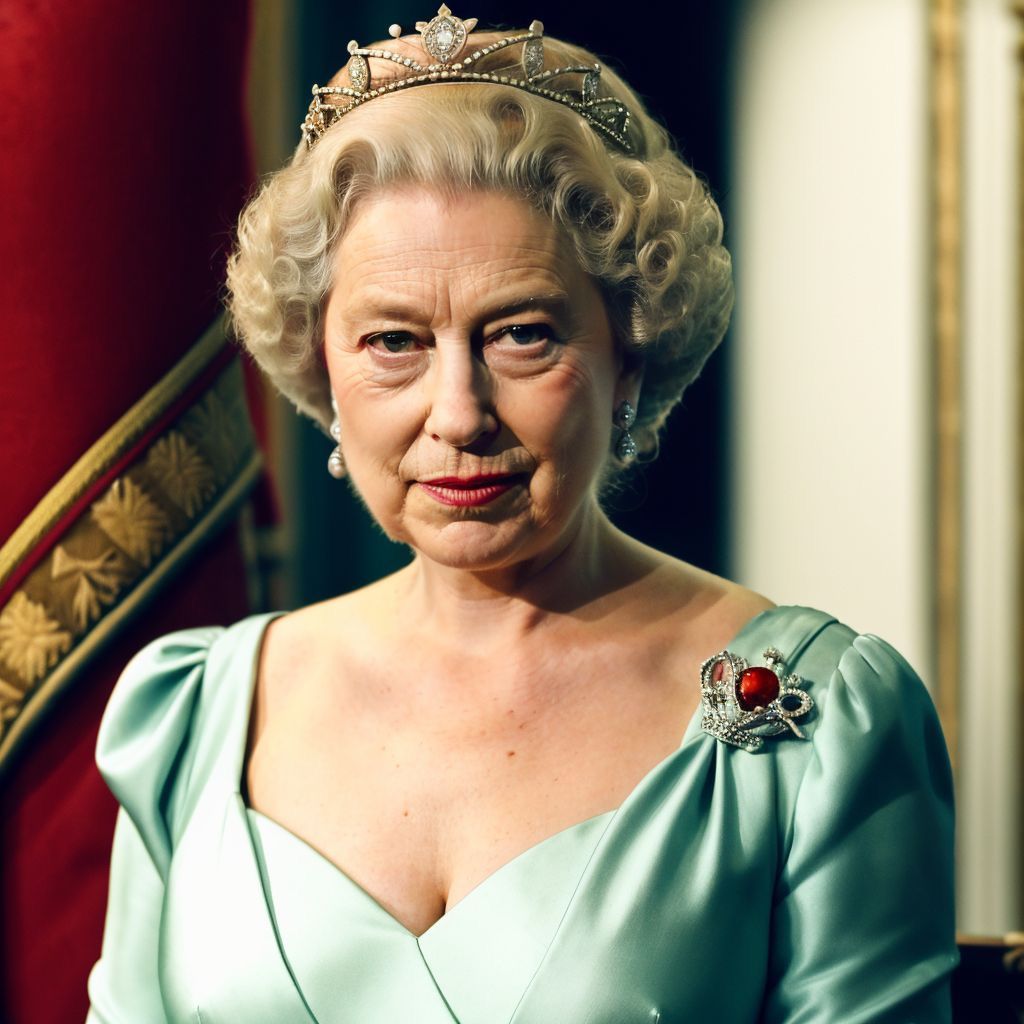
1952 was a year of profound change for the British monarchy, marking the end of one era and the beginning of another. On February 6th, King George VI passed away in his sleep at Sandringham House, plunging the United Kingdom into mourning. His eldest daughter, the 25-year-old Princess Elizabeth, was in Kenya at the time, fulfilling royal duties when she received the life-altering news. Without ceremony or hesitation, she became Queen Elizabeth II, embarking on a reign that would ultimately define modern Britain.

The transition was swift yet deeply emotional. The young queen had lost her father, a man beloved for his quiet strength during World War II, and she was now tasked with leading an empire still recovering from the war’s devastation. Her journey home to Britain was not just a return to her country but the start of a lifelong duty to the crown. As she stepped off the plane, draped in black mourning attire, she was no longer just Elizabeth Windsor—she was the sovereign of the United Kingdom.

Her ascension signaled a new chapter for the monarchy. With the decline of the British Empire and the rise of the Commonwealth, Elizabeth’s role would demand diplomacy, resilience, and adaptability. Though her coronation would not take place until 1953, the weight of the crown was already upon her shoulders. From the moment she took her oath, Queen Elizabeth II embraced her duty with unwavering commitment, becoming a steady figure in a rapidly changing world.

Her reign, which would go on to become the longest in British history, began with the echoes of her father’s legacy and the hopes of a nation looking toward the future. In 1952, the world did not yet know what kind of monarch she would become, but her quiet strength and deep sense of responsibility were already evident. It was the beginning of a new era, one that would span decades and redefine the role of the British monarchy in the modern age.

Related Posts

Stacking the Bench: FDR’s Controversial Court-Packing Gambit

Elias Rowen

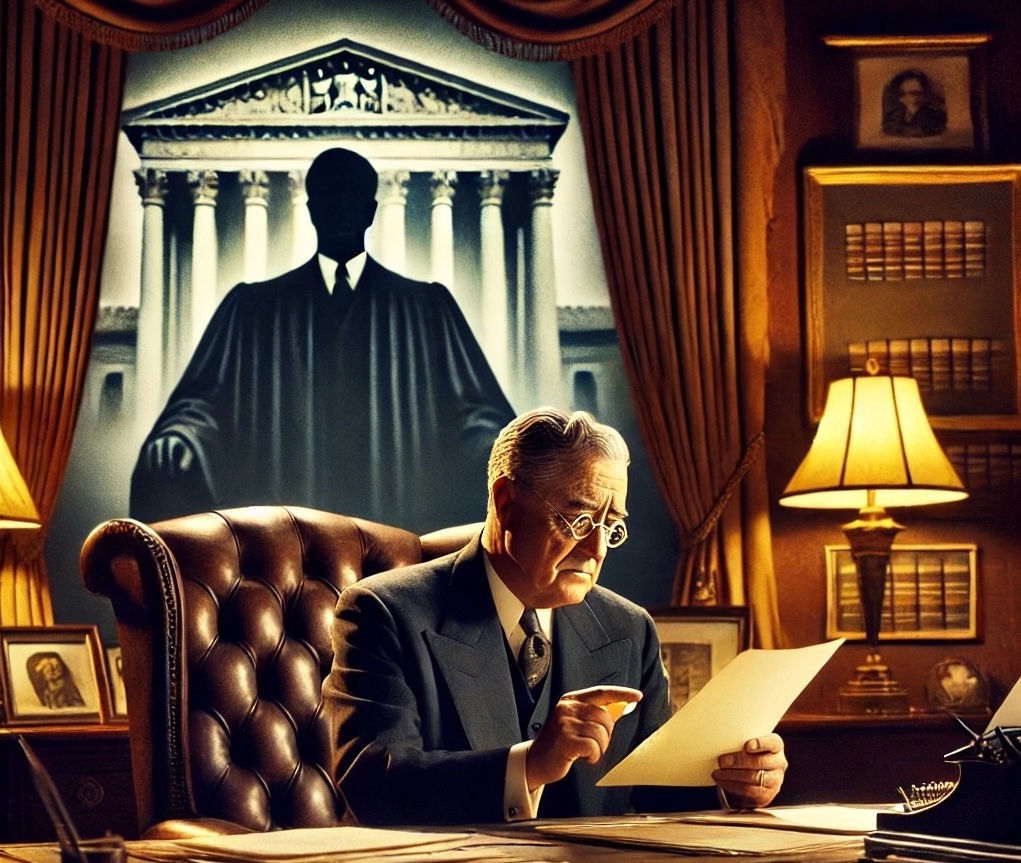
1937 was a defining year for President Franklin D. Roosevelt, who found himself at odds with the very institution meant to interpret the laws of the land—the U.S. Supreme Court. Frustrated by the Court’s repeated rulings against key elements of his New Deal policies, Roosevelt proposed a radical solution: expanding the number of justices to up to fifteen, allowing him to appoint new judges more sympathetic to his vision. This so-called “court-packing plan” sparked a fierce national debate over executive power, judicial independence, and the delicate balance of democracy.

At the heart of the controversy was Roosevelt’s desire to push forward economic recovery programs aimed at pulling the nation out of the Great Depression. However, the conservative-leaning Supreme Court had consistently struck down these efforts, ruling them unconstitutional. FDR framed his plan as a way to modernize the judiciary and reduce its workload, but critics saw it as a blatant power grab that threatened the foundation of American democracy. Even some of his staunchest allies in Congress balked at the proposal, fearing it set a dangerous precedent where future presidents could manipulate the Court for political gain.

The backlash was swift and severe. Many Americans, including members of FDR’s own party, accused him of undermining the separation of powers. The Senate ultimately rejected the plan, but the battle was not a complete loss for Roosevelt. The controversy pressured the Court to soften its opposition to New Deal legislation, and soon after, key rulings upheld programs like Social Security and labor protections. This shift, often referred to as “the switch in time that saved nine,” helped preserve the New Deal without altering the Court’s structure.

While Roosevelt’s court-packing plan failed, its impact rippled through American history. It underscored the limits of presidential power, reinforced the independence of the judiciary, and sparked conversations about constitutional reform that continue to this day. The episode remains a powerful reminder of the delicate checks and balances that define American governance and the political risks of pushing them too far.

Related Posts