





























































































Latest Articles

Read The Kumachan in chronological order, with each complete article presented in the original full-reading format.

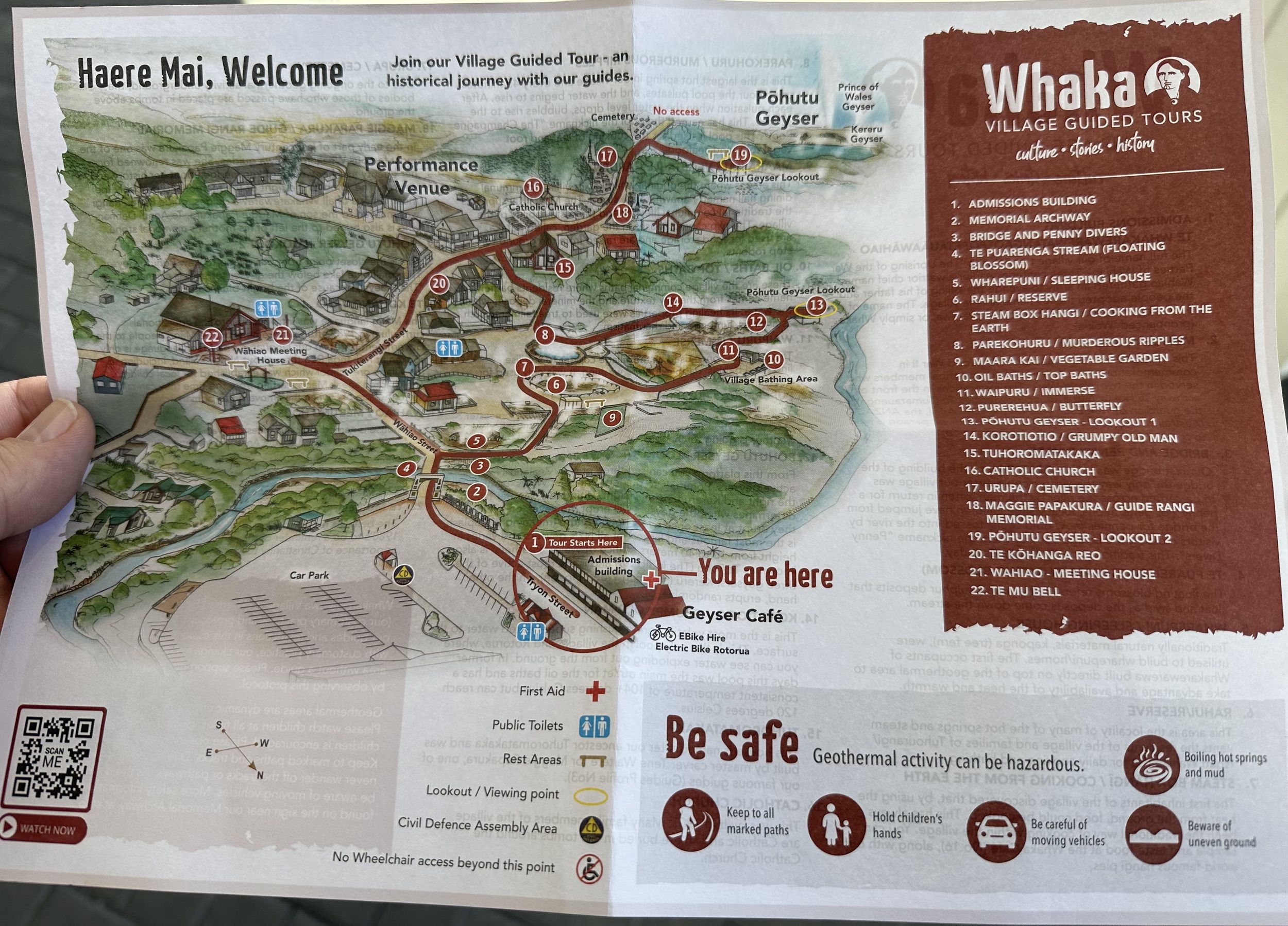
Whakarewarewa: Embracing Maori Tradition in a Geothermal Wonderland

Dave

Whakarewarewa, a Maori village located near Rotorua in New Zealand, is a unique and culturally significant place that offers visitors a deep insight into Maori traditions, lifestyle, and geothermal practices. This village, also known as Whakarewarewa Thermal Village, is home to the Tūhourangi Ngāti Wāhiao people who have lived here for centuries, harnessing the natural geothermal resources for cooking, bathing, and warmth.

Whakarewarewa has a rich history that dates back over 700 years. The village sits on a geothermal hotspot, which has shaped the daily life and culture of its inhabitants. The Tūhourangi Ngāti Wāhiao people have a strong connection to the land and geothermal springs, viewing them as both a source of sustenance and spiritual significance.

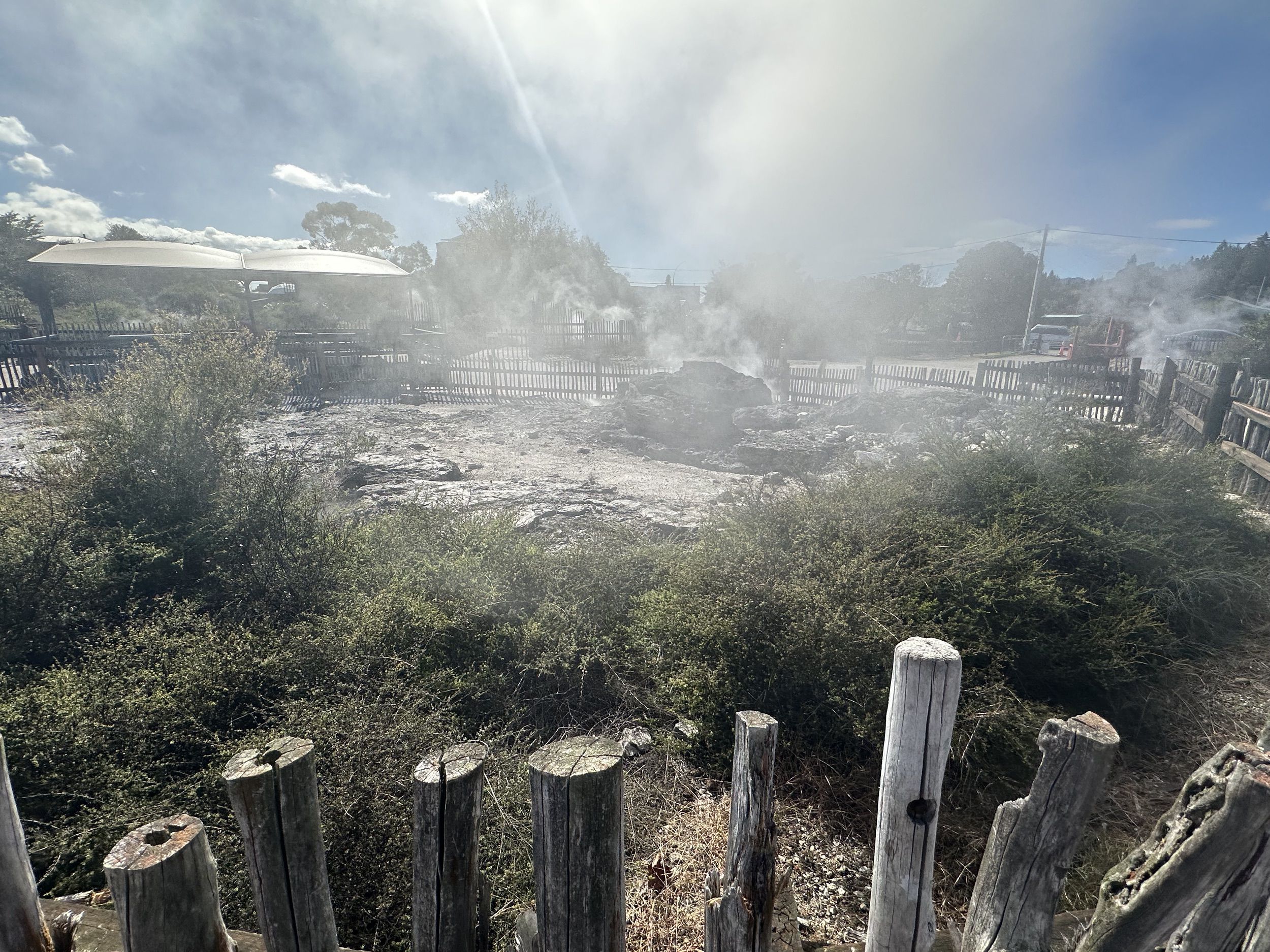
One of the most fascinating aspects of Whakarewarewa is its geothermal landscape. The village is dotted with bubbling mud pools, steaming vents, and natural hot springs. The Maori people have ingeniously used these geothermal features for cooking and bathing. Traditional hangi meals, where food is cooked in earth ovens using natural steam and heat from the earth, are a highlight of the cultural experience in Whakarewarewa.

Visitors to Whakarewarewa have the opportunity to engage in cultural performances and demonstrations that showcase Maori traditions and arts. The residents of the village perform traditional songs, dances (including the world-famous haka), and share stories about their history and way of life. There are also demonstrations of weaving, carving, and other crafts that have been passed down through generations.

Whakarewarewa serves as a living testament to the resilience and adaptability of the Maori people. Despite the challenges posed by living in a geothermally active area, the community has maintained its cultural practices and traditions. The village also plays a crucial role in preserving and transmitting Maori knowledge and customs to younger generations.

For visitors, Whakarewarewa offers a unique educational and immersive experience. Guided tours provide insights into Maori culture, the significance of geothermal features, and the daily life of the village residents. Visitors can participate in cultural workshops, taste traditional Maori cuisine cooked in the earth ovens, and interact with the welcoming community members.

Whakarewarewa is not just a tourist attraction; it is a living, breathing testament to the enduring spirit of the Maori people and their harmonious relationship with nature. The village offers a profound opportunity to learn, appreciate, and connect with Maori culture, heritage, and traditions in a setting shaped by the earth’s natural forces. A visit to Whakarewarewa is a journey into the heart of Maori identity and a celebration of their vibrant living culture.


Related Posts

The Road to Statesmanship: Traits of a Visionary Leader

Dave

A statesman epitomizes the fusion of wisdom, integrity, and exceptional leadership, utilizing these attributes to serve and represent their country or community. They transcend mere politics, embodying a profound comprehension of societal needs and values, dedicated to advancing the well-being of their nation holistically. At the core of a good statesman lies a selfless commitment to prioritizing the interests of their people over personal gain, striving tirelessly to foster a fair and equitable society. Their moral compass is steadfast, anchored by principles of fairness, honesty, and compassion.

Effective communication and negotiation skills are hallmarks of a statesman’s toolkit, vital for forging relationships and resolving conflicts, whether on the domestic or international stage. They possess the resolve to make tough decisions and undertake bold actions, undeterred by adversity, always cognizant of the enduring impact on their nation and its populace. A statesman epitomizes servant leadership, ceaselessly advancing the common good and advocating for the welfare of their fellow citizens. Fearless in challenging the status quo, they champion progress and change responsibly and ethically.

In essence, a statesman is a visionary leader, embodying the values and aspirations of their nation, leaving behind a legacy that inspires and guides future generations.

The journey to becoming a statesman is no ordinary path. It demands dedication, diligence, and a profound understanding of politics and diplomacy. A statesman wields not just political power but profound influence, capable of shaping the trajectory of a nation and its people. How does one transform from an ordinary citizen into a statesman?

Firstly, it requires a genuine passion for public service and a commitment to effecting positive societal change. This passion distinguishes a statesman from a mere politician. Education is fundamental—a deep dive into government processes, national history, and prevailing socio-economic issues equips aspiring statesmen with the insights needed to navigate political complexities and devise impactful solutions.

Furthermore, impeccable communication skills are essential—being a receptive listener, empathetic communicator, and articulate advocate. Integrity and moral rectitude are paramount, fostering trust and respect among the public and peers alike.

Ultimately, the journey to statesmanship is a lifelong pursuit, marked by perseverance, continuous growth, and an unwavering dedication to serving the greater good. It’s not a destination but an ongoing odyssey of learning, evolving, and striving to leave an indelible positive mark on society.

Related Posts

Rapid Response Revolution: Unleashing AI’s Power in Cybersecurity Incident Management

Dave

In this captivating article, we delve into the exciting realm of cybersecurity and explore how Artificial Intelligence (AI) is revolutionizing Incident Response (IR). As cyber threats become increasingly frequent and sophisticated, organizations are faced with the daunting task of detecting, responding to, and mitigating security incidents. However, with the innovative power of AI, particularly machine learning and automation, incident response processes can be enhanced in terms of speed, accuracy, and effectiveness.

The ever-evolving nature of cyber threats demands a fresh perspective on incident response strategies. Traditional methods often fall short in providing timely and adaptive responses to sophisticated attacks. Fear not, as this paper delves into how integrating AI technologies can significantly bolster incident response capabilities, enabling organizations to stay one step ahead in the ever-changing threat landscape.

Prepare to be amazed as machine learning algorithms empower incident response teams to swiftly and accurately detect and classify threats. By analyzing patterns and anomalies in vast datasets, AI can identify both known and unknown threats. This means quicker response times and a reduced risk of undetected security incidents.

But that’s not all! AI takes it a step further by facilitating automated incident triage. By categorizing and prioritizing incidents based on severity and potential impact, incident response teams can focus their efforts on addressing high-priority threats swiftly. This streamlines the overall response workflow, making it a force to be reckoned with.

Hold on tight as we explore the adaptability AI brings to incident response. Machine learning models can analyze incident data, learn from historical responses, and recommend or automatically implement appropriate mitigation strategies. With this adaptability, incident response becomes more effective in the face of evolving attack tactics.

The integration of AI into incident response doesn’t stop there. It seamlessly integrates threat intelligence into the workflow of response teams. By continuously analyzing and correlating threat data from various sources, AI-driven systems provide real-time updates on emerging threats. This empowers incident responders with valuable context for decision-making, making them unstoppable.

Prepare to be impressed as AI supports incident response through advanced forensic analysis and evidence collection. Machine learning algorithms assist in identifying the root cause of incidents, analyzing malware behavior, and correlating diverse data sources to reconstruct the timeline of events. This aids in comprehensive incident investigation and attribution, ensuring no stone is left unturned.

But wait, there’s more! The iterative nature of machine learning allows incident response processes to continuously improve. With each incident, AI models refine their understanding of threats, enhancing detection accuracy, and optimizing response strategies. It’s a continuous learning loop that contributes to a resilient incident response capability.

However, as with any remarkable advancement, challenges lie ahead. Explainability, interpretability, and potential adversarial attacks on AI models must be addressed. Organizations must strike a delicate balance between automated decision-making and human oversight to ensure ethical and effective incident response.

With the integration of AI, the cybersecurity landscape takes a giant leap forward. Organizations can fortify their incident response capabilities, respond swiftly to security incidents, and proactively adapt to emerging cyber threats. As technology continues to evolve, the collaborative interplay between AI and human expertise will be paramount in ensuring a robust and resilient incident response framework. Get ready to witness the future of incident response!

Related Posts

Uncovering Yellow Journalism: History, Laws, and Media Ethics

Dave

Yellow journalism, also known as sensationalism, refers to the practice of using exaggerated or misleading headlines and stories in the media to attract readers and increase circulation. This type of journalism first gained popularity in the late 19th century in the United States, particularly in New York City, where competing newspapers engaged in fierce circulation wars. These papers, such as William Randolph Hearst’s New York Journal and Joseph Pulitzer’s New York World, used sensationalized stories and sensational headlines to grab readers’ attention and sell more papers.

While yellow journalism may have boosted sales, it also had a negative impact on the public’s perception of the media. Many people began to view the media as untrustworthy and unreliable, as they were often fed false or exaggerated information. In response to this growing concern, the United States government passed laws to regulate yellow journalism and protect the public from its potentially harmful effects.

One of the earliest laws passed was the Newspaper Preservation Act of 1970, which allowed competing newspapers to merge or form joint operating agreements in order to stay afloat financially. This was seen as a way to prevent newspapers from resorting to sensationalism in order to increase sales. In 1909, the National Press Club was formed to promote ethical standards in journalism and combat the sensationalist tactics of yellow journalism.

In addition to these efforts, the United States government also enacted laws to regulate the content of newspapers and prevent them from publishing false or misleading information. The Federal Communications Act of 1934 established the Federal Communications Commission (FCC), which has the power to regulate the content of radio and television broadcasts. The FCC also has the authority to revoke a station’s license if they are found to be engaging in yellow journalism.

The most significant law regarding yellow journalism, however, is the Fairness Doctrine, which was introduced in 1949. This doctrine required broadcasters to present controversial issues in a fair and balanced manner, and to provide equal time to different viewpoints. This was seen as a way to prevent the media from pushing a particular agenda or slanting their coverage in favor of a particular viewpoint.

While yellow journalism laws have helped to regulate and improve the standards of journalism in the United States, they have also been met with criticism. Some argue that these laws infringe on the freedom of the press and limit the ability of journalists to report on important issues. Others argue that these laws are necessary to protect the public from false or misleading information.

In the digital age, the rise of social media and online news platforms has made it more difficult to regulate yellow journalism. With the proliferation of fake news and clickbait headlines, it has become increasingly important for individuals to critically evaluate the information they consume and seek out reliable sources.

In conclusion, yellow journalism laws in the United States have played an important role in regulating the media and protecting the public from sensationalized and false information. While these laws have been met with both praise and criticism, they serve as a reminder of the importance of ethical and responsible journalism in a democratic society.

Related Posts

Navigating the Cosmic Equilibrium: Exploring the Balance Between Good and Evil

Dave

The balance between good and evil in the universe is a complex and philosophical concept that has been pondered by thinkers and scholars for centuries. Many theories have emerged to explain what keeps this delicate equilibrium. One perspective suggests that the interplay between good and evil is an inherent part of the natural order, where one cannot exist without the other. This viewpoint argues that good and evil are two sides of the same coin, and their coexistence is necessary for the functioning of the universe. Another theory proposes that the balance is maintained through the actions and choices of individuals. It suggests that the collective efforts of morally upright individuals contribute to the preservation of goodness, while the actions of those with ill intentions or malicious motives fuel the forces of evil. Additionally, some believe that a higher power or a cosmic force oversees the balance between good and evil, ensuring that neither dominates the other. This belief asserts that the universe has a built-in mechanism that corrects any deviation from this equilibrium, ultimately restoring the harmony between these opposing forces. Ultimately, the concept of balance between good and evil in the universe remains a subject of deep contemplation and debate, with various perspectives offering valuable insights into this profound and timeless question.

Related Posts

Clash of Ideologies: The Enduring Battle Between Conservatism and Liberalism

Dave

Conservatism and liberalism have been at odds in the United States for decades, with each side staunchly defending their beliefs and attacking the other’s. This ongoing conflict can be attributed to a multitude of factors, including differing ideologies, values, and political agendas. At its core, conservatism is a belief in traditional values, limited government intervention, and individual responsibility. On the other hand, liberalism emphasizes social progress, equality, and government involvement in promoting the common good. These fundamental differences in beliefs and values have led to a constant battle between the two ideologies in American politics.

One of the main reasons for the ongoing war between conservatism and liberalism in the United States is their opposing views on government involvement and the role of the state. Conservatives believe in limited government intervention, favoring a smaller government with less regulation and lower taxes. They argue that this promotes individual freedom and allows for a free market to thrive. On the other hand, liberals advocate for a larger government with more regulations and higher taxes to provide for the needs of the people and promote social equality. This fundamental difference in the role of government has led to heated debates and clashes between the two sides.

Moreover, the issue of social and cultural values has also played a significant role in the ongoing war between conservatism and liberalism. Conservatives tend to hold traditional values and beliefs, such as opposition to abortion and same-sex marriage, while liberals support progressive social values and policies. This has led to a clash of opinions on issues such as women’s rights, LGBTQ+ rights, and immigration, among others. Each side believes that their values are superior and should be upheld by society, leading to a never-ending battle for dominance.

Another factor contributing to the war between conservatism and liberalism is the influence of media and political leaders. With the rise of 24-hour news coverage and social media, the political landscape has become more polarized than ever before. News outlets often cater to one side or the other, further deepening the divide between conservatives and liberals. Additionally, political leaders often use divisive rhetoric to appeal to their base, painting the other side as the enemy. This has only served to fuel the war between the two ideologies and make compromise and cooperation increasingly difficult.

In conclusion, conservatism and liberalism are at war in the United States due to their differing views on government involvement, social values, and the influence of media and political leaders. This ongoing conflict has resulted in a highly polarized political climate, making it challenging to find common ground and work towards solutions that benefit all Americans. It is crucial for both sides to engage in respectful and open-minded dialogue to bridge the gap and move towards a more united and prosperous nation.

Related Posts

Beyond Bitcoin: Unleashing the Potential of Blockchain Revolution

Dave

Experience the revolutionary power of blockchain technology, originally created for Bitcoin, as it transforms the digital transaction landscape. With its decentralized and distributed ledger system, blockchain provides a secure and transparent platform for recording transactions across multiple computers. Breaking away from traditional financial systems, this technology allows for peer-to-peer transactions without the need for intermediaries like banks. But its potential extends far beyond digital currencies, revolutionizing industries such as supply chain management, healthcare, and voting systems. By harnessing the power of blockchain, supply chains become more efficient and transparent, reducing fraud and improving traceability. In healthcare, it enhances data security and streamlines processes like medical record-keeping. And in voting systems, it fosters trust and transparency during elections. Of course, like any cutting-edge technology, blockchain faces challenges to widespread adoption. Concerns such as scalability, regulatory ambiguity, and environmental impact from cryptocurrency mining must be addressed. Yet, the disruptive force of blockchain is undeniable, with endless possibilities yet to be explored. As it evolves and overcomes obstacles, blockchain has the potential to revolutionize multiple industries and shape the future of digital transactions.

Related Posts

AI Sentry: Transforming Security Analytics for the Cyber Frontier

Dave

This article delves into the realm of Security Analytics and its transformation through the integration of Artificial Intelligence (AI). We find ourselves in an era where organizations grapple with the escalating complexity of cyber threats, realizing that traditional security analytics approaches fall short. However, a glimmer of hope shines through AI, specifically encompassing machine learning and advanced analytics, which revolutionize threat detection, incident response, and adaptive security measures.

The ever-evolving threat landscape necessitates a sophisticated approach to security analytics. We witness the struggle of traditional methods heavily reliant on manual analysis, unable to keep up with the magnitude and intricacy of modern cyber threats. It is in this context that we delve into how AI, armed with its data-driven and adaptive capabilities, fortifies security analytics to establish a robust defense against cyber adversaries.

Machine learning algorithms act as a catalyst, empowering security analytics to detect patterns, anomalies, and potential threats within vast datasets. By scrutinizing historical data and identifying trends, AI systems proactively pinpoint both familiar and emerging threats, reducing response times and minimizing the risk of undetected security incidents.

The incorporation of AI-driven behavioral analytics significantly enhances security analytics by establishing baselines for normal user and system behavior. The identification of deviations from these baselines triggers alerts, enabling early detection of abnormal activities indicative of a security breach. This heightened level of insight improves the accuracy and efficiency of security monitoring.

Let us not overlook the role of AI in facilitating predictive analytics within security assessments, enabling organizations to anticipate and mitigate potential risks. By analyzing historical data and identifying risk factors, AI models provide insightful predictions about future threats, vulnerabilities, and areas requiring enhanced security measures. This proactive approach aids in preemptive risk management.

In the realm of incident response, AI plays a crucial role in automating processes within security analytics frameworks. By harnessing the power of machine learning models, organizations can automate the identification, containment, and eradication of security incidents. This accelerates response times and minimizes the impact of security breaches.

The integration of AI with threat intelligence further enhances the contextual understanding of security events. AI-driven security analytics systems possess the ability to analyze massive amounts of threat data in real-time, providing actionable intelligence to fortify defenses. This integration ensures organizations remain well-informed about the latest threats and vulnerabilities.

To ensure the effectiveness of security measures against rapidly evolving cyber threats, AI allows for continuous monitoring of security metrics and adaptation of security analytics strategies. The ability to learn from new data and adjust analytics models in real-time guarantees resilient security measures.

While we recognize the substantial benefits of AI in security analytics, it is essential to confront challenges such as explainability, model interpretability, and the potential for biased decision-making. Striking a balance between the advantages of automation and the necessity for human oversight and ethical considerations becomes imperative.

In conclusion, the integration of AI into security analytics represents a transformative leap in our cybersecurity capabilities. By harnessing the power of machine learning and advanced analytics, we have the opportunity to build proactive, adaptive, and intelligent security frameworks. As technology continues to evolve, the synergy between human expertise and AI-driven security analytics will rise as a crucial element in fortifying defenses against emerging cyber threats. Let us embrace this transformative power and contribute to a more secure digital landscape.

Related Posts

Malevolent Beings: Unveiling the Dark Forces Across Cultures and Narratives

Dave

Malevolent beings refer to entities or creatures that possess a malicious or evil nature, often seeking to cause harm or inflict suffering upon others. These beings can be found in various mythologies, folklore, and even in popular culture. Often depicted as supernatural entities, malevolent beings come in different forms and have different abilities depending on the cultural context. For instance, in Greek mythology, the Furies were three female spirits who punished those guilty of crimes, while in Norse mythology, the Jotun were giant-like beings who posed a threat to the gods. Malevolent beings are often driven by a deep-seated hatred, envy, or a desire for power. They are known for their cunning and deceptive nature, often manipulating others to achieve their malevolent goals. Whether it be demons, witches, vampires, or other dark entities, malevolent beings have captivated human imagination for centuries, serving as cautionary tales and symbols of the darker side of human nature. In literature and film, these malevolent beings are often used as antagonists, challenging the protagonists and creating tension in the narrative. Despite their terrifying nature, malevolent beings also serve as a reminder of the inherent struggle between good and evil, and the importance of compassion, courage, and resilience in the face of adversity.

Related Posts

Navigating the Complexities of Marijuana Laws in the United States

Dave

The law surrounding marijuana use in the United States is a complex and ever-evolving topic. Currently, marijuana is classified as a Schedule I controlled substance, meaning it is considered to have a high potential for abuse and no accepted medical use. However, many states have taken steps to legalize marijuana for medical or recreational purposes, creating a patchwork of laws and regulations across the country. In states where marijuana is legal, individuals over the age of 21 can purchase and possess a certain amount of the drug for personal use. However, it is important to note that even in these states, there are restrictions on where and how marijuana can be consumed, and it is still illegal at the federal level. Additionally, there are still many states where marijuana is completely illegal, and possession can result in criminal charges. This divide between state and federal laws has led to confusion and challenges for both law enforcement and individuals seeking to use marijuana. As more research is conducted on the potential benefits and risks of marijuana, it is likely that the laws and attitudes surrounding its use will continue to shift and change in the United States.

Related Posts

Iconic Splendor: Exploring ICON Siam in Bangkok

Dave

ICONSIAM stands as a towering beacon of luxury along the scenic Chao Phraya River in Bangkok, Thailand. This exquisite shopping haven attracts those in search of high-quality retail indulgences with its assembly of upscale brands, deluxe boutiques, and exclusive designer collections. The establishment caters to a broad spectrum of preferences, encompassing stylish attire, elegant jewelry, premium cosmetics, advanced electronics, and more, all sourced from prestigious international and distinguished local brands. The allure of ICONSIAM extends beyond mere retail therapy. It provides a vast array of culinary delights, ranging from sophisticated dining establishments to chic cafés and diverse international food outlets.

Delving deeper into its offerings, ICONSIAM transcends traditional shopping experiences with its amalgamation of entertainment and lifestyle activities. Guests are treated to a state-of-the-art cinema complex, thought-provoking art displays, enriching cultural exhibits, and rejuvenating wellness centers. A particular gem within this complex is the Siam Takashimaya Department Store, serving as a pivotal anchor tenant and presenting an extensive collection of merchandise such as stylish fashion pieces, beauty products, home décor, and more.

Not to be overlooked is the ICONSIAM’s meticulously designed riverfront promenade. This outdoor space invites visitors to meander by the river, absorb captivating city and waterfront vistas, and unwind in areas perfected with lush landscaping. Furthermore, ICONSIAM integrates elements of Thai heritage and contemporary artistry within its architecture and product range, offering a celebration of Thai craftsmanship, traditional art forms, and modern aesthetics.

This sophisticated blend of retail, gastronomy, culture, and leisure has positioned ICONSIAM as a go-to locale for discerning locals and globe-trotting visitors alike who seek an elevated shopping and lifestyle adventure in Bangkok.

Related Posts

Green Revolution: The Drive Behind Marijuana Legalization and Health Discoveries

Dave

In recent years, many states across the United States have moved towards legalizing marijuana, driven by a convergence of factors. One primary driver has been the increasing acknowledgment and exploration of marijuana’s potential medicinal benefits. Advocates for alternative medicine, medical professionals, and patients have spearheaded efforts for legalization, spurred by growing acceptance and understanding of marijuana’s therapeutic properties.

Economic considerations have also played a pivotal role in the legalization movement. States facing economic downturns and budget deficits have recognized the financial advantages of legalizing marijuana. The legal cannabis industry offers prospects for significant tax revenue and job creation, making it an attractive option for states seeking economic growth.

Changing societal attitudes towards marijuana have further fueled the legalization push. With a rising number of individuals viewing marijuana as less harmful than previously believed and supporting its legalization, public opinion has shifted towards broader acceptance.

Moreover, there is a growing awareness of the racial disparities in marijuana-related arrests and convictions, prompting states to view legalization as a step towards addressing social justice issues and reducing inequalities in law enforcement.

The success of legalized marijuana in pioneering states like Colorado and Washington has provided a model for others, demonstrating the feasibility of regulation and taxation. This success story has emboldened additional states to consider reaping the benefits of legalization.

Meanwhile, cannabis, commonly known as marijuana, has been the subject of extensive debate, yet emerging research has uncovered its potential health advantages. Notably, cannabis has shown efficacy in alleviating chronic pain associated with ailments like arthritis, multiple sclerosis, and cancer treatment side effects. Additionally, cannabis can alleviate nausea and stimulate appetite, providing relief to chemotherapy patients and individuals with eating disorders. Studies suggest cannabis’s potential in managing mental health issues such as anxiety and depression, and its neuroprotective properties offer promise against conditions like Alzheimer’s disease. Cannabis has also been linked to improved sleep quality, potentially offering a remedy for insomnia sufferers.

While these health benefits offer promise, further research is crucial to fully understand cannabis’s health impact. Nevertheless, the growing body of evidence suggests that cannabis, once a topic of controversy, may play a significant role in advancing health and wellness.

Related Posts

Cannabis Culture: Unveiling the Origins and Impact of 4/20

Dave

4/20, also known as “Weed Day” or “Marijuana Day,” has become a cultural phenomenon celebrated by many around the world. But how did this seemingly random date become synonymous with marijuana? The origins of 4/20 can be traced back to a group of high school students in California in the early 1970s. These students, known as “The Waldos,” would meet at 4:20 PM every day to search for a rumored abandoned marijuana crop. This became their code for smoking marijuana and eventually, 4:20 became their code for any marijuana-related activities. The term gained popularity in the 1990s thanks to the spread of cannabis culture and the rise of the internet. With the rise of social media, 4/20 became a worldwide phenomenon, with people using the date as an excuse to gather with friends and partake in marijuana use. It has also become a day for advocacy and activism, with many using the date to push for the legalization of marijuana and to bring attention to the medicinal benefits of the plant. Today, 4/20 is celebrated by millions of people around the world, with events, concerts, and festivals dedicated to the plant. While the origins of this date may have been rooted in a search for a hidden crop, it has evolved into a day of celebration and advocacy for the legalization and acceptance of marijuana.

Related Posts

Navigating the Connected Cosmos: Unveiling the Wonders of IoT

Dave

The Internet of Things (IoT) has become a ubiquitous term in today’s digital age, referring to the vast network of interconnected devices that are embedded with sensors, software, and other technologies. This network allows these devices to collect and exchange data, creating a web of information that can be accessed and utilized in various ways. From smart home appliances to industrial machinery, IoT has transformed how we interact with the physical world, blurring the lines between the digital and physical realms.

One of the key advantages of IoT is its ability to enable real-time monitoring, automation, and optimization. With sensors and software embedded in devices, data can be collected and analyzed in real-time, providing valuable insights and improving decision-making processes. For example, in a smart home, IoT devices such as thermostats and lighting systems can be controlled and adjusted remotely, improving energy efficiency and convenience for the user. In industrial settings, IoT technology can be used to monitor and optimize production processes, leading to increased productivity and cost savings.

Additionally, IoT has greatly enhanced convenience for users in various aspects of their daily lives. From wearable fitness trackers to voice-controlled virtual assistants, IoT has made it possible for individuals to access information and services with ease. This has also extended to healthcare, where IoT devices are used to monitor and track patients’ health, providing early warnings for potential health concerns.

Despite its numerous benefits, the widespread adoption of IoT has raised concerns regarding data privacy, security vulnerabilities, and interoperability challenges. With sensitive data being collected and transmitted through various devices, there is a need for robust governance frameworks and standards to ensure the protection of personal information. Additionally, as the number of interconnected devices increases, the potential for security breaches also rises, highlighting the need for stringent security measures to safeguard against cyber attacks. Furthermore, with a variety of IoT devices and platforms in use, interoperability remains a challenge, making it difficult for devices to communicate and share data seamlessly.

In conclusion, the Internet of Things has revolutionized the way we interact with the world around us, offering numerous benefits such as improved efficiency, enhanced convenience, and cost savings. However, as with any emerging technology, there are also challenges that need to be addressed, particularly in terms of data privacy, security, and interoperability. As IoT continues to evolve, it is crucial for governments, businesses, and individuals to work together to establish proper governance and security measures to fully realize the potential of this transformative technology.

Related Posts

Enchanting Elegance: The Lobby Experience at Royal Orchid Sheraton Hotel, Bangkok

Dave

The lobby of the Royal Orchid Sheraton Hotel in Bangkok is a stunning testament to elegance and luxury, welcoming guests into a world of refined sophistication and Thai hospitality. Here’s a detailed description of what you can expect when you step into this exquisite hotel lobby:

As you approach the Royal Orchid Sheraton Hotel, the grandeur of the lobby entrance is immediately apparent. The hotel’s architecture combines modern design elements with traditional Thai influences, featuring a sleek facade and lush landscaping that sets the tone for a memorable stay.

Upon entering the lobby, you are greeted by a spacious and airy layout that exudes a sense of openness and tranquility. The lobby’s high ceilings and expansive windows allow natural light to filter in, creating a bright and inviting atmosphere.

The interior decor of the lobby reflects a harmonious blend of contemporary elegance and Thai cultural motifs. Rich wooden accents, intricately carved furnishings, and Thai artwork adorn the space, providing a glimpse into the country’s artistic heritage.

The hotel staff extends a warm welcome as you arrive, offering attentive service and a genuine smile. The reception area is efficiently managed, ensuring a smooth check-in process for guests.

One of the most captivating features of the Royal Orchid Sheraton Hotel’s lobby is its breathtaking views of the Chao Phraya River. Floor-to-ceiling windows frame panoramic vistas of the river and the bustling cityscape beyond, creating a sense of connection to Bangkok’s lively waterfront.

Throughout the lobby, you’ll find comfortable seating areas where guests can relax and unwind. Plush sofas and armchairs are arranged thoughtfully, inviting you to linger and enjoy the ambiance.

To enhance the tranquil ambiance, the lobby incorporates soothing water features such as ornamental fountains or cascading waterfalls. The gentle sound of flowing water adds a sense of serenity to the space.

The lobby of the Royal Orchid Sheraton Hotel serves as a showcase for local artistry. You may find exquisite floral arrangements, intricate sculptures, or contemporary installations that reflect Thailand’s vibrant arts scene.

The air in the lobby is often subtly scented with fragrant Thai aromas, creating a sensory experience that complements the visual splendor.

In the evenings, the lobby comes alive with live music performances, adding a touch of sophistication and charm. Guests can enjoy a drink from the lobby bar while listening to soothing melodies.

In summary, the lobby of the Royal Orchid Sheraton Hotel in Bangkok is a captivating space that combines luxury, comfort, and cultural authenticity. Whether you’re arriving for business or leisure, the hotel lobby sets the stage for a memorable and immersive experience in the heart of Thailand’s bustling capital.

Related Posts

Thara Thong: A Culinary Gem at Royal Orchid Sheraton Hotel, Bangkok

Dave

Nestled within the elegant Royal Orchid Sheraton Hotel along the banks of the Chao Phraya River in Bangkok, Thara Thong restaurant stands as a culinary gem, offering an authentic and immersive dining experience rooted in Thai tradition and hospitality. Let’s explore why Thara Thong is a must-visit destination for food enthusiasts and travelers seeking an unforgettable taste of Thailand.

Thara Thong is renowned not only for its exceptional cuisine but also for its picturesque location overlooking the tranquil waters of the Chao Phraya River. Guests are treated to stunning views of passing boats and glittering city lights, creating an ambiance that is both romantic and enchanting.

At Thara Thong, diners embark on a culinary journey through Thailand’s rich gastronomic heritage. The menu showcases a curated selection of classic Thai dishes prepared with meticulous attention to flavors and presentation. From fragrant curries to spicy salads and grilled seafood, each dish at Thara Thong celebrates the vibrant and diverse flavors of Thai cuisine.

Indulge in signature dishes such as:
Tom Yum Goong: A hot and sour soup infused with lemongrass, galangal, and plump river prawns.
Pad Thai Goong Sod: Stir-fried rice noodles with prawns, tofu, and bean sprouts in a savory-sweet tamarind sauce.
Gaeng Keow Wan Gai: Green curry with tender chicken, Thai eggplant, and aromatic basil leaves.
Pla Neung Manao: Steamed sea bass with chili, lime, and garlic sauce, a delightful harmony of tangy and savory flavors.
Impeccable Service and Hospitality

The team at Thara Thong takes pride in delivering impeccable service, ensuring that every guest feels welcomed and attended to. The knowledgeable staff members are happy to guide diners through the menu, offering insights into traditional Thai ingredients and culinary techniques.

Enhancing the dining experience, Thara Thong often features traditional Thai cultural performances, including classical dance and music. Guests can immerse themselves in the captivating sights and sounds of Thailand’s artistic heritage while savoring their meal.

Whether it’s a romantic dinner for two, a family celebration, or a business gathering, Thara Thong provides an elegant setting for any occasion. The restaurant’s private dining rooms offer intimacy and exclusivity, ideal for memorable moments shared with loved ones.

Thara Thong at Royal Orchid Sheraton Hotel embodies the essence of Thai hospitality and culinary excellence. From its enchanting riverside location to its authentic flavors and warm service, dining at Thara Thong promises an unforgettable journey through the vibrant tapestry of Thai cuisine.

Next time you’re in Bangkok, treat yourself to a memorable dining experience at Thara Thong, where the flavors of Thailand come alive in a setting of elegance and charm.

Experience Thara Thong:
Royal Orchid Sheraton Hotel
2 Charoen Krung Road Soi 30 (Captain Bush

Related Posts

Guardians of the Gateway: Revolutionizing Cybersecurity with AI-Powered Firewall Management

Dave

Delve into the depths of firewall management as this article unravels the integration of Artificial Intelligence (AI). Get ready to explore the captivating world of AI and its potential to revolutionize network security. Brace yourself for a journey that uncovers the benefits, challenges, and future implications of leveraging AI to fortify network infrastructures against cyber threats.

In an era where cyber threats have become increasingly complex, traditional firewall management approaches fall short, struggling to keep up with the ever-evolving attack techniques. Prepare to witness the emergence of intelligent and adaptive solutions as we investigate how AI can reshape firewall management into a proactive defense mechanism, capable of adapting to the dynamic threat landscape.

Step into the realm of Artificial Intelligence, where machine learning algorithms hold the key to enhanced threat detection capabilities. Witness the power of these algorithms as they analyze historical data, unveiling the patterns that betray malicious activities. With this newfound knowledge, firewalls gain the ability to detect and prevent both known and emerging threats, reducing reliance on static rule sets and signature-based detection.

Discover the transformative potential of AI-driven firewall policies that adapt in real-time to network activity and threat intelligence. Through constant monitoring and learning, firewalls dynamically adjust their rules, accommodating changes in user behavior, device configurations, and emerging threat vectors. Witness the birth of adaptability that enhances security without compromising network performance.

Get ready to witness AI-driven anomaly detection and behavioral analysis in action as we unravel the secrets to identifying abnormal network behavior. By establishing baselines for normal activities, AI swiftly detects deviations that may signal a security incident. This newfound granular insight allows for quicker response times and more accurate threat mitigation.

Prepare to be amazed as AI unleashes its predictive analytics prowess to optimize firewall configurations. Witness the algorithms analyze historical data and network trends, recommending adjustments to firewall policies that strike the perfect balance between security and performance. Stay one step ahead of potential security vulnerabilities and compliance requirements through this proactive optimization.

Experience the future of firewall management as AI enables more intelligent and automated incident response mechanisms. Witness the power of machine learning models as firewalls autonomously assess the severity of an incident, quarantine affected areas, and initiate predefined response actions. Brace yourself for reduced response times and minimized impact in the face of security incidents.

However, the path to integrating AI into firewall management is not without its challenges. Join us as we navigate through the complexities of explainability, interpretability, and potential adversarial attacks on AI models. Witness the ethical considerations as organizations prioritize transparency in AI-driven decision-making processes.

The future of AI in firewall management holds immense promise, with continued research in explainable AI, integration with threat intelligence platforms, and collaboration between AI-driven security technologies. Witness the birth of the next generation of intelligent firewall solutions.

Prepare to witness a paradigm shift in cybersecurity as AI takes center stage in firewall management. Brace yourself as organizations harness the power of machine learning, building adaptive, proactive, and resilient defenses against the relentless tide of evolving cyber threats. As technology advances, watch closely as the collaboration between human expertise and AI capabilities shapes the future of firewall management.

Related Posts

Indulging in Fine Dining Excellence in Bangkok

Dave

In the heart of Bangkok, amidst the bustling streets and vibrant city lights, lies a world of culinary delights waiting to be discovered. From traditional Thai street food to exquisite fine dining experiences, Bangkok offers a diverse range of gastronomic adventures. Today, we delve into the realm of luxury dining, exploring a lavish meal featuring a perfectly cooked steak accompanied by indulgent sides, a tantalizing seafood tower, freshly baked bread, and a crafted cocktail.

Imagine stepping into an elegant restaurant adorned with contemporary décor and soft ambient lighting—a sanctuary of refined tastes and impeccable service. In Bangkok, such establishments are renowned for their commitment to culinary excellence and the art of fine dining.

Our culinary journey begins with the centerpiece of the meal—a succulent steak cooked to perfection. In Bangkok’s finest restaurants, the steak is expertly seasoned and grilled to your preferred level of doneness. Served alongside are creamy macaroni and cheese, enriched with gooey cheese and decadent flavors, and sautéed mushrooms, adding earthy notes and depth to the dish.

No fine dining experience is complete without a spectacular seafood tower. Picture a tiered platter adorned with an array of fresh seafood—oysters on the half shell, plump shrimp, delicate crab legs, and perhaps even a lobster tail. Each bite is a celebration of the sea’s bounty, complemented by zesty cocktail sauce and tangy lemon wedges.

To accompany the meal, a basket of freshly baked bread is presented—a testament to the restaurant’s attention to detail. Warm and crusty, the bread is served with creamy butter or infused olive oil, offering a delightful prelude to the main course.

As the evening unfolds, indulge in a crafted cocktail expertly prepared by skilled mixologists. Whether it’s a classic martini, a refreshing mojito, or a creative concoction inspired by local flavors, each sip is a symphony of tastes that enhances the overall dining experience.

As you savor each bite and sip, surrounded by the company of friends or loved ones, the essence of Bangkok’s fine dining scene comes to life. It’s not just a meal—it’s a sensory journey that encapsulates the city’s cosmopolitan charm and culinary prowess.

In Bangkok, fine dining is not merely a luxury—it’s an art form. From expertly prepared dishes to impeccable service and exquisite ambiance, the city’s dining scene embodies a harmonious blend of tradition and innovation. Whether you’re a seasoned epicurean or a curious traveler seeking new experiences, exploring Bangkok’s fine dining establishments promises a gastronomic adventure like no other.

So, the next time you find yourself in Bangkok, immerse yourself in the world of fine dining, and indulge in the flavors and sensations that define this dynamic city’s culinary landscape.

Related Posts

Harmony in Neutrality: Exploring Ambivalent Spiritual Beings Across Cultures

Elias Rowen

Ambivalent or neutral spiritual beings refer to entities that exist in the realm of spirituality but do not align themselves with either positive or negative forces. These beings are often depicted as having a sense of neutrality, lacking any strong inclination towards good or evil. They are known to possess a balance of energy and are not swayed by external influences. Ambivalent spiritual beings can be found in various mythologies and belief systems across cultures, often playing significant roles in shaping the spiritual landscape. While they may not actively engage in the affairs of humans, they are often seen as observers or mediators, maintaining a sense of equilibrium in the spiritual realm. The neutrality of these beings allows for a unique perspective, as they are not bound by the constraints of a particular moral code or agenda. Instead, they provide a sense of balance and objectivity, offering guidance and wisdom to those who seek it. It is important to note that the concept of ambivalent or neutral spiritual beings is subjective and can vary across different belief systems. However, the presence of such beings highlights the complexity and diversity of spiritual realms, offering a glimpse into alternative perspectives beyond the traditional notions of good and evil.

Related Posts