Latest Articles
Morning Breath is Why Doggy Style was Created

How Family and Friends React to My Memes
Beyond the Costume: Empowerment, Expression, and Respect in the World of Sexy Halloween Attire
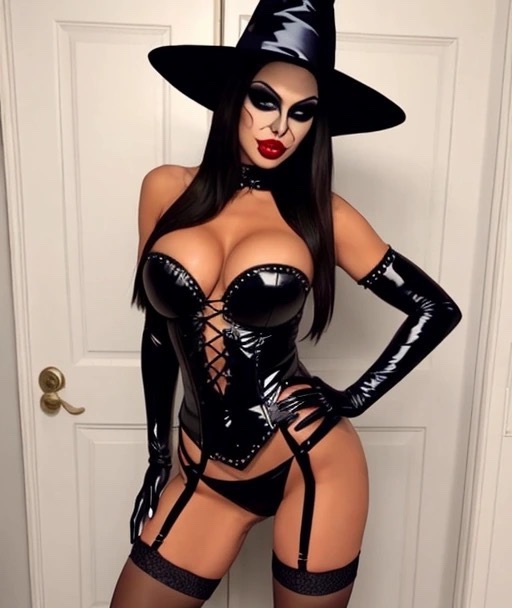
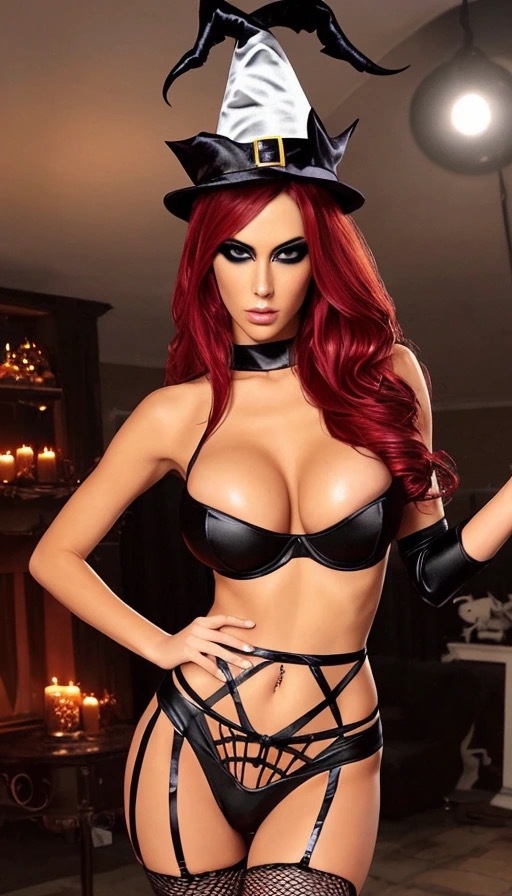
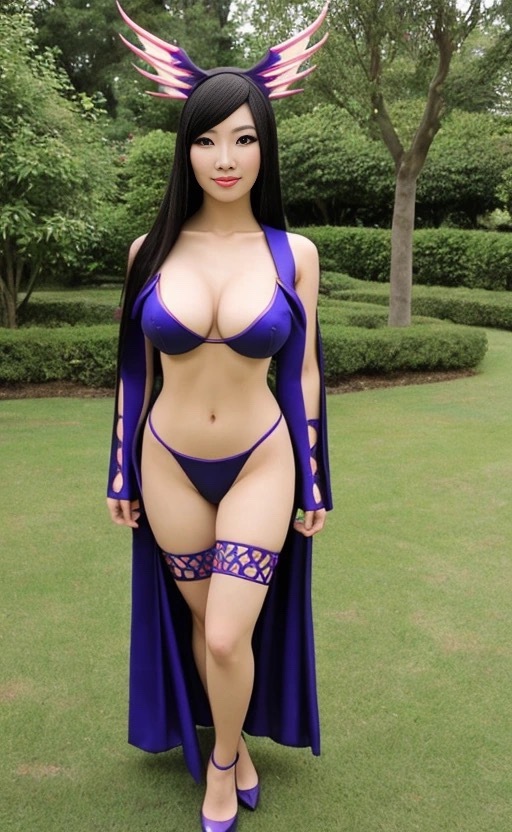
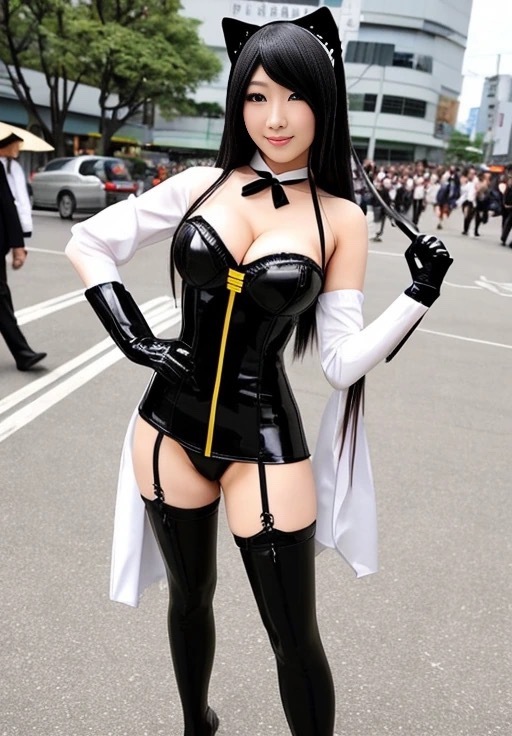
Halloween, the time of year when imagination takes flight and adults can playfully escape reality, has become a vibrant celebration of self-expression. Within this festive atmosphere, a particular aspect has captured the spotlight: the phenomenon of sexy Halloween costumes. These alluring ensembles, known for their daring designs and revealing attire, have skyrocketed in popularity among grown-ups. Yet, with their rise has come a heated debate, sparking questions about societal norms, gender roles, and personal freedom.
Critics argue that these costumes fuel harmful stereotypes and contribute to the objectification of women. They contend that the emphasis on revealing outfits sends a troubling message, reducing a woman’s worth to her physical appearance and sex appeal. This perspective suggests that sexy Halloween costumes perpetuate society’s pressure for women to conform to unrealistic ideals of beauty and sexuality.
However, proponents of these provocative costumes see them as a means of empowerment and self-expression. They champion the idea that women should be free to dress without judgment or scrutiny, wearing what makes them feel comfortable and confident. For some, donning a sexy Halloween costume is an act of defiance against traditional gender roles, a reclaiming of their bodies, and an expression of personal liberation.
Ultimately, the choice to wear a sexy Halloween costume is deeply personal, and it is crucial to respect individual decisions while upholding boundaries and consent. Halloween should be a celebration of creativity, joy, and inclusivity, fostering an environment where everyone feels comfortable and respected, regardless of their costume choices. So, as we embrace the spirit of Halloween, let’s remember to appreciate the diversity of expressions and honor the freedom to choose how we present ourselves.
Related Posts
50 Shades of Gryffindor
Change Our Minds Halloween Decorations
Unraveling the Mysterious Origins of Halloween: A Fascinating Tale
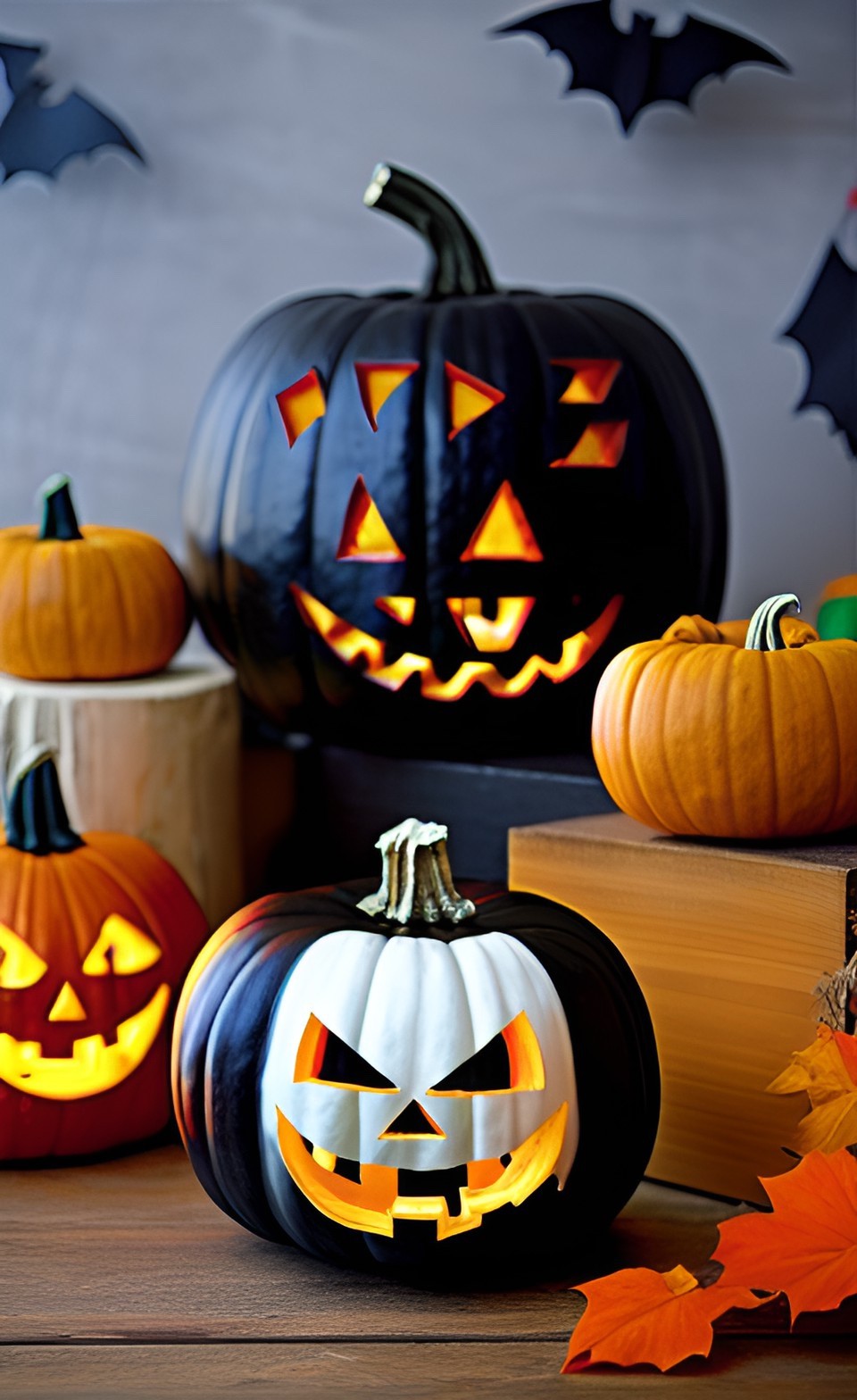
Are you ready to learn about the spookiest holiday of the year? Halloween, celebrated annually on October 31st, is a holiday that has captured the imaginations of people around the world with its spine-tingling traditions. From trick-or-treating and costume parties to haunted houses and ghost stories, Halloween has something for everyone. But have you ever wondered where it all began?
The origins of Halloween can be traced back to the ancient Celtic festival of Samhain, which was celebrated on the night of October 31st. The Celts believed that on this night, the boundary between the living and the dead was blurred, allowing ghosts and other supernatural beings to roam the earthly realm. To ward off evil spirits, they would light bonfires and wear costumes.
As Christianity spread throughout Europe, the celebration of Samhain merged with the Christian holiday of All Saints’ Day, which was originally celebrated on November 1st. The evening before became known as All Hallows’ Eve, which eventually morphed into Halloween. The new holiday combined elements of both Samhain and All Saints’ Day, leading to a mix of religious and secular traditions.
Halloween was brought to America by Irish and Scottish immigrants in the 19th century, and it quickly became popular. Trick-or-treating, where children go from door to door asking for candy, became a common tradition in the early 20th century. Today, Halloween is celebrated all over the world, with different cultures adding their own unique traditions to the mix.
Related Posts
Have You Heard of Mischief Night or Devil’s Night?
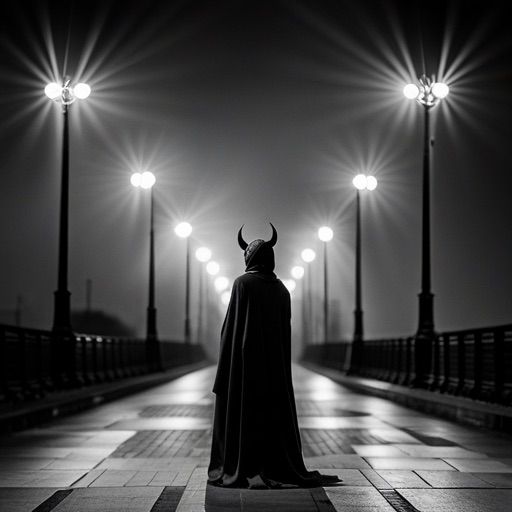
Are you ready for a spooky story? Devil’s Night, also known as Mischief Night, is a notorious annual tradition celebrated in select parts of the United States and Canada on the night before Halloween, October 30th. It’s a night of mischief, mayhem, and misadventure, where young people engage in pranks, vandalism, and even arson under the cover of darkness. The exact origins of Devil’s Night are shrouded in mystery, but legend has it that it first emerged in the dark alleys of Detroit, Michigan, during the 1940s.
As the years went by, the tradition spread like wildfire, particularly in areas with a high number of abandoned or vacant buildings. In the 1970s and 1980s, Devil’s Night became a full-blown phenomenon, with teenagers flocking to the streets to cause trouble. However, in recent times, the tide has turned. Communities have taken steps to prevent and discourage vandalism and arson. Some cities have implemented curfews, increased police presence, and organized alternative activities for young people to participate in on the night before Halloween.
While some may see Devil’s Night as a harmless tradition, it has the potential to cause serious damage and harm to individuals and communities. It’s important for individuals to consider the consequences of their actions and to find safer, more constructive ways to celebrate Halloween. So, let’s keep the spirit of Halloween alive, but let’s also keep our communities safe and sound.
Related Posts
Jim Harbaugh Responds During Interview to Sign Stealing Accusations
Alexandria Ocasio-Cortez Brings Nothing to the Table

Behold the All-Seeing Eye: Exploring the Enigma of Cycloptic Monsters
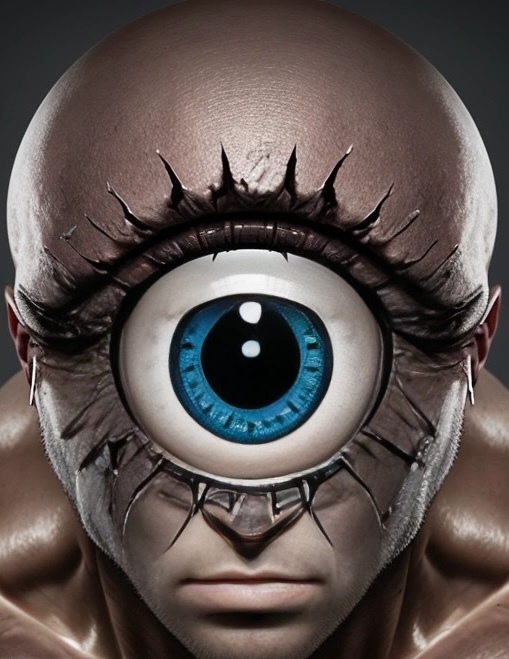
A cycloptic monster, an extraordinary mythical creature, possesses a single eye that boldly pierces through the center of its forehead. This distinct characteristic sets it apart from all other creatures, bestowing upon it a unique and often fearsome countenance. Throughout the annals of history, the concept of the cycloptic monster has woven its way into various mythologies and folklore, captivating the minds of humanity. Greek mythology, for instance, boasts the legendary Cyclops as the most renowned of these creatures. Towering in size and endowed with immense strength, this monstrous being possesses a solitary eye that casts an unwavering gaze upon the world. Depicted as ferocious and untamed, the Cyclops were notorious for their brute force and penchant for destruction. Stepping beyond the realm of ancient tales, the allure of the cycloptic monster has permeated popular culture, enthralling audiences through literature, movies, and video games alike. Its enigmatic and monstrous appeal beckons us, inviting us to explore the boundaries of our imagination and venture into the uncharted realm of the unknown. The cycloptic monster stands as a testament to the immense creativity within the collective consciousness of humanity, reminding us of the extraordinary and fantastical creatures conceived within the depths of our minds.
Related Posts
The Enduring Tale of the Kraken Sea Monster
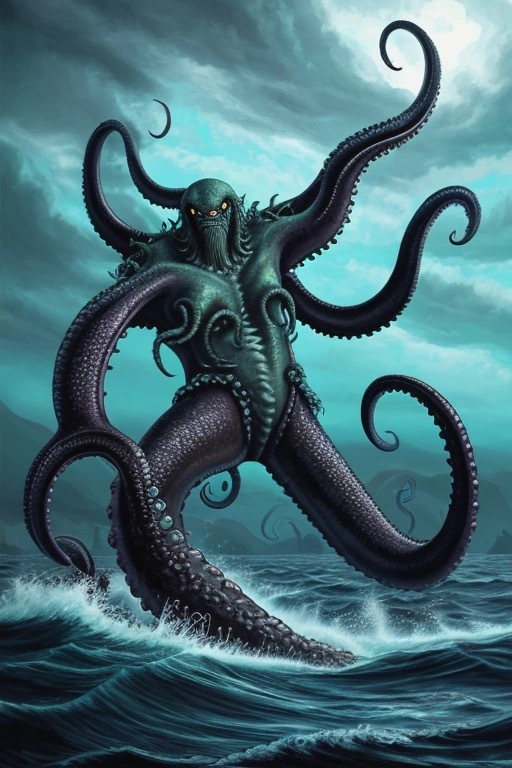
For centuries, the enigmatic and awe-inspiring Kraken Sea Monster has held people spellbound with its mythical presence. This legendary creature, with its colossal proportions and writhing tentacles, has become a captivating figure that resides in the depths of the ocean, emerging only to unleash chaos upon unsuspecting sailors and ships. The origins of this captivating myth can be traced back to the rich tapestry of Scandinavian folklore, where tales of this monstrous beast, capable of overturning even the mightiest vessels, first took root.
The descriptions of the Kraken are as diverse as the depths it calls home, but it is most commonly depicted as a colossal squid or octopus-like creature, its immense strength capable of crushing ships with ease. The mere whisper of its name struck terror into the hearts of sailors, for they believed that an encounter with this mythical beast was an omen of imminent disaster, a chilling harbinger of doom.
Though its existence remains unproven, the allure of the Kraken persists, captivating the minds of storytellers, artists, and filmmakers throughout history. From the ancient Norse sagas that birthed its legend to the modern-day realms of literature and cinema, the Kraken Sea Monster stands as an iconic and indomitable figure in the realms of folklore and fantasy. Its tale continues to enthral and inspire, forever etching its formidable presence upon the annals of human imagination.
Related Posts
Ghoul Power: Unleashing the Spooky Charm of Halloween Ghouls
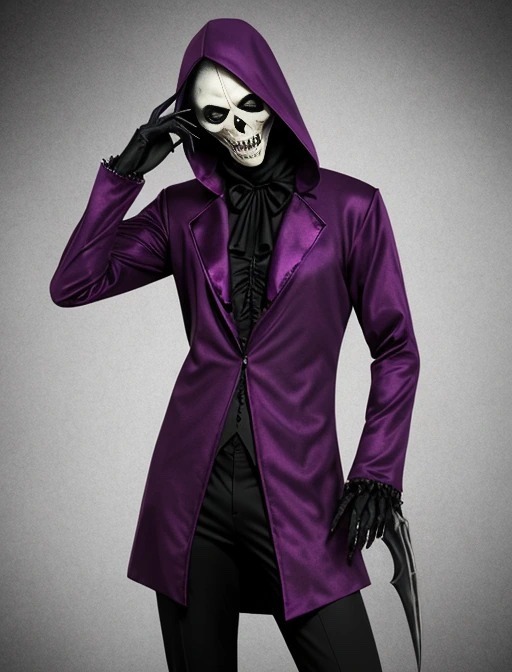
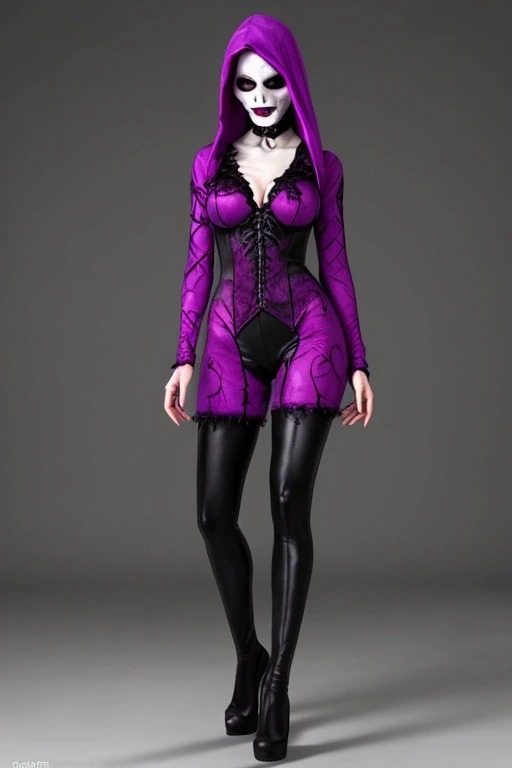
Step into the realm of spine-chilling allure with the Halloween ghoul costume, an iconic and wildly popular choice for those seeking to immerse themselves in the eerie essence of the holiday. This haunting ensemble traces its roots back to the ancient Celtic festival of Samhain, evolving over time into a celebration of all things supernatural and macabre.
The ghoul costume embodies the very spirit of this bewitching occasion, with its ethereal and ghostly visage. Picture a tattered and ragged robe or dress, swathed in the darkest hues of black and gray. The fabric, masterfully torn and frayed, conjures an illusion of decay and desolation. But the true essence lies in the spine-tingling details. Enter the realm of fright as these ensembles are often adorned with eerie accessories like fake blood, ghastly makeup, and lifelike prosthetic wounds.
The goal? To craft a visage so chilling and otherworldly that it sends ripples of terror down the spines of unsuspecting onlookers. Whether you choose to transform yourself into a full-fledged specter with an intricately designed ghostly makeup or prefer a more understated approach with a minimalist yet effective costume, the ghoul ensemble guarantees heads turning and a symphony of screams in its wake.
Beyond the screams and shivers, the Halloween ghoul costume serves as a gateway for individuals to embrace their darker side and revel in the thrill of the unknown. It offers a creative and imaginative outlet, allowing people to explore their fascination with the supernatural. So, if you’re yearning to make a spine-chilling statement this Halloween, consider adorning yourself in the ghoul costume and join the festivities for an unforgettable, hair-raising experience.
Related Posts
Fursuits Unleashed: The Artistry and Creativity Behind Furry Costumes
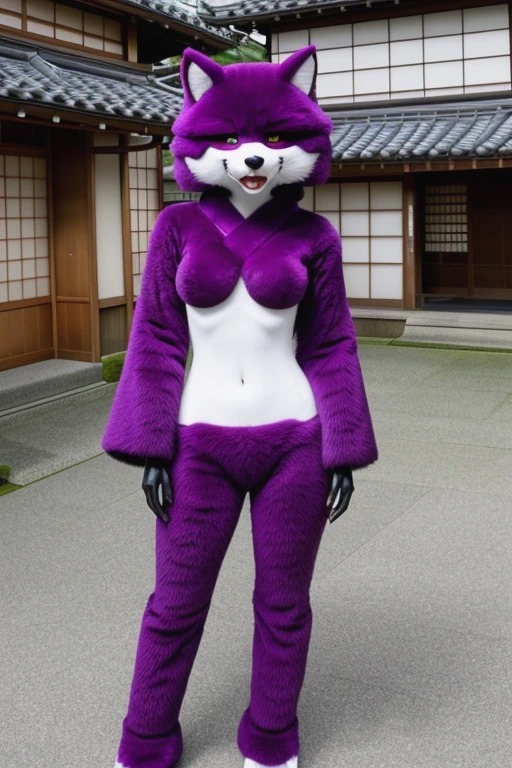
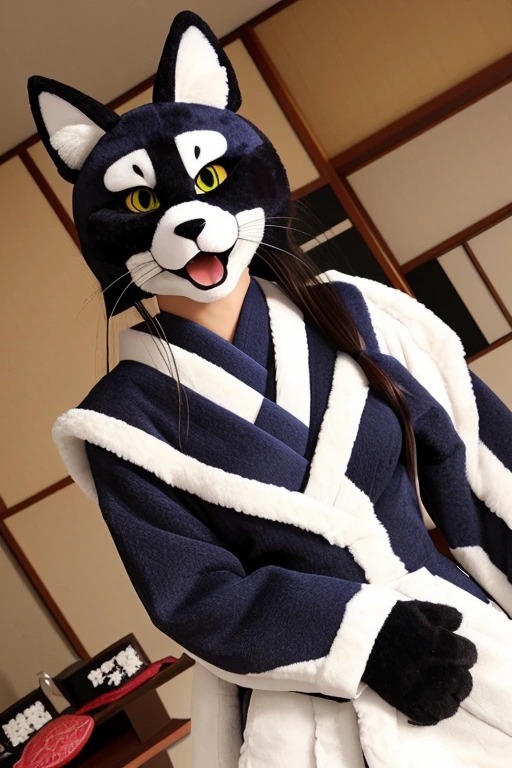
In recent years, the world of furry costumes, also known as fursuits, has burst onto the scene with captivating allure. This mesmerizing phenomenon has captured the attention of individuals who identify as furries, a vibrant subculture of people who possess a deep fascination for anthropomorphic animal characters. Prepare to be amazed as we delve into the intricate world of fursuits, where creativity and artistry know no bounds.
Crafted with painstaking precision, fursuits are a sight to behold. These remarkable costumes are meticulously designed to mirror the very essence of these beloved characters, adorned with intricate details that showcase the commitment and passion of their creators. No detail is too small, as these full-body suits are accompanied by headpieces boasting expressive facial features, and in some instances, even moving parts. It’s a true testament to the dedication and talent of those who bring these fantastical creatures to life.
For furries, donning these magical costumes is more than just a fashion statement. It’s an opportunity for self-expression and boundless creativity. Whether they choose to embody their cherished characters or create a persona entirely their own, fursuits provide an avenue for individuals to explore and showcase their deepest desires and inspirations. It’s a chance for them to step into a world where imagination knows no limits.
The furry community comes alive at conventions and gatherings, where furries from far and wide converge to celebrate their shared passion. These events offer a haven for furries to proudly showcase their extraordinary costumes, indulging in thrilling role-playing adventures and forging connections within their unique community. It’s a vibrant tapestry of creativity and camaraderie that thrives on the dedication and artistry of its members.
The craftsmanship that goes into creating a fursuit is nothing short of astounding. Countless hours and boundless resources are poured into perfecting every stitch and detail, resulting in awe-inspiring works of art. These costumes are not just a means of self-expression; they serve as a gateway to a realm of escapism, allowing individuals to temporarily inhabit the skin of their cherished animal characters. It’s a transformative experience that brings joy and fulfillment to those who embrace it.
While the furry community may face misconceptions and stereotypes, it’s crucial to acknowledge that fursuits are a manifestation of boundless creativity and should be regarded with respect. They represent a unique form of artistic expression, bringing happiness and unity to a diverse group of individuals. So let us celebrate the wonder and enchantment of furry costumes, for they are so much more than meets the eye.
Related Posts
Embrace the Extraterrestrial: Alien Costumes That Are Out of This World!
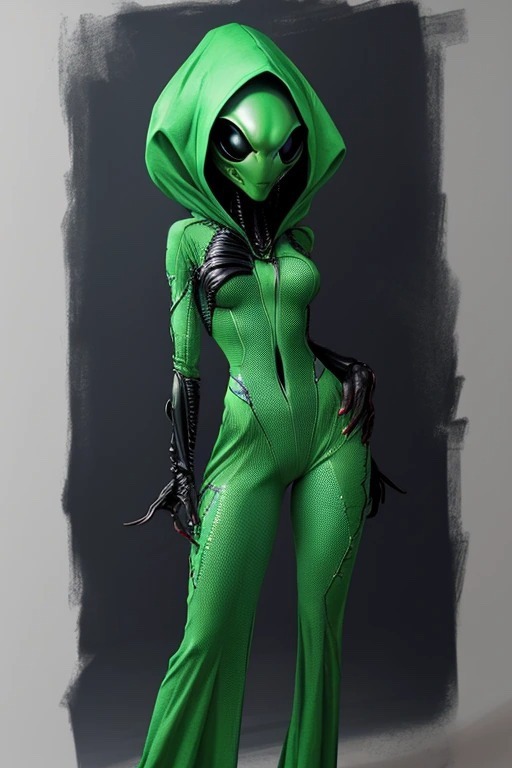
Aliens have taken the Halloween costume scene by storm, captivating the minds of costume enthusiasts everywhere. Their enigmatic presence and otherworldly allure offer a gateway to unleashing untamed creativity and boundless imagination. From classic silver-bodied extraterrestrials to outlandishly unique and intricate designs, the options for alien costumes are as vast as the galaxy itself.
What makes dressing up as an alien so captivating is the opportunity to break free from the mundane and embody a character from a realm beyond our own. Whether it’s the iconic green-skinned, bug-eyed extraterrestrial or a mind-bendingly original interpretation, the possibilities for alien costumes are as endless as the cosmos.
But it doesn’t stop there. The alien theme offers a treasure trove of accessories and props to elevate your cosmic appearance. Imagine wielding futuristic weapons, clutching glowing orbs, or even donning a hat shaped like a UFO. These additions truly amplify the overall look and transport you to a realm where the ordinary meets the extraordinary.
Beyond the surface-level excitement, aliens also ignite profound contemplation about the existence of life beyond our planet. By delving into the concept of extraterrestrial beings, these costumes spark conversations and debates, inviting us to ponder the mysteries of the universe. Halloween, with its fusion of fantasy and boundless creativity, provides the perfect stage for celebrating our fascination with the unknown and embracing the possibility of encountering beings from distant galaxies.
So this Halloween, don’t hesitate to step into the enigmatic shoes of an alien. Let your imagination take flight as you explore the depths of the universe, transcending the boundaries of our everyday lives. Embrace the extraordinary and revel in the delight of tapping into the vast cosmic tapestry that lies just beyond our reach.
Related Posts
The Haunting Legacy of Halloween Demons: From Folklore to Fear
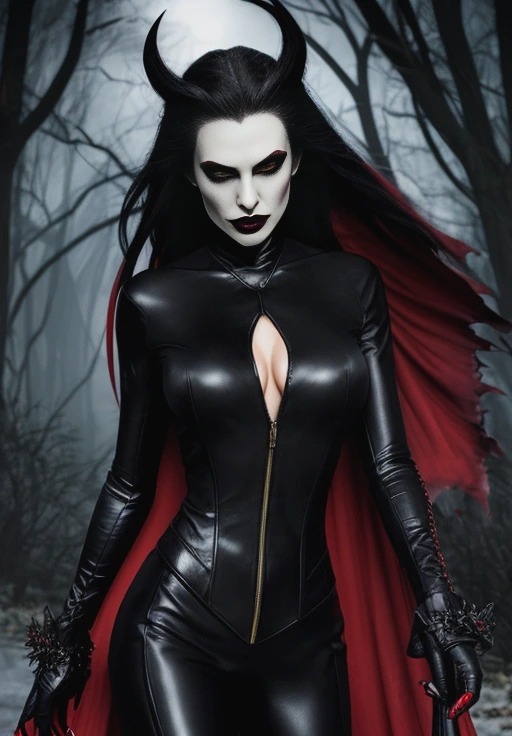
A Halloween demon is a mesmerizing creature that embodies the essence of this enchanting holiday. Deeply rooted in ancient folklore and mythology, the Halloween demon symbolizes fear, mischief, and the supernatural. It takes the form of a malevolent being, with grotesque features, donning tattered garments, and carrying eerie accessories. On Halloween night, this sinister figure prowls the shadows, instilling terror and sending shivers down the spines of anyone it encounters. Its presence lingers in every dimly lit corner, whispered about in hushed tones.
The Halloween demon serves as a manifestation of our deepest fears and the mysteries of the unknown, reminding us of the delicate veil between the living and the dead. It serves as a testament to the ancient belief that on Halloween, the boundary between realms becomes fragile, granting spirits and otherworldly beings passage into our world. Whether it takes the form of the legendary Jack-o’-lantern, a mischievous trickster, or a vengeful spirit seeking justice, the Halloween demon assumes various terrifying forms, each more daunting than the last.
The lore surrounding the Halloween demon has been passed down through generations, captivating our imaginations and fueling our fascination with the supernatural. It acts as a reminder that Halloween is not merely about sugary treats and playful costumes, but also about embracing the shadows and confronting our fears. The Halloween demon encapsulates the true essence of this spine-chilling holiday, bringing a sense of thrill and exhilaration to all who dare to partake in its celebration.
Related Posts
Ghosts and Halloween: Exploring the Spine-Chilling Connection
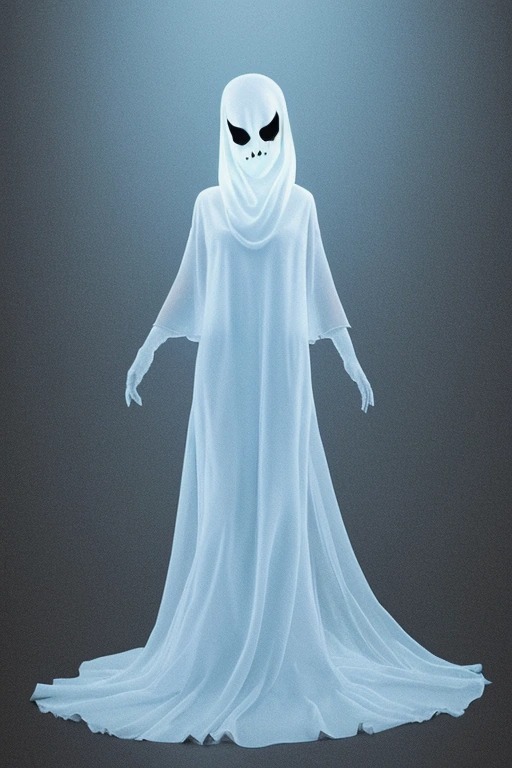
Ghosts and Halloween go hand in hand, thanks to their chilling and enigmatic nature. The origins of Halloween, also known as All Hallows’ Eve, can be traced back to ancient Celtic traditions. According to folklore, on the night of October 31st, the barrier between the living and the dead would blur, allowing spirits to freely wander among us. This captivating belief gave birth to a plethora of customs and traditions, solidifying the close association between ghosts and Halloween.
Ghosts are perceived as otherworldly beings, existing in a realm between life and death. Their presence during this time of year injects a bone-chilling thrill into the holiday. The enduring connection between Halloween and ghosts is further reinforced by popular culture, where movies, books, and decorations consistently portray ghosts as an integral part of the festivities. Their ethereal figures draped in white sheets or gracefully gliding through the air perfectly align with the supernatural, macabre, and mysterious theme of Halloween.
As a result, ghosts have become inseparable from Halloween, symbolizing the spirit world and embodying the very essence of this delightfully haunting holiday. Their enigmatic allure and eerie presence add an extra layer of excitement to the festivities, captivating both young and old alike. So when the moon is full and the air is thick with an otherworldly aura, remember that ghosts are the spectral companions of Halloween, forever intertwined in its bewitching charm.
Related Posts
Harvesting Souls: Unveiling the Secrets of the Grim Reaper
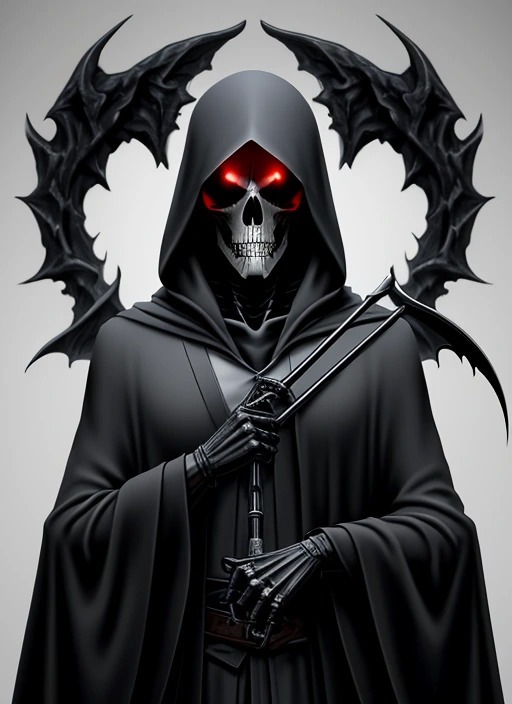
The chilling Grim Reaper, with its bony frame and menacing scythe, stands as an enduring symbol that captivates the realms of folklore and mythology. Whether known as the Angel of Death or the embodiment of mortality, this enigmatic figure represents the ultimate cessation of life. Throughout the annals of history, the Grim Reaper has transcended cultural boundaries, embodying the timeless concept of death and the unstoppable flow of time. Its image instills fear and apprehension, for it is believed to be the harbinger that escorts souls from this world to the next. In many traditions, the Grim Reaper personifies impartiality, executing its solemn duty devoid of emotion or judgment. It serves as a potent reminder that death is an inescapable facet of the human experience, indifferent to one’s stature, wealth, or influence. From art to literature to the expansive realm of popular culture, the Grim Reaper has inspired countless masterpieces, weaving intricate narratives that explore mortality, destiny, and the ephemeral nature of existence. Despite its eerie visage, this spectral figure embodies a symbolic force that beckons us to contemplate and reflect upon the inevitability of our own demise, urging us to seize the present moment and treasure the precious time we possess.
Related Posts
Wrapped in History: The Unraveling Charm of Mummies
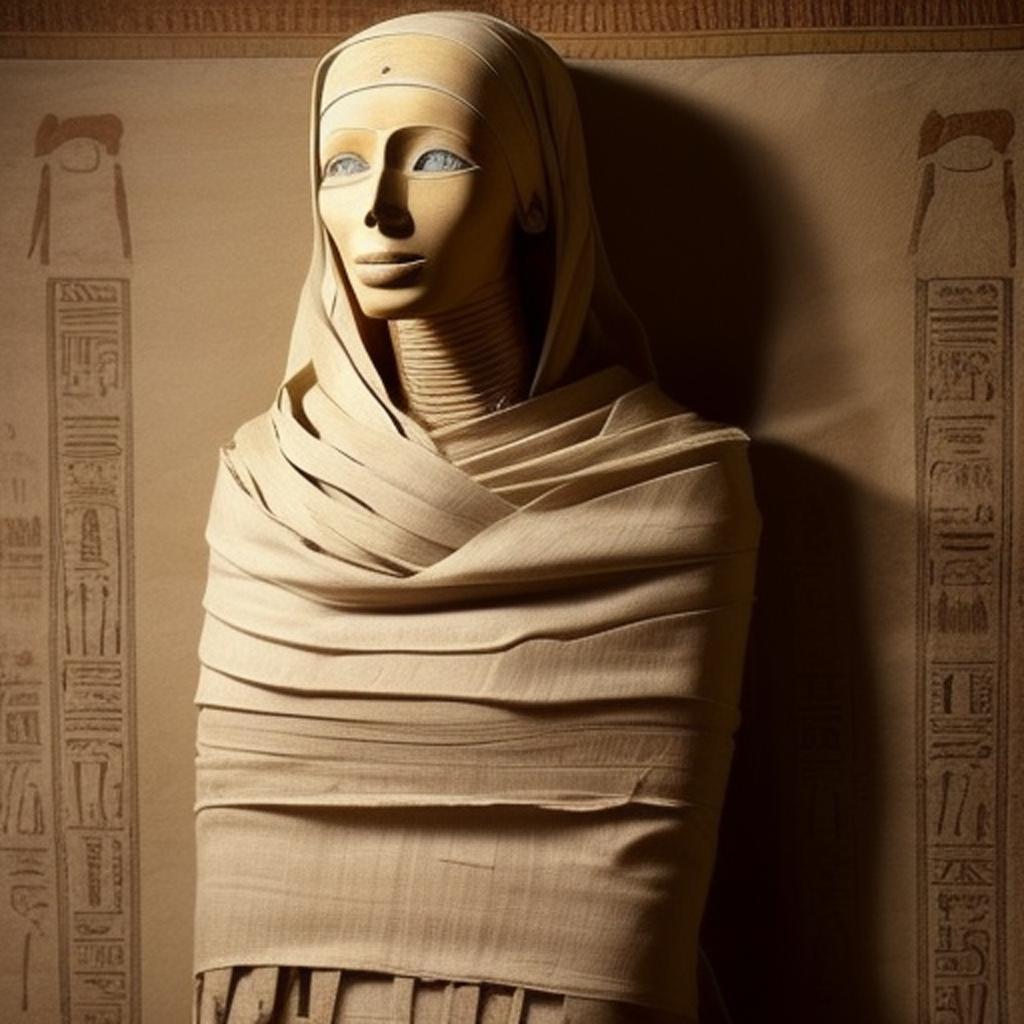
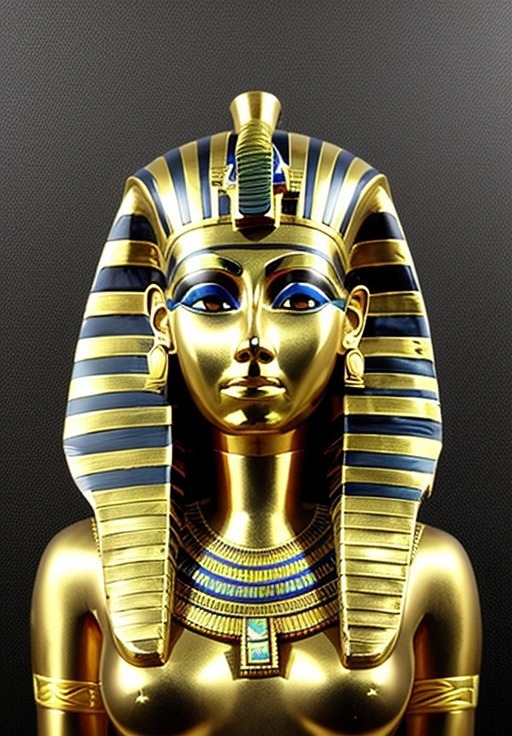
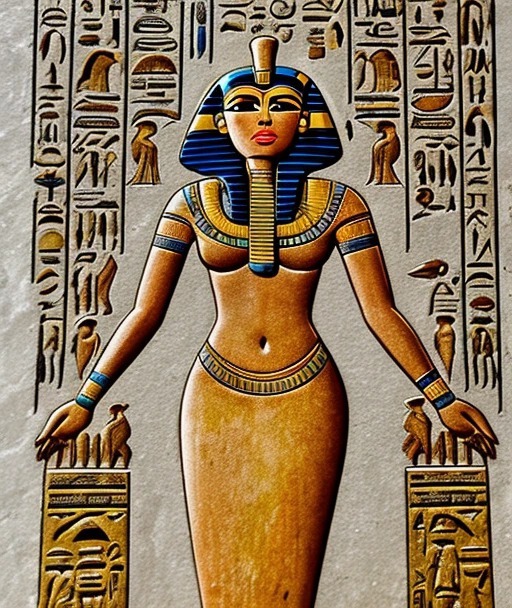
Mummies and Halloween are a match made in the afterlife. These ancient beings have transcended time to become legendary monsters, injecting a bone-chilling thrill into the holiday. Originating from the sacred rituals of ancient Egypt, mummification was a meticulous process aimed at preserving the bodies of pharaohs and revered figures for the journey beyond. But in the realm of popular culture, mummies have undergone a spine-tingling transformation. Wrapped in tattered bandages, they wander through dimly lit tombs, their presence striking terror into the hearts of those who behold them.
The mere sight of a mummy sends shivers down the spine, for they are often portrayed as cursed creatures, roused from their eternal slumber. With their decaying visage, vacant gazes, and deliberate, haunting movements, mummies masterfully blend the familiar with the grotesque. The notion of a reanimated corpse, preserved over centuries and now seeking vengeance or spreading chaos, taps into humanity’s deepest fears of death and the great unknown.
Mummies often find themselves entrusted with the role of guardians, protecting ancient treasures and cursed artifacts. This adds an aura of mystery and danger to their already formidable character. Relentless and unstoppable, they become formidable foes in horror tales and silver screen spectacles alike. The image of a mummy, swathed in ancient wrappings and exuding an eerie presence, has seamlessly woven itself into the fabric of Halloween. From trick-or-treaters donning mummy costumes to spine-chilling props adorning front yards, the mummy has undeniably claimed its throne as one of Halloween’s timeless monsters.
So, when the moon hangs low and Halloween approaches, prepare yourself for the lurking shadows. Mummies await, ready to send shivers coursing through your veins, reminding us all that even the dead can rise again.
Related Posts
Embracing the Moon: Unraveling the Mystique of Werewolves
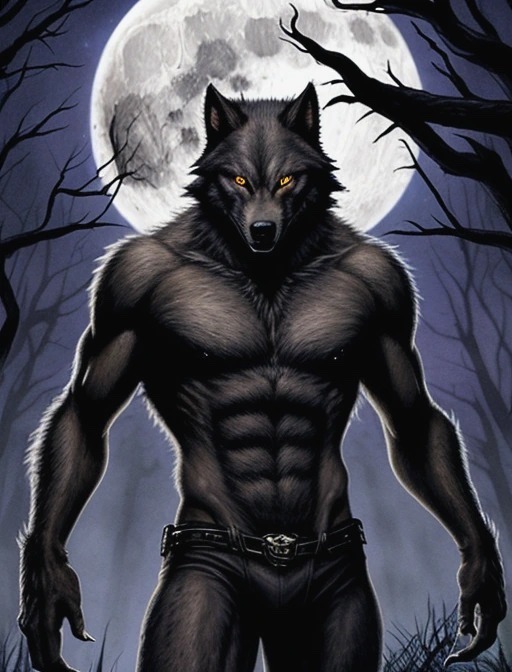
For centuries, the world has been captivated by the enigmatic and spine-chilling tales of werewolves. These supernatural beings, also known as lycanthropes, have clawed their way into folklore and mythology, leaving a trail of fascination and terror in their wake. Picture this: humans morphing into wolves under the spell of a full moon, their existence intertwined with ancient civilizations such as Greece and Rome.
Legends of werewolves trace back to a time when shape-shifting creatures roamed the imaginations of people across the globe. Cultures far and wide believed that these cursed individuals faced a twisted fate, their punishment being the transformation into fearsome wolves. The metamorphosis itself is said to be a tormenting and uncontrollable process, unleashing an array of physical and psychological changes.
Once in their lupine form, werewolves are said to possess extraordinary strength, heightened senses, and an insatiable appetite for the flesh of unsuspecting humans. Throughout different regions, tales of these creatures have taken various forms, but one thing remains constant: the moon’s undeniable influence. It is believed that the celestial body triggers the metamorphosis, causing the afflicted to lose all control over their human side, succumbing entirely to their primal instincts.
In the annals of werewolf lore, silver has emerged as a powerful weapon against these formidable beasts. Legends whisper that this precious metal possesses the ability to harm or even bring about their demise. With such rich mythology surrounding them, werewolves have clawed their way into literature, films, and television shows, forever etching their place in popular culture.
While these creatures may dwell within the realms of fiction, their allure and the fear they inspire continue to captivate our imaginations. Whether viewed as nocturnal terrors or tragic figures trapped between two worlds, werewolves have become an enduring symbol of transformation, duality, and the eternal struggle between our human and animalistic selves.