Ordered Chinese Food During the Pandemic
Related Posts A Taste of Freedom Joe Biden The Magician Men Wearing Dresses Celebrate Mother’s Day Today Busy Night at Stone Henge as Workers Move all the Stones Forward One Hour
Related Posts A Taste of Freedom Joe Biden The Magician Men Wearing Dresses Celebrate Mother’s Day Today Busy Night at Stone Henge as Workers Move all the Stones Forward One Hour
Related Posts A Taste of Freedom Joe Biden The Magician Men Wearing Dresses Celebrate Mother’s Day Today Busy Night at Stone Henge as Workers Move all the Stones Forward One Hour
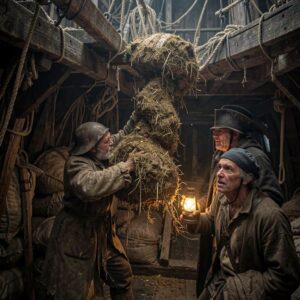
In the 16th and 17th centuries, everything for export had to be transported by ship. It was also before the invention of commercial fertilizers, so large shipments of manure were quite common. It was shipped dry, because in dry form…
Related Posts A Taste of Freedom Joe Biden The Magician Men Wearing Dresses Celebrate Mother’s Day Today Busy Night at Stone Henge as Workers Move all the Stones Forward One Hour
Related Posts A Taste of Freedom Joe Biden The Magician Men Wearing Dresses Celebrate Mother’s Day Today Busy Night at Stone Henge as Workers Move all the Stones Forward One Hour
Related Posts A Taste of Freedom Joe Biden The Magician Men Wearing Dresses Celebrate Mother’s Day Today Busy Night at Stone Henge as Workers Move all the Stones Forward One Hour
Related Posts A Taste of Freedom Joe Biden The Magician Men Wearing Dresses Celebrate Mother’s Day Today Busy Night at Stone Henge as Workers Move all the Stones Forward One Hour
Related Posts A Taste of Freedom Joe Biden The Magician Men Wearing Dresses Celebrate Mother’s Day Today Busy Night at Stone Henge as Workers Move all the Stones Forward One Hour
Related Posts A Taste of Freedom Joe Biden The Magician Men Wearing Dresses Celebrate Mother’s Day Today Busy Night at Stone Henge as Workers Move all the Stones Forward One Hour
Related Posts A Taste of Freedom Joe Biden The Magician Men Wearing Dresses Celebrate Mother’s Day Today Busy Night at Stone Henge as Workers Move all the Stones Forward One Hour
Related Posts A Taste of Freedom Joe Biden The Magician Men Wearing Dresses Celebrate Mother’s Day Today Busy Night at Stone Henge as Workers Move all the Stones Forward One Hour
Related Posts A Taste of Freedom Joe Biden The Magician Men Wearing Dresses Celebrate Mother’s Day Today Busy Night at Stone Henge as Workers Move all the Stones Forward One Hour
Related Posts A Woman’s Orgasm Isn’t Necessary If She Has Small Boobs You Can Still Motorboat Someone Left Their Blowup Doll on the Airplane United We Stand, With Biden We Fall
Related Posts A Taste of Freedom Joe Biden The Magician Men Wearing Dresses Celebrate Mother’s Day Today Busy Night at Stone Henge as Workers Move all the Stones Forward One Hour
Related Posts A Taste of Freedom Joe Biden The Magician Men Wearing Dresses Celebrate Mother’s Day Today Busy Night at Stone Henge as Workers Move all the Stones Forward One Hour
Related Posts A Taste of Freedom Joe Biden The Magician Men Wearing Dresses Celebrate Mother’s Day Today Busy Night at Stone Henge as Workers Move all the Stones Forward One Hour
Related Posts A Taste of Freedom Joe Biden The Magician Men Wearing Dresses Celebrate Mother’s Day Today Busy Night at Stone Henge as Workers Move all the Stones Forward One Hour
Related Posts A Taste of Freedom Joe Biden The Magician Men Wearing Dresses Celebrate Mother’s Day Today Busy Night at Stone Henge as Workers Move all the Stones Forward One Hour
Related Posts A Taste of Freedom Joe Biden The Magician Men Wearing Dresses Celebrate Mother’s Day Today Busy Night at Stone Henge as Workers Move all the Stones Forward One Hour
Related Posts A Taste of Freedom Joe Biden The Magician Men Wearing Dresses Celebrate Mother’s Day Today Busy Night at Stone Henge as Workers Move all the Stones Forward One Hour