Category: Events

Pearl Harbor to Peace: Honoring History, Building Bridges Between Japan and the United States

Elias Rowen

a person in a car posing for the camera

The attack on Pearl Harbor stands as an extraordinary moment in history, forever altering the dynamic between Japan and the United States. But in the aftermath of this tragic event, both nations have tirelessly strived to rise above the pain, forging a path of understanding and cooperation. Embracing the significance of our shared past is a crucial step, enabling us to learn from past mistakes and honor the sacrifices made.

Following the devastating attack on Pearl Harbor, which claimed the lives of thousands of Americans, tensions between Japan and the United States reached unprecedented heights. However, in the subsequent decades, both nations recognized the imperative of healing wounds and nourishing a spirit of reconciliation. Commemorative events, memorial services, and educational initiatives all serve as reminders of the enduring need to champion peace and comprehension.

The efforts to bridge the gap between Japan and the United States have been diverse and ceaseless. Cultural exchanges have played a pivotal role, fostering mutual respect and admiration. Through the realms of art, music, and sports, both nations have showcased their distinctive traditions, kindling a sense of unity among their people. Additionally, educational programs have been developed to foster cross-cultural understanding and exchange among students, ensuring that younger generations grow up with a profound appreciation for the shared values and history of both nations.

Diplomatic endeavors have also been instrumental in solidifying the bond between Japan and the United States. The signing of the Treaty of Mutual Cooperation and Security in 1960 marked a significant milestone, cementing the alliance between the two nations. This treaty, alongside subsequent agreements and partnerships, has facilitated enhanced collaboration in areas such as defense, trade, and technology. Through diplomatic channels, Japan and the United States have successfully addressed mutual concerns and worked towards a shared vision of peace and prosperity.

In recent years, the relationship between Japan and the United States has continued to evolve and deepen. The commemoration of the 75th anniversary of the attack on Pearl Harbor in 2016 served as a poignant reminder of the progress made in healing past wounds. Both nations joined hands to pay homage to the lives lost and reaffirm their unwavering commitment to peace and friendship. This event exemplified the transformative power of remembrance in fostering understanding and emphasized the importance of ongoing efforts to bridge the gap between the two nations.

The journey from Pearl Harbor to peace is an ongoing endeavor, necessitating unwavering dedication and commitment from both Japan and the United States. By honoring history, recognizing the pain of the past, and diligently working towards a shared future, these two nations have showcased to the world the resolute power of reconciliation. As the world confronts new challenges, it becomes increasingly crucial for countries like Japan and the United States to lead by example, demonstrating that peace and understanding can triumph even in the face of adversity.

Related Posts

Voting on Election Day in the United States

Elias Rowen

Voting in the United States, Ultra-realistic photography, studio quality, cinematic light, hd

Election Day is the day when citizens of a country exercise their right to vote and elect their representatives at different levels of government. In America, Election Day is held on the first Tuesday of November every two years, and it’s a day of immense importance for the nation.

On this day, eligible voters head to their designated polling places, eager to cast their ballots and make their voices heard. The voting process begins early in the morning and continues until late in the evening, giving everyone ample time to vote. It’s an exciting time when people come together to participate in the democratic process and shape their future.

To vote, citizens must be registered and have a valid ID. Once they check-in at the polling place, they receive a ballot – either a paper one or an electronic one, depending on the state. Voters then go to a private booth to fill out their ballot, carefully marking their choices for candidates or issues they are passionate about. Afterward, they return their ballot to the polling station worker, who places it in a secure ballot box.

When the polls close, the ballot boxes are securely transported to a central location, where the counting process begins. Tallying the votes for each candidate or issue can take several hours or days, depending on the size of the election and the number of ballots cast. Finally, the results are announced to the public, and the winners are declared.

Election Day is a crucial event in the democratic process because it determines the leaders who will represent the people’s interests for the next few years. Every vote counts, and it’s essential that eligible voters take advantage of this opportunity to make their voices heard. By casting their ballot, they can help ensure that the government is representative of the people’s wishes and create a better future for all.

Related Posts

The Diplomatic Brilliance of Benjamin Franklin

Elias Rowen

a person posing for the camera
Benjamin Franklin is widely recognized as one of the most important figures in American history, and his contributions as a diplomat are no exception. Throughout his life, Franklin served as a representative of the American colonies both in Europe and at home, and his diplomatic efforts were crucial to the success of the American Revolution. Franklin’s experiences as a printer, writer, scientist, and politician all contributed to his skill as a diplomat, as he was able to use his knowledge of these diverse fields to navigate complex negotiations on behalf of his country.

One of Franklin’s most notable diplomatic achievements was his role in securing the support of France for the American Revolution. In 1776, Franklin was sent to France to seek aid for the colonies, and he quickly became a popular figure among the French people. He used his wit, charm, and intellect to win over important members of the French court, and his efforts paid off when France formally recognized the United States as an independent nation in 1778. Franklin’s success in securing French support was a major turning point in the war, and it helped to ensure that the colonies would emerge victorious.

In addition to his work in France, Franklin also played an important role in negotiating the Treaty of Paris in 1783, which officially ended the American Revolution. Along with John Adams and John Jay, Franklin worked tirelessly to secure favorable terms for the new nation, and his reputation as a skilled negotiator was invaluable in these efforts. The Treaty of Paris was a major achievement for the United States, as it secured recognition of American independence and established the boundaries of the new nation.

Overall, Benjamin Franklin’s contributions as a diplomat were crucial to the success of the American Revolution and the establishment of the United States as a new nation. His skills as a negotiator, his knowledge of science and politics, and his ability to win over important allies were all essential in securing support for the colonies and achieving victory in the war. Franklin’s legacy as a diplomat continues to inspire generations of Americans, and his contributions to the nation will never be forgotten.

Related Posts

Dracula Unveiled: Immortal Legacy of the Enigmatic Vampire

Elias Rowen

a person wearing a dress

Step into the world of Count Dracula, the legendary vampire who has enthralled readers and viewers alike for over a century. Created by Bram Stoker in his iconic novel “Dracula,” this enigmatic character has become an enduring symbol of horror and fascination.

Drawing inspiration from a myriad of sources, Stoker crafted a character that would leave a lasting impression on the literary landscape. One of his key influences was Vlad the Impaler, a ruthless ruler from 15th-century Wallachia. Known for impaling his enemies on long spikes, Vlad’s dark reputation and association with Transylvania provided the perfect foundation for the fictional Count Dracula.

But Stoker’s ingenuity didn’t stop there. He delved into the rich tapestry of vampire folklore and legends from Eastern Europe, infusing his creation with the concept of the undead and their ability to transform into bats. Count Dracula emerged as a creature of immense power and cunning, with a pale complexion, sharp fangs, and an insatiable thirst for blood. His ability to shape-shift and his hypnotic gaze only added to his allure, making him a formidable adversary.

Since his inception, Count Dracula has transcended the pages of literature, captivating audiences in various adaptations. From Bela Lugosi’s haunting portrayal in the 1931 film to Gary Oldman’s mesmerizing performance in Francis Ford Coppola’s 1992 adaptation, Dracula has left an indelible mark on the horror genre.

Yet, beneath his malevolence lies a complex character. Dracula is often depicted as a tragic figure, tormented by his immortality and isolation. His supernatural abilities are balanced by his enigmatic charm and seductive nature, drawing both fear and fascination from those who encounter him.

Count Dracula’s legacy stretches across time, captivating generation after generation with his dark and mysterious persona. He stands as a testament to the power of imaginative storytelling, weaving together history, folklore, and Stoker’s brilliance to create a character that continues to captivate and terrify.

Related Posts

Zombie Apocalypse Haven: Unveiling the Ultimate Sanctuaries for Survival

Elias Rowen

a woman posing for a picture
Are you prepared for a zombie apocalypse? If not, don’t worry, you’re not alone. But when it comes to survival, choosing the right location could mean the difference between life and death. So, what should you consider when selecting your hideout?

First, it’s crucial to avoid densely populated areas like cities. They’re likely to be overrun with zombies and pose a severe threat to your safety. Instead, search for secluded locations like remote forests, mountain ranges, or islands. These natural barriers make it harder for zombies to reach you and increase your chances of survival.

But surviving isn’t just about hiding. You also need to ensure you have a reliable source of food, water, and energy. Look for areas with fertile land, abundant water sources, and a suitable climate for farming. Additionally, choose a place close to natural energy sources like solar, wind, or hydroelectric power.

If you’re wondering where to find these ideal locations, look no further than Alaska. Its remote location, harsh climate, and vast wilderness make it the perfect place to hide from zombies. With plenty of natural resources like fish, game, and fresh water, you’ll have everything you need to survive. Plus, Alaska’s low population density and small towns make it easier to avoid zombies and stay off the radar.

Madagascar is another excellent location to consider. This isolated island off the coast of Africa is one of the most secluded places on Earth, making it an excellent refuge. With vast rainforests and diverse wildlife, you’ll have ample opportunities for hunting and gathering. Plus, Madagascar’s tropical climate ensures a steady supply of fresh fruit and vegetables.

Last but not least, the Scottish Highlands are a fantastic place to live during a zombie apocalypse. The rugged terrain, harsh climate, and sparse population make it an ideal place to hide from zombies. Remote communities have lived off the land for centuries, and you can too. The area’s vast forests and rugged hills provide ample opportunities for hunting and foraging, while its proximity to the sea ensures a steady supply of fish and shellfish.

In conclusion, surviving a zombie apocalypse requires careful planning and preparation. Choosing a location that is secluded, rich in resources, and difficult to access will increase your chances of survival. So, whether you choose Alaska, Madagascar, or the Scottish Highlands, always remember to stay vigilant and be prepared for anything.

Related Posts

The First Continental Congress: Igniting the Flames of Revolution

Dave

a group of people sitting at a table

Picture this: Philadelphia, September 1774. The air crackles with anticipation as twelve of the thirteen American colonies gather for a momentous event in history—the First Continental Congress. This pivotal gathering serves as a battleground of ideas, where delegates unite to confront the oppressive grip of the British government.

Tensions between the colonists and the British Crown have reached a boiling point. Grievances pile up like kindling, fueled by the weight of unjust taxation, the unwelcome presence of British troops, and suffocating trade restrictions. Enter the Congress, a bold response to these injustices, with delegates including luminaries like John Adams, George Washington, and Benjamin Franklin—architects of America’s destiny.

Within the hallowed halls of the Congress, minds clash and ideas ignite. Passionate debates rage, as the delegates forge a path forward. Their collective efforts result in the adoption of the Articles of Association, a clarion call for unity and resistance. This historic document not only calls for a boycott of British goods, but also lays the groundwork for a united front against the shackles of British tyranny.

The First Continental Congress stands tall as a cornerstone of cooperation, a turning point in the quest for independence. It sets the stage, like a theater curtain rising, for the grand spectacle of the American Revolution, which unfolds less than two years later. This Congress becomes the rallying cry, the spark that ignites a flame of defiance, and the birth of a united nation.

More than a mere political assembly, the Congress embodies the indomitable spirit of the colonists. It signifies their unwavering determination to assert their rights, to carve out a destiny of their own making. As the Congress takes its place in the annals of history, it not only serves as a catalyst for the formation of a national identity, but also lays the foundation for the birth of a new nation—one that resists, perseveres, and triumphs against all odds.

Related Posts

Unraveling the Russia-Ukraine Conflict: Is it a War or Something Else?

Dave

chart, funnel chart
The issue of whether Russia is locked in a war with Ukraine is a captivating and contentious subject that keeps experts and policymakers on their toes. This conflict between the two neighboring nations erupted back in 2014, when Russia seized Crimea, a territory that previously belonged to Ukraine. Since then, tensions have soared, thrusting eastern Ukraine, particularly Donetsk and Luhansk, into a full-blown armed confrontation. But the plot thickens with the involvement of pro-Russian separatist groups in these regions, allegedly backed by the Russian government. Although Russia vehemently denies any direct role, claiming it’s an internal Ukrainian affair, the mounting evidence suggests otherwise.

Countless reports and investigations have shed light on the presence of Russian troops, military equipment, and support for the separatist forces. This relentless conflict has claimed numerous lives, forced people to flee their homes, and dealt a crippling blow to the economy in the affected areas. Understandably, the international community has expressed outrage and responded with economic sanctions. Yet, despite these measures, the conflict remains unresolved, with sporadic outbursts of violence and ongoing negotiations for a peaceful resolution.

Now, whether one chooses to label this situation as an outright war depends on how they define the term “war” itself. While it may not resemble a conventional, large-scale war between these nations, the conflict in Ukraine undeniably exhibits the hallmarks of an armed confrontation. There are military operations, casualties, and disputes over territorial control, all of which characterize a state of conflict. Ultimately, the question of whether Russia and Ukraine are engaged in a war is subjective. However, it’s an undeniable fact that this ongoing crisis is a grave issue demanding urgent attention and concerted efforts for a peaceful resolution.

Related Posts

The Lasting Impact of September 11th: A Wake-up Call to Unite Against Terrorism

Dave

World Trade Center building
The haunting echoes of September 11th, 2001, continue to reverberate through the annals of history. This cataclysmic event sent shockwaves across the globe, leaving an everlasting imprint on our collective consciousness. In that pivotal moment, the world bore witness to a merciless onslaught as terror gripped the very heart of New York City’s World Trade Center and Washington, D.C.’s Pentagon. The indelible images of the Twin Towers toppling, the ominous plumes of smoke billowing, and the ensuing bedlam are forever etched in our minds.

Beyond the unfathomable loss of innocent lives, the September 11th attacks shattered the illusion of invulnerability that had lulled many into complacency. It was a wake-up call that altered the trajectory of history, prompting a resolute global battle against terrorism and reshaping the dynamics of international relations. In the aftermath of this tragedy, the world stood shoulder to shoulder in unwavering solidarity with the United States, a powerful testament to the indomitable spirit of humanity in the face of adversity.

The memories of that fateful day serve as a poignant reminder of life’s fragility and the imperative of unity amidst the darkest of times. September 11th, 2001, will forever occupy a sacred place in our hearts, a somber reminder to cherish our loved ones and stand united against the forces of hatred and violence.

Related Posts

Exploring the Journey of Barack Obama’s Presidency

Dave

a person wearing a suit and tie walking down the street
Barack Obama, a name that is synonymous with hope and change, served as the 44th President of the United States of America. Born in Hawaii in 1961, Obama shattered the glass ceiling by becoming the first African-American to hold the position of the President of the United States. His journey to the presidency is nothing short of remarkable.

Obama’s academic career is impressive, to say the least. He graduated from Columbia University with a degree in Political Science and went on to attend Harvard Law School, where he became the first African-American President of the Harvard Law Review. Before his presidency, Obama served as a community organizer in Chicago, Illinois, and worked as a civil rights attorney.

In 2004, Obama was elected to the United States Senate, representing Illinois. It was during his time in the Senate that Obama gained national recognition for his inspiring speeches and his work on issues related to healthcare and immigration. His message of hope and unity resonated with millions of Americans.

In 2008, Obama announced his candidacy for the presidency of the United States, running on a platform of hope and change. His campaign focused on issues such as healthcare reform, climate change, and income inequality. Obama’s message of hope and unity resonated with millions of Americans, and he went on to win the presidency in a landslide victory.

During his presidency, Obama achieved several notable accomplishments. He signed into law the Affordable Care Act, also known as Obamacare, which extended healthcare coverage to millions of Americans. Obama also signed the Dodd-Frank Wall Street Reform and Consumer Protection Act, which aimed to prevent future financial crises. Additionally, Obama signed the Paris Agreement, an international treaty aimed at combatting climate change.

Despite facing intense opposition from Republicans in Congress, who often blocked his legislative agenda, and criticism for his handling of foreign policy issues, including the Syrian Civil War and the Russian annexation of Crimea, Obama remained committed to his vision of a more just and equitable society.

Today, Obama’s legacy continues to inspire millions of people around the world to work towards a better future for all. His inspiring story serves as a reminder that with hard work and dedication, anything is possible.

Related Posts

Unleashing Hell: Unraveling the Horrors of the Ramree Massacre

Dave

Japanese soldier being eaten by saltwater crocodile
Prepare to be transported back in time to the haunting Battle of Ramree Island, a chilling chapter in World War II that reveals the terrifying intersection of war and nature. On that fateful day, February 19, 1945, the British Indian Army, joined by the Royal Navy, embarked on a daring mission to retake Ramree Island from Japanese occupation. Little did they know that their enemy’s retreat into the nearby mangrove swamps would unleash an unimaginable nightmare.

As the British forces pressed forward, the Japanese soldiers sought refuge in the dense, labyrinthine swamplands. Unbeknownst to them, these murky waters were home to a silent predator – the saltwater crocodile. With lightning speed and stealth, these formidable creatures turned the tables on the exhausted Japanese soldiers, launching a ferocious assault beneath the cover of darkness. The air was filled with the soldiers’ cries for help, mingling with the sounds of jaws snapping shut and water splashing ominously.

The Ramree massacre, a tale of terror, stands as a grim testament to the horrors of war. Out of the approximately 1,000 Japanese soldiers who sought sanctuary in the swamps, a mere 20 survived the nightmarish ordeal. The relentless onslaught of the crocodiles spared no one, leaving a trail of devastation in their wake. The brutality of this animal-inflicted tragedy serves as a chilling reminder that even amidst the chaos of battle, nature can unleash its own unforgiving forces.

In the aftermath of the Battle of Ramree Island, the Ramree massacre captured the world’s attention, fueling fascination and curiosity. Countless accounts and stories emerged, each more spine-tingling than the last. Some tales were undoubtedly embellished, weaving a web of mystery and legend around the massacre. However, due to the tumultuous nature of war and the scarcity of concrete records, the exact details and numbers remain shrouded in controversy and uncertainty.

Nevertheless, the Ramree massacre serves as a stark reminder that armed conflicts yield unforeseen and brutal consequences. It serves as a chilling testament to the fact that war not only inflicts human suffering but also unleashes the raw power of nature. This haunting tale of survival, horror, and the unforgiving forces of nature will forever be etched in history, reminding us of the unpredictable and terrifying realities of war.

Related Posts

Behind the Curtain: Demystifying the FISA Act of 1978

Dave

a man wearing a suit and hat
Step into the world of cloak-and-dagger operations and government intrigue with the Foreign Intelligence Surveillance Act of 1978, fondly known as FISA. This game-changing legislation emerged as a response to the dark days of the Watergate scandal, when intelligence agencies abused their power for domestic surveillance. FISA brought order to the chaos, establishing a rock-solid framework for lawful snooping on foreign powers and their agents within the United States.

Picture this: FISA is like a tightrope walker, delicately balancing national security and the protection of individual privacy rights. It ensures that Uncle Sam doesn’t overstep his boundaries when it comes to electronic surveillance. Before the government can snoop on individuals suspected of being foreign agents or cozying up to foreign powers, they must first obtain a court order from the secretive Foreign Intelligence Surveillance Court (FISC). This exclusive court is the gatekeeper, scrutinizing the government’s applications for surveillance warrants.

But like any Hollywood blockbuster, FISA has its fair share of supporters and critics. The cheerleaders argue that it arms national security agencies with the essential tools needed to gather intelligence and fend off external threats. They boast about the oversight mechanisms in place, like the FISC and congressional committees, ensuring that surveillance activities stay within the confines of the law.

Yet, the naysayers raise their voices, concerned about potential abuses of power and the encroachment on civil liberties. They cry foul, claiming that FISA lacks the transparency needed to prevent unchecked surveillance activities. Controversies surrounding the warrant application process and alleged instances of non-compliance with FISA provisions have ignited fiery debates about the effectiveness and accountability of the act.

Despite the ongoing battles, the Foreign Intelligence Surveillance Act of 1978 remains a vital instrument in the United States’ intelligence apparatus. It’s the linchpin, maintaining the delicate balance between national security and individual privacy rights in today’s intricate global landscape. So, hold onto your hats and keep your eyes peeled because the stakes are high, and the game is far from over.

Related Posts

Sun Tzu: The Art of War and its Enduring Influence

Dave

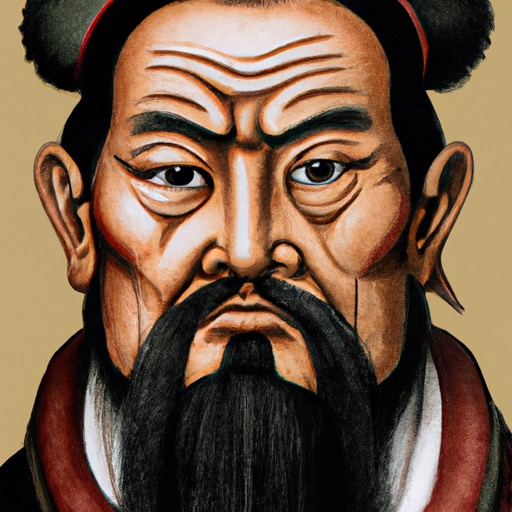
Photo realistic high definition image of Sun Tzu, a renowned Chinese general, military strategist, and philosopher
Sun Tzu, a renowned Chinese general, military strategist, and philosopher, lived during the Eastern Zhou period. His masterpiece, “The Art of War,” has achieved profound recognition as one of history’s most influential military treatises. Beyond its military applications, Sun Tzu’s philosophy emphasizes the significance of strategy, deception, and adaptability. This paper explores the key principles outlined in “The Art of War,” their broad impact, and the enduring legacy of Sun Tzu’s teachings in various domains.

1. Sun Tzu: The General, Strategist, and Philosopher:
Briefly introduce Sun Tzu as a Chinese figure from the Eastern Zhou period.
Highlight his status as a general, military strategist, and philosopher.
Emphasize the timelessness of his ideas and their relevance across disciplines.
2. “The Art of War”: A Classic and Influential Work:
Describe “The Art of War” as a renowned and influential book.
Explain its significance beyond military circles, extending to business, politics, and sports.
Discuss the book’s structure, comprising 13 chapters addressing different aspects of warfare, leadership, and strategic planning.
3. Key Principles from “The Art of War”:
a) Knowing Oneself and the Enemy:
Elaborate on the importance of self-assessment and understanding the strengths and weaknesses of both sides.
Highlight the role of this knowledge in effective decision-making.
b) Strategy and Planning:
Discuss Sun Tzu’s emphasis on meticulous planning and strategic thinking.
Explain how victory can be achieved by exploiting weaknesses, creating advantages, and minimizing risks.
c) Deception and Misdirection:
Explore Sun Tzu’s advocacy for the use of deception and illusion to confuse and mislead opponents.
Provide examples of tactics such as feigning weakness and gathering intelligence through spies.
d) Adaptability and Flexibility:
Emphasize the importance of adaptability and flexibility in response to changing circumstances.
Discuss how successful commanders adjust their strategies and tactics accordingly.
e) Leadership and Command:
Highlight the significance of strong leadership, clear communication, and effective command structures.
Discuss the role of trust and loyalty in inspiring troops.
f) Terrain and Timing:
Explain Sun Tzu’s consideration of terrain and timing as crucial factors in warfare.
Discuss the impact of understanding geographical and environmental conditions.
g) Winning Without Battle:
Explore Sun Tzu’s argument for achieving victory without engaging in direct conflict.
Discuss diplomatic means, alliances, and psychological warfare as methods of undermining the enemy’s will to fight.
4. The Enduring Influence of Sun Tzu:
Reflect on the broader impact of “The Art of War” beyond military contexts.
Discuss its application and relevance in business, politics, and sports.
Highlight the enduring popularity and study of Sun Tzu’s teachings in contemporary society.

Conclusion:
Sun Tzu’s “The Art of War” stands as a testament to the timeless wisdom of strategy, deception, and adaptability. His teachings, rooted in ancient warfare, continue to inspire and guide individuals in diverse fields. Sun Tzu’s emphasis on understanding oneself and the enemy, meticulous planning, and flexibility resonates with the quest for success and excellence in various domains. As we navigate the complexities of the modern world, Sun Tzu’s profound insights remain invaluable for those seeking strategic advantage and effective leadership.

Related Posts

Secretary of State Visit to New Zealand

Dave

a man wearing a suit and tiea man wearing a suit and tiea person wearing a suit and tiea man wearing a suit and tie
a close up of a coin

The Secretary of State Antony Blinken came to Wellington New Zealand to conduct business, but also to show support for the USA Women’s FIFA Team. While here he had a meet and greet at the U.S. Embassy. Here is a photo of him speaking, but also a Secretary of State coin.

Related Posts

Happy Treason Day

Dave


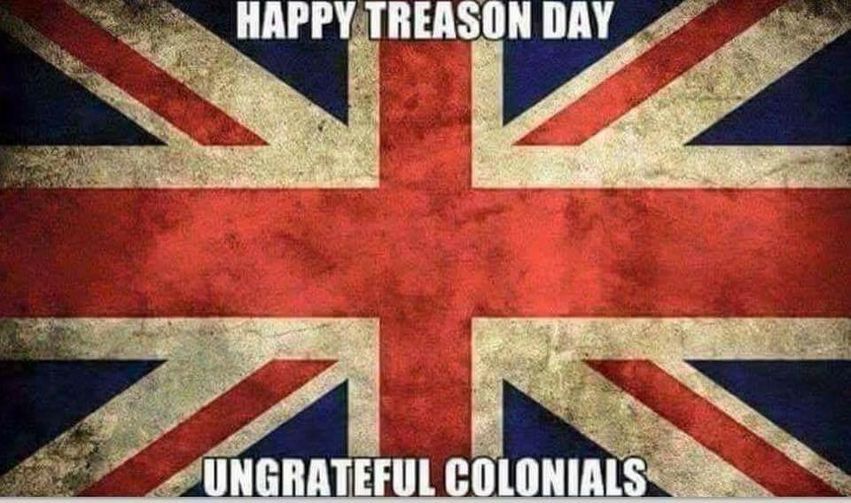
The American Revolution, a monumental event that forever altered the course of history, stands as a testament to the indomitable spirit of the American people. It was a riveting journey towards independence, born out of the mounting tensions between the American colonies and the British crown. As oppressive policies like the Stamp Act and the Townshend Acts tightened their grip on the colonists, a fiery resistance ignited within their hearts.

The colonists, burdened by unjust taxes imposed without their consent, refused to bow down. They took to the streets in passionate protests, vowing to boycott British goods in a powerful display of unity. In 1774, representatives from twelve colonies assembled for the historic First Continental Congress, their fervent voices demanding justice and a peaceful resolution to their grievances.

Yet, the winds of change brought a tempestuous turn. The clash between British troops and colonial militiamen in the hallowed grounds of Lexington and Concord in 1775 marked the fateful beginning of the American Revolutionary War. The Second Continental Congress, convened in May 1775, recognized the call for action and appointed the indomitable George Washington as the revered commander-in-chief of the Continental Army.

Amidst the smoke and chaos of battle, the flames of liberty burned brighter. On July 4, 1776, the colonies decisively declared their independence from Britain with the adoption of the Declaration of Independence, a defiant proclamation that sent shockwaves across the world. The war raged on for years, with pivotal clashes like Saratoga and Yorktown shifting the tides in favor of the American forces.

Finally, in 1783, the Treaty of Paris was signed, etching into history the official recognition of the United States as an independent nation. The American Revolution not only birthed a sovereign country but also laid the groundwork for the principles that define American society to this day — democracy, individual rights, and the cherished concept of freedom.

The echoes of the American Revolution still resound in the hearts and minds of every American citizen, a reminder of the unwavering courage and sacrifice that shaped a nation destined for greatness.

Related Posts

Juneteenth is a Holiday That Marks the End of Slavery

Dave

Juneteenth is a holiday that marks the end of slavery in the United States and is celebrated annually on June 19th. This day is a vibrant reminder of the tenacity and triumphs of African Americans throughout history. It all began in Galveston, Texas in 1865, when Union General Gordon Granger came to the city to deliver long-awaited news. He announced the end of the Civil War and the emancipation of enslaved individuals in Texas, two and a half years after President Abraham Lincoln issued the Emancipation Proclamation.

Juneteenth is known by many names, including Freedom Day, Jubilee Day, Liberation Day, and Emancipation Day. African Americans across the United States mark the occasion with parades, barbecues, and other social gatherings. It is a day of reflection and remembrance of the struggles and achievements of African Americans throughout history.

The holiday serves as an opportunity to celebrate progress and educate individuals about the continued fight for racial justice and equality. More recently, there has been a push to make Juneteenth a national holiday in the United States, with many states already recognizing the day as an official holiday.

Overall, Juneteenth is a crucial holiday that honors the resilience and strength of African Americans in the face of adversity and oppression. It is a time to pause and reflect on the progress made towards racial equality and to recognize the work that still needs to be done.

Related Posts

Celebrating Fatherhood: Reflections on Father’s Day

Dave

Father's Day
Father’s Day is more than just a day on the calendar. It’s a day to show our dads and father figures how much they mean to us. It’s a day to honor their selflessness, sacrifices, and unwavering love. This special day is celebrated in many countries around the world, usually on the third Sunday of June, to acknowledge the vital role fathers play in our lives.

The concept of Father’s Day was born out of one woman’s admiration for her father. Sonora Smart Dodd proposed the idea of setting aside a day to honor fathers in the early 20th century, inspired by the way her single father raised her and her siblings. Little did she know that her idea would become a global celebration of fatherhood.

Father’s Day is an opportunity to recognize the love, support, and guidance that fathers provide to their children. It’s a chance to appreciate the sacrifices they make to provide for their families and the countless hours they spend teaching, protecting, and nurturing their children. It’s also a time to reflect on the unique role that fathers play in shaping the lives of their children and the profound impact they have on their children’s development and well-being.

There are many ways to celebrate Father’s Day, from spending quality time with your dad or father figure to giving a thoughtful gift or expressing your gratitude through a heartfelt message. Some people choose to take their father out for a special meal, while others might plan an exciting activity or outing, like a hike, a round of golf, or a day at the beach. Whatever the form of celebration, the important thing is to take time to appreciate the role that fathers play in our lives and to let them know how much they are loved and valued.

In conclusion, Father’s Day is a special day to celebrate and honor the important contributions that fathers and father figures make to our lives. It’s a day to express our gratitude, love, and appreciation for the sacrifices they make and the love they give to their families. Whether it is through spending quality time together, giving a thoughtful gift, or expressing our feelings through words, Father’s Day is a special day to celebrate the special men in our lives who have helped shape us into who we are today.

Related Posts

What is Flag Day?

Dave


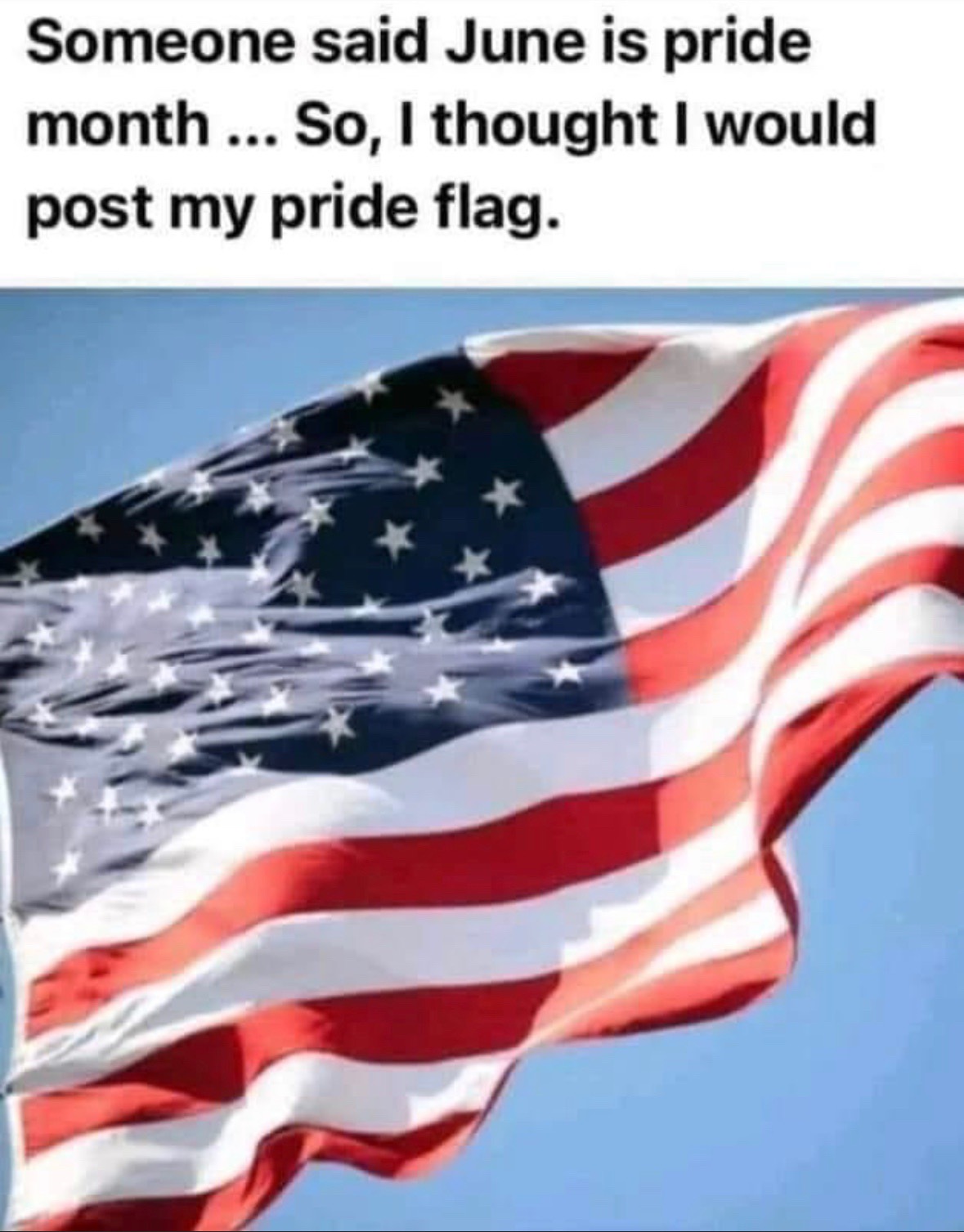
Flag Day, a patriotic holiday celebrated every June 14th in the United States, commemorates the American flag’s significance as a symbol of freedom, unity, and democracy. The day is a reminder for Americans to honor and respect the flag, which embodies the country’s values and ideals of liberty, justice, and equality. On this special day, citizens are encouraged to display the flag at their homes and businesses, participate in parades and ceremonies, and delve deeper into the history and meaning of the flag.

Flag Day is also a time to recognize and honor the brave men and women who have served in the U.S. military, defending the country’s values and freedoms. It is a moment to reflect on the progress that has been made in achieving the ideals of the flag and the challenges that still need to be addressed.

Overall, Flag Day is a day of patriotism, unity, and respect for the flag and the values that it represents. It is an opportunity for Americans to come together and celebrate the nation’s accomplishments, while also acknowledging the work that still needs to be done to achieve a more perfect union. So let’s raise our flags high, and show our gratitude and reverence for the country we call home.

Related Posts

The People of New Zealand Have a Friend in the United States Marine Corps

Dave

a plaque on the side of a building
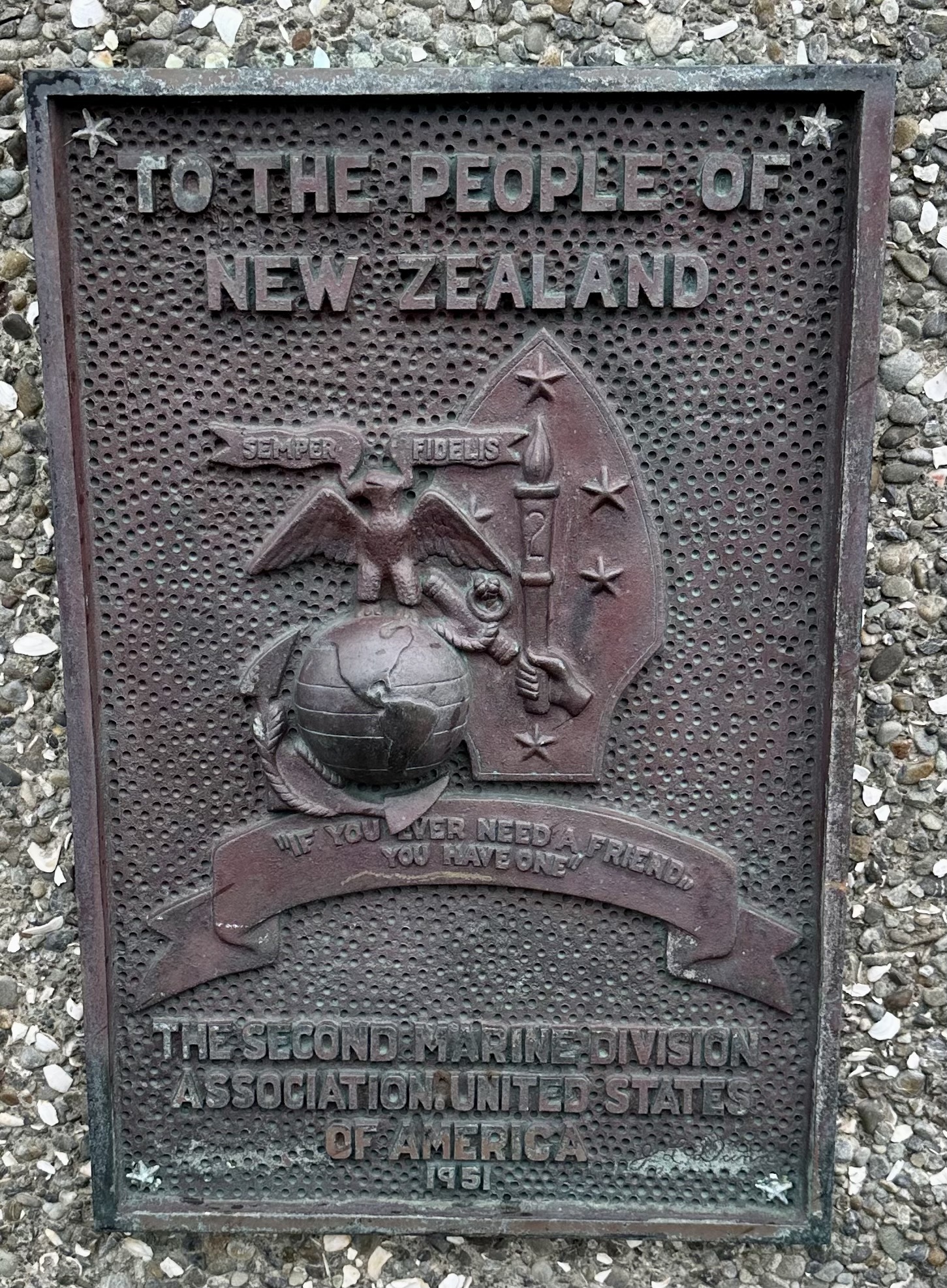
Walking through Wellington, New Zealand I found a plaque that says, “To the people of New Zealand: If you ever need a friend you have one. The Second Marine Division association United States of America 1951.”

Related Posts

The United States Marine Corps Arrived in Wellington, New Zealand in May 1942

Dave


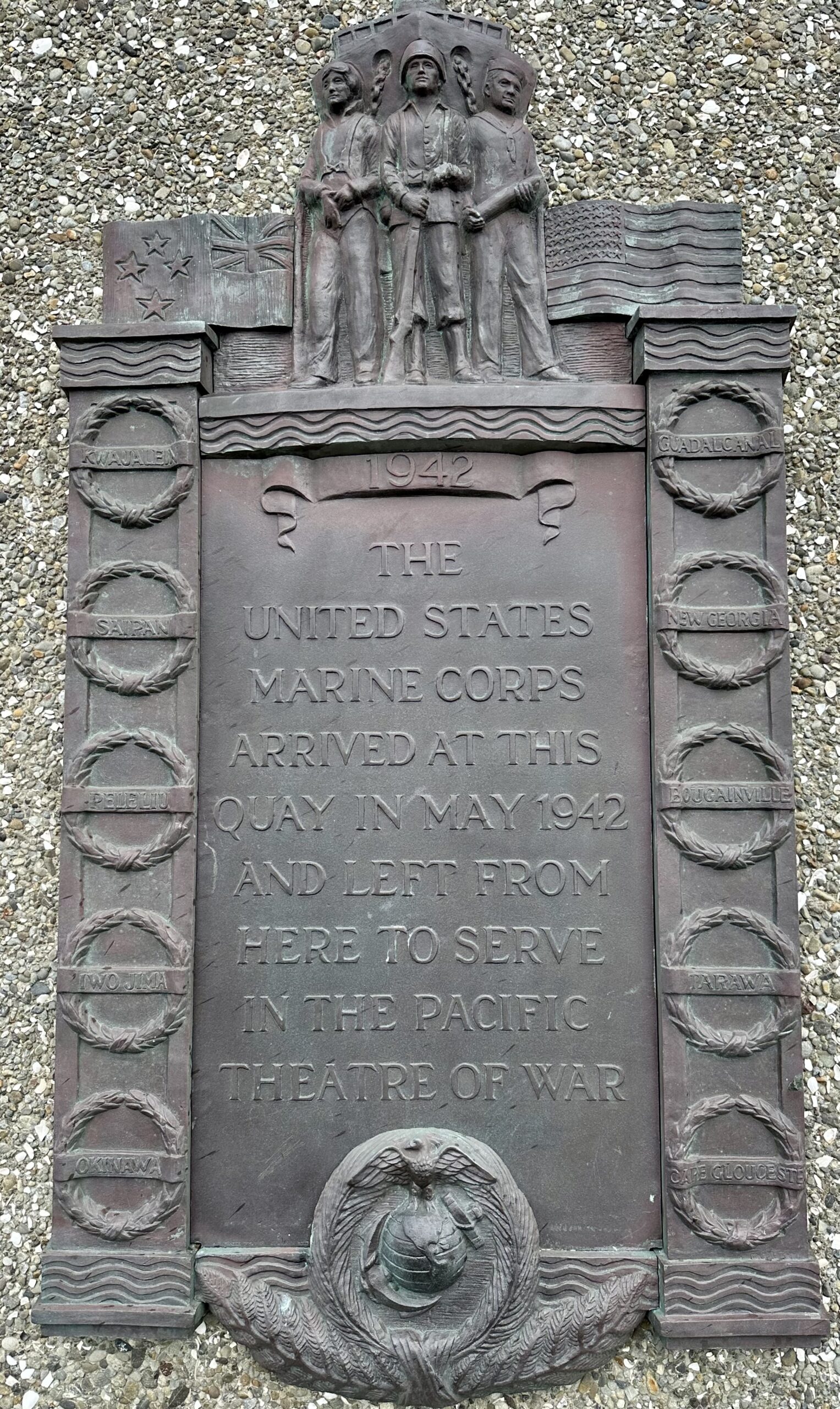
Walking through Wellington, New Zealand I came across this plaque that says, “The United States Marine Corps arrived at this quay in May 1942 and left from here to service in the Pacific theatre of war.”

Related Posts