Category: Events

Henry Hap Arnold: Pioneering Visionary of the U.S. Air Force

Elias Rowen


Henry Hap Arnold, a distinguished individual born on June 25, 1886, is widely regarded as a highly influential figure within the United States Air Force, occupying a paramount position among the greatest military leaders in American history. With a career spanning over four decades, Arnold played a pivotal role in driving the development and expansion of the U.S. Air Force, leaving an indelible mark on the contemporary tactics and techniques of air warfare that we rely on to this day.

Arnold’s military journey took off during World War I, where his exceptional abilities and unwavering commitment propelled him through the ranks as a pilot. Renowned for his innovative mindset, he emerged as one of the earliest proponents of utilizing air power in warfare. Arnold possessed a profound understanding of the potential aircraft held within military operations and tirelessly championed the establishment of an autonomous air force. Through his tireless efforts, this vision came to fruition, culminating in the establishment of the U.S. Air Force as a distinct branch of the military in 1947.

However, Arnold’s contributions to the air force extended beyond strategy and leadership. He played a crucial role in the advancement of aviation technology, guiding the U.S. Air Force to remarkable progress in aircraft design, development, and production. Arnold’s unwavering commitment to innovation and progress led to the creation of groundbreaking aircraft, such as the transformative B-29 Superfortress, which proved indispensable during World War II.

Throughout his illustrious career, Arnold’s achievements were duly recognized through numerous accolades and honors, including the prestigious Medal of Honor, the Distinguished Service Medal, and the Legion of Merit. Such commendations underscored his exceptional leadership and unwavering dedication to the U.S. Air Force, leaving an enduring impression on the military landscape and ensuring the continued prominence of air power in modern warfare.

Henry Hap Arnold’s legacy as a visionary leader and pioneering aviator serves as an everlasting source of inspiration for future generations of military leaders. His story stands as a testament to the limitless power of innovation and determination, instilling in us the belief that with visionary leadership and unwavering commitment, we can shape the future and surmount even the most formidable of challenges.

Related Posts

Groundhog Day: Shadows, Shenanigans, and Six More Weeks of Side-Splitting Winter

Elias Rowen

The annual celebration of Groundhog Day, which takes place each year on the 2nd of February, holds significant importance mainly in North America. Originating from ancient weather lore brought by German settlers to Pennsylvania between the 18th and 19th centuries, this unique and unconventional tradition centers around the emergence of a groundhog from its burrow after a prolonged hibernation. Symbolically, it predicts the arrival of the eagerly anticipated spring season. According to this customary belief, if the groundhog spots its own shadow on this auspicious day, it promptly retreats back into its burrow, signifying an additional six weeks of winter. Conversely, if the skies are cloudy and the groundhog fails to perceive its shadow, it serves as a promising indication of an early onset of spring.

This idiosyncratic celebration has deeply ingrained itself within the cultural landscape of both the United States and Canada, captivating worldwide attention and arousing curiosity. Although the groundhog’s prediction accuracy is often a subject of debate, Groundhog Day festivities have transformed into a source of entertainment and a means to foster community engagement. From Punxsutawney Phil in Pennsylvania to Wiarton Willie in Canada, numerous groundhogs have been officially appointed as forecasters, attracting large crowds eager to witness their prognostications. Vibrant parades, lively music, and a plethora of other festivities are meticulously organized to commemorate this occasion, creating an atmosphere of excitement and eager anticipation.

Groundhog Day acts as a delightfully lighthearted reminder that despite the persistent winter doldrums, the revitalizing spring season is inevitably on its way. It offers a pleasant respite from the monotony of winter and unites people in celebrating the changing seasons. Regardless of individual beliefs in the groundhog’s forecasting abilities, the observance of Groundhog Day has earned a cherished place as a time-honored tradition that brings joy and laughter to communities throughout North America.

Related Posts

J. Robert Oppenheimer: Architect of the Atom, Weaver of Scientific Ethics

Elias Rowen

J. Robert Oppenheimer, a prominent American physicist widely recognized as the “father of the atomic bomb,” played a pivotal role in the development of nuclear weapons during the turbulent era of World War II. Born on April 22, 1904, in the vibrant city of New York, Oppenheimer exhibited remarkable intellectual prowess from a young age. He embarked on his academic journey at Harvard University, immersing himself in the study of physics. Subsequently, he pursued his Ph.D. at the esteemed University of Göttingen in Germany. Oppenheimer’s scientific career soared when he joined the distinguished faculty at the University of California, Berkeley, making significant contributions to the field of theoretical physics, with a particular focus on the enigmatic domain of quantum mechanics. However, it was his unwavering commitment to the Manhattan Project that irrevocably altered both his own life and the course of history.

In 1942, Oppenheimer was appointed as the esteemed scientific director of the covert and classified Manhattan Project, a highly secretive government initiative aimed at unraveling the enigmas of atomic energy and harnessing its enormous potential to create an atomic bomb. Under his exemplary leadership, a group of brilliant scientists and engineers worked tirelessly, united by the common objective of unraveling the complexities of nuclear fission. Oppenheimer’s exceptional organizational skills and ability to bring together individuals from diverse disciplines proved pivotal in the project’s resounding success. Armed with his unparalleled intellect and profound insights into the realm of physics, he expertly navigated numerous scientific obstacles with determination, each challenge only enhancing his unassailable reputation.

Amidst the weighty pressures and profound moral dilemmas associated with the development of such a devastating weapon, Oppenheimer’s unwavering dedication to his craft remained intact. The momentous and historic Trinity test in July 1945 stands as an indelible turning point in human history. The successful detonation of the first atomic bomb symbolized the unleashing of unparalleled destructive power, ultimately leading to the bombings of Hiroshima and Nagasaki in Japan, hastening the end of the cataclysmic World War II.

Nevertheless, Oppenheimer’s involvement in the Manhattan Project cast a shadow of ambiguity over his previously illustrious legacy. After the war, he emerged as a staunch advocate for international control of atomic weapons, expressing fervent concerns about the perilous arms race that loomed. Unfortunately, Oppenheimer’s progressive views and perceived associations with politically left-leaning groups during the McCarthy era inevitably resulted in accusations of disloyalty and alleged sympathies with communist ideologies. In 1954, he underwent a highly charged security hearing and, despite his invaluable contributions to national security, unjustly had his security clearance revoked.

Undeterred by these personal and professional setbacks, Oppenheimer tenaciously continued to make exceptional contributions to the scientific community. He resolutely returned to his true passion, teaching and engaging in research at the prestigious Institute for Advanced Study in Princeton, where he nurtured and mentored a forthcoming generation of physicists, leaving an indelible imprint on the realm of knowledge. Beyond his groundbreaking scientific achievements, the profound impact of Oppenheimer’s intellectual brilliance, inspiring leadership, and unwavering commitment to the ethical dimensions of scientific inquiry resonate through the annals of time.

The life and work of J. Robert Oppenheimer epitomize the intricately woven tapestry of science, politics, and morality. While his role in the development of the atomic bomb remains a contentious subject, his broader contributions to the advancement of physics cannot be easily dismissed or overlooked. Oppenheimer’s legacy serves as an enduring reminder of the immense power and weighty responsibility that inevitably accompany scientific breakthroughs, compelling us to continuously consider the ethical implications that underlie every action we undertake.

Related Posts

Exploring the Wonders of Datang Everbright City in Xi’an

Dave

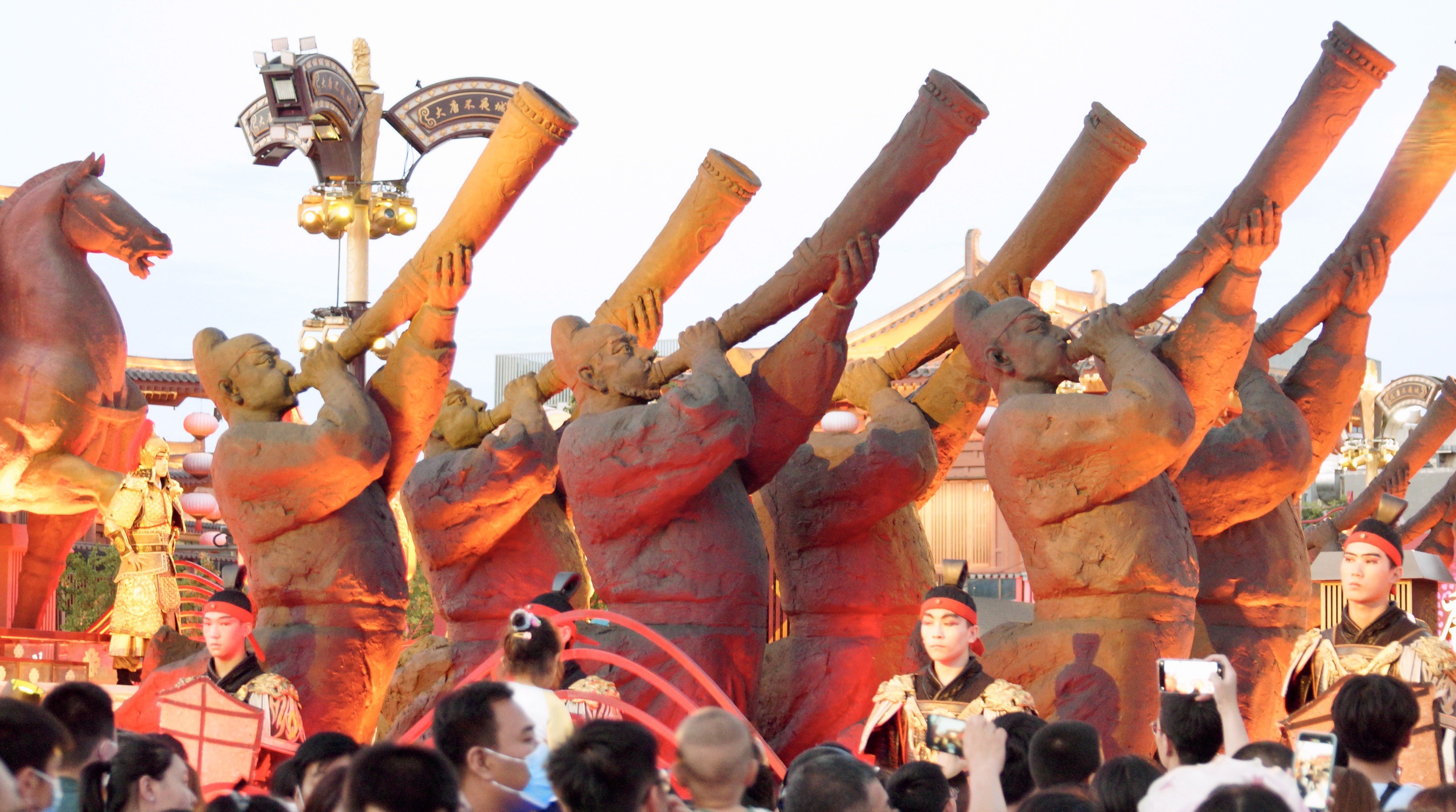
Datang Everbright City in Xi’an presents a captivating destination that effectively showcases the rich history and contemporary developments of China. Tucked away within the ancient city of Xi’an, this vibrant cultural complex offers a delightful fusion of traditional architecture and cutting-edge technology. As soon as you set foot here, you are instantly whisked away to a bygone era, greeted by splendid replicas of Tang Dynasty structures adorned with intricate carvings and vibrant hues. These architectural wonders not only provide visually pleasing sights but also offer a glimpse into the grandeur of the Tang Dynasty, widely regarded as the golden age of Chinese civilization. The meticulous attention to detail in their design and construction is truly commendable, making it an absolute must-visit for history buffs and architectural enthusiasts.

However, Datang Everbright City goes beyond being a mere historical site; it seamlessly integrates modern advancements to create an immersive and interactive experience for visitors. The Tang Paradise, a standout feature of this complex, is an enticing theme park that meticulously recreates the splendor of the Tang Dynasty. Here, one can explore breathtaking gardens, be mesmerized by captivating performances, and even take a serene boat ride across the picturesque lake. The clever use of cutting-edge technologies, such as awe-inspiring holographic projections and immersive virtual reality, adds an unparalleled charm to the overall experience, effectively bringing the history to life in the most captivating manner.

Another remarkable aspect of Datang Everbright City lies in its diverse range of cultural activities. From mesmerizing traditional Chinese dance performances and soul-stirring music concerts to captivating calligraphy demonstrations and elegant tea ceremonies, there is a plethora of engaging experiences catering to individual preferences. Moreover, visitors are provided with opportunities to participate in workshops where they can learn cherished traditional crafts like the delicate art of paper cutting and the exquisite mastery of silk embroidery. These activities allow participants to gain a profound understanding and appreciation for the rich tapestry of Chinese culture and artistic heritage.

Furthermore, Datang Everbright City takes its visitors on an extraordinary gastronomic journey through the flavors of ancient China. Within the complex, one can find a variety of exceptional restaurants and quaint food stalls serving delicious, authentic Tang Dynasty cuisine. Every dish, from the savory dumplings to the delectable sweet rice cakes, is meticulously prepared using traditional recipes and techniques, offering visitors an exquisite and authentic taste of the past.

Beyond its cultural and culinary wonders, Datang Everbright City also provides ample opportunities for relaxation and leisure. The expansive park surrounding the complex offers an idyllic setting for leisurely strolls amidst lush greenery or enjoyable picnics, providing a tranquil escape from the bustling city life. Additionally, numerous souvenir shops and boutiques are scattered throughout the complex, enticing visitors with unique handicrafts and treasured mementos that serve as tangible reminders of their extraordinary visit.

In conclusion, Datang Everbright City in Xi’an stands as an exceptional destination that seamlessly combines history, culture, and technology. Whether one finds themselves engrossed in the annals of the past, captivated by artistic marvels, or simply seeking an extraordinary and immersive experience, this cultural complex offers something truly extraordinary for every individual. Its meticulous attention to detail, interactive attractions enhanced by advanced technologies, and diverse range of engaging activities effortlessly establish it as a must-visit destination epitomizing the very best of ancient and modern China.

Related Posts

Echoes of Desolation: Unveiling the Tragedy of the Holodomor

Elias Rowen

The Holodomor, or the Ukrainian famine of 1932-1933, holds a stark place in Ukrainian history. This devastating event was orchestrated by the Soviet Union, specifically under Joseph Stalin’s leadership, with the intention of suppressing Ukrainian nationalism and enforcing agricultural collectivization. The policies implemented during this distressing period resulted in the loss of countless Ukrainian lives, positioning it as one of the most tragic and fatal famines in recorded human history.

Under the guidance of the Soviet government, Ukrainian peasants suffered the forcible seizure of their grain and other crucial food supplies. This left them devoid of sustenance for themselves and their families, enduring unimaginable deprivation. Heart-wrenching accounts depict individuals resorting to extreme measures such as consuming grass and bark, and in some instances, even resorting to the unimaginable act of consuming their own children in desperate attempts to survive.

The effects of this famine were not confined solely to physical suffering. They resonated deeply within Ukrainian culture and identity. The deliberate targeting of Ukrainians and the erosion of their way of life left lasting wounds, wounds that can still be felt today. The Ukrainian famine of 1932-1933 serves as a poignant reminder of the immeasurable toll inflicted by political oppression and the cold-hearted disregard for human life.

Above all, it stands as a testament to the indomitable resilience of the Ukrainian people. They have persistently strived to preserve their history and honor the memory of those who perished during this tragic era.

Related Posts

Revolutionizing Roles: The Dynamic Journey of Russian Women in Communist Society

Elias Rowen

a woman wearing a dress

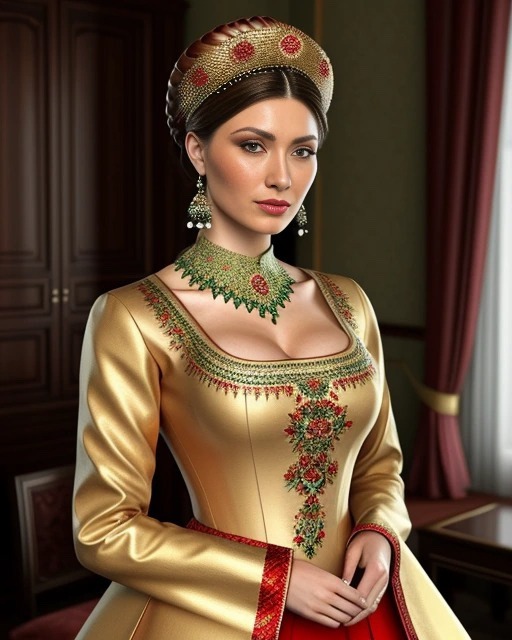
Russian women played a significant and transformative role in Communist society, undergoing remarkable changes in their social, economic, and political status. The Communist regime aimed to establish gender equality, providing women with unprecedented opportunities that were previously inaccessible. In the early years of the Soviet Union, women were actively encouraged to enter the workforce, defying traditional gender norms that had confined them for centuries. They were granted equal access to education and employment, empowering them to pursue a wide range of careers. This newfound independence emboldened Russian women to challenge deeply ingrained patriarchal conventions and actively contribute to the progress of their nation.

While it is important to acknowledge the progress that was made, it is equally important to recognize that achieving complete gender equality remained a challenging goal within Communist society. Women often faced barriers such as gender-based discrimination, wage disparities, limited job prospects, and restricted access to leadership positions. Despite these challenges, Russian women exhibited remarkable resilience and made significant contributions across various fields including science, literature, arts, and politics. This era witnessed the emergence of remarkable figures such as Valentina Tereshkova, the trailblazing first woman in space, and Aleksandra Kollontai, an influential feminist and politician.

Furthermore, the Communist regime implemented policies to support working mothers, including measures to provide affordable childcare and maternity leave provisions. These efforts aimed to alleviate the burdens faced by women as they navigated their professional and familial responsibilities. However, it is essential to acknowledge that the Communist government’s approach to women’s rights was not solely motivated by a commitment to gender equality. Rather, it was driven by their recognition of the valuable contributions that women could make in building a strong and prosperous nation.

In conclusion, Russian women experienced a complex interplay of progress and challenges within Communist society. They seized the newfound opportunities available to them, shattered traditional gender roles, and left an indelible mark on various fields. However, true gender equality remained an ongoing aspiration, and women encountered hurdles in their pursuit of equal rights and opportunities. Nonetheless, their unwavering resilience and determination continue to serve as a timeless inspiration for future generations.

Related Posts

Breaking Chains: China’s Journey from Empire to Republic

Elias Rowen

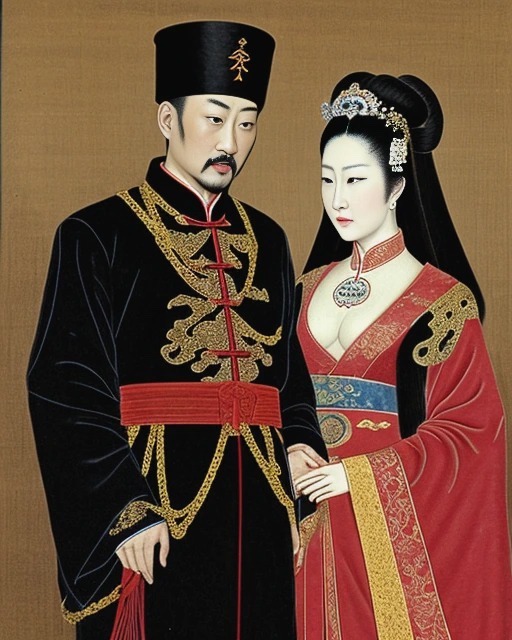
The transition of China away from the imperial system stands as a momentous and transformative event that arose from a convergence of compelling factors. Essentially, the emergence of revolutionary ideas and a strong desire for modernization ignited an intense longing for change. Throughout the 19th century, as the Qing Dynasty grappled with a series of internal and external challenges, including the devastating Opium Wars and the tumultuous Taiping Rebellion, Chinese intellectuals and reformers began to critically evaluate the effectiveness and legitimacy of the imperial system. They fervently believed that China’s survival and standing in the global arena necessitated the adoption of Western concepts and technologies. This conviction became a rallying cry for revolutionary action, advocating for the overthrow of the monarchy and the establishment of a republic. The peak of this historic journey was reached with the Xinhai Revolution of 1911, effectively marking the conclusion of a millennia-long imperial era.

Interestingly, the influence of foreign powers played a pivotal role in prompting China’s departure from the imperial system. The Opium Wars and the subsequent imposition of unequal treaties coerced China to open its doors to foreign trade and influence, consequently introducing Western ideals such as democracy and individual rights into the very fabric of Chinese society. The clash between these progressive ideas and the autocratic nature of the imperial system created a volatile environment of discontent and a clamor for change. Furthermore, the presence of foreign powers within China’s borders undermined the authority of the Qing Dynasty, eroding public confidence in the imperial government and intensifying the demand for reform.

Moreover, internal factors within China significantly contributed to the abandonment of the imperial system. The waning power and rampant corruption that plagued the Qing Dynasty, coupled with its inability to address the nation’s pressing social and economic issues, fostered widespread dissatisfaction among the Chinese populace. The rigid hierarchical structure of the imperial system, which concentrated power in the hands of a privileged few, perpetuated inequality and incited social unrest. Motivated by an unwavering desire for transformation, movements like the Hundred Days’ Reform and the New Culture Movement emerged, vigorously advocating for political and social reforms that challenged the long-established Confucian values that formed the bedrock of the imperial system.

To encapsulate, China’s departure from the imperial system represents a complex tapestry woven from multiple threads. The ascendancy of revolutionary ideas, the impact of foreign powers, and internal grievances all assumed pivotal roles in reshaping China’s destiny. The pursuit of modernization, coupled with the imperative to confront the nation’s challenges, compelled intellectuals, reformers, and ultimately the broader population to question the efficacy of the imperial system. This momentous journey culminated in the birth of a republic, heralding the end of an era that had withstood the test of time for millennia.

Related Posts

Unveiling the Shadows of the Past: The Second Opium War – Clash of Empires in the 19th Century

Elias Rowen

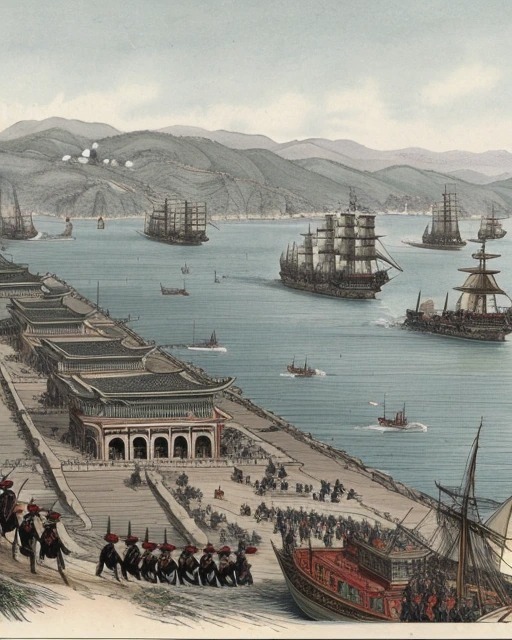
Transport yourself back to the mid-19th century, where an epic clash unfolded between civilizations in the form of the Second Opium War, famously known as the Arrow War. This captivating conflict spanned from 1856 to 1860, pitting the mighty Qing Dynasty of China against a coalition of Western powers, spearheaded by Britain and France.

At the heart of this momentous battle lay the highly disputed issue of opium trade, which had simmered as a source of tension between China and the West for years. The Qing government, resolute in its determination to combat the devastating grip of opium addiction on its people, bravely took action by cracking down on the trade. In an unintended consequence, they seized and destroyed opium stocks owned by British merchants, which inadvertently triggered a violent clash between British and Chinese forces in 1856. Little did they know that this seemingly minor skirmish would mark the inception of a full-blown war.

Day by day, the conflict gained momentum, drawing other Western powers like France and the United States into the fray. These nations rallied alongside Britain, united by their mission to safeguard their commercial interests within China’s borders. The Second Opium War unfolded as a series of gripping naval and land battles, ultimately resulting in the triumph of the Western powers.

In 1858, the Treaty of Tientsin was signed, and two years later, the Treaty of Peking brought an end to the hostilities. These pivotal agreements coerced the Qing government into making significant concessions. The once-outlawed opium trade was now legalized, more ports were opened up for Western commerce, and the prized jewel of Hong Kong was transferred into British hands.

The ramifications of the Second Opium War reverberated throughout China, leaving an indelible mark on its history. Not only did it further weaken the already crumbling Qing Dynasty, but it also exposed the nation to intensified Western influence and exploitation. This conflict laid bare the stark power imbalance between China and the West, forever altering the course of events. Its reverberations acted as a catalyst for subsequent uprisings, such as the Boxer Rebellion, ultimately contributing to the downfall of the Qing Dynasty.

Without a doubt, the Second Opium War remains an integral chapter in Chinese history, representing a crucial moment of confrontation between traditional Chinese society and the unyielding forces of Western imperialism. Let it stand as a reminder of the enduring struggle for power and the profound impact it can have on the destiny of a nation.

Related Posts

The First Opium War: A Clash of Empires and the Battle for Control

Elias Rowen

Transport yourself back to the early 19th century and bear witness to a significant clash between two formidable forces – China and the British Empire. This momentous struggle, commonly known as the First Opium War, unfolded from 1839 to 1842 and left a lasting impact on their relationship.

At the heart of this conflict was the insidious opium trade, a destructive force that wreaked havoc on Chinese society. Through cunning and deceit, the British, acting through the powerful British East India Company, covertly smuggled opium from their Indian territories, flooding the Chinese market. The consequences were devastating. Addiction rapidly spread among the Chinese people, causing widespread devastation and pushing the nation into a deep economic crisis.

Motivated by a strong desire to put an end to this harmful trade, the Chinese imperial government launched a forceful crackdown, confiscating and destroying large quantities of opium. However, they did not anticipate that this act of defiance would ignite a full-blown conflict. Fiercely protecting their economic interests, the British swiftly retaliated with a resolute and decisive military response.

With superior firepower and unmatched naval capabilities, the British forces unleashed their might upon China. The battlefront witnessed a relentless series of significant victories as the British captured crucial coastal cities, including the highly desirable territories of Canton and Shanghai. Overwhelmed and outmatched, the Chinese succumbed to the relentless assault.

The climax of the war came with the signing of the Treaty of Nanking in 1842, a fateful agreement that burdened China immensely. According to its provisions, China was compelled to surrender Hong Kong to the British, open multiple ports for foreign trade, pay substantial indemnity, and grant extraterritorial rights to British citizens. This unequal treaty left China deeply humiliated, exposing its military weaknesses and setting the stage for a prolonged period of foreign dominance and subjugation by Western powers.

Simultaneously, the First Opium War solidified the British Empire’s control over East Asia, unlocking unprecedented opportunities for trade and expansion. It served as a remarkable stage to showcase their military strength and unrivaled naval superiority, leaving no doubt about the extent of their global influence.

The reverberations of this pivotal event extended far beyond its immediate consequences, leaving an enduring impact on the relationship between China and Western powers. For China, it acted as a powerful catalyst for change, awakening a strong desire for reform and modernization. The war ignited a profound sense of national humiliation among its people, propelling the nation towards grappling with the challenges posed by a rapidly evolving world.

In stark contrast, the British Empire reveled in its triumph, bolstering its supremacy within the region and unlocking new avenues for trade and expansion. The First Opium War became a platform to demonstrate their military might while leaving a lasting legacy of British military technology and naval dominance.

As the dust settled, it became increasingly clear that the First Opium War was more than a mere footnote in history. It fundamentally reshaped the course of events, forever altering the dynamics between China and Western powers. It stands as a monumental testament to the clash of empires fought over the intoxicating allure of power and control.

Related Posts

Okinawa Chronicles: Navigating Centuries of Culture and Valor

Elias Rowen

Prepare to be captivated by the riveting tale that unravels the history of Okinawa, a mesmerizing journey that stretches across centuries and is shaped by a tapestry of cultures and a tumultuous past. Nestled in the southernmost corner of Japan, Okinawa boasts a captivating and diverse history that sets it apart from the mainland. Embark on a historical odyssey that traces its roots back to the esteemed Ryukyu Kingdom, a flourishing empire that thrived from the 14th to the 19th century.

During this golden era, Okinawa emerged as a bustling maritime hub, connecting the realms of East Asia and Southeast Asia in an intricate web of trade, diplomacy, and cultural exchange. The Ryukyu Kingdom’s zenith witnessed an extraordinary fusion of influences from far and wide, with traces of China, Japan, Korea, and even Southeast Asian nations making their indelible mark on the island’s identity.

However, the kingdom faced its fair share of trials and tribulations, grappling with challenges posed by neighboring powers, including the formidable Satsuma domain in Japan. The late 19th century marked a turning point in Okinawa’s narrative as it was annexed by Japan, forever altering the course of its history.

With the advent of World War II, Okinawa was thrust into the spotlight as a vital military stronghold for Japan. It became a theater of war, witnessing one of the bloodiest battles in the Pacific – the Battle of Okinawa in 1945. A devastating conflict that exacted an immense toll, claiming thousands of lives and leaving widespread destruction in its wake.

In the aftermath of the war, Okinawa found itself under the control of the United States, which established military bases on the island. It wasn’t until 1972 that Okinawa regained its autonomy and returned to Japanese administration, marking yet another chapter in its ever-evolving narrative.

Today, Okinawa stands as a testament to the resilience of its people and the rich tapestry of its past. Its vibrant culture, awe-inspiring natural beauty, and heartfelt hospitality beckon visitors from far and wide. Experience the allure of Okinawa’s historical legacy, as its unique traditions come to life through the enchanting melodies of Ryukyuan dance, the echoes of traditional music, and the tantalizing flavors of its cuisine.

Moreover, Okinawa occupies a hallowed place in the annals of martial arts, for it is the very birthplace of karate. Its rich heritage continues to draw enthusiasts and curious souls from across the globe, eager to explore the island’s historical sites, bask in the splendor of its pristine beaches, and delve into the captivating tales of its past.

So, venture forth and immerse yourself in the captivating saga of Okinawa, a treasure trove of history, culture, and natural wonders that will leave an indelible impression on your heart and mind.

Related Posts

Sexpionage Unveiled: The Allure and Intrigue of Intimate Espionage

Elias Rowen

a woman wearing underwear posing for a picture

The fusion of “sex” and “espionage” gives rise to the captivating concept of sexpionage, unearthing a realm of mystery where intimate relationships evolve into formidable tools for gathering intelligence and manipulating outcomes. Throughout the course of history, intelligence agencies and agents have embraced this clandestine practice in their pursuit of sensitive information extraction, compromising targets, and exerting control over influential individuals. While the utilization of sex for intelligence purposes is not a novel idea, it reached its zenith during the gripping era of the Cold War, with both the Soviet Union and the United States eagerly employing sexpionage tactics, leaving an indelible mark on the annals of espionage.

At the core of this covert technique lies the recruitment of agents possessing alluring qualities, aptly termed as “honey traps,” who establish captivating connections with high-ranking officials or individuals of interest. These agents undergo specialized training to adeptly exploit their charm, physical attractiveness, and sexual prowess. Their mission? To gain access to classified information and exert their influence over unsuspecting targets. Sexpionage manifests in various forms, spanning from seduction and blackmail to the ingenious use of hidden cameras or recording devices during intimate encounters.

Nevertheless, this fascinating practice raises ethical concerns, treading a delicate line between manipulation, invasion of privacy, and the potential for exploitation. Moreover, its implications extend far beyond personal boundaries, posing significant risks to national security. The integrity of sensitive information may be jeopardized, and trust within diplomatic relations could be undermined. The ethical dilemmas surrounding sexpionage are as intricate as they are thought-provoking.

Despite the controversy enveloping it, sexpionage continues to captivate the human imagination, finding its place in literature, films, and popular culture, forever igniting fascination and intrigue. It serves as a constant reminder of the intricate and multifaceted world of espionage, where covert operations transcend traditional methods, delving into the realm of personal relationships and intimate encounters.

Related Posts

Journey to Tranquility: Exploring the Twofoot Family Hobbit Home – A Haven of Warmth, Wonder, and Whimsy

Dave

Step into the realm of the Twofoot Family Hobbits, where you are transported to a whimsical world brimming with comfort and tranquility. Upon entry, you are greeted by a warm and inviting atmosphere, courtesy of a rustic stone fireplace crackling with a cozy fire. The air carries the earthly scent of oak beams, harmonizing with the soft candlelight to create an ambiance of serenity and contentment. The hobbit abode is thoughtfully adorned with rustic furnishings and charming details, including meticulously crafted hand-carved wooden furniture and exquisite tapestries depicting scenes from the mesmerizing Middle-earth. The walls proudly display shelves adorned with books, trinkets, and cherished family heirlooms, enveloping the space in a comforting aura of warmth and affection. The low ceiling, contrary to its potential constraining nature, fosters an intimate and secure ambiance. Every meticulously crafted piece of furniture boasts plush cushioned seats and tables fashioned from rich, dark wood. Gentle natural light filters through the round windows, casting a soothing glow upon the earth-toned interior.

The heart of activity lies within the kitchen, where a large wooden table acts as a gathering place for the family to share meals and stories. The air is infused with the enticing aroma of freshly baked bread and hearty stews, captivating the senses and evoking a sense of culinary delight. The bedrooms exude comfort and coziness, with snug beds nestled in alcoves, providing a peaceful haven for rest and rejuvenation. Stepping outside, you are greeted by a breathtaking hobbit garden, teeming with vibrant flowers, winding paths, and a small vegetable patch. The Twofoot Family Hobbit home stands as a sanctuary, a haven where time seemingly stands still, allowing you to escape the frantic pace of the outside world and embrace the simplicity and tranquility intrinsic to hobbit life.

It is a sanctuary of peace and serenity, where the burdens and worries of the external realm dissipate. The moment you enter this enchanting abode, you encounter a delightful living area beckoning you to sink into plush armchairs, enveloped by the crackling warmth of the fireplace, inviting you to indulge in the pleasures of a good book or engage in lively conversations with kindred spirits. The kitchen, adorned with gleaming copper pots and pans, transforms into a haven of culinary creativity, where delectable meals are lovingly prepared and shared around a generously-sized communal table. The bedrooms, tucked away in cozy alcoves, provide a sanctuary conducive to tranquility and renewal, offering sumptuous feather beds and windows framing breathtaking views of rolling hills and verdant gardens. As you venture outside, you encounter the Twofoot Family Hobbit home embraced by a picturesque landscape of vibrant meadows, babbling brooks, and majestic trees, enticing you to embark on leisurely strolls or extraordinary adventures.

Whether you choose to explore the charming villages of the Shire, partake in festive gatherings at the Green Dragon Inn, or simply revel in the serenity of your hobbit home, you will discover that the Twofoot Family Hobbit home is a haven where cherished memories are made and enduring friendships are formed. Step into this magical dwelling and experience firsthand the warmth and wonder that epitomize the hobbit way of life. Welcome to the Twofoot Family Hobbit home, where dreams become reality, and the ordinary transforms into the extraordinary.

Background information on the Twofoot Family and their occupation:
Nestled within the enchanting realm of Middle-earth, one discovers a unique and exclusive calling held by the Twofoot family of hobbits. These diminutive beings, measuring a mere two feet in height, possess an extraordinary talent for the intricate art of basket repair. With dexterous fingers and an acute eye for detail, hobbits have honed their expertise over generations, breathing new life into baskets of all shapes and sizes.

The craftsmanship of hobbits as basket repairers has garnered widespread recognition, garnering high esteem from not only fellow hobbits but also other inhabitants of Middle-earth. Whether it be a practical woven wicker basket used on arduous journeys or an ornate decorative piece adorning the shelves of a hobbit’s cozy abode, hobbit basket repairers boast the knowledge and finesse required to restore these functional and visually pleasing vessels. Approaching their work with utmost pride and reverence, hobbits display meticulous attention to detail and an unwavering commitment to preserving the integrity of each basket. They fully comprehend the essential role that these artifacts play in the everyday lives of the hobbit community.

Baskets seamlessly integrate into the fabric of hobbit life, serving in tasks ranging from gathering fresh produce from abundant gardens to safeguarding precious belongings. The occupation of basket repair undertaken by Twofoot hobbits not only showcases their practical expertise but also demonstrates their deep connection to nature and their dedication to sustainable living. By mending and repurposing baskets, hobbits minimize waste and contribute to the conservation of their natural surroundings. This vocation acts as a testament to their harmonious coexistence with the land, paying homage to the resources bestowed upon them by their beloved Middle-earth.

In the serene land of the Shire, the dwelling place of hobbits, one can find basket repairers toiling away in charming workshops nestled amidst the idyllic backdrop of rolling green hills and picturesque landscapes. It is within these hallowed grounds that hobbits gather to share knowledge, exchange techniques, and pass down their craft to younger generations. The art of basket repair serves as more than a mere trade; it embodies the essence of the hobbit way of life, characterized by simplicity, communal bonds, and a profound appreciation for the inherent beauty found in everyday objects.

Therefore, the next time you encounter a meticulously restored basket in Middle-earth, take a moment to appreciate the craftsmanship of the Twofoot hobbit and the legacy perpetuated through their occupation of basket repair.

Related Posts

Bilbo’s Home at Bag End: A Hobbit Haven of Heroic Tales and Cozy Comforts

Dave

Bilbo Baggins, a character adored by countless fans, emerges from the pages of J.R.R. Tolkien’s renowned fantasy novel, “The Hobbit.” As a hobbit, an unassuming and diminutive creature, he finds solace and contentment in the peace of his cozy hobbit hole in the idyllic Shire. However, Bilbo’s uneventful life takes an unexpected turn when the wizard Gandalf arrives, accompanied by a group of dwarves led by Thorin Oakenshield. Initially hesitant, Bilbo reluctantly becomes a part of their dangerous journey to reclaim the treasure guarded by the fearsome dragon, Smaug, in the Lonely Mountain.

Throughout his challenging adventure, Bilbo undergoes a remarkable transformation from a timid hobbit into a courageous and resourceful hero. Along the way, he encounters numerous obstacles, including trolls, goblins, and massive spiders. Despite his initial doubts and lack of experience, Bilbo proves himself to be clever, quick-witted, and astonishingly brave. He outsmarts the treacherous Gollum in a battle of wits, unknowingly discovering the powerful One Ring, a crucial artifact in Tolkien’s broader Middle-earth saga.

Bilbo’s transformation encompasses not only physical growth but also psychological development. He learns to rely on his instincts, trust in his abilities, and foster a deep sense of loyalty and camaraderie with his comrades. Bilbo’s character arc stands as a testament to the potential of venturing into unfamiliar territory and embracing the mysteries that lie beyond our comfort zones. His captivating tale resonates with readers of all ages, serving as a timeless reminder that even the most unlikely heroes can achieve greatness when faced with extraordinary circumstances.

Bag End, the fabled abode of Bilbo Baggins, stands as an extraordinary dwelling nestled within the picturesque realm of the Shire. Located in the charming village of Hobbiton, this hobbit hole exudes an enchanting atmosphere that captivates all who lay eyes upon it. From its round and vibrant doorway to its meticulously tended garden, Bag End epitomizes the comfort and coziness cherished by hobbits.

The architectural details of Bilbo’s house offer glimpses into its significance, especially the abundance of windows and its strategic position atop a hill. Affectionately dubbed Bag End, this residence sets itself apart from the neighboring homes with its unique attributes. The multitude of windows not only floods the interiors with natural light but also provides captivating views of the surrounding landscape. The number of windows in a house symbolizes the wealth and opulence of its owner, a fact emphasized in Bilbo’s dwelling.

Furthermore, Bag End’s elevated location on a hill grants it an air of distinction and prominence. Its commanding position catches the attention of passersby and reinforces Bilbo’s reputation as a respected member of the Shire. This strategic vantage point allows Bilbo to survey his domain, solidifying his standing within the community.

In essence, Bilbo Baggins’ residence represents not only his character, affluence, and social status but also an integral part of the enchanting world crafted by Middle-earth. Stepping into Bag End, visitors are greeted by a warm and inviting atmosphere, permeated by the scent of freshly baked bread and the crackling of a fire in the hearth.

The interior of Bag End reflects Bilbo’s fondness for life’s simple pleasures. Adorned walls showcase intricate tapestries, while shelves overflow with books and mementos collected during his daring escapades. At the center of it all stands a grand round table, where Bilbo entertains friends with animated conversations and feasts brimming with hearty cuisine. The living quarters, snug and tastefully furnished, feature plush armchairs and a cozy bed adorned with soft quilts.

Yet, the pinnacle of Bag End’s allure lies hidden beneath its foundations: the legendary “Treasure Room,” safeguarding Bilbo’s collection of priceless artifacts, gold, and otherworldly riches that bear witness to his adventurous past. Bag End is more than just a house; it mirrors Bilbo’s character, his passion for simplicity, comfort, and a touch of excitement. Within its walls, solace is found, delectable provisions are indulged, and tales of old are savored.

The irresistible allure of Bag End continues to captivate the imagination of readers and enthusiasts, upholding its eternal place in J.R.R. Tolkien’s beloved tome, “The Hobbit.”

Related Posts

The Samwise Gamgee Hobbit House: Where Fantasy Meets Home, and Magic is Woven into Every Corner

Dave

Samwise Gamgee is a beloved character from J.R.R. Tolkien’s epic fantasy series, The Lord of the Rings. As Frodo Baggins’ loyal and steadfast companion, Samwise, also known as Sam, plays a crucial role throughout the story. With his unwavering loyalty, strength, and resilience, Sam is often seen as the unsung hero of the series. From the beginning of their journey, Sam proves himself to be dependable and compassionate, always looking out for Frodo’s well-being. He is not only Frodo’s gardener but also his confidant and source of emotional support. Despite being a humble hobbit, Sam demonstrates immense bravery and resourcefulness in the face of countless dangers and challenges. Whether it is battling monstrous creatures, navigating treacherous terrain, or resisting the corrupting influence of the One Ring, Sam remains resolute in his determination to protect Frodo and complete their mission. Sam’s character arc is one of growth and self-discovery, as he evolves from a simple gardener to a true hero. He exemplifies the virtues of loyalty, friendship, and selflessness, and his unwavering commitment to Frodo’s cause inspires readers and viewers alike. Samwise Gamgee is a testament to the power of ordinary individuals to rise above their circumstances and accomplish extraordinary feats. His unwavering loyalty and unwavering heart make him one of the most endearing and memorable characters in literature.

The Samwise Gamgee Hobbit house, inspired by J.R.R. Tolkien’s beloved fantasy world of Middle-earth, holds an enchanting appeal that captivates people of all ages. Resting peacefully amidst gently rolling hills and lush greenery, this distinctive dwelling transports us back to the charming hobbit holes of the Shire. With gracefully curved walls, rounded doors, and circular windows adorned with exquisite woodwork, the Samwise Hobbit house emanates an irresistible charm and warmth. Its exterior is adorned with vibrant flowers, ivy, and moss, seamlessly blending with the natural landscape that surrounds it.

Upon entering, one is immediately greeted by a haven of comfort and tranquility. The warm earthy tones of the wooden beams, floors, and furniture create a rustic ambiance, while the soft glow cast by the fireplace and candle-lit chandeliers adds a touch of magic. The living spaces have been thoughtfully designed, maximizing the utilization of space without compromising the cozy and inviting atmosphere. The kitchen showcases an array of beautifully crafted copper pots and pans, while the dining area features an expansive round table that invites friends and family to gather for hearty meals and lively conversations.

Nestled within the curved walls, the bedrooms offer plush beds and snug blankets, luring one into a peaceful slumber. Furthermore, the Samwise Hobbit house boasts a captivating garden adorned with vegetable patches, herb beds, and an abundance of vibrant blossoms. It is a sanctuary where one can indulge in the simple pleasures of tending to the land and revel in the bounty of nature’s offerings.

Beyond its physical form, the Samwise Hobbit house symbolizes the power of imagination and the timeless allure of a simpler existence. It serves as a reminder for us to embrace the joys of a more leisurely pace of life, where we cherish each fleeting moment and cultivate a profound connection with nature. Within the confines of this sanctuary, one can lose themselves in the pages of a captivating book, tend to the garden, or savor the company of loved ones during shared meals. In this enchanting space, the boundaries between magic and reality effortlessly merge, leaving an indelible impression on all who enter.

Related Posts

The Green Dragon: A Culinary and Cinematic Odyssey in the Heart of Hobbiton

Dave

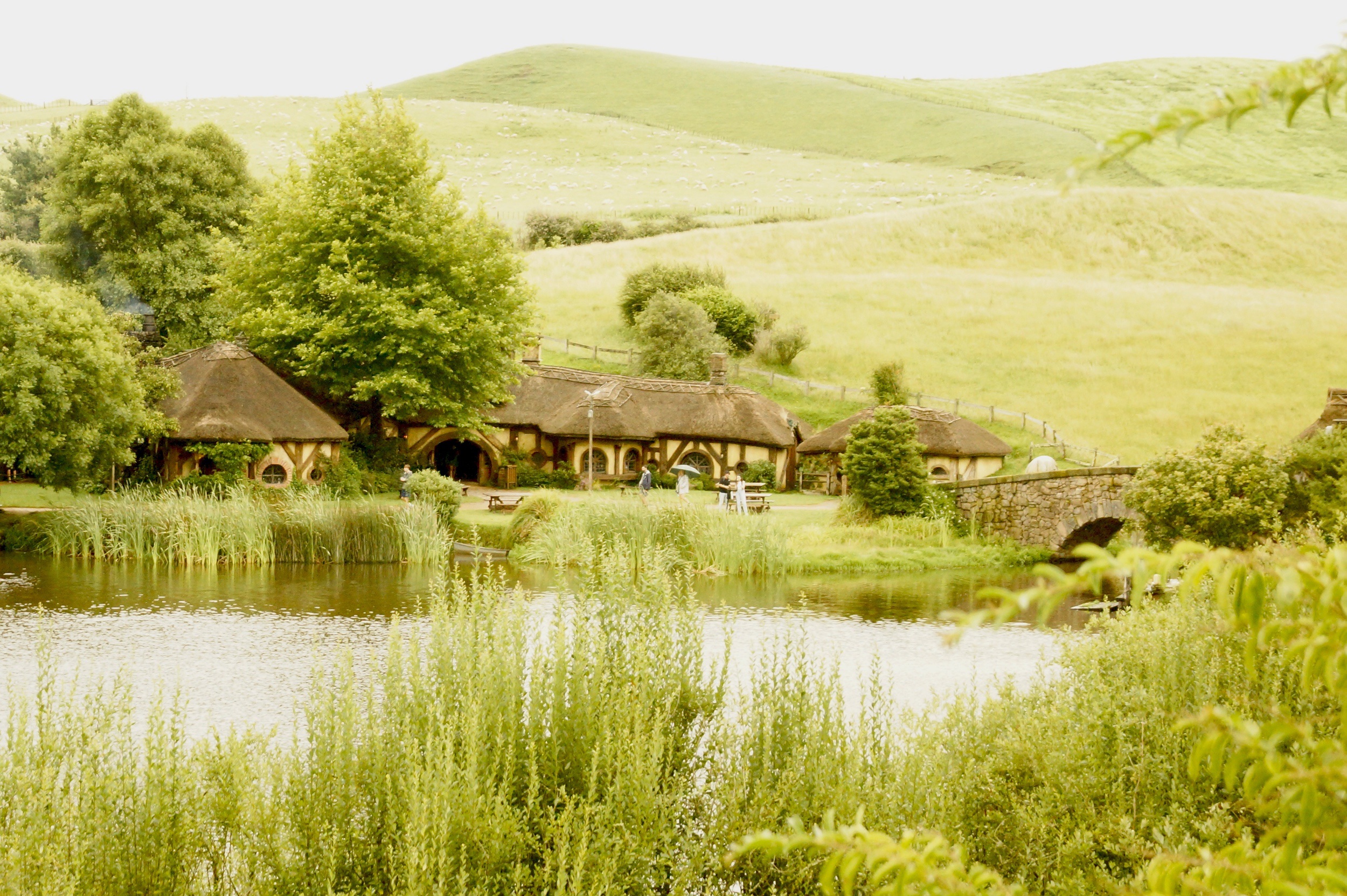
Nestled within the enchanting Hobbiton Movie Set, the Green Dragon Inn effortlessly transports visitors into the captivating realm of J.R.R. Tolkien’s Middle-earth. This iconic establishment, situated amidst the picturesque countryside of Matamata, New Zealand, beckons ardent admirers of The Lord of the Rings and The Hobbit trilogies. Stepping across its threshold, guests are immediately greeted by an atmosphere exuding warmth and comfort, amplified by a crackling fireplace and rustic wooden furnishings.

The meticulous attention to detail is truly impeccable, with every nook and cranny adorned with whimsical touches that breathe life into the fantastical world depicted in these beloved tales. Each room within the inn boasts its own distinctive charm and character, inviting exploration and admiration. The bustling bar area serves as a vibrant hub of activity, tantalizing patrons with the inn’s renowned ale, meticulously brewed right on the premises. Amidst the lively ambiance, a splendid collection of memorabilia from the films captivates the eyes, further augmenting the immersive experience.

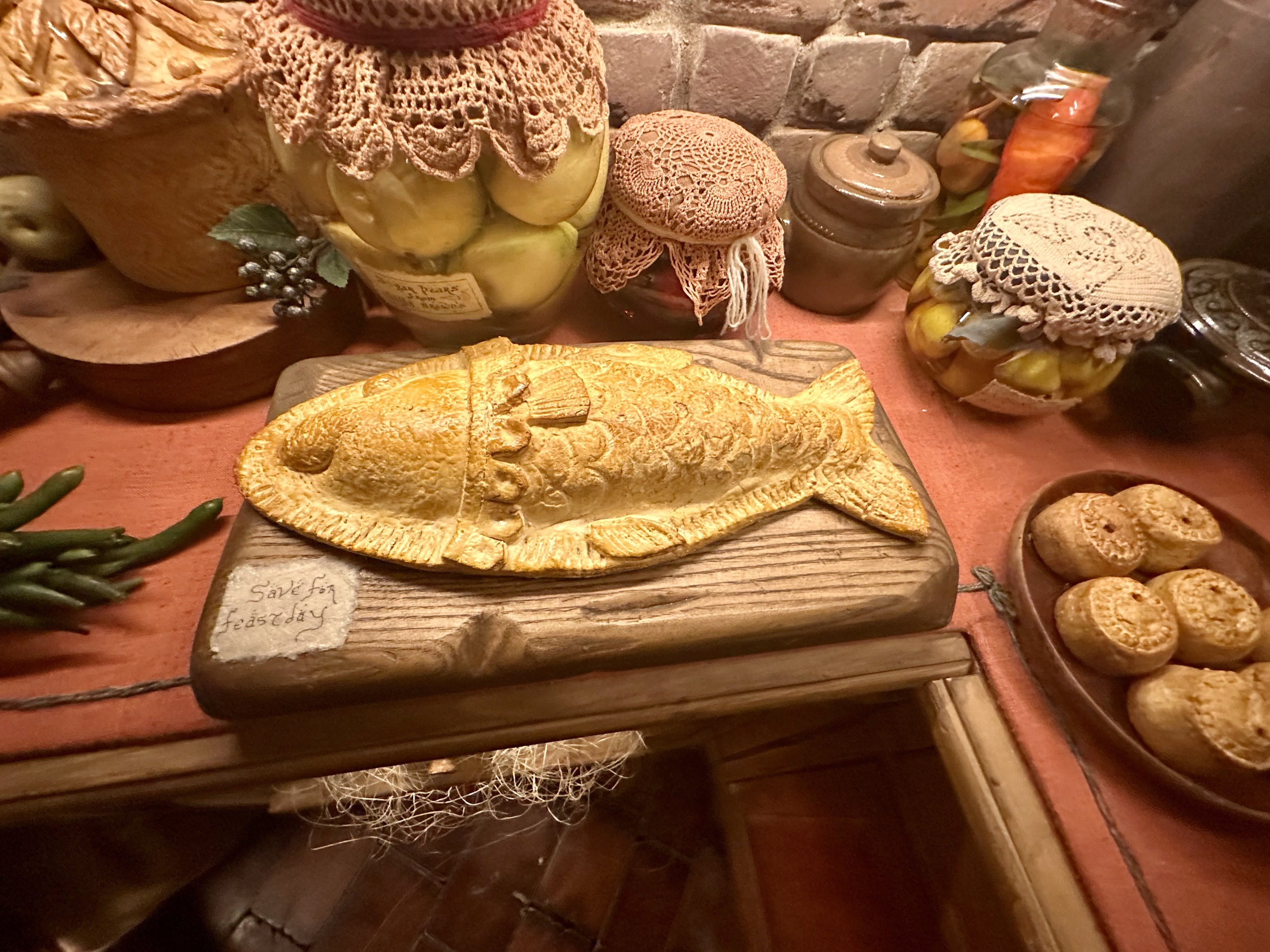
Not only does the Green Dragon Inn immerse visitors within a visual wonderland, but it also entices their taste buds with a delectable repertoire of traditional Hobbit cuisine. From hearty stews to freshly baked bread and tantalizing pies, the inn’s menu ensures a state of sheer bliss for discerning palates. Guests can savor their meals while gazing upon the breathtaking Hobbiton landscape, adorned with rolling green hills and charming hobbit holes punctuating the horizon.

To enhance the immersive experience, the inn’s lush gardens and outdoor seating areas offer a tranquil oasis for patrons seeking moments of relaxation and reflection amidst the splendor of their surroundings. The staff at the Green Dragon Inn personify a friendly demeanor and an unwavering passion for Tolkien’s literary works, infusing the overall experience with an extra layer of authenticity and enthusiasm. Whether one is an ardent aficionado or simply appreciates the aesthetic beauty and meticulous craftsmanship of the film sets, a pilgrimage to the Green Dragon Inn promises an unforgettable journey into a world brimming with fantasy and adventure.

Related Posts

Hobbiton’s Flourish: Unveiling the Magic of The Mill at the Movie Set

Dave

The Mill at the Hobbiton Movie Set is a charming and iconic structure that holds a special place in the hearts of fans of J.R.R. Tolkien’s “The Lord of the Rings” and “The Hobbit” series. Located in Matamata, New Zealand, this meticulously crafted mill is an integral part of the magical world of Middle-earth brought to life on the big screen. As visitors approach the Mill, they are immediately transported to the idyllic Shire, the homeland of the hobbits. The attention to detail is truly remarkable, with every nook and cranny of the Mill exuding authenticity and whimsy. From the intricately carved wooden beams to the gently turning water wheel, every element of the Mill reflects the craftsmanship and dedication of the set designers. Stepping inside, one can almost imagine the sound of the grinding millstones and the aroma of freshly baked bread, as if the hobbits had just stepped out for a moment. The Mill also offers a breathtaking view of the rolling hills and lush greenery that define the Hobbiton landscape. It is a sight to behold, especially during sunrise or sunset when the golden hues illuminate the picturesque scene. The Mill serves as a testament to the incredible artistry and storytelling that went into creating the Hobbiton Movie Set, and it stands as a beloved symbol of the enduring magic of Tolkien’s world. Whether you’re a die-hard fan of the books and movies or simply a lover of beautiful scenery, a visit to the Mill at the Hobbiton Movie Set is an experience that will leave you with a sense of wonder and a newfound appreciation for the power of imagination.

Related Posts

A Matter of Perspective: Exploring the Enchanting Hobbiton Movie Set Tour in New Zealand

Dave

The Hobbiton Movie Set Tour in New Zealand is an extraordinary experience that transports visitors into the enchanting world of J.R.R. Tolkien’s Middle-earth. Nestled in the rolling hills of the picturesque Waikato region, this meticulously crafted film set brings to life the whimsical village of Hobbiton from the renowned “Lord of the Rings” and “The Hobbit” trilogies. As one embarks on this immersive journey, they are greeted by an idyllic landscape dotted with meticulously designed hobbit holes, vibrant gardens, and charming bridges that span over tranquil ponds. Each hobbit hole is a work of art, meticulously detailed with unique characteristics and intricate designs that showcase the creativity and attention to detail of the production team. Walking through the narrow pathways, visitors can’t help but feel a sense of awe and wonder, as if they have stumbled upon a hidden gem in the heart of New Zealand. The tour provides fascinating insights into the filmmaking process, as knowledgeable guides share behind-the-scenes stories, intriguing anecdotes, and fun facts about the making of the movies. From the iconic Bag End to the Green Dragon Inn, every stop on the tour offers a glimpse into the rich tapestry of Middle-earth. The experience culminates with a visit to the Green Dragon Inn, where visitors can enjoy a refreshing drink of the famous Hobbiton brew, brewed exclusively for the movie set. The attention to detail is truly remarkable, with every aspect meticulously replicated to ensure an authentic and immersive experience. The Hobbiton Movie Set Tour is not only a dream come true for fans of the Tolkien universe but also a testament to the breathtaking beauty of New Zealand’s natural landscapes. It showcases the country’s ability to seamlessly blend fantasy with reality, creating a magical experience that captivates the imagination and leaves visitors with memories that will last a lifetime.

Hobbit houses, with their whimsical charm and cozy interiors, have long captured the imaginations of many. There are several fascinating aspects to know about these unique abodes. Firstly, the elevation and number of windows in a hobbit house can provide insight into the social standing and prosperity of its owner. A hobbit house situated higher up in the landscape signifies wealth and prestige, as it offers a superior view of the surrounding countryside. Additionally, a greater number of windows indicates the affluence of the hobbit residing within, as it allows for more natural light to permeate the living space.

Furthermore, the markings on a hobbit’s mailbox can offer clues about their profession. Hobbits, being a diverse community with various occupations, often display symbols or emblems on their mailboxes that represent their respective trades. These markings serve as a visual cue to visitors or passersby, allowing them to discern the hobbit’s line of work without needing to engage in conversation. For instance, a horseshoe emblem might indicate that the hobbit is a skilled blacksmith, while a quill and inkwell symbol could suggest a writer or scribe. This unique system of mailbox markings adds an element of charm and intrigue to the hobbit community, showcasing their creativity and resourcefulness in communicating their professions.

Hobbit houses offer a glimpse into the fascinating world of Middle-earth, with their architectural features and symbolic representations. The elevation and number of windows in a hobbit house can convey the social status and prosperity of its inhabitant, while the markings on their mailbox provide valuable insights into their chosen profession. These intricate details not only contribute to the authenticity and realism of J.R.R. Tolkien’s beloved fantasy world but also spark the imagination and curiosity of those who are enchanted by the magic of hobbit houses.

Related Posts

Why Do People Celebrate New Year’s Eve?

Elias Rowen

a large clock mounted to the side
New Year’s Eve is a magical time of the year that is celebrated worldwide with great pomp and show. It is a momentous occasion for people to come together and celebrate the end of the old year and the beginning of a new one. This ancient tradition has been passed down for thousands of years and is deeply ingrained in various cultural and religious practices.

As the clock strikes midnight, people bid adieu to the old year and welcome the new one with open arms. It’s a time to reminisce about the past year, the highs and lows, and to make resolutions for the upcoming year. Some people take this moment to gather with their loved ones, share a scrumptious meal, and cherish each other’s company. Others take this opportunity to let their hair down and party hard, rejoicing in the beauty of life.

Regardless of how people choose to celebrate, New Year’s Eve is a universal tradition that unites communities worldwide. It’s a time to celebrate the passing of time and the promise of new beginnings. So, get ready to pop the champagne, dance to some music, and welcome the New Year with a big smile on your face, as we bid farewell to the old year and embrace the new one with open arms!

Related Posts

Resolutions Across Time: Unveiling the Ancient Roots of New Year Promises

Elias Rowen

a woman standing in front of a building

The intriguing concept of New Year resolutions finds its roots in ancient civilizations and their cultural practices. dating back over 4,000 years, the Babylonian civilization marked the start of a new year with an elaborate festival called Akitu, spanning 12 days. During this festive period, individuals made promises to the gods in the hope of receiving favors and good fortune for the upcoming year. These pledges made to the gods laid the groundwork for the modern tradition of resolutions.

Similarly, the ancient Romans had their own tradition of making commitments to Janus, the deity from whom the month of January derives its name. Janus was believed to govern fresh beginnings and transitions, and the Romans believed that by making resolutions and offerings to Janus, they would be blessed with luck and prosperity in the year ahead.

The tradition of New Year resolutions has evolved and taken on various meanings over time. Within the Christian tradition, the act of making resolutions became associated with the Feast of the Circumcision, observed on the first day of January. The practice was embraced as a way for individuals to honor their faith and start the year on a positive note through self-improvement commitments.

In more recent history, the widespread popularity of New Year resolutions in the Western world emerged during the 18th and 19th centuries. The Industrial Revolution brought about societal changes and fostered the concept of personal betterment. As a result, people began viewing the start of a new year as an ideal opportunity for self-reflection and goal-setting. Consequently, the tradition of making resolutions at the beginning of each year became widely adopted.

In present times, the observance of New Year resolutions has become a universal tradition revered by various cultures and societies. It serves as a dedicated moment for individuals to reflect on the past year, identify areas for growth and improvement, and establish meaningful objectives for the future. Whether it involves renouncing harmful habits, pursuing new hobbies, or prioritizing personal development, the act of making resolutions acts as a catalyst for positive change and symbolizes a fresh start offered by a new year.

Essentially, the practice of making New Year resolutions traces its origins back to ancient civilizations and their cultural customs. From the Babylonians to the Romans, and throughout the centuries, making commitments for self-improvement and seeking blessings for the forthcoming year has metamorphosed into what we now recognize as New Year resolutions. This longstanding tradition remains popular and relevant in contemporary society, providing individuals with an opportunity to contemplate their lives, set goals, and aspire to personal growth as they embrace the dawn of a new year.

Related Posts

Snow Bunny Soiree: Where Glamour Meets Glacial Charm in a Winter Wonderland

Elias Rowen

a woman wearing a costume posing for the cameraa woman wearing a costume posing for the camera

Snow bunnies, those enchanting winter goddesses, are not your average individuals. They are the embodiment of the cold, snowy season, thriving in its icy embrace. With hearts full of adventure and spirits as high as the snow-capped mountains, these women possess an extraordinary love for all things winter.

From the delicate snowflakes that dance in the air to the thrill of outdoor escapades, snow bunnies radiate a contagious joy and enthusiasm that could melt even the coldest of landscapes. They have a remarkable ability to find beauty in the simplest of winter pleasures, whether it’s crafting snowmen, engaging in epic snowball battles, or indulging in steaming cups of hot cocoa by the crackling fireplace.

But their passion for winter doesn’t stop there. Snow bunnies excel in winter sports, conquering the slopes with fearless determination. Whether it’s gracefully gliding across the ice on skates or defying gravity on a snowboard, these women embrace the adrenaline rush that comes with pushing their limits. Their fiery passion for these sports is matched only by their unwavering commitment to improvement, constantly seeking new challenges and opportunities for growth.

When it comes to fashion, snow bunnies are the epitome of style and functionality. They effortlessly blend warmth and glamour, donning cozy yet chic outfits that make heads turn even in the harshest of climates. From trendy parkas that shield them from the elements to fashionable snow boots that complete their winter ensembles, these women know how to rock the perfect look.

But snow bunnies are more than just winter enthusiasts; they are guardians of the environment. They understand the importance of preserving and cherishing the natural beauty of snow-covered landscapes. Advocates for sustainable practices, they actively participate in conservation efforts, ensuring that future generations can revel in the magic of winter just as they do.

In conclusion, snow bunnies are more than a community; they are a vibrant and passionate sisterhood. They embody the essence of winter, embracing its wonders and sharing their warmth, joy, and excitement with the world. With their adventurous spirits, keen fashion sense, and dedication to preserving the environment, these remarkable individuals bring life to the cold winter months like no one else can.

Related Posts