Category: Government

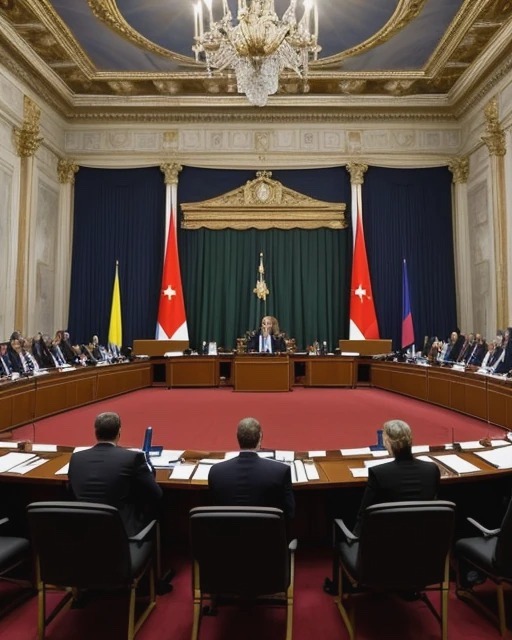
The Treaty of Utrecht: The Peace Accord That Reshaped Europe

Dave

The Treaty of Utrecht, signed in 1713, marked the end of the War of the Spanish Succession—a conflict that had engulfed Europe for over a decade. This series of agreements, negotiated between multiple European powers, not only brought peace but also redrew the political map of the continent, leaving a lasting impact on European history.

At the heart of the conflict was the question of who would succeed to the Spanish throne. When the Spanish king, Charles II, died without an heir, a fierce struggle broke out among Europe’s major powers, each vying for influence and territory. The war, which began in 1701, saw alliances shift and battles rage across Europe, with the French and Spanish forces on one side and a coalition of European nations, including Britain, the Dutch Republic, and the Holy Roman Empire, on the other.

The Treaty of Utrecht was a complex and delicate balancing act, aimed at satisfying the various interests of the warring parties. One of the key outcomes was the recognition of Philip V, grandson of France’s Louis XIV, as the legitimate king of Spain. However, to prevent a union of the French and Spanish crowns—a prospect that had fueled much of the conflict—Philip was required to renounce any claim to the French throne. This compromise helped maintain the balance of power in Europe, a principle that would guide European diplomacy for years to come.

The treaty also had significant territorial implications. Britain emerged as a major beneficiary, gaining strategic territories such as Gibraltar and Minorca, as well as trade privileges in the Americas. The Dutch were granted a barrier of fortresses in the Spanish Netherlands, while the Austrian Habsburgs received the Spanish territories in Italy and the Low Countries. These shifts in territorial control laid the groundwork for the future political landscape of Europe.

The Treaty of Utrecht not only ended a brutal and costly war but also set the stage for a new era of European diplomacy. By establishing a framework for balancing power among Europe’s great nations, it helped to prevent future conflicts and contributed to a more stable and peaceful continent—at least for a time.

Related Posts

The Treaty of Versailles: The Unsteady Peace That Shaped a Century

Dave

The Treaty of Versailles, signed in 1919, was meant to be the agreement that would finally bring an end to the horrors of World War I. After four years of devastating conflict, the world was desperate for peace, and the treaty was seen as the key to securing it. Crafted by the Allied Powers—primarily France, Britain, and the United States—this treaty imposed strict terms on Germany, the nation widely blamed for the war. But while it officially ended the fighting, the Treaty of Versailles also laid the groundwork for future tensions that would eventually erupt into another global conflict.

The treaty’s most infamous provision was the “war guilt” clause, which placed full responsibility for the war on Germany’s shoulders. This clause justified the heavy reparations that Germany was forced to pay, a burden that crippled its economy and fueled widespread resentment among its people. For a nation already devastated by the war, the financial and territorial losses imposed by the treaty were a bitter pill to swallow. German lands were taken away, military restrictions were imposed, and colonies were redistributed among the victors, leaving Germany humiliated and economically vulnerable.

The architects of the treaty, particularly French Prime Minister Georges Clemenceau, sought to ensure that Germany would never again be able to wage war on such a scale. However, the punitive nature of the treaty also sowed the seeds of unrest. The economic hardship and national humiliation it caused contributed to the rise of extremist movements within Germany, most notably Adolf Hitler’s Nazi Party, which would exploit these grievances to gain power.

While the Treaty of Versailles brought an official end to World War I, it also left many issues unresolved. The harsh terms created deep resentment in Germany, while the new borders drawn by the treaty ignored ethnic and cultural realities, leading to further conflicts in Europe and beyond. In the end, what was intended to be a peace treaty became, in many ways, a prelude to another, even more destructive war.

The legacy of the Treaty of Versailles is a complex one. It was a well-intentioned effort to create a lasting peace, but it ultimately failed to address the root causes of conflict. Instead, it left behind a fractured Europe, setting the stage for World War II and shaping the course of the 20th century.

Related Posts

The State Department: Navigating Diplomacy with a Liberal Touch

Dave

The U.S. State Department is often perceived as a liberal institution within the federal government, a perception shaped by its global mission and cultural orientation. As the arm of the government responsible for international relations, the State Department is inherently focused on diplomacy and global engagement, which often align with liberal values emphasizing cooperation, dialogue, and multilateralism. Diplomacy requires building bridges and seeking common ground with countries worldwide, which fosters an approach that values understanding and compromise. This emphasis on collaboration can be seen as reflecting more liberal ideologies.

Furthermore, the State Department frequently tackles issues like human rights, cultural exchange, and international development. These are areas traditionally associated with liberal values, focusing on diversity, equality, and humanitarian concerns. Many of the department’s initiatives aim to promote democracy and human rights, reinforce the perception of its liberal orientation, and highlight the U.S.’s commitment to fostering global peace and prosperity.

The professional backgrounds of many State Department employees also contribute to this perception. Diplomats and foreign service officers often come from diverse academic and international backgrounds that encourage a global outlook. This experience fosters an appreciation for cultural diversity and a more liberal approach to policy-making that values inclusion and openness.

Geopolitical realities necessitate a flexible and often progressive approach to international challenges. The State Department must engage with a wide array of cultures and governments, encouraging policies that prioritize understanding and cooperation over confrontation. Historical initiatives, such as arms control agreements and climate change accords, further illustrate the department’s role in advancing liberal policies on the global stage.

The State Department’s institutional culture, shaped over decades, also contributes to its liberal reputation. Large organizations like the State Department often develop a culture that embraces diverse perspectives and innovative solutions, aligning with liberal ideologies. While the State Department operates under both Republican and Democratic administrations and is tasked with implementing the policies of the current government, its foundational role in fostering international collaboration and addressing global issues often reflects a more liberal ethos. This perception, however, can be influenced by political rhetoric and the broader ideological divides within U.S. politics, highlighting the complexities of its mission in a dynamic global landscape.

Related Posts

The Treaty of Paris (1783): The Diplomatic Masterpiece that Ended the American Revolutionary War

Dave

The Treaty of Paris, signed in 1783, stands as a monumental achievement in the annals of history, marking the end of the American Revolutionary War and the birth of the United States as an independent nation. This landmark agreement not only brought peace after years of conflict but also showcased the power of effective communication and diplomacy in resolving international disputes.

Negotiating the Treaty of Paris was no small feat. The American delegation, consisting of Benjamin Franklin, John Adams, and John Jay, had to navigate a complex web of interests and demands. Their ability to communicate clearly and persuasively was crucial. These diplomats demonstrated remarkable skill in presenting their case, understanding the perspectives of their British counterparts, and finding common ground. Their success lay in their ability to blend firmness with flexibility, a balance that is key in any negotiation.

One of the most notable aspects of the negotiations was the unity displayed by the American representatives. Despite their differing opinions and backgrounds, Franklin, Adams, and Jay worked together towards a common goal: securing favorable terms for their fledgling nation. This unity was communicated not only through their words but through their collective determination and shared vision. It’s a powerful reminder of the strength that comes from cohesive teamwork and aligned objectives.

The treaty’s content itself was a triumph of clear and precise communication. It outlined the boundaries of the newly independent United States, addressed fishing rights, and resolved issues related to debts and property. The language was unambiguous, reducing the risk of future misunderstandings. This clarity is a testament to the importance of precise language in any agreement, whether it be international treaties or everyday contracts.

Nonverbal communication also played a significant role in these negotiations. The demeanor and comportment of the American diplomats conveyed confidence and respect, setting a tone that facilitated constructive dialogue. Their ability to read the nonverbal cues of the British negotiators and respond appropriately helped create an atmosphere of mutual respect and cooperation. This aspect of communication, often overlooked, remains crucial in all forms of negotiation and conflict resolution today.

The Treaty of Paris ultimately acknowledged American independence and established the framework for peaceful relations between the United States and Great Britain. It was a remarkable diplomatic achievement that underscored the power of effective communication. The skills exhibited by the American negotiators—listening, empathizing, articulating clear positions, and working as a cohesive team—were instrumental in ending the war and securing a lasting peace.

In summary, the Treaty of Paris in 1783 is a shining example of how effective communication can resolve conflicts and change the course of history. The dedication, unity, and communication prowess of the American diplomats not only ended a brutal war but also laid the foundation for a new nation. Their legacy continues to inspire and inform diplomatic efforts and negotiations around the world.

Related Posts

Digital Democracy: Navigating Misinformation, Algorithms, and Surveillance

Dave

In today’s fast-paced digital world, democracy faces new and tough challenges. Fake news spreads like wildfire on social media. It stops people from making informed choices and causes division. Algorithms push sensational content, creating echo chambers that block diverse views.

Digital surveillance by governments or companies is a big worry too. It raises concerns about privacy and the misuse of personal data to sway public opinion. These problems hit at the heart of democracy.

We need strong steps to protect its core values. We must promote transparency in algorithms and improve digital literacy for all citizens. Strict data protection laws are also essential.

Our ability to adapt will shape the future of democracy. In this digital age, truth must prevail, privacy should be respected, and democratic values upheld always.

Related Posts

Lights, Camera, Politics: The Role of Actors and Actresses in Political Discourse

Dave

Actors and actresses frequently stand at the nexus of entertainment and politics, utilizing their prominence to address and influence public opinions on political matters. This prevalent phenomenon provokes discussions around the motivations and implications of their engagement in political discourse. There are several core reasons why these individuals find it fitting to involve themselves in the political arena.

First and foremost, actors and actresses enjoy exceptional visibility and influence due to their status as public figures, which enables them to reach an expansive audience. This widespread reach places them in a position of significant influence where their opinions can make an impactful statement. For many within this cohort, there emerges a felt obligation to harness this influential platform for advocacy—championing causes close to their hearts such as human rights, environmental protection, and social justice. Their heightened awareness often arises from personal involvement in charitable endeavors and activism, bringing them into direct contact with pertinent political issues, thus compelling them to voice their views.

Critics contend that actors and actresses lack the necessary expertise to speak authoritatively on intricate political matters. However, supporters argue that celebrity involvement has the unique potential to amplify issues, driving public attention and inspiring mobilization among their fanbase. Such endorsement can spur debates and highlight underrepresented viewpoints, creating space for broader societal discussions.

Ultimately, the engagement of actors and actresses in political discourse stems from their intention to wield their considerable influence towards advocating for perceived greater societal good. By contributing to discussions around social change and justice, these public figures seek to utilize their platforms to foster awareness, catalyze dialogue, and stimulate collective action aimed at improving societal welfare.

In conclusion, while their involvement in political matters invites both support and skepticism, the aspiration of actors and actresses to influence change through advocacy underscores the intersectionality between entertainment and political spheres. Their contributions highlight the profound capacity of popular culture not just to entertain but also to enact positive social change.

Related Posts

The Treaty of Versailles: A Peace That Fueled Future Conflict

Dave

The Treaty of Versailles, inked on June 28, 1919, was instrumental in concluding World War I. Originating from deliberations at the Paris Peace Conference held between 1919 and 1920, the treaty stands out particularly for its imposition of the War Guilt Clause. This clause apportioned sole responsibility for the conflict to Germany and its allies, thereby justifying substantial reparations demanded from Germany. The astronomical reparations bill amounted to 132 billion gold marks, a financial burden that plunged Germany into economic disarray. Moreover, Germany suffered substantial territorial amputations, surrendering Alsace-Lorraine to France, the Saar Basin to League of Nations administration, and extensive tracts in its east to Poland.

In tandem with these financial and territorial concessions, stringent military constraints were also imposed. The treaty decreed that the German army be capped at 100,000 troops, the navy at 15,000 men with only six battleships and no submarines allowed, and the formation of an air force was outrightly forbidden. Additionally, the Rhineland was mandated to remain demilitarized, ostensibly to act as a buffer zone against future aggression. The Treaty of Versailles also heralded the establishment of the League of Nations—a body envisioned to uphold peace and forestall future wars—although initially excluding Germany from its membership.

The implications of the Treaty of Versailles were both profound and far-reaching. Economically, the stipulations ushered in a period of hyperinflation and acute instability in Germany throughout the early 1920s. Politically, the onerous terms fueled widespread resentment and perceived injustice among Germans, sowing fertile ground for Adolf Hitler’s ascension and the National Socialist (Nazi) Party’s rise to prominence. Consequently, the treaty is frequently scrutinized as a precursor to World War II, posited to have sown discord and fomented anger leading to retaliation. Ultimately, the Treaty of Versailles is regarded as a pivotal yet contentious document—one that endeavored to usher in peace but simultaneously set in motion a cascade of tensions that would ignite future conflicts.

Related Posts

Communism’s Subtle Grip: Unraveling Its Impact on America’s Tapestry

Dave

Throughout its robust history, the United States has been greatly impacted by communism. Despite its unwavering commitment to a capitalist system and the safeguarding of individual rights and freedoms, communism has undeniably shaped various aspects of American society, politics, and culture. The emergence of communism on a global scale, particularly during the tense Cold War era, served as a catalyst for the critical evaluation of the United States’ own political and economic structures. Fueled by the fear of communism, commonly known as the “Red Scare,” a pervasive anti-communist sentiment arose, leading to the implementation of several policies and measures aimed at curbing its influence.

Undoubtedly, the most remarkable manifestation of this apprehension was witnessed during the infamous McCarthy era. Senator Joseph McCarthy’s relentless investigations into alleged communist activities engulfing the nation characterized this period of intense scrutiny and suspicion. The consequences were evident in the blacklisting of numerous individuals within the entertainment industry and other sectors, effectively suppressing creative expression and fostering an atmosphere steeped in fear and distrust.

Additionally, the ideology of communism left an enduring impact on American social movements. Serving as a framework for various leftist movements, such as the labor and civil rights movements, communist ideals became the driving force behind the advocacy for greater equality and social justice. The demands and aspirations of these movements, encompassing fair wages, workers’ rights, and racial equality, often drew inspiration from the fundamental principles of socialism.

The reach of communism’s influence extended further, permeating into the realms of intellectualism and culture. Prominent intellectuals, writers, and artists became captivated by communist ideals, propelling the emergence of critical theories and artistic movements that effectively challenged established norms and entrenched structures.

Equally significant was communism’s impact on American foreign policy. The United States found itself entangled in numerous conflicts, most notably the Korean and Vietnam Wars, with the primary objective of containing the spread of communism. These foreign interventions not only shaped public opinion but also sparked impassioned debates regarding the role of the United States within the global arena.

It is important to note that despite fierce opposition to communism, the United States experienced moments of internal dissent and criticism concerning its own capitalist system. The Great Depression, for instance, compelled many Americans to question the sustainability of capitalism and explore alternative economic models, with some even embracing certain elements of communism.

In conclusion, while the United States has always been rooted in capitalist principles, the unquestionable influence of communism has left an indelible mark on multiple facets of American society, politics, and culture. Whether through the prevailing fear of communism, the inspiration it provided to social movements, or the debates it incited surrounding economic and political systems, communism has played an irrefutable role in shaping the trajectory of the United States.

Related Posts

The Dark Side of Globalization: Cultural Loss and Exploitation

Dave

Despite its potential benefits, globalization ultimately leads to negative consequences, including loss of cultural identity and exploitation of developing countries, making it a harmful force in the world economy.

The term “globalization” refers to the fast and continuously deepening connections among the world’s markets and businesses. It is frequently spoken of as a wonderful thing—a thing that has brought us closer together, made our lives richer, and our problems more solvable. But the oohs and aahs that often accompany its discussion also tend to make us tune out certain fundamental realities, which makes the young among us feel as though we’re standing on ground tilled by hard truths and are being told a bedtime story instead. While globalization holds the possibility of some good outcomes, it also has the potential for a number of negative outcomes. Two of the most common criticisms are related to what it can and is doing to the cultures of peoples around the world and what it is and can do to the economies of those peoples. Some argue that it is leading to the homogenization of cultures, the opposite of which was what was intended when societies adopted reforms to increase their participation in global markets. The theory was that if more societies and more people conformed to basic international best practices of economic and political governance, then this would be the “rising tide that lifts all boats.” The negative impacts of globalization should force us to really think about its place in today’s world. Who actually benefits from it, and is the cost to well-being and justice in our societies and around the world really worth it? In many ways, the globalization we know is a story of opposites. It is by far the most unequal process in recorded history. Global elites—those who use a global process to achieve their various ends—have clearly benefited, but what has been the payback in societies that appear on the surface to be far richer in many respects than societies of the past? And what are societies being asked to give up by way of their historic cultural endowments?

After taking these arguments into account, it is clear that we cannot ignore the part globalization plays in the reduction of cultural identities. Ergashev and Farxodjonova (2020) have pointed out that “the objective process of globalization produces both desirable and undesirable consequences for the cultures of the world” (p. 9). They insist that we must make careful distinctions between the global and the cosmopolitan and that we must not conflate cultural diversity with a kind of cultural degradation or, worse, cultural essentialism. The push for a singular global culture can threaten unique societal components, leading to a world that’s in danger of abandoning cultural diversity for the sake of what some see as “the natural order of things.” This move in the direction of sameness allows economically superior nations to set the standards for what is now happening at an accelerated rate in societies across the world. And that’s not even considering the implications for people in far-off places and cultures who are being asked to trade their ways of life for what will amount to little more than standard “global brands” of culture. According to Ergashev and Farxodjonova (2020), what is often called globalization is really the world getting together mainly for the benefit of one country, the United States. This is not trade based on equitable development; rather, it is the U.S., through its massive multinational corporations and guidance to institutions like the World Bank and the International Monetary Fund, forcing half the world to do things its way when it comes to big “capitalist” projects. And the U.S. is not merely using the cheap labor of the South to enrich itself; it is using those labor forces to mainly make a whole lot of money for its big companies, while the local economies in the South—the economies that are supposed to be making those tremendous project profits stick around and benefit the local population—are kept on half-rations. Hence, even though globalization may seem like a force that brings us together and propels us forward, it makes us wonder if it is not too high a price to pay, considering the unavoidable and often detrimental effects it has on the preservation of cultural identity and on economic fairness. This, above all, is the most serious challenge to the idea of globalization as a human progress engine.

In addition, globalization has a bad impact that goes beyond making everyone the same and dividing society into haves and have-nots. Actually, it leads to the developing world being taken advantage of in some very basic ways. They’re put into trade agreements that are never to their advantage. They’re subjected to a world that means the profit from what they sell goes almost entirely back to the capitalist system and very little, if any, back to the workers who produced the item. International corporations work to increase their profits. They accomplish this by moving their facilities to places with few regulations and a cheap workforce. Though this is terrible for the people there, it does allow big business to not only survive but also thrive. It takes away all hope for a rather quickpath to sustainable development. Furthermore, globalization’s true practice is often tied to a kind of imperialism when using dominating powers (such as the U.S.) as the model for the world’s future development. It is then easy to see why some commentators have described globalization as “a second coming of cultural colonization” (Norberg-Hodge & Percy-Smith, 2010). Indeed, in many parts of the world, globalization is not seen as a “win-win” situation but as a “lose-lose” one, with economic and cultural imperial powers benefitting handsomely at the expense of the once-proud communities they reduce to poverty and near-poverty in their undemocratic wake (Hodgson, 2002). As an alternative to delivering undisputed benefits to the global community, the worldwide trend toward globalization spawns inequality and forces different cultures to merge into one, detracting from the equitable development of unique ways of life for different sets of people.

To sum up, though many claim globalization creates vast economic growth, cultural Fluorish, and tech breakthroughs, taken together the way it often seems to succeed is in stripping away culture and exploiting the labor and resources of developing countries. It does not have to be this way, and in fact, cannot go on this way. The choice, therefore, must be that of the international community to transform the adverse effects of globalization—its erosion of cultural identities and the exploitation of systemic poor governance, to name just some of its effects—into an international system that is to the benefit of all. Ergashev and Farxodjonova (2020) explain that the push for a single, worldwide culture actually threatens the very thing that makes us human—our incredible amount of shared and yet still-valued differences and diversities that we inherit and preserve. At the same time, Bouymaj (2020) points out that multinational corporations, in their insatiable drive for profit, often subject the people of poor nations to circumstances that prevent development and that these same corporations also frequently engage in practices that worsen the already problematic aspect of wealth disparities. The current state of affairs is worrisome. Globalization is not the inclusive force that it claims to be. In many ways, it is just another type of imperialism—serving the same ends for the same types of people. It is now more necessary than ever to reexamine the situation and rethink our place in it. Who really does benefit from the currents pushing ideas, production, and profit back and forth across oceans and borders? Why don’t we create a new system? Why do we in the societal margins pay the global price for these pathologies? In the future, we must push for policies that enforce fair trade. We must also defend and protect our local cultures and ensure the development we do partake in is sustainable. If we don’t do those things, we could see some very harmful effects from unchecked globalization. Our interconnected global economy should still leave room for each of us to have our own identities and for us to all be treated fairly.

References
Ergashev, I., & Farxodjonova, N. (2020). Integration of national culture in the process of globalization. Journal of Critical Reviews, 7(2), 477.

Bouymaj, I. (2020). Globalization’s Impact on Cultural Identity: Empirical study on 1st and 2nd Generation Immigrants (Master’s thesis).

Related Posts

Aotearoa’s Journey: Upholding Maori Rights and Reconciliation

Dave

New Zealand is globally admired for its breathtaking landscapes and dynamic cultural fabric, a legacy profoundly shaped by its indigenous Maori people. Although constituting a minority, the Maori wield considerable influence within New Zealand’s socio-political framework, underlined by governmental initiatives designed to elevate their needs and rights. This discourse explores the historical foundations, the Treaty of Waitangi, and ongoing endeavours to uphold Maori rights and foster reconciliation.

The signing of the Treaty of Waitangi in 1840 was a watershed moment in New Zealand’s history, symbolizing an alliance between the British Crown and Maori chiefs. Drafted in both Maori and English, the treaty was intended to establish peace and ease British colonization while preserving Maori land and cultural rights. Nonetheless, discrepancies in translation and interpretation sparked misunderstandings and trust breaches, giving rise to long-standing grievances that linger today.

The cornerstone of the Treaty of Waitangi lies in its recognition of Maori as tangata whenua—the people of the land. This designation grants them specific rights and protections, reinforcing the significance of Maori culture, language, and traditions. Over the years, successive New Zealand governments have attempted to honour these promises, though with varying levels of success.

Maori have faced centuries of marginalization, land dispossession, and cultural oppression, leading to significant socio-economic disparities. Acknowledging these historical injustices, successive governments have initiated various strategies to redress Maori grievances and encourage reconciliation. Integral to these efforts are Treaty settlements that aim to correct past wrongs through financial restitution, land returns, and cultural rejuvenation programs.

In recent times, the New Zealand government has increasingly focused on Maori welfare in its policy development and execution. This dedication is embodied in laws such as the Treaty of Waitangi Act 1975, which provides frameworks for resolving treaty disputes and promoting Crown-Maori collaboration. Furthermore, government agencies are obligated to incorporate Treaty of Waitangi principles in their decision-making processes, ensuring that Maori viewpoints are considered.

The principle of partnership lies at the heart of governmental strategy, promoting cooperation between Maori and the Crown in governance and policymaking. This cooperative approach is epitomized by organizations like the Treaty Settlements Office and Maori Wardens, which facilitate dialogue, negotiations, and conflict resolution between Maori communities and government institutions.

However significant progress has been made, hurdles persist in realizing true partnership and equity for Maori in New Zealand. Socio-economic inequalities continue to be pervasive, and matters such as land rights, resource governance, and cultural preservation remain points of contention. Nonetheless, there are burgeoning opportunities for positive transformation as Maori knowledge, values, and perspectives gain broader acknowledgment in shaping national policies and practices.

The quest for reconciliation between the New Zealand government and the Maori is an evolving journey marked by both advancements and obstacles. Adhering to the Treaty of Waitangi’s principles—partnership, participation, and protection—is vital for cultivating a society that honours Maori culture, identity, and aspirations. Through a collective effort imbued with mutual respect and comprehension, New Zealand can continue to progress towards a future that both respects its rich indigenous heritage and champions diversity and inclusivity.

Related Posts

Navigating the Big vs. Small Government Debate: Pros and Cons Unveiled

Dave

The debate between big government and smaller government has been a hotly contested topic for decades. It revolves around the size, role, and scope of government intervention in society. While both approaches have their supporters and critics, the discussion continues to be a crucial one, with each side highlighting specific advantages and disadvantages.

Let’s take a closer look at the pros and cons of both big government and smaller government.

Pros of Big Government:

One of the most significant benefits of big government is its ability to provide a robust social safety net. This includes essential programs such as healthcare, unemployment benefits, and social security, which support vulnerable populations and reduce inequality.

Additionally, big government can implement strong regulations to protect consumers, workers, and the environment from exploitation by powerful corporations. This ensures the well-being of the public and promotes fair and ethical practices.

Moreover, big government can invest in critical infrastructure projects, such as transportation networks, schools, and utilities, to promote economic growth and development. This creates job opportunities and improves the quality of life for citizens.

During economic downturns, big government can also stabilize the economy through fiscal and monetary policies. This can be achieved by increasing spending, lowering interest rates, and implementing stimulus measures.

Lastly, big government can provide essential public services efficiently, such as education, healthcare, public transportation, and law enforcement, ensuring the smooth functioning of society.

Cons of Big Government:

However, with all its benefits, big government also has its drawbacks. One of the most significant concerns is the potential for bureaucracy and inefficiency. Larger government structures can lead to slow decision-making, increased red tape, and hinder innovation and responsiveness.

Moreover, big government often requires higher taxes to fund expansive programs, leading to increased public debt and potential economic burden on taxpayers.

Extensive social welfare programs can also create dependency on government assistance, reducing individual initiative and personal responsibility.

Additionally, there is a risk of overreach and intrusion by big government, infringing on individual freedoms and privacy through excessive regulations and surveillance in the name of public interest.

Pros of Smaller Government:

On the other hand, supporters of smaller government argue that it has its own set of benefits. For starters, smaller government generally means lower taxes and less public debt, allowing individuals to keep more of their earnings and promoting economic freedom.

Moreover, smaller government emphasizes individual freedoms and limited government intervention in personal and economic matters, fostering entrepreneurship and innovation.

With less bureaucracy and administrative overhead, smaller government can also lead to more streamlined and efficient public services.

Lastly, smaller government advocates for decentralization of power, giving more control to local communities and states to address their unique needs and preferences.

Cons of Smaller Government:

However, smaller government also has its downsides. One of the most significant concerns is the lack of a robust social safety net. This means that vulnerable populations may not receive the necessary support during times of need.

Furthermore, reduced government oversight can lead to weaker consumer protections, environmental regulations, and labor standards, potentially favoring powerful interests over public welfare.

Underinvestment in critical public services like education, healthcare, and infrastructure is another potential drawback of smaller government, hindering long-term economic growth and societal well-being.

Lastly, without robust government intervention, income inequality and social disparities may widen, as those with greater resources have more opportunities and advantages.

The choice between big government and smaller government involves trade-offs and depends on societal values, economic circumstances, and policy priorities. Finding the right balance between government intervention and individual freedom is a complex challenge that requires thoughtful consideration of both perspectives.

Related Posts

Balancing Liberty and Security: The Case for Protecting Civil Liberties in the U.S.

Dave

In the contemporary landscape of heightened global threats and ever-evolving technologies, the tension between national security and civil liberties has become one of the most pressing issues facing democratic societies. The United States, a nation founded on principles of freedom and individual rights, finds itself at a crossroads where it must balance the imperative of safeguarding its citizens from external dangers with the equally crucial mandate to uphold their civil liberties. Historically, periods of crisis have often precipitated erosions in civil rights — from the internment of Japanese Americans during World War II to the expansive surveillance measures adopted post-9/11. Yet, these actions raise fundamental questions about what it means to live in a free society and whether security can ever truly be achieved at the expense of liberty. This essay will argue that the U.S. government has an inherent responsibility to prioritize the protection of its citizens’ civil liberties over national security measures. By examining historical precedents, legal frameworks, and ethical considerations, we will explore how safeguarding civil liberties not only aligns with constitutional mandates but also fortifies long-term national security by fostering trust and cooperation between citizens and their government. In doing so, this discourse aims to underscore that true security is not merely about defending against immediate threats but also about preserving the foundational values that define American democracy.

Central to this argument is the assertion that prioritizing civil liberties does not inherently diminish national security but rather strengthens it by cultivating a society founded on mutual trust and respect between the government and its citizens. The concept of “striking a new balance between liberty and security,” as articulated by Waldron (2003), emphasizes that an overemphasis on security measures often leads to the erosion of freedoms that are vital for democratic engagement and public trust. Historical instances, such as the post-9/11 era, where expansive surveillance programs were justified under the guise of national security, illustrate how such policies can infringe on personal freedoms while engendering widespread suspicion and disillusionment towards governmental institutions. Additionally, constitutional mandates enshrined in documents like the Bill of Rights highlight the importance of protecting individual freedoms against potential overreach by state powers. Legal scholars argue that maintaining robust civil liberties is essential for fostering active civic participation and dissent, which are crucial elements of a resilient democracy. Therefore, upholding civil liberties should be viewed not as a hindrance to national security but as an integral component of it—one that ensures long-term stability through the maintenance of public confidence and cooperation with governmental efforts to address genuine threats (J Waldron – Journal of Political Philosophy, 2003). By realigning our approach to prioritize these liberties, we uphold the very principles upon which the nation was founded while ensuring that our methods for safeguarding against threats remain ethical and justifiable within a democratic framework.

Building on this foundation, it is crucial to recognize that the appropriate balance between civil liberties and national security is achieved only when civil liberties are given precedence. This argument finds substantial support in legal scholarship, which posits that national security ultimately must be a priority, and a condition precedent toward securing civil liberties (RN Davis – Brook. J. Int’l L., 2003). By placing the protection of civil liberties at the forefront, the government not only adheres to constitutional imperatives but also fosters an environment where citizens feel valued and protected. Such prioritization ensures that any measures taken in the name of national security are transparent, accountable, and subject to public scrutiny—key elements that prevent governmental overreach and safeguard democratic processes. Furthermore, historical precedents underscore how unbridled national security measures can lead to significant abuses of power; for example, during the McCarthy era’s anti-communist purges or the implementation of Japanese-American internment camps during World War II, both instances wherein perceived threats justified egregious violations of personal freedoms. These periods serve as cautionary tales illustrating how sidelining civil liberties undercuts trust in government institutions and erodes the very democratic foundations they aim to protect. Consequently, ensuring robust protections for civil liberties inherently contributes to a more secure nation by fostering civic engagement and resilience against actual threats through ethically sound practices grounded in mutual respect between state authorities and the citizenry they serve (RN Davis – Brook. J. Int’l L., 2003).

Furthermore, empirical research corroborates the assertion that prioritizing civil liberties over stringent national security measures results in better outcomes for democratic societies. Kelly (2015) posits that an equilibrium between liberty and security is not only attainable but necessary for the sustenance of democratic values. The study underscores that policies which excessively prioritize security often result in a chilling effect on free speech, political activism, and other forms of civic engagement. Such conditions create an atmosphere where citizens may feel disenfranchised or reluctant to exercise their constitutional rights due to fear of surveillance or governmental retribution. By contrast, a legal framework that emphasizes the protection of civil liberties cultivates a more engaged and informed citizenry capable of contributing positively to national discourse and resilience (Kelly, 2015). This protective stance fosters transparency and accountability within government institutions, reducing instances of power abuse while enhancing public trust—a crucial element in addressing threats effectively without compromising ethical standards. Hence, integrating these considerations into policy-making ensures not only compliance with constitutional mandates but also reinforces the social fabric by upholding the principles of justice and mutual respect essential for long-term stability (Kelly, 2015).

Continuing from this perspective, it is essential to acknowledge that the integration of civil liberties as a core priority also aligns with fundamental ethical principles and human rights frameworks that form the bedrock of democratic societies. Hill (2020) argues that while balancing security and liberty is critical, an overemphasis on security at the expense of individual freedoms often leads to public disillusionment and decreased civic participation. Such a scenario was evident in the post-9/11 surveillance programs where broad measures intended for national security inadvertently encroached on personal privacy and freedom, leading to widespread mistrust in government actions (Hill, 2020). By prioritizing civil liberties, the U.S. government ensures compliance with both domestic constitutional imperatives and international human rights standards, thereby maintaining its moral authority on the global stage. Moreover, policies that safeguard civil liberties can mitigate risks associated with governmental overreach by instituting checks and balances essential for transparency and accountability. These mechanisms not only prevent potential abuses but also facilitate a cooperative relationship between citizens and state authorities—a relationship vital for effective governance amid contemporary security challenges. Ultimately, when civil liberties are upheld as paramount within national security strategies, they fortify democratic institutions by embedding ethical considerations into policy-making processes—ensuring that actions taken in defense of the nation do not undermine the foundational values it seeks to protect (Hill, 2020).

Thus, while some scholars argue that during periods of heightened threat, governments should and do naturally adjust the balance toward enhancing security at the expense of civil liberties (EA Posner & A Vermeule, 2007), it is critical to recognize the potential dangers inherent in such a shift. Historical lessons and empirical evidence suggest that an overemphasis on security can lead to systemic abuses and long-term erosion of democratic values. For instance, the curtailment of civil liberties often leads to governmental overreach, as seen in various controversial actions justified under the guise of national security. These include surveillance programs initiated post-9/11 which significantly intruded upon personal privacy without adequate oversight or transparency (Hill, 2020). By contrast, maintaining civil liberties as a priority does not equate to negligence in matters of security but rather ensures that protective measures are implemented within a framework that respects individual rights and freedoms. This approach fosters public trust and civic participation—key elements in creating a resilient society capable of confronting actual threats effectively. Consequently, embedding robust protections for civil liberties into national policy serves dual purposes: safeguarding fundamental rights while also upholding the ethical standards essential for sustained democratic governance. Therefore, despite arguments favoring increased security measures during crises, it is imperative for the U.S. government to uphold civil liberties as foundational principles that underpin its legitimate authority and ensure long-term societal stability (EA Posner & A Vermeule, 2007).

Building upon this foundation, it becomes evident that the U.S. government’s responsibility to prioritize civil liberties over national security measures is not merely a constitutional imperative but also an essential element of ethical governance and public trust. R Wyden, C Guthrie, J Dickas, and A Perkins (2006) emphasize that while striking a balance between security and privacy is crucial, the scale must tilt towards protecting civil liberties to prevent governmental overreach and preserve democratic integrity. Historical precedents such as the internment of Japanese Americans during World War II or the more recent NSA surveillance programs underscore the risks associated with sacrificing individual freedoms for perceived security gains. These actions led to widespread public mistrust and long-lasting societal scars that eroded confidence in government institutions (R Wyden et al., 2006). By contrast, a commitment to safeguarding civil liberties enhances transparency and accountability, fostering a cooperative relationship between citizens and state authorities—critical for effective governance amidst modern security challenges. Thus, integrating robust protections for civil rights within national policy frameworks serves dual purposes: ensuring adherence to ethical standards while reinforcing the foundational values of democracy. Consequently, prioritizing civil liberties over national security measures not only upholds constitutional mandates but also fortifies democratic institutions by embedding ethical considerations into policy-making processes—thereby ensuring that protective measures do not undermine the very freedoms they aim to defend (R Wyden et al., 2006).

Furthermore, the intrinsic value of civil liberties as foundational to a just and equitable society cannot be overstated. Security needs may well matter, playing a major role in determining just where the proper balance lies, but it is this proper constitutional balance of both civil liberties and national security that ensures enduring democratic governance (FJ Williams et al., 2006). In examining the critical importance of prioritizing civil liberties, it becomes evident that such an approach not only aligns with ethical mandates but also empowers citizens by fostering an environment of trust and engagement. When individuals feel their rights are respected and protected, they are more likely to participate actively in civic processes, thereby strengthening democratic institutions. Conversely, policies skewed excessively towards national security at the cost of personal freedoms can lead to an erosion of public trust and the onset of authoritarian tendencies. This delicate balancing act is crucial: upholding robust protections for civil liberties ultimately safeguards against potential governmental overreach and abuse. By embedding these protections into national policy frameworks, the U.S. government can assure its citizens that security measures will not infringe upon their fundamental rights—thus maintaining societal stability and preserving democratic integrity for future generations (FJ Williams et al., 2006).

In this context, it is essential to consider the empirical data suggesting that security measures influence the balance between security and liberty, reinforcing the necessity of prioritizing civil liberties. According to Bousselet (n.d.), qualitative research underscores how intensified security protocols often disproportionately impact individual freedoms, leading to a heightened risk of civil liberties erosion. These findings demonstrate that while security efforts are indispensable, their implementation should not overshadow fundamental human rights. For instance, during the post-9/11 era, numerous policies designed under national security pretexts encroached significantly upon personal privacy and freedom without ample legislative oversight or judicial scrutiny. Such dynamics illustrate an urgent need for robust legal frameworks that balance these dual imperatives without compromising either. Furthermore, protecting civil liberties fosters public trust and active civic engagement—core components of a resilient democratic society capable of effectively addressing real threats (Bousselet). By embedding protections for civil liberties into national policy structures, the government can ensure its actions reflect constitutional values and ethical governance principles. Therefore, prioritizing civil liberties within the spectrum of national policy is not only a constitutional mandate but also pivotal in maintaining public confidence and fortifying democracy against potential authoritarian encroachments.

Given these considerations, it is evident that the U.S. government has a responsibility to prioritize the protection of its citizens’ civil liberties over national security measures to maintain constitutional integrity and ethical governance. As Waldron (2017) suggests, balancing security concerns with civil liberties necessitates “striking a new balance between liberty and security,” ensuring that fundamental rights are not undermined in the process. This imperative is further illuminated by historical examples where excessive emphasis on national security led to significant breaches of personal freedoms, such as during the internment of Japanese Americans in World War II and the NSA surveillance programs post-9/11. These instances highlight how prioritizing national security at the expense of civil liberties can erode public trust and harm democratic institutions. Hence, embedding robust legal protections for civil rights within national policies not only aligns with constitutional mandates but also fortifies democracy by fostering an environment where individual freedoms are upheld. Such an approach ensures that governmental actions remain transparent and accountable, thereby reinforcing public confidence and active civic engagement—essential components for addressing contemporary security challenges while preserving democratic values (Waldron, 2017).

Moreover, it is imperative to acknowledge that prioritizing civil liberties aligns with ethical governance principles, ensuring that security measures do not erode fundamental freedoms. As C Michaelsen (2006) argues in “Ethics of War in a Time of Terror,” the essence of democratic integrity rests upon upholding civil liberties even amidst heightened security concerns. Michaelsen notes that an overemphasis on national security can lead to a surveillance state where personal freedoms are severely curtailed, thereby undermining the very democratic institutions meant to protect society. For example, the extensive surveillance authorized by the Patriot Act post-9/11 resulted in widespread invasions of privacy and contributed to public skepticism about government intentions (Michaelsen, 2006). These actions underscore the importance of a robust legal framework that places civil liberties at its core while addressing security needs. Protecting citizens’ rights not only strengthens trust in governmental institutions but also galvanizes civic participation and accountability. By embedding these protections into policy, the U.S. can create a resilient democracy capable of effectively countering threats without sacrificing its foundational principles. Thus, maintaining an unwavering commitment to civil liberties ensures ethical governance and fosters a stable society where democratic values thrive (Michaelsen, 2006).

In conclusion, the intricate balance between national security and civil liberties remains a pivotal issue in safeguarding the core values of American democracy. This essay has underscored that prioritizing civil liberties does not merely coexist with national security but actively reinforces it by building trust and fostering cooperation between citizens and their government. Historical precedents such as the internment of Japanese Americans during World War II and the surveillance measures post-9/11 serve as stark reminders of how overreach can erode public trust and undermine democratic principles. By adhering to constitutional mandates that protect individual freedoms, the U.S. government ensures transparency, accountability, and public scrutiny—key components that prevent abuses of power and promote a resilient civic society. Legal scholars have consistently argued that robust civil liberties are essential for active civic participation and dissent, which fortify a democracy against threats both internal and external. Ultimately, this discourse highlights that true security is achieved not by compromising freedom but by upholding it; thus ensuring long-term national stability through ethical governance aligned with foundational democratic values. The ongoing challenge lies in realigning policy approaches to prioritize these liberties unequivocally, ensuring that America’s commitment to freedom remains unwavering even in times of heightened global threats.

References

Waldron, J. (2003). Security and liberty: The image of balance. Journal of Political Philosophy, 11(2), 191-210.

Davis, R. N. (2003). Striking the Balance: National Security vs. Civil Liberties. Brook. J. Int’l L., 29, 175.

Kelly, J. J. (2015). BALANCING NATIONAL SECURITY AND FREEDOM: REACTIONS TO TERRORISM AND ITS EFFECT ON CITIZENS’CIVIL LIBERTIES, CIVIL RIGHTS, AND PRIVACY (Doctoral dissertation, Johns Hopkins University).

Hill, K. J. (2020). Balancing National Security and the Constitution: The Security Blanket Over Civil Liberties (Doctoral dissertation, Johns Hopkins University).

Posner, E. A., & Vermeule, A. (2007). Terror in the balance: Security, liberty, and the courts. Oxford University Press.

Wyden, R., Guthrie, C., Dickas, J., & Perkins, A. (2006). Law and Policy Efforts to Balance Security, Privacy and Civil Liberties in Post-9/11 America. Stan. L. & Pol’y Rev., 17, 331.

Williams, F. J., Dulude, N. J., & Tracey, K. A. (2006). Still a Frightening Unknown: Achieving a Constitutional Balance Between Civil Liberties and National Security During the War on Terror. Roger Williams UL Rev., 12, 675.

Bousselet, C. The balance between security and liberty.

Waldron, J. (2017). Security and liberty: The image of balance. In Civil Rights and Security (pp. 3-22). Routledge.

Michaelsen, C. (2006). National Security versus Civil Liberties: Rights-Based Objections to the Idea of Balance. In Ethics of War in a time of terror. Australian National University.

Related Posts

The Vienna Convention: The Pillar of Global Diplomacy

Dave

The Vienna Convention is celebrated as a monumental fit of diplomatic choreography, a work of art that pulls the international community of nations together in the service of a shared vision—elusive, yet beautiful—of world diplomacy. At its core, it is a treaty that makes the code under which diplomats work a matter of international law, from how embassies and consulates are established and protected to how diplomats and consular officers themselves are treated and dealt with. The Vienna Convention is one of those rare international agreements that everyone wishes to honor. Signed and accepted by almost every country in the world, the Vienna Convention is an international agreement that outlines the rules for diplomatic relations. Most specifically, it covers the privileges and immunities that diplomats and other government officials are entitled to when serving in other countries. It is a crucial instrument for maintaining international order. But precisely because of the Convention’s lofty goals and international reach, it is also deeply mired in politics and fraught with challenges in carrying out its intended mission. Undoubtedly, it has played a part in encouraging international cooperation and the peaceful settlement of disagreements, but it has profound flaws of its own. The most serious of these is the weakness of the enforcement tools the convention relies on. Some of these tools are simply too weak to make a meaningful difference. For example, if the ICJ rules against a state but that state refuses to comply, the only thing the court can do is report the matter to the UN Security Council. However, under the council’s procedures, even that has to be unanimous, because any of the council’s five permanent members can veto the referral. The Vienna Convention’s effectiveness, not to mention its very existence, is under threat—undermined by the issues of noncompliance and state practice that it was formulated to resolve. In the face of real or perceived violations, states are increasingly inclined to either bring their concerns before international courts or tribunals or simply to renounce the Convention altogether. And even where the Convention is not formally denounced or before the court, one can observe an important shift from what G.A. Flomo calls the “traditional route” of diplomatic negotiation toward a more legalistic or litigious approach to dispute settlement.

Directing our focus now towards the domain of international law, the Vienna Convention carries the note of pre-eminence because it encompasses a virtually comprehensive framework for governing the world of diplomacy. This, in essence, is an ambitious accomplishment given the Victorians’ prescription for sovereignty in the foreign relations between states. The Vienna Convention applies to many diplomatic activities. It ensures that diplomatic premises can’t be violated, guarantees that the people working there have immunity from local laws, and, most importantly, it allows for the “unimpaired and unfettered” contact between the diplomats and their home offices. If you were to take a common-sense step back and think about it, you should be able to see the rationale behind all these provisions. Diplomacy can’t really work if the country that’s supposed to be according the defined benefits of the conventions feels like it can’t carry out its basic practices; and once diplomacy breaks down, we’re a lot closer to war. Moreover, the convention delineates the way diplomatic appointments should be made, sets forth the special status of diplomatic couriers, and determines when and under what circumstances a diplomatic mission may be terminated. By doing so, it helps ensure the mutual recognition of the diplomatic proceedings among states and is a major factor for the peaceful resolution of disputes that may arise in the context of a diplomatic incident, ensures the proper functioning of a diplomatic mission, and even sometimes can be helpful for the maintenance of international relations!

To sum up, the Vienna Convention is a vital structure in the overall architecture of international relations. Why? For the clear reason that it serves the multiple and diverse interests of the many nations of the world. All of them simply cannot afford to fall into disorder—that would be chaos. They must have rules that establish order for them in the ways that they relate to each other. However, as this paper has made clear, the Convivencia is diminished in its power in the real world mainly for two reasons. The first is that the mechanics of enforcing these difficult distinctions seldom work, so that what looks good on paper seldom works in actual practice in the international scene. The second is that in terms of real power, some states dominate others, so that they can usually get away with doing what they want. Regardless of the foregoing, the Vienna Convention is a shining light of what might be in terms of social agreements transcending all the contentious issues of state sovereignty—some of which nearly derailed it—and it is still here in force today, with 193 states party to some part of it. There is good reason to believe that it helped avoid the worst excesses of irrational and self-defeating outcomes that could have resulted from the treaty negotiation styles of certain states. It also might have helped move the world in directions of self-transcendence when it has been necessary to contemplate changes that were not yet part of historical experience. By taking this step, we assert our dedication to the virtues of cooperation and peace that the Vienna Convention memorializes so effectively. We do so with the sincere hope that nations will conduct their diplomatic affairs in a manner that aspires to the same ideals of treating friends as friends and enemies as enemies; of communicating honestly, directly, and in good faith; and of, when all else fails, using coercion only as a last resort and only when justified by law.

Related Posts

The Vital Role and Ongoing Impact of the Geneva Convention: Protecting Human Rights in Modern Warfare

Dave

In the annals of international law, few agreements hold as much significance and moral gravity as the Geneva Convention. Established to mitigate the horrors of war and safeguard human dignity, this framework has laid down indispensable guidelines for humanitarian efforts and the protection of prisoners of war (POWs). Since its inception, it has represented a beacon of hope amidst the often brutal landscape of armed conflict. However, in an age marked by evolving warfare tactics and complex geopolitical tensions, the effectiveness of such time-honored conventions must be continuously reassessed. As unconventional conflicts emerge and state actors push the boundaries of accepted norms, a static approach to enforcement could render these principles impotent. Thus, this essay will argue that while the Geneva Convention remains a cornerstone in promoting humanitarian endeavors and defending POW rights, its relevance hinges on dynamic reevaluation and stringent enforcement mechanisms adaptable to contemporary challenges. This dual imperative not only preserves the Convention’s integrity but also ensures that its noble objectives are realized in practice.

Building on this foundation, it is critical to examine how the Geneva Convention’s principles are implemented and enforced in contemporary conflicts. The utility of such agreements can be significantly compromised if their provisions fail to adapt to modern warfare’s evolving nature. For instance, JM Alkahtani (2022) underscores that existing laws, including those codified in the Geneva Convention, often fall short in addressing the complex realities of recent conflicts. This discrepancy between established norms and current needs highlights an urgent necessity for periodic reassessment and revision of international humanitarian laws. While conventional wars might have been well-governed under the traditional framework of the Geneva Convention, asymmetrical warfare involving non-state actors and advanced technological weaponry requires new interpretive lenses and more robust enforcement strategies. Additionally, geopolitical factors continuously influence state compliance with international conventions; thus, a reinforced global consensus on humanitarian standards is indispensable. Revising enforcement mechanisms ensures that violators face tangible consequences, thereby upholding the principles that safeguard POWs’ rights effectively even in shifting wartime landscapes. Consequently, maintaining the Geneva Convention’s relevance necessitates both a vigilant approach toward emerging threats and a commitment to refining its scope to better serve humanity amidst perpetual change.

In this context, the Geneva Convention’s historical significance in promoting humanitarian efforts and protecting prisoners of war (POWs) cannot be overstated, yet its effectiveness remains contingent on ongoing reassessment and enforcement. Originally formulated to set a standard for humane treatment in conflicts, the Convention’s provisions face increasing scrutiny as contemporary warfare evolves. As DJ Ball highlights, “the effectiveness of the provision is open to serious doubt for it appears to leave to the…,” suggesting that its application may falter under modern pressures (NYUL Rev., 2004). This inherent uncertainty underscores the necessity of updating these agreements to address both conventional and asymmetrical threats adequately. For instance, advanced technological weaponry and cyber warfare present new challenges that were unanticipated during the Convention’s inception. Furthermore, geopolitical dynamics frequently shift compliance behaviors among states, necessitating stronger global consensus and enforcement mechanisms. Without periodic reevaluation and stringent enforcement measures, there is a risk that critical protections may become outdated or ineffective. Thus, while the Geneva Convention has been paramount in defining humanitarian standards during war, its future utility hinges on a robust framework capable of adapting to an ever-changing conflict landscape. The task at hand is not merely to uphold existing norms but to ensure their continued relevance by refining their scope in response to evolving military technologies and strategies.

Furthermore, the political dynamics surrounding the ratification and enforcement of arms control treaties significantly impact the efficacy of international agreements like the Geneva Convention. As RJ McElroy observes in “The Politics of Arms Control Treaty Ratification,” for such conventions to be generally effective, sustained political will and multilateral cooperation are essential components (1991). This assertion underscores that beyond legislative updates, there is a pressing need for cohesive international consensus on adherence to humanitarian norms. Historical instances exemplify how geopolitical shifts necessitate reevaluations of treaty commitments. The Nixon administration’s reassessment of the Geneva Protocol serves as a poignant example; renewed calls for U.S. ratification emerged due to evolving global security concerns, highlighting how external pressures can drive reconsideration and reinforcement of international agreements (“Geneva Protocol”). Hence, the challenges presented by modern warfare necessitate not only legal updates but also active engagement from global powers to advocate and ensure compliance with these humanitarian frameworks. By continuously reexamining and reinforcing such treaties against contemporary threats—including cyber warfare and non-state combatants—the international community can uphold the spirit of humanitarian protection that underpins the Geneva Convention while effectively responding to new dimensions of conflict. Thus, maintaining its relevance requires an unrelenting commitment to both legislative evolution and diplomatic enforcement mechanisms in addressing today’s multifaceted wartime realities.

In examining the ongoing significance of the Geneva Convention, it is imperative to acknowledge that its foundational principles have historically set critical standards for humane treatment in warfare, yet their application must evolve to remain pertinent amidst contemporary conflicts. The Geneva Conventions of 1949, as B Van Dijk (2017) elucidates, are widely regarded as a pivotal codification of humanitarian law born out of an era deeply intertwined with complex political realities. This historical context demonstrates how the Conventions were shaped by competing international interests and consensus-building efforts aimed at establishing a universal baseline for human rights during war. However, as modern warfare increasingly involves asymmetrical combat and advanced technological weaponry—phenomena not anticipated by the original drafters—there exists an urgent need for regular reassessment and revision to ensure these legal frameworks address current challenges effectively. Enhancing enforcement mechanisms is equally crucial; without robust measures ensuring accountability and compliance among state and non-state actors alike, the protection offered to prisoners of war under these agreements risks being undermined. Therefore, while the Geneva Convention has been instrumental in promoting humanitarian efforts over decades, its future effectiveness hinges on dynamic updates that reflect evolving conflict paradigms and steadfast commitment from the global community to uphold these vital protections.

Moreover, the continuous reassessment and enforcement of the Geneva Convention are paramount for adapting to ever-evolving military strategies and technologies. As noted by B Van Dijk (2022), the historical significance of the 1949 Geneva Conventions is unparalleled, having emerged from a complex interplay of political pressures and humanitarian aspirations. Nevertheless, these original frameworks must be scrutinized in light of modern combat scenarios that significantly differ from those anticipated at their inception. For instance, the advent of cyber warfare poses unprecedented ethical and legal challenges regarding accountability and non-combatant protection. Without updating these norms to encompass such contemporary forms of warfare, the essence of humanitarian law risks dilution. Additionally, non-state actors have increasingly become pivotal players in modern conflicts, complicating enforcement mechanisms initially designed with state actors in mind. To bridge this gap between historical mandates and current exigencies, international collaboration remains crucial. States must not only reaffirm their commitments but also agree on revised protocols that integrate recent advancements in military technology and tactics into legally binding humanitarian protections. Reinforced by Van Dijk’s analysis (2022), it becomes clear that ensuring the Geneva Convention’s continued relevance necessitates dynamic modifications reflective of today’s multifaceted global conflict landscape—anchored by an unwavering dedication to both revising legislative frameworks and strengthening diplomatic cooperation for effective implementation.

Consequently, reevaluating and enforcing the Geneva Convention is critical to maintaining its efficacy in light of the complexities introduced by contemporary warfare. While the foundational principles established in 1949 have provided a robust framework for protecting prisoners of war and promoting humanitarian efforts, today’s conflict dynamics demand ongoing scrutiny and adaptation. JK Elsea notes that circumstances necessitating a reassessment of courses of action are crucial for ensuring sustained effectiveness (2004). This argument becomes particularly salient when considering how modern technological advancements and cyber warfare pose new ethical dilemmas that were inconceivable to the original drafters. For instance, tactics involving digital deception or interference with communications can severely impact humanitarian operations unless explicitly addressed within updated legal frameworks. Additionally, as Elsea highlights, enforcement remains most effective when there is cooperation from all involved parties—a challenging prospect given the rise of non-state combatants whose allegiance to international norms may be tenuous at best. Therefore, sustaining the Geneva Convention’s relevance requires not only legislative updates but also rigorous diplomatic efforts to secure widespread compliance. By integrating advanced military technologies into revised protocols and ensuring accountability through multilateral engagements, the international community can uphold the humanitarian protections that remain central to the Geneva Convention’s enduring legacy.

In conclusion, the Geneva Convention remains a pivotal cornerstone in the architecture of international humanitarian law, representing an enduring commitment to safeguarding human dignity amidst the chaos of war. However, as warfare evolves with the advent of technological advancements and the increasing prevalence of asymmetrical conflicts involving non-state actors, so too must our approach to implementing and enforcing these time-honored principles. The necessity for periodic reassessment is paramount to ensuring that this critical framework can effectively address contemporary challenges. As evidenced by JM Alkahtani’s observation on legal inadequacies in modern conflicts and DJ Ball’s critique on enforcement efficacy, it becomes clear that without dynamic reinterpretation and robust enforcement mechanisms, the Convention risks becoming an anachronism in a rapidly shifting geopolitical landscape. Political will and global consensus play indispensable roles, as highlighted by RJ McElroy’s analysis on arms control treaties; thus, active engagement from state actors is crucial for bolstering adherence to these norms. In essence, while the Geneva Convention has indelibly shaped humanitarian standards during wartime, its continued relevance demands a vigilant approach toward emerging threats and consistent refinement of its scope. Only through such diligent efforts can we ensure that this beacon of hope not only retains its integrity but also continues to protect those most vulnerable in conflicts around the world—preserving its noble objectives for generations to come.

References
Alkahtani, J. M. (2022). Effectiveness of the Existing International Humanitarian Law Provisions in Protecting the Natural Environment During Internal Armed Conflicts.

Ball, D. J. (2004). Toss the Travaux-Application of the Fourth Geneva Convention to the Middle East Conflict-A Modern (Re) Assessment. NYUL Rev., 79, 990.

McElroy, R. J. (1991). The Geneva Protocol of 1925. In The Politics of Arms Control Treaty Ratification (pp. 125-166). New York: Palgrave Macmillan US.

Van Dijk, B. (2017). The making of the Geneva conventions: decolonization, the Cold War, and the birth of humanitarian law (Doctoral dissertation).

Van Dijk, B. (2022). Preparing for War: The Making of the 1949 Geneva Conventions. Oxford University Press.

Elsea, J. K., & American Law Division. (2004, September). Lawfulness of interrogation techniques under the Geneva Conventions. Library of Congress, Congressional Research Service.

Related Posts

Pioneering Progress: New Zealand’s Trailblazing Women’s Suffrage Movement

Dave

In 1893, New Zealand made history by becoming the first self-governing country to grant women the right to vote. This monumental achievement was the result of years of tireless campaigning led by the fearless Kate Sheppard. Her leadership and unwavering determination, along with the support of thousands of women, culminated in the New Zealand Women’s Suffrage Petition – a symbol of organized persistence. This formidable document was no small feat, with over 32,000 signatures from European settler women gathered on sheets of paper and stitched together into a massive roll measuring 270 meters in length. Presented to Parliament, the petition sent a powerful message with its undeniable evidence of widespread support for women’s suffrage. As a result, the Electoral Act of 1893 was passed, granting women the right to vote and cementing New Zealand’s position as a pioneer in social justice and equality. The impact of this achievement was felt far beyond the country’s borders, setting a precedent for women’s suffrage movements worldwide. The women behind this petition were not only organized and determined, but their powerful advocacy continues to inspire and empower women to this day.

Related Posts

Empowering Tomorrow: USAID’s Global Impact

Dave

USAID, or the United States Agency for International Development, is a crucial player in the U.S. government’s efforts to bring aid and support to developing nations around the world. Since its establishment in 1961, USAID has remained dedicated to promoting peace, prosperity, and stability by tackling poverty at its source and creating sustainable pathways for growth. This vital mission is achieved through close collaboration with government bodies, local communities, and key stakeholders, providing assistance in areas such as healthcare, education, economic development, and emergency aid. In addition, USAID is committed to promoting democratic values and effective governance in underprivileged regions, while also tackling global challenges like climate change and striving for gender equality. Thanks to its diverse range of projects and initiatives, USAID has made a significant impact on the lives of countless individuals, solidifying its position as a leading force in the realm of global humanitarian and development efforts.

Related Posts

Davy Crockett: The Legendary King of the Wild Frontier

Dave

Davy Crockett, also known as the “King of the Wild Frontier,” embodies the rugged individualism and pioneer spirit of early 19th-century America. Born in 1786, his adventures as a frontiersman, soldier, and politician have made him a beloved folk hero. His legendary status was solidified by his exceptional hunting abilities and his captivating stories of life on the untamed frontier, which were both self-written and embellished by others.

Despite his larger-than-life persona, Crockett’s journey into public service began humbly with his election to the Tennessee state legislature in 1821, followed by his subsequent election to the U.S. House of Representatives in 1827. As a Congressman, he was a fierce advocate for the rights of settlers and a vocal opponent of President Andrew Jackson’s controversial Indian Removal Act. This unwavering stance showcased Crockett’s unwavering commitment to justice, even in the face of political pressures.

However, it was Crockett’s death at the Battle of the Alamo in 1836 that cemented his place in American legend as a symbol of bravery and sacrifice. In the midst of Texas’ fight for independence from Mexico, Crockett’s courageous stand at the Alamo became a symbol of resistance against oppression. This multifaceted legacy, encompassing folklore, legislative impact, and military valor, solidifies Davy Crockett’s enduring status as an iconic figure in American history.

Related Posts

Unpacking the Complexities of Status of Forces Agreements: A Comparative Analysis

Dave

The existence of a status of forces agreement (SOFA) between a host country and a foreign military is a complex issue that requires careful consideration and analysis, as demonstrated by the varying approaches and policies of countries such as the United States, Germany, and Japan.

The existence of a Status of Forces Agreement (SOFA) between a host country and a foreign military is indeed a complex and multifaceted issue, one that encapsulates the intricate balance between national sovereignty, international relations, and strategic security interests. As nations around the globe navigate their defense policies and diplomatic relationships, SOFAs become pivotal in defining the legal scope and limits of foreign military presence on sovereign soil. In particular, countries like the United States, Germany, and Japan present compelling case studies due to their unique geopolitical contexts and historical backgrounds with foreign troops stationed within their borders. This essay will explore how these agreements influence bilateral relations, affect domestic legal frameworks, and impact the broader security architecture. Despite their benefits in terms of enhanced security cooperation and shared defense responsibilities, SOFAs can also generate contention regarding jurisdictional authority and local autonomy. Thus, while they are fundamental for facilitating international military operations and alliances, such agreements must be meticulously crafted to ensure they uphold the delicate equilibrium between respecting national sovereignty and fulfilling mutual security objectives.

Building on this understanding, it is crucial to delve into how specific countries manage the complexities associated with SOFAs. In the United States, for instance, SOFAs are often framed within a broader strategic context, emphasizing mutual defense and operational flexibility while ensuring compliance with domestic laws (F Faure et al., 2012). The U.S. approach seeks to balance sovereign interests with its global security objectives, leading to agreements that carefully define legal jurisdictions and rights for both the host country and U.S. personnel. Germany’s experience offers a contrasting perspective; as a host country, Germany has negotiated terms that strictly regulate the operations and presence of foreign troops, reflecting its sensitive post-World War II stance towards foreign military bases. Similarly in Japan, where historical sensitivities about foreign military presence are profound due to post-war pacifism and regional security concerns, SOFA negotiations have been particularly intense. The Japanese government has had to navigate public opinion and diplomatic pressures meticulously, resulting in a dynamic where SOFAs facilitate cooperation but also include strict provisions to maintain harmony with local communities (F Faure et al., 2012). These examples underline that while SOFAs aim to foster international military collaboration, they must be crafted with an acute awareness of historical contexts, legal implications, and socio-political dynamics unique to each country.

Continuing this analysis, it is evident that the delicate balance maintained in SOFA negotiations reflects not only a confluence of military and political interests but also broader environmental and social sustainability concerns. For instance, while not directly addressing SOFAs, research by Antognelli, Vizzari, and Schulp (2018) highlights the broader challenge of integrating ecosystem services into policy-making and landscape management—a concept that could significantly influence SOFA discussions where environmental impacts are concerned. In regions like Japan and Germany, where environmental consciousness is high, any agreement involving foreign troops must consider the ecological footprint of military bases. This integration of ecosystem services into strategic planning can provide a more holistic approach to SOFA agreements (S Antognelli et al., 2018). Thus, countries negotiating these agreements must weigh traditional security needs against potential environmental impacts to ensure sustainable operations. This need for balance underscores how nuanced each negotiation becomes when trying to address multiple layers of national interest—legal jurisdiction, operational freedom for foreign troops, community relations, and now increasingly ecological considerations—to achieve both short-term objectives and long-term sustainability goals.

In conclusion, the intricate dynamics surrounding Status of Forces Agreements (SOFAs) underscore a delicate interplay of national sovereignty, legal jurisdictions, and international relations. As observed through the lens of countries such as the United States, Germany, and Japan, each negotiation reflects unique historical sensitivities and geopolitical necessities that shape these critical defense pacts. Despite their strategic importance in fostering military cooperation and enhancing global security architectures, SOFAs often come with their own set of challenges and controversies. This necessitates agreements that are not only legally sound but also sensitive to socio-political and environmental concerns of the host nations. Moving forward, it is imperative for ongoing and future negotiations to integrate a broader spectrum of considerations—from public sentiment to ecological impact—thus ensuring that these agreements do more than just meet immediate security needs but also align with long-term sustainability and harmony within local communities. Such an evolved approach could pave the way for more balanced and mutually beneficial SOFAs, potentially redefining how nations cooperate on international defense strategies in an increasingly complex world.

References

Faure, F., Duriez, C., Delingette, H., Allard, J., Gilles, B., Marchesseau, S., … & Cotin, S. (2012). Sofa: A multi-model framework for interactive physical simulation. Soft tissue biomechanical modeling for computer assisted surgery, 283-321.

Antognelli, S., Vizzari, M., & Schulp, C. J. (2018). Integrating ecosystem and urban services in policy-making at the local scale: The SOFA framework. Sustainability, 10(4), 1017.

Related Posts

Shielded Diplomats: Ensuring Open Dialogue in International Relations

Dave

Diplomatic immunity is a critical aspect of international relations, serving as a vital safeguard for diplomats to carry out their duties without fear of legal repercussions or outside influence. This fundamental principle is enshrined in the Vienna Convention on Diplomatic Relations of 1961, a cornerstone of diplomatic interactions that fosters mutual respect and understanding among nations. By granting diplomatic immunity, countries are able to protect the integrity of diplomatic communications and allow for unrestricted movement and expression, essential for effective negotiation and conflict resolution. Without this protection, diplomats may be constrained by local laws or political pressures, hindering their ability to represent their nation’s interests effectively. Moreover, it serves as a reciprocal measure, with all nations benefiting from this protection for their own representatives abroad while extending the same courtesy to foreign diplomats within their borders. Ultimately, diplomatic immunity promotes peaceful international dialogue and cooperation, creating a conducive environment for open and honest communication without the looming threat of undue interference.

Related Posts

Treaty of Waitangi: Bridging Cultures, Navigating Legacies

Dave

The Treaty of Waitangi stands as a foundational element in New Zealand’s history, epitomizing the dawn of a new era for both the Māori and the Pākehā (European settlers). Signed in 1840, it symbolized a covenant of cooperation and guardianship between the British Crown and Māori chieftains. Yet, its interpretation and execution have ignited persistent discussions and disputes.

The primary objective of the Treaty was to forge a just and equitable bond between the cultures, allowing Māori chieftains to retain sovereignty over their territories while enabling the British Crown to establish governance. However, the discrepancies between translations and interpretations have led to prolonged disagreements regarding land entitlements and Māori rights safeguarding.

In spite of these obstacles, the Treaty of Waitangi remains an emblem of unity and partnership within New Zealand, enduring as a dynamic guide towards fostering an inclusive and fair community for all its people. Reflecting on its ongoing significance reminds us of the essential role that mutual respect and comprehension play in managing the intricacies tied to cultural diversity and heritage.

Related Posts