Category: Government

Unveiling New Zealand’s Sovereign Legacy: The 1835 Declaration of Independence

Dave

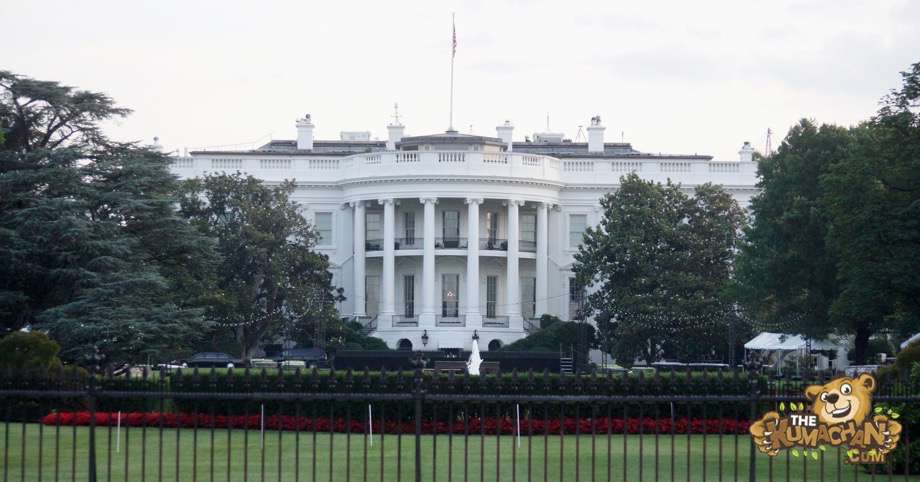
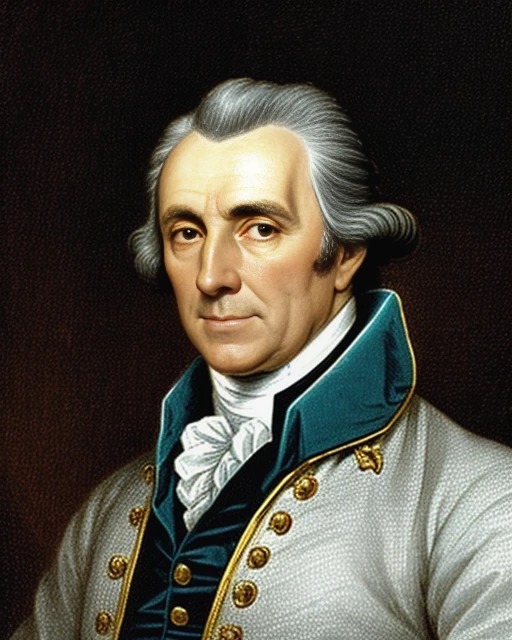
The signing of the New Zealand Declaration of Independence on October 28, 1835 was a significant moment in the nation’s history, marking a pivotal step towards establishing New Zealand’s sovereignty. This powerful document, also known as “He Whakaputanga o te Rangatiratanga o Nu Tireni” in Māori, was crafted and signed by 34 influential Māori chiefs from the northern region. Its primary purpose was to assert the sovereign independence of New Zealand, firmly placing the power in the hands of the Māori chiefs and creating a framework for self-governance and unity among the various tribal leaders. With a strong desire for international recognition of their status, the declaration boldly proclaimed that the sovereignty of New Zealand resided with the Māori people. This declaration not only fostered better governance among the tribes but also paved the way for the historic Treaty of Waitangi, which was signed five years later in 1840. By banding together as one united force, these chiefs hoped to safeguard their lands from potential threats posed by foreign traders and settlers during this time.

Related Posts

Campaign Cash: The Strategic Chess Game of Presidential Spending

Dave

Presidential campaigns are like a high-stakes game of chess, with candidates vying for the ultimate prize – the presidency. To outmaneuver their opponents, campaigns must strategically allocate their funds to maximize voter outreach, mobilize supporters, and ultimately compete in the electoral process.

So, where do these campaigns spend their money? Let’s take a look at some of the most common ways in which presidential campaigns allocate their funds:

1. Advertising and Media: A significant portion of campaign funds is typically spent on advertising, including television, radio, digital, and print ads. These ads aim to reach a wide audience and convey the candidate’s platform, policies, and messaging.

2. Campaign Staff and Consultants: Behind every successful campaign is a team of dedicated staff members. From campaign managers to communications directors to digital specialists, these professionals are essential to a campaign’s success. In addition, campaigns may engage external consultants for polling, media buying, and other specialized services.

3. Travel and Events: It’s no secret that presidential candidates spend a lot of time on the road. They hold rallies, town hall meetings, fundraisers, and other campaign events across the country. Campaign funds cover travel expenses, venue rentals, staging, and other event-related costs.

4. Campaign Materials: From buttons to bumper stickers, campaign materials are an essential part of any presidential campaign. These items are used to raise awareness and mobilize supporters.

5. Data and Technology: In today’s digital age, campaigns must have a strong online presence. That’s why they invest in data analytics, voter targeting tools, and digital platforms to manage supporter databases, conduct voter outreach, and optimize their digital advertising efforts.

6. Fundraising Expenses: Running a campaign is expensive, and fundraising is a crucial part of the process. There are costs associated with organizing fundraising events, donor outreach, and compliance with campaign finance regulations.

7. Legal and Compliance: Campaigns need to ensure compliance with complex campaign finance laws and regulations. They may hire legal counsel and compliance experts to navigate these requirements.

8. Polling and Research: To understand voter sentiment, track electoral trends, and refine campaign strategies, campaigns conduct internal polling and research.

9. Field Operations: Building grassroots support is essential for any presidential campaign. That’s why campaigns invest in field offices, volunteer recruitment, voter registration drives, and get-out-the-vote efforts.

10. Security: With the intense media coverage and public appearances, presidential campaigns often require security services to protect the candidate and campaign staff.

11. Debates and Primary Elections: Participating in primary elections and debates is a significant part of the campaign process. Funds may be allocated for debate preparation and logistics.

Overall, presidential campaigns strategically allocate their funds to maximize voter outreach, mobilize supporters, and manage operations efficiently. The allocation of campaign funds can vary based on the campaign’s priorities, fundraising capabilities, and the dynamics of the election cycle.

However, the use of campaign funds is heavily regulated by campaign finance laws in the United States. These laws aim to ensure transparency, accountability, and fairness in the electoral process. Here are key aspects of the laws governing the use of campaign funds:

Prohibited Uses of Campaign Funds:
– Personal Use: Campaign funds cannot be used for personal expenses or enrichment of candidates. This includes using funds for mortgage payments, groceries, clothing, vacations, or any other personal expenses unrelated to the campaign.
– Excessive Contributions: Campaign funds cannot be used to make excessive contributions to political parties or other candidates’ campaigns beyond the legal limits set by the Federal Election Commission (FEC).
– Unauthorized Expenditures: Campaign funds must be spent only on lawful campaign-related expenses. Any unauthorized expenditures not directly related to the campaign’s purpose are prohibited.

Permissible Uses of Campaign Funds:
– Campaign Expenses: Funds can be used for legitimate campaign expenses, including advertising, travel, staff salaries, polling, fundraising expenses, and other activities directly related to promoting the candidate and their platform.
– Compliance and Legal Services: Campaign funds can be used to hire legal counsel and compliance experts to ensure adherence to campaign finance laws and regulations.
– Office Space and Equipment: Funds can be used to rent office space, purchase equipment (e.g., computers, phones), and pay utilities for campaign operations.
– Campaign Materials: Funds can be spent on producing campaign materials such as signs, literature, buttons, and other promotional items.
– Event Expenses: Funds can cover expenses related to hosting campaign events, rallies, fundraisers, and town hall meetings.

Reporting and Disclosure Requirements:
– Disclosure of Expenditures: Campaigns are required to report all expenditures accurately and in a timely manner to the FEC. This includes itemizing expenses to provide transparency on how campaign funds are being used.
– Contributor Information: Campaigns must disclose information about their contributors, including their names, addresses, and occupations. This ensures that the source of campaign funds is transparent.

In conclusion, presidential campaigns are complex and expensive operations. Candidates must carefully strategize and allocate their funds to effectively communicate their message, mobilize supporters, and compete in the electoral process. While there are strict regulations governing the use of campaign funds, these laws ultimately aim to promote fairness and transparency in our democracy.

Related Posts

The Beehive: New Zealand’s Icon of Governance and Innovation

Dave

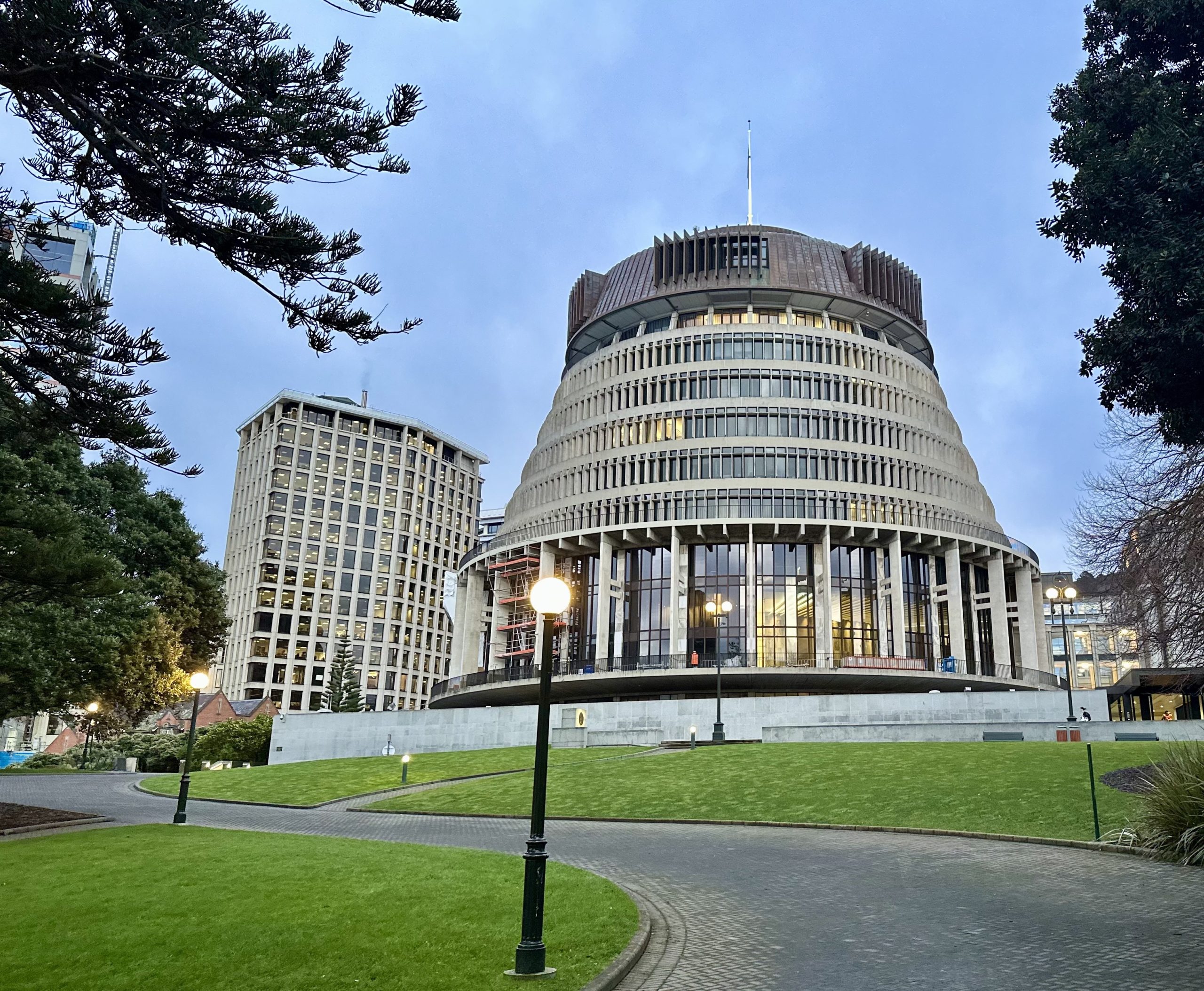
The Beehive, an architectural and symbolic cornerstone of New Zealand’s governance, not only houses the nation’s key political figures but also embodies the democratic ethos that permeates its society. Designed by Sir Basil Spence and constructed over a span of twelve years, from 1969 to 1981, this unique structure with its rounded, hive-like façade made predominantly from copper and concrete reflects innovation and openness. The interior architecture furthers these themes; it boasts a circular layout that naturally enhances communication and teamwork among government officials, mirroring the collaborative spirit intended in democratic governance (Spence). Serving as the primary office for the Prime Minister and various senior cabinet ministers, every corner of the Beehive buzzes with pivotal policy decisions and discussions shaping New Zealand’s future. Its design deliberately facilitates a flow of ideas amongst departments enhancing governmental efficiency. Besides being a bustling nexus of administration, the Beehive stands as a proud emblem of New Zealand’s political stability and commitment to transparent governance. To locals and tourists alike, it offers guided tours that provide deeper insight into its historical context, structural intricacies, and operational dynamics which all underscore the country’s dedication to upholding democracy through accessible governance. Thus, The Beehive is more than just a building; it is a robust medium through which New Zealand continually expresses its core values of democracy, transparency, inclusivity—fundamentals immortalized in both its physical presence in Wellington’s skyline and in the everyday workings within its walls.

Related Posts

Inside New Zealand’s Democratic Hub: Unveiling the Power of Parliament

Dave

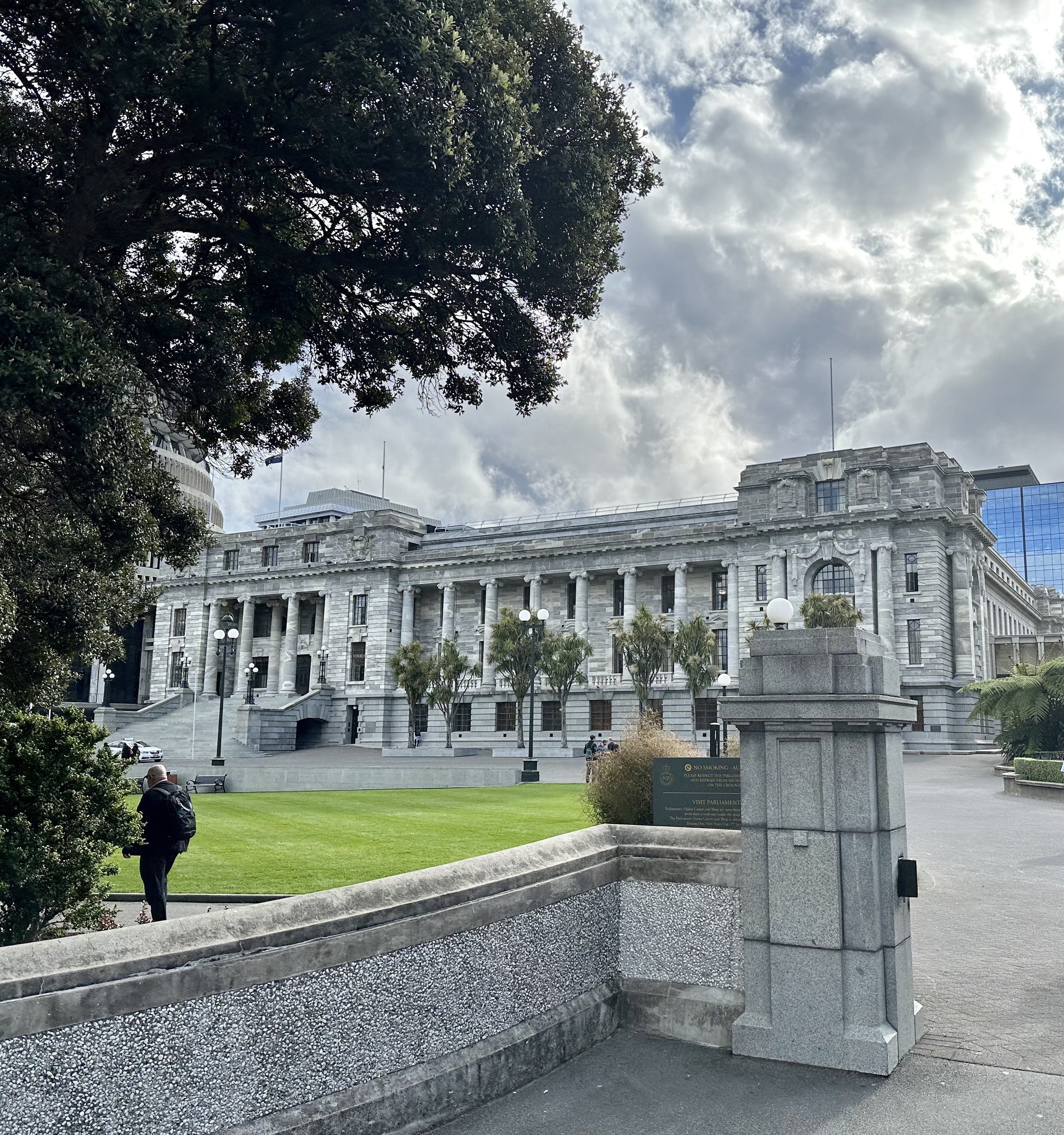
The New Zealand Parliament, as a pivotal institution in the country’s governance, embodies democratic principles while adapting unique features reflective of its national context. Situated in Wellington, this unicameral legislature is vested with significant responsibilities across legislative creation and government oversight. The singular chamber, known as the House of Representatives, consists of 120 elected Members of Parliament (MPs), who serve three-year terms and are pivotal in both representing public interests and enacting legislation. The operational head of this body, the Speaker of the House, plays a crucial role not only in facilitating orderly parliamentary debates but also acts as an intermediary between the Sovereign’s representative—the Governor-General—and the Parliament itself.

In fulfilling its legislative functions, the New Zealand Parliament scrutinizes and passes bills through comprehensive debate stages—initiated either as government or members’ bills—ensuring thorough public representation and legal examination before these become law. This meticulous process underpins the transparency and accountability expected in democratic governance. Beyond legislation, MPs actively engage in oversight mechanisms such as Question Time and select committees to interrogate governmental policies and expenditure—a critical component ensuring executive accountability to legislative scrutiny.

Moreover, annual budget reviews stand out as a fundamental function where MPs evaluate and approve state financial plans, reflecting priorities that resonate with national needs and public aspirations. Debates within the House serve not just as procedural necessities but are instrumental in shaping policy outcomes that directly impact citizens’ lives. These interactions often extend beyond mere policy adjustments to influence broader national discussions reflecting contemporary socio-political climates.

Conclusively, New Zealand’s parliamentary system champions democratic ideals by integrating rigorous legislative processes with effective governmental oversight. Its structure supports a dynamic platform for advocacy and decision-making that mirrors modern democratic values interwoven with distinctive local nuances—an essential beacon guiding New Zealand’s political landscape towards informed citizen-centric governance.

Related Posts

Blossoming Bonds: The Dynamic U.S.-Japan Alliance in the Asia-Pacific

Dave

a person in a car posing for the camera

The bond between the United States and Japan has blossomed into a dynamic alliance, shaped by a common vision for peace and prosperity. Emerging from the ashes of World War II, this partnership has evolved into a vital pillar for security in the Asia-Pacific region. The 1951 U.S.-Japan Security Treaty, later revised in 1960, laid the foundation for this enduring friendship, solidifying shared strategic interests, robust economic ties, and vibrant cultural exchanges. The presence of American military bases in Japan serves as a tangible symbol of this crucial alliance, enabling seamless joint military operations and promoting cooperation between the armed forces of both nations. On the economic front, the two countries enjoy a thriving trade relationship that not only fuels their own economies, but also fosters cutting-edge advancements in fields such as robotics and biotechnology through joint ventures. In addition, the rich exchange of ideas and traditions between Japan and the U.S. through academic collaborations and tourism further enriches this bilateral relationship. Educational programs featuring student exchanges have played a significant role in deepening mutual understanding and appreciation for each other’s societal values and customs. While trade disputes and differing political perspectives may cause occasional tensions, the unwavering commitment to shared democratic values and collaborative diplomacy continues to strengthen the U.S.-Japan alliance. This strategic partnership not only promotes stability in the region, but also addresses global challenges, underscoring its importance on both a regional and international scale.

Related Posts

The Road to Statesmanship: Traits of a Visionary Leader

Dave

A statesman epitomizes the fusion of wisdom, integrity, and exceptional leadership, utilizing these attributes to serve and represent their country or community. They transcend mere politics, embodying a profound comprehension of societal needs and values, dedicated to advancing the well-being of their nation holistically. At the core of a good statesman lies a selfless commitment to prioritizing the interests of their people over personal gain, striving tirelessly to foster a fair and equitable society. Their moral compass is steadfast, anchored by principles of fairness, honesty, and compassion.

Effective communication and negotiation skills are hallmarks of a statesman’s toolkit, vital for forging relationships and resolving conflicts, whether on the domestic or international stage. They possess the resolve to make tough decisions and undertake bold actions, undeterred by adversity, always cognizant of the enduring impact on their nation and its populace. A statesman epitomizes servant leadership, ceaselessly advancing the common good and advocating for the welfare of their fellow citizens. Fearless in challenging the status quo, they champion progress and change responsibly and ethically.

In essence, a statesman is a visionary leader, embodying the values and aspirations of their nation, leaving behind a legacy that inspires and guides future generations.

The journey to becoming a statesman is no ordinary path. It demands dedication, diligence, and a profound understanding of politics and diplomacy. A statesman wields not just political power but profound influence, capable of shaping the trajectory of a nation and its people. How does one transform from an ordinary citizen into a statesman?

Firstly, it requires a genuine passion for public service and a commitment to effecting positive societal change. This passion distinguishes a statesman from a mere politician. Education is fundamental—a deep dive into government processes, national history, and prevailing socio-economic issues equips aspiring statesmen with the insights needed to navigate political complexities and devise impactful solutions.

Furthermore, impeccable communication skills are essential—being a receptive listener, empathetic communicator, and articulate advocate. Integrity and moral rectitude are paramount, fostering trust and respect among the public and peers alike.

Ultimately, the journey to statesmanship is a lifelong pursuit, marked by perseverance, continuous growth, and an unwavering dedication to serving the greater good. It’s not a destination but an ongoing odyssey of learning, evolving, and striving to leave an indelible positive mark on society.

Related Posts

Clash of Ideologies: The Enduring Battle Between Conservatism and Liberalism

Dave

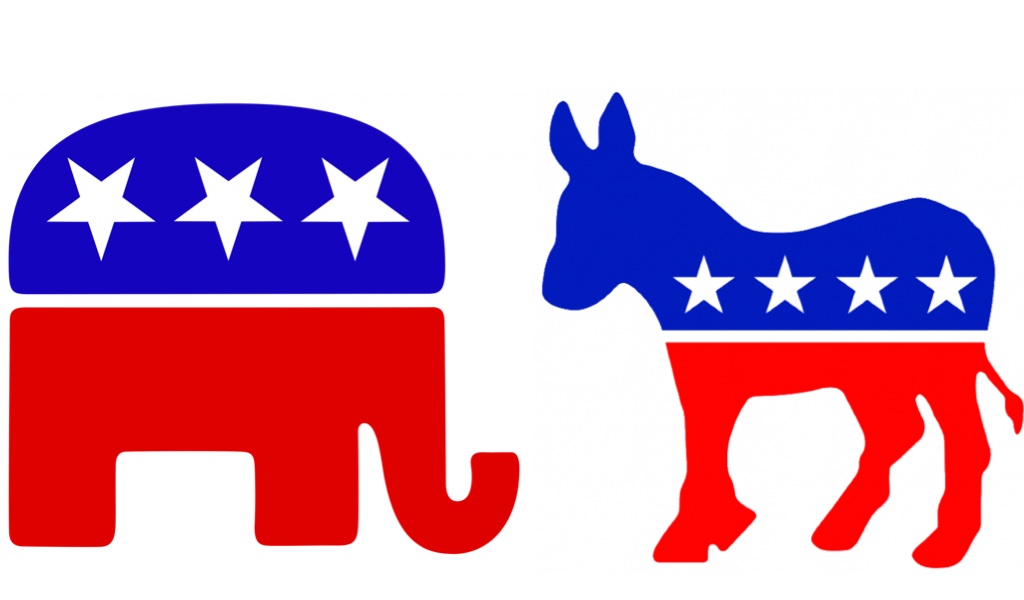
Conservatism and liberalism have been at odds in the United States for decades, with each side staunchly defending their beliefs and attacking the other’s. This ongoing conflict can be attributed to a multitude of factors, including differing ideologies, values, and political agendas. At its core, conservatism is a belief in traditional values, limited government intervention, and individual responsibility. On the other hand, liberalism emphasizes social progress, equality, and government involvement in promoting the common good. These fundamental differences in beliefs and values have led to a constant battle between the two ideologies in American politics.

One of the main reasons for the ongoing war between conservatism and liberalism in the United States is their opposing views on government involvement and the role of the state. Conservatives believe in limited government intervention, favoring a smaller government with less regulation and lower taxes. They argue that this promotes individual freedom and allows for a free market to thrive. On the other hand, liberals advocate for a larger government with more regulations and higher taxes to provide for the needs of the people and promote social equality. This fundamental difference in the role of government has led to heated debates and clashes between the two sides.

Moreover, the issue of social and cultural values has also played a significant role in the ongoing war between conservatism and liberalism. Conservatives tend to hold traditional values and beliefs, such as opposition to abortion and same-sex marriage, while liberals support progressive social values and policies. This has led to a clash of opinions on issues such as women’s rights, LGBTQ+ rights, and immigration, among others. Each side believes that their values are superior and should be upheld by society, leading to a never-ending battle for dominance.

Another factor contributing to the war between conservatism and liberalism is the influence of media and political leaders. With the rise of 24-hour news coverage and social media, the political landscape has become more polarized than ever before. News outlets often cater to one side or the other, further deepening the divide between conservatives and liberals. Additionally, political leaders often use divisive rhetoric to appeal to their base, painting the other side as the enemy. This has only served to fuel the war between the two ideologies and make compromise and cooperation increasingly difficult.

In conclusion, conservatism and liberalism are at war in the United States due to their differing views on government involvement, social values, and the influence of media and political leaders. This ongoing conflict has resulted in a highly polarized political climate, making it challenging to find common ground and work towards solutions that benefit all Americans. It is crucial for both sides to engage in respectful and open-minded dialogue to bridge the gap and move towards a more united and prosperous nation.

Related Posts

Navigating the Complexities of Marijuana Laws in the United States

Dave

The law surrounding marijuana use in the United States is a complex and ever-evolving topic. Currently, marijuana is classified as a Schedule I controlled substance, meaning it is considered to have a high potential for abuse and no accepted medical use. However, many states have taken steps to legalize marijuana for medical or recreational purposes, creating a patchwork of laws and regulations across the country. In states where marijuana is legal, individuals over the age of 21 can purchase and possess a certain amount of the drug for personal use. However, it is important to note that even in these states, there are restrictions on where and how marijuana can be consumed, and it is still illegal at the federal level. Additionally, there are still many states where marijuana is completely illegal, and possession can result in criminal charges. This divide between state and federal laws has led to confusion and challenges for both law enforcement and individuals seeking to use marijuana. As more research is conducted on the potential benefits and risks of marijuana, it is likely that the laws and attitudes surrounding its use will continue to shift and change in the United States.

Related Posts

Echoes of Freedom: The Enduring Legacy of Patrick Henry’s Call to Arms

Elias Rowen

“Give me liberty or give me death” reverberates as a resounding declaration credited to Patrick Henry, a true luminary among the founding fathers of the United States. These words, etched in history, emanated from the depths of his soul during a momentous speech at the Second Virginia Convention on March 23, 1775. In that electric atmosphere, Henry’s call to arms reverberated, urging his fellow delegates to seize the moment and confront the shackles of British tyranny head-on.

With unparalleled eloquence and an unquenchable fire within, Henry painted a vivid picture of the colonists’ struggle, emphasizing that all peaceful avenues for resolution had been exhausted. The time had come to rise up, to shed blood and sweat for the cherished ideals of freedom. The crowd was spellbound, gripped by the essence of Henry’s words, encapsulating the very spirit that fueled the flames of the American Revolution—the unwavering thirst for liberty, unyielding in the face of any sacrifice.

From that moment forward, the phrase “Give me liberty or give me death” has transcended the boundaries of time, becoming an anthem for those who champion the preservation and defense of their rights and freedoms. It serves as a poignant reminder of the profound sacrifices borne by the early patriots, etching the indelible importance of individual liberty into the very fabric of our nation.

Patrick Henry’s impassioned plea, resonating through the annals of history, continues to ignite the hearts and minds of generations. It impels them to stand firm in the face of adversity, to rise up and fight unwaveringly for the principles they hold dear. For in those immortal words, we find the embodiment of courage, the embodiment of the unwavering pursuit of what is right and just.

Related Posts

Guardians of Justice: The Legacy of the FBI in Safeguarding America

Dave

The FBI, short for the Federal Bureau of Investigation, is an iconic national law enforcement agency in the United States. Established in 1908 under the guidance of Attorney General Charles Bonaparte, this agency was founded with the noble objective of consolidating investigations for the Department of Justice. Over time, the FBI has expanded in both authority and reputation, evolving into a prominent pillar of governance throughout the nation.

Endowed with a multitude of responsibilities, the FBI carries the weighty burden of investigating a wide array of federal offenses, spanning from the threat of terrorism to the realm of cybercrime, organized crime, and violations against civil rights. Collaborating with various law enforcement agencies at all levels, the FBI stands as a crucial force in the constant fight against crime and at the forefront of enhancing national security.

Nevertheless, the agency’s jurisdiction goes beyond mere crime resolution. Equipped with specialized units like the Hostage Rescue Team, the Critical Incident Response Group, and the Behavioral Analysis Unit, the FBI remains ever-prepared to navigate high-stakes challenges and provide assistance to their colleagues in law enforcement. Exemplifying the values of integrity and justice are the iconic FBI agents, who wear their distinctive blue jackets and emblematic badges with ceremonial pride.

Furthermore, the FBI’s influence extends to intelligence gathering and thwarting foreign intelligence activities that threaten the safety of the United States. Rooted in a tapestry of history intertwined with complexity, the FBI progresses alongside technological advancements and the evolving nature of criminal enterprises.

As the steadfast guardians of the nation, the FBI leaves an enduring mark on the landscape of law and order that transcends the ordinary. Their contributions serve as a stronghold of defense, guaranteeing that the cherished grounds of America remain safeguarded within the realms of safety and security, thereby upholding the sanctity of the American way of life.

Related Posts

Clicks and Consequences: Navigating the Impact of Social Media on Politics

Dave

The impact of social media on politics has been profound and far-reaching. With the rise of platforms such as Twitter, Facebook, and Instagram, politicians have gained a new and powerful tool to reach and engage with their constituents. Social media has revolutionized political campaigns, allowing politicians to connect directly with voters, share their opinions, and mobilize support. It has also provided a platform for citizens to voice their concerns, share their political views, and participate in political discussions. The widespread use of social media has democratized the political landscape, enabling individuals from all walks of life to have a voice in shaping public opinion and influencing political decisions. However, the impact of social media on politics is not without its challenges and risks. The spread of fake news and misinformation has become a major concern, as social media platforms have been exploited to manipulate public opinion and sway elections. The echo chamber effect, where individuals are surrounded by like-minded people who reinforce their existing beliefs, has also been amplified by social media algorithms, leading to polarization and a lack of constructive dialogue. Furthermore, the sheer volume of information available on social media can make it difficult for voters to distinguish between reliable sources and biased or inaccurate content. Despite these challenges, social media remains a powerful tool for political engagement and has the potential to foster transparency, accountability, and civic participation. It is up to policymakers, social media platforms, and users themselves to navigate these challenges and ensure that social media continues to have a positive impact on politics.

Related Posts

Navigating the American Political Mosaic: A Tapestry of Change and Resilience

Dave

The political landscape in America is a captivating tapestry of complexity and constant change. It revolves around a two-party system, where the Democratic and Republican parties reign supreme. However, in recent times, alternative parties and independent candidates have emerged, signaling a growing discontent with the status quo. This surge in diversity reflects a yearning for something different, something that truly represents the people.

One cannot ignore the deep ideological divides that have defined American politics. The clash between liberals and conservatives has transformed the political arena into a battleground of ideas. This polarization has given rise to an atmosphere of staunch partisanship, making compromise and bipartisanship elusive and rare.

The role of money in politics is yet another critical issue. Special interest groups and campaign financing have come under intense scrutiny. In 2010, the controversial Citizens United ruling further exacerbated this problem by granting corporations and unions the power to pour unlimited funds into political campaigns. The influence of big money on the political process has never been more apparent.

Moreover, the advent of social media has revolutionized the political landscape in unprecedented ways. Platforms like Twitter, Facebook, and Instagram have become instrumental in shaping public opinion and mobilizing grassroots movements. Their power was undeniably evident in the 2020 election, where they played a pivotal role in disseminating information, misinformation, and disinformation. The impact of social media cannot be overstated.

In the midst of it all, we face pressing concerns of voter suppression and gerrymandering. These alarming practices disproportionately affect marginalized communities, making it harder for them to exercise their right to vote. The Black Lives Matter movement and the fight for racial justice have exposed the deep-rooted racial divisions within American politics, shedding light on the urgent need for change.

However, despite the challenges, American politics also brims with resilience and activism. Grassroots movements and civic engagement are gaining momentum, and the 2020 election witnessed record-breaking voter turnout. It is evident that the American people are embracing their political power, yearning for a brighter future and a transformation of the system.

In the end, the state of politics in America is a dynamic and multifaceted landscape, constantly shaped by the unwavering actions and resonating voices of its citizens. It is a captivating journey of highs and lows, victories and setbacks, but one thing remains clear: the spirit of democracy thrives in the hearts of the American people.

Related Posts

Exploring the Perceived Liberal Leanings of the State Department

Dave

a man wearing a suit holding a flower

The State Department has been labeled as predominantly liberal, but this perception might not be entirely accurate. It’s true that the State Department is responsible for crafting and implementing US foreign policy, but it operates within a framework that’s guided by the current administration in power. As a result, the political ideology of the administration can influence the overall direction of the State Department’s work.

So what factors contribute to the perception of a liberal-leaning State Department? One such factor is the appointment and confirmation process. When a new administration takes office, it appoints individuals to key positions within the State Department, including ambassadors, diplomats, and other officials. These appointments are subject to Senate confirmation, and the political makeup of the administration can influence who gets selected.

Another factor is historical context. Over the years, certain diplomatic initiatives, international agreements, or foreign policy approaches pursued by different administrations may have been perceived as leaning toward more liberal or progressive ideals. This can shape the overall perception of the State Department’s political leanings.

International engagement and multilateralism are also important factors. The State Department is responsible for engaging with other nations and participating in international organizations. This often involves working collaboratively with diverse countries and addressing global challenges. Some might perceive the emphasis on diplomacy, multilateralism, and global cooperation as aligned with more liberal or internationalist values.

It’s worth noting that the State Department aims to represent a diverse range of perspectives and expertise, including diplomats and officials with different political leanings. However, the overall approach tends to be aligned with the policies set forth by the administration in power. Some have even claimed that employees who identify as conservative may not get promoted to higher levels than those who identify as liberal.

It’s important to recognize that political perceptions can vary, and the State Department, like any government agency, is composed of individuals with a range of political beliefs. Ultimately, the department’s work is shaped by the priorities and objectives of the administration in office, regardless of political affiliation.

Related Posts

Washington: A Monument of Greatness in American History

Dave

George Washington, the first President of the United States, stands as an iconic figure in American history, capturing the essence of greatness and earning the admiration of countless individuals. His impact on the nation is multi-faceted and awe-inspiring. Let’s delve into what truly sets him apart.

First and foremost, Washington’s leadership during the American Revolutionary War was nothing short of extraordinary. In the face of a formidable British Empire, he exhibited strategic brilliance, unwavering determination, and unmatched resilience. Each challenge and hardship served as an opportunity for him to inspire and rally his troops. Leading from the frontlines, Washington showcased unparalleled courage and bravery, earning the unwavering respect and loyalty of his soldiers.

Yet, George Washington’s contributions extend far beyond the battlefield. His pivotal role in shaping the United States as a democratic nation cannot be overstated. During his presidency, he exemplified an unwavering commitment to the principles of liberty, justice, and equality. Washington played a key role in drafting and ratifying the United States Constitution, laying the foundation for the nation’s governance and ensuring the protection of individual rights. His belief in the power of a strong central government and his ability to navigate the complexities of nation-building shaped the early years of American democracy.

However, it is not solely Washington’s military and political achievements that define him as a truly great leader. His character and personal qualities set him apart. Renowned for his integrity, honesty, and humility, he possessed a rare combination of virtues. Despite being offered the opportunity to become a monarch or dictator, Washington willingly relinquished his power after two terms as President, establishing a precedent for future leaders and solidifying the idea of peaceful transfers of power. His selfless dedication to the well-being of the nation and its people shone through in every action and decision he made.

Moreover, George Washington’s vision for the United States extended far beyond his presidency. He championed a strong national defense, promoted economic growth and stability, and emphasized the importance of education. His foresight and unwavering commitment to the nation’s long-term success helped shape enduring policies and institutions that continue to influence the country to this day.

In summary, George Washington’s greatness lies in his exceptional leadership, his pivotal role in the American Revolution, his unwavering commitment to democracy, and his remarkable personal qualities of integrity and humility. As a founding father and the first President of the United States, his legacy continues to inspire and guide future generations, reminding us of the values and principles upon which this great nation was built.

Related Posts

Unveiling the Truth: Debunking Myths Surrounding U.S. Military and Alien Cover-ups

Dave

The notion of whether the U.S. military is concealing evidence of extraterrestrial life has long captured the imagination of many. Despite the absence of concrete proof supporting such claims, conspiracy theories persist, feeding the curiosity of those intrigued by the idea of aliens. In recent years, speculation has intensified, with some individuals asserting that the U.S. military holds classified information about aliens and actively hides it from the public. Alleged UFO sightings and unexplained phenomena are often cited as evidence supporting these claims.

Nevertheless, it’s essential to approach such assertions with a critical mindset, considering the lack of scientific evidence confirming the existence of aliens. Scientists and experts emphasize the principle that extraordinary claims necessitate extraordinary evidence. Until such evidence is presented, maintaining a healthy skepticism remains reasonable. Moreover, the sheer vastness of the universe and the limitations of current human technology make it improbable for any single organization, including the U.S. military, to successfully conceal such significant information.

Additionally, historical precedent indicates that the U.S. government has a track record of declassifying top-secret documents over time. This suggests that if there were genuine evidence of extraterrestrial life, it would likely be disclosed eventually. While the allure of the idea of aliens and government cover-ups is undeniable, approaching the topic with rationality, critical thinking, and an appreciation for the scientific method is crucial.

Related Posts

The Kremlin: Where Politics, History, and Culture Converge

Dave

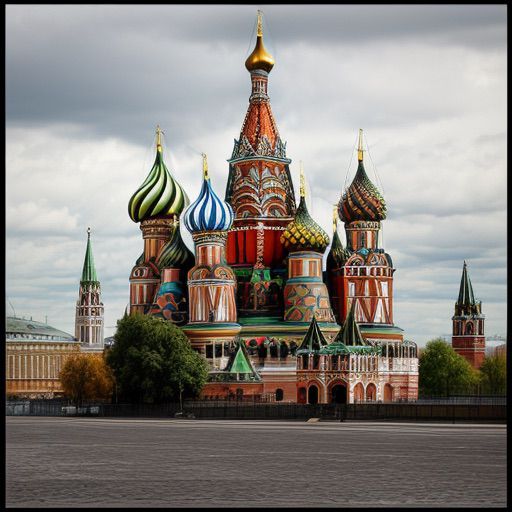
Situated in Moscow, the Kremlin stands as a testament to the political and historical significance of Russia. Derived from the Russian word “Kreml,” which means “fortress,” this iconic symbol serves as the official residence of the President of the Russian Federation. Its origins can be traced back to the 12th century when it was constructed as a wooden fortress, acting as a safeguard against external threats. Over the years, the Kremlin has undergone various additions, renovations, and expansions, resulting in the magnificent complex that we behold today.

Far beyond being just a political center, the Kremlin holds immense cultural and historical importance. Within its fortified walls, one encounters the awe-inspiring Cathedral Square, adorned with remarkable cathedrals such as the Assumption Cathedral, the Archangel’s Cathedral, and the Annunciation Cathedral. These architectural masterpieces not only showcase stunning designs but also house invaluable religious artifacts. Additionally, the Kremlin houses the renowned Armoury Chamber, a museum that proudly exhibits a vast collection of imperial treasures, including crowns, thrones, Fabergé eggs, and royal carriages. The sight of the Kremlin’s red-brick walls, towers, the Tsar Bell, and the Tsar Cannon further enriches its already stunning visuals. Surrounding the complex are picturesque gardens and captivating views of the Moskva River, adding to its overall allure.

Through the course of history, the Kremlin has borne witness to significant events like coronations, imperial weddings, and political gatherings. Serving as a symbol of power, authority, and resilience, it embodies the very essence of the Russian state. Today, the Kremlin remains a central hub of political activity, while continuing to embody Russia’s rich cultural heritage. Its historical and architectural significance, coupled with its role as a political stronghold, make the Kremlin not only important for Russia but for the world as a whole.

Located at the heart of Moscow, Russia, the Kremlin holds immense political significance as the country’s nerve center. It is a sprawling complex that encompasses several palaces, cathedrals, and government buildings. Within these walls, a wide range of significant events and activities take place.

First and foremost, the Kremlin serves as the official residence of the President of Russia. It is the place where crucial decisions are made, national policies are formulated, and diplomatic relations are forged. The president’s office and living space are all contained within this historic complex.

Moreover, the Kremlin houses various arms of the Russian government, including the State Duma and the Federation Council. These chambers serve as legislative bodies where debates, passes, and implementations of laws occur. Additionally, the Kremlin also accommodates several ministries and departments responsible for overseeing aspects such as defense, foreign affairs, finance, and culture. High-level meetings, negotiations, and summits shaping the nation’s domestic and international agendas occur in this historic venue.

Beyond its political significance, the Kremlin is a site of historical and cultural heritage. It boasts opulent palaces and cathedrals, like the Grand Kremlin Palace and the Cathedral of the Annunciation, which draw tourists from all corners of the globe. These architectural marvels provide a window into Russia’s rich past and architectural brilliance, captivating visitors with their grandeur.

In conclusion, the Kremlin is a multifaceted institution where political, administrative, and cultural activities intertwine. Its presence plays a pivotal role in shaping Russia’s destiny and leaving an indelible mark on its history.

Related Posts

Communism vs. Democracy: A Century-Long Showdown of Ideological Olympics (Spoiler: Both Sides Get Gold Medals for Effort)

Dave

In the past 100 years, both communism and democracy have made significant progress, but the extent of their advancements can be debated. Communism, as an ideology, emerged in the early 20th century and sought to establish a society in which resources are distributed equally among all members, and the means of production are owned and controlled by the community as a whole. While communism gained traction in several countries, such as the Soviet Union and China, it faced various challenges and criticisms. The collapse of the Soviet Union in 1991 marked a significant setback for communism, and subsequent reforms in China also moved away from the original Marxist principles. On the other hand, democracy, which emphasizes individual freedoms, political participation, and the rule of law, has also witnessed progress. Throughout the 20th century, many countries transitioned from autocratic or authoritarian regimes to democratic systems. The spread of democracy was further accelerated after the end of World War II, with the establishment of international organizations like the United Nations that promoted democratic values. However, it is important to note that the progress of democracy has not been without setbacks. Some countries have experienced democratic backsliding, where democratic institutions weaken, and autocratic tendencies emerge. Additionally, the rise of populism and the erosion of democratic norms in recent years have raised concerns about the future of democracy. Ultimately, determining which ideology has progressed further in the past century is subjective and dependent on various factors such as geographical location, historical context, and individual perspectives.

Related Posts

Sexpionage Unveiled: The Allure and Intrigue of Intimate Espionage

Elias Rowen

a woman wearing underwear posing for a picture

The fusion of “sex” and “espionage” gives rise to the captivating concept of sexpionage, unearthing a realm of mystery where intimate relationships evolve into formidable tools for gathering intelligence and manipulating outcomes. Throughout the course of history, intelligence agencies and agents have embraced this clandestine practice in their pursuit of sensitive information extraction, compromising targets, and exerting control over influential individuals. While the utilization of sex for intelligence purposes is not a novel idea, it reached its zenith during the gripping era of the Cold War, with both the Soviet Union and the United States eagerly employing sexpionage tactics, leaving an indelible mark on the annals of espionage.

At the core of this covert technique lies the recruitment of agents possessing alluring qualities, aptly termed as “honey traps,” who establish captivating connections with high-ranking officials or individuals of interest. These agents undergo specialized training to adeptly exploit their charm, physical attractiveness, and sexual prowess. Their mission? To gain access to classified information and exert their influence over unsuspecting targets. Sexpionage manifests in various forms, spanning from seduction and blackmail to the ingenious use of hidden cameras or recording devices during intimate encounters.

Nevertheless, this fascinating practice raises ethical concerns, treading a delicate line between manipulation, invasion of privacy, and the potential for exploitation. Moreover, its implications extend far beyond personal boundaries, posing significant risks to national security. The integrity of sensitive information may be jeopardized, and trust within diplomatic relations could be undermined. The ethical dilemmas surrounding sexpionage are as intricate as they are thought-provoking.

Despite the controversy enveloping it, sexpionage continues to captivate the human imagination, finding its place in literature, films, and popular culture, forever igniting fascination and intrigue. It serves as a constant reminder of the intricate and multifaceted world of espionage, where covert operations transcend traditional methods, delving into the realm of personal relationships and intimate encounters.

Related Posts