Category: Government

Unraveling China’s Imperial Tapestry: Factors and Forces Behind Its Historical Departure

Dave

The abandonment of the imperial system in China can be attributed to a multitude of factors that unfolded over the course of centuries. One paramount reason was the internal decay and corruption that afflicted the imperial government. As the dynasties matured, the ruling class became increasingly disconnected from the needs and desires of the common people. This gave rise to widespread dissatisfaction and social unrest, ultimately leading to numerous uprisings and rebellions. A significant event, known as the Taiping Rebellion in the mid-19th century, showcased the fragility of the imperial system and its ineptitude in governing effectively.

Another influential factor was the growing influence of external forces. China faced considerable challenges from Western powers, especially during the 19th century. The Opium Wars and subsequent unequal treaties compelled China to open its borders for foreign trade and concessions, undermining the sovereignty of the imperial government. These encounters with Western imperialism laid bare the weaknesses of the imperial system and emphasized the urgent need for modernization and reforms.

Furthermore, the rise of nationalist movements and the dissemination of revolutionary ideas also played a pivotal role in China’s departure from the imperial system. Intellectuals and reformists began to question traditional values and societal structures, advocating for a more egalitarian and progressive system. The May Fourth Movement in 1919, for example, stood as a crucial moment in Chinese history, challenging the authority of the imperial system and paving the way for the establishment of a republic.

Lastly, economic factors cannot be disregarded. The imperial system in China had long relied on an agrarian-based economy, which proved increasingly inadequate in the face of industrialization and global trade. The inability to adapt to the changing economic landscape further eroded the legitimacy of the imperial government and led to socio-economic disparities. Coupled with the impact of natural disasters and famines, this resulted in widespread poverty and hardship among the population.

In conclusion, the departure from the imperial system in China was a complex and multifaceted process. Internal decay and corruption, external pressures from Western powers, the rise of nationalist movements, and economic challenges all contributed to the demise of the imperial system. The subsequent transformation was driven by the imperative for modernization, reform, and the aspiration for a more equitable and prosperous society.

Related Posts

The Tragic Exile and Triumphant Return: Unveiling Charlie Chaplin’s Journey through Turmoil and Triumph

Dave

a man wearing a hat

Prepare to be captivated as you embark on a mesmerizing journey into the life of the legendary figure, Charlie Chaplin. Renowned for his iconic portrayal of the tramp persona, Chaplin’s name resonates throughout history as one of the greatest comic actors to ever grace the silver screen. Born in the vibrant city of London in 1889, his illustrious career spanned an impressive five decades, leaving an indelible mark on the cinematic landscape.

However, Chaplin’s path was not without obstacles. In the early 1950s, he found himself at the center of a storm, exiled from the United States. This period was marked by turmoil and controversy, as his political views and alleged affiliations with communism clashed with the politically charged atmosphere of the Cold War era.

To truly grasp Chaplin’s political beliefs, one must delve into the socio-economic landscape that shaped his worldview. Growing up amidst the shadows of poverty, he intimately experienced the hardships faced by the working class. This firsthand encounter ignited a profound empathy within him, fueling his critique of capitalism and his unwavering advocacy for social justice. Through his films, he became a champion for the ordinary people, shedding light on societal issues and capturing the struggles of the downtrodden. It is no surprise that he became an adored figure among the working class, their hero amidst the darkness.

As tensions escalated between the United States and the Soviet Union in the 1940s, a sense of suspicion loomed over the nation. The Red Scare, an anti-communist crusade, swept through the country, leaving no stone unturned. In the midst of this fervor, Chaplin found himself entangled in a web of accusations and scrutiny. His political leanings and associations with left-wing intellectuals and activists made him a prime target for those in power.

In 1947, Chaplin was summoned to testify before the formidable House Un-American Activities Committee (HUAC), a moment that would shape the course of his life forever. Under relentless questioning, he vehemently denied being a communist. Yet, his refusal to fully cooperate with the committee and his scathing criticism of their actions only fueled the fires of controversy. Branded a “sympathizer” and accused of being un-American, Chaplin’s world was shaken to its core.

The year was 1952 when the final blow was struck. While on a trip to his birthplace, London, Chaplin received the devastating news that his re-entry permit to the United States had been revoked. In one fell swoop, he was banished from the land where he had achieved monumental success. The decision to exile him was based on allegations of moral turpitude and the perceived threat his political beliefs posed to national security. It is worth noting that during this period, Chaplin’s personal life also faced relentless scrutiny, with a highly publicized paternity suit and a controversial marriage to an underage woman.

Undeterred by his exile, Chaplin continued to weave his cinematic magic in Europe. However, his once vibrant career in Hollywood was never quite the same. It would take two decades, until 1972, for the tides to turn. The political climate had shifted, and Chaplin’s remarkable contributions to the world of cinema were finally acknowledged and celebrated. In a triumphant homecoming, he was invited back to the United States to receive an honorary Academy Award, a testament to the enduring legacy he had forged.

In conclusion, Charlie Chaplin’s story is one of resilience and artistic brilliance. Through his films, he fearlessly tackled social and economic issues, becoming a beacon of hope for those on the fringes of society. While his political beliefs and alleged communist connections led to his exile during the tumultuous Cold War era, his influence as an actor and filmmaker remains unparalleled. Today, he stands as an iconic figure in the grand tapestry of cinema, forever etched in our hearts and minds.

Related Posts

The Unraveling Threads of HUAC: A Riveting Journey into Cold War America’s Battle Against Communism

Dave

Journey back in time to the tumultuous era of the Cold War, a time when a prominent congressional committee took center stage in the battle against communist infiltration. Enter the scene: the House Un-American Activities Committee (HUAC), a force to be reckoned with since its creation in 1938. Tasked with uncovering alleged subversive activities and organizations within the United States, this committee emerged as a formidable presence in American society.

Under the guidance of a group of conservative politicians, HUAC shifted its focus toward individuals suspected of harboring communist sympathies or engaging in anti-American activities. Their investigations spared no one, delving into the realms of Hollywood, academia, and even the government itself. The committee’s relentless pursuit often resulted in the blacklisting of individuals, effectively banishing them from their respective industries.

Yet, it was the HUAC hearings that truly captivated the nation’s attention. These gripping spectacles unfolded under the scrutiny of the media, characterized by intense interrogations and controversial methods. Witnesses were pushed to their limits, compelled to reveal their deepest secrets and beliefs for the public eye. One highly publicized case, famously known as the “Hollywood Ten,” involved ten defiant screenwriters and directors who faced charges of contempt of Congress for refusing to disclose their political affiliations. Their act of defiance led to imprisonment and a permanent ban from the glamorous world of entertainment.

While the committee’s actions garnered fervent support and staunch criticism alike, the impact of HUAC on mid-20th century America cannot be denied. Supporters argued that these measures were necessary to protect national security, while critics lamented the violation of civil liberties and the suppression of freedom of speech.

As time went on, the influence of HUAC gradually diminished, culminating in its abolishment in 1975. Nevertheless, its legacy endures, forever etched in the annals of American history. The House Un-American Activities Committee left an indelible mark on the political and cultural landscape of its time, exerting profound influence on a nation grappling with the looming threat of communism.

Related Posts

Empowering Democracy: Navigating the Divide Between Being Ruled and Being Governed

Dave

The contrast between being ruled and being governed goes beyond mere semantics. It hinges on the manner in which authority is wielded and the extent of control imposed on individuals within a society. When we speak of being ruled, we’re referring to a scenario where a single entity or individual wields absolute power and control over a population. Often, this is achieved through force or coercion. In this paradigm, rulers prioritize their own interests, maintaining their authority through fear and suppression, while disregarding the needs and rights of the people they govern.

On the flip side, being governed evokes a more democratic and participatory approach to leadership. In a governed society, power is shared among multiple governing bodies or institutions. Decisions are made collectively, taking into account the diverse needs and opinions of the population. Governance places great importance on transparency, accountability, and safeguarding individual rights. It involves the establishment of laws, regulations, and policies aimed at maintaining social order, promoting justice, and ensuring the welfare and well-being of citizens.

Unlike being ruled, being governed allows for active participation from individuals in the decision-making process. It empowers them with a voice and provides an opportunity to shape the trajectory of their society. At its core, the distinction between being ruled and being governed lies in the degree of freedom, inclusivity, and respect for human rights that define the relationship between the governing authority and the governed population. It’s a fundamental difference that determines the quality of life and the collective destiny of a society.

Related Posts

What is Diplomacy?

Dave

a man in a suit standing in front of a building
Diplomacy is a fascinating and intricate art that revolves around the art of negotiation, mediation, and conflict resolution. It’s an essential aspect of international relations that helps maintain peace, stability, and cooperation among nations. Diplomats must possess a wide range of skills and techniques, including active listening, effective communication, cultural sensitivity, and strategic thinking.

The art of diplomacy is about more than just negotiating between countries. It can also involve non-state actors, such as civil society groups, international organizations, and corporations. The key principle of diplomacy is the respect for sovereignty, which acknowledges that each country has the right to govern itself without external interference. However, diplomacy also recognizes the need for cooperation and joint action to address global challenges such as climate change, terrorism, and nuclear proliferation.

Over time, diplomacy has evolved with the emergence of new technologies, institutions, and actors. Digital diplomacy and public diplomacy are now essential tools for diplomats to engage with foreign publics and shape public opinion. Nevertheless, the core principles of diplomacy remain the same. Diplomats must build trust, seek common ground, and find peaceful solutions to conflicts. Diplomacy can take many forms, from one-on-one talks between two countries to multilateral negotiations involving dozens of nations.

In conclusion, diplomacy is a complex and multifaceted concept that is essential for maintaining peace, stability, and cooperation among nations. Diplomats must be skilled in a variety of techniques and possess a deep understanding of the countries they represent. While the practice of diplomacy has evolved over time, its core principles remain constant.

Related Posts

Vladimir Putin Origins

Dave

a man wearing a suit and tie

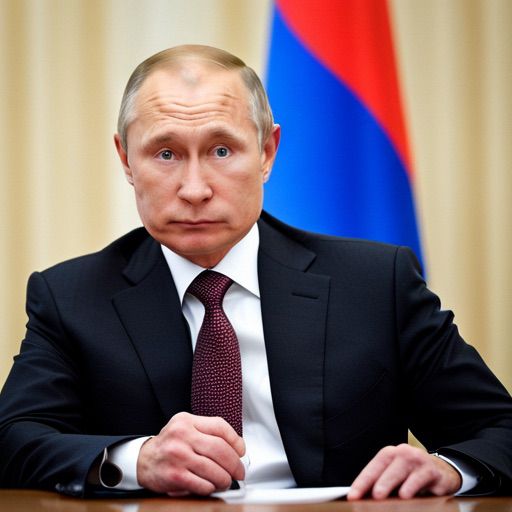
Vladimir Putin the current President of the Russian Federation, a man who has been making headlines for years. Putin was born in the heart of Leningrad (now St. Petersburg) on October 7, 1952. As a young boy, he lived in a communal apartment with his family, a typical Soviet lifestyle back then. His father worked as a factory foreman while his mother toiled in a factory as well. Putin grew up in a modest household, and from an early age, he experienced the harsh realities of life in the Soviet Union.

Putin attended Leningrad State University, where he studied law. After graduation, he worked for the KGB, the Soviet Union’s intelligence agency, as a foreign intelligence officer. Putin’s career in politics began in the early 1990s when he served as an advisor to the mayor of St. Petersburg. He quickly rose through the ranks and was appointed head of the Federal Security Service (FSB), the KGB’s successor agency, in 1998.

Putin’s leadership style has been characterized by his strong-arm tactics and authoritarian tendencies, which have drawn criticism from the international community. Nevertheless, Putin remains a popular figure in Russia, where many see him as a strong and decisive leader who has restored the country’s standing on the world stage. He led Russia through a period of economic growth and stability in the early 2000s, which boosted his popularity, and he has been re-elected several times since becoming president in 2000.

Vladimir Putin’s life story is one of rags to riches. From humble beginnings in a communal apartment to becoming one of the most powerful leaders in the world, Putin’s journey has been nothing short of extraordinary. His legacy is still being written, and only time will tell what the future holds for this enigmatic and controversial figure.

Related Posts

Unraveling the Dance Between Rights and Civil Liberties: A Fascinating Exploration

Dave

The distinction between a right and a civil liberty is both fascinating and crucial. Let’s dive into it!

Imagine a right as a deep-rooted entitlement that every individual inherently possesses, regardless of any external factors. It’s like a sacred moral or legal claim that should never be taken away without a valid reason. These rights are not just empty words; they are protected by the mighty arm of the law and are meant to apply to everyone equally. Think about the right to life, liberty, and property as some prime examples.

Now, civil liberties are a different breed altogether. They are the specific freedoms and protections bestowed upon individuals by the government or a governing body. You’ll often find these liberties clearly outlined in a constitution or a bill of rights. Their main purpose is to safeguard individual autonomy and put a leash on government interference. Picture a wide array of rights, like freedom of speech, religion, assembly, and the right to privacy, falling under the umbrella of civil liberties.

Here’s the twist: civil liberties, unlike rights, can be subject to constraints or limitations in certain situations. For instance, when they come into conflict with public safety or national security, these liberties might need to take a step back. It’s like a delicate balancing act between individual freedom and the greater good.

While rights are seen as inherent and inviolable, civil liberties are more closely tied to the legal and political fabric of a particular society or country. They are influenced by the unique framework of laws and politics that govern a nation. So, they might vary from place to place, adapting to the needs and values of different cultures and societies.

To sum it up, rights are the bedrock entitlements that cannot be taken away without just cause, while civil liberties are the specific freedoms and protections granted by the government, which may be subject to limitations or restrictions in certain circumstances. It’s a complex dance between individual rights and societal needs, creating a vibrant tapestry of legal and political dynamics.

Related Posts

United Nations: The Beacon of Hope for Global Peace and Cooperation

Dave

a blue and white sign

The United Nations (UN) extends far beyond its status as a conventional international organization; it emerges as a beacon of hope, born out of the aftermath of the devastating World War II. Its establishment on October 24, 1945, carried with it an explicit mission: to foster peace, security, and cooperation among nations. Nestled amidst the bustling heart of New York City, the UN’s global headquarters serves as a symbol of unity, encompassing a diverse membership of 193 nations. Together, these countries address urgent global concerns through specialized agencies, programs, and bodies spanning various domains, including human rights, health, education, economic development, and environmental protection.

At the core of the UN’s mission resides an unwavering dedication to safeguarding peace and security on a global scale. Be it war-ravaged territories or simmering conflicts, the UN deploys peacekeeping operations, mediates disputes, and delivers essential humanitarian aid. Empowered by the UN Charter, the Security Council possesses the authority to take action, even resorting to military intervention if necessary. However, the UN does face challenges in this domain. Its effectiveness hinges on the collaboration of member states, which can sometimes be hindered by conflicting interests or a reluctance to comply with resolutions.

Beyond its peacekeeping endeavors, the UN assumes the role of an ardent champion for human rights and social progress. The Universal Declaration of Human Rights, a monumental accomplishment adopted by the UN General Assembly in 1948, serves as a guiding principle. Upholding these fundamental rights and freedoms, the UN Human Rights Council diligently monitors and addresses violations across the globe. Dedicated agencies such as UNICEF and the World Health Organization tirelessly advocate for children’s rights and strive to enhance global healthcare. Through initiatives like the Sustainable Development Goals, which tackle pressing issues such as climate change, poverty, and inequality, the UN unquestionably occupies a leading position in the promotion of a better world for all.

The UN not only exists as an abstract organization but also functions as a vibrant platform where nations convene to engage in diplomatic negotiations, exchange ideas, and foster cooperation. The General Assembly, an annual congregation of representatives from each member state, convenes to discuss and make decisions on a wide range of global issues. In the General Assembly, each member state possesses an equal vote, ensuring that smaller nations have an equitable opportunity to voice their concerns and contribute to the decision-making process. Additionally, the UN provides a crucial space for countries to establish diplomatic relations, peacefully resolve disputes, and form multilateral agreements.

Undeniably, the UN has accomplished remarkable feats. However, it faces its fair share of challenges on its ongoing pursuit of fulfilling its noble mission. Financial constraints and the unequal distribution of resources persist due to the UN’s dependence on voluntary contributions from member states. While the UN’s decision-making process embodies democratic principles, it can often be sluggish and entwined in bureaucracy, impeding prompt responses to evolving crises. Furthermore, the effectiveness of the UN is inevitably curtailed by geopolitical tensions and power struggles among member states, as well as the veto power wielded by the five permanent members of the Security Council.

In conclusion, the United Nations remains an indispensable force, ceaselessly promoting peace, security, and cooperation among nations. It serves as a beacon of hope, providing a platform for diplomatic negotiations, confronting global challenges head-on, and upholding the rights of every individual. Despite the hurdles it encounters, the UN stands as a testament to the power of unity, serving as a vital forum where countries can unite, voice their concerns, and collectively work towards a more tranquil and prosperous world.

Related Posts

Shifting Sands: Navigating the Debate on Immigration, Voting, and Democratic Policies

Dave

a group of people standing next to a body of water

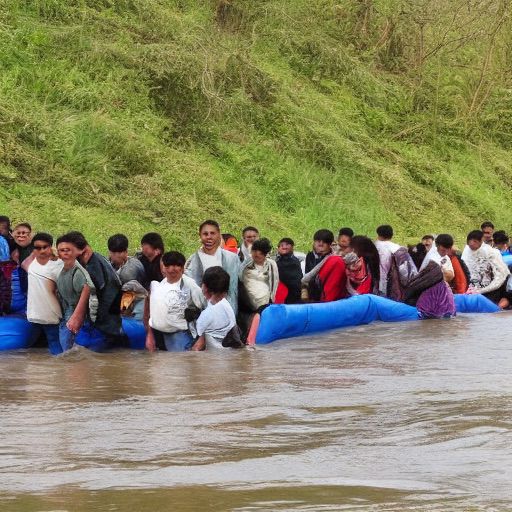
The issue of illegal immigration and voting rights has been a contentious one in the United States for many years. Some argue that the Democratic Party has been actively working to change laws in order to allow undocumented individuals to enter the country and vote in elections. This argument is based on the notion that Democrats are more likely to support policies that promote inclusivity and diversity, including those that would provide a pathway for undocumented individuals to gain legal status.

Proponents of this view point to various pieces of legislation that have been proposed or passed by Democratic lawmakers as evidence of this alleged effort. For example, the Development, Relief, and Education for Alien Minors (DREAM) Act, which was first introduced in 2001 and repeatedly reintroduced by Democrats over the next several years, aimed to provide a pathway to legal residency for certain undocumented young people who had grown up in the United States. Similarly, the American DREAM Protection Act of 2017, sponsored by Senators Lindsey Graham (R-SC) and Dick Durbin (D-IL), sought to protect undocumented young people from deportation and provide them with a pathway to citizenship.

Additionally, some argue that Democrats have been working to weaken border security measures and make it easier for undocumented individuals to enter the country. For instance, some critics point to President Barack Obama’s Deferred Action for Childhood Arrivals (DACA) program as evidence of this alleged effort. DACA allowed certain undocumented young people who arrived in the United States as children to remain in the country without fear of deportation and provided them with work permits. Critics argue that this policy effectively gave millions of undocumented individuals a de facto amnesty and made it easier for them to remain in the country illegally.

However, it is important to note that not all Democrats support policies that would allow undocumented individuals to enter and vote in elections. Some have argued that such actions would be unconstitutional and violate existing laws regarding citizenship and voting eligibility. Additionally, there are concerns about potential voter fraud if such policies were implemented.

Related Posts

Exploring the Pros and Cons of Communism: Theory, Practice, and Controversy

Dave

a close up of a flag
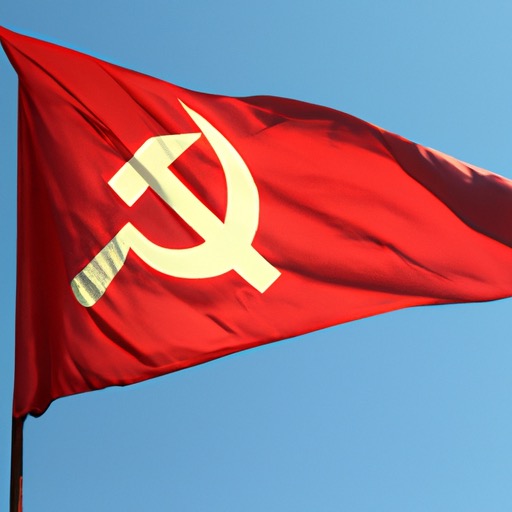
Communism is an ideology and socio-economic system that aims for a classless society where the means of production are owned and controlled by the community as a whole. It is based on the principle of common ownership and the absence of private property. The goal of communism is to create a society where wealth and resources are distributed equitably, and everyone’s needs are met. However, the practical implementation of communism has yielded mixed results throughout history.

Proponents argue that communism, in theory, can create a fairer and more equal society. They believe that by eliminating private ownership and profit-driven motivations, communism can minimize social and economic inequalities. Supporters also claim that communism can lead to the collective advancement of society, where the needs of the community take precedence over individual desires. The emphasis on common ownership and shared responsibility is seen as a way to foster cooperation and solidarity among people.

However, detractors argue that communism, in practice, often leads to authoritarianism, lack of individual freedoms, and economic inefficiency. History has shown that many communist regimes have been characterized by centralized power, limited political freedoms, and suppression of dissent. Critics also point out that the absence of private property can discourage innovation and productivity, as there is no individual incentive to excel or take risks. Additionally, the centralized planning often associated with communism can result in inefficient allocation of resources and lack of consumer choice.

The effectiveness of communism as a system largely depends on its implementation and the specific context in which it is applied. The Soviet Union, for example, experienced economic stagnation and widespread poverty under its communist regime. On the other hand, countries like China and Vietnam have adopted a mix of communism and market-oriented policies, leading to significant economic growth and poverty reduction.

In conclusion, the question of whether communism works is a complex and debated topic. While the principles of communism have the potential to address social and economic inequalities, the practical implementation has often fallen short. The success or failure of communism depends on various factors, including the balance between central planning and individual freedoms, the level of political repression, and the ability to adapt to changing economic conditions. Ultimately, the effectiveness of communism as a socio-economic system remains a subject of ongoing discussion and analysis.

Related Posts

Revolutionizing Democracy: AI’s Redemption for Voter Trust in the US Voting System

Dave

a close up of a box
Artificial Intelligence (AI) possesses immense potential to revolutionize the election process in the United States, effectively curbing instances of cheating. Picture this: a future where the electoral journey is fortified by AI’s unwavering presence. Let’s delve into the captivating ways AI can reshape the landscape.

To begin, AI can seamlessly streamline the voter registration and identification process, ensuring a flawless verification system. Gone are the days of cumbersome paperwork and long queues. With cutting-edge biometric identification techniques and data pattern analysis, AI guarantees accurate identification, leaving no room for doubt. Each voter’s eligibility is swiftly established, granting them the power to cast their ballot with confidence.

But that’s just the tip of the iceberg. The role of AI in securing electronic voting systems is nothing short of extraordinary. Imagine an ever-vigilant guardian, dedicated to preserving the sanctity of the electoral process. AI tirelessly monitors for any signs of suspicious activity or cyber threats that dare to compromise the integrity of the vote. Armed with powerful machine learning algorithms, AI swiftly identifies patterns of abnormal behavior and detects potential hacking attempts, nipping them in the bud. Unauthorized access? Not on AI’s watch.

But there’s more. AI’s prowess extends to the analysis of colossal amounts of data, including campaign finance records and social media trends. Its mission? To expose any illegal campaign funding or influence lurking in the shadows. With AI-driven predictive analytics, cheating becomes a thing of the past. By scrutinizing data patterns and uncovering anomalies, AI uncovers the truth, leaving no stone unturned.

And what about transparency and auditability? Fear not, for AI has the perfect solution: blockchain technology. Every vote cast is securely recorded, etched into the immutable fabric of the blockchain. Tampering becomes a futile endeavor, rendering cheating an impossibility. Trust is restored, and the voice of the people resonates with unwavering authenticity.

In conclusion, the integration of AI into the election process in the United States promises a future where voter identification is enhanced, electronic voting systems are impervious to threats, fraud is detected and prevented, and transparency reigns supreme. With AI as our ally, the integrity of elections is safeguarded, leaving no room for cheating to stain the democratic fabric of our nation.

Related Posts

The Department of Homeland Insecurity: A Closer Look at its Failed Promises

Dave

a man walking across a bridge
The Department of Homeland Security (DHS) was established in 2002 to protect the nation from various threats, including terrorism, natural disasters, and cyberattacks. However, the DHS has been heavily criticized for failing to secure the US-Mexico border, which is considered one of the most porous borders in the world. Despite spending billions of dollars on border security, there are still thousands of undocumented immigrants and drugs that make their way into the country every year.

So, why has the DHS failed in its primary responsibility of securing the border? One of the main reasons is a lack of effective policies. The agency has implemented a plethora of policies, but many of them have been ineffective. The construction of a border wall has been a controversial policy that has faced numerous legal challenges. Even if the wall were to be completed, it would not address the root causes of illegal immigration, such as poverty and violence in Central America. Moreover, the DHS has not invested enough in technology and personnel to monitor the border effectively.

Another significant reason for the DHS’s failure is a lack of cooperation with other agencies. Border security requires a coordinated effort from various agencies, and the DHS has not always worked together effectively with Customs and Border Protection (CBP), Immigration and Customs Enforcement (ICE), and the Drug Enforcement Administration (DEA). For example, ICE has been criticized for separating families at the border, which has led to public outcry and legal challenges. This kind of controversy distracts from the agency’s main mission and undermines public trust in the DHS.

In conclusion, the DHS must develop comprehensive policies that address the root causes of illegal immigration and drug trafficking. The agency must invest in technology and personnel to monitor the border effectively and work closely with other agencies to ensure a coordinated effort in securing the border. Only then can the DHS fulfill its mission of keeping the nation safe from harm.

Related Posts