Category: Government

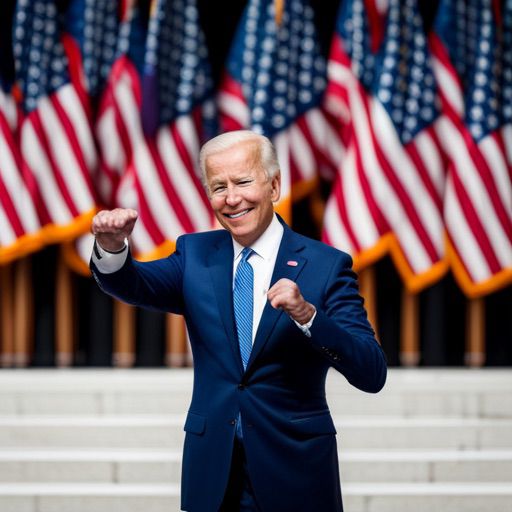
Building Back Better: The Biden Presidency Unveiled

Dave

a person sitting on a bench
Joe Biden’s presidency marks a historic moment in the United States’ political landscape. As the 46th President, he was inaugurated on January 20, 2021, after an impressive career of public service. Prior to his presidency, he served as Vice President under Barack Obama from 2009 to 2017 and as a senator representing the state of Delaware from 1973 to 2009.

Throughout his political career, Biden has been a vocal advocate for important causes such as civil rights, gun control, and healthcare. His expertise in foreign policy is also noteworthy, having played a key role in shaping U.S. policy towards Iraq, Afghanistan, and Russia while serving as the chairman of the Senate Foreign Relations Committee.

In the 2020 presidential election, Biden emerged victorious against the incumbent Donald Trump, making history as the oldest person ever elected to the presidency at the age of 78. Since taking office, Biden has made it his top priority to address the COVID-19 pandemic. He implemented several measures such as mandating mask-wearing on federal property and increasing vaccine distribution to combat the spread of the virus.

Furthermore, Biden has proposed several policy initiatives, including a $1.9 trillion COVID relief package, a $2 trillion infrastructure plan, and a plan for comprehensive immigration reform. His presidency has been characterized by a focus on unity and bipartisanship, with the president often calling for an end to the divisiveness that has plagued American politics in recent years.

Overall, Biden’s long political career and experience in government make him a capable and well-suited leader for the United States during a time of significant challenges and change. His administration will undoubtedly leave a lasting impact on the country, and it will be exciting to see what the future holds under his leadership.

Related Posts

Trumped Nation: Exploring the Impact of President Donald Trump

Dave

a man wearing a suit and tie
President Donald Trump was not your typical politician. Born on June 14, 1946, in the bustling borough of Queens, New York City, Trump was a businessman, television personality, and author before serving as the 45th president of the United States of America from 2017 to 2021. He was the man behind The Trump Organization, a US-based real estate developer, and the host of the wildly popular reality television show, The Apprentice, which kept viewers glued to their screens from 2004 to 2015.

Trump’s unconventional approach to politics shook up the establishment and won him a loyal following, but it also sparked controversy and criticism from the public and the media. He was known for his frequent use of social media to communicate with the public, often making headlines with his unfiltered tweets and posts. During his presidency, Trump implemented several policies, including tax cuts, immigration reform, and the repeal of the Affordable Care Act. However, his administration was also plagued by several high-profile scandals, including the Russia investigation and the impeachment proceedings launched against him in 2019.

Despite the controversies that surrounded his presidency, Trump remained a divisive figure in American politics. His supporters credit him with revitalizing the economy and placing America’s interests first, while his detractors view him as a danger to democracy and a threat to the country’s values and ideals. Trump’s presidency came to a dramatic end in January 2021, amid a contentious election that saw him refuse to accept the results and launch several legal challenges.

Whether you loved him or loathed him, there’s no denying that President Donald Trump’s time in office was one of the most tumultuous in American history. His legacy will continue to be debated for years to come, as the nation grapples with the aftermath of his presidency and charts a course for the future.

Related Posts

George W. Bush and the Unyielding Fight Against Terror

Dave

a man wearing a suit and tie
Get ready to learn about the life and times of George W. Bush, one of the most influential presidents in the history of the United States. Born in New Haven, Connecticut in 1946, Bush spent most of his childhood in Texas before attending Yale University, where he earned a degree in history. He then went on to earn an MBA from Harvard University and worked in the oil and gas industry before entering politics.

Bush’s political career took off when he became the governor of Texas from 1995 to 2000. During his presidency from 2001 to 2009, Bush faced numerous challenges, including the September 11 terrorist attacks in 2001. His leadership in the aftermath of the attacks was widely praised, but his decision to invade Iraq in 2003 remains a topic of debate to this day.

Despite this controversy, Bush signed into law several significant acts during his presidency, including the No Child Left Behind Act and the Medicare Prescription Drug, Improvement, and Modernization Act. These aimed to improve education and healthcare access for Americans.

Apart from his political legacy, Bush’s philanthropy and advocacy work have been significant in shaping his legacy. He has worked tirelessly to improve education, fight HIV/AIDS, and support veterans and their families through the George W. Bush Presidential Center.

While his presidency was marked by both significant accomplishments and controversies, there is no denying that George W. Bush is a leader who cared deeply about his country and its people. His dedication to improving education and supporting veterans has cemented his legacy as a transformative figure in American history.

Related Posts

A Presidential Odyssey: Exploring Bill Clinton’s Impactful Legacy

Dave

a person sitting on a chair in front of a curtain
Bill Clinton, a charismatic and intelligent American politician, made history as the 42nd President of the United States from 1993 to 2001. Born in Hope, Arkansas, Clinton came from a family that struggled financially but he overcame his circumstances with his ambition and brilliance. He received his education from prestigious institutions such as Georgetown University, Yale Law School, and Oxford University, where he studied as a Rhodes Scholar.

Clinton began his political career by serving as the Attorney General of Arkansas before being elected as the state’s governor in 1978. He held the governor’s office for a total of twelve years before running for president in 1992.

As President, Clinton presided over a period of significant economic growth and expansion in the United States. He was committed to balancing the federal budget, creating jobs, and improving access to healthcare. Clinton was also recognized for his efforts to promote peace and stability around the world. He played a key role in the Northern Ireland peace process and attempted to broker a peace agreement between Israel and Palestine.

Despite his numerous accomplishments, Clinton’s presidency was not without controversy. He was impeached in 1998 for perjury and obstruction of justice related to his affair with White House intern Monica Lewinsky. However, Clinton remains a revered figure in American politics, known for his political savvy and charm.

After leaving office, Clinton continued to be involved in public life. He devoted himself to various humanitarian and philanthropic causes through the Clinton Foundation. Undoubtedly, Bill Clinton’s presidency will be remembered as a defining moment in American history, marked by both significant achievements and controversies. He will be remembered as one of the most influential presidents of the 20th century, a true American legend.

Related Posts

The George Bush Chronicles: Leadership, Legacy, and the American Journey

Dave

a man wearing a suit and tie
George H.W. Bush, the 41st President of the United States, was a man of many talents and accomplishments. Though born into privilege, he made a name for himself through his hard work and dedication to public service.

Bush’s journey began at Yale University, where he honed his intellect and developed a passion for leadership. He went on to serve as a fighter pilot in World War II, showcasing his bravery and determination in the face of adversity.

However, it was in the political arena where Bush truly shone. He held a variety of positions throughout his career, including Director of Central Intelligence and Vice President under Ronald Reagan. But it was during his presidency that he truly made his mark on history.

As leader of the United States, Bush faced many challenges, including the Gulf War – a conflict with Iraq over its invasion of Kuwait. Despite the odds, he proved himself to be a skilled and strategic commander, leading his country to victory with grace and dignity.

But it wasn’t just his political prowess that made Bush a beloved figure among Americans. He was also known for his commitment to public service and volunteerism, famously coining the phrase “a thousand points of light” to inspire others to give back to their communities.

Even after leaving office, Bush remained an active and engaged citizen, dedicating himself to causes such as education and the environment. His passing in November 2018 was mourned by many, but his legacy of leadership and service lives on.

Related Posts

The Reagan Revolution: Unveiling the Charismatic Legacy

Dave

a man wearing a suit and tie smiling at the camera
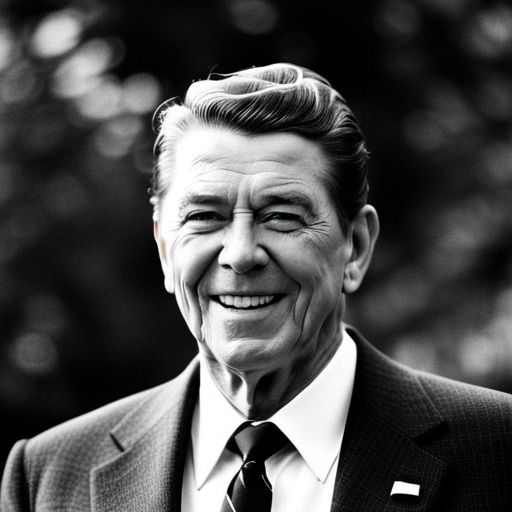
Ronald Reagan, the 40th President of the United States, was not just a politician, but also a radio sports announcer and an actor! Born in Tampico, Illinois on February 6, 1911, he started his career in the entertainment industry before making his mark in politics.

As the Governor of California from 1967 to 1975, Reagan gained the attention of the American people with his conservative policies and his belief in limited government. He was elected as President in 1980 and implemented policies that aimed to reduce government regulation and taxes, increase military spending, and promote a strong national defense. Reagan’s leadership was instrumental in ending the Cold War with the Soviet Union, through his policies of increased military spending and strategic diplomacy.

Despite these successes, Reagan’s presidency was not without controversy. He faced criticism for his handling of the Iranian hostage crisis, the Iran-Contra affair, and his response to the AIDS epidemic. Nevertheless, Reagan remains a beloved figure in American politics and is often credited with restoring confidence in the American economy and the American spirit.

Reagan was a champion of individual liberty and freedom, and he worked tirelessly to promote these values both domestically and internationally. He fought for religious freedom, opposed communism, and strengthened the relationship between the United States and Israel. His famous quote “Mr. Gorbachev, tear down this wall!” is still celebrated today as a key moment in the end of the Cold War.

After leaving office, Reagan was unfortunately diagnosed with Alzheimer’s disease and passed away on June 5, 2004. However, his legacy continues to live on in American politics and culture. His conservative policies and his belief in individual freedom and liberty continue to influence politicians and citizens alike. Today, Reagan is remembered as one of the most influential and beloved Presidents in American history.

Related Posts

Jimmy Carter: The Trailblazing President with a Heart of Gold

Dave

a man wearing a suit and tie
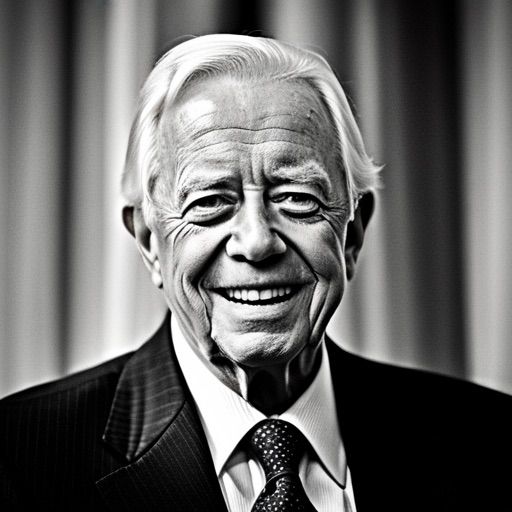
Jimmy Carter, the 39th President of the United States, is a remarkable individual whose life and work have left an indelible mark on history. Born on October 1, 1924, in Plains, Georgia, Carter spent his early years on a farm and learned the value of hard work from a young age. After graduating from the United States Naval Academy, he served in the Navy before returning to take over his family’s business.

Carter’s political career began in 1962 when he was elected to the Georgia State Senate. From there, he went on to serve as Governor of Georgia from 1971 to 1975 before being elected President in 1976. During his presidency, he accomplished many significant achievements, including the signing of the Camp David Accords between Israel and Egypt and the establishment of diplomatic relations with China. He was also a strong advocate for human rights and environmental protection, creating the Department of Energy and the Department of Education.

Despite his successes, Carter’s presidency was also marked by economic struggles, high inflation rates, and the Iran hostage crisis. However, he remained committed to his ideals and continued to work tirelessly for the betterment of society.

After leaving office, Carter founded the Carter Center, a non-profit organization dedicated to promoting democracy and human rights worldwide. The center has had a significant impact on various initiatives, from monitoring elections to eradicating diseases to promoting peace in conflict-ridden areas. Carter has also served as a mediator in conflicts in Haiti, North Korea, and other countries.

Carter’s humanitarian work has earned him numerous awards and accolades, including the Nobel Peace Prize in 2002. He has authored several books on topics ranging from politics to religion to history, and his legacy as a statesman and humanitarian is widely recognized. His life is an inspiration to many, and his commitment to making the world a better place serves as a reminder of the power of one person to effect positive change.

Related Posts

Gerald R. Ford – The Athlete Turned President Who Saved America’s Integrity

Dave

a man wearing a suit and tie sitting on a bench

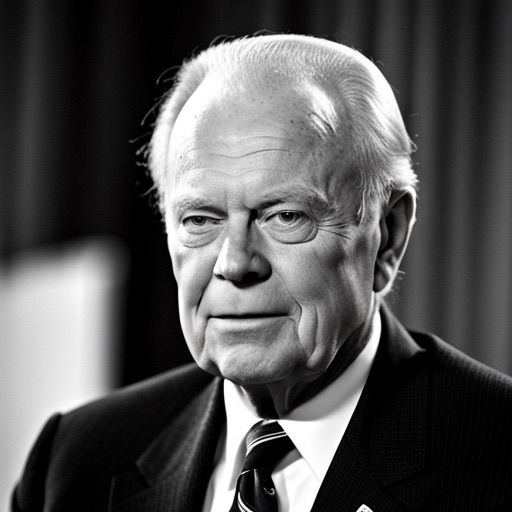
The 38th President of the United States, Gerald R. Ford, was a remarkable man whose life was full of achievements and challenges. Born in Omaha, Nebraska in 1913, he grew up to be an accomplished athlete, playing football for the University of Michigan and later for the Green Bay Packers. However, it was his political career that truly set him apart.

After serving in the Navy during World War II, Ford began his political journey in the House of Representatives, where he served for 25 years and eventually became the Minority Leader. His leadership qualities and dedication to public service were evident from the start, and he quickly became a respected figure in Washington.

Ford’s rise to the presidency was a result of one of the most significant events in American history. The Watergate scandal had engulfed Richard Nixon’s presidency, leading to his resignation. As the Vice President, Ford was next in line and took the oath of office in August 1974. One of his earliest decisions as President, to pardon Nixon, was heavily criticized at the time but is now considered a bold and necessary move that helped the nation heal.

During his presidency, Ford faced several significant challenges, including soaring inflation, economic recession, and the fall of Saigon. Despite all these hurdles, he worked tirelessly to improve the country’s relations with its global counterparts, including the Soviet Union and China.

Ford’s commitment to public service was evident in his legislative accomplishments. He signed several crucial bills into law, including the Foreign Intelligence Surveillance Act and the Privacy Act. His establishment of the Presidential Clemency Board helped to address the issue of Vietnam War-era draft dodgers and deserters, showcasing his empathy and compassion for those affected by the war.

Ford’s integrity, honesty, and dedication to public service earned him the Presidential Medal of Freedom in 1999, over two decades after his presidency. His legacy continues to inspire generations of Americans to serve their country with honor and integrity.

In conclusion, Gerald R. Ford was not just a President, but a man who embodied the spirit of America. From an athlete to a politician, he dedicated his life to improving the lives of Americans and preserving the nation’s integrity. His story is an inspiration to all those who seek to make a positive difference in the world.

Related Posts

Uncovering the Truth About Richard Nixon: The Rise and Fall of a Political Giant

Dave

a man wearing a suit and tie looking at the camera

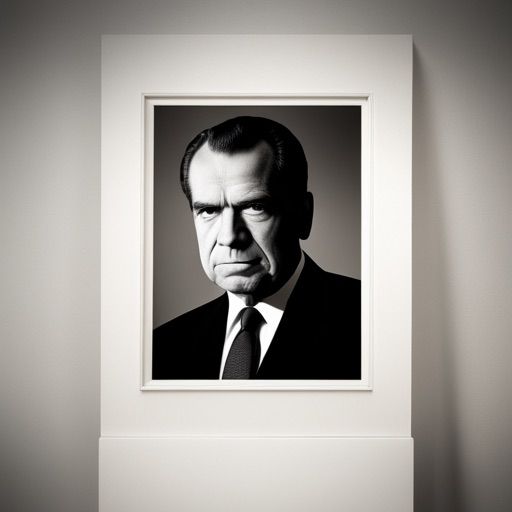
Get ready to learn about one of the most iconic US Presidents in history! Richard Nixon, the 37th President of the United States, was an ambitious and complex figure who served his country from 1969 to 1974. Born on January 9, 1913, in Yorba Linda, California, Nixon was a trailblazer in foreign policy initiatives, including initiating diplomatic relations with China and putting an end to the Vietnam War.

Nixon’s political career began when he became a member of the House of Representatives, representing California’s 12th district from 1947 to 1950. He then served as a senator from California from 1950 to 1953. In 1952, he ran for president with Dwight D. Eisenhower and won in a landslide victory.

During his presidency, Nixon worked tirelessly to improve relations with China and the Soviet Union. In 1972, he made history by visiting China, which opened the door to diplomatic relations between the two countries. He also signed arms control agreements with the Soviet Union, including the Strategic Arms Limitation Treaty (SALT).

However, Nixon’s time in office was also marked by the infamous Watergate scandal, which led to his resignation in 1974. The scandal involved illegal activities by his administration, including the break-in at the Democratic National Committee headquarters at the Watergate complex in Washington, D.C. Although Nixon initially denied any involvement in the scandal, audio recordings later proved that he was part of a cover-up.

Despite the controversy surrounding his presidency, Nixon’s legacy includes several significant accomplishments, including his efforts to improve relations with China and the Soviet Union, his environmental initiatives, and his establishment of the Environmental Protection Agency. Nixon was also a prolific author, writing several books on foreign policy and political philosophy.

Richard Nixon passed away on April 22, 1994, in New York City at the age of 81. No matter what you think of his presidency, there is no denying that Nixon was a complex and fascinating figure who left a significant mark on the United States and the world.

Related Posts

LBJ: The Complex and Controversial President Who Changed America Forever

Dave

a man wearing a suit and tie smiling and looking at the camera

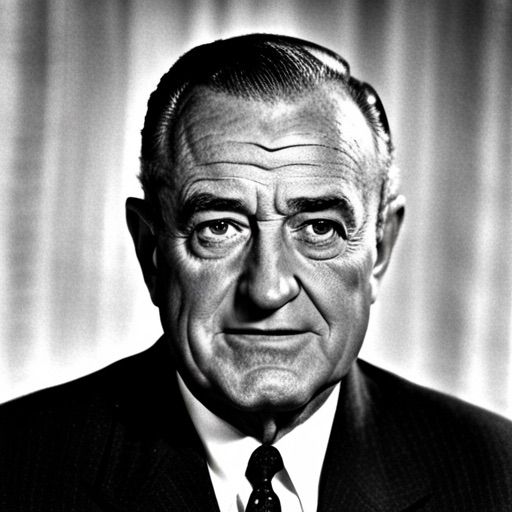
Meet Lyndon Baines Johnson, the 36th President of the United States, famously known as LBJ. Born in the heart of Texas in 1908, he grew up in a small agricultural community and worked as a teacher before pursuing his passion for politics. Johnson’s political career started as a member of the House of Representatives and he later served as a Senator before becoming Vice President under John F. Kennedy.

After JFK’s assassination in 1963, Johnson took on the mantle of the President and continued many of Kennedy’s policies. However, it was his bold domestic agenda, “The Great Society”, that set him apart. Johnson aimed to reduce poverty, provide education, and improve healthcare through a range of social welfare programs. His most notable accomplishments were the Civil Rights Act of 1964, which outlawed discrimination based on race, religion, sex, color, or national origin, and the Voting Rights Act of 1965, which removed barriers to voting for African Americans. He also launched the War on Poverty, which included initiatives like Head Start and Medicare.

Nevertheless, Johnson’s presidency was not without controversy. His escalation of the Vietnam War, which led to protests and divisions in the country, was met with criticism. He also faced backlash for his handling of civil unrest and the use of government surveillance and wiretapping. Despite these challenges, Johnson was an exceptional politician who succeeded in passing significant legislation and introduced important changes in American society.

Post-presidency, Johnson retired to his beloved ranch in Texas, where he continued to engage in politics and philanthropy until his passing in 1973. Despite a mixed legacy, LBJ will always be remembered as a transformative President who made remarkable strides in the fight for civil rights and the war on poverty.

Related Posts

JFK: The Charismatic Leader Who Captivated a Nation and Inspired a Generation

Dave

a man wearing a suit and tie looking at the camera
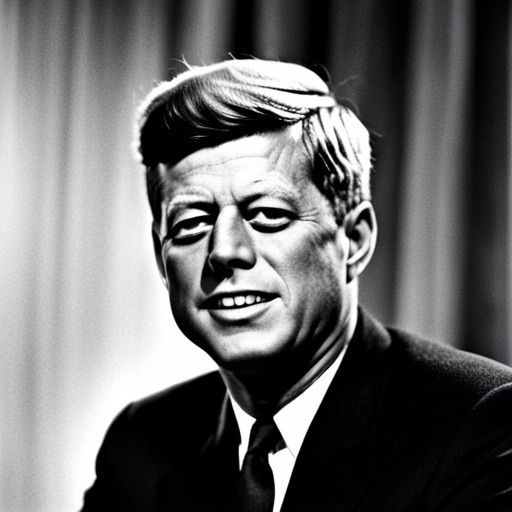
John F. Kennedy, or JFK as we all know him, was a true American icon. He made history as the 35th President of the United States, serving the nation from January 1961 until his tragic assassination in November 1963. Born in Brookline, Massachusetts in 1917, JFK was a man of many firsts. He was the youngest person ever elected to the presidency, taking office at the tender age of 43.

But JFK’s remarkable achievements didn’t start with his political career. Before becoming a leader of the free world, he was a Navy serviceman, who showed great bravery during World War II and earned numerous medals for his valor. After his military service, JFK began his political journey, serving first in the U.S. House of Representatives, then as a Senator, before running for president in 1960.

JFK’s presidency was marked by numerous challenges, including the infamous Bay of Pigs invasion and the Cuban Missile Crisis. He also played a crucial role in advancing the Civil Rights Movement, making significant strides towards equality for all Americans. But perhaps what JFK is best remembered for is his inspiring call to action, delivered during his inaugural address, where he famously said, “Ask not what your country can do for you, ask what you can do for your country.”

Sadly, JFK’s presidency was cut short when he was assassinated in Dallas, Texas on November 22, 1963. His death was a shock to the nation, and many mourned the loss of a charismatic and forward-thinking leader. Despite his abbreviated time in office, JFK is remembered as one of the most popular and inspiring presidents in U.S. history, whose legacy still lives on today.

Related Posts

From General to President: The Leadership Lessons of Dwight D. Eisenhower

Dave

a man wearing a uniform
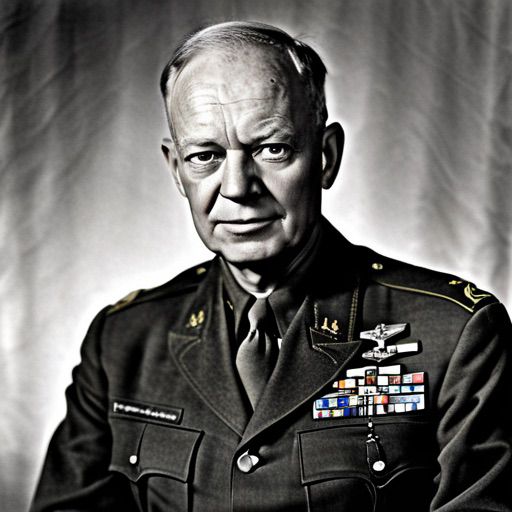
Dwight D. Eisenhower, also known as “Ike,” was a legendary figure in American history, who served as the 34th President of the United States from 1953 to 1961. Born in Denison, Texas, on October 14, 1890, he spent his formative years in Kansas. Before his presidency, Eisenhower had a remarkable military career, graduating from the prestigious United States Military Academy at West Point in 1915. He went on to serve his country in both World Wars, becoming a highly respected and decorated military leader.

Eisenhower’s greatest achievement was his role as the Supreme Commander of the Allied Forces in Europe during World War II. He led the successful D-Day invasion of Normandy, which helped turn the tide of the war in favor of the Allies. He was a strategic mastermind and inspired his troops with his unwavering leadership, earning him the nickname of “The General.”

After the war, Eisenhower continued to serve his country in various roles, including as the Army Chief of Staff and as President of Columbia University. As President of the United States, Eisenhower focused on domestic issues, such as infrastructure, education, and civil rights. His most notable achievement was signing the Federal Aid Highway Act of 1956, which authorized the construction of the interstate highway system, revolutionizing transportation in America. He also championed civil rights and signed the Civil Rights Act of 1957, which marked the first federal civil rights legislation since Reconstruction.

Eisenhower’s foreign policy was characterized by the Cold War and the looming threat of nuclear war. He worked tirelessly to contain the spread of communism, signing the Southeast Asia Treaty Organization (SEATO) to prevent its spread in Asia. He also signed the Eisenhower Doctrine, which authorized the use of military force to protect American interests in the Middle East.

After his presidency, Eisenhower retired to his farm in Gettysburg, Pennsylvania, where he enjoyed a quiet life. He passed away on March 28, 1969, at the age of 78. Eisenhower is remembered as a beloved president who was a true leader during World War II, a tireless advocate for infrastructure and civil rights, and a dedicated defender of American interests during the Cold War.

Related Posts

Unleashing the Giants: Exploring the World’s Monumental Orders

Dave

View of earth with the United States facing front
The world of big orders is a fascinating one, spanning across sectors and industries that showcase the vast scale and intricate complexity of global commerce. Let’s dive into some jaw-dropping examples that will leave you in awe.

Picture this: Saudi Aramco, the colossal oil titan, placing an order worth a mind-boggling $50 billion. They teamed up with a consortium of companies to develop the Marjan and Berri offshore oil fields. This monumental transaction not only underscores the tremendous significance of the energy sector but also highlights the mind-blowing amount of financial firepower required to extract and produce oil on such a grand scale.

But wait, there’s more! Boeing, the aviation giant, managed to secure an order from Emirates Airlines that will make your head spin. Brace yourself for this: 150 777X aircraft, valued at an astounding $56 billion. This massive deal not only showcases the ever-increasing demand for air travel worldwide but also highlights the pivotal role the aviation industry plays in shaping our interconnected planet.

Now, let’s shift gears and delve into the realm of technology. Behold, Apple, the tech titan we all know and love. When it comes to their iPhone models, their orders for components from various suppliers are simply staggering. With millions of devices sold globally, the order size for these components can easily soar into the billions of dollars. This mind-blowing figure emphasizes the immense impact and significance of the consumer electronics industry in our tech-driven world.

These awe-inspiring examples demonstrate that the biggest orders in the world are often associated with sectors that wield immense power over the global economy. From energy to transportation, and from technology to aviation, these industries shape the way we live, work, and connect with one another on a global scale. Prepare to be captivated by the sheer magnitude of these orders as we unveil the exciting world of big business.

Related Posts

The Legacy of Harry S. Truman: From Humble Beginnings to the Presidency and Beyond

Dave

a man wearing a suit and tie looking at the camera
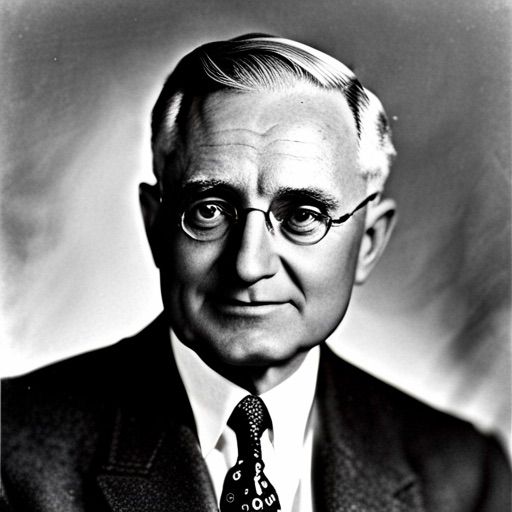
Harry S. Truman, an iconic figure in American history, served as the 33rd President of the United States from 1945 to 1953. Born on May 8, 1884, in Lamar, Missouri, Truman grew up in a farming family, instilling the values of hard work and perseverance that would later shape his presidency.

As President, Truman played a pivotal role in several significant events that shaped the course of history. He oversaw the end of World War II, which culminated in the atomic bombings of Hiroshima and Nagasaki, forcing Japan to surrender and bringing the war to a close. In addition, Truman helped establish the United Nations and the Marshall Plan, aimed at rebuilding Europe after the war.

However, Truman’s presidency was not without challenges. The onset of the Cold War marked a period of heightened tensions between the United States and the Soviet Union, leading to the arms race and the establishment of NATO. Truman’s domestic policies, including the Fair Deal, aimed to expand social welfare programs and civil rights, but faced opposition from conservatives.

Despite his many achievements, Truman faced criticism for his handling of the Korean War and the controversial firing of General Douglas MacArthur. His approval ratings were low when he left office in 1953, but his legacy has since been reevaluated. Truman is now widely regarded as a decisive and effective leader during a critical time in American history, who paved the way for future leaders to navigate the complexities of global politics.

Related Posts

Franklin D. Roosevelt Received an Excellent Education and Began his Political Career at a Young Age

Dave

a man wearing a suit and tie
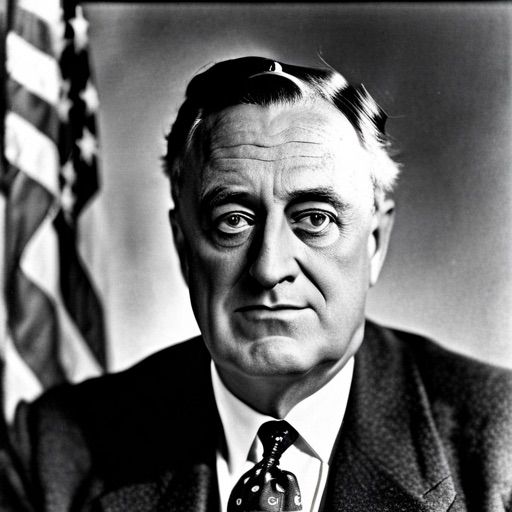
Meet Franklin D. Roosevelt, affectionately known as FDR, the 32nd President of the United States who led the country from 1933 until his passing in 1945. He is widely regarded as one of the greatest U.S. presidents in history, having played an instrumental role in shaping the country during some of its darkest moments.

Born in 1882 to a wealthy family in Hyde Park, New York, Roosevelt received an excellent education and began his political career at a young age. He was elected to the New York State Senate in 1910, and nothing could deter him, not even the tragic incident of contracting polio in 1921, which left him paralyzed from the waist down. He remained resolute in his quest for political success.

In 1932, amid the Great Depression, Roosevelt won the presidential election and immediately set to work implementing a series of programs known as the New Deal. This initiative provided jobs and welfare to millions of Americans, including the creation of the Civilian Conservation Corps, Works Progress Administration, and Social Security Administration. With the government taking an active role in the economy, Roosevelt’s leadership helped stabilize the country and prevent social unrest.

FDR also led the United States through World War II, guiding the country through some of its darkest days. He was instrumental in building the Allied coalition, planning and executing the D-Day invasion, and a strong advocate for the establishment of the United Nations, which was created after the war to promote international cooperation and prevent future conflicts.

While not immune to criticism, Roosevelt’s legacy as a transformative leader who guided the country through its most challenging moments remains strong. Today, he is remembered as a champion of the common man, a tireless advocate for social justice, and one of the greatest presidents in American history.

Related Posts

Herbert Hoover Led a Life of Remarkable Achievements Despite Facing Early Adversity

Dave

a man wearing a suit and tie smiling and looking at the camera
Herbert Hoover, the 31st President of the United States, led a life of remarkable achievements despite facing early adversity. Born on August 10, 1874, in West Branch, Iowa, Hoover lost his parents at a young age. However, he refused to let his circumstances define him and went on to attend Stanford University, where he earned a degree in mining engineering.

Hoover’s ingenuity and business acumen propelled him to great heights, and he became a successful mining engineer and businessman. But his presidency was marked by the Great Depression, a catastrophic financial crisis that began shortly after he took office. Despite his best efforts to address the crisis, his initiatives were largely unsuccessful, and he faced intense criticism for his response to the economic downturn.

Hoover’s belief in the power of individual initiative and self-reliance made him hesitant to intervene directly in the economy, ultimately contributing to his political downfall. However, despite his struggles as President, Hoover remained dedicated to public service throughout his later years. He served on various government commissions and continued to advocate for humanitarian aid and relief efforts.

Hoover was also a prolific writer, delving into topics ranging from mining and engineering to politics and history. His numerous books and articles are a testament to his intellectual curiosity and his unwavering commitment to learning and growth.

Today, Hoover’s legacy is a complex one, reflecting both his triumphs and his struggles. Although his presidency is often remembered for its shortcomings during the Great Depression, his life and career demonstrate the importance of perseverance and determination in overcoming adversity. His contributions to engineering and business continue to be felt to this day, and his commitment to public service and humanitarian causes serves as an inspiration to many. Overall, Herbert Hoover remains an important figure in American history, embodying both the challenges and opportunities that define the American experience.

Related Posts

Calvin Coolidge was a Man of Quiet Strength and Unwavering Principles

Dave

a man wearing a suit and tie
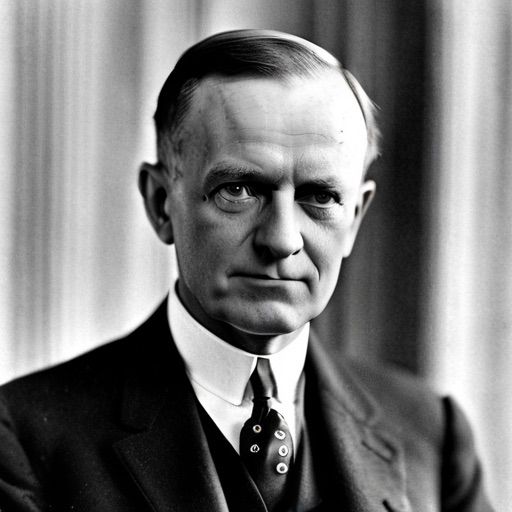
Calvin Coolidge, the 30th President of the United States, was a man of quiet strength and unwavering principles. Born on the Fourth of July in 1872 to a family of Vermont farmers, Coolidge rose to national prominence during the Boston Police Strike of 1919. His calm and steady leadership during the crisis earned him a reputation as a decisive and effective leader.

In 1920, Coolidge was chosen as Vice President under Warren G. Harding, and after Harding’s sudden death in 1923, he became President. During his presidency, Coolidge continued his predecessor’s pro-business policies and oversaw a period of unprecedented economic growth, known as the “Roaring Twenties.” He signed into law the Revenue Act of 1924, which lowered income tax rates and increased the personal exemption, putting more money in the pockets of hardworking Americans.

Coolidge was also a champion of peace, supporting the Kellogg-Briand Pact, which renounced war as an instrument of national policy. He recognized the growing importance of radio broadcasting and established the Federal Radio Commission to regulate the industry.

Despite his popularity and success as a leader, Coolidge declined to seek a second full term in 1928, citing his belief in limited government and the dangers of becoming too entrenched in power. After leaving office, he retired to Massachusetts, where he wrote his autobiography and made occasional public appearances.

While some praise Coolidge’s commitment to small government and individual liberty, others criticize his lack of action on issues such as civil rights and labor reform. Regardless of one’s opinion, Coolidge’s legacy as a president who championed free enterprise and limited government continues to influence American politics to this day.

Related Posts

Warren G. Harding Grew up in a Modest Family and Worked in his Father’s Newspaper

Dave

a man wearing a suit and tie

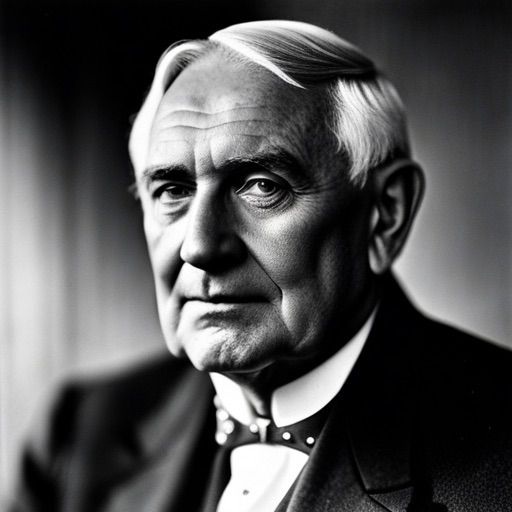
Warren G. Harding, the 29th President of the United States, lived an extraordinary life that began on November 2, 1865, in the small town of Blooming Grove, Ohio. Despite growing up in a modest family, Harding’s ambition and determination led him to become the owner of the Marion Daily Star in 1884, where he honed his skills in journalism and developed his passion for politics.

As his reputation grew, so did his involvement in civic affairs, and he eventually became the Lieutenant Governor of Ohio in 1903. Harding’s political career skyrocketed when he was elected as a U.S. Senator from Ohio in 1915, where he championed pro-business policies and supported the League of Nations.

In 1920, Harding’s determination and popularity earned him the Republican nomination for president, which he won by a landslide victory. His inauguration in March 1921 marked a new era of prosperity and stability for the nation as he promised a “return to normalcy” after the chaos of World War I. His presidency was characterized by a reduction in government regulation, economic prosperity, and the signing of the Fordney-McCumber Tariff Act.

However, despite his efforts to bring stability to the country, Harding’s administration was plagued by corruption scandals, including the infamous Teapot Dome scandal, where government officials were found to have accepted bribes in exchange for leasing federal oil reserves to private companies.

Despite the scandals, Harding remained popular with the American people, who appreciated his affable personality and his efforts to restore the country’s economy and promote peace. Sadly, his presidency was cut short when he died suddenly of a heart attack in San Francisco on August 2, 1923, during a tour of the western United States.

Overall, Warren G. Harding’s legacy is a mixed one. While he is remembered for his efforts to restore the economy and bring stability to the country, he is also known for the corruption that occurred under his watch. Nonetheless, Harding’s life and accomplishments serve as a reminder of the power of determination and hard work in achieving success.

Related Posts

Woodrow Wilson was Known for his efforts to Promote Peace and Democracy

Dave

a man wearing glasses posing for the camera
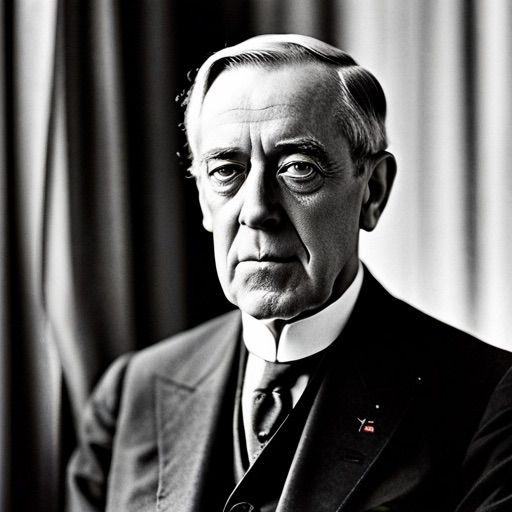
Woodrow Wilson, the 28th President of the United States, was a man of great conviction and vision. Serving in office from 1913 to 1921, he left an indelible mark on American history with his unwavering commitment to promoting peace and democracy worldwide.

During his presidency, Wilson ushered in a wave of domestic and foreign policy achievements that still reverberate today. He established the Federal Reserve System, created the Federal Trade Commission, and passed the Clayton Antitrust Act. Furthermore, he was a champion of women’s rights, instrumental in the passage of the 19th Amendment which gave women the right to vote.

Wilson’s foreign policy was characterized by his passionate belief in democracy and self-determination. He was a key figure in the establishment of the League of Nations, an international organization aimed at preventing future wars and promoting cooperation among nations. Though the United States did not ultimately join the League, Wilson’s vision for a more peaceful world order continues to inspire international efforts to this day.

However, Wilson’s legacy is not without controversy. He oversaw the segregation of federal agencies and the military during his presidency, and his handling of the First World War and the rise of fascism in Europe faced criticism. Despite these shortcomings, Wilson’s contributions to the country and the world are still studied and debated, making him a significant figure in American history.

Related Posts