Category: Holidays

A Season for Love: How to Spice Up Your Holiday Date Nights

Dave

The holiday season is a magical time for couples, with the crisp winter air, the warmth of the fireplace, and the festive lights setting the perfect backdrop for romance. While the holidays can often be filled with family gatherings and holiday shopping, it’s also an ideal opportunity to connect with your partner in unique and meaningful ways. Spicing up your holiday date nights doesn’t require extravagant plans; sometimes, it’s the small, thoughtful touches that make the biggest impact.

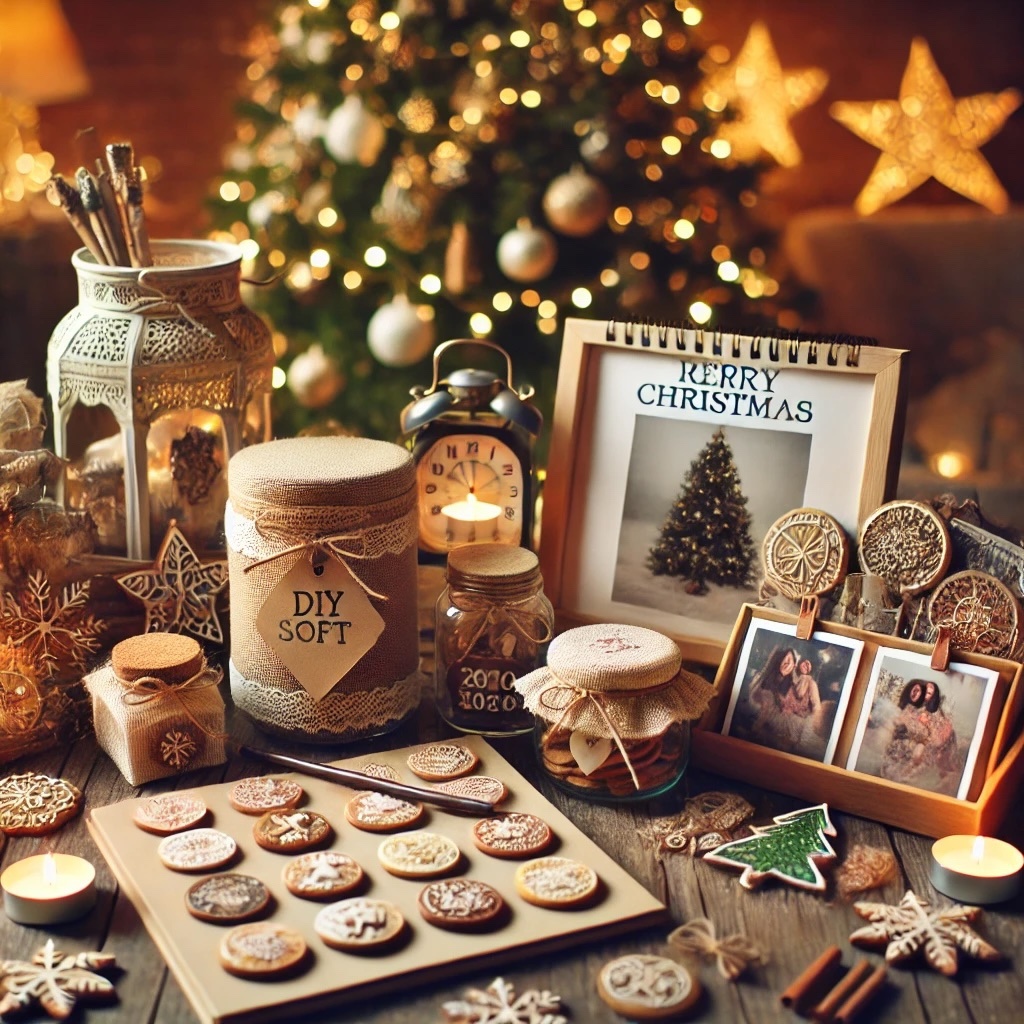
Start by tapping into the holiday spirit and think about what makes this season special. For a cozy date night, create an intimate atmosphere at home. Light candles, hang some fairy lights, and snuggle up with a blanket for a Christmas movie marathon. Don’t forget the seasonal treats like gingerbread cookies or a steaming cup of mulled wine. These simple but effective ideas set a romantic tone and make the evening feel extra special.

For something a little more adventurous, consider outdoor activities like ice skating, strolling through holiday markets, or taking a drive to see the best Christmas lights in town. These activities not only allow you to enjoy the beauty of the season but also give you the chance to make memories together. Afterward, warm up with some hot cocoa at a local café, or head back home for a cozy, quiet evening.

If you’re feeling creative, why not cook a festive meal together? Preparing a holiday dish as a team can be a fun, bonding experience that brings out your playful side. Whether it’s making gingerbread houses or preparing a fancy dinner, cooking together offers a wonderful opportunity to share in the joy of creating something special.

The holiday season is about connection, and by adding thoughtful and fun twists to your date nights, you can make it an unforgettable time of love and laughter.

Related Posts

The Sparkling Romance of Holiday Decorating

Dave

Holiday decorating is more than just hanging ornaments or setting up a tree—it’s about creating a space that evokes warmth, joy, and the unmistakable magic of the season. The twinkling lights, the cozy garlands, and the scent of fresh pine in the air all contribute to a festive atmosphere that’s perfect for sharing special moments with loved ones. For couples, this season of decoration can become a beautiful bonding experience, a time to reflect on memories and craft new ones together. Whether you’re trimming the tree or stringing lights along the mantle, holiday decorating provides the perfect backdrop for romance.

The act of decorating itself brings couples closer, fostering moments of shared creativity and joy. There’s something about the cozy, intimate feeling of working side by side to create a festive environment that can strengthen the bond between two people. It could be as simple as choosing the perfect ornaments together or hanging mistletoe in a doorway for a playful kiss under the sparkle of holiday lights. The joy of working together to create something beautiful is both fulfilling and heartwarming. As the house fills with the soft glow of candles and the festive colors of red, green, and gold, a sense of togetherness grows.

Adding personal touches to your holiday decor can elevate the experience. Custom ornaments that reflect your journey as a couple, or a collection of holiday decorations that have sentimental value, make the season feel more meaningful. A string of fairy lights draped across the window can set the stage for cozy evenings spent in each other’s company, while a beautiful wreath on the door welcomes your loved ones into a warm, inviting home.

Ultimately, holiday decorating offers a unique opportunity to create a romantic atmosphere that fills your home with magic. It’s a time to celebrate the season, deepen your connection, and let the spark of romance grow brighter with every decoration hung. From the first twinkle of lights to the final finishing touch, decorating together creates a magical experience that you’ll cherish for years to come.

Related Posts

Crafting Memories: Fun Activities to Bring Families Closer

Dave

In the hustle and bustle of everyday life, it’s easy for families to get caught up in their individual routines, often leaving little time for meaningful bonding. However, creating lasting memories and strengthening family ties doesn’t require extravagant vacations or expensive gifts. Simple, fun activities can be the key to bringing families closer together, fostering a sense of connection, and creating cherished memories that will last a lifetime. From cooking meals together to embarking on outdoor adventures, these activities provide the perfect opportunities for families to laugh, learn, and grow together.

One of the best ways to bring families closer is by sharing quality time around the dinner table. Cooking together not only teaches valuable life skills but also fosters teamwork and communication. Whether it’s baking cookies, making homemade pizza, or preparing a multi-course meal, the kitchen becomes a space for creativity and collaboration. Each person can contribute in their own way, making the process feel like a team effort. The joy of sitting down to a meal that everyone had a hand in creating adds an extra layer of satisfaction and strengthens the bond between family members.

For families looking to enjoy some fresh air, outdoor adventures are a fantastic way to build connections. Whether it’s hiking through a nearby forest, playing a game of frisbee in the park, or simply taking a walk through the neighborhood, outdoor activities provide opportunities for families to unplug and enjoy each other’s company. These outings allow families to engage in lighthearted conversations, laugh at each other’s antics, and take in the beauty of nature together. There’s something about being outside, away from screens and distractions, that naturally fosters a sense of unity and relaxation.

For those rainy days or cozy nights in, crafting projects can be a fun and creative way to spend time as a family. Whether it’s making holiday decorations, painting pottery, or building a birdhouse, working on a project together allows everyone to tap into their artistic side and contribute to something meaningful. The sense of accomplishment that comes from completing a project as a team is rewarding, and the resulting creations often serve as reminders of the time spent together.

Board games and puzzles are another excellent way for families to bond. With a little friendly competition, these activities encourage collaboration, problem-solving, and strategic thinking. Plus, they’re a great excuse to unplug from electronic devices and spend quality time face-to-face. Whether it’s an intense round of Monopoly, a game of charades, or working together to complete a challenging jigsaw puzzle, these games offer a chance for families to share laughter and build memories in an enjoyable, low-pressure setting.

Lastly, family movie nights or storytelling sessions can create moments of relaxation and shared experience. Snuggling up with a good movie or taking turns telling stories allows everyone to unwind together and strengthen their emotional connection. For added fun, families can turn these moments into themed nights, complete with homemade snacks, decorations, and costumes. These simple yet meaningful traditions add an extra layer of fun to the time spent together.

In the end, it’s not the grand gestures that create lasting memories—it’s the small, everyday activities that allow families to connect, share, and grow. By making time for fun, creative, and enjoyable activities, families can craft memories that will keep them united for years to come.

Related Posts

Gifts That Speak From the Heart: Creative Ways to Make the Holidays

Dave

The holiday season is often associated with gift-giving, but beyond the ribbons and wrapping paper lies an opportunity to create meaningful, heartfelt connections. While it’s easy to rely on material gifts, the most cherished presents are those that come with personal thought, creativity, and emotion. In a world where we often rush through the season, taking the time to carefully select or craft a gift that speaks to the heart can turn an ordinary holiday into something unforgettable. This year, let’s focus on gifts that not only stand out but reflect love, thoughtfulness, and individuality.

One of the most beautiful ways to show someone you care is by personalizing their gift. Whether it’s an engraved bracelet with a significant date, a custom portrait of a beloved pet, or a piece of jewelry with their initials, personalized gifts carry a unique, sentimental value. These items become treasures, reminders of a special moment shared between two people. They stand the test of time, much like the memories they represent, and can hold a far greater emotional impact than any generic store-bought item.

For those who enjoy spending time together, experiential gifts can be the perfect choice. Rather than handing over a physical object, give the gift of an experience—whether it’s a weekend getaway, a cooking class, or tickets to a concert they’ve been dreaming about. These gifts create lasting memories, providing opportunities for shared moments of joy and connection. Sometimes, the most meaningful present is not something wrapped in a box, but a day spent with loved ones, enjoying an activity that aligns with their passions and interests.

Another thoughtful approach is crafting something with your own hands. Homemade gifts, such as baked goods, knitted scarves, or a hand-painted ornament, are a tangible representation of the time and effort you’ve invested in making the recipient feel special. These gifts often have an intimacy that cannot be replicated by mass-produced items. A jar of homemade jam, a carefully crafted photo album, or a custom-written poem all carry personal meaning and convey a message of care that transcends material value. The recipient will feel the love in every stitch, every word, and every detail.

Sometimes, the best way to speak from the heart is by offering your time and service. Instead of giving a physical object, consider helping your loved one with something they’ve been needing assistance with. This could be offering to babysit, running errands, organizing their space, or cooking them a home-cooked meal. These gifts, though simple, have a lasting impact because they show that you’re invested in making their life a little easier and more enjoyable. It’s a gift of presence and attention, which can be far more valuable than any material item.

For the creative souls, another heartfelt gift is a memory book or a scrapbook. Compiling a collection of photos, ticket stubs, postcards, and little notes into a personalized album tells the story of your shared moments. This kind of gift is a testament to the bond you’ve built, capturing the essence of your time together and preserving it for years to come. It’s a way of saying, “I treasure every moment we’ve spent together.”

Lastly, for those who want to give back, consider donating to a cause that is close to the recipient’s heart. This thoughtful gesture not only reflects your understanding of their passions but also spreads goodwill. A donation made in their name to a cause they care about can make the holiday season meaningful in a way that transcends personal gifts. It’s a beautiful way to show that you value their values and wish to support what matters most to them.

Ultimately, the holidays are about connection, love, and shared memories. The most special gifts are those that reflect the essence of who we are, what we care about, and the bond we share with others. By thinking outside the box and infusing your presents with meaning and creativity, you can create a holiday season that feels truly heartfelt—one that speaks louder than any material possession ever could.

Related Posts

From Feast to Tradition: The Heartwarming Story of Thanksgiving

Dave

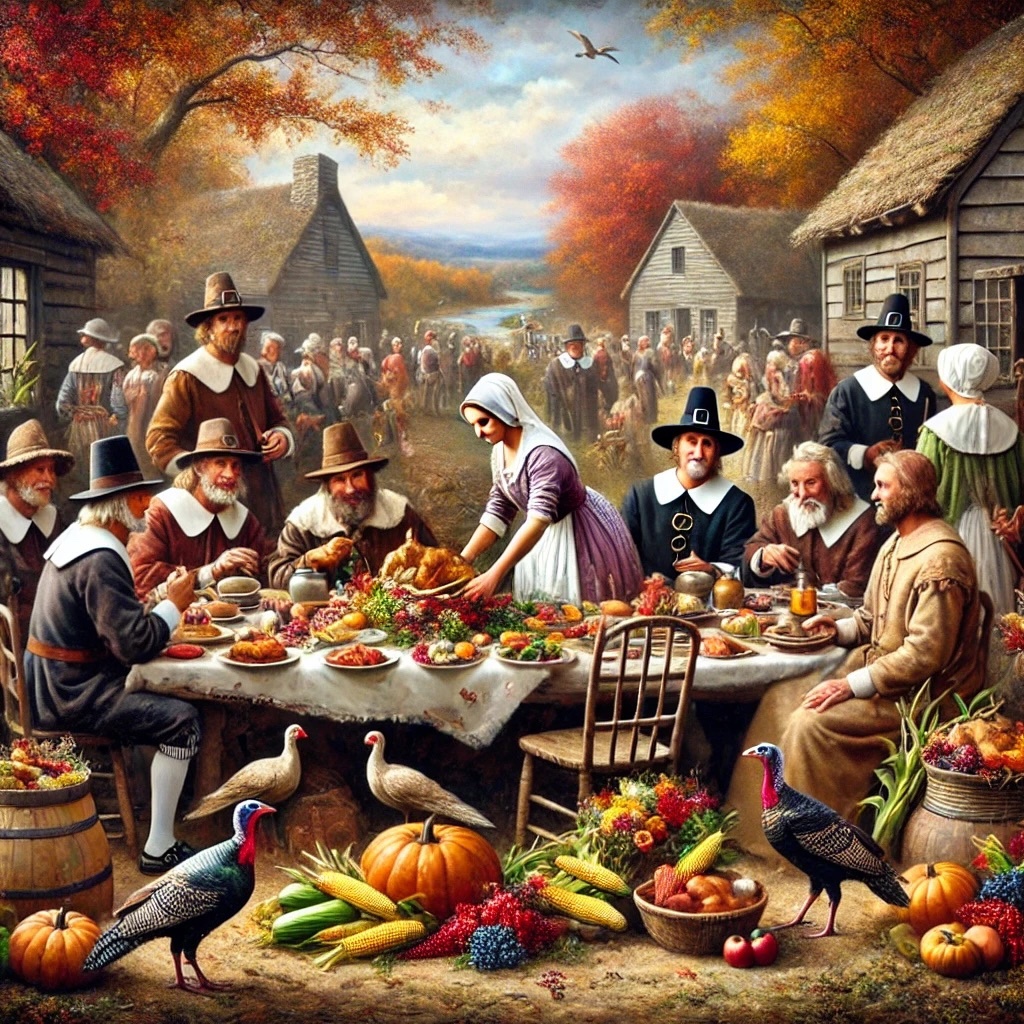
Thanksgiving is more than just a holiday; it’s a heartfelt tradition that brings people together to celebrate gratitude, family, and the blessings of life. What began as a humble feast between early settlers and Native Americans in 1621 has grown into a cherished occasion observed across the United States every fourth Thursday in November. The significance of the holiday goes far beyond the turkey and pumpkin pie, as it serves as a reminder of the importance of community, reflection, and appreciating the good things in life. Over the years, Thanksgiving has evolved into a festive celebration marked by food, football, parades, and an opportunity to pause, giving thanks for the people and moments that matter most.

At its core, Thanksgiving is about coming together with loved ones to share a meal and give thanks for the year’s blessings. Whether it’s the scent of a roast turkey filling the house or the warmth of shared memories around the dinner table, there’s an undeniable sense of comfort and connection on this day. For many, it’s a time to reunite with family members who live far away, to reconnect with friends, or to simply reflect on the things they hold dear. The food, of course, plays a starring role—stuffing, mashed potatoes, cranberry sauce, and the infamous pumpkin pie create a sense of tradition and nostalgia. These familiar dishes often vary by region, family traditions, or even personal preferences, but the essence of the meal remains the same: a celebration of togetherness.

Thanksgiving also holds a deeper cultural significance as a time for reflection. It’s a day set aside to acknowledge the blessings in our lives—whether it’s our health, our family, or the opportunities we’ve been given. The act of giving thanks encourages us to slow down and appreciate the small moments that might otherwise pass unnoticed. In a world that often feels fast-paced and focused on what we don’t have, Thanksgiving offers an opportunity to pause and express gratitude for what we do have. It’s a day to reflect on the goodness of life, the support of our loved ones, and the promise of a new year ahead.

Despite its roots in history, Thanksgiving is also a time for new traditions. Some families have taken to volunteering at food banks or shelters to help those less fortunate, turning the day into a reminder of the importance of community service and giving back. Others may gather to watch a football game, take part in a lively game of charades, or share stories that highlight the humor and love of their shared experiences. No matter how it’s celebrated, Thanksgiving remains a special time to bond, laugh, and create lasting memories with the people who matter most.

The commercialized aspect of Thanksgiving, with Black Friday deals starting earlier each year, can sometimes overshadow its true meaning. However, many families continue to prioritize the spirit of gratitude and togetherness. In the midst of the hustle and bustle, they find joy in simple moments: a heartfelt toast to the year’s blessings, a hug from a loved one, or the shared experience of a favorite family recipe being passed down to the next generation. These are the moments that define Thanksgiving and give it its lasting meaning.

Thanksgiving is more than just a meal or a holiday; it’s a reflection of the values that bind us together as individuals and as a society. It’s a time to express thanks for all that we have and to cherish the moments that bring us closer to one another. Whether you’re enjoying the day with family, friends, or even in quiet solitude, Thanksgiving is a reminder that no matter what challenges we may face, there is always something to be grateful for.

Related Posts

Honoring Our Heroes: The Legacy and Meaning of Veterans Day

Dave

Every November 11th, Americans come together to honor and celebrate the bravery and sacrifices of those who served in the United States Armed Forces. Veterans Day isn’t just a holiday; it’s a heartfelt tribute to millions of Americans who answered the call to serve their country. Originally celebrated as Armistice Day to mark the end of World War I, the day has evolved into a recognition of all veterans, past and present, who have contributed to the nation’s peace and freedom. Let’s take a look at the rich history, traditions, and the deeper meaning of Veterans Day and explore the ways we can all show our appreciation.

Veterans Day was originally known as Armistice Day, marking the anniversary of the end of World War I on November 11, 1918. In 1919, President Woodrow Wilson commemorated the day as a national holiday to honor those who had fought in what was, at the time, known as “the war to end all wars.” However, after the end of World War II and the Korean War, Americans felt the need for a holiday that would honor all U.S. veterans, not only those who had fought in WWI. In 1954, President Dwight D. Eisenhower signed legislation officially renaming the holiday to Veterans Day.

The spirit of Armistice Day—honoring peace and those who sacrificed for it—remains a central part of Veterans Day, but the holiday now recognizes the broader legacy of all service members. Each branch of the military—Army, Navy, Air Force, Marine Corps, Space Force, and Coast Guard—is honored, and Americans come together to pay tribute to those who dedicated themselves to protect their country and uphold democratic values.

Veterans Day is observed with a variety of ceremonies, parades, and gatherings that bring communities together. One of the most iconic traditions is the wreath-laying ceremony at the Tomb of the Unknown Soldier in Arlington National Cemetery. This solemn event honors the unidentified service members who died in defense of the country, serving as a powerful symbol of respect for the unknown but never forgotten.

Across the nation, parades fill the streets, schools hold assemblies, and veterans are often given the chance to share their stories. Many communities organize events where veterans and civilians can come together, allowing younger generations to hear firsthand about the experiences and sacrifices of those who served. Schools may also invite veterans to speak, helping children understand the value of service and the importance of honoring those who contribute to the nation’s security and values.

While honoring veterans on November 11th is meaningful, many people want to find ways to support veterans year-round. Veterans often face unique challenges as they transition to civilian life, including finding employment, accessing healthcare, and coping with mental health concerns. Volunteering at organizations that provide job placement assistance, therapy, housing, and social support can be a powerful way to give back to those who have given so much.

Many also choose to support businesses owned by veterans or to donate to charities like the Wounded Warrior Project, Veterans of Foreign Wars (VFW), and Fisher House Foundation. These organizations provide critical support, from medical assistance to scholarships and career resources. Every gesture, whether large or small, is a way of saying “thank you” to those who sacrificed so much for the nation’s freedom.

Veterans Day is more than a day on the calendar; it’s a reminder of the courage, dedication, and resilience that shape the nation’s character. As Americans, taking time to reflect on and appreciate the sacrifices made by veterans is an opportunity to recognize the liberties we sometimes take for granted. Their bravery, endurance, and willingness to serve inspire us to do our part in creating a society that values freedom, justice, and unity.

This Veterans Day, let’s honor not only the service members of the past but also those who continue to serve today. Let us remember that their sacrifices are not merely history—they are the foundation of our present and future freedoms. With every gesture of gratitude, we can show veterans and their families that we will always honor their service and cherish their commitment to the ideals of our nation.

Related Posts

From Ancient Spirits to Candy Frenzy: The Spooky Evolution of Halloween

Dave

Halloween, a night of costumes, candy, and eerie fun, is one of the most popular celebrations today, but its origins go back centuries, rooted in ancient rituals and myths. The history of Halloween is a fascinating journey through time, blending ancient Celtic traditions, religious customs, and modern commercialism into the spooky spectacle we know and love.

The Celtic Roots: Samhain
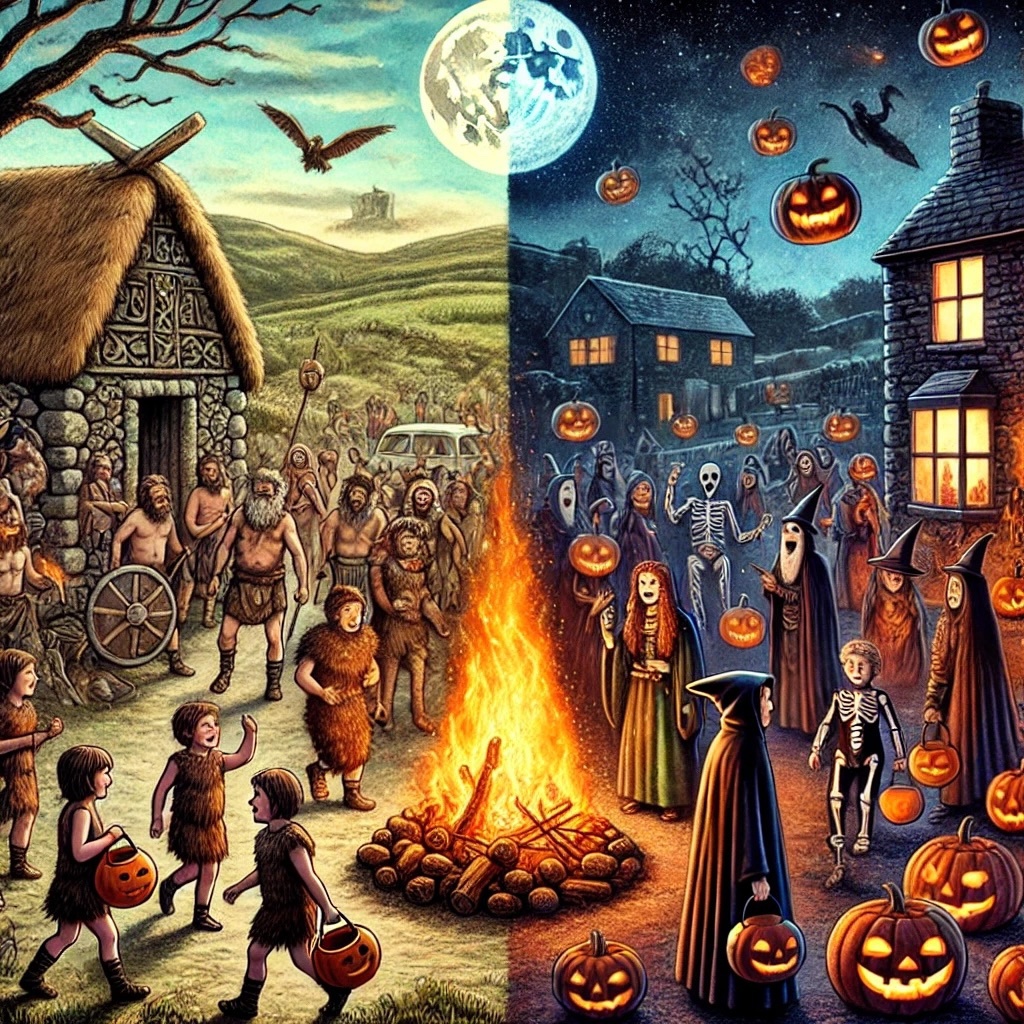
The earliest origins of Halloween date back over 2,000 years to the Celtic festival of Samhain (pronounced “sow-in”). Celebrated in what is now Ireland, the United Kingdom, and northern France, Samhain marked the end of the harvest and the beginning of winter, a time often associated with death. The Celts believed that on the night of October 31st, the boundary between the living and the dead blurred, and spirits roamed the Earth. To ward off these ghosts, people would light bonfires and wear costumes to confuse or scare them away.

Samhain was not just about spooky spirits, though. It was also a time to celebrate the bounty of the harvest and prepare for the darker, colder days of winter. People would gather around bonfires, share stories, and honor their ancestors, believing that this liminal time allowed for special connections between the living and the deceased.

Christianity’s Influence: All Hallows’ Eve
As Christianity spread across Celtic lands, many of the old pagan traditions were incorporated into Christian celebrations. In the 8th century, Pope Gregory III designated November 1st as All Saints’ Day, a time to honor saints and martyrs. The night before, October 31st, became known as All Hallows’ Eve, which later evolved into “Halloween.” While the Church sought to Christianize the ancient pagan customs, many of the old practices, such as dressing up and lighting fires, persisted, blending into the new holiday.

All Souls’ Day on November 2nd further cemented the connection between the living and the dead, as it was a day to pray for the souls of those who had passed. This religious holiday, along with All Saints’ Day, helped solidify the notion that Halloween was a time when the spirits of the dead were closest to the living.

The Move to America: Pumpkins and Trick-or-Treating
Halloween made its way to America with European immigrants in the 19th century, particularly the Irish, who brought their customs across the Atlantic. In America, Halloween evolved into a more community-centered holiday. The tradition of carving turnips, a practice from Ireland and Scotland, transformed into the carving of pumpkins, as they were more readily available in the New World. These carved pumpkins, or jack-o’-lanterns, were originally intended to ward off evil spirits, just like the bonfires of old.

By the early 20th century, Halloween in the United States became a more family-friendly event, focusing on neighborhood gatherings, games, and, of course, candy. Trick-or-treating, which became popular in the 1920s and 1930s, allowed children to dress up in costumes and go door-to-door asking for sweets, echoing the ancient practice of offering food to wandering spirits.

Modern Halloween: A Cultural Phenomenon
Today, Halloween is a massive cultural event, particularly in the United States, where it has become one of the most commercially successful holidays. Costumes have evolved from simple disguises meant to ward off ghosts to elaborate outfits ranging from spooky creatures to pop culture icons. Haunted houses, horror films, and theme park events have added to the thrill of the season, while the holiday’s focus on fun and creativity ensures its popularity across generations.

But even as Halloween continues to grow and change, it still carries echoes of its ancient past. The themes of death, the supernatural, and the connection between the living and the dead remain central to the celebration, reminding us of the holiday’s long and spooky history.

From its roots in the Celtic festival of Samhain to its transformation into a modern celebration of fun, candy, and scares, Halloween is a holiday that has evolved with the times while holding onto its eerie origins. It’s a night where the line between the past and present, the living and the dead, and the sacred and the playful, blur in one grand, ghostly spectacle.

Related Posts

Labor Day in the U.S.: Celebrating the Spirit of Work and Workers

Dave

Labor Day in the United States, observed on the first Monday of September, is more than just a long weekend marking the unofficial end of summer. It’s a celebration of the American labor movement and a tribute to the contributions of workers across the nation. This federal holiday has evolved into a day of rest and recognition, highlighting the achievements and rights of those who drive the economy and build communities.

Historically, Labor Day emerged from the labor movement of the late 19th century, a time when workers were fighting for fair wages, better working conditions, and reasonable hours. The holiday was first celebrated in 1882, spearheaded by the Central Labor Union in New York City, and it was officially recognized as a federal holiday in 1894 following a series of labor strikes and unrest. Today, it stands as a reminder of the struggles and successes that have shaped workers’ rights and labor policies.

While the origins of Labor Day are rooted in advocacy and activism, the modern celebration often revolves around leisurely activities and family gatherings. Many people take advantage of the long weekend for barbecues, picnics, and trips to the beach. Parades and community events are common, providing an opportunity for people to come together and enjoy the final days of summer.

Despite the more relaxed atmosphere, Labor Day remains a poignant occasion for reflecting on the progress made in labor rights and acknowledging the ongoing challenges faced by workers. It’s a time to honor the hard work and dedication of those in various fields, from manufacturing to service industries, who contribute to the nation’s prosperity.

In essence, Labor Day serves as both a celebration and a reminder. It’s a chance to relax and enjoy the fruits of hard work while also recognizing the importance of continued efforts to improve working conditions and advocate for workers’ rights. As we enjoy the holiday, it’s worth taking a moment to appreciate the significant role that labor plays in shaping our lives and our society.

Related Posts

Celebrating Freedom: The Unifying Spirit of the 4th of July

Dave

The 4th of July unites the entire nation in an exuberant spirit of celebration and patriotism, commemorating the anniversary of the Declaration of Independence’s adoption on July 4, 1776. This historic document, primarily crafted by Thomas Jefferson, proclaimed the American colonies’ emancipation from British rule, heralding fundamental principles such as liberty, equality, and the pursuit of happiness. It was a daring assertion of the colonies’ entitlement to self-governance, laying the groundwork for the birth of the United States as an independent sovereign nation.

Over time, the 4th of July has evolved into a hallmark of national pride and collective unity. This day is characterized by vibrant festivities including grandiose fireworks, animated parades, and dynamic concerts. These celebrations reinforce a sense of shared identity and mutual values, offering a poignant reminder of the ideals upon which the nation was built. They bring together people from all walks of life, allowing them to celebrate a common heritage and shared aspirations.

Independence Day is not only a celebration of national ideals but also a cherished occasion for familial and communal bonding. It offers a unique opportunity to strengthen social connections and deepen community ties. People gather in celebration to honor the country’s rich historical tapestry and enduring values. Being a federal holiday, most individuals have time off work, enabling full participation in festivities that enhance the shared national experience.

The 4th of July symbolizes the tenacious quest for freedom and democracy—core values that underpin American identity and resonate profoundly with its citizens. It commemorates both the nation’s storied past and its dynamic present while kindling hope for a prosperous future. Essentially, Independence Day stands as a monumental and unifying celebration for the nation, commemorating a pivotal historical event that not only shaped its past but continues to influence its trajectory.

Related Posts

Celebrating Fatherhood: The Evolution and Significance of Father’s Day

Dave

While many may view Father’s Day as just another hallmark holiday, its origins and evolution tell a richer story that delves into the complex dynamics of familial relationships and societal roles. Emerging in the early 20th century, amidst industrialization and shifting family structures, Father’s Day was established not merely as a counterpart to Mother’s Day but as an essential recognition of paternal influence. This essay examines both the historical roots and cultural significance of Father’s Day, tracing its development from local celebrations to a nationally recognized occasion. By investigating the socio-political context that gave birth to this day, we uncover how it has come to symbolize more than just appreciation for biological fathers but also acknowledge all paternal figures who contribute meaningfully to our lives. Despite initial resistance and commercialization concerns, Father’s Day endures as a testament to evolving notions of fatherhood and masculinity. Through this analysis, we will argue that Father’s Day holds profound importance in acknowledging and celebrating the diverse forms of fatherhood present in contemporary society.

Building on the historical and socio-political foundations of Father’s Day, it is crucial to delve deeper into its multifaceted cultural significance. Initiated by Sonora Smart Dodd in 1910 as a tribute to her own father, a Civil War veteran who single-handedly raised six children, the day gradually gained traction, symbolizing societal acknowledgment of paternal responsibilities (Chigwende Gangaidzo, 2011). Over time, this celebration transcended mere recognition of biological fathers; it expanded to honor stepfathers, grandfathers, uncles, and other significant male figures who embody fatherly roles. As noted by Auster and Auster-Gussman (2016), the day serves as a counterbalance to the traditionally more publicized Mother’s Day, promoting an egalitarian view of parental contributions within family structures. Furthermore, Zapruder (2020) highlights that Father’s Day rituals—such as gifting and family gatherings—not only reinforce familial bonds but also reflect evolving gender dynamics that challenge outdated stereotypes of masculinity. This broader inclusivity underscores the shift from viewing fathers solely as economic providers to acknowledging their emotional and nurturing capacities. Thus, Father’s Day stands as more than a commercial event; it is a culturally significant occasion that celebrates diverse expressions of paternal love and commitment in contemporary society.

In conclusion, the celebration of Father’s Day transcends its superficial designation as a hallmark holiday, revealing deeper layers of familial and societal significance. Rooted in the early 20th-century context of industrialization and changing family dynamics, Father’s Day was conceived not merely as an analogue to Mother’s Day but as a vital recognition of paternal contributions. This exploration into the historical and cultural trajectories of Father’s Day highlights its progression from localized observances to a nationally embraced occasion that celebrates all forms of fatherhood. The socio-political landscape that fostered its inception underscores how this day has grown to honor not only biological fathers but also all individuals who embody paternal roles with dedication and care. While commercial exploitation has raised valid critiques, Father’s Day persists as a symbol of shifting perceptions around masculinity and fatherhood. By acknowledging the diverse expressions of paternal influence in modern society, we affirm that Father’s Day holds significant value in honoring those who shape our lives through their nurturing presence. Looking ahead, further research into evolving family structures may continue to enrich our understanding and appreciation of this pivotal celebration.

Related Posts

Understanding the Deep Roots and Significance of Memorial Day

Dave

Each year, Americans unite on the last Monday of May to honor Memorial Day—a significant occasion dedicated to remembering those who perished while serving in the military. It stands as a time for national reflection, gratitude, and unity as the nation acknowledges the ultimate sacrifices made by its valiant service members throughout history. Although modern observances often include parades and barbecues, the historical profundity of Memorial Day beckons a closer look.

Origins of Memorial Day: A Historical Perspective

The genesis of Memorial Day is deeply intertwined with the aftermath of the Civil War—a conflict that inflicted unparalleled loss upon the United States. In its devastating wake, diverse commemorative traditions emerged to honor fallen soldiers. Among these was Decoration Day, marked by the adorning of soldiers’ graves with flowers, flags, and wreaths.

The inaugural observance of Decoration Day occurred on May 1, 1865, in Charleston, South Carolina. This ceremony was poignantly organized by formerly enslaved individuals intent on honoring Union soldiers who perished in captivity. Nevertheless, the town of Waterloo, New York is recognized as the official birthplace of Memorial Day, following a community-wide commemoration on May 5, 1866.

General John A. Logan of the Northern Civil War veterans organization declared a nationwide day of remembrance for May 30, 1868, hence naming it Decoration Day. Selected for its non-affiliation with any particular battle, this date symbolized a day to embellish comrades’ graves who had fallen defending the Union.

Expansion of Remembrance

In subsequent years, Decoration Day’s remit expanded beyond the Civil War to include soldiers fallen in later conflicts such as World War I, World War II, the Korean War, and the Vietnam War. By 1971, an act of Congress officially established Memorial Day as a national holiday, relocating its observance to the last Monday of May to afford federal employees a long weekend.

The Core Purpose of Memorial Day

Memorial Day extends far beyond just a respite from work or the ceremonial ushering in of summer. At its heart lies a solemn duty—to remember and mourn the heroes who sacrificed their lives for their country. It invites Americans to pause and honor the values that underscore such sacrifice: duty, service, and patriotism. This sacred day not only elicits personal grief but also promotes collective remembrance, underpinning our national identity and shared duty in safeguarding liberty.

Memorial Day provides an invaluable pedagogical moment for younger generations—instilling values of gratitude, remembrance, and civic duty that form pillars of societal responsibility.

Traditional Observances

Throughout the nation, diverse traditions echo Memorial Day’s message. Many visit cemeteries and memorials to honor fallen military personnel by placing flags and floral tributes on their graves. Volunteers particularly mark national cemeteries with American flags as potent symbols of honor.

Noteworthy among contemporary traditions is the National Memorial Day Concert held on the United States Capitol’s west lawn—bringing together performers, military officials, and citizens in collective homage.

Communities also organize parades replete with marching bands, military contingents, and veteran groups—publicly recognizing military sacrifice through ceremonial pageantry.

A recently established custom is the National Moment of Remembrance, sanctioned by Congress in 2000. At 3:00 p.m. local time on Memorial Day, Americans pause for a minute to reflect on military sacrifices—a unifying moment transcending differences to honor collective legacy.

Balancing Commemoration and Celebration

Modern observance sometimes characterizes Memorial Day as summer’s informal commencement, involving family gatherings for barbecues and outdoor leisure. Although such festivities may appear to dilute solemnity, they symbolize the liberties preserved by those fallen soldiers—providing cause for celebration within their shadowed legacy.

Navigating the delicate balance between remembrance and celebration enriches Memorial Day’s holistic meaning. By engaging in commemorative ceremonies alongside joyous activities, Americans affirm both remembrance of past sacrifices and gratitude for present freedoms.

Ultimately, through Memorial Day’s solemn tributes and celebrations, the nation embodies its enduring commitment to liberty and justice—acknowledging and honoring those whose ultimate sacrifices forged such enduring values.

Related Posts

Embracing the Spirit of Saint Patrick: A Global Celebration of Irish Heritage

Dave

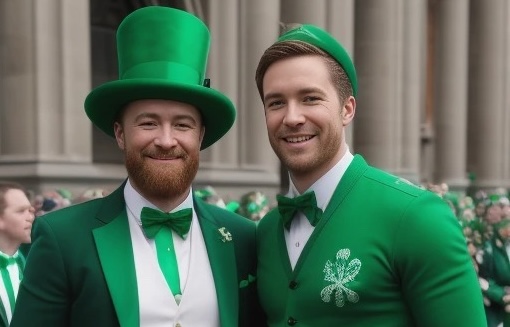
Get ready to don your green attire and join in on the global celebration of St. Patrick’s Day! This cultural and religious holiday, held every year on March 17th, pays tribute to the patron saint of Ireland, Saint Patrick, and the rich Irish heritage. What began as a religious feast day in Ireland has now evolved into a worldwide festivity, highlighting the country’s culture, traditions, and identity.

Saint Patrick, a British native, was captured by Irish raiders as a teenager and brought to Ireland as a slave. Despite his hardships, he found solace in Christianity and eventually escaped back to Britain. However, his calling to spread the Christian faith among the pagan Irish led him back to Ireland as a missionary.

Legend has it that Saint Patrick used the three-leafed shamrock, a native Irish plant, to explain the concept of the Holy Trinity to the Irish people. He also famously drove out all the snakes from Ireland, symbolizing his efforts to eradicate pagan beliefs.

Initially, St. Patrick’s Day was a religious observance, marking the anniversary of Saint Patrick’s death in the 17th century. It was a day filled with religious services and feasting. However, as the holiday gained popularity, it became more secularized, especially among the Irish diaspora in countries like the United States, Canada, and Australia.

Irish immigrants brought their St. Patrick’s Day traditions with them wherever they settled, and over time, the holiday transformed into a celebration of Irish culture and identity. Today, parades, traditional Irish music and dance, and the consumption of Irish food and drink are all part of the festivities. It’s a day for all to revel in the spirit of the global Irish community and honor the enduring legacy of Saint Patrick.

Related Posts

Sweethearts and Trinkets: Unwrapping the Love Language of Valentine’s Day Gifts

Dave

Valentine’s Day, an annual celebration observed on the 14th of February, holds a special place devoted to the expression of love and affection towards our beloved ones. Among the numerous ways in which people embrace this occasion, the act of gift-giving stands out prominently. A wide range of popular gifts have emerged as traditional for Valentine’s Day, with each item symbolizing distinct aspects of love and appreciation. Notably, a classic and timeless gift that continues to be adored is the bouquet of roses, which embodies notions of beauty, passion, and romance. The infusion of vibrant colors and the captivating fragrance of roses make them an ideal choice for conveying affection and desire.

Moreover, the indulgence in chocolates has become symbolic of love and desire. The luxurious and exquisite flavors offered by these sweet treats have the inherent power to evoke feelings of joy and warmth. Equally charming are personalized greeting cards, renowned for their ability to depict a person’s heartfelt emotions in a thoughtful and intimate manner. Often adorned with romantic messages, poetry, or even lighthearted anecdotes, these cards enhance the sentimentality associated with this occasion.

Jewelry, particularly heart-shaped pendants or bracelets, represents commitment and eternal love, and has become an increasingly popular choice among gift-givers. These precious accessories serve as perpetual reminders of the deep connection shared between two individuals. Lastly, plush toys, especially teddy bears, offer an adorable and snuggly option that brings forth a sense of comfort and warmth. These charming companions have long been associated with tenderness and remain a favored choice for couples and friends alike.

In conclusion, the customary gifts exchanged on Valentine’s Day epitomize the profound love and affection shared between individuals. From the enchanting allure of flowers and the delightful charm of chocolates to the personalized sentiments expressed through greeting cards and the timeless beauty of jewelry, each gift carries emotional significance and contributes to the creation of enduring memories on this special day.

Related Posts

Chocolates and Confessions: Unwrapping the Unique Charms of Valentine’s Day in Japan

Dave

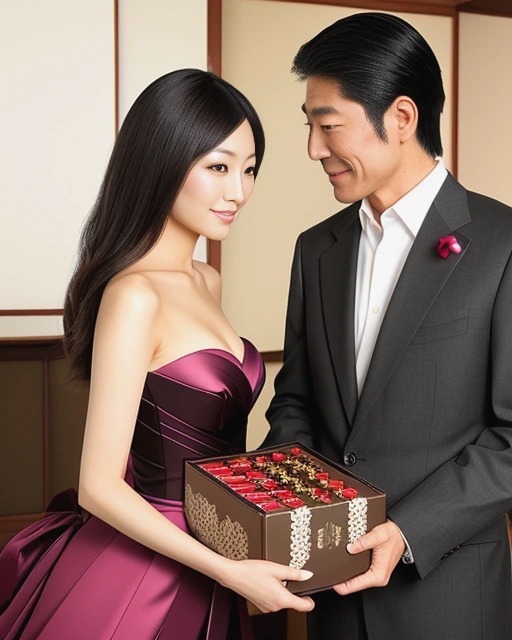
Valentine’s Day in Japan is celebrated in a truly captivating and distinctive manner, which sets it apart from the customs observed in many Western countries. In Japan, women take the lead in expressing their love and affection towards men on this day, unlike the gift exchanges that occur between men and women in Western cultures. Women in Japan present chocolates to the special men in their lives, including their partners, friends, or colleagues. An interesting aspect of this tradition is the variety of chocolates involved, with each type carrying its own significant meaning.

One particular type of chocolate is known as “Giri-choco,” which can be translated as obligation chocolate. Women offer Giri-choco to male friends or colleagues as a token of gratitude or a sense of duty. This type of chocolate symbolizes a gesture of indebtedness. On the other hand, “Honmei-choco,” or true feelings chocolate, is reserved for the person a woman harbors romantic affections towards. Typically, this refers to her partner or someone she wishes to confess her love to. In recent years, another trend has gained popularity, known as “Tomochoco,” which refers to friendship chocolates exclusively shared with close male friends.

It is crucial to recognize that the act of giving chocolates on Valentine’s Day in Japan holds significance beyond romantic relationships. It serves as a means for women to express their deep-seated appreciation and gratitude towards the men who hold importance in their lives. Furthermore, it is not uncommon for women to devote lengthy hours to crafting homemade chocolates, aiming to imbue their gifts with a personal touch.

All in all, Valentine’s Day in Japan encapsulates sweet gestures, genuine emotions, and the celebration of diverse forms of relationships. The day is marked by a harmonious interplay of traditions, showcasing the evocative expressions of love and admiration cherished by Japanese women.

Related Posts

Whip It Good: From Lupercalia Lashes to Love Letters, the Hilarious Odyssey of Valentine’s Day

Dave

Valentine’s Day, an annual holiday celebrated on February 14th, can be traced back to ancient Rome. The historical narrative surrounding the origins of this romantic holiday is somewhat unclear, with various theories and legends being put forth. One prevailing theory suggests that Valentine’s Day originated from Lupercalia, an ancient Roman festival celebrated in mid-February. Lupercalia was dedicated to the Roman god of agriculture, Faunus, as well as Romulus and Remus, the founders of Rome. During this festival, young men would sacrifice goats and dogs, and then they would playfully whip women with the skins of these animals, believing that it would enhance their fertility.

Another hypothesis proposes that Valentine’s Day is named after Saint Valentine, a Christian martyr who lived in the third century. Legend has it that Emperor Claudius II, convinced that unmarried soldiers were more devoted and loyal to the military, issued a decree prohibiting young men from getting married. However, Saint Valentine defied this decree and secretly married young couples. When his actions were discovered, he was arrested and eventually put to death on February 14th. It is said that before his execution, he wrote a letter to the jailer’s daughter, signing it as “From your Valentine.” This act is believed to have inspired the tradition of exchanging love letters on Valentine’s Day.

Over time, Valentine’s Day underwent transformations and evolved into a day dedicated to celebrating love and affection. During the Middle Ages, it became popular in England and France to associate February 14th with the beginning of birds’ mating season, further cementing the day’s connection to matters of the heart. The exchange of handcrafted cards, known as valentines, became commonplace during the 18th century, and as the 19th century began, printed cards gradually replaced handwritten ones.

In today’s world, Valentine’s Day is celebrated globally as a day to express love and appreciation to romantic partners, friends, and family members. This is done through the exchange of gifts, cards, flowers, and acts of kindness.

Related Posts

Embracing the Divine Revelry: The Spiritual Essence of Mardi Gras and Its Cultural Tapestry

Dave

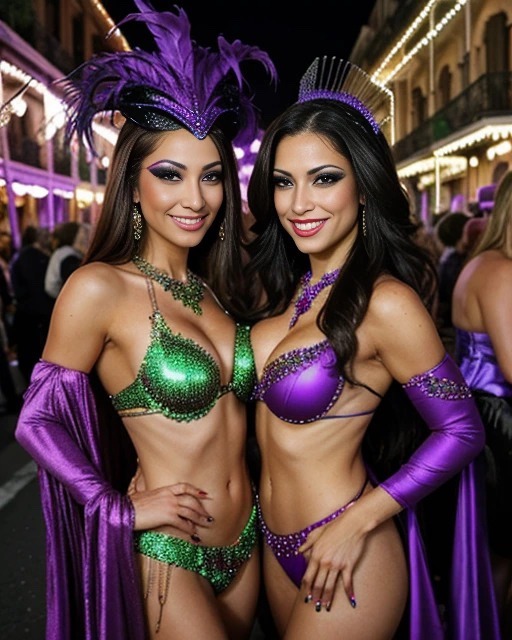
Mardi Gras, also known as Fat Tuesday, is a vibrant and exhilarating celebration that originated in France but has now become synonymous with the city of New Orleans in the United States. This annual carnival, which falls on the day before Ash Wednesday, marks the culmination of weeks of festivities and indulgence leading up to the Christian season of Lent. Mardi Gras is a time to revel in the spirit of joy, freedom, and excess before the solemnity and self-reflection of the 40-day Lenten period. The origins of Mardi Gras can be traced back to medieval Europe, where it was observed as a time of feasting and merriment before the fasting and abstinence of Lent. The tradition was brought to the French colonies in the New World, particularly Louisiana, by French explorers and settlers. Over time, Mardi Gras in New Orleans evolved into a unique and extravagant celebration, characterized by colorful parades, masked balls, street parties, and lavish floats adorned with intricate designs and vibrant decorations. The heart and soul of Mardi Gras lies in the iconic Krewe system, where social clubs organize and finance the parades and festivities. Each Krewe has its own theme and designs elaborate floats that parade through the city, accompanied by marching bands, dancers, and costumed revelers who throw trinkets, beads, and doubloons to the crowd. The streets of New Orleans come alive with music, dance, and an infectious energy that permeates every corner. Mardi Gras is not merely a one-day event; it is a season that begins on January 6th, known as Twelfth Night or Epiphany, and continues until the big day itself. Throughout this period, locals and visitors immerse themselves in the carnival spirit, attending numerous parades, attending masquerade balls, and partaking in traditional foods such as king cake, gumbo, and jambalaya. Mardi Gras is more than just a raucous party; it is a celebration of cultural heritage, community, and the resilient spirit of New Orleans. It is a time when people come together, transcending boundaries of race, class, and background, to revel in the shared joy and camaraderie that Mardi Gras embodies. Whether you’re donning a flamboyant costume, catching beads from a balcony, or simply soaking in the vibrant atmosphere, Mardi Gras is an experience unlike any other, a kaleidoscope of sights, sounds, and emotions that leaves an indelible mark on all who partake in its festivities.

Related Posts

Eternal Echoes: Reflecting on Martin Luther King Day’s Call to Action

Dave

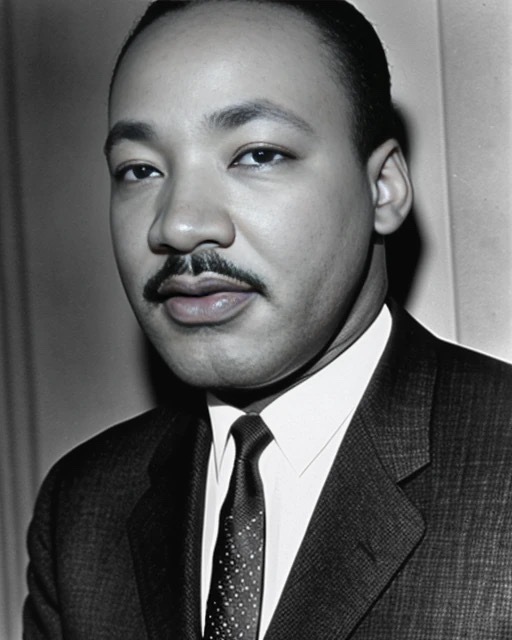
Martin Luther King Day, a day of immense significance, holds a place of prominence in our collective consciousness as it commemorates the extraordinary achievements and enduring legacy of the iconic leader, Dr. Martin Luther King Jr., who fearlessly spearheaded the civil rights movement. This annual occasion serves as a poignant reminder—an evocative testament—of Dr. King’s unwavering dedication and profound sacrifices in his relentless fight against racial discrimination and societal inequality within the United States.

As university students, this day prompts us to engage in deep introspection, fostering a deep-rooted sense of self-awareness, as we acknowledge the formidable progress we have made in our resolute pursuit of equality and justice. Simultaneously, it compels us to recognize the formidable challenges that persist and loom on the horizon.

Dr. King’s profound words, eloquently expressed in his legendary “I Have a Dream” speech, continue to reverberate throughout subsequent generations, igniting an indomitable spark of passion within our hearts. They serve as an enduring reminder—an impassioned wake-up call—of the imperative need to stand up against any form of injustice. Martin Luther King Day transcends being a mere commemoration of the remarkable life and accomplishments of this influential figure; it serves as a resounding clarion call—a stirring summons—to action, compelling individuals and communities alike to persevere untiringly in the pursuit of constructing a truly inclusive and equitable society.

This momentous day urges us to reflect upon the profound power of nonviolent resistance, underscoring the remarkable influence that can be wielded by a single impassioned soul—a single agent of change—in effecting positive transformation. By celebrating Martin Luther King Day, we not only pay homage to Dr. King’s visionary ideals, but also reaffirm our unwavering commitment to his teachings of love, compassion, and equality. It serves as a resolute reminder—a steadfast admonition—encouraging us to uphold these eternal values and to tirelessly labor towards the creation of a world emancipated from the shackles of discrimination and prejudice. United, let us honor Dr. King’s enduring vision; a vision that propels us towards a society where individuals are judged, not by the color of their skin, but by the richness of their character.

Related Posts

Embracing the Enchanting Traditions of Japanese New Year’s Eve

Dave

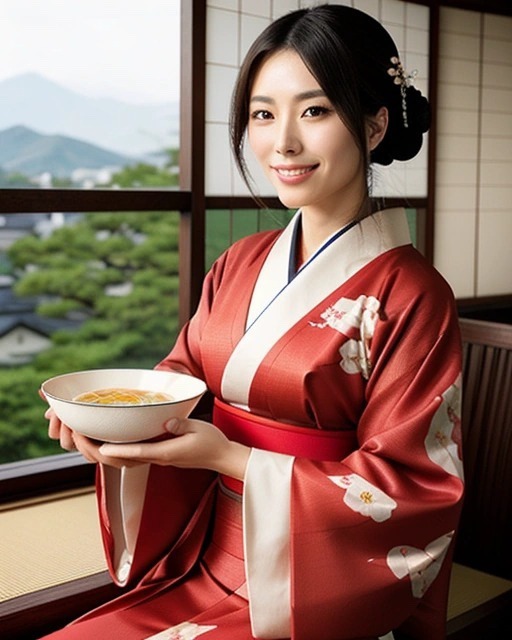
a woman sitting at a table in front of a window

Experience the magic of Japanese New Year’s Eve, a time-honored tradition that captivates hearts and souls across the land. Omisoka, the final day of the year, is a mesmerizing journey of reflection, preparation, and exultation. Families unite, brimming with anticipation, bidding farewell to the old year while embracing the new with unyielding hope and boundless optimism.

Enter the realm of Omisoka, where homes transform into sanctuaries of purity through the enchanting ritual of Osoji. With meticulous care, every nook and cranny is cleansed, inviting good luck and blessings to gracefully glide into the forthcoming year.

A symphony of flavors unfolds during Japanese New Year’s Eve, with the esteemed tradition of Toshikoshi Soba taking center stage. Families gather, their hearts brimming with joy, as they savor each mouthful of long, slender buckwheat noodles. These delectable strands symbolize longevity, gracefully bridging the gap between one year and the next.

As the midnight hour approaches, a celestial melody fills the air, resonating from the sacred temples. The Joya no Kane temple bell reverberates with purpose, striking a harmonious chord 108 times. Each chime represents the myriad desires that inhabit the human spirit. With each resounding note, the soul is cleansed, washed anew, beckoning a fresh start and boundless possibilities.

In the realm of Japanese New Year’s Eve, the path to good fortune and robust health is paved with visits to local shrines and temples. Hatsumode, a cherished custom, becomes an expression of gratitude and a quest for divine blessings. The air is thick with anticipation as prayers are whispered, dreams are shared, and the promise of a prosperous future is fervently sought.

And when the first light of dawn breaks on New Year’s Day, the world awakens to a breathtaking spectacle. Eager souls gather at scenic vistas, their hearts pounding with anticipation. As the sun’s radiant rays illuminate the horizon, a tapestry of vibrant colors paints the sky, heralding new beginnings and a future ablaze with brilliance. It is in this moment that hope blossoms, and the promise of a bright and joyous future takes root.

Japanese New Year’s Eve, a tapestry woven with threads of harmony, gratitude, and renewal, is a cherished celebration that transcends age and time. Embrace the magic and immerse yourself in a world where tradition dances with possibility, and the spirit of a new year awaits with open arms.

Related Posts