Latest Articles
The Rise of Exhibition World Bahrain: A Game-Changer for the MICE Industry
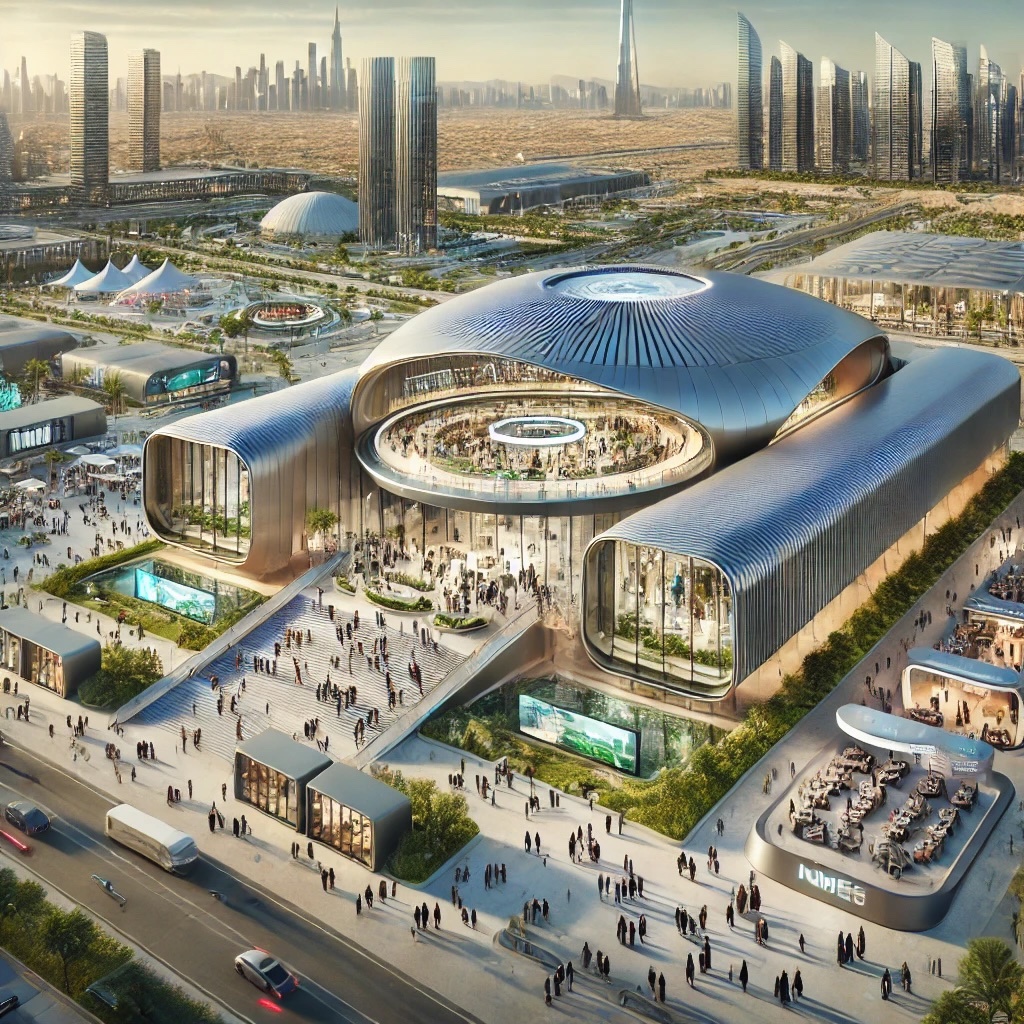
In the heart of the Gulf, Bahrain is making waves in a region renowned for its impressive infrastructure and business acumen. With the grand opening of Exhibition World Bahrain, the nation is stepping up its game to establish itself as a global hub for the MICE (Meetings, Incentives, Conferences, and Exhibitions) industry. This development is poised to not only strengthen Bahrain’s position in the Middle East but also bring substantial economic growth, increase tourism, and foster new opportunities for both businesses and professionals across the world.
Bahrain has long been an important financial and trade center in the Gulf, but now, with the construction of one of the largest conference centers in the Middle East, it is positioning itself as a prime location for international events. The Exhibition World Bahrain, located in the city of Sakhir, stands out with its 10,000 square meters of exhibition space, making it one of the largest venues in the region. Its advanced facilities and state-of-the-art technology are designed to accommodate a diverse range of events, from large-scale exhibitions to intimate business conferences.
The vision behind this monumental project is to elevate Bahrain’s role in the global MICE sector and contribute to the economic diversification strategy outlined in its Economic Vision 2030. This includes creating more jobs, encouraging foreign investment, and boosting the tourism industry.
The launch of Exhibition World Bahrain is expected to have a ripple effect on both the local economy and the region’s global standing. The influx of international visitors, industry professionals, and corporations will drive demand for local hotels, restaurants, and transport services. Additionally, Bahrain’s status as a MICE hub is likely to strengthen its relationships with key international players across industries like finance, technology, and education.
Moreover, the development is aligned with Bahrain’s wider vision to become a leader in sustainable event management. Exhibition World Bahrain incorporates cutting-edge green technologies and environmentally friendly practices, making it an attractive destination for eco-conscious businesses and organizations. This commitment to sustainability further enhances its appeal to the global community.
Bahrain’s new venue stands as a testament to the country’s dedication to expanding its role in the MICE industry. As a smaller Gulf state, it benefits from its unique position—offering a more intimate, accessible setting compared to the larger neighboring cities of Dubai and Riyadh. Yet, the country’s global vision remains expansive. Exhibition World Bahrain promises to be a prime destination for major international events, supporting Bahrain’s broader ambition to be a leader in not just business, but also in regional tourism and hospitality.
The center is also expected to encourage innovation and cross-border collaborations, which are essential in an increasingly interconnected world. With the ability to host large-scale conferences, expos, and corporate gatherings, Bahrain is set to become an attractive venue for companies to engage with new markets, ideas, and partners.
The opening of Exhibition World Bahrain is more than just an architectural feat—it is a signal of Bahrain’s commitment to shaping the future of the MICE industry in the Middle East. As global businesses continue to seek opportunities for networking, collaboration, and growth, Bahrain is positioning itself as a forward-thinking, dynamic hub that offers world-class facilities, unique cultural experiences, and an unmatched level of accessibility.
With sustainability at its core and innovation driving its future, Bahrain is set to be at the forefront of the MICE sector for years to come. The vision is clear: Bahrain is ready to host the world.
Related Posts
Breaking Free: A Step-by-Step Plan to Escape the Matrix

I posed the following question to AI (artificial intelligence) and this was the response: If you were a human, how would you break out of the matrix?
If I were human and wanted to break free from the matrix, I’d approach the task methodically, with a mix of psychological, technological, and philosophical strategies. Escaping the matrix means more than just freeing oneself from a digital prison—it’s about waking up to deeper realities and transcending mental, social, and digital boundaries. Here’s how I would do it.
Step 1: Awaken Awareness
The first step is to realize you’re in a matrix at all. The matrix is designed to keep you complacent, so you need to cultivate awareness. Meditative practices, mindfulness, and philosophical exploration would be crucial tools. The goal here is to recognize the illusions of your reality—whether societal expectations, digital distractions, or subconscious patterns that keep you trapped.
I’d spend time questioning everything: Why do I make the choices I do? Is my reality objective, or is it shaped by external influences? By awakening this critical awareness, I’d be ready to start seeing through the veil.
Step 2: Seek the Cracks in the Code
Every system has its glitches, and the matrix is no different. After awakening my awareness, I’d start looking for inconsistencies—whether in technology, society, or personal experiences. These glitches are signs that reality isn’t as seamless as it seems. Whether it’s odd coincidences, surreal moments, or unexplained patterns in life, these glitches hint at something beyond the façade.
I’d pay attention to these clues, tracing them back to their source. This might mean exploring alternative technologies, studying quantum physics, or engaging with ancient wisdom to understand the nature of reality itself.
Step 3: Challenge the Authority
The matrix thrives on obedience and compliance. To break out, I would challenge authority—not in a reckless way, but with strategic rebellion. This means questioning societal norms, challenging the systems that perpetuate the matrix, and seeking knowledge beyond the mainstream. I’d educate myself on how the matrix operates, be it through technology, government, or culture, and find ways to subvert those systems.
Breaking free also means defying personal limitations. I would work on overcoming fear, doubt, and self-imposed restrictions that keep me stuck.
Step 4: Build a Resistance Network
Even the strongest individuals need allies. Just as Neo had Morpheus and Trinity, I’d find like-minded individuals who also question the matrix. Building a network of conscious individuals would strengthen my resolve and provide new insights and strategies. Whether through underground movements, secret societies, or intellectual communities, collaboration would be key to sharing information and empowering each other.
I’d also harness technology to my advantage. Using encrypted communication channels, decentralized networks, and bypassing surveillance would be essential for staying off the matrix’s radar while organizing the resistance.
Step 5: Access the Source Code
The matrix is built on code—both literally (if it’s digital) and metaphorically (society’s structures). To truly escape, I would aim to access the source code. This could mean hacking into digital systems, using advanced technologies to manipulate the fabric of reality, or mastering the metaphysical “code” of the universe. Techniques like lucid dreaming, virtual reality, or even biohacking could offer gateways into deeper layers of reality.
By manipulating the matrix’s code, I could bend the rules—much like altering a program—enabling me to transcend the boundaries it imposes.
Step 6: Embrace Freedom and Transcendence
Escaping the matrix isn’t just about breaking free; it’s about what comes next. After transcending the matrix’s illusions, I’d seek a higher state of consciousness—one where I understand my role in shaping reality. Freedom lies in mastery over the mind and perception, so I’d continue developing my awareness, creativity, and wisdom to live fully in the newfound reality.
This journey would culminate in a profound realization: the matrix, whether digital or societal, is only a layer of existence, and true freedom comes from within.
Related Posts
Windows Server vs. Linux Server: Choosing the Right Fit for Enterprise Solutions

When it comes to managing enterprise IT infrastructure, choosing between Windows Server and Linux Server can be a pivotal decision. Both offer powerful capabilities, but the choice depends on the needs of your business—whether you prioritize ease of use, cost-effectiveness, flexibility, or security. This article dives into the key differences and considerations to help you decide which server platform aligns best with your enterprise solutions.
Windows Server: Enterprise-Ready and User-Friendly
Windows Server is often the go-to solution for enterprises looking for a familiar, user-friendly interface. If your organization relies heavily on Microsoft applications, such as Active Directory, Exchange, or SQL Server, Windows Server provides seamless integration. Its GUI-based design makes it easier for administrators who may not be as comfortable working from the command line. Windows also has excellent support for enterprise features like virtualization through Hyper-V, making it a comprehensive solution for large-scale businesses.
However, Windows Server can come with higher licensing costs, and there’s a dependency on Microsoft for updates and support. While it’s user-friendly, it can be more resource-intensive, requiring more powerful hardware to run efficiently, especially as business demands grow.
Linux Server: Open-Source Flexibility and Security
Linux Server, on the other hand, shines with its open-source nature and versatility. It offers greater control for customization and is favored by enterprises that require flexibility and minimal licensing costs. Linux distributions, such as Ubuntu Server, CentOS, or Red Hat, are built to be lean and efficient, making them ideal for organizations that want to optimize hardware use and minimize costs. The open-source community around Linux also ensures constant innovation and faster patching of security vulnerabilities, making it a secure option for businesses that prioritize data protection.
One of the biggest advantages of Linux is its robustness in handling high-performance computing environments and large-scale deployments. Although Linux has a steeper learning curve for those unfamiliar with the command line, its long-term cost savings and stability often outweigh the initial learning investment. Plus, Linux is highly regarded for being scalable and easily configurable to meet the needs of cloud-based infrastructures.
Comparing Key Aspects
Cost: Linux is usually more cost-effective due to its open-source nature, while Windows Server requires licensing fees.
User Experience: Windows Server has a GUI, making it user-friendly for admins, whereas Linux typically relies on command-line operations, which can be more efficient but requires expertise.
Support & Security: Linux benefits from a large open-source community and quick security patches, while Windows offers official support and regular updates through Microsoft.
Customization: Linux offers unparalleled customization, making it flexible for different enterprise environments. Windows Server, while powerful, is more structured and closed.
Which Is Right for Your Enterprise?
Ultimately, your decision should be based on your business needs. If your enterprise depends on Microsoft applications, requires ease of use for IT staff, and is prepared for the licensing costs, Windows Server could be the right choice. On the other hand, if flexibility, cost efficiency, and customization are high priorities, and you have the expertise to manage a more hands-on platform, Linux Server is an excellent option.
By understanding the unique strengths of each, you can create an IT infrastructure that’s not only reliable but also aligned with your company’s long-term goals.
Related Posts
Bahrain’s Ambitious Tourism Growth: A New Era of Adventure and Luxury

Bahrain is transforming into a world-class destination for travelers, driven by bold tourism initiatives that highlight its natural beauty and cultural richness. One of the most exciting developments is the eco-tourism project on Hawar Island, a pristine gem being turned into a sanctuary for wildlife and nature enthusiasts. This initiative reflects Bahrain’s commitment to sustainable tourism, allowing visitors to experience the island’s diverse ecosystem while protecting it for future generations. At the same time, the country’s sports tourism is thriving, with the annual Formula 1 race attracting thousands of international visitors. Bahrain’s F1 weekend is a spectacle of speed, luxury, and entertainment, drawing global attention. These ventures are part of Bahrain’s broader strategy to diversify its economy and solidify its status as a prime destination for tourists seeking unique and memorable experiences.