Latest Articles

The People’s Voice: How Voting Rights Have Evolved to Reflect a True Democracy

Dave

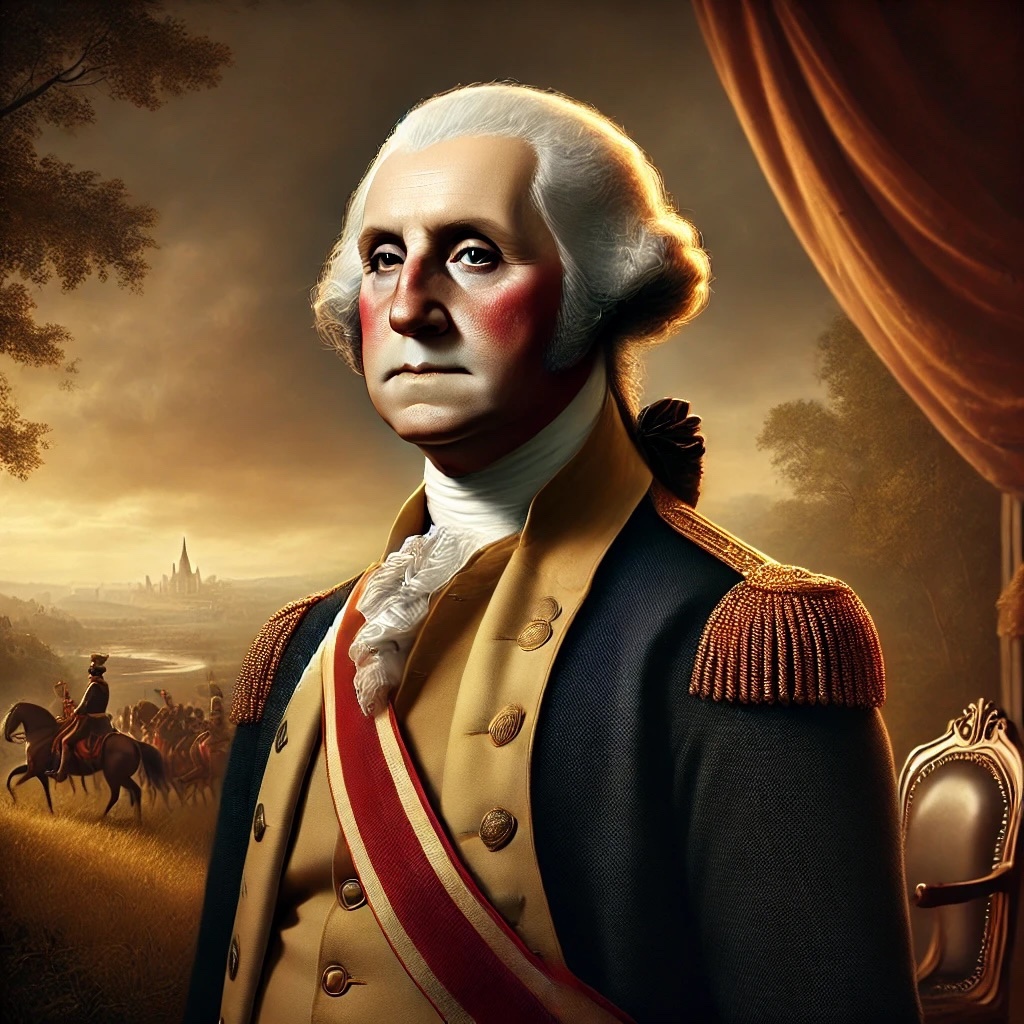
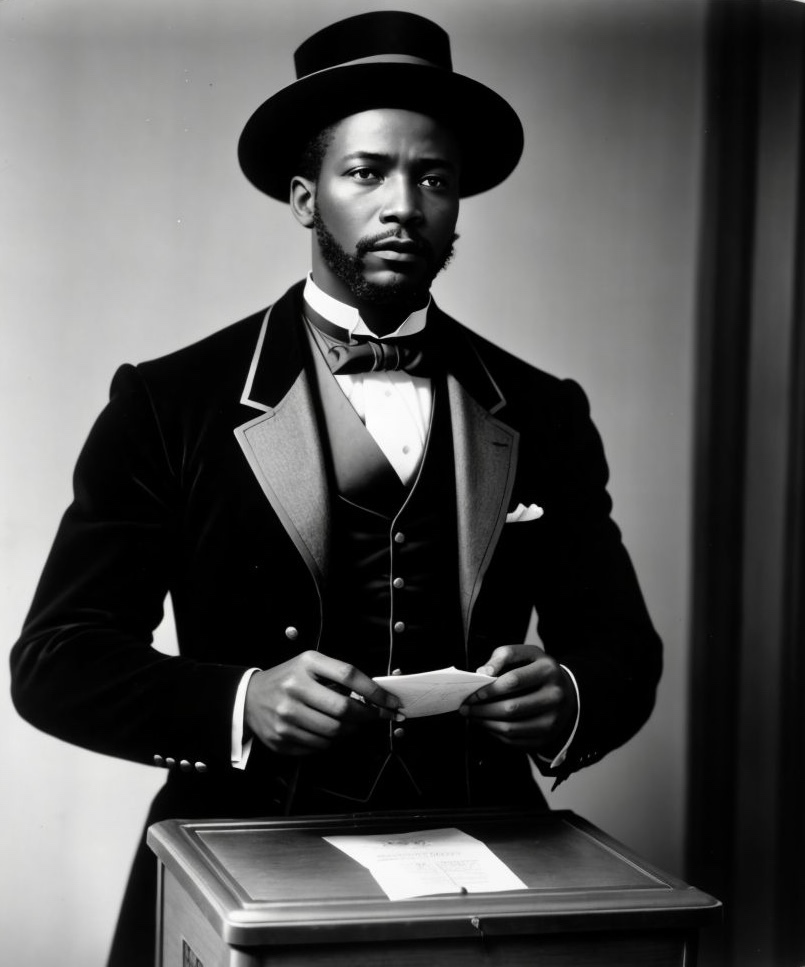
From exclusion to empowerment, the story of voting rights in the United States is one of resilience, courage, and a continuous push toward fairness. At the heart of this journey is a fundamental principle: everyone deserves a voice in the decisions that shape their lives. But the road to universal suffrage has been long and winding, marked by key milestones and fierce battles for equality. Let’s take a look at how voting rights have evolved over the years, focusing on landmark moments like the 19th Amendment, the Voting Rights Act, and recent efforts to ensure all voices are heard.

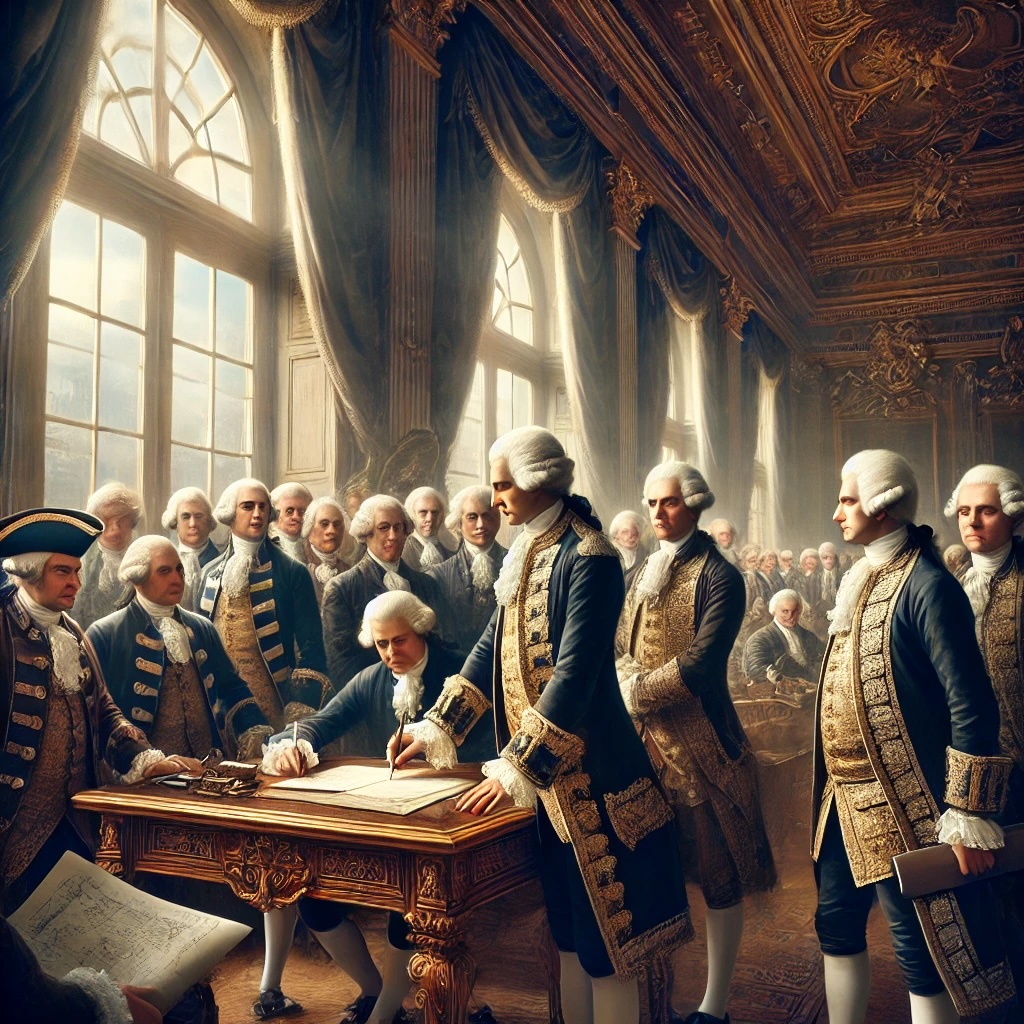
When the United States was founded, voting was far from universal. In the late 18th century, the right to vote was largely restricted to white, land-owning men. This limited concept of who “deserved” to vote left out entire populations—women, people of color, and individuals who didn’t meet property qualifications. As the nation grew, so did the belief that more citizens should have a say in governance. However, it would take well over a century for substantial changes to emerge.

The fight for women’s suffrage was a turning point in American history, marked by the passionate activism of women like Susan B. Anthony, Elizabeth Cady Stanton, and countless others. For decades, women organized, marched, and protested for the right to vote. Their efforts culminated in the ratification of the 19th Amendment in 1920, a landmark achievement that granted women the right to vote. This amendment was monumental, not just because it expanded the electorate but because it empowered half of the population to have a say in laws that affected them.

While the 19th Amendment was a significant step, racial discrimination continued to disenfranchise Black voters and other minority groups, especially in the South. Practices like literacy tests, poll taxes, and outright intimidation were used to prevent people of color from voting. The Civil Rights Movement, led by figures like Dr. Martin Luther King Jr., highlighted these injustices, bringing national attention to the need for change. The result was the Voting Rights Act of 1965, a sweeping piece of legislation that aimed to eliminate racial discrimination in voting. By banning literacy tests and authorizing federal oversight in areas with a history of discrimination, the act opened the door for millions of Americans to exercise their rights freely.

Today, voting rights remain a dynamic issue, as activists work to expand access in the face of new challenges. Recent years have seen an increase in state-level voter ID laws and restrictions on mail-in voting, which some argue create barriers to voting. However, technology and advocacy groups have stepped up to bridge these gaps. Initiatives like early voting, same-day registration, and online voter registration aim to make voting easier and more inclusive, especially for young people, low-income individuals, and communities of color.

The fight for voting rights is ongoing. Every generation faces new challenges to ensuring that democracy truly reflects the will of the people. Through continued efforts to secure fair and equal access, America can move closer to fulfilling its promise of a government by and for all.

This journey reminds us that voting is not just a right; it’s a symbol of equality, power, and freedom.

Related Posts

Challenging the Count: How a Presidential Candidate Can Legally Contest an Election Outcome

Dave

In the United States, the electoral process is designed to reflect the voice of the people, ensuring that each vote matters in determining who will lead the country. But in an election as high-stakes as the presidential race, there can be instances where the losing candidate believes the result does not accurately reflect the votes. In these cases, candidates have legal avenues to challenge the outcome, ensuring fairness and transparency in the democratic process. This process is crucial not only for determining a clear winner but for reinforcing public trust in the election system.

Before a candidate can contest the outcome, there must be legitimate grounds for the challenge. Generally, these grounds include allegations of fraud, counting errors, voter suppression, or other irregularities that could have affected the result. Each claim must be substantiated with evidence, as baseless claims are not enough to launch a formal contest. State and federal courts require a clear reason to re-evaluate the results of a race as significant as the presidency, meaning the candidate must show that alleged errors or issues could have influenced the election’s outcome.

One of the primary ways to contest a presidential election is through a recount. Many states have rules for automatic recounts if the margin between candidates is exceptionally narrow, often less than 1% of the total votes. However, a candidate can request a recount if they believe errors occurred in the vote-counting process, even if the margin doesn’t automatically trigger one. Recounts involve re-tallying all votes, sometimes by hand, to ensure that each vote is counted accurately. Though time-consuming, recounts provide a transparent way to verify the results without drastic legal action.

If recounts don’t resolve the concerns, the next step involves filing lawsuits in state or federal courts. These lawsuits typically claim that voting irregularities, issues with ballot access, or procedural errors impacted the election outcome. For instance, a candidate may argue that specific ballots were improperly rejected or that certain voters faced barriers to casting their ballots. Once filed, these lawsuits are handled by judges who examine the evidence, hear testimonies, and ultimately determine whether the claims hold enough merit to affect the outcome. However, the legal burden of proof is high, requiring strong evidence to justify any change in results.

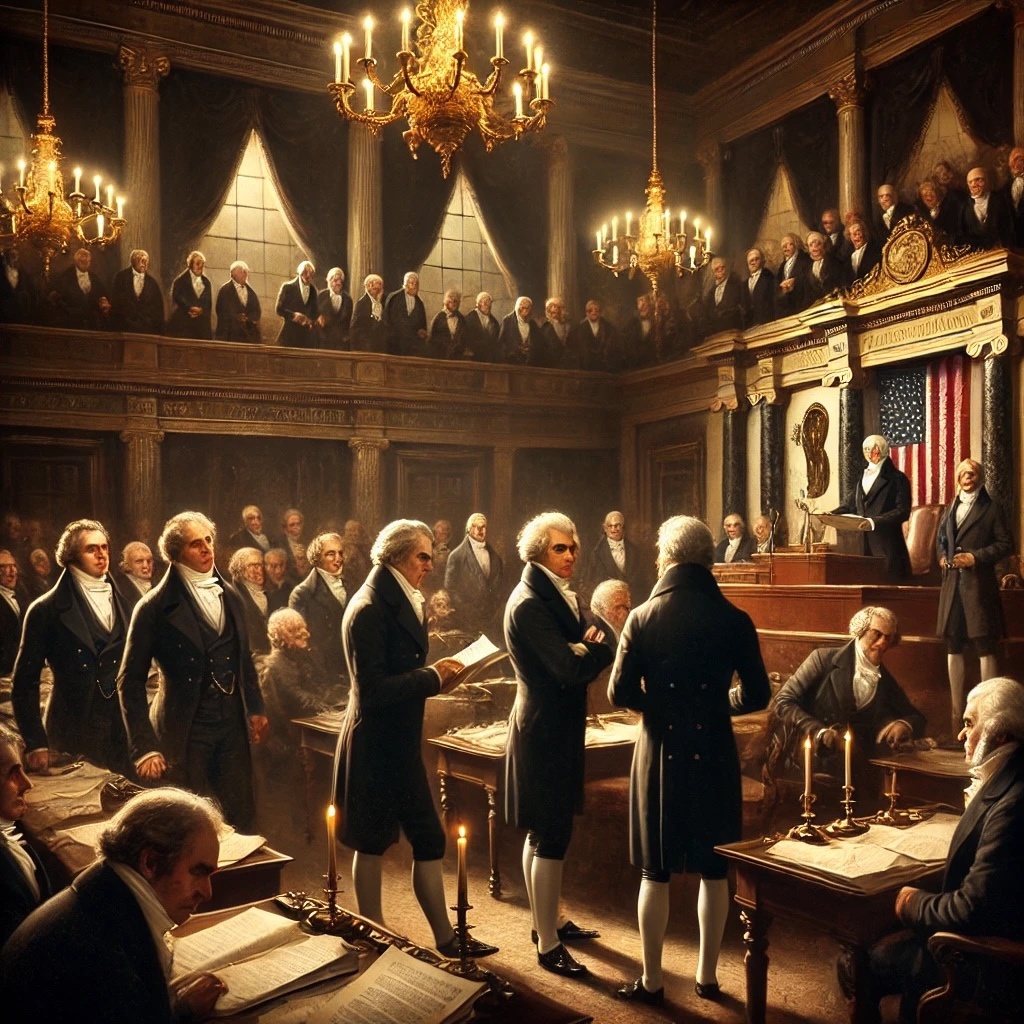
If challenges persist even after recounts and lawsuits, the U.S. Constitution provides an additional avenue through the Electoral College and Congress. After voters cast ballots, the Electoral College meets to formalize the election by voting on behalf of the states. Congress then meets to count these votes, and if there are objections to the certified results, members of Congress may challenge specific electoral votes. This process requires both a House representative and a Senate member to formally object to any state’s results, prompting debate and a vote on the issue. While it’s rare, this mechanism allows for additional scrutiny of the election.

In extraordinary cases, the contest may escalate to the U.S. Supreme Court. This level of intervention is highly uncommon but was famously seen in the 2000 Bush v. Gore election, where the Court ultimately decided on the recount process in Florida. For the Supreme Court to get involved, the case must present substantial constitutional questions or demonstrate that lower courts failed to address significant issues. If the Supreme Court rules on an election issue, its decision is binding, providing a definitive answer to the contest.

The process of contesting an election isn’t just about deciding who wins. It’s about ensuring the integrity of the system itself. When candidates have the option to challenge results legally, it reassures the public that elections are fair, accurate, and transparent. This right to contest is a fundamental part of American democracy, ensuring that the electoral process remains accountable and robust. Although challenging an election outcome is a lengthy and sometimes contentious process, it serves as a vital check within the democratic system, reinforcing the legitimacy of the final result.

Contesting a presidential election is a rare and often complex process, guided by legal standards and detailed procedures. Through recounts, lawsuits, and, in some cases, congressional or judicial intervention, the United States ensures that candidates have every opportunity to verify election outcomes. By navigating this careful legal process, the country demonstrates its commitment to a fair and transparent democracy, where the voice of the people is paramount.

Related Posts

Democracy in the Details: Understanding the U.S. Election Process and How Recounts Ensure Every Vote Counts

Dave

The United States election process is a cornerstone of American democracy, where citizens come together to select leaders at all levels of government. From local offices to the presidency, elections serve as the pulse of public opinion and the mechanism by which the people shape their government. But while casting a ballot might seem simple, the process of counting, verifying, and, if necessary, recounting those votes is a meticulous affair designed to ensure fairness and accuracy.

U.S. elections follow a step-by-step process that aims to ensure that the voices of American citizens are heard. The journey starts with voter registration, where eligible citizens sign up to vote. On Election Day or during the early voting period, voters cast their ballots, often using a combination of paper ballots, optical scan systems, or electronic voting machines. Once voting ends, officials begin the complex task of counting each vote, carefully recording results and verifying accuracy.

The process may appear uniform, but each state has its own unique approach, including different voting systems and rules for what counts as a valid ballot. This variation extends to recount procedures, which are triggered under certain conditions if results are extremely close or if an error or irregularity is suspected. These procedures help maintain the integrity of elections by allowing votes to be re-examined.

When an election is exceptionally close, the results are often reviewed through a recount to verify accuracy. While recount laws vary, they generally fall into two categories: automatic recounts and requested recounts. An automatic recount occurs when the margin of victory is within a certain threshold set by state law, often as narrow as a fraction of a percentage point. In contrast, a requested recount allows a candidate, political party, or group of voters to request a recount, usually covering the cost if the margin does not meet the state’s automatic threshold.

Once a recount is approved, officials review the ballots using one of three primary methods: manual recounts, machine recounts, or a mix of both. In a manual recount, officials visually inspect each ballot to determine voter intent, especially in cases where machines may have misread markings. Machine recounts involve running ballots through a counting machine again to catch potential counting errors. A hybrid approach combines both, offering a robust check for accuracy.

Recounts play a crucial role in upholding public confidence in the election process, particularly when results are razor-thin or contested. By allowing for recounts, the U.S. ensures that even the tightest races reflect the true will of the voters. Election officials follow strict protocols to preserve ballot integrity, limit access, and maintain transparency throughout the recount process. This transparency fosters trust, ensuring that all participants—candidates, supporters, and citizens—know that the election was fair and accurate.

In a democracy, the significance of each vote cannot be overstated. Recounts, while sometimes costly and time-consuming, honor the principle that every vote matters. They also highlight the importance of a transparent, error-averse election system, reassuring the public that the final result truly reflects their collective voice. Through recounts, the democratic process shines, showing that the U.S. is committed to electoral fairness and ensuring that every vote, down to the last one, is counted correctly.

The U.S. election process and recount procedures are designed to protect the foundation of American democracy. They ensure that elections are more than just numbers on a screen—they are a true representation of the people’s choice. Through recounts, every vote is validated, and the accuracy of each election is confirmed, reinforcing trust in the electoral system and in democracy itself.

Related Posts

Decoding the Electoral College: Why Every Vote Counts Twice

Dave

Every four years, millions of Americans head to the polls to cast their vote for the next President of the United States. On the surface, it seems like a straightforward process: vote for the candidate of your choice, and whoever gets the most votes wins. But as most people eventually discover—usually after their first or second presidential election—that’s not exactly how it works. What actually determines the winner of the presidency isn’t the nationwide popular vote. Instead, it’s something called the Electoral College, a uniquely American system that is as controversial as it is complex. It’s a concept that many people learn about in high school civics class, then promptly forget or misunderstand. Yet every time there’s a presidential election, especially a close or contentious one, the Electoral College comes roaring back into the public conversation, sometimes leaving citizens confused, frustrated, or downright furious.

So, what exactly is the Electoral College, and why does it exist? The short answer is that it’s a process established in the U.S. Constitution as a compromise between those who wanted Congress to select the President and those who preferred a direct vote of the people. The Founding Fathers, grappling with how to structure a new and fragile democracy, feared giving too much power to either the masses or a centralized body. They were wary of mob rule, concerned about uninformed voters, and also deeply influenced by the tensions between large and small states. They needed a system that would balance those competing interests while trying to maintain a sense of fairness. The Electoral College was born out of that compromise—not perfect, but functional, and crafted to serve a fledgling republic still experimenting with self-governance.

Here’s how it works in practice. Every state is allocated a number of electoral votes equal to the total number of its Senators and Representatives in Congress. Since every state has two Senators and at least one Representative, even the least populous states have a minimum of three electoral votes. In total, there are 538 electoral votes distributed across the 50 states and the District of Columbia, which, through the 23rd Amendment, gets three votes despite having no voting representation in Congress. To win the presidency, a candidate must secure a majority of those electoral votes—270 or more. If no candidate reaches that number, the decision goes to the House of Representatives, where each state delegation gets one vote to choose among the top three electoral vote-getters. That scenario is rare, but it has happened—most notably in 1800 and again in 1824.

Most states use a winner-take-all system to allocate their electoral votes. That means whichever candidate gets the most popular votes in that state gets all of its electoral votes. For example, if Candidate A wins 50.1% of the vote in Florida and Candidate B gets 49.9%, Candidate A gets all 29 of Florida’s electoral votes. It doesn’t matter if the margin is a single vote or a million. Only two states—Maine and Nebraska—break from this model. They use a proportional system based on congressional districts, awarding one electoral vote to the winner of each district and two additional votes to the statewide winner. This small variation has, on occasion, led to a split in those states’ electoral votes, but it rarely affects the national outcome.

Because of the winner-take-all approach, presidential campaigns tend to focus heavily on so-called “swing states”—states where the outcome is uncertain and either party has a chance of winning. These include places like Pennsylvania, Michigan, Wisconsin, Arizona, and Florida, among others. The reasoning is simple: there’s no point spending precious time and money in states that are firmly in one camp. California, for instance, reliably votes Democrat in presidential elections, while states like Alabama typically go Republican. As a result, voters in these “safe” states often feel overlooked, knowing their votes are unlikely to sway the outcome. Meanwhile, people in battleground states can find themselves inundated with campaign ads, rallies, and get-out-the-vote efforts. This uneven attention contributes to the feeling that some votes count more than others—not literally, but in terms of influence and impact.

The Electoral College also introduces the possibility that a candidate can win the presidency without winning the popular vote. This has happened five times in American history, most recently in 2016, when Donald Trump secured the presidency despite receiving nearly three million fewer votes nationwide than Hillary Clinton. It also happened in 2000, when George W. Bush won the Electoral College but lost the popular vote to Al Gore by more than half a million votes. These outcomes tend to spark intense debate, as they seem to contradict the democratic principle of “one person, one vote.” Critics argue that the system distorts representation and gives outsized influence to smaller states. For example, a voter in Wyoming has significantly more electoral power than a voter in California, simply because of the way the votes are distributed relative to population.

Supporters of the Electoral College, however, argue that it serves important functions. They point out that it forces candidates to build a broad, geographically diverse coalition to win—not just rack up votes in major urban centers. Without the Electoral College, they contend, candidates might only campaign in big cities like New York, Los Angeles, or Chicago and ignore rural areas entirely. They also argue that the system preserves the federal character of the United States, where states retain a certain degree of sovereignty and influence. The idea is that America is not a single unified nation, but a union of states, each with its own identity and interests. The Electoral College reflects that reality, giving each state a voice in the selection of the nation’s leader.

Still, the criticisms are not without merit. The disparity in electoral weight among states can feel jarring. Consider this: in 2020, there were roughly 193,000 people per electoral vote in Wyoming, but nearly 719,000 per vote in California. That means an individual vote in Wyoming carried almost four times the weight of a vote in California. While the Senate is also structured in a way that overrepresents small states, the impact is more acute in the presidency because it’s a single, national office. And unlike the Senate, where state populations were deliberately equalized by the Founders, the Electoral College is not based solely on a principle of balance—it mixes population-based and equal-state representation, often to perplexing effect.

Efforts to reform or abolish the Electoral College have been around almost as long as the system itself. Over the centuries, dozens of constitutional amendments have been proposed to eliminate it. The most significant push came after the 1968 election, when Richard Nixon won with just 43% of the popular vote in a highly fractured race. A bipartisan proposal to move to a direct popular vote passed the House but died in the Senate due to a filibuster. Since then, momentum for reform has come and gone, often gaining steam after controversial elections and then fading from public discourse. One of the most promising modern alternatives is the National Popular Vote Interstate Compact—a coalition of states pledging to award their electoral votes to the candidate who wins the national popular vote, regardless of their state’s individual outcome. The compact won’t take effect until enough states sign on to reach the 270-vote threshold. As of now, it’s about two-thirds of the way there.

For all its flaws, the Electoral College is deeply embedded in the U.S. political system. Changing it would require a constitutional amendment or a massive shift in public opinion and political will—both difficult prospects in a polarized era. Yet understanding how it works is essential to understanding American democracy. It’s not enough to say the system is broken or outdated without knowing how and why it came to be, and what purpose it’s meant to serve. Democracy is not just about casting a vote—it’s about knowing how that vote fits into the larger machinery of governance. The Electoral College is one of the gears in that machinery. It’s not perfect. It wasn’t designed to be. It was designed to function in a complex republic with competing interests and regional differences.

And here’s the human truth behind all the rules, numbers, and constitutional jargon: the Electoral College affects real people. It affects how campaigns are run, how voters feel represented, and how trust in the democratic process is built—or eroded. When a voter casts a ballot in a state where the outcome feels preordained, they might ask themselves, “Does my vote even matter?” That question doesn’t just reflect confusion; it reflects a sense of disconnection from the process, a sense that the system doesn’t see them. When the results of an election don’t align with the popular vote, some feel robbed, others feel vindicated, and still others feel something worse: apathy. That’s the danger of any system that feels too abstract, too mathematical, too removed from the people it’s meant to serve.

But the solution isn’t simple. Every reform idea brings its own complications. A direct popular vote sounds fairer in theory, but it also raises concerns about logistics, fraud, recounts, and regional dominance. Should the cities rule the countryside, or vice versa? Should every vote be weighed exactly the same, regardless of where it’s cast, or should geography and federalism play a role? These aren’t easy questions, and there’s no consensus answer. What there is, however, is a need for honest discussion—a willingness to look at the Electoral College not as a relic or a sacred cow, but as a tool. And like any tool, it should be judged by how well it performs the job we ask it to do.

In the end, the Electoral College is a reflection of America itself: complicated, contradictory, and always evolving. It forces us to wrestle with what kind of democracy we really want. Is it one where the majority always rules, or one where the structure tempers the passions of the moment? Is it one where every vote counts the same, or one where states have distinct voices in choosing national leaders? These aren’t theoretical debates—they’re conversations with consequences, ones that shape who leads the country, how they lead, and how legitimacy is conferred. Understanding the Electoral College means understanding a fundamental part of what it means to live in the United States, to participate in its grand, imperfect experiment.

For better or worse, every election is a reminder that this system is still very much in motion. Each vote cast, each state counted, each winner declared—all of it travels through a process designed in the 18th century and still unfolding in the 21st. Maybe that’s what makes the Electoral College so frustrating, and so fascinating. It’s not just about math. It’s about identity. It’s about trust. It’s about how 330 million people, scattered across an enormous and diverse nation, choose one person to represent them all.

Related Posts

Peace Across the Pond: How the Treaty of Ghent Ended the War of 1812

Dave

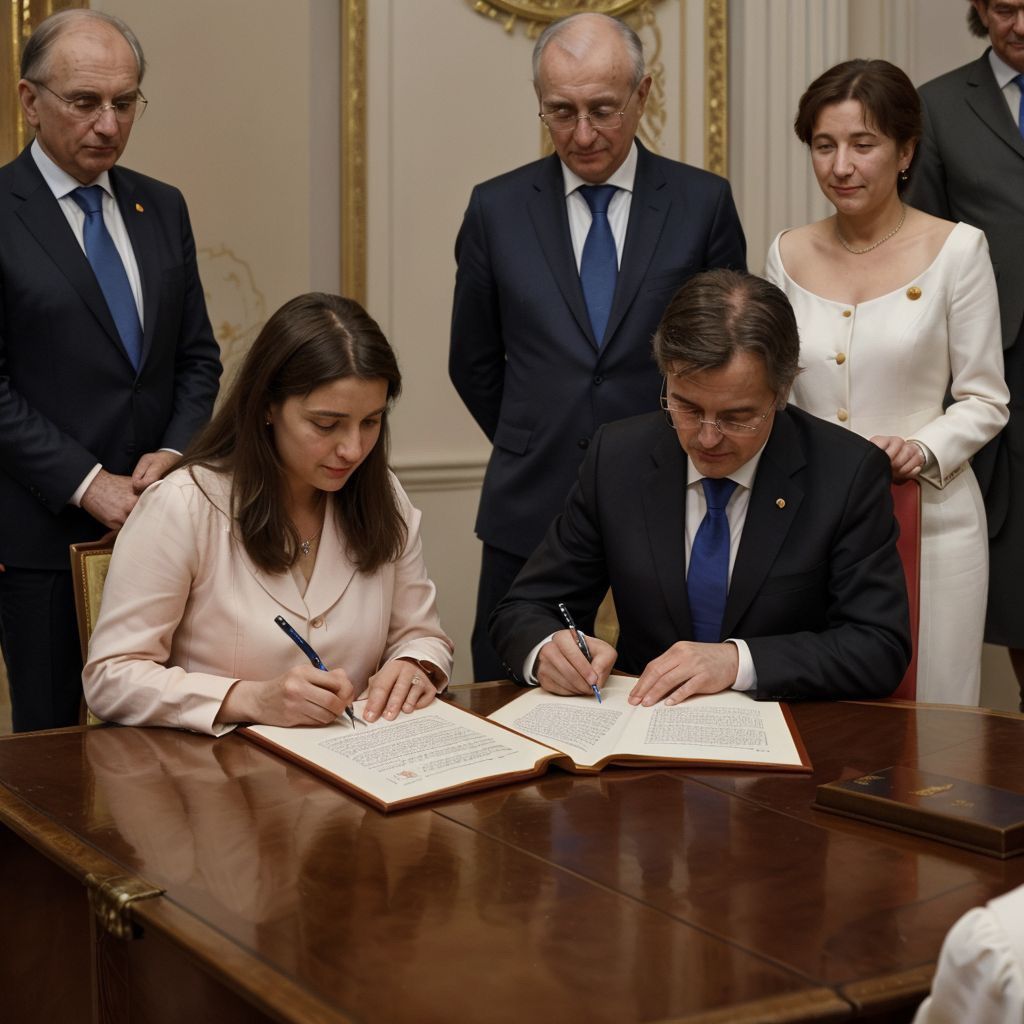
The Treaty of Ghent, signed on December 24, 1814, brought an official end to the War of 1812, a conflict that had deeply strained relations between the United States and Britain. The war itself was fueled by longstanding tensions, including British restrictions on American trade and forced recruitment of American sailors into the British Navy. The United States viewed these actions as provocations, while Britain, still entrenched in its battles against Napoleon in Europe, saw them as necessary.

The road to peace began when both countries realized the prolonged war was damaging to their economies and stability. The Treaty of Ghent negotiations took place in the quiet European city of Ghent, now part of Belgium, where American and British representatives met to reach common ground. Remarkably, the treaty largely restored the borders and relations between the two nations to pre-war conditions. This “status quo ante bellum” approach—returning things to how they were before the war—was unusual, as treaties often led to territorial changes or shifts in power. Instead, the treaty aimed for a broader peace and enduring stability.

The treaty’s impacts rippled far beyond the battlefield. In the United States, the end of the war spurred a sense of national unity and paved the way for economic growth and expansion. For Britain, it allowed a renewed focus on European conflicts and the eventual downfall of Napoleon. The War of 1812 and the Treaty of Ghent served as the last armed conflict between the United States and Britain, who later became close allies. The treaty, in effect, set the stage for the “Special Relationship” the two nations would develop in the 20th century, shifting from rivals to partners on the world stage.

The Treaty of Ghent reminds us that diplomacy, though complex, can bring lasting peace even when conflicts seem intractable. In 1814, across the Atlantic, leaders set aside their swords and signed a document that changed the course of history, showing that peace, often more enduring than war, can come from mutual respect and shared interests.

Related Posts

Unlocking the Metaphysical Universe: A Journey Beyond the Physical Realm

Dave

The idea of accessing the metaphysical universe—a reality beyond the physical world—has fascinated humanity for centuries. From ancient philosophers to modern spiritual seekers, people have long believed that there is more to existence than what we can perceive with our five senses. But what exactly is the metaphysical universe, and how can one tap into it?

The metaphysical universe refers to a realm that exists beyond the material world. It includes concepts like consciousness, the soul, spiritual energies, and other dimensions of existence that can’t be touched, seen, or measured by physical means. Think of it as a vast expanse where the rules of time and space bend and dissolve, revealing a deeper connection to the cosmos, and perhaps, to a higher purpose. Accessing this realm requires a shift in perspective, moving beyond our day-to-day experiences and tapping into the infinite potential of our inner selves.

The first step in accessing the metaphysical universe is to cultivate awareness. This isn’t just about being mindful in the present moment (although mindfulness is a valuable tool), but about awakening to the idea that reality extends beyond the visible and the tangible. Practices like meditation, breathwork, and deep contemplation help quiet the mind and open the door to higher states of consciousness. In these states, you may start to notice subtle shifts in perception—a feeling of connectedness to the world around you, or moments of clarity that reveal profound insights.

In the metaphysical realm, everything is energy. Many believe that accessing this dimension involves aligning yourself with certain vibrational frequencies. The idea is that your thoughts, emotions, and intentions all carry energy, and by consciously raising your vibration through practices like gratitude, compassion, and positivity, you can attune yourself to higher planes of existence. Techniques such as sound healing, Reiki, or even simple acts of kindness can help elevate your energy, allowing you to feel more in sync with the metaphysical universe.

Another key to unlocking the metaphysical universe lies in inner exploration. The deeper you dive into understanding your true nature, the more you can transcend the limitations of the physical world. The metaphysical journey is often described as an inward one, where you explore your own consciousness to find answers about your place in the cosmos. Lucid dreaming, astral projection, and out-of-body experiences are ways that people have described venturing into these otherworldly spaces. These practices allow your consciousness to experience reality outside the confines of your physical body, offering glimpses into the expansive metaphysical world.

Throughout history, people have accessed the metaphysical universe through mystical experiences—those moments that defy logic and reason but feel deeply real on a spiritual level. These might come during moments of profound meditation, deep prayer, or spontaneous insights that seem to transcend everyday thinking. Mystical experiences often reveal truths about the universe, life, and existence that go far beyond what we can comprehend intellectually. By being open to these moments and trusting in the mystery of the unknown, we can experience the metaphysical directly.

The metaphysical universe is closely tied to intuition, the inner knowing that doesn’t rely on the rational mind. To access the metaphysical, it’s important to learn to trust your gut feelings and subtle inner guidance. Intuition often serves as the compass for navigating the unseen, offering nudges and insights that guide you toward a greater understanding of yourself and the universe. By cultivating a relationship with your intuition, you can tune in to the metaphysical dimensions that surround and influence your everyday life.

At the core of the metaphysical universe is the idea of oneness—that we are all connected, not just to one another, but to every aspect of the cosmos. Accessing the metaphysical world often involves realizing this interconnectedness on a profound level. Many spiritual teachings suggest that the separation we feel from others and from the universe is an illusion, and that by transcending the ego, we can experience the true unity of all existence. This realization can be life-changing, helping you see beyond the limitations of the physical world and tap into the infinite possibilities of the metaphysical universe.

Related Posts

Bahrain’s Ancient Wells: A Lifeline in the Desert

Dave

Nestled within the arid landscape of Bahrain, an ancient tradition continues to sustain life—fetching water from wells. Long before modern infrastructure brought desalination plants and pipes to the island, the people of Bahrain relied on wells to access the life-giving water hidden beneath their sandy land. These wells are not only functional but also deeply woven into Bahrain’s cultural fabric, a testament to the ingenuity and resilience of its people in the face of harsh desert conditions.

Bahrain, meaning “two seas” in Arabic, historically referred to the island’s fresh underground water juxtaposed against the surrounding salty sea. For centuries, the discovery and use of wells were vital for survival. Bahrain’s unique geological features included a layer of limestone that allowed freshwater springs to emerge from underground aquifers. These springs, often linked to historic wells, provided Bahrainis with clean water for drinking, farming, and daily needs in a landscape that would otherwise have been inhospitable.

Communities in Bahrain would gather around these wells, making them social hubs as well as critical sources of water. Families would use buckets tied to long ropes, lowering them deep into the earth to bring up cool, refreshing water. This wasn’t merely a task but a communal activity, one that reflected the values of sharing and cooperation that still resonate in Bahraini society today.

The tradition of well-digging also carries spiritual significance. Water is seen as a divine blessing in the Quran, and the act of digging for water was often accompanied by prayers and ceremonies, asking for protection and success in securing the precious resource. In the desert, the presence of a well was a sign of hope, life, and prosperity. Bahrain’s wells are not only practical marvels but also relics of human perseverance.

Though modern water sources have largely replaced the need for wells, many of these ancient structures remain, preserved as heritage sites. They are silent witnesses to a time when water was more than a convenience—it was a vital treasure. Today, they remind us of the deep connection between people and the land they inhabit, and how Bahrain’s history has been shaped by the search for water.

As Bahrain moves forward, balancing development with conservation, these wells stand as symbols of sustainability and respect for natural resources. They are a call to remember that even in a world of abundance, we should never take life’s essentials for granted.

Related Posts

Liberty’s Embrace: The Inspiring Tale of the Statue of Freedom

Dave

The resplendent Statue of Liberty, an illustrious portrayal of unfettered freedom and democracy, stands proudly tall on Liberty Island in the New York Harbor. It was meticulously crafted by the skilled hands of the renowned French sculptor Frédéric Auguste Bartholdi and was ceremoniously inaugurated on October 28, 1886. This gargantuan monument has left an indelible impression as an everlasting symbol of hope and opportunity for the countless immigrants who sought a brighter future in the United States. Rising to an impressive height of 305 feet, this awe-inspiring masterpiece ensnares the attention of every onlooker with its majestic presence.

The neoclassical design of the statue embodies a draped female figure, symbolizing Libertas, the Roman goddess of freedom. She adroitly wields a torch aloft in her right hand, signifying enlightenment, while her left hand firmly clasps a tablet engraved with the momentous date of American independence, July 4, 1776. Adorning her crown are seven spikes, which serve as representations of each continent, encompassing the vast seas as well. Notably, her feet repose upon a fractured chain, serving as a poignant symbol of the nation’s arduous struggle against slavery. Functioning as a radiant beacon of hope and enlightenment, the Statue of Liberty has warmly welcomed countless immigrants to the shores of the United States, serving as a poignant reminder of the nation’s unwavering dedication to freedom, diversity, and the pursuit of the cherished American Dream.

Even in contemporary times, this stunning statue continues to captivate tourists hailing from various corners of the globe, drawing numerous visitors who come to marvel at its splendor and delve into its rich historical significance. The Statue of Liberty surpasses its physical existence as it embodies unity, inspiration, and the enduring spirit that characterizes America.

Related Posts

From Ancient Spirits to Candy Frenzy: The Spooky Evolution of Halloween

Dave

Halloween, a night of costumes, candy, and eerie fun, is one of the most popular celebrations today, but its origins go back centuries, rooted in ancient rituals and myths. The history of Halloween is a fascinating journey through time, blending ancient Celtic traditions, religious customs, and modern commercialism into the spooky spectacle we know and love.

The Celtic Roots: Samhain
The earliest origins of Halloween date back over 2,000 years to the Celtic festival of Samhain (pronounced “sow-in”). Celebrated in what is now Ireland, the United Kingdom, and northern France, Samhain marked the end of the harvest and the beginning of winter, a time often associated with death. The Celts believed that on the night of October 31st, the boundary between the living and the dead blurred, and spirits roamed the Earth. To ward off these ghosts, people would light bonfires and wear costumes to confuse or scare them away.

Samhain was not just about spooky spirits, though. It was also a time to celebrate the bounty of the harvest and prepare for the darker, colder days of winter. People would gather around bonfires, share stories, and honor their ancestors, believing that this liminal time allowed for special connections between the living and the deceased.

Christianity’s Influence: All Hallows’ Eve
As Christianity spread across Celtic lands, many of the old pagan traditions were incorporated into Christian celebrations. In the 8th century, Pope Gregory III designated November 1st as All Saints’ Day, a time to honor saints and martyrs. The night before, October 31st, became known as All Hallows’ Eve, which later evolved into “Halloween.” While the Church sought to Christianize the ancient pagan customs, many of the old practices, such as dressing up and lighting fires, persisted, blending into the new holiday.

All Souls’ Day on November 2nd further cemented the connection between the living and the dead, as it was a day to pray for the souls of those who had passed. This religious holiday, along with All Saints’ Day, helped solidify the notion that Halloween was a time when the spirits of the dead were closest to the living.

The Move to America: Pumpkins and Trick-or-Treating
Halloween made its way to America with European immigrants in the 19th century, particularly the Irish, who brought their customs across the Atlantic. In America, Halloween evolved into a more community-centered holiday. The tradition of carving turnips, a practice from Ireland and Scotland, transformed into the carving of pumpkins, as they were more readily available in the New World. These carved pumpkins, or jack-o’-lanterns, were originally intended to ward off evil spirits, just like the bonfires of old.

By the early 20th century, Halloween in the United States became a more family-friendly event, focusing on neighborhood gatherings, games, and, of course, candy. Trick-or-treating, which became popular in the 1920s and 1930s, allowed children to dress up in costumes and go door-to-door asking for sweets, echoing the ancient practice of offering food to wandering spirits.

Modern Halloween: A Cultural Phenomenon
Today, Halloween is a massive cultural event, particularly in the United States, where it has become one of the most commercially successful holidays. Costumes have evolved from simple disguises meant to ward off ghosts to elaborate outfits ranging from spooky creatures to pop culture icons. Haunted houses, horror films, and theme park events have added to the thrill of the season, while the holiday’s focus on fun and creativity ensures its popularity across generations.

But even as Halloween continues to grow and change, it still carries echoes of its ancient past. The themes of death, the supernatural, and the connection between the living and the dead remain central to the celebration, reminding us of the holiday’s long and spooky history.

From its roots in the Celtic festival of Samhain to its transformation into a modern celebration of fun, candy, and scares, Halloween is a holiday that has evolved with the times while holding onto its eerie origins. It’s a night where the line between the past and present, the living and the dead, and the sacred and the playful, blur in one grand, ghostly spectacle.

Related Posts

Devil’s Night: The Dark History Behind Mischief and Mayhem

Elias Rowen

Devil’s Night, the night before Halloween, has a notorious reputation for mischief, pranks, and even arson in certain cities. But how did this eerie tradition start, and why did it take such a dark turn in places like Detroit? To understand, we need to dive into a history filled with youthful rebellion, urban decay, and the thin line between harmless fun and dangerous chaos.

The origins of Devil’s Night can be traced back to early European traditions of “Mischief Night.” Dating back to the 18th century in the UK, the night before May Day or All Hallows’ Eve was set aside for harmless pranks like knocking on doors and hiding objects. The idea was simple: a night of playful trickery to balance the spooky solemnity of Halloween.

When immigrants brought their customs to the United States, Mischief Night became a part of the Halloween festivities. Kids would soap up windows, toilet-paper trees, and engage in relatively innocent pranks. It wasn’t about harm or destruction—just some fun before the candy collection on Halloween night.

However, in the mid-20th century, Devil’s Night took a darker turn, particularly in Detroit. As the city struggled with economic decline, racial tensions, and depopulation, the night became a symbol of deeper unrest. By the 1970s and 1980s, what had once been a night of harmless pranks morphed into something far more dangerous. Arson became rampant, with hundreds of abandoned buildings set on fire each year.

The media spotlight on Detroit’s Devil’s Night painted a bleak picture, and the city’s reputation was deeply affected. Authorities struggled to control the chaos, and for many, it was a sign of a city in crisis. While the fires symbolized a city’s decay, they also represented the anger and frustration of its residents. What had started as mischief became a desperate cry for attention.

By the 1990s, efforts were underway to take back Devil’s Night from the flames. Community leaders and volunteers started patrolling the streets, determined to prevent arson and vandalism. Detroit’s residents banded together in what became known as “Angel’s Night.” By reclaiming the night, they aimed to restore a sense of pride in their city. Slowly but surely, the number of fires declined, and Detroit began to shed the dark legacy of Devil’s Night.

Today, Devil’s Night still exists in the folklore of Halloween, but its destructive legacy is fading. The shift toward community activism, especially in Detroit, shows how a night of mischief can be transformed through collective action and a desire for change.

Devil’s Night is a reminder of how traditions can evolve, sometimes for the worse, and how communities can work together to reclaim what was lost. What started as playful pranks turned into something far more destructive, but through determination and unity, cities like Detroit have worked to rewrite the narrative. The history of Devil’s Night may be dark, but its transformation is a testament to the resilience of communities.

Related Posts

Investing in Bahrain: Seizing Financial Opportunities Beyond Oil

Dave

Bahrain’s financial sector is booming, and it’s making waves far beyond the oil industry that once dominated its economy. As the largest contributor to GDP, Bahrain’s financial services sector is now a beacon for investors, offering lucrative opportunities in traditional finance, fintech, and the ever-expanding world of Islamic finance. For investors looking to diversify their portfolios and tap into a region rich with opportunity, Bahrain is fast becoming the prime destination.

A Strong Financial Sector
Bahrain’s financial sector has grown remarkably, outpacing oil to become the backbone of the national economy. The Central Bank of Bahrain (CBB) plays a crucial role, ensuring stability and fostering growth. Bahrain’s well-regulated environment attracts international firms, with more than 400 financial institutions operating in the country. This stability, paired with transparent governance, makes it an attractive hub for investment.

Islamic Finance: A Growing Opportunity
Bahrain is also a global leader in Islamic finance, an area of significant growth. Islamic banking, insurance, and investment products are gaining momentum, supported by Bahrain’s dedication to developing a robust regulatory framework. Investors can explore a wide range of opportunities, from Sukuk (Islamic bonds) to Sharia-compliant financial products that cater to the growing demand for ethical investing.

Investment-Friendly Policies
Bahrain’s government is determined to encourage foreign investment. With 100% foreign ownership in many sectors, a streamlined process for setting up businesses, and a strategic location in the Gulf region, Bahrain is building a business-friendly environment. The recent establishment of free trade zones and initiatives to support fintech development further bolster the appeal for international investors.

In summary, Bahrain presents a world of financial opportunities, with an advanced financial services sector and a robust Islamic finance industry. Investing in this region opens doors to dynamic growth in a stable and well-regulated environment.

Related Posts

The Salem Witch Hunt: Fear, Hysteria, and the Dark Side of Justice

Elias Rowen

The Salem Witch Hunt is one of the most infamous chapters in American history, a cautionary tale of how fear and suspicion can destroy lives and communities. Taking place in 1692 in the Puritan town of Salem, Massachusetts, the witch trials were a grim reflection of the dangers of mass hysteria, religious extremism, and the miscarriage of justice. The trials led to the execution of 20 people and the imprisonment of many others, all based on shaky accusations of witchcraft.

The climate in Salem was ripe for panic. It was a deeply religious society, with a strict moral code. Puritan leaders believed that evil was constantly at work, and that the devil could possess anyone. At the time, this idea was not just a superstition but a fundamental belief. Combined with political instability, fears of Native American attacks, and disease, these tensions created a perfect storm of anxiety.

The witch hunt began when a group of young girls in Salem Village started behaving strangely, claiming they were being possessed by the spirits of witches. Their strange fits and convulsions were seen as evidence of supernatural forces. These accusations quickly spiraled out of control as more and more people, especially women, were accused of practicing witchcraft. The accused were subjected to trials that lacked fairness or reason, with the word of the accusers often taken as irrefutable evidence. Many confessed under the pressure of torture, fear of death, or the hope of saving their families.

The community’s fear of witchcraft was not new. In Europe, tens of thousands of people had been executed as witches, and the paranoia had crossed the Atlantic. In Salem, the fear spread like wildfire, with neighbors turning on one another. Those who were different or held grudges were often targeted, and accusations became a weapon in personal conflicts. The trials were a reflection of the fear of the unknown, fear of outsiders, and a community under great stress.

However, the madness did not last forever. As the hysteria mounted and more innocent lives were destroyed, some began to question the legitimacy of the accusations. Judges and leaders, including the governor of Massachusetts, eventually intervened, bringing an end to the trials. Years later, the community expressed regret over the trials, and the court acknowledged that the trials were a mistake, but the damage was already done. The Salem witch trials remain a dark stain on the American conscience, a reminder of how easily fear can lead to injustice.

Even today, the term “witch hunt” is used to describe situations where paranoia and fear are used to scapegoat and persecute the innocent. The Salem trials teach us to be vigilant in safeguarding justice, and to resist the dangers of mass hysteria and fear-based actions. History may have moved on from the dark days of Salem, but the lessons remain as relevant as ever.

Related Posts

Unlocking Success: Using Psychological Principles for Lifelong Learning and Career Growth

Dave

In today’s rapidly changing world, the need for continuous learning and development is more important than ever. Gone are the days when education ended with a diploma or degree. Today, career progression requires an ongoing commitment to acquiring new skills and knowledge. But how do you maintain that motivation? How do you stay engaged in a lifelong learning journey without burning out?

Psychological principles offer valuable insights into fostering lifelong learning and helping you stay on track in your career growth. By understanding how your mind works, you can use strategies that boost motivation, enhance learning retention, and even make the process enjoyable.

1. Harness the Power of Growth Mindset
A growth mindset is the belief that abilities and intelligence can be developed through dedication and hard work. Psychologist Carol Dweck popularized this concept, showing that people with a growth mindset are more likely to embrace challenges, persist through difficulties, and see failure as an opportunity to learn. Cultivating this mindset is key to staying motivated in your learning journey. When you believe you can improve, you’ll be more likely to take on new challenges, learn new skills, and remain adaptable in your career.

2. Leverage Intrinsic Motivation
While extrinsic rewards like promotions or salary raises can be motivating, they don’t always sustain long-term engagement. Intrinsic motivation, on the other hand, comes from finding joy and satisfaction in the process of learning itself. Identifying subjects that genuinely interest you, framing learning as an adventure, or connecting new knowledge to your personal values can fuel your desire to keep learning. By focusing on intrinsic rewards, you can transform learning from a chore into a lifelong passion.

3. Use the ‘Chunking’ Technique for Learning
Learning new information can be overwhelming, but “chunking” can make it more manageable. The brain naturally groups information into chunks, making it easier to process and remember. By breaking down complex topics into smaller, more digestible parts, you can improve your retention and understanding. This technique can be especially useful in a fast-paced work environment where new skills are required regularly.

4. Goal Setting for Continuous Progress
Setting clear, achievable goals is critical to staying on track with your learning journey. Psychological research suggests that setting SMART goals—Specific, Measurable, Achievable, Relevant, and Time-bound—can help you stay focused and motivated. Start by setting short-term goals that lead to larger career objectives. Celebrating small wins along the way not only boosts your confidence but also reinforces your commitment to lifelong learning.

5. Build Learning Habits Through Consistency
Psychologists have found that habits play a central role in shaping behavior. By creating consistent learning routines, you can make the process automatic and less reliant on willpower. Whether it’s dedicating 30 minutes a day to reading or setting aside time for a weekly online course, establishing a habit of learning ensures that it becomes a regular part of your life, rather than a sporadic effort.

6. Surround Yourself with a Supportive Network
Humans are social creatures, and we thrive in supportive environments. Surrounding yourself with peers, mentors, or colleagues who value learning can increase your own commitment to personal development. Psychological theories like social learning suggest that we model our behaviors after those we admire. Being in a learning-positive environment can inspire you to continue growing and pursuing your career goals.

Continuous learning isn’t just a career requirement; it’s a mindset that drives personal and professional growth. By tapping into psychological principles like a growth mindset, intrinsic motivation, goal-setting, and habit formation, you can build a lifelong learning journey that doesn’t just get you ahead in your career but also enriches your life. So, take that first step today and unlock the door to continuous development.

Related Posts

The Creative Mind vs. The Analytical Brain: How Personality Traits Shape Our Abilities

Dave

When we talk about creativity and analytical thinking, we often think of them as two different mental powers. However, what truly fuels these abilities? The answer lies deep within our personality traits. By understanding our core tendencies, we can better harness our natural strengths to become more creative, more analytical, or even a bit of both.

Personality traits form the backbone of who we are, influencing everything from how we make decisions to how we approach problems. Some people are naturally more analytical, seeing the world through a logical and structured lens. These individuals tend to be high in traits like conscientiousness and tend to excel at tasks requiring detailed analysis and methodical approaches. On the flip side, people who score higher in openness to experience may have a more creative mindset, able to generate novel ideas and see abstract connections.

The Big Five personality model helps us to map these tendencies. Traits such as openness to experience and extraversion often foster creativity by encouraging curiosity and unconventional thinking. Meanwhile, traits like conscientiousness and neuroticism have a stronger link to analytical abilities, as they promote careful attention to detail and critical thinking.

Let’s break this down. Imagine you’re brainstorming for a project. If you’re someone who scores high in openness, you might be more willing to take risks with unconventional ideas. You’ll think outside the box, coming up with unique and innovative solutions. Openness is often the driver behind many creative breakthroughs in fields ranging from art to technology.

Conversely, if you’re high in conscientiousness, your approach might be more structured. You’ll focus on analyzing all the information available, checking every angle, and ensuring that the solution is not only innovative but also practical and efficient. In fact, conscientious individuals are often the unsung heroes who refine creative ideas and ensure their real-world application.

Interestingly, the most effective problem-solvers aren’t just creative or analytical—they have a blend of both. A personality that embraces openness for brainstorming but also conscientiousness for execution is often the key to success in complex tasks. Think of Steve Jobs: a visionary who saw creative possibilities while also relentlessly focusing on the details that made Apple products both functional and beautiful.

Balancing these two traits allows individuals to push boundaries while also grounding their ideas in reality. This is where a dynamic mix of traits creates the best of both worlds—a person who can think big, but also execute with precision.

Understanding how personality traits influence creativity and analytical abilities isn’t just a fascinating study of human behavior—it’s a powerful tool for self-awareness. By recognizing your natural tendencies, you can lean into your strengths and develop areas where you may need a boost. After all, some of the greatest innovations in history have come from individuals who mastered the art of combining creativity and analytical thinking.

Related Posts