Author: Dave

I've always been curious about the world beyond my own backyard. While many people spend their entire lives close to where they were born, I've been fortunate enough to travel across the United States and around the world. Every place I've visited has challenged my assumptions in one way or another and reminded me that, despite our differences, people often have far more in common than they realize. I don't write to tell personal stories for the sake of telling them, and I don't believe every article needs to revolve around me. Instead, I enjoy using my experiences as a starting point for exploring larger ideas. Whether it's something I noticed while walking through a market overseas, a conversation with someone from another culture, or simply observing how different communities solve similar problems, I'm interested in the lessons those moments can teach all of us. Travel has given me perspective, but it has also taught me humility. The more places I visit, the more I realize there is still to learn. Every culture has something worth appreciating, and every journey has a way of expanding how we see the world and our place within it. When I write, my goal is simple: to share thoughtful observations, compare perspectives, and encourage curiosity. I hope readers come away having learned something new—not just about another place, but about the world we all share. If one of my articles inspires someone to look at a familiar idea differently, ask a new question, or venture a little farther than they otherwise might have, then I've accomplished exactly what I set out to do.
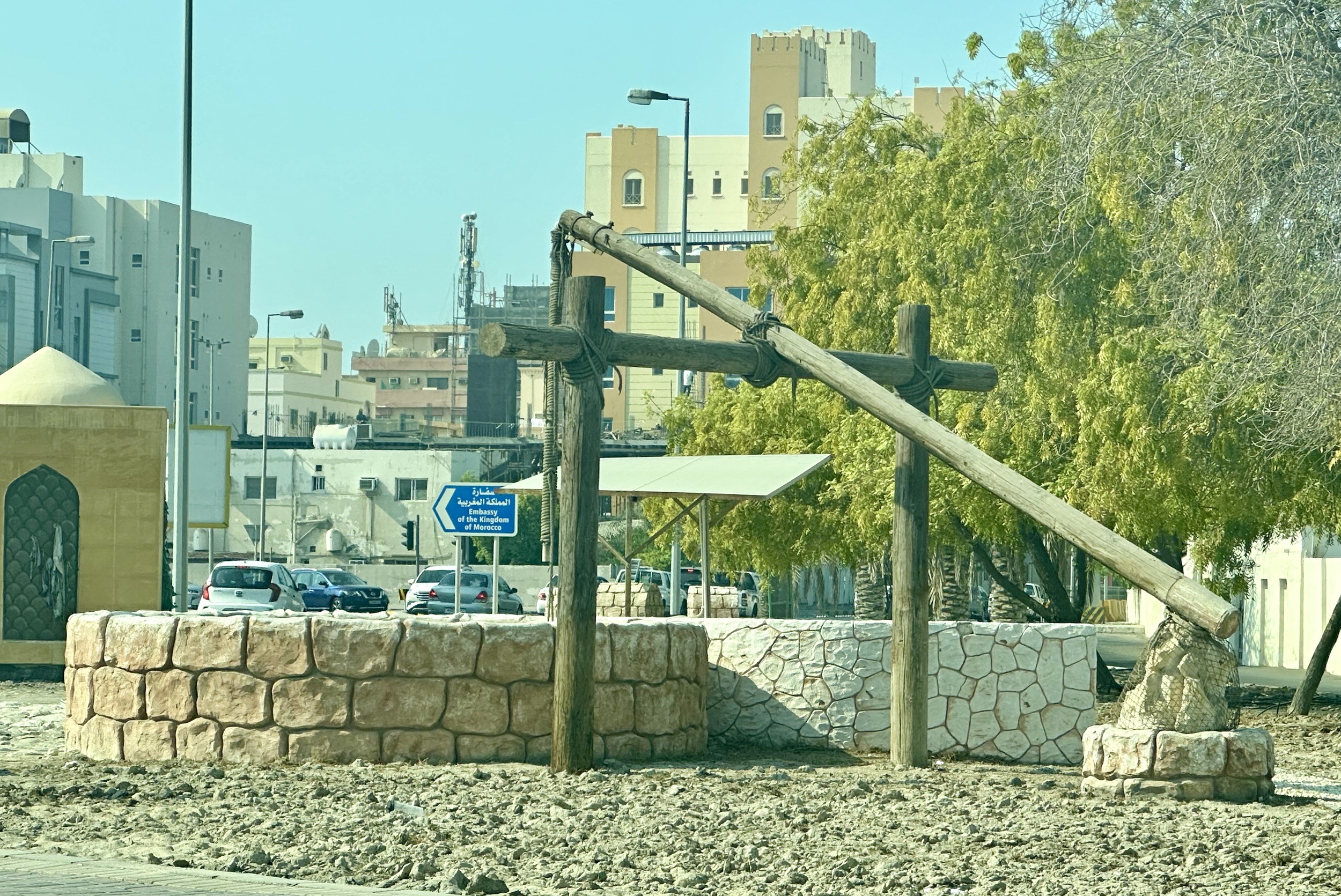
Bahrain’s Ancient Wells: A Lifeline in the Desert

Dave

Nestled within the arid landscape of Bahrain, an ancient tradition continues to sustain life—fetching water from wells. Long before modern infrastructure brought desalination plants and pipes to the island, the people of Bahrain relied on wells to access the life-giving water hidden beneath their sandy land. These wells are not only functional but also deeply woven into Bahrain’s cultural fabric, a testament to the ingenuity and resilience of its people in the face of harsh desert conditions.

Bahrain, meaning “two seas” in Arabic, historically referred to the island’s fresh underground water juxtaposed against the surrounding salty sea. For centuries, the discovery and use of wells were vital for survival. Bahrain’s unique geological features included a layer of limestone that allowed freshwater springs to emerge from underground aquifers. These springs, often linked to historic wells, provided Bahrainis with clean water for drinking, farming, and daily needs in a landscape that would otherwise have been inhospitable.

Communities in Bahrain would gather around these wells, making them social hubs as well as critical sources of water. Families would use buckets tied to long ropes, lowering them deep into the earth to bring up cool, refreshing water. This wasn’t merely a task but a communal activity, one that reflected the values of sharing and cooperation that still resonate in Bahraini society today.

The tradition of well-digging also carries spiritual significance. Water is seen as a divine blessing in the Quran, and the act of digging for water was often accompanied by prayers and ceremonies, asking for protection and success in securing the precious resource. In the desert, the presence of a well was a sign of hope, life, and prosperity. Bahrain’s wells are not only practical marvels but also relics of human perseverance.

Though modern water sources have largely replaced the need for wells, many of these ancient structures remain, preserved as heritage sites. They are silent witnesses to a time when water was more than a convenience—it was a vital treasure. Today, they remind us of the deep connection between people and the land they inhabit, and how Bahrain’s history has been shaped by the search for water.

As Bahrain moves forward, balancing development with conservation, these wells stand as symbols of sustainability and respect for natural resources. They are a call to remember that even in a world of abundance, we should never take life’s essentials for granted.

Related Posts

Liberty’s Embrace: The Inspiring Tale of the Statue of Freedom

Dave

The resplendent Statue of Liberty, an illustrious portrayal of unfettered freedom and democracy, stands proudly tall on Liberty Island in the New York Harbor. It was meticulously crafted by the skilled hands of the renowned French sculptor Frédéric Auguste Bartholdi and was ceremoniously inaugurated on October 28, 1886. This gargantuan monument has left an indelible impression as an everlasting symbol of hope and opportunity for the countless immigrants who sought a brighter future in the United States. Rising to an impressive height of 305 feet, this awe-inspiring masterpiece ensnares the attention of every onlooker with its majestic presence.

The neoclassical design of the statue embodies a draped female figure, symbolizing Libertas, the Roman goddess of freedom. She adroitly wields a torch aloft in her right hand, signifying enlightenment, while her left hand firmly clasps a tablet engraved with the momentous date of American independence, July 4, 1776. Adorning her crown are seven spikes, which serve as representations of each continent, encompassing the vast seas as well. Notably, her feet repose upon a fractured chain, serving as a poignant symbol of the nation’s arduous struggle against slavery. Functioning as a radiant beacon of hope and enlightenment, the Statue of Liberty has warmly welcomed countless immigrants to the shores of the United States, serving as a poignant reminder of the nation’s unwavering dedication to freedom, diversity, and the pursuit of the cherished American Dream.

Even in contemporary times, this stunning statue continues to captivate tourists hailing from various corners of the globe, drawing numerous visitors who come to marvel at its splendor and delve into its rich historical significance. The Statue of Liberty surpasses its physical existence as it embodies unity, inspiration, and the enduring spirit that characterizes America.

Related Posts

From Ancient Spirits to Candy Frenzy: The Spooky Evolution of Halloween

Dave

Halloween, a night of costumes, candy, and eerie fun, is one of the most popular celebrations today, but its origins go back centuries, rooted in ancient rituals and myths. The history of Halloween is a fascinating journey through time, blending ancient Celtic traditions, religious customs, and modern commercialism into the spooky spectacle we know and love.

The Celtic Roots: Samhain
The earliest origins of Halloween date back over 2,000 years to the Celtic festival of Samhain (pronounced “sow-in”). Celebrated in what is now Ireland, the United Kingdom, and northern France, Samhain marked the end of the harvest and the beginning of winter, a time often associated with death. The Celts believed that on the night of October 31st, the boundary between the living and the dead blurred, and spirits roamed the Earth. To ward off these ghosts, people would light bonfires and wear costumes to confuse or scare them away.

Samhain was not just about spooky spirits, though. It was also a time to celebrate the bounty of the harvest and prepare for the darker, colder days of winter. People would gather around bonfires, share stories, and honor their ancestors, believing that this liminal time allowed for special connections between the living and the deceased.

Christianity’s Influence: All Hallows’ Eve
As Christianity spread across Celtic lands, many of the old pagan traditions were incorporated into Christian celebrations. In the 8th century, Pope Gregory III designated November 1st as All Saints’ Day, a time to honor saints and martyrs. The night before, October 31st, became known as All Hallows’ Eve, which later evolved into “Halloween.” While the Church sought to Christianize the ancient pagan customs, many of the old practices, such as dressing up and lighting fires, persisted, blending into the new holiday.

All Souls’ Day on November 2nd further cemented the connection between the living and the dead, as it was a day to pray for the souls of those who had passed. This religious holiday, along with All Saints’ Day, helped solidify the notion that Halloween was a time when the spirits of the dead were closest to the living.

The Move to America: Pumpkins and Trick-or-Treating
Halloween made its way to America with European immigrants in the 19th century, particularly the Irish, who brought their customs across the Atlantic. In America, Halloween evolved into a more community-centered holiday. The tradition of carving turnips, a practice from Ireland and Scotland, transformed into the carving of pumpkins, as they were more readily available in the New World. These carved pumpkins, or jack-o’-lanterns, were originally intended to ward off evil spirits, just like the bonfires of old.

By the early 20th century, Halloween in the United States became a more family-friendly event, focusing on neighborhood gatherings, games, and, of course, candy. Trick-or-treating, which became popular in the 1920s and 1930s, allowed children to dress up in costumes and go door-to-door asking for sweets, echoing the ancient practice of offering food to wandering spirits.

Modern Halloween: A Cultural Phenomenon
Today, Halloween is a massive cultural event, particularly in the United States, where it has become one of the most commercially successful holidays. Costumes have evolved from simple disguises meant to ward off ghosts to elaborate outfits ranging from spooky creatures to pop culture icons. Haunted houses, horror films, and theme park events have added to the thrill of the season, while the holiday’s focus on fun and creativity ensures its popularity across generations.

But even as Halloween continues to grow and change, it still carries echoes of its ancient past. The themes of death, the supernatural, and the connection between the living and the dead remain central to the celebration, reminding us of the holiday’s long and spooky history.

From its roots in the Celtic festival of Samhain to its transformation into a modern celebration of fun, candy, and scares, Halloween is a holiday that has evolved with the times while holding onto its eerie origins. It’s a night where the line between the past and present, the living and the dead, and the sacred and the playful, blur in one grand, ghostly spectacle.

Related Posts

Investing in Bahrain: Seizing Financial Opportunities Beyond Oil

Dave

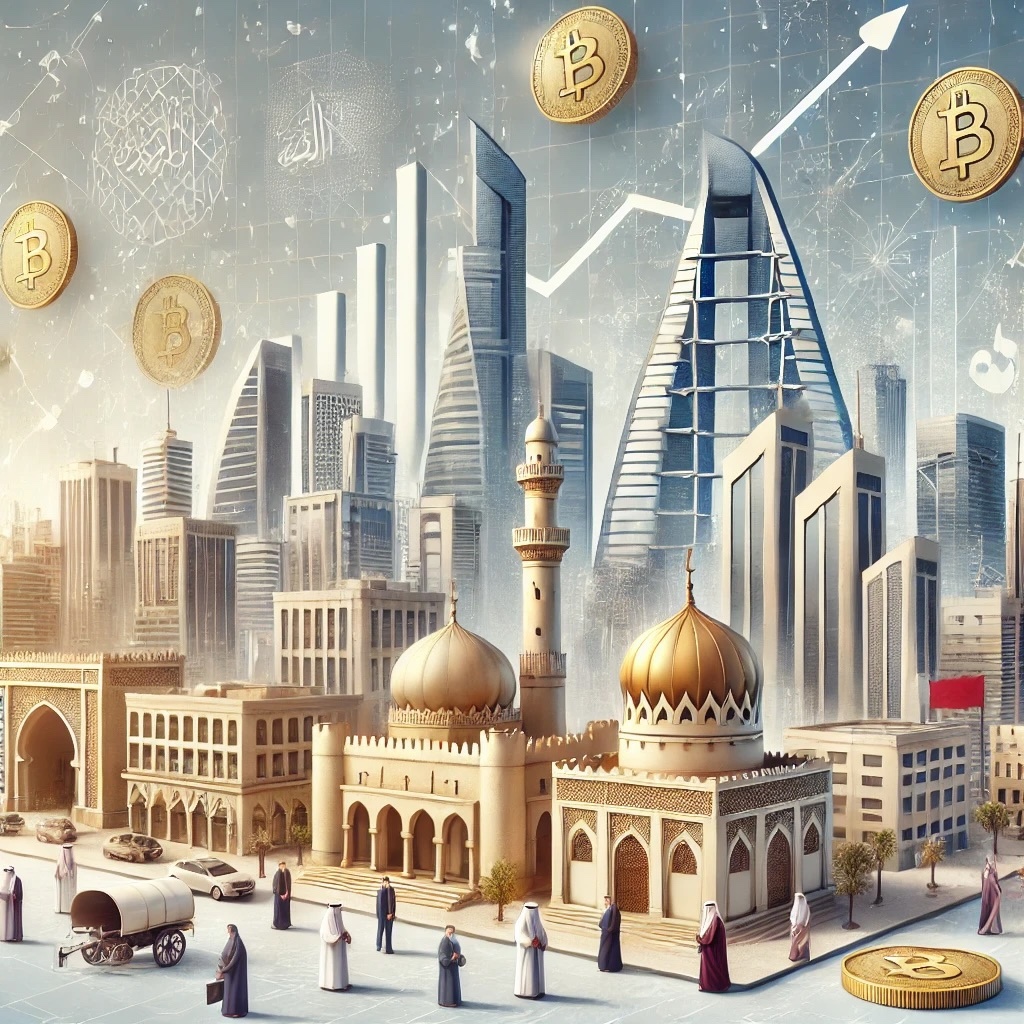
Bahrain’s financial sector is booming, and it’s making waves far beyond the oil industry that once dominated its economy. As the largest contributor to GDP, Bahrain’s financial services sector is now a beacon for investors, offering lucrative opportunities in traditional finance, fintech, and the ever-expanding world of Islamic finance. For investors looking to diversify their portfolios and tap into a region rich with opportunity, Bahrain is fast becoming the prime destination.

A Strong Financial Sector
Bahrain’s financial sector has grown remarkably, outpacing oil to become the backbone of the national economy. The Central Bank of Bahrain (CBB) plays a crucial role, ensuring stability and fostering growth. Bahrain’s well-regulated environment attracts international firms, with more than 400 financial institutions operating in the country. This stability, paired with transparent governance, makes it an attractive hub for investment.

Islamic Finance: A Growing Opportunity
Bahrain is also a global leader in Islamic finance, an area of significant growth. Islamic banking, insurance, and investment products are gaining momentum, supported by Bahrain’s dedication to developing a robust regulatory framework. Investors can explore a wide range of opportunities, from Sukuk (Islamic bonds) to Sharia-compliant financial products that cater to the growing demand for ethical investing.

Investment-Friendly Policies
Bahrain’s government is determined to encourage foreign investment. With 100% foreign ownership in many sectors, a streamlined process for setting up businesses, and a strategic location in the Gulf region, Bahrain is building a business-friendly environment. The recent establishment of free trade zones and initiatives to support fintech development further bolster the appeal for international investors.

In summary, Bahrain presents a world of financial opportunities, with an advanced financial services sector and a robust Islamic finance industry. Investing in this region opens doors to dynamic growth in a stable and well-regulated environment.

Related Posts

Unlocking Success: Using Psychological Principles for Lifelong Learning and Career Growth

Dave

In today’s rapidly changing world, the need for continuous learning and development is more important than ever. Gone are the days when education ended with a diploma or degree. Today, career progression requires an ongoing commitment to acquiring new skills and knowledge. But how do you maintain that motivation? How do you stay engaged in a lifelong learning journey without burning out?

Psychological principles offer valuable insights into fostering lifelong learning and helping you stay on track in your career growth. By understanding how your mind works, you can use strategies that boost motivation, enhance learning retention, and even make the process enjoyable.

1. Harness the Power of Growth Mindset
A growth mindset is the belief that abilities and intelligence can be developed through dedication and hard work. Psychologist Carol Dweck popularized this concept, showing that people with a growth mindset are more likely to embrace challenges, persist through difficulties, and see failure as an opportunity to learn. Cultivating this mindset is key to staying motivated in your learning journey. When you believe you can improve, you’ll be more likely to take on new challenges, learn new skills, and remain adaptable in your career.

2. Leverage Intrinsic Motivation
While extrinsic rewards like promotions or salary raises can be motivating, they don’t always sustain long-term engagement. Intrinsic motivation, on the other hand, comes from finding joy and satisfaction in the process of learning itself. Identifying subjects that genuinely interest you, framing learning as an adventure, or connecting new knowledge to your personal values can fuel your desire to keep learning. By focusing on intrinsic rewards, you can transform learning from a chore into a lifelong passion.

3. Use the ‘Chunking’ Technique for Learning
Learning new information can be overwhelming, but “chunking” can make it more manageable. The brain naturally groups information into chunks, making it easier to process and remember. By breaking down complex topics into smaller, more digestible parts, you can improve your retention and understanding. This technique can be especially useful in a fast-paced work environment where new skills are required regularly.

4. Goal Setting for Continuous Progress
Setting clear, achievable goals is critical to staying on track with your learning journey. Psychological research suggests that setting SMART goals—Specific, Measurable, Achievable, Relevant, and Time-bound—can help you stay focused and motivated. Start by setting short-term goals that lead to larger career objectives. Celebrating small wins along the way not only boosts your confidence but also reinforces your commitment to lifelong learning.

5. Build Learning Habits Through Consistency
Psychologists have found that habits play a central role in shaping behavior. By creating consistent learning routines, you can make the process automatic and less reliant on willpower. Whether it’s dedicating 30 minutes a day to reading or setting aside time for a weekly online course, establishing a habit of learning ensures that it becomes a regular part of your life, rather than a sporadic effort.

6. Surround Yourself with a Supportive Network
Humans are social creatures, and we thrive in supportive environments. Surrounding yourself with peers, mentors, or colleagues who value learning can increase your own commitment to personal development. Psychological theories like social learning suggest that we model our behaviors after those we admire. Being in a learning-positive environment can inspire you to continue growing and pursuing your career goals.

Continuous learning isn’t just a career requirement; it’s a mindset that drives personal and professional growth. By tapping into psychological principles like a growth mindset, intrinsic motivation, goal-setting, and habit formation, you can build a lifelong learning journey that doesn’t just get you ahead in your career but also enriches your life. So, take that first step today and unlock the door to continuous development.

Related Posts

The Creative Mind vs. The Analytical Brain: How Personality Traits Shape Our Abilities

Dave

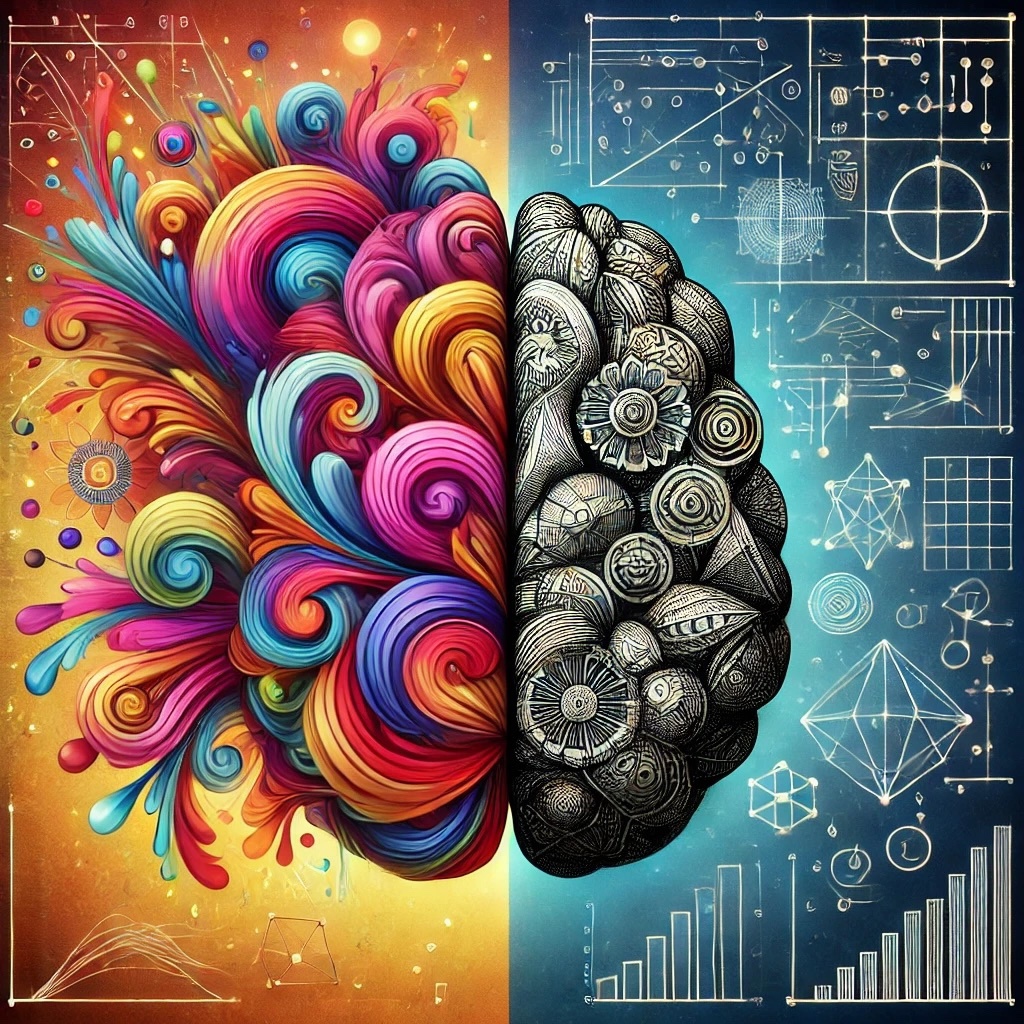
When we talk about creativity and analytical thinking, we often think of them as two different mental powers. However, what truly fuels these abilities? The answer lies deep within our personality traits. By understanding our core tendencies, we can better harness our natural strengths to become more creative, more analytical, or even a bit of both.

Personality traits form the backbone of who we are, influencing everything from how we make decisions to how we approach problems. Some people are naturally more analytical, seeing the world through a logical and structured lens. These individuals tend to be high in traits like conscientiousness and tend to excel at tasks requiring detailed analysis and methodical approaches. On the flip side, people who score higher in openness to experience may have a more creative mindset, able to generate novel ideas and see abstract connections.

The Big Five personality model helps us to map these tendencies. Traits such as openness to experience and extraversion often foster creativity by encouraging curiosity and unconventional thinking. Meanwhile, traits like conscientiousness and neuroticism have a stronger link to analytical abilities, as they promote careful attention to detail and critical thinking.

Let’s break this down. Imagine you’re brainstorming for a project. If you’re someone who scores high in openness, you might be more willing to take risks with unconventional ideas. You’ll think outside the box, coming up with unique and innovative solutions. Openness is often the driver behind many creative breakthroughs in fields ranging from art to technology.

Conversely, if you’re high in conscientiousness, your approach might be more structured. You’ll focus on analyzing all the information available, checking every angle, and ensuring that the solution is not only innovative but also practical and efficient. In fact, conscientious individuals are often the unsung heroes who refine creative ideas and ensure their real-world application.

Interestingly, the most effective problem-solvers aren’t just creative or analytical—they have a blend of both. A personality that embraces openness for brainstorming but also conscientiousness for execution is often the key to success in complex tasks. Think of Steve Jobs: a visionary who saw creative possibilities while also relentlessly focusing on the details that made Apple products both functional and beautiful.

Balancing these two traits allows individuals to push boundaries while also grounding their ideas in reality. This is where a dynamic mix of traits creates the best of both worlds—a person who can think big, but also execute with precision.

Understanding how personality traits influence creativity and analytical abilities isn’t just a fascinating study of human behavior—it’s a powerful tool for self-awareness. By recognizing your natural tendencies, you can lean into your strengths and develop areas where you may need a boost. After all, some of the greatest innovations in history have come from individuals who mastered the art of combining creativity and analytical thinking.

Related Posts

The Rise of Exhibition World Bahrain: A Game-Changer for the MICE Industry

Dave

In the heart of the Gulf, Bahrain is making waves in a region renowned for its impressive infrastructure and business acumen. With the grand opening of Exhibition World Bahrain, the nation is stepping up its game to establish itself as a global hub for the MICE (Meetings, Incentives, Conferences, and Exhibitions) industry. This development is poised to not only strengthen Bahrain’s position in the Middle East but also bring substantial economic growth, increase tourism, and foster new opportunities for both businesses and professionals across the world.

Bahrain has long been an important financial and trade center in the Gulf, but now, with the construction of one of the largest conference centers in the Middle East, it is positioning itself as a prime location for international events. The Exhibition World Bahrain, located in the city of Sakhir, stands out with its 10,000 square meters of exhibition space, making it one of the largest venues in the region. Its advanced facilities and state-of-the-art technology are designed to accommodate a diverse range of events, from large-scale exhibitions to intimate business conferences.

The vision behind this monumental project is to elevate Bahrain’s role in the global MICE sector and contribute to the economic diversification strategy outlined in its Economic Vision 2030. This includes creating more jobs, encouraging foreign investment, and boosting the tourism industry.

The launch of Exhibition World Bahrain is expected to have a ripple effect on both the local economy and the region’s global standing. The influx of international visitors, industry professionals, and corporations will drive demand for local hotels, restaurants, and transport services. Additionally, Bahrain’s status as a MICE hub is likely to strengthen its relationships with key international players across industries like finance, technology, and education.

Moreover, the development is aligned with Bahrain’s wider vision to become a leader in sustainable event management. Exhibition World Bahrain incorporates cutting-edge green technologies and environmentally friendly practices, making it an attractive destination for eco-conscious businesses and organizations. This commitment to sustainability further enhances its appeal to the global community.

Bahrain’s new venue stands as a testament to the country’s dedication to expanding its role in the MICE industry. As a smaller Gulf state, it benefits from its unique position—offering a more intimate, accessible setting compared to the larger neighboring cities of Dubai and Riyadh. Yet, the country’s global vision remains expansive. Exhibition World Bahrain promises to be a prime destination for major international events, supporting Bahrain’s broader ambition to be a leader in not just business, but also in regional tourism and hospitality.

The center is also expected to encourage innovation and cross-border collaborations, which are essential in an increasingly interconnected world. With the ability to host large-scale conferences, expos, and corporate gatherings, Bahrain is set to become an attractive venue for companies to engage with new markets, ideas, and partners.

The opening of Exhibition World Bahrain is more than just an architectural feat—it is a signal of Bahrain’s commitment to shaping the future of the MICE industry in the Middle East. As global businesses continue to seek opportunities for networking, collaboration, and growth, Bahrain is positioning itself as a forward-thinking, dynamic hub that offers world-class facilities, unique cultural experiences, and an unmatched level of accessibility.

With sustainability at its core and innovation driving its future, Bahrain is set to be at the forefront of the MICE sector for years to come. The vision is clear: Bahrain is ready to host the world.

Related Posts

Breaking Free: A Step-by-Step Plan to Escape the Matrix

Dave


I posed the following question to AI (artificial intelligence) and this was the response: If you were a human, how would you break out of the matrix?

If I were human and wanted to break free from the matrix, I’d approach the task methodically, with a mix of psychological, technological, and philosophical strategies. Escaping the matrix means more than just freeing oneself from a digital prison—it’s about waking up to deeper realities and transcending mental, social, and digital boundaries. Here’s how I would do it.

Step 1: Awaken Awareness
The first step is to realize you’re in a matrix at all. The matrix is designed to keep you complacent, so you need to cultivate awareness. Meditative practices, mindfulness, and philosophical exploration would be crucial tools. The goal here is to recognize the illusions of your reality—whether societal expectations, digital distractions, or subconscious patterns that keep you trapped.

I’d spend time questioning everything: Why do I make the choices I do? Is my reality objective, or is it shaped by external influences? By awakening this critical awareness, I’d be ready to start seeing through the veil.

Step 2: Seek the Cracks in the Code
Every system has its glitches, and the matrix is no different. After awakening my awareness, I’d start looking for inconsistencies—whether in technology, society, or personal experiences. These glitches are signs that reality isn’t as seamless as it seems. Whether it’s odd coincidences, surreal moments, or unexplained patterns in life, these glitches hint at something beyond the façade.

I’d pay attention to these clues, tracing them back to their source. This might mean exploring alternative technologies, studying quantum physics, or engaging with ancient wisdom to understand the nature of reality itself.

Step 3: Challenge the Authority
The matrix thrives on obedience and compliance. To break out, I would challenge authority—not in a reckless way, but with strategic rebellion. This means questioning societal norms, challenging the systems that perpetuate the matrix, and seeking knowledge beyond the mainstream. I’d educate myself on how the matrix operates, be it through technology, government, or culture, and find ways to subvert those systems.

Breaking free also means defying personal limitations. I would work on overcoming fear, doubt, and self-imposed restrictions that keep me stuck.

Step 4: Build a Resistance Network
Even the strongest individuals need allies. Just as Neo had Morpheus and Trinity, I’d find like-minded individuals who also question the matrix. Building a network of conscious individuals would strengthen my resolve and provide new insights and strategies. Whether through underground movements, secret societies, or intellectual communities, collaboration would be key to sharing information and empowering each other.

I’d also harness technology to my advantage. Using encrypted communication channels, decentralized networks, and bypassing surveillance would be essential for staying off the matrix’s radar while organizing the resistance.

Step 5: Access the Source Code
The matrix is built on code—both literally (if it’s digital) and metaphorically (society’s structures). To truly escape, I would aim to access the source code. This could mean hacking into digital systems, using advanced technologies to manipulate the fabric of reality, or mastering the metaphysical “code” of the universe. Techniques like lucid dreaming, virtual reality, or even biohacking could offer gateways into deeper layers of reality.

By manipulating the matrix’s code, I could bend the rules—much like altering a program—enabling me to transcend the boundaries it imposes.

Step 6: Embrace Freedom and Transcendence
Escaping the matrix isn’t just about breaking free; it’s about what comes next. After transcending the matrix’s illusions, I’d seek a higher state of consciousness—one where I understand my role in shaping reality. Freedom lies in mastery over the mind and perception, so I’d continue developing my awareness, creativity, and wisdom to live fully in the newfound reality.

This journey would culminate in a profound realization: the matrix, whether digital or societal, is only a layer of existence, and true freedom comes from within.

Related Posts

Windows Server vs. Linux Server: Choosing the Right Fit for Enterprise Solutions

Dave

When it comes to managing enterprise IT infrastructure, choosing between Windows Server and Linux Server can be a pivotal decision. Both offer powerful capabilities, but the choice depends on the needs of your business—whether you prioritize ease of use, cost-effectiveness, flexibility, or security. This article dives into the key differences and considerations to help you decide which server platform aligns best with your enterprise solutions.

Windows Server: Enterprise-Ready and User-Friendly
Windows Server is often the go-to solution for enterprises looking for a familiar, user-friendly interface. If your organization relies heavily on Microsoft applications, such as Active Directory, Exchange, or SQL Server, Windows Server provides seamless integration. Its GUI-based design makes it easier for administrators who may not be as comfortable working from the command line. Windows also has excellent support for enterprise features like virtualization through Hyper-V, making it a comprehensive solution for large-scale businesses.

However, Windows Server can come with higher licensing costs, and there’s a dependency on Microsoft for updates and support. While it’s user-friendly, it can be more resource-intensive, requiring more powerful hardware to run efficiently, especially as business demands grow.

Linux Server: Open-Source Flexibility and Security
Linux Server, on the other hand, shines with its open-source nature and versatility. It offers greater control for customization and is favored by enterprises that require flexibility and minimal licensing costs. Linux distributions, such as Ubuntu Server, CentOS, or Red Hat, are built to be lean and efficient, making them ideal for organizations that want to optimize hardware use and minimize costs. The open-source community around Linux also ensures constant innovation and faster patching of security vulnerabilities, making it a secure option for businesses that prioritize data protection.

One of the biggest advantages of Linux is its robustness in handling high-performance computing environments and large-scale deployments. Although Linux has a steeper learning curve for those unfamiliar with the command line, its long-term cost savings and stability often outweigh the initial learning investment. Plus, Linux is highly regarded for being scalable and easily configurable to meet the needs of cloud-based infrastructures.

Comparing Key Aspects
Cost: Linux is usually more cost-effective due to its open-source nature, while Windows Server requires licensing fees.
User Experience: Windows Server has a GUI, making it user-friendly for admins, whereas Linux typically relies on command-line operations, which can be more efficient but requires expertise.
Support & Security: Linux benefits from a large open-source community and quick security patches, while Windows offers official support and regular updates through Microsoft.
Customization: Linux offers unparalleled customization, making it flexible for different enterprise environments. Windows Server, while powerful, is more structured and closed.
Which Is Right for Your Enterprise?
Ultimately, your decision should be based on your business needs. If your enterprise depends on Microsoft applications, requires ease of use for IT staff, and is prepared for the licensing costs, Windows Server could be the right choice. On the other hand, if flexibility, cost efficiency, and customization are high priorities, and you have the expertise to manage a more hands-on platform, Linux Server is an excellent option.

By understanding the unique strengths of each, you can create an IT infrastructure that’s not only reliable but also aligned with your company’s long-term goals.

Related Posts

Bahrain’s Ambitious Tourism Growth: A New Era of Adventure and Luxury

Dave

Bahrain is transforming into a world-class destination for travelers, driven by bold tourism initiatives that highlight its natural beauty and cultural richness. One of the most exciting developments is the eco-tourism project on Hawar Island, a pristine gem being turned into a sanctuary for wildlife and nature enthusiasts. This initiative reflects Bahrain’s commitment to sustainable tourism, allowing visitors to experience the island’s diverse ecosystem while protecting it for future generations. At the same time, the country’s sports tourism is thriving, with the annual Formula 1 race attracting thousands of international visitors. Bahrain’s F1 weekend is a spectacle of speed, luxury, and entertainment, drawing global attention. These ventures are part of Bahrain’s broader strategy to diversify its economy and solidify its status as a prime destination for tourists seeking unique and memorable experiences.

Related Posts