Author: Dave

I've always been curious about the world beyond my own backyard. While many people spend their entire lives close to where they were born, I've been fortunate enough to travel across the United States and around the world. Every place I've visited has challenged my assumptions in one way or another and reminded me that, despite our differences, people often have far more in common than they realize. I don't write to tell personal stories for the sake of telling them, and I don't believe every article needs to revolve around me. Instead, I enjoy using my experiences as a starting point for exploring larger ideas. Whether it's something I noticed while walking through a market overseas, a conversation with someone from another culture, or simply observing how different communities solve similar problems, I'm interested in the lessons those moments can teach all of us. Travel has given me perspective, but it has also taught me humility. The more places I visit, the more I realize there is still to learn. Every culture has something worth appreciating, and every journey has a way of expanding how we see the world and our place within it. When I write, my goal is simple: to share thoughtful observations, compare perspectives, and encourage curiosity. I hope readers come away having learned something new—not just about another place, but about the world we all share. If one of my articles inspires someone to look at a familiar idea differently, ask a new question, or venture a little farther than they otherwise might have, then I've accomplished exactly what I set out to do.

Harmony of Tradition and Modernity: Exploring Japan’s Festive Extravaganzas

Dave

a woman standing in front of a building

Experience the vibrant world of Japanese Festive Markets and Events, where the fusion of tradition and modernity showcases a magnificent display of cultural heritage. Japan, renowned for its rich customs, offers a diverse range of captivating experiences that cater to both locals and tourists, inviting them to immerse themselves in the lively atmosphere and participate in the country’s unique traditions.

One of the most enchanting occasions in Japan is the Hanami, a mesmerizing Cherry Blossom Festival held during the beautiful spring season. As delicate cherry blossoms bloom across the country, parks and temples transform into stunning pink floral wonderlands. Underneath these blooming trees, people gather to enjoy picnics, melodious serenades, and gracefully performed traditional dances. This breathtaking sight embodies the beauty of Japan and unites people in a joyous celebration of nature’s magnificence.

In July, the streets come alive with the vibrant Tanabata Festival, a kaleidoscope of colors and wishes. Decorations in every corner add splashes of vibrant hues, while strips of paper bearing heartfelt desires float through the air. This festive event commemorates the legendary love story of Orihime and Hikoboshi, two star-crossed lovers destined to meet only once a year. Amidst the lively ambiance, bustling markets offer an irresistible sensory experience with tantalizing street food, exquisite handmade crafts, and vibrant parades.

During the winter season, Japan embraces its own magical charm, adorning itself with sparkling illuminations and festive markets. Among these, the Kobe Luminarie shines as a symbol of hope, illuminating the streets throughout December to commemorate the Great Hanshin Earthquake. Millions of LED lights transform the city into a captivating wonderland, enchanting all lucky enough to witness it. This awe-inspiring event not only showcases the resilience and spirit of the country but also captivates the imagination of visitors from near and far.

Beyond their visual appeal, these events serve as platforms for local artisans and businesses to showcase their extraordinary crafts and products. They stand as a testament to Japan’s unwavering dedication to preserving its cultural heritage while embracing innovation and creativity. Whether it is the timeless traditions of centuries-old festivals or the contemporary markets tailored to modern tastes, Japanese Festive Markets and Events offer an immersive and unforgettable experience that seamlessly blends the old with the new, creating memories that will be cherished for a lifetime.

Related Posts

Harmonies Through Time: Unwrapping the Centuries-Old Tale of Christmas Carols

Dave

The captivating tale of Christmas carols encompasses centuries of rich history and diverse cultural influences. These melodious treasures can be traced back to ancient pagan rituals and celebrations surrounding the winter solstice. In those early days, people would sing songs heralding the changing seasons and the lengthening daylight hours. With the spread of Christianity across Europe, these pagan melodies underwent a transformation, intertwining with Christian themes to become an inseparable part of Christmas customs.

During the medieval era, carols took center stage during Christmas Eve mass and were performed in the solemn language of Latin. However, it was in the 16th century that carols truly blossomed among the general populace. The Protestant Reformation played a significant role in this expansion, advocating for the use of vernacular languages in religious services. As a result, carols were translated into English and various other languages, making them more accessible to a wider audience. This period also saw the emergence of the tradition of carolers going from door-to-door, spreading merriment and celebrating the birth of Jesus.

The 19th century witnessed the pivotal role of the Victorians in popularizing the beloved Christmas carols we cherish today. Embracing the sentimental and nostalgic essence of the holiday season, the Victorians made carols an essential element of their Christmas festivities. The Victorian era saw a surge in the popularity of carols, solidifying them as a cherished part of the Christmas tradition.

The 20th century witnessed the continued growth in popularity of Christmas carols, with countless new compositions adding to the ever-expanding repertoire. Today, these heartwarming melodies hold a special place in our hearts during the holiday season. They unite people in joyful celebrations, serving as reminders of the true meaning of Christmas.

Related Posts

Breaking Boundaries: The Evolving Story of Women’s Struggles and Triumphs in China

Dave

a woman wearing a costume posing for the camera

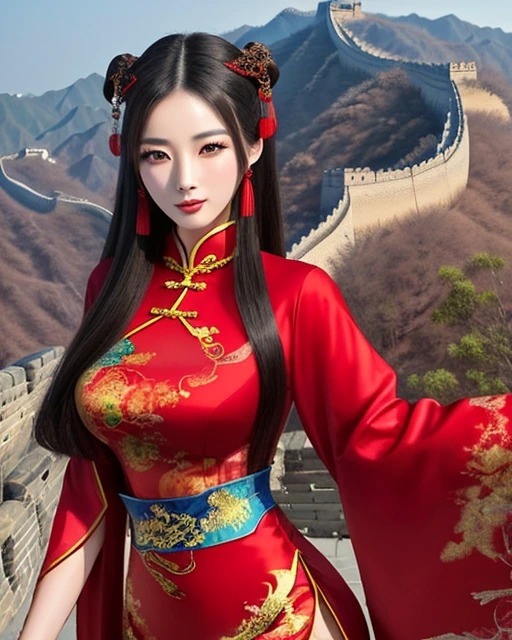
The history of gender equality and the status of women in China is a fascinating tapestry of triumph and struggle. Over time, there have been glimmers of progress, but the truth is that Chinese women have battled formidable barriers and societal pressures that have consistently placed them at a disadvantage. Traditional gender roles and cultural norms have perpetuated the notion that women are second-class citizens, overshadowing their potential.

In the past, Chinese women were expected to conform to Confucian principles of filial piety and submission, which greatly limited their educational, employment, and social prospects. These oppressive expectations confined them within narrow boundaries, stifling their dreams and ambitions. To make matters worse, the implementation of the one-child policy from 1979 to 2015 unwittingly spawned adverse consequences for women. Sex-selective abortions became prevalent, and a disturbing preference for male offspring took root.

Although the one-child policy has been abolished, its legacy of gender imbalances and discrimination against women still lingers. Women continue to grapple with workplace discrimination, where they face unequal pay and limited opportunities for professional growth. Moreover, traditional gender norms persist, with society still demanding that women prioritize marriage and motherhood over their personal and career aspirations. These deeply entrenched beliefs pose significant challenges to gender equality.

Nevertheless, it is crucial to recognize the glimmers of progress that have emerged in recent years. The Chinese government has implemented policies aimed at promoting gender equality and safeguarding women’s rights. Despite the persistence of obstacles, there is a growing movement and heightened awareness surrounding the need to enhance opportunities and empower women throughout China. Change is on the horizon, and the winds of transformation are blowing steadily.

Related Posts

The Tragic Exile and Triumphant Return: Unveiling Charlie Chaplin’s Journey through Turmoil and Triumph

Dave

a man wearing a hat

Prepare to be captivated as you embark on a mesmerizing journey into the life of the legendary figure, Charlie Chaplin. Renowned for his iconic portrayal of the tramp persona, Chaplin’s name resonates throughout history as one of the greatest comic actors to ever grace the silver screen. Born in the vibrant city of London in 1889, his illustrious career spanned an impressive five decades, leaving an indelible mark on the cinematic landscape.

However, Chaplin’s path was not without obstacles. In the early 1950s, he found himself at the center of a storm, exiled from the United States. This period was marked by turmoil and controversy, as his political views and alleged affiliations with communism clashed with the politically charged atmosphere of the Cold War era.

To truly grasp Chaplin’s political beliefs, one must delve into the socio-economic landscape that shaped his worldview. Growing up amidst the shadows of poverty, he intimately experienced the hardships faced by the working class. This firsthand encounter ignited a profound empathy within him, fueling his critique of capitalism and his unwavering advocacy for social justice. Through his films, he became a champion for the ordinary people, shedding light on societal issues and capturing the struggles of the downtrodden. It is no surprise that he became an adored figure among the working class, their hero amidst the darkness.

As tensions escalated between the United States and the Soviet Union in the 1940s, a sense of suspicion loomed over the nation. The Red Scare, an anti-communist crusade, swept through the country, leaving no stone unturned. In the midst of this fervor, Chaplin found himself entangled in a web of accusations and scrutiny. His political leanings and associations with left-wing intellectuals and activists made him a prime target for those in power.

In 1947, Chaplin was summoned to testify before the formidable House Un-American Activities Committee (HUAC), a moment that would shape the course of his life forever. Under relentless questioning, he vehemently denied being a communist. Yet, his refusal to fully cooperate with the committee and his scathing criticism of their actions only fueled the fires of controversy. Branded a “sympathizer” and accused of being un-American, Chaplin’s world was shaken to its core.

The year was 1952 when the final blow was struck. While on a trip to his birthplace, London, Chaplin received the devastating news that his re-entry permit to the United States had been revoked. In one fell swoop, he was banished from the land where he had achieved monumental success. The decision to exile him was based on allegations of moral turpitude and the perceived threat his political beliefs posed to national security. It is worth noting that during this period, Chaplin’s personal life also faced relentless scrutiny, with a highly publicized paternity suit and a controversial marriage to an underage woman.

Undeterred by his exile, Chaplin continued to weave his cinematic magic in Europe. However, his once vibrant career in Hollywood was never quite the same. It would take two decades, until 1972, for the tides to turn. The political climate had shifted, and Chaplin’s remarkable contributions to the world of cinema were finally acknowledged and celebrated. In a triumphant homecoming, he was invited back to the United States to receive an honorary Academy Award, a testament to the enduring legacy he had forged.

In conclusion, Charlie Chaplin’s story is one of resilience and artistic brilliance. Through his films, he fearlessly tackled social and economic issues, becoming a beacon of hope for those on the fringes of society. While his political beliefs and alleged communist connections led to his exile during the tumultuous Cold War era, his influence as an actor and filmmaker remains unparalleled. Today, he stands as an iconic figure in the grand tapestry of cinema, forever etched in our hearts and minds.

Related Posts

The Unraveling Threads of HUAC: A Riveting Journey into Cold War America’s Battle Against Communism

Dave

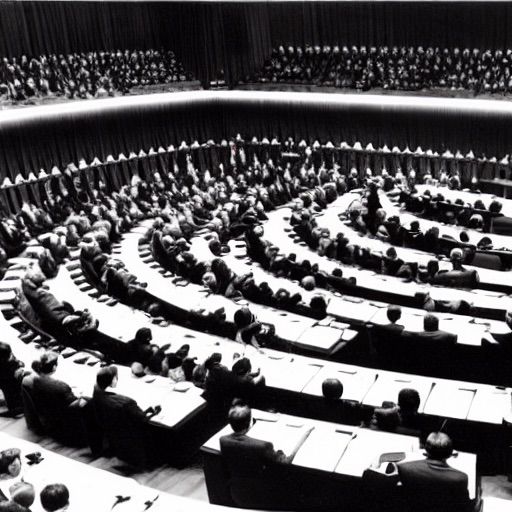
Journey back in time to the tumultuous era of the Cold War, a time when a prominent congressional committee took center stage in the battle against communist infiltration. Enter the scene: the House Un-American Activities Committee (HUAC), a force to be reckoned with since its creation in 1938. Tasked with uncovering alleged subversive activities and organizations within the United States, this committee emerged as a formidable presence in American society.

Under the guidance of a group of conservative politicians, HUAC shifted its focus toward individuals suspected of harboring communist sympathies or engaging in anti-American activities. Their investigations spared no one, delving into the realms of Hollywood, academia, and even the government itself. The committee’s relentless pursuit often resulted in the blacklisting of individuals, effectively banishing them from their respective industries.

Yet, it was the HUAC hearings that truly captivated the nation’s attention. These gripping spectacles unfolded under the scrutiny of the media, characterized by intense interrogations and controversial methods. Witnesses were pushed to their limits, compelled to reveal their deepest secrets and beliefs for the public eye. One highly publicized case, famously known as the “Hollywood Ten,” involved ten defiant screenwriters and directors who faced charges of contempt of Congress for refusing to disclose their political affiliations. Their act of defiance led to imprisonment and a permanent ban from the glamorous world of entertainment.

While the committee’s actions garnered fervent support and staunch criticism alike, the impact of HUAC on mid-20th century America cannot be denied. Supporters argued that these measures were necessary to protect national security, while critics lamented the violation of civil liberties and the suppression of freedom of speech.

As time went on, the influence of HUAC gradually diminished, culminating in its abolishment in 1975. Nevertheless, its legacy endures, forever etched in the annals of American history. The House Un-American Activities Committee left an indelible mark on the political and cultural landscape of its time, exerting profound influence on a nation grappling with the looming threat of communism.

Related Posts

Skyscrapers and City Lights: Unveiling Auckland’s Central Business District & Sky Tower Splendor

Dave

a tree in a parkmapa tall building in a citya clock tower lit up at nighta group of people walking in front of a buildinga person riding a bicycle in front of a buildinga group of people standing in front of a buildinga castle on top of a buildinga close up of a busy city street in front of a buildinga view of a city streeta car parked in front of a large buildinga tall building in a citythe tower of the city

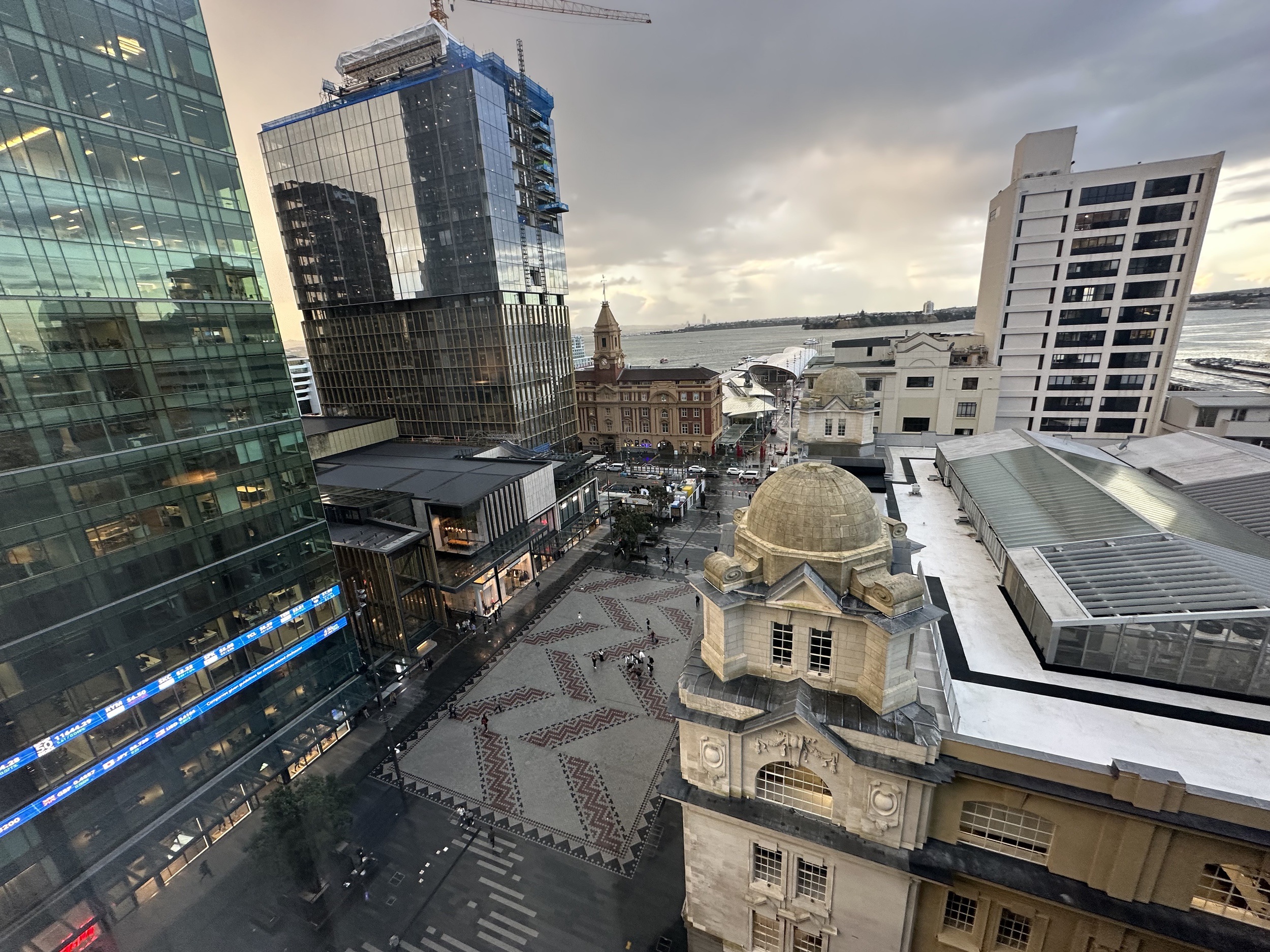
The Central Business District (CBD) of Auckland is a mesmerizing sight to behold, where skyscrapers pierce the heavens and city lights dance like stars. This bustling hub, nestled in the heart of New Zealand’s largest city, is a testament to the country’s economic prowess and urban vibrancy. The CBD boasts a striking skyline adorned with towering architectural marvels that house multinational corporations, financial institutions, and an array of businesses. These magnificent structures not only represent progress and modernity but also embody Auckland’s status as a global city.

When night descends upon the city, a magical transformation takes place. The CBD becomes a kaleidoscope of vibrant colors and dazzling patterns, as city lights come alive in a breathtaking display. This enchanting atmosphere captivates both locals and visitors, drawing them into its luminous embrace. Amidst this awe-inspiring spectacle stands the crown jewel of Auckland’s skyline – the Sky Tower.

Rising majestically to a staggering height of 328 meters, the Sky Tower is not simply the tallest building in New Zealand; it is an iconic symbol of the city itself. Its observation decks offer panoramic views that stretch as far as the eye can see, allowing visitors to marvel at the sprawling cityscape and the glistening Waitemata Harbour. For those seeking an adrenaline rush, the Sky Tower provides the opportunity for sky jumping, a thrilling experience that will leave you breathless. Alternatively, you can indulge in a leisurely meal at the revolving restaurant, where each bite is accompanied by stunning vistas that seem to stretch out endlessly.

In essence, the CBD and the Sky Tower combine to create a captivating blend of architectural grandeur and luminous beauty. Auckland’s Central Business District is a must-visit destination for anyone yearning to witness the splendid marvels of skyscrapers and city lights. Prepare to be spellbound as you immerse yourself in the dazzling symphony of modernity and urban charm that awaits you in this vibrant metropolis.

Related Posts

Unveiling the Art and Controversy: Navigating the World of Japanese Hentai

Dave

a woman wearing a purple dressa woman wearing a purple dress

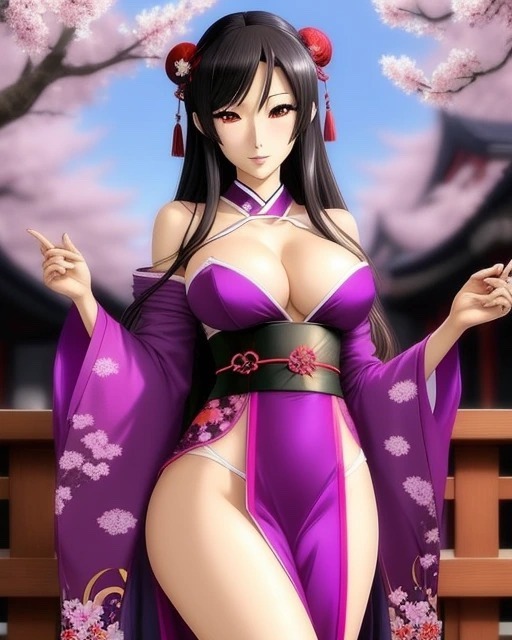
Japanese hentai, originating in Japan, is a genre of explicit adult animation or comic art. It is essential to note that the term “hentai” is derived from the Japanese words for “pervert” or “abnormal,” and carries associations with sexually explicit and graphically explicit content. However, it is crucial to understand that not all Japanese hentai falls within the explicit content spectrum, as various subgenres exist within this category. These subgenres encompass a wide range of themes and styles, including fantasy, sci-fi, romance, and horror. What sets hentai apart is its exploration of sexual fantasies and fetishes that are not commonly depicted in mainstream media.

Despite gaining significant popularity in both Japan and internationally, hentai remains a niche genre catering to a specific audience. It primarily manifests in the form of manga (Japanese comics) or anime (Japanese animation). Dedicated websites, magazines, and conventions have emerged to serve the growing community of hentai enthusiasts.

It is worth acknowledging that hentai has faced controversy and criticism due to its explicit content and potential impact on society. Critics argue that it perpetuates harmful stereotypes, objectifies women, and promotes unrealistic expectations of sex. Conversely, proponents of hentai argue that it provides a safe outlet for sexual exploration and expression, allowing individuals to indulge in fantasies that would otherwise be considered taboo.

In conclusion, Japanese hentai is a complex and controversial genre that continues to evolve, sparking discussions about sexuality, censorship, and artistic freedom. It offers a unique platform for individuals to explore and express their sexual desires, although it remains a topic of intense debate.

Related Posts

Unlocking the Secret to Optimal Health Coverage: A Guide to Choosing the Perfect Health Care Plan

Dave


Health insurance is like a superhero that comes to your rescue when you’re in need of medical attention. It’s an essential aspect of life that provides financial protection and helps you cover the costs of medical expenses when you’re sick, injured, or need medical care. But with so many health insurance plans available in the market, finding the perfect plan can be overwhelming.

The secret to unlocking the perfect health insurance plan is to start by understanding your healthcare needs. Take a moment to assess your health status, the frequency of your medical visits, and the type of medical care you require. This will help you narrow down your options and choose a plan that matches your needs, providing you with the required coverage at an affordable price.

When selecting a health insurance plan, affordability is a significant factor to consider. Some plans may offer lower premiums, but they may have higher deductibles. This means that you’ll have to pay a higher amount before the insurance coverage kicks in. On the other hand, some plans may offer lower deductibles but higher premiums, which may be more cost-effective in the long run. It’s essential to weigh the pros and cons of each plan and choose one that fits your budget.

Another crucial factor to consider is the provider network of the health insurance plan. Make sure your preferred healthcare providers are within the network, as this will help you save money on out-of-pocket expenses. Additionally, check if the plan covers the specific medical services you require, such as maternity care, mental health, or prescription drugs. Understanding the coverage limits and exclusions will help you avoid any surprises when you need medical attention.

Before making a decision, it’s crucial to review the plan’s terms and conditions carefully. Some plans may have restrictions on pre-existing conditions, waiting periods, and coverage for experimental treatments. Make sure to read and understand every detail of the plan to ensure that you’re getting the coverage you need.

In conclusion, finding the perfect health insurance plan requires careful consideration and evaluation of your healthcare needs, budget, provider network, and plan terms and conditions. Taking the time to understand these factors will help you make an informed decision and get the best coverage at an affordable price. Remember to review your plan regularly to make sure it still meets your needs as your health status changes over time. Don’t let the daunting task of finding the perfect health insurance plan stop you from protecting yourself and your loved ones.

Related Posts

From Windy Wellington to Stunning Auckland: A Kiwi Adventure Takes Flight

Dave

mapa view of a beacha close up of a hillside view of a citya view of a citya view of a citya close up of clouds in the skyclouds in the sky with smoke coming out of itclouds in the skyclouds in the skya view of a citya view of a mountain

Travel between Wellington and Auckland, New Zealand is an adventure filled with breathtaking landscapes and picturesque moments that are perfect for capturing in photographs. As you embark on this journey, you will find yourself surrounded by stunning natural beauty that showcases the diversity and charm of New Zealand. From the vibrant streets of Wellington, the capital city, to the bustling metropolis of Auckland, there are countless opportunities to capture the essence of this incredible country. Along the way, you can snap photos of the rolling hills and lush greenery that line the highways, creating a scenic backdrop that is quintessentially New Zealand. As you traverse the North Island, you may stumble upon hidden gems such as the stunning Kapiti Coast or the mesmerizing Tongariro National Park, each offering its own unique charm and striking landscapes that are a photographer’s dream. From rugged coastlines to serene lakes, the journey between Wellington and Auckland is dotted with numerous opportunities to capture the true essence of New Zealand’s natural wonders. Additionally, the cultural richness and vibrant cityscapes that these two cities offer cannot be missed. Wellington, known for its vibrant arts scene and quirky café culture, is a treasure trove of street art, colorful buildings, and captivating waterfront views. Auckland, on the other hand, boasts a skyline dotted with iconic landmarks such as the Sky Tower and the Auckland Harbour Bridge, providing ample opportunities for stunning cityscape shots. Whether you are captivated by the beauty of nature or fascinated by the urban landscapes, the photos of travel between Wellington and Auckland will undoubtedly leave you with a visual diary of unforgettable memories.

Related Posts

Where do Women Have the Curliest Hair

Dave

a woman wearing a costume posing for the cameraa woman in a pool of watera woman looking at the cameraa woman posing for a picture

Hair, oh glorious hair! It’s a masterpiece on each person’s head, unique and full of surprises. Forget about those old-fashioned stereotypes that claim women have the curliest locks. The truth is, hair texture and curliness are as diverse as the colors of the rainbow, regardless of gender.

Let’s break it down, shall we? Hair texture is like a genetic fingerprint, determined by the magical combination of our genes. There’s no secret lair or specific ethnicity where women exclusively rock the curliest tresses. Nope, not at all!

Take a moment to appreciate the vibrant tapestry of hair types that grace our world. Women from all walks of life flaunt an exquisite array of styles, ranging from sleek and straight to bouncy waves, luscious curls, and even tightly coiled wonders. It’s a true celebration of hair diversity!

But wait, there’s more! Factors like ethnic background, climate, and personal care routines can also sprinkle some magic into the curl pattern and texture of our locks. For instance, individuals with African heritage often sport hair with tight curls or coils, known as the fabulous Type 4 hair. On the other hand, those with European roots may showcase a delightful spectrum of hair, from silky straight to gentle waves to loose curls, falling under the enchanting categories of Type 1 to Type 3 hair.

Let’s not forget the most important lesson of all: embracing the natural beauty of our hair in all its forms. Every texture, every wave, and every curl is a testament to the glorious diversity that exists within us. Beauty, my friend, comes in countless shapes and sizes, and there’s no specific location that holds the monopoly on the curliest hair.

So, let’s raise our combs and brushes to celebrate the wonders of hair, in all its textured glory!

Related Posts

Empowering Democracy: Navigating the Divide Between Being Ruled and Being Governed

Dave

The contrast between being ruled and being governed goes beyond mere semantics. It hinges on the manner in which authority is wielded and the extent of control imposed on individuals within a society. When we speak of being ruled, we’re referring to a scenario where a single entity or individual wields absolute power and control over a population. Often, this is achieved through force or coercion. In this paradigm, rulers prioritize their own interests, maintaining their authority through fear and suppression, while disregarding the needs and rights of the people they govern.

On the flip side, being governed evokes a more democratic and participatory approach to leadership. In a governed society, power is shared among multiple governing bodies or institutions. Decisions are made collectively, taking into account the diverse needs and opinions of the population. Governance places great importance on transparency, accountability, and safeguarding individual rights. It involves the establishment of laws, regulations, and policies aimed at maintaining social order, promoting justice, and ensuring the welfare and well-being of citizens.

Unlike being ruled, being governed allows for active participation from individuals in the decision-making process. It empowers them with a voice and provides an opportunity to shape the trajectory of their society. At its core, the distinction between being ruled and being governed lies in the degree of freedom, inclusivity, and respect for human rights that define the relationship between the governing authority and the governed population. It’s a fundamental difference that determines the quality of life and the collective destiny of a society.

Related Posts