Author: Dave

I've always been curious about the world beyond my own backyard. While many people spend their entire lives close to where they were born, I've been fortunate enough to travel across the United States and around the world. Every place I've visited has challenged my assumptions in one way or another and reminded me that, despite our differences, people often have far more in common than they realize. I don't write to tell personal stories for the sake of telling them, and I don't believe every article needs to revolve around me. Instead, I enjoy using my experiences as a starting point for exploring larger ideas. Whether it's something I noticed while walking through a market overseas, a conversation with someone from another culture, or simply observing how different communities solve similar problems, I'm interested in the lessons those moments can teach all of us. Travel has given me perspective, but it has also taught me humility. The more places I visit, the more I realize there is still to learn. Every culture has something worth appreciating, and every journey has a way of expanding how we see the world and our place within it. When I write, my goal is simple: to share thoughtful observations, compare perspectives, and encourage curiosity. I hope readers come away having learned something new—not just about another place, but about the world we all share. If one of my articles inspires someone to look at a familiar idea differently, ask a new question, or venture a little farther than they otherwise might have, then I've accomplished exactly what I set out to do.
The Green Dragon: A Culinary and Cinematic Odyssey in the Heart of Hobbiton

Dave

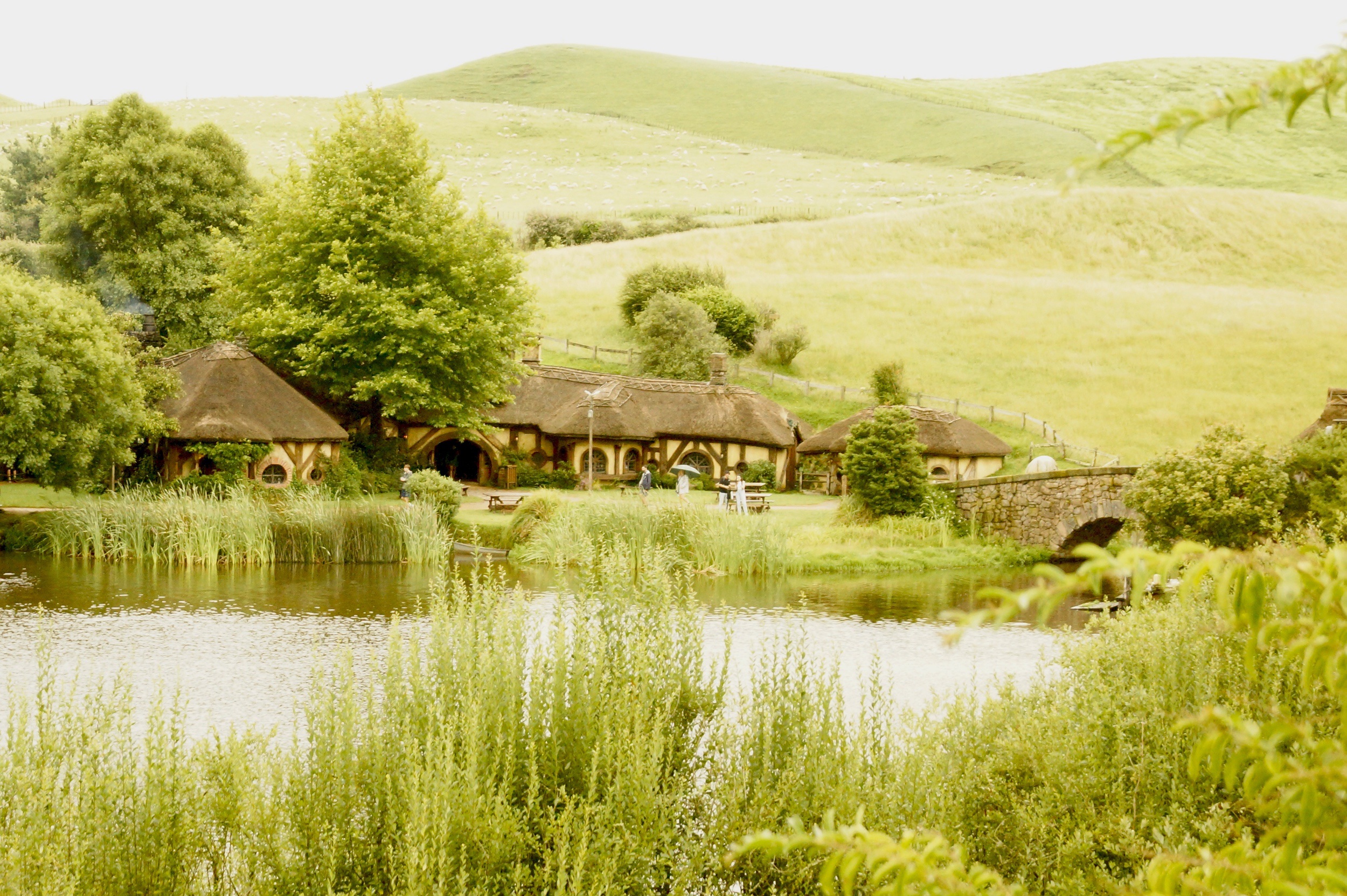
Nestled within the enchanting Hobbiton Movie Set, the Green Dragon Inn effortlessly transports visitors into the captivating realm of J.R.R. Tolkien’s Middle-earth. This iconic establishment, situated amidst the picturesque countryside of Matamata, New Zealand, beckons ardent admirers of The Lord of the Rings and The Hobbit trilogies. Stepping across its threshold, guests are immediately greeted by an atmosphere exuding warmth and comfort, amplified by a crackling fireplace and rustic wooden furnishings.

The meticulous attention to detail is truly impeccable, with every nook and cranny adorned with whimsical touches that breathe life into the fantastical world depicted in these beloved tales. Each room within the inn boasts its own distinctive charm and character, inviting exploration and admiration. The bustling bar area serves as a vibrant hub of activity, tantalizing patrons with the inn’s renowned ale, meticulously brewed right on the premises. Amidst the lively ambiance, a splendid collection of memorabilia from the films captivates the eyes, further augmenting the immersive experience.

Not only does the Green Dragon Inn immerse visitors within a visual wonderland, but it also entices their taste buds with a delectable repertoire of traditional Hobbit cuisine. From hearty stews to freshly baked bread and tantalizing pies, the inn’s menu ensures a state of sheer bliss for discerning palates. Guests can savor their meals while gazing upon the breathtaking Hobbiton landscape, adorned with rolling green hills and charming hobbit holes punctuating the horizon.

To enhance the immersive experience, the inn’s lush gardens and outdoor seating areas offer a tranquil oasis for patrons seeking moments of relaxation and reflection amidst the splendor of their surroundings. The staff at the Green Dragon Inn personify a friendly demeanor and an unwavering passion for Tolkien’s literary works, infusing the overall experience with an extra layer of authenticity and enthusiasm. Whether one is an ardent aficionado or simply appreciates the aesthetic beauty and meticulous craftsmanship of the film sets, a pilgrimage to the Green Dragon Inn promises an unforgettable journey into a world brimming with fantasy and adventure.

Related Posts

Hobbiton’s Flourish: Unveiling the Magic of The Mill at the Movie Set

Dave

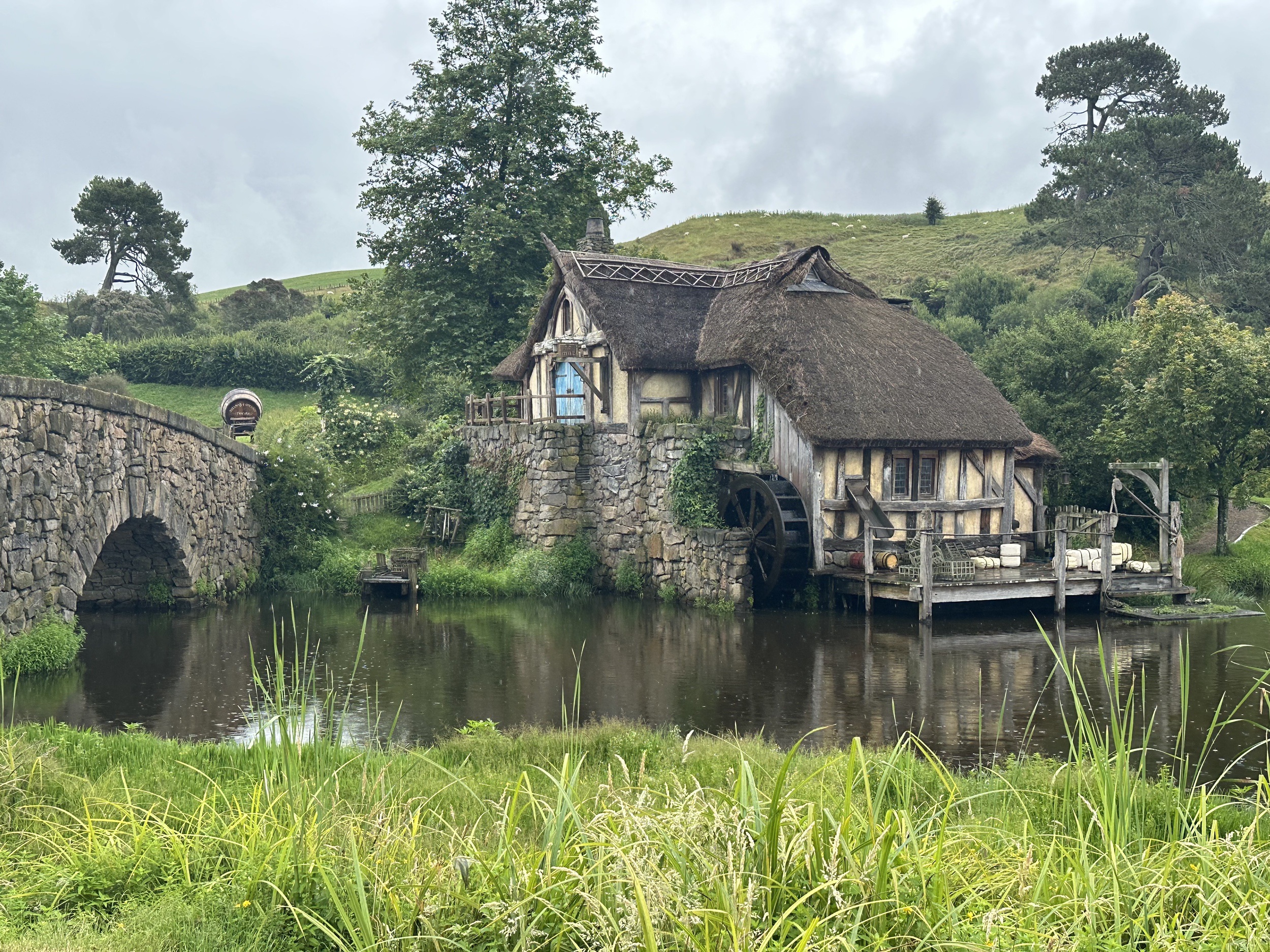
The Mill at the Hobbiton Movie Set is a charming and iconic structure that holds a special place in the hearts of fans of J.R.R. Tolkien’s “The Lord of the Rings” and “The Hobbit” series. Located in Matamata, New Zealand, this meticulously crafted mill is an integral part of the magical world of Middle-earth brought to life on the big screen. As visitors approach the Mill, they are immediately transported to the idyllic Shire, the homeland of the hobbits. The attention to detail is truly remarkable, with every nook and cranny of the Mill exuding authenticity and whimsy. From the intricately carved wooden beams to the gently turning water wheel, every element of the Mill reflects the craftsmanship and dedication of the set designers. Stepping inside, one can almost imagine the sound of the grinding millstones and the aroma of freshly baked bread, as if the hobbits had just stepped out for a moment. The Mill also offers a breathtaking view of the rolling hills and lush greenery that define the Hobbiton landscape. It is a sight to behold, especially during sunrise or sunset when the golden hues illuminate the picturesque scene. The Mill serves as a testament to the incredible artistry and storytelling that went into creating the Hobbiton Movie Set, and it stands as a beloved symbol of the enduring magic of Tolkien’s world. Whether you’re a die-hard fan of the books and movies or simply a lover of beautiful scenery, a visit to the Mill at the Hobbiton Movie Set is an experience that will leave you with a sense of wonder and a newfound appreciation for the power of imagination.

Related Posts

A Matter of Perspective: Exploring the Enchanting Hobbiton Movie Set Tour in New Zealand

Dave

The Hobbiton Movie Set Tour in New Zealand is an extraordinary experience that transports visitors into the enchanting world of J.R.R. Tolkien’s Middle-earth. Nestled in the rolling hills of the picturesque Waikato region, this meticulously crafted film set brings to life the whimsical village of Hobbiton from the renowned “Lord of the Rings” and “The Hobbit” trilogies. As one embarks on this immersive journey, they are greeted by an idyllic landscape dotted with meticulously designed hobbit holes, vibrant gardens, and charming bridges that span over tranquil ponds. Each hobbit hole is a work of art, meticulously detailed with unique characteristics and intricate designs that showcase the creativity and attention to detail of the production team. Walking through the narrow pathways, visitors can’t help but feel a sense of awe and wonder, as if they have stumbled upon a hidden gem in the heart of New Zealand. The tour provides fascinating insights into the filmmaking process, as knowledgeable guides share behind-the-scenes stories, intriguing anecdotes, and fun facts about the making of the movies. From the iconic Bag End to the Green Dragon Inn, every stop on the tour offers a glimpse into the rich tapestry of Middle-earth. The experience culminates with a visit to the Green Dragon Inn, where visitors can enjoy a refreshing drink of the famous Hobbiton brew, brewed exclusively for the movie set. The attention to detail is truly remarkable, with every aspect meticulously replicated to ensure an authentic and immersive experience. The Hobbiton Movie Set Tour is not only a dream come true for fans of the Tolkien universe but also a testament to the breathtaking beauty of New Zealand’s natural landscapes. It showcases the country’s ability to seamlessly blend fantasy with reality, creating a magical experience that captivates the imagination and leaves visitors with memories that will last a lifetime.

Hobbit houses, with their whimsical charm and cozy interiors, have long captured the imaginations of many. There are several fascinating aspects to know about these unique abodes. Firstly, the elevation and number of windows in a hobbit house can provide insight into the social standing and prosperity of its owner. A hobbit house situated higher up in the landscape signifies wealth and prestige, as it offers a superior view of the surrounding countryside. Additionally, a greater number of windows indicates the affluence of the hobbit residing within, as it allows for more natural light to permeate the living space.

Furthermore, the markings on a hobbit’s mailbox can offer clues about their profession. Hobbits, being a diverse community with various occupations, often display symbols or emblems on their mailboxes that represent their respective trades. These markings serve as a visual cue to visitors or passersby, allowing them to discern the hobbit’s line of work without needing to engage in conversation. For instance, a horseshoe emblem might indicate that the hobbit is a skilled blacksmith, while a quill and inkwell symbol could suggest a writer or scribe. This unique system of mailbox markings adds an element of charm and intrigue to the hobbit community, showcasing their creativity and resourcefulness in communicating their professions.

Hobbit houses offer a glimpse into the fascinating world of Middle-earth, with their architectural features and symbolic representations. The elevation and number of windows in a hobbit house can convey the social status and prosperity of its inhabitant, while the markings on their mailbox provide valuable insights into their chosen profession. These intricate details not only contribute to the authenticity and realism of J.R.R. Tolkien’s beloved fantasy world but also spark the imagination and curiosity of those who are enchanted by the magic of hobbit houses.

Related Posts

Matamata, New Zealand: A Tapestry of Movie Magic, Nature, and Rural Charm

Dave

Matamata, New Zealand is a charming town located in the Waikato region of the North Island. Known for its picturesque landscapes and friendly community, Matamata has become a popular tourist destination, attracting visitors from all over the world. The town is best known for its connection to the iconic movie franchise, The Lord of the Rings. Matamata is home to the world-famous Hobbiton Movie Set, where parts of the beloved films were shot. This meticulously recreated village allows visitors to step into the magical world of Middle-earth and explore the lush green hills, colorful hobbit holes, and even enjoy a drink at the Green Dragon Inn. The attention to detail and the breathtaking scenery make the Hobbiton Movie Set a must-visit for any fan of the films or those simply seeking an enchanting experience.

Beyond its association with The Lord of the Rings, Matamata has much to offer. The town itself is quaint and welcoming, with a range of shops, cafes, and restaurants that showcase the local cuisine and hospitality. The locals take pride in their town, and their warm and friendly nature is evident as you stroll through the streets. The town’s main street, Broadway, is lined with boutique stores and charming boutiques, offering unique shopping experiences.

For nature enthusiasts, Matamata is surrounded by stunning landscapes that are begging to be explored. The nearby Kaimai-Mamaku Forest Park offers an abundance of hiking trails, giving visitors the opportunity to immerse themselves in the natural beauty of the area. From lush native bush to cascading waterfalls and panoramic views, the park is a paradise for outdoor lovers. The Wairere Falls, located just a short drive from Matamata, is a particularly popular spot, boasting New Zealand’s longest waterfall and providing a challenging yet rewarding hike.

Matamata is also home to a thriving farming community, with rolling green pastures and sheep farms dotting the countryside. Visitors can experience the rural way of life by taking farm tours or even staying on a farmstay accommodation, where they can get hands-on with farm activities and learn about the agricultural practices that sustain the region.

In addition to its natural and cultural attractions, Matamata hosts various events and festivals throughout the year, offering a taste of the local culture and traditions. From the Matamata A&P Show, showcasing the best in farming and agriculture, to the Matamata Country Music Festival, celebrating New Zealand’s country music talent, there is always something happening in this vibrant town.

Whether you are a fan of The Lord of the Rings, a nature enthusiast, or simply looking to immerse yourself in a friendly and welcoming community, Matamata, New Zealand has something for everyone. Its unique blend of movie magic, natural beauty, and rural charm make it a destination that will leave a lasting impression on any visitor.

Related Posts

Embracing the Enchanting Traditions of Japanese New Year’s Eve

Dave

a woman sitting at a table in front of a window

Experience the magic of Japanese New Year’s Eve, a time-honored tradition that captivates hearts and souls across the land. Omisoka, the final day of the year, is a mesmerizing journey of reflection, preparation, and exultation. Families unite, brimming with anticipation, bidding farewell to the old year while embracing the new with unyielding hope and boundless optimism.

Enter the realm of Omisoka, where homes transform into sanctuaries of purity through the enchanting ritual of Osoji. With meticulous care, every nook and cranny is cleansed, inviting good luck and blessings to gracefully glide into the forthcoming year.

A symphony of flavors unfolds during Japanese New Year’s Eve, with the esteemed tradition of Toshikoshi Soba taking center stage. Families gather, their hearts brimming with joy, as they savor each mouthful of long, slender buckwheat noodles. These delectable strands symbolize longevity, gracefully bridging the gap between one year and the next.

As the midnight hour approaches, a celestial melody fills the air, resonating from the sacred temples. The Joya no Kane temple bell reverberates with purpose, striking a harmonious chord 108 times. Each chime represents the myriad desires that inhabit the human spirit. With each resounding note, the soul is cleansed, washed anew, beckoning a fresh start and boundless possibilities.

In the realm of Japanese New Year’s Eve, the path to good fortune and robust health is paved with visits to local shrines and temples. Hatsumode, a cherished custom, becomes an expression of gratitude and a quest for divine blessings. The air is thick with anticipation as prayers are whispered, dreams are shared, and the promise of a prosperous future is fervently sought.

And when the first light of dawn breaks on New Year’s Day, the world awakens to a breathtaking spectacle. Eager souls gather at scenic vistas, their hearts pounding with anticipation. As the sun’s radiant rays illuminate the horizon, a tapestry of vibrant colors paints the sky, heralding new beginnings and a future ablaze with brilliance. It is in this moment that hope blossoms, and the promise of a bright and joyous future takes root.

Japanese New Year’s Eve, a tapestry woven with threads of harmony, gratitude, and renewal, is a cherished celebration that transcends age and time. Embrace the magic and immerse yourself in a world where tradition dances with possibility, and the spirit of a new year awaits with open arms.

Related Posts

Unraveling China’s Imperial Tapestry: Factors and Forces Behind Its Historical Departure

Dave

The abandonment of the imperial system in China can be attributed to a multitude of factors that unfolded over the course of centuries. One paramount reason was the internal decay and corruption that afflicted the imperial government. As the dynasties matured, the ruling class became increasingly disconnected from the needs and desires of the common people. This gave rise to widespread dissatisfaction and social unrest, ultimately leading to numerous uprisings and rebellions. A significant event, known as the Taiping Rebellion in the mid-19th century, showcased the fragility of the imperial system and its ineptitude in governing effectively.

Another influential factor was the growing influence of external forces. China faced considerable challenges from Western powers, especially during the 19th century. The Opium Wars and subsequent unequal treaties compelled China to open its borders for foreign trade and concessions, undermining the sovereignty of the imperial government. These encounters with Western imperialism laid bare the weaknesses of the imperial system and emphasized the urgent need for modernization and reforms.

Furthermore, the rise of nationalist movements and the dissemination of revolutionary ideas also played a pivotal role in China’s departure from the imperial system. Intellectuals and reformists began to question traditional values and societal structures, advocating for a more egalitarian and progressive system. The May Fourth Movement in 1919, for example, stood as a crucial moment in Chinese history, challenging the authority of the imperial system and paving the way for the establishment of a republic.

Lastly, economic factors cannot be disregarded. The imperial system in China had long relied on an agrarian-based economy, which proved increasingly inadequate in the face of industrialization and global trade. The inability to adapt to the changing economic landscape further eroded the legitimacy of the imperial government and led to socio-economic disparities. Coupled with the impact of natural disasters and famines, this resulted in widespread poverty and hardship among the population.

In conclusion, the departure from the imperial system in China was a complex and multifaceted process. Internal decay and corruption, external pressures from Western powers, the rise of nationalist movements, and economic challenges all contributed to the demise of the imperial system. The subsequent transformation was driven by the imperative for modernization, reform, and the aspiration for a more equitable and prosperous society.

Related Posts

Geisha Grace: Preserving Elegance in Japan’s Cultural Tapestry

Dave

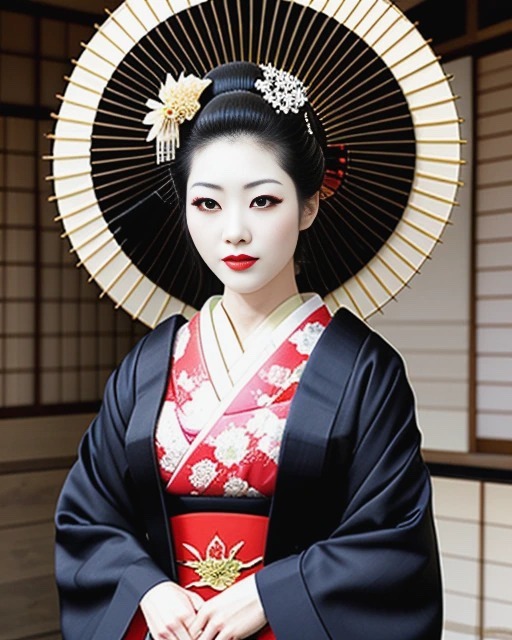
The Japanese Geisha, renowned as traditional female entertainers, boast a unique appearance and hold immense cultural significance. For centuries, these skilled artists, aptly named “persons of the arts,” have been integral to Japanese culture. They undergo extensive training in a multitude of traditional arts, encompassing classical music, dance, and games. Admired for their iconic white makeup, intricate hairstyles, and vibrant kimonos, Geisha exude an aura of elegance, grace, and poise, effortlessly captivating audiences with their mesmerizing performances. By showcasing and preserving traditional arts and customs, Geisha play a crucial role in safeguarding Japan’s rich cultural heritage. They are widely regarded as cultural ambassadors, providing entertainment at tea houses, banquets, and various other social gatherings.

Despite their association with entertainment, it is important to recognize that Geisha are neither courtesans nor prostitutes. Their specialized training equips them with the ability to create an atmosphere of warmth and hospitality for their guests through engaging conversation, music, and dance. The journey to becoming a Geisha involves rigorous and demanding training, typically commencing at a tender age. Apprentices, referred to as maikos, invest years in honing their skills under the tutelage of experienced Geisha. This comprehensive training encompasses mastery of traditional instruments, like the shamisen, proficiency in the art form of traditional dances such as the Kyoto-style dance, and the art of engaging in meaningful conversation. Additionally, Geisha acquire knowledge and refinement in disciplines like the tea ceremony and flower arrangement, enhancing their cultural expertise even further.

While the role of Geisha has evolved over time, their importance in Japanese society remains profound. They symbolize grace, beauty, and sophistication, continuously enthralling audiences with their captivating performances. Geisha are living testimonials to Japan’s rich cultural heritage, adept at showcasing their artistry and unwavering dedication, inspiring and captivating people worldwide.

Related Posts

From the Heart of Poland: Unveiling the Mystique of Vodka’s Origins

Dave

a woman standing in front of a window

Vodka holds a prominent position as a highly versatile distilled spirit that has been consumed by people worldwide for centuries. Surprisingly, many individuals remain unaware of its true origins in Poland. The roots of this iconic beverage can be traced back to the early Middle Ages, when Polish distillers embarked on an exploratory journey into the realm of spirit distillation. The exact year of its invention may be uncertain, yet it is widely believed that vodka production began in Poland during either the 8th or 9th century.

Initially, vodka found its purpose primarily in the medicinal field, as its potent nature was widely believed to possess therapeutic qualities. However, due to its exquisite taste and its ability to provide warmth in colder climates, it swiftly gained popularity among both Polish nobility and the general population. The very word “vodka” originates from the Slavic term “voda,” meaning water, highlighting the clear and pure essence of this spirit.

Throughout time, Polish vodka production methods underwent evolution as distillers experimented with various ingredients such as rye, wheat, barley, and even potatoes to create their exquisite blends. The expertise of Polish distillers in vodka production eventually expanded to other nations, most notably Russia, where it received immense popularity and became intricately connected with Russian culture and tradition. Nevertheless, it is crucial to acknowledge Poland’s significant contribution to the origin and advancement of vodka.

In contemporary times, Polish vodka continues to be revered for its exceptional quality and artisanal craftsmanship. Various brands and a diverse array of Polish vodka varieties can be enjoyed around the world. Whether consumed straight, on the rocks, or mixed into delightful cocktails, the enduring allure of vodka can be attributed to its Polish heritage, where it all began.

Related Posts

Beef Battle: New Zealand’s Lean Legacy vs. America’s Marbled Masterpiece – A Culinary Journey of Taste and Health!

Dave

text, letterAte at the Angus Steak House in Auckland it was a good meal, however it seems that New Zealand beef is healthier, but American beef has better flavor. Which leads me to write about the differences. When it comes to the debate surrounding New Zealand beef versus American beef, there are some fascinating factors that set them apart. One of the most significant distinctions lies in their feeding practices. New Zealand beef is renowned for being grass-fed, adding to its reputation as a healthier option. Grazing on grass, this type of beef boasts higher levels of heart-healthy omega-3 fatty acids and conjugated linoleic acid (CLA), known for their anti-inflammatory properties. On the other hand, American beef is typically grain-fed, resulting in a higher fat content. This extra fat gives American beef an undeniable edge when it comes to flavor and tenderness. The exquisite marbling of fat within the meat contributes to a luscious taste and juiciness that many consumers find irresistible. However, it’s worth noting that grass-fed beef still maintains an exceptional flavor profile, albeit with a leaner and subtly distinctive taste compared to its American counterpart. Ultimately, the choice between New Zealand beef and American beef depends on individual preferences, health considerations, and desired culinary outcomes. So, whether you lean towards the healthier option or crave the mouthwatering richness of marbled beef, the decision is yours to savor.

Related Posts

Have You Ever Wondered Where the Christmas Tree Came From?

Dave


The history of the beloved Christmas tree dates back to ancient times, long before the birth of Jesus Christ. In various cultures worldwide, evergreen trees were deemed as symbols of life and fertility, and were commonly used in winter festivals and celebrations. For instance, during the winter solstice, the ancient Egyptians would bring palm branches into their homes, while the Romans would adorn their abodes with evergreen boughs during the festival of Saturnalia.

However, the modern version of the Christmas tree that we know and love today is said to have originated in Germany during the 16th century. Legend has it that Martin Luther, the famous Protestant reformer, was walking home one winter evening when he was captivated by the beauty of the stars shining through the branches of a fir tree. This sight inspired him to bring a small fir tree into his home and decorate it with candles, hoping to recreate the stunning sight he witnessed.

This tradition of the Christmas tree quickly spread throughout Germany and other parts of Europe, and by the 19th century, it had become a common sight in homes across the continent. German immigrants popularized the tradition in the United States during the 19th century, and it rapidly became a cherished part of the country’s Christmas celebrations.

Today, the Christmas tree holds a special place in people’s hearts around the world. It is a symbol of hope, renewal, and the joyous spirit of the holiday season. From its humble beginnings as an evergreen tree in ancient times to the stunningly decorated trees of today, the Christmas tree has become an integral part of Christmas celebrations worldwide, bringing families and communities together in a time of joy and merriment.

Related Posts

Kentucky for Christmas: Unwrapping the Finger-Licking Tale of Japan’s Festive KFC Tradition

Dave

a woman standing in front of a plate of food

Prepare yourself for an intriguing Christmas custom of Japan, centered around the peculiar tradition of indulging in KFC during the festive season. This cultural phenomenon stems from a brilliant marketing campaign by KFC in the vibrant 1970s, which forever revolutionized the way Japan celebrates Christmas.

In this tale, imagine a nation entranced by the alluring prospect of a succulent and finger-licking alternative to the traditional Christmas turkey. Sensing an opportune moment, KFC seized the chance and introduced their tantalizing chicken to the unsuspecting masses, championing it as the ultimate feast for Yuletide celebrations. With the catchy slogan “Kentucky for Christmas” resonating through the airwaves, it didn’t take long for this unconventional idea to take flight and capture the hearts of countless Japanese families.

Fast forward to Christmas Eve, and you will witness a spectacle that can only be described as a culinary pilgrimage. People flock to KFC outlets all across the country, forming long queues that seem to extend endlessly into the horizon. Their mission? To secure their place in line and order a truly special Christmas meal. Such is the popularity of this cherished tradition that weeks in advance, pre-orders become a necessity to ensure that the tantalizing array of KFC delights graces their festive tables.

But the magic doesn’t stop there. Prepare to be dazzled by a Christmas menu that surpasses the mundane offerings. Gone are the ordinary choices; instead, the festive spread boasts an extravagant ensemble of fried chicken, accompanied by delectable treats such as cake and champagne. As customers enter KFC restaurants, they are greeted by a symphony of twinkling Christmas lights and whimsical decorations, transforming the atmosphere into a winter wonderland that heightens the jubilant spirit of the season.

The impact of this unique tradition extends far beyond mere meals; it has left an enduring mark on Japanese culture. Immortalized in movies, TV shows, and advertisements, it has become a cultural icon, captivating both locals and outsiders alike. What might have initially seemed peculiar and unconventional has now become an integral part of Japanese holiday celebrations, embodying the nation’s remarkable ability to embrace new traditions while staying rooted in its heritage.

So, as you immerse yourself in the holiday season, take a moment to savor the enchanting tale of KFC and its extraordinary role in Japanese Christmas festivities. It is a story that reminds us of the power of innovation, the beauty of cultural fusion, and the joy that comes from embracing the unexpected.

Related Posts

What is the Actual Birth Date of Jesus?

Dave


For centuries, people have debated the exact date of Jesus Christ’s birthday. Although Christmas is celebrated on December 25th, there is no concrete evidence supporting this as his actual birthdate. The Bible only mentions that he was born during the reign of King Herod, leaving historians to speculate on the exact date.

Interestingly, some historians believe that December 25th was chosen to coincide with pagan festivals that celebrated the winter solstice, while others think it replaced the Roman holiday Saturnalia, which also occurred in late December. There are also claims that Jesus was born in the spring or fall, based on astronomical and historical evidence.

Despite the ongoing debate, the most significant aspect of Jesus’ legacy is his life, teachings, and contributions to the world. People worldwide honor and remember the profound impact he had, whether it’s on December 25th or another date. As we celebrate Christmas, let us reflect on the values and teachings that Jesus embodied and strive to follow in his path of love, compassion, and kindness.

Related Posts

Santa Claus Unveiled: A Time-Traveling Odyssey Through Myth and Merriment

Dave

a close up of a man wearing a hat and glasses

Delve into the captivating history of Santa Claus, the iconic figure synonymous with Christmas cheer and gift-giving. This enchanting tale spans centuries, weaving together a tapestry of cultural influences and mythical origins. Prepare to embark on a journey through time, where the roots of Santa Claus can be traced back to a myriad of fascinating figures.

Meet Saint Nicholas, a benevolent Christian bishop from Myra, situated in present-day Turkey. In the fourth century, this remarkable man captivated hearts with his boundless generosity and penchant for secret gift-giving, particularly to children. As his legend gained momentum, the tales of Saint Nicholas reverberated across Europe, solidifying his status as a beloved benefactor.

Venturing to the Netherlands, we encounter the captivating figure of Sinterklaas. This delightful character would grace children with his presence on the eve of his feast day, December 6th, leaving behind marvelous surprises in their shoes. Dutch settlers transported this cherished tradition to the shores of America, where it gradually transformed into the Santa Claus we hold dear today.

But there’s more to Santa Claus than meets the eye. Other mythical figures have also played their part in shaping the beloved icon we know today. Enter Odin, the Norse god synonymous with Yule festivities and the art of gift-giving. As his influence intermingled with Saint Nicholas and Sinterklaas, Santa Claus took on new dimensions, embodying the spirit of both ancient mythology and Christian benevolence.

Across the Atlantic, in the realms of British folklore, we encounter Father Christmas. This mirthful old man represented the very essence of the holiday season, spreading joy wherever he went. His whimsical charm and infectious spirit left an indelible mark on the evolving image of Santa Claus.

But it wasn’t until the publication of “A Visit from St. Nicholas” by Clement Clarke Moore, affectionately known as “The Night Before Christmas,” that Santa Claus truly came to life. This enchanting poem, first shared with the world in 1823, breathed life into the imagery we now associate with Santa Claus. With his reindeer-drawn sleigh and infectious jollity, the modern incarnation of Santa Claus was born.

Throughout the years, Santa Claus has become an endearing symbol of the holiday season. He embodies the very essence of generosity and joy, regardless of whether he is portrayed as Saint Nicholas, Sinterklaas, or Santa Claus. A marvelous amalgamation of history, mythology, and cultural traditions, this iconic figure continues to captivate hearts, passing down its timeless magic through the generations.

Related Posts

Mrs. Claus: The Heartbeat of Christmas Magic

Dave

a person wearing a hat

Step into the enchanting world of Christmas, where the beloved and iconic figure of Mrs. Claus reigns supreme. While Santa Claus may steal the spotlight, it’s Mrs. Claus who adds that extra touch of magic to the festive season. Over the years, her character has evolved, but one thing remains constant – she is the epitome of warmth, kindness, and holiday cheer.

Picture Mrs. Claus, with her twinkling eyes and a heart full of love, standing by Santa’s side as his trusted partner. Together, they create a seamless operation, ensuring that Christmas preparations run like clockwork. But Mrs. Claus isn’t just a behind-the-scenes organizer. Oh no, she’s much more than that.

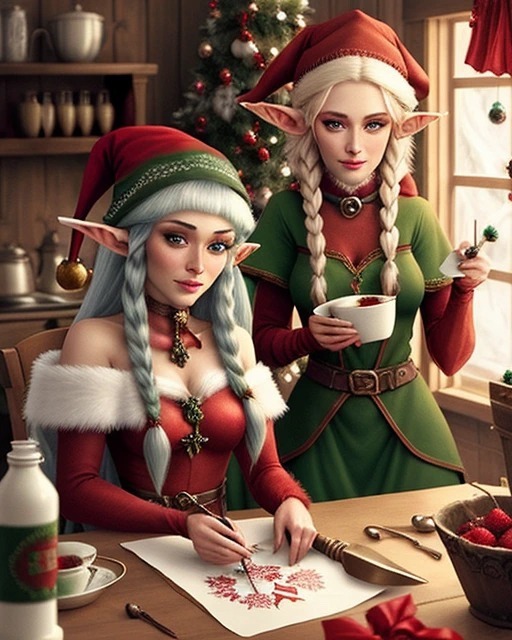
At the North Pole, Mrs. Claus is the backbone of the operation. She manages the mischievous elves, oversees the production of toys, and keeps the magical workshop in check. It’s a demanding job, but she handles it with grace and finesse. Her dedication extends beyond logistics – she has a special gift for spreading joy and happiness to children worldwide.

Mrs. Claus is not just Santa’s right-hand woman; she’s also a motherly figure, offering comfort and support to Santa and his hardworking elves. Her talents extend beyond toy-making, as she’s a skilled baker who delights everyone with her mouthwatering homemade cookies and treats. Imagine the scent of freshly baked goodies wafting through the air as she works her magic in the kitchen.

Despite her vital role in the Christmas narrative, Mrs. Claus has often been overshadowed by Santa Claus himself. However, in recent years, there has been a growing recognition of her significance and the need to shine a spotlight on her contributions. After all, she embodies the true spirit of the holiday season – generosity, love, and family.

Mrs. Claus serves as a reminder that the magic of Christmas isn’t solely dependent on Santa Claus. It’s a collaborative effort between them, a partnership that brings joy to millions. She symbolizes the essence of Christmas, reminding us of the importance of kindness, warmth, and the power of togetherness.

So, whether Mrs. Claus is playing a supporting role or taking center stage, one thing is certain – she is an enduring symbol of the holiday season. Her presence brings comfort, her actions inspire, and her love and dedication shine brightly, reminding us all of the true magic of Christmas.

Related Posts

Unveiling the Enchanted Legacy: The Origin Story of North Pole Elves

Dave

a person sitting at a table with a hat

Prepare to be enthralled by the captivating tale that unravels the origins of the North Pole elves, a narrative that has touched the hearts and fired the imaginations of individuals of all ages. According to ancient folklore and deeply-rooted beliefs, these extraordinary creatures can trace their ancestral lineage back to an elusive haven known as Alfheim. Picture a realm of enchantment nestled profoundly within the Arctic wilderness, a realm that only those with pure hearts and an unwavering faith in the magic of Christmas can access.

As the folklore goes, several centuries ago, a compassionate group of humans chanced upon this mystical land amidst a treacherous snowstorm. Their astonishment knew no bounds when they were warmly embraced by a benevolent clan of fairytale-like elves. These mystical beings sheltered and guided them, providing warmth and invaluable assistance during their desperate moments. Moved profoundly by the kindness and generosity bestowed upon them, the humans made a life-altering choice—to remain in Alfheim and wholeheartedly embrace the customs and way of life of their newfound companions, eager to learn from their wisdom.

As time slipped away, passing through years, decades, and even centuries, these humans transformed into elves, seamlessly assimilating into the elfin society. They imbibed the knowledge and skills passed down by their elfin mentors, effortlessly integrating themselves into the enchanting world they now called their own. Through unbroken generations of dedication to transmitting wisdom and magical abilities, the population of North Pole elves thrived and blossomed.

In the present day, these extraordinary beings continue to reside in the mystical North Pole, laboring tirelessly alongside the iconic figure of Santa Claus himself. Their collective endeavors are devoted to meticulously preparing for the festive holiday season, spreading joy and mirth to children across the globe. So, as you eagerly anticipate the advent of Christmas, bear in mind that behind the scenes, a remarkable lineage of North Pole elves perpetuates the legacy of those courageous individuals who chose to make Alfheim their eternal abode.

Related Posts

Chilling Beauty: Exploring the Haunting Tale of Yuki Onna in Japanese Folklore

Dave

a person wearing a hat

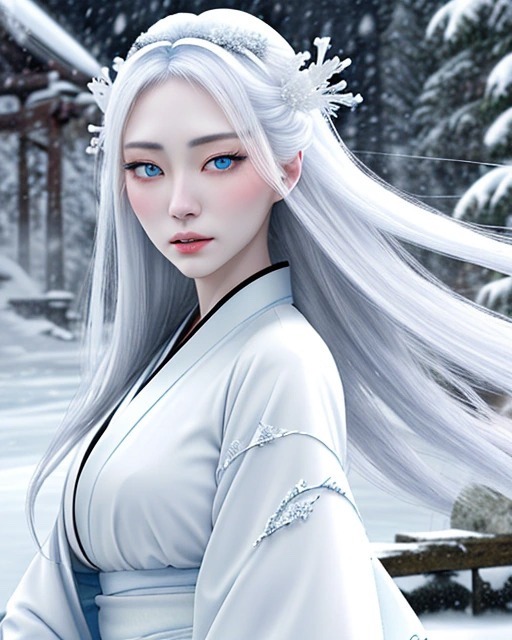
Japan is renowned for its rich folklore, and among its captivating tales stands the haunting legend of the Yuki Onna, a story that has captivated the hearts and minds of many. Translated from Japanese to English, “Yuki Onna” simply means “snow woman.” This mystical figure is said to appear during intense snowstorms, bringing with her an ethereal presence that borders on enchanting.

According to ancient legends, the Yuki Onna takes the form of a breathtakingly beautiful woman, adorned with flowing lustrous hair, pale skin, and mesmerizing azure eyes. Draped in a white kimono that seamlessly blends with the snowy landscape, she truly embodies the essence of winter. However, one must not be deceived by her alluring beauty, for hidden within her is a chilling power – the ability to freeze unsuspecting souls with nothing more than a breath of icy cold air.

The Yuki Onna is particularly drawn to desolate, snow-covered landscapes such as mountains and forests, where she often preys upon hapless wanderers or stranded travelers. Gracefully gliding over the untouched snow, she leaves no trace of her presence, creating an otherworldly spectacle. With a touch as cold as death itself, she can drain the life force from her victims, rendering them powerless and depleted.

It is worth noting that despite her inherently chilling nature, Yuki Onna is not always portrayed as purely malevolent. Some versions of the folklore depict her as a sorrowful spirit, consumed by the grief of a lost love and forever searching for companionship. In these renditions, Yuki Onna reveals a flicker of compassion and mercy, sparing the life of a fortunate traveler on the condition that he promises never to speak of their encounter. These nuances in the legend add complexity to her character, blurring the line between good and evil.

The enduring legacy of the Yuki Onna folklore is a testament to its longevity and significance in Japanese culture. Passed down through generations, it continues to captivate the imaginations of those who hear it, serving as a cautionary tale against the dangers of venturing into treacherous snowy wilderness. Its enduring popularity is evident in its portrayal across various artistic mediums, including literature, art, and film, further exemplifying Japan’s profound fascination with the supernatural.

Related Posts

Reaching for the Stars: The Auckland Sky Tower Experience

Dave

a view of a cityan aerial view of a citya large body of water with a city in the backgrounda view of a citya view of a cityan aerial view of a cityan aerial view of a citydiagram, engineering drawinga view of a citya view of a citya close up of a tall building with Sky Tower in the background

Behold the Auckland Sky Tower, a true architectural marvel that exudes grandeur and ambition. With its commanding height and dominating presence in the city’s skyline, it reaches boldly towards the stars, leaving onlookers in awe. Unveiled amidst great fanfare, this iconic structure stands as a testament to Auckland’s unwavering pursuit of innovation and excellence.

Soaring to a staggering height of 328 meters, it proudly claims the title of New Zealand’s tallest building, offering unparalleled panoramic views that will leave you breathless. But the Sky Tower is more than just a tourist attraction; it’s a vibrant hub of entertainment, fine dining, and opulent accommodations. Step inside, and you’ll discover a world of possibilities.

From the tower’s observation deck, you’ll witness Auckland’s splendor from an entirely new perspective. The vistas stretch as far as the eye can see, painting a picture of urban beauty intertwined with nature’s grace. But if you crave adventure, fear not, for the Sky Tower has something special in store.

Thrill-seekers can experience the ultimate adrenaline rush with skywalking, a heart-pounding escapade that takes you outside the tower’s upper levels, suspended by trusty harnesses. With each step, you’ll feel the rush of wind and the thrill of being suspended high above the bustling streets below. And for the truly daring, the bungee jump platform awaits, daring you to take a leap of faith from a jaw-dropping height.

The Auckland Sky Tower has woven itself into the very fabric of the city, becoming an indispensable part of its identity. Year after year, millions of visitors, both locals and tourists, flock to this towering symbol of modernity and progress. It stands as a testament to Auckland’s unwavering determination to soar to new heights, quite literally.

As the sun dips below the horizon, the tower transforms into a mesmerizing beacon of hope and inspiration. Illuminating the night sky, it reminds us all that dreams are within reach, and with unwavering determination and perseverance, we too can reach for the stars.

Related Posts

Cinematic Gifts of Joy: Unwrapping the Magic of Timeless Christmas Movies

Dave

a person standing in front of a snow covered street

Christmas movies hold a special place in the hearts of people worldwide, evoking feelings of joy, nostalgia, and a strong sense of togetherness during the festive season. There are numerous timeless classics that stand out as the epitome of Christmas movies, captivating audiences across different generations. One such exemplary film is “It’s a Wonderful Life” (1946), a heartfelt masterpiece directed by Frank Capra. This poignant narrative revolves around the character George Bailey, skillfully portrayed by James Stewart, who, with the assistance of an angel named Clarence, gains profound insight into the true value of his existence. The film astutely captures the essence of Christmas, emphasizing the significance of love, friendship, and community.

Another beloved Christmas movie is “Home Alone” (1990), masterfully helmed by Chris Columbus. This comedic gem delves into the misadventures of young Kevin McCallister, expertly played by Macaulay Culkin, who is mistakenly left behind by his family during the holiday season. As Kevin courageously defends his home against two bumbling burglars, the film seamlessly blends humor, action, and a heartwarming message of familial reconciliation.

Furthermore, the animated film “The Polar Express” (2004), brilliantly directed by Robert Zemeckis, has now become a modern Christmas classic. Drawing inspiration from Chris Van Allsburg’s book, this visually stunning masterpiece takes viewers on a breathtaking journey aboard a magical train bound for the North Pole. It serves as a poignant reminder of the enduring power of belief, imagination, and the profound meaning of Christmas.

Additionally, “Elf” (2003), under the guidance of Jon Favreau, emerges as another notable Christmas film. The irrepressibly charming Will Ferrell portrays Buddy, a human raised by elves at the North Pole, embarking on a quest to reunite with his biological father in New York City. This hilarious and heartwarming production pays tribute to the spirit of Christmas through its infectious humor and the themes of acceptance and rekindling one’s inner child.

These examples merely scratch the surface of the finest Christmas movies that have indelibly woven themselves into the tapestry of timeless classics, offering immeasurable joy and holiday merriment to audiences of all ages.

Related Posts