Latest Articles

Setting Sail for a New World: The Mayflower’s Voyage That Changed History

Elias Rowen

On September 16, 1620, a small wooden ship slipped away from the port of Plymouth in southern England and set its bow toward the unknown. The vessel was called the Mayflower, a merchant ship never designed for the burden of history it would soon carry, and aboard were just over one hundred passengers — men, women, and children — bound for a land across the ocean that most of them had never seen. They were not adventurers in the romantic sense, nor conquerors with armies at their back. Many were Separatists seeking religious freedom, others were entrepreneurs and laborers chasing economic opportunity, and some were simply caught up in the momentum of the voyage. But together, they embarked on a journey that would become one of the foundational myths of America, shaping the story of a nation that would rise from the struggles, survival, and contradictions of that crossing. The day the Mayflower departed was not just the beginning of a voyage. It was the beginning of an idea.

The decision to leave England was not taken lightly. For the Separatists, who would later be remembered as Pilgrims, life in England had become intolerable under the religious conformity demanded by King James I. Some had fled earlier to the Netherlands, where greater religious tolerance existed, but economic hardship and fear of losing their cultural identity pushed them to seek a more permanent solution. The New World — vast, mysterious, and dangerous — offered both risk and possibility. Backed by financial investors in London who sought profit from colonial ventures, the group secured passage on two ships, the Speedwell and the Mayflower. But fate intervened early. The Speedwell proved unseaworthy, leaking badly, and was forced to turn back. In the end, only the Mayflower would carry them forward, overcrowded and laden with the dreams and fears of those aboard.

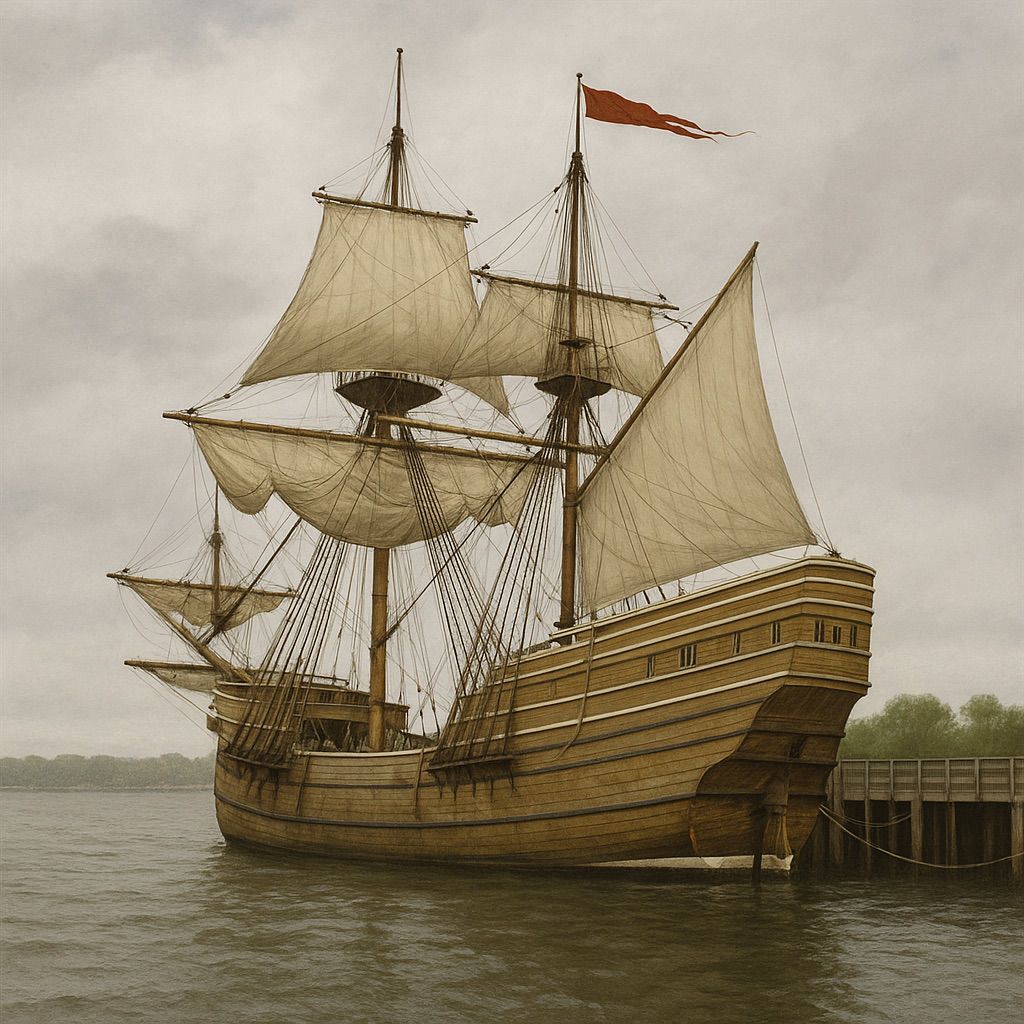
The Mayflower itself was not a grand ship. At about 100 feet in length, it was meant for cargo, not passengers. The voyage would be harsh and claustrophobic, with people crammed into tight quarters below deck, enduring seasickness, foul smells, and the constant roll of the Atlantic. Food supplies were limited, fresh water scarce, and storms frequent. For over two months, the passengers lived in damp, dark conditions, buffeted by winds and waves. The Atlantic in autumn was no gentle crossing. Gales tested the ship’s timbers, and at one point, the main beam cracked, threatening to end the voyage. Yet the passengers and crew pressed on, driven by faith, necessity, or sheer stubbornness.

What made the Mayflower voyage significant was not only the journey itself, but the moment it represented in history. These were not the first Europeans to cross the Atlantic, nor the first to attempt colonization. Spanish, Portuguese, Dutch, and French ventures had already spread across the Americas. Even the English had planted settlements in Virginia, most famously at Jamestown. But the Mayflower’s passengers were different in purpose and story. They were families, not soldiers. They sought permanence, not just profit. They envisioned a community, however fragile, where they could worship freely and live according to their own convictions. That dream, however imperfect, became enshrined in the mythology of the voyage.

One of the most enduring legacies of the Mayflower was the Mayflower Compact, signed aboard the ship before the passengers disembarked. This short agreement, crafted because the ship had landed north of its intended destination in Virginia and outside the authority of its charter, established a form of self-governance. The signers pledged to create “just and equal laws” for the good of the colony, and to abide by them collectively. Though simple, the compact planted seeds of democratic governance that would echo through American history. It was born not of lofty ideology, but of necessity — a recognition that survival in a harsh and foreign land required unity and cooperation. Yet in that practicality lay the roots of something profound: the idea that government derives its power from the consent of the governed.

The Mayflower finally reached the coast of Cape Cod in November 1620, after more than 60 grueling days at sea. The landfall was not greeted with triumph, but with exhaustion and uncertainty. Winter was approaching, supplies were dwindling, and the passengers were weakened by sickness. Their arrival was far from the promised paradise. It was a harsh, frozen wilderness. The months that followed would be brutal. Nearly half of the passengers and crew would die that first winter from disease, hunger, and exposure. Yet those who survived endured, thanks in part to the assistance of Indigenous peoples such as the Wampanoag, who shared knowledge of agriculture and survival. The relationship between the settlers and Native Americans would grow complicated and tragic in the decades that followed, marked by cooperation but also by mistrust, violence, and dispossession. The Mayflower story, in this sense, is not only a tale of courage and faith, but also a story of collision between worlds — one of resilience and hope, but also of loss and conflict.

Looking back, the departure of the Mayflower feels like the opening scene of a much larger drama. In the moment, it was a gamble, taken by ordinary people under extraordinary circumstances. They could not have imagined that their voyage would become enshrined in history books, celebrated in school plays, and mythologized in national identity. They could not have foreseen that the story of their small ship would be invoked centuries later as a symbol of freedom, perseverance, and the American dream. Yet they also could not have foreseen how their arrival would mark the beginning of profound disruptions for the Indigenous peoples who had lived on the continent for thousands of years. The Mayflower’s departure is remembered as a beginning, but every beginning is also an ending for someone else.

The mythology of the Mayflower endures because it speaks to universal themes. It is the story of leaving behind the familiar in search of something better. It is the story of faith and survival against overwhelming odds. It is the story of people daring to imagine a future not given to them, but carved by their own hands. And it is also a story that forces us to wrestle with complexity — the bravery of the Pilgrims alongside the suffering their arrival brought to others. To tell the Mayflower story honestly is to hold both truths together, to acknowledge both the hope it inspired and the consequences it carried.

On September 16, 1620, as the Mayflower departed Plymouth Harbor, its passengers could not have known the weight of their voyage. To them, it was simply a chance to begin again, to escape old constraints and test their fate on new shores. But history would turn their departure into legend. The small ship and its weary passengers would become a symbol of beginnings, a reminder that even the most ordinary of journeys can change the course of nations. When the Mayflower’s sails filled with wind that autumn morning, the world shifted — quietly at first, but profoundly, forever.


Related Posts

Keep It Cool: The Ultimate Guide to Portable Snacks That Won’t Melt

Dave

There’s an art to snacking, especially when life doesn’t give you the luxury of refrigeration. Anyone who has ever unwrapped what was supposed to be a delicious chocolate bar only to find a sticky puddle knows the heartbreak of snack failure. The truth is, not all foods are built for travel. Sunshine, backpacks, car rides, long walks, beach trips, and hikes test the endurance of whatever you pack, and some snacks simply crumble under the pressure—literally and figuratively. But there’s a world of options out there for those who want to keep hunger at bay without dealing with melted messes or soggy regrets. Portable snacks that won’t melt aren’t just a convenience; they’re a survival skill, a sanity saver, and in some cases, the difference between a joyful day out and a cranky crash caused by hunger pangs and sticky fingers.

The first rule of non-melting snacks is simple: think resilience. Fruits and veggies, nature’s most portable options, often get overlooked because they seem too simple, but the truth is, they’re champions when it comes to durability. Apples, for instance, can roll around in your bag all day without giving up. Carrot sticks never sweat under pressure, and grapes, when packed right, stay cool and crisp even in a warm setting. Dried fruit is even better, offering all the flavor without the risk of spoilage. Dried mango, chewy apricots, raisins, or even freeze-dried strawberries deliver sweetness with no melting, no sticky wrappers, and no mess. Nature got it right, and often, the simplest options are the best.

For those who crave something more indulgent, nuts and seeds step in as the heroes of snack time. Almonds, cashews, walnuts, sunflower seeds, and pumpkin seeds are not only melt-proof but also nutrient-dense, providing protein and healthy fats that keep energy levels steady. They’re the kind of snack that feels substantial, giving you that satisfying crunch while fitting neatly into a small container or resealable bag. Add in some dried cranberries or banana chips for a homemade trail mix, and suddenly you’ve got a snack that’s both practical and delicious. Best of all, trail mix doesn’t ask for refrigeration, doesn’t complain about heat, and never fails to deliver—unless, of course, you add chocolate chips that turn into tiny, smeared disasters on a hot day.

Granola bars and energy bites also belong in the no-melt hall of fame, though it’s worth choosing wisely. Bars with a heavy chocolate coating are likely to soften, but oat-based or nut-butter-based bars without chocolate drizzles hold strong in almost any climate. Better yet, DIY energy bites made with oats, nut butter, honey, and seeds not only keep their shape but also taste like little bursts of power you can pop anytime. Wrap them in parchment or tuck them into a container, and they’ll outlast the sunniest picnic. Some brands even specialize in melt-resistant bars, designed specifically for outdoor adventures, ensuring that what you pull out of your bag tastes as good as when you packed it.

Crackers and rice cakes are another underrated snack that laughs in the face of heat. They don’t melt, don’t wilt, and stay crispy when stored in a sealed bag. Add a small container of nut butter or hummus if you’re able to keep it cool, but even plain, they provide a satisfying crunch that pairs well with cheese sticks (if you’ve got a cooler) or dried fruit. Whole grain crackers also provide slow-release energy, making them a smarter option than chips for those long days outside. If you want to get creative, pack flavored rice cakes—apple cinnamon, caramel, or cheddar—for a touch of variety without sacrificing durability.

Then there’s the snack that has been around since childhood lunchboxes: jerky. Beef jerky, turkey jerky, even plant-based jerkies made from mushrooms or soy are all fantastic non-melting, protein-packed options. Jerky is built for endurance, designed to withstand travel and time. It’s savory, satisfying, and endlessly portable. A couple of strips can tide you over for hours, making it an ideal companion for road trips, hikes, or long days at the beach. Unlike snacks heavy with sugar, jerky sustains energy without causing a crash, and it doesn’t mind a little heat along the way.

If sweet snacks are your go-to, cookies might just surprise you. While gooey chocolate chip cookies are bound to cause trouble, shortbread, biscotti, or oatmeal cookies without chocolate add-ins handle heat gracefully. Biscotti, in particular, could sit in a bag for weeks and still taste delicious—if it lasts that long. Pair it with an iced coffee or tea you pick up on the way, and suddenly you’ve got a café-level snack moment wherever you are. It’s indulgence without the melt, sweetness without the mess.

Savory snack lovers can rejoice, too. Popcorn, whether plain, lightly salted, or seasoned with spices, travels well and stays stable no matter the weather. Pack it in zip-top bags, and you’ve got a lightweight, fun-to-eat snack that works just as well on a road trip as it does on a beach blanket. Pretzels are another strong contender, offering crunch and saltiness that won’t let you down. Add some single-serving packs of mustard or peanut butter if you want to elevate the experience, but even on their own, pretzels are sturdy snack MVPs.

For a little more creativity, roasted chickpeas and edamame are fantastic high-protein, heat-proof options. They come pre-flavored, from smoky barbecue to spicy chili lime, and provide a crunchy texture that feels both indulgent and healthy. They don’t melt, they don’t spoil easily, and they add a twist to the usual snack lineup. Think of them as the grown-up’s answer to chips—satisfying but smarter.

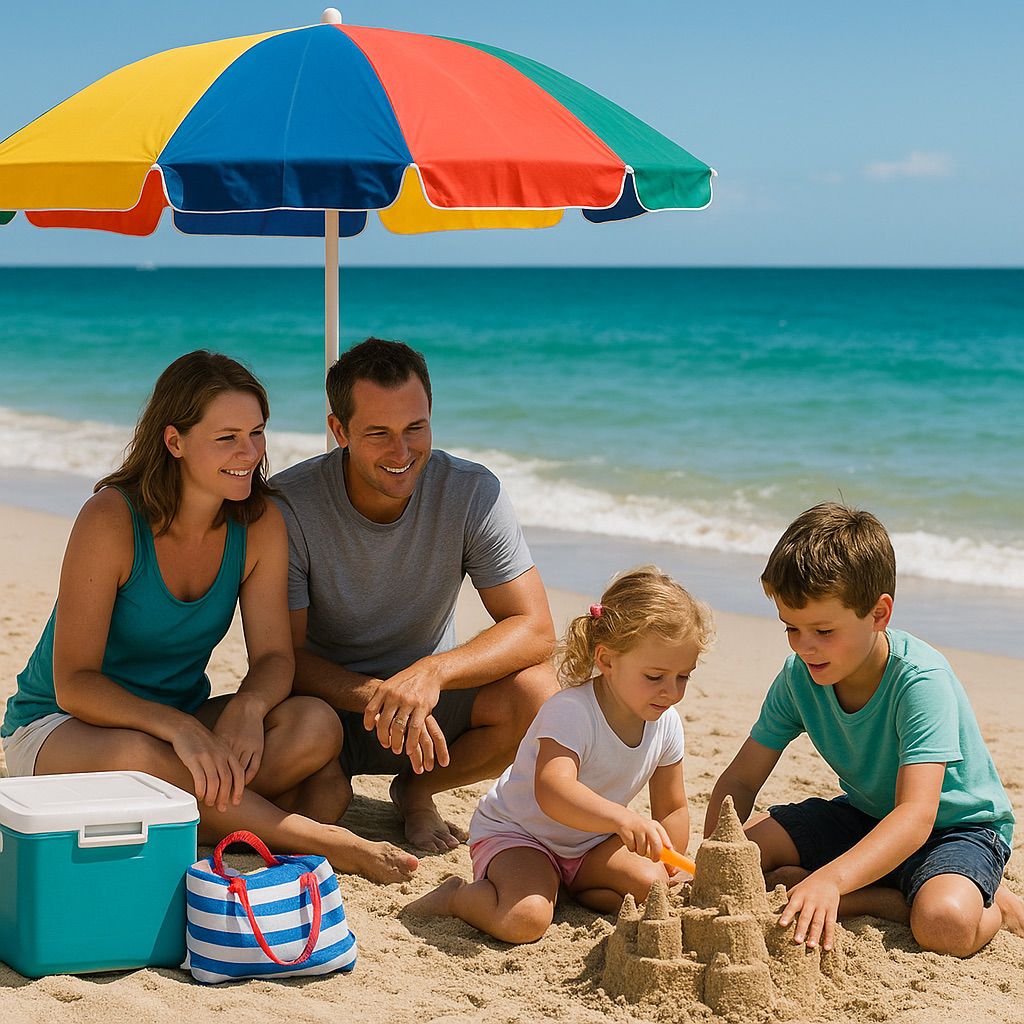
What makes portable, non-melting snacks so special is not just their practicality, but the way they shape experiences. Imagine a family at the beach, children racing in and out of the water, parents stretched out on blankets. When hunger strikes, instead of sticky candy bars and melted chocolate, there’s a spread of apples, crackers, jerky, and trail mix. Hands stay clean, kids stay happy, and nobody has to run off in search of a convenience store. Or picture a long hike, the sun high overhead, and the relief of pulling out a granola bar that hasn’t melted into a sad, crumpled mess. The right snack doesn’t just feed the body—it keeps the day flowing smoothly, turning potential frustration into satisfaction.

In the end, the best portable snacks that won’t melt are the ones that match your mood and your plans. Some days call for crunchy and salty, others for sweet and chewy. Sometimes you want simplicity, like an apple or a bag of popcorn, and other times you want creativity, like homemade trail mix or spiced roasted chickpeas. The beauty of this category is that it’s wide open, full of choices that travel well, taste great, and make life easier.

So the next time you pack for an adventure—whether it’s a beach trip, a hike, a road journey, or just a long day away from home—think about snacks that can take the heat. Choose foods that are resilient, fun, and flavorful, and you’ll never have to deal with sticky wrappers, melted messes, or disappointment again. A little preparation means a lot of joy, and when you’re sitting in the sunshine enjoying your snack while others are struggling with melted chocolate fingers, you’ll know you’ve cracked the secret.

Related Posts

The Day Wall Street Shook: How the Collapse of Lehman Brothers Changed the World

Elias Rowen

On September 15, 2008, the global economy was rocked by a single event that reverberated far beyond the trading floors of New York. Lehman Brothers, one of Wall Street’s oldest and most prestigious investment banks, filed for bankruptcy. With roots going back to 1850, Lehman had survived wars, depressions, and countless financial storms. But on that Monday morning, as its employees carried boxes of belongings out of its gleaming Manhattan headquarters, the unthinkable became real: a titan of finance had fallen. The collapse of Lehman Brothers was not just the largest bankruptcy in U.S. history at the time, but the moment the financial crisis of 2008 transformed from fear into full-blown panic. It was the day Wall Street shook, and the tremors reached every corner of the globe.

Lehman Brothers was not just another bank. It was an institution woven into the fabric of American capitalism. Founded by three German immigrant brothers in Montgomery, Alabama, the firm began as a cotton trading business before evolving into a powerhouse of finance. Over the decades, it grew into a symbol of Wall Street’s daring and ingenuity, underwriting bonds, guiding mergers, and helping corporations raise capital. By the 21st century, Lehman was a key player in the global financial system, employing over 25,000 people and managing hundreds of billions in assets. Its name carried weight, prestige, and the aura of invincibility. That aura vanished overnight.

The seeds of its downfall had been planted years earlier in the housing market. During the early 2000s, U.S. housing prices soared, fueled by easy credit and risky lending practices. Banks and financial institutions, hungry for profit, packaged these risky mortgages into complex financial instruments known as mortgage-backed securities and collateralized debt obligations. On paper, these products promised high returns with manageable risk. In reality, they were ticking time bombs. Lehman Brothers dove headfirst into this market, becoming one of its biggest players. For years, the strategy paid off, generating billions in profit. But when the housing bubble burst in 2007, the foundation crumbled. Mortgages defaulted, the value of mortgage-backed securities collapsed, and Lehman was left holding billions in toxic assets.

As the losses mounted, confidence evaporated. In the world of finance, confidence is everything. Once investors and partners no longer believe in your stability, the fall can be swift and brutal. By September 2008, Lehman was drowning in debt, its stock price in free fall, its credit rating downgraded to junk status. Efforts to find a buyer failed. Barclays and Bank of America, once seen as potential saviors, backed away. The U.S. government, which had bailed out Bear Stearns months earlier, decided not to rescue Lehman. Treasury Secretary Henry Paulson, Federal Reserve Chairman Ben Bernanke, and other officials faced an agonizing decision: draw the line at Lehman to avoid creating a culture of guaranteed bailouts, or step in to prevent chaos. They chose the former. The bankruptcy filing came on Monday morning, September 15. In a single stroke, Lehman’s 158-year history was over.

The shock was immediate and global. Stock markets plunged, credit markets froze, and panic spread. Lehman’s bankruptcy was more than a corporate failure; it was a rupture in the financial system itself. Banks stopped trusting one another, hoarding cash instead of lending. Investors scrambled for safety, pulling money out of risky assets. Ordinary people felt the aftershocks in ways that were devastating and personal. Retirement accounts shrank, home values plummeted, and millions lost jobs as the crisis rippled outward. Lehman Brothers’ collapse was not just a Wall Street story; it was a Main Street tragedy. It became the symbol of an era when greed, risk, and systemic fragility collided to nearly bring the global economy to its knees.

The images of Lehman employees leaving their offices with cardboard boxes became iconic — not just of the firm’s demise, but of the end of an era. For decades, Wall Street had seemed untouchable, a place where titans of finance operated above the fray. Suddenly, it was revealed to be fragile, human, and deeply flawed. Those images were seared into the public consciousness: young bankers and seasoned veterans alike, faces stunned and hollow, carrying away the remnants of their professional lives. It was a portrait of both personal loss and systemic failure.

The aftermath of Lehman’s collapse reshaped global finance in profound ways. Governments around the world scrambled to stabilize their economies. The U.S. Congress passed the Troubled Asset Relief Program (TARP), a $700 billion bailout to rescue the financial system. Central banks slashed interest rates to near zero and launched unprecedented stimulus measures. Regulators introduced new rules designed to prevent another Lehman, including higher capital requirements for banks, stress tests, and tighter oversight of derivatives. The term “too big to fail” entered the lexicon, reflecting the uneasy recognition that some institutions were so deeply entwined in the system that their failure could bring the entire economy down.

Yet the legacy of Lehman Brothers’ collapse is not just in policy and regulation. It is in the lessons it taught — and the questions it left unanswered. It showed how interconnected the world had become, how a single bankruptcy could trigger a global recession. It showed the danger of complexity, of financial products so intricate that even experts struggled to understand them. It showed the cost of hubris, of believing that markets could only rise and that risk could always be managed. Most of all, it showed the human toll of financial failure — not just on bankers, but on families, workers, and communities around the world.

Fifteen years later, the memory of Lehman still lingers. Economists debate whether letting it fail was the right decision. Some argue that rescuing Lehman would have prevented the worst of the crisis. Others contend that its failure was necessary to force reforms and accountability. What cannot be debated is the impact. The day Lehman Brothers collapsed was the day the illusion of stability shattered, the day the world was reminded that even the mightiest institutions can fall, and that the consequences of financial recklessness are borne not just by those at the top but by millions at the bottom.

On September 15, 2008, the world witnessed more than the end of a bank. It witnessed the end of an era — the era of unchecked financial exuberance, of blind faith in markets, of the belief that Wall Street was indestructible. The collapse of Lehman Brothers remains a defining moment of the 21st century, a reminder that trust, once lost, can unravel the strongest of institutions. It was, quite simply, the day Wall Street shook, and the echoes are still felt today.

Related Posts

Paradise Found and Lost: The Story of Maya Bay, Thailand’s Most Famous Beach

Dave

There are beaches that people visit to escape their daily lives, and then there is Maya Bay, a stretch of sand so impossibly beautiful that it almost seems fictional. Nestled among the dramatic limestone cliffs of Koh Phi Phi Leh in southern Thailand, this crescent-shaped bay has been worshiped, destroyed, mourned, and resurrected in the eyes of the world. For centuries, it was a secret shared only by fishermen, passing travelers, and locals who believed that spirits inhabited the caves along its cliffs. The powder-white sand and turquoise waters remained untouched for generations, a natural masterpiece created not by human hands but by the slow artistry of time, tide, and tropical sun. But as fate would have it, Maya Bay’s destiny was rewritten by a film camera, a Hollywood script, and a young Leonardo DiCaprio searching for paradise in the year 2000.

When Danny Boyle’s cult film The Beach was released, audiences were captivated by the story of an adventurous backpacker chasing the dream of a hidden Eden. Maya Bay was cast as that Eden, and from the moment its image lit up cinema screens, the bay ceased to be a secret. For many, the film was not just entertainment but an invitation, a promise that there really existed a place on Earth untouched by modern chaos. Tourists flocked from every corner of the globe, their imaginations fired by the dream of walking the same sands where DiCaprio once stood. What they found was real enough—limestone cliffs rising like guardians around a lagoon of jade water, soft sand slipping beneath their feet—but their presence began to unravel the very paradise they had come to adore.

In the early 2000s, what began as a trickle of curious travelers became a flood. At the height of its fame, Maya Bay welcomed as many as 6,000 tourists a day. Longtail boats and speedboats crowded into the lagoon, dropping anchors that tore through coral reefs which had taken centuries to grow. Sunscreen from thousands of bodies seeped into the waters, poisoning marine life. Plastic bottles and trash began appearing along the tide line. The once-crystalline bay became a swimming pool of humanity. Coral bleaching, pollution, and physical destruction devastated the underwater ecosystem, and blacktip reef sharks, once common in the shallows, disappeared. What had once been paradise had become a cautionary tale, and environmentalists who had warned of this fate during the filming of The Beach now watched as their predictions came true.

By 2018, Maya Bay was a shadow of itself. Scientists estimated that over 80 percent of its coral reefs were destroyed, and the marine biodiversity that once thrived in the bay was on the brink of collapse. The Thai government faced a difficult choice: continue profiting from mass tourism or take radical steps to save the bay. In a bold and unprecedented move, they chose the latter. Maya Bay was closed to visitors indefinitely, an extraordinary decision in a country where tourism is a lifeline for the economy. The announcement shocked the world. Could one of the most famous beaches on Earth really be sealed off? For more than three years, that is exactly what happened.

During its closure, Maya Bay became a laboratory of hope. Conservationists and marine biologists worked tirelessly to restore what had been lost. Tens of thousands of new corals were planted by hand, nurtured like fragile seedlings in a garden of the sea. Strict protections were introduced, and speedboats were permanently banned from entering the bay. Slowly, nature responded. Waters cleared, corals began to grow again, and in a moment of triumph, blacktip reef sharks returned to the shallows, a living symbol that the ecosystem was healing. What was once paradise lost was now, against the odds, becoming paradise reborn.

When Maya Bay finally reopened in 2022, it did so under a very different set of rules. Gone were the days of endless boatloads of tourists pouring directly onto its sands. Now, access was tightly controlled. Only 375 visitors were allowed at a time, each permitted just one hour on the beach. Boats were forced to dock on the far side of the island, and tourists had to walk along a wooden boardwalk to reach the bay. Swimming in the bay’s waters was prohibited to protect marine life, and park rangers enforced the new regulations with vigilance. Some travelers grumbled at the restrictions, but many more understood that this was the price of preservation. Maya Bay had not been saved just for Instagram photos—it had been saved for the future.

Today, visiting Maya Bay feels different than it once did. The beauty remains, but it is layered with meaning. To walk its sands is to step into a story of rise, fall, and redemption. You feel the echo of the past when the beach was untouched, the rush of excitement from the film that catapulted it into fame, the chaos of mass tourism, and finally the hope of a world learning to care for the fragile places it loves. Tourists now speak in hushed tones, aware that they are guests in a place that almost vanished. For many, it is a transformative experience, not just because of what they see, but because of what the beach represents.

Maya Bay has become more than a beach. It is a parable about the human desire for paradise and the consequences of our collective hunger for beauty. It is a mirror that reflects our choices as travelers, our responsibilities as global citizens, and our capacity for both destruction and healing. In an era when viral fame can be both a blessing and a curse, Maya Bay stands as a reminder that sometimes the world’s most viral stories come with lessons we cannot afford to ignore.

To write about Maya Bay is to share more than photographs of turquoise waters and white sand. It is to tell a story that resonates across cultures and generations, a story of longing, excess, collapse, and ultimately redemption. It is to remind readers that paradise is not simply found; it must be protected, nurtured, and respected. And perhaps that is why Maya Bay continues to capture imaginations, even now. Because it speaks not just of a place, but of who we are, and what we might still become if we learn from its journey.

Related Posts

Sandy Toes and Happy Hearts: The Magic of Family-Friendly Beach Vacations

Dave

There’s a certain electricity in the air when a family beach trip is approaching. It starts with the buzz of anticipation while packing bags, digging out swimsuits from the back of drawers, checking sunscreen supplies, and debating whether you really need to bring that extra set of sand toys. A family-friendly beach vacation isn’t just a trip—it’s a tradition, an anchor of memories that children and parents alike will carry long after the tan lines fade. These vacations have a way of compressing joy into small, unforgettable moments: a child’s first seashell discovery, a dad attempting to fly a kite that refuses to cooperate, a mom laughing so hard while being splashed that the sound of her laughter carries down the shoreline. It’s in these snapshots that family bonds are strengthened, and it’s no wonder why so many people say their happiest childhood memories are wrapped in the sound of crashing waves and the smell of salt air.

The beauty of a family-friendly beach destination lies in its ability to satisfy everyone. Kids crave endless play, and beaches deliver—sandcastle competitions that grow more elaborate by the hour, boogie boards riding waves until exhaustion sets in, or the simple delight of chasing gulls across the shore. Teens, often hard to please, find freedom in beach boardwalks, watersports, or the safe independence of exploring local shops and cafés. Parents rediscover the art of slowing down, stretching out under an umbrella with a book they’ve meant to read for months or joining in on a spontaneous beach volleyball game with their children. Grandparents, if they’re along, enjoy long walks at sunset, hand-in-hand storytelling, and seeing joy radiate across generations. Few vacation types allow such a natural blend of activities where every age group finds something they love, and where togetherness feels effortless rather than forced.

Some beaches around the world are legendary for catering to families. Destinations like Hilton Head in South Carolina, with its gentle waves and biking trails, or San Diego’s Coronado Beach, with its golden sand and calm surf, consistently rank high on the family-friendly list. Abroad, places like Algarve in Portugal or Playa del Carmen in Mexico offer warm waters, safe swimming zones, and activities that make kids feel just as catered to as adults. The key is not the size of the destination or even its fame—it’s the ability for a beach to become a playground, a dining room, a nap spot, and a stage for stories all in one day. Families don’t just visit beaches—they live entire days on them, sunrise to sunset, and the best spots are those that embrace that rhythm.

There’s also something inherently budget-friendly about family beach trips. Unlike theme parks or elaborate vacations, much of the fun comes free of charge. The ocean doesn’t ask for tickets. Sandcastles cost nothing more than imagination and a bucket. Shell collecting, frisbee tossing, evening walks along the tide line—all are priceless activities that weave themselves into the vacation tapestry without draining wallets. Of course, extras like ice cream runs, seafood dinners, or surf lessons add flavor, but the heart of a family-friendly beach trip is built on accessibility. The simplest joys often become the most meaningful, and no one feels left out because the beach belongs to everyone equally.

Packing for a family beach vacation becomes an art form of its own. Parents learn quickly that while the beach seems simple, it demands a certain toolkit: sunscreen that actually stays put, a sturdy umbrella or pop-up tent for shade, endless snacks that somehow vanish within minutes, and plenty of water. Towels multiply like rabbits, sand toys somehow double with each trip, and coolers become mobile buffets. The ritual of lugging it all across hot sand is part of the experience, and though parents may groan at the load, the payoff is watching their kids run ahead, barefoot and giddy, ready for another day of salty adventure. These efforts, though exhausting in the moment, often become the things laughed about later—the memory of that umbrella that flipped in the wind, or the cooler lid that refused to close over too many juice boxes.

Meals, too, transform on beach vacations. Even the pickiest eaters seem to find an appetite after hours in the surf. Sandwiches taste better when eaten on a towel, fruit feels sweeter when bitten into under the sun, and even a simple bag of chips somehow transforms into a feast when shared on the sand. For dinners, families gather at beachside restaurants where seafood platters and fruity drinks remind everyone that vacation is not just a place but a state of mind. There’s something deeply bonding about watching a sunset together while waiting for food, sticky fingers still covered in saltwater, cheeks pink with sun. These moments aren’t polished—they’re sandy, noisy, sometimes chaotic—but they’re real, and they’re the ones everyone remembers.

Perhaps the most powerful part of family-friendly beach vacations is the rhythm they establish. Days start earlier because children rise with the sun, eager to head back to the water. Mornings are filled with energy—digging moats, building sand kingdoms, diving into waves again and again. Afternoons slow down, the beach quieter as naps sneak in under umbrellas, books finally open, and parents watch their kids through half-closed eyes with a contentment that only comes when the entire family is at ease. Evenings sparkle with boardwalk strolls, arcade games, fireworks shows, and late-night swims in hotel pools. Every hour feels filled, not with obligation but with choice, and that’s what makes them special. Family-friendly beach vacations thrive on flexibility—the freedom to do nothing or everything, all under the same sun.

Technology seems to fade here, too. While phones still capture countless photos, they often end up forgotten in bags as families immerse themselves in the moment. Kids aren’t scrolling when the waves call, and parents aren’t glued to screens when the view is this good. Instead, conversations stretch, games emerge, and laughter feels louder without digital interruption. The beach becomes not only an escape from routine but also from distraction, offering a kind of presence rarely achieved in daily life. Families rediscover not just the joy of vacation but the joy of each other.

As children grow older, beach trips become markers of time. The sandcastle years give way to surfing lessons, the seashell hunts give way to teenage selfies at sunset, the family volleyball games give way to adult siblings returning with their own kids. The beach holds continuity—it’s the backdrop against which families change, a reminder that while time moves forward, the ocean remains steady, welcoming, unchanging in its call. Parents who once pushed strollers across boardwalks later walk arm-in-arm with grandchildren, and in those moments, the circle feels complete.

Family-friendly beach vacations are not about perfection. Sometimes the weather doesn’t cooperate, sometimes the hotel isn’t as nice as the brochure, sometimes kids squabble or sunscreen stings eyes. But those imperfections fade into the background when set against the larger picture of joy. Years later, nobody remembers the tantrum or the lost flip-flop. They remember the first time they jumped into a wave, the family photo taken with messy hair and crooked smiles, the way the beach made them feel limitless. The ocean has a way of sanding down the rough edges, leaving behind only the polished, glowing memories.

At their core, family beach vacations are about connection—to each other, to the ocean, to the idea that life is best lived in shared moments of joy. They remind us that family is not just about being together in the same space but about playing, laughing, eating, and exploring side by side. They teach kids resilience in the face of waves, curiosity in the search for shells, and appreciation for the simple beauty of sunsets. They teach parents the art of presence, the gift of slowing down, the importance of prioritizing joy. And when families return home, they bring the ocean with them—not in the sand stuck to their shoes, but in the way they remember what it felt like to belong to something bigger than themselves.

So the next time you’re wondering where to go, remember that the answer doesn’t have to be complicated. Sometimes the best trip is the one with the simplest ingredients: a stretch of sand, the sound of waves, a cooler of snacks, and the people you love most. A family-friendly beach vacation isn’t about extravagance. It’s about joy, connection, and memories that will outlast even the tides.

Related Posts