Latest Articles

Borrowing the Tide: Ocean Sound Machines and Why They Work

Dave

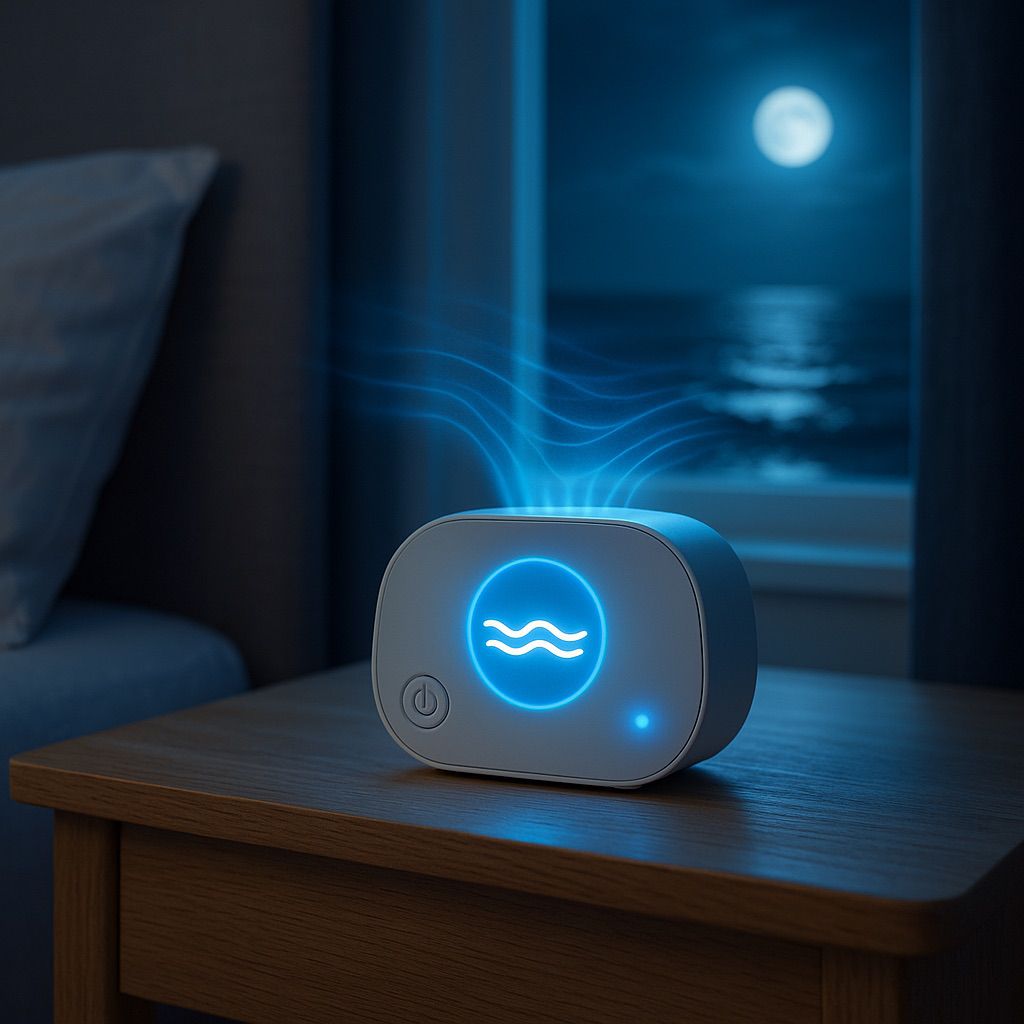
If you’ve ever slept near the sea, you know the feeling: the waves don’t just fill the room, they empty it—of buzz, of traffic, of the day’s loose ends. Ocean sound machines promise to bottle that hush and pour it right onto your nightstand. The skeptic’s question is simple: can a small speaker really compete with a coastline? The answer, surprisingly often, is yes—not because it “tricks” you, but because it cooperates with the way your brain already prefers to rest. Ocean audio works by smoothing the jagged edges of your soundscape, anchoring your breath to a steady rhythm, and signaling safety to a nervous system that’s been on duty all day. It’s a gentle technology with an old soul.

First, the masking magic. Sleep is easily sabotaged by unpredictable noise: a door slam, a distant motorcycle, a late-night notification. Your auditory system is a superb novelty detector—it keeps listening even when you’re asleep, ready to alert you to anomalies. That’s great for ancient caves and modern fire alarms; it’s less great for apartment pipes and midnight garbage trucks. Ocean sound machines lay down a continuous, broadband bed of sound—think of it like audio wallpaper. This smooth layer makes sudden intruders less contrasty, so they don’t yank your attention. The brain treats the steady whoosh as “always there, always safe,” and saves the wake-up call for true outliers. You’re not deaf to the world; you’re simply less interruptible.

Second, rhythm is regulation. Classic ocean tracks aren’t pure static; they breathe—a gentle swell and recede every few seconds. Many people unconsciously begin to entrain their breathing to that rise and fall, lengthening the exhale. Longer out-breaths nudge the parasympathetic (rest-and-digest) system forward and dial down the body’s go-signals. The heart rate eases, muscle tone softens, and the “I should be doing something” part of your brain loses the argument. It’s not hypnosis; it’s good pacing. The sea provides a metronome; your body says thank you.

Third, nature’s frequency recipe. Not all noise is created equal. White noise spreads equal energy across all frequencies and can sound hissy. Pink noise—more energy in lower frequencies, less in higher—matches many natural sound profiles (rain, leaves, waves) and feels warmer. Brown noise leans even heavier on bass, like a distant waterfall. Ocean machines that skew pink/brown often feel more soothing because they align with patterns your auditory cortex evolved around. In other words, your ears like the coast because your biology grew up outside.

There’s also the matter of memory and meaning. Water sounds often come bundled with positive associations: vacations, lazy afternoons, childhood naps after swimming. Your brain is a champion of context cues—it will reuse the calm it filed away under “beach.” Pressing the ocean button becomes a tiny ritual that says, “Same safe story as last time.” Over days, that consistent pairing becomes conditioning: ocean on → body off-duty. That’s the opposite of doomscrolling, which conditions the brain to expect drama on the pillow.

Focus and stress relief benefit too, even far from bedtime. During work, a steady ocean track can raise your signal-to-noise ratio by masking chatter without demanding attention. Musicians call this “filling the room”; psychologists might call it attentional shielding. The sound occupies just enough bandwidth to keep distractions from getting a grip, while its predictability means you stop spending brain cycles on it. Think of it as soft acoustic privacy.

If you’re picky (good), here’s what distinguishes a great ocean machine from a disappointing one:

True looplessness (or very long loops): Short loops (10–30 seconds) become obvious; your brain spots patterns fast. Look for devices or apps with 45–120+ second samples, randomized layering, or synthesized ocean that doesn’t repeat in an audible way.

Timbre control (white/pink/brown): Being able to shift toward warmer (pink/brown) can make a huge difference for comfort.

No high-frequency hiss: Cheap tweeters can add a fatiguing shimmer. Test at low volume; if the top end feels crisp but not prickly, you’re good.

Volume evenness: One wave shouldn’t crash 10 dB louder than the next. Dynamic swings defeat the purpose at night.

Physical controls you can find in the dark: A tactile volume wheel beats a fiddly multi-press button at 2 a.m.

Timer + continuous mode: Some people like the sea to fade after they’re asleep; others prefer all-night masking. Options matter.

Power & portability: A quiet AC adapter (no coil whine) or a solid battery mode keeps the setup hum-free.

Setup matters as much as gear:

Placement: Put the machine across the room aimed toward you, not right by your ear. This spreads sound more evenly and lets you keep volume lower. If the noise source is specific (hallway door), place the machine between you and it for better masking.

Volume: Think “soft shower heard from another room.” Aim roughly 35–45 dB at the pillow. If you need more to drown a noisy street, keep it as low as effectiveness allows.

Tone shaping: If the track has a harsh “spit” on the break, nudge toward pink/brown or angle the speaker slightly away so you’re mostly hearing reflections.

Ritual: Start the ocean 10–15 minutes before lights-out. Pair it with low light and one repeated wind-down (book, stretch, journal). Your nervous system loves predictability.

Common use-cases—and how ocean sound helps:

Light sleepers / shift workers: Continuous waves mask neighbor noise and daytime clatter. Add blackout curtains to let the sound do less heavy lifting.

Tinnitus: For some, gentle ocean audio provides sound enrichment, giving the brain a neutral signal to mix with internal ringing. (Always keep volumes safe and ask a clinician if you’re under care.)

Kids & babies: Consistent, moderate sound helps naps survive door clicks and sibling chaos. Use at a distance; keep volumes conservative.

Travel: Hotel HVAC and street noise are chaos. A portable machine recreates “home room tone” so your brain doesn’t have to evaluate a brand-new acoustic space.

A few myths, gently rinsed:

“White noise will ruin your hearing.” Not at sensible volumes. Keep it low, diffuse, and comfortable. Your ears need rest, not silence at all costs.

“Any ocean track is relaxing.” Not if it’s bright and splashy or looped too short. Softer timbres and long loops win at bedtime; livelier surf is fine for daytime focus.

“If it works, I’ll fall asleep instantly.” Sometimes; often it’s a subtle nudge—less tossing, fewer awakenings, quicker returns to sleep.

If you don’t want to buy hardware, you can still borrow the tide:

Apps & playlists: Look for “pink ocean” or “long-form surf” with no talking. Test for loop seams by listening 2–3 minutes with eyes closed; if you catch the repeat, try another.

DIY room tone: A small desk fan plus a light ocean track at low volume creates a layered mask that feels natural and forgiving.

Smart speakers: Disable voice chimes and set a routine that lowers lights and starts surf at a set time; automation = consistency.

And if you’re lucky enough to live near real water, use it. Crack the window and let the authentic dynamic range do its thing. Pair it with a light, familiar machine on very low as a failsafe for nights when the wind swings and the sea goes quiet.

In the end, ocean sound machines work because they collaborate with three truths: your brain calms around predictable patterns, your body settles to gentle rhythms, and your memory softens at kind associations. A tiny speaker can’t replace the shoreline’s moonlit theater—but it can bring home the best part: the feeling that something bigger than your to-do list is breathing steadily beside you. When the room fills with that quiet tide, sleep stops being an achievement and becomes what it always was by the water—a return.

Related Posts

Catch the Light, Not the Glare: How to Take the Perfect Beach Selfie

Dave

You’re standing in the best studio on earth: ocean as backdrop, sky as softbox, sand as reflector. A perfect beach selfie isn’t luck—it’s small, repeatable choices that make the light love you, keep details crisp, and tell a story in one frame. Here’s the playbook I use so your photo looks “how it felt.”

1) Time it right (the two golden windows)

Golden hour (about 45–60 minutes after sunrise / before sunset) gives warm, forgiving light, natural skin glow, and gentler shadows.

Blue hour (10–20 minutes before sunrise / after sunset) gives dreamy gradients and even skin, perfect if you prefer cooler tones.

Midday? Find open shade (umbrella, pier, dune), or turn your back to the sun and use the sand as a giant reflector. Step closer to the waterline where the light bounces softly.

2) Clean your lens (SPF is the secret smudger)

Sunscreen and sea spray haze your front camera fast. Wipe with a clean cotton cloth (inside of a T-shirt works in a pinch). A clear lens = instant sharpness and contrast.

3) Frame like a pro (fast composition wins)

Horizon straight; don’t let it slice your neck/head. Tilt slightly if you’re going for energy, but keep it intentional.

Rule of thirds: place your eyes on the top third; let the shoreline lead in from a corner.

Depth: stand a few steps from the water; include foreground (sand texture/footprints) for dimension.

Story prop: hat, towel fringe, surfboard edge—one item that says “where” without clutter.

4) Angle & lens (avoid the funhouse face)

Hold the phone slightly above eye level, angled down a touch. This sharpens jawline and opens the eyes.

Prefer 1x (wide) or 2x (tele) for faces. 0.5x ultrawide warps features—if you use it, keep your face centered and your arm out of the corners.

Extend your arm 45° off-center—not straight overhead—to get cheekbone light and a slimmer shoulder line.

5) Train the light (exposure you control)

Tap your face on screen, press/hold to lock AE/AF. Slide the exposure down a hair to save highlights (the ocean/sky).

Backlit sunset? Put the sun just out of frame or behind your hat to rim-light your hair without flare.

Use your hat brim or a friend’s white towel as a fill reflector to lift under-eye shadows.

6) Pose cues that don’t look posed

“Turtle”: forehead subtly forward, chin down a touch—instant jawline.

Angle your shoulders 30° from camera; shift weight to back hip.

Micro-expression: breathe out, think of something kind, then smile with your eyes first; the mouth will follow naturally.

Hands: light touch on hat brim, a strand of hair, or sunglasses—give them a job.

7) Color that loves the sea

Complementary pops: coral, rust, mustard, or warm pinks against aqua/teal water.

Avoid tiny high-contrast patterns (they moiré on phone sensors).

If you wear sunglasses, check reflections—great for creative shots, but they’ll also mirror your phone/people behind you.

8) Hair + wind = friend, not foe

Wind toward camera adds movement. Turn slightly into the breeze so hair lifts back, not across your lips.

A soft clip or scrunchie on the downwind side keeps shape without looking stiff.

9) Settings & features that help (fast and universal)

Live/Moving photo on iOS/Android: pick the best frame later.

Burst for waves and hair flips; stop on the laugh, not the jump.

Portrait mode at 2x for tighter headshots; check edges for weird blur (fix by stepping back and re-tapping your face).

Timer 3s to relax your grip—press, then reset posture.

10) Hands-free tricks (for solos & groups)

Prop the phone in your sandal or cup, or use a tiny tripod.

Trigger with watch remote, Bluetooth button, voice/gesture, or wired earbuds (volume click = shutter).

For groups: stagger heights (sit/kneel/stand), create triangles, and count “1… 2… breathe” instead of “3.”

11) Keep it crisp near water (safety + heat)

Use a wrist strap or waterproof pouch when wading.

Shade the phone between takes; overheated phones throttle image quality.

Rinse salt from your hands before touching the lens again.

12) Edit like you were there (not like a filter pack)

Lift shadows slightly, drop highlights a touch, nudge warmth at golden hour or tint toward teal at midday.

A tiny texture/clarity boost on hair; ease off on skin (let the glow be real).

Add vignette so the eye goes to your face, not the corners.

Keep horizon straight in crop; 4:5 fills feeds nicely, 9:16 for stories.

13) Prompts that give natural expressions

“Look at the wave you’re waiting for.”

“On three, blink… then open and smile.”

“Tell the camera one secret about why today is good.”

Quick recipes (copy–paste workflows)

Sunset glow: 2x lens → sun just off-frame → tap/hold face → -0.3 EV → hat brim fill → half-smile.

Midday shade: under umbrella edge → 1x lens → step toward sand bounce → timer 3s → slight chin tuck.

Action selfie: 0.5x lens center face → burst while stepping into tiny wave → pick the frame where spray arcs.

Checklist before you tap

Lens wiped?

Horizon straight?

Exposure locked on your face?

Shoulder angled, chin slightly down, forehead forward?

One clean background story element (shoreline/umbrella/board)? Good—shoot three takes and move on.

Related Posts

Fog, Footsteps, and the Law: What August 31 Teaches Us About Fear, Memory, and Justice

Elias Rowen

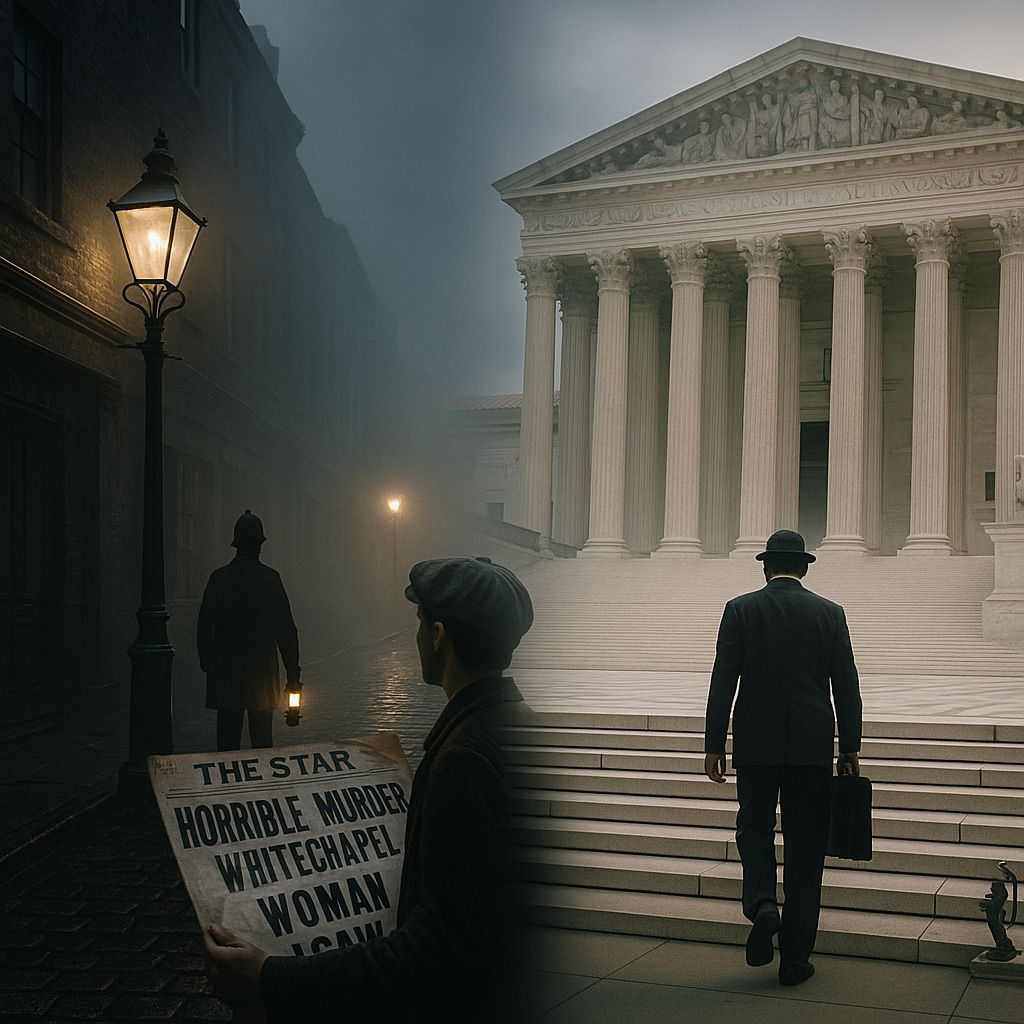
The calendar is supposed to be tidy: boxes, numbers, moon phases, holidays, a kind of paper metronome that keeps life on beat. But some dates hum with a stranger rhythm, a low chord that vibrates through streets and courtrooms alike. August 31 is one of those dates. In the pre-dawn hush of 1888, a carman on his way to work in London’s East End found a woman lying near a gated yard on Buck’s Row. Her name was Mary Ann Nichols—“Polly” to those who knew her—and within minutes she was transformed from person to headline, from a complicated life of laughter, hardship, and stubborn hope into the unliving symbol of a mystery that would metastasize into folklore. The man who likely killed her would be handed a nickname that sounded like theatre but felt like terror: Jack the Ripper. Nearly a century later, on another August 31 and far across the Atlantic, a very different kind of headline threaded itself into American life: landmark legal milestones that re-anchored the promise of equal justice under law. Over time, August 31 became a hinge where a gaslit alley meets a marble portico, where a constable’s lantern meets the cool gaze of a blindfolded statue. One day, two stories: the oldest unsolved serial-murder case to still spark arguments in pubs and seminars, and the living, evolving story of U.S. legal breakthroughs that try to make the country truer than its mistakes. If that juxtaposition feels jarring, good—it should. It’s the distance between fear and the systems meant to answer it, between the shadow of a crime and the scaffolding of a society that learns how to protect the vulnerable not just by catching monsters, but by changing the rules that let monsters thrive. What follows is a walk through fog and into the courtroom—an essay that insists on remembering a victim by name, locates the myth where it belongs, and then uses that memory to talk about how justice actually gets built, case by case, statute by statute, precedent by precedent, until the law’s promise sounds less like a lullaby and more like instructions.

History will tell you that Polly Nichols’ story begins the night she was murdered, but that is the historian’s economy, not the human truth. She was born in 1845, grew up in the bustle of London’s working-class neighborhoods, married a printer’s machinist, had children, and wrestled with poverty that behaved like a tide—sometimes receding enough to let a tiny beach of hope appear, sometimes swallowing every plan. Victorian London had two kinds of light: the shining newness of empire’s boulevards and the rancid glow of alleys where the poor rented not rooms but corners of air. Whitechapel was a neighborhood of laborers, hawkers, seasonal trades, and those whom the language of the day, with its chilly blend of pity and disdain, called “unfortunates.” Police rosters and charitable society ledgers reveal a world of hand-to-mouth hustle. There were workhouses whose rules punished the poor for needing them, lodging houses that charged by the night for beds that still smelled of the last occupant’s fear, and streets that carried a thousand finger-smudge stories no one wrote down. Against this life, Polly laughed when she could, argued when she needed to, borrowed when she had to, and—on the worst nights—sold what men had taught the world could be bought. If you want to do right by her memory, start there: with a person who had friends, a father who worried, a frayed dignity she kept trying to sew back together. Then put her back on Buck’s Row. Imagine the hour before dawn, when cities shiver and the mind feels both foggy and too sharp. Imagine a lamplighter’s residue in the air, a constable’s boots making their own metronome, and a quiet so complete that any sound—footsteps, a cart’s squeak, a door, a voice—feels like a decision arriving. Polly’s murder was swift and deliberate; I refuse to narrate it in gory detail because her dignity does not require it. What matters is what followed: shouts in the street, men running, a doctor’s hurried assessment by lamplight, a police investigation that stumbled through the limits of its time, and a set of newspaper editors who understood that fear sells even faster than scandal.

Jack the Ripper is as much an invention of typography as a person of flesh and bad choices. The name itself arrived via letters whose authenticity is still disputed, punctuation bleeding drama into broadsides. There is an undeniable, unsettling giftedness in how the Ripper legend learned to market itself: the taunting letterhead, the red ink, the cadence of terror serialized. But every time we get caught in that theatre, we let the culprit hijack the narrative of the people he harmed and the community he scarred. Better to keep the camera wide. The Whitechapel of 1888 was a social pressure cooker: immigration, unemployment cycles, religious friction, and the Victorian habit of treating poverty as a moral failure rather than a civic responsibility. Police were stretched thin and trained for a different kind of crime; forensics, as we now understand it, barely existed; neighborhoods bristled at authority while relying on it in emergencies. Newspapers pounced. They coined phrases, drew alarming maps, and tested the moral intermittently; their coverage served a purpose—attention can force resources into a crisis—but it also sipped from the same sensationalism that would later turn true crime into a spectator sport. The case cracked open a century-long argument about privacy and publicity, ethics and appetite. How do you tell the truth about violence without teaching it to itself? How do you warn without exploiting? How do you mourn without mythologizing wickedness? Try this: keep the victims’ names a litany (Mary Ann Nichols, Annie Chapman, Elizabeth Stride, Catherine Eddowes, Mary Jane Kelly) and keep the criminal’s name as a label of the system’s failure rather than as a brand.

If you walk Whitechapel’s streets today, you can buy a tour with shudders baked into the price. The guides are often kind, knowledgeable people doing their best to balance education and entertainment. Still, the city hums with a dissonance they cannot always resolve. For on those same streets, modern Londoners go to work, wait for buses, share chips on the curb, talk on phones that put the whole world in a pocket. The gap between 1888 and now seems huge—DNA in crime labs, databases in the cloud, cameras that call witnesses back from their scrolling. Yet the old questions remain stubborn: Who gets protected? Who is credible when they speak? Who gets the benefit of the doubt and who gets the blame? If the Ripper killings keep their long lease in our imagination, it’s partly because they sit at the intersection of these questions. They force us to watch a society improvising an answer and getting it only half-right. Yes, police opened investigations; yes, citizens organized watch patrols; yes, the Home Office stirred. But no, the city did not fix the poverty that made women more vulnerable after midnight. No, the nation did not learn fast enough how to listen to the voices closest to the danger. When we retell the story with accuracy and humility, we learn that safety is not just patrol routes and whistles; it is housing policy, it is wages that can stand up to hunger, it is public lighting budgets prioritized where fear lives, it is lodging houses inspected because dignity is a right even when money is a rumor.

The evolution of criminology since 1888 looks, from the twenty-first century, like a miracle we should not take for granted. Consider fingerprints: a curiosity when the Whitechapel case erupted, a cornerstone of identification a generation later. Consider blood typing, then DNA swabbing: molecules learning to raise their hands in court to say, “I was there.” Consider behavioral analysis: flawed when used as prophecy, but sometimes clarifying when used as context. Consider the creation of centralized databases and cross-jurisdictional task forces; violence does not respect postal codes, so the people who fight it needed to become more fluent in collaboration. These advances are more than gadgets and acronyms; they are the civic decision to let truth have better tools than rumor. Even so, the case remains unsolved. That fact has been as productive of cheap fascination as it has been of scholarship. Every few years a new theory appears with the confidence of a salesman and the staying power of a fogbank. Perhaps the most honest thing we can say is that the mystery belongs as much to the city’s history of inequality as to the murderer’s technique. He used darkness; the city supplied it. He used anonymity; the city’s neglect crowded his victims into it. He used fear; editors gave him ink and a megaphone. The lesson for us is sharper than a whodunit answer could ever be: if we want fewer monsters, we must starve the ecosystems that feed them.

This is where the essay pivots, not out of indifference to the dead but out of allegiance to the living. Because the second half of August 31’s strange double bill asks a different question: How does a society teach itself to be more just than the sum of its terrors? The United States has answered imperfectly, and also magnificently, through a chain of legal milestones that turned grief, courage, and rage into rules. Think first of cases that changed the water temperature of American life. In Brown v. Board of Education, the Supreme Court acknowledged what parents and children already knew in their bones: that separate is never equal, that segregation was not simply a social habit but a constitutional insult. The case did not desegregate America in a single splash—resistance stood up snarling and the work took decades—but it recalibrated the law’s compass, gave a legal grammar to the moral demand. In Gideon v. Wainwright, the Court admitted that the right to counsel means nothing if it can be priced out of reach; a poor defendant facing the machinery of the state must be given a lawyer, not as charity, but as a matter of fairness. In Miranda v. Arizona, the justices translated the Fifth Amendment’s protection against compelled self-incrimination into everyday language, instructing police to advise suspects of their rights; that small speech, now baked into television scripts and teenagers’ imaginations, is a civic ritual that says: power must talk to you as if you were a citizen, not a trophy. In Loving v. Virginia, the Court struck down bans on interracial marriage and reminded legislatures that intimacy is not theirs to ration. In New York Times v. Sullivan, the Court gave the press breathing room to criticize officials without being bankrupted by thin skins, ensuring that the Ripper-era synergy of news and fear could be balanced, when we do it right, by a press liberated to investigate the powerful. In Obergefell v. Hodges, the Court listened to decades of gay and lesbian Americans insisting that the architecture of marriage should not be a museum of someone else’s values and said, with constitutional clarity, that equal protection is not a synonym for “maybe later.”

These cases are not trophies on a shelf; they are bridges that require inspection and repainting. For every Miranda, there is a case that tries to carve an exception; for every Gideon, a county that underfunds public defenders until the promise thins to a whisper; for every Brown, a district line gerrymandered to reassemble what the law knocked down; for every Obergefell, a state-level stratagem to delay dignity. You do not fix a country once. You keep fixing it. The milestones are instructions as much as they are victories. They tell you where to stand when the weather turns mean. They teach the difference between vengeance—hot, quick, and almost always aimed at the wrong target—and justice, which is slow, careful, and interested in everyone’s tomorrow.

From Whitechapel’s fog to the appellate record, the through-line is not as strange as it first looks. Both halves of August 31 insist that fear is a poor architect unless you teach it math. After Polly Nichols’ death, London learned, slowly, to count better—counting the ways lighting, housing, and patrol habits could starve a predator of his favorite conditions. After each American case I mentioned, the country learned to count differently too—counting voices equally in classrooms, counting rights at the moment of arrest rather than after, counting love as a public good rather than a private embarrassment, counting the press as a watchdog that must be free to bark. None of this rescues us from tragedy. People will still harm. Institutions will still err. But it changes what we do next. It replaces superstition with procedure, rumor with record, panic with process. It makes the city and the nation less hospitable to the kinds of silence that violence prefers.

There is an ethics to how we remember August 31, and it begins with refusing to make the Ripper the protagonist of anyone’s story. The protagonist is always the person whose life was taken. Say Mary Ann Nichols’ name with the pacing of respect. Imagine her children’s questions. Imagine her laughter before the world decided to hear only the echo of a man’s footsteps. Then widen the circle to include the women who survived that era’s nightly gamble, the neighbors who left extra coal by a door they did not knock on, the constables who walked a little slower past lodging house steps after that night because it felt indecent to hurry. In the same breath, remember the plaintiffs whose names became verbs: to mirandize, to gideonize the courtroom so that no one is forced to stand alone before the state, to brown a schoolhouse into something more like a community, to loving a marriage until the law recognizes what love already knows. These are the heroes of a quieter kind of story—the one in which a society decides to stop improvising compassion and start standardizing it.

Humanizing an essay that begins in an alley can feel like a dare, but people live entire lives in alleys and on courthouse steps. So here is a way to practice the memory this date demands. If you are ever tempted by a lurid headline, pause and ask yourself what the victim loved the day before the headline. If you are ever tempted to treat a Supreme Court case as an abstraction, find the face: Clarence Gideon with his petition written in pencil; Mildred and Richard Loving with their daughters on a front porch; Ernesto Miranda signing a confession he did not fully understand; plaintiffs in Brown walking their kids to school under the friendly surveillance of a community that had finally decided to share. If you are ever tempted to celebrate a verdict as an ending, throw a party and then calendar the next hearing; justice is less a destination than a schedule of maintenance, like the inspection of a long causeway that keeps a region together.

What, finally, does August 31 want from us? Vigilance softened by empathy. Curiosity disciplined by ethics. Policies informed by the people who will live under them at midnight, not just those who design them at noon. It wants us to build laws that arrive before the monster does, to fund services that make the streets less lonely for the poor, to train police and prosecutors to consider dignity as a form of evidence. It wants journalists to write in a way that never forgets who the main character is. It wants citizens who understand that rights are habits, not souvenirs. It wants the next frightened person in a dark place to meet a city that has bothered to light the way.

Related Posts

Caption Ideas for Your Beach Posts

Dave

Steal-and-post lines grouped by vibe + ready-to-tweak templates. Keep it short up top for scannability, then mix in a few longer, storyteller captions for carousel posts.

Short + punchy (10 words or less)

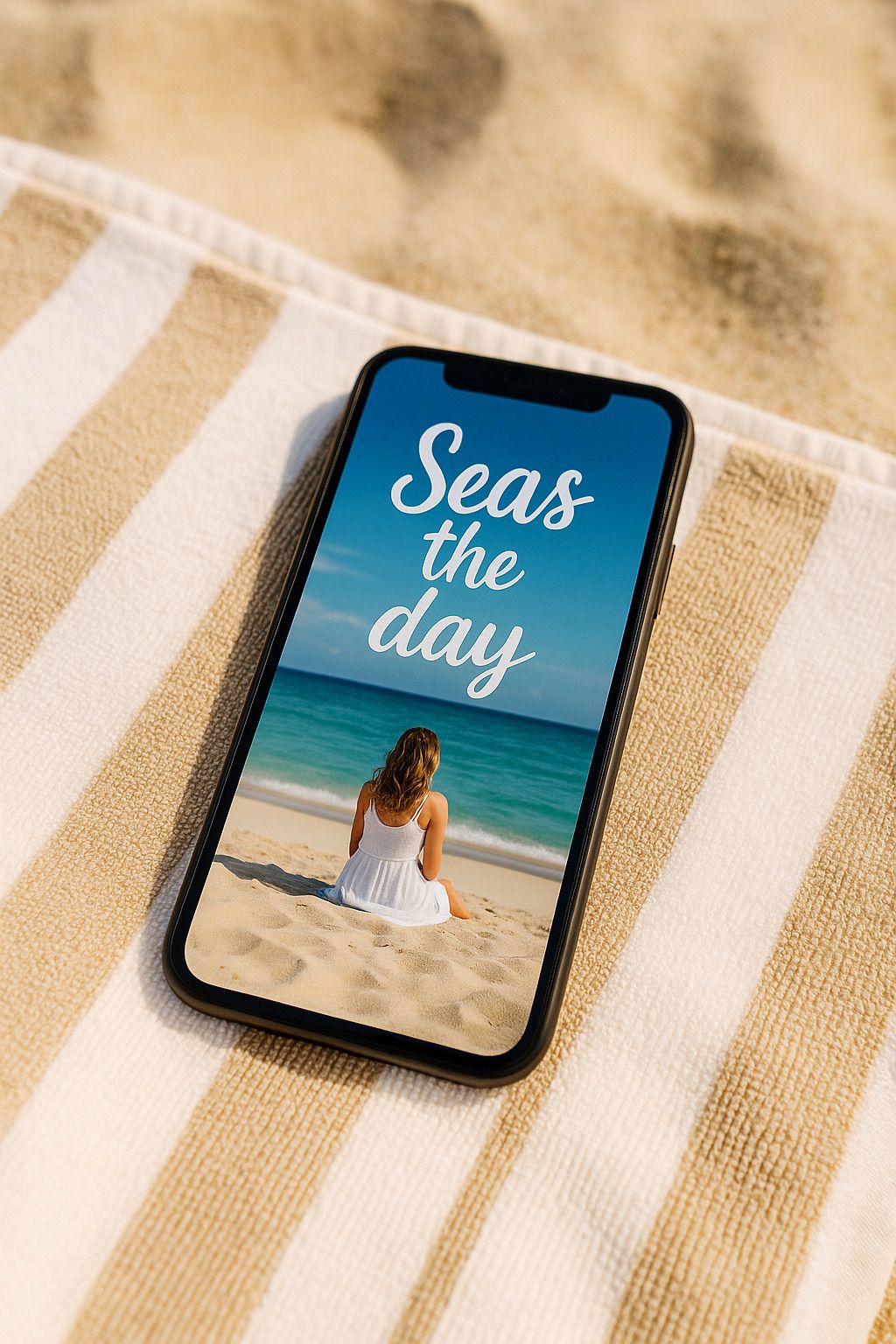
Seas the day.

Vitamin Sea activated.

Salty, sandy, happy.

Sunscreen > stress screen.

Mood: low tide, high vibes.

Barefoot and unbothered.

Saltwater soul.

Currently: wave watching.

SPF, STL (still loving).

Ocean air, don’t care.

Tanned pages, turned tides.

Be right tide back.

Shore thing.

Tide & seek.

Shell we dance?

Sandy toes, sun-kissed nose.

Wave after wave.

Coastal calm loading…

Sea-esta time.

Making sand plans.

Playful puns

Long time no sea.

This is my resting beach face.

Feeling fin-tastic.

I’m shore it’s love.

Current status: in de-nile about leaving.

Pier pressure made me do it.

Sea-duction at golden hour.

Buoy, do I love this place.

Tropic like it’s hot.

Surf and de-serve.

Aesthetic & poetic

The horizon taught me how to breathe in full sentences.

Collecting quiet in shells and shorelines.

A soft place to land between sun and salt.

Light folded into waves; the day exhaled.

Blue thoughts only.

Where the ocean edits every footprint.

Today’s forecast: tender, with a chance of wonder.

I came for the view, stayed for the hush.

The tide and I are on speaking terms.

Notes from a soft, salt-scented afternoon.

Vibe captions (single-photo)

Golden hour set to “glow.”

Proof that slowing down is a superpower.

Suns out, serotonin up.

Borrowing calm from the sea.

My out-of-office has sand on it.

If found, return to beach.

Wave therapy, no appointment needed.

Kissed by the sun, coached by the tide.

This is my yes.

For carousels/reels (hooks + closers)

Hook: “3 seconds of ocean calm—breathe with me.”

Hook: “POV: the sea teaches you to take your time.”

Hook: “What I packed for peace today ⤵︎”

Closer: “Saving this for a future self who needs blue.”

Closer: “Send to someone who needs a tide break.”

Couples & friends

Better together—like sun + sea.

My favorite shoreline is your shoulder.

We came, we saw, we sea-esta’d.

Sand in our conversations, stars in our plans.

Matching freckles, mismatched towels.

Tides, rides, and inside jokes.

Family & kids

Tiny toes, big tides.

Building empires out of sand and giggles.

Beach naps > all naps.

Sun hats and snack attacks.

Raise them salty and kind.

Sunrise & sunset

Sunrise is my soft alarm.

Sun kissed the sea goodnight; I took notes.

Chasing light to learn patience.

Skies doing the most, me doing the least.

Day signed off in gold ink.

Water play (surf, swim, paddle)

Paddles up, worries down.

Caught feelings and a few waves.

Saltwater PR: personal reset.

Training plan: laps between thoughts.

Stoke level: offshore.

Wellness & mindfulness

Inhale, swell. Exhale, release.

Ocean minutes > screen minutes.

Grounding, but make it sandy.

Hydrate, sunscreen, breathe, repeat.

Meditation powered by waves.

Eco-kind

Take memories, leave only gratitude.

Reef-safe and beach-brained.

Packed out more than I packed in.

Love the shore? Show it.

Sassy/fun

SPF 50 and zero chill.

BRB, out-romancing my to-do list.

I’m with the mermaids today.

Dress code: barefoot.

Hot girl low tide.

Longer storyteller captions (for saves/shares)

“Tried a new routine today: slow arrival, long swim, even longer exhale. The ocean is a generous teacher—every wave is feedback, every pause is a permission slip.”

“We measured time in chapters and dips. Sunscreen breaks were our commas. The horizon kept editing our worries down to one clear line.”

“Today I hydrated, re-applied, and remembered: joy doesn’t need a plan to be valid. It just needs a shoreline.”

“Packed out what wasn’t mine, left behind a quieter mind. May this place stay as soft as it felt.”

Emoji-forward (swap to taste)

🌊 + ☀️ = 🙂

👣🏖️💬 (footprints say more than captions)

📖☀️🍑 (tanned pages, fruit breaks)

🧴🧢😎 (SPF, hat, shades—rituals > regrets)

🐚🤍 (collecting small, kind things)

Fill-in-the-blank templates (easy customization)

“Found my calm at ______ Beach.”

“If you need me, I’m somewhere between ______ and ______.”

“Today’s color palette: _______, _______, and a lot of blue.”

“Three things I’m taking home: _______, _______, _______.”

“Playlist for this tide: _______, _______, _______.”

CTA & engagement prompts

“Save this for your next low-tide day.”

“Tag your beach buddy.”

“Comment your go-to beach snack 🥭🍉🥥.”

“Drop a 🌊 if you’re pro-sunrise swims.”

“Which photo is your tide (1–5)?”

Hashtag bundles (mix 3–5 big + 5–8 niche)

Discovery: #BeachVibes #OceanLovers #CoastalLife #SunsetMagic #SeaScape
Niche/brandable: #SaltyButSweet #TideTherapy #LowTideLife #BlueMindSet #Sandletters
Localizable: #YourCityBeach #GulfCoastDays #MedSeaMoments #IslandAfternoons #HiddenCove

Related Posts

Bridges of Justice and Water

Elias Rowen

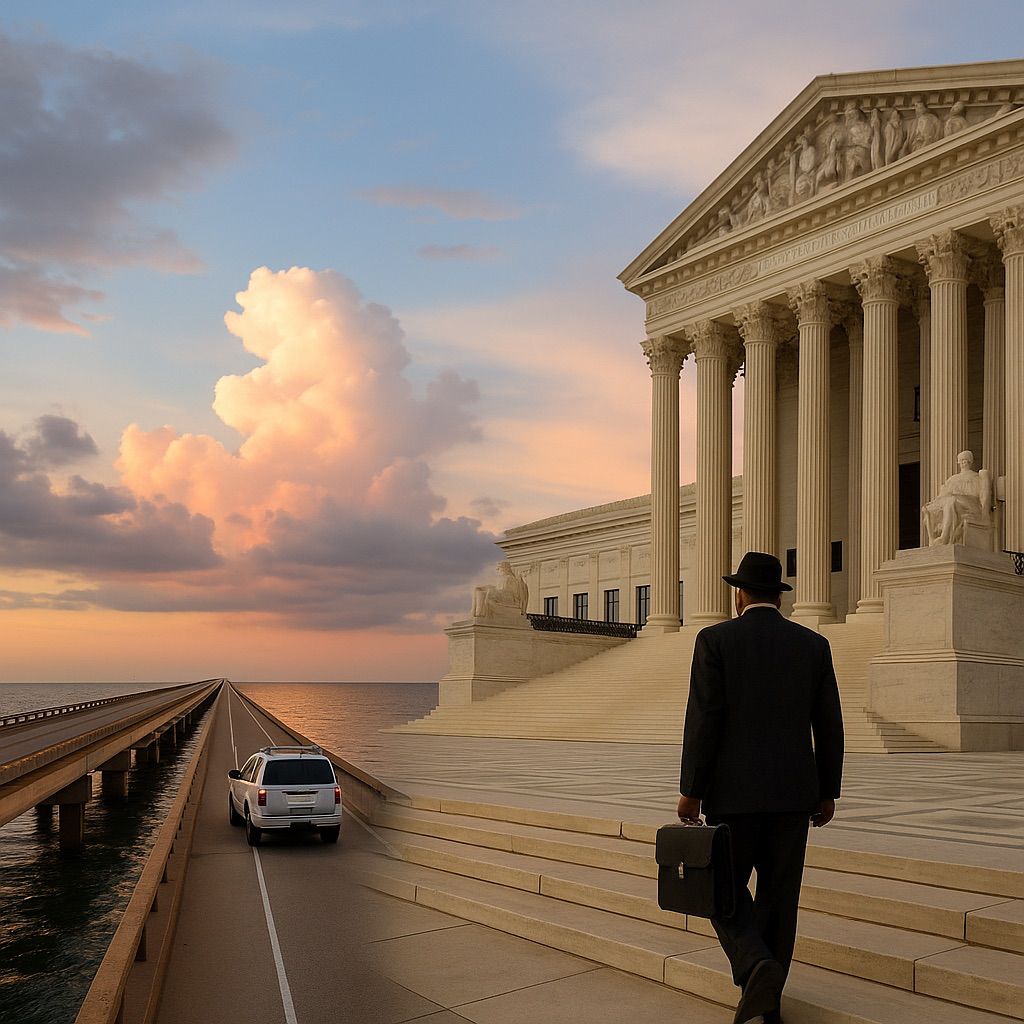
There are days on the calendar that behave like doorways—you step through and discover two rooms that shouldn’t share a wall and yet somehow complete each other. August 30 is one of those uncanny thresholds. On that date in 1956, the Lake Pontchartrain Causeway opened and drew a straight, improbable line across a moody, shallow inland sea, replacing hours of detour with a continuous ribbon of concrete that seemed to surf the horizon. Eleven years later, on August 30, 1967, the United States Senate confirmed Thurgood Marshall as the first Black justice of the Supreme Court, drawing an equally improbable line across centuries of exclusion and saying, with the weight of the law, that the highest bench in the land could finally reflect more of the people it judges. A bridge and a justice: one carries cars, one carries precedent; both carry hope. It’s tempting to keep civil engineering and civil rights in separate lanes, but they share a simple, stubborn verb: to connect. The Causeway taught communities separated by water how to live as neighbors; Marshall taught a nation separated by custom how to live by its Constitution. August 30 is therefore less a date than a lesson in what it takes to cross distances—rebar and resolve, pylons and patience, bearings and bravery.

Begin on the water. Lake Pontchartrain is not quite a lake; it breathes with the Gulf through tidal straits, wears a thin sheet of brackish gray-green, and hides its moods behind a calm surface that can turn petulant when the wind hustles in from the east. The New Orleans that leans on its southern shore has always been a city of detours—cypress and marsh, meanders and levees, culture and routes that curl before they arrive. Before 1956, the trip to the Northshore required loops of road around lake edges or long waits for ferries that moved at the speed of weather. Then the Causeway arrived—two dozen miles of low, repeating spans pouring north from Metairie like a string of gray prayer beads. It is not grand in the way of suspension bridges with their taut harps and skyline signatures; its grandeur is repetition and endurance: a cadence of segmented concrete lifting and falling, lifting and falling, until land appears again like an answered wish. An entire generation grew up measuring time by the number of light standards passed, by the length of the straightaway when the world thins to a line, by the midpoint drawbridge that lets masts slip through like needles threading a seam. Engineers will tell you the mind of the Causeway is in its details—precast girders seated like vertebrae, expansion joints that exhale under heat, pilings driven down into stubborn beds to discourage the lake from reclaiming the line. Locals will tell you its soul is in what it lets you do—kiss someone goodnight on one side and make breakfast on the other, keep a job that would otherwise demand a move, visit a grandmother whose cooking keeps both sides of the lake honest.

Every bridge is also a bet—on materials, on human behavior, on the weather’s manners. The Causeway’s designers wagered that the everyday drama of commuting across open water could be made routine. They drew diagrams that had to survive not just tides and the occasional tantrum of a storm, but the softer erosions of monotony and fog. They added turnouts so stalled cars wouldn’t turn a bridge into a parking lot; they added call boxes so panic could reach help; they added a small fleet of patrols that glide like shepherds along the lanes, coaxing the anxious along, corralling the reckless. When hurricanes grumble across the Gulf, the bridge becomes a barometer of prudence; close it too late and it becomes a trap; close it too early and a region’s commerce seizes up. The Causeway taught officials to choreograph safety and taught drivers to respect the mysteries of crosswinds and whitecaps. In exchange, it gave the region a new map. Suburbs on the Northshore swelled, weekend plans expanded, and the cultural exchange accelerated—jazz festivals commuted, restaurant reputations traveled, families braided themselves across water without checking timetables.

Now turn to Washington, D.C., where different spans rise and fall—bridges made of logic and memory. Thurgood Marshall’s journey to the Supreme Court did not begin in 1967 or even with Brown v. Board of Education; it began in classrooms where a Black student burned through textbooks like kindling and decided that the law could be a way of talking a stubborn nation into telling the truth. He trained at Howard University’s law school under Charles Hamilton Houston, who smuggled strategy into syllabi and taught students that segregation wasn’t simply immoral but illogical, inefficient, unconstitutional, and therefore defeatable in court. Marshall absorbed the gospel of careful preparation: file suits that target the rotten beams of the structure, gather plaintiffs whose courage can endure cross-examination, stack up facts until a judge can’t pretend not to see them. On the road as NAACP counsel, he slept in homes that put a lookout at the window and a pistol under the pillow; he debated sheriffs with smiles that weren’t surrender; he argued before benches that applauded themselves for their neutrality while sitting under murals that didn’t include a single person who looked like him. By the time he stood to argue Brown, he had already built the staircase—cases against whites-only primaries, against restrictive covenants that quarantined Black families out of opportunity, against separate-but-equal sham policies that used the language of parity to disguise theft.

When President Lyndon Johnson nominated Marshall for the Supreme Court, the Senate’s advice-and-consent stage became its own weather system. The hearings showed the country a man whose voice combined preacher and professor, generosity and granite. He answered questions designed to belittle with patience that refused to shrink. He parried those who baited him into seeming “too radical” by returning to the steady drumbeat of constitutional text and lived reality. The vote did not crown a saint; it seated a lawyer. But make no mistake, the moment had sanctity for many Americans. In living rooms from Baltimore to Baton Rouge, families who had memorized Marshall’s victories nodded at the television and felt years slide off their shoulders. Confirmation did not end struggle; it widened the corridor where struggle could be argued and inscribed. On the bench, Marshall wrote opinions that read like field guides for fairness and dissents that read like letters from the future, reminding colleagues of the people missing from their abstractions. He insisted that the Constitution was not a museum piece but a meeting promise—constantly tested, sometimes disappointing, capable of growth.

It is easy to talk about precedence and concrete as if they were separate species of progress, but the Causeway and Marshall share anatomy. Each depends on foundations you can’t see from a distance. Under the waterline, pilings; under the holding of a right, decades of organizing, strategy, and small town cases that never make it into the textbooks. Each uses joints to accommodate stress: a bridge must flex or crack; a constitutional order must adjust to lived experience or betray itself. Each has to be maintained—inspection crews with measuring tapes and hammers, citizens with ballots and stubborn attention. Each faces load limits: too much traffic, and a span strains; too much cowardice in political branches, and a court buckles under what it refuses to hold. Each—this is crucial—makes a promise about destination. A bridge says, “You can get there from here.” A justice says, “You can belong there from here.” The Causeway’s promise is geographic; Marshall’s is civic. Both change how people plan their days and their lives.

There are human stories nested in both triumphs that make the metaphors honest. Consider an ironworker standing knee-deep on a platform in 1955, wind trying to steal his hat, palms the color of effort. He may never drive the Causeway to a white-tablecloth restaurant on the other side, but he likes the idea that a nurse on a night shift will get home in time for breakfast because of his welds. Consider a young secretary in 1967, sorting mail at the Supreme Court, whose father once said the building wasn’t meant for people like them. On the day of Marshall’s swearing-in, she lingers under a coffered ceiling too ornate to be friendly and feels something unseen move out of the doorway. Later, on a lunch break, she writes her mother a postcard that says simply, “I saw him.” Decades pass. The ironworker’s grandson proposes to his girlfriend on the midpoint of the Causeway at sunset, patrol car idling behind them to keep the moment safe. The secretary’s niece stands in a courtroom gallery and hears an attorney cite a Marshall opinion to protect a tenant from a landlord’s games. If the Causeway is a linear miracle, Marshall’s confirmation is a layered one; both prove that infrastructure—roads, laws, norms—is the shape of our kindness to strangers.

Of course, progress invites correction and accountability. The bridge you cheer can also carry the archipelago of sprawl, leaking heat into an atmosphere already under siege; the court you celebrate can also hand down decisions that crack communities and invite cynicism. The work of love, public and practical, is to build while questioning. Who is served by this path over water? Who is missed by this path through law? The Causeway, for all its utility, raised questions about wetlands and where we choose to grow. Marshall’s tenure, for all its brilliance, unfolded alongside political tides that sometimes turned the court away from the most vulnerable. None of this negates the victories; it clarifies the maintenance schedule. The bridge adds railings and new decks as storms teach their lessons; citizens add turnout strategies and new arguments as courts forget their courage. August 30 teaches that we do not bless milestones because they are flawless but because they hold when we test them and invite us to keep testing.

There is also a rhythm here worth noticing: how bold acts feel in the moment versus how they look in hindsight. Opening day on the Causeway must have tasted like risk—a long reach over water that dared drivers to believe in math. Confirmation day must have tasted like relief with a stern aftertaste—an appointment earned times ten, a victory that still had to be defended case by case. Now, from our vantage, both look inevitable, as if the Causeway rose from the lake without argument and Marshall’s seat had been dusted for him long ago. We should resist that softening. The people who make these things happen are not removed from fear; they just decide it isn’t the most interesting thing in the room. Engineers read weather reports and adjust cure times for concrete; senators count votes and decide which fight is worth a scar. And somewhere far from the podiums, a parent tells a child, “Look. That’s ours now—a way across.” Look. That’s ours now—a voice in the room.

Think too about what these August 30 gifts did to time. The Causeway compressed hours into minutes and, with that compression, changed what was reasonable and what was lazy. Courting someone across the lake became feasible; keeping a promise to show up became a little harder to wriggle out of. Marshall’s presence compressed the distance between petition and possibility. Lawyers who might have trimmed arguments to fit the fragile tolerances of an all-white bench brought bolder filings. Plaintiffs who had learned to expect polite dismissal saw eyes that recognized their neighborhoods. Time, tightened, becomes obligation. If it’s easier to get to each other, we must. If the law is more likely to hear us, we must speak.

The pairing of bridge and justice also reminds us that systems—physical and legal—are stories we tell with materials. The Causeway says humans can lay down a sentence across water: subject (pilings), verb (carry), object (neighbors). The Court says humans can lay down a sentence across conflict: subject (people), verb (are), object (equal). One is written in concrete and steel, the other in opinions and dissents, both legible to anyone willing to read the pattern. When the Causeway disappears into fog, drivers lean into lane markers and trust the rhythm of lights; when the law disappears into jargon, citizens lean into stories—of kids bused, ballots counted, hospitals integrated—and trust the rhythm of justice. In both cases, faith is not blind; it is trained by use. The best compliment you can pay either system is not reverence but reliance.

So what should we do with a date like August 30 besides salute it? Perhaps treat it as a maintenance reminder and a blueprint. Check the bridge in your own life—the habit, meeting, or commute that connects you to people who depend on you. Is the deck sound? Are the joints dry? Build a new span if a friendship has been allowed to silt up or if a zip code has become an alibi. Check the justice in your own civic life—the ways you vote, volunteer, read, donate, argue. Are you relying on someone else’s patrol to keep the crossing safe? Are you letting cynicism close lanes that ought to stay open? Find a small case to take up—at a school board, housing clinic, or neighborhood council—and learn the local equivalent of expansion joints and pilings. We honor engineers and jurists best not by statues but by imitating their patience with complexity.

Finally, humanize the abstract with gratitude. Somewhere today a nurse will cross the Causeway at dawn, coffee burning her tongue, a radio murmuring weather, the long flat water naming the line between shift and sleep. Somewhere today a law student will read a Marshall dissent and understand, maybe for the first time, that the law is not a machine for the powerful but a language anyone can learn well enough to fight in. Somewhere today a child will look out from a backseat and ask why the road floats, and a parent will say, “Because people decided to make a way.” Somewhere today a client who has never been listened to without hurry will sit in a courtroom and hear their name said correctly by a judge whose understanding of fairness was shaped by a man who knew what it cost to be ignored. August 30 is their day, and ours—proof that the distances we inherit are not destiny.

Related Posts