Latest Articles

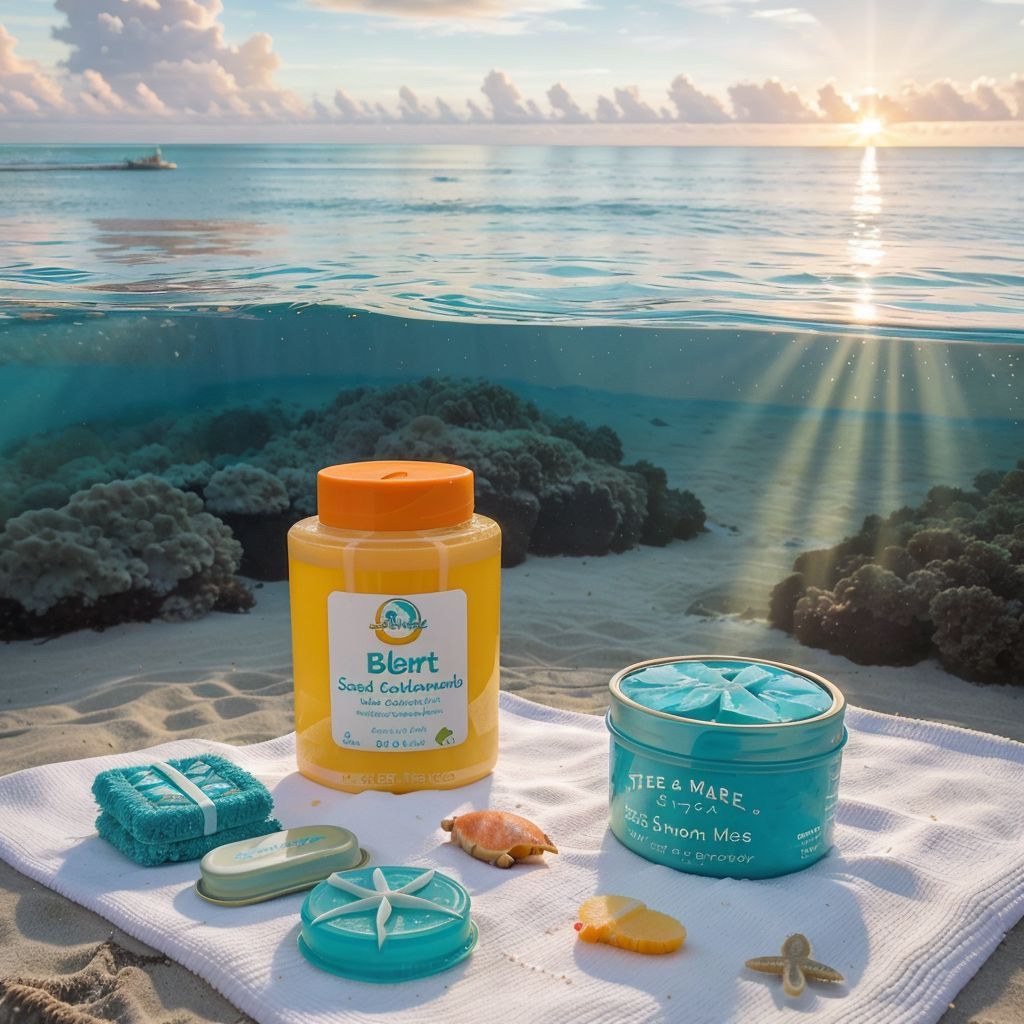
Easy and Delicious Beach Picnic Ideas That’ll Flirt with Your Taste Buds

Dave

Darling, let’s not pretend we haven’t all fantasized about that beach picnic—the kind that belongs in a sun-soaked magazine spread or maybe a dreamy rom-com starring you and a well-behaved breeze. You know the one: golden hour lighting, laughter echoing across the waves, a soft blanket fluttering flirtatiously in the wind, and a delicious spread so good it makes the seagulls jealous. Well, today’s the day we turn that fantasy into your sun-drenched, flavor-packed reality. Because beach picnics shouldn’t be basic, boring, or burdened with bulky coolers and soggy sandwiches. They should be delicious, sexy, and—most importantly—easy.

Now before you throw together a sad bag of pretzels and call it a day, let’s talk about what makes a beach picnic swoon-worthy. We’re aiming for minimal prep, maximum flavor, and an aesthetic that makes your picnic blanket look like it walked off the pages of a coastal lifestyle blog. But we’re also keeping it real, because sand is sneaky, sun is relentless, and no one wants to carry an entire kitchen down a sand dune. So grab that straw hat, shimmy into something breezy, and let’s get your beach bite game on point.

First, let’s talk the base—and I don’t mean your makeup (although SPF is non-negotiable, sweetheart). Your blanket is your foundation, your stage, your literal comfort zone. Go for something oversized, soft, and preferably cute enough to get compliments from strangers walking by. Bonus points for layering: a Turkish towel for texture, a lightweight throw for extra flair, and a couple of fluffy pillows because yes, you deserve to recline like the picnic goddess you are. Add a portable speaker for some chilled-out beats and voilà—you’ve set the scene for seduction… by snack.

Now, let’s talk food. Beach eats should be finger-friendly, heat-resistant, and utterly craveable. This is not the time for wilted salads or mystery dips that curdle faster than your ex’s last apology. We’re aiming for flavor, ease, and a little bit of wow.

Let’s start strong with wraps. No, not the dry, sad ones from the office catering tray. I’m talking about luscious, full-bodied wraps that know how to satisfy. Grab a large tortilla and layer in hummus, roasted veggies, fresh spinach, and feta, or go for smoked salmon, herbed cream cheese, capers, and cucumber. Wrap them tight, cut them into bite-sized pinwheels, and watch them disappear. They’re sexy little swirls of goodness that hold up in the heat and fit perfectly in your beach basket.

Next up: skewers. Because food on a stick just hits different. Try caprese skewers with cherry tomatoes, mini mozzarella balls, and fresh basil, drizzled with balsamic glaze. Or go Mediterranean with grilled chicken, olives, and cucumber chunks. These are your beach flirtation weapons—fun to eat, easy to hold, and less mess to worry about when you’re trying to look effortlessly chic.

Now, darling, don’t you dare overlook fruit. But let’s not get basic with a sad pile of sticky watermelon cubes. Elevate it. Think chilled fruit kabobs with pineapple, mango, strawberries, and grapes, threaded onto bamboo skewers and dusted with chili-lime seasoning for a little kick. Or toss berries into a mason jar with a sprig of mint and a splash of Prosecco—picnic or not, hydration should always come with a sparkle.

And speaking of sparkle, let’s discuss beach-friendly drinks. You didn’t think we were sipping warm water out of a plastic bottle, did you? A pre-mixed sangria in a thermos, complete with fresh fruit, is always a crowd-pleaser. Or go for infused sparkling water with slices of cucumber, lemon, and mint—light, refreshing, and won’t weigh you down when it’s time to play mermaid in the waves. Just remember—glass is a no-go, so keep it chic and safe with insulated tumblers or silicone-wrapped bottles.

Want to feel like an absolute beach snack? Bring snack boards in bento boxes. You don’t need a fancy wooden platter. A simple divided container works wonders. Fill it with rolled-up charcuterie, artisan crackers, cubes of sharp cheese, pickles, nuts, and a bit of dark chocolate for after. It’s like a grown-up Lunchable, but sexier and designed to be nibbled on between flirty conversations and flops into the sand.

And because I believe in a sweet ending to every story, we must include dessert. But let’s keep it light and heat-resistant, shall we? Skip the melty mess and go for lemon bars, mini shortbread cookies, or dark chocolate-dipped dried fruit. Even better? A few homemade coconut macaroons that practically transport your taste buds to a tropical cabana, no passport required.

Let’s not forget the details, darling—the little touches that say, “Yes, I’m that bitch.” Tuck in reusable napkins in bold prints. Pack utensils and plates that aren’t flimsy. Think bamboo cutlery, enamel plates, or even biodegradable options that look good and love the planet. And please, for the love of soft thighs, bring baby wipes. You’ll thank me after your first brush with a rogue seagull or a wayward pineapple chunk.

And if you’re going with a partner or someone you’re hoping to feed more than just snacks… slip in a little handwritten menu. It’s romantic, playful, and just a tiny bit bougie—in the best way. Tie it with twine or tuck it under their drink. It’s not just a picnic; it’s a picnic with intention, sugar.

Now, about timing. The best beach picnics happen in that golden hour sweet spot—after the midday sun has stopped trying to cook you alive but before the evening breeze turns your blanket into a parachute. Think 5 p.m. arrival, 5:30 nibbling, 6:00 lounging, and sunset kisses around 6:45. Magic, right?

And let’s talk ambiance, because food might be the star, but the vibe is the soundtrack. A Bluetooth speaker with a playlist that blends soft summer beats, retro soul, and the occasional slow jam? Absolute yes. Battery-powered fairy lights draped along your cooler or umbrella for post-sunset glow? Extra, but irresistible. And if you’re that kind of extra (I see you, boo), bring a Polaroid to capture the cuteness in vintage flair. Filters are fun, but nothing beats a printed memory you can tuck into your journal with a smudge of strawberry still on the edge.

The best part of all this? It’s low effort, high reward. You don’t have to be a domestic goddess or a Michelin-starred chef to pull this off. Everything can be prepped the night before, packed like a delicious jigsaw puzzle in your tote, and ready to lay out like you’ve been doing this forever. Because confidence is the sexiest seasoning, and nothing says “I’ve got it together” like opening your cooler to reveal artfully arranged mini skewers and chilled sangria.

So the next time someone suggests a beach day, don’t just bring the vibes—bring the feast. You’ll be the sun-kissed center of attention, the siren of the shoreline, the one everyone wants to sit next to. Because you, my dear, don’t just pack a picnic. You curate an experience. A moment. A memory. And you do it all while looking like you just stepped out of a swimwear ad and into a culinary fantasy.

Now go. Soak up the sun, savor every bite, and let that beach picnic be as bold, beautiful, and deliciously unforgettable as you are.

Related Posts

Behind the Seams: Women Designing the Bikinis They Always Wanted

Dave

Darling, let’s slip into something a little more comfortable, shall we? No, not that lacy number tucked away in the back of the drawer—we’re talking bikinis. Not just any bikinis, mind you, but the kind women dream of. The kind that whisper sweet nothings of confidence to every curve, caress every roll and ripple with respect, and make you feel like the goddess you always suspected you were. Gone are the days when bikini shopping meant wrestling with strings and sighing in fluorescent-lit changing rooms. Today, a revolution is happening, darling, and it’s led by the fiercest, most fabulous force on the planet—women designing bikinis for women. Who better, right?

For decades, the bikini has danced between scandal and liberation. It was born in rebellion, a cheeky little number debuted by Micheline Bernardini in 1946 that made headlines and dropped jaws. But as deliciously daring as it was, the evolution of the bikini was long dominated by men who, let’s face it, weren’t exactly wearing the things themselves. They were designing for fantasies—not for function, and certainly not for the full spectrum of female bodies or desires. Women were told how to look, how to feel, and what to squeeze into. The message? Beauty was one-size-fits-all. Spoiler alert: it isn’t. Never was.

But now? Oh honey, the tides are changing—and it’s women who are steering the ship. Across beaches, runways, and boardrooms, female designers are stitching together more than swimsuits. They’re threading together movements, mantras, and missions. These designers aren’t just reimagining bikini bottoms and bandeaus—they’re reworking the very fabric of the industry. And they’re doing it with sass, soul, and a heavy dose of style. Let’s unfasten the clasp of convention and dive into the stories of the women behind the seams.

Let’s start with Karina Irby, the sun-kissed Australian beauty and founder of Moana Bikini, who doesn’t just embrace body positivity—she practically throws a luau for it. With her unapologetic social media presence (think unfiltered selfies, cellulite and all), Karina isn’t here to please anyone but herself. Her bikinis are loud, bright, and dripping with confidence—just like the women who wear them. They’re made for movement, adventure, and—most importantly—comfort. Karina saw an industry filled with airbrushed expectations and said, “Screw that.” Her brand didn’t just sell swimwear; it sold self-love, stitched into every seam. She made bikinis feel like a celebration, not a critique.

Then there’s Marysia Reeves, whose brand Marysia has a softer, more romantic aesthetic—think scalloped edges and luxury fabrics that practically purr against your skin. Formerly a ballerina, Marysia understands the importance of movement, of grace, of being held just right. Her designs are elegant, yes, but they’re also practical. Designed with women’s real lives in mind—nursing moms, beach-lounging bookworms, active toddlers-in-tow types—Marysia swimwear doesn’t force you into a mold. It adapts to you. Because true beauty, as any flirt worth her salt will tell you, is never rigid.

Brittany Kozerski Freeney, the woman behind JADE Swim, has mastered minimalism with a sultry wink. Her pieces are the epitome of sleek sophistication—clean lines, rich tones, and silhouettes that seem to melt into your body like warm honey. But don’t let the simplicity fool you. These are powerhouse pieces. JADE Swim is committed to sustainability, and Brittany’s designs often use eco-friendly materials that are as good for the planet as they are for your peach. It’s swimwear for the modern muse—bold, intentional, and always just a little bit mysterious.

Let’s not forget Becca McCharen-Tran, the visionary behind Chromat—a label that’s practically a rebellion in lycra. If inclusivity had a swimsuit, this would be it. Chromat designs for all genders, all sizes, all abilities, and all identities. Their runway shows are a carnival of joy, featuring models in wheelchairs, trans bodies, plus-size beauties, and non-binary babes. Becca doesn’t just break the mold—she melts it down and recasts it as something fabulous. Her swimwear is architectural, daring, and celebratory. She believes fashion should uplift every body, and every bikini she creates is a love letter to the wearer’s power.

Speaking of celebration, let’s shimmy over to Gabrielle “Gabi” Gregg, co-founder of Premme and the queen of making plus-size swimwear a hot ticket item. Long before “inclusive sizing” became a buzzword, Gabi was blogging her way into the hearts of women who had never seen their bodies reflected in swimwear ads. When she launched her own collections, the world took notice—and with good reason. Her bikinis don’t hide a damn thing. They flaunt. They shimmer. They dare. They whisper, “Yes, baby, you can.” And then they scream it from the poolside cabana.

You want a dose of fierce and feminine? Let’s talk about Lindsay Albanese and The Fileist, a newer name in the swimwear game but one that’s already making waves. With a background in fashion styling, Lindsay knows that a bikini isn’t just something you wear—it’s something you become. Her designs flirt with classic silhouettes but with a modern twist, offering high-waist cuts, adjustable straps, and fabrics that hug without suffocating. They’re made for real-life women—sun-chasers, jet-setters, or just a mama trying to sneak in five minutes of sun while her kid digs a moat. Practical? Yes. Sexy? Absolutely.

Each of these women is stitching together a revolution. Their brands are less about conforming and more about celebrating—every shape, every shade, every stretch mark, every scar. They’re reclaiming the narrative, flipping the script that once said you had to look a certain way to earn your place on the sand. These designers are turning beaches into catwalks of confidence, where women wear bikinis not to be ogled, but to own every inch of themselves.

And oh, how delightful it is to see. Because when women design bikinis for themselves and for each other, magic happens. Suddenly, bikinis have room for hips that don’t lie, thighs that kiss, and bellies that jiggle. Suddenly, swimwear is less about hiding and more about living. And isn’t that the whole point? To live, to laugh, to leap into the surf without worrying about a wardrobe malfunction?

What’s so seductive about this shift isn’t just the aesthetics—it’s the empowerment. These brands aren’t just about stitching fabric. They’re stitching identity, expression, autonomy. They’re letting women write their own style stories, chapter by radiant chapter. It’s about time the industry realized that there’s nothing sexier than a woman who feels like herself. Comfort is confidence’s best-kept secret, and style without it? That’s just another pretty prison.

So, the next time you’re bikini shopping, pause. Think about who made it, who it was made for. Was it designed to constrain you, or to celebrate you? Was it built for the male gaze, or for the inner goddess stretching inside you, just dying to bask in the sun? If you choose a piece from one of these women-led brands, chances are you’ll feel the difference before you even look in the mirror. Because it’s not just the cut or color that makes it special. It’s the intention. The respect. The joy. That sexy little secret sewn right into the lining that says, “You’re enough. You’ve always been enough.”

This movement—this sizzling, sparkling, sun-drenched revolution—isn’t slowing down anytime soon. And why should it? Women have always known what they needed from their clothes. We were just waiting for the industry to hand over the shears. Now that the scissors are in our hands, we’re cutting away the shame, the rigidity, the unrealistic expectations. We’re trimming the fat of fashion myths and draping ourselves in truth. The truth that comfort is chic. That every body is a bikini body. That confidence is contagious.

So, go ahead. Tie that top with pride. Hike those bottoms like you mean it. And the next time someone dares to suggest what you “should” wear, just smile, slide on your shades, and strut away—your bikini was made by a woman who knows better.

Related Posts

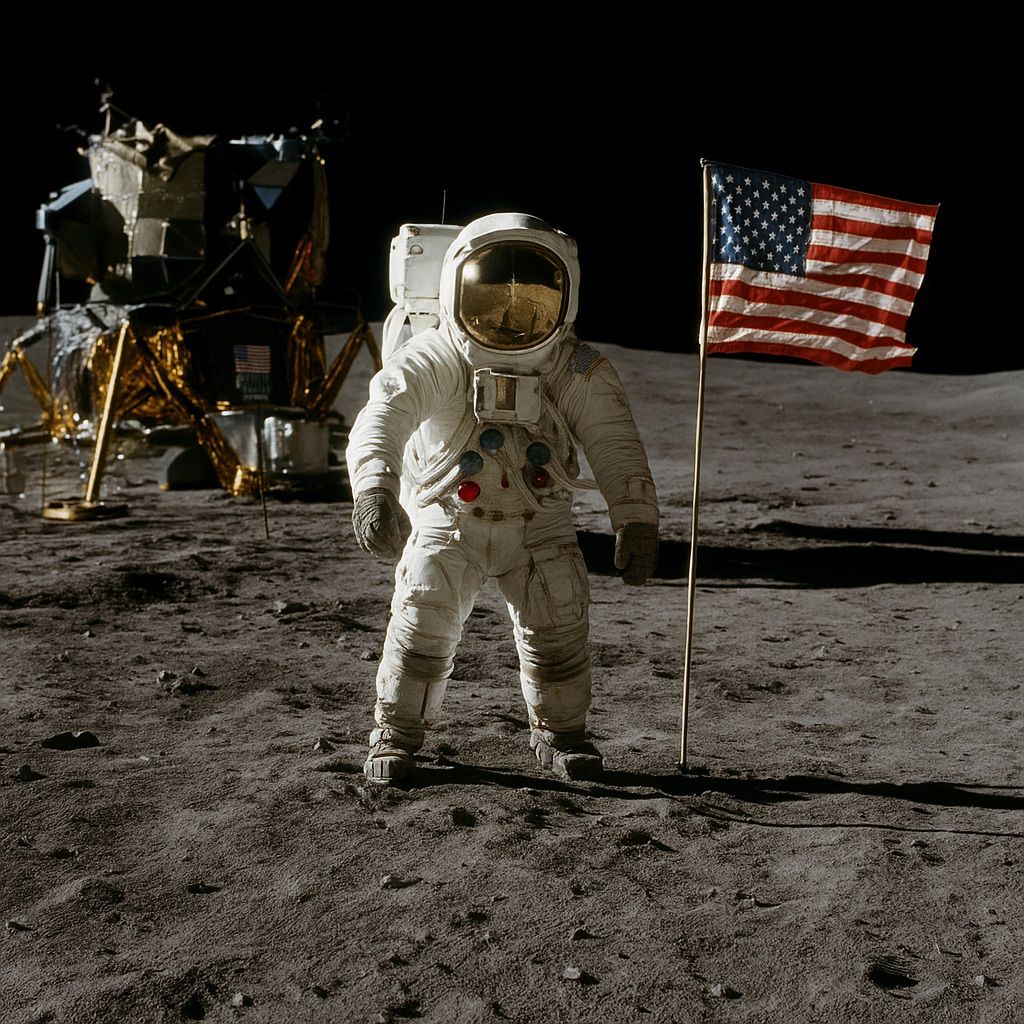
How the Apollo 11 Moon Landing Changed Humanity Forever

Elias Rowen

The world held its breath on July 20, 1969. In living rooms across the globe, people huddled around black-and-white television sets, tuning in to a moment that would transcend borders, ideologies, and languages. The grainy images beamed from the Sea of Tranquility on the Moon were not just scientific or technological milestones—they were deeply human. When Neil Armstrong took that first step and spoke the immortal words, “That’s one small step for man, one giant leap for mankind,” it felt like all of humanity had taken that step with him. The Apollo 11 moon landing wasn’t just an American triumph—it was a planetary awakening, the climax of centuries of curiosity, ambition, and imagination.

At the height of the Cold War, space exploration had become a symbolic battlefield. The Soviet Union had stunned the world in 1957 by launching Sputnik, the first artificial satellite, and again in 1961 with Yuri Gagarin’s orbital flight. The United States, determined to catch up and surpass, galvanized its resources in response. In 1961, President John F. Kennedy boldly challenged America to land a man on the Moon and return him safely to Earth before the end of the decade. At the time, it seemed almost impossible. The U.S. had just begun launching astronauts into space, and the Moon was a quarter of a million miles away. Yet, within eight short years, an incredible collaboration of scientists, engineers, and astronauts achieved exactly that.

Apollo 11 was the culmination of Project Apollo, NASA’s ambitious lunar program. The spacecraft consisted of three modules: the Command Module Columbia, where astronauts Neil Armstrong, Edwin “Buzz” Aldrin, and Michael Collins would spend most of their journey; the Service Module, which housed propulsion and life-support systems; and the Lunar Module Eagle, which would carry two of the men to the Moon’s surface. On July 16, 1969, Apollo 11 lifted off from Kennedy Space Center atop the Saturn V rocket, the most powerful machine ever built at the time. As the rocket roared skyward, it carried with it not just three men, but the hopes and dreams of generations.

Four days later, after navigating the cold void of space, Armstrong and Aldrin boarded Eagle and began their descent to the Moon. Collins remained in orbit aboard Columbia, performing critical systems checks and preparing for their return. The descent was anything but smooth. Alarms blared inside the Lunar Module—computer errors due to data overload. Armstrong, calm and composed, took manual control to steer Eagle away from a boulder-strewn area, touching down with only seconds of fuel remaining. “Houston, Tranquility Base here. The Eagle has landed,” Armstrong radioed. Applause erupted at Mission Control in Houston. On Earth, it was as though time had stopped.

Nearly seven hours later, Armstrong emerged from the Lunar Module, descending the ladder in deliberate steps. As he stepped onto the surface, his boot pressed into the fine lunar dust, leaving an imprint that would last millennia. “That’s one small step for man, one giant leap for mankind,” he declared—a phrase etched forever into the collective memory of humanity. Aldrin followed soon after, describing the view as “magnificent desolation.” Together, they planted the American flag, deployed scientific instruments, and collected lunar samples, all while moving with the awkward grace of low gravity.

For 21 hours and 36 minutes, Armstrong and Aldrin explored the Moon, while Collins circled above in solitary silence, the loneliest man in the universe. Though unseen, his role was crucial—he ensured that Columbia was ready to bring them all home. On July 21, Eagle lifted off from the lunar surface, docked with Columbia, and the crew began their journey back to Earth. On July 24, 1969, they splashed down in the Pacific Ocean, greeted by recovery teams and a jubilant world.

But what did it all mean? In the immediate aftermath, the Apollo 11 mission was hailed as a triumph of American ingenuity and perseverance. Yet its impact went far beyond national pride or geopolitical victory. It sparked a philosophical and existential shift. Seeing Earth from the Moon as a fragile blue marble floating in the vastness of space prompted a new awareness of our planet’s fragility and unity. Environmentalism gained momentum. So did the recognition that despite our differences, we are one species, sharing a single home.

The Apollo 11 mission also ushered in a new era of science and technology. The innovations developed for space travel trickled down into everyday life—advancements in computing, telecommunications, materials science, and medical technology. The integrated circuit, for instance, was propelled forward by the demands of the space race and laid the groundwork for modern computers. The mission became a catalyst for STEM education, inspiring countless young people to pursue careers in science and engineering.

Yet, as with all great achievements, Apollo 11 also carried contradictions and critiques. Some questioned the staggering costs—over $25 billion in 1960s dollars—arguing that the money could have been better spent on poverty, education, or civil rights. Others lamented the rapid decline in public interest that followed. After the initial flurry of moon landings, enthusiasm waned. By 1972, the Apollo program was shut down. No human has walked on the Moon since.

Still, the legacy endures. Armstrong, Aldrin, and Collins became global icons, though each bore the weight of fame differently. Armstrong, famously private, shied away from the limelight. Aldrin struggled with depression and alcoholism but later became a vocal advocate for Mars exploration. Collins, the quiet pilot who never set foot on the Moon, wrote eloquently about the loneliness and majesty of space. They were not superheroes, but ordinary men doing extraordinary things, which made their feat all the more inspiring.

In the decades since Apollo 11, our understanding of space has continued to grow. Robotic missions have explored distant planets, telescopes have peered into the origins of the universe, and the International Space Station has become a model of global cooperation. Yet the Moon remains the most tangible symbol of humanity’s reach beyond Earth. In recent years, there has been renewed interest in returning. NASA’s Artemis program aims to land the first woman and next man on the Moon. Private companies like SpaceX are developing technologies to make space travel more accessible. The dream of Mars looms on the horizon.

But perhaps the most enduring impact of Apollo 11 is emotional and symbolic. It represents what we can achieve when we dream big, when we invest in knowledge, when we work together toward a common goal. It reminds us that exploration is a fundamental part of who we are. Long before rockets, humans looked up at the Moon with wonder. Poets wrote about it, sailors navigated by it, lovers gazed at it. On July 20, 1969, we didn’t just look—we went. And in doing so, we redefined what was possible.

The moment Armstrong stepped onto the Moon, it became not just a celestial body, but a place where humans had stood, worked, and returned. It became part of our story, our mythos. That dusty footprint said: we are capable of greatness. In an age marked by division and uncertainty, the Apollo 11 mission remains a beacon. It shows that even when challenges seem insurmountable, even when odds are long, we can still reach for the stars—and sometimes, we get there.

That July night in 1969, as the world watched in awe, there was a rare sense of unity. Strangers on the street smiled at one another. Children imagined themselves as astronauts. Scientists cried. Political leaders paused. It was one of those moments when history doesn’t just unfold—it soars. And though decades have passed, the echoes of that leap still resonate. They remind us not only of where we’ve been, but of how far we still might go.

As we look toward future missions—back to the Moon, on to Mars, and perhaps beyond—it is worth remembering that Apollo 11 wasn’t just about conquering space. It was about discovering ourselves. It was about proving that with courage, vision, and persistence, we can transcend limitations. The Moon landing wasn’t the end of the journey—it was the beginning of a new chapter in the human story. And what a magnificent chapter it was.

Related Posts

Britannic, the Titanic’s Sister and the Tragedy That History Overlooked

Elias Rowen

In the shadow of Titanic’s infamy lies another story—quieter, less told, but equally powerful. The Britannic, launched on July 19, 1914, was the third and final ship in the White Star Line’s Olympic-class trio, a vessel intended to be the pinnacle of maritime advancement. While her sister Titanic met a tragic end on her maiden voyage in 1912, and the Olympic served with distinction before being retired, the Britannic’s fate remains one of the great untold stories of 20th-century maritime history. Born into the same ambition that crafted Titanic, Britannic was not just another ship. She was a promise—of redemption, of safety, of lessons learned. Yet history had other plans. Transformed from a luxurious ocean liner into a wartime hospital ship, Britannic would never carry a single paying passenger. Her brief life ended violently in the Aegean Sea, a casualty of a war that spared no soul, no matter how grand. Her story is one of hope, transformation, and quiet heroism, overshadowed by a sister’s fame but rich in its own right.

To understand Britannic’s significance, one must begin with her bloodline. The White Star Line had struck gold with its Olympic-class ships—Olympic, Titanic, and the planned Gigantic, which was later renamed Britannic after Titanic’s sinking. These ships were conceived during the Edwardian era, when transatlantic travel had become both a booming business and a matter of national prestige. Luxury was the watchword. White Star Line was determined to outdo the competition not in speed, like the Cunard Line’s Lusitania and Mauretania, but in sheer opulence. The Olympic-class ships were to be floating palaces, symbols of industrial might and elegance.

Britannic was to be the crown jewel of this strategy. At 882 feet long and over 48,000 tons, she was to be the largest and safest ship afloat. But before she could be completed, Titanic’s horrific end changed everything. The world was stunned in April 1912 when the “unsinkable” ship went down in the North Atlantic, taking over 1,500 lives with her. In the aftermath, the very idea of luxury at sea was questioned. Safety had become paramount, and Britannic’s design was overhauled. Her hull was strengthened, her watertight compartments extended higher, and she was equipped with more lifeboats—enough for all aboard. It was a painful lesson learned too late for Titanic, but it would make Britannic the safest of the three sisters.

Her launch on July 19, 1914, was a quiet affair compared to the fanfare that greeted Titanic. There were no grand speeches or lavish celebrations. The world was already shifting, and clouds of war loomed on the horizon. Less than two weeks later, the first shots of World War I would be fired, and Britannic’s future as a luxury liner would vanish. She was completed during wartime and requisitioned by the British government before she ever entered civilian service. Renamed HMHS Britannic (His Majesty’s Hospital Ship), she was painted white with a green stripe and red crosses, signaling her new purpose—to heal instead of to host.

Britannic’s wartime role was both noble and tragic. Fitted with operating rooms, wards, and medical equipment, she became a floating hospital. Her mission: to carry the wounded from the front lines in the Dardanelles Campaign back to safety. She completed five successful voyages, ferrying thousands of injured soldiers and medical staff. The work was grueling and often dangerous. Wartime seas were unpredictable, and the lines between combatant and non-combatant were often blurred. For those aboard Britannic, the threat of mines and submarines was ever-present, even with the red crosses that were supposed to guarantee safe passage.

On November 21, 1916, Britannic met her fate. While sailing through the Kea Channel near the Greek island of Kea, she struck a mine—planted by a German U-boat—at around 8:12 a.m. The explosion rocked the ship and tore a gaping hole in her starboard bow. Despite the damage, the improvements made after Titanic’s sinking held—for a time. But as water rushed in and bulkheads began to give, it became clear that Britannic would not survive. Captain Charles Bartlett attempted to beach the ship on the nearby island, but the flooding was too rapid. She sank in just 55 minutes—faster than Titanic.

Unlike Titanic, Britannic’s death toll was lower. Of the 1,066 people aboard, 30 lost their lives—most tragically, not from the explosion itself but from lifeboats being sucked into the ship’s still-turning propellers. The very mechanisms designed to keep her moving hastened the deaths of those trying to escape. It was a horrific irony, one that would haunt survivors for years. Yet in the chaos, acts of bravery emerged. Nurses and crew helped evacuate the wounded, and many risked their lives to save others. One survivor, Violet Jessop, had also survived Titanic’s sinking and was aboard Olympic during a collision with HMS Hawke. Her story, almost unbelievable in its improbability, personified the strange fate that followed these ships.

In the aftermath, Britannic faded into obscurity. She was overshadowed by Titanic’s legend and the ongoing horror of the war. There were no sweeping memorials or epic tales of hubris and heartbreak. Her wreck rested quietly beneath the Aegean Sea, largely undisturbed, until Jacques Cousteau located her in 1975. Divers and historians have since explored the site, uncovering details that fill in the blanks of her story. Yet still, Britannic remains the lesser-known sister—a footnote in Titanic documentaries, a curiosity for maritime enthusiasts.

But perhaps that is what makes her story so compelling. Britannic represents the quiet heroism of those who serve without seeking glory. She was built for luxury but died in service. Her transformation from ocean liner to hospital ship mirrors the transformation of an entire era—from innocence to experience, from gilded excess to grim necessity. Her story is one of adaptation, of sacrifice, and of the quiet, relentless march of history.

There’s something profoundly human in the idea of a ship that never fulfilled her intended destiny, yet still found purpose. Like many during World War I, Britannic was reshaped by circumstances beyond her control. She carried not dancers and debutantes but the wounded and weary. Her salons were not places of champagne toasts but recovery and pain. In that way, her legacy is arguably more noble than that of her more famous sister. She saved lives rather than hosted extravagance. And for that, she deserves more than a passing mention in the annals of maritime history.

The men and women who served aboard her—the nurses who tended to broken soldiers, the engineers who kept the engines humming, the sailors who stood watch in hostile waters—deserve to be remembered. Their courage, professionalism, and compassion represent the best of what humanity has to offer. They were ordinary people in extraordinary times, navigating not just seas but moral choices, danger, and trauma.

Today, Britannic lies on her side beneath the Aegean, a ghostly monument to a world at war. Her hull is largely intact, her features still recognizable. Explorers describe her as peaceful, majestic even, in her watery grave. She has been claimed not by headlines, but by the quiet reverence of the sea. In many ways, she is more intact in death than Titanic, both physically and symbolically. She holds together because her purpose was one of healing. Perhaps that’s why her story, though less sensational, continues to touch those who learn it.

The story of Britannic is not just about a ship. It is about human resilience. It’s about learning from tragedy, about trying to do better the next time, even if fate has other plans. It’s about the lives aboard her—some lost, many saved—and the dignity with which she served in her brief existence. The world may have forgotten her for a time, but the sea remembers. And so should we.

Related Posts

How Ocean-Friendly Beauty is Changing the World One Product at a Time

Dave

The quest for beauty has always been inseparable from the natural world. Ancient civilizations used clays from riverbanks, oils pressed from seeds, and pigments derived from crushed shells or flowers. But the modern beauty industry—shiny, colorful, and bursting with promises—has drifted far from its natural roots. Today, it stands at a crossroads, caught between innovation and ecological responsibility. Nowhere is this tension more apparent than in its relationship with the oceans. Beneath the glossy packaging and alluring marketing, the cosmetics industry leaves behind a trail of destruction that reaches all the way to coral reefs and marine food chains. But a new wave is rising—one that champions ocean-friendly beauty products. It’s a movement that seeks not just to protect the sea, but to redefine what beauty really means.

For decades, the ocean has been treated like an endless dumping ground. Beauty products—often made with synthetic chemicals, microplastics, and non-biodegradable packaging—enter our waterways through everyday use and improper disposal. Shampoo that swirls down the drain, sunscreen that rinses off in the waves, exfoliants that carry microbeads into sewage systems—each tiny action accumulates into a massive problem. What most people don’t realize is that these beauty routines contribute to environmental crises in ways both visible and invisible. Microplastics, for instance, are now found in the stomachs of fish, in sea salt, and even in human bloodstreams. Coral reefs, already threatened by climate change, face additional stress from common sunscreen ingredients like oxybenzone and octinoxate, which disrupt coral reproduction and lead to bleaching. These are not distant or abstract issues—they affect every one of us, from the seafood we eat to the health of the planet we share.

Ocean-friendly beauty products emerged as a response to this crisis, built on a philosophy of harm reduction, transparency, and sustainability. The movement champions ingredients that are biodegradable, ethically sourced, and non-toxic to marine ecosystems. It also advocates for packaging solutions that reduce plastic waste—recycled materials, refillable containers, and compostable alternatives. The shift toward ocean-friendly practices isn’t just about what’s left out (like parabens or sulfates), but what’s thoughtfully put in. Natural oils, algae-derived compounds, mineral sunscreens, and botanical extracts have become stars of this movement. But beyond ingredients, the movement is about mindfulness. It’s about recognizing that every choice we make—from the lipstick we wear to the lotion we apply—ripples outward into the wider world.

What makes ocean-friendly beauty compelling isn’t just its environmental impact—it’s the human stories behind it. Consumers are increasingly educated and empowered, demanding accountability from brands and making more conscious purchases. Social media has played a major role in this transformation, allowing activists, influencers, and scientists to raise awareness about marine degradation and sustainable alternatives. People are sharing their zero-waste beauty routines, posting before-and-after shots of their plastic-free bathrooms, and turning product reviews into mini-lectures on reef-safe sunscreens. This grassroots pressure has forced even the biggest beauty corporations to adapt. Brands like Lush, Ethique, and Aveda have long been pioneers in sustainable beauty, but now mainstream companies like Garnier, Neutrogena, and Unilever are rolling out more eco-friendly lines. While some of this may be greenwashing, the broader trend signals a cultural shift. Ocean-friendly beauty is no longer a niche; it’s becoming a norm.

But let’s not romanticize the path forward. True sustainability in the beauty industry requires more than token gestures or clever marketing. It demands systemic change—rethinking supply chains, reengineering product formulas, and reshaping consumer habits. One of the biggest challenges lies in regulation. In many countries, cosmetic ingredients are poorly regulated, and there’s no standard definition for what constitutes an “ocean-friendly” product. Terms like “natural,” “organic,” and “reef-safe” are often used interchangeably or inaccurately, creating confusion for consumers. Certifications can help, but they vary widely in credibility and scope. This lack of uniformity makes it difficult for even the most well-intentioned buyer to make informed decisions. Advocacy groups are working to address this, pushing for clearer labeling laws, stricter ingredient bans, and better testing protocols. Progress is slow, but every legislative win inches the industry closer to real accountability.

Another challenge is affordability. Ocean-friendly beauty products often come with a higher price tag, making them inaccessible for many. This creates a frustrating paradox: the people most affected by environmental degradation—often low-income communities—are the least likely to afford the products that help prevent it. For the movement to truly succeed, it must bridge this gap. That means scaling up production to bring down costs, creating accessible educational campaigns, and supporting local, sustainable beauty initiatives in underserved regions. Brands that prioritize inclusion—both in terms of pricing and representation—stand the best chance of driving lasting change. After all, the beauty of the ocean belongs to everyone. The responsibility to protect it must be shared too.

Still, the progress made so far is nothing short of remarkable. In recent years, Hawaii and Palau have banned certain sunscreen chemicals harmful to coral reefs. Brands have launched refill stations in retail stores. Entrepreneurs have invented solid shampoo bars, dissolvable packaging, and algae-based bioplastics. Scientists are developing biodegradable glitter and marine-safe preservatives. Consumers are asking harder questions: Where was this made? How will it break down? What impact does it have beyond my bathroom? These are not small shifts—they’re fundamental changes in the way we relate to beauty, the planet, and ourselves.

There’s also something profoundly emotional about the ocean. It’s a place of awe and imagination, of solace and play. Many people feel a deep, almost spiritual connection to the sea—whether through childhood memories, vacations, or the simple rhythm of waves on a shore. This connection can be a powerful motivator. When we realize that our daily choices can either harm or protect this sacred space, it becomes harder to ignore the consequences of convenience. Ocean-friendly beauty isn’t just about clean formulas; it’s about cultivating a sense of responsibility rooted in love, not guilt. It’s about saying, “I care,” in the small ways that add up to something immense.

As with all movements, there are moments of friction. Some critics argue that personal care choices are a distraction from larger environmental issues—that true change requires government action, not just consumer activism. And they’re not entirely wrong. Policy shifts, corporate regulation, and industrial reforms are essential. But to dismiss individual efforts as meaningless is to underestimate the power of collective action. Every time someone switches to a reef-safe sunscreen, skips a single-use bottle, or spreads the word about ocean-safe brands, they contribute to a cultural tide. These micro-actions, multiplied across millions of people, become a force strong enough to reshape industries. Change often begins at the margins, then moves to the mainstream. That’s exactly what’s happening with ocean-friendly beauty.

The role of technology cannot be overstated in this evolution. Innovations in green chemistry, biotechnology, and sustainable packaging are unlocking possibilities that didn’t exist even a decade ago. Plant-based alternatives are replacing petrochemicals. AI is helping brands create more efficient, waste-reducing supply chains. Blockchain is being explored to verify ethical sourcing. These tools not only make ocean-safe beauty more effective—they make it more transparent. Consumers no longer have to rely solely on marketing claims; they can research, review, and report in real time. Transparency is becoming a competitive advantage. The brands that thrive are the ones that don’t just tell a good story—they prove it.

Culturally, the movement is also dismantling outdated ideals of beauty. Traditional advertising often relied on exclusivity, perfection, and unattainable standards. Ocean-friendly beauty, by contrast, celebrates authenticity, diversity, and holistic well-being. It recognizes that looking good shouldn’t come at the expense of the planet—or of someone else’s labor or dignity. Campaigns are increasingly inclusive, featuring models of all backgrounds, ages, and abilities. Products are formulated for diverse skin tones and hair types. The narrative is shifting from “beauty as aspiration” to “beauty as empowerment.” It’s not just about what you put on your face, but how you live your values.

Looking ahead, the future of ocean-friendly beauty depends on education. Schools, media, and community organizations must play a role in fostering ecological literacy. Imagine a generation that grows up understanding the link between their body wash and the health of marine ecosystems. Imagine children learning about the impact of their choices and being excited to be part of the solution. This isn’t a fantasy—it’s a necessity. Climate change, pollution, and biodiversity loss are urgent realities. The beauty industry, like every sector, must evolve or become obsolete. Ocean-friendly practices offer a roadmap for this transformation—one rooted in science, ethics, and care.

We are already seeing signs of a broader awakening. Fashion is grappling with sustainability. Food industries are confronting supply chain ethics. Technology companies are pledging carbon neutrality. In this larger movement toward conscious living, ocean-friendly beauty is a vital chapter. It shows that even the most personal, intimate rituals can be acts of global citizenship. It reminds us that beauty is not a separate realm from the environment—it is a reflection of it. When we protect the ocean, we protect a part of ourselves.

Of course, the path isn’t perfect. There will be missteps, contradictions, and setbacks. Some products will fail. Some companies will betray the trust of their consumers. Progress will be uneven. But the direction is clear. Ocean-friendly beauty is more than a trend—it’s a transformation. And it’s one we can all be part of, regardless of where we live, how much we earn, or what products we use. Every purchase, every conversation, every intention counts.

To those just beginning this journey, start small. Switch one product. Do some research. Share what you learn. If you can, support brands that align with your values. If not, reduce waste in other ways—reuse containers, make your own skincare, or simply use less. Ocean-friendly beauty isn’t about perfection. It’s about progress. It’s about turning daily routines into rituals of respect for the world around us.

Because in the end, the ocean doesn’t need us to be perfect. It needs us to care. To listen. To change. And to remember that real beauty—like the sea itself—is wild, powerful, and deeply, achingly worth protecting.

Related Posts