Latest Articles
Calvin Harris Electrifies Bahrain with ‘Outside’ Live at Al Dana Amphitheater
Calvin Harris Sets the Stage Ablaze with ‘Liar’ at Bahrain’s Al Dana Amphitheater
Calvin Harris Mesmerizes Bahrain with ‘Habits’ Live at Al Dana Amphitheater
Calvin Harris Delivers ‘Sweet Nothing’ Magic Live at Bahrain’s Al Dana Amphitheater
Calvin Harris Ignites the Stage: ‘Summer’ Live at Bahrain’s Al Dana Amphitheater
The Rise of Exhibition World Bahrain: A Game-Changer for the MICE Industry

In the heart of the Gulf, Bahrain is making waves in a region renowned for its impressive infrastructure and business acumen. With the grand opening of Exhibition World Bahrain, the nation is stepping up its game to establish itself as a global hub for the MICE (Meetings, Incentives, Conferences, and Exhibitions) industry. This development is poised to not only strengthen Bahrain’s position in the Middle East but also bring substantial economic growth, increase tourism, and foster new opportunities for both businesses and professionals across the world.
Bahrain has long been an important financial and trade center in the Gulf, but now, with the construction of one of the largest conference centers in the Middle East, it is positioning itself as a prime location for international events. The Exhibition World Bahrain, located in the city of Sakhir, stands out with its 10,000 square meters of exhibition space, making it one of the largest venues in the region. Its advanced facilities and state-of-the-art technology are designed to accommodate a diverse range of events, from large-scale exhibitions to intimate business conferences.
The vision behind this monumental project is to elevate Bahrain’s role in the global MICE sector and contribute to the economic diversification strategy outlined in its Economic Vision 2030. This includes creating more jobs, encouraging foreign investment, and boosting the tourism industry.
The launch of Exhibition World Bahrain is expected to have a ripple effect on both the local economy and the region’s global standing. The influx of international visitors, industry professionals, and corporations will drive demand for local hotels, restaurants, and transport services. Additionally, Bahrain’s status as a MICE hub is likely to strengthen its relationships with key international players across industries like finance, technology, and education.
Moreover, the development is aligned with Bahrain’s wider vision to become a leader in sustainable event management. Exhibition World Bahrain incorporates cutting-edge green technologies and environmentally friendly practices, making it an attractive destination for eco-conscious businesses and organizations. This commitment to sustainability further enhances its appeal to the global community.
Bahrain’s new venue stands as a testament to the country’s dedication to expanding its role in the MICE industry. As a smaller Gulf state, it benefits from its unique position—offering a more intimate, accessible setting compared to the larger neighboring cities of Dubai and Riyadh. Yet, the country’s global vision remains expansive. Exhibition World Bahrain promises to be a prime destination for major international events, supporting Bahrain’s broader ambition to be a leader in not just business, but also in regional tourism and hospitality.
The center is also expected to encourage innovation and cross-border collaborations, which are essential in an increasingly interconnected world. With the ability to host large-scale conferences, expos, and corporate gatherings, Bahrain is set to become an attractive venue for companies to engage with new markets, ideas, and partners.
The opening of Exhibition World Bahrain is more than just an architectural feat—it is a signal of Bahrain’s commitment to shaping the future of the MICE industry in the Middle East. As global businesses continue to seek opportunities for networking, collaboration, and growth, Bahrain is positioning itself as a forward-thinking, dynamic hub that offers world-class facilities, unique cultural experiences, and an unmatched level of accessibility.
With sustainability at its core and innovation driving its future, Bahrain is set to be at the forefront of the MICE sector for years to come. The vision is clear: Bahrain is ready to host the world.
Related Posts
Breaking Free: A Step-by-Step Plan to Escape the Matrix

I posed the following question to AI (artificial intelligence) and this was the response: If you were a human, how would you break out of the matrix?
If I were human and wanted to break free from the matrix, I’d approach the task methodically, with a mix of psychological, technological, and philosophical strategies. Escaping the matrix means more than just freeing oneself from a digital prison—it’s about waking up to deeper realities and transcending mental, social, and digital boundaries. Here’s how I would do it.
Step 1: Awaken Awareness
The first step is to realize you’re in a matrix at all. The matrix is designed to keep you complacent, so you need to cultivate awareness. Meditative practices, mindfulness, and philosophical exploration would be crucial tools. The goal here is to recognize the illusions of your reality—whether societal expectations, digital distractions, or subconscious patterns that keep you trapped.
I’d spend time questioning everything: Why do I make the choices I do? Is my reality objective, or is it shaped by external influences? By awakening this critical awareness, I’d be ready to start seeing through the veil.
Step 2: Seek the Cracks in the Code
Every system has its glitches, and the matrix is no different. After awakening my awareness, I’d start looking for inconsistencies—whether in technology, society, or personal experiences. These glitches are signs that reality isn’t as seamless as it seems. Whether it’s odd coincidences, surreal moments, or unexplained patterns in life, these glitches hint at something beyond the façade.
I’d pay attention to these clues, tracing them back to their source. This might mean exploring alternative technologies, studying quantum physics, or engaging with ancient wisdom to understand the nature of reality itself.
Step 3: Challenge the Authority
The matrix thrives on obedience and compliance. To break out, I would challenge authority—not in a reckless way, but with strategic rebellion. This means questioning societal norms, challenging the systems that perpetuate the matrix, and seeking knowledge beyond the mainstream. I’d educate myself on how the matrix operates, be it through technology, government, or culture, and find ways to subvert those systems.
Breaking free also means defying personal limitations. I would work on overcoming fear, doubt, and self-imposed restrictions that keep me stuck.
Step 4: Build a Resistance Network
Even the strongest individuals need allies. Just as Neo had Morpheus and Trinity, I’d find like-minded individuals who also question the matrix. Building a network of conscious individuals would strengthen my resolve and provide new insights and strategies. Whether through underground movements, secret societies, or intellectual communities, collaboration would be key to sharing information and empowering each other.
I’d also harness technology to my advantage. Using encrypted communication channels, decentralized networks, and bypassing surveillance would be essential for staying off the matrix’s radar while organizing the resistance.
Step 5: Access the Source Code
The matrix is built on code—both literally (if it’s digital) and metaphorically (society’s structures). To truly escape, I would aim to access the source code. This could mean hacking into digital systems, using advanced technologies to manipulate the fabric of reality, or mastering the metaphysical “code” of the universe. Techniques like lucid dreaming, virtual reality, or even biohacking could offer gateways into deeper layers of reality.
By manipulating the matrix’s code, I could bend the rules—much like altering a program—enabling me to transcend the boundaries it imposes.
Step 6: Embrace Freedom and Transcendence
Escaping the matrix isn’t just about breaking free; it’s about what comes next. After transcending the matrix’s illusions, I’d seek a higher state of consciousness—one where I understand my role in shaping reality. Freedom lies in mastery over the mind and perception, so I’d continue developing my awareness, creativity, and wisdom to live fully in the newfound reality.
This journey would culminate in a profound realization: the matrix, whether digital or societal, is only a layer of existence, and true freedom comes from within.
Related Posts
Windows Server vs. Linux Server: Choosing the Right Fit for Enterprise Solutions

When it comes to managing enterprise IT infrastructure, choosing between Windows Server and Linux Server can be a pivotal decision. Both offer powerful capabilities, but the choice depends on the needs of your business—whether you prioritize ease of use, cost-effectiveness, flexibility, or security. This article dives into the key differences and considerations to help you decide which server platform aligns best with your enterprise solutions.
Windows Server: Enterprise-Ready and User-Friendly
Windows Server is often the go-to solution for enterprises looking for a familiar, user-friendly interface. If your organization relies heavily on Microsoft applications, such as Active Directory, Exchange, or SQL Server, Windows Server provides seamless integration. Its GUI-based design makes it easier for administrators who may not be as comfortable working from the command line. Windows also has excellent support for enterprise features like virtualization through Hyper-V, making it a comprehensive solution for large-scale businesses.
However, Windows Server can come with higher licensing costs, and there’s a dependency on Microsoft for updates and support. While it’s user-friendly, it can be more resource-intensive, requiring more powerful hardware to run efficiently, especially as business demands grow.
Linux Server: Open-Source Flexibility and Security
Linux Server, on the other hand, shines with its open-source nature and versatility. It offers greater control for customization and is favored by enterprises that require flexibility and minimal licensing costs. Linux distributions, such as Ubuntu Server, CentOS, or Red Hat, are built to be lean and efficient, making them ideal for organizations that want to optimize hardware use and minimize costs. The open-source community around Linux also ensures constant innovation and faster patching of security vulnerabilities, making it a secure option for businesses that prioritize data protection.
One of the biggest advantages of Linux is its robustness in handling high-performance computing environments and large-scale deployments. Although Linux has a steeper learning curve for those unfamiliar with the command line, its long-term cost savings and stability often outweigh the initial learning investment. Plus, Linux is highly regarded for being scalable and easily configurable to meet the needs of cloud-based infrastructures.
Comparing Key Aspects
Cost: Linux is usually more cost-effective due to its open-source nature, while Windows Server requires licensing fees.
User Experience: Windows Server has a GUI, making it user-friendly for admins, whereas Linux typically relies on command-line operations, which can be more efficient but requires expertise.
Support & Security: Linux benefits from a large open-source community and quick security patches, while Windows offers official support and regular updates through Microsoft.
Customization: Linux offers unparalleled customization, making it flexible for different enterprise environments. Windows Server, while powerful, is more structured and closed.
Which Is Right for Your Enterprise?
Ultimately, your decision should be based on your business needs. If your enterprise depends on Microsoft applications, requires ease of use for IT staff, and is prepared for the licensing costs, Windows Server could be the right choice. On the other hand, if flexibility, cost efficiency, and customization are high priorities, and you have the expertise to manage a more hands-on platform, Linux Server is an excellent option.
By understanding the unique strengths of each, you can create an IT infrastructure that’s not only reliable but also aligned with your company’s long-term goals.
Related Posts
Bahrain’s Ambitious Tourism Growth: A New Era of Adventure and Luxury

Bahrain is transforming into a world-class destination for travelers, driven by bold tourism initiatives that highlight its natural beauty and cultural richness. One of the most exciting developments is the eco-tourism project on Hawar Island, a pristine gem being turned into a sanctuary for wildlife and nature enthusiasts. This initiative reflects Bahrain’s commitment to sustainable tourism, allowing visitors to experience the island’s diverse ecosystem while protecting it for future generations. At the same time, the country’s sports tourism is thriving, with the annual Formula 1 race attracting thousands of international visitors. Bahrain’s F1 weekend is a spectacle of speed, luxury, and entertainment, drawing global attention. These ventures are part of Bahrain’s broader strategy to diversify its economy and solidify its status as a prime destination for tourists seeking unique and memorable experiences.
Related Posts
Climbing the Success Ladder: Psychological Strategies for Career Goal Setting and Motivation

In the fast-paced world of career development, setting and achieving milestones can sometimes feel like climbing an endless staircase. However, understanding the psychology behind goal setting and motivation can transform that climb from a daunting task into an empowering journey. This paper explores effective psychological strategies to boost motivation, stay focused, and reach career goals, helping you achieve professional success.
A crucial aspect of achieving career milestones is setting clear, specific goals. Ambiguity can lead to frustration, but when goals are concrete, the path to success becomes more defined. Psychologists often recommend using the SMART framework: Specific, Measurable, Achievable, Relevant, and Time-bound. SMART goals not only clarify your direction but also provide a sense of purpose, enabling you to monitor progress and stay motivated.
Motivation can come from within (intrinsic) or from external rewards (extrinsic). While chasing a promotion or a raise is motivating, research shows that people who find intrinsic motivation—such as a passion for learning or personal growth—tend to achieve long-term career satisfaction. To stay on track, it’s important to find the inner spark that makes your career fulfilling and focus on those deeper rewards alongside external incentives.
The brain is wired to respond to visual cues, which is why visualization can be such a powerful motivational tool. Many successful individuals use this technique to imagine their future success, whether it’s landing a dream job or mastering new skills. Visualization helps create a mental map, making it easier to navigate the steps to achieve the goal. Additionally, positive thinking reinforces belief in your abilities, helping to overcome obstacles with confidence.
Large goals can feel overwhelming, but breaking them down into smaller, more manageable steps can keep you on track. Every mini-milestone you achieve releases dopamine, the brain’s “feel-good” chemical, reinforcing your motivation to continue. Celebrate small wins to sustain your momentum, and you’ll find that each step brings you closer to your ultimate career goals.
Human beings are social creatures, and having support from mentors, peers, or even career coaches can make a world of difference. Accountability systems can keep you motivated and help you overcome roadblocks. When you share your goals with others, you create a network of encouragement that propels you forward.
Success is rarely linear. Failure and setbacks are inevitable, but resilience is key. By cultivating a growth mindset—the belief that skills and intelligence can be developed—you become more adaptable and persistent in the face of challenges. Embrace mistakes as learning opportunities, and they will become stepping stones to your career milestones.
With these psychological strategies, you can sharpen your focus, boost motivation, and climb the ladder to success. Whether you’re eyeing a promotion, a new career path, or personal growth, applying these techniques will give you the mindset to not only achieve your goals but thrive while doing so.
Related Posts
The Treaty That Shaped Empires: How the Portsmouth Agreement Redefined Global Power in 1905

In the early 20th century, the world witnessed a clash between two rising empires, Russia and Japan, in what became known as the Russo-Japanese War. This conflict, fought over control of Korea and Manchuria, signaled a power struggle that would change the balance of power in East Asia and the world. The war, fought from 1904 to 1905, was brought to an end not on the battlefield, but through diplomacy. The Treaty of Portsmouth, signed in September 1905, became the key to resolving this conflict, but its implications rippled far beyond the two warring nations.
The Rise of Japan and Decline of Russia
Japan, a nation that had rapidly modernized following the Meiji Restoration, had begun to assert itself as a major power in East Asia. It was eager to expand its influence, particularly in Korea and China, regions where Russia was also vying for control. The Russo-Japanese War erupted as the two nations clashed over territorial ambitions, with Japan launching a surprise attack on the Russian fleet in Port Arthur. To the surprise of many in the West, Japan proved a formidable opponent, winning decisive victories both at sea and on land.
Russia, meanwhile, struggled with internal unrest and logistical challenges, which hampered its ability to fight effectively. As the war dragged on, both sides grew weary, and the cost of the conflict became too great to bear. It was clear that the war could not continue indefinitely, and diplomacy was the only viable solution.
Diplomacy at Portsmouth
President Theodore Roosevelt of the United States, seeing an opportunity to mediate between the two powers, invited representatives from both nations to Portsmouth, New Hampshire. The negotiations were tense, with neither side willing to give up their ambitions easily. However, under Roosevelt’s guidance, a compromise was reached. Japan would gain control of Korea and parts of Manchuria, while Russia would retain influence in northern Manchuria but cede Port Arthur and the southern half of Sakhalin Island.
The Treaty of Portsmouth marked the end of the Russo-Japanese War and established Japan as a dominant force in East Asia, while Russia’s defeat weakened its influence in the region. More importantly, it was the first time an Asian power had defeated a European nation in modern warfare, a development that shocked the global community and shifted perceptions of racial and national hierarchies.
Global Impact and Legacy
The Treaty of Portsmouth had far-reaching consequences. Japan’s victory inspired nationalist movements across Asia, as colonized peoples saw that a non-Western nation could challenge and defeat a European power. It also laid the groundwork for Japan’s later expansionist policies, which would ultimately lead to its involvement in World War II.
For Russia, the defeat contributed to growing domestic unrest, which would culminate in the Russian Revolution of 1917. The Treaty of Portsmouth was a turning point in global geopolitics, symbolizing the rise of Japan as a world power and the beginning of the end for the old European-dominated world order.
Roosevelt’s role in mediating the treaty earned him the Nobel Peace Prize, marking the first time a U.S. president received the honor. The Portsmouth agreement thus not only ended a war but also showcased the growing influence of the United States in international diplomacy.
In retrospect, the Treaty of Portsmouth was not just a resolution to a regional conflict; it was a moment that reshaped global power dynamics and heralded the emergence of new players on the world stage. It remains a testament to the power of diplomacy in resolving even the most intense of conflicts.
Related Posts
Bahrain’s Economic Outlook for 2024: A Year of Strategic Growth

As we step into 2024, Bahrain stands at the crossroads of a promising economic future. With visionary fiscal policies and a focus on attracting international businesses, the nation is positioning itself as a key player in the Gulf region’s evolving economy.
Growth Sectors
In 2024, Bahrain is targeting key sectors like financial services, technology, and tourism. The nation is leveraging its strategic location and open business environment to nurture these industries, ensuring sustainable economic growth. The technology sector, in particular, is expected to see a major boost, driven by Bahrain’s emphasis on innovation, fintech, and digital transformation.
Fiscal Policies
Bahrain’s government is maintaining its commitment to fiscal reforms. The introduction of initiatives to reduce public debt and balance fiscal deficits will continue throughout 2024. At the same time, the focus will be on boosting revenue by enhancing non-oil sectors. This will be key to reducing the nation’s dependence on oil, while maintaining a stable financial environment for investors.
Attracting International Businesses
A significant pillar of Bahrain’s economic vision is attracting foreign direct investment (FDI). By offering tax incentives, simplifying regulatory frameworks, and enhancing infrastructure, the nation is becoming a hotspot for global enterprises. The creation of free trade zones and streamlined licensing procedures further demonstrate Bahrain’s intent to draw in international businesses.
In conclusion, 2024 looks promising for Bahrain as it strengthens its economy through innovation, sound fiscal management, and a commitment to being a regional hub for international trade and business.
Related Posts
Napoleon: Military Genius and Architect of Modern France

Napoleon Bonaparte’s journey from general to French Emperor changed his life and French history. His rise showed his military skill and his vision for legal change. The Napoleonic Code was more than just war victories; it changed French civil life. It balanced strong government with people’s rights, a new idea that lasted. During a time of change, these reforms showed Napoleon’s lasting impact, proving he was more than just a military leader. His legal changes left a big mark on France and influenced modern law. This essay looks at how the Napoleonic Code was key to Napoleon’s plans, changing society and affecting laws beyond France. It changed authority and personal freedoms in ways that still matter today.
Napoleon’s Napoleonic Code showed he knew change wasn’t just about military victories. It was also about legal and social reform. Introduced in 1804, the Code moved away from France’s old feudal laws. It set up a fairer civil law system. This change balanced strong central authority with equality and individual rights. Unlike the old system, the Code protected private property and kept the state secular. It made laws the same everywhere in France and protected citizens from unfair power. The Code’s impact went beyond France. It influenced many legal systems in Europe and Latin America. So, while Napoleon is famous for his military campaigns, his approach to governance had a big impact too. By mixing authority with civil liberties, Napoleon changed societal norms and still influences legal thought today.
Building on his legislative success, Napoleon Bonaparte skillfully moved from a general to France’s first Emperor. Doyle (2016) notes that his rise wasn’t just about tactics; it was also about gaining and legitimizing power through reform. As First Consul, he had a lot of power, which helped him become Emperor. This event showed his ambition and the rebirth of the nation. The Napoleonic Wars weren’t just about getting more land; they showed his idea of a stable and united Europe. These wars made France a strong force, but it was his policies like the Napoleonic Code that changed society. His military skills and new laws strengthened authority and supported civil rights. Napoleon changed France by balancing conquest and lawmaking. His impact goes beyond battles, leaving lasting marks on society and government worldwide.
The Napoleonic Code set the stage for Napoleon Bonaparte becoming the first French Emperor. His military skill in the Napoleonic Wars matched his vision for a new France. Napoleon’s rise from revolutionary leader to emperor wasn’t just for personal gain. It was a smart political move, showing his deep understanding of governance. He used his military victories to gain power, taking advantage of the chaos of revolution and war. Napoleon’s battlefield successes and power consolidation made him seem unbeatable. His self-coronation was more than just a ceremony; it symbolized a national rebirth. He mixed autocratic rule with the egalitarian ideas of the Napoleonic Code. His government strengthened state authority but also advanced individual rights and equality. While his military wins were big, his legal reforms were just as important. Napoleon balanced centralized control with civil liberties, leaving a dual legacy. He was both a conqueror and a reformer. Napoleon reshaped France and its governance, impacting statecraft and legal systems worldwide.
To sum up, Napoleon Bonaparte’s legacy as the first Emperor of the French is more than just about his military skills. It’s also about his forward-thinking approach to law and government. The Napoleonic Code shows he knew real change needed more than battles; it needed changes in laws and society. He combined strong control with a focus on civil rights, changing how states were run. This wasn’t just about his own goals but reshaped national identity and international laws. His rule showed how military strategy and good governance could work together. Napoleon’s impact goes beyond just winning wars. He was a leader who balanced power and progress, leaving a lasting mark on modern governments. His life is an example for leaders wanting to mix power with progress, leaving a legacy that goes beyond his time.
Related Posts
The Future of Operating Systems: Shaping the Next Generation of Computing

As technology advances at an unprecedented pace, operating systems (OS) are evolving to meet the demands of the future. Gone are the days when an OS merely acted as the interface between hardware and user. Today’s trends show operating systems pushing boundaries with innovations like cloud integration, artificial intelligence (AI), and seamless connectivity, enabling a new era of computing.
Cloud-Based Operating Systems
One of the most exciting trends is the rise of cloud-based operating systems. Unlike traditional OS, these systems allow users to access their data and applications from any device with internet connectivity. This trend points to a future where OS functions less as a standalone installation on individual machines and more as a service across devices, creating endless possibilities for mobility and collaboration.
AI Integration
AI is playing a pivotal role in the evolution of operating systems. Modern OS are leveraging AI to optimize performance, manage resources, and enhance user experience. From predictive task management to voice-based commands, AI is reshaping how users interact with their devices. This transformation is making operating systems smarter, more efficient, and highly personalized.
Seamless Connectivity Across Devices
As we move towards a more connected world, operating systems are evolving to create seamless experiences across devices. Whether it’s your smartphone, smart home devices, or your laptop, modern OS are designed to integrate everything into one unified ecosystem. This level of connectivity empowers users to switch between devices effortlessly, creating a fluid computing experience.
In conclusion, the future of operating systems is dynamic and full of promise. With emerging trends like cloud integration, AI, and interconnected ecosystems, the next generation of OS will redefine the way we interact with technology.
Related Posts
The Impact of Technology on Creative and Analytical Thinking: Tools and Techniques

In an age where technology touches every aspect of life, its influence on how we think—both creatively and analytically—cannot be understated. The integration of advanced tools has reshaped how we solve problems, express ideas, and approach decision-making, blending the once-distinct realms of creativity and analysis.
Technology and Creativity
Technology has unleashed unprecedented opportunities for creative expression. Graphic design software, digital art platforms, and music production tools allow artists to explore new dimensions in their work. Tools like virtual reality (VR) and augmented reality (AR) take creativity even further by blurring the line between the real and the imagined. These innovations enable creators to visualize and bring to life ideas that were once impossible in the physical world.
Technology and Analytical Thinking
When it comes to analytical thinking, technology plays a vital role in helping individuals process vast amounts of data, uncover patterns, and make informed decisions. Tools such as data analytics software, machine learning algorithms, and advanced computational models allow us to break down complex problems, simulate scenarios, and predict outcomes with accuracy. These tools foster critical thinking, enabling individuals and organizations to navigate an increasingly data-driven world.
Tools that Bridge Both Worlds
Interestingly, many tools today are designed to foster both creative and analytical thinking. For instance, programs like CAD (Computer-Aided Design) combine creativity in designing intricate models with precise analytical calculations. Similarly, platforms like Excel or Power BI enable creative visualization of data while offering robust analytical capabilities.
In conclusion, technology enhances both creative and analytical thinking, empowering individuals to push boundaries in both domains. By harnessing the right tools, we can cultivate a balanced mind that excels in both innovation and problem-solving.
Related Posts
Bahrain: A Rising Star on the Global Stage in 2023
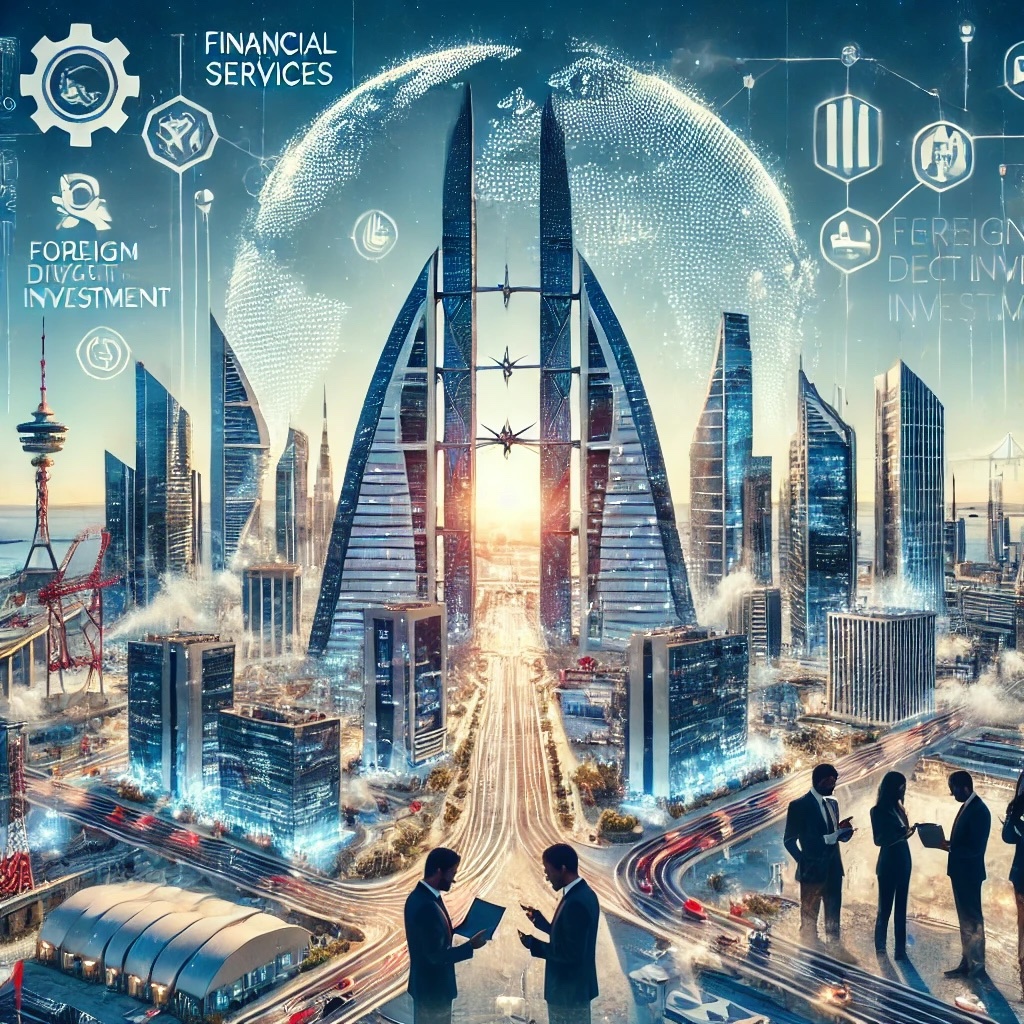
In 2023, Bahrain has firmly established itself as a regional and global powerhouse, earning top spots in multiple international rankings. Known for its forward-thinking policies and a welcoming environment for foreign direct investment (FDI), Bahrain has become a hub for businesses looking to expand into the Middle East and beyond. The nation’s strength in financial services, supported by a robust regulatory framework, has drawn global attention, while its growing tech and innovation sectors have positioned it as a leader in business innovation. With its strategic location, competitive costs, and a skilled workforce, Bahrain continues to attract international companies, making it a prime destination for investment. As the country thrives, it stands as a beacon of economic resilience and progressive development, offering exciting opportunities for entrepreneurs and established businesses alike.
Related Posts
Unlocking Genius: Fostering Creativity and Analytical Skills in the Classroom

In today’s rapidly evolving world, the ability to think both creatively and analytically is a superpower. But how can educators nurture these essential skills in students? The key lies in blending imaginative exercises with problem-solving challenges. First, allow students to explore open-ended projects where creativity takes center stage—whether through writing, art, or design. This freedom not only enhances their creative thinking but also gives them the confidence to express unique ideas. Pair these activities with structured, analytical exercises like critical thinking tasks, puzzles, and case studies, which encourage students to break down complex problems and develop logical solutions. By integrating both creative and analytical methods, teachers create a balanced learning environment where students can thrive as innovative, yet disciplined thinkers. Encouraging collaboration between students with different strengths further broadens their perspectives and prepares them to tackle real-world challenges with a diverse skill set.
Related Posts
Safeguarding Democracy: How the U.S. Keeps Election Fraud in Check

Election fraud has long been a topic of debate and concern, especially in a country as large and diverse as the United States. Ensuring that every vote is counted fairly and accurately is vital for maintaining trust in the democratic process. But how exactly does the U.S. prevent election fraud? Let’s break down the layers of protection and transparency that help keep the nation’s elections secure.
Voter Registration: The First Line of Defense
The first step in preventing election fraud begins with voter registration. Across the U.S., citizens are required to register before they can vote. This ensures that only eligible voters—those who meet residency, age, and citizenship requirements—are able to cast ballots. Many states have implemented online registration systems and automatic registration through driver’s license renewals, helping to create a robust, up-to-date voter list while making it harder for ineligible individuals to vote.
Voter ID Laws
One of the more debated tools in preventing election fraud is the implementation of voter ID laws. While these laws vary from state to state, they generally require voters to present a form of identification before casting their ballot. Proponents argue that this measure helps confirm a person’s identity and prevent instances of impersonation or double voting. Opponents, however, raise concerns that voter ID laws can be a barrier for certain groups, including minorities and low-income individuals. Nevertheless, in states where voter ID laws are enforced, they serve as a critical tool for protecting the integrity of elections.
Absentee and Mail-In Voting Protections
Absentee and mail-in voting have been essential parts of the U.S. election process, especially during the COVID-19 pandemic. To prevent fraud in mail-in voting, several safeguards are in place. Ballots are tracked from the moment they are requested to ensure that each voter only submits one ballot. Voter signatures are often required on both the ballot and the outer envelope, and these signatures are compared to those on file before the vote is counted. Additionally, many states use barcode systems to track the status of a mailed ballot, providing voters and election officials alike with a transparent view of the process.
Secure Voting Technology
The U.S. takes election security seriously when it comes to the technology used in the voting process. While some states still use paper ballots, others have shifted to electronic voting machines. To prevent tampering or hacking, these machines are required to meet stringent federal security standards. Many states also mandate that voting machines produce a paper trail that can be audited to ensure the accuracy of the results. Regular testing and certification of voting equipment, as well as cybersecurity measures, help reduce the risk of external interference.
Post-Election Audits and Investigations
Once an election is complete, many states conduct audits of the results to ensure that no discrepancies have occurred. These post-election audits compare the electronic vote count to paper records (if available) to verify the accuracy of the results. In cases where fraud is suspected, law enforcement agencies can launch investigations, often in coordination with federal entities like the FBI. Such thorough checks and balances ensure that the system remains fair and transparent.
Bipartisan Oversight and Public Transparency
One of the most critical factors in preventing election fraud is the involvement of both major political parties in overseeing elections. Election workers, observers, and officials from both parties are often present at polling places and during the vote counting process, ensuring that no single party has undue influence over the results. Additionally, public transparency, such as the ability to view live streams of ballot counting, adds another layer of accountability.
The Bottom Line: A Secure Process
While no system is perfect, the U.S. has put in place a wide range of safeguards to prevent election fraud. From voter registration and ID requirements to post-election audits and bipartisan oversight, these protections ensure that elections are as fair and secure as possible, preserving the trust that Americans place in their democratic process.
Related Posts
Communism vs. Democracy: Who’s Really Winning the 100-Year Race?

Over the past century, the ideological tug-of-war between communism and democracy has played out on a global stage, shaping governments, economies, and societies. Both have undergone transformations, but which system has advanced further in the last 100 years? Let’s dive into this question by examining key areas like political freedoms, economic growth, and societal progress.
The Evolution of Democracy
Democracy, at its core, is about giving power to the people, and this idea has continued to evolve. In the early 20th century, democratic nations were largely limited to Europe and the Americas. Fast forward 100 years, and democracy has expanded across the globe, albeit unevenly. Today, over half of the world’s countries claim some form of democracy. In this time, democratic societies have seen enormous technological advancements, substantial economic growth, and a general increase in civil liberties and human rights. The rise of social movements, women’s suffrage, and the fight for equality are all hallmarks of democracy’s progress.
However, democracy hasn’t been without its challenges. In recent years, issues like political polarization, corruption, and disinformation have tested the resilience of democratic systems. But the adaptability of democratic institutions has allowed them to evolve and address new problems, making democracy a system that, while imperfect, continues to offer opportunities for growth and reform.
The Path of Communism
Communism, on the other hand, started with grand promises of equality, classlessness, and shared wealth. After the Russian Revolution in 1917, communism spread to multiple regions, most notably China, Cuba, and parts of Eastern Europe. In the mid-20th century, communism seemed poised for massive global influence. But as the 20th century progressed, many communist regimes faltered. The Soviet Union collapsed, and various Eastern European countries shifted towards democracy and capitalism. China, while still governed by the Communist Party, has embraced market reforms that blur the lines between capitalism and communism.
That said, communism’s lasting legacy has been its focus on collective welfare and attempts at reducing extreme economic inequality. However, these gains often came at the cost of personal freedoms, innovation, and efficiency. In the past 100 years, while communism has made strides in lifting certain populations out of poverty (as seen in China’s economic rise), the broader communist movement has faced stagnation. The inherent centralization of power in communist regimes has stifled individual freedoms and creativity, making it less adaptable in a rapidly changing world.
Who’s Leading the Race?
When measuring progress over the last 100 years, democracy seems to have made the greater strides. While flawed, democracy has shown remarkable resilience and adaptability, creating societies where human rights, innovation, and individual freedoms can flourish. The success of democratic nations in fostering economic prosperity and technological innovation is a testament to this.
Communism, while offering important lessons on economic inequality and collective welfare, has struggled to evolve without suppressing individual freedoms. With its restrictive governance model, it hasn’t kept pace with the economic and social advancements seen in democratic nations.
In short, democracy has surged ahead in the race, but it’s not an uncontested victory. Both ideologies have shaped the world in significant ways, and the future will continue to test the adaptability and resilience of each system.