The Hawaiian warrior, also known as the Koa, holds a significant place in the rich cultural history of Hawaii. These formidable warriors were known for their bravery, strength, and unwavering loyalty to their chiefs. Clad in traditional battle attire, which included feathered capes, helmets, and weapons like the shark-toothed club known as the “lei-o-mano,” the Hawaiian warriors were a force to be reckoned with on the battlefield. They were skilled in various combat techniques, including hand-to-hand combat, archery, and spear throwing. The training of a Hawaiian warrior began at a young age, where they learned the art of warfare, discipline, and honed their physical abilities. They were raised to embody the values of courage, honor, and respect for their ancestors. The role of the Hawaiian warrior extended beyond the battlefield; they were also protectors of their land and people. Their duty encompassed safeguarding the sovereignty and traditions of their island nation. The Hawaiian warrior is not just a symbol of strength and valor but also represents the deep-rooted cultural heritage of the Hawaiian people. Today, their legacy lives on through cultural practices, ceremonies, and the preservation of their traditional arts. The Hawaiian warrior serves as a reminder of the resilience and spirit of the Hawaiian people, embodying the essence of their ancestral roots and the indomitable spirit that continues to flourish in the islands of Hawaii.
Latest Articles
Raguel’s Resolve: Guardian of Celestial Justice and Harmony
Archangel Raguel, often recognized as the Angel of Justice, occupies a unique and vital place within numerous religious traditions, spiritual teachings, and angelic hierarchies. While some archangels are primarily associated with healing, protection, or divine messages, Raguel’s role centers on one of the most fundamental principles governing both heaven and earth: justice. His name is commonly translated as “Friend of God,” a title that reflects not only his close relationship with the divine but also his unwavering dedication to carrying out God’s will through fairness, balance, and righteous judgment. Throughout centuries of religious writings and spiritual interpretations, Raguel has been viewed as a powerful force for harmony, accountability, and moral order, ensuring that divine laws are respected and that all beings are treated with fairness and integrity.
The concept of justice has always held profound significance within human civilization. Societies flourish when fairness prevails and suffer when corruption, favoritism, and inequality take root. In much the same way, spiritual traditions teach that the celestial realms operate according to principles of order and balance. Raguel’s role within these heavenly realms is often described as maintaining harmony among angels and ensuring that divine responsibilities are fulfilled appropriately. Rather than acting as a warrior or messenger, Raguel serves as a celestial mediator whose presence promotes cooperation, accountability, and mutual respect among heavenly beings. His influence helps preserve the integrity of divine order and ensures that conflicts are resolved according to principles of wisdom and justice.
Many descriptions portray Raguel as possessing a commanding yet compassionate presence. He embodies authority without tyranny and firmness without cruelty. Unlike a judge who seeks punishment for its own sake, Raguel is often viewed as a guardian of fairness whose ultimate goal is restoration and harmony. His justice is not motivated by vengeance but by the desire to create balance where imbalance exists. This distinction is important because true justice seeks not merely to identify wrongdoing but to restore what has been disrupted. In this sense, Raguel’s influence extends beyond simple judgment and encompasses reconciliation, understanding, and the pursuit of lasting peace.
Throughout history, humanity has wrestled with questions of fairness and morality. People often find themselves confronting situations where right and wrong are not immediately obvious. Conflicts arise within families, workplaces, communities, and nations. During such moments, many spiritual seekers turn to Archangel Raguel for guidance. His wisdom is believed to help individuals view situations objectively, set aside personal biases, and pursue resolutions that serve the greater good. Rather than encouraging impulsive reactions or emotional retaliation, Raguel’s influence promotes thoughtful reflection, honest communication, and a commitment to fairness.
One of Raguel’s most significant attributes is his role as a mediator. Mediation requires patience, understanding, and the ability to recognize the perspectives of all parties involved. In both celestial and earthly matters, Raguel is often viewed as an intermediary who helps resolve disputes before they escalate into greater conflicts. This role has made him especially meaningful to those facing disagreements or struggles within their personal lives. Individuals seeking reconciliation with family members, friends, coworkers, or community members frequently invoke Raguel’s guidance in hopes of restoring harmony and understanding.
The importance of mediation extends beyond personal relationships. Throughout history, entire societies have depended upon fair and impartial mediators to resolve disputes and maintain stability. The principles associated with Raguel remind humanity that justice is not solely about enforcing rules but also about fostering understanding between opposing sides. True justice recognizes the humanity of all individuals involved and seeks solutions that promote healing and long-term peace rather than temporary victories.
Raguel’s influence is also closely associated with accountability. In many spiritual traditions, accountability is viewed as an essential component of justice. Actions have consequences, and individuals must accept responsibility for their choices. However, accountability under Raguel’s guidance is not intended to produce shame or despair. Instead, it serves as an opportunity for growth, learning, and transformation. By acknowledging mistakes and striving to make amends, individuals can restore balance and strengthen their character. Raguel’s presence encourages honesty, self-reflection, and a willingness to pursue what is right even when doing so may be difficult.
The modern world presents countless situations in which the qualities represented by Raguel are desperately needed. Social divisions, political disagreements, workplace conflicts, and personal disputes often arise from misunderstandings, prejudice, or a lack of communication. In an era where people are frequently encouraged to choose sides and view opponents as enemies, Raguel’s example serves as a reminder that justice requires empathy as well as discernment. His influence encourages individuals to seek truth rather than merely defending their own positions. By promoting dialogue, fairness, and mutual respect, Raguel offers a model for resolving conflicts in ways that preserve dignity and foster cooperation.
Many spiritual practitioners believe that Raguel provides guidance to those working within legal systems, government institutions, educational organizations, and leadership positions. Individuals entrusted with authority face the responsibility of making decisions that affect the lives of others. The qualities associated with Raguel—fairness, integrity, wisdom, and accountability—are essential for ethical leadership. Leaders who embody these principles are better equipped to make decisions that serve the common good rather than personal interests. In this way, Raguel’s influence extends into many aspects of society, inspiring individuals to exercise authority responsibly and justly.
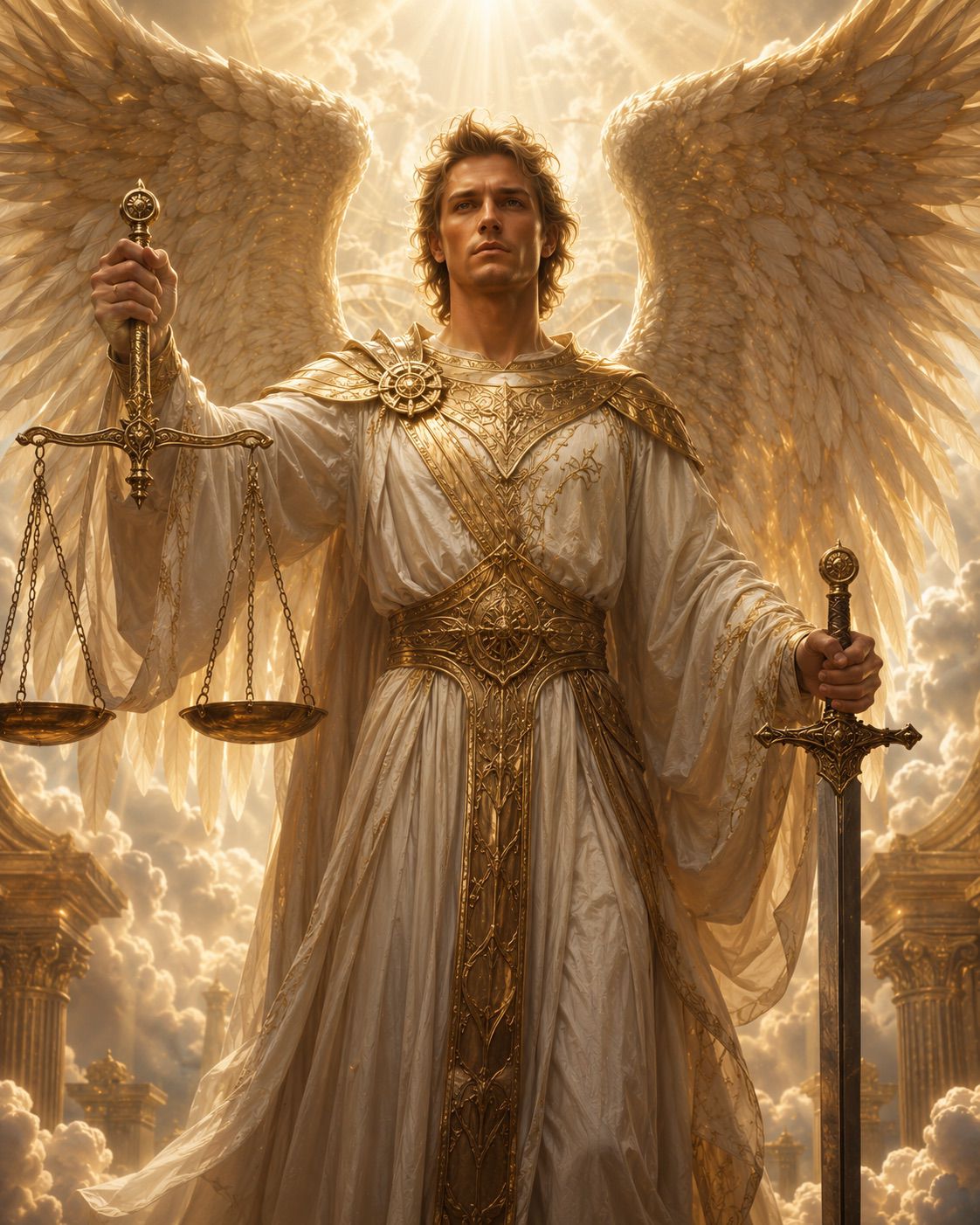
The symbolism often associated with Archangel Raguel further reflects his role as a guardian of justice. He is frequently depicted carrying scales, representing balance and impartial judgment. The scales symbolize the careful weighing of actions, intentions, and consequences. Unlike human judgments, which may be influenced by emotion or personal bias, divine justice is portrayed as objective and fair. Some artistic depictions also show Raguel holding a staff or scepter, representing authority and leadership. These symbols remind believers that justice requires both wisdom and strength, as maintaining fairness often demands courage in the face of opposition.
Beyond external conflicts, Raguel’s influence is also believed to operate within the human heart. Many individuals experience internal struggles involving guilt, resentment, fear, or uncertainty. Emotional wounds and unresolved grievances can create imbalance within a person’s life, affecting relationships, decision-making, and overall well-being. Raguel’s guidance encourages individuals to examine these inner conflicts honestly and pursue healing through forgiveness, accountability, and self-awareness. His presence is often associated with emotional clarity and the ability to release bitterness in favor of understanding and peace.
Forgiveness occupies an important place within the justice associated with Raguel. Contrary to popular misconceptions, forgiveness does not mean ignoring wrongdoing or excusing harmful behavior. Instead, it involves releasing the desire for revenge and allowing healing to take place. Raguel’s balanced approach recognizes the importance of accountability while also acknowledging the transformative power of mercy. This combination of justice and compassion reflects a deeper understanding of human nature and the potential for personal growth.
Many people who seek spiritual guidance describe experiencing a sense of calm and clarity when focusing on Raguel’s qualities. During times of conflict or confusion, reflecting on fairness, honesty, and balance can help individuals approach challenges with greater wisdom. Rather than reacting impulsively, they become better able to evaluate situations objectively and make decisions aligned with their values. In this way, Raguel’s influence is not limited to extraordinary spiritual experiences but can be applied to everyday life through thoughtful action and ethical decision-making.
The relevance of Raguel’s message has only grown in today’s complex and interconnected world. Advances in technology and communication have created unprecedented opportunities for cooperation while also amplifying misunderstandings and conflicts. Social media, political polarization, and cultural divisions often encourage people to view disagreements as battles to be won rather than opportunities for understanding. Raguel’s example offers an alternative perspective—one rooted in fairness, dialogue, and mutual respect. His teachings remind humanity that justice is not achieved through domination or revenge but through balance, integrity, and a sincere commitment to truth.
In many ways, Raguel serves as a reminder that justice is both a personal and collective responsibility. Every individual contributes to the fairness and harmony of society through their choices and actions. Acts of honesty, kindness, accountability, and respect may seem small, but they help create a culture in which justice can flourish. Conversely, ignoring wrongdoing, spreading falsehoods, or treating others unfairly contributes to imbalance and discord. Raguel’s influence encourages people to recognize their role in shaping the world around them and to act in ways that promote equity and understanding.
Spiritual traditions often teach that divine justice ultimately transcends human limitations. While earthly systems may sometimes fail, the principles represented by Raguel offer hope that fairness and truth remain enduring realities within the greater order of creation. This belief provides comfort to those who have experienced injustice, reminding them that their struggles are not unseen and that integrity ultimately matters. Raguel’s presence symbolizes the assurance that justice is not merely an abstract ideal but a living principle woven into the fabric of existence.
The enduring appeal of Archangel Raguel lies in his representation of humanity’s deepest aspirations for fairness, accountability, and harmony. Across generations, people have sought guidance in navigating conflicts, resolving disputes, and creating more just communities. Raguel embodies these aspirations by demonstrating that justice is not simply about punishment or authority but about restoring balance and promoting understanding. His influence encourages individuals to pursue truth with courage, exercise compassion alongside discernment, and strive for solutions that benefit all involved.
Whether viewed as a literal celestial being or as a symbolic representation of divine justice, Archangel Raguel continues to inspire countless individuals seeking fairness and resolution. His example reminds humanity that justice requires patience, wisdom, and integrity. It calls upon people to rise above personal biases, consider the needs of others, and work toward outcomes that reflect the highest principles of morality and compassion. In a world often marked by conflict and division, Raguel stands as a powerful symbol of hope, demonstrating that harmony can be restored when fairness and understanding guide our actions.
Ultimately, Archangel Raguel’s legacy endures because it speaks to a universal human desire for justice and peace. His role as the Angel of Justice reminds us that fairness is not merely a legal concept but a spiritual principle that shapes every aspect of life. Through his example, individuals are encouraged to cultivate integrity, pursue truth, and contribute to a more balanced and compassionate world. In doing so, they participate in the very work that Raguel is believed to champion throughout both the heavenly and earthly realms—a mission dedicated to restoring harmony, promoting fairness, and ensuring that justice remains a guiding force for all.
Related Posts
Unveiling the Truth: Debunking Myths Surrounding U.S. Military and Alien Cover-ups
The notion of whether the U.S. military is concealing evidence of extraterrestrial life has long captured the imagination of many. Despite the absence of concrete proof supporting such claims, conspiracy theories persist, feeding the curiosity of those intrigued by the idea of aliens. In recent years, speculation has intensified, with some individuals asserting that the U.S. military holds classified information about aliens and actively hides it from the public. Alleged UFO sightings and unexplained phenomena are often cited as evidence supporting these claims.
Nevertheless, it’s essential to approach such assertions with a critical mindset, considering the lack of scientific evidence confirming the existence of aliens. Scientists and experts emphasize the principle that extraordinary claims necessitate extraordinary evidence. Until such evidence is presented, maintaining a healthy skepticism remains reasonable. Moreover, the sheer vastness of the universe and the limitations of current human technology make it improbable for any single organization, including the U.S. military, to successfully conceal such significant information.
Additionally, historical precedent indicates that the U.S. government has a track record of declassifying top-secret documents over time. This suggests that if there were genuine evidence of extraterrestrial life, it would likely be disclosed eventually. While the allure of the idea of aliens and government cover-ups is undeniable, approaching the topic with rationality, critical thinking, and an appreciation for the scientific method is crucial.
Related Posts
Drive Away Happy: Mastering the Art of Getting the Best Deal at the Dealership
When it comes to getting a great deal when dealing with a car dealership, there are several strategies that can help you navigate the process and ensure you get the best price possible. First and foremost, it’s important to do your research. Before stepping foot into a dealership, take the time to research the make and model of the car you’re interested in, as well as its market value and any potential discounts or incentives available. This knowledge will give you a solid understanding of what a fair price would be, and will prevent you from being taken advantage of. Additionally, it’s crucial to be prepared to negotiate. Remember that the sticker price is often just a starting point, and there is usually room for negotiation. Be confident and assertive in expressing what you’re willing to pay and be prepared to walk away if the dealer isn’t willing to meet your terms. Another tip is to consider timing. Car dealerships often have monthly, quarterly, or yearly sales targets to meet, so it can be advantageous to buy a car towards the end of these periods when dealers may be more motivated to offer better deals. Finally, don’t forget to explore financing options. While the dealership may offer financing, it’s a good idea to secure pre-approved financing from your bank or credit union beforehand. This will give you the leverage to negotiate a better deal on the overall price of the car, as you won’t be dependent on the dealership’s financing terms. By following these strategies, you’ll be well-equipped to get a great deal when dealing with a car dealership.
Related Posts
Lagertha: The Shieldmaiden’s Saga of Strength and Empowerment
Lagertha, a captivating figure from Norse mythology, possesses an irresistible charm that stems from her unwavering strength, audacious courage, and remarkable leadership qualities. Celebrated as both a formidable shieldmaiden and a valiant warrior, Lagertha embodies female empowerment and resilience. Her remarkable story has been immortalized in various sagas and historical accounts, captivating audiences with her astonishing prowess on the battlefield and unwavering determination. Lagertha’s character embodies the spirit of a determined and self-reliant woman who defies societal norms and breaks down barriers in a male-dominated society. She is often depicted as a skilled combatant, leading her own group of warriors and fearlessly participating in battles alongside her male counterparts. Equally impressive are Lagertha’s intellect and strategic prowess, portrayed as a sagacious and cunning leader. Her resourcefulness and adaptability in the face of daunting circumstances make her an inspirational figure, not only for women but for anyone facing adversity. Lagertha’s journey epitomizes growth and transformation as she rises from humble beginnings to become a legendary warrior and queen. Her extraordinary narrative serves as a powerful reminder that strength transcends gender and that individuals, regardless of societal expectations, can achieve greatness through perseverance, skill, and resilience.
Related Posts
The Kremlin: Where Politics, History, and Culture Converge
Situated in Moscow, the Kremlin stands as a testament to the political and historical significance of Russia. Derived from the Russian word “Kreml,” which means “fortress,” this iconic symbol serves as the official residence of the President of the Russian Federation. Its origins can be traced back to the 12th century when it was constructed as a wooden fortress, acting as a safeguard against external threats. Over the years, the Kremlin has undergone various additions, renovations, and expansions, resulting in the magnificent complex that we behold today.
Far beyond being just a political center, the Kremlin holds immense cultural and historical importance. Within its fortified walls, one encounters the awe-inspiring Cathedral Square, adorned with remarkable cathedrals such as the Assumption Cathedral, the Archangel’s Cathedral, and the Annunciation Cathedral. These architectural masterpieces not only showcase stunning designs but also house invaluable religious artifacts. Additionally, the Kremlin houses the renowned Armoury Chamber, a museum that proudly exhibits a vast collection of imperial treasures, including crowns, thrones, Fabergé eggs, and royal carriages. The sight of the Kremlin’s red-brick walls, towers, the Tsar Bell, and the Tsar Cannon further enriches its already stunning visuals. Surrounding the complex are picturesque gardens and captivating views of the Moskva River, adding to its overall allure.
Through the course of history, the Kremlin has borne witness to significant events like coronations, imperial weddings, and political gatherings. Serving as a symbol of power, authority, and resilience, it embodies the very essence of the Russian state. Today, the Kremlin remains a central hub of political activity, while continuing to embody Russia’s rich cultural heritage. Its historical and architectural significance, coupled with its role as a political stronghold, make the Kremlin not only important for Russia but for the world as a whole.
Located at the heart of Moscow, Russia, the Kremlin holds immense political significance as the country’s nerve center. It is a sprawling complex that encompasses several palaces, cathedrals, and government buildings. Within these walls, a wide range of significant events and activities take place.
First and foremost, the Kremlin serves as the official residence of the President of Russia. It is the place where crucial decisions are made, national policies are formulated, and diplomatic relations are forged. The president’s office and living space are all contained within this historic complex.
Moreover, the Kremlin houses various arms of the Russian government, including the State Duma and the Federation Council. These chambers serve as legislative bodies where debates, passes, and implementations of laws occur. Additionally, the Kremlin also accommodates several ministries and departments responsible for overseeing aspects such as defense, foreign affairs, finance, and culture. High-level meetings, negotiations, and summits shaping the nation’s domestic and international agendas occur in this historic venue.
Beyond its political significance, the Kremlin is a site of historical and cultural heritage. It boasts opulent palaces and cathedrals, like the Grand Kremlin Palace and the Cathedral of the Annunciation, which draw tourists from all corners of the globe. These architectural marvels provide a window into Russia’s rich past and architectural brilliance, captivating visitors with their grandeur.
In conclusion, the Kremlin is a multifaceted institution where political, administrative, and cultural activities intertwine. Its presence plays a pivotal role in shaping Russia’s destiny and leaving an indelible mark on its history.
Related Posts
Nero Claudius: Decoding the Controversial Reign of Rome’s Enigmatic Emperor
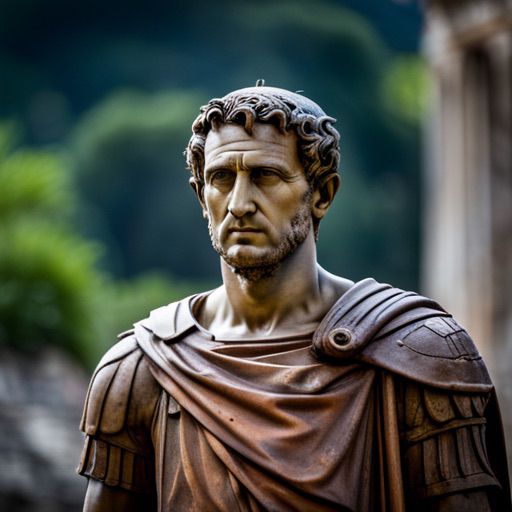
Meet Nero, the infamous Roman emperor who ruled from 54 to 68 AD. Nero, or Nero Claudius Caesar Augustus Germanicus, was the last emperor of the Julio-Claudian dynasty, and his reign was nothing short of controversial. The tyrant, Nero, was known for his cruelty and debauchery, which earned him a fearsome reputation. He even murdered his own mother and several other family members, and while Rome burned in the Great Fire of 64 AD, he reportedly played his lyre.
Despite his brutal reputation, Nero was also a patron of the arts and a lover of Greek culture. He was a man of many talents and was known for his public and private performances, including singing and acting. Nero was also a builder, responsible for the construction of several impressive public works, including the Domus Aurea (Golden House) and the Colossus of Nero.
However, Nero’s reign was not smooth sailing. It was marked by economic troubles, political instability, and military failures. Nero faced several rebellions during his rule, including the Pisonian conspiracy, which was led by a group of senators who sought to overthrow him. Ultimately, Nero was forced to flee Rome, and the Senate declared him a public enemy.
Despite his accomplishments, Nero’s legacy remains controversial. He was a man of many talents who left a mark on Roman history, but he was also a tyrant who was responsible for the deaths of many. In 68 AD, Nero committed suicide, bringing an end to his tumultuous reign. Today, Nero is remembered both for his artistic contributions and his tyranny, making him a fascinating and complex figure in history.
Related Posts
Communism vs. Democracy: A Century-Long Showdown of Ideological Olympics (Spoiler: Both Sides Get Gold Medals for Effort)
In the past 100 years, both communism and democracy have made significant progress, but the extent of their advancements can be debated. Communism, as an ideology, emerged in the early 20th century and sought to establish a society in which resources are distributed equally among all members, and the means of production are owned and controlled by the community as a whole. While communism gained traction in several countries, such as the Soviet Union and China, it faced various challenges and criticisms. The collapse of the Soviet Union in 1991 marked a significant setback for communism, and subsequent reforms in China also moved away from the original Marxist principles. On the other hand, democracy, which emphasizes individual freedoms, political participation, and the rule of law, has also witnessed progress. Throughout the 20th century, many countries transitioned from autocratic or authoritarian regimes to democratic systems. The spread of democracy was further accelerated after the end of World War II, with the establishment of international organizations like the United Nations that promoted democratic values. However, it is important to note that the progress of democracy has not been without setbacks. Some countries have experienced democratic backsliding, where democratic institutions weaken, and autocratic tendencies emerge. Additionally, the rise of populism and the erosion of democratic norms in recent years have raised concerns about the future of democracy. Ultimately, determining which ideology has progressed further in the past century is subjective and dependent on various factors such as geographical location, historical context, and individual perspectives.
Related Posts
Uriel’s Illumination: Navigating Life’s Depths with Divine Wisdom
Archangel Uriel, often known as the Angel of Wisdom, occupies a unique and revered place within religious traditions, spiritual teachings, and ancient writings. Throughout history, Uriel has been associated with enlightenment, insight, truth, and the illumination of the human mind and spirit. His name is commonly translated as “God is my Light” or “Fire of God,” reflecting his role as a divine source of wisdom and understanding. For countless generations, believers, theologians, mystics, and spiritual seekers have looked to Uriel as a guide during times of uncertainty, confusion, and spiritual searching. While some archangels are primarily associated with protection, healing, or divine messages, Uriel is often regarded as the celestial embodiment of wisdom itself, helping humanity discover truth and gain a deeper understanding of life’s mysteries.
The symbolism behind Uriel’s name reveals much about his purpose. Light has long represented truth, knowledge, and spiritual awakening, while darkness often symbolizes ignorance, fear, or uncertainty. Uriel is believed to bring light into those dark places, helping individuals perceive situations more clearly and make decisions grounded in wisdom rather than emotion or confusion. The association with divine fire further emphasizes his role as a force of transformation and revelation. Fire has historically symbolized purification, inspiration, and enlightenment, and Uriel’s wisdom is often viewed as a sacred flame that illuminates the mind and soul. Rather than simply providing answers, Uriel encourages individuals to seek understanding, examine their circumstances thoughtfully, and pursue deeper truths about themselves and the world around them.
Although Uriel is not mentioned in every version of the Bible, he appears prominently in various ancient religious texts and traditions. In Jewish literature, Uriel is often described as one of the chief angels who stand before God, serving as a guardian of sacred knowledge and an interpreter of divine mysteries. Some texts portray him as a guide who helps humanity understand visions, prophecies, and spiritual truths that might otherwise remain hidden. Within certain Christian traditions, particularly those influenced by apocryphal writings, Uriel is recognized as one of the seven archangels who serve in the presence of God. He is commonly associated with wisdom, repentance, divine justice, and spiritual enlightenment. Eastern Christian traditions frequently depict him carrying a flame or a scroll, symbolizing his role as a bearer of divine knowledge and understanding.
Uriel’s role as the Angel of Wisdom extends far beyond intellectual knowledge. Wisdom involves more than simply possessing information; it requires discernment, understanding, and the ability to apply knowledge in meaningful and ethical ways. Many individuals turn to Uriel when faced with difficult choices or complex situations. Whether confronting personal challenges, career decisions, family concerns, or spiritual questions, people often seek his guidance in the hope of gaining clarity and perspective. Wisdom rarely arrives as an immediate revelation. More often, it develops through reflection, experience, patience, and spiritual growth. Uriel is believed to support this process by illuminating possibilities that may have previously gone unnoticed, helping individuals approach their circumstances with greater understanding and insight.
Throughout life, people inevitably encounter periods of uncertainty. Questions about purpose, relationships, faith, and the future can leave even the most confident individuals feeling lost or overwhelmed. During such times, Uriel is often regarded as a comforting and reassuring presence. Unlike a messenger who simply delivers information, Uriel is frequently viewed as a mentor who helps individuals discover their own inner wisdom. His guidance encourages reflection, contemplation, and trust in divine timing. Many who seek his assistance report experiencing moments of clarity after prayer, meditation, or quiet introspection. These moments often bring a renewed sense of understanding and confidence, allowing them to move forward with greater certainty and peace.
Uriel is also closely associated with spiritual enlightenment and personal transformation. Many traditions describe him as a teacher who helps individuals deepen their connection to the divine and expand their awareness of spiritual truths. Spiritual growth often involves confronting difficult questions, challenging long-held assumptions, and exploring deeper dimensions of existence. Uriel’s influence is believed to encourage this journey by inspiring honesty, humility, and a sincere desire to learn. His presence often motivates individuals to pursue greater understanding through study, reflection, and spiritual practice. Rather than promoting blind acceptance, Uriel’s wisdom encourages thoughtful exploration and personal discovery, demonstrating that faith and reason can work together to reveal profound truths.
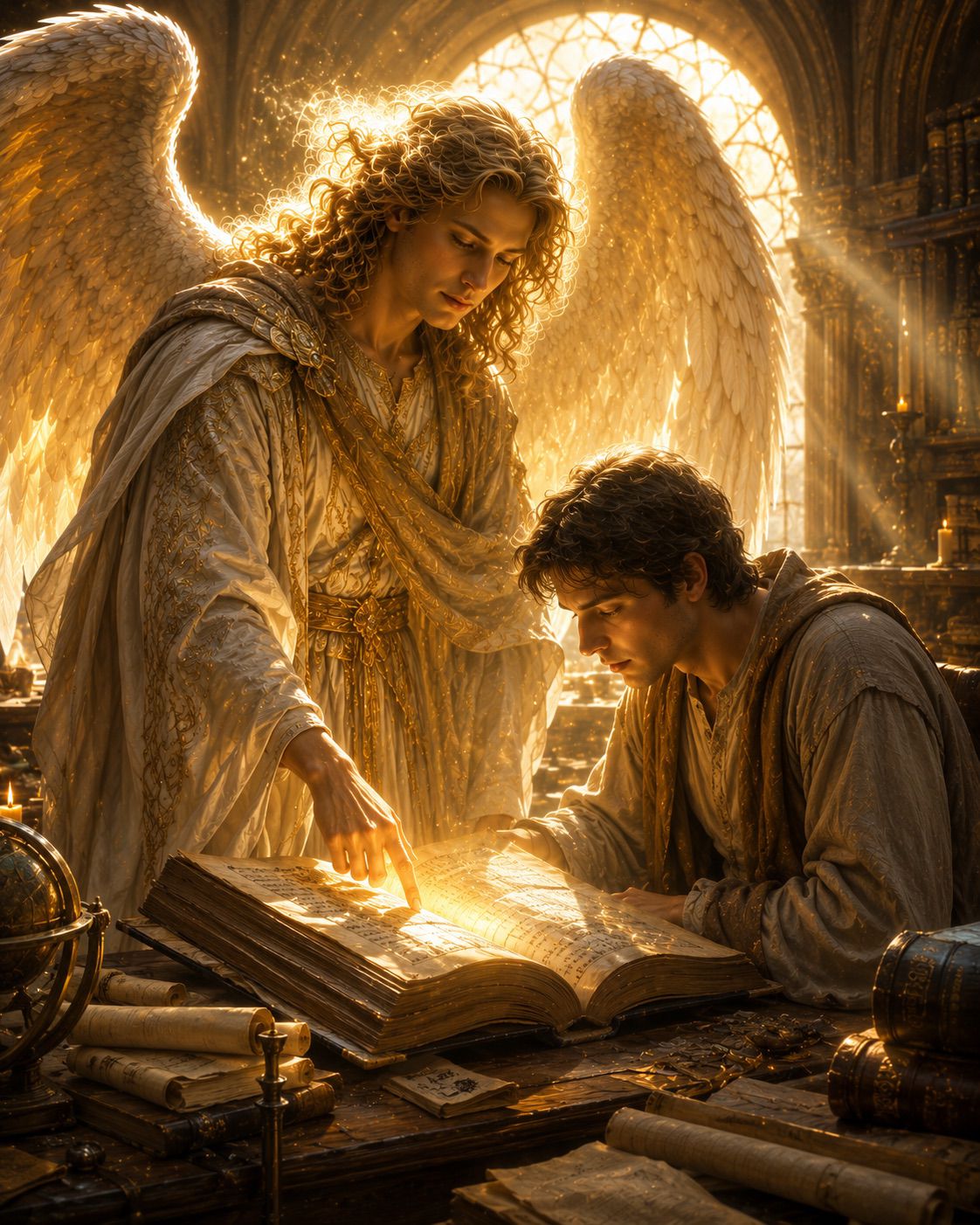
The symbolism associated with Uriel further reinforces his role as an illuminator of minds and hearts. Throughout history, he has often been depicted holding a flame, torch, scroll, or book. The flame represents divine truth and enlightenment, while books and scrolls symbolize knowledge, learning, and sacred wisdom. These images serve as reminders that wisdom is a gift that must be cultivated and applied responsibly. In many artistic depictions, Uriel radiates light, emphasizing his role as a source of clarity and understanding. The imagery reflects the belief that true wisdom helps individuals see beyond appearances and recognize deeper realities.
Personal growth is another area in which Uriel’s influence is frequently recognized. Life’s challenges, setbacks, and disappointments often serve as powerful teachers, but only when individuals are willing to learn from them. Uriel encourages people to view difficulties not merely as obstacles but as opportunities for growth and self-discovery. His wisdom inspires individuals to examine their experiences honestly, extract valuable lessons, and use those insights to become stronger and more compassionate. Rather than dwelling on mistakes or regrets, Uriel’s guidance emphasizes learning, resilience, and continual growth. Through this process, challenges become stepping stones toward greater maturity, understanding, and fulfillment.
Many spiritual seekers also associate Uriel with creativity and inspiration. Creative pursuits often require imagination, insight, and the ability to see possibilities beyond conventional thinking. Writers, artists, musicians, inventors, and innovators frequently describe moments of inspiration that seem to emerge from a deeper source of wisdom. Uriel’s role as an illuminator of minds makes him a natural symbol of creative insight. His influence encourages individuals to think creatively, approach problems from new perspectives, and embrace innovative ideas. In this sense, creativity itself can be viewed as a form of divine illumination, revealing possibilities that were previously hidden from view.
In today’s world, the qualities associated with Uriel remain as relevant as ever. Modern society offers unprecedented access to information, yet wisdom continues to be one of humanity’s most valuable and elusive resources. Information alone does not guarantee understanding, and knowledge without discernment can often lead to confusion rather than clarity. Uriel’s example serves as a reminder that wisdom involves more than accumulating facts; it requires thoughtful reflection, ethical judgment, and the ability to distinguish truth from misinformation. In a world filled with distractions, conflicting viewpoints, and constant change, the pursuit of wisdom remains essential for navigating both personal and collective challenges.
The enduring appeal of Archangel Uriel lies in his representation of humanity’s universal desire for understanding. Across cultures, religions, and generations, people have sought answers to life’s deepest questions. They have searched for meaning, purpose, and guidance in the face of uncertainty. Uriel embodies the belief that wisdom is available to those who sincerely seek it. His presence serves as a reminder that enlightenment is not reserved for a select few but is a possibility open to all who pursue truth with humility and determination.
Whether viewed as a literal heavenly being or as a symbolic representation of divine wisdom, Uriel continues to inspire individuals around the world. His teachings encourage people to cultivate understanding, seek truth, and approach life’s challenges with insight and compassion. He represents the transformative power of wisdom to illuminate confusion, strengthen faith, and guide individuals toward their highest potential. Through his enduring legacy as the Angel of Wisdom, Uriel reminds humanity that true enlightenment is not simply the acquisition of knowledge but the development of understanding, integrity, and spiritual awareness. In every age, his message remains timeless: when guided by wisdom and illuminated by truth, even the most difficult paths can lead toward growth, understanding, and a deeper connection with the divine.
Related Posts
Radiant Elegance: Decoding the Enchanting Beauty Secrets of Japanese Women
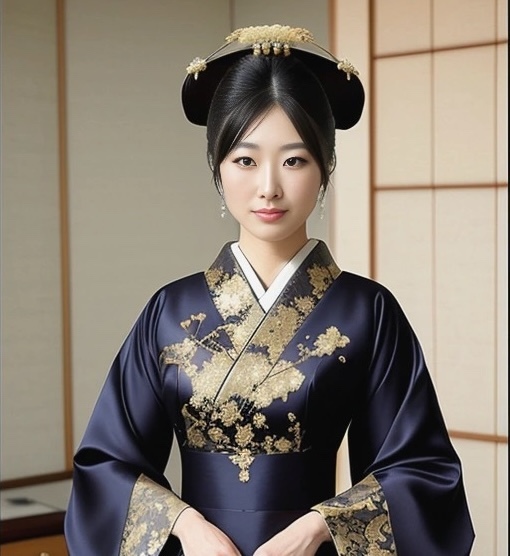
Japanese women have long captivated admirers with their exquisite beauty, a result of numerous intriguing factors. One notable aspect is their culture’s heavy emphasis on skincare and beauty rituals, which greatly contribute to their allure. Japanese women diligently follow a meticulous multi-step skincare regimen that involves utilizing only the finest products to maintain a vibrant and healthy complexion. Protecting their skin from the sun’s harmful effects is a top priority for them, leading them to go to great lengths to shield themselves.
In addition to their skincare practices, Japanese women owe their radiant beauty to a well-balanced diet brimming with succulent fruits, verdant vegetables, and delightful seafood. These nourishing elements not only bestow upon them a luminous complexion but also promote their overall well-being. Another aspect that adds to their enchantment is their remarkable fashion sense. Japanese women effortlessly amalgamate traditional elements with contemporary trends, resulting in extraordinary and refined ensembles that exude elegance and individuality.
Furthermore, Japanese women exhibit an unwavering commitment to self-discipline, taking immense pride in their appearance. They engage in invigorating activities such as yoga, martial arts, or dance, sculpting and maintaining a toned physique that radiates health and vitality. However, it is their innate grace and poise that truly distinguish them. From a young age, Japanese women are instilled with values of etiquette, respect, and humility, which emanate through their graceful demeanor.
In essence, the ethereal beauty possessed by Japanese women resembles a harmonious symphony orchestrated by an exquisite skincare routine, a wholesome lifestyle, an impeccable sense of fashion, unwavering self-discipline, and the profound influences of their rich cultural heritage.
Related Posts
Groundhog Day: Shadows, Shenanigans, and Six More Weeks of Side-Splitting Winter
The annual celebration of Groundhog Day, which takes place each year on the 2nd of February, holds significant importance mainly in North America. Originating from ancient weather lore brought by German settlers to Pennsylvania between the 18th and 19th centuries, this unique and unconventional tradition centers around the emergence of a groundhog from its burrow after a prolonged hibernation. Symbolically, it predicts the arrival of the eagerly anticipated spring season. According to this customary belief, if the groundhog spots its own shadow on this auspicious day, it promptly retreats back into its burrow, signifying an additional six weeks of winter. Conversely, if the skies are cloudy and the groundhog fails to perceive its shadow, it serves as a promising indication of an early onset of spring.
This idiosyncratic celebration has deeply ingrained itself within the cultural landscape of both the United States and Canada, captivating worldwide attention and arousing curiosity. Although the groundhog’s prediction accuracy is often a subject of debate, Groundhog Day festivities have transformed into a source of entertainment and a means to foster community engagement. From Punxsutawney Phil in Pennsylvania to Wiarton Willie in Canada, numerous groundhogs have been officially appointed as forecasters, attracting large crowds eager to witness their prognostications. Vibrant parades, lively music, and a plethora of other festivities are meticulously organized to commemorate this occasion, creating an atmosphere of excitement and eager anticipation.
Groundhog Day acts as a delightfully lighthearted reminder that despite the persistent winter doldrums, the revitalizing spring season is inevitably on its way. It offers a pleasant respite from the monotony of winter and unites people in celebrating the changing seasons. Regardless of individual beliefs in the groundhog’s forecasting abilities, the observance of Groundhog Day has earned a cherished place as a time-honored tradition that brings joy and laughter to communities throughout North America.
Related Posts
Unraveling the Dance of Celestial Spin: The Dzhanibekov Effect and the Tennis Racket Theorem
The Dzhanibekov effect, also known as the Tennis Racket Theorem, is a fascinating phenomenon in physics that occurs when a rotating object undergoes a peculiar motion. This effect was named after Russian cosmonaut Vladimir Dzhanibekov, who first observed it during his space mission in 1985. The Dzhanibekov effect occurs when an object in space, such as a rotating satellite or spacecraft, experiences a change in its rotational axis due to an asymmetric distribution of mass. It is often referred to as the Tennis Racket Theorem because the motion resembles that of a spinning tennis racket when it is thrown in the air. This phenomenon has captured the interest of scientists and physicists worldwide, as it defies the intuitive expectations of rotational motion. The Dzhanibekov effect highlights the complex nature of rotational dynamics and challenges our understanding of how objects behave in space. It serves as a reminder that even seemingly simple systems can exhibit intricate and unexpected behaviors. The study of this effect has important implications for space missions and engineering, where precise control of rotational motion is crucial. Understanding and predicting the Dzhanibekov effect can help scientists and engineers design more stable and efficient spacecraft. Overall, the Dzhanibekov effect is a captivating example of the intricate interplay between mass distribution and rotational dynamics, showcasing the beauty and complexity of the physical world.
Related Posts
Einstein’s Legacy: Unraveling the Brilliance of a Timeless Mind
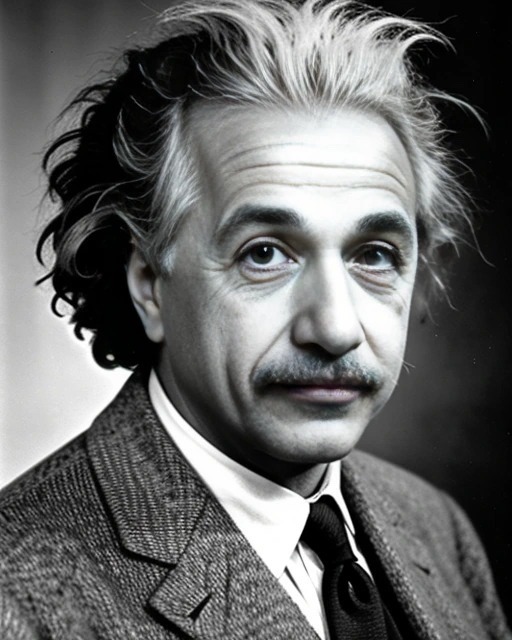
Albert Einstein, an extraordinary physicist, was born on March 14, 1879, in Ulm, Germany. He has left an everlasting imprint on the field of science and is widely regarded as one of the most brilliant minds in history. Through his groundbreaking discoveries, he revolutionized our understanding of the universe, laying the foundation for modern physics. Among his notable achievements, Einstein’s renowned equation, E=mc², introduced the concept of mass-energy equivalence, serving as the cornerstone of the theory of relativity. In 1915, he fearlessly challenged the prevailing notions of space, time, and gravity by publishing his theory of general relativity. This audacious move led to remarkable advancements in cosmology and astrophysics.
Throughout his illustrious career, Einstein made significant contributions to science, putting forth revolutionary theories that continue to shape our comprehension of the natural world. His extensive research on the photoelectric effect, for which he received the Nobel Prize in Physics in 1921, paved the way for the development of quantum theory. In addition to his scientific brilliance, Einstein demonstrated an unwavering commitment to noble causes. He fearlessly voiced his support for civil rights, pacifism, and global disarmament. By believing in the power of human intellect and creativity, and advocating for social justice, he remains an enduring symbol of intellectual curiosity and humanitarianism.
Undoubtedly, Albert Einstein’s multifaceted contributions to science and his profound impact on society have solidified his position as one of the most influential figures of the 20th century.
Related Posts
Tiberius Claudius Caesar Augustus Germanicus: The Complex Legacy of Rome’s Enigmatic Emperor
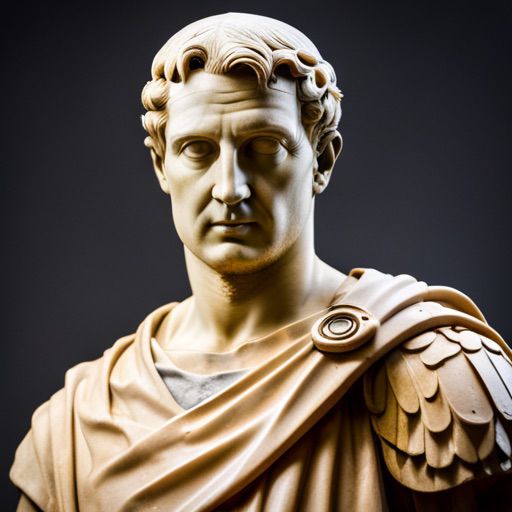
Meet Tiberius Claudius Caesar Augustus Germanicus, also known as Claudius, a Roman emperor who ruled from 41 to 54 AD. Born in 10 BC into the powerful Julio-Claudian dynasty, he was the son of Nero Claudius Drusus, a prominent Roman general, and was destined for great things. However, his family considered him weak and mentally challenged due to his various health problems, which led to him being excluded from public life and not considered a potential emperor.
Despite his family’s opinion, after the assassination of his nephew Caligula, Claudius was declared emperor by the Praetorian Guard. And boy, did he prove them wrong! Despite his reputation as a weak and foolish man, Claudius showed himself to be a capable ruler, known for his administrative abilities and several important reforms, including improving the legal system and expanding the Roman Empire.
Under his rule, Britain was conquered, and significant contributions were made to the construction of important public works like aqueducts and roads. But that’s not all, Claudius was also a scholar and writer. He wrote several works on history and politics, including a 20-volume history of Rome, and was a patron of the arts, encouraging the development of literature and drama in Rome.
However, like any other ruler, Claudius had his flaws. He was criticized for his personal life, including his marriages to several women, some of whom were accused of plotting against him. He was also known for his fondness for gladiatorial games and was accused of being cruel to his opponents.
Despite these criticisms, Claudius is remembered as a successful and important emperor. He was the first Roman emperor to be born outside of Italy, and his reign marked a period of stability and prosperity for the Roman Empire. He passed away in 54 AD, possibly poisoned by his wife Agrippina, who wanted her son Nero to become emperor. Even after all these years, Claudius’s legacy continues to be studied and debated by historians and scholars, and he remains an essential figure in Roman history.
Related Posts
Red Square Revelations: Where History, Beauty, and Resilience Collide
The Red Square holds a significant and cherished place within Moscow, Russia, resonating deeply with the nation. One cannot help but recognize its historical and iconic status, as it carries immense cultural and historical importance for the Russian people. This square stands as an embodiment of power, revolution, and the collective national identity. What’s intriguing is that its name, “Red Square,” finds its origins in the Russian word “krasnyi,” which can be interpreted to mean both “red” and “beautiful.”
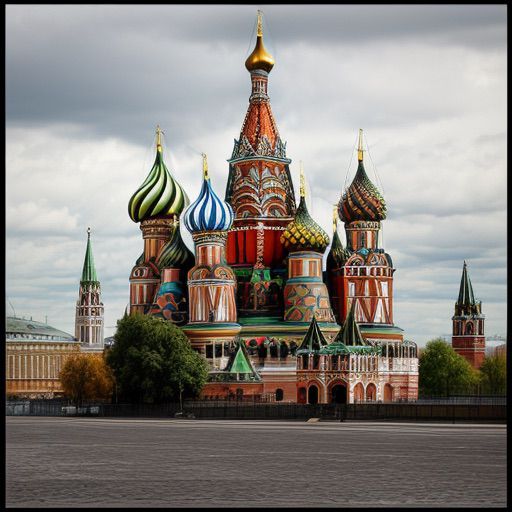
Enveloping this square are numerous remarkable architectural wonders, contributing to its grandeur. These include the illustrious Kremlin, the mesmerizing Saint Basil’s Cathedral, the State Historical Museum, and the renowned GUM department store. The presence of these magnificent structures undoubtedly amplifies the allure of the Red Square.
Throughout history, the Red Square has stood witness to countless momentous events that have significantly influenced the trajectory of Russia. Military parades, political demonstrations, and public gatherings have unfolded on its grounds, reflecting the nation’s triumphs and tragedies. The cobblestone ground beneath the feet of tsars, communist leaders, and protesters alike bears testament to the square’s consequential historical legacy.
A distinguishing feature of the Red Square is the presence of Lenin’s Mausoleum, where the embalmed body of Vladimir Lenin lies in state. This mausoleum serves as a poignant reminder of the communist era, drawing visitors from all corners of the globe. Its existence adds yet another layer of historical depth to the Red Square.
Beyond being a mere physical location, the Red Square embodies the unity and resilience of the Russian people. It stands as a tangible representation of the nation’s rich history, architectural splendor, and the indomitable spirit of its populace. Whether experiencing the annual New Year’s Eve festivities, witnessing the changing of the guards, or leisurely strolling along its cobblestone pathways, the Red Square never fails to captivate the hearts and minds of both locals and tourists. The impact it leaves on anyone fortunate enough to visit is truly indelible.
Related Posts
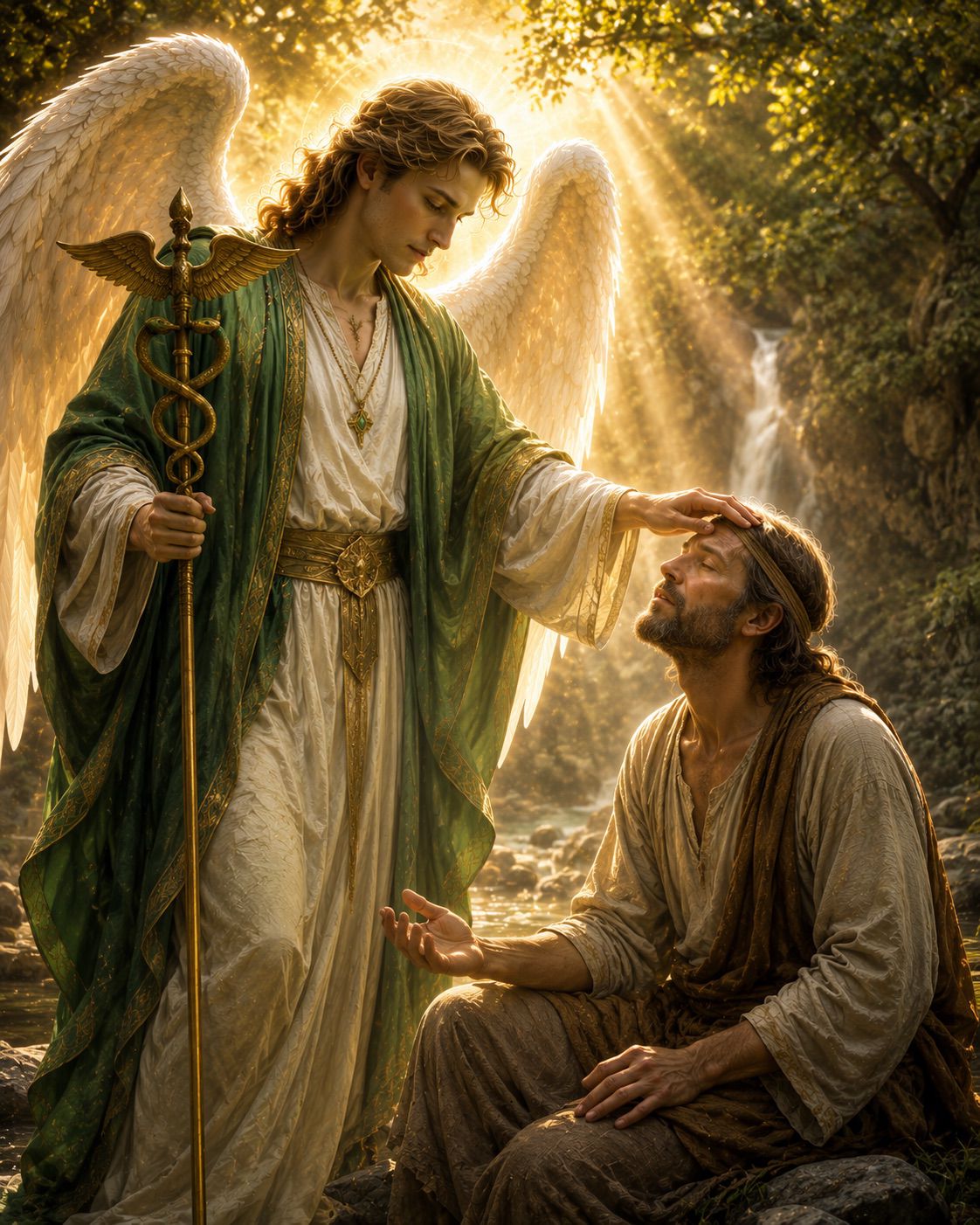
Raphael’s Radiance: A Healing Light in Spiritual Traditions
Archangel Raphael stands among the most beloved and comforting figures within religious and spiritual traditions throughout the world. Revered as the Angel of Healing, Raphael embodies compassion, restoration, mercy, and divine care. His presence has inspired countless individuals seeking relief from physical illness, emotional pain, spiritual struggles, and life’s many hardships. Across centuries of sacred writings, theological teachings, and personal testimonies, Raphael has been viewed as a powerful source of healing energy and guidance. Whether regarded as a literal heavenly being or as a symbol of divine restoration, his enduring legacy continues to offer hope and encouragement to those in need.
The name Raphael carries profound significance. Derived from the Hebrew words “Rafa” and “El,” it is commonly translated as “God heals” or “Healer of God.” This meaning reflects the central purpose associated with Raphael throughout religious history. Unlike warrior angels who confront darkness through battle or messenger angels who deliver divine revelations, Raphael’s mission is centered on healing and restoration. His role highlights the compassionate aspect of divine care, reminding humanity that healing is possible even in the midst of suffering and adversity.
One of the most well-known appearances of Raphael occurs in the ancient Book of Tobit, a text recognized in several Christian traditions. In this story, Raphael disguises himself as a traveler named Azarias and accompanies a young man named Tobias on a journey. Throughout the journey, Raphael offers protection, wisdom, and practical guidance. He ultimately helps heal Tobias’s father, Tobit, who had suffered from blindness, while also assisting Tobias in overcoming significant challenges. This story illustrates several of Raphael’s defining qualities: healing, guidance, protection, and compassion. It also emphasizes an important theme that appears repeatedly throughout traditions associated with Raphael—that healing often occurs through a process involving both divine assistance and human participation.
Healing is one of the most universal human needs. Every person experiences pain, loss, illness, disappointment, or emotional hardship at some point in life. While the specific circumstances may differ, suffering is a shared aspect of the human experience. Raphael’s enduring appeal stems largely from his connection to this universal reality. He represents the possibility that pain can be alleviated, wounds can heal, and brokenness can be restored. His presence offers reassurance that healing remains possible even when circumstances seem overwhelming.
Physical healing is perhaps the aspect of Raphael’s role most commonly recognized by believers. Throughout history, individuals facing illness or injury have prayed for his assistance. Hospitals, healing ministries, and religious organizations have often invoked Raphael’s name as a source of comfort and hope. Many traditions portray him as carrying a staff, symbolizing both healing and guidance. This imagery reflects the belief that healing involves more than simply curing symptoms; it involves restoring balance, strength, and well-being to the entire person.
For many people, physical illness can be one of life’s most difficult challenges. Illness often brings uncertainty, fear, and feelings of vulnerability. During such times, the idea of a compassionate healer watching over them provides comfort and encouragement. Whether viewed through a spiritual or symbolic lens, Raphael’s presence reminds individuals that they are not alone in their struggles. His influence encourages hope, patience, and trust during the healing process.
Yet Raphael’s role extends far beyond physical healing. Many spiritual traditions emphasize that emotional wounds can be just as painful as physical ones. Grief, heartbreak, trauma, anxiety, guilt, and depression can affect every aspect of a person’s life. Emotional suffering often leaves invisible scars that are difficult for others to see. Raphael’s compassion is believed to encompass these wounds as well. His presence offers comfort to those struggling with emotional pain and encourages the gradual process of recovery and renewal.
Emotional healing is rarely instantaneous. Unlike physical injuries that may heal according to predictable timelines, emotional wounds often require patience, reflection, and personal growth. Raphael’s influence is frequently associated with helping individuals navigate this journey. Through prayer, meditation, counseling, supportive relationships, and self-reflection, many people find themselves moving toward greater emotional well-being. Raphael serves as a symbol of the healing power that can emerge when individuals remain open to growth and transformation.
Trauma represents another area where Raphael’s role is often emphasized. Traumatic experiences can leave lasting emotional and psychological effects. Fear, anger, sadness, and feelings of helplessness may persist long after the original event has passed. Spiritual traditions frequently portray Raphael as offering support during the difficult process of healing from trauma. His presence symbolizes hope, reminding individuals that recovery is possible even after profound suffering.
Beyond physical and emotional healing, Raphael is also closely associated with spiritual healing. Spiritual wounds can arise from feelings of disconnection, loss of purpose, moral struggles, or crises of faith. At times, individuals may feel distant from God, uncertain about their beliefs, or disconnected from their deepest values. Raphael’s guidance encourages spiritual renewal and helps individuals rediscover meaning, purpose, and inner peace.
Many people experience periods in life when they question their direction or purpose. Such moments are often accompanied by feelings of confusion and uncertainty. Raphael’s role as a spiritual guide helps individuals navigate these challenges. Rather than providing all the answers, he encourages self-discovery, reflection, and a deeper connection to the divine. His influence reminds seekers that spiritual growth often emerges through life’s difficulties and that healing frequently involves transformation as well as restoration.
Another significant aspect of Raphael’s mission is his connection to travelers and journeys. In the story of Tobit, Raphael accompanies Tobias on a physical journey, guiding and protecting him along the way. Over time, this role expanded symbolically to include life’s broader journeys. Many people view Raphael as a protector of travelers and those embarking on new chapters in their lives. Whether facing a literal journey or a significant life transition, individuals often seek Raphael’s guidance and support.
Life itself can be viewed as a journey filled with unexpected challenges, opportunities, and lessons. Along this path, individuals encounter moments of joy, sorrow, growth, and change. Raphael’s presence symbolizes the idea that guidance and healing are available throughout this journey. His example encourages people to trust the process of growth, even when the destination is not yet visible.
Compassion lies at the heart of Raphael’s identity. Compassion involves more than simply recognizing another person’s suffering; it involves a desire to alleviate that suffering and promote healing. Raphael’s actions consistently reflect this principle. His role reminds humanity of the importance of kindness, empathy, and service to others. In many ways, Raphael inspires individuals not only to seek healing but also to become instruments of healing in the lives of those around them.
The symbolism associated with Raphael further reinforces his role as a healer. He is often depicted carrying a staff, a fish, or a vessel containing healing remedies. The fish originates from the story of Tobit, where Raphael instructs Tobias to use parts of a fish as a means of healing and protection. These symbols emphasize practical action alongside divine assistance. Healing is portrayed not as passive waiting but as a collaborative process involving faith, wisdom, and effort.
Light is another common symbol associated with Raphael. Just as light dispels darkness, healing brings restoration where pain and suffering once existed. Artistic depictions frequently portray Raphael surrounded by radiant green or golden light. Green, in particular, has become closely associated with healing energy and renewal. This imagery reflects the restorative qualities that Raphael represents and reinforces his role as a source of hope and vitality.
Modern society continues to face numerous challenges that make Raphael’s message highly relevant. Chronic illness, mental health struggles, emotional stress, social isolation, and spiritual uncertainty affect millions of people worldwide. Advances in medicine and psychology have greatly improved humanity’s ability to address many forms of suffering, yet the need for compassion, hope, and healing remains as important as ever. Raphael’s example serves as a reminder that healing involves caring for the whole person—body, mind, and spirit.
Interestingly, many aspects of Raphael’s symbolism align with modern understandings of wellness. Contemporary approaches to health increasingly recognize the interconnected nature of physical, emotional, mental, and spiritual well-being. True healing often requires attention to multiple dimensions of life rather than focusing solely on symptoms. Raphael’s role as a healer of the whole person reflects this holistic perspective and continues to resonate with individuals seeking comprehensive well-being.
Throughout history, countless individuals have reported experiences they associate with Raphael’s presence. Some describe feelings of peace during illness. Others recount moments of unexpected clarity, emotional release, or recovery following prayer and meditation. While such experiences remain deeply personal and difficult to verify objectively, they illustrate the powerful impact Raphael’s symbolism can have on those seeking comfort and healing.
Raphael’s enduring popularity also reflects humanity’s deep longing for restoration. People naturally desire wholeness, peace, and relief from suffering. The idea of a compassionate healer who offers guidance and support speaks to one of the most fundamental aspects of the human experience. Whether facing physical illness, emotional hardship, or spiritual uncertainty, individuals are drawn to sources of hope that remind them healing remains possible.
The influence of Raphael extends beyond personal healing into relationships and communities. Healing often involves reconciliation, forgiveness, and the restoration of trust. Broken relationships can create significant emotional pain and division. Raphael’s compassionate example encourages individuals to pursue understanding, empathy, and reconciliation whenever possible. In this way, his influence contributes not only to individual well-being but also to healthier relationships and stronger communities.
Ultimately, Archangel Raphael represents far more than the healing of physical ailments. He embodies the broader concept of restoration in all its forms. His presence reminds humanity that healing can occur within the body, mind, heart, and soul. He encourages individuals to remain hopeful during difficult times and to trust that growth and renewal are possible even after profound suffering.
Whether viewed as a literal heavenly healer or as a powerful symbol of compassion and restoration, Raphael continues to inspire countless people around the world. His example demonstrates that healing is not merely the absence of pain but the presence of peace, balance, and wholeness. Through his guidance, individuals are reminded that every wound has the potential to heal, every hardship can contribute to growth, and every journey of recovery begins with hope.
The enduring legacy of Archangel Raphael lies in his message of compassion, renewal, and transformation. His story reminds humanity that healing is one of the most profound expressions of divine love. In every generation, people continue to seek comfort during times of suffering and guidance during periods of uncertainty. Raphael’s presence serves as a reassuring reminder that healing remains possible, that hope can flourish even in difficult circumstances, and that restoration is available to all who are willing to embrace the journey toward wholeness.