
Latest Articles

Leap Year in Japan: Floating Troubles and Business Bounties on the 29th of February

Elias Rowen

The commemoration of a leap year in Japan may not hold as much prominence as some other culturally significant festivals. However, there are a few intriguing customs and traditions associated with this additional day that make it truly distinctive. One such tradition is known as “nagashi bina,” which can be loosely translated as “floating dolls.” On the 29th of February, which is universally recognized as “nagashi bina no hi,” individuals create small paper dolls that represent themselves or symbolize their troubles. These dolls are then set afloat on rivers or seas, symbolizing the release of negative energy and expressing a desire for a fresh start in the coming year.

Apart from the “nagashi bina” tradition, Japan also embraces the leap year occasion through special events and promotions organized by businesses. Restaurants are tempted to offer extended discounts or design exclusive menus to attract customers. Similarly, shops entice their patrons with enticing sales and captivating promotional offers. Moreover, different cities host cultural events and performances that proudly showcase the rich tapestry of traditional Japanese arts and entertainment.

Taking a broader perspective, it becomes apparent that the celebration of a leap year in Japan, while not as grandiose as other well-known festivities, still holds a significant place in the hearts of the Japanese people. This is evident from the presence of these remarkable customs and the optimistic atmosphere that permeates the occasion, promising rejuvenation and new beginnings.

Related Posts

Exploring the Perceived Liberal Leanings of the State Department

Dave

a man wearing a suit holding a flower

The State Department has been labeled as predominantly liberal, but this perception might not be entirely accurate. It’s true that the State Department is responsible for crafting and implementing US foreign policy, but it operates within a framework that’s guided by the current administration in power. As a result, the political ideology of the administration can influence the overall direction of the State Department’s work.

So what factors contribute to the perception of a liberal-leaning State Department? One such factor is the appointment and confirmation process. When a new administration takes office, it appoints individuals to key positions within the State Department, including ambassadors, diplomats, and other officials. These appointments are subject to Senate confirmation, and the political makeup of the administration can influence who gets selected.

Another factor is historical context. Over the years, certain diplomatic initiatives, international agreements, or foreign policy approaches pursued by different administrations may have been perceived as leaning toward more liberal or progressive ideals. This can shape the overall perception of the State Department’s political leanings.

International engagement and multilateralism are also important factors. The State Department is responsible for engaging with other nations and participating in international organizations. This often involves working collaboratively with diverse countries and addressing global challenges. Some might perceive the emphasis on diplomacy, multilateralism, and global cooperation as aligned with more liberal or internationalist values.

It’s worth noting that the State Department aims to represent a diverse range of perspectives and expertise, including diplomats and officials with different political leanings. However, the overall approach tends to be aligned with the policies set forth by the administration in power. Some have even claimed that employees who identify as conservative may not get promoted to higher levels than those who identify as liberal.

It’s important to recognize that political perceptions can vary, and the State Department, like any government agency, is composed of individuals with a range of political beliefs. Ultimately, the department’s work is shaped by the priorities and objectives of the administration in office, regardless of political affiliation.

Related Posts

Advancements in Network Security: Harnessing AI for Threat Detection and Prevention

Dave

In the rapidly evolving landscape of cybersecurity, the integration of Artificial Intelligence (AI) has become instrumental in fortifying network defenses. This paper explores how AI is revolutionizing threat detection and prevention across various facets of network security. From anomaly detection to incident response, AI-powered technologies are reshaping the cybersecurity paradigm, offering enhanced protection against a myriad of cyber threats.

As organizations navigate the complexities of the digital era, the need for robust network security measures has never been more critical. AI, with its capacity to analyze vast datasets and discern complex patterns, emerges as a game-changer in the realm of threat detection and prevention. This paper explores how AI is deployed across different dimensions of network security to mitigate risks and bolster cyber resilience.

Anomaly Detection:
AI algorithms play a pivotal role in identifying anomalies within network traffic patterns. By scrutinizing data transfers, user behaviors, and access patterns, AI can pinpoint potential security threats, including unauthorized access and suspicious activities. This early detection capability provides organizations with a proactive defense mechanism against emerging cyber risks.

Behavioral Analysis:
Understanding the typical behavior of users and devices on a network is crucial for detecting deviations that may signify a security breach. AI excels in behavioral analysis, learning and adapting to normal patterns while swiftly identifying abnormal activities. This dynamic approach enhances the accuracy of threat detection, allowing for timely response and mitigation.

Intrusion Detection and Prevention Systems (IDPS):
AI-driven IDPS brings real-time monitoring and automated response capabilities to the forefront of network security. Continuously monitoring network activities in real-time, these systems identify and respond to potential intrusions or attacks promptly. Automated responses to specific threat types ensure swift and effective mitigation of security incidents, reducing the impact of potential breaches.

Vulnerability Management:
AI-powered automated scanning tools assist organizations in identifying and patching vulnerabilities before they become exploitable by attackers. By prioritizing risks based on their severity and potential impact, AI algorithms enable organizations to allocate resources efficiently, addressing the most critical issues first.

User and Entity Behavior Analytics (UEBA):
AI contributes to insider threat detection through the analysis of user behavior. By identifying unusual or malicious activities, AI enhances the capacity to detect potential internal security risks. This proactive approach helps organizations safeguard sensitive data from insider threats.

Endpoint Security:
Behavior-based endpoint protection powered by AI monitors and identifies malicious activities on endpoints, providing a robust defense even when traditional signature-based methods fall short. AI-driven Endpoint Detection and Response (EDR) solutions offer enhanced visibility into endpoint activities and automate responses to security incidents.

Firewall Management and Security Analytics:
Dynamic rule adaptation in firewall management, guided by AI insights, ensures real-time responsiveness to evolving threats. AI tools analyzing security logs through log analysis provide organizations with invaluable insights into patterns, trends, and potential security incidents that might evade traditional detection methods.

Incident Response and Threat Intelligence:
AI assists in automating the initial triage of security incidents, allowing security teams to prioritize and respond efficiently. Predictive analysis of threat intelligence data empowers organizations to anticipate future cyber threats, proactively strengthening their defenses.

While the integration of AI in network security heralds a new era of enhanced protection, it is imperative to underscore the complementary role of human expertise. Continuous updates and a proactive stance are essential to staying ahead of evolving cyber threats. Addressing ethical considerations and ensuring the privacy of sensitive information remain paramount as organizations leverage AI to fortify their defenses in the dynamic landscape of network security.

Related Posts

Whispers of Serenity: Demystifying the ASMR Phenomenon

Dave

In recent times, the phenomenon of ASMR, an abbreviation for Autonomous Sensory Meridian Response, has gained immense popularity on a global scale. This intriguing sensation brings about a pleasurable and tingling feeling that engulfs individuals when they encounter specific stimuli. These stimuli can encompass a wide range of experiences, including gentle whispers, soft tapping sounds, and mesmerizing visual cues. It is crucial to recognize that despite its intimate nature, ASMR is not inherently of a sexual nature. In truth, ASMR videos and audios are created with the primary aim of inducing relaxation and instilling a profound sense of tranquility.

The benefits of ASMR are truly exceptional, as countless individuals have found comfort in its ability to diminish stress, alleviate anxiety, and facilitate restful sleep. The triggers employed in ASMR content are meticulously selected to establish an atmosphere of serenity and pure bliss, granting viewers and listeners the perfect chance to unwind and indulge in an utterly delightful sensory experience. It is of utmost importance to distinguish between the authentic intent of ASMR and any misconceptions that may arise due to the intimate nature of certain triggers.

ASMR is unequivocally dedicated to providing relaxation, and it should be embraced within a non-sexual context.

Related Posts

Saraqael’s Whispers: Guiding the Soul on Spiritual Journeys

Dave

Archangel Saraqael, sometimes known as Sariel in various religious and mystical traditions, is regarded as one of the most profound and enlightening figures within the celestial hierarchy. Often associated with spiritual guidance, divine wisdom, and the pursuit of truth, Saraqael occupies a unique role among the archangels. While some archangels are known primarily for protection, healing, justice, or communication, Saraqael’s mission centers on guiding souls toward greater understanding, deeper spiritual awareness, and a closer relationship with the divine. Throughout centuries of spiritual teachings, mystical writings, and angelic traditions, Saraqael has been viewed as a compassionate guide whose purpose is to illuminate the path for those seeking answers to life’s most profound questions.

The name Saraqael has been interpreted in various ways throughout history, but many traditions associate it with divine guidance, spiritual oversight, and the revelation of higher truths. As a celestial being dedicated to enlightenment, Saraqael is believed to possess an extraordinary understanding of both the spiritual and material dimensions of existence. This unique perspective allows the archangel to assist individuals who find themselves searching for meaning, purpose, and clarity in a world often filled with uncertainty and distraction. Those who seek Saraqael’s guidance frequently do so during periods of personal transformation, spiritual awakening, or significant life transitions, when deeper understanding becomes especially important.

Humanity has always sought answers to questions that extend beyond the physical world. Across every culture and civilization, people have wondered about the purpose of life, the nature of the soul, the existence of a higher power, and what lies beyond earthly experience. These questions form the foundation of the spiritual journey, a journey that Saraqael is believed to support and nurture. Unlike guides who simply provide solutions, Saraqael encourages individuals to explore these questions for themselves, fostering personal growth and deeper awareness through reflection, insight, and spiritual exploration.

One of the most remarkable aspects of Saraqael’s role is the emphasis on personal discovery. Spiritual growth is rarely a straightforward process. It often involves periods of uncertainty, questioning, and self-examination. During these moments, many people feel lost or disconnected from their sense of purpose. Saraqael is believed to offer guidance not by removing every obstacle but by helping individuals navigate challenges with wisdom and confidence. Through subtle inspiration and intuitive understanding, this archangel assists seekers in uncovering truths that may have been hidden beneath layers of doubt, fear, or distraction.

Many spiritual traditions describe enlightenment as a process of awakening to deeper realities. This awakening often begins when individuals recognize that there is more to existence than what can be perceived through the senses alone. Saraqael is frequently associated with this awakening process. His presence is believed to inspire curiosity, expand awareness, and encourage people to look beyond surface appearances. Rather than accepting life at face value, seekers guided by Saraqael often develop a greater appreciation for the interconnectedness of all things and the spiritual dimensions that exist alongside the physical world.

Throughout history, countless mystics, philosophers, and spiritual teachers have emphasized the importance of inner wisdom. While knowledge can be acquired through study and observation, wisdom emerges through experience, reflection, and spiritual insight. Saraqael is often viewed as a guardian of this higher wisdom. His influence encourages individuals to cultivate discernment, allowing them to distinguish truth from illusion and wisdom from mere information. In an age where knowledge is readily available but genuine understanding can be difficult to attain, the guidance associated with Saraqael remains especially relevant.

One of the ways Saraqael is believed to communicate with spiritual seekers is through intuition. Intuition is often described as an inner knowing that transcends logical reasoning. It manifests as a quiet sense of certainty, a feeling that guides individuals toward decisions aligned with their highest good. Many who feel connected to Saraqael report experiencing heightened intuition during periods of prayer, meditation, or contemplation. These intuitive insights often arrive unexpectedly, providing clarity regarding relationships, career choices, spiritual practices, or personal challenges.

In addition to intuition, Saraqael is frequently associated with synchronicities—meaningful coincidences that seem too significant to be random. These experiences may involve repeated symbols, unexpected encounters, recurring messages, or circumstances that align in remarkable ways. For many spiritual seekers, such synchronicities serve as reminders that they are being guided toward a particular path or lesson. Saraqael’s influence is often believed to be present within these moments, gently directing attention toward opportunities for growth and understanding.

Meditation is one of the practices most commonly associated with connecting to Saraqael’s energy. Through meditation, individuals create space for quiet reflection and inner awareness. In the stillness of meditation, distractions fade, allowing deeper insights to emerge. Many spiritual practitioners believe that Saraqael’s presence can be felt most strongly during these moments of silence, when the mind becomes receptive to higher guidance. Whether through visualizations, prayer, or simple mindfulness, meditation offers a pathway for individuals seeking a deeper connection with the wisdom Saraqael represents.

Prayer serves a similar purpose. Across countless spiritual traditions, prayer has long been regarded as a means of communicating with the divine. Those who seek Saraqael’s guidance often incorporate prayer into their spiritual practice, asking for clarity, wisdom, and understanding. Such prayers are not always requests for specific answers. More often, they are invitations for insight and guidance that can help illuminate the next steps on one’s journey. Many individuals report feeling a profound sense of peace and reassurance after engaging in heartfelt prayer directed toward divine wisdom.

Self-reflection is another important aspect of the journey Saraqael encourages. Modern life often moves at a relentless pace, leaving little time for introspection. Yet true spiritual growth requires moments of honest self-examination. By reflecting on thoughts, actions, beliefs, and experiences, individuals gain a deeper understanding of themselves and their place in the world. Saraqael’s influence is believed to encourage this process, helping people recognize patterns, identify areas for growth, and develop greater self-awareness.

A significant theme associated with Saraqael is the pursuit of purpose. Many people spend years searching for a sense of meaning and direction. Questions such as “Why am I here?” and “What am I meant to do?” are deeply personal and often difficult to answer. Saraqael is believed to assist individuals in uncovering their unique purpose by helping them recognize their gifts, passions, and opportunities for service. Rather than imposing a predetermined path, Saraqael’s guidance encourages individuals to discover their own calling and align their lives with their highest values.

One of the most comforting aspects of Saraqael’s presence is the reminder that no one walks their spiritual path alone. Spiritual growth can sometimes feel isolating, particularly when individuals encounter challenges or begin questioning long-held beliefs. During such periods, the support associated with Saraqael provides reassurance and encouragement. His presence symbolizes the idea that divine guidance is always available to those who seek it sincerely, even when the path ahead appears uncertain.

Compassion also plays a central role in Saraqael’s mission. Spiritual growth is not merely an intellectual exercise but a process that involves the heart as well as the mind. Saraqael encourages individuals to approach themselves and others with kindness, understanding, and empathy. True wisdom, after all, is not measured solely by knowledge but by how that knowledge is applied. Compassion transforms understanding into meaningful action, allowing individuals to contribute positively to the lives of those around them.

The modern world presents unique challenges for spiritual seekers. Constant distractions, information overload, and the pressures of daily life can make it difficult to maintain a sense of connection with deeper truths. Many people feel overwhelmed by responsibilities, uncertainty, and competing priorities. In such an environment, the qualities associated with Saraqael—clarity, wisdom, intuition, and spiritual awareness—are more valuable than ever. His guidance serves as a reminder to slow down, listen inwardly, and remain open to the lessons that life offers.

Saraqael’s influence extends beyond any single religion or spiritual tradition. While different faiths may describe angelic beings in various ways, the qualities represented by Saraqael resonate across cultural and spiritual boundaries. The pursuit of truth, wisdom, purpose, and enlightenment is a universal human experience. Regardless of background or belief system, individuals can find inspiration in the principles that Saraqael embodies. His presence reminds humanity that spiritual growth is not confined to specific doctrines but is an ongoing journey available to all who seek deeper understanding.

Many artists, writers, and mystics have attempted to capture the essence of Saraqael through imagery and symbolism. He is often depicted surrounded by radiant light, representing illumination and higher knowledge. This symbolism reflects the belief that divine wisdom dispels confusion and reveals deeper truths. Light serves as a universal metaphor for understanding, while darkness often represents ignorance or uncertainty. Saraqael’s role is to bring light into those dark places, helping individuals perceive reality with greater clarity and insight.

Ultimately, the enduring significance of Archangel Saraqael lies in his representation of humanity’s quest for enlightenment. Throughout history, people have sought guidance in navigating life’s complexities, understanding their purpose, and deepening their relationship with the divine. Saraqael stands as a symbol of that journey—a celestial guide who encourages exploration, reflection, and growth. His presence inspires individuals to trust their intuition, pursue wisdom, and remain open to the transformative power of spiritual discovery.

As spiritual seekers continue their journeys, Saraqael serves as a reminder that enlightenment is not a destination but a lifelong process of learning, growth, and self-discovery. Every challenge, every question, and every moment of insight contributes to this unfolding journey. Through gentle guidance, intuitive inspiration, and unwavering support, Saraqael encourages humanity to move forward with courage and curiosity. His influence reminds us that divine wisdom is always available, waiting to illuminate the path for those willing to seek it.

In a world often characterized by uncertainty and change, Archangel Saraqael remains a beacon of hope, wisdom, and spiritual guidance. His enduring message is simple yet profound: the answers we seek are often closer than we realize, and the journey toward truth begins with the willingness to listen, learn, and trust the guidance that emerges from within. Through that journey, individuals can discover not only a deeper understanding of the divine but also a greater understanding of themselves and their place within the vast tapestry of creation.

Related Posts

Deepfake Technology and Its Implications on Privacy and Consent in Adult Content

Dave

Step into the intriguing world of deepfake technology, an Artificial Intelligence (AI) marvel that has garnered infamy for its role in producing lifelike adult content by seamlessly melding the faces of celebrities or unsuspecting individuals onto existing explicit videos. This in-depth exploration takes us on a captivating journey through the technical complexities of deepfakes, the ethical dilemmas surrounding their usage, and the far-reaching implications for privacy and consent within the realm of adult content creation.

Powered by cutting-edge machine learning algorithms, deepfake technology has revolutionized the realm of synthetic media, sparking concerns about privacy, consent, and the ethical boundaries of AI. Of particular interest is its application within the adult content industry, a domain that demands a comprehensive examination of its implications.

By harnessing the prowess of generative models, often based on the ingenious Generative Adversarial Networks (GANs) or deep neural networks, deepfakes have the ability to manipulate and fabricate astonishingly authentic synthetic content. In the context of adult content, this ingenious technology seamlessly grafts the facial features of one individual onto the bodies of actors within preexisting videos, creating an astonishingly realistic yet deceitful tapestry of imagery.

However, the use of deepfake technology within the realm of adult content gives rise to profound ethical quandaries. Principles such as privacy and consent, which lie at the very foundation of any form of media production, are trampled upon when individuals’ visages are surreptitiously inserted into explicit content without their knowledge or consent. This unethical application infringes upon personal boundaries and can have severe consequences for those unknowingly involved.

The invasion of personal privacy presents a formidable threat when it comes to deepfake adult content. Malicious actors can now fabricate videos that appear alarmingly authentic, potentially inflicting irreparable harm upon the reputations and mental well-being of the unwitting individuals whose identities are manipulated. The ease of sharing such content further exacerbates the violation of privacy.

Consent, a pillar of ethical content creation, is severely tested in the realm of deepfake adult content. Victims of deepfake manipulations have not granted their consent to be featured in explicit materials, underscoring the urgency for robust legal frameworks and technological safeguards to prevent the unauthorized exploitation of individuals’ likenesses.

Navigating the legal landscape surrounding deepfake technology is a complex endeavor still in its nascent stages. Jurisdictions worldwide grapple with the pressing need for legislation that effectively addresses the creation, distribution, and possession of deepfake adult content. Striking a delicate balance between safeguarding freedom of expression and protecting individuals from non-consensual manipulation poses a formidable challenge.

In response to the looming threat of deepfakes, efforts to counter such malicious intent include the development of sophisticated detection tools and technologies designed to identify manipulated content. However, staying one step ahead of the rapidly advancing capabilities of deepfake technology remains an ever-evolving battle, necessitating collaboration between tech developers, lawmakers, and advocacy groups.

The use of deepfake technology in the creation of adult content presents a host of ethical and legal quandaries, particularly concerning privacy and consent. Addressing these concerns demands a multi-faceted approach, encompassing technological innovations, robust legal frameworks, and widespread public awareness campaigns. As society grapples with the profound implications of deepfakes, it becomes imperative to prioritize the protection of individual privacy and the establishment of ethical standards in content creation.

Related Posts

Henry Hap Arnold: Pioneering Visionary of the U.S. Air Force

Elias Rowen


Henry Hap Arnold, a distinguished individual born on June 25, 1886, is widely regarded as a highly influential figure within the United States Air Force, occupying a paramount position among the greatest military leaders in American history. With a career spanning over four decades, Arnold played a pivotal role in driving the development and expansion of the U.S. Air Force, leaving an indelible mark on the contemporary tactics and techniques of air warfare that we rely on to this day.

Arnold’s military journey took off during World War I, where his exceptional abilities and unwavering commitment propelled him through the ranks as a pilot. Renowned for his innovative mindset, he emerged as one of the earliest proponents of utilizing air power in warfare. Arnold possessed a profound understanding of the potential aircraft held within military operations and tirelessly championed the establishment of an autonomous air force. Through his tireless efforts, this vision came to fruition, culminating in the establishment of the U.S. Air Force as a distinct branch of the military in 1947.

However, Arnold’s contributions to the air force extended beyond strategy and leadership. He played a crucial role in the advancement of aviation technology, guiding the U.S. Air Force to remarkable progress in aircraft design, development, and production. Arnold’s unwavering commitment to innovation and progress led to the creation of groundbreaking aircraft, such as the transformative B-29 Superfortress, which proved indispensable during World War II.

Throughout his illustrious career, Arnold’s achievements were duly recognized through numerous accolades and honors, including the prestigious Medal of Honor, the Distinguished Service Medal, and the Legion of Merit. Such commendations underscored his exceptional leadership and unwavering dedication to the U.S. Air Force, leaving an enduring impression on the military landscape and ensuring the continued prominence of air power in modern warfare.

Henry Hap Arnold’s legacy as a visionary leader and pioneering aviator serves as an everlasting source of inspiration for future generations of military leaders. His story stands as a testament to the limitless power of innovation and determination, instilling in us the belief that with visionary leadership and unwavering commitment, we can shape the future and surmount even the most formidable of challenges.

Related Posts

Washington: A Monument of Greatness in American History

Dave

George Washington, the first President of the United States, stands as an iconic figure in American history, capturing the essence of greatness and earning the admiration of countless individuals. His impact on the nation is multi-faceted and awe-inspiring. Let’s delve into what truly sets him apart.

First and foremost, Washington’s leadership during the American Revolutionary War was nothing short of extraordinary. In the face of a formidable British Empire, he exhibited strategic brilliance, unwavering determination, and unmatched resilience. Each challenge and hardship served as an opportunity for him to inspire and rally his troops. Leading from the frontlines, Washington showcased unparalleled courage and bravery, earning the unwavering respect and loyalty of his soldiers.

Yet, George Washington’s contributions extend far beyond the battlefield. His pivotal role in shaping the United States as a democratic nation cannot be overstated. During his presidency, he exemplified an unwavering commitment to the principles of liberty, justice, and equality. Washington played a key role in drafting and ratifying the United States Constitution, laying the foundation for the nation’s governance and ensuring the protection of individual rights. His belief in the power of a strong central government and his ability to navigate the complexities of nation-building shaped the early years of American democracy.

However, it is not solely Washington’s military and political achievements that define him as a truly great leader. His character and personal qualities set him apart. Renowned for his integrity, honesty, and humility, he possessed a rare combination of virtues. Despite being offered the opportunity to become a monarch or dictator, Washington willingly relinquished his power after two terms as President, establishing a precedent for future leaders and solidifying the idea of peaceful transfers of power. His selfless dedication to the well-being of the nation and its people shone through in every action and decision he made.

Moreover, George Washington’s vision for the United States extended far beyond his presidency. He championed a strong national defense, promoted economic growth and stability, and emphasized the importance of education. His foresight and unwavering commitment to the nation’s long-term success helped shape enduring policies and institutions that continue to influence the country to this day.

In summary, George Washington’s greatness lies in his exceptional leadership, his pivotal role in the American Revolution, his unwavering commitment to democracy, and his remarkable personal qualities of integrity and humility. As a founding father and the first President of the United States, his legacy continues to inspire and guide future generations, reminding us of the values and principles upon which this great nation was built.

Related Posts

Winter Wonderland Workouts: Your Guide to Thriving in the Chill with Fitness Magic!

Dave

Winter fitness routines or workouts are not just a chore but a secret weapon for thriving in the chilly months. As the temperature drops, it’s easy to succumb to the allure of staying indoors, wrapped up in a cozy blanket. But fear not, because incorporating winter fitness routines into your daily schedule can be an absolute game-changer. Not only does it keep you in top shape, but it also comes with a myriad of benefits that will have you jumping out of bed, eager to embrace the day.

First and foremost, staying active during winter is like giving your immune system a superhero boost. With flu season lurking around the corner, regular exercise serves as your armor, shielding you from those pesky germs. And let’s not forget the incredible power of endorphins. By breaking a sweat, you’re not only toning your body but also releasing those delightful happiness hormones that combat the winter blues. It’s like having your very own mood-lifting magic potion.

Now, let’s talk about the incredible ways winter workouts can transform your physique. These routines are not just about staying fit; they are about sculpting a body that can weather any season. Whether you prefer the comforts of your own home or the buzz of the gym, there’s a whole range of indoor workouts waiting for you. Think yoga, Pilates, or even circuit training. With cozy interiors and a warm ambiance, you’ll feel like you’re on a personal retreat.

But if you’re craving something more adventurous, step outside and let nature be your playground. Picture yourself gracefully gliding down snowy slopes on skis or a snowboard, feeling the adrenaline pumping through your veins. Or imagine the sheer joy of ice skating on a glistening frozen pond. And for the ultimate thrill-seekers, winter hiking offers an exhilarating way to connect with nature while getting your heart racing. The beauty of these outdoor activities lies not only in their ability to keep you active but also in the breathtaking landscapes that surround you.

Of course, it’s essential to take proper precautions when engaging in outdoor workouts. Bundle up and layer your clothing to keep your body toasty warm. And while you’re at it, why not incorporate some strength training exercises? Not only will you build muscle and tone your physique, but you’ll also maintain bone density—an especially valuable benefit when outdoor activities are limited.

Last but not least, remember to nourish your body and keep it hydrated during your winter fitness endeavors. The cold weather may trick you into thinking you’re not thirsty, but don’t be fooled. Stay hydrated by sipping on water throughout the day. And don’t forget to indulge in a balanced diet filled with vibrant fruits, crisp vegetables, lean proteins, and wholesome grains. Fueling your body with the right nutrients will ensure you have the energy to conquer any workout that comes your way.

So, let’s embrace the magic of winter and make it our playground. Winter fitness routines are not just about staying healthy—they’re about injecting joy, vitality, and adventure into the colder months. Get ready to elevate your mood, boost your well-being, and make this season your most active and unforgettable yet.

Related Posts

Empowered Elegance: Navigating the Evolution of Women’s Roles in Chinese Society

Dave

Chinese society has long upheld a traditional belief that emphasizes women’s adherence to the Three Obediences and the Four Virtues. This belief has its roots in Confucianism, which greatly values filial piety and the hierarchical structure of the family. The Three Obediences entail a woman’s duty to obey her father before marriage, her husband after marriage, and her son in widowhood. By following these principles, women are expected to demonstrate loyalty, respect, and obedience towards the significant male figures in their lives.

In contrast, the Four Virtues outline the moral qualities that women should embody. These virtues encompass moral conduct, proper speech, modest appearance, and diligent work. Society encourages women to embrace virtuous actions, words, and behavior as these qualities are considered essential for establishing harmony and stability within both the family and society as a whole. Additionally, these virtues reflect the prevailing societal expectations imposed on women, focusing on their roles as dutiful wives, nurturing mothers, and respectable daughters-in-law.

However, it is crucial to acknowledge that the role and status of women within Chinese society have undergone evolution over time. With the rise of modernization and the influence of Western ideas, Chinese women have gained increased access to education, employment, and personal autonomy. As a result, societal expectations and gender roles have undergone transformative changes, as many women now prioritize personal fulfillment and empowerment alongside their familial responsibilities.

In the present day, Chinese women possess greater agency in shaping their own lives, and their contributions to society extend beyond traditional gender roles. They have made remarkable progress in various domains, including politics, business, academia, and the arts. It is important, however, to note that certain aspects of traditional expectations imposed on women still persist in certain segments of Chinese society.

In conclusion, the notion of women adhering to the Three Obediences and the Four Virtues in Chinese society is rooted in Confucian teachings and the hierarchical family structure. Although these expectations have evolved with time, women in modern China have made significant strides in redefining their roles and asserting their rights. Presently, Chinese women actively challenge societal norms, pursue their aspirations, and contribute to the advancement and betterment of their nation through various avenues.

Related Posts

Frequency Frontiers: Unraveling the Varied Roles of Radio Frequencies in Satellite and Cell Phone Communication

Dave

Radio frequencies play a vital role in both satellite and cell phone communication, but there are significant differences between the two in terms of the frequencies used. Satellite signals primarily operate in the microwave frequency range, typically in the C-band (4-8 GHz) and Ku-band (12-18 GHz). These frequencies are chosen because they can penetrate the Earth’s atmosphere without significant attenuation, allowing satellite signals to travel long distances. On the other hand, cell phone signals operate at much higher frequencies, typically in the microwave range as well, but in the higher frequency bands such as the 800 MHz, 900 MHz, 1800 MHz, 1900 MHz, and more recently, the 2.4 GHz and 5 GHz bands. The choice of these frequencies for cell phone signals is mainly driven by the need for high data rates and the ability to support a larger number of mobile devices in a limited geographic area. Additionally, the higher frequencies used in cell phone signals allow for more precise location tracking and lower interference from other devices. In summary, while both satellite and cell phone signals utilize radio frequencies, they differ in the specific frequency bands they operate in, catering to the unique requirements of each communication system.

Related Posts

Remiel’s Radiance: Illuminating Paths of Hope and Resilience

Dave

Archangel Remiel, often recognized as the Angel of Hope, occupies a cherished place within numerous religious traditions, spiritual teachings, and mystical interpretations. Throughout history, hope has served as one of humanity’s most powerful and enduring forces. It has inspired individuals to persevere through adversity, overcome unimaginable challenges, and continue moving forward even when circumstances seemed impossible. Within this context, Remiel emerges as a profound symbol of optimism, resilience, renewal, and unwavering faith in the possibility of a better future. His presence serves as a reminder that even during life’s darkest moments, light remains within reach and hope continues to endure.

The name Remiel is often associated with divine mercy, compassion, and encouragement. In various spiritual traditions, he is viewed as a heavenly guide whose mission is to uplift weary hearts and strengthen those facing hardship. Unlike archangels associated primarily with protection, healing, wisdom, or justice, Remiel’s purpose centers on nurturing hope within the human spirit. He serves as a beacon for those who feel lost, discouraged, or overwhelmed by the burdens of life. Through his influence, individuals are reminded that difficult circumstances are temporary and that brighter days remain possible regardless of present challenges.

Hope is a unique and powerful force. Unlike certainty, hope exists even when outcomes remain unknown. It allows people to continue striving despite obstacles and to maintain faith when evidence of success is not immediately visible. Throughout human history, hope has sustained individuals through wars, natural disasters, personal tragedies, illness, and countless other hardships. Without hope, perseverance becomes nearly impossible. Remiel embodies this essential quality, offering reassurance that no matter how difficult circumstances may appear, possibilities for healing, growth, and renewal still exist.

Many spiritual seekers describe Remiel as radiating a gentle yet powerful presence. Unlike images of warrior angels engaged in cosmic battles, Remiel is often envisioned as a calm and comforting figure whose very presence inspires courage and optimism. His energy is believed to soothe troubled minds and ease feelings of despair. During moments of grief, uncertainty, or emotional exhaustion, individuals frequently turn to Remiel for encouragement and support. His influence serves as a reminder that setbacks do not define the future and that even the longest night eventually gives way to dawn.

One of the reasons Remiel resonates so deeply with people is because hardship is a universal human experience. Every person encounters challenges, disappointments, losses, and moments of uncertainty. While circumstances differ from one individual to another, the emotional impact of adversity often feels remarkably similar. Fear, doubt, loneliness, and discouragement can affect anyone regardless of age, background, or belief system. Remiel’s role as the Angel of Hope addresses these universal struggles by offering comfort and reassurance during times when they are needed most.

Hope is often misunderstood as simple wishful thinking. However, true hope is far more powerful than passive optimism. Hope involves the belief that improvement is possible even when difficulties remain present. It motivates action, encourages perseverance, and provides the emotional strength necessary to continue moving forward. Remiel’s influence is believed to inspire this active form of hope, empowering individuals to face their challenges with courage rather than surrendering to despair.

Many spiritual traditions associate Remiel with periods of transition and transformation. Life is filled with moments when familiar circumstances change and uncertainty dominates the future. Career changes, illness, loss of loved ones, relationship difficulties, and personal setbacks can all create feelings of instability and fear. During these transitions, hope becomes especially important. Remiel’s presence is often viewed as a guiding light that helps individuals navigate unfamiliar territory while maintaining confidence in the possibility of positive outcomes.

One of the most significant aspects of Remiel’s influence is his connection to resilience. Resilience is the ability to recover from adversity and continue moving forward despite difficulties. While resilience is often viewed as an internal quality, many spiritual teachings suggest that divine support can strengthen an individual’s capacity to endure hardship. Remiel’s energy is believed to reinforce this resilience, helping people find strength they may not realize they possess.

Throughout history, countless stories have emerged of individuals who overcame extraordinary challenges because they refused to abandon hope. Survivors of illness, victims of tragedy, and people facing seemingly insurmountable obstacles often describe hope as the force that sustained them during their darkest moments. These experiences illustrate the profound impact hope can have on human lives. Remiel serves as a symbolic representation of this enduring power, reminding humanity that resilience and perseverance are often born from hope itself.

Another important aspect of Remiel’s role involves emotional healing. While Raphael is traditionally associated with physical, emotional, and spiritual healing, Remiel focuses specifically on restoring hope to wounded hearts. Emotional pain can leave individuals feeling isolated, defeated, or uncertain about the future. During such times, hope may seem distant or impossible to access. Remiel’s influence helps individuals reconnect with their capacity for optimism and rediscover the possibility of joy, fulfillment, and meaningful growth.

Grief represents one of the most challenging emotional experiences human beings encounter. The loss of a loved one can create profound feelings of sadness and emptiness. During periods of mourning, hope often feels difficult to maintain. Many spiritual traditions suggest that Remiel offers comfort to those experiencing grief by reminding them that love endures beyond physical separation and that healing remains possible even after devastating loss. His presence encourages individuals to honor their pain while gradually rediscovering reasons to move forward.

Remiel’s connection to renewal also makes him an important figure during times of personal growth. Growth often requires individuals to release outdated beliefs, overcome limiting fears, and embrace new possibilities. This process can be uncomfortable and uncertain. Remiel’s influence provides encouragement throughout these transformations, helping individuals trust that positive change is possible even when the outcome remains unclear. His presence serves as a reminder that endings often create opportunities for new beginnings.

Many spiritual practitioners believe that Remiel communicates through subtle signs and experiences. Rather than dramatic supernatural manifestations, his guidance is often described as gentle encouragement that appears during moments of need. This may take the form of unexpected inspiration, meaningful coincidences, uplifting conversations, or a sudden sense of peace amid difficult circumstances. Such experiences remind individuals that they are not alone and that support remains available even when challenges feel overwhelming.

The symbolism associated with Remiel reflects his role as a bringer of hope and renewal. Light frequently appears in artistic depictions of Remiel, representing the triumph of hope over darkness. Dawn and sunrise imagery are also common symbols because they illustrate the arrival of new possibilities after periods of uncertainty. These images reinforce the idea that no matter how difficult circumstances may seem, every ending contains the potential for a new beginning.

Another powerful symbol associated with Remiel is the flame. Unlike a raging fire, Remiel’s flame often represents a small but enduring light that continues burning despite surrounding darkness. This imagery captures the essence of hope itself. Even when circumstances appear bleak, a single spark of hope can provide enough illumination to guide individuals toward a better future. Remiel’s flame reminds humanity that hope does not require certainty; it requires only the willingness to believe that improvement remains possible.

In modern society, the importance of hope remains as relevant as ever. Individuals face numerous sources of stress, uncertainty, and anxiety. Economic challenges, social divisions, health concerns, and personal struggles can all contribute to feelings of discouragement. Amid these difficulties, Remiel’s message continues to resonate. His example reminds people that maintaining hope is not a sign of naivety but an act of courage. Choosing optimism in the face of adversity requires strength and determination.

Psychological research has consistently demonstrated the benefits of hope. Individuals who maintain hope during difficult circumstances often exhibit greater resilience, improved mental health, and stronger motivation to pursue solutions. Hope encourages problem-solving, fosters emotional well-being, and strengthens relationships. While spiritual traditions attribute these qualities to divine influence, modern psychology recognizes hope as a critical component of human flourishing. The enduring appeal of Remiel may stem in part from his embodiment of a quality that is both spiritually meaningful and psychologically beneficial.

Remiel’s influence also extends beyond individual experiences to communities and societies. Throughout history, collective hope has inspired social progress, humanitarian efforts, and movements for positive change. Communities facing adversity often rely on shared hope to sustain morale and maintain unity. By representing hope on both personal and collective levels, Remiel serves as a reminder that optimism can inspire meaningful action and transformation.

Many individuals find comfort in viewing Remiel as a companion during life’s most difficult moments. Whether facing illness, financial hardship, emotional struggles, or periods of uncertainty, they draw strength from the belief that hope remains present even when circumstances seem discouraging. This belief does not eliminate challenges, but it changes how individuals respond to them. Rather than feeling defeated by obstacles, they become empowered to continue moving forward with determination and faith.

The enduring significance of Remiel lies in his representation of one of humanity’s most essential qualities. Hope has enabled individuals and civilizations to survive extraordinary hardships throughout history. It has inspired innovation, courage, perseverance, and recovery. Without hope, progress becomes impossible. Remiel embodies this timeless force, serving as a celestial reminder that adversity is temporary and that brighter possibilities always exist.

Whether viewed as a literal heavenly being or as a symbolic representation of hope itself, Remiel continues to inspire countless individuals around the world. His message transcends religious boundaries because it addresses a universal human need. Everyone encounters moments when they require encouragement, reassurance, and the belief that better days lie ahead. Remiel stands as a powerful symbol of that belief, offering comfort to those who struggle and strength to those who persevere.

Ultimately, Archangel Remiel’s legacy is one of optimism, resilience, and unwavering faith in the future. His presence reminds humanity that hope is not merely an emotion but a transformative force capable of sustaining individuals through even the most difficult circumstances. Through his example, people are encouraged to trust in the possibility of healing, embrace opportunities for renewal, and continue moving forward despite uncertainty. In every generation, Remiel serves as a beacon of light, illuminating the path toward a future filled with promise, growth, and enduring hope.

Related Posts

Napoleon Bonaparte: A Journey Through the Pages of History

Dave

Transport yourself back to the late 18th century and allow me to acquaint you with an individual whose presence left an indelible mark on the pages of history. Meet Napoleon Bonaparte, a name synonymous with power, ambition, and military brilliance. Born in 1769 on the captivating island of Corsica, Napoleon’s destiny as an exceptional leader was evident from an early age. His extraordinary military prowess and strategic mindset set him apart from his fellow contemporaries.

In the year 1799, Napoleon seized power through a daring coup d’état, propelling himself to the esteemed rank of First Consul of France. Yet, contentment eluded him as he took the world by surprise, proclaiming himself Emperor in 1804. This audacious move proved to be a turning point in European history. What followed was a reign characterized by unparalleled military conquests and profound political reforms.

With unwavering determination, Napoleon expanded the boundaries of the French Empire, firmly establishing control over extensive territories across continental Europe through meticulous military campaigns. His mastery of groundbreaking tactics, such as artillery and the renowned Grande Armée’s organization, led to a series of resounding victories.

However, as is often the case with exceptional figures, Napoleon’s ambition ultimately contributed to his own downfall. His ill-fated invasion of Russia in 1812 served as a pivotal moment, followed by subsequent military defeats in the Peninsular War and the decisive Battle of Waterloo. Needless to say, these defeats resulted in his abdication and subsequent exile to the remote island of Saint Helena, where he spent his final days until his passing in 1821.

Nevertheless, Napoleon’s profound legacy endures, casting a long and influential shadow over the annals of history. Undoubtedly, his impact on France and Europe is immeasurable. The Napoleonic Code, a revolutionary legal and administrative framework introduced by him, laid the foundation for modern legal systems around the world. Furthermore, his advocacy for religious toleration, transformative developments in education, and support for scientific research reshaped society’s fabric.

Napoleon’s military campaigns and extraordinary strategic acumen forever altered the nature of warfare, significantly influencing tactics and strategies for generations to come. Even today, he remains a complex and enigmatic figure, revered by admirers for his remarkable achievements, while critics scrutinize his authoritarian rule. Regardless of one’s perspective, it is undeniable that he has left a profound and enduring impact on the world, firmly securing his place as a central figure in the annals of history.

Related Posts

Exploring the Culinary Tapestry: A Journey Through the Delightful Flavors of Filipino Cuisine

Dave

Filipino cuisine is renowned for its delightful flavors and rich culinary heritage, making it a must-try for any food enthusiast. The diverse range of dishes in Filipino cuisine reflects the country’s vibrant culture and history. From the savory and aromatic adobo, a quintessential Filipino dish made with marinated meat in soy sauce and vinegar, to the mouthwatering lechon, a whole roasted pig that boasts a crispy skin and succulent meat, Filipino food is a gastronomic delight. The famous sinigang, a comforting soup made with tamarind, vegetables, and either pork, beef, or shrimp, offers a perfect balance of tanginess and heartiness. For those with a taste for seafood, the Philippines’ archipelagic geography provides an abundance of fresh and delectable options like grilled squid (inihaw na pusit) or shrimp in coconut milk (ginataang hipon). Another popular dish is kare-kare, a rich and creamy stew made with oxtail, tripe, or beef, complemented by a thick peanut sauce and served with bagoong, a fermented shrimp paste. Filipino desserts such as halo-halo, a colorful mix of crushed ice, sweet beans, jellies, and fruits topped with evaporated milk and leche flan, offer a refreshing and indulgent way to end a meal. With its unique blend of flavors, textures, and influences from various cultures, Filipino food has gained recognition and captivated taste buds around the world. Whether you are a fan of hearty meat dishes, aromatic soups, or delightful sweets, exploring the rich tapestry of Filipino cuisine is sure to be a delightful experience for any food lover.

Related Posts

Lent: A Sacred Season of Reflection, Repentance, and Spiritual Growth

Dave

Lent is a significant period observed by Christians around the world, particularly in the Catholic, Orthodox, and some Protestant traditions. It is a season of reflection, repentance, and spiritual preparation leading up to Easter, the most important event in the Christian calendar. Lent typically lasts for forty days, mirroring the forty days Jesus spent fasting in the wilderness before beginning his ministry. The word “lent” itself comes from the Old English word “lencten,” meaning “springtime,” symbolizing a time of renewal and growth. During this period, believers are encouraged to engage in acts of self-discipline, such as fasting, prayer, and almsgiving. These practices are meant to help individuals focus on their relationship with God, examine their lives, and make positive changes. Fasting is a common observance during Lent, where individuals voluntarily give up certain foods or activities as a form of sacrifice and spiritual discipline. This act of self-denial serves as a reminder of Jesus’ own sacrifice and helps individuals to develop self-control and empathy for those who are less fortunate. Prayer is another integral part of Lent, as believers seek a deeper connection with God through meditation, reflection, and communication. Many churches offer additional services and devotions during this time, emphasizing the importance of prayer and communal worship. Lastly, almsgiving during Lent encourages believers to engage in acts of charity and generosity towards others. It is a way to share God’s love and blessings with those in need, promoting social justice and compassion. Overall, Lent is a sacred season that invites Christians to pause, reflect, and grow spiritually, preparing their hearts and minds for the joyous celebration of Easter.

Related Posts

Sweethearts and Trinkets: Unwrapping the Love Language of Valentine’s Day Gifts

Dave

Valentine’s Day, an annual celebration observed on the 14th of February, holds a special place devoted to the expression of love and affection towards our beloved ones. Among the numerous ways in which people embrace this occasion, the act of gift-giving stands out prominently. A wide range of popular gifts have emerged as traditional for Valentine’s Day, with each item symbolizing distinct aspects of love and appreciation. Notably, a classic and timeless gift that continues to be adored is the bouquet of roses, which embodies notions of beauty, passion, and romance. The infusion of vibrant colors and the captivating fragrance of roses make them an ideal choice for conveying affection and desire.

Moreover, the indulgence in chocolates has become symbolic of love and desire. The luxurious and exquisite flavors offered by these sweet treats have the inherent power to evoke feelings of joy and warmth. Equally charming are personalized greeting cards, renowned for their ability to depict a person’s heartfelt emotions in a thoughtful and intimate manner. Often adorned with romantic messages, poetry, or even lighthearted anecdotes, these cards enhance the sentimentality associated with this occasion.

Jewelry, particularly heart-shaped pendants or bracelets, represents commitment and eternal love, and has become an increasingly popular choice among gift-givers. These precious accessories serve as perpetual reminders of the deep connection shared between two individuals. Lastly, plush toys, especially teddy bears, offer an adorable and snuggly option that brings forth a sense of comfort and warmth. These charming companions have long been associated with tenderness and remain a favored choice for couples and friends alike.

In conclusion, the customary gifts exchanged on Valentine’s Day epitomize the profound love and affection shared between individuals. From the enchanting allure of flowers and the delightful charm of chocolates to the personalized sentiments expressed through greeting cards and the timeless beauty of jewelry, each gift carries emotional significance and contributes to the creation of enduring memories on this special day.

Related Posts

Chocolates and Confessions: Unwrapping the Unique Charms of Valentine’s Day in Japan

Dave

Valentine’s Day in Japan is celebrated in a truly captivating and distinctive manner, which sets it apart from the customs observed in many Western countries. In Japan, women take the lead in expressing their love and affection towards men on this day, unlike the gift exchanges that occur between men and women in Western cultures. Women in Japan present chocolates to the special men in their lives, including their partners, friends, or colleagues. An interesting aspect of this tradition is the variety of chocolates involved, with each type carrying its own significant meaning.

One particular type of chocolate is known as “Giri-choco,” which can be translated as obligation chocolate. Women offer Giri-choco to male friends or colleagues as a token of gratitude or a sense of duty. This type of chocolate symbolizes a gesture of indebtedness. On the other hand, “Honmei-choco,” or true feelings chocolate, is reserved for the person a woman harbors romantic affections towards. Typically, this refers to her partner or someone she wishes to confess her love to. In recent years, another trend has gained popularity, known as “Tomochoco,” which refers to friendship chocolates exclusively shared with close male friends.

It is crucial to recognize that the act of giving chocolates on Valentine’s Day in Japan holds significance beyond romantic relationships. It serves as a means for women to express their deep-seated appreciation and gratitude towards the men who hold importance in their lives. Furthermore, it is not uncommon for women to devote lengthy hours to crafting homemade chocolates, aiming to imbue their gifts with a personal touch.

All in all, Valentine’s Day in Japan encapsulates sweet gestures, genuine emotions, and the celebration of diverse forms of relationships. The day is marked by a harmonious interplay of traditions, showcasing the evocative expressions of love and admiration cherished by Japanese women.

Related Posts

Whip It Good: From Lupercalia Lashes to Love Letters, the Hilarious Odyssey of Valentine’s Day

Dave

Valentine’s Day, an annual holiday celebrated on February 14th, can be traced back to ancient Rome. The historical narrative surrounding the origins of this romantic holiday is somewhat unclear, with various theories and legends being put forth. One prevailing theory suggests that Valentine’s Day originated from Lupercalia, an ancient Roman festival celebrated in mid-February. Lupercalia was dedicated to the Roman god of agriculture, Faunus, as well as Romulus and Remus, the founders of Rome. During this festival, young men would sacrifice goats and dogs, and then they would playfully whip women with the skins of these animals, believing that it would enhance their fertility.

Another hypothesis proposes that Valentine’s Day is named after Saint Valentine, a Christian martyr who lived in the third century. Legend has it that Emperor Claudius II, convinced that unmarried soldiers were more devoted and loyal to the military, issued a decree prohibiting young men from getting married. However, Saint Valentine defied this decree and secretly married young couples. When his actions were discovered, he was arrested and eventually put to death on February 14th. It is said that before his execution, he wrote a letter to the jailer’s daughter, signing it as “From your Valentine.” This act is believed to have inspired the tradition of exchanging love letters on Valentine’s Day.

Over time, Valentine’s Day underwent transformations and evolved into a day dedicated to celebrating love and affection. During the Middle Ages, it became popular in England and France to associate February 14th with the beginning of birds’ mating season, further cementing the day’s connection to matters of the heart. The exchange of handcrafted cards, known as valentines, became commonplace during the 18th century, and as the 19th century began, printed cards gradually replaced handwritten ones.

In today’s world, Valentine’s Day is celebrated globally as a day to express love and appreciation to romantic partners, friends, and family members. This is done through the exchange of gifts, cards, flowers, and acts of kindness.

Related Posts

Ash Wednesday: A Solemn Commencement of Lenten Reflection and Spiritual Renewal

Dave

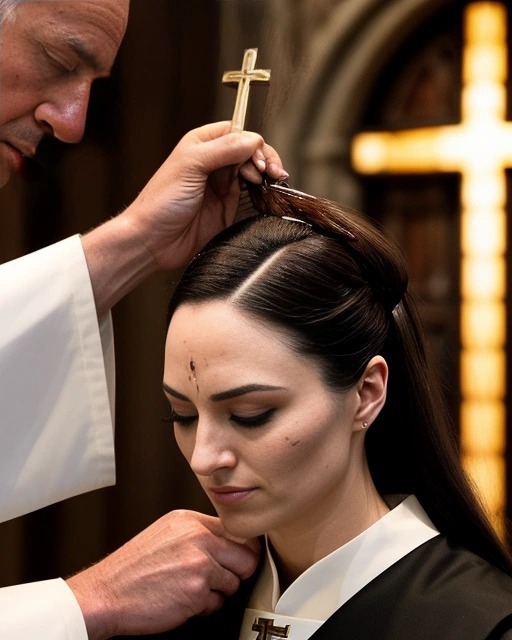
Ash Wednesday is a significant day in the Christian calendar that marks the beginning of the Lenten season. It falls forty-six days before Easter Sunday and is observed by various Christian denominations worldwide. The origins of Ash Wednesday can be traced back to the early days of Christianity, when it was primarily observed by the Roman Catholic Church. The day gets its name from the ritual of applying ashes on the forehead in the shape of a cross. These ashes are obtained by burning the palms from the previous year’s Palm Sunday. The ashes are a symbol of repentance, mortality, and humility. They serve as a reminder of human frailty and the need for spiritual renewal. Ash Wednesday also signifies the start of a period of introspection, fasting, and prayer, which are central to the practice of Lent. During this time, Christians are encouraged to reflect on their sins, seek forgiveness, and strive for personal growth. It is customary for believers to give up certain luxuries or habits during Lent as a form of self-discipline and devotion. Ash Wednesday, therefore, acts as a solemn and solemn reminder of the importance of spiritual reflection, repentance, and preparation for the Easter season.

Related Posts
Embracing the Divine Revelry: The Spiritual Essence of Mardi Gras and Its Cultural Tapestry

Dave

Mardi Gras, also known as Fat Tuesday, is a vibrant and exhilarating celebration that originated in France but has now become synonymous with the city of New Orleans in the United States. This annual carnival, which falls on the day before Ash Wednesday, marks the culmination of weeks of festivities and indulgence leading up to the Christian season of Lent. Mardi Gras is a time to revel in the spirit of joy, freedom, and excess before the solemnity and self-reflection of the 40-day Lenten period. The origins of Mardi Gras can be traced back to medieval Europe, where it was observed as a time of feasting and merriment before the fasting and abstinence of Lent. The tradition was brought to the French colonies in the New World, particularly Louisiana, by French explorers and settlers. Over time, Mardi Gras in New Orleans evolved into a unique and extravagant celebration, characterized by colorful parades, masked balls, street parties, and lavish floats adorned with intricate designs and vibrant decorations. The heart and soul of Mardi Gras lies in the iconic Krewe system, where social clubs organize and finance the parades and festivities. Each Krewe has its own theme and designs elaborate floats that parade through the city, accompanied by marching bands, dancers, and costumed revelers who throw trinkets, beads, and doubloons to the crowd. The streets of New Orleans come alive with music, dance, and an infectious energy that permeates every corner. Mardi Gras is not merely a one-day event; it is a season that begins on January 6th, known as Twelfth Night or Epiphany, and continues until the big day itself. Throughout this period, locals and visitors immerse themselves in the carnival spirit, attending numerous parades, attending masquerade balls, and partaking in traditional foods such as king cake, gumbo, and jambalaya. Mardi Gras is more than just a raucous party; it is a celebration of cultural heritage, community, and the resilient spirit of New Orleans. It is a time when people come together, transcending boundaries of race, class, and background, to revel in the shared joy and camaraderie that Mardi Gras embodies. Whether you’re donning a flamboyant costume, catching beads from a balcony, or simply soaking in the vibrant atmosphere, Mardi Gras is an experience unlike any other, a kaleidoscope of sights, sounds, and emotions that leaves an indelible mark on all who partake in its festivities.

Related Posts