Month: July 2024

Driving Tomorrow: The Future of Transportation with Autonomous Vehicles and Hyperloop Innovations

Dave

The future of transportation promises to revolutionize how we move, transforming daily commutes and long-distance travel alike. At the forefront of this transformation are autonomous vehicles, which are expected to drastically alter personal and public transportation. Self-driving cars, equipped with advanced sensors, machine learning algorithms, and real-time data processing, have the potential to enhance road safety by reducing human error, which is a leading cause of accidents. These vehicles are also anticipated to improve traffic flow and reduce congestion, as they can communicate with each other and with traffic management systems to optimize routes and speeds. Autonomous vehicles could also offer greater mobility to individuals who are unable to drive, including the elderly and disabled, thereby promoting inclusivity.

Hyperloop technology, another groundbreaking innovation, is set to redefine long-distance travel. Conceptualized by visionaries like Elon Musk, the hyperloop system involves passenger pods traveling at high speeds through low-pressure tubes, significantly cutting travel times between cities. This technology leverages magnetic levitation and electric propulsion to achieve speeds exceeding 600 miles per hour, making it faster than current high-speed trains and potentially even commercial flights for certain routes. The hyperloop promises not only speed but also sustainability, as it aims to use renewable energy sources, such as solar panels installed along the tube, to power the system, thereby reducing the carbon footprint of intercity travel.

Beyond autonomous vehicles and hyperloop technology, other transportation innovations are also on the horizon. Electric vehicles (EVs) continue to gain traction as a cleaner alternative to gasoline-powered cars. Advances in battery technology are extending the range of EVs and reducing charging times, making them more practical for everyday use. Furthermore, the development of flying cars and urban air mobility solutions hints at a future where air travel is integrated into urban transportation networks. These aerial vehicles, potentially powered by electricity or hybrid systems, could alleviate ground traffic congestion and offer rapid point-to-point travel within and between cities.

Innovations in public transportation are also expected to play a significant role in the future of mobility. Smart public transit systems, leveraging real-time data and artificial intelligence, can optimize routes, schedules, and passenger loads to enhance efficiency and user experience. The integration of multimodal transportation networks, where different modes of transport such as bikes, buses, trains, and car-sharing services are seamlessly connected, will provide more flexible and convenient travel options for urban dwellers.

The evolution of transportation is not without challenges. Regulatory frameworks must adapt to ensure safety, security, and privacy in the age of autonomous and connected vehicles. Infrastructure investments are necessary to support new technologies, such as charging stations for EVs and dedicated tracks for hyperloop systems. Additionally, societal acceptance and trust in new transportation modes will be crucial for widespread adoption.

In conclusion, the future of transportation holds exciting possibilities, driven by innovations in autonomous vehicles, hyperloop technology, and other cutting-edge developments. These advancements have the potential to make travel faster, safer, more efficient, and environmentally friendly. As we move forward, the synergy between technological progress and supportive policies will be key to realizing the full potential of these transformative transportation solutions.

Related Posts

The Urgent Shift to Renewable Energy: Technology and Policy Synergies

Dave

The global pivot towards renewable energy is swiftly becoming paramount as humanity faces the dual challenges of climate change and the dwindling reserves of fossil fuels. This critical transition is being propelled by cutting-edge technologies and visionary policies that are orchestrating significant advancements in the sustainable energy sector. Among these, solar and wind energy stand out as particularly promising solutions due to their remarkable technological advancements.

Solar energy has benefited enormously from technological innovations such as photovoltaic (PV) cells and concentrated solar power (CSP) systems. These advancements have resulted in increased efficiency and cost reductions, making solar power a viable alternative to traditional energy sources. Concurrently, the wind energy sector has experienced transformative progress with the development of larger, more efficient turbines and the expansion of offshore wind farms. These offshore installations exploit stronger and more consistent wind patterns, greatly enhancing the reliability and output of wind-generated electricity.

The landscape of renewable energy is enriched by other vital technologies as well. Hydropower, an enduring pillar of renewable energy, is evolving with the introduction of small-scale projects and run-of-the-river systems that minimize ecological disruptions. Geothermal energy is gaining momentum by harnessing the Earth’s internal heat, offering a steady base-load power source. In addition, the bioenergy sector is innovating by generating biofuels from agricultural residues and algae, thus presenting alternative solutions for harder-to-decarbonize sectors like transportation.

A pivotal aspect of integrating renewable energy into mainstream use is addressing the intermittency inherent in solar and wind power. Significant strides are being made in energy storage technologies, particularly with lithium-ion and the nascent solid-state batteries, which promise greater capacity and durability. Moreover, large-scale storage initiatives and the development of smart grids are revolutionizing how we manage and distribute renewable energy, bolstering both its reliability and accessibility.

The acceleration of renewable energy adoption hinges significantly on supportive government policies. Across the globe, nations are enacting measures such as subsidies, tax incentives, and renewable portfolio standards to incentivize investments in green technologies. Carbon pricing strategies, including carbon taxes and cap-and-trade systems, serve to discourage fossil fuel use and render renewable energy more economically attractive. International frameworks like the Paris Agreement foster worldwide cooperation aimed at curtailing greenhouse gas emissions while promoting the development of renewable resources.

Collaboration between the public and private sectors is crucial for driving innovation and widespread deployment of renewable energy solutions. Joint ventures involving governments, research entities, and private enterprises are spearheading breakthroughs in technology while facilitating the scalability of renewable projects. Grassroots initiatives and decentralized energy systems, like microgrids, enable local communities to actively engage with and benefit from the renewable energy transition.

The journey towards a renewable energy future is not devoid of challenges; it requires substantial investments, significant upgrades in infrastructure, and navigation through complex regulatory landscapes. However, the convergence of technological innovation and favorable policies offers a promising pathway. As renewable energy technologies continue to advance, they hold immense potential in mitigating climate change, strengthening energy security, and spurring economic growth.

In essence, while hurdles remain on the path to an entirely sustainable energy ecosystem, ongoing progress fueled by robust policy frameworks and technological innovation paves a promising way forward. Renewable energy’s trajectory points towards a pivotal role in fostering an environmentally stable, economically robust future.

Related Posts

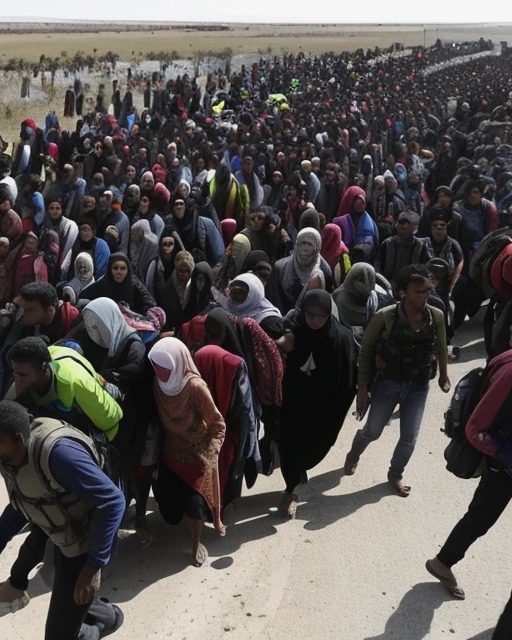
Facing the Exodus: Unraveling the Roots and Challenges of the Global Refugee Crisis

Dave

The Global Refugee Crisis ranks among the foremost humanitarian challenges of contemporary times, precipitated by an intricate interplay of forces that compel millions to abandon their homes. Chief among these causes are armed conflicts, political repression, and widespread violence, creating conditions that make life unbearable for myriad individuals and families. Notably, the protracted wars in regions such as Syria, Afghanistan, and Yemen have resulted in monumental refugee movements as people search for safety and stability in other lands. Compounding this situation are systematic human rights violations and draconian regimes, which propel numerous individuals into seeking asylum and escaping persecution. Moreover, economic instability and abject poverty play crucial roles in driving individuals from their homelands as they quest for improved opportunities and living conditions.

Climate change has risen as a significant catalyst of forced migration, with natural calamities, increasing sea levels, and severe weather patterns causing growing numbers of displacements. These environmental factors aggravate pre-existing vulnerabilities, particularly in regions already facing political and economic strife. Refugees navigating across borders confront a myriad of challenges such as perilous travel conditions, exploitation, and squalid living circumstances within overcrowded refugee camps. Furthermore, they endure legal and bureaucratic impediments in host countries, which often hamper their access to fundamental services including healthcare, education, and employment. Prejudice and xenophobia exacerbate these obstacles as refugees frequently encounter hostility and societal exclusion in their new surroundings.

Addressing the Global Refugee Crisis mandates the international community to tackle both the immediate needs of refugees and the deeper roots of forced migration. This requires a multifaceted and synchronized approach, encompassing conflict resolution, economic development, and strategies for climate change mitigation. While humanitarian aid is crucial to relieve immediate suffering, supportive measures for host countries must accompany long-term solutions focused on fostering conditions where displaced individuals can safely return home or successfully integrate into new societies. The Crisis serves as a compelling reminder of the urgency for a united global response aimed at upholding the rights and dignity of those compelled to flee their homes, while addressing the root causes of their displacement.

Related Posts

Experience the Power of Pōhutu: A Journey Through Whakarewarewa’s Geothermal Wonders

Dave

The video commences with an expansive view of the Pōhutu Geyser in the Whakarewarewa Thermal Valley, located in Rotorua, New Zealand. The scene captures the geyser’s majestic eruption, sending a towering plume of steam and hot water into the atmosphere. As the camera follows the upward thrust, the sheer power and elevation of the spray become evident, with sunlight reflecting off the water droplets, adding a shimmering effect.

The scene transitions to a more intimate perspective, focusing on the geyser’s base. Here, viewers witness vigorous bubbling of boiling water amidst a bed of colorful mineral deposits. This vivid palette is contrasted against the lush greenery surrounding the valley, creating a picturesque and vibrant tableau.

Subsequently, the camera glides smoothly along the well-defined paths, capturing the steam wafting from fissures scattered throughout the terrain. Some vents issue soft, billowy streams of steam, while others expel robust, dynamic jets. The video emphasizes various geothermal phenomena such as bubbling mud pools and vividly hued hot springs, illustrating the vitality and richness of Whakarewarewa’s geothermal landscape.

Related Posts

Guarding the Digital Frontier: Advanced Cybersecurity in a Hyper-Connected World

Dave

As technology advances and the utilization of both personal and corporate data becomes pervasive, the urgency for robust cybersecurity measures intensifies. In our contemporary digital era, cybercriminals relentlessly target everything from individual data to corporate secrets. With the growing adoption of Internet of Things (IoT) devices, cloud computing, and remote work models, the potential landscape for cyber-attacks has expanded dramatically. This evolution demands increasingly sophisticated, multi-layered defense mechanisms. The prevalence of cyber threats—ranging from data breaches and ransomware attacks to phishing schemes—necessitates the adoption of comprehensive security frameworks by organizations. Such frameworks typically encompass intrusion detection systems, advanced encryption protocols, and relentless monitoring to anticipate and counteract malicious activities.

Forecasts highlight the grave financial implications of these threats; a report by Cybersecurity Ventures anticipates that global cybercrime costs will soar to an astounding $10.5 trillion by 2025. Moreover, stringent regulatory requirements like the General Data Protection Regulation (GDPR) in Europe and the California Consumer Privacy Act (CCPA) necessitate rigorous data protection protocols from companies, with severe penalties for non-compliance. This regulatory landscape has repositioned cybersecurity from a niche IT issue to a central facet of organizational governance—affecting reputation, operational resilience, and legal adherence.

Beyond organizational implications, individual risks such as identity theft and privacy violations are escalating, driving increased demand for personal cybersecurity solutions like password managers and Virtual Private Network (VPN) services. As technology perpetually evolves, so do cybercriminal strategies, reinforcing the need for dynamic cybersecurity strategies to protect our digital environments in an increasingly interconnected world.

In this context, the strategic incorporation of robust cybersecurity practices transcends traditional boundaries—impacting corporate integrity, personal privacy, and even national security. As such, continual advancements in cybersecurity tactics and technologies are not just preferable but indispensable to safeguarding our rapidly digitalizing world.

Related Posts

Soulful Reflections: Exploring the Essence Across Cultures

Dave

The notion of the soul permeates a vast array of religious, philosophical, and cultural frameworks, each offering a distinctive interpretation regarding its essence and significance. Within Christianity, the soul is deemed an eternal entity created by God, predestined for judgment based on ethical conduct, emphasizing a linear trajectory from earthly existence to eternal afterlife. Similarly, Islam portrays the soul (ruh) as an everlasting divine breath facing divine evaluation posthumously, reinforcing a conception of continuous existence predicated upon divine scrutiny.

Hinduism introduces the concept of atman—an individual soul intrinsically linked to the vast Brahman, undergoing cycles of reincarnation until it attains moksha, or liberation from the birth and rebirth continuum. This cyclical view underscores spiritual evolution as key to transcending mortal limitations. In stark contrast, Buddhism’s doctrine of anatta (non-self) negates the idea of a permanent soul; instead, it suggests continuity through ever-changing aggregates of consciousness rather than a static soul essence.

Judaism presents a multi-faceted view of the soul through terms like nefesh, ruach, and neshamah, positioning it as God’s vital force within humans, integral to one’s identity and moral compass. This divine essence is believed to return to God post-judgment, reinforcing themes of accountability and divine stewardship. From a philosophical perspective, dualists such as Plato and Descartes advocate for a non-material soul governing consciousness and interacting with the physical body. This stands in contrast to materialist viewpoints which argue that perceptions of the soul are merely outcomes of neurological processes within the brain, dismissing any need for a separate existential entity.

Existentialists like Sartre deviate further by concentrating on authenticity and individual choice over any notion of a predetermined soul or essence. In cultural dimensions, animism infuses spiritual agency into all living and non-living entities, envisioning interconnected forces within nature. New Age philosophies merge eclectic ideas of reincarnation or astral excursions toward higher enlightenment, further illustrating diverse cosmological outlooks.

A common thread through these myriad beliefs includes the perception of the soul’s immortality beyond corporeal death, its role as the cornerstone of identity, and how moral or spiritual maturity dictates its ultimate destiny. These interpretations elucidate the profound complexity and multifaceted nature of the concept of the soul, as it continues to profoundly shape human existential thought and self-perception across cultures and epochs.

Related Posts

The Treaty of Versailles: A Peace That Fueled Future Conflict

Dave

The Treaty of Versailles, inked on June 28, 1919, was instrumental in concluding World War I. Originating from deliberations at the Paris Peace Conference held between 1919 and 1920, the treaty stands out particularly for its imposition of the War Guilt Clause. This clause apportioned sole responsibility for the conflict to Germany and its allies, thereby justifying substantial reparations demanded from Germany. The astronomical reparations bill amounted to 132 billion gold marks, a financial burden that plunged Germany into economic disarray. Moreover, Germany suffered substantial territorial amputations, surrendering Alsace-Lorraine to France, the Saar Basin to League of Nations administration, and extensive tracts in its east to Poland.

In tandem with these financial and territorial concessions, stringent military constraints were also imposed. The treaty decreed that the German army be capped at 100,000 troops, the navy at 15,000 men with only six battleships and no submarines allowed, and the formation of an air force was outrightly forbidden. Additionally, the Rhineland was mandated to remain demilitarized, ostensibly to act as a buffer zone against future aggression. The Treaty of Versailles also heralded the establishment of the League of Nations—a body envisioned to uphold peace and forestall future wars—although initially excluding Germany from its membership.

The implications of the Treaty of Versailles were both profound and far-reaching. Economically, the stipulations ushered in a period of hyperinflation and acute instability in Germany throughout the early 1920s. Politically, the onerous terms fueled widespread resentment and perceived injustice among Germans, sowing fertile ground for Adolf Hitler’s ascension and the National Socialist (Nazi) Party’s rise to prominence. Consequently, the treaty is frequently scrutinized as a precursor to World War II, posited to have sown discord and fomented anger leading to retaliation. Ultimately, the Treaty of Versailles is regarded as a pivotal yet contentious document—one that endeavored to usher in peace but simultaneously set in motion a cascade of tensions that would ignite future conflicts.

Related Posts

Celebrating Freedom: The Unifying Spirit of the 4th of July

Dave

The 4th of July unites the entire nation in an exuberant spirit of celebration and patriotism, commemorating the anniversary of the Declaration of Independence’s adoption on July 4, 1776. This historic document, primarily crafted by Thomas Jefferson, proclaimed the American colonies’ emancipation from British rule, heralding fundamental principles such as liberty, equality, and the pursuit of happiness. It was a daring assertion of the colonies’ entitlement to self-governance, laying the groundwork for the birth of the United States as an independent sovereign nation.

Over time, the 4th of July has evolved into a hallmark of national pride and collective unity. This day is characterized by vibrant festivities including grandiose fireworks, animated parades, and dynamic concerts. These celebrations reinforce a sense of shared identity and mutual values, offering a poignant reminder of the ideals upon which the nation was built. They bring together people from all walks of life, allowing them to celebrate a common heritage and shared aspirations.

Independence Day is not only a celebration of national ideals but also a cherished occasion for familial and communal bonding. It offers a unique opportunity to strengthen social connections and deepen community ties. People gather in celebration to honor the country’s rich historical tapestry and enduring values. Being a federal holiday, most individuals have time off work, enabling full participation in festivities that enhance the shared national experience.

The 4th of July symbolizes the tenacious quest for freedom and democracy—core values that underpin American identity and resonate profoundly with its citizens. It commemorates both the nation’s storied past and its dynamic present while kindling hope for a prosperous future. Essentially, Independence Day stands as a monumental and unifying celebration for the nation, commemorating a pivotal historical event that not only shaped its past but continues to influence its trajectory.

Related Posts

Mastering Task Prioritization: Strategies to Overcome Overwhelm

Dave

Feeling overwhelmed often presents significant obstacles in task prioritization. Nonetheless, several strategic approaches can mitigate this challenge. The initial step involves drafting a comprehensive list of all responsibilities, offering a clear, structured view of the workload that can help alleviate anxiety. Once listed, tasks can be categorized by urgency and importance, employing tools such as the Eisenhower Matrix. This method assists in prioritizing by placing tasks into one of four quadrants according to their urgency and significance.

Establishing clear goals for each task is crucial for maintaining focus and motivation. Moreover, dividing larger tasks into smaller, manageable steps can reduce their daunting nature. Techniques in time management, like the Pomodoro Technique—which involves working for 25 minutes followed by a 5-minute break—and time blocking, which designates specific slots for different tasks, can enhance productivity markedly.

Utilizing scheduling tools like Google Calendar or Outlook Calendar proves invaluable. Additionally, task management applications such as Trello, Asana, and Todoist help maintain organization. For note-taking, platforms like Evernote and OneNote are excellent options.

Integrating self-care is vital within these strategies. Regular breaks, adequate rest, physical activity, and relaxation techniques bolster both physical and mental health, thereby improving productivity and decision-making capabilities.

Consistent review and adjustment of task lists are necessary to adapt to new information or changing circumstances seamlessly. Delegating tasks where feasible also relieves the burden, enabling focus on more critical responsibilities and minimizing distractions, which promotes better concentration.

Incorporating these approaches significantly reduces feelings of overwhelm, allowing tasks to be addressed with increased confidence and efficiency.

Related Posts

Ride the Rapids: Huka Falls Jet Boat Adventure in Taupo

Dave

The Huka Falls Jet Boat experience in Taupo, New Zealand, provides an electrifying blend of excitement and scenic beauty, ensuring an unforgettable journey for both thrill-seekers and nature lovers. Situated close to Taupo on the North Island, Huka Falls is celebrated for its dramatic waterfalls formed where the vast Waikato River contracts suddenly from 100 meters into a narrow chasm. The jet boat ride commences by whisking passengers through the pristine waters of the river at exhilarating speeds, performing daring maneuvers such as 360-degree spins that intensify the adrenaline rush. During this exhilarating ride, participants are afforded spectacular views of the native bush landscapes and might even spot local wildlife, including birds or fish.

The zenith of this adventure is the encounter with Huka Falls itself—a mesmerizing sight where turbulent waters plunge with great force within a confined gorge. Various tour packages are available to cater to different preferences, ranging from short rides to extended excursions that showcase additional scenic spots along the river’s course. Ensuring the safety of all participants is of utmost importance to the operators; therefore, every passenger is equipped with life jackets and given comprehensive safety briefings before departure. The experience typically spans between 30 minutes to over an hour, depending on the chosen tour package. This thrilling excursion is generally accessible to most people; however, it is advised that pregnant women and those with back or neck problems consult beforehand.

Ultimately, the Huka Falls Jet Boat adventure seamlessly fuses heart-pounding excitement with stunning natural vistas, rendering it an ideal expedition for those in pursuit of a unique perspective on one of New Zealand’s iconic natural wonders.

Related Posts

Ride the Wave: Dive into the Thrilling World of Boogie Boarding!

Dave

Ready for some ocean adventure? Look no further than boogie boarding, the thrilling water sport that’s taking the world by storm. Also known as bodyboarding, this popular activity involves riding a short, rectangular foam board on the waves of the ocean. It’s an accessible and exciting experience for people of all ages and skill levels. The lightweight foam board makes it easy to maneuver, allowing for a close connection to the water and an exhilarating ride.

Unlike surfing, where the rider stands on a longer and narrower board, boogie boarding is all about lying down on the board and riding the waves towards the shore. This unique approach provides a rush like no other, as you use your body and the board to steer and control your movements. It takes a keen sense of balance, coordination, and timing to successfully navigate the waves and come out on top.

Boogie boarding can be enjoyed in a variety of wave conditions, from gentle and small ones for beginners to larger and more powerful ones for experienced riders. It’s a sport that allows you to truly connect with the ocean and experience the exhilaration of riding the waves. So why not make it your next hobby or a fun way to spend a day at the beach? Grab your board, head to the shore, and get ready for an adventure you’ll never forget!

Related Posts