Category: Thoughts
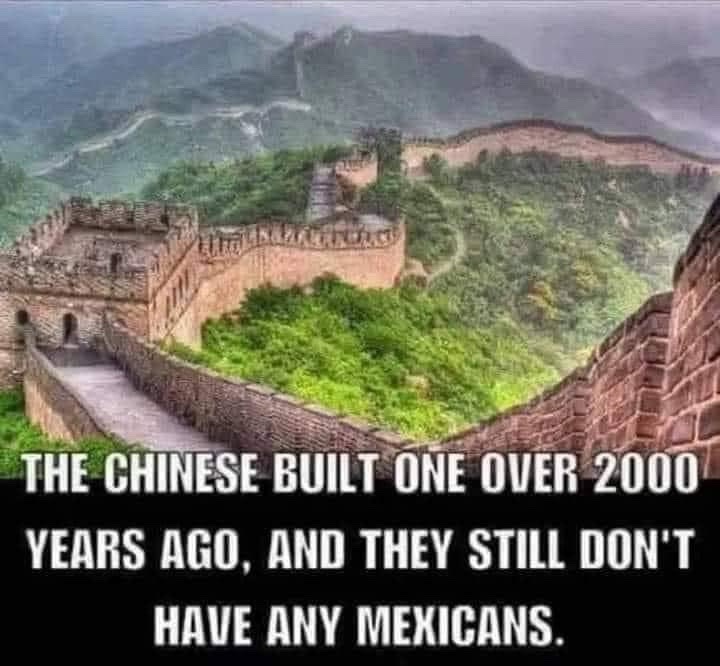
China Built the Great Wall Over 2000 Years Ago and Still Don’t Have Any Mexicans
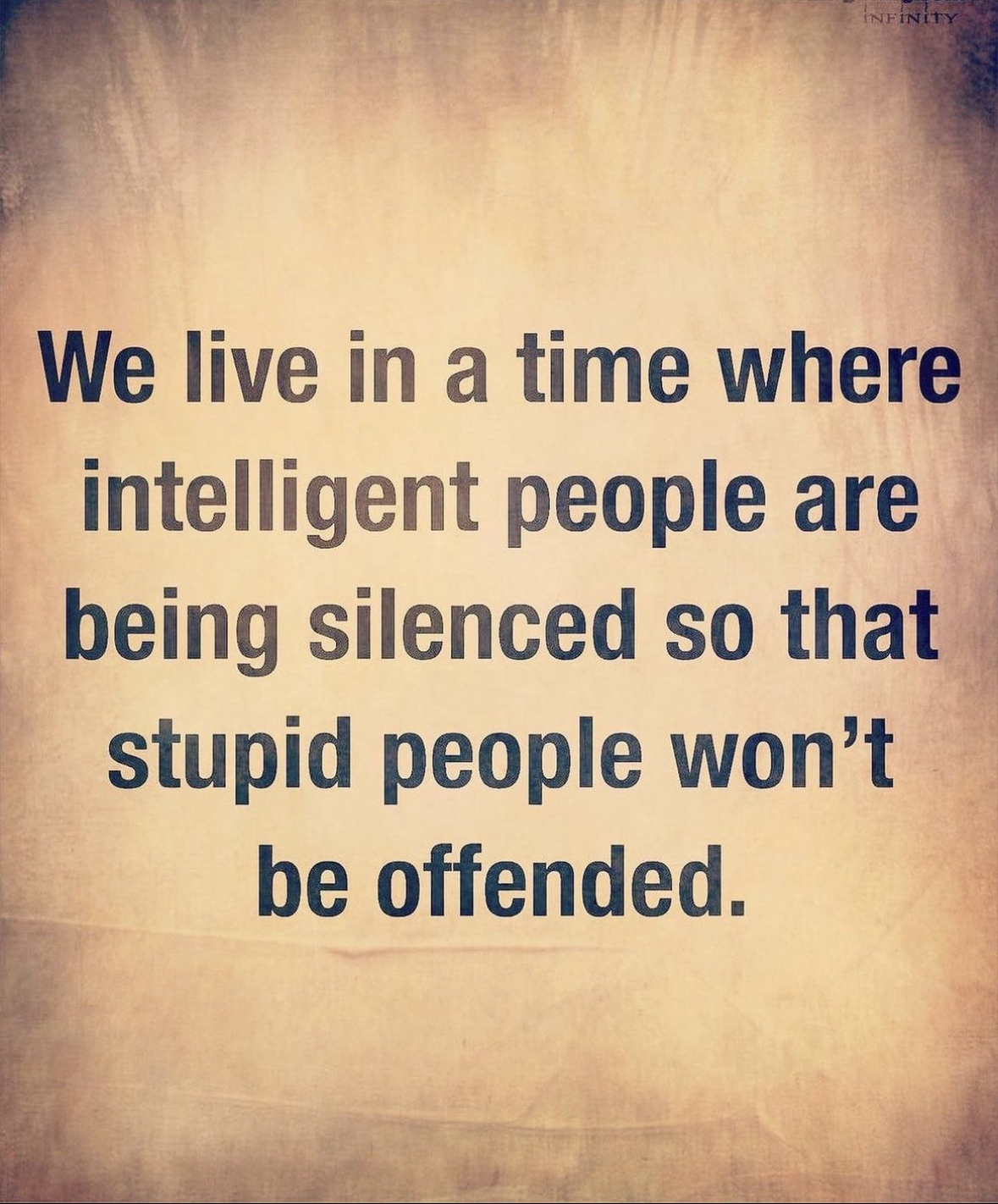
Silencing Intelligence: The Dangerous Trend of Muting Minds to Spare the Stupid
Empowering Democracy: Navigating the Divide Between Being Ruled and Being Governed
The contrast between being ruled and being governed goes beyond mere semantics. It hinges on the manner in which authority is wielded and the extent of control imposed on individuals within a society. When we speak of being ruled, we’re referring to a scenario where a single entity or individual wields absolute power and control over a population. Often, this is achieved through force or coercion. In this paradigm, rulers prioritize their own interests, maintaining their authority through fear and suppression, while disregarding the needs and rights of the people they govern.
On the flip side, being governed evokes a more democratic and participatory approach to leadership. In a governed society, power is shared among multiple governing bodies or institutions. Decisions are made collectively, taking into account the diverse needs and opinions of the population. Governance places great importance on transparency, accountability, and safeguarding individual rights. It involves the establishment of laws, regulations, and policies aimed at maintaining social order, promoting justice, and ensuring the welfare and well-being of citizens.
Unlike being ruled, being governed allows for active participation from individuals in the decision-making process. It empowers them with a voice and provides an opportunity to shape the trajectory of their society. At its core, the distinction between being ruled and being governed lies in the degree of freedom, inclusivity, and respect for human rights that define the relationship between the governing authority and the governed population. It’s a fundamental difference that determines the quality of life and the collective destiny of a society.
Related Posts
Zombie Apocalypse Haven: Unveiling the Ultimate Sanctuaries for Survival

Are you prepared for a zombie apocalypse? If not, don’t worry, you’re not alone. But when it comes to survival, choosing the right location could mean the difference between life and death. So, what should you consider when selecting your hideout?
First, it’s crucial to avoid densely populated areas like cities. They’re likely to be overrun with zombies and pose a severe threat to your safety. Instead, search for secluded locations like remote forests, mountain ranges, or islands. These natural barriers make it harder for zombies to reach you and increase your chances of survival.
But surviving isn’t just about hiding. You also need to ensure you have a reliable source of food, water, and energy. Look for areas with fertile land, abundant water sources, and a suitable climate for farming. Additionally, choose a place close to natural energy sources like solar, wind, or hydroelectric power.
If you’re wondering where to find these ideal locations, look no further than Alaska. Its remote location, harsh climate, and vast wilderness make it the perfect place to hide from zombies. With plenty of natural resources like fish, game, and fresh water, you’ll have everything you need to survive. Plus, Alaska’s low population density and small towns make it easier to avoid zombies and stay off the radar.
Madagascar is another excellent location to consider. This isolated island off the coast of Africa is one of the most secluded places on Earth, making it an excellent refuge. With vast rainforests and diverse wildlife, you’ll have ample opportunities for hunting and gathering. Plus, Madagascar’s tropical climate ensures a steady supply of fresh fruit and vegetables.
Last but not least, the Scottish Highlands are a fantastic place to live during a zombie apocalypse. The rugged terrain, harsh climate, and sparse population make it an ideal place to hide from zombies. Remote communities have lived off the land for centuries, and you can too. The area’s vast forests and rugged hills provide ample opportunities for hunting and foraging, while its proximity to the sea ensures a steady supply of fish and shellfish.
In conclusion, surviving a zombie apocalypse requires careful planning and preparation. Choosing a location that is secluded, rich in resources, and difficult to access will increase your chances of survival. So, whether you choose Alaska, Madagascar, or the Scottish Highlands, always remember to stay vigilant and be prepared for anything.
Related Posts
Building the Perfect Zombie Apocalypse Survival Kit

Are you ready for the zombie apocalypse? It might sound like a joke, but with the way the world is going, it’s always better to be prepared! So, what can you do to ensure your survival when the undead come knocking? Well, building the perfect zombie apocalypse survival kit is a great place to start.
To begin with, your kit should have all the essentials needed to survive in a world overrun by zombies. This includes food, water, medical supplies, tools, weapons, and communication devices. When it comes to food and water, pack non-perishable items like canned goods, protein bars, and dried fruits. And don’t forget to include a water filtration system or water purification tablets to ensure you always have access to clean drinking water.
Next up, a first aid kit is essential. You never know when you might get injured, so make sure you have bandages, antiseptic wipes, gauze, and other medical supplies on hand. And if you or anyone in your group has prescription medication needs, be sure to pack those as well.
Of course, you’ll also need some tools and weapons to survive. A multi-tool, knife, hatchet, and machete are all great options for cutting wood, building shelter, and defending yourself against the undead. And last but not least, don’t forget a communication device like a two-way radio, satellite phone, or whistle. You never know when you might get separated from your group, so having a way to contact them could be a lifesaver.
In conclusion, building the perfect zombie apocalypse survival kit takes careful planning and consideration. But by taking the time to stock up on all the essentials, you’ll increase your chances of surviving in a world overrun by zombies. So, get started today and be ready for whatever the undead have in store!
Related Posts
Arming Yourself for the Undead: Selecting the Ultimate Weapon in the Zombie Apocalypse

Do you ever find yourself daydreaming about surviving a zombie apocalypse? It’s a topic that has been brought to life in movies, TV shows, and video games. But, what if this fictional scenario became a reality? It’s always better to be prepared for the worst, and choosing the right weapon could be the difference between life and death.
When it comes to weapons, there are a few things to consider. Firstly, you want a weapon that is easy to handle and requires minimal maintenance. In a world where resources are scarce, you don’t want to waste your time and energy on maintaining your weapon. That’s why firearms are often considered the best option. They’re easy to handle, require minimal maintenance, and can take down a zombie with one shot. Just be mindful that they’re loud and can attract unwanted attention.
Secondly, you want a weapon that can be used in close combat situations. If you’re cornered by a group of zombies, you want something that can take them out quickly and efficiently. This is where melee weapons come in handy. A sturdy and sharp machete or a trusty baseball bat can do wonders in close combat. Plus, they’re quiet, so you won’t attract more zombies.
Lastly, you want a weapon that is versatile and can be used in various situations. This is why a crossbow is often considered a great weapon for surviving a zombie apocalypse. It’s quiet, can be used for both close and long-range combat, and can take down a zombie with one shot. Plus, it’s easy to find arrows or make your own, which means you won’t run out of ammo anytime soon.
In conclusion, the best weapon for surviving a zombie apocalypse depends on your personal preference and the situation you find yourself in. Firearms, melee weapons, and crossbows are all great options, but it’s important to use them strategically and with caution. Remember, the ultimate goal is to survive and stay alive, so choose your weapon wisely. Who knows, it might just come in handy one day.
Related Posts
Zombie Apocalypse Survival 101: Unleashing Your Inner Survivor!

Picture this: you’re running through the streets, heart pounding, as you try to escape hordes of zombies chasing after you. It may sound like something out of a horror movie, but a zombie apocalypse is a hypothetical scenario that has captured the imagination of people everywhere. While the chances of it happening in real life are slim, it’s always better to be prepared than sorry, right?
So, how can you survive a zombie apocalypse? Here are some tips that could help you increase your chances of making it through:
First and foremost, stay informed. Keep an ear to the ground and stay updated on the latest news and information about the outbreak. Knowing the symptoms of the virus can also help you identify infected individuals and avoid contact with them.
Next, find a safe and secure place to hide out. This could be a well-fortified building or a remote wilderness area, as long as it has a sustainable source of food, water, and basic supplies. Once you’ve found your shelter, fortify it by barricading doors and windows, reinforcing weak points, and setting up early warning systems to detect approaching zombies.
Of course, you’ll need supplies to survive. Stock up on non-perishable food items, clean water, medical supplies, batteries, flashlights, tools, and weapons. Having a group of trusted individuals to rely on can also increase your chances of survival.
When you’re out scavenging for supplies, minimize noise and visibility as zombies are drawn to sound and movement. Be cautious and choose the best routes to avoid encounters with zombies. Maintaining personal hygiene and physical fitness is also crucial in reducing the risk of infection and coping with the demanding conditions.
Finally, adapt and learn survival skills such as basic first aid, navigation, self-defense, and foraging for food. With the right mindset and preparation, you can increase your chances of making it through a zombie apocalypse.
Related Posts
Unraveling the Dance Between Rights and Civil Liberties: A Fascinating Exploration
The distinction between a right and a civil liberty is both fascinating and crucial. Let’s dive into it!
Imagine a right as a deep-rooted entitlement that every individual inherently possesses, regardless of any external factors. It’s like a sacred moral or legal claim that should never be taken away without a valid reason. These rights are not just empty words; they are protected by the mighty arm of the law and are meant to apply to everyone equally. Think about the right to life, liberty, and property as some prime examples.
Now, civil liberties are a different breed altogether. They are the specific freedoms and protections bestowed upon individuals by the government or a governing body. You’ll often find these liberties clearly outlined in a constitution or a bill of rights. Their main purpose is to safeguard individual autonomy and put a leash on government interference. Picture a wide array of rights, like freedom of speech, religion, assembly, and the right to privacy, falling under the umbrella of civil liberties.
Here’s the twist: civil liberties, unlike rights, can be subject to constraints or limitations in certain situations. For instance, when they come into conflict with public safety or national security, these liberties might need to take a step back. It’s like a delicate balancing act between individual freedom and the greater good.
While rights are seen as inherent and inviolable, civil liberties are more closely tied to the legal and political fabric of a particular society or country. They are influenced by the unique framework of laws and politics that govern a nation. So, they might vary from place to place, adapting to the needs and values of different cultures and societies.
To sum it up, rights are the bedrock entitlements that cannot be taken away without just cause, while civil liberties are the specific freedoms and protections granted by the government, which may be subject to limitations or restrictions in certain circumstances. It’s a complex dance between individual rights and societal needs, creating a vibrant tapestry of legal and political dynamics.
Related Posts
Bridging Cultures: Exploring Muslim Integration and Shared Values in America
The question of Muslims integrating into American society and whether their values align with those of Americans is a captivating and intricate topic. It’s crucial to acknowledge that Muslims, just like any other religious or ethnic group, are not a homogeneous entity with identical values and beliefs. The Muslim community is incredibly diverse, spanning across various cultural backgrounds, nationalities, and interpretations of Islam. While some Muslims may face obstacles in assimilating into American society due to cultural and religious disparities, many have successfully embraced American values while preserving their Islamic identity.
The United States, renowned as a melting pot of cultures and religions, has a rich history of embracing immigrants and cultivating a multicultural society. American values like freedom, democracy, equality, and the pursuit of happiness are not inherently contradictory to Islamic principles. In fact, numerous Muslims find common ground between their faith and these cherished values. The principles of justice, compassion, and social responsibility ingrained in Islam resonate with core American values.
However, it is crucial to acknowledge that misunderstandings, stereotypes, and Islamophobia can create significant barriers to integration and acceptance for Muslims in American society. Discrimination and prejudice hinder the process of blending in and perpetuate a sense of exclusion. To ensure that Muslims can fully participate in and contribute to American society, it is essential for both Muslims and non-Muslims to engage in open dialogue, foster understanding, and promote inclusivity.
While challenges may indeed exist, it is entirely possible for Muslims to seamlessly blend into American society and harmonize their values with those of their fellow Americans. By embracing diversity, fostering empathy, and dismantling barriers, we can create a society where Muslims, like any other group, can thrive and flourish.
Related Posts
Navigating the Abortion Debate: Exploring the Ethical Dimensions
The contentious issue of abortion has ignited passionate debates for decades, leaving no one indifferent. Delving into the heart of this matter reveals a multifaceted landscape filled with profound ethical questions. On one side of the spectrum, advocates passionately argue that a woman possesses the intrinsic right to make decisions concerning her own body, encompassing the choice of whether to proceed with a pregnancy. They assert that imposing restrictions on abortion infringes upon a woman’s autonomy, her bodily integrity, and her reproductive rights. Moreover, they highlight the dangerous ramifications that may arise when safe and legal abortion options are denied, putting women’s lives and well-being at grave risk. In addition, they emphasize the far-reaching social and economic consequences of unwanted pregnancies and advocate for a woman’s right to determine when, or if, she becomes a mother.
However, on the opposing end of the debate, adversaries contend that the right to life commences at conception, aligning abortion with the act of taking an innocent human life. They staunchly believe that, regardless of the circumstances surrounding conception or the mother’s situation, the fetus possesses an inherent right to live. They argue that it is the responsibility of the government to safeguard this right and that legalizing abortion undermines the sanctity of life itself. Furthermore, opponents frequently express concerns regarding potential abuse and misuse of abortions, fearing that it may devolve into a form of casual contraception.
The question of whether abortion is a right transcends mere objective analysis and delves into the realm of deeply personal beliefs, moral convictions, and individual experiences. As a society, we must strive to foster respectful and informed discussions surrounding this delicate topic, acknowledging the complexity and sensitivity it entails. Only through open dialogue can we hope to gain a deeper understanding and reach a consensus that respects the diverse perspectives surrounding this issue.
Related Posts
Shifting Sands: Navigating the Debate on Immigration, Voting, and Democratic Policies
The issue of illegal immigration and voting rights has been a contentious one in the United States for many years. Some argue that the Democratic Party has been actively working to change laws in order to allow undocumented individuals to enter the country and vote in elections. This argument is based on the notion that Democrats are more likely to support policies that promote inclusivity and diversity, including those that would provide a pathway for undocumented individuals to gain legal status.
Proponents of this view point to various pieces of legislation that have been proposed or passed by Democratic lawmakers as evidence of this alleged effort. For example, the Development, Relief, and Education for Alien Minors (DREAM) Act, which was first introduced in 2001 and repeatedly reintroduced by Democrats over the next several years, aimed to provide a pathway to legal residency for certain undocumented young people who had grown up in the United States. Similarly, the American DREAM Protection Act of 2017, sponsored by Senators Lindsey Graham (R-SC) and Dick Durbin (D-IL), sought to protect undocumented young people from deportation and provide them with a pathway to citizenship.
Additionally, some argue that Democrats have been working to weaken border security measures and make it easier for undocumented individuals to enter the country. For instance, some critics point to President Barack Obama’s Deferred Action for Childhood Arrivals (DACA) program as evidence of this alleged effort. DACA allowed certain undocumented young people who arrived in the United States as children to remain in the country without fear of deportation and provided them with work permits. Critics argue that this policy effectively gave millions of undocumented individuals a de facto amnesty and made it easier for them to remain in the country illegally.
However, it is important to note that not all Democrats support policies that would allow undocumented individuals to enter and vote in elections. Some have argued that such actions would be unconstitutional and violate existing laws regarding citizenship and voting eligibility. Additionally, there are concerns about potential voter fraud if such policies were implemented.
Related Posts
Revitalizing Prosperity: Unleashing Potential for a Stronger U.S. Economy
There’s a myriad of methods that could work wonders in boosting the U.S. economy. However, one approach truly stands out from the rest: investing in education and workforce development. Picture this – when we offer top-notch education and training programs, individuals gain the skills they need to compete fiercely in the job market and make meaningful contributions to the economy. It’s a win-win situation!
But wait, there’s more. Investing in research and development can be a game-changer. It ignites innovation, paving the way for brand new industries to emerge. With fresh ideas taking center stage, job creation and economic growth become the norm. Exciting, isn’t it?
Now, let’s talk about promoting entrepreneurship and small business development. These little powerhouses are the backbone of our economy. By providing entrepreneurs with incentives and unwavering support, we can witness their unparalleled growth and job creation. Brace yourself for a wave of success!
But we’re not done yet. Brace yourself for tax reforms that will leave you in awe. Simplifying the tax system and reducing corporate taxes will unleash an economic growth frenzy. Businesses will be itching to invest and expand, resulting in increased productivity and a plethora of job opportunities. It’s a taxation revolution!
Hold on tight, because we’re taking a detour to infrastructure upgrades. Investing in transportation, energy, and digital infrastructure is the key to unlocking economic development. The U.S. will skyrocket in competitiveness and become a magnet for both domestic and foreign investments. The future is bright, my friend!
Last but not least, let’s not forget about the importance of international trade and global partnerships. By opening up markets and negotiating fair trade agreements, American businesses will dominate the global stage. Picture this – they’ll expand their reach far and wide, accessing new and exciting opportunities abroad. The world is their oyster!
These methods, when implemented strategically and collaboratively, are the ultimate recipe for improving the U.S. economy. They’re the path to long-term prosperity, ensuring that every citizen gets a taste of success. Let’s embark on this journey together!
Related Posts
The Cosmic Nexus: Exploring the Enigmatic Connection Between Religion and Aliens
Throughout history, the captivating link between religion and aliens has captivated the minds of people worldwide. Religion, with its deep roots in faith, spirituality, and the belief in a higher power, has given rise to intriguing discussions on this very topic. Dive into religious texts like the Bible, Quran, or Vedas, and you’ll find a wealth of discourse on the creation of our universe and the potential existence of extraterrestrial beings. These ancient writings often allude to angels, demons, and divine entities, leaving room for interpretation as possible extraterrestrial entities.
But wait, there’s more! Some religious doctrines even go so far as to embrace the concept of multiple realms or dimensions beyond our own, expanding the realm of possibility for otherworldly life forms. On the flip side, the notion of aliens, made popular by science fiction, challenges the traditional religious perspective that focuses solely on Earth and humanity as the pinnacle of creation. It’s a cosmic clash of beliefs that sparks endless debates.
It’s worth noting that religious interpretations are as diverse as the stars in the night sky. With differing perspectives and personal beliefs, individuals may see the connection between religion and aliens in contrasting ways. For some, the possibility of extraterrestrial life is a testament to the boundless nature of God’s creation, an awe-inspiring testament to the divine. On the other hand, certain religious communities may find the existence of aliens incompatible with their established doctrines, leading to thought-provoking theological dilemmas.
In the end, the relationship between religion and aliens is a rich tapestry of complexity, open to interpretation, and driven by personal conviction. It’s a captivating subject that continues to captivate and challenge our understanding of the universe and our place within it.
Related Posts
Plato’s Paradigm: Unraveling the Wisdom of Ancient Greece
Plato, the legendary ancient Greek philosopher, stands tall as one of the most profound and influential thinkers in the history of Western philosophy. Hailing from Athens, he emerged in 427 BCE, immersing himself in the teachings of Socrates while later shaping the brilliant mind of Aristotle. This academic lineage solidified Plato’s pivotal role in the evolution of philosophical thought.
The breadth of Plato’s works, presented in the form of captivating dialogues, spans a vast spectrum of subjects that ignite the imagination. From probing ethics and politics to delving into metaphysics, epistemology, and aesthetics, his intellectual prowess knows no bounds. Among his illustrious creations, “The Republic” reigns supreme, unveiling the very essence of justice and the utopian concept of an ideal state.
Plato’s philosophy stands as a testament to his unique theory of Forms, a radical notion that challenges our perception of the material world. According to him, our senses merely offer a distorted reflection of an immaculate realm filled with eternal and unchanging ideas. This groundbreaking concept would reverberate through the corridors of time, profoundly influencing subsequent philosophers and leaving an indelible mark on diverse academic disciplines, including theology, mathematics, and psychology.
However, Plato’s philosophical musings transcend the realm of abstract ideas. He fervently emphasized the vital significance of virtue and moral education, seeking to nurture individuals who would have a positive impact on society as a whole. His profound insights on education and the pivotal role of philosophers as guardians of the state continue to shape political and social theories, leaving an enduring legacy that spans centuries.
Remarkably, Plato’s intellectual brilliance remains as relevant today as it did over two millennia ago. His philosophical concepts continue to captivate the minds of contemporary thinkers, ensuring his place as a timeless figure in the expanse of human intellect.
Related Posts
The Department of Homeland Insecurity: A Closer Look at its Failed Promises

The Department of Homeland Security (DHS) was established in 2002 to protect the nation from various threats, including terrorism, natural disasters, and cyberattacks. However, the DHS has been heavily criticized for failing to secure the US-Mexico border, which is considered one of the most porous borders in the world. Despite spending billions of dollars on border security, there are still thousands of undocumented immigrants and drugs that make their way into the country every year.
So, why has the DHS failed in its primary responsibility of securing the border? One of the main reasons is a lack of effective policies. The agency has implemented a plethora of policies, but many of them have been ineffective. The construction of a border wall has been a controversial policy that has faced numerous legal challenges. Even if the wall were to be completed, it would not address the root causes of illegal immigration, such as poverty and violence in Central America. Moreover, the DHS has not invested enough in technology and personnel to monitor the border effectively.
Another significant reason for the DHS’s failure is a lack of cooperation with other agencies. Border security requires a coordinated effort from various agencies, and the DHS has not always worked together effectively with Customs and Border Protection (CBP), Immigration and Customs Enforcement (ICE), and the Drug Enforcement Administration (DEA). For example, ICE has been criticized for separating families at the border, which has led to public outcry and legal challenges. This kind of controversy distracts from the agency’s main mission and undermines public trust in the DHS.
In conclusion, the DHS must develop comprehensive policies that address the root causes of illegal immigration and drug trafficking. The agency must invest in technology and personnel to monitor the border effectively and work closely with other agencies to ensure a coordinated effort in securing the border. Only then can the DHS fulfill its mission of keeping the nation safe from harm.
Related Posts
Religion’s Response to Modernity in the United States

In the 19th and 20th centuries, religious groups in the United States underwent significant transformations in response to the challenges posed by modernity. Protestants, Catholics, and Jews all experienced shifts in their beliefs and actions, embracing more progressive ideas and adapting to the changing world.
Protestants played a crucial role in advocating for social change during the early 20th century. One notable movement, known as the Social Gospel, aimed to improve society and was deeply influenced by a new Protestant perspective. This movement interpreted biblical prophecies as a gradual process, believing that Jesus’ return would usher in an era of peace and prosperity (“The Social Gospel Movement”). By placing Jesus as a role model, evangelic liberals envisioned the potential for positive change in individuals (“The Social Gospel Movement”). These beliefs arose in response to the social issues of the time, such as worker’s rights, immigrant exploitation, and government corruption. Protestants united in their pursuit of meaningful social transformation.
Catholicism, often perceived as a conservative religion, also underwent significant changes to adapt to the modern world. One notable example is the increasing acceptance of gay marriage within Catholicism. While the Catholic Church does not officially support same-sex marriage, there has been a growing vocal support within the Catholic laity. Organizations like Catholics for Marriage Equality have emerged to advocate for this cause (“Stances of Faiths on LGBTQ Issues: Roman Catholic Church”). Pope Francis himself made headlines with his famous quote, “If a person is gay and seeks God and has good will, who am I to judge?” (“Pope Francis: Who am I to judge gay people?”). These progressive steps reflect a shift in Catholic views, as the Church strives to be more inclusive and compassionate.
Moreover, Catholicism has also embraced aspects of modern consumer culture. The commercialization of holy items associated with the Catholic faith has become more prevalent. For instance, the sale and utilization of Lourdes water among American Catholics has been examined as a manifestation of “material Christianity” (“Religion ‘In the Street’ and ‘Material’ Christianity”). Although the selling of indulgences in the past tarnished the Church’s reputation, the acceptance of consumer culture in the West has led to the acceptance of practices like selling Lourdes water. This divergence from orthodox beliefs demonstrates how Catholicism has adapted to the modern world while navigating the complexities of capitalism and materialism.
Similarly, Jewish culture has also experienced shifts in response to modernity. Orthodox Jews, traditionally known for their adherence to religious traditions, have embraced more progressive worldviews compared to Hasidic Jews. One such worldview is the establishment of a Zionist nation. The Holocaust acted as a catalyst, sparking renewed enthusiasm for Zionism and the creation of a Jewish state in Palestine. Orthodox Jews, believing in God’s plan to restore Jews to Israel, sometimes view human intervention in establishing a Jewish state as interfering with divine providence (“The Holocaust”). This perspective is not shared by Hasidic Jews, an ultra-Orthodox sect, who hold different beliefs regarding the Messiah and the establishment of a Jewish state.
In conclusion, the reactions of religions to modernity in the United States have been diverse and dynamic. Protestants have championed social change, Catholics have adapted their views on issues like same-sex marriage and materialism, and Jews have experienced divergent interpretations of Judaism. These responses reflect the complex and evolving relationship between religion and the challenges posed by modernity.
Related Posts
Unleashing the Giants: Exploring the World’s Monumental Orders

The world of big orders is a fascinating one, spanning across sectors and industries that showcase the vast scale and intricate complexity of global commerce. Let’s dive into some jaw-dropping examples that will leave you in awe.
Picture this: Saudi Aramco, the colossal oil titan, placing an order worth a mind-boggling $50 billion. They teamed up with a consortium of companies to develop the Marjan and Berri offshore oil fields. This monumental transaction not only underscores the tremendous significance of the energy sector but also highlights the mind-blowing amount of financial firepower required to extract and produce oil on such a grand scale.
But wait, there’s more! Boeing, the aviation giant, managed to secure an order from Emirates Airlines that will make your head spin. Brace yourself for this: 150 777X aircraft, valued at an astounding $56 billion. This massive deal not only showcases the ever-increasing demand for air travel worldwide but also highlights the pivotal role the aviation industry plays in shaping our interconnected planet.
Now, let’s shift gears and delve into the realm of technology. Behold, Apple, the tech titan we all know and love. When it comes to their iPhone models, their orders for components from various suppliers are simply staggering. With millions of devices sold globally, the order size for these components can easily soar into the billions of dollars. This mind-blowing figure emphasizes the immense impact and significance of the consumer electronics industry in our tech-driven world.
These awe-inspiring examples demonstrate that the biggest orders in the world are often associated with sectors that wield immense power over the global economy. From energy to transportation, and from technology to aviation, these industries shape the way we live, work, and connect with one another on a global scale. Prepare to be captivated by the sheer magnitude of these orders as we unveil the exciting world of big business.
Related Posts
Tips for Effective Time Management
Do you find yourself struggling to get everything done in a day, while others seem to breeze through their tasks with ease? Well, the truth is, time is a valuable commodity that we can never get back once it’s gone. But don’t worry, effective time management is a skill that anyone can learn and improve upon. Are you ready to take the reins and maximize your productivity? Then let’s dive into these ten valuable tips!
First things first, start by setting clear goals, both short-term and long-term. Break them down into manageable tasks and prioritize them based on their importance and urgency. By doing this, you’ll be able to focus on the things that matter most and avoid getting overwhelmed.
The next step is to create a schedule or routine that allocates specific time slots for different activities. Not only will this help you stay organized, but it will also create a sense of structure and set expectations.
One of the biggest challenges to effective time management is overcommitting. So, don’t be afraid to say no to tasks or commitments that don’t align with your goals or priorities. Remember, every “yes” to something is a “no” to something else.
Large projects or tasks can be intimidating, leading to procrastination. To avoid this, break them down into smaller, more manageable parts, and tackle them one step at a time. Celebrate small victories along the way, and you’ll be amazed at how quickly you make progress.
Time-blocking is another effective technique that involves scheduling specific time periods for focused work on particular tasks or projects. Dedicate uninterrupted blocks of time to important activities, minimizing distractions to increase productivity.
Distractions can be a productivity killer, so it’s essential to identify and eliminate potential distractions that hinder your progress. Turn off notifications on your phone or computer, close unnecessary tabs, and create a conducive environment for focused work.
Recognize that you don’t have to do everything yourself. Delegate tasks to capable team members or consider outsourcing certain responsibilities to free up your time for more critical or high-value activities.
Avoid burnout by taking regular breaks. Rest and rejuvenation are essential for maintaining productivity and mental well-being. Incorporate activities like exercise, meditation, or hobbies into your schedule to recharge.
Procrastination can be a significant obstacle to effective time management. Understand your triggers and develop strategies to overcome procrastination, such as setting deadlines, breaking tasks into smaller parts, or using productivity techniques like the Pomodoro Technique.
Finally, regularly assess your time management strategies to identify what works and what doesn’t. Make adjustments based on your experience and changing circumstances. Flexibility and adaptability are key to optimizing your time management skills.
In conclusion, efficient time management is a vital skill that can significantly enhance your productivity, reduce stress, and improve your overall quality of life. By implementing these ten tips, setting clear goals, prioritizing tasks, and adopting effective strategies, you can reclaim control over your time and achieve greater success in both your personal and professional pursuits. Remember, time is a precious resource, so make the most of it!
Related Posts
Unraveling the Timeless Wisdom of Socrates

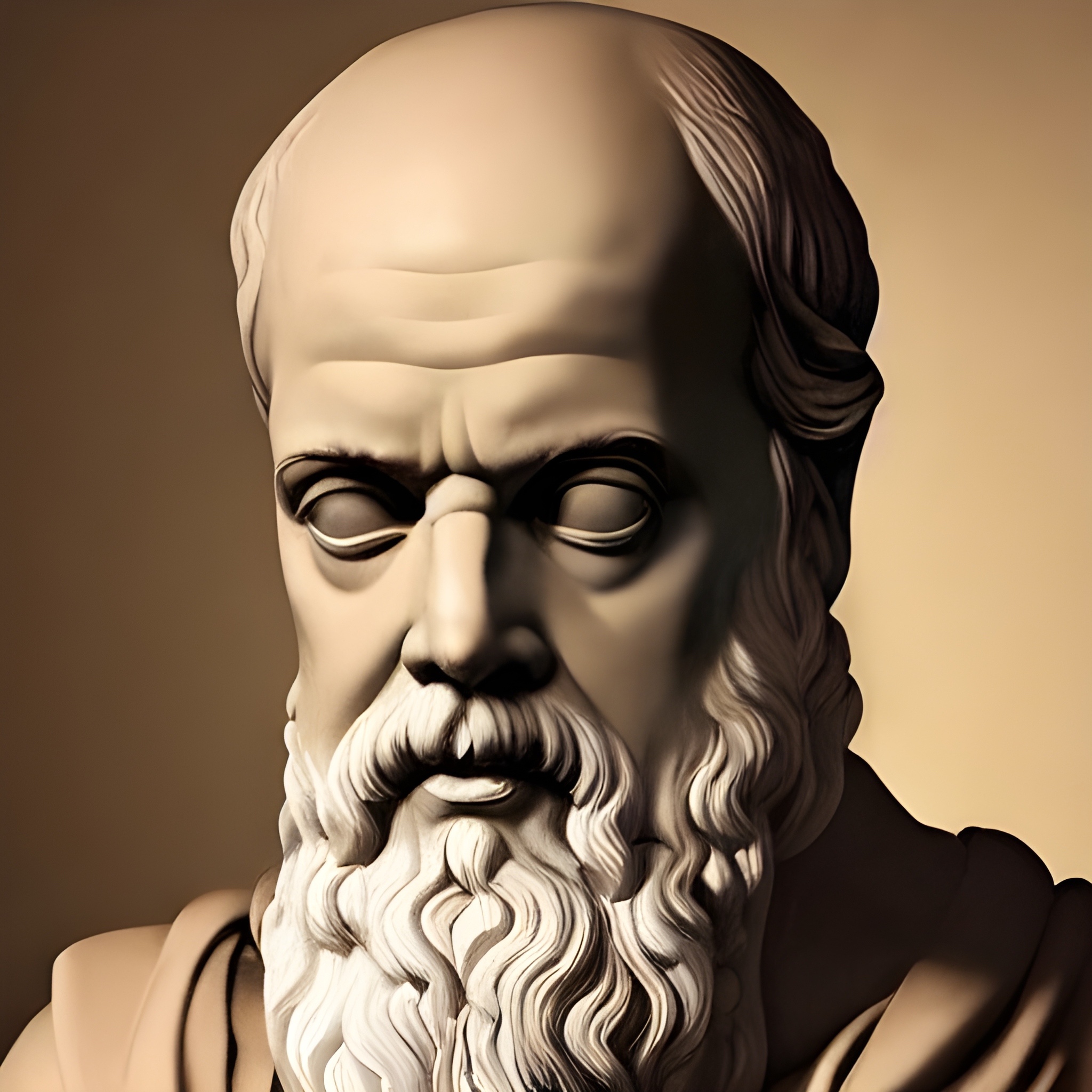
Socrates was a Greek philosopher who lived in Athens during the 5th century BCE. He is widely regarded as one of the most prominent figures in Western philosophy, and his ideas have had a profound impact on the development of the field. Socrates is perhaps most famous for his belief in the importance of questioning and inquiry, which he demonstrated through his use of the Socratic method. This method involved asking a series of questions to arrive at a deeper understanding of a particular topic or idea. Socrates believed that questioning and critical thinking were essential to gaining knowledge and understanding the world around us.
Another notable idea from Socrates was his belief in the importance of living a virtuous life. He argued that the pursuit of wealth, power, and pleasure was ultimately unfulfilling, and that true happiness could only be achieved through living a life of moral excellence. Socrates believed that everyone had the potential to be virtuous, and that by examining one’s own beliefs and behaviors, one could strive to become a better person.
In addition to his ideas about questioning, inquiry, and virtue, Socrates also had strong opinions about the nature of knowledge and wisdom. He famously claimed that he was wiser than anyone else because he was aware of his own ignorance. Socrates believed that true wisdom came from acknowledging one’s own limitations and being open to learning from others.
Finally, Socrates was known for his belief in the immortality of the soul. He argued that the body was mortal and subject to decay, but that the soul was eternal and would continue to exist after death. Socrates believed that the pursuit of knowledge and virtue was not only important for living a fulfilling life, but also for preparing oneself for the afterlife.
Overall, Socrates’ ideas have had a lasting impact on philosophy and continue to be studied and debated today. His emphasis on questioning, inquiry, virtue, wisdom, and the immortality of the soul remain relevant and influential in the modern world.