Latest Articles
Read The Kumachan in chronological order, with each complete article presented in the original full-reading format.
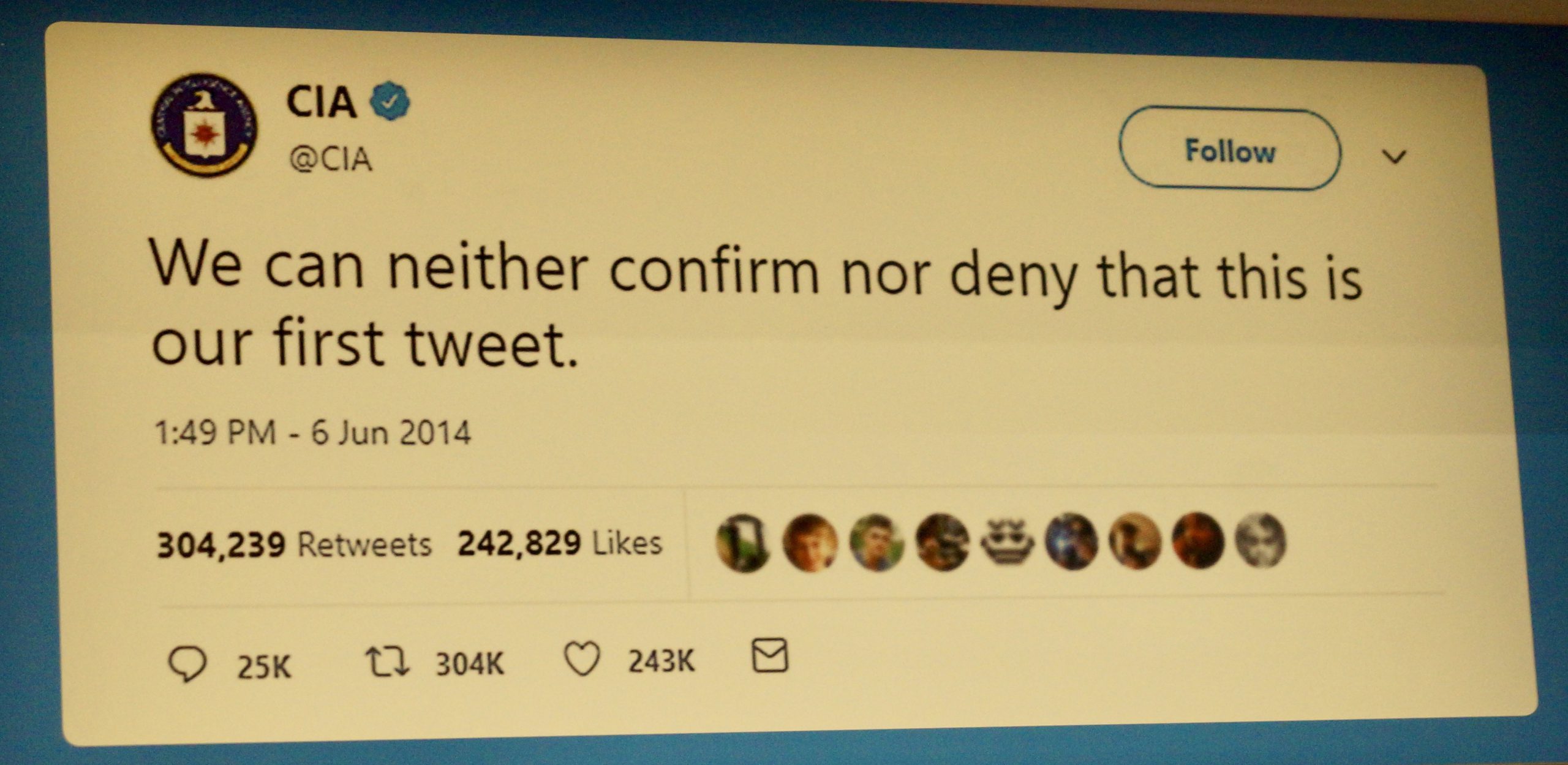
International Spy Museum CIA Tweet
The Spirit of St. Louis
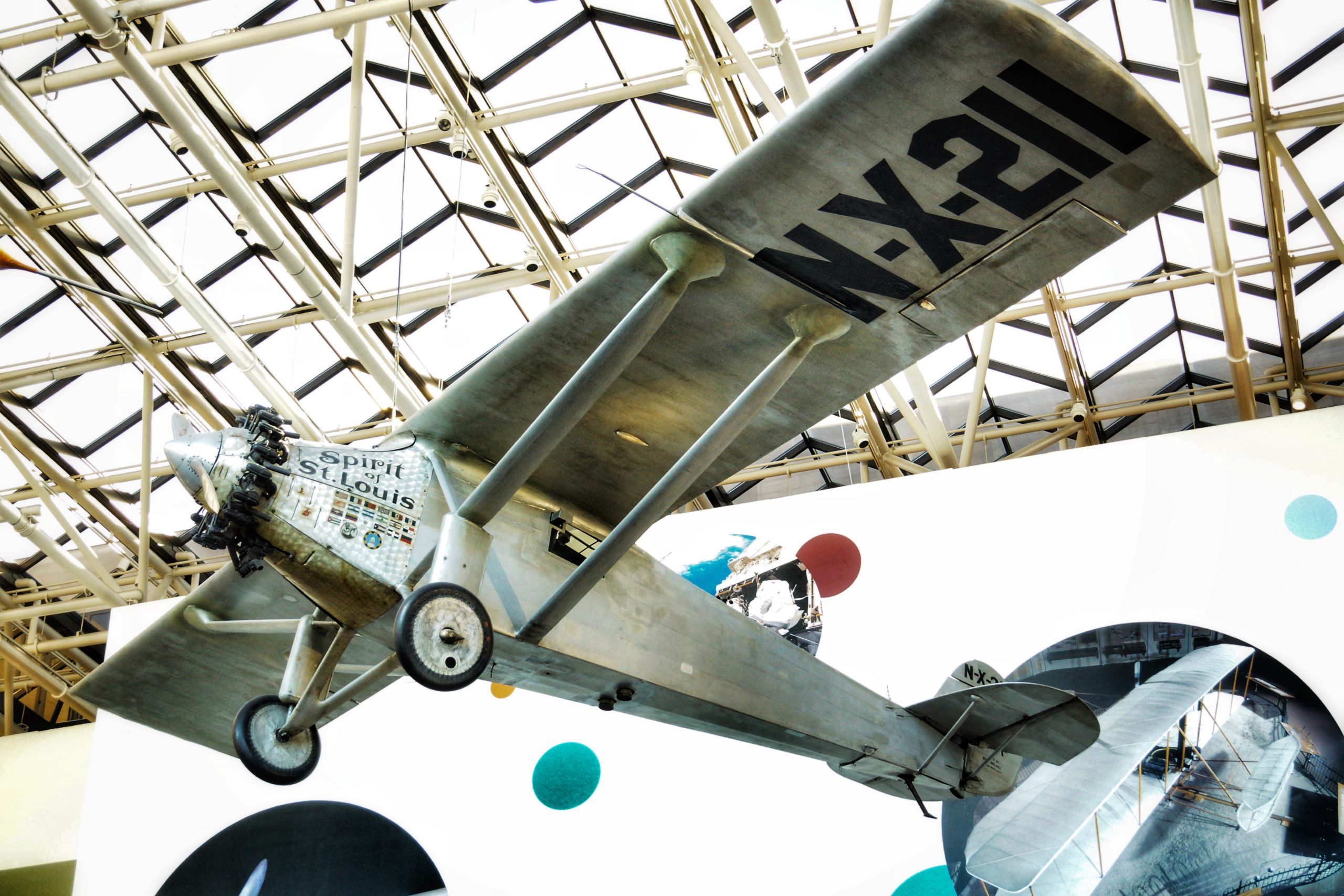
Hanging high in the Smithsonian National Air and Space museum is the Spirit of St. Louis. This plane is best known for being flown by Charles Lindbergh on the first solo non-stop transatlantic flight from New York to London on May 20-21st, 1927.
Related Posts
Lunar Module 2
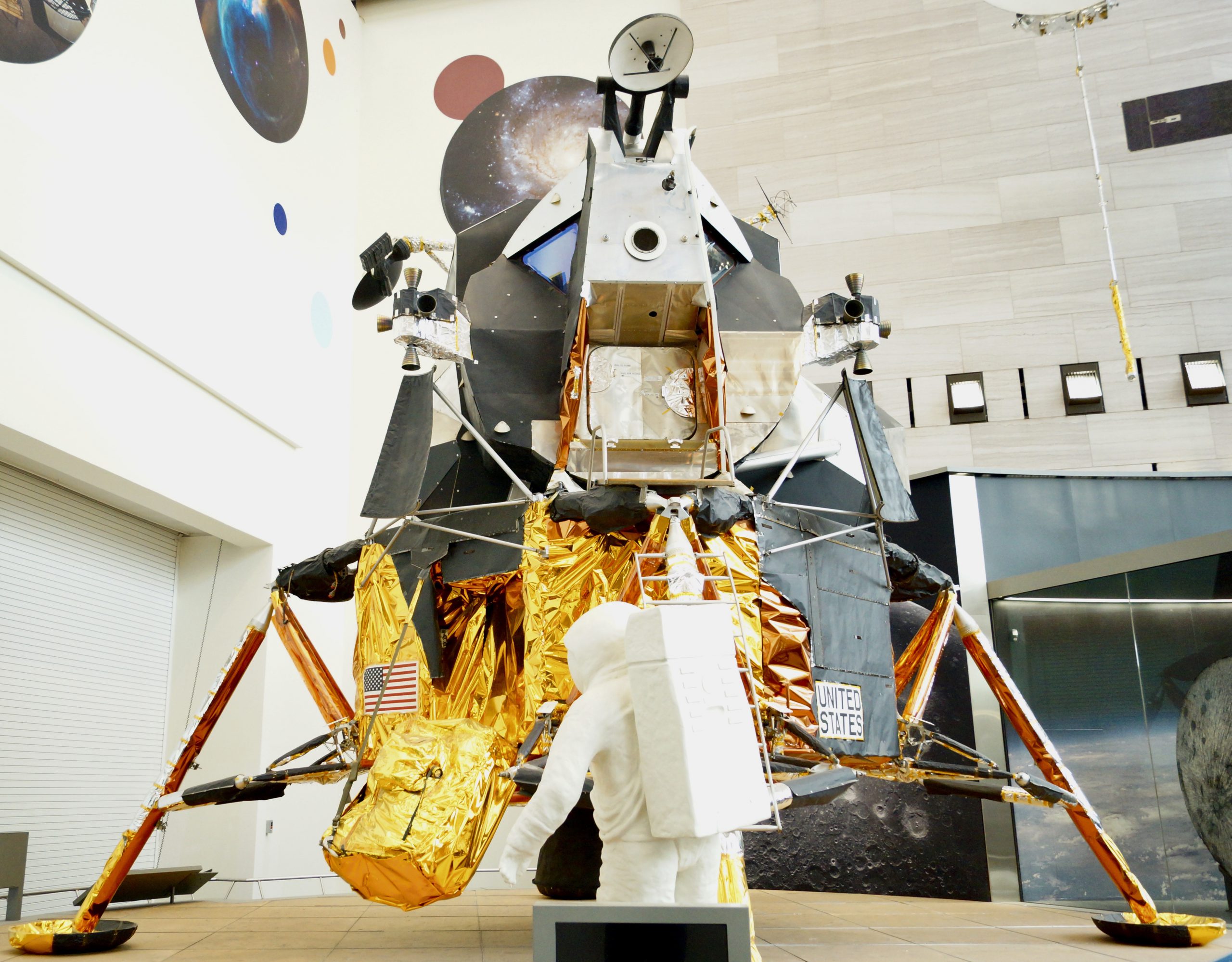
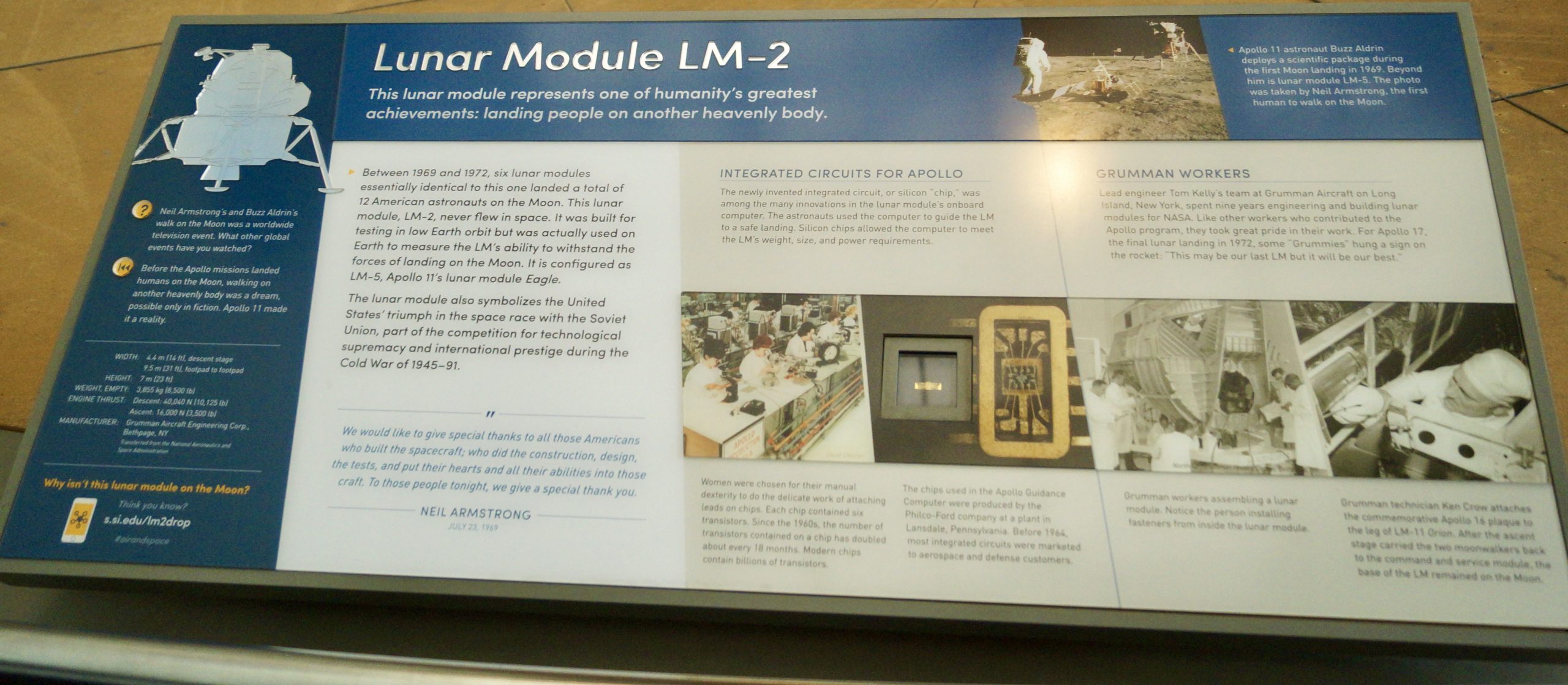
Between 1969 and 1972, six lunar modules essentially identical to this one landed a total of 12 American astronauts on the Moon. This lunar module, LM-2, never flew into space. It was built for testing in low Earth orbit, but was actually used on Earth to measure the LM’s ability to withstand the forces of landing on the Moon. It is configured as LM-5, Apollo 11’s lunar module Eagle.
The lunar module also symbolizes the United States’ triumph in the space race with the Soviet Union, part of the competition for technological supremacy and International prestige during the Cold War of 1945-91.
Related Posts
Magellan Global Positioning System Test Components
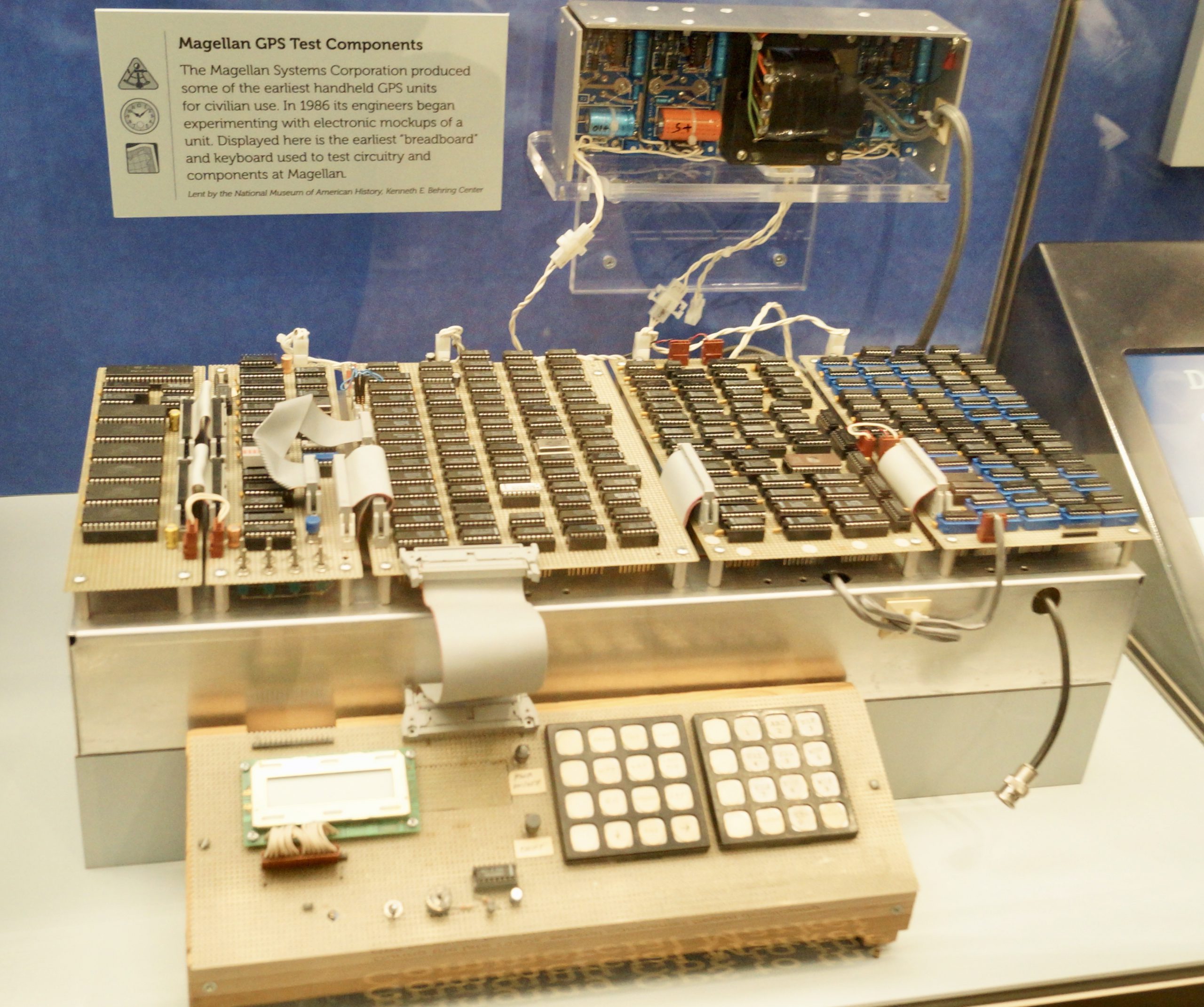
The Magellan Systems Corporation produced some of the earliest handheld GPS units for civilian use. In 1986 its engineers began experimenting with electronic mockups of a unit. Displayed here is the earliest “breadboard” and keyboard used to test circuitry and components at Magellan.
Related Posts
First Operational Intelligence Satellite, the GRAB I
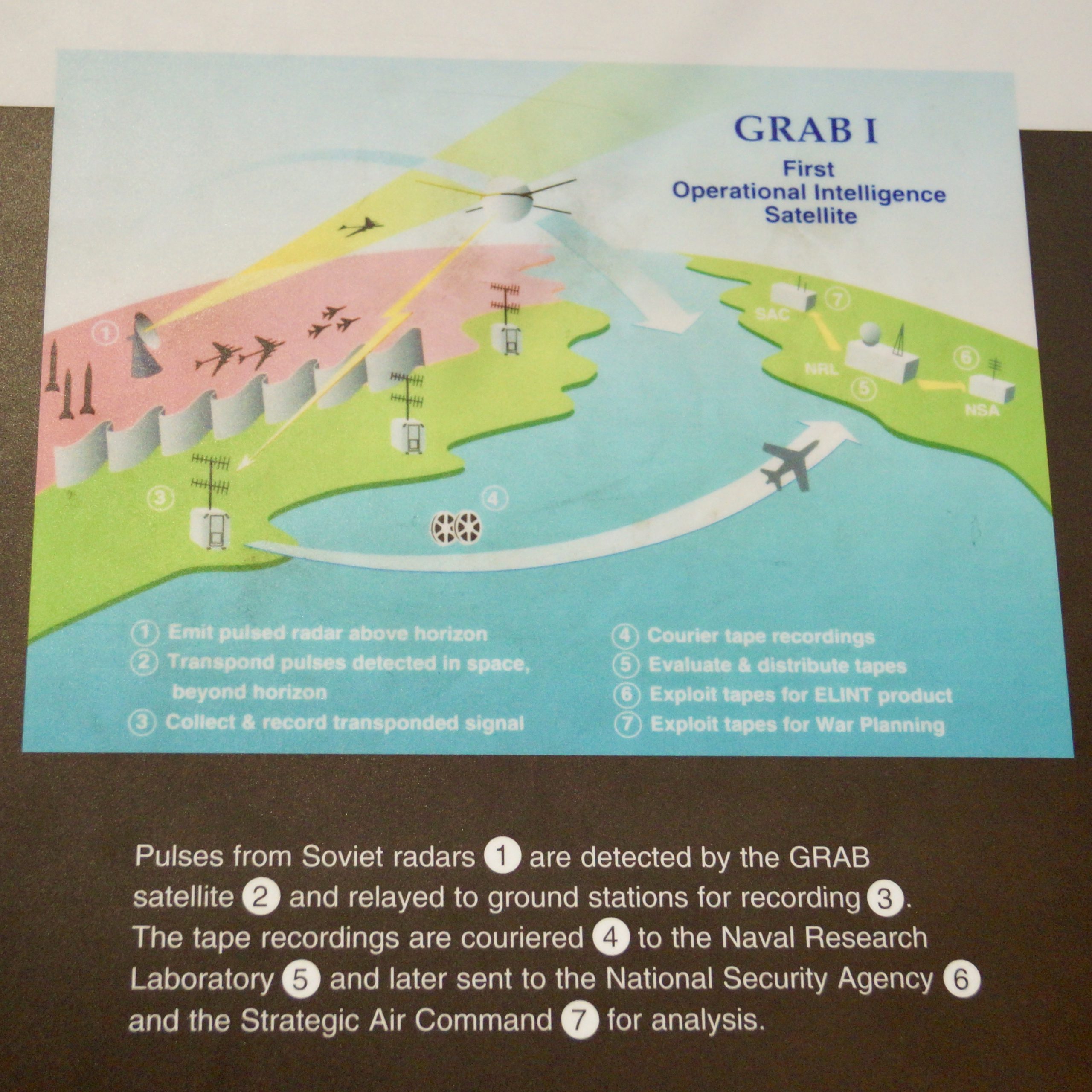
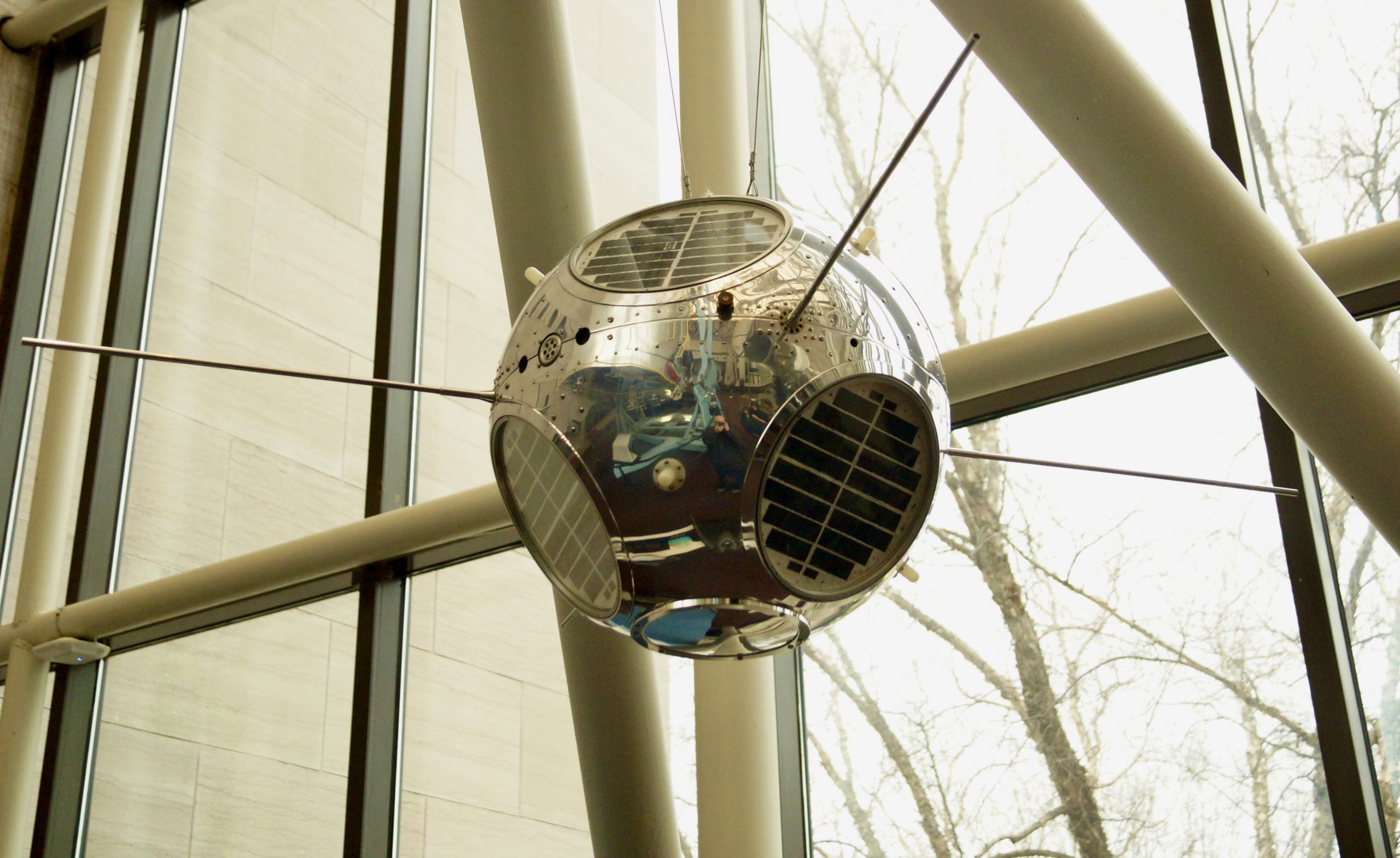
The GRAB I was the first operational intelligence satellite that would detect pulses from Soviet radars and then relay them to ground stations where they would be sent for analysis.
Related Posts
International Spy Museum Mechanical Dragonfly
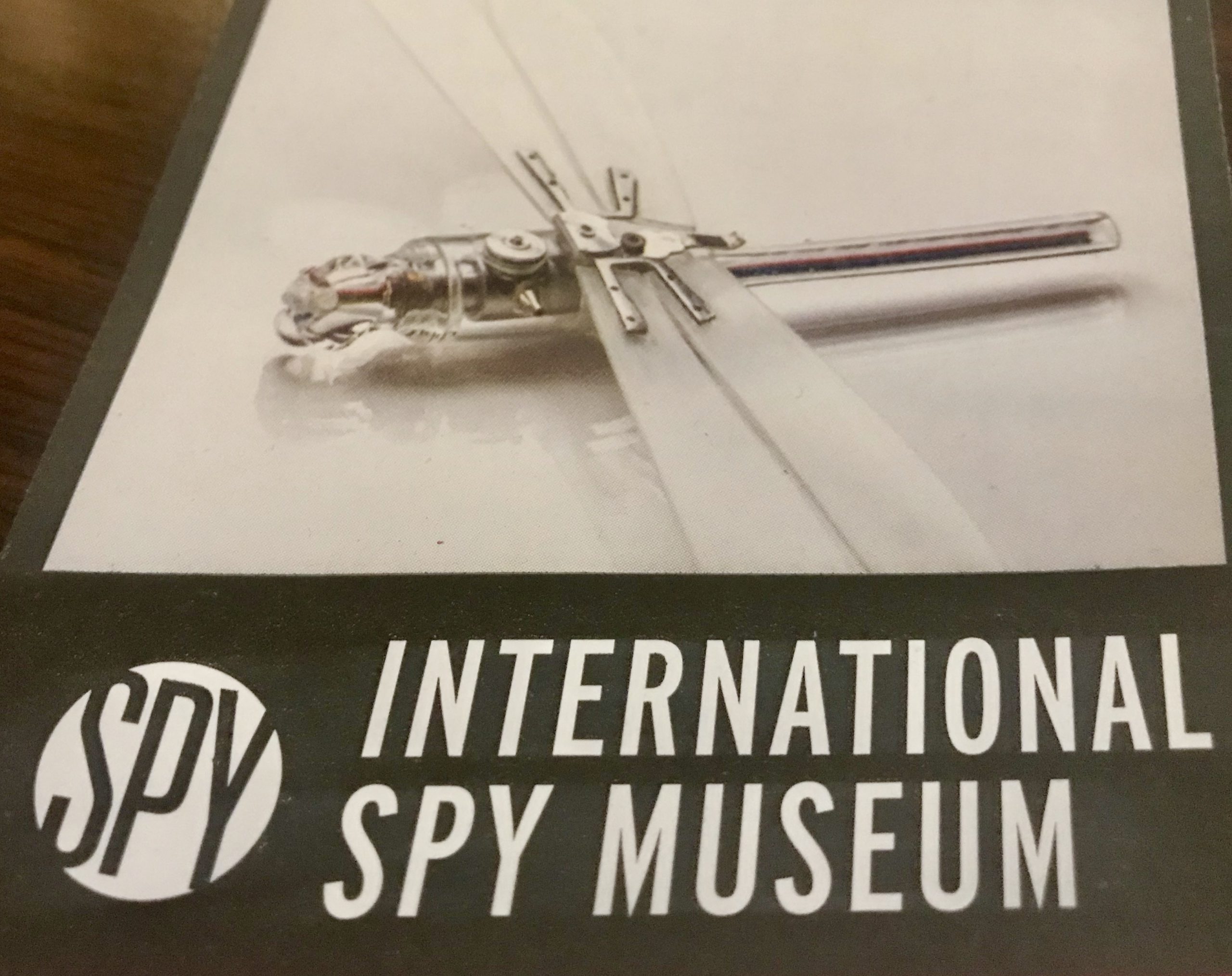
At the International Spy Museum located in Washington D.C. there are many interesting things that can be found. Here is a graphic depicting a mechanical dragonfly that could be used to listen to conversations or take photos without being detected.
Related Posts
Siemens-Halske W38 Phone
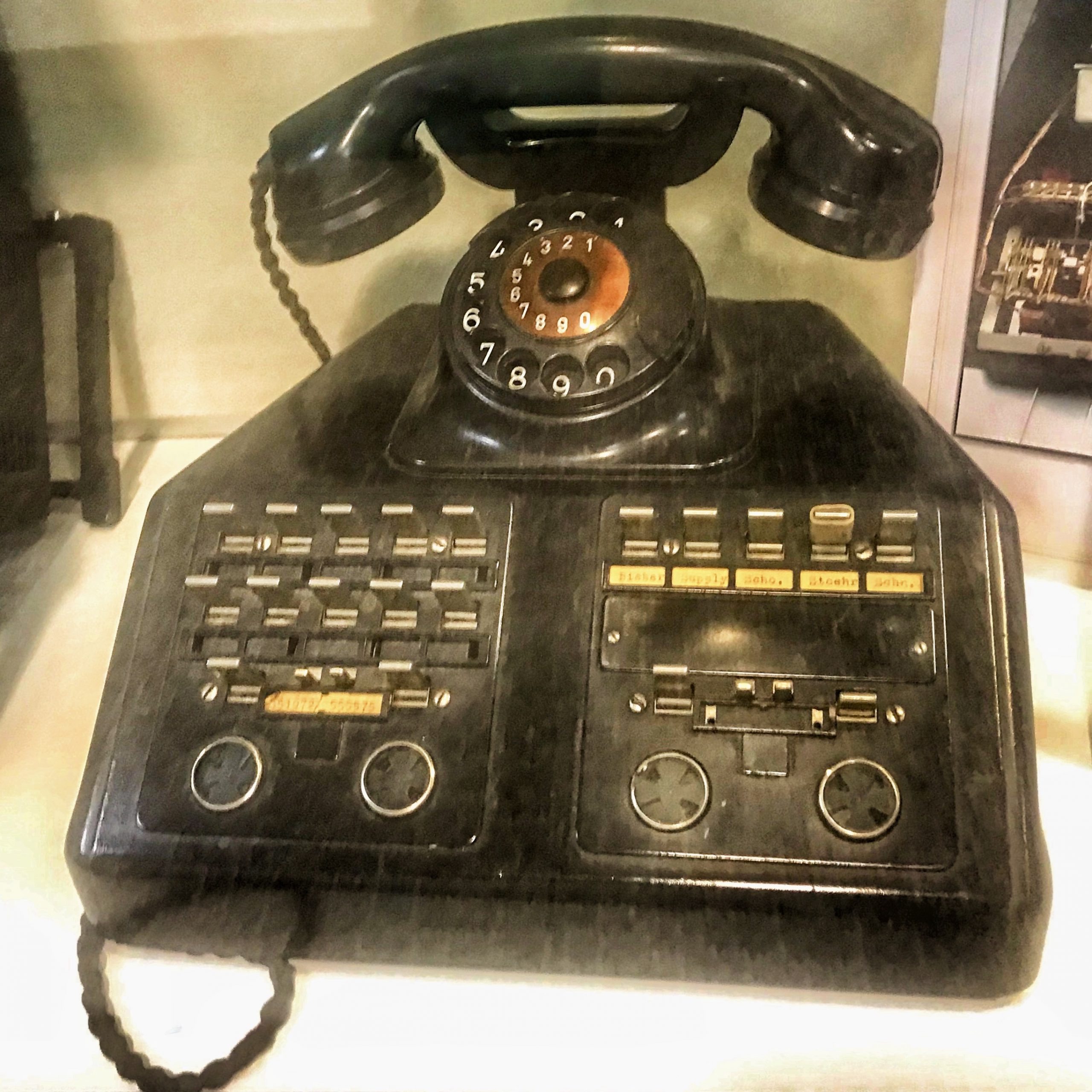
This switchboard operator’s desk telephone was manufactured by Siemens-Halske in Germany. It is believe the history of this specific device was removed from one of the U.S. Missions in Germany. A close inspection of the typed labels for the switches are in German.
The telephone was called “REIPOS”. The bulk of the unit is made from Bakelite, a popular material used in the manufacture of early telecommunications equipment. It has 4 incoming lines and 10 outgoing lines. It would have very likely been located at the embassy or consulates operators room.
Related Posts
German Spy Pigeon
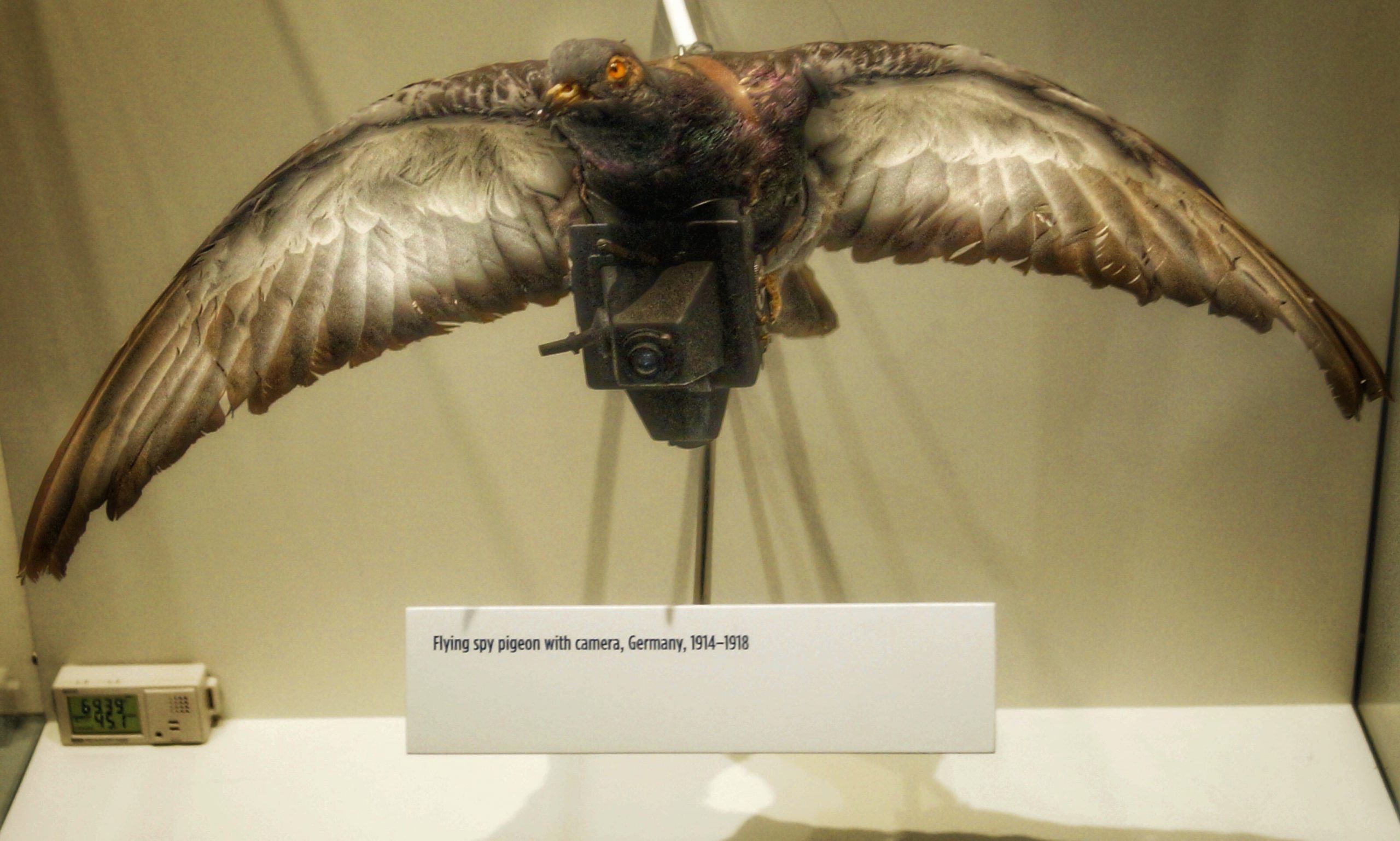
During World War I (1914-1918) Germany had equipped pigeons with small camera equipment for the benefit of gaining intelligence.
Related Posts
Oleg Penkovsky: The Spy Who Saved the World
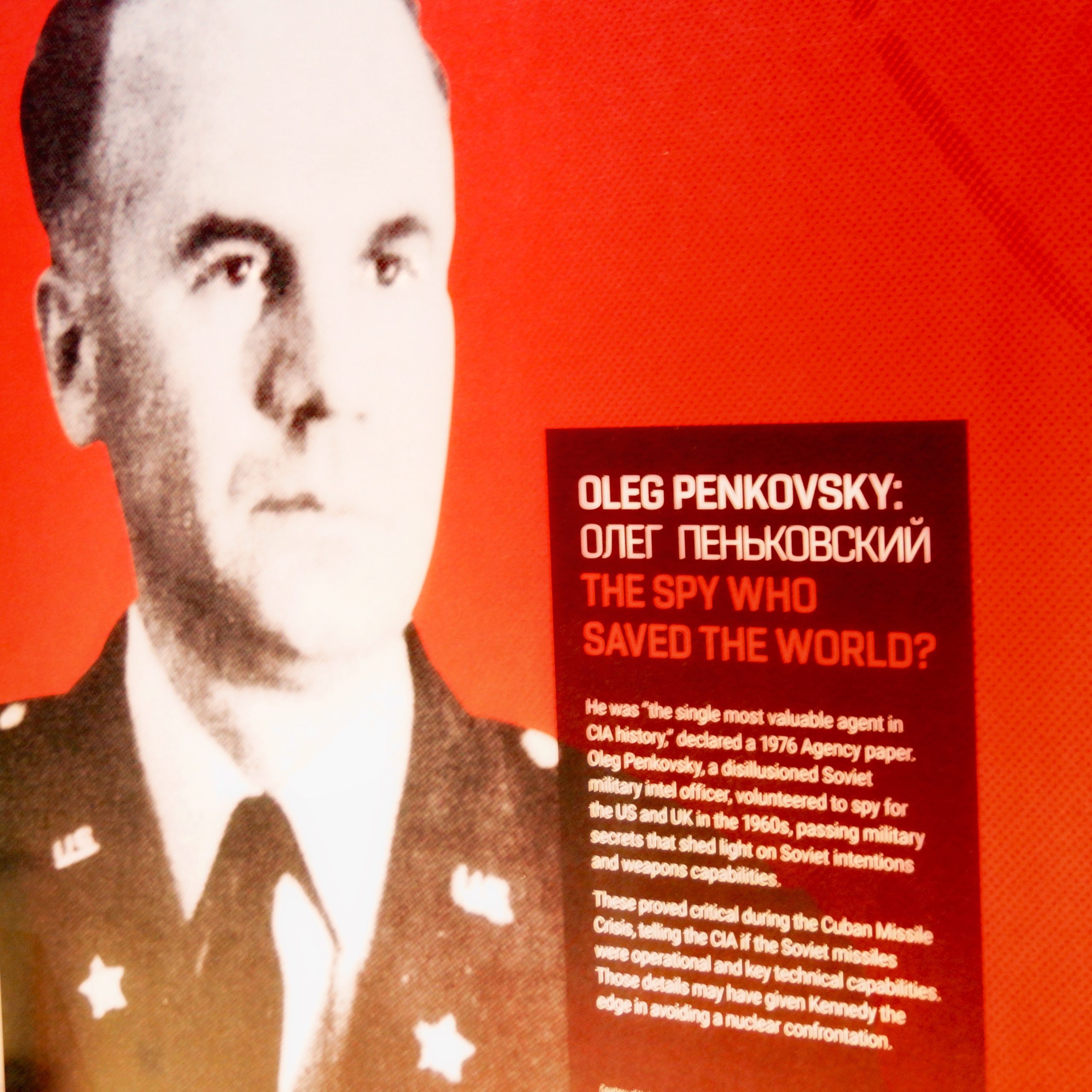
Oleg Penkovsky is best known for being declared as the “single most valuable agent in CIA history.” Penkovsky was a Soviet intelligence officer who volunteered to for the United States and the United Kingdom during the 1960’s. He would pass military intelligence secrets that shed light on Soviet intentions and weapon capabilities. This information proved to be critical during the Cuban missile crisis as it let the CIA know the missiles were operational and key technical capabilities. That information may have given John F. Kennedy the edge he needed in order to avoid a nuclear confrontation.
Related Posts
Where You Are Going in April

International Spy Museum Micro Camera

At the International Spy Museum located in Washington D.C. there are many interesting things that can be found. Here is a graphic depicting a micro camera.
Related Posts
The United States National Archives
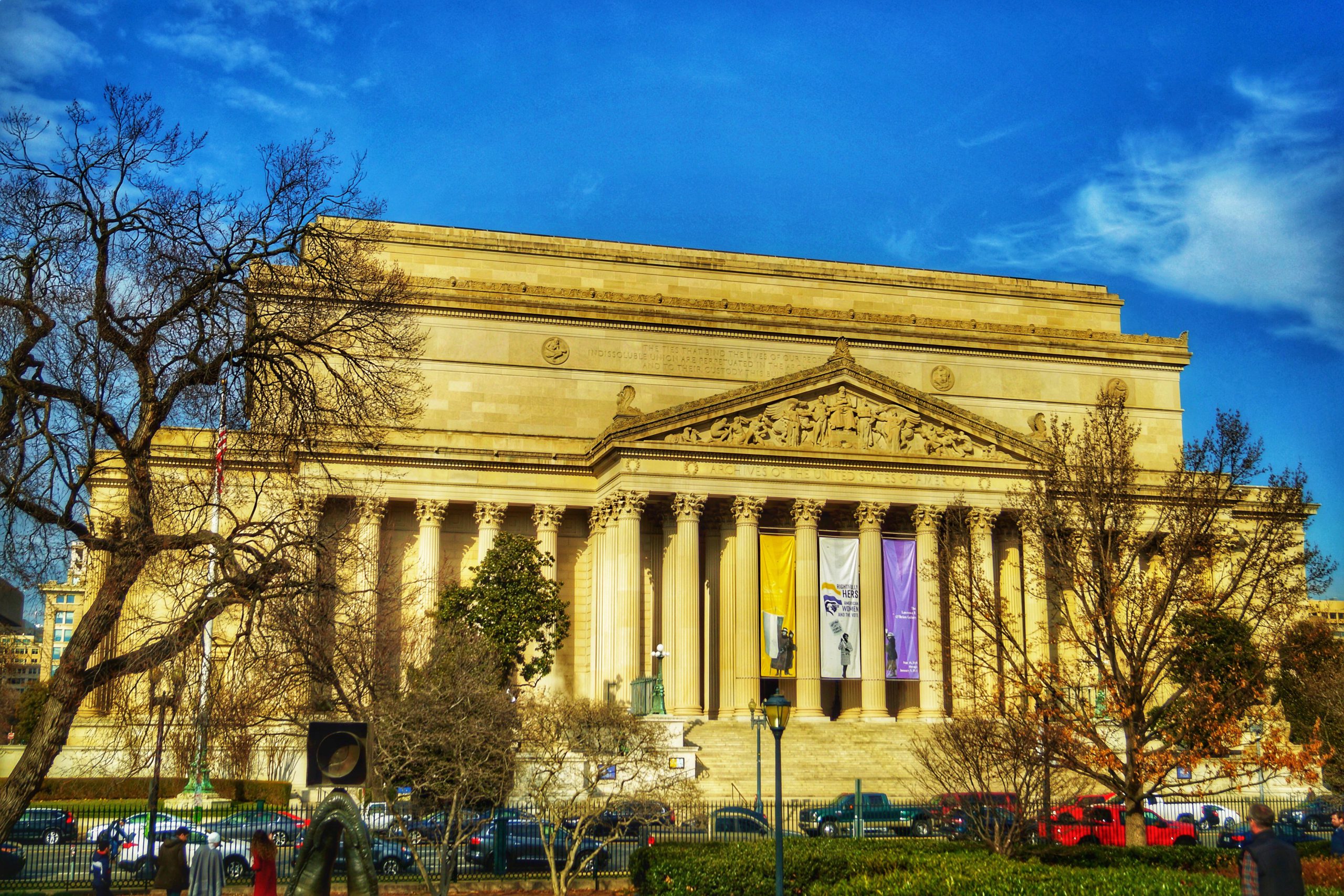
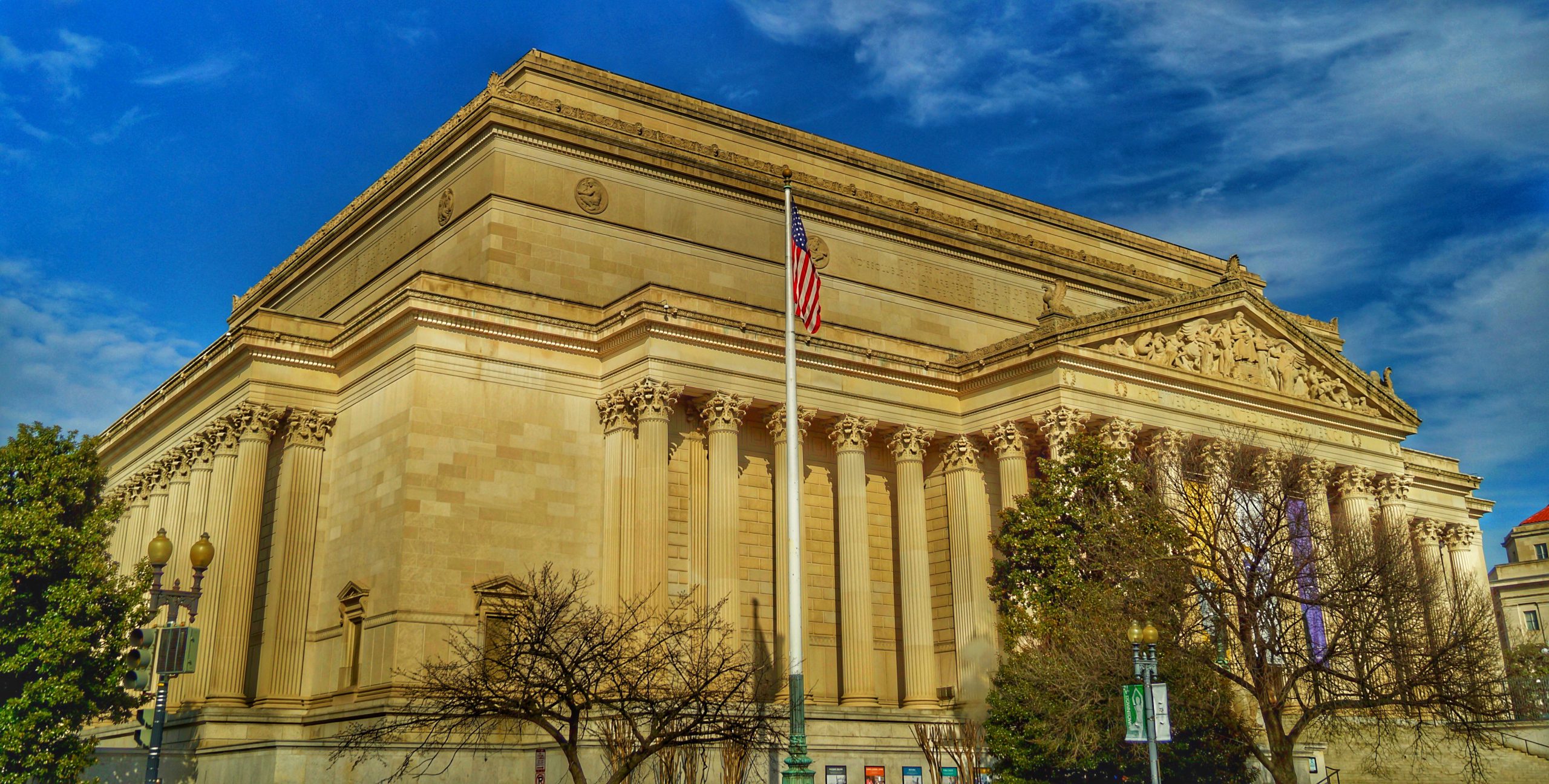
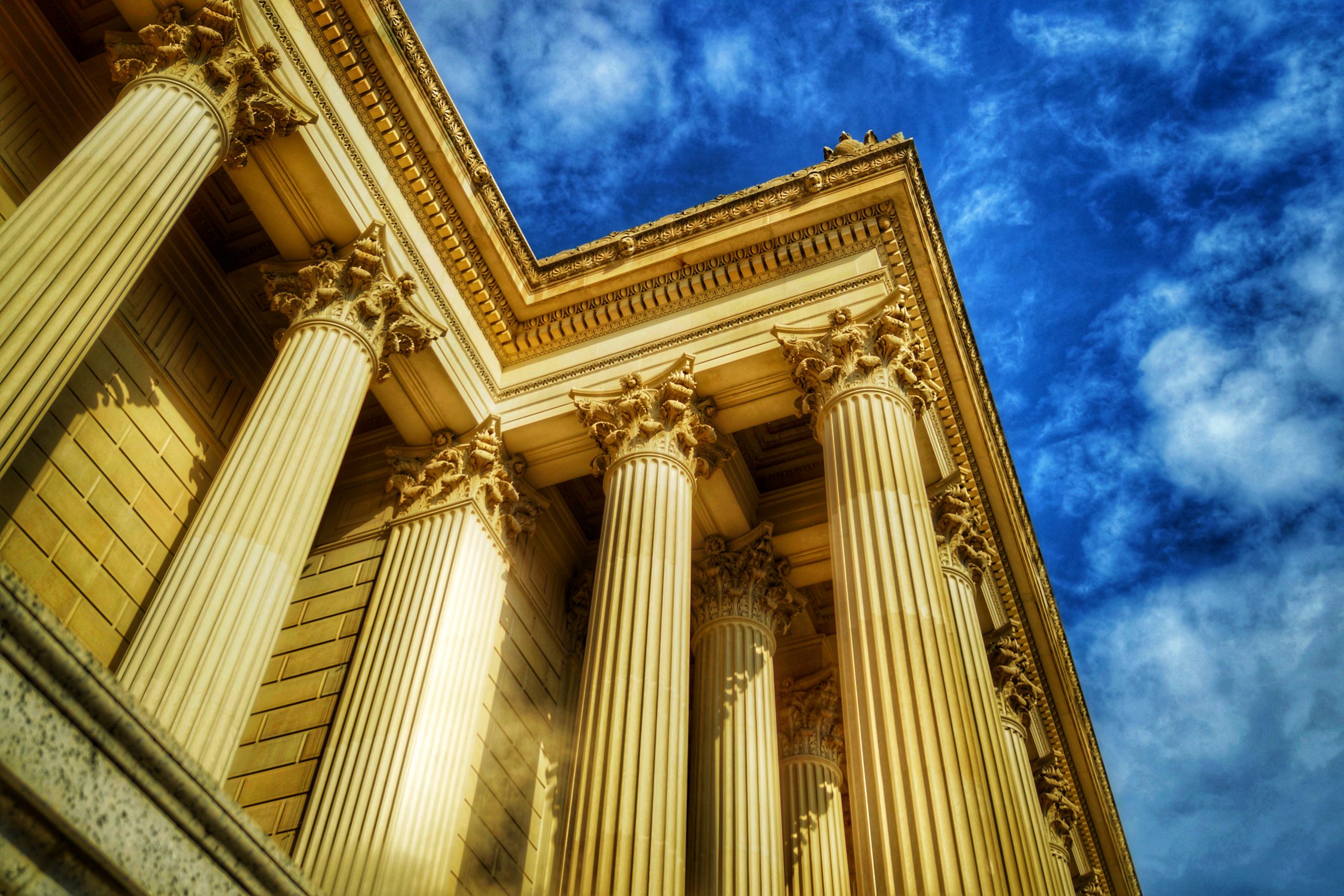
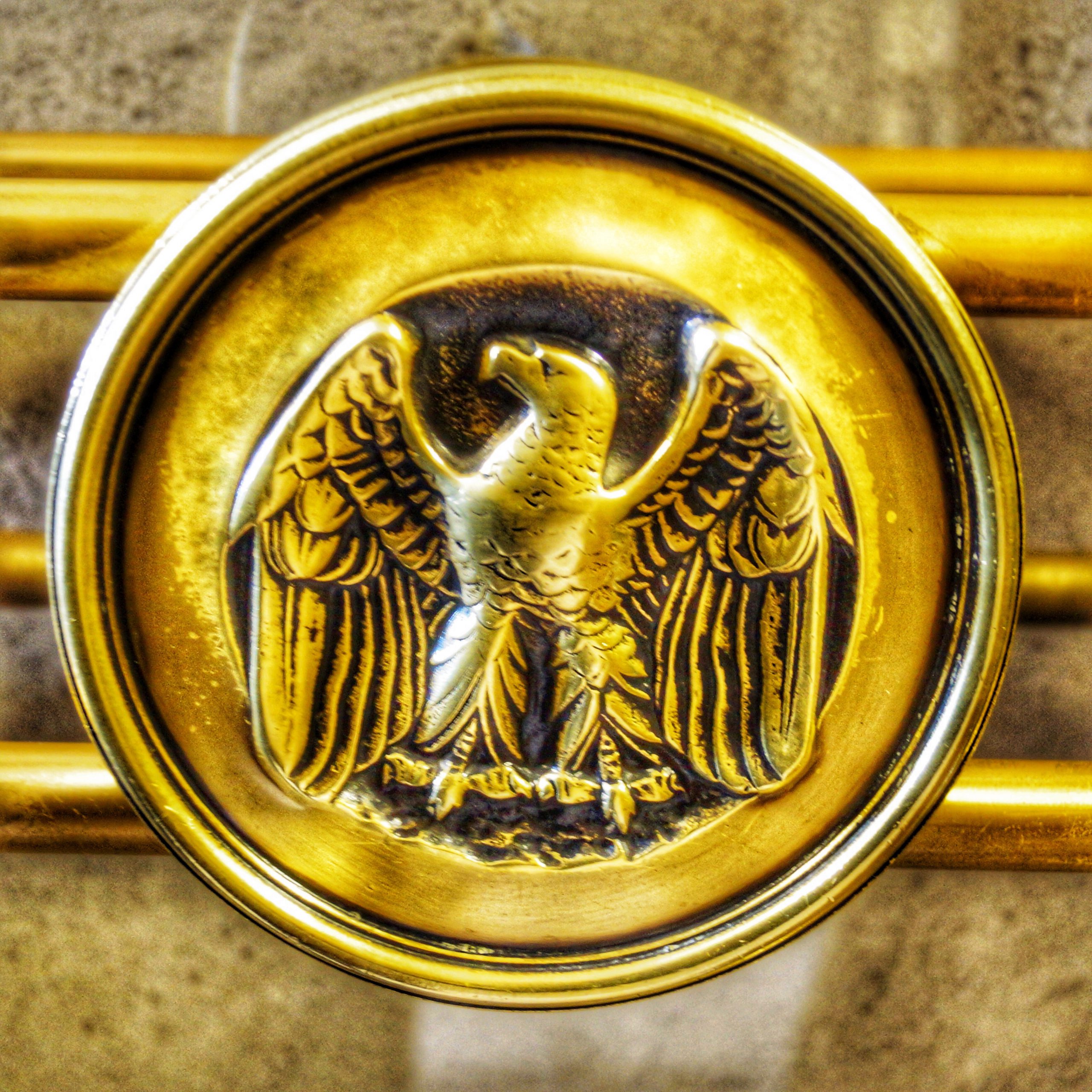
Went to the United States National Archives to see the Constitution, the Declaration of Independence, and the Bill of Rights. I wanted to take a photo of the Constitution, however when I got there they had signs up stating no photography. After inquiring why they informed me it is because the light affects the actual document and the ink on the document. They also informed that previously to get into the building you would have to walk through the front door, however you don’t enter that way anymore because the sunlight that would come into the building every time the door was opened would fade the ink. The room lighting is dim, the documents are kept at a specific temperature range, they are stored in an inert gas, and the light is strictly controlled in order to preserve the documents. Even after learning about all that it was still an awesome experience to be able to see first-hand the most important documents in the United States.
Related Posts
A Coronavirus Wedding

The Viking Lander at the Smithsonian
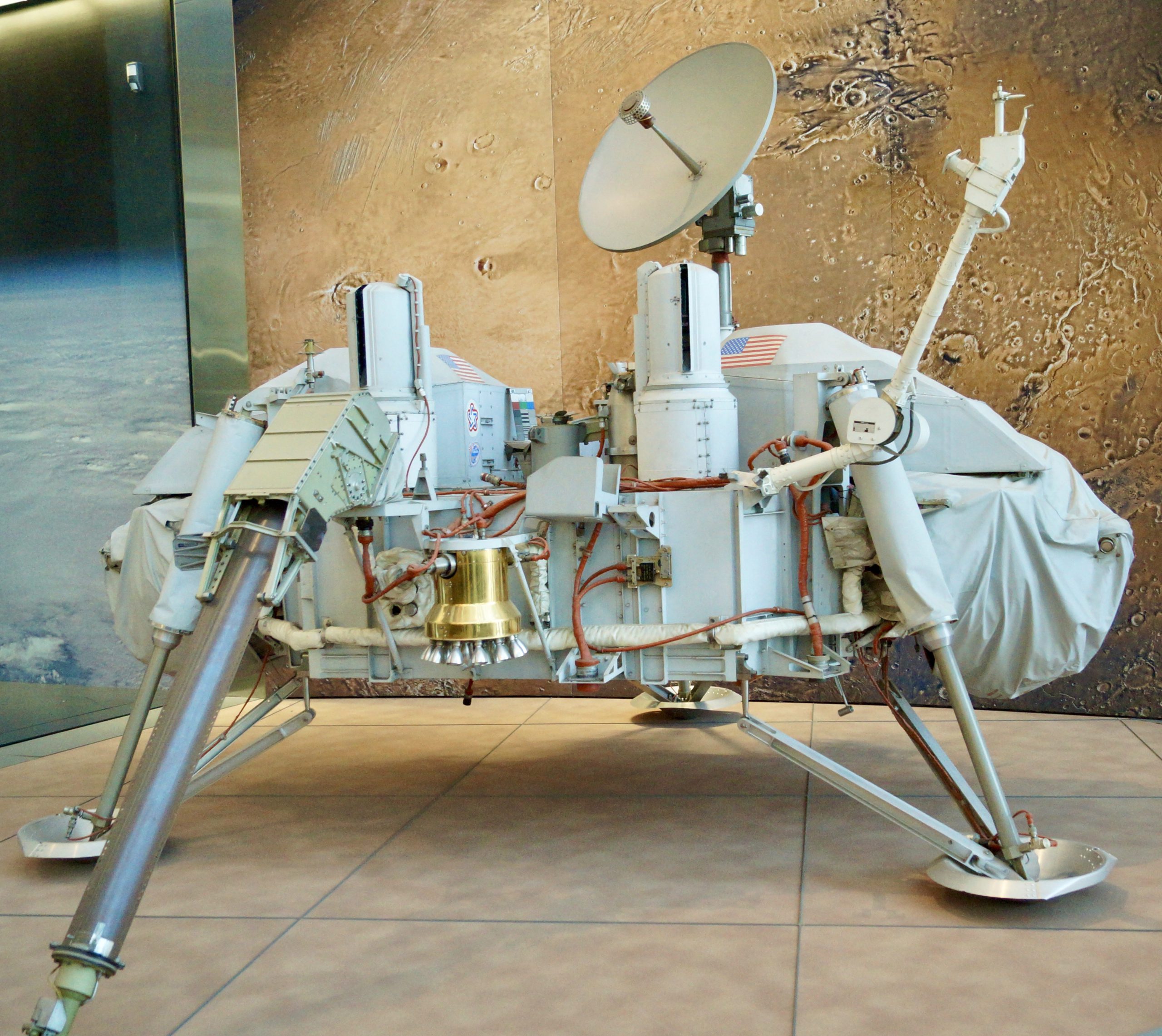
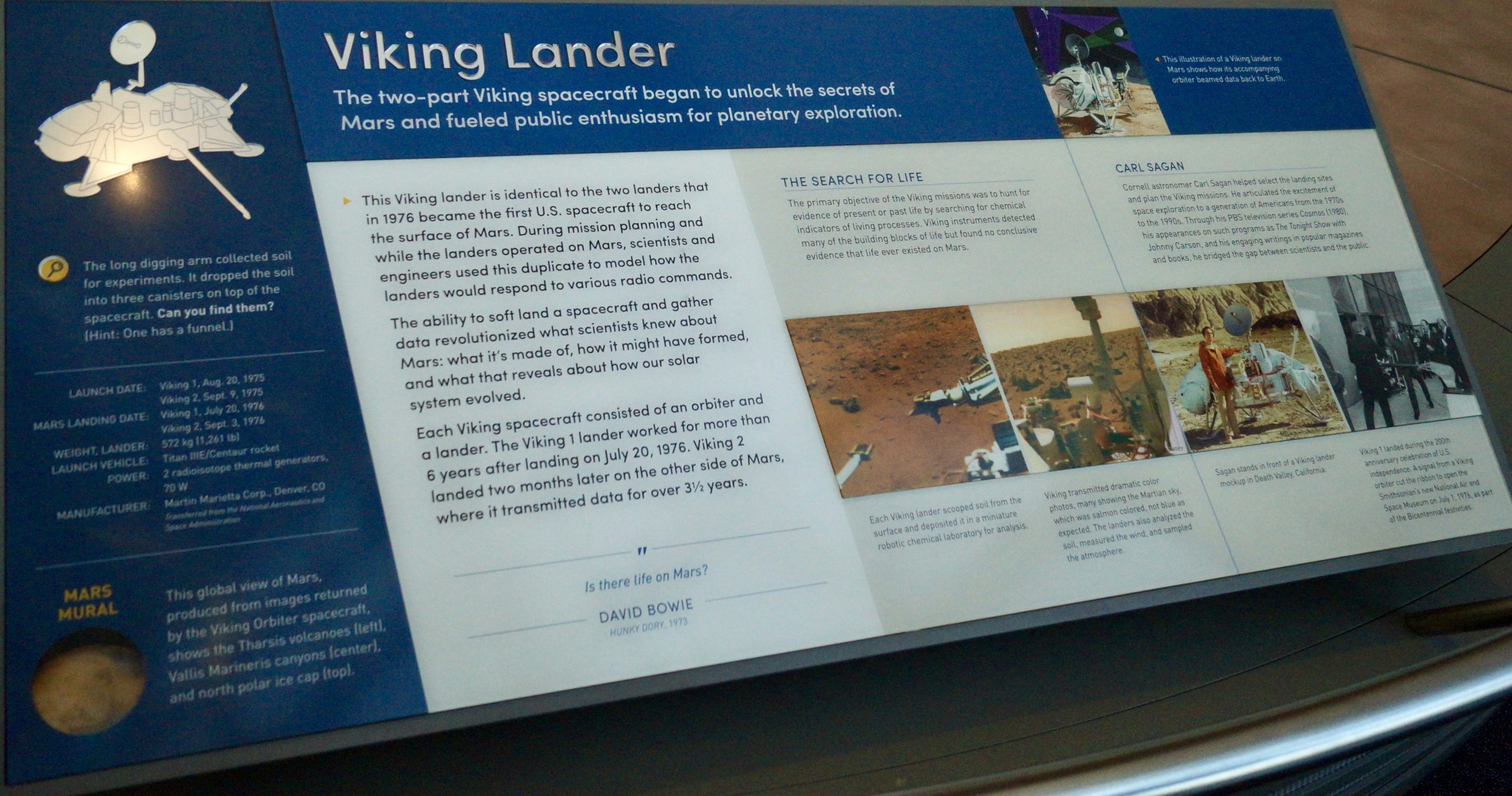
The Smithsonian Museum of Air and Space located in Washington D.C. is the host to many free exhibits that are the culmination of different major events throughout history for both flight and space travel. The Viking Lander shown here is one of those exhibits. The Viking Lander is best known for being the first U.S. spacecraft to reach the surface of Mars in 1976.
Related Posts
Universal Studios Hollywood Jaws Movie Set Tour
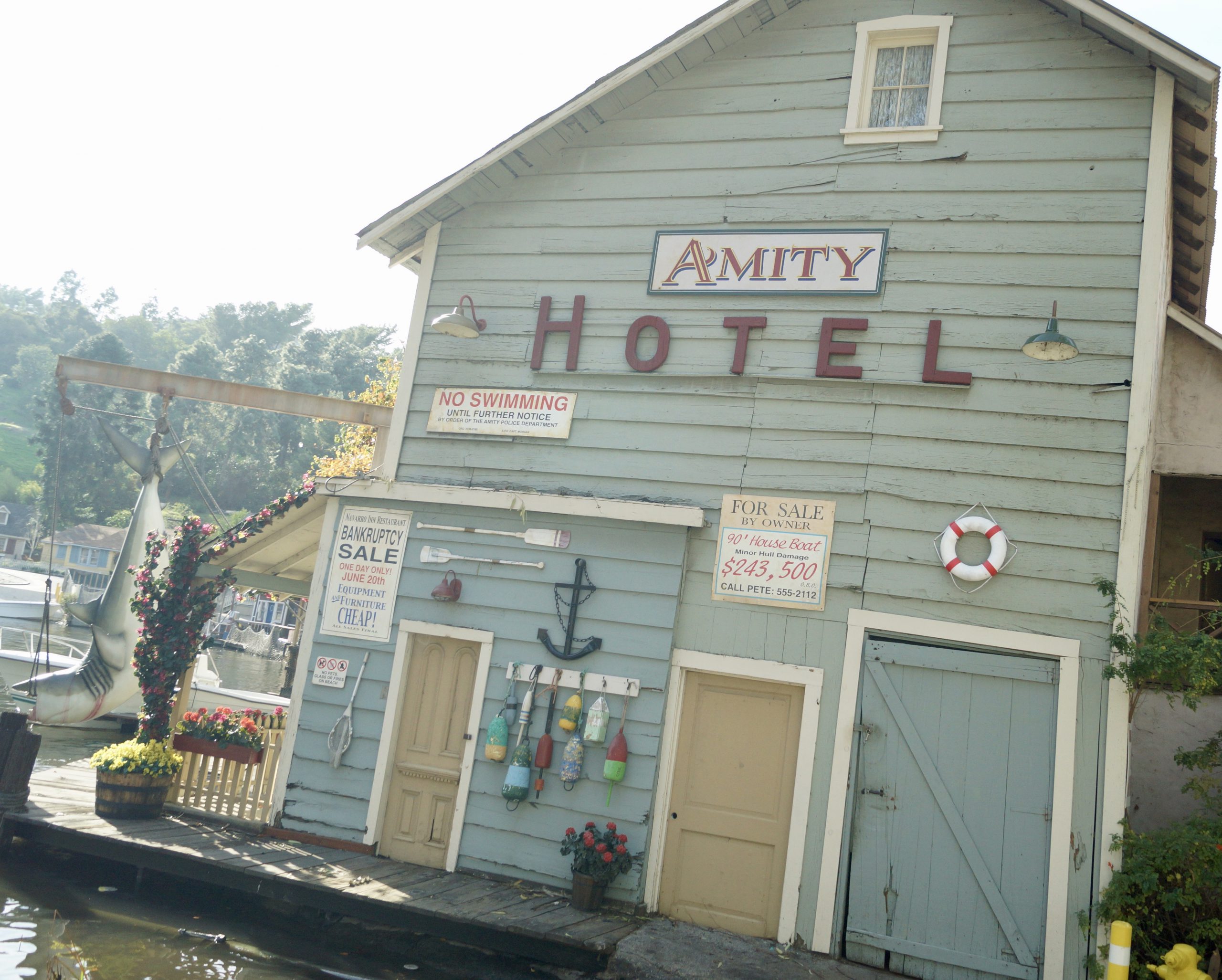
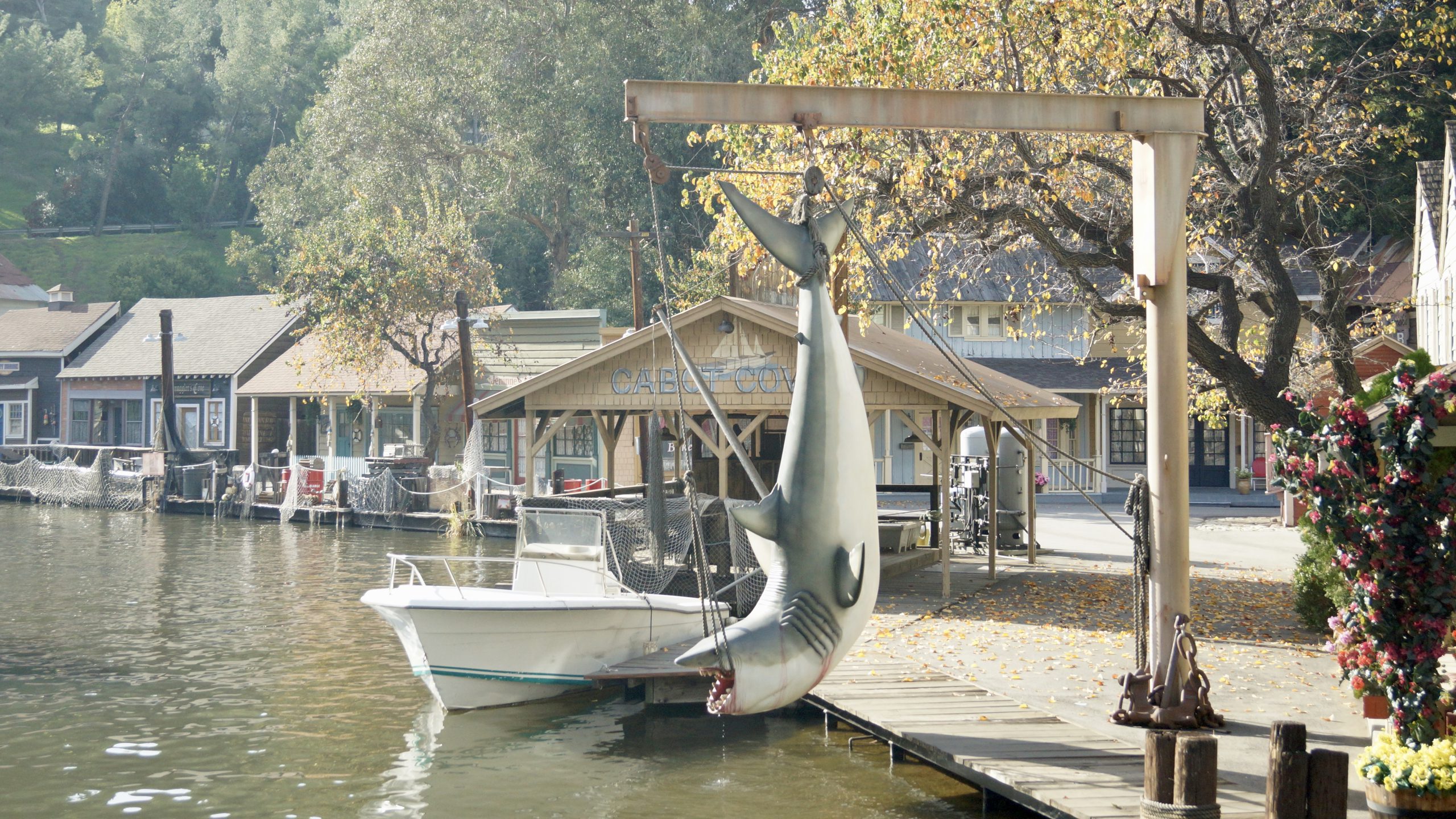
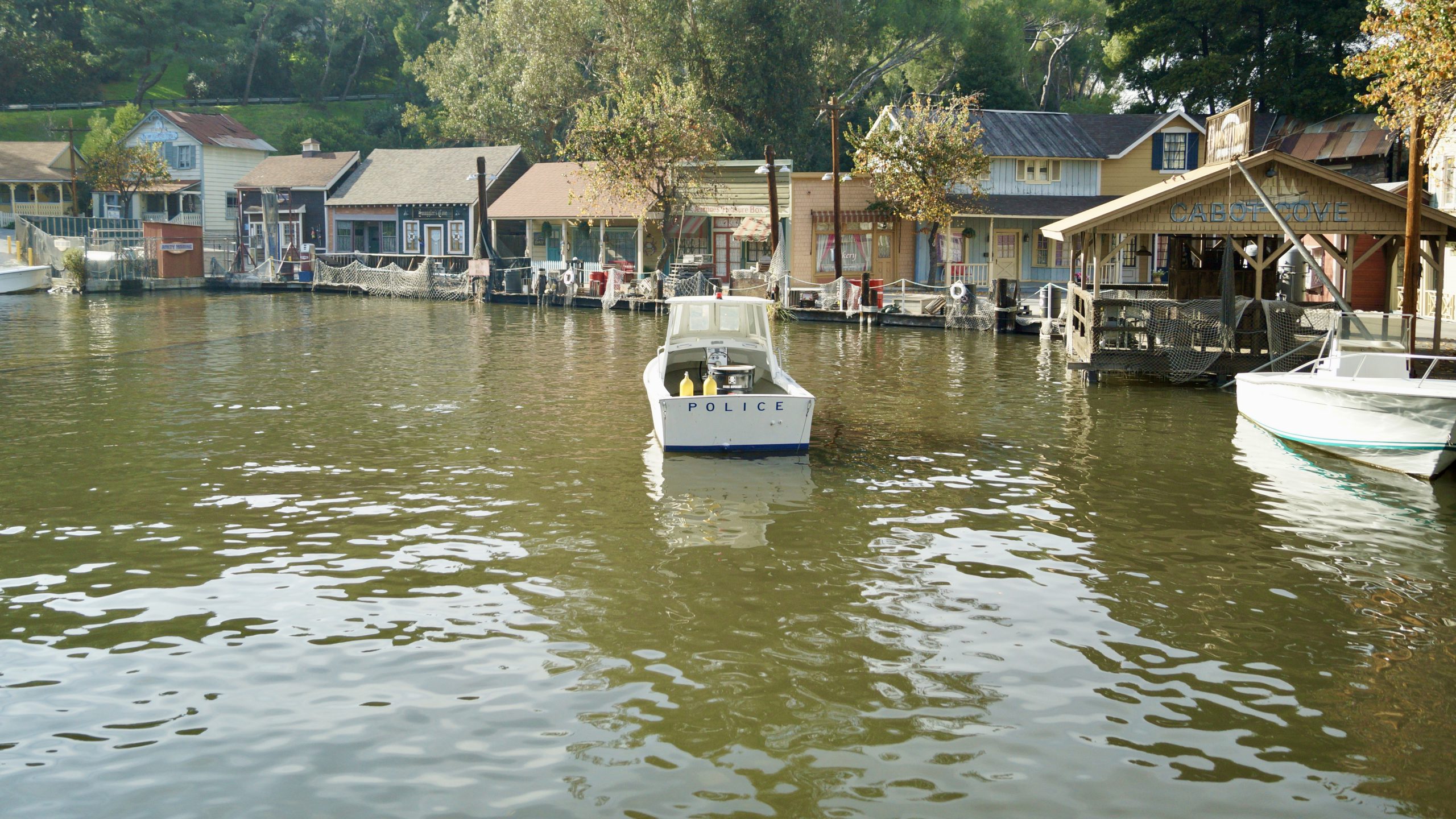
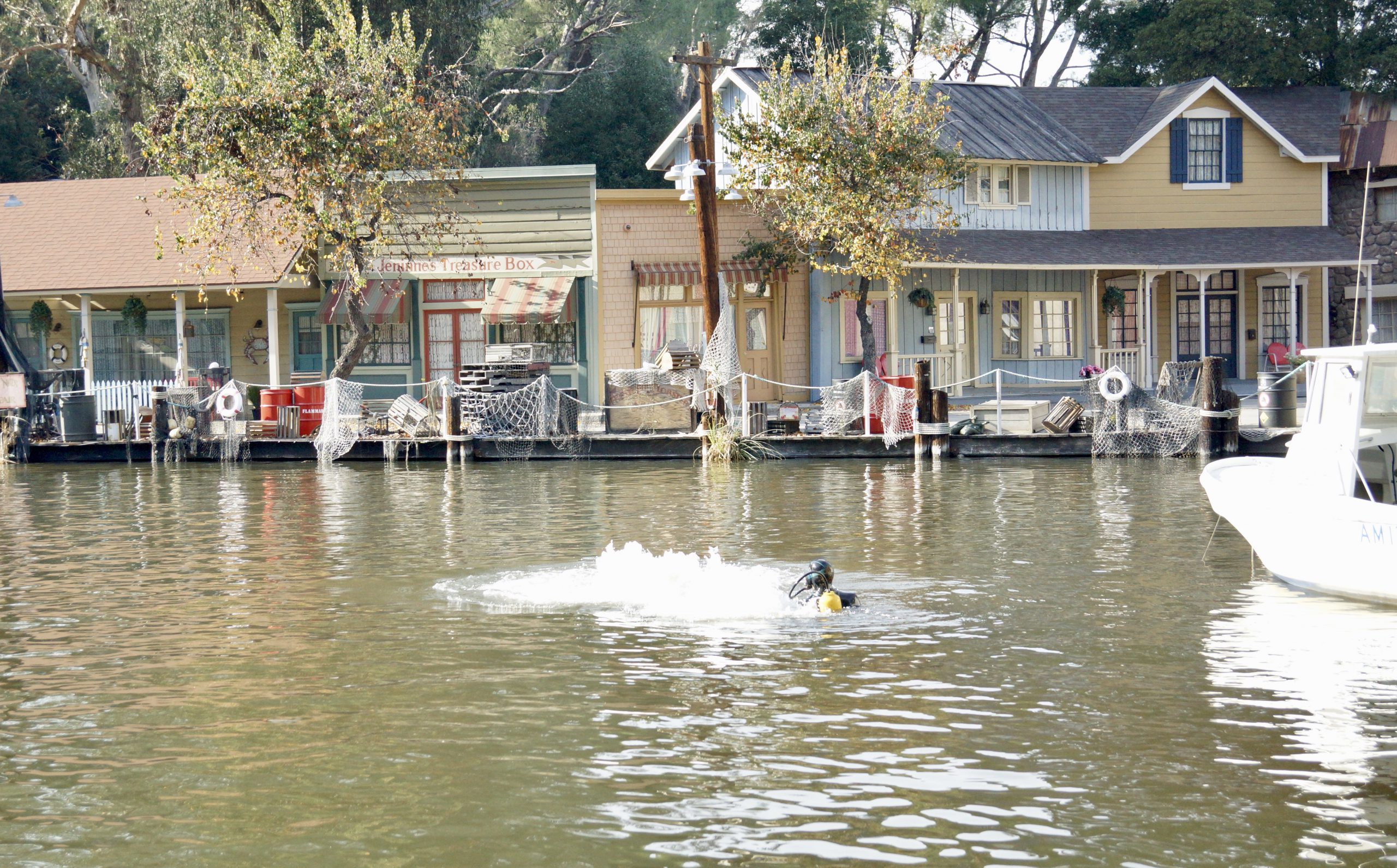

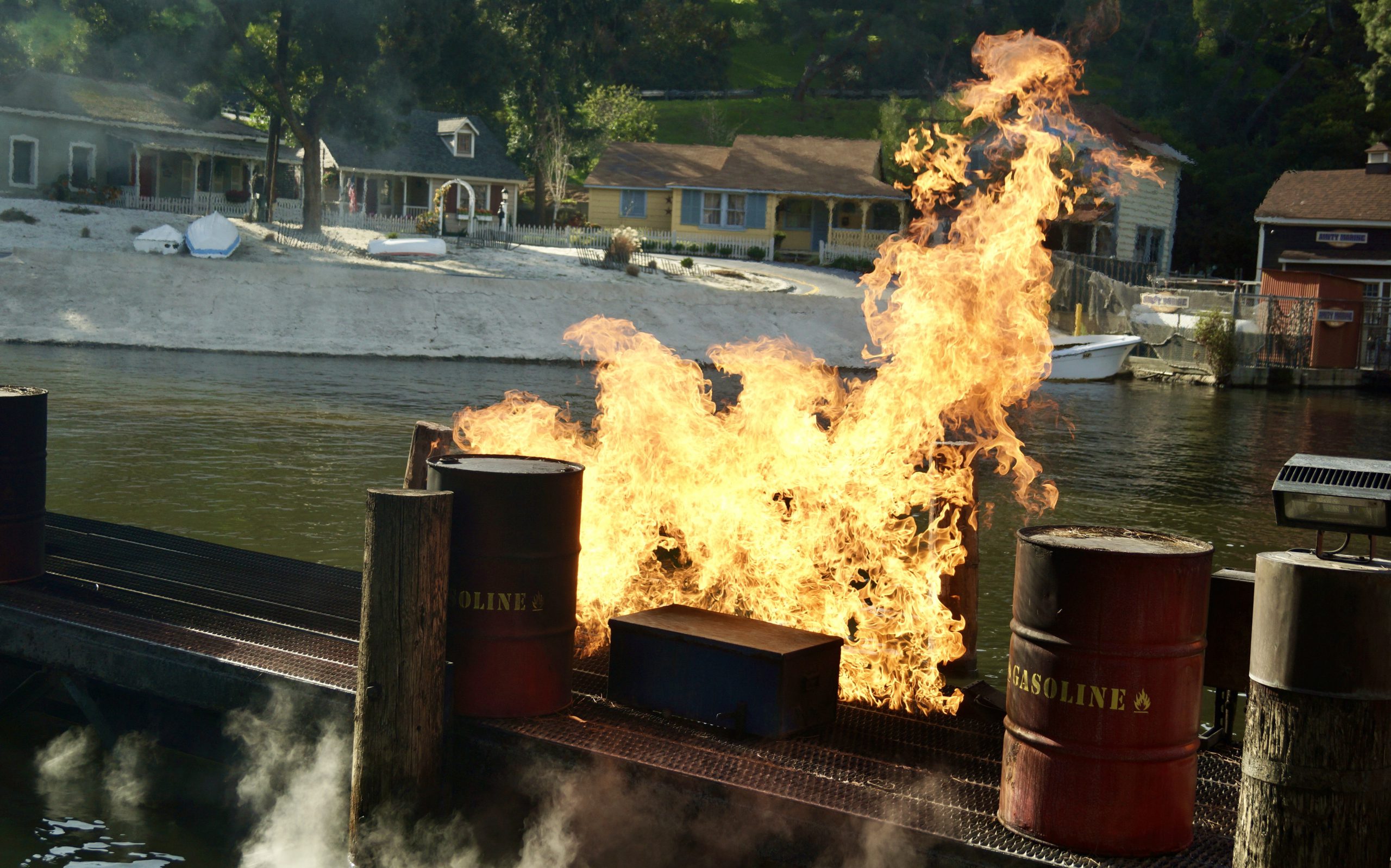
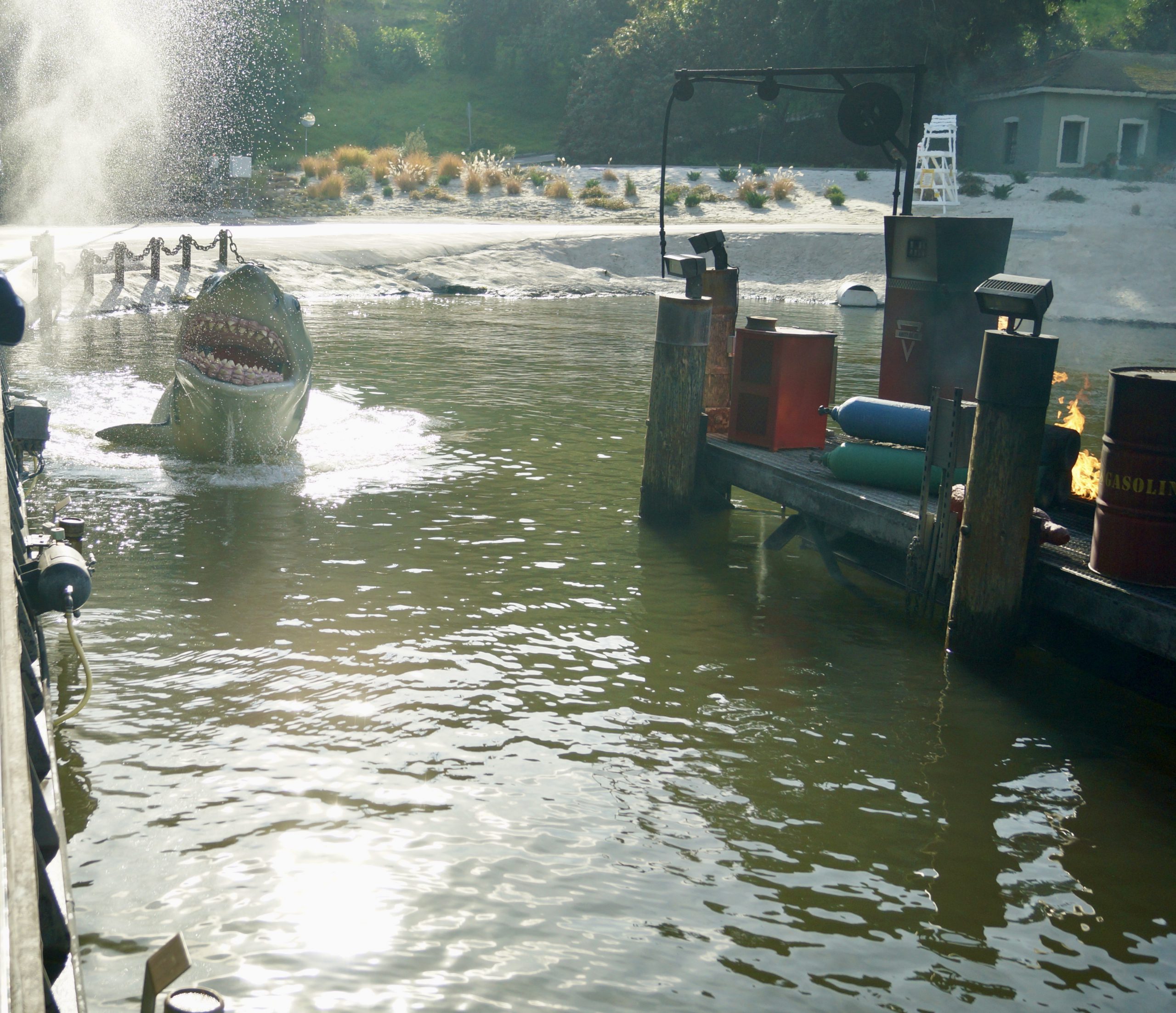
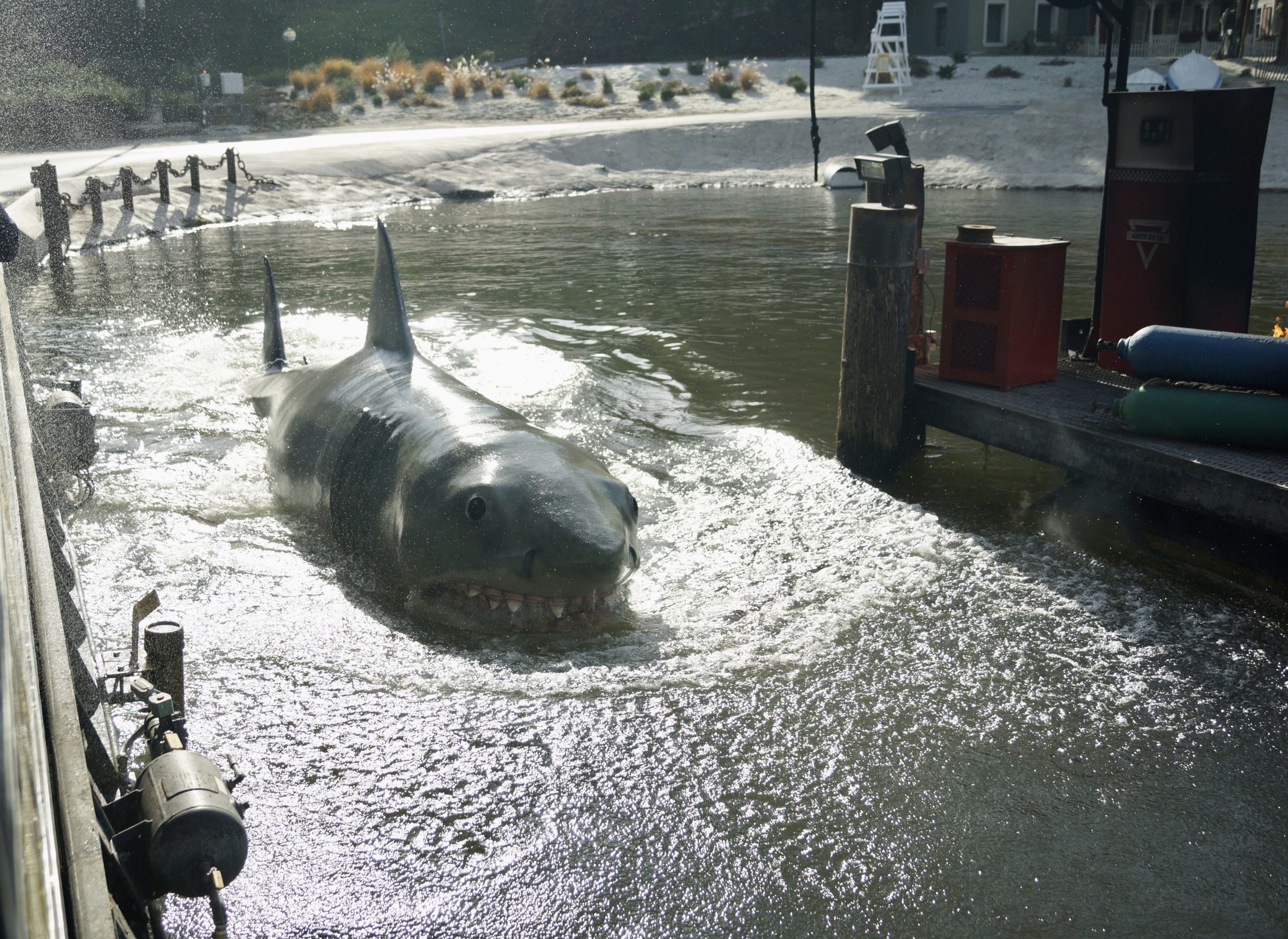
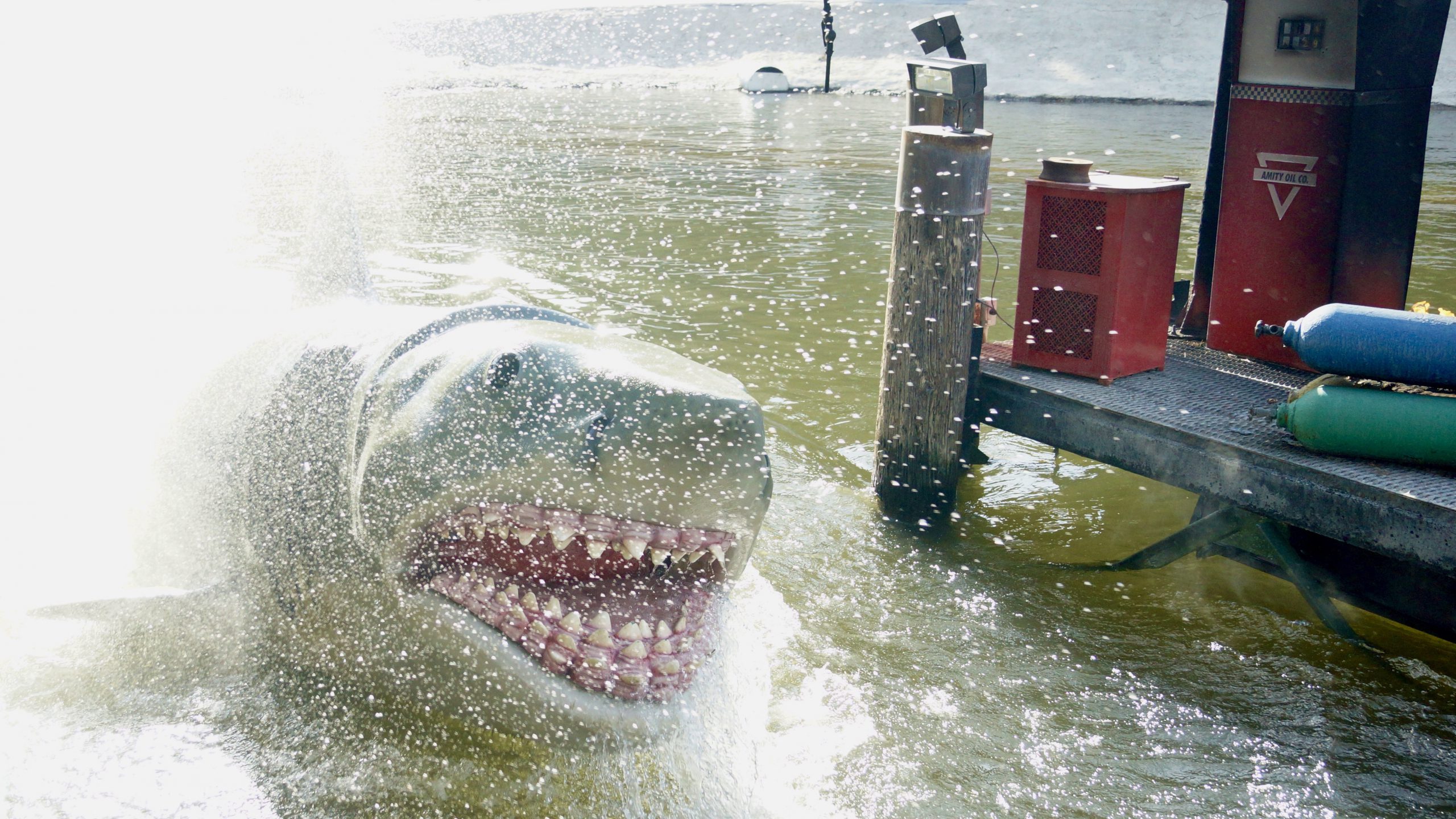
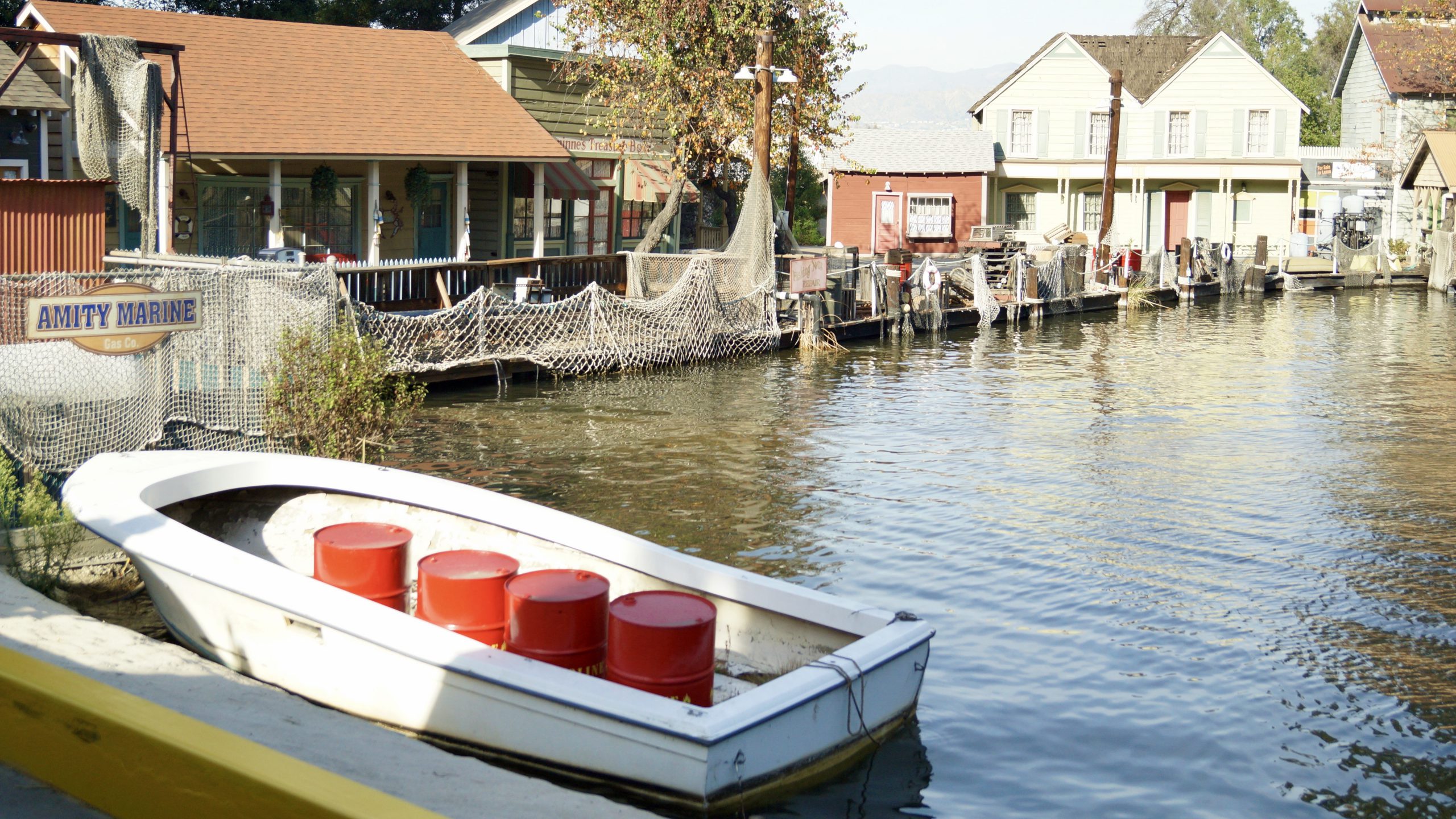
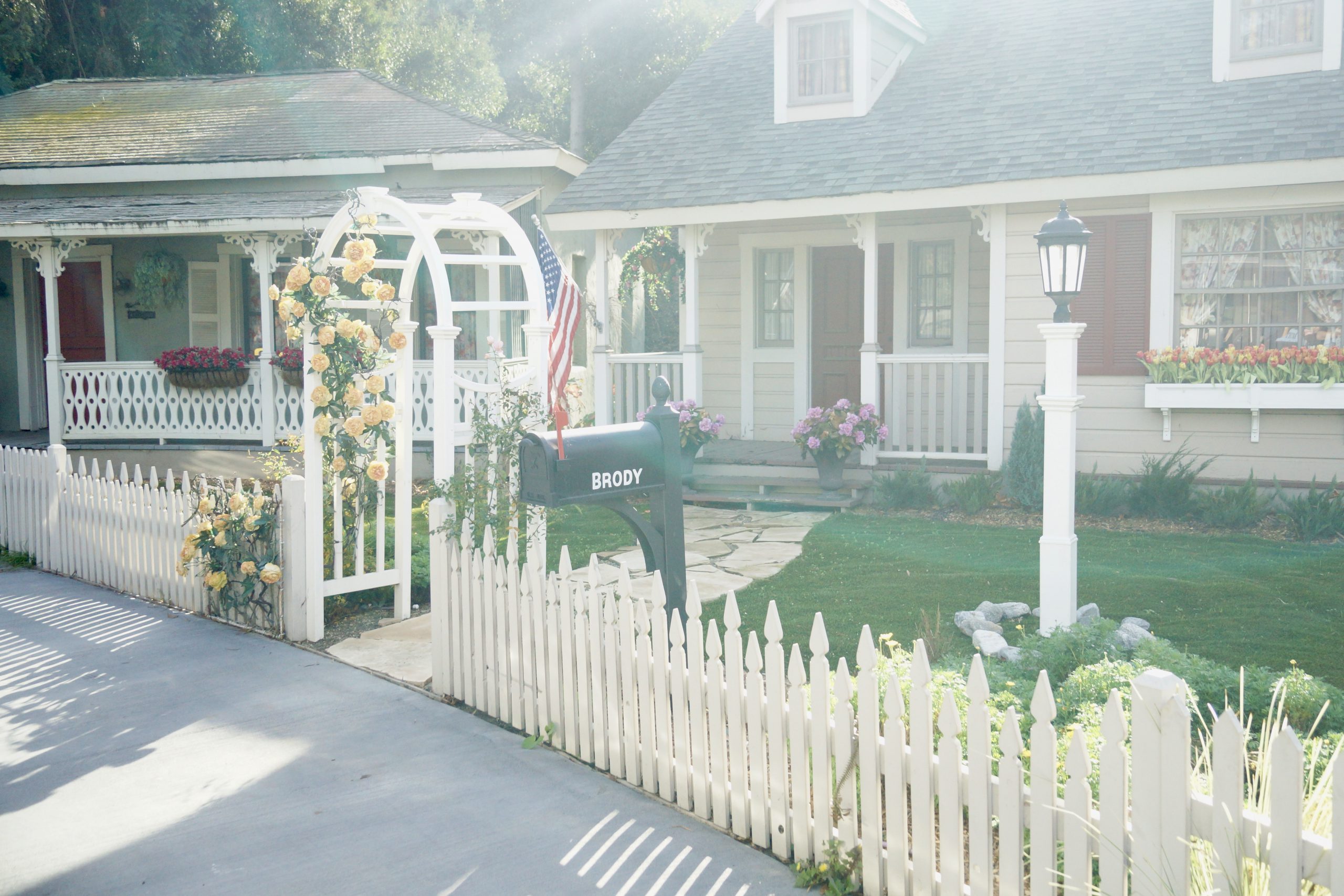
While at Universal Studios Hollywood it was a wonderful experience to take the movie set tour to see where all the movie magic was made. Here are some photos of the Jaws movie set tour. You might notice some familiar things from the movie.
Related Posts
International Spy Museum Army Cipher Device
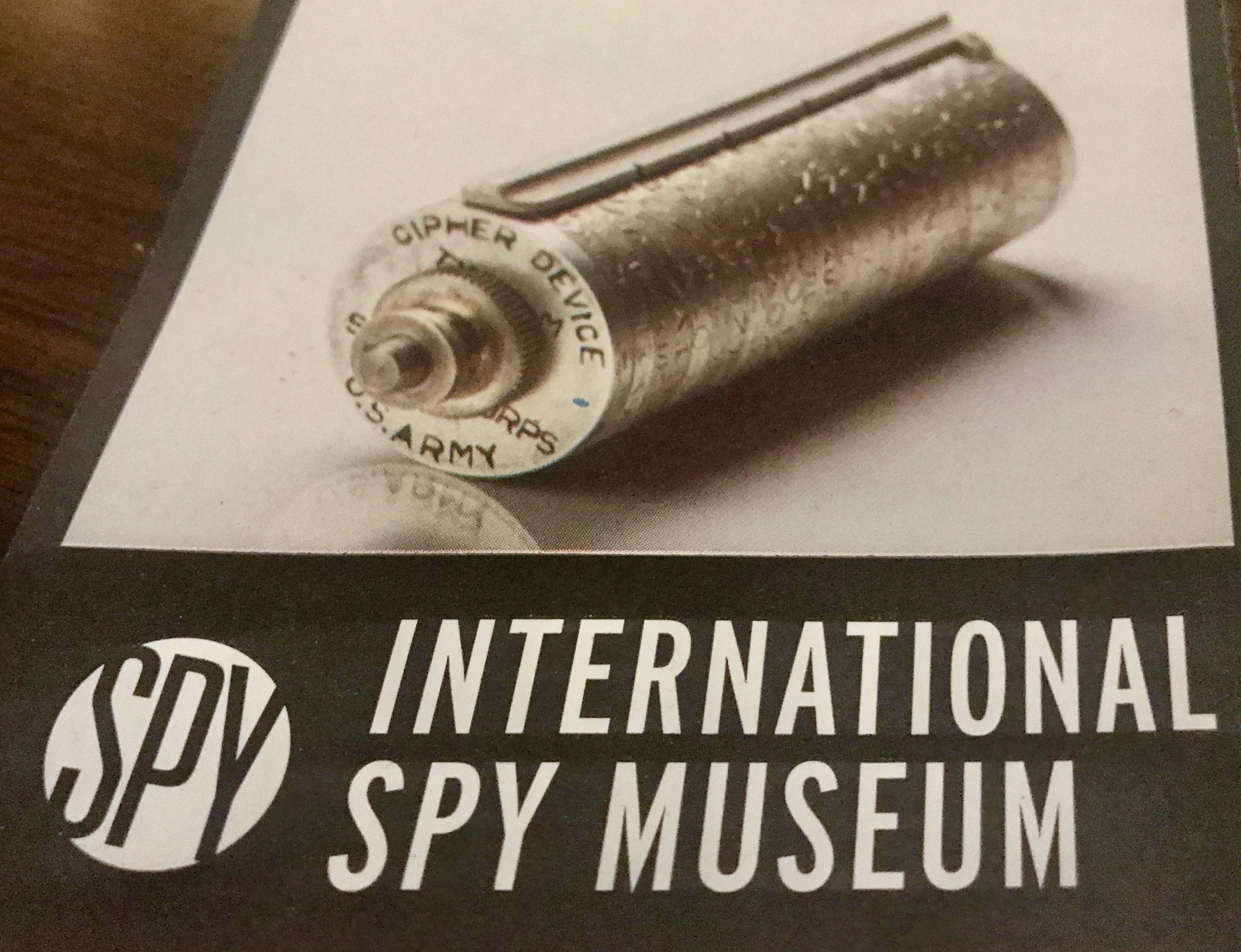
At the International Spy Museum located in Washington D.C. there are many interesting things that can be found. Here is a graphic depicting an Army cipher device.
Related Posts
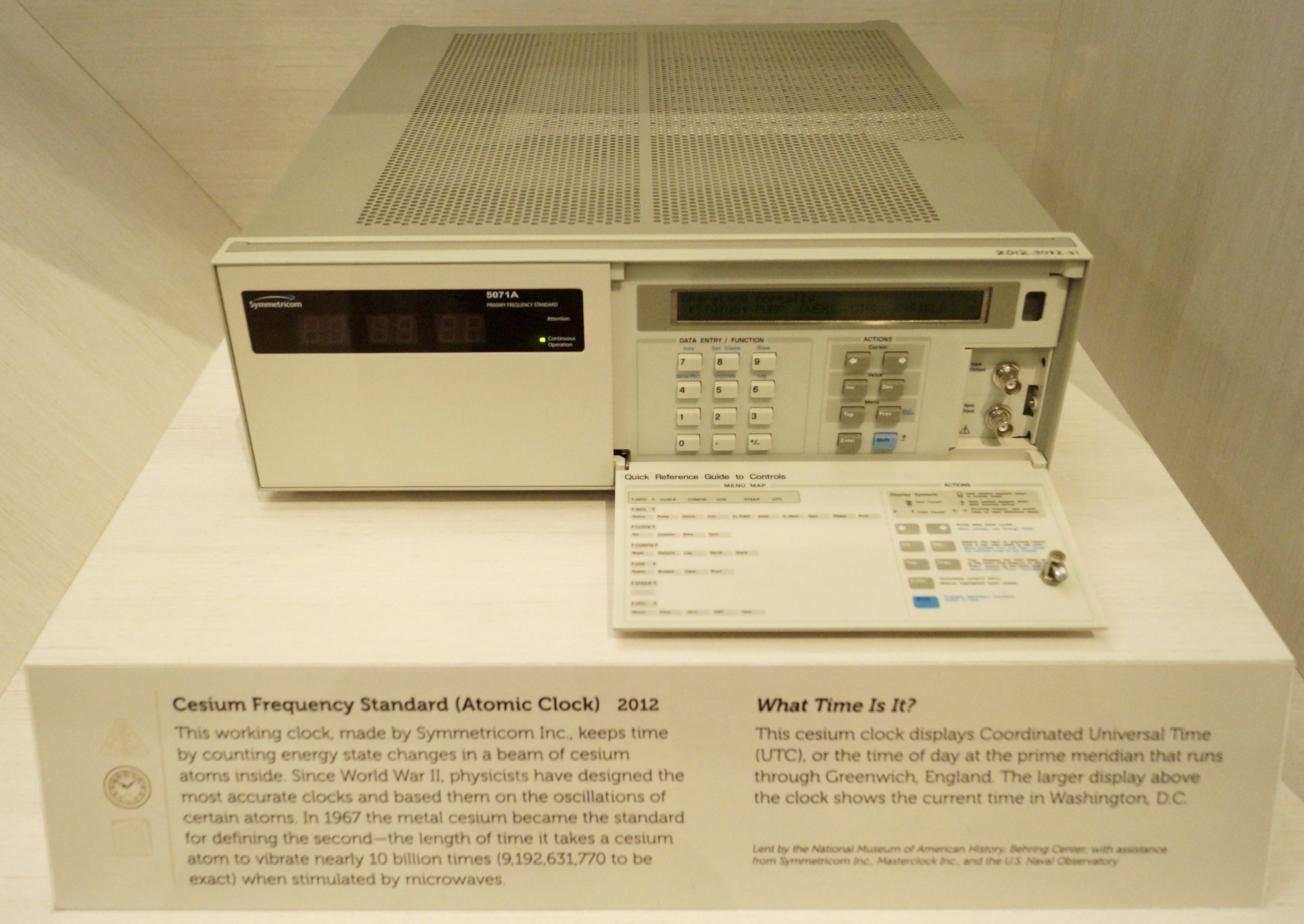
Cesium Frequency Standard Atomic Clock
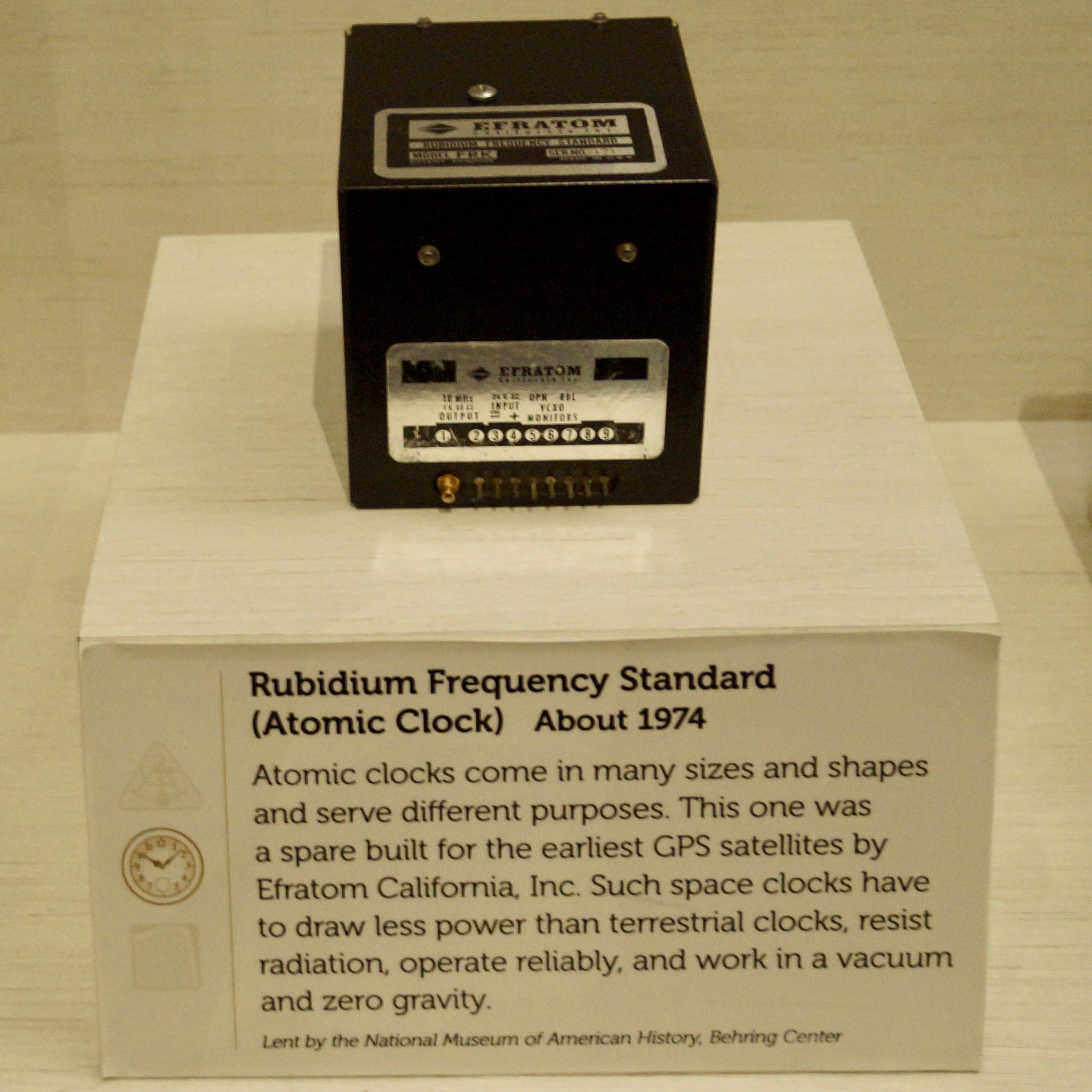
Rubidium Frequency Standard Atomic Clock
The Wright Brothers at the Smithsonian
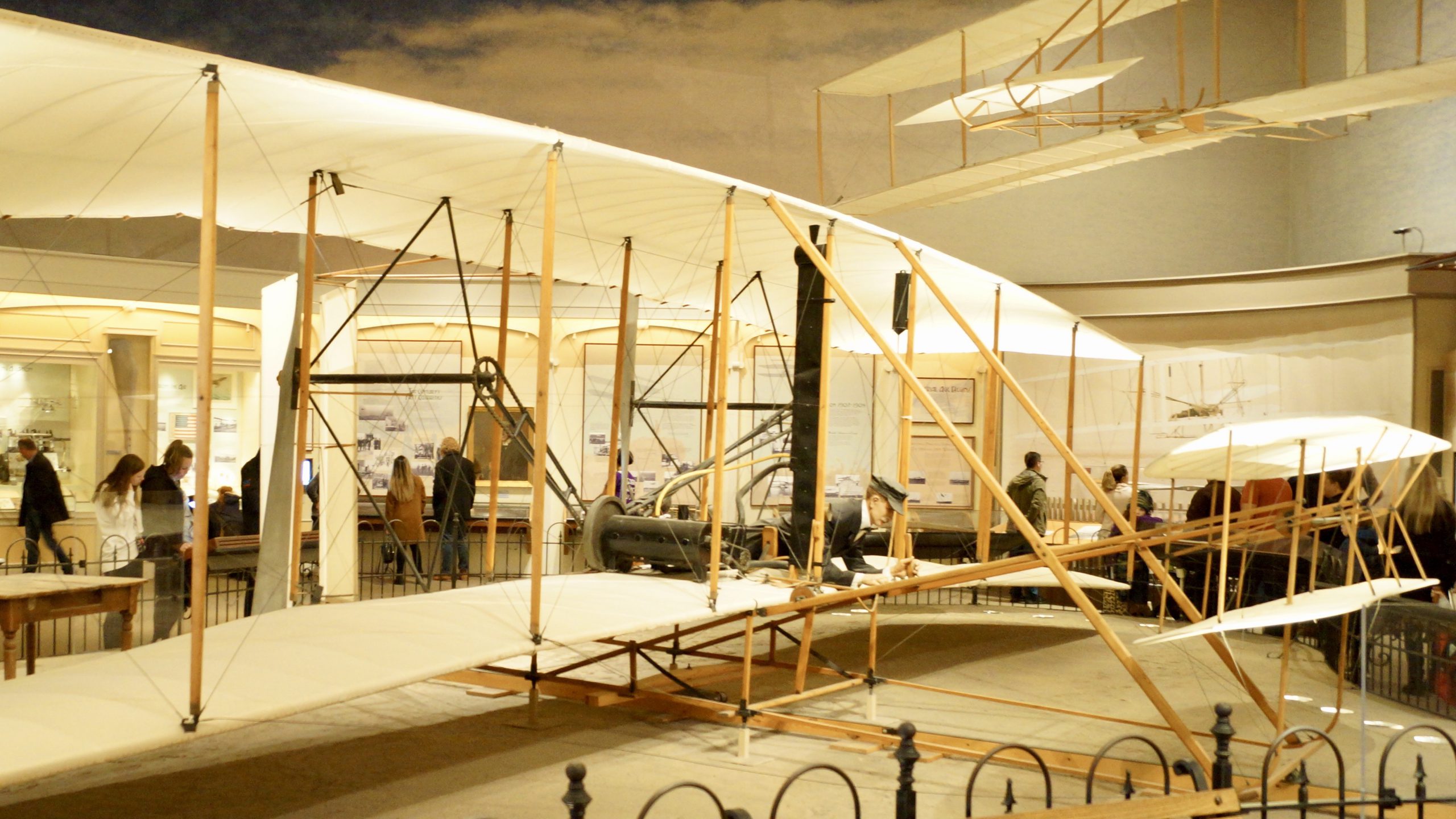
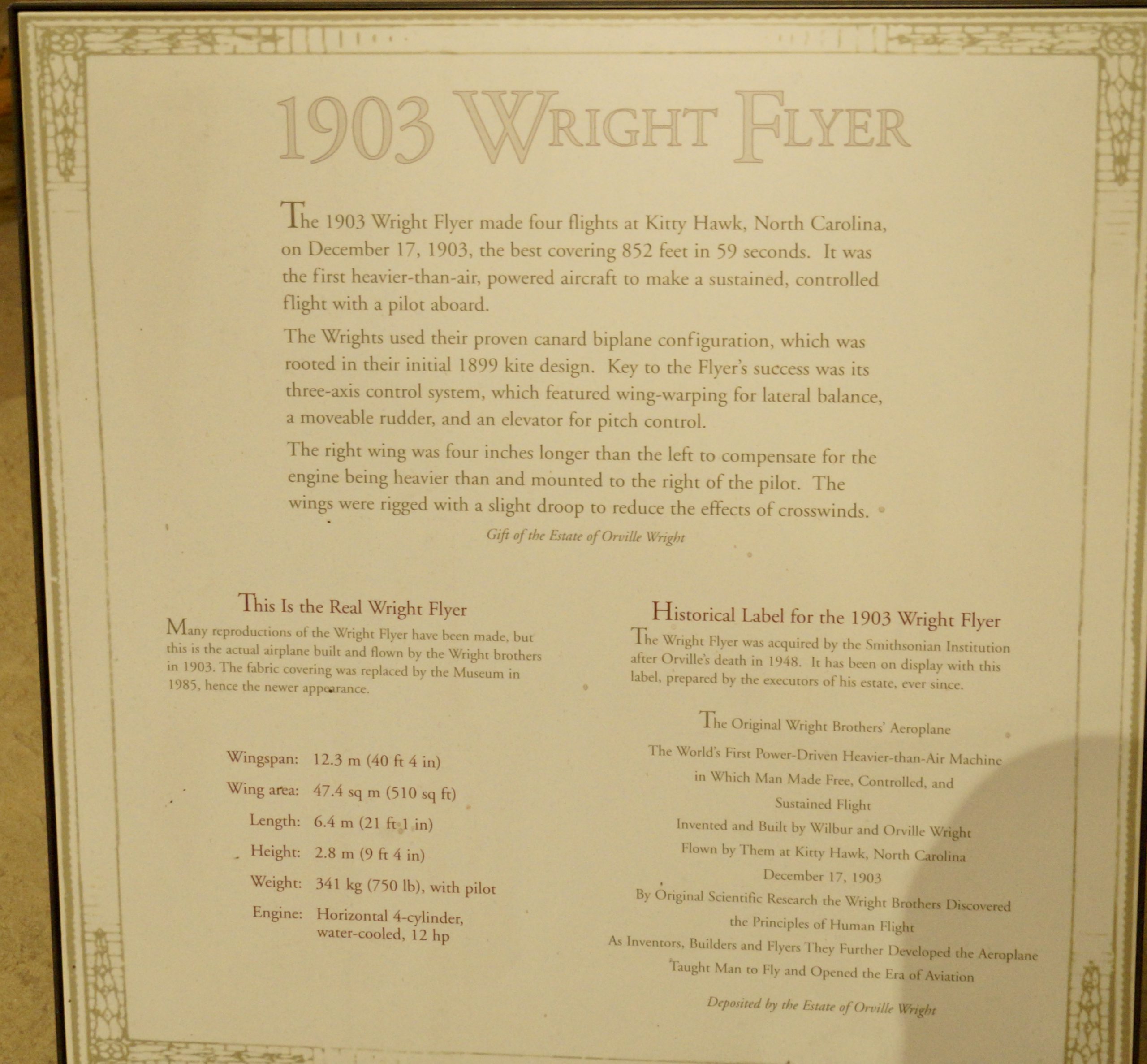
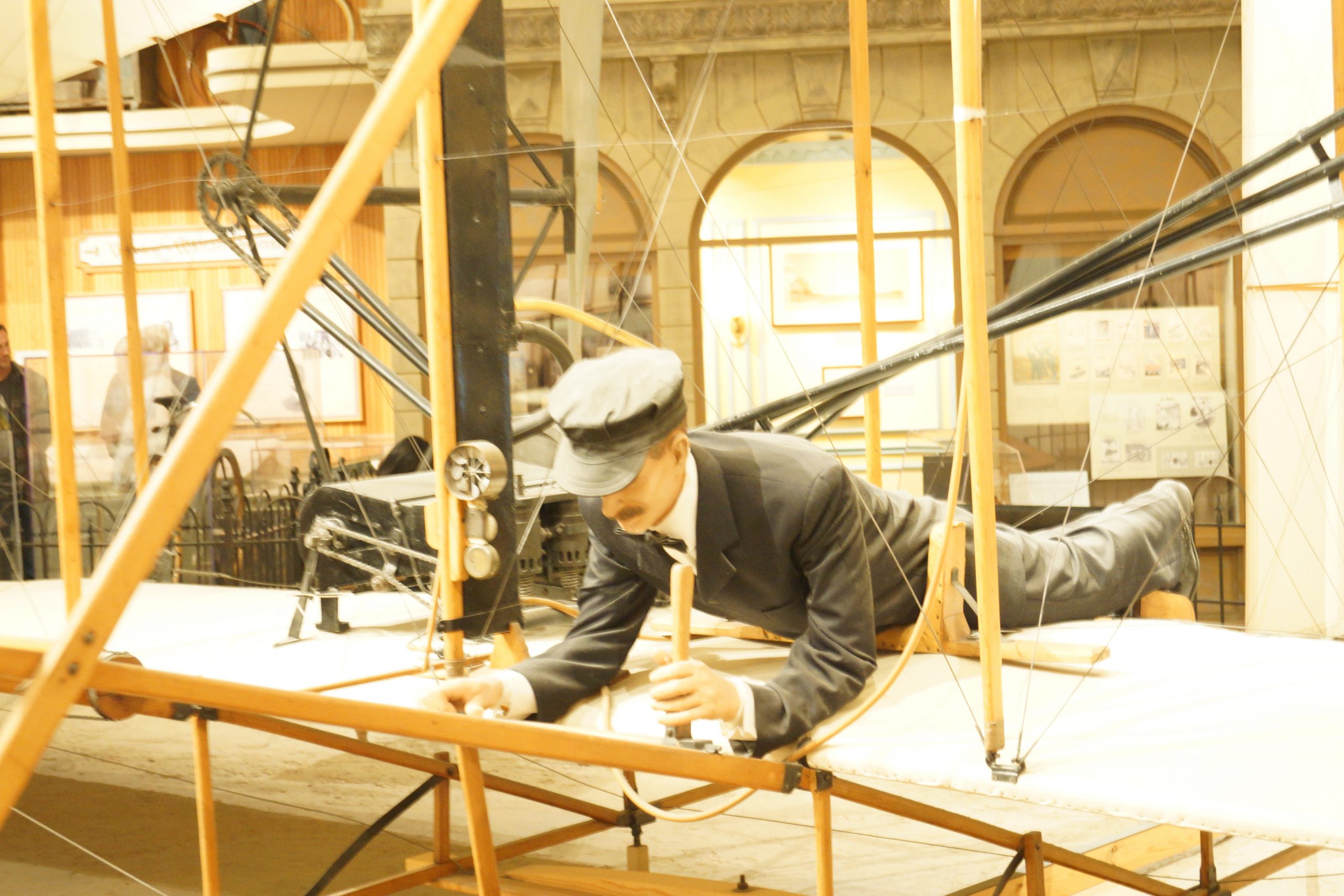
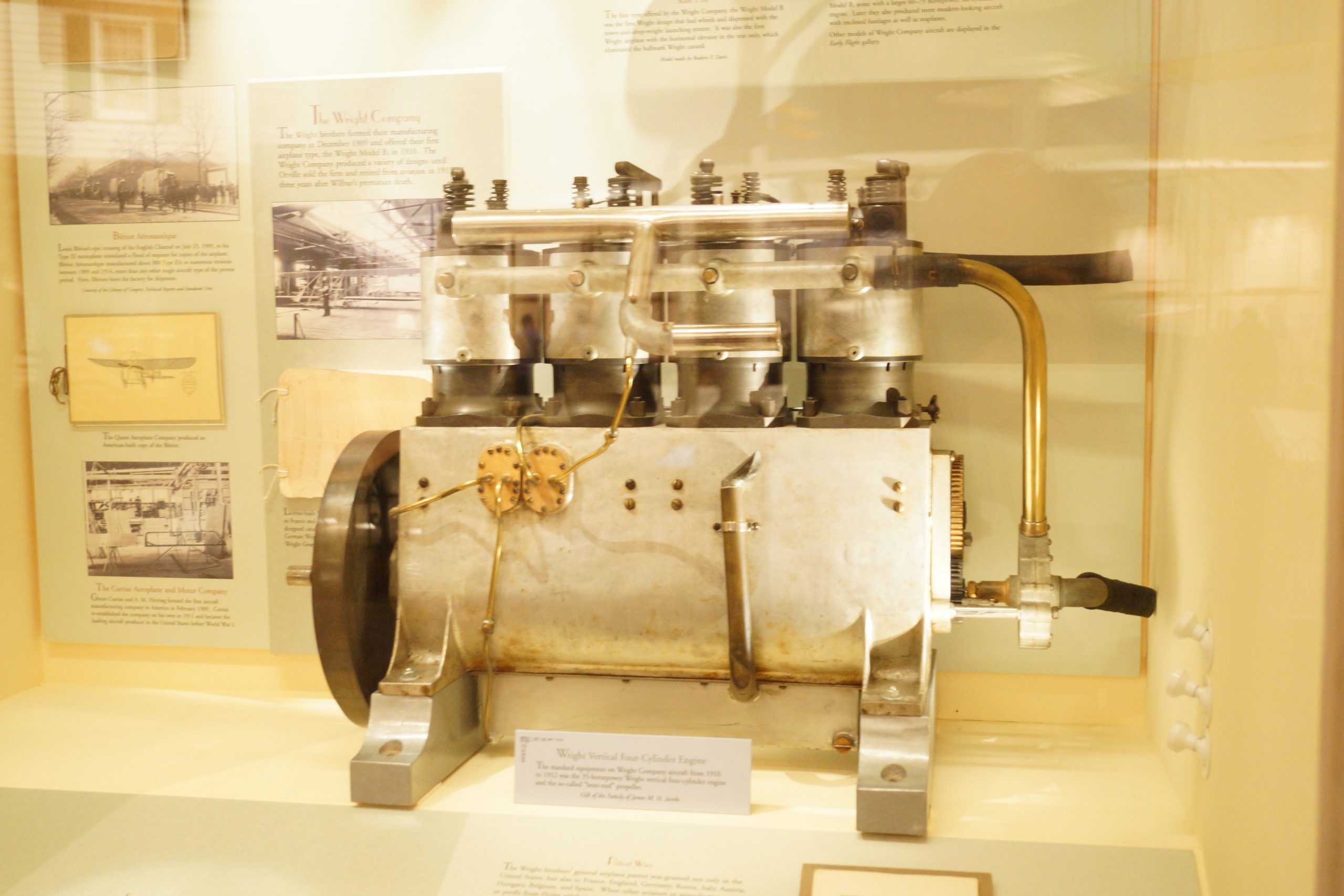
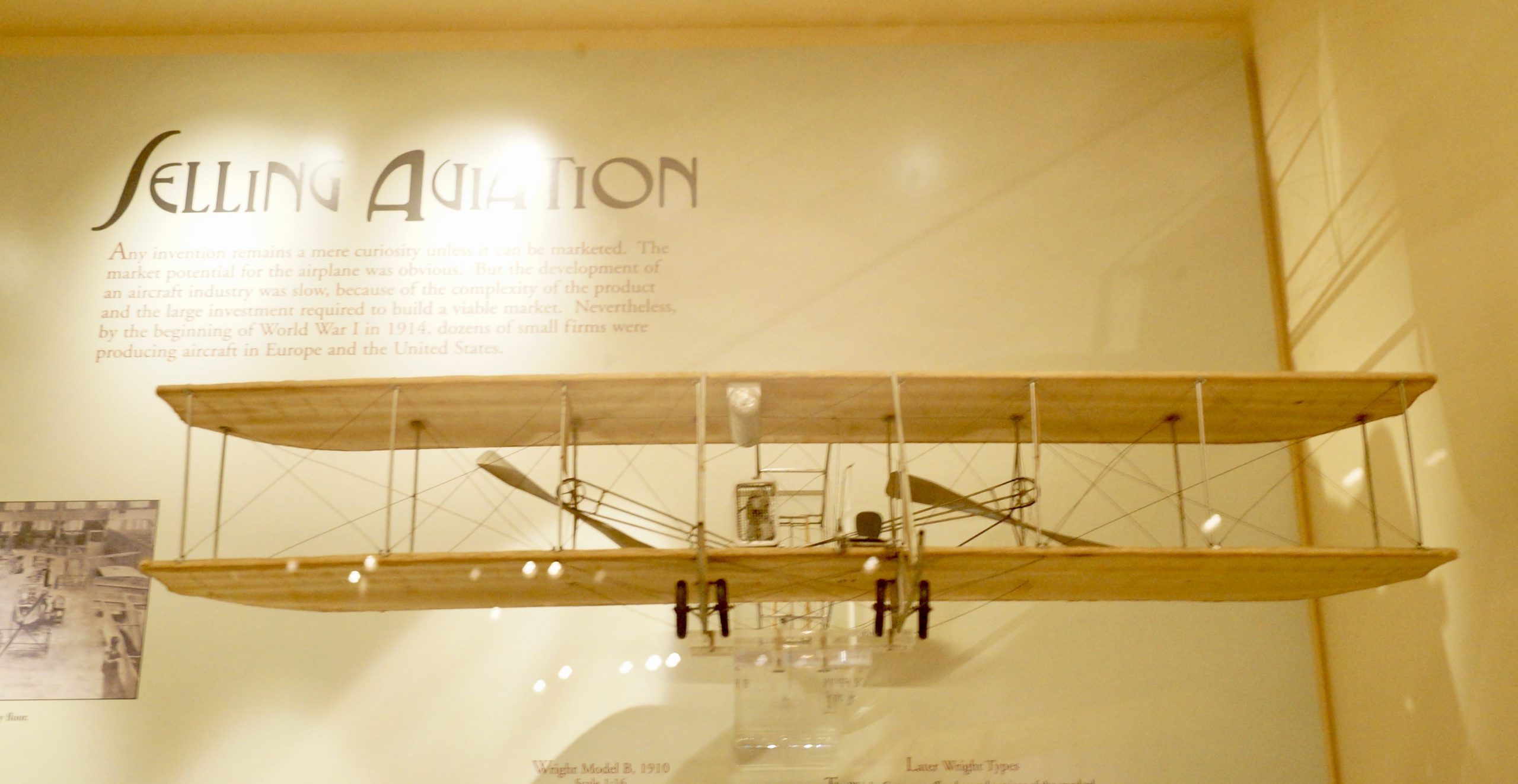
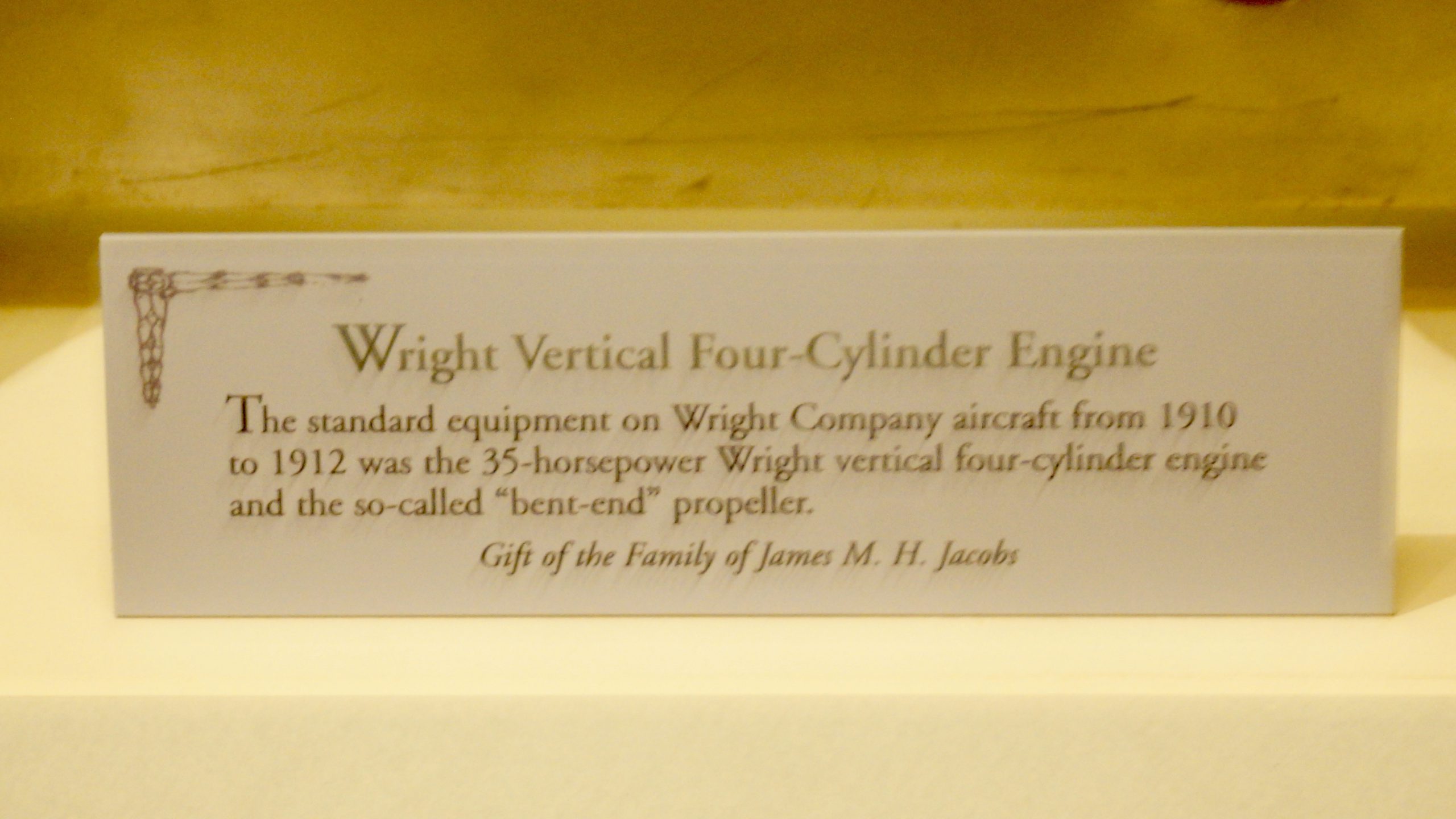
At the Smithsonian museum of air and space is an exhibit featuring the Orville and Wilbur Wright. The Wright brothers exhibit features the aircraft in which they first flew at Kitty Hawk, North Carolina and the vertical four-cylinder engine that powered their aircraft.