Latest Articles

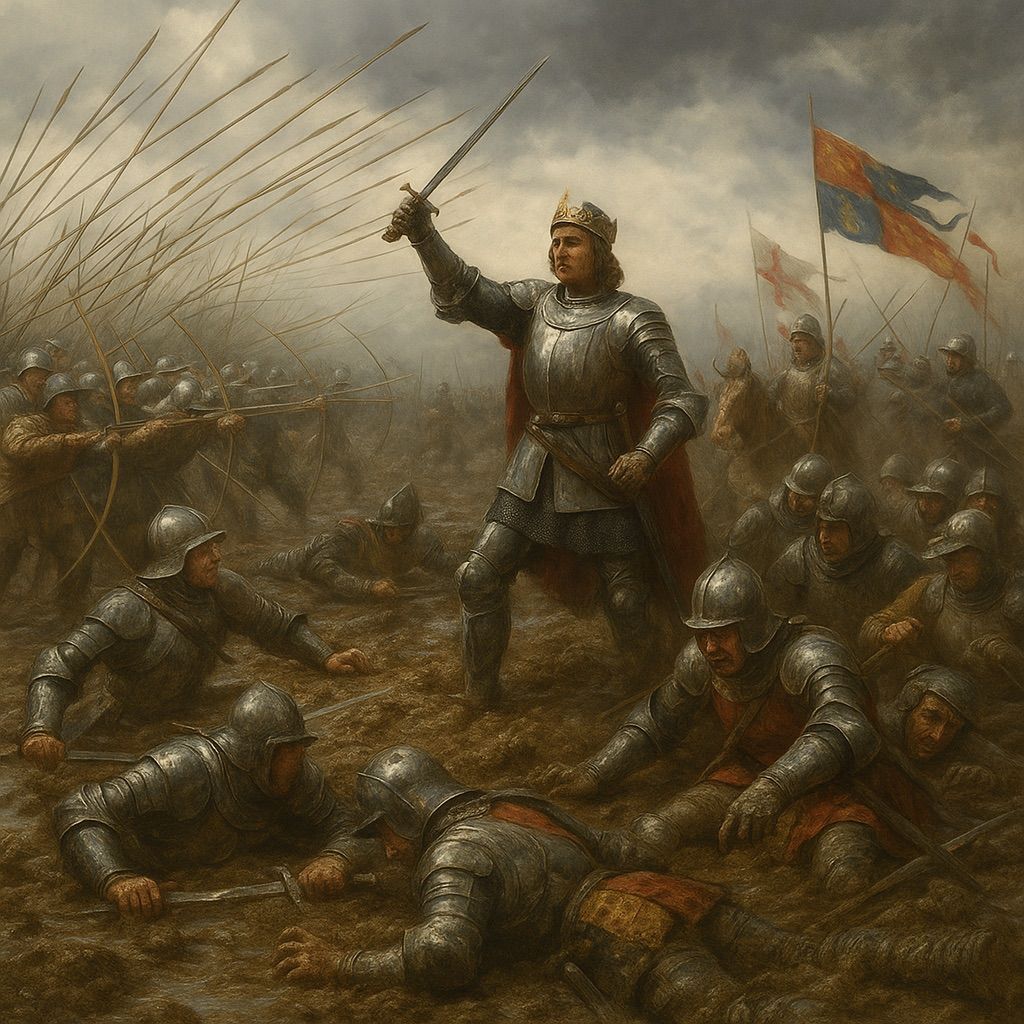
Mud, Arrows, and Destiny: The Battle of Agincourt

Elias Rowen

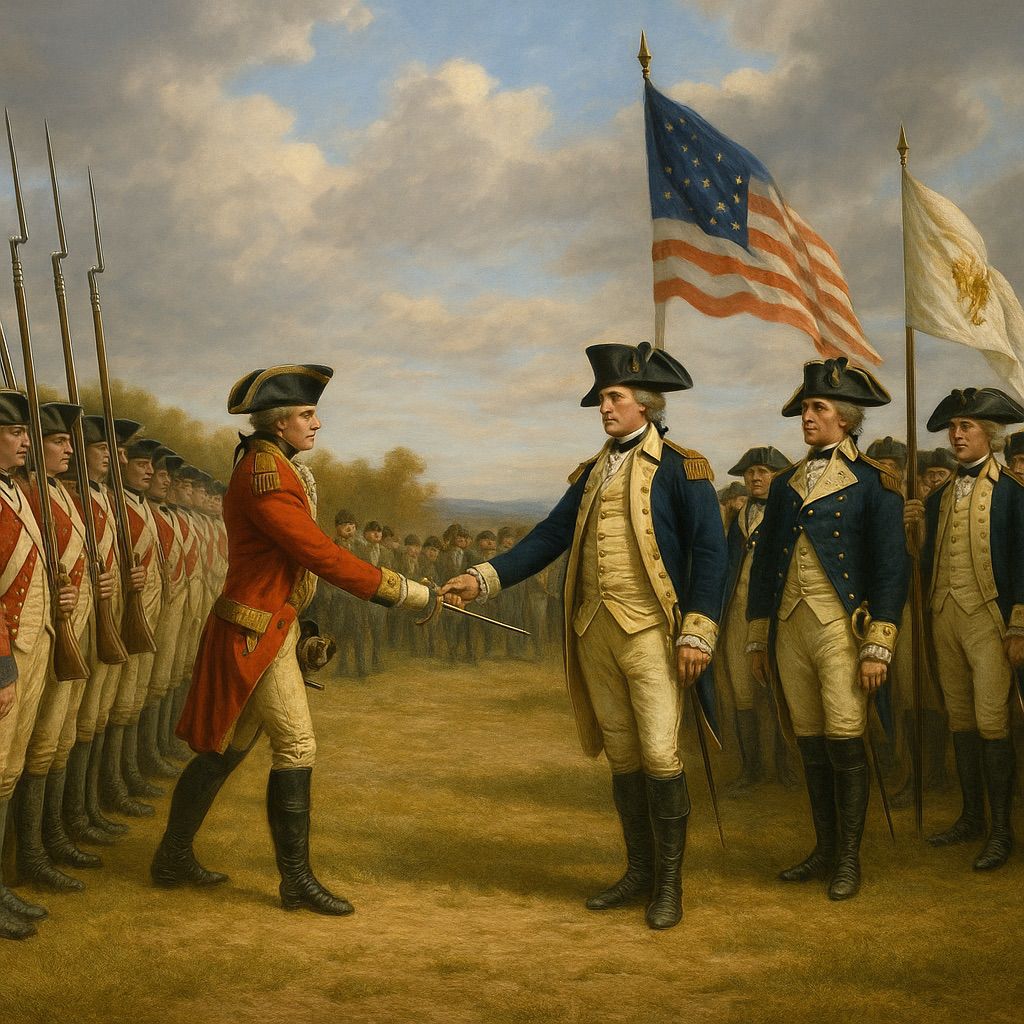
On October 25, 1415, in a sodden field in northern France, a weary English army faced annihilation. Outnumbered by French forces that outshone them in armor, wealth, and reputation, King Henry V’s men had every reason to despair. And yet, by the day’s end, the improbable had happened: the English, hungry, sick, and exhausted, had crushed their enemies. The Battle of Agincourt was not just a clash of swords and arrows—it was the triumph of strategy over arrogance, grit over glamour, and destiny over doubt. It became one of the most iconic battles in medieval history, celebrated in legend, immortalized by Shakespeare, and remembered as the moment when a young king carved his name into eternity.

The Hundred Years’ War had dragged on for decades, a bitter struggle between England and France over land, crowns, and pride. Henry V, newly crowned in 1413, sought to assert his claim to parts of France and to unite his divided kingdom under the banner of victory. His campaign of 1415 began with the brutal siege of Harfleur, but disease and attrition ravaged his army. By the time he marched inland toward Calais, seeking safe passage home, his force was reduced to perhaps 6,000 men—many weakened by dysentery and hunger. Waiting for him near Agincourt was a French army numbering anywhere from 20,000 to 30,000, bristling with knights, men-at-arms, and cavalry.

The disparity was staggering. The French, confident in their numbers and superiority, expected an easy slaughter. The English, hemmed in by exhaustion and mud, had little to rely on but discipline, tactics, and Henry’s leadership. Yet it was precisely these advantages that would turn the tide.

The battlefield itself played a crucial role. Narrow and hemmed in by woods, the field forced the massive French army into a bottleneck. Days of rain had turned the ground into thick mud, a quagmire that would trap heavily armored knights. Henry positioned his men wisely: longbowmen on the flanks, protected by sharpened stakes, and men-at-arms in the center. The English longbow, with its deadly range and armor-piercing power, was the great equalizer. Against waves of French cavalry and knights, the longbow would prove devastating.

At dawn on St. Crispin’s Day, Henry gave his men words that would echo through history. Shakespeare would later immortalize them in Henry V: “We few, we happy few, we band of brothers.” The king stood not above his soldiers, but among them, sharing their hunger, their sickness, their fate. For the English, the coming battle was not only about survival but about loyalty to a king who had shown himself one of them.

When the French advanced, the longbows sang. Arrows darkened the sky, raining death on knights and horses alike. The French cavalry faltered, their charges broken by stakes and mud. Then came the infantry, surging forward in waves. But the narrow field betrayed them. Pressed shoulder to shoulder, their armor dragging them down in the muck, they became easy prey for English arrows and counterattacks. Men stumbled, suffocated, were trampled by their own comrades. The flower of French nobility drowned in their own arrogance, buried in the mud of Agincourt.

By the end of the day, French losses were catastrophic. Thousands lay dead, including dukes, counts, and noblemen of the highest rank. English casualties were astonishingly light—perhaps a few hundred. The scale of the victory was so unlikely, so lopsided, that it stunned Europe. Henry V, the young king who had marched into France with little more than desperation, emerged as a warrior king, his reputation forged in blood and mud.

But to humanize Agincourt, one must imagine not just the kings and nobles, but the ordinary soldiers. The archer drawing his bowstring again and again until his fingers bled. The weary man-at-arms, armored but weak from dysentery, swinging his sword against a knight twice his size. The peasant conscript who had never seen France before, now watching princes die beside him in the muck. Their victory was not born of luxury or pride but of survival and solidarity. They fought because they had no choice, and in that necessity, they found destiny.

Agincourt became legend. For the English, it was proof that courage and discipline could topple the mighty. For the French, it was a humiliation, a wound to their pride that would take years to heal. For history, it was a reminder that wars are not always won by numbers or riches, but by leadership, terrain, and the human spirit’s refusal to yield.

October 25, 1415, was more than a battle. It was a moment when a king and his army defied the impossible, when mud and arrows toppled knights and crowns, when history bent toward the unlikely and the extraordinary. Agincourt endures not simply because it was a victory, but because it was a miracle of grit, strategy, and faith on a day when the world expected defeat.


Related Posts

Velvet Temptation: Why the Sexy Bunny Still Rules Halloween Nights

Dave

Every October, as the nights grow longer and the world prepares for its biggest masquerade, certain costumes emerge as timeless icons. Vampires stalk in velvet, witches sparkle in sequins, and devils strut in crimson, but one figure hops confidently into the spotlight, year after year, claiming her throne as one of the most enduring and viral costumes of all time. She is the Sexy Bunny—draped in a sleek bodysuit, adorned with playful cuffs, crowned with tall ears, and sealed with a soft little tail that winks at the world from behind. She is equal parts sophistication and seduction, humor and allure, innocence and boldness. She doesn’t need spells or fangs to captivate. With her velvet curves, her pointed ears, and her confident smile, the Sexy Bunny doesn’t just play Halloween—she owns it.

The costume’s power comes from its perfect balance of simplicity and impact. On the surface, it’s minimal: a bodysuit, cuffs, ears, tail. No elaborate props, no complicated makeup, no heavy fabrics. And yet, the effect is undeniable. The bodysuit frames the figure like a canvas, sculpting sleek lines that radiate confidence. The cuffs add just enough sophistication, playful nods to tuxedo elegance. The ears crown her head like a playful secret, a wink that says, I know exactly how much attention I command. And the tail? That’s the punchline, the detail that transforms allure into charm, sultry into playful. Together, these pieces create an image so iconic that it doesn’t need explanation. Everyone knows the Sexy Bunny when they see her, and everyone remembers her long after the night is over.

What makes the Sexy Bunny viral is the roleplay it inspires. Costumes thrive on Halloween not because of fabric, but because of story, and the Bunny carries one of the strongest narratives. She embodies contradiction: refined yet risqué, elegant yet cheeky, powerful yet playful. The woman who dons the costume becomes a character, someone who walks the line between sophistication and seduction, someone who knows how to laugh at herself even as she turns every head in the room. That character is endlessly fun to play, and endlessly fun to watch. On TikTok, she thrives in transformation videos, shifting from casual wear to ears and corset in a snap, the camera zooming as confidence floods the screen. On Instagram, she dominates feeds with full-body portraits that shimmer with charisma. On X, she trends every year as debates reignite: is she playful or powerful, innocent or seductive? The answer, of course, is both—and that ambiguity is what keeps her viral.

The adaptability of the Sexy Bunny is another key to her reign. Some choose the classic look: sleek black bodysuit, cuffs, bow tie, and iconic satin ears. Others glam her up with sequins, rhinestones, or vibrant colors, transforming her into a disco queen. Some lean minimalist, stripping the look down to sleek bodysuit and ears. Others exaggerate it, adding thigh-high boots, fishnets, or elaborate makeup. She can be styled vintage, like a pin-up pulled from the golden age of glamour, or modern, like a neon-lit goddess from a cyber club. The Sexy Bunny costume thrives because it’s endlessly customizable, always fresh, always relevant, yet always recognizable. No matter how it evolves, it always carries the same DNA: confidence, playfulness, and undeniable allure.

But beneath the sequins and satin lies something deeply human. The Sexy Bunny endures because she speaks to empowerment. She’s not about hiding—she’s about celebrating. She’s about stepping into a costume that doesn’t just look good but makes the wearer feel bold, radiant, and unapologetic. Halloween is the one night of the year where we can transform, where we can step into roles that amplify hidden parts of ourselves. For many women, the Bunny is that amplifier, the costume that says: I can be smart and sexy, funny and powerful, playful and confident—all at once. That empowerment radiates outward, charging every room, sparking admiration and laughter, inspiring envy and delight. The costume becomes more than fabric—it becomes a performance of self-confidence.

On social media, that confidence translates perfectly into content. The sleek lines of the bodysuit, the playful wiggle of the tail, the smirk framed by ears—all of it photographs beautifully, designed for virality. On TikTok, the Bunny thrives in lip-syncs, winks, and dances, hopping between humor and allure. On Instagram, she dominates in carousels—close-ups of makeup, playful ear adjustments, full-length portraits under neon lights. On X, she becomes a cultural talking point, sparking memes, jokes, and endless reposts. The Bunny is evergreen content, a costume that never fades because it’s always fresh, always fun, always memorable.

Halloween is about transformation, and the Sexy Bunny transforms the ordinary into extraordinary. She takes simple fabrics and accessories and turns them into an experience. She takes the playful innocence of an animal and fuses it with the boldness of glamour, creating something both familiar and surprising. She turns a person into a performance, a costume into a character, a night into a spectacle. And that’s why, year after year, she isn’t just present at the party—she defines it.

So when the music pulses and the strobe lights flicker, look around the room. Notice who commands attention without needing to shout. Notice who people are gravitating toward, who they’re laughing with, who they’re taking photos of, who they’re posting about online the next day. It will be the one in velvet, cuffs glimmering, ears standing tall, tail perched with perfection. That’s the Sexy Bunny. That’s the queen of playful contradiction. And that’s why, long after Halloween is over, she’ll still be hopping through feeds, trending across platforms, and living rent-free in memory.

Because the truth is simple: the Sexy Bunny doesn’t just wear a costume—she wears confidence. She doesn’t just play Halloween—she owns it. She doesn’t just attract attention—she deserves it. And that’s why she’ll always reign, golden tail and all, as one of the most viral icons of October 31st.

Related Posts

The Hungry Dead of Germany: The Tale of the Nachzehrer

Dave

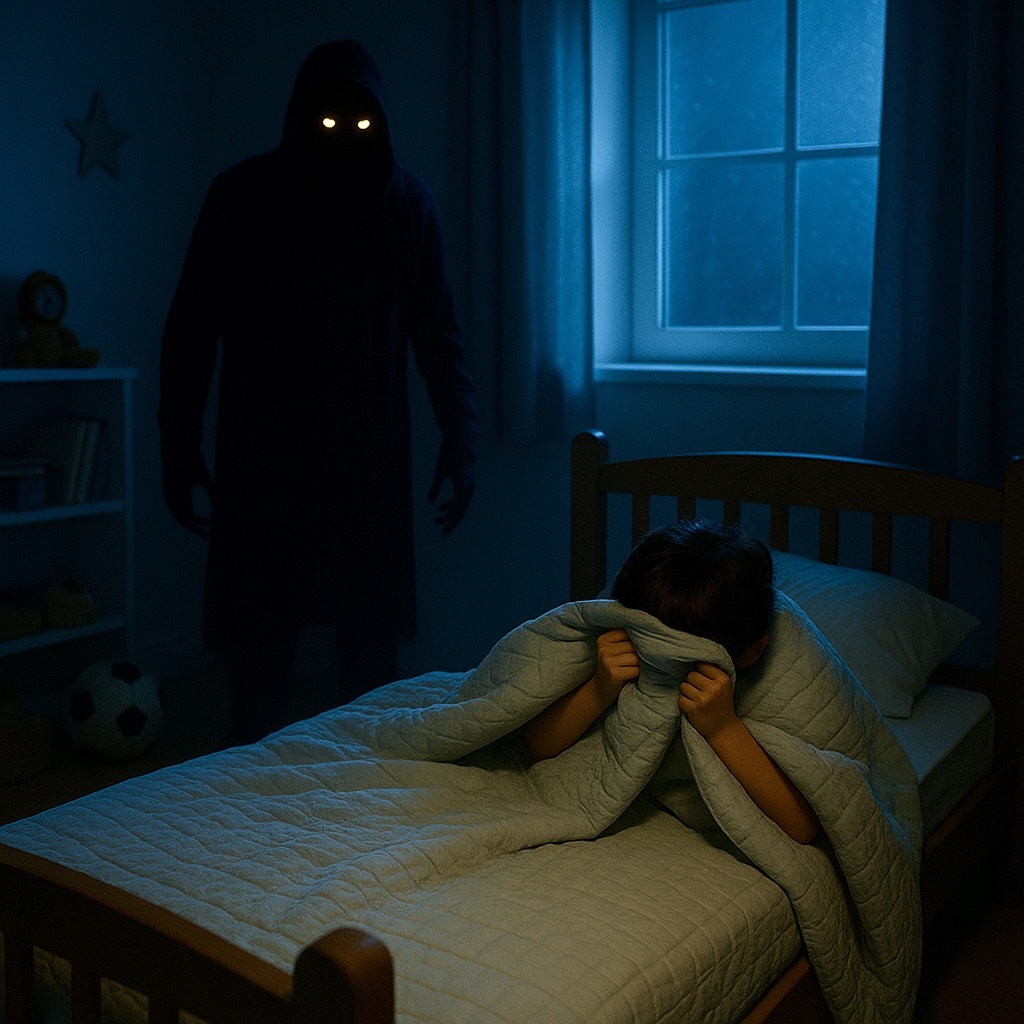
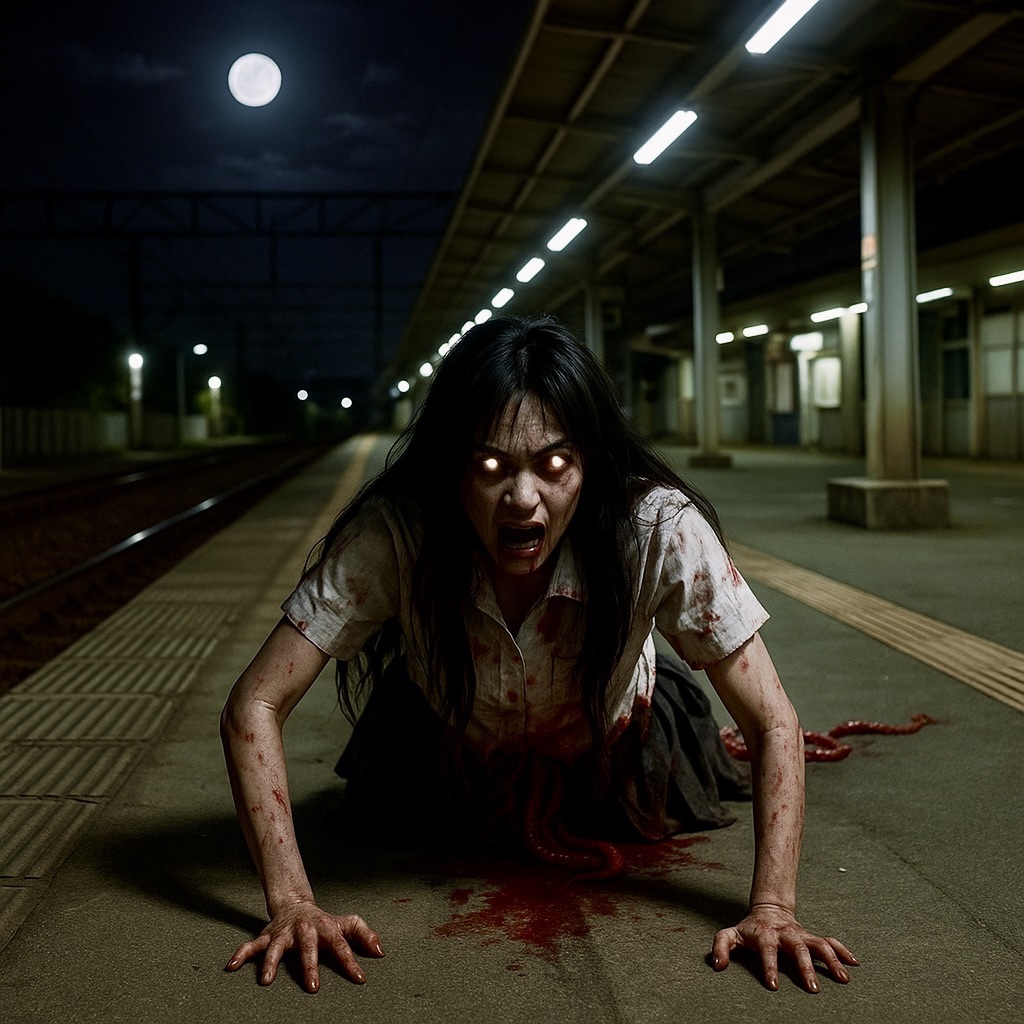
Legends tell us that the dead rest peacefully in their graves, sealed away from the world of the living. Yet in Germany, whispers in the dark claim that not all corpses stay quiet. Some stir in the soil, not to rise and walk like the vampires of Transylvania, but to consume life itself from the cold cradle of their grave. This creature is the Nachzehrer, a ghoul born not of hunger for flesh but of a twisted, invisible thirst that reaches beyond the grave. Unlike the elegant bloodsucker who slips into the night to seduce victims, the Nachzehrer remains buried, chewing its own shroud or gnawing on its own flesh, and in doing so, drains the vitality of its family, neighbors, and village. It is a monster of silence, a predator of proximity, a parasite whose grave becomes a gateway to the suffering of the living.

The very name “Nachzehrer” translates roughly to “after-devourer,” a chilling hint at its nature. In folklore, it is not a creature that attacks with claws or fangs, nor one that stalks under the moon. Instead, the Nachzehrer feeds in stillness. The idea was simple yet terrifying: if a corpse begins to chew its burial shroud, it siphons life from the people it once knew. Every bite, every grim chew of fabric or flesh, sent death rippling through the family, causing wasting sickness, sudden illness, or unexplained demise. Villages would blame epidemics and plagues not on poor sanitation or disease—concepts not yet understood—but on the hidden, hungry corpse beneath the soil. And in that ignorance grew a powerful mythology: a person could die, yet still kill.

To imagine the Nachzehrer is to picture the most disturbing inversion of death’s promise. We expect burial to be the end of suffering, the drawing down of a curtain. Yet this myth insisted that death could be a beginning of a new horror. The ghoul was said to awaken in its coffin, bloated and grotesque, chewing with relentless purpose. Some accounts claimed that while it fed, a ghastly noise—almost like the sound of chewing or sucking—could be heard in the cemetery at night. Families living near graveyards swore they heard their lost loved ones “eating” the silence, gnawing at their connection to the living. The legend took on the flavor of desperation, as communities, struck by illness, searched for something tangible to blame.

The Nachzehrer was no elegant aristocrat wrapped in velvet cloaks. It was the very antithesis of beauty. Descriptions painted it as pale, bloated, and revolting, the skin discolored with death. Sometimes, its face was contorted, mouth working endlessly at its own burial cloth. Unlike vampires who stepped into the world of the living, it remained buried, sending out its deathly influence without ever leaving the grave. There was something uniquely terrifying about this: you could not lock your doors or stay away from crossroads. The enemy was not outside your home but underneath your feet, in the earth, already waiting.

But how did one become a Nachzehrer? Folklore is often born out of fear of the unexplained, and this legend was no exception. People who died in unusual or violent ways were considered candidates. Suicide victims, those who perished in accidents, or even individuals suspected of witchcraft could all become Nachzehrer. Sometimes, those who died during epidemics were automatically feared as the source of lingering death. In some traditions, the first to die in a plague was thought doomed to feed in its grave, continuing the outbreak by gnawing away from beneath the soil. The Nachzehrer was, in this sense, both a mythic scapegoat and a cultural attempt to understand why death could spread like wildfire.

The methods to stop a Nachzehrer were as gruesome as the legend itself. Villagers, desperate to halt mysterious deaths, often resorted to exhuming corpses. Signs of bloating or blood around the mouth—common results of natural decomposition—were read as evidence of ghastly feeding. To neutralize the creature, drastic measures were taken: decapitation, burning, or staking the corpse through the chest. In some regions, the shroud itself was targeted. If the corpse was chewing the cloth, villagers would place a stone or coin in the mouth, or remove the shroud entirely. Others went further still, hammering nails through the skull or stuffing the mouth with soil to stop the chewing. These rituals, horrifying to us today, represented the desperate attempts of ordinary people to regain control in the face of illness and mortality.

At the heart of the Nachzehrer legend is the concept of invisible death. Unlike vampires, who must be invited in, or werewolves, who can be hunted by moonlight, the Nachzehrer was unstoppable in its simplicity. It did not need to move, did not need to fight, did not need to charm. It fed by existing in its grave, bound by death yet horrifyingly alive in its hunger. This invisible threat mirrored the invisible nature of disease itself. When villages were struck by tuberculosis, plague, or cholera, the unseen hand of death was explained through the unseen chewing of the Nachzehrer. Folklore filled the void where science had not yet arrived.

And yet, in its horror, there is a strange poetry. The Nachzehrer reflects our deepest fear—that death is not an end, but a continuation of suffering. The corpse becomes an extension of the grief it leaves behind, a parasite not only on life but on memory. Families mourning their loved ones might also fear them, wondering if each new cough or fever was the echo of chewing in the grave. In this way, the Nachzehrer was not only a monster but a mirror, forcing communities to confront the fragile boundary between the living and the dead.

Even today, the Nachzehrer fascinates because it speaks to timeless human anxieties. It is not the stranger who comes from the outside, but the loved one who remains a threat. It transforms grief into suspicion and mourning into terror. In modern culture, we see shades of it in zombie stories, where the familiar face of a loved one becomes a predator. We see it in our own struggles with invisible threats, from pandemics to the creeping fear of what we cannot see but know is there. The Nachzehrer endures because it touches something primal: the idea that even when buried, the dead can still reach us.

In retelling this German legend, we are not simply indulging in a ghost story. We are tracing the evolution of human fear. Before microscopes revealed germs and viruses, before medicine explained contagion, the Nachzehrer explained the inexplicable. It gave form to invisible terror, wrapped it in a shroud, and buried it in the graveyard. But like all great myths, it lingers, reminding us that the scariest monsters are not those who stalk in the night, but those we cannot see—those who exist where we think safety lies. The Nachzehrer is not just a corpse-ghoul. It is a story about helplessness, about loss, and about how we invent monsters to survive our own fear of death.

And perhaps that is why this story, even now, on an October evening centuries later, still chills the spine. For when the wind rustles leaves in a graveyard, when silence hangs heavy in the air, we wonder—do we hear the earth shifting? Do we hear the soft chew of fabric beneath the ground? Or is it only the echo of our imagination, ancient and eternal, reminding us that death is never as simple as we hope it to be?

Related Posts

Smashing Pumpkins Illuminate Bahrain with Timeless Sound

Elias Rowen

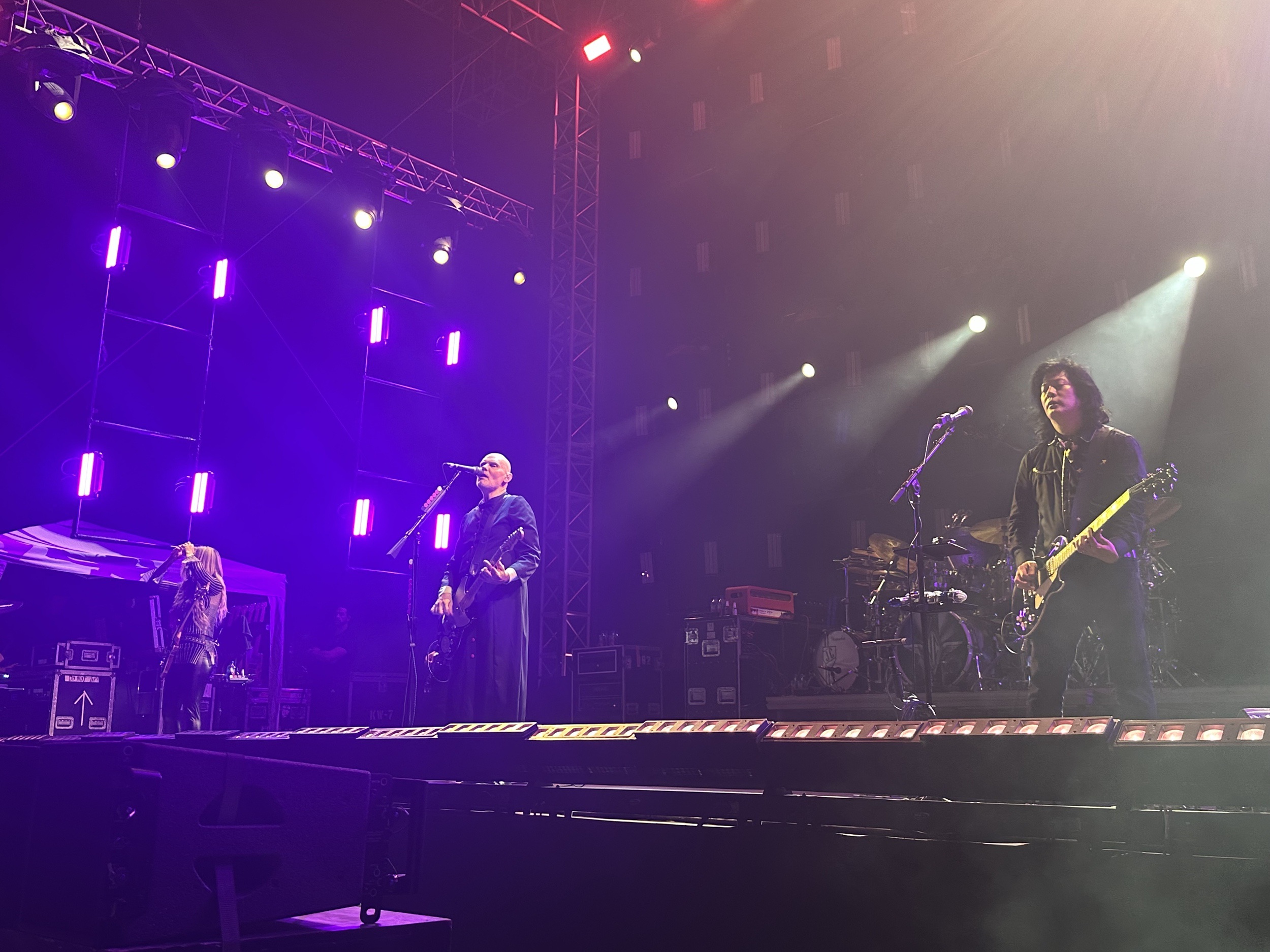
The night was warm, humid, and heavy with the scent of salt carried on a faint sea breeze. Above, the full moon hung low and luminous, watching over the thousands who gathered, its pale light washing over the stage like a celestial spotlight. The temperature didn’t seem to bother anyone — sweat clung to faces, shirts stuck to skin, but the atmosphere was electric, alive, feverish. Fans had begun lining up hours before gates opened, and by the time the first lights dimmed, the anticipation was tangible. When the Pumpkins finally took the stage, the crowd erupted with a sound that matched the magnitude of the night — a roar that could have been heard across the bay.

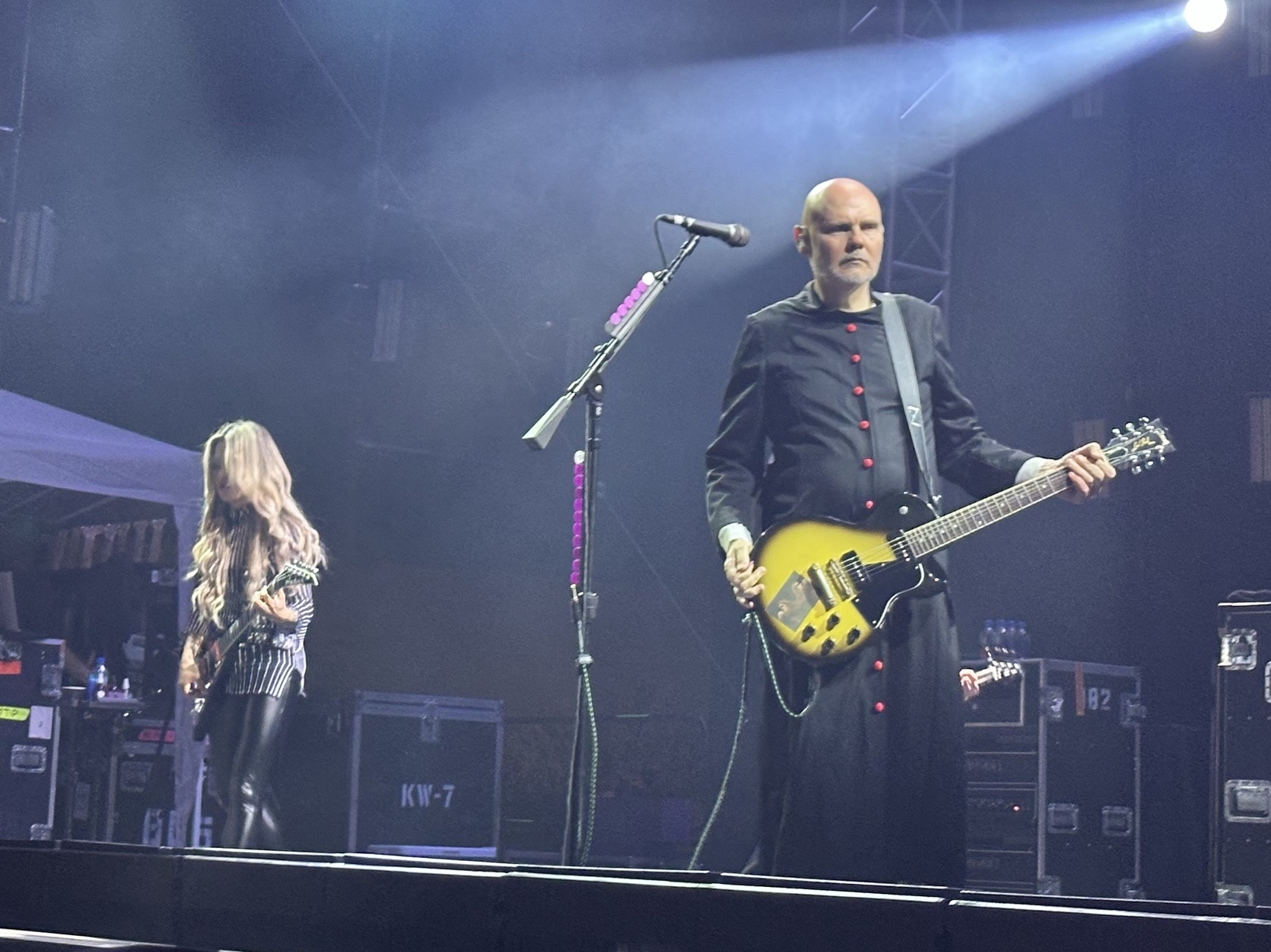
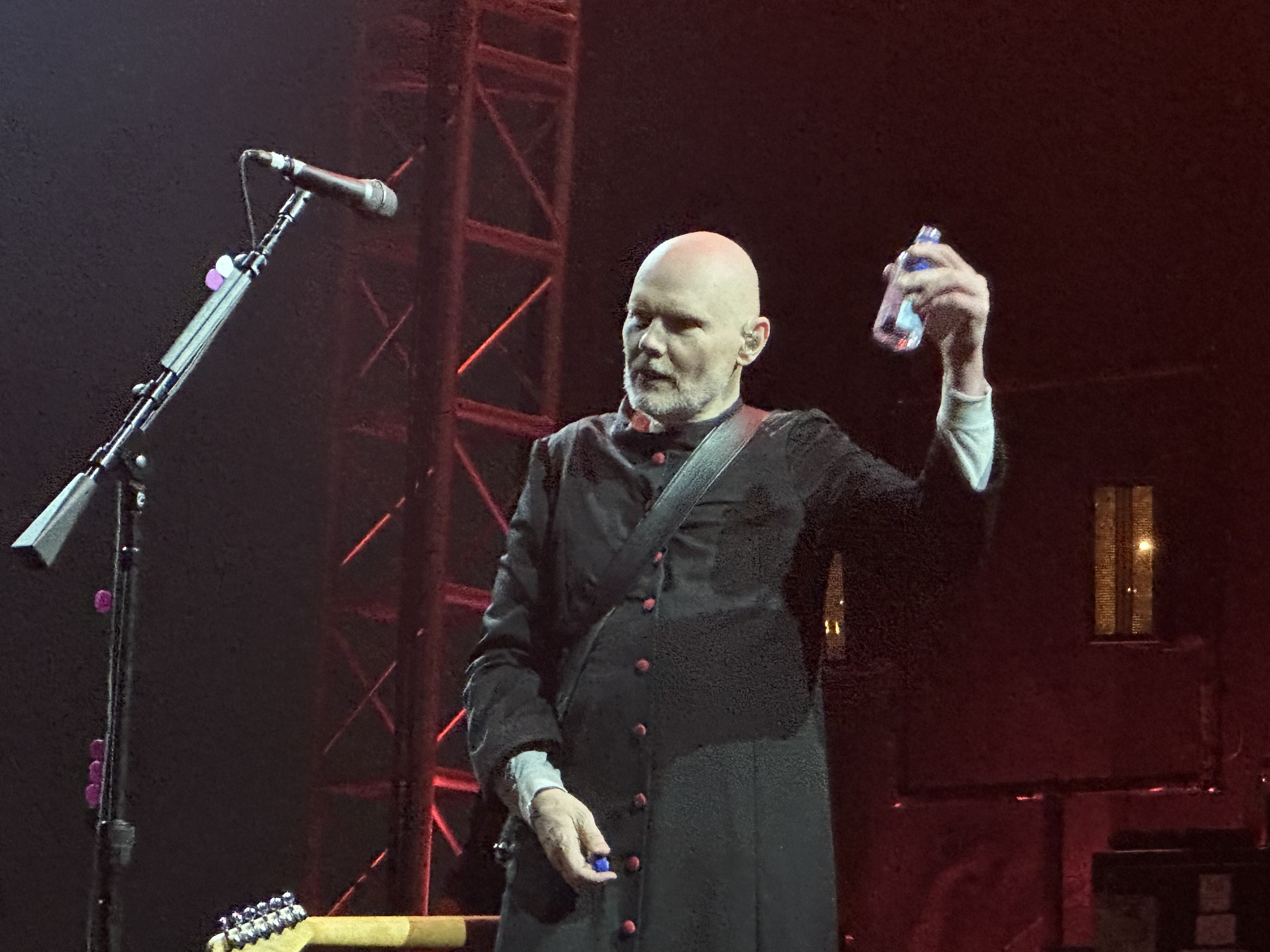
Billy Corgan emerged first, dressed in his trademark black attire — minimalist, austere, yet commanding. His presence was spectral and magnetic, his shaved head reflecting the stage lights as if he were some high priest of distortion. For decades, Corgan has been a man of contradictions — introverted yet outspoken, philosophical yet blunt, fragile yet indestructible. On this night, he seemed deeply aware of where he stood: on a stage thousands of miles from the Chicago clubs where the Smashing Pumpkins had first found their sound, now performing in the heart of the Middle East, before a crowd that spanned generations. He paused for a brief moment, looked up at the moon, and smiled faintly before gripping his guitar and launching into the opening chords of “Cherub Rock.”

The amphitheater exploded. The guitars roared with that unmistakable Pumpkins texture — layers of fuzz, shimmering harmonics, and that swirling wall of sound that could only come from their hands. The audience sang along to every word, the sound of thousands of voices bouncing off the amphitheater’s stone surfaces, mingling with Corgan’s nasally snarl: “Freak out, give in, doesn’t matter what you believe in.” Bahrain, for one night, believed entirely in that sound.

Standing just to Corgan’s left, James Iha looked effortlessly cool, as he always does — his black hair falling just right, his demeanor calm and collected. Iha has always been the band’s quiet anchor, the yin to Corgan’s fiery yang. His guitar tone shimmered with precision and elegance, his harmonies weaving through Corgan’s leads with the ease of decades spent side by side. Every so often, he turned to the audience, offered a sly smile, and nodded in rhythm, his understated stage presence commanding in its serenity. For fans who remembered the early ’90s, seeing Iha and Corgan share that space again felt like a reunion of spirits as much as musicians. Their chemistry — forged through creation, destruction, and rebirth — remains one of rock’s most fascinating partnerships.

Behind them, the powerhouse that is Jimmy Chamberlin sat poised like a coiled spring behind his drum kit. Chamberlin’s playing has always been a force of nature — intricate yet explosive, jazz-infused but thunderously heavy. As he kicked into the drum fills of “Geek U.S.A.” and “Tonight, Tonight,” the precision was surgical. Each hit landed like punctuation, propelling the songs forward with both grace and power. Under the humid Bahraini night, sweat poured down his face, but his focus never wavered. His sticks blurred under the lights, catching glints of moonlight as if he were drumming with lightning. Chamberlin remains the band’s engine — no computer, no metronome, no backing track could ever replicate his heartbeat.

To the right of the stage, Kiki Wong stood, the new addition to the lineup, her guitar slung low as she tore into riffs with energy and confidence. Her arrival had sparked curiosity among long-time fans, but within moments of the first solo, she’d earned every ounce of the crowd’s respect. Kiki’s style blended technical mastery with emotional flair — precise, expressive, and fearless. She moved across the stage with charisma and intensity, her chemistry with Iha immediate and electric. For those witnessing her first international tour with the band, it was clear that she wasn’t simply filling a vacancy — she was helping define a new chapter in the Smashing Pumpkins’ legacy.

The setlist was a masterclass in balance — a journey through time. From the roaring angst of the Siamese Dream era to the dreamlike textures of Mellon Collie and the Infinite Sadness, through the dark modern synthscapes of ATUM, every era had its moment. “1979” floated across the amphitheater like a memory resurrected; couples swayed, arms wrapped around each other, while smartphones lit up like candles across the terraces. “Tonight, Tonight” came alive under that full moon — a moment so perfect it felt scripted by the universe itself. When Corgan’s voice soared over the strings and Chamberlin’s drums built toward the climax, you could almost feel the collective heartbeat of the crowd align with the music.

As the night progressed, the Pumpkins ventured into deeper cuts — “Mayonaise,” “Drown,” “Ava Adore” — each song met with the kind of reverence normally reserved for hymns. Between songs, Corgan spoke sparingly but warmly. He thanked the Bahraini crowd for “making us feel at home in a place so far from where it all began.” He joked about the humidity, about how his guitar strings were “sweating more than I am,” and drew laughter from the crowd. It was a rare, candid side of him — relaxed, grateful, and connected.

James Iha took the mic at one point, his soft-spoken humor cutting through the atmosphere. “You know,” he said, “when we started this band, we never thought we’d be playing under a full moon in Bahrain.” The crowd roared, and he smiled. “It’s beautiful. You’re beautiful. Thanks for having us.”

Then came the thunderous drum roll leading into “Bullet with Butterfly Wings,” and the amphitheater erupted again. Even those who’d come out of curiosity — not die-hard fans — were swept into the frenzy. Every voice screamed the chorus, “Despite all my rage, I am still just a rat in a cage!” It was cathartic, primal, and unifying. The raw emotion of that song transcended decades and languages; it was as relevant in 2025 as it had been in 1995.

Under the shifting stage lights, you could see just how much the band was enjoying themselves. Kiki leaned into Corgan during solos, the two exchanging smiles; Iha moved toward Chamberlin during transitions, syncing perfectly; and Corgan himself looked more at peace than he had in years. Perhaps it was the surreal beauty of the venue — an open-air amphitheater surrounded by the sea — or perhaps it was the awareness that after thirty-five years, the Smashing Pumpkins were still here, still vital, still evolving.

At one point, the moon broke free of the thin clouds that had been drifting across the sky, casting a silvery glow over everything. Corgan glanced up and, almost instinctively, shifted gears into an impromptu solo acoustic segment. The band left the stage, leaving him alone with his guitar. “Disarm” filled the air, fragile and haunting. You could have heard a pin drop. The Bahraini night seemed to hold its breath. Every note hung in the air like a confession. When he finished, there was a beat of silence — and then thunderous applause that rolled like a wave across the amphitheater. Corgan smiled — a genuine, almost shy smile — before inviting the band back for the next surge of sound.

The energy climbed again with “Today” and “Zero,” the crowd’s chants echoing into the night. By now, everyone was drenched in sweat, but nobody cared. The band was locked in, the audience was alive, and the amphitheater had become a shared dream. When “Solara” came roaring through the speakers, the newer fans cheered just as loudly as the veterans who had lived through the Pumpkins’ ’90s heyday. The seamless blend of past and present was remarkable — proof that this band had not only survived but continued to matter.

As the concert neared its end, the Pumpkins delivered one final knockout: “The Everlasting Gaze.” The song’s grinding riff and apocalyptic tone felt perfectly suited to the vast, open sky above. The lights pulsed in rhythm, illuminating faces in the crowd — faces of teenagers hearing these songs live for the first time, and older fans reliving youth in every chord. When the last note faded, the band stood side by side, taking in the moment. Corgan spoke softly into the mic: “Thank you, Bahrain. You’ve given us something to remember forever.”

The applause was deafening. Even after they walked offstage, the crowd didn’t move. Chants of “One more song!” filled the amphitheater. After a minute that felt like an eternity, they returned — a soft, dreamy intro began to play. It was “Luna,” the perfect closer. The moon hung directly above them now, massive and radiant. “I’m in love with you…” Corgan sang, and for a few fleeting moments, it felt as though he was singing to every single person in the crowd. The song ended not with a bang, but with a sigh — gentle, intimate, transcendent.

When the house lights came up, no one rushed for the exits. People lingered, taking photos, laughing, soaking in what they had just witnessed. The amphitheater itself seemed reluctant to let go of the sound. The air was still thick with humidity, but also with something intangible — the shared awe of an experience that transcended mere entertainment. It was a communion, a reminder of why live music matters.

Outside the venue, the moonlight danced off parked cars, and the chatter of exhilarated fans filled the night. Some were still humming “Tonight, Tonight”; others debated which song had hit hardest. A Bahraini teenager wearing a vintage Smashing Pumpkins T-shirt turned to his friend and said, “That was history, bro.” And he was right.


Related Posts

The Day Humanity Reached for Unity: Founding of the United Nations

Elias Rowen

On October 24, 1945, in the aftermath of the deadliest war the world had ever endured, humanity dared to dream of peace. The United Nations was officially born, an organization built not on the illusions of perfection but on the desperate need to prevent the horrors of World War II from ever repeating. On that day, representatives of 51 nations signed a charter that spoke of human dignity, collective security, and the audacious belief that cooperation could succeed where isolation and rivalry had failed. It was a moment both fragile and monumental, a declaration that even amid ruins and grief, humanity could choose dialogue over destruction.

The world in 1945 was broken. Cities lay in rubble from Warsaw to Tokyo, millions were displaced, families shattered, economies ruined. The memory of Auschwitz, Hiroshima, and Stalingrad lingered like open wounds. Twice in a generation, global war had consumed humanity, and leaders recognized that if the cycle continued, civilization itself might not survive a third. Out of that devastation came an urgent call: never again. The United Nations emerged not as utopia, but as necessity.

The seeds were planted even before World War II ended. In 1941, Franklin D. Roosevelt and Winston Churchill drafted the Atlantic Charter, envisioning a world based on collective security, free trade, and disarmament. By 1944, at Dumbarton Oaks in Washington, diplomats hammered out the skeleton of an international organization. Finally, in June 1945, representatives from dozens of nations gathered in San Francisco to finalize the United Nations Charter. On October 24, after ratification by the major powers—China, France, the Soviet Union, the United Kingdom, and the United States—the United Nations officially came into being.

The Charter was more than paper. It was a promise. It spoke of saving succeeding generations from the scourge of war, reaffirming human rights, and promoting social progress. It created a General Assembly, where every nation would have a voice, and a Security Council, tasked with maintaining peace through collective action. It was ambitious, flawed, and unprecedented. For the first time in history, nations agreed to bind themselves to a global institution dedicated to peace.

But the story of the United Nations is not simply about diplomats in suits or resolutions on paper. It is about people. It is about the refugee in 1946 receiving food and shelter from UN relief programs. It is about the peacekeeper in a blue helmet standing between warring factions. It is about the child in a war-torn village who learns to read thanks to UNESCO programs, the mother whose baby receives vaccines from UNICEF, the family spared starvation by the World Food Programme. Behind acronyms and bureaucracy, the UN has always been, at its best, a human story.

Yet the organization was never free of contradictions. From the beginning, the Security Council reflected the harsh reality of power. The five permanent members, armed with vetoes, ensured that peace would often be hostage to politics. During the Cold War, the UN became an arena for superpower rivalry, where East and West clashed in debates as much as in proxy wars. Critics scoffed at its impotence, pointing to failures in Rwanda, Bosnia, and elsewhere. And yet, despite its flaws, the UN endured. Its blue flag became a symbol, its forums a place where even enemies could speak rather than shoot.

October 24, 1945, matters because it marked humanity’s willingness to try. In a world fractured by conflict, nations chose cooperation. They chose dialogue, however messy, over isolation. They chose hope, however fragile, over despair. For a planet scarred by two world wars, that was nothing short of revolutionary.

Think of the individuals who shaped that moment. Franklin Roosevelt, who dreamed of a global organization but died before seeing it realized. Eleanor Roosevelt, who later championed the Universal Declaration of Human Rights, giving flesh to the Charter’s lofty words. Diplomats from small nations, who insisted that the UN not become simply a playground for great powers. Soldiers, workers, teachers, and survivors across the globe, who looked to the UN not as perfection, but as possibility.

To humanize the UN’s founding is to remember the ordinary people whose lives were altered by its existence. The orphan in 1947 who received food rations marked with the UN emblem. The villager in the Congo who saw peacekeepers arrive in the 1960s. The doctor who vaccinated children in Asia under WHO’s guidance. The protester in South Africa, whose struggle against apartheid was bolstered by UN resolutions. The farmer in drought-stricken Africa, whose family survived because of UN aid. These were not abstract policies—they were lives.

Of course, the UN’s journey has been fraught with failures. It could not stop every war, prevent every atrocity, or live up to every promise. But it remains, for all its imperfections, the closest thing humanity has to a collective conscience. Its very existence is testimony to the fact that nations, despite rivalry and suspicion, can choose to talk, to negotiate, to compromise.

October 24 is now celebrated as United Nations Day, not because the UN is flawless, but because it is necessary. It is the imperfect table at which the world still gathers, where nations both powerful and powerless speak, where hope still flickers that humanity can cooperate to face shared challenges—whether war, climate change, pandemics, or poverty.

The founding of the United Nations in 1945 was not the end of conflict. It was not the dawning of perfect peace. But it was a beginning. It was humanity saying, after the most violent century in history, “We must do better.” It was an act of faith, not in governments, but in people—the belief that dialogue, however fraught, is better than silence, and cooperation, however flawed, is better than despair.

October 24, 1945, was the day humanity reached for unity, and though our grip is still uncertain, the attempt itself remains one of our greatest acts of courage.

Related Posts

Golden Legacy: Why the Cleopatra Queen Reigns Over Every Halloween

Dave

Every October, when costumes flood the streets, bars, and parties of the world, certain archetypes rise above the rest. Vampires stalk in velvet and fangs. Witches glide in black silk with broomsticks in hand. Devils sparkle in red sequins and horns. Yet among all the monsters, seductresses, and rebels of the night, there is one figure who doesn’t need claws, wings, or spells to command attention. She simply needs a golden dress, a snake armband coiled like power on her arm, and a headpiece that gleams like the desert sun. She is Cleopatra, Queen of the Nile—the woman who, more than two thousand years after her reign, still owns any room, any stage, any Halloween night she chooses to enter.

The Cleopatra Queen costume endures because it blends history with fantasy. Cleopatra herself was a figure of myth and reality, power and beauty, intellect and seduction. Historians remember her as one of the most cunning rulers of ancient Egypt, a woman fluent in politics, economics, and languages, who dared to challenge Rome’s supremacy. Pop culture, however, immortalized her as a seductress, a queen who ensnared Julius Caesar and Mark Antony with her allure. The truth lies somewhere in the middle—but that duality is exactly what makes her perfect for Halloween. She’s both real and legendary, both political and passionate, both goddess and human. Wearing Cleopatra isn’t just about looking glamorous—it’s about embodying a role that has commanded fascination for millennia.

Visually, the Cleopatra Queen costume is pure spectacle. The gold dress is the foundation, shimmering under any light like the sands of the Nile at sunset. Its fabric clings, flows, and dazzles, sculpting the body into a figure of undeniable regality. The snake armband is the perfect detail, a coil of power and symbolism—snakes represented royalty, divinity, and immortality in Egyptian culture. Worn on the upper arm, it signals authority, danger, and sensuality. And the headpiece? That’s her crown, her unmistakable signature. Whether a cobra diadem, a bejeweled circlet, or a golden band across the forehead, it frames her like a living goddess, marking her not just as beautiful, but as divine. No matter how crowded the room is, Cleopatra’s costume gleams like a beacon—every eye finds her, every camera captures her, every post featuring her goes viral.

But Cleopatra’s power isn’t just in the costume—it’s in the performance it inspires. Costumes that thrive on Halloween are the ones that allow for character, and Cleopatra is a role ready to be played. The tilt of her chin, the smolder of her eyes, the deliberate grace of her walk—all become tools of her seduction. She doesn’t need to shriek or scare. She doesn’t even need to speak. Her presence alone is enough to make people hush, to turn heads, to create an aura of awe. At parties, the Cleopatra Queen doesn’t fade into the crowd—she rules it, as if every dance floor is her throne room and every guest her subject. And online, her presence transforms into content that feels mythic: slow-motion spins of her golden gown, close-ups of eyeliner sharp enough to cut, captions declaring her “Queen of Halloween.”

Adaptability also explains why Cleopatra’s look has remained one of the most popular Halloween costumes for decades. Some lean into historical authenticity, with linen gowns, intricate beaded collars, and cobra headpieces straight out of ancient reliefs. Others glam her up with sequins, stilettos, and plunging necklines that modernize her allure. Some reinterpret her as dark and gothic, adding shadowy tones and venomous accents. Others reimagine her as futuristic, a Cleopatra reborn for a cyberpunk age, draped in metallics and LED jewels. No matter the spin, the core essence remains: Cleopatra is power, Cleopatra is beauty, Cleopatra is eternal. That flexibility ensures that she never feels stale—she always returns, always reinvents, always reigns.

The humanizing part of Cleopatra’s costume is what makes it more than just dress-up. Cleopatra, the historical figure, was complicated. She was brilliant and strategic, but also vulnerable. She lived in a world that constantly sought to diminish women, yet she carved out her legacy in stone. She’s remembered as both seductress and stateswoman, sinner and saint, goddess and mortal. That messy duality resonates with us today because we all know what it feels like to be underestimated, to be judged, to be told we’re too much of one thing and not enough of another. When someone wears Cleopatra, they’re not just wearing gold—they’re embodying that defiance. They’re saying: I contain multitudes, I can be soft and fierce, I can be beautiful and brilliant, and I will not apologize for any of it. That’s why the costume isn’t just glamorous—it’s empowering.

And on social media, Cleopatra is viral gold. Instagram feeds light up with golden shimmer when she appears, her eyeliner wings cutting sharper than any vampire fang, her poses regal enough to rival influencers and models. On TikTok, Cleopatra transitions thrive: one moment barefaced, the next moment crowned in gold, draped in sequins, staring down the camera like a goddess. On X, she trends because she isn’t just another character—she’s an icon, a cultural touchstone that everyone instantly recognizes. Cleopatra’s hashtag fills with queens of all shapes, shades, and sizes, each one taking her legacy and making it their own. And that universality, that ability to connect across generations and cultures, is what cements her as a viral staple.

Halloween is about transformation, and Cleopatra’s story is one of eternal transformation. She has been remembered, reimagined, and reborn countless times across history: in Shakespeare’s words, in Elizabeth Taylor’s eyes, in the costumes of women at Halloween parties around the globe. She proves that icons never die—they simply take new forms, shimmering in new fabrics, glowing under new lights. Every Cleopatra costume is part of that ongoing story, another chapter in the Queen’s endless reign.

So when the Halloween party reaches its peak, when the music pounds and the lights flash, watch who stands at the center. She’ll be the one in gold, snake coiled around her arm, headpiece gleaming as if it were forged by the gods themselves. She won’t need to fight for attention—it will already be hers. People will approach her, drawn like moths to flame, eager to bask in her glow. Phones will rise, flashes will pop, feeds will flood. And when the night ends and the costumes are packed away, her image will linger, her posts will spread, her reign will continue. Because Cleopatra is not just a queen of the Nile—she’s the queen of Halloween.

Related Posts

Howling Through the Bayou: The Endless Terror of the Rougarou

Dave

Louisiana is a land of shadows and whispers, where cypress trees twist above dark waters, where Spanish moss hangs like the hair of ghosts, and where the night carries voices older than memory. It is a place where myth and reality intermingle, where Catholic prayers brush against Creole superstition, and where every ripple in the swamp can feel like a story waiting to pounce. Among these stories, none is as feared or as beloved as the Rougarou — the Cajun werewolf. A creature of French folklore reshaped by the Louisiana bayou, the Rougarou stalks swamps and sugarcane fields, hunting not only for flesh but for souls, a living embodiment of curses, punishment, and primal fear. On October 23, when its legend is remembered, the bayou feels alive with its breath, and the moon itself seems complicit in the terror.

The Rougarou (sometimes spelled loup-garou from the French) is, at its core, a werewolf. But unlike the polished versions of werewolves we see in modern films, the Rougarou is deeply Cajun, its story infused with Catholic morality, swamp geography, and the rhythms of a culture born of both survival and faith. By day, the Rougarou may appear human, cursed to hide among neighbors. But by night, under the light of the moon, it transforms — tall, wolf-headed, with glowing red eyes and a hunger that nothing can satisfy. It stalks through cane fields, emerges from the swamp mist, and terrorizes those who cross it. Its howl cuts through the night like a warning, a sound that freezes blood and sends whole communities into prayer.

The legend was carried from France, where loup-garou tales spoke of werewolves cursed for breaking Lent or committing sins. In Louisiana, it mingled with Catholic teachings and local traditions, becoming a figure of fear but also of discipline. Parents warned children: behave, or the Rougarou will get you. Keep your Lenten fasts, or risk being cursed to wear its skin. It became not just a monster but a moral enforcer, a way to embed religious teachings into the cultural fabric. In this sense, the Rougarou was never just about the beast — it was about the community, about control, about keeping the Cajun people tied to faith and survival.

Descriptions of the Rougarou vary, which only adds to its menace. Some say it is a towering wolf-headed man with glowing eyes and claws like knives. Others say it is more wolf than man, running on all fours, its fur matted with swamp water, its growl echoing through cane fields. In some stories, it is not a transformation at all but a curse that passes from one person to another, like a dark inheritance. To be bitten by the Rougarou is not only to risk death but to risk becoming the very thing you fear. In this way, the Rougarou embodies the cyclical nature of sin: once infected, you too become the hunter, forced to carry the curse forward.

Its setting makes it uniquely terrifying. The bayou itself is a perfect backdrop for horror. The water is dark, the fog endless, the cries of unseen animals echoing through the night. Spanish moss drips from ancient oaks like spectral curtains. Crocodiles slip silently beneath the surface, their eyes glinting. To walk alone in the swamp at night is to feel constantly watched. In such a setting, the Rougarou feels inevitable, as though the land itself requires such a creature to exist. When the mist rolls in and the moon rises, it feels natural to believe something monstrous prowls just out of sight.

But the Rougarou is not only about fear — it is also about belonging. Cajun communities embraced the story as part of their cultural identity. It appears in festivals, in songs, in tales told around campfires. To speak of the Rougarou is to speak of Cajun history itself, of a people who blended French, African, Native American, and Creole traditions into something entirely unique. The Rougarou is a monster, yes, but it is their monster, woven into the DNA of Louisiana storytelling.

The Rougarou is also striking in how it blurs the line between punishment and tragedy. Some versions of the legend say that the Rougarou is a cursed soul, forced to wander as a beast for 101 days before the curse passes on. During that time, it cannot speak of its condition, and to reveal its curse is to transfer it to another. This detail makes the Rougarou less a predator and more a victim, trapped in a cycle of silence and suffering. It is not evil by choice but by compulsion, its howl less a threat than a cry of despair. This tragic element deepens the legend, making it more than a simple tale of monster and prey.

The endurance of the Rougarou shows the power of folklore to adapt and survive. Today, it appears not only in campfire stories but in popular culture: novels, TV shows, even local festivals where “Rougarou runs” keep the legend alive. Modern Cajun storytellers use the Rougarou both as a source of pride and as a way to connect to heritage. In an age where myths often fade, the Rougarou thrives because it is both universal and deeply local: the werewolf is a global symbol, but the Cajun Rougarou belongs uniquely to Louisiana.

What makes the Rougarou so compelling in the viral imagination is its blend of horror, mystery, and cultural resonance. It is a creature tied to morality, to landscape, to community. It is both terrifying and tragic, both enforcer and victim. It is a monster you can fear, but also one you can pity, because in some versions, the Rougarou is your neighbor, your friend, your relative, cursed into silence, howling in the swamp. That blend of horror and humanity makes it unforgettable.

So on October 23, when we tell the story of the Rougarou, we are telling more than just a werewolf tale. We are telling the story of the bayou itself — its fog, its faith, its fear. We are telling the story of Cajun culture, of French roots entwined with American soil, of the way monsters become markers of identity. And we are reminding ourselves that sometimes, the scariest monsters are not strangers at all. Sometimes, they are us.

And maybe, when the swamp fog curls low across the water, and the moon hangs heavy above the cypress trees, you’ll hear it — a distant howl, too deep to be a wolf, too human to be a beast. Maybe you’ll feel the Rougarou’s eyes on you, glowing through the mist, waiting for you to falter, to sin, to stray. And maybe you’ll realize the swamp never sleeps — and neither does the Rougarou.

Related Posts

Beirut, 1983: The Morning the World Shook

Elias Rowen

On October 23, 1983, at precisely 6:22 a.m., Beirut was shattered by the roar of an explosion so powerful it was felt miles away. A suicide bomber drove a truck packed with explosives into the U.S. Marine barracks near the Beirut International Airport, killing 241 American servicemen—most of them sleeping in their bunks. Just minutes later, another bomber struck the French barracks, killing 58 French paratroopers. It was the deadliest single-day loss for the U.S. Marine Corps since Iwo Jima in World War II. In an instant, a peacekeeping mission became a massacre, and the world was forced to confront the grim reality of a new age of warfare: terrorism without boundaries, suicide attacks as strategy, and violence that could obliterate lives in seconds.

The Marines in Beirut had not come as conquerors. They had been sent as part of a multinational peacekeeping force, tasked with stabilizing a nation torn apart by civil war. Lebanon in the early 1980s was a cauldron of sectarian conflict, foreign interventions, and proxy battles. Once called the “Paris of the Middle East,” Beirut had become a city scarred by snipers, rubble, and militia checkpoints. The U.S., France, Italy, and Britain sent troops to oversee a fragile ceasefire, believing their presence could calm the chaos. But peacekeepers soon found themselves in a war with no front lines, where every street corner, every alley, and every vehicle might conceal an enemy.

For the Marines, life in Beirut was tense but monotonous. They stood guard, patrolled, and tried to maintain a sense of normalcy in a city always on edge. Letters from home were read by flashlight, meals eaten in makeshift cafeterias, moments of camaraderie forged amid danger. Many were barely out of their teens, young men who had joined the service with dreams of duty, travel, or a steady future. They could not have imagined their mission would end in one of the worst acts of violence against Americans abroad.

The attack itself was devastating in its simplicity. The bomber, driving a yellow Mercedes truck loaded with the equivalent of six tons of TNT, barreled past guards and into the barracks. A guard managed to chamber a round, but by then it was too late. The truck detonated, obliterating the four-story building and reducing it to a heap of concrete, steel, and dust. The force was so great that it lifted the structure off its foundations, collapsing it like a house of cards. Within seconds, hundreds of lives were extinguished or buried in rubble. Survivors described a deafening roar, walls folding inward, fire and smoke filling the air, and comrades trapped in the wreckage crying out for help.

The French barracks, struck moments later, suffered the same fate. Another suicide bomber, another truck, another explosion. Fifty-eight soldiers gone in an instant. The precision and coordination of the attacks stunned military leaders. These were not random acts of violence—they were carefully planned strikes meant to send a message: foreign troops were not welcome, and peacekeeping was a target.

The aftermath was chaos and heartbreak. Rescue crews clawed through rubble with bare hands, searching desperately for survivors. Many Marines were crushed in their bunks, never given a chance to fight or flee. Medics worked frantically, their hands covered in blood and dust, as helicopters ferried the wounded to hospitals. Commanders walked among the ruins in disbelief, their men gone, their mission shattered. In Washington and Paris, news of the bombings sent shockwaves through governments and families alike. Mothers and fathers answered doors to find uniformed officers bearing the words every parent dreads: “We regret to inform you…”

The attack changed everything. It exposed the vulnerability of peacekeeping forces in hostile environments. It introduced the modern world to the weapon of suicide bombing as a tactic of war. It reshaped U.S. policy in the Middle East, leading to the eventual withdrawal of American and French forces from Lebanon. For many, it was a painful lesson in the limits of military power, the complexity of foreign interventions, and the deadly price of misjudging local dynamics.

But beyond geopolitics, the bombing was a human tragedy. Each of the 241 Americans killed had a story. They were sons, brothers, fathers, and friends. Some had joined the Marines to escape small-town obscurity, others out of family tradition, others simply seeking a path forward. Their lives ended not in combat but in sleep, their service cut short by an act of terror that cared nothing for dreams or futures.

For the survivors, the scars ran deep. Many carried physical wounds, broken bones, burns, and lifelong pain. Others bore invisible scars: survivor’s guilt, nightmares, the haunting memory of comrades they could not save. Families who lost loved ones gathered in grief, united by a bond of sorrow, their lives forever marked by a Sunday morning in Beirut.

The bombing also marked a turning point in how Americans understood the threats of the modern world. It foreshadowed decades of conflict to come: embassies bombed in Africa, the USS Cole attacked in Yemen, the towers falling on September 11. Beirut was a grim preview of the age of asymmetric warfare, where suicide bombers, not armies, could shake the world.

And yet, even in the rubble, there was courage. Marines risked their lives to pull comrades from debris, medics treated the wounded with steady hands, and survivors carried the memories of the fallen with honor. Out of tragedy came resilience, the determination that sacrifice would not be forgotten.

October 23, 1983, was the day Beirut broke hearts across oceans. It was the day the U.S. Marine Corps suffered its worst peacetime loss, the day peacekeeping revealed its dangers, the day terrorism declared itself on the global stage. But it was also the day ordinary young men became symbols of duty and sacrifice, the day their lives, though cut short, became part of a story far larger than themselves.

Related Posts

Commanding the Carnival: Why the Ringmaster Seductress Steals the Halloween Spotlight

Dave

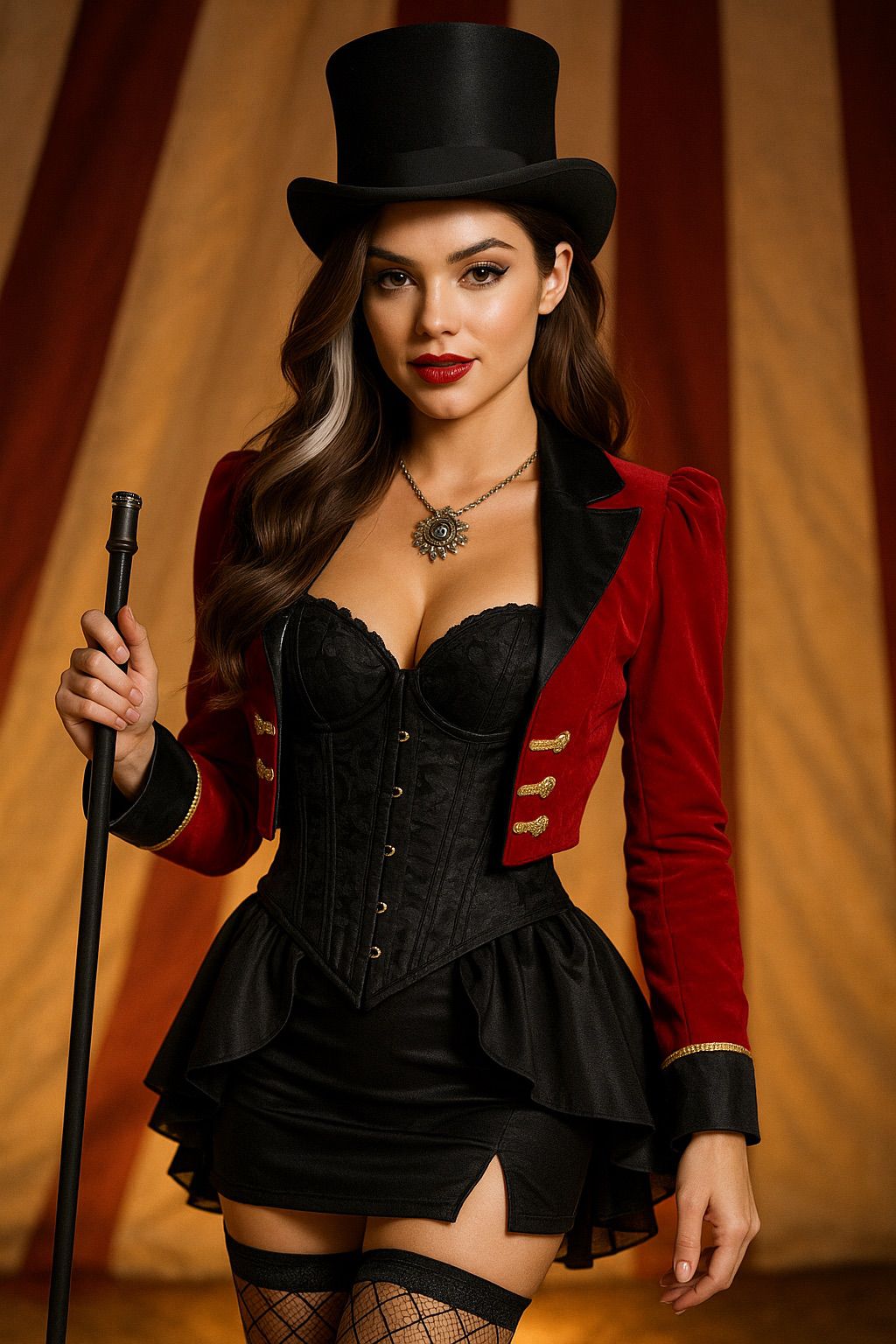
Halloween thrives on spectacle, and no costume delivers a spectacle quite like the Ringmaster Seductress. With her tailored mini jacket lined with gold trim, a corset that cinches like a promise of danger and delight, stockings that gleam in the glow of neon lights, and a top hat perched at a mischievous angle, she doesn’t just walk into a party—she commands it. She’s not just another guest in the crowd—she’s the one with the whip in hand, the spotlight at her back, and the confidence of someone who knows she’s running the entire show. The Ringmaster Seductress isn’t here to blend in; she’s here to captivate, to orchestrate, to dominate. And that’s why she’s one of the most viral, magnetic, and unforgettable Halloween costumes of all time.

The reason this look resonates so strongly is that it plays on power. Most Halloween costumes lean toward fantasy, fright, or flirtation—but the Ringmaster Seductress embodies authority. She isn’t pretending to be scary like a zombie or supernatural like a witch. Instead, she is rooted in a role we instantly recognize: the master of ceremonies, the leader of the circus, the one who controls the chaos. But when that role is reimagined with a seductive twist—mini jackets instead of full-length coats, corsets instead of waistcoats, stockings instead of trousers—it transforms into something irresistible. The result is a blend of dominance and allure that few costumes can match. People aren’t just looking at her—they’re responding to her command.

Visually, the Ringmaster Seductress thrives because she’s theatrical. The mini jacket, often red with gold detailing, pops instantly in photos. The corset, laced tightly, creates a silhouette that demands attention. The top hat, dramatic and tall, frames her like a crown, while thigh-high boots or stockings add just enough edge to balance the elegance. The whip or cane is the perfect prop, tying the whole aesthetic together as a symbol of both play and authority. Under the flashing lights of a party, the metallic trim on her outfit glitters, the corset gleams, and every movement feels choreographed—like she’s orchestrating the entire room. On Instagram, she dominates feeds because her costume looks like it belongs on a movie poster. On TikTok, transitions thrive on her performance potential—normal one second, whip-cracking goddess the next. And on X, she trends because she embodies the kind of energy people can’t resist talking about: commanding, sexy, unforgettable.

But the costume isn’t just about spectacle—it’s about roleplay. The woman who wears the Ringmaster Seductress costume isn’t just dressed up—she’s performing. Every gesture becomes part of the show. A smirk beneath the top hat? A cue for applause. A snap of the whip? A declaration of authority. A slow turn in her corset and stockings? A reminder that she’s not just running the circus—she is the circus. And that performance is what makes her magnetic. People can’t help but interact with her, can’t help but watch, can’t help but become part of the spectacle she’s orchestrating. She doesn’t just wear the costume—she embodies the persona, and that’s what sets her apart.

Part of her viral power also lies in adaptability. Some Ringmaster Seductresses lean traditional, sticking with the classic red-and-gold palette and whip accessory. Others glam it up, with sequins, rhinestones, and dramatic makeup that turns her into a carnival queen. Some lean gothic, turning the jacket black and trimming it with silver, pairing it with dark lipstick and smoky eyes. Others go playful, using candy-striped stockings, oversized props, or comedic timing to spin her into a parody. Each variation still reads as “ringmaster,” but each one feels fresh, unique, and personal. That adaptability ensures the costume never feels stale—it grows, evolves, and reinvents itself with every Halloween season.

The humanizing element here is essential. The Ringmaster Seductress costume is about more than just looking good—it’s about confidence. For the woman wearing it, it’s not just an outfit—it’s a declaration of presence. It says: I am here, I am bold, I am in charge, and you’re going to remember me. That kind of confidence is magnetic in any setting, but on Halloween, when people are searching for connection, laughter, and energy, it becomes unstoppable. The costume gives permission to step into a role of authority and charisma, to play a character that doesn’t just participate in the party, but directs it. That empowerment radiates, sparking admiration, conversation, and yes—virality.

Halloween is about transformation, and the Ringmaster Seductress is the purest embodiment of that idea. She takes the chaos of the night and organizes it into spectacle. She takes the flirtation of a costume and wraps it in authority. She takes the energy of the crowd and amplifies it until the room feels like a carnival. She doesn’t fade into the background—she is the background, the foreground, the center stage. She’s the one pulling the strings, cracking the whip, and keeping the spotlight where it belongs—on her.

And that’s why, year after year, the Ringmaster Seductress continues to dominate Halloween culture. Because she isn’t just sexy—she’s commanding. She isn’t just commanding—she’s theatrical. And she isn’t just theatrical—she’s unforgettable.

So when the Halloween lights glow and the music pounds, look for the woman in the red jacket, corset cinched, whip in hand, top hat tilted just so. Notice how the crowd gravitates toward her, how phones rise to capture her every pose, how laughter and applause follow wherever she walks. That’s the Ringmaster Seductress. That’s the carnival’s queen. And that’s why she doesn’t just attend Halloween—she runs it.

Related Posts

The One-Eyed Terror of the Amazon: The Endless Mystery of the Mapinguari

Dave

The Amazon rainforest is a cathedral of life — a place where the canopy towers like stained glass, where the air hums with insects, and where every tree seems to conceal secrets older than civilization itself. It is vast, humid, and teeming with creatures that look prehistoric because, in many ways, they are. But within this realm of vibrant biodiversity, legends whisper of something darker. Something bigger. Something almost impossible. Deep in the tangled jungles of Brazil, tribes and travelers alike speak of the Mapinguari — a one-eyed, giant, sloth-like monster, its body cloaked in thick, matted fur, its claws sharp as machetes, and its breath foul enough to knock a man unconscious. On October 22, when its legend is remembered, the rainforest feels just a little more dangerous, as if its shadows still might hide a beast science has yet to name.

The Mapinguari is no ordinary myth. Its origins lie in the oral traditions of the Amazonian peoples, where it is described as a towering, lumbering figure, often reaching over seven feet tall, with a single, cyclopean eye in the center of its head. Some accounts add a bizarre, stomach-like mouth on its belly, lined with jagged teeth, so that it could devour prey with horrifying ease. Its body is covered in red or brown fur, shaggy and rank, giving it the stench of rot and death. Its roar is said to echo through the jungle like thunder, chilling the blood of anyone who hears it. Unlike ghosts or spirits, the Mapinguari is flesh and blood — a monster of muscle, fang, and claw, a predator that leaves behind crushed foliage and eerie silence.

Descriptions of the creature often highlight its sloth-like qualities. Some researchers and folklorists have theorized that the Mapinguari legend may be tied to ancient memories of the giant ground sloths, massive creatures that once roamed South America but were thought to have gone extinct over 10,000 years ago. Could stories of encounters with strange, hulking animals be cultural echoes of real creatures that once shared the land with humans? Or could a few have survived in the most inaccessible corners of the rainforest, hiding in the shadows of time, giving birth to centuries of sightings? The Amazon, after all, is a place where new species are discovered every year, and where vast swaths of jungle remain unexplored.

To the Indigenous peoples of Brazil, however, the Mapinguari is not a dusty fossil or scientific puzzle. It is a real, living threat — a guardian of the forest, sent to punish those who disrespect nature. Hunters who take more than they need, loggers who cut too deeply, and outsiders who desecrate the land are said to attract the wrath of the beast. The Mapinguari emerges from the jungle’s depths, its fetid breath overwhelming, its claws tearing through anything in its path. In this sense, the creature is more than just a monster; it is an enforcer of ecological balance, a myth that encodes respect for the forest into fear. To believe in the Mapinguari is to believe that the jungle itself has defenses, that it will fight back when threatened.

The legend often includes its grotesque breath, described as so foul it can incapacitate a man from several meters away. Hunters claim that the stench arrives before the creature itself — a suffocating odor of decay, like rotting carcasses baking under the sun. Then comes the sound, the crashing of trees, the guttural roars, the sense that something massive is lumbering closer. Those who survive say the Mapinguari cannot be killed with bullets; its hide is too thick, impervious to ordinary weapons. Some even claim arrows and spears bounce off its fur as though it were armor. To face the Mapinguari is to face inevitability: either flee, or be torn apart.

Yet despite its monstrous features, the Mapinguari is not entirely villainous. Some traditions describe it as a protector of the rainforest, a beast that ensures balance, punishing greed and overreach. In this view, the Mapinguari is not evil but necessary, embodying the forest’s wrath against those who seek to exploit it. In an age when deforestation ravages the Amazon, the idea of a monstrous guardian resonates powerfully. The Mapinguari becomes not just a creature of fear but a symbol of resistance, a reminder that nature has teeth, and it bites back.

Modern cryptozoologists have taken great interest in the Mapinguari, seeing in it possible evidence of surviving megafauna. Expeditions have sought signs of giant sloths or other undiscovered species deep in the rainforest. Eyewitness accounts from hunters, villagers, and rubber tappers add fuel to the fire, each describing remarkably similar beasts. Skeptics argue that the Mapinguari is simply a cultural myth, a story exaggerated from encounters with known animals like tapirs, bears, or even large anteaters. But believers hold that too many details align, too many reports span too many centuries, to dismiss it so easily. The rainforest hides secrets. Why not the Mapinguari?

Pop culture has embraced the legend, portraying the Mapinguari in books, documentaries, and cryptid lore alongside Bigfoot and the Yeti. But unlike those cold-climate cousins, the Mapinguari carries the heat of the jungle, the stench of decay, the thick humidity of the Amazon. Its horror is rooted not just in its size or grotesque features, but in its environment — an environment already mysterious and intimidating to outsiders. To imagine it lurking in the undergrowth is to imagine the jungle itself rising up in monstrous form.

The endurance of the Mapinguari legend reveals the human need to personify the dangers of nature. The rainforest is beautiful but deadly: its snakes can kill, its insects spread disease, its rivers swallow whole. Yet it is the unseen that terrifies most. The rustle in the dark, the crash of unseen branches, the foul odor carried on the wind — these are the details that feed belief in monsters. The Mapinguari gives shape to those fears, embodying all that is unknown and threatening in the vast Amazon.

So on October 22, when we tell the story of the Mapinguari, we are not only telling a tale of a giant, one-eyed monster. We are telling the story of the Amazon itself, of the people who live in its embrace, of their respect and fear for the forest’s power. We are telling the story of survival, of the balance between humanity and nature, of the monsters we create to remind us of boundaries. The Mapinguari is not just a beast of fur and fang. It is a warning: take too much, and the jungle will take you.

And maybe, just maybe, when you find yourself deep in the rainforest, the canopy blotting out the sun, the air thick with heat and silence, you’ll hear it — the heavy thud of footsteps too large for man, the breaking of branches, the roar that freezes your blood. You’ll smell the stench before you see it. And when you do, you’ll know that the Mapinguari has found you.

Related Posts

Thirteen Days on the Edge: The Peak of the Cuban Missile Crisis

Elias Rowen

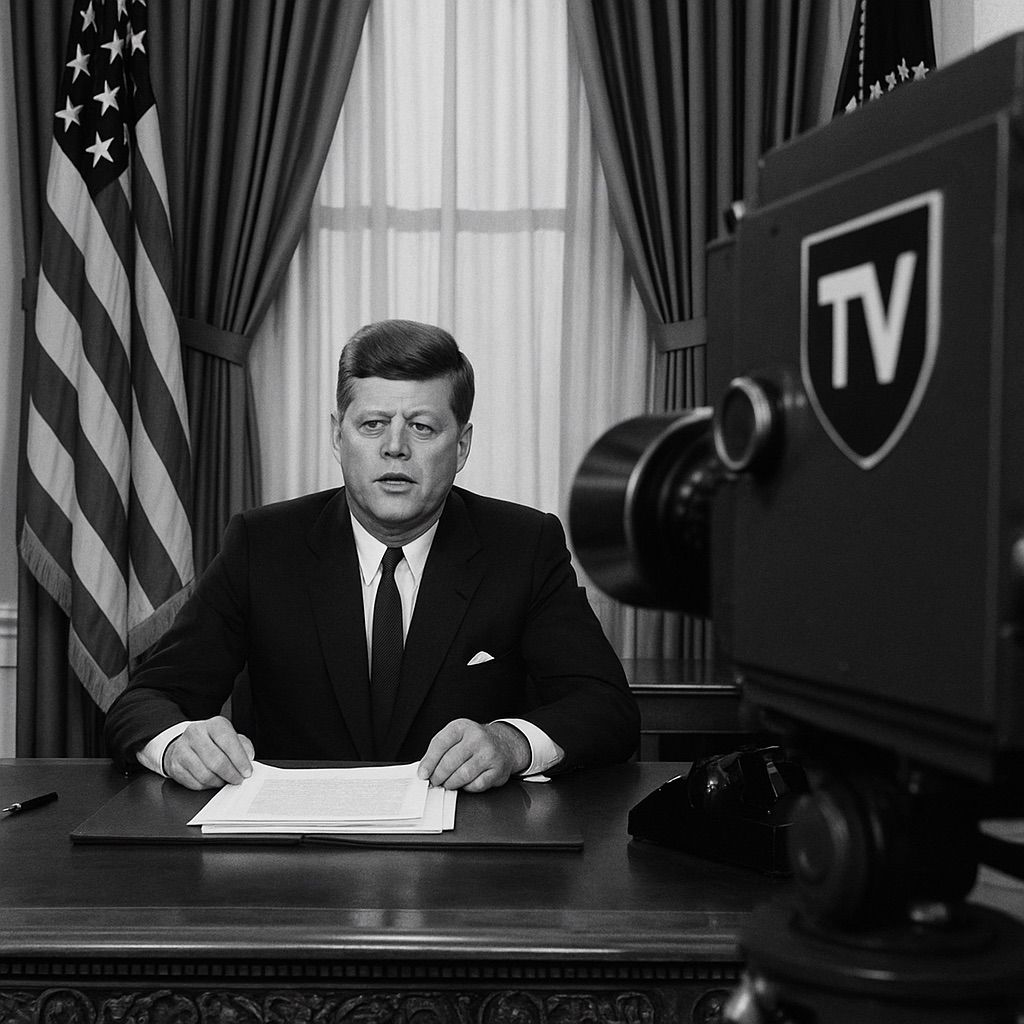
On October 22, 1962, the world stood closer to nuclear war than ever before in history. For thirteen days in October, humanity stared into the abyss of annihilation, as the United States and the Soviet Union engaged in a deadly game of brinkmanship over Soviet nuclear missiles in Cuba. On that evening, President John F. Kennedy went on television to inform the American people—and by extension, the world—that offensive nuclear weapons had been discovered just ninety miles from Florida. His announcement was firm, measured, and terrifying: a naval quarantine would surround Cuba, and any launch of nuclear missiles from the island would be met with a full retaliatory response. It was the moment when Cold War tension crystallized into existential dread, when children rehearsed duck-and-cover drills, when parents wondered if they’d live to see morning, and when the fate of the world seemed to balance on the decisions of two men.

The roots of the crisis stretched back through years of mistrust and hostility. After Fidel Castro’s revolution in 1959, Cuba became a communist ally of the Soviet Union, alarming the United States. The failed Bay of Pigs invasion in 1961, in which U.S.-backed exiles attempted to overthrow Castro, convinced him that Washington would never tolerate his regime. Meanwhile, Soviet Premier Nikita Khrushchev sought to level the playing field. The United States had surrounded the Soviet Union with nuclear missiles in Turkey and Italy, capable of striking Moscow within minutes. Khrushchev’s gamble was simple and audacious: place nuclear missiles in Cuba to deter American aggression, strengthen his hand globally, and redress the imbalance of power.

In October 1962, U-2 reconnaissance flights over Cuba revealed what many had feared: medium-range ballistic missile sites under construction, capable of delivering nuclear warheads to Washington, New York, and beyond. When Kennedy saw the photographs, he knew the world had entered uncharted territory. His advisors—divided between hawks who urged immediate airstrikes and doves who sought negotiation—debated in endless meetings. Kennedy, cautious yet resolute, chose a middle path: a naval blockade (rebranded as a “quarantine” to avoid the language of war) to prevent further missiles from arriving, coupled with demands that the existing sites be dismantled.

October 22 marked the climax of uncertainty. Kennedy’s address was broadcast to millions, his calm voice masking the enormity of the danger. Across America, families huddled around television sets, absorbing the reality that nuclear war was no longer abstract—it was imminent. Lines formed at supermarkets, fallout shelters were stocked, and churches filled with anxious congregants. The sense of dread was palpable; every hour felt like the last. In Moscow, Khrushchev bristled at Kennedy’s ultimatum, while in Havana, Castro prepared for invasion, convinced that Cuba would be obliterated.

The following days tested the world’s sanity. Soviet ships, laden with cargo, steamed toward the quarantine line. Would they stop, or would the U.S. Navy be forced to fire the first shots of World War III? On October 24, the answer came: the ships slowed, then turned back. It was a breath of relief, but the crisis was far from over. Missile sites in Cuba were still being constructed, and the U.S. military prepared for invasion. Strategic Air Command moved to DEFCON 2, one step below nuclear war. B-52 bombers circled the skies, armed with hydrogen bombs. Submarines prowled the oceans. The planet seemed primed for destruction at the press of a button.

Behind the scenes, diplomacy struggled to keep pace with the urgency of events. Khrushchev sent letters to Kennedy—one emotional and conciliatory, the next harsher and more demanding. In the first, he offered to withdraw missiles in exchange for a U.S. pledge not to invade Cuba. In the second, he insisted that U.S. missiles in Turkey also be removed. Kennedy and his advisors faced an agonizing choice: respond to both, or focus only on the first? Choosing wisely, Kennedy publicly accepted the first letter while privately agreeing to withdraw missiles from Turkey within months. It was a delicate dance, one that preserved both leaders’ dignity while de-escalating the crisis.

Amid the tension, accidents and near-misses nearly tipped the balance. A U-2 plane was shot down over Cuba, killing its pilot, Major Rudolf Anderson Jr. Another U-2 strayed into Soviet airspace, triggering panic on both sides. In one of the most chilling moments, a Soviet submarine near the blockade, harassed by U.S. depth charges, came within a heartbeat of launching a nuclear torpedo. Only the restraint of its commander, Vasili Arkhipov, prevented catastrophe. The world’s survival hinged not just on presidents and premiers, but on the judgment of individuals under unimaginable pressure.

Finally, on October 28, Khrushchev agreed to remove the missiles. The world exhaled. The thirteen days of terror ended not with a mushroom cloud, but with compromise and relief. Yet the crisis left scars. It had revealed the fragility of peace, the dangers of miscalculation, and the sheer insanity of nuclear brinkmanship. For Kennedy, it was a triumph of firmness and diplomacy, though he confided later how close disaster had loomed. For Khrushchev, it was a humiliation, weakening his standing at home and abroad. For Castro, it was betrayal, proof that Cuba was a pawn in a larger chess game.

Humanizing the Cuban Missile Crisis means remembering the ordinary people who lived in its shadow. The schoolchildren crouching under desks, teachers whispering comfort they did not feel. The farmer in Kansas staring at the sky, wondering if Soviet warheads were already inbound. The Muscovite hearing rumors of war, fearing the bombs that might rain down in retaliation. The families in Havana digging trenches and bracing for invasion, convinced they were about to become ground zero. The world’s leaders carried the weight of history, but it was the millions of ordinary lives hanging in the balance that made those days so terrifying.

The peak tension of October 22, 1962, remains one of history’s starkest reminders of how fragile civilization can be. One misstep, one miscalculation, could have ended it all. And yet, in the end, restraint prevailed. Kennedy and Khrushchev stepped back from the brink, choosing negotiation over destruction. Their decision gave the world another chance, another sunrise.

Looking back, the Cuban Missile Crisis is not just a story of power politics or Cold War rivalry. It is a story of fear, of courage, of the terrifying weight of human decisions. It reminds us that peace is not guaranteed, that survival depends on wisdom as much as strength, and that even in the darkest hours, dialogue can save us from destruction. On October 22, 1962, the world held its breath—and learned just how precious that breath was.

Related Posts

Electric Allure: Why the Sexy Bride of Frankenstein Is Halloween’s Timeless Temptress

Dave

When the lightning cracks across the October sky and the world leans into the eerie thrill of Halloween, certain figures crawl, slither, and storm their way into parties, streets, and social feeds. Among the vampires with blood-red lips, the witches in pointy hats, and the zombies smeared in gore, one particular icon continues to hold her electrifying grip on Halloween culture: the Sexy Bride of Frankenstein. She isn’t just stitched together from fabric and imagination—she is stitched into the DNA of Halloween itself. With her corset dress hugging every curve, her teased black-and-white hair rising like a storm cloud, and her aura radiating both gothic glamour and irresistible temptation, the Sexy Bride of Frankenstein is more than a costume. She’s a phenomenon, a timeless blend of classic horror and modern allure that keeps going viral year after year.

Why does she endure? Why does she continue to be one of the most recognizable and coveted Halloween looks, long after her 1935 cinematic debut in Bride of Frankenstein? The answer lies in her perfect contradiction. The Bride of Frankenstein was born out of horror, a patchwork creation, a woman brought to life by science and stitched with destiny. Yet over the decades, she has transcended that narrative, transforming from monster bride to a symbol of gothic femininity, power, and sensual rebellion. The Sexy Bride of Frankenstein costume takes that foundation and reimagines it for today’s audiences, blending corsets, lace, fishnets, and teased hair into a look that is both terrifying and tantalizing. She is the storm made flesh, the lightning given curves, the monster turned muse.

Visually, the Sexy Bride of Frankenstein thrives because she owns the drama. The teased hair is her crown, bold and unmistakable with its streaks of white slicing through black like jagged bolts of lightning. That silhouette alone is iconic, instantly recognizable even across a crowded Halloween bash. The corset dress is her weapon of seduction, cinching the waist, flaunting the figure, turning horror into haute couture. Add in gothic makeup—dark lips, smoky eyes, and pale skin kissed by dramatic contour—and she transforms into a goddess of both horror and desire. The stitched details, whether painted across the skin or sewn into the fabric, serve as reminders of her origin, grounding the sex appeal in the story of her birth. The result is magnetic: every photograph becomes a poster, every glance becomes a spark, every step radiates with the energy of a thunderstorm.

But beyond the visuals, the Sexy Bride of Frankenstein captures imaginations because she tells a story. Costumes that go viral aren’t just looks—they’re narratives. The Bride’s story is one of creation, rebellion, and identity. She wasn’t born naturally—she was made. She didn’t choose her role—she was forced into it. Yet she radiates independence, rejecting her creator and forging her own path. That defiance resonates deeply with modern audiences. When someone dons the corset and teases their hair into an electrified crown, they aren’t just playing dress-up—they’re embodying that rebellion. They’re saying: I am stitched together, I am flawed, I am fierce, and I am still unforgettable. That energy doesn’t just captivate a room—it dominates it.

The Sexy Bride of Frankenstein also thrives because she’s endlessly adaptable. Some interpretations lean toward classic horror, keeping the makeup pale and severe, with stitches drawn boldly across the skin. Others glam her up with sequins, rhinestones, and lace, turning her into a gothic runway queen. Some mix in humor, exaggerating her hair into cartoonish heights or pairing the corset with over-the-top props. Others lean sultry, with fishnet stockings, thigh-high boots, and lace gloves that make her more siren than monster. Each variation still screams “Bride of Frankenstein,” but each one adds a personal twist, keeping her fresh, relevant, and viral in every generation.

On social media, the Sexy Bride of Frankenstein is a content goldmine. TikTok adores her for transformation videos—one moment a normal girl in sweats, the next moment a storm-struck goddess with teased hair, corset cinched, and lightning effects flashing across the screen. Instagram thrives on her aesthetic—moody portraits in graveyards, glittering selfies at parties, bold makeup tutorials that teach fans how to recreate the stitched look. On X, she trends as a cultural staple, with people debating their favorite takes, sharing viral memes, or reposting jaw-dropping photos from parties and red carpets. She isn’t just a costume—she’s a platform for creativity, a muse for performance, and a catalyst for content that spreads like wildfire every October.

What makes her human, though, is her relatability. The Sexy Bride of Frankenstein is, at her core, about imperfection turned into power. She’s stitched together, flawed, and born of chaos—but she makes it work. That resonates with anyone who has ever felt messy, complicated, or pieced together by circumstance. Wearing her costume isn’t just about flaunting beauty—it’s about embracing imperfection and owning it with confidence. That’s why she inspires not just admiration, but connection. People see her and think, that’s me: imperfect, chaotic, but still electric. That relatability is what elevates her beyond mere sex appeal into something truly viral.

And then there’s the empowerment. The Sexy Bride of Frankenstein costume isn’t just about being looked at—it’s about taking control of the gaze. The woman who wears it commands attention, not as a passive object, but as a force of nature. She isn’t waiting to be chosen or defined—she defines herself. That empowerment is intoxicating, both for the wearer and for everyone around her. She doesn’t apologize for being dramatic, bold, or sexy—she revels in it. And that revelry becomes contagious, electrifying the entire room like the crackle of a storm.

Halloween is about transformation, and no costume captures transformation quite like the Bride of Frankenstein. She was transformed by lightning, transformed by science, transformed by story. And every Halloween, she is transformed again—by the women who choose to embody her, to reinterpret her, to breathe life into her legacy. She is proof that some monsters never fade, that some icons are eternal, that some figures will always rise again, electrified by the season.

So when the Halloween party is in full swing, when the lights flash like lightning and the bass rumbles like thunder, watch who commands the room. It will be the woman in the corset dress, hair teased sky-high, lips painted dark, with stitches snaking across her skin and a smirk that says she knows exactly how much power she wields. That’s the Sexy Bride of Frankenstein. That’s Halloween’s electrifying queen. And that’s why, year after year, she doesn’t just survive—she thrives, stitched into our collective imagination, as timeless as the storm itself.

Related Posts

The Beautiful Blizzard: The Deadly Allure of Japan’s Yuki-onna

Dave

Some monsters frighten us with grotesque shapes, with claws and teeth, with blood dripping from their jaws. Others terrify in subtler ways, cloaked not in horror but in beauty, their danger hidden behind grace. In Japanese folklore, one such figure floats silently through the snow: Yuki-onna, the snow woman. She is described as breathtakingly beautiful, pale as moonlight, her hair dark against the whiteness of winter, her lips red as fresh blood on snow. But her beauty is a trap, for behind her calm, graceful face lies death. She lures travelers in blizzards, freezes men with her icy breath, and drifts away without footprints. On October 21, when her story is remembered, we are reminded that sometimes the most beautiful things in the world are also the most lethal.

Yuki-onna’s legend stretches back centuries, appearing in various regions of Japan with subtle differences. In some stories, she is a ruthless killer who delights in freezing men to death. In others, she is more complex, torn between her inhuman nature and human emotions, capable of mercy but unable to escape her deadly essence. What remains consistent is her connection to snowstorms, her haunting beauty, and her role as both a spirit of winter and a warning about desire, trust, and survival.

She is always pale, her skin translucent as if carved from ice itself. Her kimono is white, blending seamlessly with snowdrifts, making her appear as part of the storm. Her hair is long and black, contrasting sharply with her pale skin, and her eyes are said to shine like frozen stars. Some describe her with no feet, floating ghostlike over the snow, leaving no trace of her passing. To encounter her in a blizzard is to see death personified, wrapped in beauty so sharp it burns.

The origins of Yuki-onna are tied deeply to the environment. Japan’s winters, especially in mountainous regions, are harsh and unforgiving. Snowstorms could arrive suddenly, blinding travelers, freezing them before they could reach shelter. In a world without modern heating, protective gear, or reliable roads, winter itself was a killer. The Yuki-onna became a way to personify this danger — to give it a face, a story, a reason for why people vanished in the snow. In her, the cruelty of winter became a spirit, the blizzard a woman with icy breath.

Her motives vary in different tales. In some, she is pure predator. She seduces men with her beauty, lures them into the snow, then exhales a freezing breath that stills their hearts. Sometimes she drinks their life force, leaving them pale and lifeless. In other tales, she appears at the doors of houses, begging for warmth, and when admitted, she kills the family within. She is merciless, and her beauty only makes her more terrifying, because it hides the truth until it is too late.

But in other stories, Yuki-onna reveals a more tragic side. One famous tale tells of a woodcutter who encounters her in a blizzard. She spares his life, warning him never to speak of her. Later, he meets a beautiful woman, marries her, and has children. Years pass, and one night, he tells her the story of his encounter with Yuki-onna. His wife grows pale, revealing herself to be the very spirit who spared him. In some versions, she vanishes, leaving him heartbroken. In others, she stays for the sake of their children, but her true nature is forever revealed. This duality makes Yuki-onna more than just a monster. She is also a symbol of love, mercy, and the fragility of secrets.

Yuki-onna’s beauty and danger make her a fascinating figure. She embodies the idea that appearances deceive, that beauty can be lethal, that desire can lead to destruction. She reflects cultural anxieties about women, power, and sexuality. To some, she is the ultimate femme fatale — beautiful but deadly, alluring but fatal. To others, she is a tragic figure, caught between her nature as a spirit and her longing for human connection. Either way, she is unforgettable.

Her legend also speaks to broader themes in Japanese folklore, where nature and humanity are deeply entwined. Spirits like Yuki-onna remind us that natural forces are not just physical but spiritual. Winter is not only cold; it has intention, personality, danger. In this sense, Yuki-onna is not only a ghost but also a goddess of winter, a being who commands respect because she personifies the harshness of the natural world.

In modern culture, Yuki-onna has endured as one of Japan’s most iconic spirits. She appears in films, anime, manga, and literature. Sometimes she is portrayed as a horror figure, haunting snow-covered villages, her eyes glowing in the storm. Other times she is reimagined as a romantic figure, a tragic woman bound by her icy nature. Her flexibility ensures her survival in cultural memory, adapting to new forms while retaining her core: beauty wrapped in death.

Why does she resonate so deeply? Because she touches on universal fears and desires. We all know the allure of beauty, and we all fear its betrayal. We all understand the danger of nature, the way a storm can mesmerize and kill. We all fear coldness — not just of weather but of the human heart. Yuki-onna embodies all these fears, making her timeless.

So on October 21, when her story is told, it is not just about a snow woman who kills. It is about the dangers of desire, the fragility of secrets, the cruelty of winter, and the way beauty can hide death. She is both warning and wonder, terror and tragedy, a figure who drifts endlessly across snow-covered fields, her breath icy, her gaze eternal.

And maybe, when the first snow of winter falls, you’ll think of her. Maybe you’ll glance at the drifting white, and for a moment, imagine a woman in the distance, her kimono blending with the snow, her eyes fixed on you. And maybe you’ll wonder: is she watching? Is she waiting? And will she spare you, or will she breathe her icy breath until you sleep forever in the snow?

Related Posts

Trafalgar: The Day Nelson Redefined the Seas

Elias Rowen

On October 21, 1805, off the southern coast of Spain near Cape Trafalgar, the world’s oceans became a stage for one of the most decisive naval battles in history. The British Royal Navy, under the command of Vice Admiral Horatio Nelson, faced the combined fleets of France and Spain in a struggle that would determine control of the seas and the fate of empires. By the end of the day, Nelson was dead, but Britain stood victorious. The Battle of Trafalgar ensured British naval supremacy for a century, altered the course of the Napoleonic Wars, and transformed Nelson from a brilliant strategist into an immortal legend.

The early 19th century was a world of shifting empires and relentless ambition. Napoleon Bonaparte sought to extend French dominance across Europe, but his dreams of invasion required mastery of the seas. Britain, an island nation dependent on maritime trade, was his greatest obstacle. For years, the Royal Navy blockaded French ports, strangling commerce and frustrating Napoleon’s designs. When the French, joined by their Spanish allies, finally sailed to break the British chokehold, Nelson and his fleet were waiting.

Nelson’s genius lay not in overwhelming numbers but in daring innovation. His fleet of 27 ships faced 33 Franco-Spanish vessels, yet he saw opportunity in audacity. Rather than engage in traditional parallel lines of battle, Nelson devised a tactic to cut through the enemy’s formation, splitting their line into segments and creating chaos. His famous signal, hoisted aloft before the battle began, would echo through history: “England expects that every man will do his duty.” For sailors bracing themselves amid the roar of cannons and the stench of gunpowder, it was both command and benediction.

The battle unfolded in fire and thunder. British ships bore down on the enemy line in two columns, enduring punishing broadsides as they closed in. Then, like blades slicing through armor, they smashed into the Franco-Spanish formation. The HMS Victory, Nelson’s flagship, led the charge, raking enemy decks with devastating cannon fire. Smoke choked the air, masts splintered, men screamed and fell, and the sea churned red with battle. Amid the chaos, British discipline and training proved decisive. Ship by ship, the enemy faltered.

But triumph came at a cost. As the Victory pressed forward, Nelson himself was struck by a musket ball, fired from the rigging of a French sharpshooter aboard the Redoutable. The shot tore through his shoulder and lodged in his spine. Carried below deck, the admiral knew his wound was mortal. Yet even in his final hours, his thoughts remained on victory. When news reached him that the enemy fleet was shattered, Nelson’s final words were said to be: “Thank God I have done my duty.” At 47, he died at the pinnacle of triumph, his sacrifice sealing his immortality.

By the end of the day, the Franco-Spanish fleet was annihilated. Twenty-two enemy ships were captured or destroyed, while not a single British vessel was lost. Trafalgar was more than a battle—it was a turning point. Napoleon’s dream of invading Britain was crushed forever, his fleets crippled beyond repair. From that moment on, Britain commanded the seas, projecting power across the globe, building an empire that stretched from India to the Americas, and ushering in what would be remembered as the “Pax Britannica.”

Yet Trafalgar was not just about empires. It was about men. Picture the sailor clinging to the rigging as shot whistled past, the powder boy racing barrels of gunpowder to cannons amid fire and chaos, the surgeon working feverishly below decks as the wounded cried out, the young midshipman seeing his first battle, caught between terror and pride. It was a human drama of courage and endurance, lived out on wooden decks under cannon fire, where every broadside was a gamble between life and death.

Nelson himself became more than an admiral—he became a symbol. His daring, his willingness to defy convention, his charisma, and ultimately, his heroic death turned him into a national myth. London mourned him with a funeral of unmatched grandeur, and his body, preserved in a cask of brandy for the voyage home, was laid to rest in St. Paul’s Cathedral. His column now rises over Trafalgar Square, a reminder that one man’s vision can change the fate of nations.

The Battle of Trafalgar’s legacy extends far beyond 1805. It shaped the balance of power in Europe, ensuring that Napoleon would be forced to fight on land, where Britain’s allies would ultimately grind him down. It ushered in an age of British naval dominance that lasted until the 20th century. And it etched into history the idea that courage, ingenuity, and sacrifice can tilt the scales even when odds appear daunting.

To humanize Trafalgar is to remember both glory and grief. It was a day of victory, but also of loss—thousands of sailors on all sides perished, their bodies claimed by the sea. For their families, Trafalgar was not triumph but tragedy. For Britain, it was both pride and sorrow, the exultation of victory shadowed by the death of its greatest admiral.

October 21, 1805, was the day Britain secured its command of the seas, the day Napoleon’s maritime ambitions sank beneath the waves, and the day Nelson passed into legend. Trafalgar was not just a battle; it was a crossroads of history, a testament to courage, and a reminder that even in death, greatness can echo for centuries.

Related Posts

Undead Allure: Why the Zombie Babe Reigns Supreme on Halloween

Dave

Halloween has always been about the collision of opposites—life and death, fear and fun, beauty and horror. Few costumes embody that fusion as perfectly as the Zombie Babe, a look that combines the sultry with the sinister, the glamorous with the grotesque. Dressed in ripped fishnets that cling like remnants of a former life, blood effects smeared across skin like crimson art, and makeup that blends smoky eyes with a deathly pallor, the Zombie Babe doesn’t just walk into a Halloween party—she lurches in, owning the room with equal parts menace and magnetism. She is proof that even the undead can be irresistible, that horror and hotness can share the same coffin, and that Halloween thrives on the thrill of contradictions.

What makes the Zombie Babe such a viral powerhouse is the way she subverts expectations. Zombies are usually depicted as mindless, shambling corpses, all rot and ruin. But the Zombie Babe flips that stereotype on its head. She’s undead, yes, but she’s confident. She’s bloodied, but she’s beautiful. She embodies survival and sensuality all at once, her costume a testament to both destruction and desire. That contradiction catches attention instantly because it forces people to reconcile two things they don’t normally imagine together. It shocks, it intrigues, and it seduces, all at once. And in the age of social media, those are the exact ingredients for virality.

Visually, the Zombie Babe is stunning because she thrives on extremes. The ripped fishnets scream rebellion, their jagged edges framing legs like art torn from the apocalypse. The fake blood—dripping, smudged, or splattered—adds chaos, a sense of carnage written directly on the body. And the makeup? That’s where the real magic happens. Dark eyes, exaggerated lashes, smeared lipstick like a kiss gone wrong, and pale foundation that makes every contour pop. Add in cuts painted on with stage makeup, or even prosthetic scars, and the look transcends mere costume into cinematic spectacle. Under the flashing lights of a party, the blood glows red, the fishnets catch shadows, and every movement looks like a scene from a horror-thriller infused with glamour.

But the Zombie Babe isn’t just about looks—it’s about performance. She doesn’t just pose—she acts. She staggers dramatically, then breaks into a sultry strut. She bares her teeth in a mock snarl, then winks with smoky eyes. She drips menace, but also laughter. That interplay of horror and humor makes her magnetic. People at parties flock to her because she’s fun, she’s interactive, she’s larger than life. And online, videos of Zombie Babes dancing, snarling, or “attacking” friends rack up views because they’re both creepy and hilarious. The duality creates entertainment, and entertainment creates shares, likes, and virality.

Adaptability also explains why the Zombie Babe remains evergreen. Some play her straight horror, with decayed makeup, dangling wounds, and grisly prosthetics that push the gore factor sky-high. Others lean more playful, adding glitter to blood, rhinestones around scars, or neon contacts that glow under blacklight. Some keep it simple—just ripped fishnets, pale skin, and a smear of red lipstick angled into a grin that says, I may be dead, but I still slay. The point is, no matter how she’s styled, she’s always recognizable, always engaging, and always unforgettable.

The human element makes the Zombie Babe even more powerful. At her core, she’s not just about gore or sex appeal—she’s about resilience. She’s the image of someone who refuses to fade away, who takes destruction and turns it into performance. She’s a reminder that even in chaos, beauty can thrive, even in horror, charisma survives. That emotional resonance connects people to her, whether they realize it or not. She’s scary, yes, but she’s also oddly empowering. She proves that you can take ruin and own it, wear it proudly, make it unforgettable.

And in the age of social media, the Zombie Babe costume is pure gold. On TikTok, she dominates transformation videos—normal one moment, covered in blood and ripped fishnets the next, music thrumming with bass as the camera zooms in on sultry eyes. On Instagram, her aesthetic is perfectly tailored for carousels: close-ups of makeup artistry, full-body shots of fishnet chaos, candids of her laughing with blood streaked across her cheeks. On X, she trends because she’s the perfect mix of scary and sexy, sparking debates, admiration, and endless retweets. She isn’t just a costume—she’s a content machine, designed for virality.

Halloween is about reinvention, and the Zombie Babe delivers that in spades. She takes the idea of decay and transforms it into style, turning wounds into art and ruin into allure. She doesn’t just join the party—she owns it, leaving a trail of bloody footprints and unforgettable moments in her wake. And when the night is over and the costumes are put away, hers is the one people talk about, the one they post about, the one that lingers in memory like a haunting melody.

So when you see her this October 31st, standing under the strobe lights with fishnets ripped, makeup smeared, and a grin that’s equal parts hunger and charm, don’t be surprised when the crowd gravitates toward her. Don’t be surprised when phones rise to capture her every move. And don’t be surprised when, the next morning, her image floods your feed with captions like: Brains never looked this good. That’s the Zombie Babe. That’s the queen of the undead. And that’s why she doesn’t just survive Halloween—she defines it.

Related Posts

Beware the Shadows: The Eternal Terror of El Cuco

Dave

Every culture has a monster whispered into the ears of children at night, a shadowy figure who lurks just beyond the candlelight, ready to snatch them away if they disobey. In English-speaking lands, it’s the Boogeyman. In Spain and across Latin America, it is something older, darker, and far more personal: El Cuco. Known also as El Coco in Spain and El Cucuy in Mexico, he is the shapeless terror who comes when children refuse to listen. His form is vague — sometimes a shadow, sometimes a skeletal figure, sometimes a faceless man hiding in the closet — but his threat is always the same: if you misbehave, if you defy your parents, El Cuco will come. He will steal you away. He will never return you. On October 20, when his legend is remembered, we are reminded that sometimes the greatest fears are not the monsters with claws and fangs, but the ones we invent to make children obey.

El Cuco is not bound by a single description. In fact, his power comes from his ambiguity. He has no fixed appearance, which makes him infinitely adaptable to the imagination. To some, he is a dark shadow, a formless figure that hovers in the corner of the room. To others, he is a haggard man with hollow eyes, or a grotesque beast lurking under the bed. Parents rarely describe him in detail, because his vagueness allows children to fill in the blanks with their own fears. In this way, El Cuco is less a monster than a mirror — reflecting whatever frightens the child most. He is a shapeless embodiment of dread, always fitting the space he is invoked in.

The origins of El Cuco trace back to Spain, where El Coco was known as a child-snatching monster. The word “coco” itself refers to a hollowed-out gourd, often carved into a grotesque face. These gourds were used to frighten children, and over time, the name became attached to the idea of a lurking boogeyman. When Spanish colonization spread to Latin America, the figure of El Cuco traveled with it, taking on local variations and blending with indigenous myths. In Mexico, he became El Cucuy, more demonic in appearance, sometimes with glowing red eyes. In the Caribbean, he lingered as a shapeless phantom. No matter where he went, he kept the same purpose: to terrify children into obedience.

Parents used El Cuco as a tool of discipline. “Go to sleep, or El Cuco will come.” “Don’t wander into the dark, or El Cucuy will take you.” He became the perfect parental weapon because he required no proof. Children didn’t need to see him; the threat was enough. Unlike physical punishments, which could be resisted or explained, El Cuco was absolute. He was the terror that lived in shadows, the punishment that could strike anywhere. He wasn’t just feared — he was believed, because he filled the gaps of imagination with horror.

But El Cuco was more than just a bedtime threat. He reflected deeper cultural anxieties about childhood, obedience, and survival. In societies where danger was real — where children wandering into forests, rivers, or streets could meet deadly ends — El Cuco embodied those dangers in a single, unforgettable figure. He wasn’t only about discipline; he was about protection. By making children fear the shadows, parents kept them safe from the real dangers that lurked there. In this way, El Cuco was both cruel and necessary, a monster invented to guard children from the world by scaring them into caution.

The legend of El Cuco also highlights the power of storytelling in shaping behavior. Children who feared him went to bed on time, stayed close to home, and obeyed rules. But the cost of that obedience was fear — fear that lingered long after childhood. Many adults in Spain and Latin America still recall lying awake as children, eyes wide open, convinced they saw El Cuco lurking in the corner. His legacy is not just in keeping kids safe but in embedding a primal unease that shadows them even as adults.

What makes El Cuco particularly terrifying is his ambiguity of motive. Unlike other monsters who kill for hunger or rage, El Cuco’s goal is simple: to take children. Where he takes them is never clear. Some say he eats them. Others say he drags them to his lair, where they vanish forever. Still others claim he keeps them in cages, feeding on their fear. The lack of resolution makes him more horrifying. Death is final, but El Cuco’s fate is uncertain. He represents not just punishment but disappearance, the fear of being lost, of being forgotten, of never returning home.

El Cuco has endured for centuries because he adapts with time. In modern Latin America, he appears in films, songs, and even memes, but the fear he carries is unchanged. Parents still invoke his name, though often with a smile, half-serious, half-playful. Children still whisper about him at night, daring each other to summon him. His legend has crossed into the global imagination, with references appearing in horror films and literature outside the Hispanic world. The Boogeyman may be universal, but El Cuco is unique — sharper, older, and culturally richer, tied to both Spanish roots and Latin American reinvention.

His power lies in the fact that he is not a monster children seek out. Vampires, werewolves, and witches often draw fascination as well as fear. But El Cuco is pure dread, devoid of allure. No one wants to see him, and yet everyone feels his presence. He is the ghost of the parent’s warning, the echo of fear in the dark, the thing that moves just outside the corner of your vision. His story is less about him and more about us — about the way humans use fear to teach, protect, and control.

So on October 20, when the story of El Cuco is told, we are not just telling a tale about a monster. We are telling a story about childhood, about obedience, about the fears we inherit and pass on. El Cuco is not just a figure of terror but a cultural memory, one that binds families, communities, and generations together through shared fear. And maybe, just maybe, when you hear a bump in the night, or feel that strange certainty that something is watching, you’ll remember what your parents once told you: be good, or El Cuco will come.

Related Posts

The Gamble That Doubled a Nation: The Louisiana Purchase Ratified

Elias Rowen

On October 20, 1803, the U.S. Senate cast a vote that would forever reshape the destiny of a young republic. With the ratification of the Louisiana Purchase treaty, America suddenly doubled in size, acquiring over 828,000 square miles of land from France at a cost of $15 million—just four cents an acre. At the time, it was seen by some as reckless, unconstitutional, and wildly impractical. Yet history would prove it to be one of the most brilliant gambles ever taken by the United States. The Louisiana Purchase was not just a land deal—it was a declaration of vision, ambition, and faith in the future.

The stage was set in a world still reeling from revolution and war. France, under Napoleon Bonaparte, controlled the Louisiana Territory, an expanse stretching from the Mississippi River to the Rocky Mountains. For Napoleon, Louisiana was supposed to be the breadbasket of a revived French empire in the Americas. But ambitions withered in the tropical heat of Haiti, where enslaved Africans led by Toussaint Louverture rose in revolt, defeating French forces and securing independence. Without Haiti as a colonial anchor, Louisiana lost its strategic purpose. At the same time, France faced renewed conflict with Britain and needed money more than distant land.

Meanwhile, across the Atlantic, President Thomas Jefferson was preoccupied with New Orleans. For the United States, control of the Mississippi River was vital. Farmers in the Ohio Valley depended on it to move goods to market, and any foreign power controlling New Orleans threatened the lifeline of western commerce. Jefferson, a strict constitutionalist who once doubted the wisdom of expansive federal power, suddenly found himself tempted by a deal that could secure not just New Orleans, but an empire of liberty stretching beyond imagination.

The negotiations unfolded with unexpected drama. Jefferson initially sought only the purchase of New Orleans. To his astonishment, Napoleon’s ministers offered the entire Louisiana Territory. In a stroke of pen and vision, the United States acquired land stretching from present-day Louisiana to Montana, from the Mississippi River to the Rockies. It was a deal so vast it staggered the imagination. Critics called it rash, questioning how the nation could govern such a wilderness. But Jefferson, ever the visionary, framed it as an opportunity to preserve the republic’s future. In his mind, America needed space to grow, to ensure liberty for generations to come.

Yet not everyone saw it so clearly. Federalists opposed the purchase, fearing it would dilute their political power by flooding the Union with agrarian states. Some questioned its constitutionality—where, they asked, did the Constitution give the president power to buy land? Jefferson, normally a strict interpreter, bent his principles, arguing that the treaty-making power sufficed. He understood that history’s moments of opportunity rarely wait for legal technicalities.

On October 20, 1803, the Senate voted 24 to 7 to ratify the treaty. With that vote, the deal was sealed. The Louisiana Purchase was not only the largest territorial acquisition in U.S. history—it was a leap of faith in the idea of a continental nation. The young republic, barely three decades old, had just transformed into a continental power in embryo.

The human dimensions of the purchase were profound. For Native American nations, it marked the beginning of intensified pressure on their lands, lives, and futures. The Louisiana Territory was not empty; it was home to diverse indigenous peoples who would soon face the relentless push of settlers. For enslaved African Americans, the expansion deepened both peril and possibility—expanding the terrain of slavery while also creating new frontiers where freedom might be sought. For ordinary farmers, it meant opportunity: fertile soil, new horizons, and the promise of independence on one’s own land.

Jefferson wasted no time in sending explorers to map the new frontier. The Lewis and Clark Expedition, launched in 1804, became the embodiment of curiosity and ambition, trekking across rivers, mountains, and plains to chart the unknown. Their journey not only mapped geography but also cemented the Louisiana Purchase in the American imagination as a symbol of possibility, wonder, and destiny.

In hindsight, the Louisiana Purchase was absurdly cheap. Fifteen million dollars for land that would one day hold vast wheat fields, cattle ranches, oil reserves, and cities like St. Louis, Denver, and New Orleans. It was an investment not just in land, but in the future prosperity of a nation that dreamed bigger than its borders. It was proof that sometimes history hinges on boldness—the willingness to seize opportunity when it comes, no matter how risky it seems.

The ratification of the Louisiana Purchase reminds us that the United States was never simply a collection of states along the Atlantic coast. It was always a nation in motion, defined by expansion, ambition, and the restless belief that tomorrow could always be larger than today. October 20, 1803, was the day that belief became geography, the day America doubled in size, and the day a young nation announced to the world: we are here to stay, and we are here to grow.

Related Posts

Heaven and Hell in One: Why the Angel & Devil Combo Owns Halloween

Dave

Halloween is a holiday built on duality—trick and treat, fear and fun, light and darkness. No costume captures that balance better than the Angel & Devil combo. Imagine a split look: one half glowing white with feathers, halos, and innocence; the other blazing red with horns, pitchforks, and fiery temptation. It’s a walking contradiction, a bold mashup of good and evil stitched into one unforgettable outfit. The Angel & Devil Combo isn’t just a costume—it’s a statement about the human experience, the eternal tug-of-war between purity and mischief, restraint and indulgence, order and chaos. And perhaps that’s why this costume goes viral every single year. It isn’t just visually striking—it’s psychologically magnetic. Everyone can relate to it, because everyone has both sides inside them.

From the first glance, the Angel & Devil Combo makes people stop and stare. It’s rare for a costume to tell such a clear story without words, but this one does it instantly. One side is radiant: white dress or bodysuit, soft feathered wings, glowing halo perched above the head. The other side is sizzling: red fabric hugging curves, horns jutting playfully from the hair, a pitchfork angled like a weapon of flirtation. The seam where the two meet is a bold line of contrast, a reminder that this isn’t just a person in costume—it’s an embodiment of the inner battle between virtue and sin. That visual contradiction photographs like a dream, dominating Instagram feeds, TikTok transitions, and X posts with ease. The moment someone poses in this costume, the duality leaps off the screen, practically begging to be shared.

But beyond the visuals, what makes the Angel & Devil Combo so powerful is the roleplay it inspires. Costumes are performances, and this one doubles the script. Wearers can play the sweet angel one moment—gentle smiles, hands folded, wings spread like protection—and then flip into devil mode the next—arched brows, sly smirks, hips cocked with temptation. Every gesture becomes a game of switching sides, of blurring lines, of reminding the world that good and evil aren’t separate—they’re intertwined. And the person in the costume? They aren’t just playing a character—they’re revealing the parts of themselves that usually stay hidden. Because let’s be honest: we all have a halo we polish for the world, and we all have horns we tuck away until the moment calls for them.

The versatility of the Angel & Devil Combo is another reason for its viral staying power. Some go minimalist, with one split dress or jumpsuit, wings on one side, horns on the other. Others go elaborate, hand-sewing sequins into patterns that shimmer differently depending on which half catches the light. Some wear it as a duo costume—one person in all angel, the other in all devil—creating a living yin-yang dynamic at the party. And others play it up for comedy, exaggerating the contrast with oversized halos and cartoonish pitchforks. No matter how it’s styled, it always works, because the concept is so strong it doesn’t need explanation.

What humanizes this costume is its relatability. We don’t wear it just to look good—we wear it because it resonates. Everyone has felt the pull between doing the “right” thing and giving in to mischief. Everyone knows what it’s like to want to appear angelic but feel devilish, or to embrace chaos while keeping a halo tucked away for later. The Angel & Devil Combo is a mirror for that shared humanity, which is why it connects so powerfully. When people see it, they laugh, they nod, they get it. It isn’t just sexy or creative—it’s personal. That’s what makes it linger in memory long after the night ends.

And of course, it thrives on social media. The split design is perfect for TikTok transitions—turning left to show the devil side, turning right to reveal the angel, each set to music that amplifies the vibe. On Instagram, it’s a carousel-worthy costume: first photo angelic, second photo devilish, third photo split down the middle. On X, it sparks debates: “Are you more angel or devil?”—engagement bait that ensures shares and replies. It’s interactive, dynamic, and participatory, which is exactly what makes content spread. Costumes that invite people to play along are the ones that don’t just trend—they explode.

Halloween is about transformation, and the Angel & Devil Combo nails that theme like no other. It allows us to embody two extremes at once, to acknowledge our contradictions, to laugh at them, and to flaunt them. It turns morality into fashion, psychology into performance, philosophy into fun. And maybe that’s why it feels so powerful. Because when you slip into that half-white, half-red costume, you aren’t just dressing up—you’re embodying the truth that humans are messy, contradictory, and complicated. You’re giving permission for both your sides—the halo-polished and the horn-sharp—to exist at once.

So when the party lights flash and the music surges, watch who owns the room. It’ll be the one shimmering in feathers and sequins, smiling with one eye and smirking with the other, halo tilted over horns, wings brushing against a pitchfork. That’s the Angel & Devil Combo. That’s Halloween’s eternal contradiction. And that’s why, year after year, she remains one of the most viral, magnetic, and unforgettable icons of October 31st.

Related Posts

Crawling Through Fear: The Haunting Legend of Teke Teke

Dave

Some ghosts glide silently across the floor, white gowns trailing like mist. Others whisper from behind you, unseen but felt. But there is one ghost in Japanese urban legend that does not float gracefully or linger in shadows — she crawls. She drags herself across the ground with bloodied hands, her torso scraping against pavement, her eyes burning with rage, her mouth open in a scream or a grin that chills the soul. This is Teke Teke — the ghost of a woman cut in half, forever hunting the living, her presence announced by the horrifying sound that gives her name: teke…teke…teke. On October 19, when her legend is recalled, we are reminded that some fears are not about the supernatural alone but about the violence we do to one another and the cruelty of fate that can leave scars so deep they follow us beyond the grave.

Teke Teke’s story is modern, unlike ancient folkloric figures born centuries ago. She belongs to the world of urban legends, the whispered stories traded between students, the cautionary tales passed along to make spines shiver on late walks home. But her modernity does not diminish her horror; it makes it sharper. She is not cloaked in the distant mists of myth but rooted in the very real dangers of modern life. She is the ghost of the train tracks, a reminder of how technology and urban sprawl bring not only progress but tragedy.

The tale goes like this: Teke Teke was once a woman, or in some versions a schoolgirl, who suffered a gruesome accident. She fell onto train tracks and was struck by an oncoming train, her body severed in half. The pain, the shock, and the violence of her death were so intense that her spirit could not rest. Now she wanders as a ghostly torso, dragging herself along with her hands, her nails and elbows scraping pavement, her body moving in a sickening rhythm that produces the sound teke teke. To hear that sound is to know she is coming. To see her is to know you may not survive.

What makes her terrifying is not just her appearance but her relentlessness. Unlike other ghosts who haunt places or linger in specific locations, Teke Teke is a hunter. She chases those who cross her path, moving unnaturally fast despite her lack of legs. Her hands slam against the ground, dragging her forward with horrifying speed, closing the distance between her and her victim in seconds. The idea of a crawling ghost is unsettling enough; the idea of one that can outrun you while dragging itself is nightmare fuel.

Her vengeance is as brutal as her death. When she catches her victims, she slices them in half, mimicking the fate that befell her. In some versions of the legend, she carries a scythe or sickle to do the deed. In others, her ghostly strength alone is enough to rip bodies apart. Either way, her attack is both personal and symbolic: she repeats her trauma on others, spreading her pain in a cycle of horror.

Like many urban legends, Teke Teke’s story has countless variations. Some say she appears at train stations late at night, waiting for solitary travelers. Others claim she haunts school bathrooms, whispering from stalls before dragging herself out. In some tales, she even calls victims on the phone, her voice distant and echoing, asking if they know where her legs are. If the person answers incorrectly, she comes for them. The diversity of her appearances makes her even more terrifying, because she could be anywhere: the tracks you cross on your way home, the bathroom at school, the phone ringing in the dark.

The cultural impact of Teke Teke is profound. In Japan, she joins a pantheon of urban legends like Kuchisake-onna (the slit-mouthed woman) and Hanako-san (the ghost in the bathroom). Each of these figures reflects specific anxieties of modern life — school pressures, urban isolation, the violence lurking in public spaces. Teke Teke, in particular, embodies the fear of accidents, of lives cut short by the machinery of modernity. Trains are symbols of progress, but they are also merciless machines, and accidents on tracks are horrifyingly real. By turning such a death into a ghost story, the legend gives voice to communal fears about safety, vulnerability, and the fragility of life.

But Teke Teke is not only about trains. She is also about the cruelty of people. In some versions of the story, she was pushed onto the tracks as a prank gone wrong. In others, she leapt in despair after being bullied or shamed. These versions add layers of tragedy and social commentary, showing how neglect, cruelty, or violence from others can create ghosts as much as accidents can. Teke Teke’s rage is not only against the train that killed her but against the world that failed her.

Her imagery is unforgettable: long black hair, bloodstained school uniform, hollow eyes burning with anger, her body severed at the waist, entrails trailing as she crawls. The sound of her hands slapping pavement is as terrifying as the sight itself, because it is anticipatory — you hear her before you see her. Fear grows in the gap between sound and sight, in the knowledge that something is coming and you cannot stop it.

Yet, as with many legends, there are supposed ways to survive her. Some say you can escape if you run fast enough, though few succeed. Others say she asks a riddle, and answering correctly can save your life. In one version, she demands to know where her legs are, and only by answering “Meishin Expressway” — the supposed site where they were buried — can you escape. These details make her more than just a monster; they make her an interactive story, one that requires listeners to imagine themselves in her path, to test their own wits and courage against her rage.

The endurance of Teke Teke as a story shows the power of urban legends in shaping behavior. Children warned each other about walking home alone, about crossing train tracks carelessly, about bullying others. Fear became a tool of caution, a way to encode survival lessons in the language of horror. Just as old folklore warned against wandering into forests or disrespecting spirits, modern urban legends like Teke Teke warn against the dangers of city life — in forms that chill the blood enough to stick.

Teke Teke also resonates because she is both terrifying and tragic. She is a victim as much as a villain, a ghost born from trauma and injustice. Her violence is monstrous, but it is also the echo of her own suffering. In this way, she mirrors a universal theme in ghost stories: the restless dead often want what they were denied in life — justice, recognition, peace. But in their rage, they destroy instead of heal. Teke Teke terrifies us not only because she can kill us but because she reminds us of the pain we inflict on one another, and how it lingers beyond death.

So on October 19, when the story of Teke Teke is told, it is more than just a ghost story. It is a reminder of how fragile life is, how easily cruelty and accident can cut it short, and how the dead might carry their pain with them. She crawls not only through train stations and bathrooms but through our imagination, dragging herself hand over hand, reminding us that what is broken does not always stay buried.

And maybe, when you hear a strange sound at night — a scraping, a tapping, a teke teke — you’ll feel a chill run down your spine. You’ll look around, knowing she could be anywhere, knowing she doesn’t stop once she starts. Because Teke Teke doesn’t glide like other ghosts. She hunts. She crawls. And she never forgets the sound of your fear.

Related Posts

The Day an Empire Fell: Yorktown and the Birth of a Nation

Elias Rowen

On October 19, 1781, in a quiet Virginia field, the mightiest empire in the world bent its knee to a ragtag army of farmers, tradesmen, and dreamers. The British surrender at Yorktown was more than just a military defeat—it was the moment the American Revolution transformed from rebellion into reality, from fragile hope into tangible independence. Cannons thundered no more; muskets fell silent; and as British General Charles Cornwallis’s forces marched out to lay down their arms, the world bore witness to the collapse of British authority in America and the rise of a new nation that would, in time, reshape the globe.

The path to Yorktown was paved with desperation, grit, and unlikely alliances. By 1781, the American Revolution had dragged on for six long years. Washington’s army had endured winters of starvation, defeats that seemed insurmountable, and dwindling supplies. Britain had assumed the rebellion would fizzle out, that colonists armed with passion but little else could never sustain a war against red-coated veterans. But the colonists had something Britain did not: unshakable resolve, a vast and unforgiving land, and eventually, the support of France. The alliance with France—born from diplomacy, nurtured by shared hatred of Britain—tipped the scales. French ships, French soldiers, French gold: all flowed into the American cause, breathing life into the faltering revolution.

Cornwallis, commanding British forces in the South, found himself trapped by his own choices. Ordered to secure Virginia, he fortified Yorktown, a small port town on the Chesapeake Bay, assuming British naval supremacy would protect him. But fate turned against him. The French fleet, under Admiral de Grasse, shattered British naval power at the Battle of the Chesapeake, sealing off escape by sea. On land, Washington, Rochambeau, and Lafayette moved swiftly, encircling Yorktown with combined Franco-American forces. Cannons were dragged into position, trenches dug, and a siege unlike any seen in the New World began.

For weeks, American and French artillery rained fire on British positions. Red-hot cannonballs set supply depots ablaze. Soldiers crouched in trenches, hearts pounding with each thunderous blast. Cornwallis’s men, once confident, grew weary, starving, and desperate. By mid-October, escape was impossible, reinforcements nonexistent, and supplies dwindling. On October 17, Cornwallis requested a ceasefire to negotiate surrender. Two days later, October 19, 1781, the deal was sealed.

The surrender ceremony was both somber and monumental. British troops marched between ranks of American and French soldiers, drums beating a dirge, muskets reversed, flags furled in shame. Tradition dictated that Cornwallis himself surrender, but claiming illness, he sent General Charles O’Hara in his stead. O’Hara first offered his sword to Rochambeau, who refused, directing him to Washington. Washington, embodying dignity and restraint, also refused, sending O’Hara to his subordinate, General Benjamin Lincoln—the very man forced to surrender to the British at Charleston the year before. It was a gesture rich in symbolism: America, once humiliated, now held the upper hand.

For the soldiers on the field, it was more than ceremony. It was the end of years of hunger, fear, and sacrifice. Picture the barefoot soldier at Valley Forge, remembering frozen nights with no shoes, now watching redcoats surrender. Picture the farmer who left his plow, the blacksmith who left his forge, the printer who left his press—all now vindicated in their struggle. Picture the French allies, proud to see their gamble pay off, their muskets gleaming beside American rifles. For them, Yorktown was not just a victory. It was redemption.

The news spread like wildfire. Bells rang in Philadelphia, crowds celebrated in Boston, and in Paris, champagne flowed. In London, the reaction was grim. The war was not formally over—treaties would take years—but Yorktown shattered Britain’s will to continue. Parliament debated, voices rose, and finally, Prime Minister Lord North uttered the words that echoed through history: “Oh God, it’s all over.”

Yet Yorktown was not merely the end of a war. It was the birth of an idea: that ordinary people, united in cause and conviction, could overthrow empire and create a republic built on liberty. The United States would not be perfect. It would struggle, fracture, and fall short of its ideals. But on October 19, the seed was planted, and the world took notice. Revolutions in France, in Latin America, in Europe, would follow in its footsteps, inspired by the sight of farmers defeating kings.

Humanizing Yorktown means remembering not just Washington, Cornwallis, or Rochambeau, but the individuals who made the impossible possible. The young drummer boy who beat time as British troops surrendered, not fully grasping history but feeling its weight. The enslaved men who fought on both sides, hoping for freedom in exchange for service, many betrayed, but some realizing liberty through revolution. The women who sewed uniforms, nursed the wounded, and kept farms alive while husbands fought. Their hands, their sweat, their tears, all marched at Yorktown too.

The surrender at Yorktown is a reminder that history is never inevitable. Victory was not guaranteed, independence not assured. It was won through grit, sacrifice, and the audacity to believe that a people could govern themselves. October 19, 1781, was the day the dream became real, the day empire faltered, and the day a new nation rose, fragile but determined.

The world would never be the same.

Related Posts