Latest Articles

Read The Kumachan in chronological order, with each complete article presented in the original full-reading format.

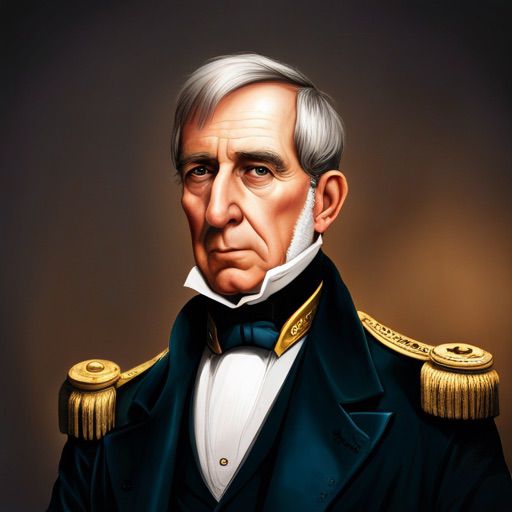
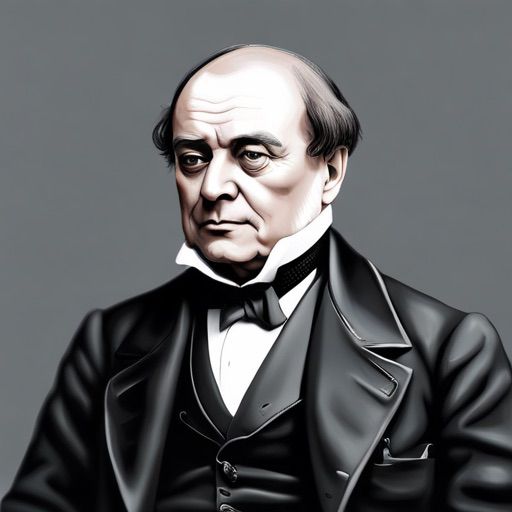
James Buchanan has a Reputation as a Mediocre President

Dave
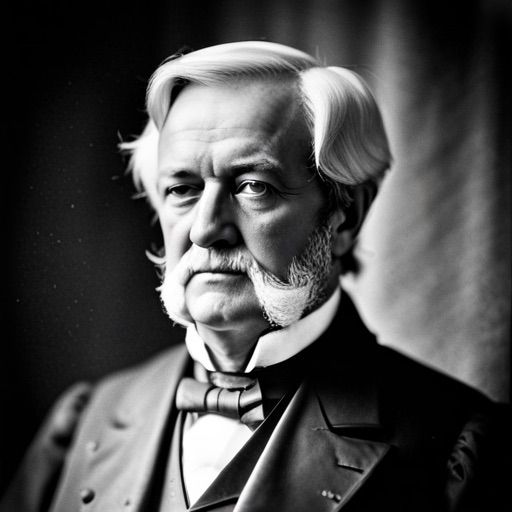
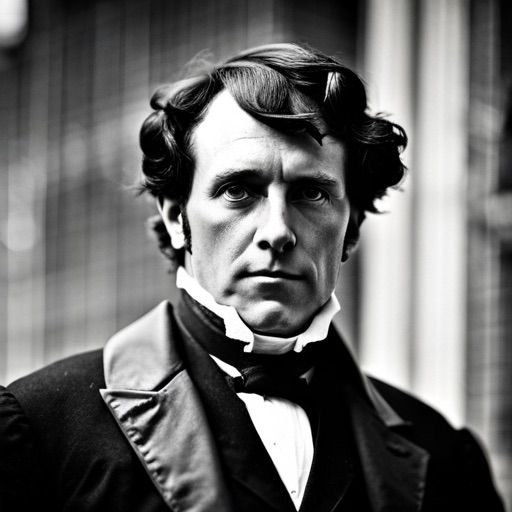
a man wearing a suit and tie

James Buchanan

James Buchanan, the 15th President of the United States, had a remarkable career in public service. Born in Pennsylvania in 1791, he studied law and ventured into politics, serving as a Congressman, Senator, Minister to Russia, and Secretary of State. However, his presidency was not without controversy. From 1857 to 1861, Buchanan was at the helm of a nation on the brink of civil war, and his leadership was tested. Unfortunately, he was unable to prevent the secession of seven southern states, which led to the bloodiest conflict in American history.

Many historians have criticized Buchanan’s lack of action during this critical period. Some argue that his inaction allowed the conflict to escalate, leading to tragic consequences. Despite his shortcomings, Buchanan’s legacy includes some notable accomplishments that cannot be ignored. He played a crucial role in resolving the Oregon boundary dispute with Great Britain, and he was also a key player in the drafting of the Ostend Manifesto, which called for the acquisition of Cuba from Spain. Buchanan was a staunch defender of the Constitution and believed strongly in the rights of states to govern themselves.

Sadly, Buchanan’s reputation as a mediocre President has persisted to this day. However, some historians have reevaluated his legacy in recent years, arguing that he was unfairly maligned by his contemporaries. They suggest that his failures as President were largely the result of circumstances beyond his control. Despite these debates, one thing is for sure: James Buchanan’s life and career in public service left an indelible mark on American history.

Related Posts

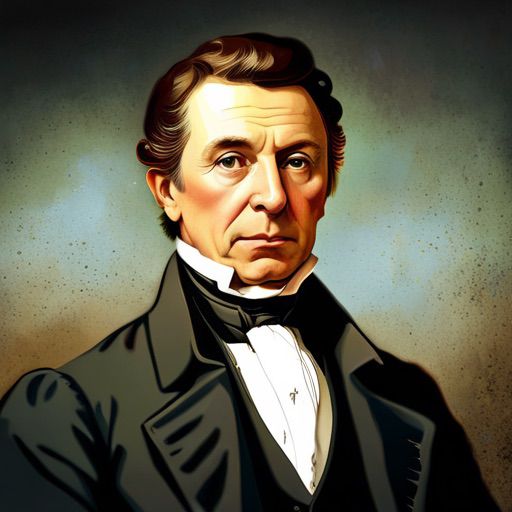
Franklin Pierce was a man who Lived and Breathed Politics

Dave
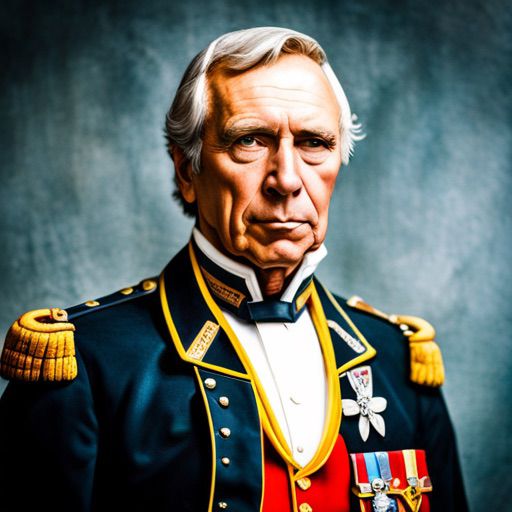
a man wearing a suit and tie

Franklin Pierce

Franklin Pierce, the 14th President of the United States, was a man who lived and breathed politics. Born in Hillsborough, New Hampshire in 1804, he was raised in a family that was deeply involved in the political scene. Pierce was an intelligent and ambitious young man who graduated from Bowdoin College in 1824 and went on to study law in Northampton, Massachusetts. He soon became a skilled lawyer and was admitted to the bar in 1827, returning to his home state of New Hampshire to begin his legal career.

Pierce’s talent for politics was evident from the start. He was elected to the New Hampshire legislature in 1829, and later served in the U.S. House of Representatives from 1833 to 1837 and in the U.S. Senate from 1837 to 1842. In 1852, Pierce was nominated as the Democratic candidate for President and won the election by a landslide. He was a man of action, and his presidency was marked by several significant events.

During his presidency, Pierce oversaw the Gadsden Purchase which added a large portion of land to the southwestern United States. He also supported the Fugitive Slave Act of 1850, which required the return of runaway slaves to their owners, and was a strong advocate for national unity. However, Pierce’s presidency was not without controversy. The Kansas-Nebraska Act, which he supported, led to violent conflict over the issue of slavery, and his stance on the issue drew sharp criticism from many in the North.

Despite his early successes, Pierce’s presidency ultimately failed to maintain the status quo on the issue of slavery. His efforts to appease Southern interests only deepened the divide between North and South, and he was not nominated for re-election in 1856. Today, Franklin Pierce is considered one of the least successful presidents in American history. However, he is remembered for his strong commitment to the principles of democracy and his efforts to promote national unity during a difficult and divisive period in American history.

Related Posts

Bridging the Gender Pay Gap in Soccer: The Case for Implementing a Flat 15% Revenue Share

Dave

a close up of a football ball

The issue of gender pay disparity in professional sports has ignited passionate debates and intense scrutiny in recent years. And one team that has been at the center of this discussion is the Women’s FIFA soccer team in America. While it is widely known that American women only receive 20% of the profit from their games, compared to the men’s team earning a mere 7%, it is crucial to delve deeper into the context behind these figures.

Beyond the earnings gap, it’s important to acknowledge that the men’s team generates significantly more revenue for the sport as a whole. This can be attributed to various factors, such as the immense popularity and viewership of men’s soccer in comparison to the women’s game. Throughout history, the men’s team has enjoyed a larger following and higher attendance rates, translating into greater revenue from ticket sales, sponsorships, and broadcasting rights.

While the women’s team has undoubtedly made remarkable strides and achieved extraordinary success on the international stage, they are still striving to attain the same level of financial support and recognition as their male counterparts. It is crucial to recognize that the disparity in earnings is not a reflection of the women’s team’s value or contribution to the sport. Instead, it serves as a stark reminder of the existing inequalities within the sports industry.

Efforts must be made to address these disparities and ensure that female athletes receive the recognition and compensation they genuinely deserve for their exceptional skills and unwavering dedication to the sport.

One proposed solution to bridge the gender pay gap in professional soccer is the implementation of a flat 15% revenue share for both men and women players. This approach suggests that regardless of gender, players should receive a fair and equitable share of the total profits generated by their respective teams. By adopting such a system, it guarantees that players are rewarded based on the overall financial success of their teams, aligning with the principle of meritocracy.

Not only does this approach promote gender equality by eliminating the disparity in earnings between male and female players, but it also provides equal opportunities for financial growth. This model incentivizes athletes of all genders to strive for success both on and off the field. Moreover, it sends a powerful message that recognizes and values the invaluable contributions of female athletes in the world of soccer.

Implementing a flat 15% revenue share ensures that both men and women players have a tangible stake in the financial success of their teams. This approach not only highlights the importance of gender equality but also establishes a fair and transparent system that rewards athletes based on their ability to generate revenue. In conclusion, adopting a flat 15% revenue share for men and women’s soccer presents a viable solution that promotes fairness, gender equality, and financial prosperity for players in this dynamic and globally beloved sport.

Related Posts

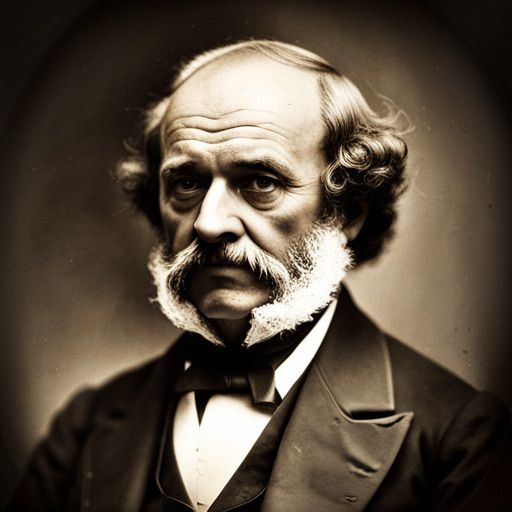
Millard Fillmore was the son of a Farmer and was Largely Self-taught

Dave
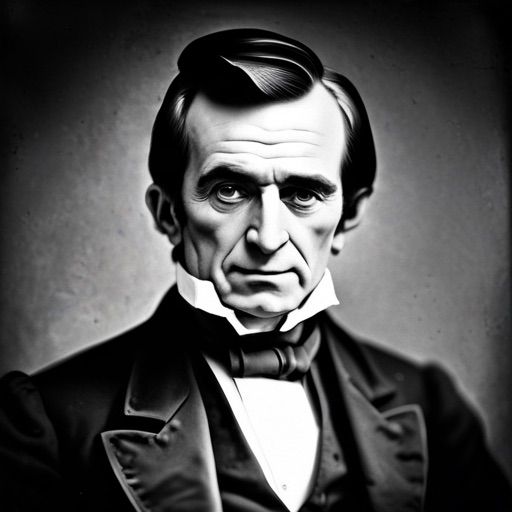
a man wearing a suit and tie

Millard Fillmore

Get ready to be transported back in time to learn about the life and legacy of Millard Fillmore, the 13th president of the United States! Born in a humble log cabin in New York, Fillmore was the son of a farmer and was largely self-taught. Despite his humble beginnings, he became a teacher before studying law and eventually becoming a lawyer in 1823.

But that wasn’t enough for Fillmore – he was involved in politics from an early age and was elected to the New York State Assembly in 1829. He went on to serve in the U.S. House of Representatives from 1833 to 1843, where he became known for his strong stance against slavery.

In 1849, Fillmore became vice president under Zachary Taylor and took over as president upon Taylor’s untimely death in 1850. During his presidency, Fillmore supported the Compromise of 1850, which aimed to settle disputes between slave and free states. This included the admission of California as a free state and the controversial Fugitive Slave Act, which required the return of runaway slaves to their owners.

Despite his efforts to delay the outbreak of the Civil War, Fillmore’s presidency was mired in controversy and he was not nominated for re-election in 1852. However, he didn’t let that stop him from continuing to serve the public. He spent the rest of his life working on various philanthropic projects, including the establishment of the University at Buffalo, which later became the State University of New York at Buffalo.

Fillmore’s legacy is complicated, but his commitment to education and philanthropy continue to inspire Americans to this day. So take a moment to appreciate the life and contributions of Millard Fillmore, a man who played an important role in the tumultuous period leading up to the Civil War and whose impact still resonates today.

Related Posts

Zachary Taylor was Born into a Family of Wealthy Plantation Owners

Dave
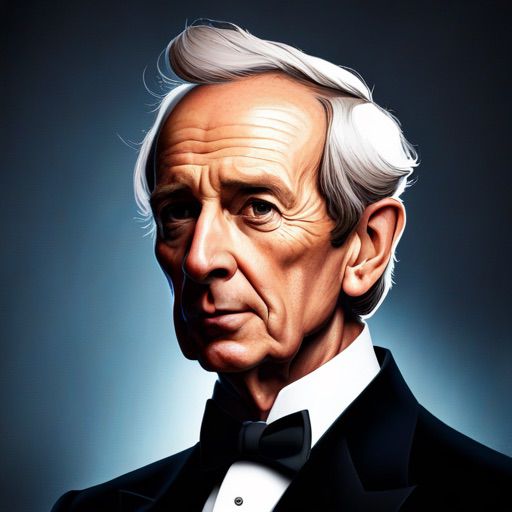
a person wearing a suit and tie

Zachary Taylor

Step back in time to the late 1700s, where a young boy named Zachary Taylor was born into a family of wealthy plantation owners in Orange County, Virginia. Growing up, Zachary had no inkling of the great heights he would ascend to one day.

In 1808, Taylor joined the U.S. Army, beginning his illustrious military career. He fought in the War of 1812 and was quickly promoted to major. But it wasn’t until the Mexican-American War that Taylor truly made a name for himself.

Leading his troops to victory in several battles, including the fabled Battle of Buena Vista, Taylor became a national hero. He was even bestowed the nickname “Old Rough and Ready” for his fearless and unrelenting leadership.

In 1848, Taylor was nominated by the Whig Party for president and went on to win the election. His presidency, though short-lived, was marked by controversy. Taylor vehemently opposed the expansion of slavery and threatened to veto any legislation that supported it. This didn’t sit well with many Southerners, who were counting on Taylor to be a more accommodating leader.

Sadly, Zachary Taylor’s presidency was cut short when he fell ill and passed away in July 1850. Despite his brief time in office, Taylor made a lasting impact on American history. His stance on slavery helped ignite the tensions that eventually led to the Civil War, and his military victories helped establish the United States as a powerful force in the region.

While his legacy may be complex, there’s no denying that Zachary Taylor will always be remembered as a key figure in American history.

Related Posts

James K. Polk, the 11th President of the United States

Dave
a man wearing a suit and tie

James K. Polk

James K. Polk, the 11th President of the United States, was a man of many accomplishments and controversies. Born on November 2, 1795, in Mecklenburg County, North Carolina, Polk’s family relocated to Tennessee when he was young. He grew up to become a lawyer and later a politician, serving for 14 years in the United States House of Representatives, where he was a strong supporter of Andrew Jackson’s policies, especially with regard to Indian removal.

During his presidency from 1845 to 1849, Polk achieved significant domestic and international accomplishments. He lowered tariffs, established an independent treasury system, and oversaw the construction of the Smithsonian Institution. He was also an advocate for the annexation of Texas, which happened during his presidency. However, the most notable event of his presidency was initiating the Mexican-American War, which led to the acquisition of California and other western territories. Despite the controversies surrounding the war, Polk is still widely regarded as one of the most effective presidents in American history.

However, Polk’s presidency also had lasting effects on American politics and society. His policies on westward expansion and the treatment of Native Americans played a significant role in shaping the country’s future. The war with Mexico also raised concerns about the morality of the conflict and the motives behind it.

In conclusion, James K. Polk was a complex figure in American history, with both notable achievements and controversies. His contributions to the country’s development and his impact on American politics and society continue to be studied and debated by scholars and historians today.

Related Posts

John Tyler was the Tenth President of the United States and a Man of Many Firsts

Dave
a man wearing a suit and tie

John Tyler

John Tyler, the tenth President of the United States, was a man of many firsts. He was the first Vice President to ascend to the presidency after the sudden death of his predecessor, William Henry Harrison. Tyler’s ascent to power was marked by controversy and conflict, as he faced opposition from different factions of his own party while trying to navigate the complex issues of the time.

Tyler was a strong believer in states’ rights and limited government, which often put him at odds with members of his own party and with Congress. Despite these challenges, Tyler was able to achieve some notable accomplishments during his time in office. He signed the Webster-Ashburton Treaty with Great Britain, which helped to resolve boundary disputes between the two nations. Additionally, he established a permanent U.S. naval presence in the Pacific, which helped to assert American influence in the region.

However, Tyler’s presidency was not without its challenges. He faced impeachment proceedings, although they were ultimately dropped. Tyler also had to navigate the annexation of Texas and the question of slavery in the newly acquired territories. These issues proved to be divisive and controversial, and Tyler struggled to balance the interests of different factions within his own party.

Despite these challenges, Tyler remained committed to his principles and beliefs, even in the face of opposition and adversity. After leaving office, he remained active in politics and was a vocal advocate for secession leading up to the Civil War.

Related Posts

William Henry Harrison was an American Statesman and Military Officer who Served as the Ninth President of the United States

Dave
a man wearing a suit and tie

William Henry Harrison

William Henry Harrison was not only a military officer but also a remarkable American statesman who served as the ninth President of the United States in 1841. Born and raised in Virginia in 1773, Harrison was a scholar at Hampden-Sydney College before joining the army. He rapidly climbed through the ranks and earned the nickname “Old Tippecanoe” for his triumph at the Battle of Tippecanoe in 1811 against Native American tribes in the Northwest Territory. He was also the governor of the Indiana Territory from 1801 to 1812, and during his tenure, he helped to negotiate several treaties with Native American tribes, a significant feat for the time.

In 1812, Harrison resigned from his governorship and went back to the army to fight in the War of 1812. He was instrumental in leading American forces to triumph at the Battle of the Thames in 1813, which effectively ended the British threat in the Northwest Territory. After the war, Harrison continued to be a public servant in various government positions, including as a representative and senator from Ohio.

In 1840, he ran for president as the Whig Party candidate and won a landslide victory over the incumbent, Martin Van Buren, thanks to his popularity as a military hero and statesman. However, Harrison’s presidency was short-lived. He delivered a lengthy inaugural address on a cold and rainy day in March 1841, and as a result, he caught a cold that soon turned into pneumonia. Sadly, he passed away just 31 days after taking office, making him the shortest-serving president in American history.

Despite his brief tenure, Harrison’s legacy as a military hero and statesman has endured, and it’s worth noting that his grandson, Benjamin Harrison, later became the 23rd President of the United States.

Related Posts

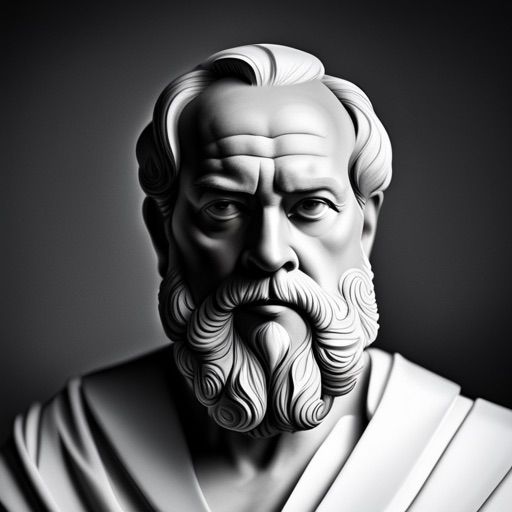
Unraveling the Timeless Wisdom of Socrates

Dave


Socrates was a Greek philosopher who lived in Athens during the 5th century BCE. He is widely regarded as one of the most prominent figures in Western philosophy, and his ideas have had a profound impact on the development of the field. Socrates is perhaps most famous for his belief in the importance of questioning and inquiry, which he demonstrated through his use of the Socratic method. This method involved asking a series of questions to arrive at a deeper understanding of a particular topic or idea. Socrates believed that questioning and critical thinking were essential to gaining knowledge and understanding the world around us.

Another notable idea from Socrates was his belief in the importance of living a virtuous life. He argued that the pursuit of wealth, power, and pleasure was ultimately unfulfilling, and that true happiness could only be achieved through living a life of moral excellence. Socrates believed that everyone had the potential to be virtuous, and that by examining one’s own beliefs and behaviors, one could strive to become a better person.

In addition to his ideas about questioning, inquiry, and virtue, Socrates also had strong opinions about the nature of knowledge and wisdom. He famously claimed that he was wiser than anyone else because he was aware of his own ignorance. Socrates believed that true wisdom came from acknowledging one’s own limitations and being open to learning from others.

Finally, Socrates was known for his belief in the immortality of the soul. He argued that the body was mortal and subject to decay, but that the soul was eternal and would continue to exist after death. Socrates believed that the pursuit of knowledge and virtue was not only important for living a fulfilling life, but also for preparing oneself for the afterlife.

Overall, Socrates’ ideas have had a lasting impact on philosophy and continue to be studied and debated today. His emphasis on questioning, inquiry, virtue, wisdom, and the immortality of the soul remain relevant and influential in the modern world.

Related Posts

China’s Interest in Taiwan’s Technology is a Significant Threat

Dave

a group of clouds in the sky
For decades, the relationship between China and Taiwan has been a constant source of tension and complexity. While political motives have been at the forefront of this relationship, recent speculation highlights a new concern for Taiwan. It appears that China’s interest in Taiwan has moved beyond mere politics and has extended to its advanced technology industry.

The stakes are high, as Taiwan is home to some of the world’s most significant tech companies, including TSMC, a major producer of semiconductors used in smartphones and other electronics. In contrast, China has struggled to develop its own advanced technology industry, relying on technology transfers and intellectual property theft to catch up.

China’s interest in Taiwan’s technology is not novel. In the past, China lured Taiwanese companies to relocate to the mainland by offering subsidies and incentives, but it was not successful. The reason is simple – Taiwan has robust intellectual property protections and a skilled workforce. However, China’s new approach of taking over Taiwan’s tech industry is more aggressive, yet it could be more effective.

China’s interest in Taiwan’s technology goes beyond catching up with the rest of the world. It’s about gaining strategic dominance. China views technology as a critical component of its plan to become a dominant global power. By taking over Taiwan’s tech industry, China would have significant leverage over the global technology supply chain, providing it with an edge in geopolitical conflicts and trade negotiations.

But taking over Taiwan’s technology industry is easier said than done. Taiwan takes pride in its democracy and nationalism, and its people are unlikely to accept an authoritarian regime from mainland China. Furthermore, the United States has a substantial interest in preserving Taiwan’s independence and has vowed to defend Taiwan against any aggression from China.

In conclusion, China’s interest in taking over Taiwan’s technology industry is a significant threat to Taiwan and the rest of the world. It remains unclear if China will take more aggressive measures to achieve this goal, but it’s crucial for Taiwan to safeguard its intellectual property, and for the international community to support Taiwan’s independence.

Related Posts

Martin Van Buren was the Eighth President of the United States

Dave
a man wearing a suit and tie

Martin Van Buren

Martin Van Buren, the eighth president of the United States, was a remarkable figure in American politics. Born in Kinderhook, New York in 1782, Van Buren hailed from a family of Dutch descent. He was a brilliant lawyer and an accomplished politician, who rose to fame in the Democratic-Republican Party during the early 19th century.

Van Buren played a pivotal role in establishing the modern political party system in America. He was instrumental in founding the Democratic Party and served as its first leader. His presidency, which lasted from 1837 to 1841, was marked by significant events, including the Panic of 1837, a severe economic depression that lasted for years. He also faced challenges concerning the annexation of Texas, which stirred controversy at the time. However, Van Buren’s diplomatic skills and political acumen helped him navigate these complex situations.

Van Buren believed that political parties were essential for democracy to function properly. He championed the idea that they provided citizens with a way to organize and express their views, ensuring that elected officials were accountable to the people they served. His advocacy for the two-party system remains one of his most enduring legacies.

Despite his many accomplishments, Van Buren faced criticism during his presidency. He was accused of mishandling the economy during the Panic of 1837 and of failing to address the issue of slavery. Nonetheless, he remained active in politics after his presidency, serving as a crucial figure within the Democratic Party. He supported his successor, James K. Polk, and worked tirelessly to promote the party’s interests throughout the country.

Van Buren passed away in 1862 at the age of 79. He will always be remembered as a skilled politician, a brilliant thinker, and a key figure in the development of American democracy.

Related Posts

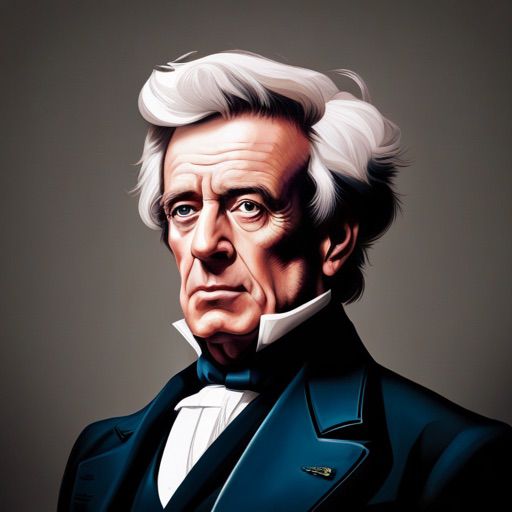
Andrew Jackson was the Seventh President of the United States

Dave
a man wearing a suit and tie

Andrew Jackson

Andrew Jackson, the seventh president of the United States, was a man of many faces. He was a military hero, a controversial figure, and a passionate advocate for the common man. Jackson’s presidency was marked by his bold and often divisive policies, which left a lasting impact on American history.

Before he ascended to the presidency, Jackson was a celebrated general who had earned his stripes on the battlefield. He had led American troops to victory during the War of 1812 and had defeated Native American tribes in a series of hard-fought battles. His military prowess made him a hero to many Americans.

However, Jackson’s legacy is also marked by controversy. His Indian Removal Act of 1830 was a dark stain on his presidency, as it forced thousands of Native Americans from their ancestral lands and led to the infamous Trail of Tears. The suffering and death that resulted from this policy are a sobering reminder of the price of power.

Despite this, Jackson is still remembered as a strong and charismatic leader who fought for the interests of ordinary Americans. He was a champion of states’ rights and a fierce opponent of the national bank. His populist policies resonated with many Americans, and his presidency marked the beginning of a new era in American politics.

Today, Andrew Jackson’s legacy is still felt in many ways. His presidency set the stage for the rise of the Democratic Party and the decline of the Whigs. His policies on Native American removal and states’ rights continue to be debated and scrutinized. Andrew Jackson was a complex and multifaceted figure, whose impact on American history cannot be denied.

Related Posts

John Quincy Adams was the Sixth President of the United States

Dave
a man wearing a suit and tie

John Quincy Adams

John Quincy Adams, the sixth president of the United States, was a man of many achievements and principles, whose legacy continues to inspire us today. Born in 1767 to John Adams, the second president of the United States, and Abigail Adams, John Quincy Adams had a distinguished career in public service, which included serving as a diplomat, senator, secretary of state, and president.

Adams was a strong advocate for the abolition of slavery and believed in the principles of free speech and the right to petition the government. He was a skilled diplomat, who played a key role in negotiating the Treaty of Ghent, which ended the War of 1812, and the Adams-Onis Treaty, which established the border between the United States and Spain. As the secretary of state, Adams was instrumental in developing the Monroe Doctrine, which declared that the United States would not tolerate any further European colonization in the Western Hemisphere.

Despite his many accomplishments, Adams faced significant challenges during his presidency. He was often at odds with Congress, and his efforts to modernize the government and promote economic growth were met with resistance. But Adams remained committed to his principles and continued to fight for the causes he believed in.

After leaving the presidency, Adams was elected to the House of Representatives, where he served from 1831 until his death in 1848. He was a powerful voice for abolition and civil rights, and he fought against the spread of slavery in the United States. In 1841, Adams successfully defended a group of African slaves who had staged a mutiny on the Amistad, arguing before the Supreme Court that they were free men who had been kidnapped and sold into slavery.

John Quincy Adams was a brilliant and dedicated public servant who spent his life fighting for the principles of freedom, justice, and equality. His legacy inspires us to stand up for what we believe in and work tirelessly to make the world a better place.

Related Posts

James Monroe was the fifth president of the United States

Dave
a person wearing a suit and tie

James Monroe

James Monroe, the fifth president of the United States, was a true American hero. Born in Virginia in 1758, he fought alongside the legendary George Washington in the Revolutionary War. But his accomplishments didn’t stop there. Monroe served as a diplomat in France, Spain, and Great Britain, honing his diplomatic skills and gaining invaluable experience in international affairs.

Monroe’s foreign policy, famously known as the Monroe Doctrine, was a game-changer. It was a bold stance that warned European powers not to interfere in the affairs of the Western Hemisphere. This policy not only protected American interests but also signaled a new era of autonomy for the countries of Central and South America.

During his time in office, Monroe oversaw a period of economic growth and expansion that included the acquisition of Florida from Spain. He was also instrumental in the construction of the Erie Canal, a monumental feat of engineering that opened up new trade and transportation routes between the East Coast and the Midwest.

Despite these successes, Monroe faced significant challenges during his presidency. The Panic of 1819 plunged the country into an economic recession, and sectional tensions over the issue of slavery threatened to tear the nation apart.

Overall, James Monroe’s legacy is one of tremendous accomplishment and service to his country. He was a skilled diplomat and a visionary leader who left an indelible mark on American history.
Related Posts

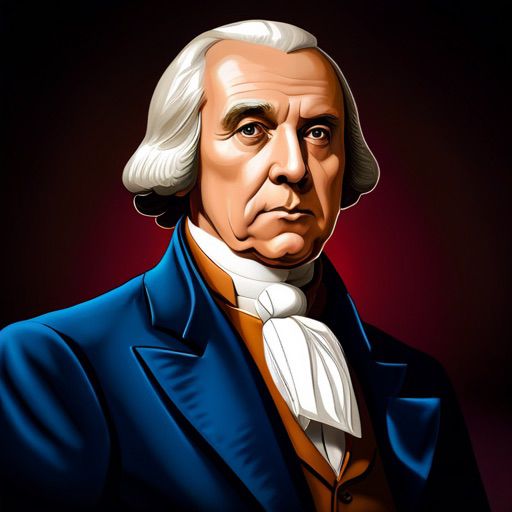
James Madison the Fourth President of the United States

Dave
a man wearing a suit and tie

James Madison

James Madison, a man of great intellect, was one of the key architects of the United States of America. Born in 1751 in Virginia, Madison received his education from the prestigious College of New Jersey, which is now known as Princeton University. He was a master politician and played a pivotal role in crafting the U.S. Constitution, which is the backbone of American democracy. Madison’s contribution to the Constitution was so significant that he is often referred to as the “Father of the Constitution.”

Madison’s brilliance and political acumen were evident when he served as the fourth President of the United States. During his two-term presidency from 1809 to 1817, Madison navigated the country through the War of 1812, a conflict with Great Britain. He championed individual rights and worked tirelessly to establish a strong federal government to protect them. Madison firmly believed that the separation of powers and checks and balances were crucial to ensuring that no branch of government became too powerful.

Despite his enormous contributions, Madison was a humble man who preferred to work behind the scenes. He was known for his ability to grasp complex political issues and his unwavering commitment to individual liberty. Madison’s ideas continue to shape the nation today, and his legacy is a testament to his enduring impact on American history.
Related Posts

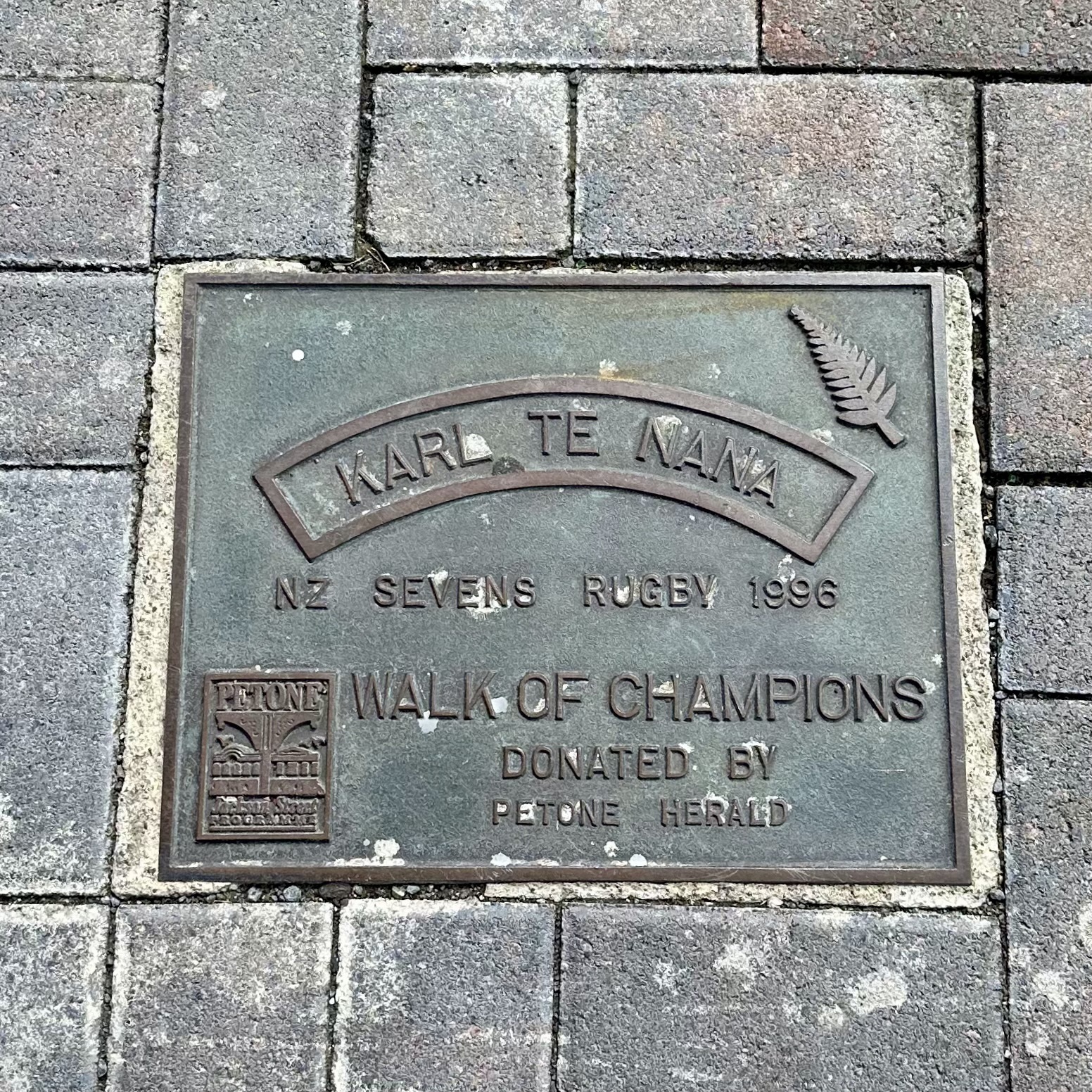
Karl Te Nana and the Legendary New Zealand Sevens Rugby 1996 Walk of Champions

Dave


The New Zealand Sevens Rugby 1996 Walk of Champions is a legendary event that holds a significant place in the history of New Zealand rugby – a sport that’s almost like a religion for the Kiwis. While I couldn’t find specific details about Karl Te Nana’s participation in the Walk of Champions that year, I can provide you with some fascinating insights into the event and its importance.

The Walk of Champions is a revered tradition in rugby circles where players, past and present, are celebrated for their contributions to the sport. It’s a momentous occasion that’s often held before major rugby tournaments or as part of special events. The purpose of the Walk of Champions is to pay homage to the players’ achievements, showcase the rich history of the sport, and get fans pumped up with excitement.

The New Zealand Sevens Rugby team is a force to be reckoned with in the world of rugby sevens, a breathtakingly fast variant of the game. The team’s legacy is one of dominance, having clinched numerous victories and championships over the years. The 1996 edition of the New Zealand Sevens Rugby tournament was undoubtedly a momentous event, but specific details of Karl Te Nan’s involvement in the Walk of Champions during that year are somewhat elusive.

Karl Te Nana is a former New Zealand rugby union player who played as a winger and represented his country in both fifteens and sevens rugby during his illustrious career. Although I couldn’t find any specific information about his role in the 1996 Walk of Champions, it’s safe to say that his contributions to New Zealand rugby would undoubtedly be recognized and celebrated.

If you’re interested in delving deeper into the New Zealand Sevens Rugby 1996 Walk of Champions or Karl Te Nana’s involvement, I recommend scouring through official rugby archives, news articles, or reaching out to relevant rugby associations or organizations that may have documented records of the event. Who knows what fascinating tidbits of information you may uncover!

Related Posts

Communism Consistently Fails

Dave

a flag on a pole

Communism is a political ideology that advocates for the communal ownership of resources and the elimination of social classes. While this may sound ideal in theory, history has shown that communism consistently fails in practice. One of the main reasons for this failure is the lack of incentives for individuals to work hard and be productive. In a communist society, everyone is supposed to contribute to the common good, but without the promise of personal gain, many people become unmotivated and lazy. This results in a lack of productivity and economic growth, which ultimately leads to poverty and a lower standard of living for the general population. Additionally, the central planning of the economy by the government often results in inefficiencies and a lack of innovation. Without competition and the profit motive, there is little incentive for businesses to improve their products or services, and the economy becomes stagnant. Furthermore, communism requires a strong central government to enforce its policies, which often leads to authoritarianism and the suppression of individual freedoms and human rights. This can create a society where dissent and free speech are not tolerated, and citizens are punished for expressing their opinions. Finally, corruption and inequality often arise in communist societies, as those in power have access to resources and privileges that are not available to the general population. In conclusion, while communism may seem like an appealing ideology in theory, history has shown that it consistently fails in practice due to the lack of incentives, inefficiencies in central planning, authoritarianism, and corruption.

Related Posts