Author: Dave

I've always been curious about the world beyond my own backyard. While many people spend their entire lives close to where they were born, I've been fortunate enough to travel across the United States and around the world. Every place I've visited has challenged my assumptions in one way or another and reminded me that, despite our differences, people often have far more in common than they realize. I don't write to tell personal stories for the sake of telling them, and I don't believe every article needs to revolve around me. Instead, I enjoy using my experiences as a starting point for exploring larger ideas. Whether it's something I noticed while walking through a market overseas, a conversation with someone from another culture, or simply observing how different communities solve similar problems, I'm interested in the lessons those moments can teach all of us. Travel has given me perspective, but it has also taught me humility. The more places I visit, the more I realize there is still to learn. Every culture has something worth appreciating, and every journey has a way of expanding how we see the world and our place within it. When I write, my goal is simple: to share thoughtful observations, compare perspectives, and encourage curiosity. I hope readers come away having learned something new—not just about another place, but about the world we all share. If one of my articles inspires someone to look at a familiar idea differently, ask a new question, or venture a little farther than they otherwise might have, then I've accomplished exactly what I set out to do.

Dick Move Band Lives Up to Their Name

Dave

The concert lineup for the night featured three bands, with Dick Move kicking off the event, followed by The Breeders, and finally, the Foo Fighters headlining the show. Dick Move, although being the opening act, unfortunately failed to impress the crowd with their performance. Their sound was characterized by a lack of clarity, making it difficult to understand the lyrics or any message they were trying to convey. Moreover, their songs seemed to blend together, lacking diversity and originality. As they concluded their set and made their way off the stage, they decided to voice their political opinions by shouting “Free Palestine.” However, this unexpected political statement was met with disapproval from the audience. Understandably, concertgoers attend live shows to enjoy the music and escape from the political climate, rather than being confronted with divisive topics. Consequently, their politically charged outburst was not well-received, with many attendees feeling that it was inappropriate and unwelcome.

Related Posts

Unyielding Valor: The Saga of William Wallace, Scotland’s Eternal Hero

Dave

In the annals of Scottish history, one name stands out like a beacon of hope and defiance: William Wallace. Born in the tumultuous era of the late 13th century, Wallace would rise to become a legendary figure, forever etched in the memories of his countrymen.

With a spirit untamed by English oppression, Wallace emerged as a fierce leader, embodying the indomitable Scottish resistance. His presence alone struck fear into the hearts of his enemies. Renowned for his military genius and tactical brilliance, he orchestrated a series of triumphant campaigns against the English forces.

But it was at the Battle of Stirling Bridge where Wallace’s legend reached its zenith. With the odds stacked against them, the Scottish army, led by this fearless warrior, defied all expectations and achieved an astonishing victory. The reverberations of this momentous event echoed throughout the land, igniting a fire of nationalistic fervor that burned brighter than ever before.

Alas, the tides of fortune can be fickle, and Wallace’s glory was short-lived. The Battle of Falkirk dealt a crushing blow to his aspirations, leading to his capture and subsequent execution in 1305. Yet, even in death, his spirit refused to be extinguished.

The tale of William Wallace, the valiant knight who dared to challenge the might of a kingdom, captured the hearts and minds of generations. His legacy became an indelible symbol of Scottish resilience and the fight for independence. From the epic verses of Blind Harry’s “The Wallace” to the silver screen portrayal in the iconic film “Braveheart,” his story has resonated across time.

William Wallace, the embodiment of unwavering commitment and heroic deeds, continues to inspire and captivate. His name lives on, forever etched in the annals of Scottish history, as an enduring symbol of bravery, freedom, and the undying spirit of a nation.

Related Posts

Exploring the Wonders of Datang Everbright City in Xi’an

Dave

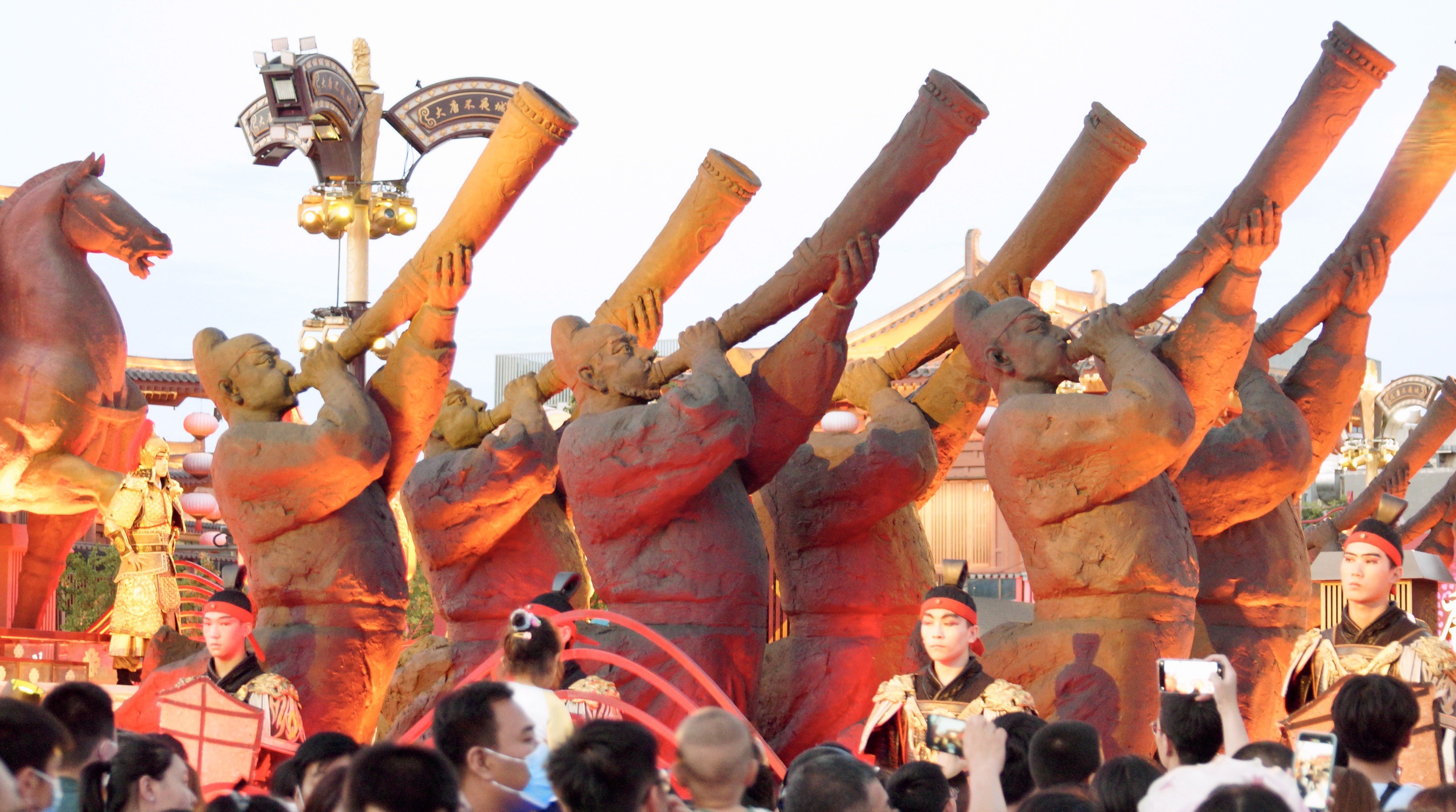
Datang Everbright City in Xi’an presents a captivating destination that effectively showcases the rich history and contemporary developments of China. Tucked away within the ancient city of Xi’an, this vibrant cultural complex offers a delightful fusion of traditional architecture and cutting-edge technology. As soon as you set foot here, you are instantly whisked away to a bygone era, greeted by splendid replicas of Tang Dynasty structures adorned with intricate carvings and vibrant hues. These architectural wonders not only provide visually pleasing sights but also offer a glimpse into the grandeur of the Tang Dynasty, widely regarded as the golden age of Chinese civilization. The meticulous attention to detail in their design and construction is truly commendable, making it an absolute must-visit for history buffs and architectural enthusiasts.

However, Datang Everbright City goes beyond being a mere historical site; it seamlessly integrates modern advancements to create an immersive and interactive experience for visitors. The Tang Paradise, a standout feature of this complex, is an enticing theme park that meticulously recreates the splendor of the Tang Dynasty. Here, one can explore breathtaking gardens, be mesmerized by captivating performances, and even take a serene boat ride across the picturesque lake. The clever use of cutting-edge technologies, such as awe-inspiring holographic projections and immersive virtual reality, adds an unparalleled charm to the overall experience, effectively bringing the history to life in the most captivating manner.

Another remarkable aspect of Datang Everbright City lies in its diverse range of cultural activities. From mesmerizing traditional Chinese dance performances and soul-stirring music concerts to captivating calligraphy demonstrations and elegant tea ceremonies, there is a plethora of engaging experiences catering to individual preferences. Moreover, visitors are provided with opportunities to participate in workshops where they can learn cherished traditional crafts like the delicate art of paper cutting and the exquisite mastery of silk embroidery. These activities allow participants to gain a profound understanding and appreciation for the rich tapestry of Chinese culture and artistic heritage.

Furthermore, Datang Everbright City takes its visitors on an extraordinary gastronomic journey through the flavors of ancient China. Within the complex, one can find a variety of exceptional restaurants and quaint food stalls serving delicious, authentic Tang Dynasty cuisine. Every dish, from the savory dumplings to the delectable sweet rice cakes, is meticulously prepared using traditional recipes and techniques, offering visitors an exquisite and authentic taste of the past.

Beyond its cultural and culinary wonders, Datang Everbright City also provides ample opportunities for relaxation and leisure. The expansive park surrounding the complex offers an idyllic setting for leisurely strolls amidst lush greenery or enjoyable picnics, providing a tranquil escape from the bustling city life. Additionally, numerous souvenir shops and boutiques are scattered throughout the complex, enticing visitors with unique handicrafts and treasured mementos that serve as tangible reminders of their extraordinary visit.

In conclusion, Datang Everbright City in Xi’an stands as an exceptional destination that seamlessly combines history, culture, and technology. Whether one finds themselves engrossed in the annals of the past, captivated by artistic marvels, or simply seeking an extraordinary and immersive experience, this cultural complex offers something truly extraordinary for every individual. Its meticulous attention to detail, interactive attractions enhanced by advanced technologies, and diverse range of engaging activities effortlessly establish it as a must-visit destination epitomizing the very best of ancient and modern China.

Related Posts

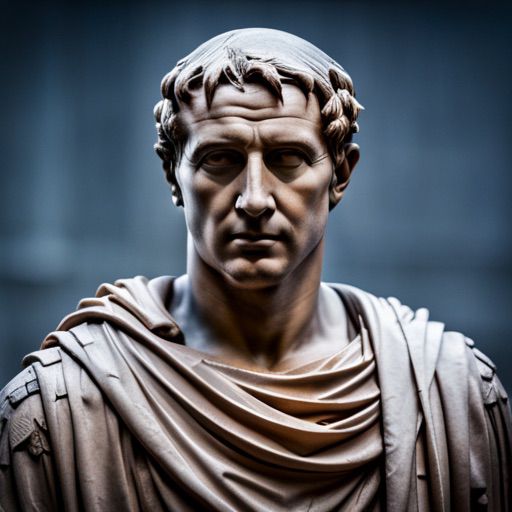
Caligula Unveiled: The Madness and Intrigue of Rome’s Most Infamous Emperor

Dave

a man standing in front of a building
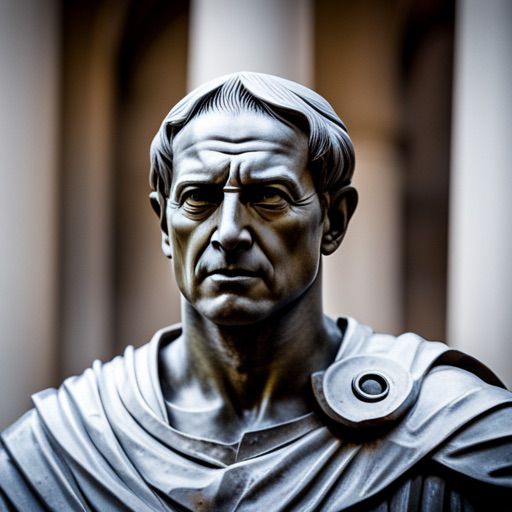
Get ready to witness the rise and fall of one of the most controversial figures in Roman history – Gaius Caesar Germanicus, also known as Caligula. Born in 12 AD as the third son of Germanicus, a beloved Roman general, and the granddaughter of Augustus, the first Roman emperor, Caligula was destined for greatness. With his charming looks, charisma, and wit, he was adored by the Roman people. However, his short-lived reign of only four years, from 37 AD to 41 AD, was nothing short of a rollercoaster ride filled with cruelty, extravagance, and madness.

Caligula’s ascension to the throne was relatively calm. Initially, he was a popular emperor who abolished unpopular taxes, restored democratic freedoms, and initiated massive building projects. However, it wasn’t long before things started spiraling out of control. Caligula’s behavior became increasingly erratic and bizarre, including donning women’s clothing and appointing his favorite horse as a consul.

The emperor’s cruelty was most evident in his treatment of the Roman Senate. He had many senators executed without any reason and publicly humiliated them. Caligula’s incestuous relationships with his sisters and rumored acts of extreme sexual depravity only added to his infamy. His reckless spending and taxation policies also put a tremendous strain on the Roman economy, leaving it in shambles.

But even with all his power, Caligula’s behavior eventually became too much for the people and the Senate to bear. In 41 AD, he met his demise at the hands of members of his own Praetorian Guard. Although his reign was short, Caligula’s legacy continues to fascinate historians and the public alike. He is remembered as one of Rome’s most notorious and eccentric emperors, whose reign serves as a cautionary tale about the dangers of absolute power.

Related Posts

The Art of Aging: Unveiling the Secrets of Okinawa Awamori

Dave

Okinawa awamori, which is an esteemed traditional distilled alcoholic beverage, holds a special place in the cultural heritage of Okinawa, Japan. It is deeply intertwined with the customs, traditions, and way of life on the island, with its origins dating back centuries. This exceptional libation is meticulously crafted using long-grain indica rice, undergoing a careful fermentation process with black koji mold and water. However, what truly sets this drink apart is its unique aging process; it is delicately entombed in traditional clay pots called kame and left to mature underground.

This underground seclusion allows the awamori to develop and unveil its complex flavors over time. The end result is an exquisite elixir that is both smooth and aromatic, boasting a distinctive taste profile with subtle undertones of tropical fruits, earthiness, and a gentle sweetness. The craftsmanship and quality of Okinawa awamori are highly esteemed, with many distilleries adhering to time-honored production methods passed down through generations. The production of awamori is not merely a skill; it is an artistic endeavor where master distillers devote their lives to perfecting this craft. Enthusiasts typically enjoy the spirit neat or over ice, relishing its intricate flavors sip by sip. Moreover, awamori imparts its distinct touch to various cocktails and culinary recipes, adding a unique flavor dimension to Okinawan cuisine.

Beyond its delightful taste, awamori carries significant cultural significance within Okinawan society. It takes center stage in traditional ceremonies, festivals, and celebrations, symbolizing unity and harmony while preserving local traditions. The spirit has also gained international recognition, attracting a growing interest among spirits connoisseurs worldwide who appreciate its exceptional qualities and cultural heritage. As a result, the production and consumption of Okinawa awamori continue to thrive, bolstering the island’s economy and sharing a valuable slice of Okinawan culture with the rest of the world.

Related Posts

Gabriel’s Grace: Illuminating the Path of Divine Communication

Dave

Archangel Gabriel stands among the most recognized and influential figures within religious and spiritual traditions throughout the world. Revered as the divine messenger, Gabriel serves as a bridge between heaven and humanity, delivering revelations, guidance, warnings, and messages of profound significance. Throughout centuries of religious history, Gabriel has occupied a unique position among the archangels, acting as the voice through which divine truth is communicated to mankind. Whether appearing in sacred texts, artistic masterpieces, theological writings, or spiritual traditions, Gabriel remains a powerful symbol of communication, revelation, wisdom, and divine purpose.

The name Gabriel originates from Hebrew and is commonly translated as “God is my strength” or “Strength of God.” This meaning reflects the essence of Gabriel’s mission. Unlike a warrior whose strength is demonstrated through battle, Gabriel’s strength lies in the power of truth, knowledge, and divine communication. His role reminds humanity that words have the power to transform lives, shape destinies, and alter the course of history. Through the messages he delivers, Gabriel serves as a conduit through which divine wisdom enters the human world.

Communication is one of the most important aspects of human existence. Every relationship, society, culture, and civilization depends upon the exchange of information and understanding. Miscommunication often leads to conflict, confusion, and misunderstanding, while clear communication fosters trust, cooperation, and growth. Gabriel’s role as the heavenly messenger highlights the sacred importance of communication itself. He represents not merely the delivery of information but the transmission of truth, purpose, and spiritual insight.

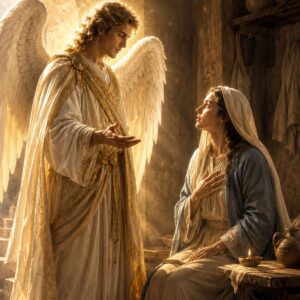
Throughout religious tradition, Gabriel frequently appears during moments of extraordinary significance. His messages are not casual conversations but pivotal revelations that often change the course of human history. One of the most famous examples occurs in the Gospel accounts of Christianity, where Gabriel appears to the Virgin Mary and announces that she will give birth to Jesus Christ. This event, known as the Annunciation, stands as one of the most important moments in Christian theology. Gabriel’s words initiated a chain of events that would profoundly influence billions of people across centuries.

The Annunciation illustrates several key aspects of Gabriel’s character. First, it demonstrates his role as a bearer of divine truth. Gabriel does not deliver his own opinions or desires; he serves as a faithful messenger conveying God’s will. Second, it highlights the courage often required to receive and accept transformative messages. Mary’s willingness to embrace Gabriel’s revelation despite uncertainty serves as a powerful example of faith and trust. Finally, the event reveals Gabriel’s compassionate nature. Although his message carried immense significance, he delivered it with reassurance and grace, helping Mary understand her role within a larger divine plan.

Gabriel’s importance extends far beyond Christianity. In Judaism, Gabriel is regarded as one of the principal archangels and frequently appears as a messenger and interpreter of divine visions. Jewish traditions often portray him as a guardian of truth and a defender of God’s purposes. His presence within Jewish theology predates Christianity and contributes significantly to his broader spiritual significance.

Within Islam, Gabriel, known as Jibril, occupies an especially prominent role. Islamic tradition teaches that Gabriel served as the angel responsible for delivering the revelations of the Quran to the Prophet Muhammad. Over a period of many years, Gabriel transmitted God’s words, which were ultimately compiled into Islam’s sacred scripture. This role places Gabriel at the very heart of Islamic faith and emphasizes his position as one of the most important angelic beings in religious history.

The presence of Gabriel across multiple major faith traditions is remarkable. Few spiritual figures enjoy such widespread recognition and reverence. His appearance within Judaism, Christianity, and Islam highlights universal themes that transcend individual religious boundaries. These themes include divine communication, guidance, truth, wisdom, and the transformative power of revelation. Gabriel’s enduring presence across cultures demonstrates humanity’s deep fascination with the possibility of receiving guidance from a higher source.

One of the most compelling aspects of Gabriel’s role involves revelation itself. Human beings have always sought answers to life’s deepest questions. Why are we here? What is our purpose? How should we live? What lies beyond the physical world? Throughout history, people have looked to prophets, spiritual leaders, philosophers, and sacred texts for insight into these mysteries. Gabriel represents the idea that divine wisdom can be communicated to humanity and that meaningful guidance is available to those who seek it.

Revelation often arrives during moments of uncertainty and transition. Individuals frequently encounter situations where the future appears unclear and important decisions must be made. During such times, guidance becomes especially valuable. Gabriel’s symbolism reminds people to remain open to insight, wisdom, and understanding. While not everyone expects a literal angelic visitation, many individuals seek moments of clarity that help illuminate the path ahead.

The concept of divine communication also carries symbolic significance. Even for those who view Gabriel as an archetype rather than a literal being, his role highlights the importance of listening. Modern life is filled with distractions, noise, and competing demands for attention. Genuine understanding often requires periods of stillness and reflection. Gabriel’s example encourages individuals to cultivate awareness, pay attention to intuition, and remain receptive to meaningful insights that may arise through prayer, meditation, contemplation, or life experience.

Many spiritual traditions associate Gabriel with creativity and inspiration. Communication is not limited to spoken words. Art, music, literature, and other forms of creative expression also serve as powerful vehicles for conveying truth and meaning. Gabriel’s influence is often invoked by writers, artists, musicians, teachers, and public speakers who seek inspiration and clarity in their work. His presence symbolizes the ability to communicate ideas effectively and to share messages that uplift, educate, and inspire others.

The symbolism commonly associated with Gabriel reflects his role as a messenger. He is frequently depicted holding a scroll, representing divine messages and sacred knowledge. Trumpets are another common symbol, particularly in Christian art and literature. The trumpet signifies the proclamation of important announcements and the awakening of awareness. These symbols reinforce Gabriel’s identity as a communicator of truth and revelation.

Light is another powerful symbol connected to Gabriel. Divine messages are often portrayed as bringing illumination to darkness, clarity to confusion, and understanding to uncertainty. Gabriel’s presence is frequently accompanied by radiant light, emphasizing the idea that truth has the power to illuminate the human mind and spirit. This symbolism resonates deeply because people naturally seek understanding when confronted with life’s mysteries and challenges.

Gabriel’s influence is not limited to grand historical events. Many believers view him as a source of personal guidance and encouragement. Individuals facing difficult decisions often pray for clarity and wisdom. Students preparing for important endeavors, professionals navigating significant challenges, and spiritual seekers pursuing deeper understanding may all feel drawn to Gabriel’s energy. His example reminds people that guidance is available and that wisdom can emerge through openness, reflection, and faith.

Compassion plays an important role in Gabriel’s character as well. Although he delivers messages of great importance, he is often portrayed as gentle, reassuring, and supportive. Receiving life-changing information can be overwhelming. Gabriel’s compassionate demeanor helps ease fear and uncertainty, allowing individuals to approach new circumstances with greater confidence and understanding. This aspect of his personality contributes to his widespread appeal as a source of comfort and encouragement.

The connection between Gabriel and purpose is particularly significant. Many of the messages attributed to Gabriel involve helping individuals understand their role within a larger plan. Whether speaking to prophets, saints, or ordinary people, Gabriel’s revelations frequently provide direction and meaning. This emphasis on purpose resonates because many individuals spend their lives searching for a sense of direction and fulfillment. Gabriel’s example encourages people to remain open to discovering their unique contributions and responsibilities.

Modern society continues to demonstrate the importance of communication. Advances in technology have created unprecedented opportunities for sharing information, yet they have also introduced new challenges. Misinformation, misunderstanding, and communication breakdowns remain common problems. Gabriel’s symbolism serves as a reminder that truth, integrity, and clarity remain essential. Effective communication requires not only the ability to speak but also the willingness to listen, understand, and convey information responsibly.

Psychologically, Gabriel can be viewed as representing the human capacity for insight and meaningful communication. People often experience moments of realization that transform their understanding of themselves or the world around them. These insights may arrive through reflection, conversation, education, or personal experience. Gabriel’s role as a messenger symbolizes the process by which new understanding enters consciousness and inspires growth.

Throughout history, artists have been captivated by Gabriel’s image. Paintings of the Annunciation rank among the most celebrated works in religious art. Sculptures, stained-glass windows, literature, and music have all drawn inspiration from his story. These artistic representations help preserve his legacy and communicate his message across generations. Through art, Gabriel continues to inspire wonder, reflection, and spiritual curiosity.

Gabriel’s influence can also be found in contemporary culture. Books, films, television programs, and various forms of media frequently reference him as a symbol of revelation and divine communication. While these portrayals often differ from traditional religious interpretations, they reflect the enduring fascination people have with the concept of receiving guidance from a higher source.

One of Gabriel’s most enduring lessons involves the transformative power of words. Throughout history, speeches, writings, and conversations have shaped societies, inspired movements, and changed lives. Words possess the ability to heal or harm, encourage or discourage, unite or divide. Gabriel’s role as a messenger reminds humanity of the responsibility that accompanies communication. Truthful, compassionate, and meaningful communication has the power to create positive change both individually and collectively.

The desire for guidance remains a universal aspect of human experience. People naturally seek direction when faced with uncertainty, confusion, or important decisions. Gabriel embodies the hope that wisdom is available and that meaningful answers can be found. Whether through prayer, contemplation, study, or personal reflection, individuals continue searching for insight into life’s challenges and opportunities.

Ultimately, Archangel Gabriel represents far more than a messenger. He embodies the principles of truth, communication, revelation, wisdom, and divine guidance. His presence reminds humanity that understanding is possible, that purpose can be discovered, and that meaningful communication has the power to transform lives. Through his example, people are encouraged to listen carefully, speak truthfully, and remain open to the insights that shape personal and spiritual growth.

Whether viewed as a literal heavenly messenger or as a powerful symbol of divine communication, Gabriel continues to inspire millions around the world. His story transcends religious boundaries because it speaks to universal human needs—the desire for understanding, guidance, purpose, and connection. Across centuries and cultures, his message remains remarkably consistent: truth has the power to illuminate, communication can bridge worlds, and wisdom is available to those willing to listen.

The enduring legacy of Archangel Gabriel lies in his role as a bearer of revelation and hope. In every generation, people face questions that require guidance and decisions that shape their futures. Gabriel’s example reminds them that they need not navigate these challenges alone. Through clarity, insight, and the faithful transmission of truth, he continues to serve as one of the most powerful symbols of divine communication and spiritual enlightenment in human history.

Related Posts

Journey into Cinematic Enchantment: Exploring the Wonders of Weta Cave and Workshop

Dave

Prepare to be enthralled as I take you on an extraordinary expedition through the renowned marvels of the Weta Cave and Weta Workshop, nestled in the idyllic city of Wellington, New Zealand. These exceptional sites have left an indelible mark on the domain of film and special effects, captivating audiences with their monumental contributions to the artistry of cinema.

Immerse yourself in the enchanting realm of the Weta Cave, which acts as a gateway to the mystical world of the esteemed Weta Workshop. This distinguished company has lent its artistic prowess to blockbuster films such as the legendary “The Lord of the Rings” trilogy, the visually stunning “Avatar,” and the gripping tale of “King Kong.” As you step inside, get ready to be captivated by a plethora of mesmerizing exhibits that meticulously showcase the craftsmanship and painstaking attention to detail behind the creation of intricate props, costumes, and fantastical creatures that grace the silver screen.

Now, brace yourself as the Weta Cave beautifully breathes life into menacing Orcs roaming Middle-earth and the awe-inspiring Na’vi inhabitants of Pandora, enveloping visitors in the sheer enchantment of filmmaking. Traverse through the bustling haven of creativity that is the Workshop itself and feast your eyes on the process that transforms imagination into tangible reality.

Within the Workshop, skilled artisans and technicians pour their heart and soul into translating the visions of filmmakers into vivid realities. This inexhaustible haven of imagination blurs the boundaries between reality and fantasy, granting resolute freedom to the creative spirit. With guided tours, visitors are generously invited into this realm of cinematic marvels, offering an up-close and personal encounter with the intricate processes that underpin the creation of awe-inspiring movie magic.

From the sculpting of exquisite models to the artistry of digital design and the mesmerizing mastery of animatronics, the Workshop provides an unparalleled insight into the captivating world of special effects. While treading the paths of creative ingenuity, visitors find themselves enveloped in a treasure trove of memorabilia, including iconic props, awe-inspiring costumes, and thought-provoking concept art from some of the most cherished films in the annals of cinematic history. It is indeed a sanctuary for film enthusiasts and a profound testament to the limitless power of boundless imagination.

However, the allure of the Weta Cave and Weta Workshop extends beyond their exceptional offerings. These extraordinary establishments have solidified Wellington’s status as a prestigious hub for film production. Their influence not only graces the silver screen but also ignites the imaginations of countless aspiring artists and filmmakers worldwide. Their enduring legacy serves as a testament to what boundless creativity and unwavering passion can accomplish when they harmoniously converge.

I implore you to embark on this awe-inspiring cinematic pilgrimage to the Weta Cave and Weta Workshop, allowing yourself to be swept away by the wondrous feats of craftsmanship and innovation that undeniably reshape the world of film and special effects. Embrace the inspiration that permeates these revered halls, and witness your own imagination flourish in uncharted territories. For within these realms, the magic of storytelling finds its truest expression.

Related Posts

The Roman Praetorian Guard: Elite Protectors of the Emperor

Dave

a group of people wearing costumes and standing on a sidewalkpeople walking on a sidewalka group of people walking on a sidewalk
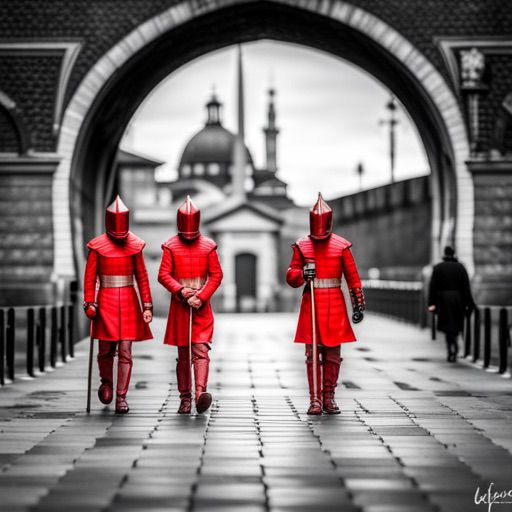
Step back in time to ancient Rome and meet the Praetorian Guard – a fierce group of elite soldiers who served as the emperor’s personal bodyguards. These highly trained and well-equipped soldiers were handpicked from the Roman army’s most experienced and loyal troops, stationed at the Praetorian Camp in Rome.

Created by Emperor Augustus in 27 BC, the Praetorian Guard’s mission was clear: to protect the emperor and his family at all costs. But their role extended far beyond mere protection. These soldiers were also a powerful political force, involved in the selection and deposition of emperors. Their influence was felt throughout the Roman Empire, and their loyalty to the emperor was absolute.

Despite their reputation as a formidable and feared force, the Praetorians were not without their flaws. They were infamous for their corruption and greed, often demanding bribes and special privileges from the emperors they served. However, in AD 41, these guardians of the Emperor did the unthinkable: they assassinated the controversial ruler, Caligula. Renowned for his outlandish cruelty and extravagant lifestyle, Caligula had a notorious reputation for executing prominent senators and indulging in scandalous behavior. The Praetorian Guard, who were responsible for his safety, had finally grown sick of his excesses and decided to take matters into their own hands. It was on January 24, AD 41, as Caligula was departing the theater, that a group of Praetorian soldiers attacked him. The Emperor was stabbed to death, and his uncle, Claudius, was proclaimed as the new Emperor. Throughout their history, they were involved in numerous conspiracies and plots that threatened the stability of the government.

The Praetorian Guard’s actions were both unprecedented and illegal. They had dishonored their oath of loyalty to the Emperor and had taken law enforcement into their own hands. However, their decision was also a reflection of the instability and uncertainty of the times. The Roman Empire was in a state of flux, and the Praetorian Guard was one of the few institutions with the power to act decisively. This pivotal moment in Roman history marked the beginning of a new era of imperial politics.

Despite these shortcomings, the Praetorian Guard remains an important part of Roman history. Their legacy lives on, even after the fall of the Western Roman Empire in 476 AD. So if you’re fascinated by ancient history, take a closer look at the legacy of the Praetorian Guard and discover the stories of these powerful and complex soldiers.

Related Posts

Tiberius Caesar Augustus: Unveiling the Secrets of Rome’s Enigmatic Emperor

Dave


Step back in time to Ancient Rome and meet Tiberius Caesar Augustus, the second Roman Emperor who ruled from 14 AD to 37 AD. Born on November 16, 42 BC, in Rome, Tiberius’ childhood was far from ordinary. His parents divorced when he was young, and his father was exiled for supporting Julius Caesar. Thankfully for Tiberius, his stepfather, Augustus, adopted him and made him his heir in 4 AD.

As Emperor, Tiberius was a military mastermind, leading successful campaigns in Germany, Pannonia, and Illyricum, which helped to expand the Roman Empire’s territory. However, his reclusive nature, paranoia, and cruelty meant he wasn’t popular with the people or the Senate. He withdrew from public life and allowed his Praetorian Prefect, Sejanus, to take on most of his duties. Little did Tiberius know that Sejanus was plotting against him.

Tiberius’ reign was marked by political intrigue and scandals. He had his own son, Drusus, executed on false charges, and the infamous Sejanus Affair saw Sejanus and his family and supporters executed for treason. Scandal also followed Tiberius personally, as he was accused of sexual deviancy and having a relationship with his nephew, Gaius Caesar Germanicus, who he later adopted as his successor.

Despite his mixed legacy, Tiberius was regarded as a capable administrator and military strategist. He paved the way for the political and social changes that would shape the Roman world for centuries to come. Tiberius died on March 16, 37 AD, in Misenum, at the age of 77. His reign marked the transition from the Republic to the Empire, and his successor, Gaius, better known as Caligula, was even more notorious for his excesses and cruelty.

Related Posts

Eternal Echoes: Reflecting on Martin Luther King Day’s Call to Action

Dave

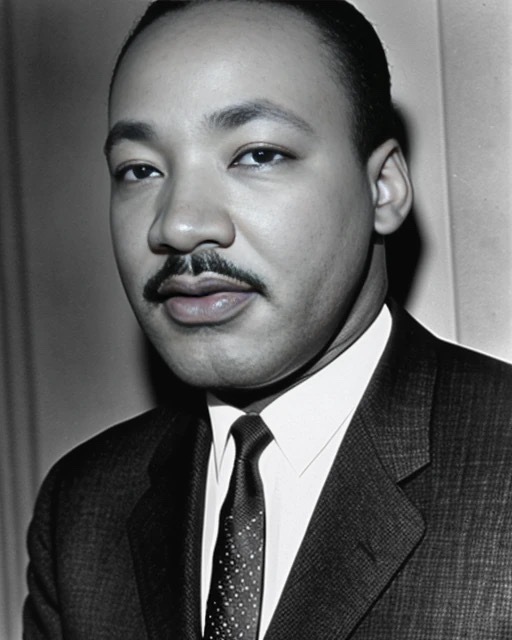
Martin Luther King Day, a day of immense significance, holds a place of prominence in our collective consciousness as it commemorates the extraordinary achievements and enduring legacy of the iconic leader, Dr. Martin Luther King Jr., who fearlessly spearheaded the civil rights movement. This annual occasion serves as a poignant reminder—an evocative testament—of Dr. King’s unwavering dedication and profound sacrifices in his relentless fight against racial discrimination and societal inequality within the United States.

As university students, this day prompts us to engage in deep introspection, fostering a deep-rooted sense of self-awareness, as we acknowledge the formidable progress we have made in our resolute pursuit of equality and justice. Simultaneously, it compels us to recognize the formidable challenges that persist and loom on the horizon.

Dr. King’s profound words, eloquently expressed in his legendary “I Have a Dream” speech, continue to reverberate throughout subsequent generations, igniting an indomitable spark of passion within our hearts. They serve as an enduring reminder—an impassioned wake-up call—of the imperative need to stand up against any form of injustice. Martin Luther King Day transcends being a mere commemoration of the remarkable life and accomplishments of this influential figure; it serves as a resounding clarion call—a stirring summons—to action, compelling individuals and communities alike to persevere untiringly in the pursuit of constructing a truly inclusive and equitable society.

This momentous day urges us to reflect upon the profound power of nonviolent resistance, underscoring the remarkable influence that can be wielded by a single impassioned soul—a single agent of change—in effecting positive transformation. By celebrating Martin Luther King Day, we not only pay homage to Dr. King’s visionary ideals, but also reaffirm our unwavering commitment to his teachings of love, compassion, and equality. It serves as a resolute reminder—a steadfast admonition—encouraging us to uphold these eternal values and to tirelessly labor towards the creation of a world emancipated from the shackles of discrimination and prejudice. United, let us honor Dr. King’s enduring vision; a vision that propels us towards a society where individuals are judged, not by the color of their skin, but by the richness of their character.

Related Posts

Michael the Magnificent: Unveiling the Warrior Archangel’s Legacy

Dave

Archangel Michael stands among the most revered and recognizable figures in religious and spiritual traditions throughout the world. Across centuries of history, cultures, and faiths, Michael has emerged as a powerful symbol of courage, protection, justice, and unwavering devotion to the divine. Often described as the supreme commander of the heavenly armies, he embodies strength in the face of darkness and righteousness in the midst of conflict. His presence has inspired countless individuals seeking protection, guidance, and reassurance during life’s most difficult challenges. Whether viewed through the lens of Christianity, Judaism, Islam, or broader spiritual traditions, Michael remains one of the most influential and enduring angelic figures ever known.

The name Michael carries profound significance. Derived from the Hebrew phrase “Mi ka El,” it translates to “Who is like God?” This question is not intended to suggest that anyone is equal to God. Rather, it serves as a declaration of God’s unmatched power, authority, and perfection. Michael’s very name reflects his role as a defender of divine truth and a champion of righteousness. It reminds believers that ultimate authority belongs to God alone and that Michael’s strength comes from his unwavering loyalty to the divine will.

Throughout sacred texts and religious teachings, Michael consistently appears as a protector and warrior. He is often portrayed as leading the armies of heaven against the forces of evil, standing as a guardian of both the celestial realm and humanity itself. These depictions have contributed to his reputation as the greatest warrior among the archangels. Unlike earthly warriors who fight for territory, power, or personal gain, Michael’s battles symbolize the eternal struggle between good and evil, truth and deception, light and darkness.

One of the most famous references to Michael appears in the Book of Revelation, where he leads the heavenly hosts in a great battle against Satan and his followers. This dramatic image of Michael defeating the dragon has become one of the most enduring symbols in Christian art and literature. The story represents more than a literal battle; it symbolizes the triumph of righteousness over corruption and the ultimate victory of divine order over chaos. For believers, Michael’s victory serves as a reminder that goodness will ultimately prevail, even when darkness appears powerful and overwhelming.

Michael’s role as a protector extends far beyond the battlefield. Many individuals view him as a guardian who watches over people during times of danger, uncertainty, and spiritual struggle. Throughout history, soldiers, travelers, law enforcement officers, and countless others have prayed for Michael’s protection. His presence is often invoked during moments when courage is needed most. Whether facing physical threats, emotional hardships, or spiritual challenges, believers frequently turn to Michael as a source of strength and reassurance.

Courage is perhaps one of the qualities most closely associated with Archangel Michael. Courage is often misunderstood as the absence of fear. In reality, courage involves moving forward despite fear. Michael’s example teaches that bravery is not about being fearless but about remaining steadfast in the face of adversity. This message resonates deeply because every person encounters situations that require courage. Challenges such as illness, loss, uncertainty, conflict, and personal growth all demand strength and determination. Michael’s presence serves as a reminder that courage is available even during life’s most difficult moments.

The symbolism associated with Michael reinforces these qualities. He is frequently depicted wearing shining armor, carrying a sword, and standing triumphantly over a defeated dragon or demon. Each element carries powerful meaning. The armor represents spiritual protection and preparedness. The sword symbolizes truth, justice, and the ability to cut through deception. The dragon represents evil, fear, temptation, or any force that seeks to undermine righteousness. Together, these symbols communicate Michael’s role as a defender of truth and a protector against harmful influences.

Many spiritual traditions emphasize that Michael’s battles are not merely external conflicts but also internal struggles that take place within every human being. Fear, doubt, anger, resentment, and temptation can all be viewed as forms of darkness that individuals must confront. Michael’s example encourages people to face these challenges honestly and courageously. His influence inspires individuals to overcome self-destructive behaviors, pursue integrity, and remain faithful to their values even when doing so is difficult.

Justice is another central aspect of Michael’s identity. Throughout religious tradition, he is often associated with fairness, moral order, and divine judgment. While Raguel is typically regarded as the Angel of Justice, Michael also plays a significant role in defending what is right and opposing what is wrong. His actions are guided not by personal preference but by divine principles. This commitment to justice has made him a symbol of moral courage and ethical leadership.

Leadership itself is one of Michael’s defining characteristics. As commander of the heavenly hosts, he is entrusted with immense responsibility. Effective leadership requires strength, wisdom, discipline, and the ability to inspire others. Michael exemplifies these qualities through his unwavering dedication to his mission. His leadership serves as a model for individuals in positions of responsibility, reminding them that true authority is exercised through service, integrity, and commitment to the greater good.

Many people find comfort in viewing Michael as a source of spiritual protection. Life often presents situations that leave individuals feeling vulnerable or uncertain. During such times, the idea of a powerful guardian watching over them can provide reassurance and peace of mind. Whether interpreted literally or symbolically, Michael’s protective presence helps people feel less alone when facing challenges. His example reminds them that strength can be found even in moments of weakness and that courage often emerges when it is needed most.

Throughout history, countless stories have emerged describing encounters with Michael’s protective influence. Some individuals report experiencing an overwhelming sense of calm during dangerous situations. Others describe moments of clarity, strength, or unexpected assistance during times of crisis. While such experiences cannot be objectively verified, they reflect the profound impact Michael’s symbolism has had on people’s lives. For many believers, these experiences reinforce their faith in divine protection and guidance.

Michael’s significance extends beyond Christianity. In Judaism, he is regarded as a powerful protector of Israel and a defender of God’s people. Jewish traditions often portray him as an advocate who intercedes on behalf of humanity. In Islam, Michael, known as Mikail, is recognized as one of the principal angels responsible for carrying out God’s commands. He is associated with mercy, provision, and the maintenance of natural order. The presence of Michael across multiple faith traditions highlights his universal importance and enduring appeal.

One reason Michael resonates so strongly across cultures is that he embodies qualities people admire and aspire to develop. Courage, integrity, loyalty, discipline, and strength are virtues valued throughout human history. Michael serves as a powerful representation of these ideals. Whether viewed as a literal angelic being or as a symbolic archetype, his example inspires individuals to cultivate these qualities within themselves.

The concept of spiritual warfare is another important theme associated with Michael. Spiritual warfare does not necessarily refer to physical battles. Instead, it often represents the ongoing struggle between positive and negative influences in human life. Every person faces choices between honesty and deception, compassion and cruelty, courage and fear. Michael symbolizes the determination to choose what is right even when doing so requires sacrifice. His example reminds individuals that the most important battles are often fought within the heart and mind.

Modern life presents its own forms of spiritual warfare. Anxiety, addiction, hopelessness, division, and misinformation can all undermine well-being and personal growth. Michael’s example remains relevant because it encourages individuals to confront these challenges with courage and integrity. His symbolism reminds people that strength is not merely physical but also emotional, moral, and spiritual.

Many artists throughout history have been captivated by Michael’s powerful imagery. Paintings, sculptures, stained-glass windows, and literary works frequently depict him as a majestic warrior standing victorious over darkness. These artistic representations have helped preserve his legacy and communicate his message across generations. Whether displayed in cathedrals, museums, or private collections, images of Michael continue to inspire awe and admiration.

Michael’s influence can also be seen in popular culture. Books, films, television programs, and video games often draw upon his image as a celestial warrior and protector. While these portrayals sometimes take creative liberties, they reflect the enduring fascination people have with his character. The idea of a powerful guardian fighting on behalf of good continues to resonate because it speaks to universal hopes for justice, protection, and triumph over adversity.

Another aspect of Michael’s significance involves personal empowerment. While many individuals seek his protection, his example also encourages them to develop their own inner strength. Michael does not merely rescue people from difficulties; he inspires them to become stronger, more courageous, and more resilient. His influence reminds individuals that they possess the ability to overcome challenges and remain faithful to their principles.

Faith plays a central role in Michael’s story. His unwavering commitment to God’s will demonstrates the power of trust and devotion. Even when confronting immense opposition, Michael remains steadfast because his confidence rests not in himself but in the divine authority he serves. This lesson resonates with many believers who seek to maintain faith during uncertain times. Michael’s example teaches that faith can provide strength, direction, and stability even when circumstances are difficult.

In today’s world, the qualities represented by Michael remain as important as ever. People continue to face challenges that require courage, integrity, and perseverance. Whether dealing with personal hardships, societal issues, or spiritual questions, individuals often look for sources of inspiration that encourage them to keep moving forward. Michael’s enduring legacy provides exactly that. His story reminds humanity that goodness is worth defending, that courage can overcome fear, and that hope remains possible even in the face of adversity.

Ultimately, the lasting significance of Archangel Michael lies in what he represents. He is more than a warrior, more than a protector, and more than a figure from ancient religious texts. He symbolizes the human desire to stand against darkness, defend what is right, and remain faithful to higher principles. His presence serves as a reminder that courage is not the absence of fear but the determination to act despite it. Through his example, countless individuals have found inspiration to face their own battles with strength and conviction.

Whether viewed as a literal celestial commander or as a powerful symbol of courage and righteousness, Archangel Michael continues to inspire people around the world. His image endures because it speaks to universal human experiences and aspirations. In every generation, individuals face challenges that require bravery, integrity, and faith. Michael’s story offers reassurance that these qualities can prevail and that even the most formidable obstacles can be overcome through perseverance and trust in what is right. His legacy remains a timeless testament to the enduring power of courage, protection, and unwavering devotion to the forces of good.

Related Posts

The Rise of Augustus: Unveiling the Legendary Emperor Who Shaped Ancient Rome

Dave

a man wearing a uniform
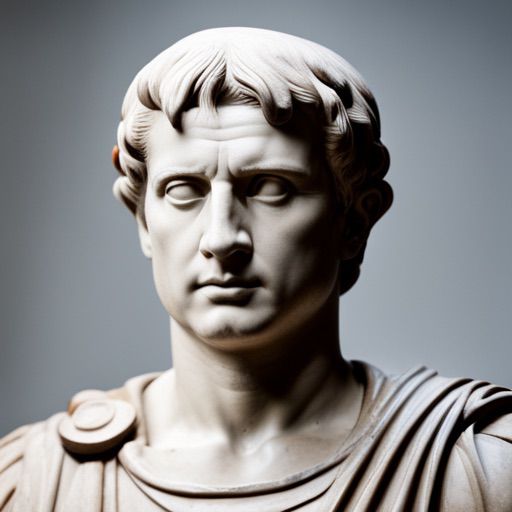
Meet Augustus Caesar, one of the most remarkable individuals in the history of Rome. Born as Gaius Octavius in 63 BC, he inherited great wealth and political power from his great-uncle Julius Caesar after he was assassinated when Augustus was only 18 years old. He quickly established himself as an outstanding politician and military leader, and at age 19, he joined forces with Mark Antony and Marcus Aemilius Lepidus to form the Second Triumvirate.

Augustus’s reign was marked by significant reforms and innovations that transformed Rome into a prosperous and peaceful empire. He restructured the Roman government, implementing a system of provinces and establishing a civil service to manage them. He also introduced a new currency system and constructed an extensive network of roads and aqueducts that connected far-flung territories.

Augustus was a patron of the arts and architecture, commissioning many of the great works of the time, such as the Mausoleum of Augustus, the Temple of Caesar, and the Ara Pacis. His leadership brought a period of peace and prosperity known as the Pax Romana, which was characterized by unprecedented economic growth and social stability.

Despite his many accomplishments, Augustus’s reign was not without controversy. He faced several challenges to his authority, including a revolt led by his daughter Julia’s ex-husband, and a rebellion in Germany led by Arminius. He was also criticized for his authoritarian rule and the ruthless tactics he used to maintain his power.

Augustus Caesar’s impact on Rome and the world cannot be overstated. His legacy lives on in the many structures and monuments he commissioned and in the numerous reforms and innovations he introduced during his reign. Even today, Augustus remains a fascinating and influential figure, and his contributions to history continue to inspire and captivate people worldwide.

Related Posts

Angelic Harmony: Unveiling the Roles of the Seven Archangels

Dave

Throughout human history, people have looked toward the heavens in search of guidance, protection, wisdom, and hope. Across numerous religious traditions and spiritual teachings, angels have occupied a special place as messengers and servants of the divine. Among these celestial beings, the archangels hold a particularly important role. They are often regarded as powerful spiritual entities entrusted with significant responsibilities that influence both heavenly and earthly affairs. While angels in general are viewed as divine messengers and guardians, archangels are frequently described as leaders among the angelic hosts, carrying out specialized missions on behalf of God and assisting humanity in profound and meaningful ways.

The concept of archangels appears in several major religious traditions, including Christianity, Judaism, and Islam. Although the specific details and interpretations vary among these faiths, the common thread is the belief that certain angels have been given extraordinary authority and responsibility. These archangels serve as intermediaries between the divine and human realms, helping to communicate God’s will, protect believers, inspire spiritual growth, and guide humanity through life’s challenges. Their stories have been preserved through sacred texts, theological writings, artistic depictions, and centuries of spiritual tradition.

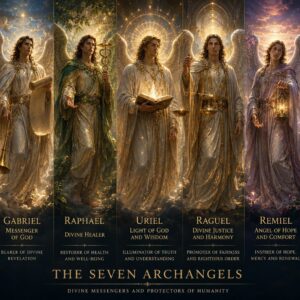
Within many Christian traditions, seven archangels are often recognized as holding special prominence. These seven are Michael, Gabriel, Raphael, Uriel, Raguel, Remiel, and Saraqael. Each archangel is associated with distinct virtues, responsibilities, and areas of influence. Together, they represent a broad spectrum of divine qualities, ranging from protection and healing to wisdom, justice, hope, and spiritual guidance. Their collective presence symbolizes the many ways in which divine assistance is believed to manifest in the lives of individuals and communities.

Among the seven archangels, Michael is perhaps the most widely recognized. Often depicted as a mighty warrior clothed in radiant armor, Michael serves as the leader of the heavenly hosts and the defender of righteousness. His name is commonly translated as “Who is like God?” and reflects his unwavering loyalty to the divine. Throughout religious tradition, Michael is portrayed as standing against the forces of darkness and protecting humanity from spiritual harm. He is frequently shown carrying a sword or shield, symbolizing his role as a guardian and protector.

For countless believers, Michael represents courage, strength, and perseverance in the face of adversity. People often turn to him during times of fear, uncertainty, or spiritual struggle. His example serves as a reminder that goodness can prevail over evil and that divine protection is available even in life’s most challenging moments. Michael’s role extends beyond physical protection, encompassing spiritual defense as well. He inspires individuals to remain steadfast in their faith, confront their fears, and pursue what is right even when faced with significant obstacles.

While Michael embodies strength and protection, Gabriel is known primarily as the messenger of God. Throughout sacred history, Gabriel appears at pivotal moments to deliver important revelations and divine announcements. His name is often translated as “God is my strength,” and he is regarded as one of the most trusted messengers in the heavenly realm. Gabriel’s role highlights the importance of communication between the divine and humanity.

Perhaps Gabriel’s most famous appearance in Christian tradition is the Annunciation, during which he informed the Virgin Mary that she would give birth to Jesus Christ. This event established Gabriel as a central figure in Christian theology and reinforced his reputation as a bearer of divine messages. Beyond Christianity, Gabriel also occupies a prominent place within Islam, where he is believed to have delivered God’s revelations to the Prophet Muhammad. His presence across multiple faith traditions underscores the universal significance of divine communication.

Gabriel’s influence extends beyond dramatic revelations. Many spiritual seekers view him as a source of inspiration, creativity, and clarity. Those seeking guidance in communication, writing, teaching, or public speaking often feel drawn to Gabriel’s energy. His presence symbolizes the importance of truth, understanding, and the responsible sharing of knowledge.

Raphael occupies another unique role among the archangels. Known as the Angel of Healing, Raphael is associated with restoration, compassion, and well-being. His name is commonly interpreted as “God heals,” reflecting his mission of bringing comfort and recovery to those who suffer. Throughout religious and spiritual traditions, Raphael is regarded as a powerful source of healing energy that encompasses physical, emotional, and spiritual dimensions.

Many individuals seek Raphael’s assistance when facing illness, emotional pain, or personal challenges. His compassionate presence is believed to provide comfort during times of distress and encourage healing in all areas of life. Raphael’s influence extends beyond curing physical ailments; he is also associated with helping individuals overcome emotional wounds, release past traumas, and achieve greater inner peace.

In addition to healing, Raphael is often considered a guide for travelers and those embarking on important life journeys. His presence reminds believers that healing is not always an instantaneous event but often a gradual process involving growth, self-discovery, and transformation. Through his nurturing influence, Raphael inspires hope and resilience in those facing adversity.

Uriel, often referred to as the Angel of Wisdom, serves as a source of enlightenment and understanding. His name is commonly translated as “God is my Light” or “Fire of God,” reflecting his role as a bringer of illumination and truth. Uriel’s mission centers on helping humanity gain deeper insight into spiritual matters and navigate life’s complexities with wisdom and discernment.

Many traditions portray Uriel as a guardian of knowledge and a guide for those seeking answers to life’s most profound questions. His influence encourages thoughtful reflection, intellectual curiosity, and spiritual growth. Individuals often turn to Uriel during periods of uncertainty, seeking clarity and understanding when faced with difficult decisions.

Uriel’s wisdom extends beyond academic knowledge. True wisdom involves the ability to apply understanding in meaningful and ethical ways. Through his guidance, individuals are encouraged to cultivate discernment, recognize deeper truths, and make choices aligned with their highest values. Uriel’s presence serves as a reminder that wisdom is a lifelong pursuit and that genuine understanding often emerges through experience, reflection, and spiritual awareness.

The archangel Raguel represents another essential aspect of divine order. Known as the Angel of Justice, Raguel is responsible for maintaining fairness, harmony, and balance within the celestial realms. His name, often translated as “Friend of God,” reflects his close relationship with divine principles and his dedication to upholding righteousness.

Raguel’s role involves ensuring that justice prevails and that harmony is preserved among both celestial and earthly communities. He is frequently viewed as a mediator who helps resolve conflicts and restore balance when disputes arise. His influence encourages honesty, accountability, and fairness in all aspects of life.

People seeking resolution in difficult situations often turn to Raguel for guidance. Whether addressing personal conflicts, workplace challenges, or broader issues of injustice, his presence symbolizes the possibility of reconciliation and equitable solutions. Raguel reminds humanity that true justice involves compassion as well as accountability and that lasting harmony can only be achieved through fairness and understanding.

Remiel, often known as the Angel of Hope, occupies a special place among the archangels. During times of hardship, loss, and uncertainty, Remiel serves as a source of encouragement and inspiration. His presence reminds individuals that even in the darkest moments, hope remains possible.

Life inevitably presents challenges that test human resilience. During such times, despair can feel overwhelming. Remiel’s mission is to help individuals rediscover optimism and find the strength to persevere. His influence encourages faith, courage, and trust in the possibility of a brighter future.

Many spiritual traditions associate Remiel with renewal, resurrection, and transformation. He helps individuals move beyond discouragement and embrace new possibilities. Whether facing personal setbacks, grief, or periods of uncertainty, those who seek Remiel’s guidance often report experiencing renewed confidence and determination. His presence serves as a powerful reminder that hope is not merely wishful thinking but a source of strength that enables individuals to overcome adversity and continue moving forward.

The final member of the seven archangels is Saraqael, also known in some traditions as Sariel. Saraqael is commonly associated with spiritual guidance, enlightenment, and the pursuit of divine truth. His role centers on assisting seekers as they navigate their spiritual journeys and strive to deepen their understanding of themselves and the divine.

Unlike archangels whose missions involve protection, healing, or justice, Saraqael focuses on guidance and direction. He is often viewed as a celestial mentor who helps individuals discover their purpose and align their lives with higher truths. Through intuition, insight, and spiritual inspiration, Saraqael encourages seekers to trust their inner wisdom and remain open to divine guidance.

Many people experience periods in life when they feel uncertain about their direction or purpose. During such times, Saraqael’s influence is believed to provide clarity and encouragement. His guidance often manifests through intuition, meaningful coincidences, spiritual insights, and moments of profound understanding. Rather than dictating a specific path, Saraqael helps individuals recognize the signs and opportunities that lead them toward personal growth and spiritual fulfillment.

Together, these seven archangels represent a comprehensive portrait of divine assistance. Michael offers protection and courage. Gabriel delivers revelation and truth. Raphael provides healing and restoration. Uriel illuminates the mind with wisdom. Raguel ensures justice and harmony. Remiel inspires hope and resilience. Saraqael guides seekers toward purpose and enlightenment.

Although interpretations of the archangels vary across different religious traditions, their enduring appeal lies in the universal qualities they represent. Humanity has always sought protection from danger, healing from suffering, wisdom during uncertainty, justice in times of conflict, hope during hardship, and guidance when facing life’s many crossroads. The archangels embody these aspirations and serve as powerful symbols of divine support.

Their stories continue to inspire people around the world because they address fundamental human needs. Whether viewed as literal celestial beings or as symbolic representations of spiritual virtues, the archangels remind us that we are not alone in our struggles. They offer reassurance that strength, wisdom, healing, justice, hope, and guidance are always available to those who seek them.

In an increasingly complex world, the timeless lessons associated with the archangels remain relevant. Their examples encourage individuals to live with courage, compassion, integrity, and faith. They remind humanity that spiritual growth is a lifelong journey and that divine assistance often appears in ways both subtle and profound. Through their enduring presence in religious tradition and spiritual practice, the seven archangels continue to serve as beacons of light, guiding humanity toward greater understanding, deeper faith, and a more meaningful connection with the divine.

Related Posts

Journey to Tranquility: Exploring the Twofoot Family Hobbit Home – A Haven of Warmth, Wonder, and Whimsy

Dave

Step into the realm of the Twofoot Family Hobbits, where you are transported to a whimsical world brimming with comfort and tranquility. Upon entry, you are greeted by a warm and inviting atmosphere, courtesy of a rustic stone fireplace crackling with a cozy fire. The air carries the earthly scent of oak beams, harmonizing with the soft candlelight to create an ambiance of serenity and contentment. The hobbit abode is thoughtfully adorned with rustic furnishings and charming details, including meticulously crafted hand-carved wooden furniture and exquisite tapestries depicting scenes from the mesmerizing Middle-earth. The walls proudly display shelves adorned with books, trinkets, and cherished family heirlooms, enveloping the space in a comforting aura of warmth and affection. The low ceiling, contrary to its potential constraining nature, fosters an intimate and secure ambiance. Every meticulously crafted piece of furniture boasts plush cushioned seats and tables fashioned from rich, dark wood. Gentle natural light filters through the round windows, casting a soothing glow upon the earth-toned interior.

The heart of activity lies within the kitchen, where a large wooden table acts as a gathering place for the family to share meals and stories. The air is infused with the enticing aroma of freshly baked bread and hearty stews, captivating the senses and evoking a sense of culinary delight. The bedrooms exude comfort and coziness, with snug beds nestled in alcoves, providing a peaceful haven for rest and rejuvenation. Stepping outside, you are greeted by a breathtaking hobbit garden, teeming with vibrant flowers, winding paths, and a small vegetable patch. The Twofoot Family Hobbit home stands as a sanctuary, a haven where time seemingly stands still, allowing you to escape the frantic pace of the outside world and embrace the simplicity and tranquility intrinsic to hobbit life.

It is a sanctuary of peace and serenity, where the burdens and worries of the external realm dissipate. The moment you enter this enchanting abode, you encounter a delightful living area beckoning you to sink into plush armchairs, enveloped by the crackling warmth of the fireplace, inviting you to indulge in the pleasures of a good book or engage in lively conversations with kindred spirits. The kitchen, adorned with gleaming copper pots and pans, transforms into a haven of culinary creativity, where delectable meals are lovingly prepared and shared around a generously-sized communal table. The bedrooms, tucked away in cozy alcoves, provide a sanctuary conducive to tranquility and renewal, offering sumptuous feather beds and windows framing breathtaking views of rolling hills and verdant gardens. As you venture outside, you encounter the Twofoot Family Hobbit home embraced by a picturesque landscape of vibrant meadows, babbling brooks, and majestic trees, enticing you to embark on leisurely strolls or extraordinary adventures.

Whether you choose to explore the charming villages of the Shire, partake in festive gatherings at the Green Dragon Inn, or simply revel in the serenity of your hobbit home, you will discover that the Twofoot Family Hobbit home is a haven where cherished memories are made and enduring friendships are formed. Step into this magical dwelling and experience firsthand the warmth and wonder that epitomize the hobbit way of life. Welcome to the Twofoot Family Hobbit home, where dreams become reality, and the ordinary transforms into the extraordinary.

Background information on the Twofoot Family and their occupation:
Nestled within the enchanting realm of Middle-earth, one discovers a unique and exclusive calling held by the Twofoot family of hobbits. These diminutive beings, measuring a mere two feet in height, possess an extraordinary talent for the intricate art of basket repair. With dexterous fingers and an acute eye for detail, hobbits have honed their expertise over generations, breathing new life into baskets of all shapes and sizes.

The craftsmanship of hobbits as basket repairers has garnered widespread recognition, garnering high esteem from not only fellow hobbits but also other inhabitants of Middle-earth. Whether it be a practical woven wicker basket used on arduous journeys or an ornate decorative piece adorning the shelves of a hobbit’s cozy abode, hobbit basket repairers boast the knowledge and finesse required to restore these functional and visually pleasing vessels. Approaching their work with utmost pride and reverence, hobbits display meticulous attention to detail and an unwavering commitment to preserving the integrity of each basket. They fully comprehend the essential role that these artifacts play in the everyday lives of the hobbit community.

Baskets seamlessly integrate into the fabric of hobbit life, serving in tasks ranging from gathering fresh produce from abundant gardens to safeguarding precious belongings. The occupation of basket repair undertaken by Twofoot hobbits not only showcases their practical expertise but also demonstrates their deep connection to nature and their dedication to sustainable living. By mending and repurposing baskets, hobbits minimize waste and contribute to the conservation of their natural surroundings. This vocation acts as a testament to their harmonious coexistence with the land, paying homage to the resources bestowed upon them by their beloved Middle-earth.

In the serene land of the Shire, the dwelling place of hobbits, one can find basket repairers toiling away in charming workshops nestled amidst the idyllic backdrop of rolling green hills and picturesque landscapes. It is within these hallowed grounds that hobbits gather to share knowledge, exchange techniques, and pass down their craft to younger generations. The art of basket repair serves as more than a mere trade; it embodies the essence of the hobbit way of life, characterized by simplicity, communal bonds, and a profound appreciation for the inherent beauty found in everyday objects.

Therefore, the next time you encounter a meticulously restored basket in Middle-earth, take a moment to appreciate the craftsmanship of the Twofoot hobbit and the legacy perpetuated through their occupation of basket repair.

Related Posts

Bilbo’s Home at Bag End: A Hobbit Haven of Heroic Tales and Cozy Comforts

Dave

Bilbo Baggins, a character adored by countless fans, emerges from the pages of J.R.R. Tolkien’s renowned fantasy novel, “The Hobbit.” As a hobbit, an unassuming and diminutive creature, he finds solace and contentment in the peace of his cozy hobbit hole in the idyllic Shire. However, Bilbo’s uneventful life takes an unexpected turn when the wizard Gandalf arrives, accompanied by a group of dwarves led by Thorin Oakenshield. Initially hesitant, Bilbo reluctantly becomes a part of their dangerous journey to reclaim the treasure guarded by the fearsome dragon, Smaug, in the Lonely Mountain.

Throughout his challenging adventure, Bilbo undergoes a remarkable transformation from a timid hobbit into a courageous and resourceful hero. Along the way, he encounters numerous obstacles, including trolls, goblins, and massive spiders. Despite his initial doubts and lack of experience, Bilbo proves himself to be clever, quick-witted, and astonishingly brave. He outsmarts the treacherous Gollum in a battle of wits, unknowingly discovering the powerful One Ring, a crucial artifact in Tolkien’s broader Middle-earth saga.

Bilbo’s transformation encompasses not only physical growth but also psychological development. He learns to rely on his instincts, trust in his abilities, and foster a deep sense of loyalty and camaraderie with his comrades. Bilbo’s character arc stands as a testament to the potential of venturing into unfamiliar territory and embracing the mysteries that lie beyond our comfort zones. His captivating tale resonates with readers of all ages, serving as a timeless reminder that even the most unlikely heroes can achieve greatness when faced with extraordinary circumstances.

Bag End, the fabled abode of Bilbo Baggins, stands as an extraordinary dwelling nestled within the picturesque realm of the Shire. Located in the charming village of Hobbiton, this hobbit hole exudes an enchanting atmosphere that captivates all who lay eyes upon it. From its round and vibrant doorway to its meticulously tended garden, Bag End epitomizes the comfort and coziness cherished by hobbits.

The architectural details of Bilbo’s house offer glimpses into its significance, especially the abundance of windows and its strategic position atop a hill. Affectionately dubbed Bag End, this residence sets itself apart from the neighboring homes with its unique attributes. The multitude of windows not only floods the interiors with natural light but also provides captivating views of the surrounding landscape. The number of windows in a house symbolizes the wealth and opulence of its owner, a fact emphasized in Bilbo’s dwelling.

Furthermore, Bag End’s elevated location on a hill grants it an air of distinction and prominence. Its commanding position catches the attention of passersby and reinforces Bilbo’s reputation as a respected member of the Shire. This strategic vantage point allows Bilbo to survey his domain, solidifying his standing within the community.

In essence, Bilbo Baggins’ residence represents not only his character, affluence, and social status but also an integral part of the enchanting world crafted by Middle-earth. Stepping into Bag End, visitors are greeted by a warm and inviting atmosphere, permeated by the scent of freshly baked bread and the crackling of a fire in the hearth.

The interior of Bag End reflects Bilbo’s fondness for life’s simple pleasures. Adorned walls showcase intricate tapestries, while shelves overflow with books and mementos collected during his daring escapades. At the center of it all stands a grand round table, where Bilbo entertains friends with animated conversations and feasts brimming with hearty cuisine. The living quarters, snug and tastefully furnished, feature plush armchairs and a cozy bed adorned with soft quilts.

Yet, the pinnacle of Bag End’s allure lies hidden beneath its foundations: the legendary “Treasure Room,” safeguarding Bilbo’s collection of priceless artifacts, gold, and otherworldly riches that bear witness to his adventurous past. Bag End is more than just a house; it mirrors Bilbo’s character, his passion for simplicity, comfort, and a touch of excitement. Within its walls, solace is found, delectable provisions are indulged, and tales of old are savored.

The irresistible allure of Bag End continues to captivate the imagination of readers and enthusiasts, upholding its eternal place in J.R.R. Tolkien’s beloved tome, “The Hobbit.”

Related Posts

The Samwise Gamgee Hobbit House: Where Fantasy Meets Home, and Magic is Woven into Every Corner

Dave

Samwise Gamgee is a beloved character from J.R.R. Tolkien’s epic fantasy series, The Lord of the Rings. As Frodo Baggins’ loyal and steadfast companion, Samwise, also known as Sam, plays a crucial role throughout the story. With his unwavering loyalty, strength, and resilience, Sam is often seen as the unsung hero of the series. From the beginning of their journey, Sam proves himself to be dependable and compassionate, always looking out for Frodo’s well-being. He is not only Frodo’s gardener but also his confidant and source of emotional support. Despite being a humble hobbit, Sam demonstrates immense bravery and resourcefulness in the face of countless dangers and challenges. Whether it is battling monstrous creatures, navigating treacherous terrain, or resisting the corrupting influence of the One Ring, Sam remains resolute in his determination to protect Frodo and complete their mission. Sam’s character arc is one of growth and self-discovery, as he evolves from a simple gardener to a true hero. He exemplifies the virtues of loyalty, friendship, and selflessness, and his unwavering commitment to Frodo’s cause inspires readers and viewers alike. Samwise Gamgee is a testament to the power of ordinary individuals to rise above their circumstances and accomplish extraordinary feats. His unwavering loyalty and unwavering heart make him one of the most endearing and memorable characters in literature.

The Samwise Gamgee Hobbit house, inspired by J.R.R. Tolkien’s beloved fantasy world of Middle-earth, holds an enchanting appeal that captivates people of all ages. Resting peacefully amidst gently rolling hills and lush greenery, this distinctive dwelling transports us back to the charming hobbit holes of the Shire. With gracefully curved walls, rounded doors, and circular windows adorned with exquisite woodwork, the Samwise Hobbit house emanates an irresistible charm and warmth. Its exterior is adorned with vibrant flowers, ivy, and moss, seamlessly blending with the natural landscape that surrounds it.

Upon entering, one is immediately greeted by a haven of comfort and tranquility. The warm earthy tones of the wooden beams, floors, and furniture create a rustic ambiance, while the soft glow cast by the fireplace and candle-lit chandeliers adds a touch of magic. The living spaces have been thoughtfully designed, maximizing the utilization of space without compromising the cozy and inviting atmosphere. The kitchen showcases an array of beautifully crafted copper pots and pans, while the dining area features an expansive round table that invites friends and family to gather for hearty meals and lively conversations.

Nestled within the curved walls, the bedrooms offer plush beds and snug blankets, luring one into a peaceful slumber. Furthermore, the Samwise Hobbit house boasts a captivating garden adorned with vegetable patches, herb beds, and an abundance of vibrant blossoms. It is a sanctuary where one can indulge in the simple pleasures of tending to the land and revel in the bounty of nature’s offerings.

Beyond its physical form, the Samwise Hobbit house symbolizes the power of imagination and the timeless allure of a simpler existence. It serves as a reminder for us to embrace the joys of a more leisurely pace of life, where we cherish each fleeting moment and cultivate a profound connection with nature. Within the confines of this sanctuary, one can lose themselves in the pages of a captivating book, tend to the garden, or savor the company of loved ones during shared meals. In this enchanting space, the boundaries between magic and reality effortlessly merge, leaving an indelible impression on all who enter.

Related Posts