Category: Nature

Bellows Beach: Oahu’s Best-Kept Secret for Serenity and Sun

Dave

Tucked away on the windward side of Oahu, Bellows Beach is a tranquil gem that feels like your own private paradise. Known for its soft, powdery white sand and crystal-clear waters, Bellows is a haven for those seeking a peaceful retreat away from the busier beaches of Waikiki. The gentle waves make it ideal for swimming, boogie boarding, or just floating lazily in the Pacific. What sets Bellows Beach apart is its dual identity—on weekdays, it’s a public treasure, but on weekends, it’s part of a military base, offering a rare opportunity for civilians to enjoy its beauty. Surrounded by the majestic Ko’olau Mountains, it’s not just the views that are breathtaking but the sense of calm that washes over you the moment your toes hit the sand. Whether you’re strolling along the shore or soaking in the sun, Bellows Beach feels like the ultimate escape, where time slows down and the beauty of Oahu is yours to savor.

Related Posts

Journey Through History: Nu’uanu Pali State Wayside and the Pali Highway

Dave

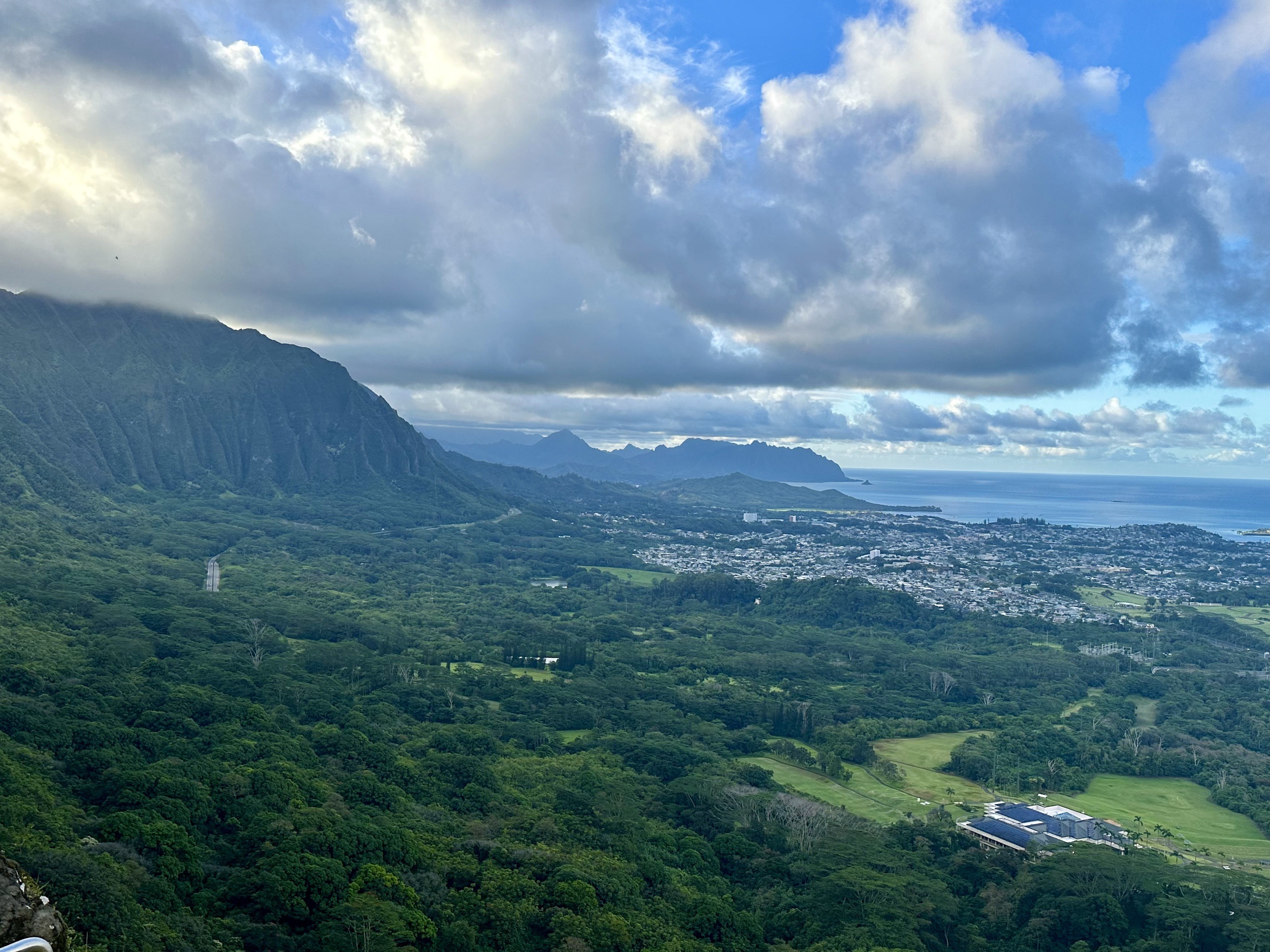
Nu’uanu Pali State Wayside is more than just a scenic stop on Oahu’s Pali Highway; it’s a place where nature, history, and culture converge. As you drive up the Pali Highway, you’re surrounded by lush greenery and towering cliffs, but nothing compares to the view that greets you at the Nu’uanu Pali lookout. From this windswept vantage point, you can see sweeping vistas of Oahu’s windward coast, with the emerald Koolau Mountains on one side and the turquoise waters of Kaneohe Bay on the other. This spot holds deep historical significance, as it was the site of the famous Battle of Nu’uanu, where King Kamehameha I united the Hawaiian Islands. Standing at the lookout, with the trade winds rushing through, you can almost feel the echoes of the past. Whether you’re exploring the rich history or simply taking in the breathtaking views, a drive along the Pali Highway and a stop at Nu’uanu Pali State Wayside is an unforgettable experience that offers a unique glimpse into the beauty and heritage of Hawaii.

Related Posts

Escape to Serenity at Holana Beach Cove

Dave

Tucked away on Oahu’s eastern shore, Holana Beach Cove is a peaceful retreat that feels miles away from the bustling tourist hubs. This secluded spot is a hidden treasure for those in search of solitude and natural beauty. The small cove is framed by dramatic rock formations, creating a serene, sheltered space where the turquoise waters gently lap at the sandy shore. Holana Beach Cove isn’t as well-known as Oahu’s other beaches, which makes it perfect for visitors who want to escape the crowds and enjoy a quiet day by the ocean. Whether you’re up for snorkeling in its calm waters, exploring the tide pools, or simply lounging on the sand with a book, the cove offers a rare slice of tranquility. Watching the sunrise here is an unforgettable experience, with the early morning light casting golden hues across the waves. Holana Beach Cove may be off the beaten path, but that’s exactly what makes it so special.

Related Posts

Pali Highway Lookout: A View You’ll Never Forget

Dave

The Pali Highway Lookout, perched high above Oahu’s lush valleys, is one of the island’s most breathtaking spots. Located along the Pali Highway, this historic site offers sweeping views of the windward coast, towering cliffs, and the emerald-green Ko’olau Mountains. But it’s not just the scenery that makes this place special. The Pali Lookout is steeped in history, being the site of the famous Battle of Nu’uanu, where King Kamehameha I united the Hawaiian Islands. Standing there, you can feel the winds rushing through the mountains—winds so strong, they’ll take your breath away. The lookout is easy to access, and it’s a quick stop worth making on any Oahu road trip. Whether you’re snapping photos or simply taking in the view, the Pali Lookout is one of those places that makes you feel truly connected to Hawaii’s natural beauty and history.

Related Posts

Discover the Magic of Chinaman’s Hat: Oahu’s Hidden Gem

Dave

Nestled off the northeastern coast of Oahu, Chinaman’s Hat—also known as Mokoli‘i Island—stands as a small yet captivating island rich in Hawaiian legend and natural beauty. Named for its resemblance to the conical hats worn by Chinese laborers, this iconic island is more than just a picturesque landmark. Adventurous visitors can kayak or paddleboard across the calm waters of Kaneohe Bay, while low tide offers a rare opportunity to walk to the island’s shores. Once there, hiking to the top of Mokoli‘i rewards you with stunning panoramic views of the Ko’olau Mountains and the pristine coastline. For those less inclined to climb, the surrounding coral reefs make for excellent snorkeling. Whether you’re chasing an epic sunset or seeking a quiet escape from Oahu’s bustling beaches, Chinaman’s Hat offers a tranquil slice of paradise and a unique way to connect with Hawaii’s natural beauty.

Related Posts

Diamond Head: Oahu’s Crown Jewel of Adventure

Dave

Rising majestically above the southeastern coast of Oahu, Diamond Head is more than just a stunning landmark—it’s a symbol of Hawaii’s natural beauty and adventurous spirit. Known as Lēʻahi in Hawaiian, this iconic volcanic crater has long been a beacon for travelers, offering breathtaking views and a glimpse into the island’s geological past. Hiking to the summit of Diamond Head is a rite of passage for many visitors, and the journey is as rewarding as the destination. The trail, though steep at times, winds through rugged terrain, tunnels, and old military bunkers, giving you a sense of the rich history embedded in these ancient rocks.

As you reach the top, the panoramic view that unfolds is nothing short of spectacular. From Waikiki’s sparkling shoreline to the vast expanse of the Pacific Ocean, the scenery is a vivid reminder of why Oahu is called “The Gathering Place.” But Diamond Head is more than just a hiking destination—it’s a place where nature, history, and culture intersect. The crater was formed over 300,000 years ago during a single volcanic eruption, and it has since played a role in everything from military defense to inspiring local legends.

Whether you’re an avid hiker, a history buff, or simply someone looking to connect with Hawaii’s raw beauty, Diamond Head offers an experience that is both humbling and exhilarating. Standing at the summit, with the island spread out before you, it’s easy to see why this ancient crater continues to captivate the hearts of all who visit.

Related Posts

Discovering the Hidden Gems Around Waikiki Beach

Dave

Waikiki Beach is often synonymous with sun-soaked shores, vibrant surf culture, and the iconic backdrop of Diamond Head. But just beyond the famous sands, there’s a world of hidden gems waiting to be discovered. From serene parks and historic landmarks to bustling markets and local eateries, the areas surrounding Waikiki offer a rich tapestry of experiences that go beyond the typical tourist trail.

Take a stroll through Kapiʻolani Park, a lush oasis where locals and visitors alike come to relax and enjoy the natural beauty of Oahu. Or explore the historic Moana Surfrider, a grand hotel that has stood the test of time and still exudes the charm of old Hawaii. For a taste of local culture, visit the bustling Waikiki Beach Walk, where you’ll find an array of shops, restaurants, and live entertainment that showcase the island’s unique blend of tradition and modernity.

As you wander through the streets and trails around Waikiki, you’ll uncover the true spirit of Hawaii—a place where the past and present coexist harmoniously, and where every corner has a story to tell. Whether you’re a first-time visitor or a seasoned traveler, these sites around Waikiki Beach will make you fall in love with Oahu all over again.

Related Posts

Experience the Power of Pōhutu: A Journey Through Whakarewarewa’s Geothermal Wonders

Dave

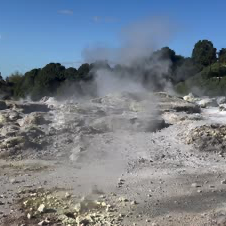
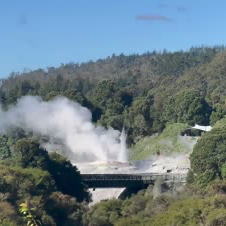
The video commences with an expansive view of the Pōhutu Geyser in the Whakarewarewa Thermal Valley, located in Rotorua, New Zealand. The scene captures the geyser’s majestic eruption, sending a towering plume of steam and hot water into the atmosphere. As the camera follows the upward thrust, the sheer power and elevation of the spray become evident, with sunlight reflecting off the water droplets, adding a shimmering effect.

The scene transitions to a more intimate perspective, focusing on the geyser’s base. Here, viewers witness vigorous bubbling of boiling water amidst a bed of colorful mineral deposits. This vivid palette is contrasted against the lush greenery surrounding the valley, creating a picturesque and vibrant tableau.

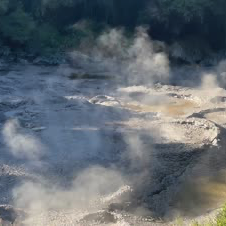
Subsequently, the camera glides smoothly along the well-defined paths, capturing the steam wafting from fissures scattered throughout the terrain. Some vents issue soft, billowy streams of steam, while others expel robust, dynamic jets. The video emphasizes various geothermal phenomena such as bubbling mud pools and vividly hued hot springs, illustrating the vitality and richness of Whakarewarewa’s geothermal landscape.

Related Posts

Racing with Wings: The Fascinating World of Pigeon Fanciers

Dave

Pigeon racing is an engrossing sport that seamlessly combines animal husbandry, meticulous training, and intense competition, all designed to challenge the speed and navigational prowess of homing pigeons. The devoted individuals who engage in this sport, known as “pigeon fanciers,” invest significant effort in breeding and training their avian athletes to master skills like endurance, agility, and superior homing instincts. The excitement of the races themselves cannot be overstated; pigeons are released from a predetermined location, and as they soar towards their home lofts, the stopwatch tracks the swiftest return. The birds’ average speed, measured in yards or meters per minute, is calculated from this time and distance data, adding a layer of mathematical intrigue to the spectacle.

What truly amplifies the thrill of pigeon racing is the fierce competition and the unrelenting pursuit of excellence. Enthusiasts commit considerable time and resources into cultivating pigeons with exceptional genetics and developing demanding training regimens to sharpen their capabilities. The camaraderie and community spirit within pigeon racing circles are equally compelling, offering a structured environment where fanciers can connect, share insights, and compete both locally and internationally. Beyond the excitement of the race and the lure of triumph, one of the sport’s most captivating aspects is the profound bond that forms between the pigeons and their trainers. This relationship is forged through painstaking care and collaborative training, demonstrating a remarkable testament to the natural aptitude of pigeons and the steadfast commitment of their handlers.

Moreover, there remains a palpable sense of awe surrounding these birds’ extraordinary homing abilities. The sheer wonder at their capability to navigate vast expanses with pinpoint precision enhances our admiration for these remarkable creatures. This blend of natural wonder, human dedication, and competitive fervor renders pigeon racing an unforgettable sport, as much about fostering deep connections as it is about crossing the finish line first.

Related Posts

Building Green Cities: Strategies for Sustainable Urban Growth

Dave

Amid rapid urbanization, the development of environmentally sustainable and livable cities requires multifaceted strategies that integrate green infrastructure, efficient public transportation, and comprehensive land-use planning. One effective approach is incorporating green spaces such as parks, community gardens, and green roofs into urban design to combat heat islands, enhance air quality, and provide recreational areas for residents. Additionally, investing in robust public transportation systems can significantly reduce carbon emissions by decreasing reliance on private vehicles. For example, cities like Copenhagen have achieved notable success through extensive cycling networks that prioritize pedestrian and cyclist accessibility over cars. Another crucial component involves smart land-use planning that promotes mixed-use developments where residential, commercial, and industrial zones are harmonized to reduce commute times and enhance local economies. Furthermore, the adoption of renewable energy sources such as solar panels on buildings or district heating systems utilizing geothermal energy can contribute to a city’s sustainability goals by reducing dependency on fossil fuels. These strategies collectively ensure that rapid urbanization does not come at the expense of environmental health or quality of life but instead fosters a resilient and thriving urban environment capable of supporting future generations.

Related Posts

Protecting the Iconic Kiwi: Conservation Efforts for New Zealand’s Biodiversity

Dave

The New Zealand Kiwi bird is a vital symbol of the country’s unique biodiversity and cultural identity, but its survival is threatened by human activities and environmental changes, making it imperative for conservation efforts to be implemented.

The kiwi bird is one of New Zealand’s most treasured national symbols. It represents more than the nation’s unique biodiversity. It is also an important cultural icon with deep significance to New Zealand’s heritage and the identity it projects around the world as a distinct place. Nevertheless, the impressive stature of the bird is overshadowed by a grim reality. The enormous decrease in kiwi populations across their native haunts has been largely the work of humans and their effects on the environment. For a long time, the nation has been at war with its own wildlife. Not intentionally, of course. But the human assault on the kiwi’s wild existence has been relentless. And it wages on. Tree removal, enclosure in sanctuaries, the fight to eradicate introduced species, and an unwillingness to allow for the loss of a species are all part of a large-scale effort to save the kiwi. Addressing these dangers is extremely important. We must not allow this great bird, a potential citizen of history’s “Endangered Species Act,” to keep on track toward oblivion. So we need to start doing something—a lot of things—very differently. Indeed, if the bald eagle is going to be around for our children, grandchildren, and who knows how many generations beyond, the rhetoric of conservation has to become the reality of our daily lives. Comprehensive conservation strategies are the only way to get there, and they encompass much more than habitat protection. They have to involve us, the human beings who also live in the eagle’s world. And they have to involve us at a fairly intimate level, because that’s the level on which we interact constantly with the eagle. This essay makes the point that immediate and constant conservation are necessary to save the endangered kiwi in the face of a changing environment. It does this by first demonstrating the environmental changes that are affecting the biota of New Zealand’s forests. Once the essay has established this problem, the real work begins as we see what conservation is taking place and what the kiwi’s future looks like, and will look like, in the near and not-so-near future.

The demand for immediate preservation of the already threatened kiwi bird’s habitat is an issue that could not be of greater importance. This is not simply because the prized kiwi is in danger; work on its behalf could be the salvation of a great many bird species. Even traditional game birds have seen declines that could threaten their very existences, many of them in the same forests the kiwi call home. The uptick in this dangerous pattern illustrates just how much our world is thrown out of ecological balance. But the situation is not hopeless. Concentrating on keystone and indicator species such as the kiwi allows a far more targeted response than is possible via the usual conservation/victim approach. Of course, it is a political issue, too, one that potentially involves changes in the way humans and their opponents live and hunt (Star Power Received). The above passage includes many words that could be substituted for simpler, more common words and phrases—and none of these substitutions would change the meaning of the text. So, I’ll go through and do that, simplifying where I can, and notating all of my changes and suggestions below. Effective strategies for conserving Andean condors must move beyond legislative acts and rely on the active involvement of the many local communities and indigenous groups that live side by side with the animals. And this community partnership is not likely, in itself, to yield enough change. Public awareness must be awakened, public will galvanized as well. And integrating science with traditional ecological knowledge, as is being done in the Andes, may yield the best approach of all. To keep the kiwi bird alive, one must make use of several strategies. Because the kiwi’s decline is primarily attributable to the twin factors of loss of habitat and predation, these strategies must focus on these two core problems. To effect any change, the wildlife managers must work within what Immanuel Wallerstein and others have called a “world ecology” or a “globalizing nature.” Like so much of the world’s ecology, significant aspects of the kiwi bird’s life now fall under the rubric of the nation-state. For this reason, the current crisis faced by the kiwi bird represents not only a profound ecological problem for New Zealand but also a profound social one.

Based on this fundamental understanding, it is clear that the New Zealand kiwi bird is incredibly important to the country as a symbol of its singular biodiversity and cultural identity. However, the survival of this species remains very much up in the air due to the kinds of activities humans have engaged in and the types of environmental changes we’ve been responsible for. Kiwi translocation efforts have been more or less successful up to this point. But, just like the various species of kiwi across both islands of New Zealand, the success of those transplants has often varied, too. And it’s not just that the Department of Conservation and the many other parties engaged in kiwi conservation have occasionally had good and bad luck. Tunnel vision and an insistence on one-size-fits-all strategies have often led to unplanned negative consequences and outright failure. Review of kiwi conservation practices a couple of years ago makes this point painfully clear. Long story short, some kinds of kiwi relocations have worked better than others. Kiwi populations face some significant impediments to their survival. Human actions lead to a strong increase in both of these pressures. They introduce unnatural predators and break up the kiwi’s natural habitat into smaller, disconnected pieces. The comprehensive conservation strategy must encounter human realities to even try to solve this problem and work on reverse effects, or at least minimizing them. The plan has these main components: resolve human- and kiwi-caused problems outside of the natural range where control is easier and less costly; decrease the impact of these two pressures that mostly affect kiwi populations within the natural range. The plan counts on human engagement, as well. Modern science combined with the ancient knowledge of local people can create strong conservation methods. These conservation methods are necessary if we want to protect a national symbol—specifically, the US bird known as the bald eagle. Right now, the contemporary work being done at Port Bolivar marks the first time that modern methods have intersected so intimately with traditional local knowledge for preserving the species. This would be a rare conservation project made all the more vital because of the widespread damage we humans have caused to the Gulf of Mexico’s fragile ecosystems.

It is important to understand the cultural importance of kiwi to New Zealand. The kiwi, not only an incredibly unique bird, is a powerful symbol of national identity and heritage. To many New Zealanders, the kiwi is not just an icon of their country but also a part of their local identity; it’s the bird they hear at night and tell stories about. Because of this, any conversation about the conservation of the kiwi is inherently a conversation about preserving a cultural touchstone and about preserving what New Zealanders hold dear. And we must not overlook that aspect if we want to understand how such a touchstone can be preserved. For a while now, the Kiwi has always been seen by the local Maori people as an exotic bird. They even counted it a “Special Taonga” (meaning “treasure” in English) to have it in New Zealand. The Maori people are known to have lived in New Zealand for over a thousand years, and the love of the land has become part of their culture. Whenever the Maori love something, you can be sure it found a special epoch in their long history. In this instance, the Maori have loved the Kiwi for a very long time, possibly even up to a thousand years. Moreover, when scientists, policymakers, and indigenous leaders work together, they can spawn something magical. Eco Maori finds inspiration in such a dynamic combination. We see science as knowledge, participation as empowerment, and culture as knowledge lived. This is a story about a partnership, with the kiwi as a common focus that touches, as itself a creature of te ao Māori, on the very deep place the indigenous people of New Zealand and “their kiwi.” at the offer counter of meringa tekanga o aotearoa.

The conservation of the kiwi bird is essentially a matter of both the necessity and the cultural duty of the human species. This amazing living creature represents a special and unique part of the environment, and if we fail to protect it, with New Zealand being the only one of the two current places where it is known to exist (the other being Stewart Island), then we, as a species and a culture, are failing to conserve something very vital. The urgent situation facing New Zealand’s kiwi populations was brought about by a series of events—deforestation, predation, and the habitat fragmentation that has occurred as a result. Events going back more than a century have led to these threats, and they have pretty much happened in sequential order, says Freeland who, with her team, has spent several years looking at this problem and its causes. “We have the luxury of hindsight. We can look at what’s happened to the kiwi and say this is how the severity of the decline happened.” Recent studies and legislative proposals emphasize the need for community involvement and the active engagement of indigenous groups for any kind of sustained solution. Efforts to protect or conserve any part of the Kiwi environment and the bird itself are necessarily undertaken by many different actors, including central and local government, stakeholder groups, landowners, and ordinary people. This governance space is much too contested for anything other than an eclectic mix of approaches and to involve anything other than a lot of politics. The inescapable reality of the conservation of the kiwi bird is that it involves using many, many parts that form a single, whole strategy, with people and nongovernmental organizations working in tandem with government at all levels. Together, they must use all the tools available in the toolkit, from the blunt instruments to the sharp precision tools, and from the clearly seen to the unseen. At first, sight, they must use, in essence, everything in the external environment that impacts the birds as a way to engage and understand. And they must use that understanding to develop conservation measures, along with knowledge of and access to the biology and genetics of the bird.

Related Posts

The Impact of Climate Change on Coastal Communities: Rising Seas and Extreme Weather

Dave

Coastal communities worldwide find themselves on the frontlines of climate change, grappling with rising sea levels and an uptick in extreme weather events. These powerful dynamics are drastically altering coastlines, displacing ecosystems, and threatening the existence and prosperity of millions. This article examines the profound impact these changes are having on coastal areas globally and underscores the urgent need for climate action and adaptive measures.

The increasing sea levels stand out as one of the most ominous impacts of climate change. Driven mainly by the thermal expansion of warming seawater and the accelerated melting of glaciers and polar ice caps, sea level rise has reached unprecedented rates. As reported by the Intergovernmental Panel on Climate Change (IPCC), global sea levels have surged by about 8 to 9 inches since 1880, with the rate climbing faster in recent decades.

This rise in sea levels intensifies coastal erosion, resulting in the loss of critical land and habitats. Beaches, marshlands, and mangrove forests are being swallowed at alarming rates, diminishing their capacity to shield inland areas from storm surges and flooding. For instance, in Louisiana, USA, a football field-sized swath of wetland disappears every 100 minutes due to a combination of sea level rise, land subsidence, and human intervention.

The infrastructure in coastal regions is particularly susceptible to the encroaching seas. Low-lying areas see roads, bridges, and buildings increasingly prone to flooding and damage. In cities like Miami, recurrent “sunny day” flooding occurs when high tides alone cause streets and neighborhoods to be submerged, disrupting daily life and inflicting hefty economic costs on communities.

Climate change not only raises sea levels but also contributes to more frequent and severe extreme weather events—hurricanes, typhoons, and cyclones—that hammer coastal areas with devastating winds, heavy rainfall, and formidable storm surges.

The severity and destructive power of hurricanes have amplified due to warmer ocean temperatures, which supply more energy to these storms. Hurricanes such as Katrina (2005), Sandy (2012), and Maria (2017) illustrate the immense catastrophic potential embedded within these natural phenomena. In the Philippines, Typhoon Haiyan (2013) highlighted the significant vulnerability of coastal regions to extreme weather events by causing massive loss of life and property.

Beyond their physical impact, rising sea levels and severe weather events precipitate deep socioeconomic consequences for coastal communities, including displacement, economic dislocation, and heightened health risks.

Coastal erosion, frequent flooding, and storm-induced destruction compel many residents to relocate. Data from the Internal Displacement Monitoring Centre (IDMC) indicate that millions are displaced annually due to climate-related disasters. For nations such as Kiribati and the Maldives, rising seas could render entire communities uninhabitable, sparking urgent dialogues around population relocation.

Economic sectors pivotal to coastal communities—such as fishing, tourism, and agriculture—bear significant vulnerability to environmental shifts. Saltwater intrusion from rising seas affects agriculture and freshwater resources. Damages to coral reefs and coastal ecosystems undermine fisheries and tourism economies, leading to considerable financial setbacks.

Confronting the impact of climate change on coastal areas necessitates robust mitigation and adaptation strategies. Mitigation involves cutting down greenhouse gas emissions to curb further warming. Concurrently, adaptation entails bracing for and managing the climate effects that are currently unavoidable.

Bolstering resilience in coastal communities involves substantial investment in resilient infrastructure capable of withstanding extreme conditions and rising waters. This means erecting seawalls, enhancing drainage systems, enforcing zoning regulations to prevent development in risk-prone areas, and restoring natural barriers like wetlands, mangroves, and coral reefs that guard against storm surges and erosion.

Improving early warning systems and emergency preparedness is also critical for mitigating the effects of extreme weather events. Providing timely warnings enables communities to evacuate proactively and safeguard property before disasters hit. Public education campaigns and community drills enhance readiness and emergency response effectiveness.

Effective climate action mandates robust policy frameworks and global collaboration. Governments must integrate climate adaptation into their strategic planning, earmarking resources for susceptible coastal regions. International agreements such as the Paris Agreement serve as crucial conduits for fostering global cooperation in tackling climate change.

The ongoing impact of climate change on coastal communities serves as a stark reminder of the necessity for immediate action. Rising sea levels and extreme weather events are continually reshaping coastlines, disrupting ecosystems, and jeopardizing countless lives. Through diligent investment in resilience measures, heightened preparedness protocols, and strong international cooperation, we can mitigate these impacts and safeguard coastal communities for future generations. The imperative for action is clear—the time to act is now.

Related Posts

Greening the Future: A Revolutionary Roadmap to Combat Climate Change

Dave

The massive problem of climate change confronts people all over the world. Can we solve it? That’s a question that has been asked from scientific, policy, and common-sense perspectives. If huge changes aren’t made and made soon, will human beings even be able to exist on the planet in 50, 100, or 1,000 years? And if the situation isn’t that bad, what can be done to ensure that future generations can live on Earth? Still, in this intimidating challenge, we can find an opportunity for change—a change that is not merely incremental but revolutionary. Indeed, we believe that the serious and even devastating effects of climate change can be averted through our concerted actions. We can change our ways, both as individuals and in the context of the industrial societies we inhabit. In this essay, we lay out these actions and their potential impacts in considerable detail. The many ways in which these strategies are combined do more than solve today’s environmental problems. They create the right kind of culture, one that fosters responsibility and imagination—essential virtues for mending the long-term health of the planet. This eight-point exploration will show exactly how and why the combined impact of each of these strategies seems to be Earth’s best hope.

The first and one of the most direct steps individuals can take to confront climate change is the reduction of carbon emissions. This can be accomplished through a number of means, both individual and societal. At the individual level, people can make choices in their everyday lives that decrease their carbon footprints: riding a bike instead of driving a car, for instance; or flying less; or eating less meat. Taken together, these actions can make a real difference. Suttle and his colleagues (Suttle et al., 2007) report that the mainstay of predictions that ecologists make about the global effects of climate change is something called a “direct” effect. They mean by this the simple physical changes that will occur in the average weather and climate of some region. For instance, if the average conditions of a region get a little bit hotter, so that the “climatic envelope” for some species is enlarged, we might reasonably expect that those species will also “enlarge” their ranges (change their distribution) because they can now live a little bit farther north. On the other hand, Suttle et al. also report on an attempt to figure out if there is a dampening effect that applies when we consider what we know about the physical responses of the many different plants and animals in the kinds of communities that are most likely to feel the effects of climate change. In essential terms, moving to renewable energy sources—like the sun, the wind, and the power in our rivers and oceans—cannot wait. It’s not just that the investment is one of the most direct means of reducing demand for fossil fuels. It’s also one of the most potent ways of creating good, green jobs and industries. At the same time, greening manufacturing and particularly a sustainable farming sector can help ensure that we don’t just clog the bad aspects of the current economy (the half a trillion dollars of waste we generate each year) with half a trillion more of what’s sure to come next (and far too much that we can no longer just throw away). With an amalgamation of personal and team efforts in the right direction, we can see a path toward resolving the serious problems caused by climate change.

Expanding on the essence of cutting down on carbon emissions and encouraging renewable energy sources lies a crucial component that often goes overlooked in the climate change conversation: sustainable practices. A 2017 report by the University of California, Berkeley’s CoolClimate Network put it in clear terms: Mitigating global climate change will require a host of local solutions. “As citizens and society lacks a feasible, affordable substitute for many of the goods and services that generate emissions, efficiency and conservation are as important as any renewable energy supply,” the report stated. Sustainable agriculture provides an outstanding illustration of this interconnectedness. For instance, crop rotation—a fundamental practice of sustainable agriculture—can help to prevent erosion and enhance the soil’s capacity to store water. Crop rotation not only decreases the need for using synthetic fertilizers but also provides a habit for beneficial soil organisms to occupy. Those creatures help plants take up nutrients and break down organic materials into the kinds of constituents that are at the foundation of healthy soil. Green infrastructure in urban planning can manage stormwater runoff more efficiently, even while offering an opportunity for improved biodiversity within our city limits. Scientists and engineers are increasingly adept at using natural systems to help and—if possible—kid the first parts of our stormwater system. The work of the past two decades has shown that if you can infiltrate rain quickly and cleanly even in the cities where it falls, you can save billions of dollars in urban areas, just by causing less flooding and fewer property losses. In the end, we will counteract the harmful consequences of climate change if we do two things: get serious about individual lifestyle changes and take a hard look at industry and community practices that are causing systemic harm—that is, change the very composition of those businesses or communities (if not the whole society).

“Building on an emphasis to change systems in different parts of society, it’s also incredibly important to look at the much larger context in which those sustainable practices need to become a part of people’s lives. Whole communities have to be involved, with the policies of those communities changing, too. If it’s up to the individual, then the policies that underlie people’s daily decision-making must change as well. The intricate relationship between societal health and the health of one person is something that not enough people think about in regard to climate change. It also underscores the urgent need to see a sustainable “way of life” in action at the individual, community, and societal levels.” Creating an environment in which sustainable projects can succeed requires a mixture of policy, education, and grassroots efforts. Policy, for instance, can encourage renewable energy development and make coal and gas power plants less profitable. It can impose carbon taxes (although fair enough for many reformers to call for a return to the burning of bankers instead of the creation of “sustainable development” enterprises since climate change is so fundamentally tied to capitalism and imperialism). And. proponents can (and do) also rightly point out that sustainable development programs and green technologies allow for future economic growth and therefore permit capitalism to continue to flourish. Take the urban community garden, for instance. This is not just something to “do” for the urban poor, but it has clear positive effects on community resilience across a host of subject matter. Designing for the diverse needs of an urban garden can allow for a presence of new “green” that diversify the kind of parts of the urban ecosystem can thus allow urban food to happen, and can also in short order all but erase unwanted heat islands. While the poor work on the bottom and the police of the ecosystem create a harmonized policy green space, the sine qua non for any urban community garden working at its best is brilliant policy reform across the board in our cities that satisfyingly addresses all the environmental matters that should be fixed.

This essay has emphasized that it is both possible and needed to reverse the damaging impact of climate change. To do this, we must undertake individual and collective actions. We can respond to environmental threats effectively with a combination of strategies. To achieve this, we can cut carbon dioxide and other problematic greenhouse gas emissions. We can promote the use of clean, renewable energy to substitute for the burning of fossil fuels. And finally, we can carry out sustainable practices across varied human endeavors, such as farming and industry. In sum, environmental fortitude can come from good works for many sectors. Good works can grow on a number of strategies. Though it is necessary for people to make personal decisions in favor of the environment, the most significant change towards sustainability must be pursued at the industrial level. Policies that guide the large-scale shift in industrial practices are a linchpin of any real path forward. It is the structural, not the acrobatic, choices that smoother the way to the kinds of wholesale change required for Earth’s best chance at remaining a habitable planet. Furthermore, when we infuse sustainable practices into all aspects of society, they can greatly enhance the policies, the education systems, and the communities that they touch. It is crucial to the health of the Earth as a whole to not only come up with solutions but to also give them clear pathways that indicate where these solutions begin and end and who, in this very pathway, solutions affect. It is not enough to present solutions; it is much more important to show a clear and well-defined pathway that outlines just how the problem can be solved. And that is why I think the work Robert Solnick does is so very powerful. There are still some problems left, and it is going to take more research to really make these strategies work just how we want them and need them to. But if we turn this roadmap into our own set of national and global commitments, those with the power to make a difference will add vital political will and much-needed resources. The task before us is urgent. It should push us to not just respond rapidly but also to take a hopeful, imaginative approach and to implement solutions that might be transformative, that might make a real, significant difference in changing our path and bettering our societies and the world in which we take part.

References
Suttle, K. B., Thomsen, M. A., & Power, M. E. (2007). Species interactions reverse grassland responses to changing climate. science, 315(5812), 640-642.

Joy, R. (2021). Unsustainable: the urgent need to transform society and reverse climate change. Policy Press.

Solnick, S. (2012). Reverse transcribing climate change. Oxford Literary Review, 34(2), 277-293.

Related Posts

Unmasking the Anthropocene: Human Hands on Earth’s Thermostat

Dave

In recent decades, the alarming rise in global temperatures, extreme weather events, and rapidly melting ice caps have catapulted climate change to the forefront of international discourse. The prevailing scientific consensus has overwhelmingly pointed towards anthropogenic factors as the primary drivers of these climatic shifts. While some skeptics argue that current climate trends might merely reflect natural variations in Earth’s long climatic history, this perspective overlooks a crucial body of evidence linking human activities—particularly fossil fuel combustion, deforestation, and industrial processes—to unprecedented levels of atmospheric greenhouse gases. This essay examines the mounting empirical data underscoring humanity’s significant impact on the Earth’s climate system. It will elucidate how correlating patterns of carbon emissions with observed climatic changes debunk the notion that our current predicament is merely part of a natural cycle. By dissecting pivotal research findings and scrutinizing counterarguments, this analysis aims to solidify the argument that human actions are not just contributory but indeed central to contemporary climate change dynamics.

Moreover, substantial empirical evidence further substantiates the claim that human activities are the predominant cause of contemporary climate change. As outlined in research by H. Chen et al. (2013), human-induced factors such as increased fossil fuel consumption, deforestation, and intensified agricultural practices have led to significant alterations in biogeochemical cycles on a global scale. The study highlights that these activities have escalated atmospheric concentrations of carbon dioxide and other greenhouse gases beyond natural levels seen in geological records, driving a rapid increase in global temperatures (Chen et al., 2013). Notably, the correlation between anthropogenic emissions and rising surface temperatures becomes starkly apparent when juxtaposed against historical climate data; pre-industrial levels of greenhouse gases were relatively stable, whereas post-industrial revolution data show exponential increases coinciding with heightened industrial activity (Chen et al., 2013). Furthermore, the temporal pattern of observed climatic changes aligns closely with the timeline of increased human industrialization, reinforcing that these alterations cannot be attributed solely to natural Earth cycles. By systematically dissecting these patterns and leveraging advanced climate modeling techniques, scientists can isolate the contributions of human actions from natural variability with high precision. Thus, it becomes increasingly evident that while natural factors do play a role in shaping our planet’s climate, their influence is overshadowed by the profound impact of human activities as corroborated by multiple lines of rigorous scientific inquiry.

Building on this robust empirical foundation, recent findings by Gao et al. (2018) further cement the position that human activities are the primary drivers of contemporary climate change. In their comprehensive analysis, Gao and colleagues meticulously distinguished between natural climatic variations and anthropogenic influences through advanced statistical techniques. The study assessed trends in manganese (Mn) and varve (Var) concentrations as proxies for environmental changes, applying two fitting coefficients to parse out the effects of natural climate variability versus human-induced factors. The results were unequivocal: while natural factors do contribute to some fluctuations, they fall short of explaining the significant upward trends observed in global temperature records over the past century. The research specifically highlighted that alterations in Mn and Var levels corresponded more closely with periods of intense industrial activity rather than with any known natural cycles or events (Gao et al., 2018). This precision in isolating human influence was instrumental in revealing how industrial emissions of greenhouse gases like carbon dioxide significantly outweigh natural contributions, leading to accelerated warming trends. Moreover, these findings resonate with earlier studies by H. Chen et al., thereby reinforcing the consensus within the scientific community regarding human responsibility for recent climatic shifts. Consequently, it is clear that mitigating these anthropogenic impacts requires urgent international policy intervention aimed at reducing emissions and fostering sustainable practices globally.

In alignment with the compelling evidence provided by Gao et al. (2018), additional research by Z. Wu, H. Zhang, C.M. Krause, and N.S. Cobb (2010) reinforces the conclusion that human activities significantly influence climate change beyond natural variances. The study elucidates how advancements in climate modeling techniques have enabled scientists to parse out human-induced changes from natural climatic fluctuations with unprecedented accuracy. Using complex statistical analyses and incorporating extensive climatic data sets, Wu et al. demonstrated that anthropogenic factors—primarily greenhouse gas emissions from industrial activities—are strongly correlated with observed increases in global temperatures over the past century (“Z Wu, H Zhang, CM Krause, NS Cobb – Climatic Change,” 2010). These findings underscore the inadequacy of attributing current warming trends solely to Earth’s natural cycles; rather, they reveal a direct connection between heightened human activity and climatic shifts. Particularly illustrative is their analysis showing that periods of increased fossil fuel consumption and deforestation align precisely with spikes in atmospheric carbon dioxide levels and corresponding temperature rises (Wu et al., 2010). By integrating these insights into broader climatological studies, this body of work further solidifies the argument that mitigating climate change necessitates a concerted focus on reducing anthropogenic emissions and advancing sustainable development practices globally. Thus, as corroborated by both historical data and cutting-edge scientific methods, it becomes unequivocally clear that addressing human contributions is essential for managing contemporary climate dynamics effectively.

In summation, the breadth of empirical evidence unequivocally positions human activities as the principal drivers of contemporary climate change. Through meticulous research and advanced climate modeling, studies by H. Chen et al., Gao et al., and Z. Wu et al. have systematically debunked the notion that current climatic shifts are merely a reflection of natural variations. These findings underscore that anthropogenic factors such as fossil fuel combustion, deforestation, and intensified industrial activity have precipitated unprecedented levels of greenhouse gases in Earth’s atmosphere, catalyzing rapid global warming trends not seen in pre-industrial times. As scientific consensus solidifies around this central argument, it becomes evident that addressing climate change necessitates urgent and comprehensive policy interventions aimed at curbing emissions and promoting sustainable practices worldwide. While natural cycles do exert some influence on our planet’s climate, their impact pales in comparison to the profound changes wrought by human actions. Thus, recognizing our role is essential for devising effective solutions to mitigate future climatic upheavals, ensuring a resilient and sustainable future for generations to come.

References
Chen, H., Zhu, Q., Peng, C., Wu, N., Wang, Y., Fang, X., … & Wu, J. (2013). The impacts of climate change and human activities on biogeochemical cycles on the Q inghai‐T ibetan P lateau. Global change biology, 19(10), 2940-2955.

Gao, L., Huang, J., Chen, X., Chen, Y., & Liu, M. (2018). Contributions of natural climate changes and human activities to the trend of extreme precipitation. Atmospheric Research, 205, 60-69.

Wu, Z., Zhang, H., Krause, C. M., & Cobb, N. S. (2010). Climate change and human activities: a case study in Xinjiang, China. Climatic Change, 99, 457-472.

Related Posts

Cultivating Sunshine: A Comprehensive Guide to Growing Sunflowers

Dave

Sunflowers are known for their stunning blooms and impressive height, making them a beloved symbol of summer and a must-have for any garden. This paper serves as a comprehensive guide to growing sunflowers, covering all the necessary steps from preparing the soil to harvesting the seeds, and offering valuable tips for optimal care and growth.

Helianthus annuus, more commonly known as sunflowers, are not only visually appealing but also have many practical uses. From adding a pop of color to your garden to providing nutritious seeds for snacking or bird feed, mastering the art of growing sunflowers can lead to a fruitful and fulfilling experience. This paper aims to equip both beginners and experienced gardeners with the knowledge and techniques needed to successfully cultivate these versatile plants.

Before getting your hands dirty, it’s crucial to select the right sunflower variety based on your preferences and intended use. With options ranging in size, color, and seed characteristics, you can choose from ornamental varieties for display, cut flowers, or seed production. Popular choices include ‘Giant Russian’, ‘Mammoth’, ‘Autumn Beauty’, and ‘Lemon Queen’, each offering unique features and growth habits.

Sunflowers thrive in well-drained, fertile soil with ample sunlight. Begin by choosing a sunny location with at least six to eight hours of direct sunlight per day. Loosen the soil to a depth of 12 to 18 inches and enrich it with organic matter, such as compost or aged manure, to improve its fertility and drainage. Avoid planting in compacted or waterlogged soil, which can hinder root growth and lead to unhealthy plants.

Sunflowers are typically grown from seeds, which can be sown directly into the ground after the threat of frost has passed. Plant the seeds 1 to 1.5 inches deep and space them 6 to 12 inches apart, depending on the variety’s mature size. After planting, water the soil thoroughly to ensure good seed-to-soil contact and encourage germination. For larger varieties, providing support, like stakes or trellises, can prevent the plants from toppling over in windy conditions.

Caring for Sunflowers:
Once your sunflowers have sprouted, proper care is essential for their growth and blooming. Here are some key tips:

Sunflowers need regular watering, especially during dry periods, to promote healthy growth and flowering. Water deeply at the base of the plants and avoid wetting the leaves to prevent fungal diseases. When the seedlings have established their second set of leaves, apply a balanced fertilizer, such as a 10-10-10 or 5-10-5 formulation. Follow the instructions on the package for the correct application rate and avoid over-fertilizing, which can lead to excessive foliage growth at the expense of flowers. Keep the area around your sunflowers free of weeds, which compete for nutrients, water, and sunlight. Mulching with organic materials, like straw or shredded leaves, can help suppress weeds and retain soil moisture. Monitor your sunflowers for common pests, such as aphids, caterpillars, and birds, and take appropriate measures to control infestations. Additionally, regularly check the plants for signs of diseases, such as powdery mildew or downy mildew, and promptly remove and dispose of any affected parts to prevent spread. The harvest is the most rewarding part of growing sunflowers. Wait until the back of the sunflower heads turns yellow or brown and the seeds develop a hard shell. Cut the flower heads, leaving a few inches of stem attached, and hang them upside down in a warm, dry place to dry for 1-2 weeks. Once dry, remove the seeds by rubbing or shaking the heads, and store them in a cool, dry place in airtight containers for later use.

Growing sunflowers is a fulfilling experience that rewards gardeners with stunning blooms, nutritious seeds, and a sense of accomplishment. By following the guidelines outlined in this paper, you can cultivate healthy sunflower plants from seed to harvest, creating beautiful displays and enjoying the benefits of homegrown produce. Whether you’re looking to add some beauty to your garden, use the seeds for cooking, or attract wildlife, sunflowers are sure to bring joy and brighten up any space.

Related Posts