Category: Travel

Revolutionizing Roles: The Dynamic Journey of Russian Women in Communist Society

Elias Rowen

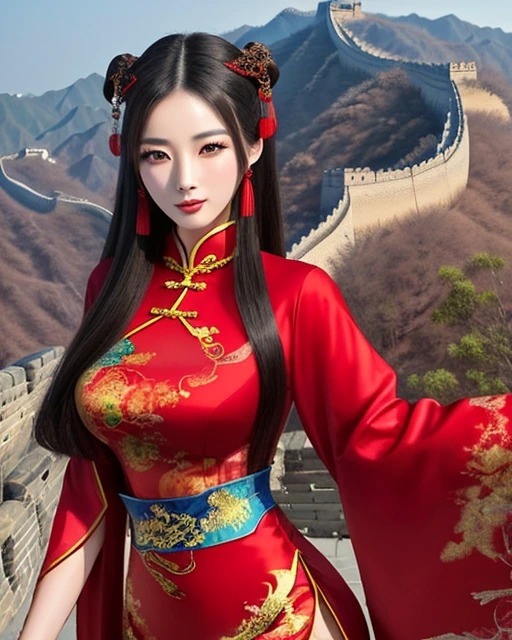
a woman wearing a dress

Russian women played a significant and transformative role in Communist society, undergoing remarkable changes in their social, economic, and political status. The Communist regime aimed to establish gender equality, providing women with unprecedented opportunities that were previously inaccessible. In the early years of the Soviet Union, women were actively encouraged to enter the workforce, defying traditional gender norms that had confined them for centuries. They were granted equal access to education and employment, empowering them to pursue a wide range of careers. This newfound independence emboldened Russian women to challenge deeply ingrained patriarchal conventions and actively contribute to the progress of their nation.

While it is important to acknowledge the progress that was made, it is equally important to recognize that achieving complete gender equality remained a challenging goal within Communist society. Women often faced barriers such as gender-based discrimination, wage disparities, limited job prospects, and restricted access to leadership positions. Despite these challenges, Russian women exhibited remarkable resilience and made significant contributions across various fields including science, literature, arts, and politics. This era witnessed the emergence of remarkable figures such as Valentina Tereshkova, the trailblazing first woman in space, and Aleksandra Kollontai, an influential feminist and politician.

Furthermore, the Communist regime implemented policies to support working mothers, including measures to provide affordable childcare and maternity leave provisions. These efforts aimed to alleviate the burdens faced by women as they navigated their professional and familial responsibilities. However, it is essential to acknowledge that the Communist government’s approach to women’s rights was not solely motivated by a commitment to gender equality. Rather, it was driven by their recognition of the valuable contributions that women could make in building a strong and prosperous nation.

In conclusion, Russian women experienced a complex interplay of progress and challenges within Communist society. They seized the newfound opportunities available to them, shattered traditional gender roles, and left an indelible mark on various fields. However, true gender equality remained an ongoing aspiration, and women encountered hurdles in their pursuit of equal rights and opportunities. Nonetheless, their unwavering resilience and determination continue to serve as a timeless inspiration for future generations.

Related Posts

Okinawa Chronicles: Navigating Centuries of Culture and Valor

Elias Rowen

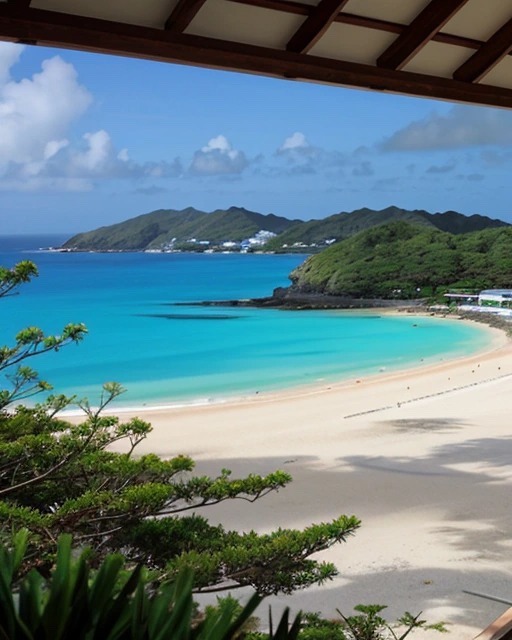
Prepare to be captivated by the riveting tale that unravels the history of Okinawa, a mesmerizing journey that stretches across centuries and is shaped by a tapestry of cultures and a tumultuous past. Nestled in the southernmost corner of Japan, Okinawa boasts a captivating and diverse history that sets it apart from the mainland. Embark on a historical odyssey that traces its roots back to the esteemed Ryukyu Kingdom, a flourishing empire that thrived from the 14th to the 19th century.

During this golden era, Okinawa emerged as a bustling maritime hub, connecting the realms of East Asia and Southeast Asia in an intricate web of trade, diplomacy, and cultural exchange. The Ryukyu Kingdom’s zenith witnessed an extraordinary fusion of influences from far and wide, with traces of China, Japan, Korea, and even Southeast Asian nations making their indelible mark on the island’s identity.

However, the kingdom faced its fair share of trials and tribulations, grappling with challenges posed by neighboring powers, including the formidable Satsuma domain in Japan. The late 19th century marked a turning point in Okinawa’s narrative as it was annexed by Japan, forever altering the course of its history.

With the advent of World War II, Okinawa was thrust into the spotlight as a vital military stronghold for Japan. It became a theater of war, witnessing one of the bloodiest battles in the Pacific – the Battle of Okinawa in 1945. A devastating conflict that exacted an immense toll, claiming thousands of lives and leaving widespread destruction in its wake.

In the aftermath of the war, Okinawa found itself under the control of the United States, which established military bases on the island. It wasn’t until 1972 that Okinawa regained its autonomy and returned to Japanese administration, marking yet another chapter in its ever-evolving narrative.

Today, Okinawa stands as a testament to the resilience of its people and the rich tapestry of its past. Its vibrant culture, awe-inspiring natural beauty, and heartfelt hospitality beckon visitors from far and wide. Experience the allure of Okinawa’s historical legacy, as its unique traditions come to life through the enchanting melodies of Ryukyuan dance, the echoes of traditional music, and the tantalizing flavors of its cuisine.

Moreover, Okinawa occupies a hallowed place in the annals of martial arts, for it is the very birthplace of karate. Its rich heritage continues to draw enthusiasts and curious souls from across the globe, eager to explore the island’s historical sites, bask in the splendor of its pristine beaches, and delve into the captivating tales of its past.

So, venture forth and immerse yourself in the captivating saga of Okinawa, a treasure trove of history, culture, and natural wonders that will leave an indelible impression on your heart and mind.

Related Posts

Matamata, New Zealand: A Tapestry of Movie Magic, Nature, and Rural Charm

Dave

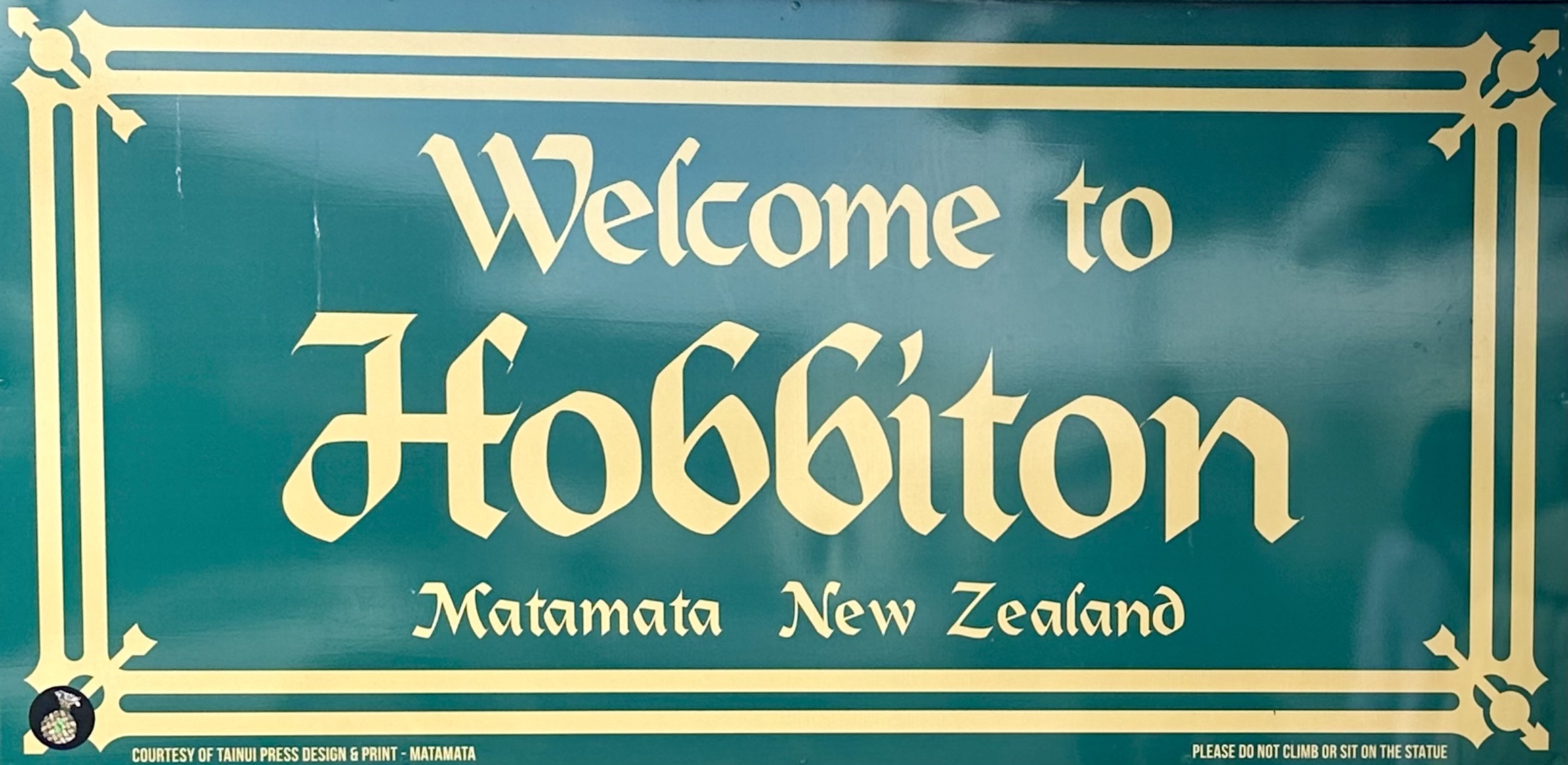
Matamata, New Zealand is a charming town located in the Waikato region of the North Island. Known for its picturesque landscapes and friendly community, Matamata has become a popular tourist destination, attracting visitors from all over the world. The town is best known for its connection to the iconic movie franchise, The Lord of the Rings. Matamata is home to the world-famous Hobbiton Movie Set, where parts of the beloved films were shot. This meticulously recreated village allows visitors to step into the magical world of Middle-earth and explore the lush green hills, colorful hobbit holes, and even enjoy a drink at the Green Dragon Inn. The attention to detail and the breathtaking scenery make the Hobbiton Movie Set a must-visit for any fan of the films or those simply seeking an enchanting experience.

Beyond its association with The Lord of the Rings, Matamata has much to offer. The town itself is quaint and welcoming, with a range of shops, cafes, and restaurants that showcase the local cuisine and hospitality. The locals take pride in their town, and their warm and friendly nature is evident as you stroll through the streets. The town’s main street, Broadway, is lined with boutique stores and charming boutiques, offering unique shopping experiences.

For nature enthusiasts, Matamata is surrounded by stunning landscapes that are begging to be explored. The nearby Kaimai-Mamaku Forest Park offers an abundance of hiking trails, giving visitors the opportunity to immerse themselves in the natural beauty of the area. From lush native bush to cascading waterfalls and panoramic views, the park is a paradise for outdoor lovers. The Wairere Falls, located just a short drive from Matamata, is a particularly popular spot, boasting New Zealand’s longest waterfall and providing a challenging yet rewarding hike.

Matamata is also home to a thriving farming community, with rolling green pastures and sheep farms dotting the countryside. Visitors can experience the rural way of life by taking farm tours or even staying on a farmstay accommodation, where they can get hands-on with farm activities and learn about the agricultural practices that sustain the region.

In addition to its natural and cultural attractions, Matamata hosts various events and festivals throughout the year, offering a taste of the local culture and traditions. From the Matamata A&P Show, showcasing the best in farming and agriculture, to the Matamata Country Music Festival, celebrating New Zealand’s country music talent, there is always something happening in this vibrant town.

Whether you are a fan of The Lord of the Rings, a nature enthusiast, or simply looking to immerse yourself in a friendly and welcoming community, Matamata, New Zealand has something for everyone. Its unique blend of movie magic, natural beauty, and rural charm make it a destination that will leave a lasting impression on any visitor.

Related Posts

Embracing the Enchanting Traditions of Japanese New Year’s Eve

Dave

a woman sitting at a table in front of a window

Experience the magic of Japanese New Year’s Eve, a time-honored tradition that captivates hearts and souls across the land. Omisoka, the final day of the year, is a mesmerizing journey of reflection, preparation, and exultation. Families unite, brimming with anticipation, bidding farewell to the old year while embracing the new with unyielding hope and boundless optimism.

Enter the realm of Omisoka, where homes transform into sanctuaries of purity through the enchanting ritual of Osoji. With meticulous care, every nook and cranny is cleansed, inviting good luck and blessings to gracefully glide into the forthcoming year.

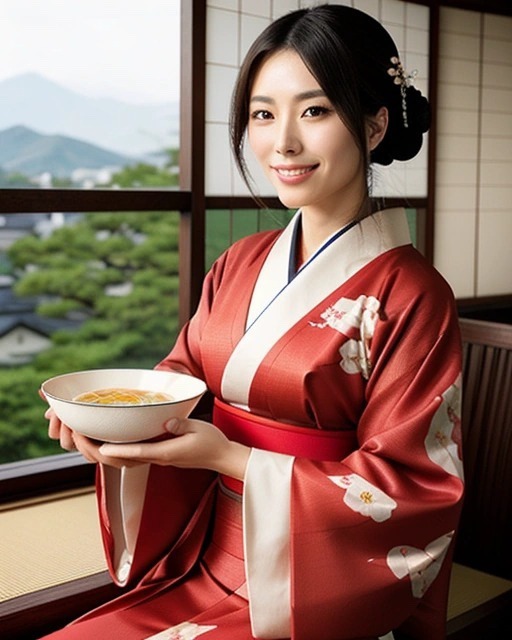
A symphony of flavors unfolds during Japanese New Year’s Eve, with the esteemed tradition of Toshikoshi Soba taking center stage. Families gather, their hearts brimming with joy, as they savor each mouthful of long, slender buckwheat noodles. These delectable strands symbolize longevity, gracefully bridging the gap between one year and the next.

As the midnight hour approaches, a celestial melody fills the air, resonating from the sacred temples. The Joya no Kane temple bell reverberates with purpose, striking a harmonious chord 108 times. Each chime represents the myriad desires that inhabit the human spirit. With each resounding note, the soul is cleansed, washed anew, beckoning a fresh start and boundless possibilities.

In the realm of Japanese New Year’s Eve, the path to good fortune and robust health is paved with visits to local shrines and temples. Hatsumode, a cherished custom, becomes an expression of gratitude and a quest for divine blessings. The air is thick with anticipation as prayers are whispered, dreams are shared, and the promise of a prosperous future is fervently sought.

And when the first light of dawn breaks on New Year’s Day, the world awakens to a breathtaking spectacle. Eager souls gather at scenic vistas, their hearts pounding with anticipation. As the sun’s radiant rays illuminate the horizon, a tapestry of vibrant colors paints the sky, heralding new beginnings and a future ablaze with brilliance. It is in this moment that hope blossoms, and the promise of a bright and joyous future takes root.

Japanese New Year’s Eve, a tapestry woven with threads of harmony, gratitude, and renewal, is a cherished celebration that transcends age and time. Embrace the magic and immerse yourself in a world where tradition dances with possibility, and the spirit of a new year awaits with open arms.

Related Posts

Unraveling China’s Imperial Tapestry: Factors and Forces Behind Its Historical Departure

Dave

The abandonment of the imperial system in China can be attributed to a multitude of factors that unfolded over the course of centuries. One paramount reason was the internal decay and corruption that afflicted the imperial government. As the dynasties matured, the ruling class became increasingly disconnected from the needs and desires of the common people. This gave rise to widespread dissatisfaction and social unrest, ultimately leading to numerous uprisings and rebellions. A significant event, known as the Taiping Rebellion in the mid-19th century, showcased the fragility of the imperial system and its ineptitude in governing effectively.

Another influential factor was the growing influence of external forces. China faced considerable challenges from Western powers, especially during the 19th century. The Opium Wars and subsequent unequal treaties compelled China to open its borders for foreign trade and concessions, undermining the sovereignty of the imperial government. These encounters with Western imperialism laid bare the weaknesses of the imperial system and emphasized the urgent need for modernization and reforms.

Furthermore, the rise of nationalist movements and the dissemination of revolutionary ideas also played a pivotal role in China’s departure from the imperial system. Intellectuals and reformists began to question traditional values and societal structures, advocating for a more egalitarian and progressive system. The May Fourth Movement in 1919, for example, stood as a crucial moment in Chinese history, challenging the authority of the imperial system and paving the way for the establishment of a republic.

Lastly, economic factors cannot be disregarded. The imperial system in China had long relied on an agrarian-based economy, which proved increasingly inadequate in the face of industrialization and global trade. The inability to adapt to the changing economic landscape further eroded the legitimacy of the imperial government and led to socio-economic disparities. Coupled with the impact of natural disasters and famines, this resulted in widespread poverty and hardship among the population.

In conclusion, the departure from the imperial system in China was a complex and multifaceted process. Internal decay and corruption, external pressures from Western powers, the rise of nationalist movements, and economic challenges all contributed to the demise of the imperial system. The subsequent transformation was driven by the imperative for modernization, reform, and the aspiration for a more equitable and prosperous society.

Related Posts

Geisha Grace: Preserving Elegance in Japan’s Cultural Tapestry

Dave

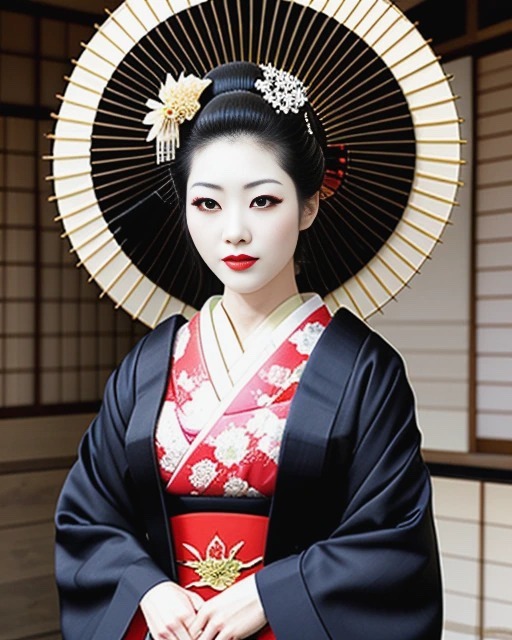
The Japanese Geisha, renowned as traditional female entertainers, boast a unique appearance and hold immense cultural significance. For centuries, these skilled artists, aptly named “persons of the arts,” have been integral to Japanese culture. They undergo extensive training in a multitude of traditional arts, encompassing classical music, dance, and games. Admired for their iconic white makeup, intricate hairstyles, and vibrant kimonos, Geisha exude an aura of elegance, grace, and poise, effortlessly captivating audiences with their mesmerizing performances. By showcasing and preserving traditional arts and customs, Geisha play a crucial role in safeguarding Japan’s rich cultural heritage. They are widely regarded as cultural ambassadors, providing entertainment at tea houses, banquets, and various other social gatherings.

Despite their association with entertainment, it is important to recognize that Geisha are neither courtesans nor prostitutes. Their specialized training equips them with the ability to create an atmosphere of warmth and hospitality for their guests through engaging conversation, music, and dance. The journey to becoming a Geisha involves rigorous and demanding training, typically commencing at a tender age. Apprentices, referred to as maikos, invest years in honing their skills under the tutelage of experienced Geisha. This comprehensive training encompasses mastery of traditional instruments, like the shamisen, proficiency in the art form of traditional dances such as the Kyoto-style dance, and the art of engaging in meaningful conversation. Additionally, Geisha acquire knowledge and refinement in disciplines like the tea ceremony and flower arrangement, enhancing their cultural expertise even further.

While the role of Geisha has evolved over time, their importance in Japanese society remains profound. They symbolize grace, beauty, and sophistication, continuously enthralling audiences with their captivating performances. Geisha are living testimonials to Japan’s rich cultural heritage, adept at showcasing their artistry and unwavering dedication, inspiring and captivating people worldwide.

Related Posts

Beef Battle: New Zealand’s Lean Legacy vs. America’s Marbled Masterpiece – A Culinary Journey of Taste and Health!

Dave

Ate at the Angus Steak House in Auckland it was a good meal, however it seems that New Zealand beef is healthier, but American beef has better flavor. Which leads me to write about the differences. When it comes to the debate surrounding New Zealand beef versus American beef, there are some fascinating factors that set them apart. One of the most significant distinctions lies in their feeding practices. New Zealand beef is renowned for being grass-fed, adding to its reputation as a healthier option. Grazing on grass, this type of beef boasts higher levels of heart-healthy omega-3 fatty acids and conjugated linoleic acid (CLA), known for their anti-inflammatory properties. On the other hand, American beef is typically grain-fed, resulting in a higher fat content. This extra fat gives American beef an undeniable edge when it comes to flavor and tenderness. The exquisite marbling of fat within the meat contributes to a luscious taste and juiciness that many consumers find irresistible. However, it’s worth noting that grass-fed beef still maintains an exceptional flavor profile, albeit with a leaner and subtly distinctive taste compared to its American counterpart. Ultimately, the choice between New Zealand beef and American beef depends on individual preferences, health considerations, and desired culinary outcomes. So, whether you lean towards the healthier option or crave the mouthwatering richness of marbled beef, the decision is yours to savor.

Related Posts

Kentucky for Christmas: Unwrapping the Finger-Licking Tale of Japan’s Festive KFC Tradition

Dave

a woman standing in front of a plate of food

Prepare yourself for an intriguing Christmas custom of Japan, centered around the peculiar tradition of indulging in KFC during the festive season. This cultural phenomenon stems from a brilliant marketing campaign by KFC in the vibrant 1970s, which forever revolutionized the way Japan celebrates Christmas.

In this tale, imagine a nation entranced by the alluring prospect of a succulent and finger-licking alternative to the traditional Christmas turkey. Sensing an opportune moment, KFC seized the chance and introduced their tantalizing chicken to the unsuspecting masses, championing it as the ultimate feast for Yuletide celebrations. With the catchy slogan “Kentucky for Christmas” resonating through the airwaves, it didn’t take long for this unconventional idea to take flight and capture the hearts of countless Japanese families.

Fast forward to Christmas Eve, and you will witness a spectacle that can only be described as a culinary pilgrimage. People flock to KFC outlets all across the country, forming long queues that seem to extend endlessly into the horizon. Their mission? To secure their place in line and order a truly special Christmas meal. Such is the popularity of this cherished tradition that weeks in advance, pre-orders become a necessity to ensure that the tantalizing array of KFC delights graces their festive tables.

But the magic doesn’t stop there. Prepare to be dazzled by a Christmas menu that surpasses the mundane offerings. Gone are the ordinary choices; instead, the festive spread boasts an extravagant ensemble of fried chicken, accompanied by delectable treats such as cake and champagne. As customers enter KFC restaurants, they are greeted by a symphony of twinkling Christmas lights and whimsical decorations, transforming the atmosphere into a winter wonderland that heightens the jubilant spirit of the season.

The impact of this unique tradition extends far beyond mere meals; it has left an enduring mark on Japanese culture. Immortalized in movies, TV shows, and advertisements, it has become a cultural icon, captivating both locals and outsiders alike. What might have initially seemed peculiar and unconventional has now become an integral part of Japanese holiday celebrations, embodying the nation’s remarkable ability to embrace new traditions while staying rooted in its heritage.

So, as you immerse yourself in the holiday season, take a moment to savor the enchanting tale of KFC and its extraordinary role in Japanese Christmas festivities. It is a story that reminds us of the power of innovation, the beauty of cultural fusion, and the joy that comes from embracing the unexpected.

Related Posts

Reaching for the Stars: The Auckland Sky Tower Experience

Dave

Behold the Auckland Sky Tower, a true architectural marvel that exudes grandeur and ambition. With its commanding height and dominating presence in the city’s skyline, it reaches boldly towards the stars, leaving onlookers in awe. Unveiled amidst great fanfare, this iconic structure stands as a testament to Auckland’s unwavering pursuit of innovation and excellence.

Soaring to a staggering height of 328 meters, it proudly claims the title of New Zealand’s tallest building, offering unparalleled panoramic views that will leave you breathless. But the Sky Tower is more than just a tourist attraction; it’s a vibrant hub of entertainment, fine dining, and opulent accommodations. Step inside, and you’ll discover a world of possibilities.

From the tower’s observation deck, you’ll witness Auckland’s splendor from an entirely new perspective. The vistas stretch as far as the eye can see, painting a picture of urban beauty intertwined with nature’s grace. But if you crave adventure, fear not, for the Sky Tower has something special in store.

Thrill-seekers can experience the ultimate adrenaline rush with skywalking, a heart-pounding escapade that takes you outside the tower’s upper levels, suspended by trusty harnesses. With each step, you’ll feel the rush of wind and the thrill of being suspended high above the bustling streets below. And for the truly daring, the bungee jump platform awaits, daring you to take a leap of faith from a jaw-dropping height.

The Auckland Sky Tower has woven itself into the very fabric of the city, becoming an indispensable part of its identity. Year after year, millions of visitors, both locals and tourists, flock to this towering symbol of modernity and progress. It stands as a testament to Auckland’s unwavering determination to soar to new heights, quite literally.

As the sun dips below the horizon, the tower transforms into a mesmerizing beacon of hope and inspiration. Illuminating the night sky, it reminds us all that dreams are within reach, and with unwavering determination and perseverance, we too can reach for the stars.

Related Posts

Breaking Boundaries: The Evolving Story of Women’s Struggles and Triumphs in China

Dave

a woman wearing a costume posing for the camera

The history of gender equality and the status of women in China is a fascinating tapestry of triumph and struggle. Over time, there have been glimmers of progress, but the truth is that Chinese women have battled formidable barriers and societal pressures that have consistently placed them at a disadvantage. Traditional gender roles and cultural norms have perpetuated the notion that women are second-class citizens, overshadowing their potential.

In the past, Chinese women were expected to conform to Confucian principles of filial piety and submission, which greatly limited their educational, employment, and social prospects. These oppressive expectations confined them within narrow boundaries, stifling their dreams and ambitions. To make matters worse, the implementation of the one-child policy from 1979 to 2015 unwittingly spawned adverse consequences for women. Sex-selective abortions became prevalent, and a disturbing preference for male offspring took root.

Although the one-child policy has been abolished, its legacy of gender imbalances and discrimination against women still lingers. Women continue to grapple with workplace discrimination, where they face unequal pay and limited opportunities for professional growth. Moreover, traditional gender norms persist, with society still demanding that women prioritize marriage and motherhood over their personal and career aspirations. These deeply entrenched beliefs pose significant challenges to gender equality.

Nevertheless, it is crucial to recognize the glimmers of progress that have emerged in recent years. The Chinese government has implemented policies aimed at promoting gender equality and safeguarding women’s rights. Despite the persistence of obstacles, there is a growing movement and heightened awareness surrounding the need to enhance opportunities and empower women throughout China. Change is on the horizon, and the winds of transformation are blowing steadily.

Related Posts

Skyscrapers and City Lights: Unveiling Auckland’s Central Business District & Sky Tower Splendor

Dave

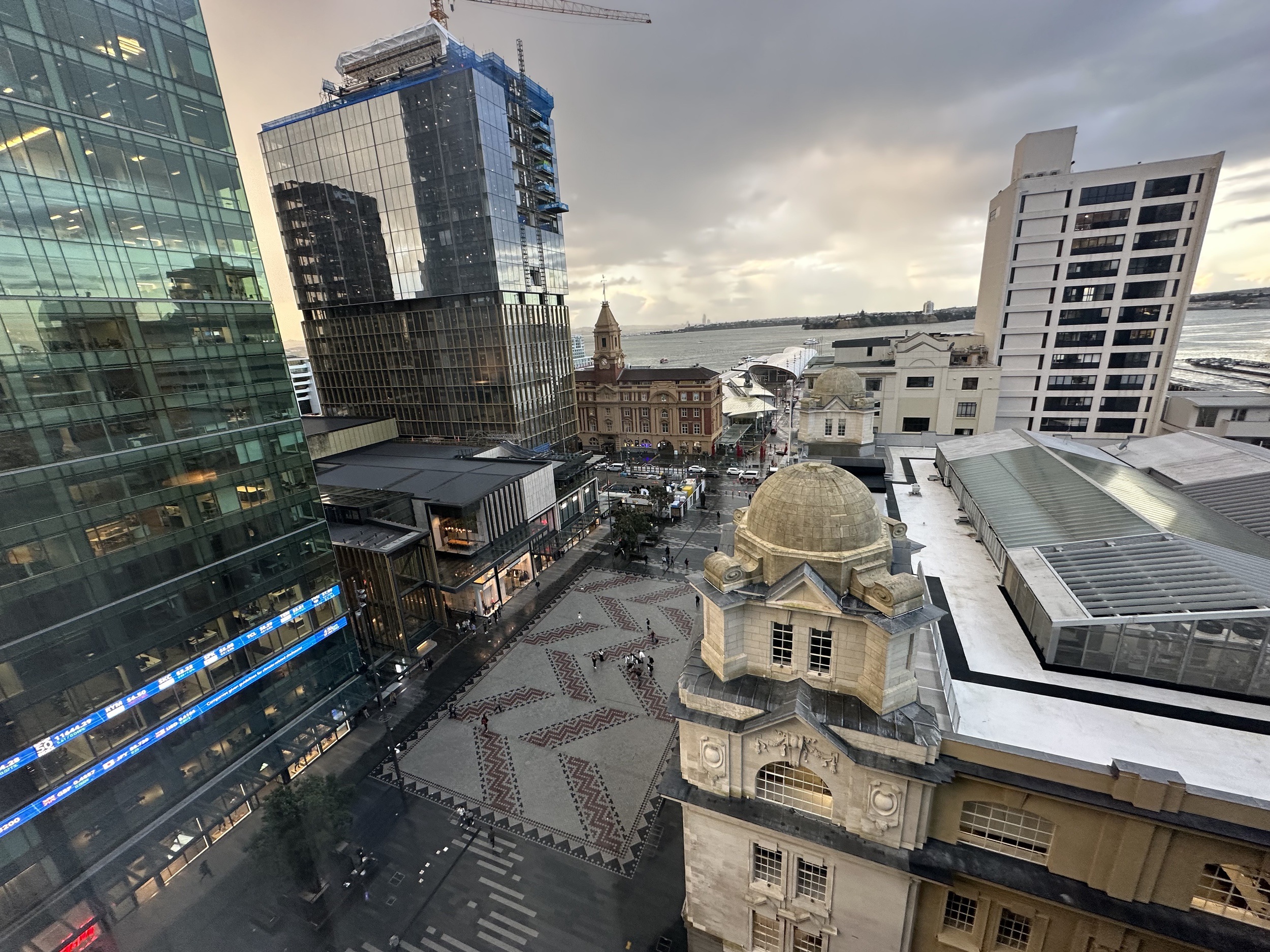
The Central Business District (CBD) of Auckland is a mesmerizing sight to behold, where skyscrapers pierce the heavens and city lights dance like stars. This bustling hub, nestled in the heart of New Zealand’s largest city, is a testament to the country’s economic prowess and urban vibrancy. The CBD boasts a striking skyline adorned with towering architectural marvels that house multinational corporations, financial institutions, and an array of businesses. These magnificent structures not only represent progress and modernity but also embody Auckland’s status as a global city.

When night descends upon the city, a magical transformation takes place. The CBD becomes a kaleidoscope of vibrant colors and dazzling patterns, as city lights come alive in a breathtaking display. This enchanting atmosphere captivates both locals and visitors, drawing them into its luminous embrace. Amidst this awe-inspiring spectacle stands the crown jewel of Auckland’s skyline – the Sky Tower.

Rising majestically to a staggering height of 328 meters, the Sky Tower is not simply the tallest building in New Zealand; it is an iconic symbol of the city itself. Its observation decks offer panoramic views that stretch as far as the eye can see, allowing visitors to marvel at the sprawling cityscape and the glistening Waitemata Harbour. For those seeking an adrenaline rush, the Sky Tower provides the opportunity for sky jumping, a thrilling experience that will leave you breathless. Alternatively, you can indulge in a leisurely meal at the revolving restaurant, where each bite is accompanied by stunning vistas that seem to stretch out endlessly.

In essence, the CBD and the Sky Tower combine to create a captivating blend of architectural grandeur and luminous beauty. Auckland’s Central Business District is a must-visit destination for anyone yearning to witness the splendid marvels of skyscrapers and city lights. Prepare to be spellbound as you immerse yourself in the dazzling symphony of modernity and urban charm that awaits you in this vibrant metropolis.

Related Posts

Unveiling the Art and Controversy: Navigating the World of Japanese Hentai

Dave

Japanese hentai, originating in Japan, is a genre of explicit adult animation or comic art. It is essential to note that the term “hentai” is derived from the Japanese words for “pervert” or “abnormal,” and carries associations with sexually explicit and graphically explicit content. However, it is crucial to understand that not all Japanese hentai falls within the explicit content spectrum, as various subgenres exist within this category. These subgenres encompass a wide range of themes and styles, including fantasy, sci-fi, romance, and horror. What sets hentai apart is its exploration of sexual fantasies and fetishes that are not commonly depicted in mainstream media.

Despite gaining significant popularity in both Japan and internationally, hentai remains a niche genre catering to a specific audience. It primarily manifests in the form of manga (Japanese comics) or anime (Japanese animation). Dedicated websites, magazines, and conventions have emerged to serve the growing community of hentai enthusiasts.

It is worth acknowledging that hentai has faced controversy and criticism due to its explicit content and potential impact on society. Critics argue that it perpetuates harmful stereotypes, objectifies women, and promotes unrealistic expectations of sex. Conversely, proponents of hentai argue that it provides a safe outlet for sexual exploration and expression, allowing individuals to indulge in fantasies that would otherwise be considered taboo.

In conclusion, Japanese hentai is a complex and controversial genre that continues to evolve, sparking discussions about sexuality, censorship, and artistic freedom. It offers a unique platform for individuals to explore and express their sexual desires, although it remains a topic of intense debate.

Related Posts

From Windy Wellington to Stunning Auckland: A Kiwi Adventure Takes Flight

Dave

Travel between Wellington and Auckland, New Zealand is an adventure filled with breathtaking landscapes and picturesque moments that are perfect for capturing in photographs. As you embark on this journey, you will find yourself surrounded by stunning natural beauty that showcases the diversity and charm of New Zealand. From the vibrant streets of Wellington, the capital city, to the bustling metropolis of Auckland, there are countless opportunities to capture the essence of this incredible country. Along the way, you can snap photos of the rolling hills and lush greenery that line the highways, creating a scenic backdrop that is quintessentially New Zealand. As you traverse the North Island, you may stumble upon hidden gems such as the stunning Kapiti Coast or the mesmerizing Tongariro National Park, each offering its own unique charm and striking landscapes that are a photographer’s dream. From rugged coastlines to serene lakes, the journey between Wellington and Auckland is dotted with numerous opportunities to capture the true essence of New Zealand’s natural wonders. Additionally, the cultural richness and vibrant cityscapes that these two cities offer cannot be missed. Wellington, known for its vibrant arts scene and quirky café culture, is a treasure trove of street art, colorful buildings, and captivating waterfront views. Auckland, on the other hand, boasts a skyline dotted with iconic landmarks such as the Sky Tower and the Auckland Harbour Bridge, providing ample opportunities for stunning cityscape shots. Whether you are captivated by the beauty of nature or fascinated by the urban landscapes, the photos of travel between Wellington and Auckland will undoubtedly leave you with a visual diary of unforgettable memories.

Related Posts

Unveiling the Enigmatic Allure: Unearthing the Secrets of Halloween Traditions in Japan

Dave

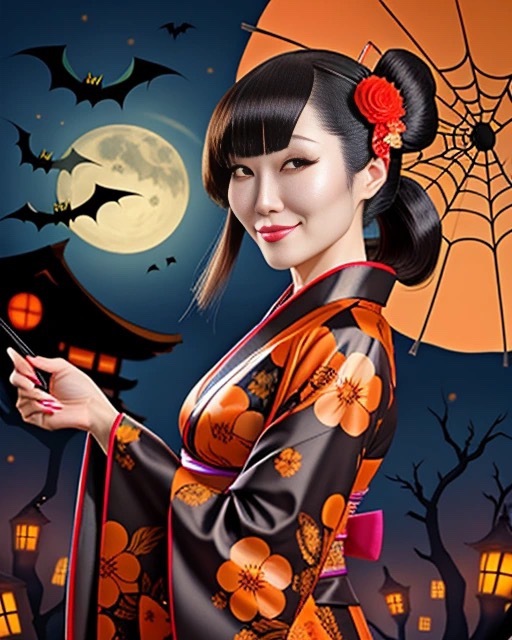
In recent years, Halloween traditions in Japan have been skyrocketing in popularity, despite their relatively shallow roots in Japanese culture. Thanks to the influence of Western customs, Halloween has transformed into a thrilling and enthralling time for people of all ages across Japan. One tradition that stands out is the vibrant celebration of costume parties. Japanese folks go all out, donning meticulously crafted and elaborate costumes that span from iconic characters to hair-raising creatures. Their attention to detail and boundless creativity truly shines through.

But that’s not all. Trick-or-treating has also taken Japan by storm, particularly in bustling cities. Children and adults alike parade through shops and homes, dressed to the nines in their Halloween garb, eagerly collecting treats and candies from the enthusiastic locals. The spirit of Halloween has even seeped into the culinary scene, giving birth to a fascinating tradition of Halloween-themed food and decorations. Restaurants and cafes tantalize taste buds with limited-edition Halloween menus featuring ghost-shaped dishes, pumpkin-inspired creations, and other spine-chilling symbols. Supermarkets and bakeries, too, embrace the festivities, offering an array of Halloween-themed cakes, cookies, and snacks that add a delightful touch of Halloween spirit to the culinary landscape.

But the excitement doesn’t stop there. Japan takes Halloween to a whole new level with its array of special events and attractions, hosted by theme parks and shopping centers. From bone-chilling haunted houses to captivating parades and captivating live performances, these experiences captivate both locals and tourists. It’s a testament to the adaptability and unwavering enthusiasm of the Japanese people, who wholeheartedly embrace diverse cultures and traditions.

Although Halloween may be a relatively new addition to Japan’s holiday calendar, its rapid rise in popularity showcases the Japanese people’s eagerness to embrace and make their own mark on different customs and festivities.

Related Posts

Outlaw Pursuer to Western Legend: The Saga of Pat Garrett

Dave

a man wearing a hat

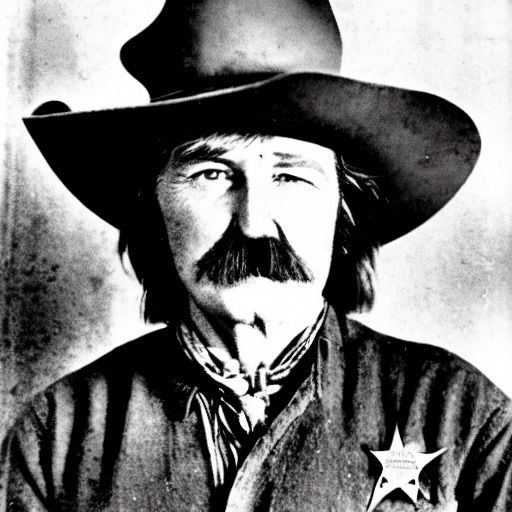
Step into the captivating world of Pat Garrett, an enigmatic figure etched into the annals of American history. Renowned for his pivotal role in capturing and ultimately putting an end to the notorious outlaw, Billy the Kid, Garrett’s life was a thrilling tapestry of adventure and peril. Born on June 5, 1850, in the rugged lands of Chambers County, Alabama, Garrett embarked on a daring journey that led him westward, where he sought his destiny amidst the sprawling expanse of the American frontier.

It was in the untamed territories of New Mexico that Garrett found himself entangled in the volatile realm of the Wild West. The year 1880 marked a turning point in his life as he assumed the esteemed mantle of sheriff in Lincoln County, New Mexico. This fateful appointment would not only shape his future but also reshape the course of history itself.

Garrett’s most legendary feat unfolded in 1881 when he fearlessly pursued and ultimately extinguished the reign of terror orchestrated by the infamous Billy the Kid. With relentless determination coursing through his veins, Garrett successfully hunted down this elusive outlaw, forever securing his own place in the pantheon of esteemed lawmen. The echoes of that decisive moment still reverberate through time, forever etching Garrett’s name in the annals of renown.

Yet, amidst his triumphs, Garrett’s journey was not without its share of tragedy. Personal and professional tribulations dogged his steps, with accusations of corruption and an ill-fated bid for political office casting shadows over his illustrious career. The tapestry of his life was woven with both triumph and turmoil, painting a complex portrait of a man who dared to confront the darkest corners of the human experience.

But fate, as enigmatic as ever, had yet another twist in store for this indomitable lawman. On that fateful day, February 29, 1908, Garrett’s life was abruptly cut short by a bullet’s cruel embrace, shrouding his final moments in an air of mystery. The legacy of Pat Garrett, however, endures as an indelible part of the American Wild West, immortalized as the valiant soul who brought Billy the Kid to justice, upholding the law in a time of unbridled lawlessness.

Step into the untamed frontier, where legends are born and lives are forever entwined in the dance between honor and mayhem. Discover the legend of Pat Garrett, a man whose name and deeds shall forever echo through the corridors of time, reminding us of an era when heroes and outlaws roamed the vast expanse of a nation forging its destiny.

Related Posts

Outlaw Legends: The Wild and Mysterious Life of Billy the Kid

Dave

a person wearing a hat

Step into the world of the Wild West, where lawlessness and adventure intertwined, and meet Billy the Kid, a legend in American outlaw history. Born in 1859 as William H. Bonney, he was a man of mystery whose legend grew with each passing tale. In a time marked by chaos, Billy thrived, embracing the untamed spirit of the Wild West.

As a young teen, Billy found himself drawn to a life of crime, stealing horses and dabbling in petty theft. However, it was his involvement in the infamous Lincoln County War that propelled him into the realm of outlaw legends. Fighting alongside a group of cattle rustlers known as the Regulators, Billy’s sharpshooting skills and fearless nature made him a force to be reckoned with.

The Kid’s notoriety skyrocketed when he was accused of killing several men, including a sheriff, during the war. This earned him a reputation as a cold-blooded killer, but it also garnered sympathy from those who saw him as a young rebel fighting against a corrupt system. Some even likened him to the legendary Robin Hood, a symbol of resistance against oppressive authorities.

Billy the Kid’s image as an outlaw with a heart of gold has persisted over the years, fueled by dime novels and immortalized in Hollywood films. However, his life was tragically cut short at the tender age of 21. Sheriff Pat Garrett, tasked with bringing him to justice, shot and killed him. To this day, controversy surrounds the circumstances of his death, with theories suggesting that Garrett’s motives were more personal than legal.

Regardless of the truth, the legacy of Billy the Kid lives on, forever etched in the annals of American folklore. He embodies the spirit of the Wild West, a time when outlaws roamed the land, leaving behind a trail of mystery and legend. Even now, Billy’s captivating story continues to captivate us, serving as a reminder of a bygone era filled with lawlessness and untamed adventure.

Related Posts

Ninjas Unveiled: Masters of Shadows and Secrets in Feudal Japan

Dave

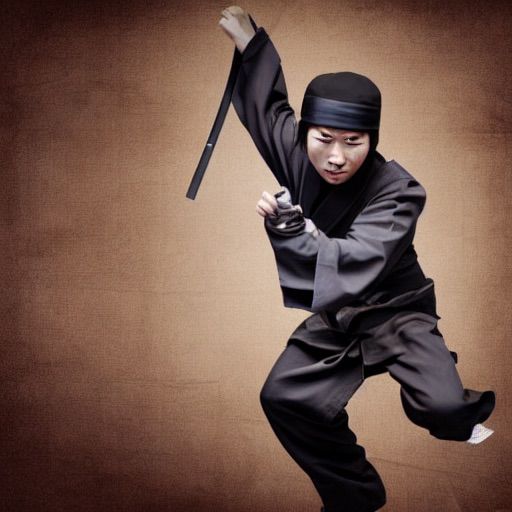
During the feudal era in Japan, the emergence of the enigmatic and mysterious figure known as the ninja captured the attention of both historians and culture enthusiasts alike. These stealthy operatives, originating from the Japanese term “shinobi” meaning “one who is concealed,” held an undeniable allure of secrecy and intrigue. Their expertise extended across various fields, including espionage, sabotage, guerrilla warfare, and the sophisticated art of assassination.

Ninjas were not ordinary shadow warriors clad in black; they were highly skilled individuals who possessed exceptional physical prowess, strategic brilliance, and proficiency in handling a wide array of weaponry. Their ability to seamlessly blend into their surroundings by adapting their attire to suit the environment was truly remarkable, making them almost undetectable.

The training of ninjas encompassed a diverse spectrum of skills, with the elusive ninjutsu at its core. This encompassed combat techniques, the art of disguise, the finesse of stealth, and indispensable survival skills applicable in any given situation. However, their expertise extended far beyond physical combat. The ninja arsenal was a testament to their adaptability, incorporating psychological warfare tactics that consistently left adversaries bewildered and outmaneuvered.

In times of war, the value of ninjas was immeasurable. Their role as intelligence gatherers and executors of covert missions played a pivotal part in shaping the outcomes of battles. Throughout history, these extraordinary individuals have become symbols associated with stealth, agility, and unwavering resilience.

Even in the present day, tales of these exceptional warriors continue to captivate our collective imagination, immersing us in a realm of mystery and wonder. Exploring the world of ninjas provides a gateway to endless fascination, inspiring countless individuals with their tales of bravery and ingenuity.

Related Posts

Unlocking the Secrets of Fort Knox: Beyond the Gold

Dave


Fort Knox, a United States Army post nestled in the heart of Kentucky, is much more than just a military base. It’s the home of the United States Bullion Depository, a fortress that safeguards a significant portion of the nation’s gold reserves. The depository building is a true engineering marvel, with its sturdy granite walls, impenetrable reinforced steel doors, and advanced security systems that make it nearly impossible to breach.

The gold reserves stored in Fort Knox have long been a symbol of American wealth and power, with an estimated 147 million ounces of gold currently stashed inside the depository, valued at over $200 billion. Yet, Fort Knox has served multiple purposes throughout its history. During World War II, it served as a storage site for important documents, and as a training ground for tank crews.

Visitors to Fort Knox are in for a treat, as they can explore the depository and the surrounding area while learning about the site’s rich history and significance. From the military base to the gold repository, Fort Knox is an iconic symbol of American strength and security that will continue to play a crucial role in the nation’s history for generations to come.

Related Posts

The White House: A Grand and Iconic Symbol of American Power and Influence

Dave


Nestled at 1600 Pennsylvania Avenue NW in Washington D.C. stands a grand and historic building that millions of people look up to. The White House, the official residence and workplace of the President of the United States, represents more than just a building. It is a symbol of American power and influence, an iconic edifice where history is made.

The White House is a sprawling complex that includes the Executive Residence, East Wing, West Wing, and Eisenhower Executive Office Building. The Executive Residence, the central part of the White House, is where the President and their family reside. It is a magnificent structure that features awe-inspiring rooms such as the Oval Office, the State Dining Room, and the Lincoln Bedroom. Meanwhile, the East Wing houses the First Lady’s office and the White House Social Secretary’s office. The West Wing, on the other hand, is where the President’s office and the offices of senior staff and advisors are located. The Eisenhower Executive Office Building, across the street from the White House, houses the offices of many of the President’s other advisors and staff.

Stepping inside the White House is a surreal experience. From the grandeur of the building to the sense of history that permeates every corner, there is a palpable sense of awe that takes over. The halls are adorned with portraits of former Presidents and other important historical figures, and the furniture and decor exude elegance and sophistication. The staff are courteous and professional, making every visitor feel welcome and comfortable.

But for those who work at the White House, life can be incredibly demanding and fast-paced. The President’s schedule is always packed with countless meetings, briefings, and events to attend. The staff work long hours and are under a great deal of pressure to perform at their best. However, the sense of purpose and importance that comes with working at the White House is unparalleled, and many people consider it the opportunity of a lifetime.

In conclusion, the White House is an architectural masterpiece that goes beyond its physical structure. It represents the pinnacle of American power and influence, a place where history is made, and where people from all over the world come to pay homage. Whether you are a tourist visiting for the first time or a staff member who works there regularly, the White House is a place that will leave you in awe and inspire you. It is, without a doubt, a privilege to have the opportunity to be inside such a historic and important building.

Related Posts

Karl Te Nana and the Legendary New Zealand Sevens Rugby 1996 Walk of Champions

Dave


The New Zealand Sevens Rugby 1996 Walk of Champions is a legendary event that holds a significant place in the history of New Zealand rugby – a sport that’s almost like a religion for the Kiwis. While I couldn’t find specific details about Karl Te Nana’s participation in the Walk of Champions that year, I can provide you with some fascinating insights into the event and its importance.

The Walk of Champions is a revered tradition in rugby circles where players, past and present, are celebrated for their contributions to the sport. It’s a momentous occasion that’s often held before major rugby tournaments or as part of special events. The purpose of the Walk of Champions is to pay homage to the players’ achievements, showcase the rich history of the sport, and get fans pumped up with excitement.

The New Zealand Sevens Rugby team is a force to be reckoned with in the world of rugby sevens, a breathtakingly fast variant of the game. The team’s legacy is one of dominance, having clinched numerous victories and championships over the years. The 1996 edition of the New Zealand Sevens Rugby tournament was undoubtedly a momentous event, but specific details of Karl Te Nan’s involvement in the Walk of Champions during that year are somewhat elusive.

Karl Te Nana is a former New Zealand rugby union player who played as a winger and represented his country in both fifteens and sevens rugby during his illustrious career. Although I couldn’t find any specific information about his role in the 1996 Walk of Champions, it’s safe to say that his contributions to New Zealand rugby would undoubtedly be recognized and celebrated.

If you’re interested in delving deeper into the New Zealand Sevens Rugby 1996 Walk of Champions or Karl Te Nana’s involvement, I recommend scouring through official rugby archives, news articles, or reaching out to relevant rugby associations or organizations that may have documented records of the event. Who knows what fascinating tidbits of information you may uncover!

Related Posts