Latest Articles

The Great San Francisco Earthquake: A City in Ruins

Elias Rowen

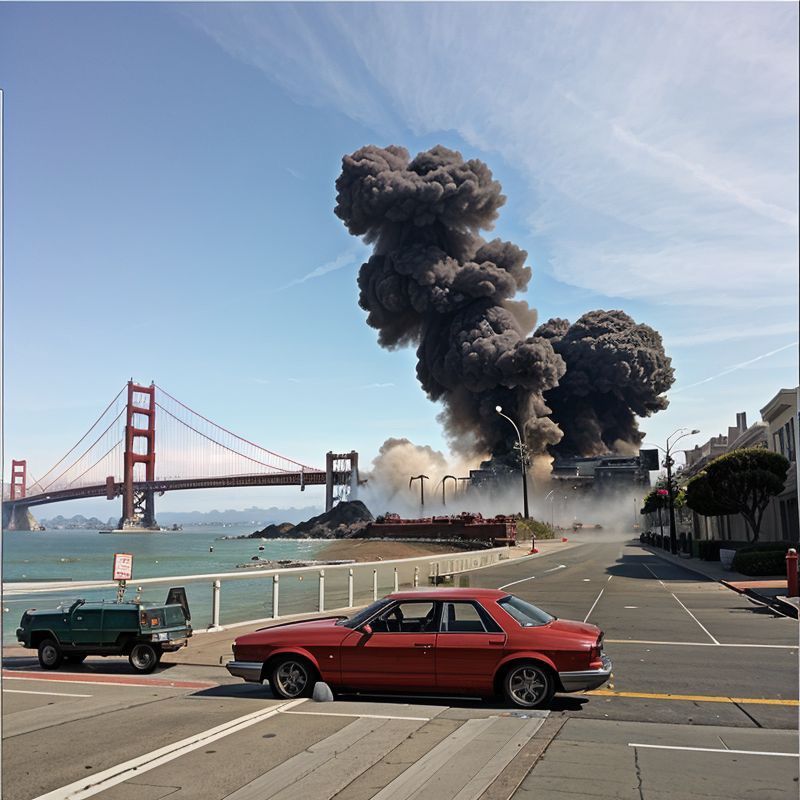
In the early hours of April 18, 1906, San Francisco was shaken awake by one of the most devastating earthquakes in American history. The ground rumbled violently as buildings crumbled, streets split open, and terrified residents fled into the chaos. The quake, estimated at a magnitude of 7.9, lasted less than a minute, but its destruction would haunt the city for years to come. However, the shaking was only the beginning. Fires soon erupted across San Francisco, fueled by broken gas lines and a lack of water to fight the flames. For three days, the city burned, reducing entire neighborhoods to smoldering rubble.

The destruction was unimaginable. Over 80% of San Francisco was leveled, and nearly 3,000 people lost their lives. Hundreds of thousands were left homeless, forced to seek shelter in makeshift camps. The once-thriving city had been transformed into a landscape of ashes and despair. But amid the devastation, there was resilience. Volunteers worked tirelessly to rescue survivors, and efforts to rebuild the city began almost immediately.

The tragedy exposed the weaknesses in San Francisco’s infrastructure and emergency response, leading to major reforms in building codes and disaster preparedness. In the years that followed, the city emerged stronger, determined never to suffer such catastrophic losses again. Today, the 1906 earthquake remains a defining moment in San Francisco’s history—a reminder of nature’s power and human perseverance.

More than a century later, the scars of that disaster have faded, but its lessons remain. Advances in seismology and engineering have made cities safer, yet the risk of another major earthquake still looms over the region. The Great San Francisco Earthquake was a tragedy, but it also proved that even in the face of unimaginable destruction, a city and its people can rise again.
Related Posts

Ghost of the Atlantic: The Elusive Captain Kidd

Dave

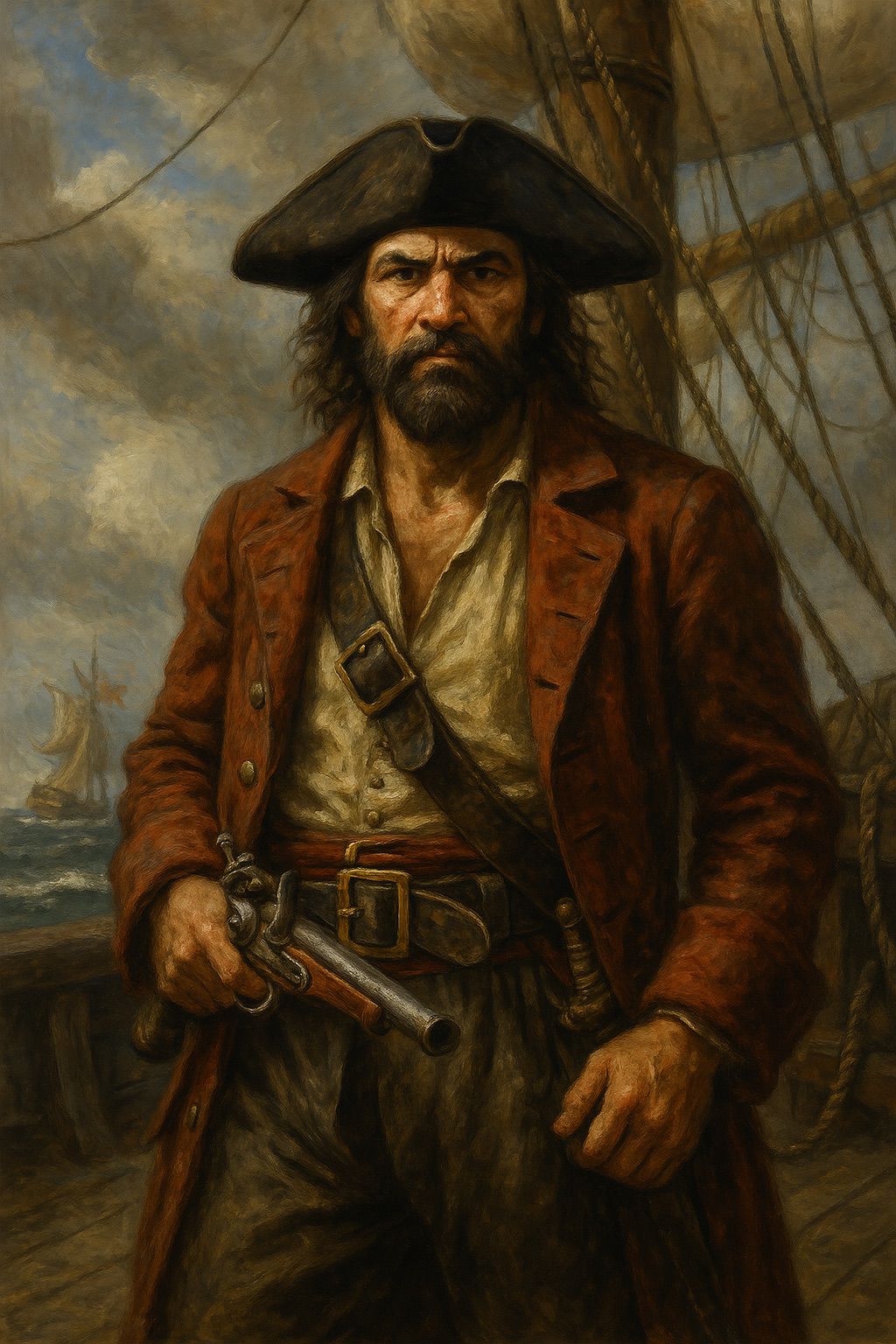
Captain Kidd, known in truth as Edward Mordaunt, Jr., was more than just a pirate—he was a myth in motion. A master of the Atlantic coastline, he haunted the waters off North America like a storm that refused to blow inland. For years, he raided British ships with a calculated fury, showing no mercy and even less respect for the law. What made Kidd legendary wasn’t just his bold attacks—it was the way he always slipped away, just before the noose could tighten. Authorities chased him across oceans and seasons, but Kidd always seemed to be one wave ahead.

Kidd’s disdain for law enforcement wasn’t just spoken; it was lived. He taunted naval officers by striking close to their strongholds, leaving behind ruined vessels and the scent of gunpowder in his wake. British governors branded him an enemy of the Crown, but Kidd wore that title like armor. He moved like a phantom, blending into fishing towns and remote coves, vanishing whenever ships came hunting. His myth grew every time he escaped—turning him into a symbol of everything colonial law couldn’t control.

But every legend has an ending. Eventually, even Kidd’s luck ran out. King George II, no longer amused by the pirate’s antics, made his capture a priority. Through betrayal or sheer miscalculation, Kidd was finally cornered and seized. Still, his legacy endures. Edward Mordaunt, Jr. may have been bound in chains, but Captain Kidd—the ghost of the Atlantic—lives on in every whispered tale of hidden treasure and rebel hearts at sea. He didn’t just steal from the British—he stole their pride, and for that, history never forgot him.

Related Posts

The Bay of Pigs: A Cold War Disaster

Elias Rowen

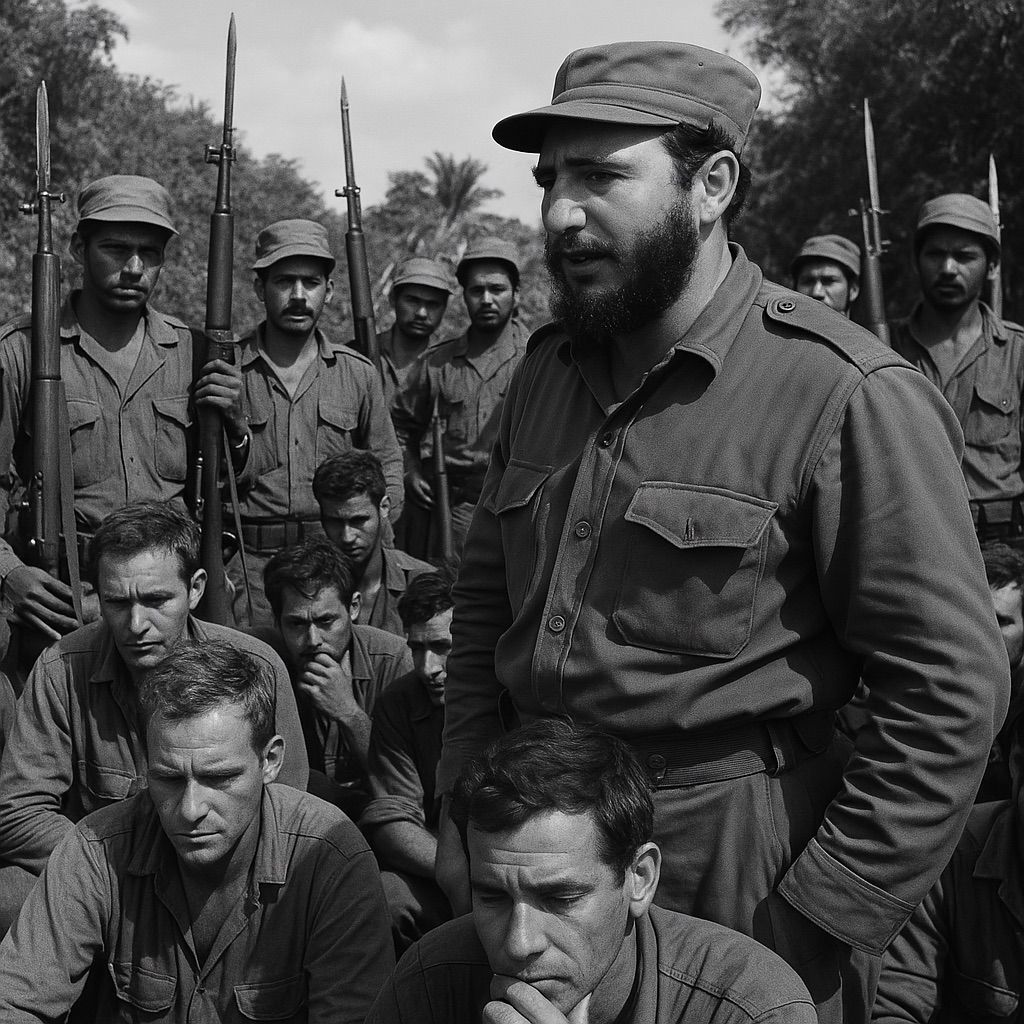
In the early morning hours of April 17, 1961, a covert U.S.-backed mission unfolded on the southern shores of Cuba. Known as the Bay of Pigs invasion, the operation aimed to overthrow Fidel Castro, the country’s communist leader. The plan, orchestrated by the CIA, relied on a force of Cuban exiles trained and armed by the United States. However, what was meant to be a swift and decisive strike turned into a humiliating defeat, exposing the fragility of U.S. Cold War strategies and solidifying Castro’s grip on power.

The invasion was based on the belief that once the exiles landed, Cubans would rise against Castro. Instead, the attackers were met with fierce resistance. Poor intelligence, logistical failures, and a lack of U.S. military support left the invaders outnumbered and outgunned. Within three days, Cuban forces had crushed the assault, capturing or killing most of the invading troops. The defeat was an international embarrassment for the United States and a personal blow to President John F. Kennedy, who had reluctantly approved the plan but refused to provide direct military intervention.

The failure of the Bay of Pigs invasion had lasting consequences. It strengthened Castro’s position in Cuba, pushing him closer to the Soviet Union and setting the stage for the Cuban Missile Crisis the following year. The debacle also damaged U.S. credibility in Latin America, fueling anti-American sentiment. In the years that followed, the CIA continued to attempt covert operations against Castro, but none succeeded in toppling his regime.

Despite its failure, the Bay of Pigs invasion remains a pivotal moment in Cold War history. It serves as a cautionary tale about the dangers of underestimating an enemy and the risks of covert military interventions. More than six decades later, the event is still studied as an example of how miscalculations and flawed assumptions can lead to disastrous consequences on the world stage.

Related Posts

A Tragic Day at Virginia Tech: The Darkest Hour in Campus History

Elias Rowen

April 16, 2007, began like any other day at Virginia Tech, a prestigious university in Blacksburg, Virginia. Students and professors went about their morning routines, unaware that their campus would soon become the site of the deadliest school shooting in U.S. history. Before the day was over, 32 innocent lives would be lost, and countless others would be forever changed by the tragedy.

The shooter, a 23-year-old student named Seung-Hui Cho, carried out his attack in two separate incidents. The first occurred early in the morning at a dormitory, where two people were shot. Hours later, Cho entered Norris Hall, chaining the doors shut before opening fire on classrooms full of students. Panic and horror filled the building as gunshots echoed through the halls. Professors and students tried to barricade doors, some even sacrificing their lives to protect others. When the rampage finally ended, Cho had taken his own life, leaving behind a community shattered by grief.

The tragedy ignited a nationwide debate on gun control, mental health, and campus security. Many questioned how a troubled individual with a history of mental illness was able to purchase firearms legally. In the aftermath, universities across the country implemented stricter safety measures, including improved emergency alert systems and mental health support programs, in hopes of preventing future tragedies.

Though years have passed, the memories of that fateful day remain deeply ingrained in the hearts of survivors and victims’ families. The Virginia Tech community came together in mourning, showing incredible resilience in the face of devastation. Today, a memorial stands on campus, honoring the lives lost and serving as a solemn reminder of the need for change. The tragedy at Virginia Tech was a heartbreaking moment in history—one that should never be forgotten, and one that continues to shape conversations about safety in schools across the nation.

Related Posts

The Tragedy of the Titanic: A Night of Ice and Sorrow

Elias Rowen

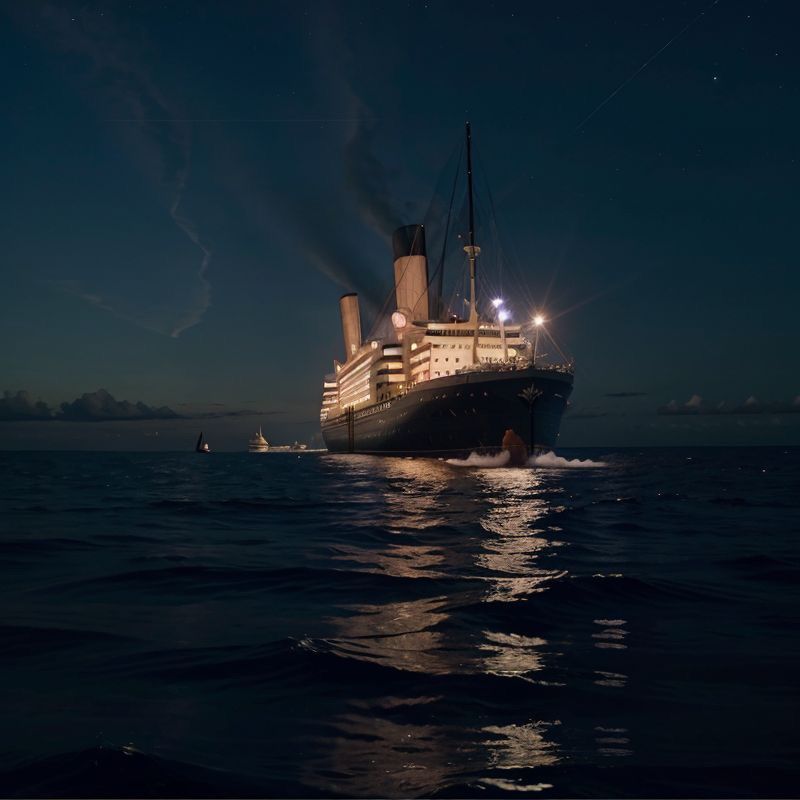
On April 10, 1912, the RMS Titanic, the largest and most luxurious ship of its time, set sail on its maiden voyage from Southampton to New York. Promoted as “unsinkable,” the ship symbolized human innovation and progress. However, just four days into its journey, disaster struck. On the night of April 14, Titanic collided with a massive iceberg in the North Atlantic, leading to one of the deadliest maritime disasters in history.

The iceberg tore into the ship’s hull, causing the supposedly impenetrable vessel to flood rapidly. Panic spread as passengers and crew realized the grim reality—there were not enough lifeboats for everyone on board. As the freezing Atlantic waters rushed in, the Titanic began its slow, agonizing descent beneath the waves. By the early hours of April 15, the ship had completely vanished, taking more than 1,500 souls with it. The tragedy exposed the dangers of overconfidence in technology and led to sweeping changes in maritime safety regulations.

Survivors recalled haunting scenes of chaos and heroism—families torn apart, musicians playing to calm the terrified crowd, and crew members sacrificing themselves to save others. The sinking of the Titanic was not just a catastrophe; it was a stark reminder of nature’s power and humanity’s vulnerability. Today, the wreck of the Titanic lies at the bottom of the ocean, a solemn memorial to those who perished on that fateful night.

The story of the Titanic continues to captivate the world, reminding us of both human ambition and the tragic cost of hubris. Its legacy lives on through books, films, and ongoing explorations of the wreck, ensuring that the lessons learned from its demise are never forgotten.

Related Posts