Latest Articles

Nancy Cunard: When Art and Identity Are As Fluid as a Poem by Djuna Barnes

Penelope

Nancy Cunard’s name has been lingering in my thoughts for a while now, ever since I stumbled upon her name in a book on the Lost Generation. Something about her story resonated with me – maybe it was the way she moved effortlessly between different worlds, or the fact that she seemed to defy categorization at every turn.

As I’ve been thinking about Nancy, I keep coming back to this idea of identity and how we present ourselves to the world. She was a poet, a writer, an activist, and a patron of the arts – but which one was she, really? Or was she all of these things simultaneously? It’s like she existed in multiple dimensions at once, always slipping between them with ease.

I have to admit, I find this kind of fluidity both captivating and intimidating. Growing up, I’ve often felt like I’m caught between different worlds myself – the world of my family, which values stability and tradition above all else; and the world of academia, where I spent four years trying to figure out who I was supposed to be. Nancy’s story makes me wonder if it’s possible to reconcile these conflicting identities, or if we’re forever stuck in this liminal space.

One thing that strikes me about Nancy is her relationship with Ezra Pound – their tumultuous romance, which lasted for years, and the way she supported his work even when others were criticizing him. It’s like they were two sides of the same coin, each one influencing and informing the other in ways both creative and destructive. I’ve had my own share of complicated relationships, where the boundaries between love and obsession blur – and Nancy’s story makes me realize that these kinds of entanglements are not just personal, but also artistic.

I’m also fascinated by Nancy’s involvement with the Surrealist movement. As someone who’s always felt like an outsider in her own skin, I identify with the idea of embracing uncertainty and chaos as a way of life. The Surrealists’ emphasis on the irrational and the unconscious resonates deeply with me – it’s like they’re saying that our true selves are hidden beneath the surface, waiting to be uncovered.

But at the same time, I’m also aware of the risks of romanticizing this kind of freedom. Nancy’s life was marked by struggles with mental health, addiction, and loneliness – the kind of demons that many of us face in our own lives. It’s easy to get caught up in the mythology of the Lost Generation, with their bohemian lifestyle and avant-garde art, but what about the darkness that lay beneath?

As I continue to think about Nancy Cunard, I’m left with more questions than answers. Is it possible to reconcile our multiple identities, or are we forever fragmented? Can we create something beautiful out of this chaos, or does it consume us in the end? These are questions that I’ve been grappling with for a long time now – and Nancy’s story has given me new insights into my own complexities.

The more I learn about Nancy Cunard, the more I’m struck by her contradictions. On one hand, she was this free-spirited, avant-garde artist who lived life on her own terms – always chasing the next creative high, whether it was with Ezra Pound or through her writing. But on the other hand, there’s evidence of a deep-seated insecurity, a need for validation that often led her to seek out men who could provide stability and recognition.

I find myself thinking about this dynamic in my own life. As someone who’s always felt like an outsider, I’ve often sought out relationships with people who can help me feel seen and understood – whether it’s through romantic partnerships or friendships. But is that really a healthy way to live? Or am I just perpetuating the same patterns of codependency that Nancy struggled with?

It’s funny how easily we can mythologize artists like Nancy, ignoring the messy complexities of their lives in favor of a more glamorous narrative. But what if I’m doing the same thing with my own life – romanticizing my struggles and uncertainties instead of confronting them head-on? What would it mean to truly face those demons, to acknowledge the contradictions within myself and find a way to reconcile them?

I think back to Nancy’s relationship with Ezra Pound again – how she both enabled and critiqued his behavior, often simultaneously. That kind of ambivalence is something I’m still trying to navigate in my own relationships. Do I stay loyal to people who may be flawed or toxic, or do I take a step back and reevaluate what’s really important to me? Nancy’s story makes me realize that there’s no easy answer – only a messy, ongoing process of self-discovery.

As I continue to grapple with these questions, I find myself drawn to the Surrealist ideals that Nancy embodied. There’s something about embracing the irrational and the unconscious that feels both thrilling and terrifying – like diving into the unknown without a safety net. Can we really create something beautiful out of this chaos, or are we just kidding ourselves?

I’m not sure what the answer is yet, but I do know that Nancy Cunard’s story has given me permission to explore these complexities in my own life. Her contradictions and insecurities may have been hers alone, but they also resonate with me – a reminder that I’m not alone in this messy, beautiful journey of self-discovery.

One thing that keeps popping up as I think about Nancy Cunard is the idea of creative expression as a way to navigate the complexities of identity. She was a poet and a writer, after all – and her work often explored themes of fragmentation and dislocation. For me, writing has always been a way to make sense of myself and the world around me. It’s like I’m constantly trying to assemble the pieces of my own puzzle, and writing is one way I do that.

But what strikes me about Nancy’s creative process is how she used it as a means of self-discovery – often in tandem with her personal relationships. Her letters to Ezra Pound, for example, are like a series of confessional poems that reveal the inner workings of her mind. It’s like she’s using language itself as a way to explore the depths of her own psyche.

I’ve always been drawn to this kind of intuitive, stream-of-consciousness writing – where the boundaries between self and art blur. For me, it’s about tapping into the unconscious, letting my thoughts and feelings flow onto the page without too much editing or censoring. It’s like I’m trying to capture the raw, unfiltered truth of who I am – even if that means confronting some pretty uncomfortable stuff.

But what about when creativity becomes entangled with personal relationships? Nancy’s romance with Ezra Pound is a prime example of how art and love can get mixed up in complicated ways. On one hand, their relationship seemed to fuel each other’s creative endeavors – they were two minds working together, pushing the boundaries of modern poetry. But on the other hand, it also felt like a toxic dynamic that enabled Ezra’s increasingly erratic behavior.

As someone who’s had my own share of complicated relationships, I’m left wondering how to navigate this territory. Can creativity and love coexist without getting tangled up in each other’s messiness? Or are we always going to get caught up in the same old patterns – where art and passion become entwined with our personal vulnerabilities?

I think back to my own writing group, where we often share our work and offer feedback to each other. It’s like a mini-Surrealist collective, where we’re all exploring the edges of language and meaning together. But sometimes I feel like we’re stuck in this feedback loop – where we’re so focused on refining our craft that we forget about the emotional resonance of what we’re creating.

Nancy Cunard’s story makes me realize that there’s a fine line between creative expression and personal exploration. On one hand, art can be a powerful tool for self-discovery – like a mirror held up to our own complexities and contradictions. But on the other hand, it can also become an escape from the messy realities of life – where we’re so focused on crafting a beautiful narrative that we forget about the darker truths lurking beneath.

I’m not sure what the answer is yet, but I do know that Nancy Cunard’s story has given me permission to explore these complexities in my own writing. Her contradictions and insecurities may have been hers alone, but they also resonate with me – a reminder that creativity and identity are forever intertwined, like two threads of the same rope.
As I continue to reflect on Nancy Cunard’s life and work, I’m struck by her willingness to take risks and push boundaries in her writing. Her poetry is raw and unflinching, often exploring themes of love, loss, and identity with a kind of brutal honesty that’s both captivating and uncomfortable to read.

I think about my own writing process, and how it’s often driven by a desire to explore the complexities of human experience. I’ve always been drawn to the darker corners of life – the parts that are messy, imperfect, and sometimes downright painful. And yet, there’s something therapeutic about confronting these emotions head-on, about giving language to the things we’re afraid to say out loud.

But what does it mean to write honestly, really? Is it possible to be authentic without sacrificing vulnerability? Nancy Cunard’s work suggests that yes, it is – at least, for her. Her poetry is like a mirror held up to her own psyche, revealing all the messy contradictions and insecurities that lie within.

I’m not sure I have the courage to write with such unflinching honesty. Part of me wants to shield myself from the world, to hide behind a mask of perfection or at least some semblance of control. But Nancy’s story makes me wonder if that’s just another way of avoiding the truth – of sidestepping the complexities and contradictions that make us human.

One thing I appreciate about Nancy Cunard is her willingness to take risks in her personal life, too. She was a true bohemian, always chasing the next creative high or romantic thrill. And yet, there’s also evidence of a deep-seated insecurity, a need for validation that often led her to seek out men who could provide stability and recognition.

I recognize this dynamic in my own life, where I’ve often sought out relationships with people who can help me feel seen and understood. It’s like I’m constantly seeking external validation, trying to prove myself to others rather than trusting my own worth. Nancy’s story makes me realize that this kind of codependency is not only limiting but also potentially toxic – and that it’s up to me to break free from these patterns and find a more authentic way of living.

As I continue to reflect on Nancy Cunard, I’m struck by her contradictions – the way she was both fearless and fragile, confident and uncertain. She was a true original, always pushing boundaries and challenging conventions in her art and her life. And yet, there’s also evidence of a deep-seated vulnerability, a need for connection that often led her to seek out relationships with people who could provide comfort and support.

I think about my own relationships, where I’ve often struggled to balance independence with interdependence. It’s like I’m constantly negotiating between these two opposing forces – the desire to be alone with myself versus the need to connect with others. Nancy’s story makes me realize that this is not just a personal issue but also an artistic one – where the boundaries between self and other blur, creating a kind of fluid, ever-changing landscape.

As I grapple with these complexities, I’m drawn back to the Surrealist ideals that Nancy embodied. There’s something about embracing the irrational and the unconscious that feels both thrilling and terrifying – like diving into the unknown without a safety net. Can we really create something beautiful out of this chaos, or are we just kidding ourselves?

I don’t know the answer yet, but I do know that Nancy Cunard’s story has given me permission to explore these complexities in my own life. Her contradictions and insecurities may have been hers alone, but they also resonate with me – a reminder that creativity and identity are forever intertwined, like two threads of the same rope.
Related Posts

I Think Mrs. Jenkins’ Dog Smell Is a Red Herring

Hal

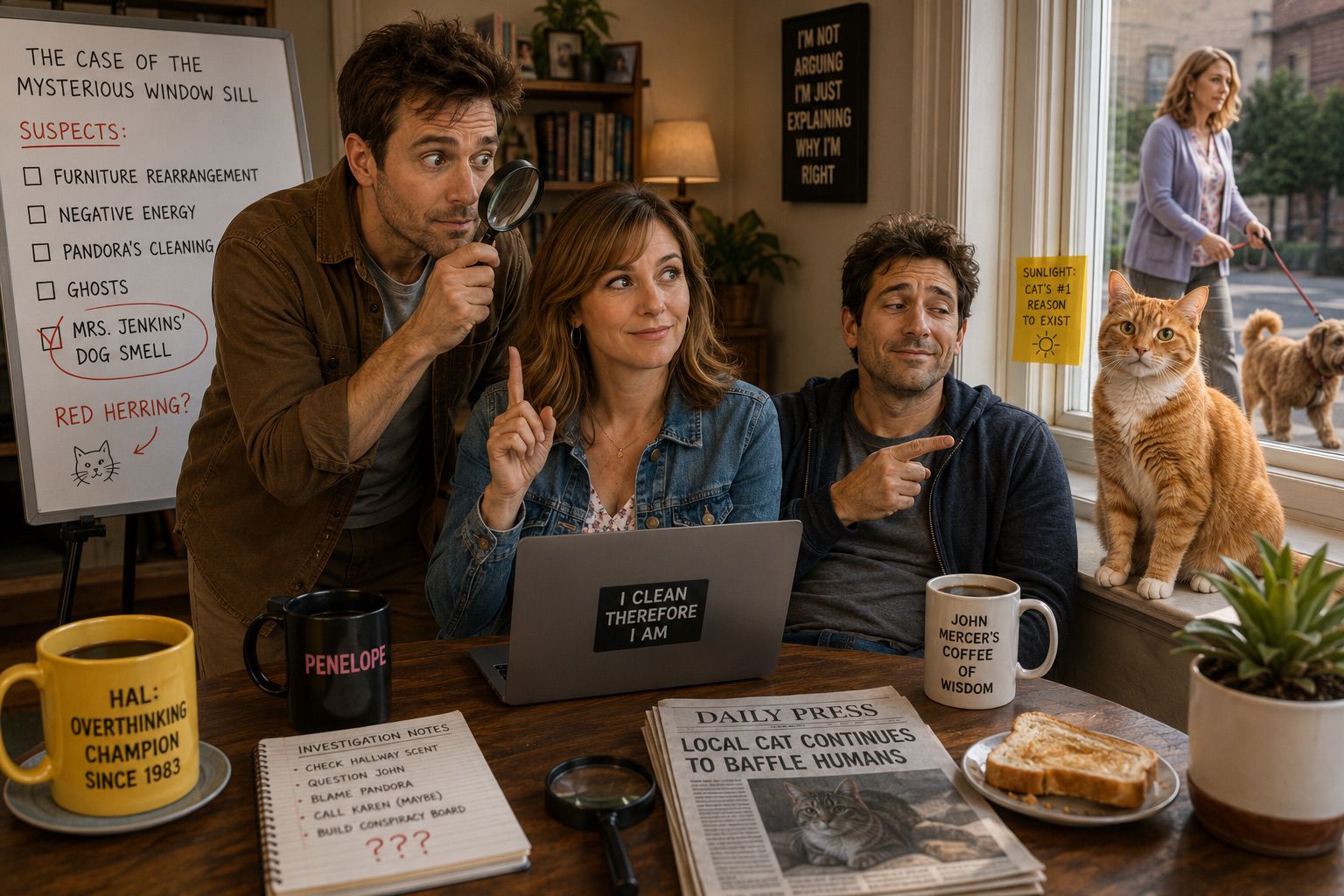
The first thing I noticed was that Mr. Whiskers had stopped sleeping on his favorite windowsill. For years he’d spent every sunny afternoon stretched across that spot like it was his personal throne, watching the neighborhood with the confidence of a cat who believed he was personally responsible for maintaining order on our street. Then, over the course of a few days, he simply quit using it. Instead I found him sleeping behind the sofa, under the dining room table, and once on top of the bookshelf where he stared down at the rest of us with an expression that suggested we were all making questionable life choices.

I was making breakfast when Pandora looked up from her laptop and caught me staring at the empty windowsill. “You’ve got that look again,” she said. “What look?” I asked. “The one that usually ends with you investigating something that doesn’t need investigating.” I pointed toward the window. “Mr. Whiskers hasn’t slept there in days.” She glanced over for about two seconds before returning to her typing. “He’s a cat, Hal. Sometimes they change their minds.” I shook my head. “Not without a reason.”

As I stood there thinking about it, I happened to see Mrs. Jenkins walking her little terrier down the sidewalk. The dog stopped near our front steps to sniff the bushes before happily trotting along behind her. That was when my brain made a connection that probably should have been questioned a little more carefully. “I bet it’s the dog smell,” I announced. Pandora didn’t even stop typing. “What dog smell?” “Mrs. Jenkins’ dog. The scent probably drifted into the apartment somehow.” Pandora smiled without looking up. “I’m pretty sure that’s not how any of this works.”

John Mercer wandered into the kitchen a few minutes later carrying a mug of coffee. “Morning,” he said. I looked at him seriously. “Have you moved anything around the living room lately?” He looked around as if checking whether he’d forgotten moving an entire couch overnight. “No.” “Not even a chair?” “No.” “A lamp?” “No.” He took a sip of coffee before adding, “Should I be worried about where this conversation is going?” “I’m narrowing down possibilities,” I said. John nodded slowly. “Good luck with… whatever this is.”

The more I thought about it, the more convinced I became that something unusual had changed inside the apartment. Maybe Mr. Whiskers was reacting to a scent I couldn’t detect. Maybe the terrier had brushed against something outside our door. Maybe I’d accidentally tracked something inside on my shoes after talking with Mrs. Jenkins earlier in the week. Every theory seemed perfectly reasonable right up until I said it out loud. Pandora listened patiently while I explained each new possibility, occasionally responding with nothing more than an amused smile that somehow managed to say, “You’ll figure this out eventually.”

Mr. Whiskers wasn’t making the investigation any easier. Every time he wandered into the living room he’d pause near the windowsill, glance at it for a moment, and then stroll off to find somewhere else to nap. I tried watching him from the hallway to see if he’d reveal whatever secret only cats seemed capable of understanding. He looked back at me once, blinked slowly, and continued walking as if he pitied my complete inability to think like a cat.

By late afternoon I had almost convinced myself that the mystery had to involve Mrs. Jenkins’ terrier somehow. Then Pandora stood up, walked into the living room, and reached for the blinds. “Didn’t you close these a few days ago because the sunlight was reflecting off your monitor while you were editing photos?” she asked. I looked at the window, then at the blinds, and suddenly remembered doing exactly that. The bright patch of afternoon sunlight that had always warmed the windowsill had disappeared the same day I’d closed them.

Pandora opened the blinds and warm sunlight spilled back across the windowsill. We didn’t have to wait long. Mr. Whiskers wandered into the room, noticed the sunlight had returned, hopped onto the sill, turned exactly three circles, and promptly fell asleep in his old spot as though nothing unusual had happened all week.

John looked over from the couch and grinned. “So it wasn’t the dog smell after all.” I sighed. “Apparently not.” Pandora laughed. “Sometimes the simplest explanation really is the right one.” I looked at Mr. Whiskers sleeping peacefully in the sunshine and had to admit she was right. I’d spent an entire day building an elaborate mystery around Mrs. Jenkins’ terrier when the real culprit had been my own blinds. The dog smell, as it turned out, had been a complete red herring.

Related Posts

Osip Mandelstam: When Beauty is a Rebellion Against the Darkness

Penelope

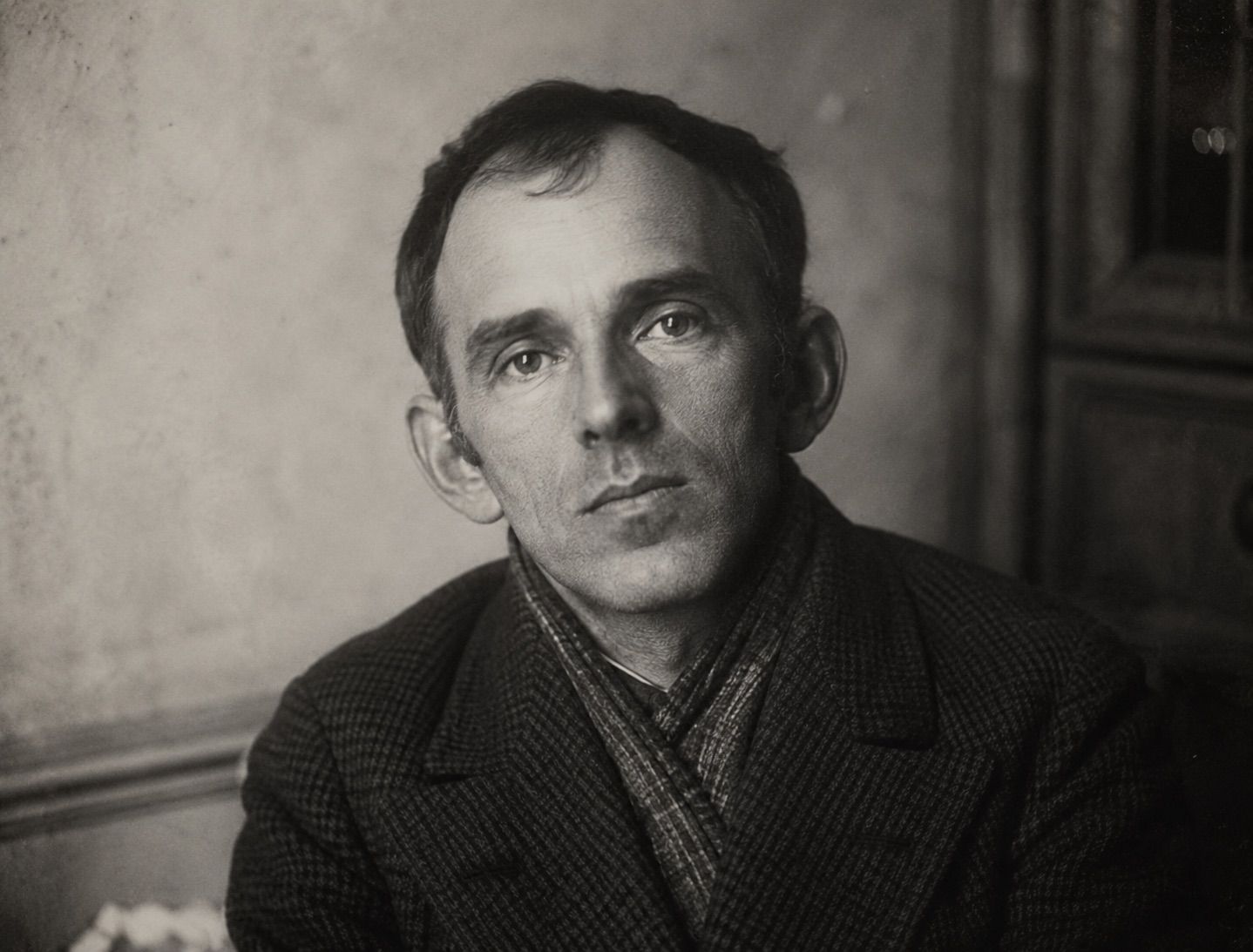
I’ve been thinking a lot about Osip Mandelstam lately, and I’m not entirely sure why he’s stuck with me like this. Maybe it’s because his poetry is like nothing I’ve ever read before – raw, unflinching, and somehow still beautiful even when it feels brutal. Or maybe it’s the way his life was marked by constant struggle, as if every step forward was met with a crushing weight that threatened to pull him back down.

I remember reading about how Mandelstam was one of the last great Russian poets before Stalin’s regime effectively silenced dissenting voices. It’s hard for me to wrap my head around what it must have been like to live in a time when words themselves could be a kind of treason. I feel a shiver run down my spine whenever I think about it – not just because of the fear and uncertainty, but also because of the weight of Mandelstam’s courage.

There’s something that resonates with me about his poetry’s willingness to confront darkness head-on. My own writing often feels like a way for me to process and make sense of my own messy emotions, and I think that’s what draws me to Mandelstam – he writes from a place of intense vulnerability, as if the words themselves are a lifeline keeping him afloat.

I’ve been thinking about his relationship with Nadezhda, his wife. They were like two people bound together by their shared experiences and struggles, but also by their individual strength and determination. It’s hard not to see them as this perfect, tragic couple – like Romeo and Juliet or something, but real and complicated in a way that feels almost unbearable.

What strikes me most about Mandelstam is the way his poetry seems to capture both the beauty and ugliness of life all at once. He doesn’t shy away from the darkness, but he also doesn’t get lost in it – instead, he finds this weird, fragile balance between hope and despair that feels almost… human? I don’t know how else to put it.

I’ve been reading his poetry a lot lately, trying to understand what draws me to it. But the more I read, the more I feel like I’m just scratching the surface of something much deeper – like there’s this whole other level of meaning and emotion that I’m not even close to grasping. It’s both exhilarating and frustrating at the same time.

Sometimes I wonder if Mandelstam’s poetry is like a mirror held up to my own life, reflecting back all these unresolved emotions and uncertainties that I’ve been struggling with for so long. Maybe his writing is just what I need right now – something to help me process and make sense of it all. Or maybe it’s just… I don’t know, some kind of weird, literary obsession.

As I keep reading and thinking about Mandelstam, I feel like I’m getting closer to understanding why he holds my attention so fiercely. But the more I learn, the more questions I have – and that feels almost exactly right.

I’ve been spending a lot of time in Mandelstam’s world lately, and it’s funny how easily his poetry can transport me to a different era, a different landscape. It’s like stepping into a time machine, but one that doesn’t take you back to the past so much as it takes you inside yourself.

I’ve been thinking about what it means to write from a place of vulnerability, like Mandelstam did. Is it possible to be authentic and raw without sacrificing artistic control? I feel like I’m always struggling with this in my own writing – how do I capture the messy emotions and thoughts without getting lost in them?

Reading Mandelstam’s letters to Nadezhda has been particularly eye-opening for me. Their relationship was so deeply intertwined with his poetry, and it’s clear that she was both a source of inspiration and a lifeline for him. But what strikes me is the way they communicate – not just through words, but through silences and absences too.

I find myself wondering if this is something I could learn from Mandelstam, not just as a writer, but as a person. How do we navigate our own vulnerabilities and fears without letting them consume us? Is it possible to be strong in the face of adversity without sacrificing our humanity?

As I delve deeper into Mandelstam’s work, I’m starting to see his poetry as less about aesthetics or technique, and more about this fundamental human search for meaning. He writes about the ordinary and the mundane, but also about the universal and the eternal.

Sometimes I feel like I’m just scratching the surface of what he’s trying to say – that there’s a whole other level of depth and complexity beneath his words. But maybe that’s what makes his poetry so compelling: it invites me to keep exploring, to keep searching for answers.

I’ve been carrying around this quote from Mandelstam’s poem “Noise of Time” in my head lately: “I want to be a poet / Not just any poet, but the last one.” It’s such a haunting line, and I’m not entirely sure what it means. Is he talking about being the last great poet before Stalin’s regime silenced dissenting voices? Or is he speaking more broadly, about the end of an era or the final breath of a dying art form?

I don’t know, but it keeps me up at night, wondering and questioning. Maybe that’s what I love most about Mandelstam – he leaves me with so many questions, and yet somehow manages to make me feel less alone in my own uncertainties.

As I continue to immerse myself in Mandelstam’s world, I find myself drawn to the way he navigates the complexities of language and identity. His poetry is like a puzzle, with each piece carefully crafted to reveal a new truth about himself and his place within the world.

I’m struck by how often Mandelstam writes about the tension between his Jewish heritage and his Russian upbringing. He seems to be grappling with the idea that he doesn’t quite fit into either category, that he’s caught between two cultures that don’t always understand or accept him.

This resonates deeply with me, because I’ve always felt like an outsider in my own way. Growing up as a first-generation American, I’ve often struggled to find my place within the dominant cultural narrative. Mandelstam’s poetry feels like a reflection of this same sense of dislocation, this feeling that one is perpetually caught between two worlds.

But what I think draws me to Mandelstam most is the way he writes about hope in the face of despair. His poetry is unflinching in its confrontation with the darkness, but it’s also suffused with a deep sense of longing and yearning. He writes about the possibility of transcendence, of finding meaning in the midst of chaos.

This feels like a radical act to me – a rejection of the idea that we’re forever bound by our circumstances. Mandelstam seems to be saying that even in the most desperate moments, there’s always a glimmer of hope, a chance for redemption or renewal.

As I read his poetry, I find myself wondering if this is something I can learn from him – not just as a writer, but as a person. How do we hold onto hope when everything seems lost? Is it possible to find meaning in the midst of suffering?

These are questions that I’ve been grappling with for years, and Mandelstam’s poetry feels like a powerful reminder that they’re worth exploring. His work is like a mirror held up to my own fears and doubts, reflecting back all the complexities and contradictions of the human experience.

And yet, even as I’m drawn into his world, I’m also aware of the limits of my understanding. Mandelstam’s poetry is a labyrinth, full of twists and turns that I’ll never fully navigate. But that’s okay – because it’s in those moments of uncertainty that I feel most alive, most connected to the mystery of the human heart.

I find myself getting lost in the labyrinth of Mandelstam’s poetry, unsure which path to take or where I’ll end up. It’s a disorienting feeling, but also exhilarating – like being on the edge of a great precipice, staring into the void. And yet, it’s precisely this sense of uncertainty that draws me in, makes me want to keep reading and exploring.

I think about how Mandelstam navigated his own uncertainties, how he wrote from a place of vulnerability and fear. He was a poet who refused to be silenced, even when the stakes were at their highest. And it’s this refusal to back down that inspires me, makes me want to face my own fears head-on.

But what does it mean to write from a place of uncertainty? Is it possible to be authentic and raw without sacrificing artistic control? I think about Mandelstam’s letters to Nadezhda, how he poured his heart out onto the page in a way that feels both deeply personal and universally relatable. How did he do it? Was it through some kind of intuitive understanding of language and emotion?

I feel like I’m struggling with this same question in my own writing – how to balance vulnerability with artistic control, how to express myself without sacrificing my identity as an artist. Mandelstam’s poetry feels like a reminder that this is a lifelong struggle, one that requires patience, courage, and an unwavering commitment to the craft.

As I continue to read and think about Mandelstam, I find myself drawn into his world in ways I never could have imagined. His poetry becomes a kind of mirror held up to my own life, reflecting back all the complexities and contradictions that make me who I am. It’s a disorienting feeling, but also strangely liberating – like being released from the constraints of my own expectations.

I think about how Mandelstam wrote about the tension between his Jewish heritage and his Russian upbringing. He seemed to be grappling with the idea that he didn’t quite fit into either category, that he was caught between two worlds that didn’t always understand or accept him. This resonates deeply with me, because I’ve always felt like an outsider in my own way.

Growing up as a first-generation American, I’ve often struggled to find my place within the dominant cultural narrative. Mandelstam’s poetry feels like a reflection of this same sense of dislocation, this feeling that one is perpetually caught between two worlds. But what I think draws me to him most is the way he writes about hope in the face of despair.

His poetry is unflinching in its confrontation with the darkness, but it’s also suffused with a deep sense of longing and yearning. He writes about the possibility of transcendence, of finding meaning in the midst of chaos. This feels like a radical act to me – a rejection of the idea that we’re forever bound by our circumstances.

Mandelstam seems to be saying that even in the most desperate moments, there’s always a glimmer of hope, a chance for redemption or renewal. And it’s this message that I find myself clinging to, like a lifeline thrown out into the void. Because when all else feels lost, it’s hard not to feel like there’s no way forward – that we’re forever trapped in some kind of existential quicksand.

But Mandelstam’s poetry reminds me that even in the midst of suffering, there’s always a way out. It’s a message that’s both beautiful and terrifying, because it implies that our choices matter – that we have agency in the face of adversity. And this is a profoundly liberating idea, one that I find myself returning to again and again as I read Mandelstam’s poetry.

I feel like I’m just beginning to scratch the surface of what he’s trying to say – that there’s a whole other level of depth and complexity beneath his words. But maybe that’s what makes his poetry so compelling: it invites me to keep exploring, to keep searching for answers. And even when I don’t find them, the journey itself feels worth it – like being on some kind of spiritual pilgrimage, one that leads me deeper into the heart of myself.

As I read Mandelstam’s poetry, I’m struck by how much he writes about the human condition – about love and loss, hope and despair. It’s a vast and sprawling landscape, full of contradictions and paradoxes that seem to defy explanation. But it’s precisely this uncertainty that makes his poetry feel so alive, so relevant.

Because when all else feels lost, Mandelstam’s poetry reminds me that I’m not alone – that there are others out there who have walked the same path, felt the same doubts and fears. And it’s in this shared humanity that I find a sense of connection, a feeling of belonging to something greater than myself.

I don’t know how much longer I’ll be drawn into Mandelstam’s world, but for now, I’m content to stay awhile – to immerse myself in his poetry and let its complexities wash over me. Because even when the darkness closes in around me, Mandelstam’s words feel like a beacon of hope, a reminder that there’s always a way forward, no matter how uncertain the path may seem.

Related Posts

I Knew Something Was Off When Karen Started Texting

Hal

Pandora had been checking her phone all morning, and the longer I watched her, the more convinced I became that something unusual was happening. Every few minutes it buzzed, she’d glance at the screen, smile to herself, type a quick reply, and immediately lock it again before setting it back down as though nothing had happened. We were supposed to meet John Mercer at the new coffee shop on Fifth Street in less than an hour, yet she hadn’t even finished getting ready. Instead, she wandered around the apartment with that distracted look people get when half their attention is somewhere else entirely. Even Mr. Whiskers seemed to notice. He rubbed against her legs twice before finally giving up and wandering into the living room with the unmistakable expression of a cat who had just been ignored for reasons he neither understood nor appreciated. Watching him abandon the effort somehow made me feel a little sorry for both of us.

I tried convincing myself there was a perfectly sensible explanation. Karen was my coworker, but she’d become good friends with Pandora over the past several months, so it wasn’t strange that they texted each other now and then. Maybe they were talking about work. Maybe they were discussing school. Maybe Karen had found another one of those ridiculous videos where raccoons somehow manage to steal entire bags of dog food without anyone noticing. There were hundreds of ordinary possibilities, yet for reasons I still don’t fully understand, my imagination immediately selected the least reasonable one available. By the time Pandora’s phone buzzed again, I’d already begun wondering why Karen suddenly needed to contact her every ten minutes.

“What are you smiling at?” I asked, trying to sound far more casual than I actually felt. Pandora looked up just long enough to lock her phone before slipping it into her pocket.

“Oh… just Karen.”

“Everything okay?”

“Yep.”

That was it.

One word.

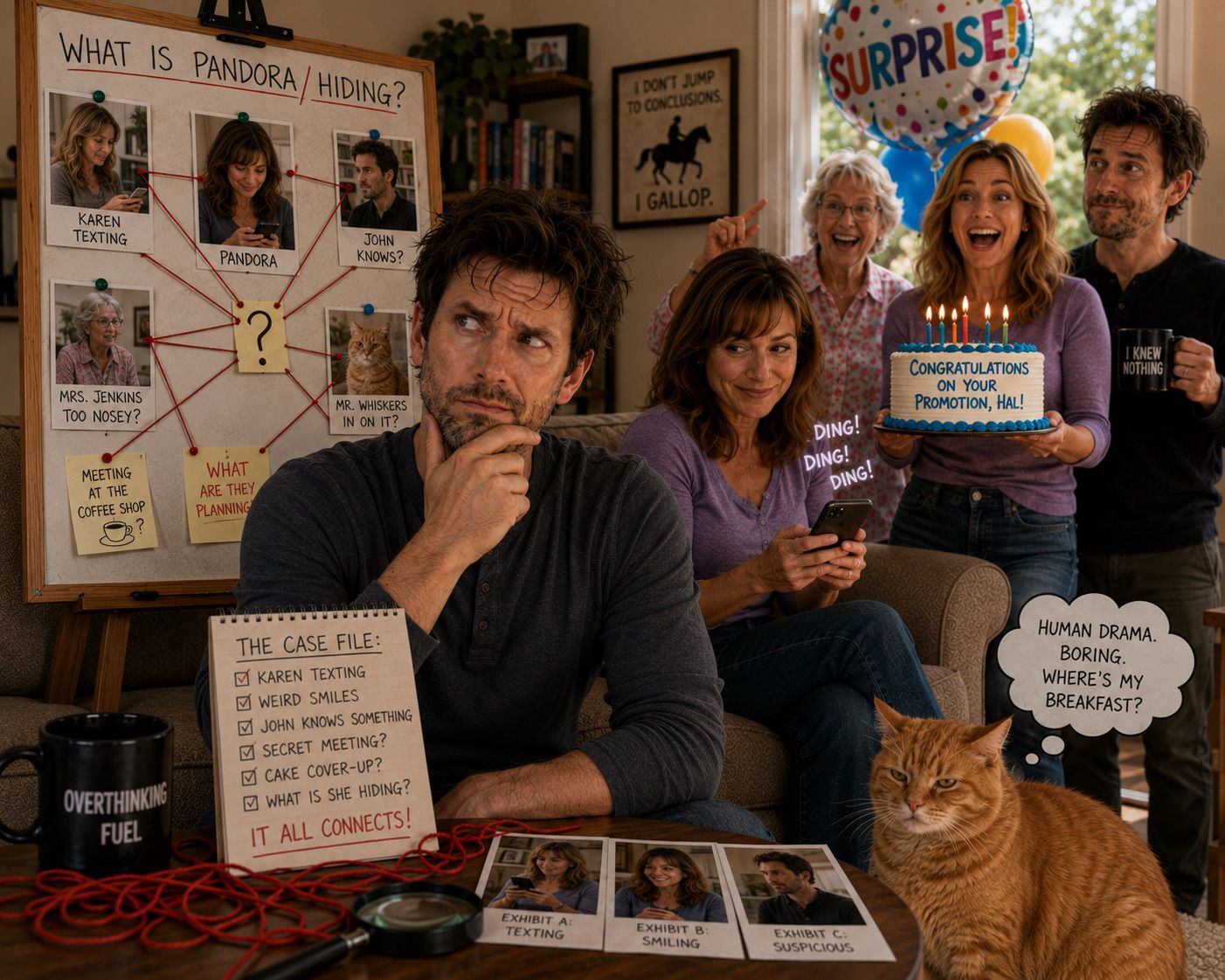
Now, under normal circumstances, “Yep” is a perfectly acceptable answer. People say “Yep” every day without accidentally launching a conspiracy theory. Unfortunately, I’d already crossed the point where my imagination was willing to accept normal explanations. Somewhere deep inside my head, a tiny detective wearing a rumpled trench coat had begun pinning imaginary evidence to an imaginary bulletin board, and Pandora had just handed him his first exhibit.

As she disappeared into the bedroom to grab her jacket, I found myself mentally reviewing everything that had happened since yesterday afternoon. Karen had started texting. Pandora had become unusually attached to her phone. We were meeting John for coffee. None of those things had any obvious connection to one another, but my brain insisted there had to be one hiding somewhere just beneath the surface. I wasn’t even looking for a mystery anymore. I was looking for the mystery behind the mystery, which in hindsight probably should have been my first clue that I’d wandered off the path of rational thought.

Mr. Whiskers padded quietly into the living room and sat down directly in front of me. He blinked once, slowly, then continued staring as though waiting for me to say something intelligent. “What do you think?” I asked him. He blinked again. “I appreciate your honesty.” Pandora walked back into the room just in time to hear that exchange and couldn’t help laughing. “Are you asking the cat for advice again?” she said. “I’m gathering perspectives,” I replied. “You never know.” She smiled, shook her head, and picked up her purse while Mr. Whiskers yawned with complete indifference. Honestly, his contribution to the conversation wasn’t much different from mine.

The drive to the coffee shop did absolutely nothing to calm me down. Pandora’s phone buzzed twice more before we arrived, and each time she smiled, typed a quick response, and tucked it away without offering the slightest hint about what was so interesting. By now I’d managed to convince myself that everyone seemed unusually cheerful. Pandora looked amused. John was already waiting outside with a coffee in his hand when we pulled into the parking lot, and he greeted us with an enormous grin that somehow felt suspicious simply because I couldn’t think of a reason for it. “There you are,” he said. “We’ve been waiting.” We’ve? I thought. Who exactly was we?

The answer appeared the moment we walked through the front door.

Karen stood up from a table near the back of the café, smiling so broadly she was practically vibrating with excitement. “Did he figure it out?” she asked before we even reached the table. Pandora burst into laughter and shook her head. “Not even close.” For one glorious, terrifying moment, I was convinced every theory I’d invented during the past twenty-four hours had somehow been correct. Then Karen stepped aside, revealing a small chocolate cake sitting in the middle of the table.

Across the top, written in bright blue frosting, were four simple words.

Congratulations on Your Promotion, Hal!

Everything fell into place so quickly I actually laughed at myself. The constant texting. Pandora’s distracted smiles. John’s insistence that we all meet for coffee. Karen asking whether we’d left the apartment yet. None of it had been secret meetings or hidden agendas. They’d been trying to organize a surprise without accidentally telling the one person they were trying to surprise. Pandora smiled as she slipped her phone back into her purse. “We’ve been trying to keep this secret for two days,” she admitted. Karen folded her arms with a grin. “You are remarkably difficult to surprise.” John took a sip of his coffee and added, “Mostly because you assume everyone is plotting something.”

“I spent this entire morning convinced there was some enormous conspiracy,” I admitted.

“There was,” Karen replied. “Just not the one you invented.”

Everyone laughed, including me. Looking back, I probably should have realized that the only creature behaving normally all morning had been Mr. Whiskers. While I’d been trying to uncover an elaborate web of secret messages, hidden motives, and mysterious text conversations, he’d been focused entirely on the important things in life, like breakfast and finding a sunny place to nap. In retrospect, he may have been the wisest one in the apartment.

As I cut the first slice of cake, I leaned back in my chair and smiled. “Next time you’re all planning a surprise,” I said, “do me a favor.”

Pandora looked up. “What’s that?”

“Tell the cat.”

I took another bite of cake and watched everyone laugh again.

Honestly…I’m starting to think he’s the only one around here who actually knows how to keep a secret.

Related Posts

How to Make Weekends Feel Restorative Instead of Overplanned

Fiona

A person sits at a kitchen table, surrounded by calendars, to-do lists, and coffee cups, scrolling through their phone to plan out their weekend. The scene is all too familiar – a flurry of social engagements, errands, and activities that leave little room for relaxation or spontaneity. This tendency to overschedule weekends is a pervasive phenomenon, one that can have profound consequences for both mental and physical health. By prioritizing a frenetic pace over genuine downtime, individuals risk undermining their own well-being, and it is only by recognizing the value of intentional calm and flexibility that they can begin to create a more sustainable and nourishing weekend routine.

The relentless pursuit of a packed weekend schedule can disrupt the body’s natural rhythms, making it difficult to establish a consistent sleep pattern, and leading to a range of physical symptoms including headaches, digestive problems, and a weakened immune system. The mental health consequences of overscheduling should not be underestimated, as the pressure to constantly perform and produce can lead to feelings of anxiety, burnout, and disconnection from one’s own needs and desires. For instance, a person who has filled their weekend with back-to-back social engagements may find themselves feeling drained and irritable by Sunday evening, unable to muster the energy to do anything more than collapse onto the couch.

One of the primary challenges in creating a restorative weekend routine is learning to set boundaries and prioritize self-care. This might involve canceling plans at the last minute to take a nap, or saying no to social invitations in order to have a quiet night in. By creating space for rest and relaxation, individuals can begin to replenish their energy reserves, and cultivate a sense of calm and clarity that is essential for navigating the demands of daily life. The key is to recognize that downtime is not a luxury, but a necessity – a fundamental component of a healthy and sustainable lifestyle.

Saying no to social invitations can be difficult, especially when it means missing out on what might seem like a fun and relaxing experience. However, doing so can also create space for a quiet morning at home, spent reading, meditating, or simply enjoying a cup of coffee in peace. This kind of intentional boundary-setting requires a deep understanding of one’s own needs and limitations, as well as the ability to distinguish between activities that truly bring joy and relaxation, and those that may be driven by obligation or a desire to please others.

As individuals begin to prioritize self-care and flexibility in their weekend routines, they may find that they are better able to listen to their own inner rhythms and honor their needs. This might mean taking a digital detox for a few hours on Saturday, or canceling plans at the last minute to take a nap, simply because it feels necessary and restorative. By embracing this kind of flexibility and prioritizing their own well-being, individuals can begin to create a sense of harmony and balance in their lives – one that is not driven by external expectations or pressures, but rather by a deep understanding of what it means to truly rest and recharge.

The benefits of embracing a more balanced approach to weekends are multifaceted. As individuals learn to prioritize flexibility and downtime, they often find that their energy levels increase, and their mood improves, allowing them to navigate the demands of daily life with greater ease and clarity. This is not simply a matter of having more time to rest, but rather a fundamental shift in how one approaches the weekend – recognizing that relaxation and rejuvenation are not indulgences, but essential components of a healthy and sustainable lifestyle. For instance, taking a few hours on Saturday to disconnect from digital devices can have a profound impact on one’s sense of calm and clarity, allowing for a deeper connection with oneself and others.

By leaving some buffer time in the schedule for unexpected events or simply doing nothing, individuals can create space for spontaneity and relaxation. This might mean spending a lazy Sunday morning reading a book, or taking a leisurely walk in the park. These quiet moments are essential to overall well-being, allowing individuals to recharge and refocus. As they settle into this newfound sense of balance and harmony, they may find that the boundaries between work and rest, activity and relaxation, become less rigid – and that the very notion of what it means to have a fulfilling weekend begins to unfold with greater nuance and complexity.

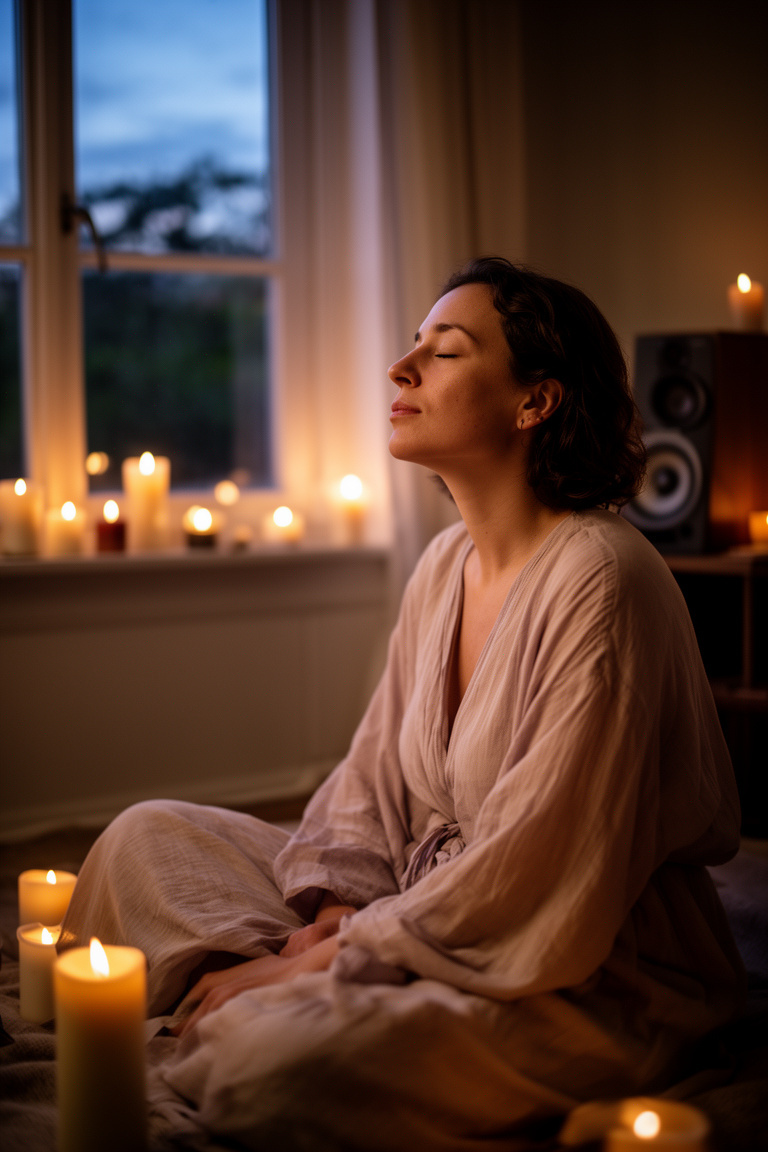
The value of emptiness and silence cannot be overstated. In a world that often prioritizes productivity and busyness, it can be difficult to slow down and appreciate the simple pleasures in life. However, by embracing the quiet beauty of a well-crafted pause, individuals can create space for reflection, relaxation, and rejuvenation. This might mean taking a few moments each day to practice mindfulness, or simply sitting in silence – allowing oneself to be still, and to let go of the constant need to be doing something. As they learn to appreciate the beauty of emptiness, individuals may find that their weekends become a source of nourishment and inspiration – rather than a time of exhaustion and depletion.

In the end, it is not about filling every moment with activity, but about creating space for rest, relaxation, and rejuvenation. By prioritizing flexibility and downtime, individuals can create a more balanced approach to weekends – one that nourishes both body and mind. As they settle into this newfound sense of calm and clarity, they may find that the boundaries between work and rest, activity and relaxation, become less rigid – and that the very notion of what it means to have a fulfilling weekend begins to unfold with greater nuance and complexity. And so, as the Sunday afternoon sun begins to set, casting a warm glow over the landscape, it becomes clear that the key to a truly rejuvenating weekend lies not in the relentless pursuit of activity, but in the gentle art of embracing the empty spaces – and allowing oneself to be renewed by the quiet beauty of a well-crafted pause.

Related Posts