Category: Health and Beauty

The Health Benefits of Swimming in the Sea

Dave

There’s something about the sea that calls to people in a way no swimming pool ever could. It’s not just the expanse of water stretching endlessly toward the horizon or the rhythmic crash of waves against the shore—it’s the feeling you get the moment your toes touch the water, that gentle pull that beckons you deeper until you are surrounded by something so much bigger than yourself. It’s a sensation that is part thrill, part comfort, and part mystery, a reminder that we are not separate from nature but a part of it. Swimming in the sea has been a human ritual for as long as there have been humans near coastlines, and it’s not hard to see why. Beyond the beauty and joy of it, immersing yourself in the ocean offers an astonishing range of benefits for your body, mind, and soul—benefits that are as old as the tides themselves.

The first thing you notice when you wade into the sea is the temperature. Whether it’s the bracing chill of the North Atlantic or the bath-like warmth of a tropical lagoon, the water envelops you in a way that is completely different from stepping into a pool. Natural sea water feels alive, with currents and swells that respond to forces far beyond your control. That initial shock, especially if the water is cold, does more than make you gasp—it wakes up every nerve ending in your body. Cold water immersion has been shown to boost circulation, force your body to adapt to stress, and release a flood of endorphins that can leave you feeling euphoric long after you’ve dried off. This isn’t just anecdotal; studies have found that people who regularly swim in cold water often report better mood regulation, reduced symptoms of depression, and improved resilience to everyday stress. The sea becomes, in a very real sense, a form of therapy.

But not all benefits are about what the water does to your mind. The ocean is loaded with minerals—magnesium, potassium, iodine, and trace elements—that seep into your skin as you swim. These aren’t present in the sterile water of a chlorinated pool; they’re gifts from the Earth, carried in the waves. Magnesium, for example, can help reduce muscle cramps, improve skin hydration, and even promote better sleep. Potassium plays a role in balancing your body’s electrolytes, especially after physical exertion, while iodine is essential for healthy thyroid function. The salt content itself has mild antibacterial properties, which can help cleanse small cuts and abrasions, reducing the risk of infection. Anyone who’s accidentally tasted seawater knows it’s not for drinking, but in measured exposure through the skin, its mineral profile can have surprisingly restorative effects.

Swimming in the sea is also an incredible workout, though it rarely feels like one in the same way a treadmill does. The resistance of moving through saltwater is higher than in fresh water, so every stroke, kick, and movement requires more effort. This means your muscles are constantly engaged, not just the obvious ones like your arms, legs, and core, but also the smaller stabilizing muscles that help you balance and navigate the changing push and pull of the waves. Over time, this builds strength, endurance, and flexibility in a way that is both functional and holistic. Because the water supports your body weight, it’s also a low-impact exercise, making it accessible to people with joint issues, arthritis, or injuries that would make running or high-intensity workouts painful. In fact, swimming in the sea can be a lifeline for those looking to stay active without putting strain on their bodies.

Then there’s the cardiovascular benefit. Swimming elevates your heart rate, improves lung capacity, and boosts oxygen efficiency, but doing so in the sea adds an extra layer of challenge. The waves and currents create unpredictable resistance, forcing your body to adapt and adjust constantly. This engages your cardiovascular system in a way that is both demanding and deeply satisfying, improving heart health over time. The rhythmic breathing patterns required for swimming can also help train your diaphragm, increasing lung strength and efficiency. For those with respiratory conditions like asthma, regular swimming—particularly in the moist, salty air near the ocean—can help open airways and reduce inflammation.

Speaking of salty air, simply being by the sea can have its own health perks, even before you touch the water. The negative ions in ocean air are believed to increase serotonin levels, boost mood, and promote better sleep. Breathing in that fresh, clean scent of saltwater can feel like a full-body reset, a sharp contrast to the stale, recycled air most of us inhale indoors. Combine this with the meditative effect of watching waves roll in and out, and you have a recipe for lowering cortisol levels and reducing stress. The ocean is one of the few places where you can be both physically active and deeply relaxed at the same time, and swimming in it amplifies those effects.

From a mental health perspective, the sea offers something few other environments can: perspective. When you’re in the water, especially beyond the shallow surf, the world looks and feels different. The horizon stretches in all directions, the sounds of the shore fade into a muffled hum, and for a little while, your daily worries shrink in importance. It’s just you and the water, and the awareness that you’re part of something timeless. Psychologists refer to this as “blue space” therapy—the idea that proximity to natural bodies of water can significantly improve mental well-being. Studies have linked time spent in blue spaces with lower anxiety, improved mood, and even increased creativity. The ocean becomes both playground and sanctuary, a place to reconnect with yourself in ways that are increasingly rare in a hyper-connected world.

There’s also an ancient connection at play when we swim in the sea. Human life began in the ocean, and our bodies still carry echoes of that origin. Our skin, our blood, even the balance of minerals in our bodies mirror that of seawater. This might explain why so many people describe a sense of “coming home” when they’re in the ocean, even if they didn’t grow up near it. It’s as if some deep, primal memory is reawakened by the feel of saltwater on skin and the push of the tide against the body. The rhythmic motion of swimming, combined with the constant movement of the water, creates a natural meditation, each stroke pulling you deeper into a state of flow where time seems to disappear.

For those who live near the coast, regular sea swimming can become a way of life, shaping not just physical health but social connections as well. Many coastal communities have tight-knit groups of swimmers who meet daily or weekly, regardless of the weather, to plunge into the waves together. These gatherings are as much about companionship as they are about fitness, creating bonds over shared challenges and victories—like braving a winter swim or making it out to a distant buoy. The social aspect adds another layer to the health benefits, as research consistently shows that strong social ties are linked to longer life expectancy and lower rates of disease.

There are, of course, precautions to consider. The sea is powerful and unpredictable, and respect for its conditions is essential. Strong currents, rip tides, and changing weather can turn a peaceful swim into a dangerous situation. Understanding the tide charts, recognizing rip currents, and knowing your own limits are all part of swimming safely in the sea. And while the sun can be a welcome companion, prolonged exposure without protection can undo many of the health benefits you’ve gained, so sunscreen, rash guards, and hats are as much a part of sea swimming as the swim itself.

Still, the rewards far outweigh the risks when approached with awareness and preparation. Whether you’re diving into turquoise tropical waters, wading through brisk northern seas, or simply floating in the gentle swell of a sheltered bay, the experience offers a holistic blend of physical, mental, and emotional nourishment. It’s exercise and therapy, adventure and tranquility, solitude and community—all rolled into one. The sea doesn’t just strengthen your muscles or clear your mind; it invites you to live more fully, to embrace the ebb and flow of life with the same grace as the tide.

Perhaps the greatest gift of swimming in the sea is the way it reminds you to be present. In the water, you can’t multitask, check your phone, or worry about tomorrow’s deadlines. You’re fully in the moment—feeling the cool rush of water past your skin, the rise and fall of your breath, the distant cry of seabirds, the warmth of the sun on your face between strokes. In that space, stripped of distraction, you find a clarity that’s hard to come by on land. The sea gives you that gift freely, and all it asks in return is that you show up, open to whatever it has to offer.

In the end, swimming in the sea is about far more than health metrics or fitness goals. It’s about a relationship—between you and the ocean, between your body and the world it inhabits. It’s about surrendering to something bigger, letting it hold you up, carry you, challenge you, and restore you. And once you’ve felt that connection, it’s hard to imagine living without it.

Related Posts

Natural Sunscreens That Actually Work

Dave

There’s a particular kind of betrayal that happens when you trust a bottle of sunscreen to protect you, only to end the day with skin that feels like it’s been slow-roasted over a campfire. You did everything the directions said—shook the bottle, applied generously, reapplied after swimming—and yet, by evening, your shoulders are radiating heat and your nose looks like a cherry tomato. It’s enough to make anyone suspicious of sunscreen altogether, but giving up on protection is like surrendering in a fight you can’t afford to lose. The truth is, the sun is relentless, and while a little sunlight can lift your mood and help your body produce vitamin D, too much can carve lines into your face, leave your skin mottled with dark spots, and, far worse, lead to skin cancer. That’s why finding a sunscreen that works is non-negotiable—and if you’re leaning toward natural sunscreens, the challenge is not just finding one that works, but one that works well enough to trust with your skin’s future.

Natural sunscreen has an almost mythical appeal. The idea that you can shield yourself from the sun using something derived from nature, without the complex chemical stew found in many conventional sunscreens, taps into a deeper longing for purity, for simplicity, for something that feels wholesome and untainted. It’s a little like wanting bread made from just flour, water, and yeast instead of a paragraph-long list of additives. But just because something is labeled “natural” doesn’t automatically make it good—or effective. In fact, the natural sunscreen world is riddled with products that sound amazing on paper but fail in the brutal reality of hours under summer sun. The key is to cut through the noise and find the ones that actually do their job, not just the ones that look pretty on a wellness blogger’s bathroom shelf.

At the core of natural sunscreens are minerals—usually zinc oxide, titanium dioxide, or both. These are not exotic, rare ingredients, but workhorses that have been used for decades to physically block the sun’s rays rather than chemically absorb them. Unlike chemical sunscreens that work like sponges soaking up UV light and transforming it into heat, mineral sunscreens work like tiny mirrors, reflecting and scattering UV radiation before it can do damage. They start working the instant you apply them, which is a huge plus for those of us who forget to slather up until we’re already on the beach. But not all mineral sunscreens are created equal, and this is where the heartbreak often happens. Some formulas are chalky, ghost-white, and impossible to blend. Others feel like you’re wearing a layer of cake frosting on your skin. And then there are those that wash off in the first wave, leaving you completely exposed before you’ve even dried off your hands.

The magic happens when form meets function—when a natural sunscreen manages to give you the solid, broad-spectrum protection you need against both UVA and UVB rays, while also feeling pleasant enough that you’ll actually use it. This might sound obvious, but sunscreen only works if you apply it in adequate amounts and reapply regularly, and you’re much less likely to do that with a product that makes you feel like you’ve dipped yourself in white paint. The best natural sunscreens today have cracked the code by using micronized or non-nano mineral particles that spread evenly without leaving a stark white mask. They’ve also learned how to balance protective power with moisturizers like jojoba oil, shea butter, or aloe vera, so the formula feels hydrating instead of suffocating.

One of the biggest misconceptions about natural sunscreen is that it’s only for those with sensitive skin. While it’s true that mineral sunscreens tend to be gentler because they don’t penetrate the skin the way chemical filters do, they’re not just for people prone to rashes or irritation. In fact, anyone can benefit from their immediate protection, photostability, and the fact that they’re less likely to degrade in the sun over time. Chemical sunscreens, for all their advantages, can break down faster, meaning their protection wanes unless reapplied with clockwork precision. And if you’re swimming in the ocean or a lake, mineral sunscreens are less harmful to aquatic life, particularly coral reefs, which have been shown to suffer damage from certain chemical sunscreen ingredients. In this way, choosing a good natural sunscreen isn’t just self-care—it’s environmental care.

But here’s where things get complicated: “natural” is not a regulated term in the sunscreen world. A product can market itself as natural while still containing synthetic preservatives, fragrances, or other additives that might not align with your expectations. This is why reading the ingredient list is non-negotiable. A true mineral sunscreen will list zinc oxide, titanium dioxide, or both as its active ingredients, ideally making up at least 20% of the formula for strong coverage. Anything less, and you might be getting more marketing than protection. Look for words like “non-nano,” which means the mineral particles are large enough to avoid potential inhalation risks and won’t penetrate the skin, yet still small enough to avoid that ghostly cast.

The texture of a natural sunscreen is often the make-or-break factor in whether people stick with it. The thick, pasty formulas of the past gave mineral sunscreens a bad reputation, especially among those with deeper skin tones, where a white cast can be particularly unflattering. Thankfully, brands have innovated with tinted versions that blend seamlessly into a wider range of skin shades. These tints aren’t about makeup coverage—they’re subtle, skin-mimicking hues that make the sunscreen look invisible once applied. Some even double as light foundation or BB cream, merging skincare and sun protection into one easy step. This not only improves the experience but increases the likelihood that you’ll wear it every day, which is really the point.

Water resistance is another crucial consideration, especially if you’re sweating through a summer hike or swimming in the ocean. The best natural sunscreens clearly state their water-resistant duration, typically 40 or 80 minutes. But here’s a truth that too many people forget: no sunscreen, natural or otherwise, is truly waterproof. The minute you towel off, you’ve likely removed most of the protective layer, so reapplication isn’t just a suggestion—it’s the whole game. And if you’re outdoors for hours, reapplying every two hours is the gold standard. This is where the portability and ease of application come into play. A bulky jar you have to scoop with your fingers might be fine for a morning at the pool, but for an all-day adventure, a stick or pump bottle makes life much easier.

Then there’s the matter of SPF. Many people misunderstand this number, thinking that an SPF 50 provides double the protection of SPF 25. In reality, SPF 30 blocks about 97% of UVB rays, while SPF 50 blocks about 98%. The difference is minimal, and the real factor is application quantity and frequency. A well-formulated SPF 30 mineral sunscreen, applied generously and reapplied diligently, will outperform a neglected SPF 50 every time. That said, for long days in intense sun—say, skiing at high altitude or lounging on a tropical beach—opting for SPF 50 can give you a slight edge.

It’s impossible to talk about natural sunscreen without addressing the environmental angle. In recent years, regions like Hawaii and parts of Mexico have banned sunscreens containing oxybenzone and octinoxate, two chemical UV filters linked to coral bleaching. This has pushed more travelers toward reef-safe mineral sunscreens, which rely on zinc oxide and titanium dioxide instead. But reef-safe is not a legally protected term either, so you have to verify that the sunscreen is free of those harmful chemicals, and that the minerals are non-nano to reduce potential harm to marine life. For anyone who loves snorkeling, diving, or just floating in the shallows, making this choice is a small but meaningful way to protect the very environments that draw us to the water in the first place.

In a perfect world, the conversation about sunscreen wouldn’t even be necessary—people would wear it daily without debate, just as they brush their teeth or wash their hands. But the reality is that sunscreen still feels optional to many, and natural sunscreen even more so. Part of the resistance comes from lingering myths: that it’s too thick, that it doesn’t work as well, that it’s only for people with allergies, or that it’s just a crunchy-granola indulgence for the wellness set. The truth is, the new generation of natural sunscreens have proven themselves in harsh conditions, from ultramarathons in desert heat to day-long surf sessions in pounding waves. They’re no longer a compromise—they’re a legitimate, sometimes superior option.

There’s also something satisfying about the ritual of applying natural sunscreen. Because it tends to be a little thicker than chemical formulas, you end up massaging it into your skin, taking a moment to connect with your body instead of rushing through it. The scent—often a faint trace of coconut, vanilla, or unscented altogether—feels cleaner, less artificial. On a hot day, that’s a gift in itself. And if you’ve ever tried applying chemical sunscreen after shaving, you know the stinging sensation that can follow. Mineral sunscreens skip that drama entirely.

At the end of the day, the best natural sunscreen is the one you will use consistently, in the right amount, and reapply as often as needed. It should feel like a friend you can count on—a reliable companion whether you’re out for a quick run or spending all day on the sand. It should disappear into your skin, leaving only the peace of mind that you’ve done something good for yourself and, if you’ve chosen well, for the planet too. It’s easy to be swayed by clever packaging and lofty promises, but the real test comes hours later, when you wash off the day and find your skin exactly as it was that morning: healthy, unburned, and grateful.

Natural sunscreen isn’t just a beauty choice—it’s a daily act of care, a way of respecting both your body and the world you inhabit. The sun is a constant; it doesn’t need to be feared, but it does need to be respected. With the right protection, you can step into its light with confidence, knowing you’ve given yourself the best of both worlds: the timeless joy of sunshine and the enduring gift of healthy skin.

Related Posts

Beach Volleyball for Fun & Fitness: Where Sand Meets Sweat and Smiles

Dave

There’s something irresistible about a volleyball net strung between two poles on a stretch of golden sand, the sun glittering on the horizon, and the sound of waves keeping time with the rhythm of the game. Beach volleyball is more than just a sport—it’s a joyful blend of competition, camaraderie, and physical challenge that has been capturing hearts for decades. Whether you’re a seasoned athlete diving for impossible saves or a casual weekend player laughing through a friendly match, this sport offers a unique combination of fun and fitness that few activities can match.

It’s easy to see why beach volleyball draws people in. The setting is part of the magic—playing on sand, barefoot, surrounded by ocean air, feels worlds apart from indoor courts or gyms. The surface forces every movement to be deliberate, every jump to be earned, and every sprint to be powered by real grit. It’s a workout in disguise: you’re so caught up in the game that you forget just how much you’re sweating and how many muscles are engaged until you wake up the next day with pleasantly sore legs and shoulders.

For many, the introduction to beach volleyball is as simple as a spontaneous game with friends. Someone brings a ball, someone else sets up a net, and before long, two teams are forming from whoever happens to be nearby. Tourists join locals, strangers become teammates, and the boundaries between serious play and playful competition blur. The laughter is as loud as the cheers, and “winning” often takes a backseat to just keeping the rally alive for as long as possible.

But don’t let the laid-back vibe fool you—beach volleyball can be as intense and strategic as any professional sport. In competitive formats, the game is played two-on-two, meaning there’s no room to hide. Each player has to serve, dig, set, block, and spike with equal skill. The smaller team size demands constant communication and a deep understanding of your partner’s strengths and tendencies. Matches often turn into chess games played at full speed, where anticipating your opponent’s next move can make the difference between scoring a point or eating sand after a desperate dive.

The physical benefits of beach volleyball are undeniable. Sand provides a natural resistance that makes every step more challenging, building strength in your legs, core, and stabilizing muscles. Jumping on sand also requires more explosive power, which translates into improved vertical leaps when playing on harder surfaces. Plus, all that movement under the sun boosts your cardiovascular fitness, coordination, and agility. And let’s not forget the mental side—games on the beach are almost always bathed in sunlight and fresh air, a natural mood enhancer that helps reduce stress and improve focus.

For those looking to get into the sport seriously, the pathway from casual play to competition is wide open. Many coastal towns and cities offer organized leagues, tournaments, and training programs for all skill levels. Beginners can focus on learning the fundamentals—how to pass cleanly, how to set without carrying the ball, and how to serve consistently—while more advanced players can refine their footwork, blocking technique, and tactical plays. The community is generally welcoming, with veterans happy to give pointers and invite newcomers into games.

Beach volleyball also has a glamorous side that can’t be ignored. It’s a mainstay of the Summer Olympics, where athletes from around the world compete under blazing suns and roaring crowds. The sport’s combination of athleticism, spectacle, and scenic backdrops makes it a favorite for both live audiences and television viewers. Watching elite players dive into the sand, recover, and smash a ball over the net in one fluid motion is pure artistry—proof of what’s possible when skill meets passion.

Yet, what truly sets beach volleyball apart is how adaptable it is to different moods and groups. One weekend, you might find yourself in a high-stakes tournament where every serve counts. The next, you could be at a sunset pickup game with music playing in the background and players rotating in and out without keeping score. It’s as much a social gathering as it is a sport, and that’s why so many people return to it season after season.

The game has roots that go back over a century, with its origins in early 20th-century California and Hawaii, where it grew organically alongside surfing culture. It was the perfect complement to a lifestyle that valued outdoor activity, community, and a healthy dose of competition. Over time, the sport spread to beaches around the globe, from Rio’s Copacabana to Australia’s Bondi, each location adding its own flavor to the game.

For beginners, the best advice is simple: start small. Don’t be intimidated by the pros you see on TV. Grab a ball, find a beach, and start passing it around with friends. Learn to move comfortably on the sand before focusing on big spikes or blocks. And most importantly, embrace the fact that you’re going to get sandy—really sandy. Diving for the ball is half the fun, and wearing your post-game sand as a badge of honor is part of the culture.

For those chasing fitness goals, beach volleyball is a goldmine. A single hour of casual play can burn hundreds of calories while toning your muscles and improving your balance. It’s a full-body workout wrapped in a game, which makes it easier to stick with compared to repetitive gym routines. Add in the benefits of vitamin D from sunlight (with proper sunscreen, of course), and you’ve got one of the most enjoyable ways to stay in shape.

The social benefits are just as strong as the physical ones. Beach volleyball tends to attract positive, energetic people, making it a great way to meet new friends or strengthen existing bonds. Whether you’re traveling and looking to join a game abroad or playing weekly with the same group, the sense of community is undeniable. Players cheer each other on, celebrate great saves, and share in the joy of long rallies that seem to defy gravity.

At the heart of it, beach volleyball is about connection—connection to the game, to the people you play with, and to the environment around you. The sound of waves, the feel of sand under your feet, and the sight of a ball arcing against the backdrop of a bright sky all combine to create something timeless. It’s a reminder that sport doesn’t always have to be confined to arenas and schedules. Sometimes, the best matches happen when the tide is just right, the sun is sinking low, and someone shouts, “One more game!”

So whether you’re in it for the competition, the workout, or the simple joy of chasing a ball across the sand, beach volleyball has a place for you. It’s a sport that celebrates athleticism and playfulness in equal measure, and one that proves fitness can be as fun as it is challenging. The next time you see a net on the beach, don’t just watch—jump in, get sandy, and find out why this game has captured the hearts of so many.

Related Posts

The Rise of Surf Culture: Riding Waves, Shaping Worlds

Dave

There’s a moment in surfing that can’t be explained, only felt—a sudden stillness as the ocean lifts you, a pulse of energy carrying you forward, and the exhilarating rush as your board catches the wave. It’s a blend of adrenaline and serenity, of control and surrender. That fleeting moment is what started it all, the spark that grew into an entire global culture. Surf culture isn’t just about riding waves—it’s about community, creativity, rebellion, and connection to the natural world. It’s music and art, language and lifestyle, fashion and philosophy. And while the origins of surfing reach deep into Polynesian history, its transformation into the worldwide phenomenon we know today is a story of travel, media, and the irresistible pull of the ocean.

The roots of surfing stretch back more than a thousand years to the islands of Polynesia, where it wasn’t just sport—it was ceremony, status, and joy. Ancient Hawaiians called it he’e nalu, wave sliding, and for them, it was a sacred practice as much as a pastime. Surfing was embedded into their culture: chiefs had their own designated surf spots, boards were crafted from specific trees in rituals that honored the gods, and the act of riding waves was often accompanied by chants. In those early days, the sport existed not as an industry or a fashion statement, but as a direct connection between humans and the power of the ocean.

When Europeans arrived in Hawaii in the late 18th century, they were captivated—and sometimes bewildered—by what they saw. The early Western accounts described men and women alike, their skin glistening with seawater, riding long wooden boards with grace and daring. But as colonial influence spread, much of Hawaiian culture, including surfing, was suppressed. The sport nearly vanished in the 19th century, kept alive only in pockets by those who refused to let the tradition die.

Surfing’s revival came in the early 20th century, thanks in part to Hawaiian legends like Duke Kahanamoku. Known as the “Father of Modern Surfing,” Duke was an Olympic swimmer who traveled the world, introducing people to surfing and inspiring awe with his effortless style. He brought boards to the shores of California, Australia, and beyond, planting seeds of surf culture wherever he went. Soon, pockets of devoted surfers began forming in coastal towns, chasing waves and building small communities bound by a shared passion.

The 1950s and 1960s marked surfing’s explosion into mainstream consciousness. In Southern California, postwar optimism, car culture, and a new youth identity collided with sunny beaches and perfect waves. Surfboards became lighter, made from fiberglass instead of heavy wood, making the sport more accessible. Magazines like Surfer and films like Gidget and The Endless Summer brought the image of sun-kissed surfers to landlocked audiences, who dreamed of joining that idyllic, carefree world. Surf music, led by bands like The Beach Boys, created a soundtrack for this emerging lifestyle—a mix of harmony and energy that mirrored the rhythm of the waves.

But surfing was never just a commercial fad. Beneath the glossy Hollywood image was a counterculture movement. By the late ’60s and ’70s, surfing became intertwined with the era’s anti-establishment spirit. Surfers sought escape from the grind of mainstream society, choosing instead a life centered on tides, travel, and freedom. The beach was a refuge, and the waves were a reminder that life didn’t have to be lived according to someone else’s clock.

Travel became an essential pillar of surf culture. Surfers chased waves across the globe—from Bali’s warm waters to South Africa’s wild coasts, from Tahiti’s crystal barrels to the rugged shores of Ireland. Surf trips were equal parts adventure and pilgrimage, often taken on shoestring budgets. The surf community became a web of shared stories, tips, and maps scribbled on napkins.

By the 1980s and 1990s, competitive surfing began to shape the culture in new ways. The formation of the ASP (Association of Surfing Professionals) and later the World Surf League brought elite surfers into the spotlight. Names like Kelly Slater, Lisa Andersen, and Layne Beachley became household legends, their skill inspiring countless newcomers. Sponsorships and media coverage gave rise to surf brands like Quiksilver, Billabong, and Roxy, which not only outfitted surfers but also spread surf-inspired fashion far beyond the beach.

Yet for all its commercialization, the soul of surfing remained intact—especially in the quiet moments between sets, the dawn patrol sessions before work, the road trips to uncrowded breaks. Surfing was still about reading the ocean, respecting its moods, and finding your place in the rhythm of nature.

Surf culture also evolved alongside environmental consciousness. Surfers, more than most, witnessed firsthand the impacts of pollution, overdevelopment, and climate change on the oceans they loved. Organizations like Surfrider Foundation and Sustainable Surf emerged, advocating for cleaner beaches, reef protection, and sustainable surfboard manufacturing. Today, eco-friendly wetsuits, recycled board materials, and plastic-free surf events are becoming the norm.

Art, photography, and storytelling have always been intertwined with surf culture. From the iconic black-and-white images of early Hawaiian surfers to the jaw-dropping drone footage of today, surfing has a visual poetry that’s irresistible to capture. Surf films, from Morning of the Earth to Momentum Generation and View From a Blue Moon, show not only the athleticism but also the artistry of wave riding.

In the digital age, social media has expanded the culture even further. Surfers now share real-time swells, travel diaries, and surf hacks with global audiences. Instagram is full of both professionals charging massive waves and everyday surfers documenting their morning sessions. This has created a culture that’s more connected than ever—but also one that wrestles with the balance between sharing stoke and protecting the sanctity of lesser-known surf spots.

What’s striking about surf culture is its ability to evolve while holding onto its essence. The boards have changed, the music has shifted, the slang has morphed—but the heart of it remains the same: a deep love for the ocean and the joy of riding its energy. It’s a culture that’s at once intensely personal and profoundly communal, where one perfect ride can feel like both a solitary triumph and a shared celebration.

Surfing today is as diverse as it’s ever been. From the bustling beaches of California to the remote breaks of West Africa, from adaptive surfers proving that waves are for everyone to kids in landlocked countries practicing on artificial wave pools, the culture has grown into a global tapestry. It’s shaped by local traditions, but united by the universal language of the wave.

And still, every time a surfer paddles out, there’s that same electric anticipation that ancient Hawaiians must have felt. The ocean rises, the board tilts, and for a few seconds, you’re part of something bigger—something timeless. That’s the beauty of surf culture: no matter how much it changes, it always leads back to that moment.

Related Posts

Morning Yoga by the Ocean: Finding Peace Between the Waves and the Sky

Dave

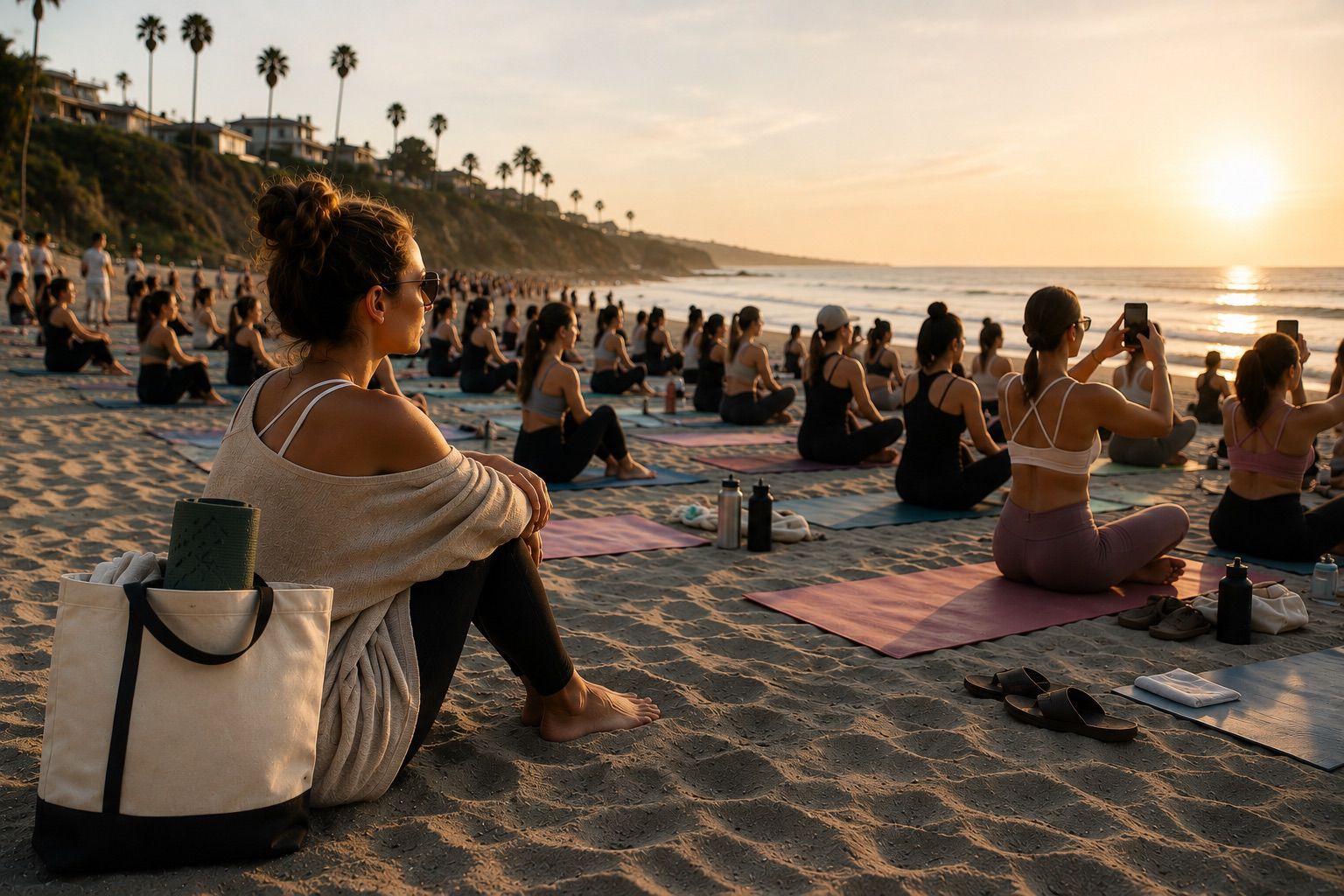
There’s something about the ocean at dawn that feels like a secret kept between the earth and the sky. Before the sun fully climbs above the horizon, the world is hushed—except for the rhythmic hush of the waves and the whisper of wind through salty air. The sand is cool beneath your feet, the colors in the sky shift from pale lavender to molten gold, and the water reflects the morning light in ripples that look like moving glass. In this stillness, unhurried and undisturbed, yoga by the ocean becomes more than a practice. It becomes a conversation between body and nature, a gentle reminder that you’re part of something vast and beautiful.

Morning yoga by the ocean isn’t just about stretching muscles or perfecting postures—it’s a sensory immersion. You feel the earth under your mat, hear the crash and retreat of waves, taste salt on your lips, smell the fresh marine air. Your body wakes slowly, each inhale filling you with energy, each exhale releasing the residue of yesterday. The air feels different at sunrise—lighter, cooler, alive with potential. You aren’t just moving your body; you’re syncing it with the pulse of the tide.

Starting the day this way changes everything. Your mind is calmer, your thoughts less cluttered, your focus sharper. You step away from the mat not only more flexible in body but more fluid in spirit. The stresses waiting for you on land don’t disappear, but they lose their grip on you. You’ve already grounded yourself in something bigger than the noise of daily life.

It’s no wonder so many people feel drawn to the idea of morning yoga by the ocean. The combination of yoga’s intentional movements and the sea’s timeless rhythm is deeply restorative. Both are ancient—yoga, with roots stretching back thousands of years in India; the ocean, an eternal presence that’s shaped human existence since the beginning. Together, they create a balance of discipline and freedom, effort and surrender.

If you’ve never tried it, imagine this: you lay out your mat on the sand just above the waterline, where the tide comes close enough to mist your toes but doesn’t reach your mat. The sun is still low, the sky painted in colors your phone camera will never capture as beautifully as your eyes do. You start in Mountain Pose, feeling your feet sink slightly into the sand, grounding you more deeply than any indoor studio floor ever could. Your breath matches the waves—inhale as the tide draws back, exhale as it comes forward.

From there, your flow might move into gentle stretches—Forward Fold, Cat-Cow, a few rounds of Sun Salutations. The ocean breeze cools your skin as your body warms. Seagulls call overhead, and somewhere down the beach, you hear the faint laughter of an early riser greeting the day. In Warrior Pose, you face the horizon, steady and unshakable. In Tree Pose, you sway ever so slightly, mimicking the movement of the water. In Savasana, you feel the sand beneath you and the sky above you, as if you’ve slipped into the space between worlds.

Morning yoga by the ocean can be deeply personal, but it’s also a communal experience. You might see others scattered along the shore, moving in their own silent flows, all connected by the same sky, the same water, the same intention to start the day in peace. Sometimes, beach yoga sessions are organized by local studios or wellness groups, bringing together strangers who share the same desire for movement and mindfulness. These gatherings can be powerful—sharing the quiet with others who understand it makes the experience feel both intimate and expansive.

Physically, the benefits are amplified by the setting. Sand provides a natural instability that engages smaller stabilizing muscles in your feet, ankles, and core, making poses more challenging in the best way. The salty air helps clear your lungs, and the natural sunlight encourages the production of vitamin D, supporting bone health and mood regulation. The sensory stimulation—from the sight of waves to the scent of the sea—activates your parasympathetic nervous system, lowering stress and enhancing your sense of well-being.

There’s also a subtle, almost spiritual element that emerges when practicing yoga by the ocean. The vastness of the sea reminds you of the impermanence of everything, including your worries. The tide’s rise and fall mirror the ebb and flow of your own breath. The way the horizon stretches endlessly can shift your perspective, making whatever’s been weighing on you feel lighter, smaller, more manageable. The ocean doesn’t ask anything of you—it simply offers its presence, as steady as your heartbeat.

Of course, like anything beautiful, it’s not without challenges. The sand can be uneven, the breeze can turn into wind, and sometimes curious seagulls think your mat is an excellent perch. But these small inconveniences are part of the charm. Yoga by the ocean teaches adaptability—you learn to adjust your poses when the sand shifts under you, to soften your practice when a gust of wind presses against you, to find focus even when a passerby wanders too close.

And perhaps that’s the deeper lesson. Morning yoga by the ocean isn’t about controlling your environment; it’s about finding balance within it. It’s about meeting life exactly where you are, whether the waters are calm or choppy. It’s about carrying that sense of peace back into your day, so that even when you’re miles from the shoreline, you can still hear the rhythm of the waves in your breath.

When you leave the beach after a morning practice, the world feels different. Your senses are sharper, colors more vivid, sounds more distinct. The day hasn’t yet had a chance to overwhelm you, and you’ve already given yourself the gift of presence. It’s a feeling that lasts long after the sand has been brushed from your toes and the salt has dried on your skin.

Morning yoga by the ocean is more than an exercise—it’s a ritual, a love letter to the self, and a reminder that the most powerful moments often come in the quiet hours before the rest of the world wakes up.

Related Posts

Hair Care After Saltwater and Sun: Restoring Your Strands from Beach to Brilliance

Dave

There’s a kind of magic to the beach that lures us in—sun warming your skin, saltwater cooling you down, and that unmistakable tousled hair that somehow looks like you’ve stepped out of a summer romance novel. But here’s the thing about that breezy “beach hair”: it’s a liar. What feels effortless and beautiful in the moment often conceals the harsh truth—sun, salt, and wind are merciless on your hair. Underneath that windswept glamour, your strands might be screaming for help, stripped of moisture, tangled into defiance, and faded in color. The reality is, those perfect Instagram-ready beach days can turn into hair nightmares if you don’t give your locks the aftercare they deserve.

The combination of saltwater and sun exposure is a double hit to your hair’s health. Saltwater is incredibly drying—it pulls moisture out of each strand, leaving your hair rough and brittle. The salt crystals that form as your hair dries under the sun act like tiny magnifying glasses, intensifying UV damage. Sunlight itself degrades keratin, the protein that gives hair strength, and fades color—whether it’s natural pigment or salon-made. Add in the constant wind, which whips hair into tangles and causes breakage, and you’ve got a recipe for split ends, dullness, and that straw-like texture nobody wants to admit they have after a long beach trip. The good news? You can enjoy every wave, every dive, and every lazy afternoon on the sand without sacrificing your hair’s health—if you know what to do when you get home.

The first step in post-beach hair care is rinsing—and the sooner, the better. Salt left on your hair continues to pull moisture, and the gritty residue encourages tangles and frizz. If there’s a shower at the beach, use it before you even head home. Rinse with cool to lukewarm water to avoid further drying out your hair. If you’re stuck without a shower, carry a bottle of fresh water in your beach bag just for your hair. Think of it as damage control: the faster you get the salt out, the easier it will be to restore softness later.

Once you’re home, swap your regular shampoo for something gentle and sulfate-free. You need to cleanse away salt, sand, and sunscreen residue without stripping your hair even more. Clarifying shampoos can help remove buildup, but use them sparingly—once a week at most—since they can also strip natural oils. Massage your scalp to stimulate circulation and help oxygen and nutrients reach your hair follicles. Your scalp took just as much sun as your skin, so treat it with kindness.

Conditioner is your next non-negotiable step, but not just any quick rinse. This is the time for a deep conditioning mask packed with hydrating ingredients like shea butter, coconut oil, argan oil, or aloe vera. Apply generously from mid-length to ends, wrap your hair in a warm towel or shower cap, and let it sit for at least 20 minutes. This allows the moisture to penetrate the hair shaft, restoring elasticity and shine. If your hair feels especially brittle, try a protein treatment once every few weeks to rebuild the keratin structure. Just remember to balance protein with moisture—too much protein without enough hydration can make hair stiff and prone to breakage.

Detangling after a beach day can be a test of patience, and the wrong approach can cause more harm than good. Never yank a brush through wet, salt-soaked hair—that’s a fast track to breakage. Instead, use a wide-tooth comb or a detangling brush, starting from the ends and working upward. A leave-in conditioner or detangling spray will make the process smoother and protect your hair from friction damage.

For those with color-treated hair, after-sun care needs an extra layer of attention. UV exposure and saltwater can fade dye faster than you can say “touch-up appointment.” Invest in a color-safe shampoo and conditioner, and consider adding a UV-protectant spray to your beach bag for next time. Post-beach, a glossing treatment can help revive vibrancy, seal the cuticle, and restore that just-dyed sheen. If you swim often, a pre-beach ritual of saturating your hair with fresh water and applying a leave-in conditioner can act as a barrier, preventing salt from penetrating as deeply.

Hydration doesn’t stop with conditioners and masks—your hair needs moisture from the inside out. Beach days often mean long hours in the sun, which can dehydrate your entire body. Drink plenty of water after your day at the shore, and load up on hair-healthy foods rich in omega-3 fatty acids (think salmon, chia seeds, walnuts) and antioxidants (berries, spinach, avocado). What you feed your body directly impacts the resilience and shine of your hair.

One often-overlooked aspect of post-beach hair care is scalp recovery. The scalp is skin, and just like your shoulders or nose, it can burn. If you notice redness, tenderness, or flaking, treat it with a soothing aloe vera gel or a scalp serum designed for post-sun care. Avoid heavy styling products until your scalp feels normal again—overloading with gels or hairsprays can trap heat and prolong irritation.

Heat styling after a beach day should be minimal to nonexistent. Your hair has already endured heat and dryness from the sun, and blasting it with a blow dryer or flat iron will only worsen the damage. If you need to style, opt for heat-free methods: braids, buns, or twists that let your hair dry naturally while still looking chic. This is also a great time to embrace your natural texture—saltwater often brings out curls and waves, so enhance them with a curl cream or lightweight mousse instead of fighting them.

Trimming regularly is essential if you spend a lot of time at the beach. Split ends travel up the hair shaft if left unchecked, leading to more breakage. A small trim every 6–8 weeks can keep your hair looking healthy and full, even if you’re a frequent sun-and-sea enthusiast.

And finally, consider protective hairstyles for your next beach trip to make post-care easier. Braids, buns, or a simple twist can minimize tangling and reduce exposure. A wide-brimmed hat or a scarf not only protects your hair but also your scalp and face. Think of it as your style-savvy shield against UV rays.

Hair care after saltwater and sun isn’t about undoing damage—it’s about maintaining the balance between enjoying the beach to the fullest and giving your hair the attention it needs afterward. The ocean gives us so much—its beauty, its calm, its sense of freedom. Giving your hair a little TLC after a day in its embrace is a small way to return the favor. And when you run your fingers through soft, shiny strands a day later, you’ll know that every rinse, mask, and gentle comb stroke was worth it.

The beach will always call you back. Now, you can answer without hesitation—because you know your hair will come home just as radiant as your memories.

Related Posts

Beach-Ready Skincare Routine: Protecting Your Glow from Sunrise to Sunset

Dave

Somewhere between the excitement of planning a beach day and the reality of stepping onto the sand, there’s a silent battle your skin prepares to fight. The sun is dazzling, the breeze is warm, the ocean glitters with invitation—and every one of those things comes with its own invisible cost to your skin. Saltwater dries it, UV rays wage war on its youth, wind whips at its moisture barrier, and sand… well, sand exfoliates with all the grace of an overzealous loofah. It’s easy to forget that “fun in the sun” is, for your skin, “an endurance marathon under extreme conditions.” The good news? You can have your beach and keep your glow, too—if you treat skincare like part of the adventure instead of a chore. The perfect beach-ready skincare routine isn’t about a bag of overpriced products; it’s about smart preparation, thoughtful protection, and post-sun repair that feels like a love letter to yourself.

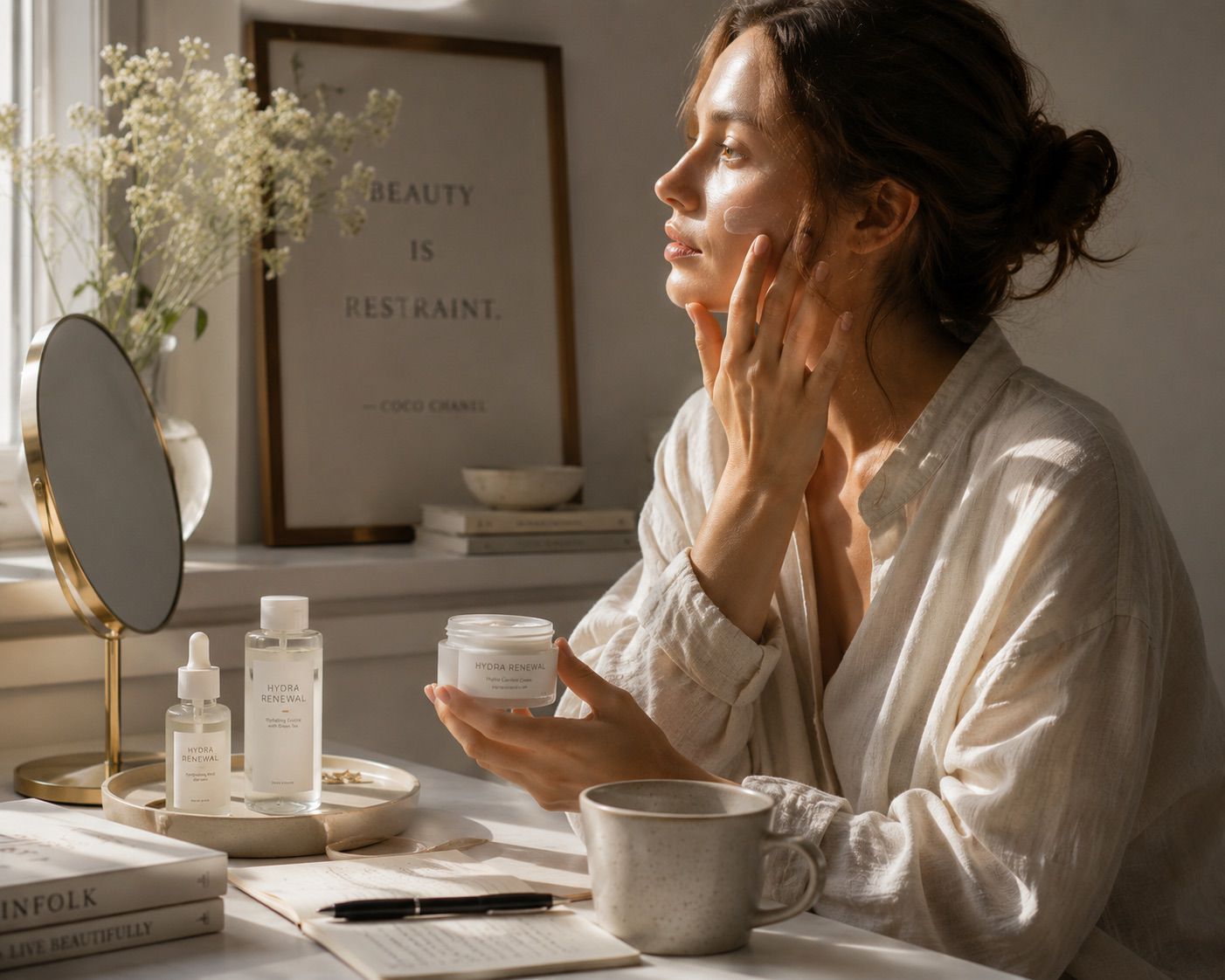
The first chapter of any beach skincare story is the pre-game—the hours before your toes touch sand. Think of this as the “armor phase.” You’re not just slathering on sunscreen; you’re prepping your skin to handle heat, salt, and sweat with grace. Hydration starts here, and no, not just from your water bottle. A lightweight, water-based moisturizer with hyaluronic acid will pull hydration into your skin like a sponge, giving it a plump, dewy resilience that lasts longer under the sun’s glare. If you’re prone to oiliness, don’t skip this step—dehydrated skin produces more oil to compensate, and nothing ruins beach selfies faster than makeup melting off in greasy streaks.

Then comes the star of the show: sunscreen. This is not a casual decision. For the beach, you want broad-spectrum SPF 50 or higher, water-resistant for at least 80 minutes, and ideally reef-safe to protect marine life. A good mineral sunscreen with zinc oxide or titanium dioxide sits on top of your skin, reflecting UV rays rather than absorbing them. Chemical sunscreens can be effective, too, but they need a solid 15–20 minutes to activate before exposure. The key is generous application—most people use about half as much as they should. A teaspoon for your face, a shot-glass worth for your body, and don’t forget the often-missed spots: ears, the back of your neck, tops of your feet, and the part in your hair if you’re not wearing a hat.

If you wear makeup, keep it minimal and functional. A tinted SPF can replace foundation, a dab of cream blush can add warmth without caking, and a waterproof brow gel will keep your face expressive after a swim. Skip heavy powders, which will mix with sweat and sunscreen to create an unwelcome paste. Your pre-beach look should say “sun-kissed” before you even step outside, so that when the real sun-kiss arrives, it only enhances what’s already there.

Arriving at the beach is when the maintenance phase kicks in. You wouldn’t expect your phone battery to last all day without recharging; the same goes for your sunscreen. Reapply every two hours, or immediately after swimming, sweating, or toweling off. This is the step that separates the bronze goddesses from the crispy lobsters. A spray sunscreen can be handy for quick touch-ups, but make sure to rub it in for even coverage—sprays are notorious for missing spots in the wind. Keep a stick sunscreen in your bag for quick reapplication to high-burn zones like your nose, shoulders, and cheekbones.

The beach environment tests more than just your SPF discipline. Saltwater can be both your friend and foe—its natural minerals can calm inflammation and help heal minor skin issues, but it’s also incredibly dehydrating. When you come out of the water, rinse with fresh water if possible, then reapply a light layer of moisturizer before topping up your sunscreen. This mini-refresh takes less than five minutes and can make the difference between glowing all evening and looking like you spent the day in a dehydrator.

Lips are the unsung casualty of beach days. They have almost no natural sun protection, and once burned, they take days to recover. A lip balm with SPF 30 or higher is non-negotiable, and it’s worth finding one that’s both water-resistant and non-waxy, so it won’t melt into a mess in your beach bag. Reapply often—you talk, drink, and eat, which means it wears off faster than you realize. Bonus tip: choose a tinted one for a subtle pop of color that makes you look instantly put together without any extra effort.

Hair isn’t skin, but it plays in the same arena. Salt and sun can fade color, weaken strands, and dry out your scalp. A leave-in conditioner with UV protection creates an invisible shield against damage, while a wide-brimmed hat not only protects your face but your hairline and scalp too. If you’re swimming, consider braiding your hair to prevent tangles and minimize breakage. Your future self—brushing out post-beach knots—will thank you.

As the day winds down and the sun dips low, the skincare story shifts to recovery mode. This is where you turn from defense to repair, helping your skin bounce back from everything it’s endured. The first step is cleansing. Salt, sand, sweat, and SPF form a stubborn film on your skin, and a gentle, oil-based cleanser can break it down without stripping your moisture barrier. Follow with a water-based cleanser for a double-cleanse that leaves your face truly fresh. Your body deserves the same care—a hydrating shower gel or cream cleanser will soothe and soften while washing away the day.

After cleansing comes the crucial replenishment phase. Your skin has lost moisture, so it’s time to feed it deeply. An aloe vera gel or cooling after-sun lotion can calm any heat and redness, while a ceramide-rich moisturizer will help repair the skin’s barrier. If you’ve overdone it and have the telltale tightness of an impending sunburn, stash your after-sun products in the fridge before applying. The chill will feel incredible, and the cool temperature helps reduce inflammation faster.

Nighttime is also the perfect window for targeted treatments. Antioxidants like vitamin C can help fight free radical damage from sun exposure, while niacinamide calms redness and improves skin elasticity. Avoid heavy exfoliation right after a beach day—your skin is already sensitized—but a few days later, a gentle scrub or chemical exfoliant can help remove dead skin cells and keep your tan looking even.

Don’t forget hydration from the inside out. After hours under the sun, your whole body is thirsty. Water should be your main drink, but coconut water or electrolyte-rich beverages can speed up recovery. Your skin reflects your internal hydration levels more than any product can compensate for.

Perhaps the most humanizing truth about beach skincare is that it isn’t about perfection—it’s about respect. Respect for your skin’s limits, for the environment you’re in, and for the fact that a day at the beach is supposed to be joyful, not stressful. Some days you’ll miss a reapplication. Sometimes your nose will peel despite your best efforts. That’s okay. Skincare is cumulative, not a pass/fail test, and the goal is to leave the beach feeling good in your skin—not obsessing over every freckle.

The real secret to a beach-ready skincare routine is making it feel like part of the day’s pleasure, not a set of interruptions. Apply sunscreen with the same anticipation as zipping up your beach bag. Reapply with the same satisfaction as taking your first sip of cold lemonade. Slather on after-sun lotion while reliving the day’s highlights in your mind. The more these rituals feel woven into your experience, the more they become a natural part of how you do the beach—effortless, enjoyable, and effective.

So when you pack your bag next time, think beyond towels and snacks. Think of your skin as a travel companion—one that’s been with you your whole life, one that will be with you for decades to come. Treat it well on the shore, and it will thank you long after the waves have faded from your ears and the sand has been shaken from your shoes.

Related Posts

Behind the Seams: Women Designing the Bikinis They Always Wanted

Dave

Darling, let’s slip into something a little more comfortable, shall we? No, not that lacy number tucked away in the back of the drawer—we’re talking bikinis. Not just any bikinis, mind you, but the kind women dream of. The kind that whisper sweet nothings of confidence to every curve, caress every roll and ripple with respect, and make you feel like the goddess you always suspected you were. Gone are the days when bikini shopping meant wrestling with strings and sighing in fluorescent-lit changing rooms. Today, a revolution is happening, darling, and it’s led by the fiercest, most fabulous force on the planet—women designing bikinis for women. Who better, right?

For decades, the bikini has danced between scandal and liberation. It was born in rebellion, a cheeky little number debuted by Micheline Bernardini in 1946 that made headlines and dropped jaws. But as deliciously daring as it was, the evolution of the bikini was long dominated by men who, let’s face it, weren’t exactly wearing the things themselves. They were designing for fantasies—not for function, and certainly not for the full spectrum of female bodies or desires. Women were told how to look, how to feel, and what to squeeze into. The message? Beauty was one-size-fits-all. Spoiler alert: it isn’t. Never was.

But now? Oh honey, the tides are changing—and it’s women who are steering the ship. Across beaches, runways, and boardrooms, female designers are stitching together more than swimsuits. They’re threading together movements, mantras, and missions. These designers aren’t just reimagining bikini bottoms and bandeaus—they’re reworking the very fabric of the industry. And they’re doing it with sass, soul, and a heavy dose of style. Let’s unfasten the clasp of convention and dive into the stories of the women behind the seams.

Let’s start with Karina Irby, the sun-kissed Australian beauty and founder of Moana Bikini, who doesn’t just embrace body positivity—she practically throws a luau for it. With her unapologetic social media presence (think unfiltered selfies, cellulite and all), Karina isn’t here to please anyone but herself. Her bikinis are loud, bright, and dripping with confidence—just like the women who wear them. They’re made for movement, adventure, and—most importantly—comfort. Karina saw an industry filled with airbrushed expectations and said, “Screw that.” Her brand didn’t just sell swimwear; it sold self-love, stitched into every seam. She made bikinis feel like a celebration, not a critique.

Then there’s Marysia Reeves, whose brand Marysia has a softer, more romantic aesthetic—think scalloped edges and luxury fabrics that practically purr against your skin. Formerly a ballerina, Marysia understands the importance of movement, of grace, of being held just right. Her designs are elegant, yes, but they’re also practical. Designed with women’s real lives in mind—nursing moms, beach-lounging bookworms, active toddlers-in-tow types—Marysia swimwear doesn’t force you into a mold. It adapts to you. Because true beauty, as any flirt worth her salt will tell you, is never rigid.

Brittany Kozerski Freeney, the woman behind JADE Swim, has mastered minimalism with a sultry wink. Her pieces are the epitome of sleek sophistication—clean lines, rich tones, and silhouettes that seem to melt into your body like warm honey. But don’t let the simplicity fool you. These are powerhouse pieces. JADE Swim is committed to sustainability, and Brittany’s designs often use eco-friendly materials that are as good for the planet as they are for your peach. It’s swimwear for the modern muse—bold, intentional, and always just a little bit mysterious.

Let’s not forget Becca McCharen-Tran, the visionary behind Chromat—a label that’s practically a rebellion in lycra. If inclusivity had a swimsuit, this would be it. Chromat designs for all genders, all sizes, all abilities, and all identities. Their runway shows are a carnival of joy, featuring models in wheelchairs, trans bodies, plus-size beauties, and non-binary babes. Becca doesn’t just break the mold—she melts it down and recasts it as something fabulous. Her swimwear is architectural, daring, and celebratory. She believes fashion should uplift every body, and every bikini she creates is a love letter to the wearer’s power.

Speaking of celebration, let’s shimmy over to Gabrielle “Gabi” Gregg, co-founder of Premme and the queen of making plus-size swimwear a hot ticket item. Long before “inclusive sizing” became a buzzword, Gabi was blogging her way into the hearts of women who had never seen their bodies reflected in swimwear ads. When she launched her own collections, the world took notice—and with good reason. Her bikinis don’t hide a damn thing. They flaunt. They shimmer. They dare. They whisper, “Yes, baby, you can.” And then they scream it from the poolside cabana.

You want a dose of fierce and feminine? Let’s talk about Lindsay Albanese and The Fileist, a newer name in the swimwear game but one that’s already making waves. With a background in fashion styling, Lindsay knows that a bikini isn’t just something you wear—it’s something you become. Her designs flirt with classic silhouettes but with a modern twist, offering high-waist cuts, adjustable straps, and fabrics that hug without suffocating. They’re made for real-life women—sun-chasers, jet-setters, or just a mama trying to sneak in five minutes of sun while her kid digs a moat. Practical? Yes. Sexy? Absolutely.

Each of these women is stitching together a revolution. Their brands are less about conforming and more about celebrating—every shape, every shade, every stretch mark, every scar. They’re reclaiming the narrative, flipping the script that once said you had to look a certain way to earn your place on the sand. These designers are turning beaches into catwalks of confidence, where women wear bikinis not to be ogled, but to own every inch of themselves.

And oh, how delightful it is to see. Because when women design bikinis for themselves and for each other, magic happens. Suddenly, bikinis have room for hips that don’t lie, thighs that kiss, and bellies that jiggle. Suddenly, swimwear is less about hiding and more about living. And isn’t that the whole point? To live, to laugh, to leap into the surf without worrying about a wardrobe malfunction?

What’s so seductive about this shift isn’t just the aesthetics—it’s the empowerment. These brands aren’t just about stitching fabric. They’re stitching identity, expression, autonomy. They’re letting women write their own style stories, chapter by radiant chapter. It’s about time the industry realized that there’s nothing sexier than a woman who feels like herself. Comfort is confidence’s best-kept secret, and style without it? That’s just another pretty prison.

So, the next time you’re bikini shopping, pause. Think about who made it, who it was made for. Was it designed to constrain you, or to celebrate you? Was it built for the male gaze, or for the inner goddess stretching inside you, just dying to bask in the sun? If you choose a piece from one of these women-led brands, chances are you’ll feel the difference before you even look in the mirror. Because it’s not just the cut or color that makes it special. It’s the intention. The respect. The joy. That sexy little secret sewn right into the lining that says, “You’re enough. You’ve always been enough.”

This movement—this sizzling, sparkling, sun-drenched revolution—isn’t slowing down anytime soon. And why should it? Women have always known what they needed from their clothes. We were just waiting for the industry to hand over the shears. Now that the scissors are in our hands, we’re cutting away the shame, the rigidity, the unrealistic expectations. We’re trimming the fat of fashion myths and draping ourselves in truth. The truth that comfort is chic. That every body is a bikini body. That confidence is contagious.

So, go ahead. Tie that top with pride. Hike those bottoms like you mean it. And the next time someone dares to suggest what you “should” wear, just smile, slide on your shades, and strut away—your bikini was made by a woman who knows better.

Related Posts

How Ocean-Friendly Beauty is Changing the World One Product at a Time

Dave

The quest for beauty has always been inseparable from the natural world. Ancient civilizations used clays from riverbanks, oils pressed from seeds, and pigments derived from crushed shells or flowers. But the modern beauty industry—shiny, colorful, and bursting with promises—has drifted far from its natural roots. Today, it stands at a crossroads, caught between innovation and ecological responsibility. Nowhere is this tension more apparent than in its relationship with the oceans. Beneath the glossy packaging and alluring marketing, the cosmetics industry leaves behind a trail of destruction that reaches all the way to coral reefs and marine food chains. But a new wave is rising—one that champions ocean-friendly beauty products. It’s a movement that seeks not just to protect the sea, but to redefine what beauty really means.

For decades, the ocean has been treated like an endless dumping ground. Beauty products—often made with synthetic chemicals, microplastics, and non-biodegradable packaging—enter our waterways through everyday use and improper disposal. Shampoo that swirls down the drain, sunscreen that rinses off in the waves, exfoliants that carry microbeads into sewage systems—each tiny action accumulates into a massive problem. What most people don’t realize is that these beauty routines contribute to environmental crises in ways both visible and invisible. Microplastics, for instance, are now found in the stomachs of fish, in sea salt, and even in human bloodstreams. Coral reefs, already threatened by climate change, face additional stress from common sunscreen ingredients like oxybenzone and octinoxate, which disrupt coral reproduction and lead to bleaching. These are not distant or abstract issues—they affect every one of us, from the seafood we eat to the health of the planet we share.

Ocean-friendly beauty products emerged as a response to this crisis, built on a philosophy of harm reduction, transparency, and sustainability. The movement champions ingredients that are biodegradable, ethically sourced, and non-toxic to marine ecosystems. It also advocates for packaging solutions that reduce plastic waste—recycled materials, refillable containers, and compostable alternatives. The shift toward ocean-friendly practices isn’t just about what’s left out (like parabens or sulfates), but what’s thoughtfully put in. Natural oils, algae-derived compounds, mineral sunscreens, and botanical extracts have become stars of this movement. But beyond ingredients, the movement is about mindfulness. It’s about recognizing that every choice we make—from the lipstick we wear to the lotion we apply—ripples outward into the wider world.

What makes ocean-friendly beauty compelling isn’t just its environmental impact—it’s the human stories behind it. Consumers are increasingly educated and empowered, demanding accountability from brands and making more conscious purchases. Social media has played a major role in this transformation, allowing activists, influencers, and scientists to raise awareness about marine degradation and sustainable alternatives. People are sharing their zero-waste beauty routines, posting before-and-after shots of their plastic-free bathrooms, and turning product reviews into mini-lectures on reef-safe sunscreens. This grassroots pressure has forced even the biggest beauty corporations to adapt. Brands like Lush, Ethique, and Aveda have long been pioneers in sustainable beauty, but now mainstream companies like Garnier, Neutrogena, and Unilever are rolling out more eco-friendly lines. While some of this may be greenwashing, the broader trend signals a cultural shift. Ocean-friendly beauty is no longer a niche; it’s becoming a norm.

But let’s not romanticize the path forward. True sustainability in the beauty industry requires more than token gestures or clever marketing. It demands systemic change—rethinking supply chains, reengineering product formulas, and reshaping consumer habits. One of the biggest challenges lies in regulation. In many countries, cosmetic ingredients are poorly regulated, and there’s no standard definition for what constitutes an “ocean-friendly” product. Terms like “natural,” “organic,” and “reef-safe” are often used interchangeably or inaccurately, creating confusion for consumers. Certifications can help, but they vary widely in credibility and scope. This lack of uniformity makes it difficult for even the most well-intentioned buyer to make informed decisions. Advocacy groups are working to address this, pushing for clearer labeling laws, stricter ingredient bans, and better testing protocols. Progress is slow, but every legislative win inches the industry closer to real accountability.

Another challenge is affordability. Ocean-friendly beauty products often come with a higher price tag, making them inaccessible for many. This creates a frustrating paradox: the people most affected by environmental degradation—often low-income communities—are the least likely to afford the products that help prevent it. For the movement to truly succeed, it must bridge this gap. That means scaling up production to bring down costs, creating accessible educational campaigns, and supporting local, sustainable beauty initiatives in underserved regions. Brands that prioritize inclusion—both in terms of pricing and representation—stand the best chance of driving lasting change. After all, the beauty of the ocean belongs to everyone. The responsibility to protect it must be shared too.

Still, the progress made so far is nothing short of remarkable. In recent years, Hawaii and Palau have banned certain sunscreen chemicals harmful to coral reefs. Brands have launched refill stations in retail stores. Entrepreneurs have invented solid shampoo bars, dissolvable packaging, and algae-based bioplastics. Scientists are developing biodegradable glitter and marine-safe preservatives. Consumers are asking harder questions: Where was this made? How will it break down? What impact does it have beyond my bathroom? These are not small shifts—they’re fundamental changes in the way we relate to beauty, the planet, and ourselves.

There’s also something profoundly emotional about the ocean. It’s a place of awe and imagination, of solace and play. Many people feel a deep, almost spiritual connection to the sea—whether through childhood memories, vacations, or the simple rhythm of waves on a shore. This connection can be a powerful motivator. When we realize that our daily choices can either harm or protect this sacred space, it becomes harder to ignore the consequences of convenience. Ocean-friendly beauty isn’t just about clean formulas; it’s about cultivating a sense of responsibility rooted in love, not guilt. It’s about saying, “I care,” in the small ways that add up to something immense.

As with all movements, there are moments of friction. Some critics argue that personal care choices are a distraction from larger environmental issues—that true change requires government action, not just consumer activism. And they’re not entirely wrong. Policy shifts, corporate regulation, and industrial reforms are essential. But to dismiss individual efforts as meaningless is to underestimate the power of collective action. Every time someone switches to a reef-safe sunscreen, skips a single-use bottle, or spreads the word about ocean-safe brands, they contribute to a cultural tide. These micro-actions, multiplied across millions of people, become a force strong enough to reshape industries. Change often begins at the margins, then moves to the mainstream. That’s exactly what’s happening with ocean-friendly beauty.

The role of technology cannot be overstated in this evolution. Innovations in green chemistry, biotechnology, and sustainable packaging are unlocking possibilities that didn’t exist even a decade ago. Plant-based alternatives are replacing petrochemicals. AI is helping brands create more efficient, waste-reducing supply chains. Blockchain is being explored to verify ethical sourcing. These tools not only make ocean-safe beauty more effective—they make it more transparent. Consumers no longer have to rely solely on marketing claims; they can research, review, and report in real time. Transparency is becoming a competitive advantage. The brands that thrive are the ones that don’t just tell a good story—they prove it.

Culturally, the movement is also dismantling outdated ideals of beauty. Traditional advertising often relied on exclusivity, perfection, and unattainable standards. Ocean-friendly beauty, by contrast, celebrates authenticity, diversity, and holistic well-being. It recognizes that looking good shouldn’t come at the expense of the planet—or of someone else’s labor or dignity. Campaigns are increasingly inclusive, featuring models of all backgrounds, ages, and abilities. Products are formulated for diverse skin tones and hair types. The narrative is shifting from “beauty as aspiration” to “beauty as empowerment.” It’s not just about what you put on your face, but how you live your values.

Looking ahead, the future of ocean-friendly beauty depends on education. Schools, media, and community organizations must play a role in fostering ecological literacy. Imagine a generation that grows up understanding the link between their body wash and the health of marine ecosystems. Imagine children learning about the impact of their choices and being excited to be part of the solution. This isn’t a fantasy—it’s a necessity. Climate change, pollution, and biodiversity loss are urgent realities. The beauty industry, like every sector, must evolve or become obsolete. Ocean-friendly practices offer a roadmap for this transformation—one rooted in science, ethics, and care.

We are already seeing signs of a broader awakening. Fashion is grappling with sustainability. Food industries are confronting supply chain ethics. Technology companies are pledging carbon neutrality. In this larger movement toward conscious living, ocean-friendly beauty is a vital chapter. It shows that even the most personal, intimate rituals can be acts of global citizenship. It reminds us that beauty is not a separate realm from the environment—it is a reflection of it. When we protect the ocean, we protect a part of ourselves.

Of course, the path isn’t perfect. There will be missteps, contradictions, and setbacks. Some products will fail. Some companies will betray the trust of their consumers. Progress will be uneven. But the direction is clear. Ocean-friendly beauty is more than a trend—it’s a transformation. And it’s one we can all be part of, regardless of where we live, how much we earn, or what products we use. Every purchase, every conversation, every intention counts.

To those just beginning this journey, start small. Switch one product. Do some research. Share what you learn. If you can, support brands that align with your values. If not, reduce waste in other ways—reuse containers, make your own skincare, or simply use less. Ocean-friendly beauty isn’t about perfection. It’s about progress. It’s about turning daily routines into rituals of respect for the world around us.

Because in the end, the ocean doesn’t need us to be perfect. It needs us to care. To listen. To change. And to remember that real beauty—like the sea itself—is wild, powerful, and deeply, achingly worth protecting.

Related Posts

Golden Hour, Anytime: How to Get That Glowy Sun-Kissed Look Without the Sunburn

Dave

There’s something magnetic about that effortless, radiant glow—the kind of look that says you just stepped off a beach in the French Riviera, kissed by the sun and carefree as a breeze. It’s a look associated with health, vitality, and relaxation. But what if we told you that achieving that sun-kissed aesthetic doesn’t require hours of actual sun exposure, potential UV damage, or tropical vacations? In fact, you can capture that luminous warmth all year long, regardless of the season or your location. This isn’t just about slapping on bronzer or booking a spray tan—it’s about curating a lifestyle and beauty regimen that brings out your skin’s natural radiance, with a little help from the right techniques, products, and habits.

To understand how to fake the perfect sun-kissed glow, we have to begin with what it actually looks like. Imagine skin that’s subtly bronzed, as though it’s been warmed by the sun—but not burned. Cheeks flushed naturally like you’ve been laughing in the summer heat, a soft sheen on the high points of your face where the light naturally hits: your forehead, cheekbones, nose bridge, and chin. It’s not cakey, and it’s not sweaty. It’s dewy. Luminous. It’s the “I drink green juice and sleep 8 hours” kind of glow, even if last night’s Netflix binge says otherwise.

But achieving this look doesn’t start with makeup—it starts with skincare. Your skin is your canvas, and even the best highlighters and bronzers can’t completely fake that healthy glow if your skin is dry, irritated, or dull. Hydration is everything. That means drinking water, yes, but it also means feeding your skin with moisture from the outside. Incorporate a good humectant like hyaluronic acid into your routine—it’s like a tall glass of water for your face. Add a vitamin C serum in the morning to brighten and combat dullness, followed by a lightweight moisturizer and sunscreen. Yes, sunscreen. Even if you’re trying to look sun-kissed, protection is key. SPF keeps your skin healthy and prevents sun spots, premature aging, and the kind of redness that doesn’t translate to glow.

Exfoliation is another secret weapon. A gentle chemical exfoliant, like an AHA or BHA, can slough off dead skin cells that make your complexion look tired or uneven. You don’t want to overdo it—a few times a week is enough—but this habit can seriously elevate your glow game by helping light bounce off your skin more evenly. And for those who want that dewy sheen without piling on product, consider incorporating a facial oil. A few drops pressed into the high points of your face can make you look instantly lit from within.

Once your skincare is on lock, it’s time to move into complexion products that enhance rather than cover. Opt for lightweight, luminous bases over full-coverage matte foundations. Think skin tints, tinted moisturizers, or dewy-finish BB creams. The idea is to even out the skin tone without masking its natural texture. This is where cream products shine—literally. Cream bronzers, blushes, and highlighters meld into the skin in a way powders often can’t, especially in warm weather when sweat and powder don’t play nice together.

The trick to bronzer is placement and tone. Choose a shade that’s just a few tones darker than your natural skin and leans slightly warm—but not orange. Apply it where the sun would naturally hit your face: the tops of your forehead, temples, under the cheekbones, and along the jawline. Blend it well to avoid harsh lines. The goal is a soft, diffused warmth—not a contour. Blush, too, should be used generously and playfully. Opt for peachy or coral tones and bring the color up across the bridge of the nose for that naturally flushed, “just came back from a walk” effect.

Highlighter is where the glow really comes to life. Liquid and cream formulas tend to look more natural, as they mimic the way light reflects off moisturized skin. Dab it on the tops of your cheekbones, down the nose, and even a touch on your cupid’s bow or brow bone. If you want to go for that glazed donut glow, you can even mix a drop of liquid highlighter into your foundation or moisturizer.

Eyes and lips should stay soft and cohesive with the rest of the face. Think sun-drenched tones: warm browns, soft golds, peachy pinks. A cream eyeshadow in a bronze or copper shade can add depth without overpowering the glow. For lashes, a swipe of waterproof mascara will open up your eyes without risking raccoon smudges in the heat. Lips should be juicy but effortless—tinted balms, glosses, or sheer lipsticks in rose, coral, or nude shades give that “barely trying” vibe while still pulling the look together.

But the glowy, sun-kissed look isn’t just about your face—it extends to your whole vibe. Your body skin can also benefit from a bit of sheen. A body oil with a subtle shimmer can make your collarbones and shoulders look radiant. You can even mix in a drop of liquid bronzer with your body lotion for that all-over warmth. If you’re wearing shorts or a dress, smooth, moisturized legs with a hint of glow go a long way in making the look cohesive. This is also where self-tanner can play a role if you’re craving that full-body bronze. Gradual tanning lotions are less intimidating than full-on mousses and are great for beginners looking to build a soft tan over time.

Hair plays a role in the glow-up too. Beachy waves—whether natural or styled—enhance that laid-back, sun-drenched aesthetic. A texturizing spray or salt spray can add volume and a carefree finish. If your hair is dry or frizzy, a shine serum can bring back luster and make the whole look feel more polished. Lighter hair colors—like honey blondes, caramel highlights, or sun-lightened brunettes—tend to amplify the sun-kissed look, but dark hair can absolutely radiate when healthy and glossy.

Wardrobe choices matter more than people think. Earthy tones, whites, and pastels reflect light and complement a glowing complexion. Light, breathable fabrics like linen and cotton not only enhance the illusion of effortless summer style but also help keep your skin cool and happy. Accessories can take the glow even further: gold jewelry reflects warm tones beautifully, oversized sunglasses scream “vacation mode,” and straw hats or beachy bags add texture and visual interest.

And finally, the inner glow—yes, it’s real. What you eat, how you feel, and how you care for your body all show up on your skin. Hydrating foods like watermelon, cucumbers, and leafy greens support hydration and skin health from the inside out. Healthy fats like avocado, nuts, and olive oil nourish your skin barrier and promote natural radiance. And don’t underestimate the power of movement—whether it’s yoga, dancing, or a brisk walk, getting your blood flowing brings color to your cheeks and oxygen to your skin.

Sleep, too, is essential. No serum or highlighter can fake the kind of luminosity that comes from being well-rested. If you’re dealing with stress or burnout, your skin will show it. Try to carve out time for rest and rituals, whether that’s a face mask on Sunday night or ten minutes of quiet meditation. Your skin, like your soul, responds to kindness.

Ultimately, the glowy sun-kissed look isn’t about perfection—it’s about radiating ease and confidence. It’s the look of someone who enjoys the little pleasures, who savors time outdoors, who takes care of their skin and body not out of pressure, but out of love. And the best part? You can get there with a few affordable products, some smart habits, and a commitment to embracing your natural beauty.

So whether you’re on a tropical beach or sitting at your desk under fluorescent lights, you can channel that golden hour glow. It’s not reserved for the lucky few with perfect genes or endless vacation time. With the right approach, that radiant, healthy warmth can be yours any day of the year. You don’t need the sun to shine when you carry your own light.

Related Posts

Bikini Icons of the 20th Century: Beauty, Boldness, and Breaking Barriers

Dave

When Louis Réard unveiled his now-infamous creation in the sultry summer of 1946, it wasn’t just a bathing suit he introduced to the world—it was a cultural grenade. The bikini, barely 30 square inches of fabric, wasn’t just meant to shock. It was meant to signify a change. And while the garment itself would go through countless transformations in cut, color, and connotation, it would be the women who wore it—and owned it—who truly shaped its legacy.

The 20th century was filled with women who wore the bikini not just as a fashion choice, but as a form of statement. They were models, actresses, athletes, and everyday rebels. They did not all look alike, think alike, or live alike, but each played a role in transforming a once-taboo design into a global symbol of strength, sensuality, and liberation. Their stories—set against the backdrop of shifting decades and cultural upheavals—trace the arc of a garment that came to define far more than summer style.

It started with Micheline Bernardini, the unlikely woman who first modeled the modern bikini. A nude dancer at the Casino de Paris, Bernardini was one of the few women daring enough to wear the revealing suit when Réard couldn’t find a single fashion model willing to do so. On July 5, 1946, she stepped onto the rooftop of the Molitor swimming pool in Paris and into the history books. Bernardini smiled for the cameras, radiating confidence. Her image circulated around the world, and the letters poured in—more than 50,000 of them. She was the first icon, not because she fit a mold, but because she shattered one.

As the 1950s dawned, however, the bikini didn’t find instant fame. In fact, it was largely banned in many parts of the world. Conservative postwar values clashed with the bikini’s boldness. Even in progressive France, it was considered indecent by many. In the United States, department stores refused to stock it. But quietly, on the edges of popular culture, the bikini began to take root—thanks to women who didn’t ask for permission to be seen.

Brigitte Bardot, the sultry French film star, brought the bikini from the fringe into the spotlight. On the beaches of Cannes in the early 1950s, Bardot wore her bikinis with effortless sensuality and unapologetic freedom. She didn’t wear them for shock value—she wore them because she wanted to. Her roles in films like And God Created Woman further cemented her as a sex symbol, but her off-screen lifestyle spoke louder. Bardot was carefree, flirtatious, and fiercely independent. In her bikinis, she projected a new type of womanhood—one that didn’t hide behind propriety.

The ripples made by Bardot reached far beyond the Riviera. In 1956, Marilyn Monroe posed in a bikini during a photo shoot that revealed her playful, confident side. The images were captivating—not because Monroe conformed to ideal beauty, but because she radiated control. Monroe’s allure wasn’t just in her appearance—it was in the complexity she brought to femininity: vulnerable yet powerful, childlike yet commanding. She, too, helped transform the bikini from a fashion risk into a symbol of personal agency.

But it was Ursula Andress who delivered perhaps the most iconic bikini moment of the 20th century. Emerging from the Caribbean surf in Dr. No (1962), knife strapped to her hip, Andress made cinematic history. The white bikini she wore instantly became legend. Her role wasn’t simply eye candy—she was strong, poised, and, for many women, aspirational. The image was unforgettable not just because of the bikini, but because of the woman inside it: statuesque, alert, unafraid.

Throughout the 1960s and ’70s, the bikini became more than beachwear. It became a battleground for expression. Women like Raquel Welch and Jane Fonda used it to redefine Hollywood sexuality. Welch’s fur-trimmed bikini in One Million Years B.C. (1966) became a poster on countless bedroom walls, but it also marked a shift in the public’s acceptance of female sexuality as a force of power rather than shame. Jane Fonda, in her earlier films, wore bikinis as symbols of the “new woman”—modern, independent, and sexually autonomous.

The 1970s brought with it the wave of the sexual revolution and women’s liberation movements. The bikini rode those tides with mixed results. On one hand, it was celebrated by feminists who saw it as a reclaiming of female bodies. On the other hand, it was increasingly commodified by marketers who reduced women to mere decoration. But in that tension, some icons emerged who refused to be boxed in.

Take Farrah Fawcett, for instance. Her famous red swimsuit poster from 1976 isn’t technically a bikini, but it had the same impact. Farrah’s wide smile, her natural curves, and her unpretentious energy resonated with millions. She wasn’t trying to be a bombshell—she just was. And that effortless charisma helped shift how beauty was viewed. It wasn’t just about perfection anymore. It was about personality.

Pam Grier, the undisputed queen of 1970s blaxploitation cinema, also rewrote the rules. In films like Coffy and Foxy Brown, she wore bikinis and crop tops while taking down villains with a shotgun in hand. Grier’s presence was revolutionary. She wasn’t there to be saved—she was the one doing the saving. Her body was hers, and her clothing—bikini or otherwise—was an extension of her force, not an invitation for objectification. She showed that Black women could be sexy, powerful, and untouchable.

In the 1980s, the rise of the supermodel era pushed bikinis back onto runways and into glossy pages. Women like Cindy Crawford, Elle Macpherson, and Paulina Porizkova became household names not just for their beauty, but for how they embodied a new athleticism and vitality. These were not passive beauties—they were bold, competitive, and business-minded. Crawford’s Pepsi commercial, where she stepped out of a red convertible in denim shorts and a white tank top, may have been a cultural moment, but her swimsuit spreads in Sports Illustrated redefined what it meant to be sexy and strong.

The Sports Illustrated Swimsuit Issue itself became a platform for women to command attention. Though the magazine often received criticism for objectification, it also elevated models into icons who used their platforms to speak on issues of body image, health, and equality. Christie Brinkley, who appeared on three consecutive covers from 1979 to 1981, combined the California girl look with business savvy. Later, Tyra Banks would become the first African American woman to appear solo on the cover in 1997—a groundbreaking moment that broadened the visual vocabulary of beauty.

The 1990s saw a resurgence of bikini culture in both pop music and fitness. Britney Spears and Christina Aguilera, rising stars of the teen pop movement, wore low-slung bikini bottoms and crop tops in music videos that were equal parts provocative and empowering. They faced backlash, of course—accusations of being too sexy, too young, too much. But in hindsight, they were carving out space for young women to express themselves without apology.

Simultaneously, the era of the “fit chick” exploded. The bikini became the uniform of the gym-honed body. Women like Gabrielle Reece and Cindy Crawford inspired a generation to see strength as beautiful. This shift had its drawbacks—unrealistic body expectations and diet culture ran rampant—but it also reframed femininity through the lens of capability and performance.

By the time the new millennium arrived, the bikini had become so normalized that it almost lost its edge. But new icons emerged to reignite its relevance. Beyoncé, for instance, wielded the bikini not as a fashion statement, but as armor. Her image on the Dangerously in Love album cover—hands on hips, diamond bikini top—radiated confidence. Beyoncé’s use of fashion, including swimwear, became part of her larger message of Black female power.

Similarly, pop icons like Rihanna and Lady Gaga pushed boundaries. Rihanna’s Savage X Fenty brand upended the lingerie and swimwear industry by showcasing all body types, gender identities, and skin tones in her fashion shows. Her own bikini appearances, often unfiltered and spontaneous, helped normalize stretch marks, curves, and individuality.

And then there were the everyday women. The influencers, the mothers, the survivors. In the 2010s, social media changed the game. The bikini was no longer just worn by celebrities—it became a canvas for personal narratives. Women shared photos of their postpartum bodies in bikinis. Others wore them while recovering from eating disorders or after mastectomies. The #effyourbeautystandards movement, spearheaded by plus-size model Tess Holliday, encouraged women to wear whatever they wanted, whenever they wanted, regardless of size.

These women—millions of them—reclaimed the bikini from the grip of narrow beauty ideals. And they did it without apologies.

The bikini, at its most potent, has always been about more than fashion. It’s about visibility. When a woman wears one, she’s choosing to be seen. And in a world that has tried for centuries to shrink women—physically, emotionally, politically—that visibility matters.

Each decade of the 20th century introduced new icons and new battles. From Bernardini’s defiant rooftop debut to Beyoncé’s world-conquering performances, the bikini has been worn by women who redefined what it means to be beautiful, powerful, and free. Their impact lingers in every poolside moment, every confident beach stroll, and every Instagram post captioned, “This is me.”

As we continue into the 21st century, the legacy of these icons reminds us that the bikini is not just fabric—it’s history. A history written on the bodies of women bold enough to wear it and brave enough to demand that their beauty, in all its forms, be seen and celebrated.

Related Posts

The History of the Bikini: From Scandal to Symbol of Liberation

Dave

The summer sun was unrelenting over Paris in July of 1946. War-weary but hopeful, the city buzzed with life once again—liberated, rebuilding, and desperately seeking pleasure. On the rooftop of the Molitor swimming pool, something was about to happen that would ripple far beyond the chic streets of France. A petite, dark-haired woman named Micheline Bernardini stood on the diving board, her body clad in just 30 square inches of fabric printed with newspaper headlines. Cameras clicked. Onlookers gasped. And with that quiet shockwave, the modern bikini was born.

But the story of the bikini doesn’t begin—or end—on that rooftop in post-war Paris. Its lineage reaches back to ancient times, and its evolution reflects a centuries-long tug-of-war between modesty and freedom, control and choice, shame and self-expression. What started as a scandal would transform into a cultural icon, a lightning rod, and ultimately a symbol of liberation for generations of women.

The very word “bikini” was borrowed from the Bikini Atoll in the Marshall Islands, where the United States had recently conducted a nuclear bomb test. Louis Réard, the French automotive engineer turned fashion designer who created the garment, chose the name intentionally. He wanted his invention to explode on the fashion world with the same force. And explode it did—but not quite how he expected.

Réard’s bikini was actually a response to a competing design. Earlier that summer, French designer Jacques Heim had debuted a two-piece bathing suit he called the “Atome,” billed as the “smallest bathing suit in the world.” But Réard, determined to go even smaller, crafted a minimalist design that exposed the navel—something never before seen in public fashion. When he tried to find a model to wear it, he was turned down by all the professional agencies. Too indecent, they said. So he hired Bernardini, a 19-year-old nude dancer at the Casino de Paris. She had no reservations.

The press went wild. Headlines called it scandalous. Some countries banned the design outright. Even in fashion-forward Paris, the bikini was too risqué for many. The Vatican denounced it. In America, it wouldn’t be seen on beaches or in department stores for nearly a decade. Yet Bernardini received over 50,000 fan letters. A cultural fissure had opened: the bikini wasn’t just a garment—it was a statement. And people were paying attention.

Despite the initial uproar, the bikini went underground. For years, it was seen as the choice of rebels, bombshells, and the bold. Pin-up models and exotic dancers wore them, but respectable women stuck to one-pieces. That began to change in the 1950s, when Hollywood—and a few daring European starlets—started to reframe the narrative.

One of the pivotal moments came in 1953 when French actress Brigitte Bardot wore a bikini on the beaches of Cannes. The image was electric. Bardot, sultry and carefree, embodied a new kind of femininity: natural, playful, and unashamed. She wore bikinis on and off screen, and with every appearance, she chipped away at the stigma. Bardot wasn’t scandalized; she was empowered. Her fans took note.

Then came 1960. Brian Hyland’s pop hit Itsy Bitsy Teenie Weenie Yellow Polkadot Bikini hit the radio waves and did more for bikini normalization than any fashion ad ever could. It told the story of a shy girl at the beach, too embarrassed to leave the water in her new two-piece. It was cheeky, innocent, and catchy—and it humanized the struggle that many women were feeling about wearing the controversial swimwear.

But perhaps the most iconic moment in the bikini’s cultural arc arrived in 1962 when actress Ursula Andress emerged from the Caribbean Sea in Dr. No, the first James Bond film. Wearing a white bikini and carrying a diving knife, she became an instant legend. The scene blended strength, sensuality, and self-assurance in a single moment. It catapulted Andress into stardom and made the bikini a global phenomenon. For the first time, a bikini-clad woman was not a novelty or a punchline—she was powerful.

The 1960s and ’70s were decades of massive social upheaval. The sexual revolution, women’s liberation, and counterculture movements transformed the bikini from a fashion statement into a political one. Women weren’t just baring skin—they were reclaiming ownership of their bodies. The bikini was part of a larger conversation about autonomy, choice, and visibility.

Swimwear advertisements reflected this shift. No longer just accessories for male gazes, bikini campaigns began to frame the garment as a badge of confidence. “Because I’m worth it,” declared a generation of women. Fashion magazines and lifestyle brands started celebrating bodies of different shapes and tones, albeit slowly and unevenly. The bikini remained controversial, but it was now unavoidable.

There were, of course, setbacks. The commercialization of bikini culture sometimes veered into objectification. Miss Bikini contests, hyper-sexualized advertising, and unrealistic beauty standards put immense pressure on women. The bikini became both a symbol of freedom and a source of anxiety. For many, the phrase “bikini body” became a source of dread, a reminder of unattainable ideals.

But even in this tension, there was resilience. Feminists pushed back against the notion that liberation meant dressing a certain way—or looking a certain way. They argued that empowerment was about choice, not conformity. You could be a feminist in a bikini or a feminist in a burqa; what mattered was agency. And slowly, the narrative began to shift again.

In the 1990s and early 2000s, pop culture figures like Britney Spears, Beyoncé, and Jennifer Lopez reclaimed the bikini in their own way. Music videos, red carpet looks, and beach pap shots saturated the media, showing that femininity and power were not mutually exclusive. Fitness culture also surged—sometimes toxically—but it brought with it a focus on strength and capability. Women were no longer just “beach babes”; they were athletes, influencers, CEOs. And they wore whatever they damn well pleased.

The rise of Instagram in the 2010s gave women more control over how they were portrayed. No longer reliant on magazines or fashion photographers, women curated their own image. Bikinis were worn in defiance of criticism, in celebration of bodies of all sizes, and in solidarity with other women. Hashtags like #effyourbeautystandards and #bikinibody became rallying cries. Social media wasn’t perfect—it had its own toxicity—but it allowed for a new, raw authenticity.

In parallel, the bikini industry itself began to diversify. Brands like Chromat, Aerie, and Savage X Fenty challenged outdated norms with inclusive sizing, unretouched models, and campaigns centered on joy, movement, and inclusivity. Plus-size influencers, queer models, and women of color began to appear more frequently—not as tokens, but as trendsetters. The bikini, once the exclusive domain of the thin and conventionally attractive, had become a canvas for representation.

In recent years, the bikini has even taken on political meanings again. Women in conservative societies have worn bikinis as acts of protest. In 2021, the Norwegian women’s beach handball team was fined for wearing shorts instead of bikini bottoms, sparking international backlash and raising questions about gender norms in sports. Around the world, women continue to negotiate their right to dress—and undress—on their own terms.

Yet, it’s not all controversy. At its core, the bikini remains a symbol of summer—of freedom, warmth, water, movement, and memory. It’s the outfit we associate with beach days and sun-kissed skin, with childhood vacations and coming-of-age moments. For many women, the first time they put on a bikini isn’t just about style—it’s about bravery.

Because stepping out in a bikini, for all its simplicity, can be an act of vulnerability. It says, “Here I am.” It asks, “Am I enough?” And in a world that often says no, wearing one anyway becomes a quiet act of rebellion. Or, better yet, self-love.

We often think of revolutions as loud, explosive things. But some revolutions happen at the edge of a pool, or on a stretch of sand. Not with megaphones, but with sunblock. Not with placards, but with bare feet. The bikini, once a scandal, became a way for women to reclaim the right to take up space—on beaches, in media, and in history.

So whether it’s a high-waisted retro cut, a sporty two-piece, or something strappy and neon, the bikini today means many things to many women. It can be armor or celebration. It can be playful or political. It can be a whisper or a roar. And that’s its power.

As we swim through another July, let’s remember that the bikini is more than a piece of fabric. It’s a patchwork of stories. It’s Brigitte Bardot on the Riviera. It’s Ursula Andress rising from the sea. It’s a nervous teenager on her first beach day. It’s a mother, scarred and strong, who wears hers proudly. It’s every woman who has ever stood in front of a mirror and chosen to say, “I deserve to feel free.”

Because that’s what the bikini is, at its best: not an outfit, but an affirmation.

Related Posts

No Gym, No Problem: Beach Workouts That Move You

Dave

When most people think of the beach, they envision leisure—sunbathing, sipping cold drinks, swimming lazily, and maybe chasing a frisbee. But the beach isn’t just a haven for relaxation; it’s also a natural playground, an open-air fitness studio with built-in resistance, calming scenery, and endless possibilities. With just your bodyweight and a splash of motivation, the beach can become your gym—no equipment needed. Whether you’re on vacation and trying to stay on track or you’re simply fed up with the four walls of your gym, beach workouts offer a fresh, empowering way to move your body. Sand, sea, and sweat might just be the perfect trio for both physical and mental gains.

The beauty of beach workouts lies in their simplicity. You don’t need machines, dumbbells, or even shoes. The sand provides a soft, unstable surface that engages your stabilizer muscles far more than solid ground. Try doing a few squats or lunges on dry sand, and you’ll feel the difference almost instantly. Your legs will work harder, your core will kick in more aggressively, and your balance will be challenged. This added effort means you’re burning more calories, improving coordination, and getting stronger in ways that gym floors just can’t replicate. And let’s not forget the natural resistance the wind and incline of dunes provide—it’s like Mother Nature herself is your personal trainer.

One of the best ways to warm up on the beach is with a brisk walk or light jog along the shoreline. The wet sand offers a more even surface while still challenging your muscles. It’s lower impact than pavement, making it gentler on your joints. A warm-up like this wakes up your cardiovascular system, lubricates your joints, and gets your body prepped for movement. Plus, watching waves roll in as you jog is infinitely more inspiring than staring at a treadmill screen.

Bodyweight exercises take on new life at the beach. Think push-ups, squats, lunges, planks, and mountain climbers—all intensified by the shifting surface beneath you. Push-ups in the sand? Prepare for a shoulder and core burn like never before. Squats? The extra stability work makes every rep count. You can do walking lunges across the beach, combining strength and cardio in a single, graceful motion. The instability forces you to slow down, stay focused, and maintain control—turning even basic moves into full-body challenges.

High-Intensity Interval Training (HIIT) is perfect for the beach. Picture this: 30 seconds of jump squats, followed by 30 seconds of burpees, a quick rest, then into high knees or tuck jumps. Cycle through several rounds and your heart rate will skyrocket, your muscles will scream, and the ocean breeze will be your only cooling fan. You’ll be drenched in sweat, but surrounded by a view that’s far more uplifting than fluorescent lights and clanging machines.

And let’s talk about sprints. If you’ve never sprinted in sand, prepare for a whole new level of exertion. Sand sprints are brutal in the best way—they burn fat, build explosive strength, and skyrocket your endurance. Find a stretch of beach about 30-50 meters long and run all out, then walk back and repeat. Five rounds in and you’ll feel the lactic acid build up, but you’ll also feel incredibly alive. If you want to ramp up the difficulty, run uphill on dunes or dig your feet into dry, soft sand. It’s one of the most humbling and rewarding workouts you can do.

Core work also shines at the beach. Planks, side planks, V-ups, bicycle crunches—do them in the sand and you’ll discover muscles you didn’t know existed. The uneven surface forces your core to work harder just to keep you stable. Even lying flat for crunches becomes an exercise in micro-adjustments. And after your core session, nothing feels better than collapsing onto the cool sand, your sweat mixing with salt air, your body buzzing with effort.

One of the most underrated beach workouts? Swimming. It might not require equipment, but it demands everything from your body—strength, stamina, breath control, and grace. Whether it’s a few strokes parallel to the shore or a full-on ocean swim (if safe), it’s a total body workout with minimal joint impact. The resistance of water builds muscle while the buoyancy reduces the risk of injury. And unlike most cardio options, swimming doesn’t feel like a chore—it’s playful, primal, and strangely meditative.

Yoga on the beach brings an entirely different energy. You don’t need a mat. Just find a flat patch of sand and flow through a sequence of poses as the sun rises or sets. The soft sand cushions your joints during transitions, while the sounds of waves enhance the calming effect. Warrior poses become more grounded, balancing poses become more challenging, and Savasana—lying still at the end of your practice—feels more divine under an open sky. Yoga on the beach isn’t just a workout; it’s a ritual, a reminder of the deep connection between movement and mindfulness.

Then there are the group workouts. Playing beach volleyball, joining a beach bootcamp, or even challenging a friend to a burpee contest creates camaraderie and competition that pushes you harder than going solo. Social workouts are proven to increase motivation and consistency. And something about sweating beside someone else in the sun, exchanging laughs and struggles, makes the whole experience more memorable and meaningful.

Beach workouts are also incredibly adaptable. You can go high-intensity or low-impact, depending on your energy, fitness level, or mood. If you’re nursing an injury, walking or gentle bodyweight movements in sand can be restorative. If you’re looking to push limits, string together a bootcamp of sprints, push-ups, jump squats, and planks. The beach doesn’t judge. It meets you where you are.

The mental benefits of exercising outdoors—especially by water—are massive. Studies show that “blue space” environments like beaches have a calming effect on the brain, reducing stress and anxiety. Exercising by the ocean lowers cortisol levels, improves mood, and sharpens focus. It’s not just about looking fit; it’s about feeling whole. The sound of crashing waves acts as natural white noise, the salty air invigorates your senses, and the expanse of the horizon makes your worries feel smaller. It’s therapy through motion.

Of course, a few considerations are necessary. Hydration is key—beach workouts, especially under a beating sun, can lead to dehydration fast. Sunscreen is non-negotiable. Even on cloudy days, UV rays can do damage. And while bare feet on sand feel amazing, it’s important to be cautious of sharp shells, hot surfaces, or hidden debris. If you’re unsure, bring light training shoes. Finally, respect your limits. The sand will challenge you more than you expect. Listen to your body. Take breaks. Rest in the shade when needed.

One of the greatest gifts of beach workouts is accessibility. You don’t need a membership. There’s no waiting for machines. No playlist blaring over your headphones to drown out gym chatter. Just you, your body, and the vastness of nature. It strips fitness down to its core: movement that feels good, challenges that make you grow, and a space that fuels both. For those tired of gym walls, fluorescent lights, and crowded treadmills, the beach offers freedom. Freedom to breathe deeply, move naturally, and rediscover the joy of fitness.

Beach workouts also cultivate gratitude. There’s something powerful about being grounded—literally—with your feet in the earth, your body moving in rhythm with the planet. The wind tugs at your clothes, the sun warms your skin, the water tempts you with every drop of sweat. Every rep, every step, every drop of effort becomes a meditation on what your body can do, not just what it looks like. And when your workout is done, you’re already in the perfect place to cool down, lie back, and just be.

Fitness doesn’t have to be confined to steel and mirrors. It can be fluid, raw, and joy-filled. Beach workouts embody that spirit. They’re not about performance or perfection; they’re about presence. Being where you are, doing what you can, and finding strength not just in muscle, but in the choice to show up.

So the next time you find yourself near the water, kick off your shoes, silence your inner critic, and just move. Let the sand challenge your balance, let the sun fuel your energy, and let the ocean remind you that you’re capable of more than you think. No equipment? No problem. Everything you need is already within you—and just outside your door.

Related Posts

Bikini Confidence: Stories of Real Women Embracing Themselves

Dave

For many women, the act of putting on a bikini isn’t just about dressing for the beach—it’s a radical act of self-acceptance. In a culture obsessed with perfection, where unrealistic beauty standards are paraded across social media and magazine covers, stepping into the sun in two pieces can feel like a quiet rebellion. It’s not about flaunting or conforming—it’s about reclaiming. Bikini confidence is not born in fitting rooms or filtered photos, but in real stories of women who’ve stood in front of mirrors, faced years of self-doubt, and decided they were enough. These are their stories. They are not models. They are mothers, teachers, students, nurses, daughters. They are real. And they are radiant.

Meet Carla, 39, a mother of three from Miami. For years, the beach was a battlefield. “After my third child, my body was… foreign to me,” she says. “Stretch marks, loose skin, a belly that never quite went back to flat—it felt like my old self had disappeared.” Carla stopped wearing swimsuits altogether. Summers were spent on the sidelines, in cover-ups, watching others enjoy the water. “One day, my daughter—she was six—asked why I never swam with her. That hit me. I realized I was teaching her that joy and fun were only for people with perfect bodies. I never wanted that for her.” The next weekend, Carla bought a two-piece. She remembers the nerves, the vulnerability. But she also remembers the feeling of her daughter’s hand in hers as they jumped into the waves. “It wasn’t just a bikini. It was freedom.”

Jasmine, 26, from Portland, spent most of her teens hiding her body under oversized clothes. “I was bullied a lot in school for being curvy. Every insult stuck. I started believing my body was something shameful, something to be covered.” In college, Jasmine joined a body positivity group on campus. “It wasn’t like I suddenly loved myself. But I started questioning why I had to hate myself.” The real turning point came during a beach weekend with friends. “Everyone was in swimsuits, laughing, playing volleyball. I felt the old fear bubbling up. But then one of my friends looked at me and said, ‘You deserve to have fun too.’ That night, I wore a bikini for the first time.” Jasmine cried when she saw the photos from that day—not out of shame, but pride. “I looked happy. Like someone who belonged. And I did.”

Then there’s Linda, 54, a breast cancer survivor from Chicago. After a double mastectomy, she grappled with an identity crisis. “I didn’t recognize myself. I didn’t feel feminine, sexy, or whole.” Support groups helped, but it was a chance encounter on a vacation to Mexico that changed everything. “There was this woman—older than me, loud, laughing, wearing the brightest bikini you could imagine. She caught me staring and said, ‘You’ve got to live, darling. Don’t waste another damn day.’” Linda smiled at the memory. “I bought a bikini the next morning. It felt like I was stitching myself back together, one bold choice at a time.” She now mentors other women going through post-op body changes. “Confidence isn’t the absence of scars. It’s dancing anyway.”

Sophia, 22, is a university student from London who struggles with vitiligo, a skin condition that causes patches of skin to lose pigment. “Growing up, I tried every kind of makeup to cover it. I hated PE, pool parties, anything that showed skin.” A turning point came when she saw a model with vitiligo on a magazine cover. “It was the first time I saw someone who looked like me being celebrated, not pitied.” Sophia started sharing her story on Instagram. “The first time I wore a bikini and posted it, I was shaking. I expected criticism. But instead, I got messages from girls saying, ‘Thank you.’ That’s when I realized—my body isn’t broken. It’s unique. It’s mine.”

And then there’s Ana, 31, from São Paulo. Ana grew up in a culture that celebrated beauty but often defined it narrowly. “I was always athletic, muscular, not the petite, delicate look people expected from girls. I was called ‘manly’ a lot.” She internalized that shame and avoided anything that showed too much skin. “It was my girlfriend who changed things. She would just look at me and say, ‘You’re beautiful. How can you not see it?’” On their anniversary trip to the coast, Ana surprised herself by buying a high-waisted bikini. “I felt nervous walking down the beach at first. But then I saw someone take a candid photo of me laughing. That’s the photo I keep now. Not because I look perfect, but because I look powerful.”

These stories don’t fit into a one-size-fits-all narrative of confidence. Some women wear bikinis with pride, others with tentative bravery. Some wear them to celebrate survival, others to reclaim stolen joy. But what ties them together is the decision to show up—to live fully in the bodies they have, not the bodies they’re told they need to earn.

Bikini confidence doesn’t mean loving every inch of yourself every single day. It means showing up anyway. It means saying, “I deserve to be here”—on this beach, in this moment, in this skin. It’s about pushing back against years of marketing, misogyny, and messages that equated worth with waistlines. It’s about rewriting the rules and recognizing that the only permission slip you need is your own.

And let’s be clear—this isn’t about performative empowerment. It’s not about buying a bikini just to post the “brave” picture online. It’s about the internal shift. The day you go to the pool with your kids and don’t panic. The vacation where you wear what you want instead of what you think hides “problem areas.” The moment you see your reflection and think, “That’s me. And I look good.”

The fashion industry is slowly catching on. Brands are showcasing real bodies, adaptive swimwear, diverse models. But the real revolution is happening in backyards, beaches, and balconies around the world. It’s in women who once dreaded summer now stepping into the sun. It’s in the girl who once said “I can’t” whispering “maybe I can.”

There are still hurdles. Comments, stares, internalized criticism. But every woman who wears a bikini on her terms chips away at that wall. She makes space for someone else. She becomes a lighthouse in a sea of doubt.

There’s power in community, too. Many of the women interviewed said what helped most was seeing others do it first. Representation matters—not just on billboards, but in our lives. Friends who encourage, sisters who hype us up, strangers who smile instead of judge. We rise by lifting each other.

It’s time to shift the conversation from “bikini body” to “body in a bikini.” There is no ideal. No checklist. If you have a body, and you put on a bikini, that’s it. You’ve already arrived.

Bikini confidence isn’t a destination. It’s a decision made over and over again. On the good days, when you strut. And on the hard ones, when you hesitate but go anyway. It’s not loud. Sometimes it’s quiet, private, even shaky. But it’s yours.

So wherever you are in your journey—just beginning, halfway there, or miles down the path—know that you’re not alone. There’s a whole world of women walking beside you, stepping into the sun, one brave choice at a time. And together, we are rewriting what it means to be beautiful.

Related Posts

Celestial Swim Style: The Best Bikini Looks for Every Zodiac Sign This Summer

Dave

As the sun stretches high into its summer throne and the days are soaked in golden light, it’s the season when everyone’s spirit turns toward sunshine, surf, and sandy toes. July brings with it peak summer energy, and whether you’re hitting a rooftop pool, lounging beachside, or just soaking up rays in your backyard, this is the perfect time to let your zodiac guide your style. After all, the stars don’t just tell us who we are in the cosmic sense—they whisper inspiration for how we can shine, even in our swimwear.

Astrology and fashion have long been flirty friends. Think about it—each zodiac sign comes with a unique personality palette, a vibe, a mood, a flair. So why not translate those cosmic characteristics into the ultimate bikini look? Whether you’re a fiery Leo strutting like summer royalty or a sensitive Cancer who treasures comfort and connection, there’s a bikini that channels your sun sign’s energy and lets your inner star glow from the outside in.

Let’s take a fun, light-hearted trip through the zodiac and explore the best bikini styles for each sign this July. But fair warning—reading this might send you straight to your favorite online boutique with a renewed sense of style purpose. And why not? The stars say it’s time to sparkle.

Aries (March 21 – April 19)
Aries babes are bold, spontaneous, and always ready for a little adrenaline rush. The first sign of the zodiac doesn’t shy away from standing out, and neither should their swimwear. Think vibrant red bikinis with sporty cuts—triangle tops or asymmetrical one-shoulder designs that scream action-ready but still sizzling hot. High-cut bottoms offer mobility (and show off those powerful legs). Throw in some edgy hardware—zippers, buckles, maybe a racerback detail—and you’ve got a look that turns heads and keeps up with Aries’ high-octane lifestyle. Whether it’s jet-skiing or beach volleyball, Aries is here to play hard and look even hotter.

Taurus (April 20 – May 20)
Sensual and luxurious, Taurus is ruled by Venus, the planet of beauty and pleasure. This earth sign is all about indulgence, soft fabrics, and natural elegance. For the Bull, a soft ribbed bikini in earthy tones like sage, terracotta, or warm beige is the go-to. Think underwire tops that give shape and a timeless feel, paired with high-waisted bottoms for a retro nod. Taurus loves textures—knits, crochet, or luxe materials like velvet or shimmery sateen in swimwear are a hit. Add a silk cover-up and oversized sunglasses, and you’ve got a beach goddess who makes lounging an art form.

Gemini (May 21 – June 20)
Flirty, fun, and full of duality, Geminis thrive on change. They’re the social butterflies of the zodiac and love keeping things fresh and unexpected. Reversible bikinis? Yes, please. Mix-and-match tops and bottoms in bold prints or color-blocked patterns? Even better. Neon colors, splashy graphics, or playful accessories like a scrunchie-bikini combo—Geminis rock it all. Triangle tops that tie multiple ways give them options, because one look is never enough. Whether it’s a sunrise yoga session or a last-minute beach bonfire, Gemini will be ready—with two different looks in one bag.

Cancer (June 21 – July 22)
July kicks off under the nurturing and intuitive sign of Cancer. Known for their deep emotions and love of comfort, Cancer signs gravitate toward soft colors and supportive fits. A light pastel or seashell-pink bandeau top with ruched detailing or delicate straps fits like a gentle hug. Cancers love nostalgic, romantic styles—think scalloped edges, vintage floral patterns, or lace-inspired textures. The ideal Cancer bikini is as cozy as it is cute, perfect for a long, quiet day lounging near the water or walking the shoreline at dusk. Add a wide-brimmed hat and a flowy sarong, and you’ve got a summer daydream.

Leo (July 23 – August 22)
It’s Leo season, baby—and no one brings the drama like a Leo. This sign is ruled by the sun, and it shows in their radiant personalities and natural magnetism. Leos don’t just wear a bikini—they own it. Go big or go home: metallic golds, animal prints, or neon colors make the Lion roar. Bandeau tops with cutouts, high-leg V-cuts, or one-pieces that are so daring they double as night-out bodysuits—Leo can pull them all off. Add some glitz: gold jewelry, a statement anklet, or mirrored sunglasses. With Leo, it’s not about the swimsuit. It’s about the moment.

Virgo (August 23 – September 22)
Virgos are all about clean lines, thoughtful design, and understated elegance. They’re the low-key fashionistas who look effortlessly put together without ever seeming like they tried too hard. For Virgos, a minimalist bikini in crisp white, navy, or olive green is perfect. Think scoop-neck tops, structured yet simple silhouettes, and seamless finishes. Function is key, but that doesn’t mean boring—Virgo loves small, polished details like gold hardware, adjustable straps, or matching linen cover-ups. Everything has a purpose, and everything matches. That’s Virgo perfection.

Libra (September 23 – October 22)
Another Venus-ruled sign, Libras are all about beauty, harmony, and balanced aesthetics. They’re the ones everyone wants style advice from because their taste is so naturally on point. For Libras, a bikini that’s both romantic and symmetrical does the trick—maybe a soft blush color with ruffles, or a matching set in a dreamy pastel print. Wraparound bikini tops or balconette bras with high-cut bottoms evoke elegance without being over the top. Libras also love coordinating accessories: a sheer beach kimono, delicate layered necklaces, or a chic straw tote round out their effortless, editorial look.

Scorpio (October 23 – November 21)
Mysterious and magnetic, Scorpios bring smoldering intensity wherever they go—even to the beach. Black is an obvious power color here, but don’t be afraid to push it with deep jewel tones like plum or emerald. A strappy or cut-out bikini with a plunging neckline gives Scorpio that signature edge. Mesh overlays or sheer panels turn up the heat while still keeping a little intrigue. Scorpios love to control the mood, and their swimwear always tells a story—one you’ll want to know more about. Add in a silky black wrap skirt and oversized black shades, and Scorpio is serving beachside femme fatale.

Sagittarius (November 22 – December 21)
Freedom-loving, adventurous, and always down to explore, Sagittarius needs a bikini that can keep up with their spirit. Think tribal prints, boho vibes, or wild colors that evoke wanderlust. Halter tops or bralette-style bikinis with lots of support are key—because Sag might go from snorkeling to horseback riding on the sand without skipping a beat. Sagittarians love cultural fusion in fashion—patterns inspired by global textiles, handcrafted details, or fringe and beads. And of course, no Sagittarius look is complete without a printed sarong that doubles as a travel scarf.

Capricorn (December 22 – January 19)
Capricorns are the queens (and kings) of timeless sophistication. Their style is elegant, polished, and a little old-school glamorous. A classic black or navy bikini with clean, tailored lines is pure Capricorn. Structured underwire tops or vintage silhouettes like a high-waisted bottom paired with a halter top give off that Grace Kelly energy. Capricorns don’t follow trends—they set them subtly. They love investment pieces, so their bikini might be from a high-end sustainable brand, chosen not just for its look, but its craftsmanship. Add a sleek bun and gold hoops, and Capricorn quietly rules the cabana.

Aquarius (January 20 – February 18)
Eclectic, unconventional, and always a little ahead of the curve, Aquarians love to express their individuality. The Water Bearer doesn’t want what everyone else has—they want the weird, the futuristic, the statement-making. Enter bikinis with metallic sheens, asymmetrical cuts, holographic prints, or even 3D embellishments. Aquarius also cares about ethics, so a sustainable or upcycled swimwear brand with a story behind it will totally vibe. They might rock a top from one set with bottoms from another and throw on a mesh hoodie as a cover-up. Expect the unexpected—and love it.

Pisces (February 19 – March 20)
Dreamy and artistic, Pisces lives in a sea of fantasy and fluidity. This water sign is at home in the ocean and wants swimwear that feels like a soft song—feminine, flowing, and a little ethereal. Watercolor prints, ocean blues, soft lilacs, and moonlight shimmer all speak to Pisces’ soul. A bandeau with off-shoulder ruffles or a bikini with flowing tie accents feels poetic. Pisces may also lean toward one-pieces with whimsical prints, or a suit that looks like it was designed by a mermaid herself. Add a shell necklace or moon-shaped earrings, and Pisces becomes a beachside muse.

So whether you’re a Leo making waves or a Pisces drifting in dreamland, the stars are here to bless your beachwear. Your zodiac sign isn’t just a snapshot of your personality—it’s a style guide written in the heavens. And this July, as the sun lingers lovingly in the sky and the world hums with warmth, take a moment to dress not just for the weather but for the cosmic queen you truly are. Grab that bikini that speaks your soul’s language, step into the light, and let the universe see you shine.

Related Posts

Barely There, Boldly Heard: The Story of the Thong Bikini

Dave

The thong bikini may be one of the most polarizing items of clothing ever created—provocative, defiant, and unapologetically bold. For some, it’s a scandalous symbol of excess; for others, it’s a badge of body confidence and liberation. But like all garments steeped in controversy, the thong bikini has a complex, layered story that reaches far beyond just fashion. Its journey from obscure performance wear to a staple on beaches and social media feeds is not just about showing skin—it’s about reclaiming it. It’s about how women, in particular, have used a sliver of fabric to push back against societal restrictions on what’s acceptable, desirable, or respectable. Tracing the origin of the thong bikini is like unfolding a tale of resistance, evolution, and empowerment.

The modern idea of the thong bikini can’t be separated from its roots in traditional and indigenous cultures. In various parts of the world, minimal clothing has been worn for centuries—not out of rebellion, but practicality and cultural norms. Indigenous Amazonian tribes, for example, have used narrow back garments as part of their attire long before Western society coined the term “thong.” But it wasn’t until the 20th century that Western designers began crafting swimwear that echoed these forms, tapping into both cultural inspiration and commercial daring.

The first appearance of something resembling a thong in Western culture occurred not on beaches but in performance venues. In the 1930s, New York City mayor Fiorello La Guardia ordered strippers to cover their buttocks. In response, performers started wearing G-string-style garments that technically complied with the law while still maintaining the allure of nudity. This blend of cheekiness and compliance gave rise to a new type of undergarment that would eventually influence swimwear fashion.

The story of the thong bikini, however, truly begins in Brazil in the 1970s—a country already known for its warm beaches, sensual culture, and a distinctive, less-is-more approach to swimwear. The legendary beach culture of Rio de Janeiro served as the perfect incubator for an evolution in style that would shake the world. Brazilian fashion designers and beachgoers embraced smaller and more revealing swimwear, both as a celebration of the body and as a form of rebellion against conservative dress codes. The “fio dental”—literally “dental floss”—was the name affectionately given to the early thong-style bikinis seen on Brazilian shores.

Brazilian women did not just wear these bikinis; they owned them. The thong bikini became a symbol of pride, a way to show confidence and joy in one’s own body. It wasn’t about seduction as much as self-expression. In a society that often praised curves and celebrated vibrant femininity, wearing a thong was less about shocking others and more about feeling beautiful for oneself. By the early 1980s, the style had migrated beyond Brazil, carried by sun-seeking travelers, photographers, and curious fashionistas back to the U.S. and Europe.

In 1981, Frederick Mellinger, the founder of Frederick’s of Hollywood, brought the thong into mainstream American lingerie. It wasn’t long before swimwear designers took notice. The decade was one of extremes in fashion—big hair, bold colors, and increasingly daring cuts. Fitness culture was booming, and sculpted bodies were celebrated everywhere from glossy magazine covers to music videos. Against this backdrop, the thong bikini fit right in. Designers like Norma Kamali and brands such as LA Gear and Body Glove began incorporating thong styles into their swimwear lines. What was once exotic and risqué was becoming fashionable.

But acceptance was far from universal. The thong bikini stirred public debates about decency, morality, and the female form. Cities across the U.S. imposed bans on thong swimwear at public beaches and pools. Headlines warned of its moral implications, framing the trend as a dangerous step toward cultural collapse. And yet, the bans only seemed to increase its mystique. To wear a thong bikini was to defy not just fashion norms, but societal expectations. It was a statement—loud and clear—that a woman’s body was her own.

By the 1990s, the thong bikini had cemented its place in popular culture. Music videos and fashion magazines embraced the trend with a vengeance. Pop icons like Madonna, Cher, and later Jennifer Lopez flaunted thong-style costumes onstage and on red carpets. Supermodels strutted runways in barely-there swimwear. The Brazilian wax—a grooming style that complemented the thong—soared in popularity, further entrenching the aesthetic. The body ideal of the time—toned, tanned, and taut—was tailor-made for thong swimwear.

However, this era also revealed the paradox of the thong bikini. While it offered liberation for some, it imposed expectations on others. Not everyone could or wanted to conform to the body standards it seemed to require. The fashion industry, as well as broader culture, continued to favor a narrow vision of beauty. If you didn’t have the “right” body, critics implied, you didn’t “deserve” to wear a thong. This unspoken rule silenced many and limited the thong’s empowering potential. The same garment that symbolized freedom for one woman could represent pressure and exclusion for another.

As the 2000s unfolded, the thong bikini fell into a kind of cultural limbo. It never disappeared, but it was overshadowed by other swimwear trends—tankinis, boy shorts, retro styles that felt safer, more inclusive. In the age of low-rise jeans and overly airbrushed ads, the thong continued to be popular in nightlife, clubwear, and certain celebrity circles, but it lost the beach-friendly mainstream momentum it once had.

Then, something shifted. The 2010s marked a revolution not just in fashion, but in the very way people saw themselves. The rise of social media gave everyday individuals the power to broadcast their images and tell their stories. Platforms like Instagram and TikTok showcased bodies of all shapes and sizes in every kind of swimwear—including thongs. Hashtags like #bodypositivity and #selflove started trending. Women who had been sidelined from the beauty conversation—plus-size women, women of color, older women, disabled women—were claiming their space and showing up in thongs, proudly and unapologetically.

The evolution of the thong bikini wasn’t just back—it was transformed. It no longer belonged to a narrow category of performers, models, or celebrities. It became a garment of empowerment. Women posted side-by-side photos of their “before and after” bodies not to show weight loss, but self-acceptance. Influencers spoke openly about stretch marks, cellulite, and bloating—normalizing the things traditional media had long hidden. And in this radical honesty, the thong became more than a swimsuit. It became a symbol of truth, vulnerability, and fearless self-expression.

Designers followed suit. Brands began creating thong bikinis in a variety of sizes and cuts to suit more body types. Some included features like extra support, adjustable strings, or thicker fabrics to help wearers feel secure. The fashion industry had finally begun to understand that showing skin wasn’t about flaunting perfection—it was about celebrating what is real. Inclusivity wasn’t a trend anymore—it was a demand.

Today, the thong bikini exists in a vibrant landscape of choices. It’s no longer confined to the beaches of Rio or the nightclubs of Miami. It’s worn in suburbia, on rooftop pools, in vacation photos, and everywhere in between. It’s seen on fitness trainers and cancer survivors, on mothers and teenagers, on the bold and the bashful. For some, it’s still a symbol of sexuality; for others, it’s just the most comfortable way to tan. For many, it’s both.

But even now, the thong bikini is not free from scrutiny. The double standards persist. Men in board shorts rarely spark headlines. But women in thong bikinis still face unsolicited opinions, judgmental glances, or worse—harassment. Parents debate whether it’s “appropriate” for young women. Critics still cry “indecency” in certain municipalities. The conversation hasn’t ended—but it has evolved.

In that way, the thong bikini continues to represent something deeper than style. It’s about bodily autonomy in a world that constantly tries to take it away. It’s about a woman saying, “This is who I am, and I am not here for your approval.” Whether that woman is posting a beach photo, walking along a tropical shore, or simply sunbathing in her backyard, she’s making a statement—loud, clear, and proud.

The thong bikini is not for everyone. It doesn’t have to be. But its story matters, because it tells us something essential about culture, resistance, and the way garments shape identity. A tiny triangle of fabric may seem trivial, but history has shown us time and again that it’s often the smallest things that spark the biggest revolutions. The thong bikini, in all its controversy and celebration, reminds us that fashion is never just about what we wear. It’s about what we’re allowed to wear, what we’re told to hide, and what we choose to reveal—on our own terms.

Related Posts

Swimsuit Revolutions: How Women Redefined Summer Fashion

Dave

In the summer of 1946, a French engineer named Louis Réard unveiled a design so audacious, so scandalous, that no Parisian runway model dared to wear it. Instead, he hired a nude dancer from the Casino de Paris named Micheline Bernardini to don the tiny two-piece swimsuit. Réard named it the “bikini,” after the Bikini Atoll, where the U.S. had just conducted nuclear tests, because he believed it would have the same explosive impact on society. He wasn’t wrong. What began as a firecracker of controversy grew into a cultural phenomenon, and over the following decades, the bikini would evolve to become more than a piece of clothing. It would become a barometer of progress—mirroring society’s shifting attitudes toward women’s bodies, their rights, and their control over how they choose to present themselves to the world. From the conservative postwar 1950s to the body-positive 2020s, the evolution of the bikini is a timeline of resistance, rebellion, and reclamation.

The 1950s were a paradoxical era for women in many Western societies. On the one hand, World War II had pulled many women into the workforce, granting them a taste of autonomy and capability beyond domestic life. On the other hand, postwar America pushed for a return to traditional gender roles, idealizing housewives and mothers as the cornerstone of the family unit. Against this backdrop, fashion remained modest. Swimsuits of the 1950s—even the two-piece varieties—were high-waisted, full-bottomed, and typically covered the navel. The bikini existed, but it was rarely worn and frequently banned on public beaches. This era’s hesitation was not just about skin—it was about control. Women’s bodies were to be seen in a way that comforted the male gaze and conformed to societal norms. The swimsuit, like so many aspects of a woman’s life, was heavily policed.

But the seeds of change were sprouting, and by the 1960s, the tides were shifting. This decade was a revolutionary one on many fronts—civil rights, anti-war protests, and the feminist movement all erupted in powerful waves of activism. The bikini, once reviled, began to find its footing in the mainstream. Influences from popular culture played a pivotal role. Ursula Andress’ unforgettable emergence from the sea in a white bikini in the 1962 James Bond film Dr. No became a defining image. Suddenly, the bikini was no longer just a scandal—it was glamorous. It signified liberation, a departure from the prudishness of the past, and the embrace of a more self-assured womanhood. But it wasn’t just about sex appeal. The bikini’s growing acceptance reflected the feminist ethos of bodily autonomy. Women were beginning to demand the right to choose not just whether or not they wore a bikini, but what it meant to them when they did.

In the 1970s, the second-wave feminist movement roared to life, advocating for workplace rights, reproductive freedom, and gender equality. Alongside this, the bikini took on new meanings. Gone were the pin-up stylings of the past—swimwear became more athletic, more minimal, more symbolic of freedom. This was the era of the “bikini body” ideal, yes, but also of choice. Jane Fonda and other fitness icons pushed the notion that women could be strong, confident, and unapologetic. The bikini no longer just clung to the curves of fashion models—it started showing up on the toned bodies of runners, surfers, and everyday women who had no interest in being anyone’s fantasy. Yet, while the bikini was becoming more normalized, it was also being co-opted by an emerging consumer culture that commodified women’s appearances in increasingly narrow ways. This tension between empowerment and objectification would persist in the decades to come.

The 1980s brought with it a new wave of boldness. Fashion in this era was unapologetically flashy, loud, and body-conscious. Swimsuits followed suit. High-cut bottoms, neon colors, metallic fabrics, and strappy designs turned the beach into a runway of confidence. Television shows like Baywatch popularized the image of the powerful, sexy, physically capable woman—a trope that was empowering for some and reductive for others. The rise of the fitness industry pushed a particular aesthetic that often excluded women who didn’t fit the mold. Still, for many, the bikini was a declaration: a woman could be strong, sexy, and visible, and those qualities didn’t have to contradict each other.

Then came the 1990s, which redefined the notion of “less is more.” Minimalism swept through fashion, and swimwear followed with streamlined silhouettes, neutral tones, and tiny cuts that walked the line between daring and understated. The rise of supermodels like Cindy Crawford, Naomi Campbell, and Kate Moss ushered in an era of the “heroin chic” body type—thin, aloof, and often unattainable. But underneath this surface-level aesthetic, a quieter revolution was taking place. Feminist discourse was evolving to critique not just the sexualization of women in bikinis, but also the societal forces that dictated who could wear one without judgment. It was becoming clearer that wearing a bikini wasn’t inherently empowering or degrading—what mattered was agency. Choice. Ownership. Intention.

By the early 2000s, the internet and reality TV began to transform beauty culture in unexpected ways. Social media platforms like Myspace and later Facebook and Instagram gave everyday women platforms to present themselves. The bikini, now a staple of summer fashion, took on new meanings depending on who was wearing it and why. On one hand, bikini selfies could be empowering, especially for women reclaiming their bodies after trauma, childbirth, or societal shame. On the other hand, they could reinforce harmful comparisons and the endless chase for perfection. The 2000s were a complicated era—a time when women were increasingly free to wear what they wanted, but not always free from the crushing pressure of how they’d be perceived for doing so.

The real revolution, though, exploded in the 2010s and into the 2020s. Body positivity and inclusivity became rallying cries. Social media, which once contributed to narrow beauty standards, now became a battleground for challenging them. Women of all sizes, ages, and backgrounds began posting bikini photos with pride, shattering the long-held belief that only certain bodies “deserved” to be seen. Plus-size influencers, transgender women, disabled women, and older women all claimed space in a fashion landscape that had historically excluded them. Brands were forced to respond. Companies like Aerie, Summersalt, and Chromat began featuring diverse models in their marketing—not as a gimmick, but as a reflection of reality. Even the Sports Illustrated Swimsuit Issue, once a bastion of one-note beauty, started showcasing a wider spectrum of womanhood.

Today, the bikini is a kaleidoscope of expression. It can be a fashion statement, a political act, or simply a piece of swimwear that someone likes because it makes them feel good. High-waisted retro styles, string bikinis, thong bottoms, modest swimwear—there’s no one “correct” look. The empowerment lies in the options. A woman can choose to cover up or bare it all, and neither choice is inherently more feminist than the other. The focus has shifted from judgment to joy. From appearance to experience. From conformity to authenticity.

And it’s not just about fashion anymore. The evolution of the bikini tells a broader story about agency and cultural permission. It reflects how women have fought for the right to be seen on their own terms. In a world that still too often dictates the “right” way to be a woman, every bikini worn with confidence is a subtle rebellion. It says: this is my body, this is my choice, and I will not apologize for either.

That’s not to say the journey is over. In many parts of the world, women still face strict dress codes, both formal and informal, that limit their autonomy. Religious conservatism, patriarchal laws, and societal expectations continue to shape what women can wear without fear of consequence. The bikini, in these contexts, can be radical. But even in supposedly liberated societies, the pressures of beauty culture, digital scrutiny, and consumerism haven’t vanished. Women still face unrealistic standards, online harassment, and the eternal double bind of being judged whether they show too much or too little. And so, the bikini remains both symbol and tool—a vehicle for self-expression that is always navigating the crosscurrents of freedom and judgment.

Yet, for many, the experience of wearing a bikini is something deeply personal and powerful. It’s the moment a mother decides to wear a two-piece after having children and seeing the beauty in her stretch marks. It’s the teenager overcoming years of self-loathing and walking onto the beach without a cover-up. It’s the survivor reclaiming her body, the athlete celebrating her strength, the grandmother showing that beauty doesn’t expire. These aren’t just fashion choices; they are acts of courage. Tiny victories stitched into nylon and spandex.

Looking back, it’s remarkable to consider how something as simple as a swimsuit became such a potent cultural mirror. The bikini, for all its size, has carried the weight of generations of progress, backlash, and reinvention. It has moved through time like a thread—woven through the shifting ideals of femininity, strength, sexuality, and self-worth. And it continues to evolve.

The future of the bikini is one of even greater choice. As sustainability becomes a core concern, we’re seeing more eco-friendly swimwear made from recycled materials. As gender norms dissolve, unisex and nonbinary swimwear lines are gaining traction. As global connectivity grows, cross-cultural design influences are emerging, celebrating traditions rather than erasing them. The bikini’s next chapter will be one written by individuals who are no longer interested in fitting into molds but are instead shaping their own stories, stitch by stitch.

So yes, the bikini has changed. But more importantly, women have changed. They’ve changed how they see themselves, how they value their bodies, and how they choose to show up in the world. Whether on a sunlit beach or in the pages of fashion history, one thing is clear: the bikini is not just an outfit. It is an emblem of freedom, a badge of progress, and a reminder that the most powerful revolutions often begin in the smallest seams.

Related Posts

Straps, Strings, and Statements: What Your Bikini Style Says About You

Dave

Bikinis are more than swimwear. They’re symbols—declarations, even. Every summer, beaches and pool decks transform into vibrant runways where women from all walks of life express parts of themselves through these tiny pieces of fabric. Behind every high-waisted bottom, bandeau top, or string triangle lies a story of comfort, confidence, rebellion, or nostalgia. And fashion psychology says these choices are rarely random. Whether you realize it or not, the bikini style you gravitate toward says something about your personality. It’s not about right or wrong, modest or bold—it’s about what feels like you. So let’s walk down this shoreline together and decode what your bikini might be whispering about who you are.

Let’s start with the classic triangle bikini—arguably the most iconic and enduring style. Delicate in structure and minimalist in coverage, this suit has adorned bodies on beaches for generations. The woman who chooses a triangle top often values tradition but isn’t afraid of attention. She knows that the design has history—it was the default when the bikini exploded in popularity during the latter half of the 20th century. But more importantly, she appreciates simplicity and effectiveness. She’s probably the kind of woman who can make a basic white tee and jeans look like high fashion. There’s confidence in her choice, and a willingness to embrace her natural form. She may enjoy the flirtatiousness of this look, but it’s rarely about showing off—it’s about self-ownership. She knows what she likes, and she’s unapologetic about it.

Then there’s the bandeau—that strapless band of fabric that hugs the chest and exudes effortless chic. A woman in a bandeau often gives off a distinctly European energy. She’s minimalist in spirit and perhaps a bit of a rule-bender. She doesn’t like tan lines, for one. But more than that, she prefers her style to whisper, not shout. She might pair it with wide-brimmed hats, cat-eye sunglasses, and a paperback novel tucked under her arm. There’s an air of calm sophistication about her, like she’s just as comfortable sipping espresso at a sidewalk café as she is dipping her toes in the surf. She values aesthetics and likely leans toward modern art, clean lines, and curated playlists. She also doesn’t mind re-adjusting her top once or twice—style, after all, sometimes comes with a price.

Now contrast that with the sporty bikini—think thicker straps, racerback cuts, and reinforced support. This is the choice of the active beachgoer, the woman who doesn’t just lie on a towel for hours but plays beach volleyball, swims laps, or surfs. Her bikini isn’t just about looks—it’s about performance. She values function, but that doesn’t mean she’s not stylish. Sporty girls often choose bright colors or graphic prints, reflecting their high energy and no-nonsense vibe. They’re likely natural leaders, comfortable in their own skin, and probably a little competitive. These are the women who pack their own healthy snacks and show up with a beach umbrella that folds perfectly into its carrying case. Practical? Yes. Powerful? Absolutely.

Let’s not forget the high-waisted bikini—a vintage throwback that’s found a new home in modern beach fashion. High-waisted bottoms aren’t just about covering more skin; they’re about embracing shape. This style often appeals to women who appreciate curves, nostalgia, and a bit of retro glamour. There’s something undeniably Old Hollywood about this look—like channeling Marilyn Monroe or Bettie Page in their seaside snapshots. Women who wear high-waisted bikinis are usually detail-oriented, introspective, and deeply connected to their sense of personal style. They might have a playlist full of Lana Del Rey and Fleetwood Mac, and they’re not afraid to mix old with new. These are the women who appreciate a good thrift find, who can wax poetic about vintage fashion while sipping an oat milk latte. They’re both romantic and grounded, and they find empowerment in timelessness.

Another popular option is the cut-out bikini, characterized by strategically placed slashes and negative space. This style is for the bold at heart. She doesn’t just enter a room—she arrives. She’s fashion-forward, edgy, and maybe a little unpredictable. The cut-out bikini wearer isn’t afraid to experiment. She sees her body as a canvas and fashion as art. These women probably have the latest skincare products and know how to work angles for Instagram, but they’re also deeply creative. They may be artists, dancers, or designers, and they thrive on expression. There’s a sense of intentional disruption in their style—why go with the usual when you can do something eye-catching? Life is more fun that way.

The string bikini, though similar to the triangle top, takes minimalism to its extreme. It’s often associated with daring and boldness—and for good reason. A woman in a string bikini doesn’t mind attention. In fact, she probably welcomes it. But there’s more to her than just confidence in her body. She’s free-spirited, spontaneous, and likely to take that beach trip on a moment’s notice. She’s the type to run barefoot across the sand, to dive headfirst into the ocean, to stay up late watching stars and telling stories. Her fashion sense is instinctual, not curated. She doesn’t overthink, she just feels. And she likes what she feels when she’s wrapped in the ocean breeze, her skin kissed by the sun, her string bikini dancing in the wind.

There’s also the tankini, often misunderstood and underestimated. A hybrid between a tank top and a bikini, this style is chosen by women who want the freedom of a two-piece with the coverage of a one-piece. But don’t mistake that for indecision. Tankini wearers are thoughtful, careful, and often maternal in their energy. They’re the ones who remember the sunscreen, carry the extra towel, and offer the cold drink when you didn’t realize how thirsty you were. They value comfort and practicality, but they also understand that style is deeply personal. There’s a quiet power in a tankini—a reminder that you don’t have to bare everything to make a statement. These women are likely emotionally intelligent, nurturing, and wise. They may not seek the spotlight, but their light radiates all the same.

Of course, we can’t forget the monokini, the one-piece with serious cut-out game. Monokini wearers are all about balance—flirtation with elegance, playfulness with control. There’s a theatrical flair here, a desire to make a statement but still leave something to the imagination. Women who favor monokinis often love drama—in the best way. They’re storytellers, whether they’re writing novels, creating mood boards, or simply crafting the perfect Instagram caption. They know that sometimes the best way to captivate is to reveal just enough and let the mind fill in the blanks. Their style is nuanced, layered, and always intentional.

Bikini colors, too, have a language of their own. Bright colors like hot pink, electric blue, and neon green often signal boldness, optimism, and sociability. These women are the first to suggest a group selfie, to strike up conversations with strangers, to turn the beach day into a dance party. Earth tones—mustards, olives, terracottas—suggest groundedness, warmth, and introspection. Black bikinis? Timeless and chic. These women value elegance and authority, and they probably own the same black dress in five variations. Patterns—florals, stripes, animal print—add another layer. They reflect playfulness, creativity, and emotional expression. A leopard print bikini? That woman knows exactly who she is and doesn’t care if you do too.

And let’s talk about how women style their bikinis. Is there a sarong involved? A wide-brimmed hat? Oversized shades? These add-ons are extensions of personality. The woman who wraps herself in a flowing, sheer sarong might be deeply in tune with her femininity. The one with mirrored sunglasses might be playful or mysterious, using fashion as a kind of social armor. And that friend who wears a mismatched top and bottom? She’s experimental, relaxed, and perhaps a bit rebellious—why follow the rules when mixing is more fun?

Fashion psychology tells us that we’re drawn to what makes us feel good because it reinforces our sense of self. When you put on a bikini that feels right, it’s not just about flattery—it’s about identity alignment. It’s why one woman might feel her best in a 1950s high-waisted set, while another feels most powerful in a neon string bikini. Our swimwear choices can reflect how we want to be seen or how we feel inside. It’s a form of storytelling without words.

Of course, these aren’t rigid categories. We’re complex beings, and our style choices can shift with mood, age, season, or life changes. The bandeau lover today might become a triangle-top enthusiast tomorrow. The string bikini girl might trade it for something sportier when she picks up paddleboarding. And that’s the beautiful part—fashion isn’t static. Like us, it evolves.

So the next time you’re packing for the beach or browsing online for the perfect bikini, pause and ask yourself not just what looks good, but what feels like you. Are you feeling bold? Romantic? Chill? Maybe you want to channel the ‘90s with a square neckline, or maybe you’re all about that Barbie pink moment. Trust the instinct. Let your swimwear speak for you.

Because in the end, your bikini isn’t just a garment. It’s a statement of self-love. It’s the armor of summer queens, the uniform of water goddesses, the chosen silhouette of sun-chasers. Whether you’re dancing on a boat deck, wading ankle-deep into a cool tide, or lounging on a beach chair with a novel in hand, your bikini is doing more than you think. It’s not just about fashion—it’s about psychology, empowerment, and personality. It’s about saying: This is me. I’m here. And I look damn good doing it.

Related Posts

Unraveling the Blueprint of Life: The Discovery of DNA Structure

Dave

In 1953, the scientific world witnessed one of its most groundbreaking moments with the discovery of the double-helix structure of DNA. This monumental achievement by James Watson and Francis Crick, with critical contributions from Rosalind Franklin and Maurice Wilkins, revolutionized our understanding of biology and laid the foundation for modern genetics. The discovery not only answered fundamental questions about heredity but also paved the way for advancements in medicine, agriculture, and biotechnology.

At the heart of the discovery was Rosalind Franklin’s work with X-ray crystallography, which provided a crucial image, famously known as “Photo 51.” This image revealed the helical shape of DNA, a structure Watson and Crick described as resembling a twisted ladder. The “rungs” of the ladder were formed by base pairs—adenine pairing with thymine and guanine with cytosine—held together by hydrogen bonds. This elegant design explained how genetic information is stored and replicated, a key to life itself.

The implications of this discovery were profound. It unlocked the secrets of genetic inheritance, enabling scientists to decipher how traits are passed down through generations. It also spurred the development of technologies like DNA sequencing and genetic engineering, which have transformed fields ranging from medicine to forensics. Despite its groundbreaking nature, the discovery also highlighted issues of collaboration and recognition in science, with Franklin’s vital contributions only receiving widespread acknowledgment years later.

The discovery of DNA’s structure serves as a testament to the power of curiosity, collaboration, and perseverance in unraveling nature’s mysteries. Today, as we explore the vast possibilities of genomics, we stand on the shoulders of those who first revealed the blueprint of life, continuing their quest to understand and improve the world around us.

Related Posts

Fashionably Festive: Holiday Wardrobe Tips for a Romantic Look

Dave

The holidays are the perfect time to express your sense of style while adding a touch of romance to your wardrobe. Whether you’re attending a cozy family gathering or a glamorous New Year’s Eve party, the right outfit can make you feel like the best version of yourself. For a romantic look, think about soft textures, elegant layers, and timeless colors that evoke warmth and intimacy. Velvet and silk are two fabrics that always bring a touch of luxury and romance to any occasion, especially when paired with delicate lace or chiffon details. Rich, jewel-toned hues like emerald green, deep burgundy, and midnight blue bring out the beauty of the season and create a stunning, timeless look. Accessories play an essential role, too—think subtle gold jewelry, soft scarves, and vintage-inspired handbags that complement your outfit without overwhelming it. A flowy dress or a tailored velvet blazer paired with fitted trousers can effortlessly create an elegant, romantic vibe that feels perfect for holiday gatherings. Don’t forget the little details, like adding a spritz of your favorite fragrance or a bold lip color to complete the ensemble. The key to a romantic holiday wardrobe is all about feeling comfortable, confident, and wrapped in the love and warmth of the season. With the right blend of fabrics, colors, and accessories, you can create a holiday look that is both fashionable and full of heart.

Related Posts