Category: Travel

Doc Holliday’s Room in Tombstone

Dave

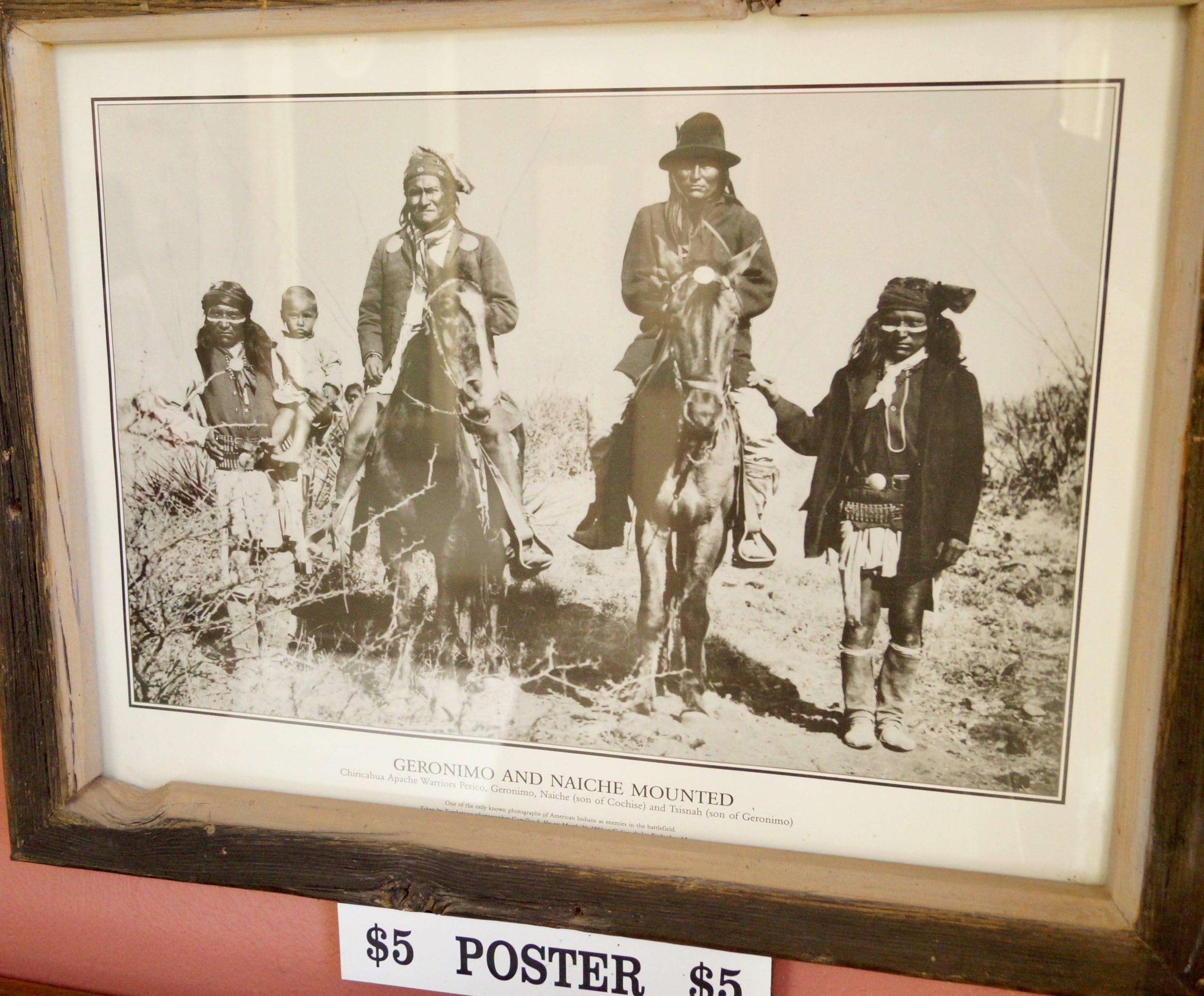
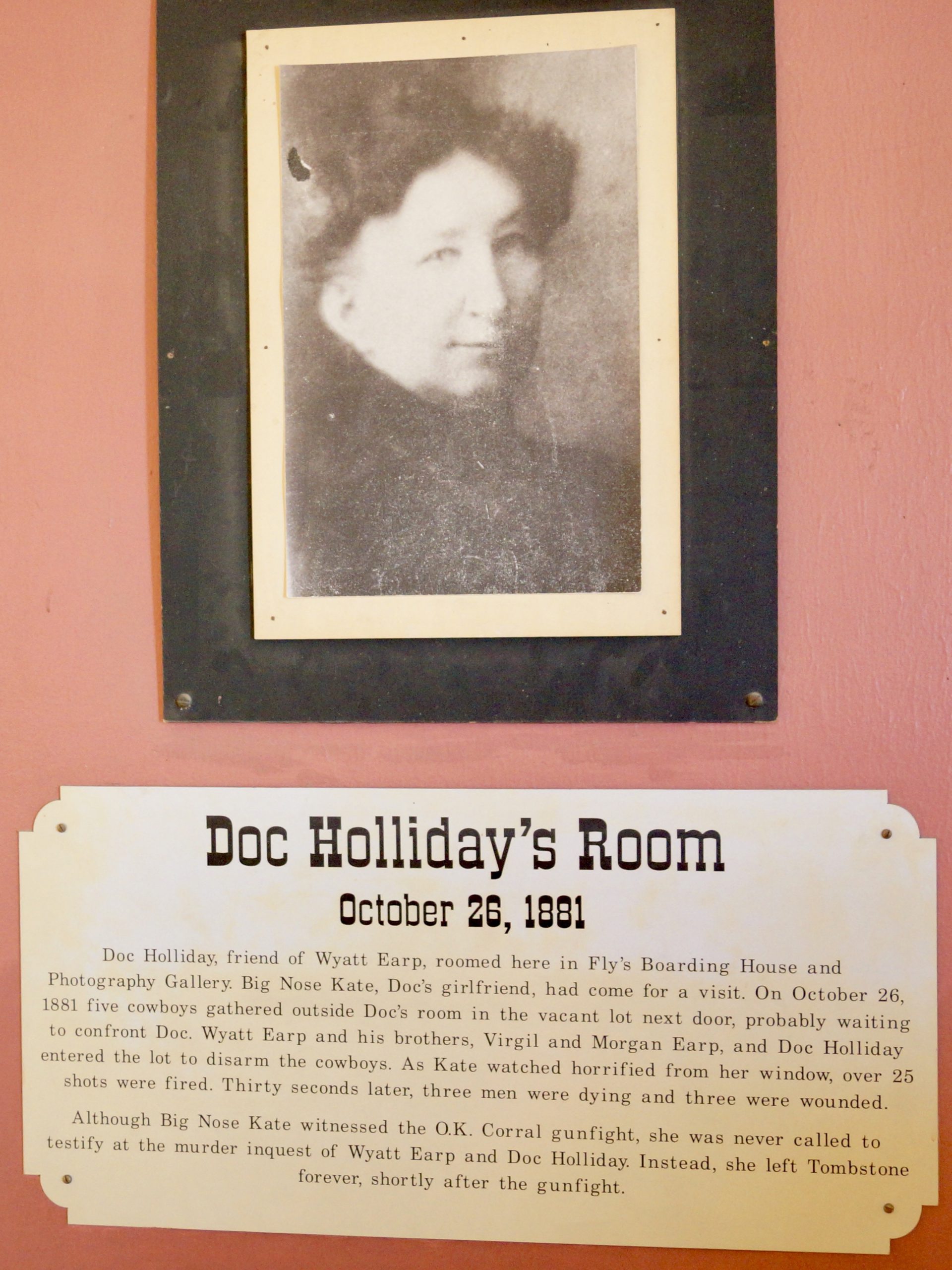
Doc Holliday, friend of Wyatt Earp, room here in Fly’s Boarding House and Photography Gallery.  Big Nose Kate, Doc’s girlfriend, had come for a visit.  On October 26, 1881 five cowboys gathered outside of Doc’s room in the vacant lot next door, probably waiting to confront Doc.  Wyatt Earp and his brothers, Virgil and Morgan Earp, and Doc Holliday entered the lot to disarm the cowboys.  As Kate watched horrified from her window, over 25 shots were fired.  Thirty seconds later, three men were dying and three men were wounded.

Although Big Nose Kate witnessed the O.K. corral gunfight, she was never called to testify at the murder inquest of Wyatt Earp and Doc Holliday.  Instead, she Tombstone forever, shortly after the gunfight.

Related Posts

Ryukyu Island Lacquer Tray Gift to the State Department

Dave

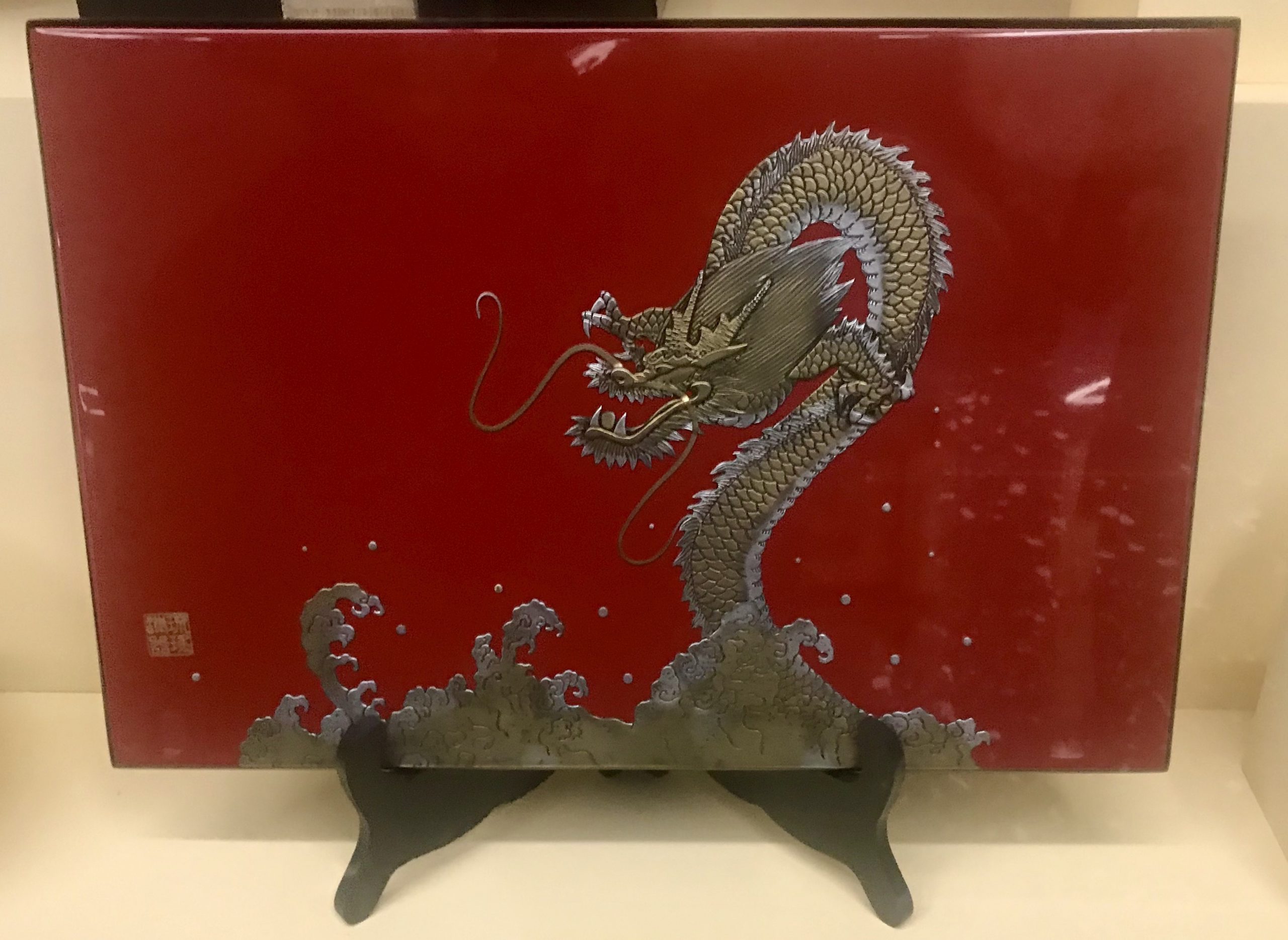
Diego tree wood, lacquer Okinawa, Ryukyu, Japan.

Arching above the choppy waves, the dragon on this tray emerges from his home, the ocean depths near the Ryukyu Islands. He seems fierce as he extends his three-clawed tiger paws at his side, but unlike the fire breathing terrors of European lore, this Asian dragon is benevolent and intelligent.

He is a symbol of identity for East Asian people, changing the number of claws (three for Japan, four for Korea, five for China) depending on his origins. In Japanese tradition, the dragon is a symbol of mystery and power.

Trade in lacquer ware dates back to the 1400s in Okinawa, where the climate is excellent for producing these valued articles.

Related Posts

Holsinger Meteorite

Dave

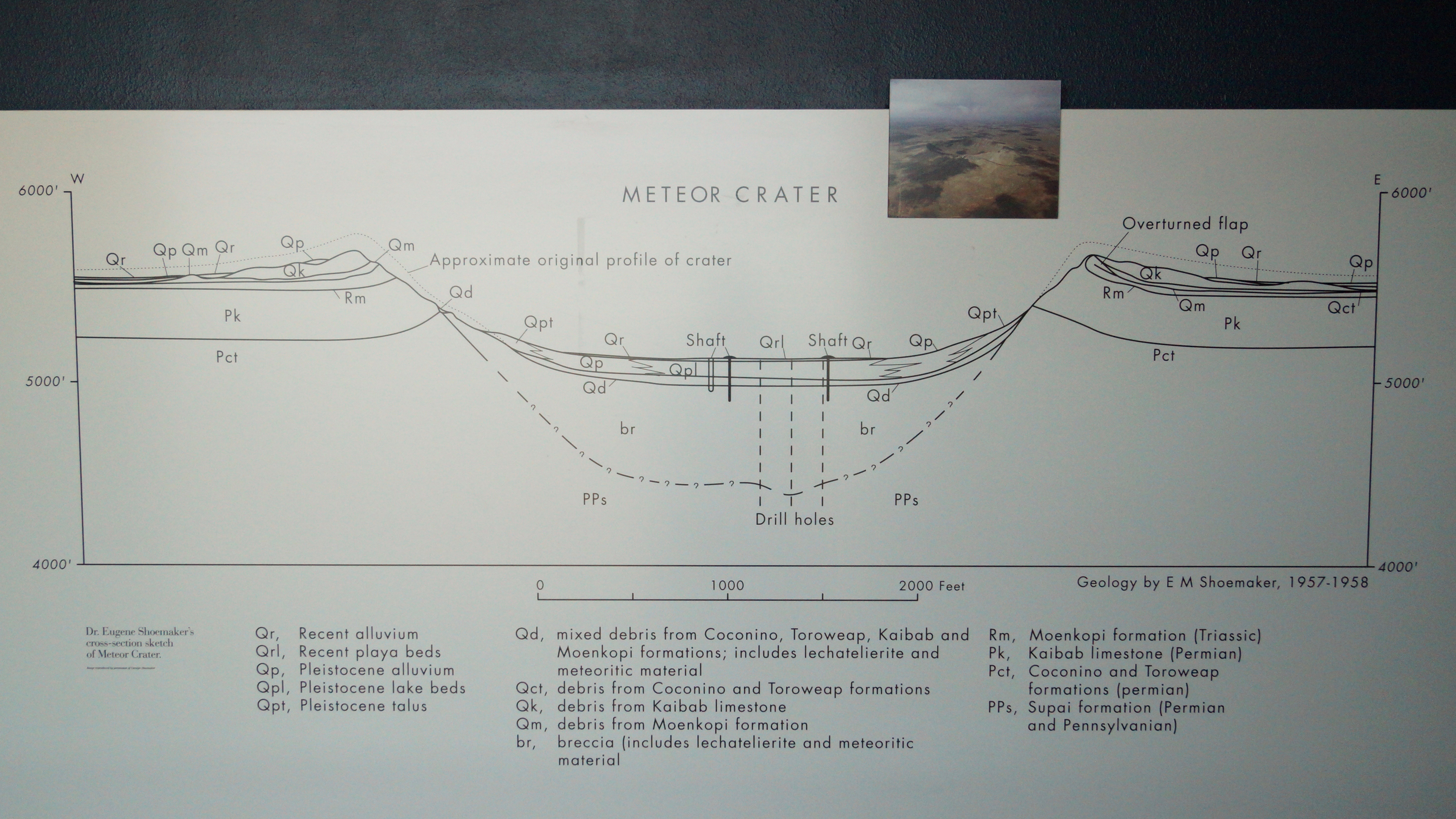
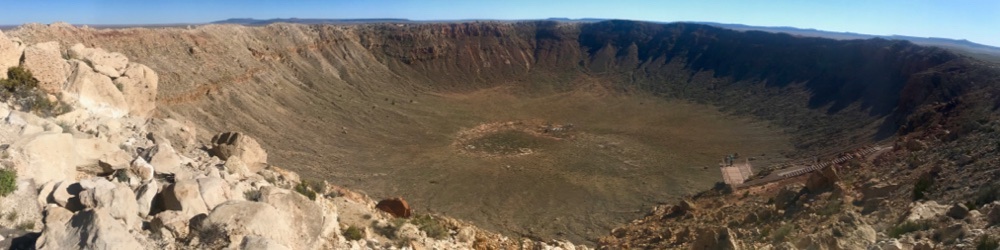
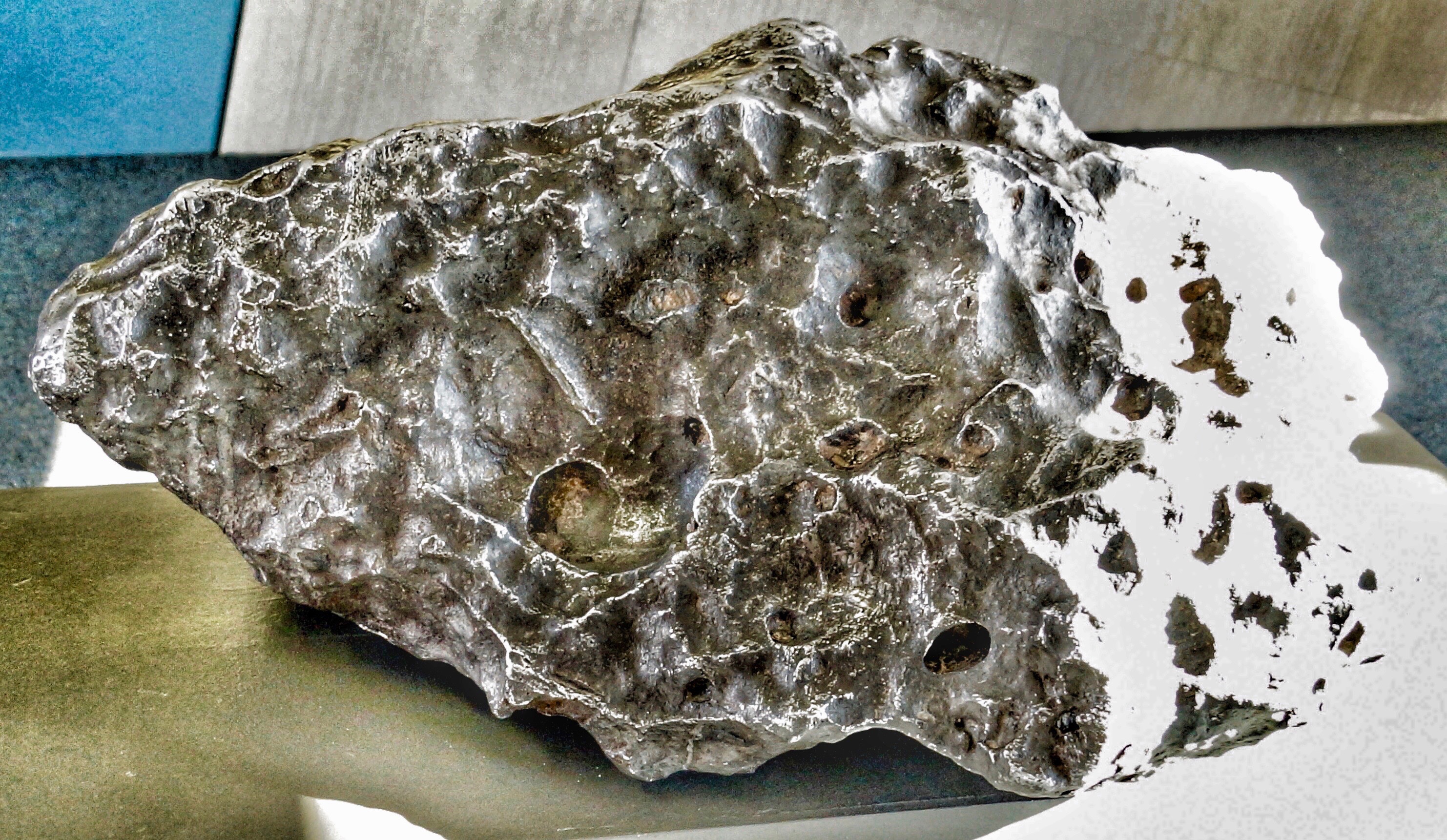
The Holsinger Meteorite stands as a vivid symbol of the interconnectedness between Earth’s geological narrative and the cosmic events shaping our solar system. Unearthed in 1911 from Arizona’s renowned Meteor Crater, or Barringer Crater, this formidable 639-kilogram specimen highlights the extraterrestrial nature of one of the planet’s most intact impact craters. It is named in honor of Samuel Holsinger, a pioneer who championed the crater’s study. This became evident when mining engineer Daniel Moreau Barringer accentuated its geological importance.

The crater itself, forged roughly 50,000 years ago by a high-speed nickel-iron meteorite, measures an impressive 1.2 kilometers across and is essential to the study of impact events. Detailed examinations of the Holsinger Meteorite have unveiled a distinctive crystalline design known as the Widmanstätten pattern. This intricate structure of interwoven kamacite and taenite suggests a gradual cooling period in the vacuum of space, providing scientists with essential insights into the solar system’s formation, estimated at around 4.5 billion years ago. Through isotopic analysis, researchers have refined our understanding of both planetary timelines and impact mechanics, deepening our knowledge of how craters form.

Displayed prominently at the Meteor Crater Visitor Center, the Holsinger Meteorite captivates public fascination with planetary science. Simultaneously, ongoing scientific inquiry into this celestial artifact assists experts in forecasting future impacts and devising enhanced planetary defense methods. Thus, the Holsinger Meteorite not only serves as a captivating symbol of cosmic grandeur but also fortifies our grasp of the celestial forces perpetually shaping Earth’s past, present, and future.

Related Posts