Category: Travel

Tried Peking Duck for the First Time

Dave


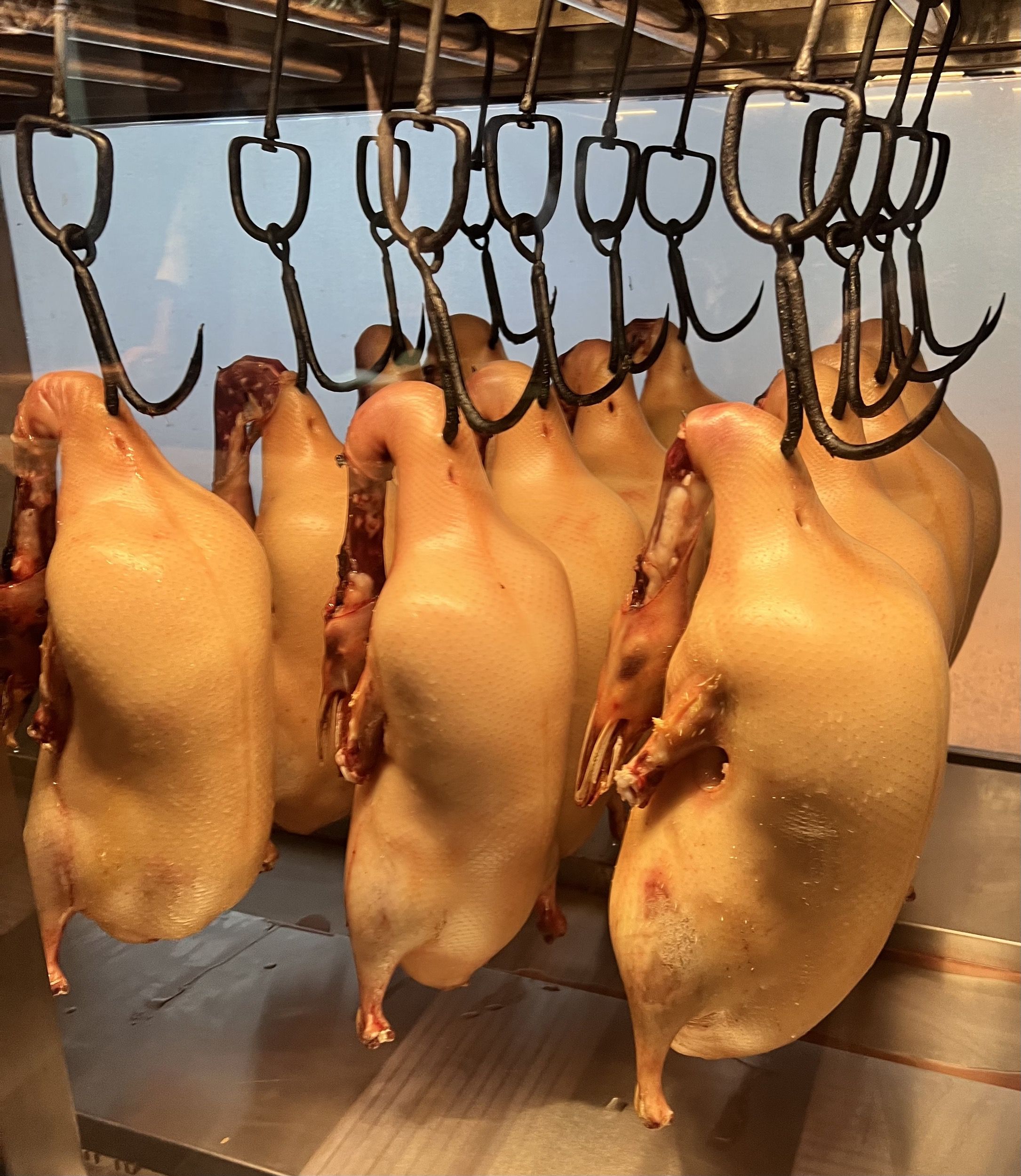
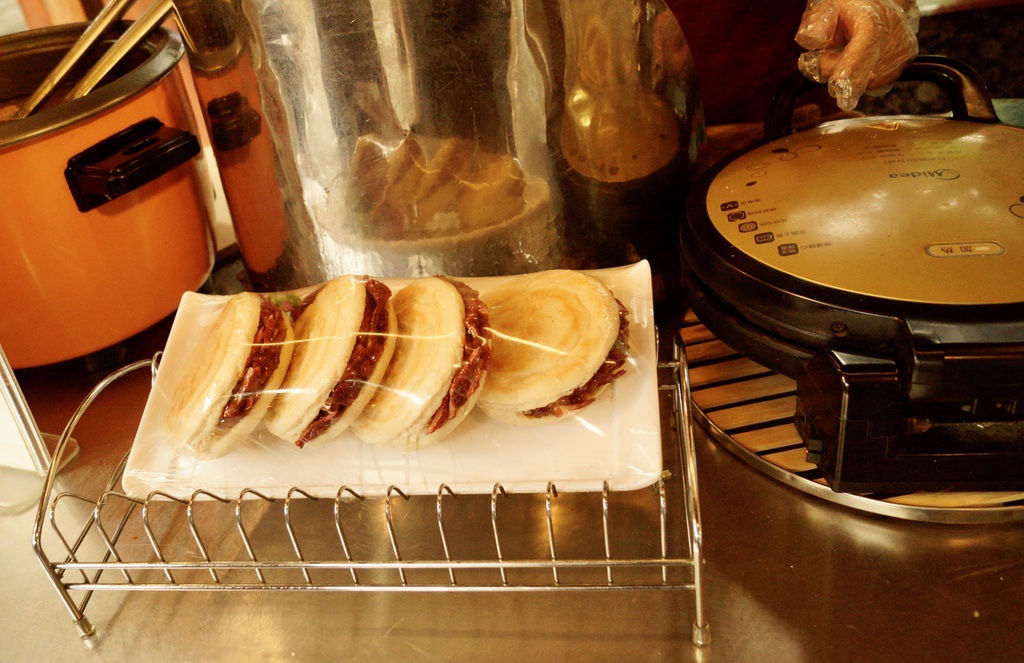
“When in Rome do as the Romans do,” as they say. While in Beijing I had to give Peking duck a try to experience the local cuisine. The food was delicious. It was a little bit greasy, but that’s due to fat on the duck. They gave you sauces and vegetables you can try and then they gave you little skins to wrap the duck in. This particular restaurant even made little duck sushi style and they had their own house sauce. They were like tasty little duck tacos.

Related Posts

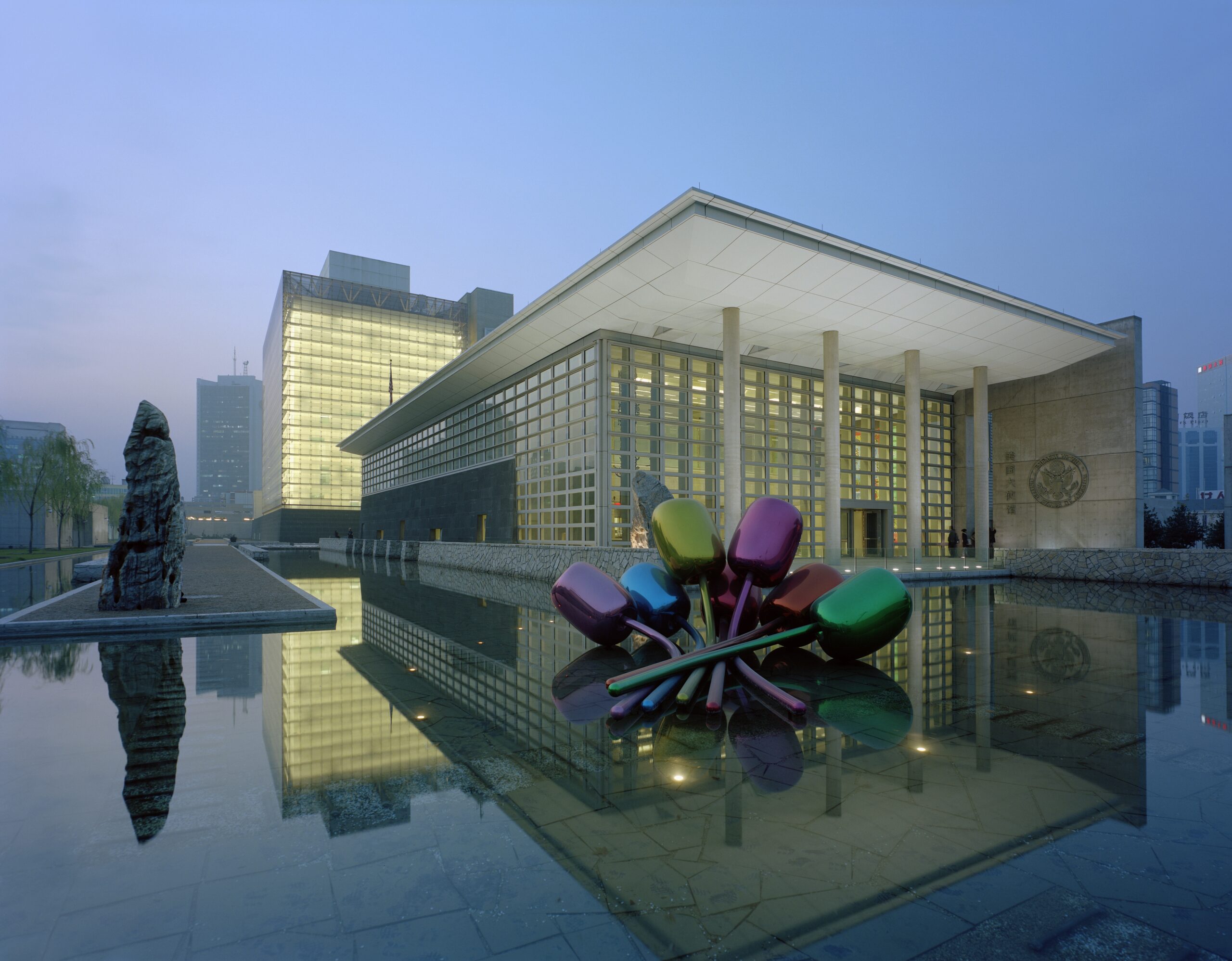
Diplomacy in the Dragon’s Den: The U.S. Embassy in Beijing, China

Dave

In the bustling heart of Beijing, where ancient traditions meet modern innovation, the U.S. Embassy stands as a symbol of the complex and ever-evolving relationship between the United States and China. This diplomatic mission, one of the largest and most significant in the world, plays a crucial role in navigating the intricate web of diplomacy, culture, and commerce that defines the ties between these two global giants.

The U.S. Embassy in Beijing serves as the nerve center for a wide range of activities that influence not just bilateral relations but global affairs. Here, American and Chinese officials engage in delicate negotiations on issues ranging from trade and cybersecurity to climate change and human rights. The embassy’s work is often challenging, as it seeks to find common ground in a relationship that is marked by both cooperation and competition.

Beyond the high-stakes diplomacy, the U.S. Embassy in Beijing is deeply involved in fostering cultural and educational exchanges that build bridges between the people of the United States and China. Through programs that promote language learning, study abroad opportunities, and artistic collaborations, the embassy helps to deepen mutual understanding and dispel stereotypes, showing that despite political differences, there is much that unites the two nations.

The embassy is also a lifeline for the thousands of U.S. citizens living and traveling in China, providing vital services such as passport renewals, visa assistance, and emergency support. In a country as vast and dynamic as China, the embassy’s role in ensuring the safety and well-being of American citizens cannot be overstated.

Economically, the embassy is a key player in supporting U.S. businesses in one of the world’s largest markets. By facilitating trade agreements, advocating for fair business practices, and helping American companies navigate the complexities of the Chinese market, the embassy contributes to the economic ties that are a cornerstone of the U.S.-China relationship.

The U.S. Embassy in Beijing is more than just a diplomatic outpost; it’s a critical platform for dialogue, exchange, and cooperation between two nations whose actions and policies have far-reaching implications for the world. Through its efforts, the embassy helps to manage one of the most important and challenging relationships of our time, striving to ensure that the future of U.S.-China relations is one of stability, mutual respect, and shared progress.

Related Posts

Chinese War Training Personnel

Dave


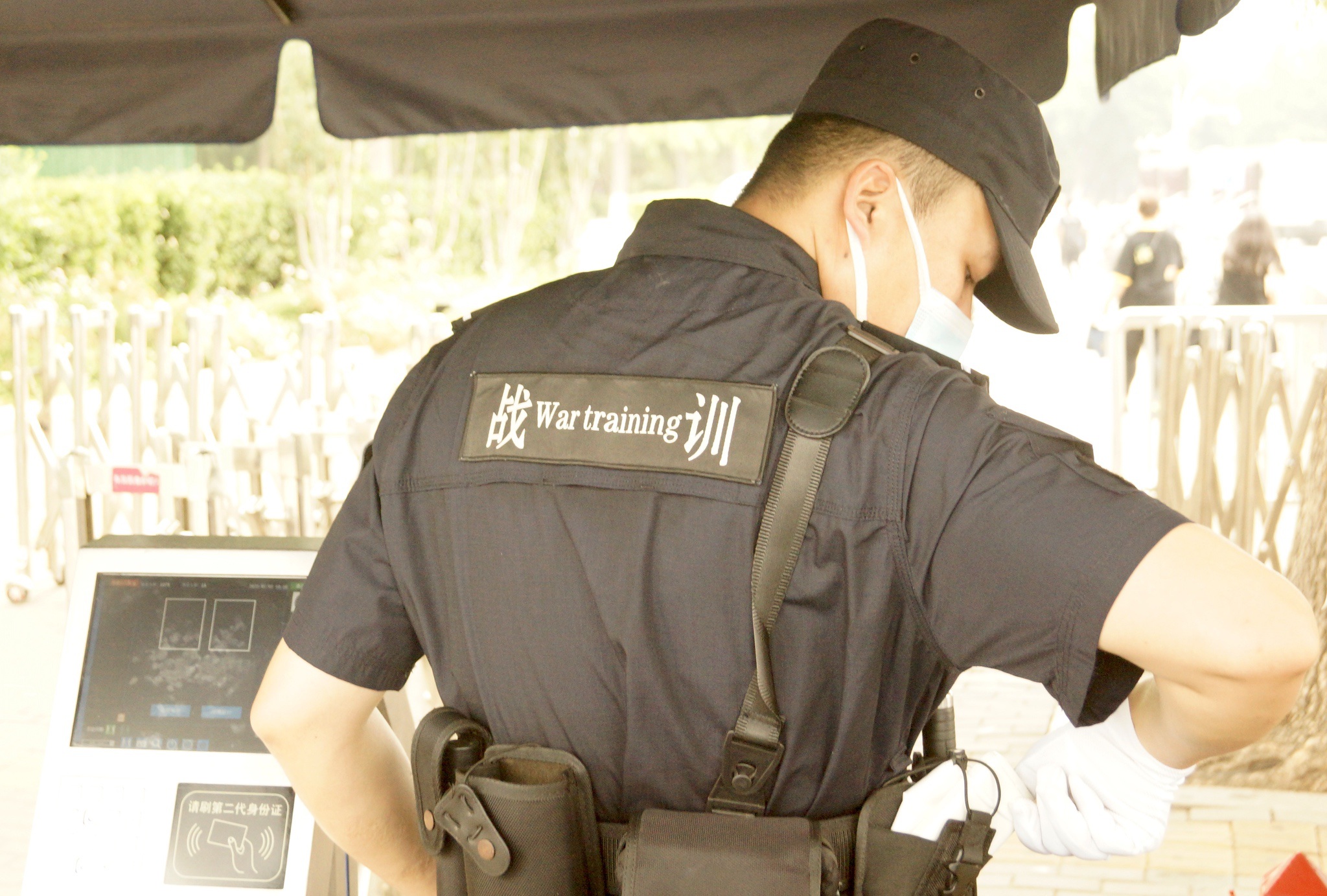
As I was walking around and trying to get some photos at Tiananmen Square I, being a foreigner, was stopped by every security guard, policeman, volunteer security, and any other random security person. Obviously I don’t look asian and when they saw me coming I would get my documents ready because they were going to be asking for it. When they were checking my documents I saw this person with War Training on his back so I took a photo. Does the war training mean he is a military personnel or is he specially trained for specific situations? It certainly gave me pause because during this time of COVID and China has the country locked down where there aren’t many foreigners in the country at all, why is security for this specific tourist location so tight and only tight for foreigners. Security wasn’t tight at all for anyone who looked asian.

Related Posts

Tiananmen Square

Dave


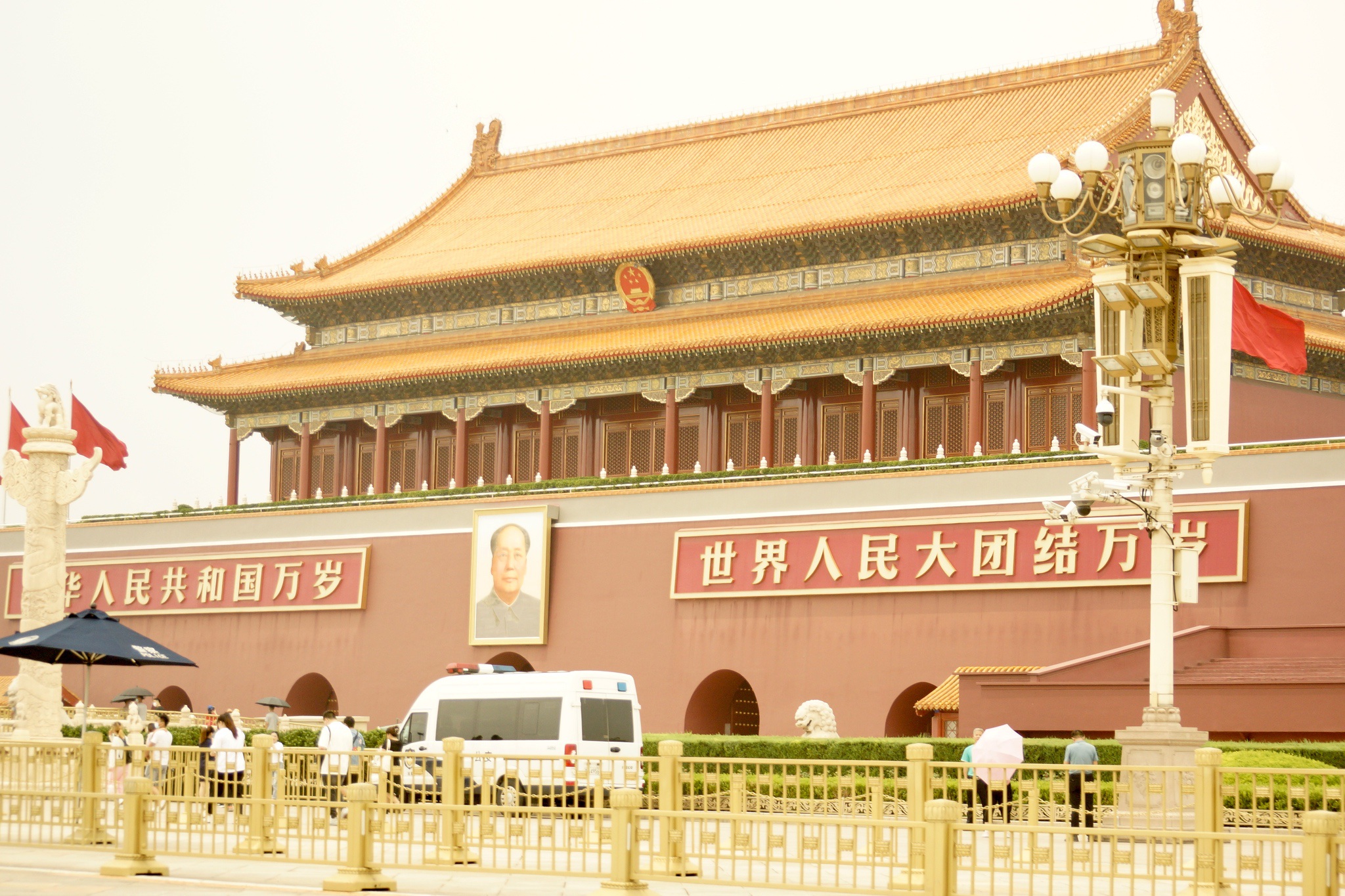
I finally made it to Tiananmen Square in the heart of Beijing and at a time when the rest of the world is opening up, China has things locked down. This was as close as I could get and these are the clearest photos. That is due to all the security, umbrellas, vehicles and everything else they put in the way. What is really silly, stupid, insane, choose your preferred adjective, is that they have the whole street blocked off and you must first register on a website for a reservation number to go stand outdoors in order to take photos, where it couldn’t be better ventilated, to protect against COVID, somehow that registration number makes you healthy and safe.

Related Posts

The Mausoleum of Mao Zedong

Dave


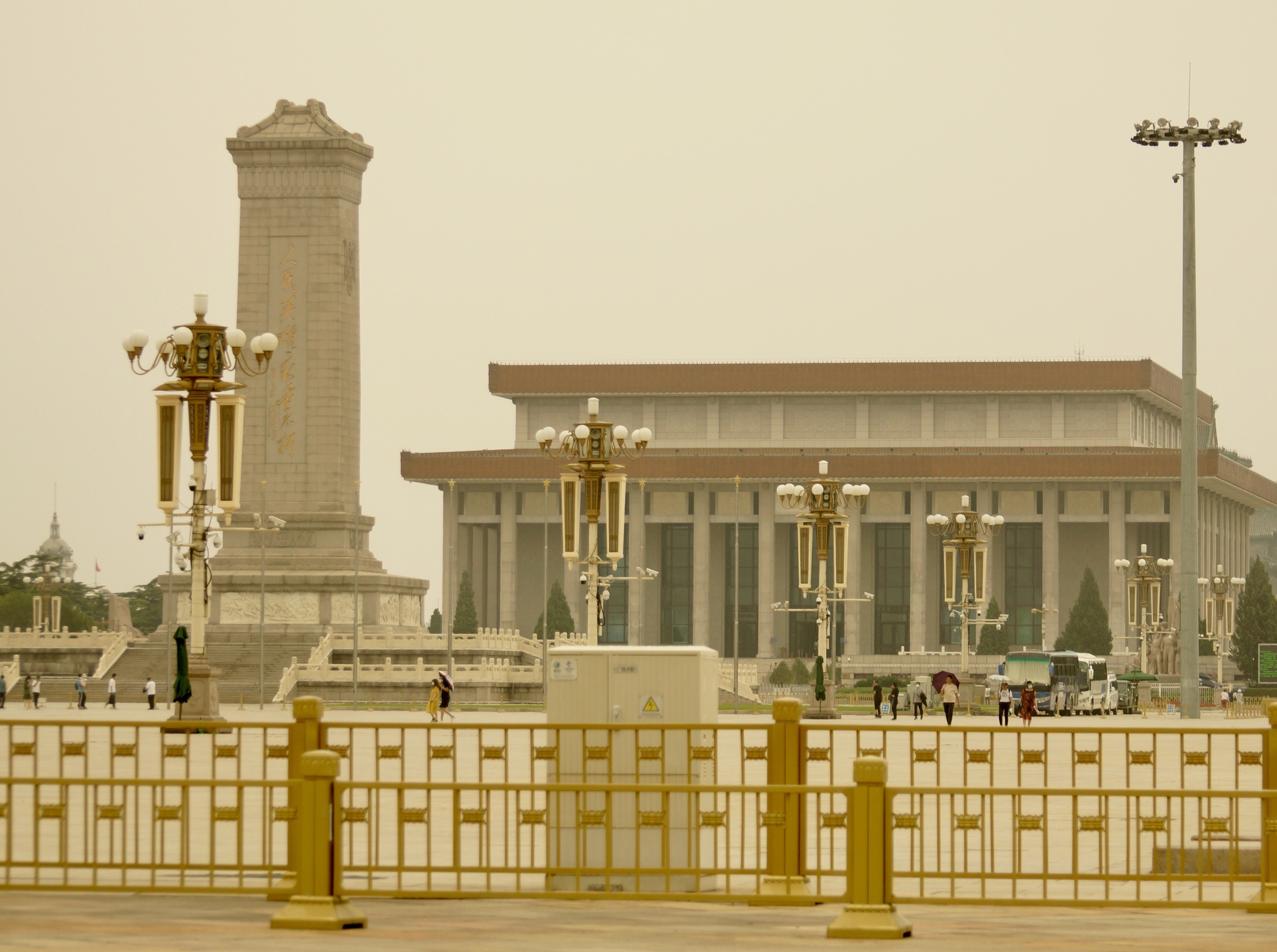
Across the street from Tiananmen Square is the Mausoleum of Mao Zedong. This chapter is straight out of the dictatorship playbook to put a leader’s body to rest in a mausoleum. Mao was the leader of the Chinese Communist Party from 1935 until his death in 1976. He was part of the movement to abandon of Western liberalism for Marxism and Leninism as the answer to China’s problems and the founding of the Chinese Communist Party in 1921.

Related Posts

Zhenyangmen was once the South Gate to Beijing’s Inner City

Dave


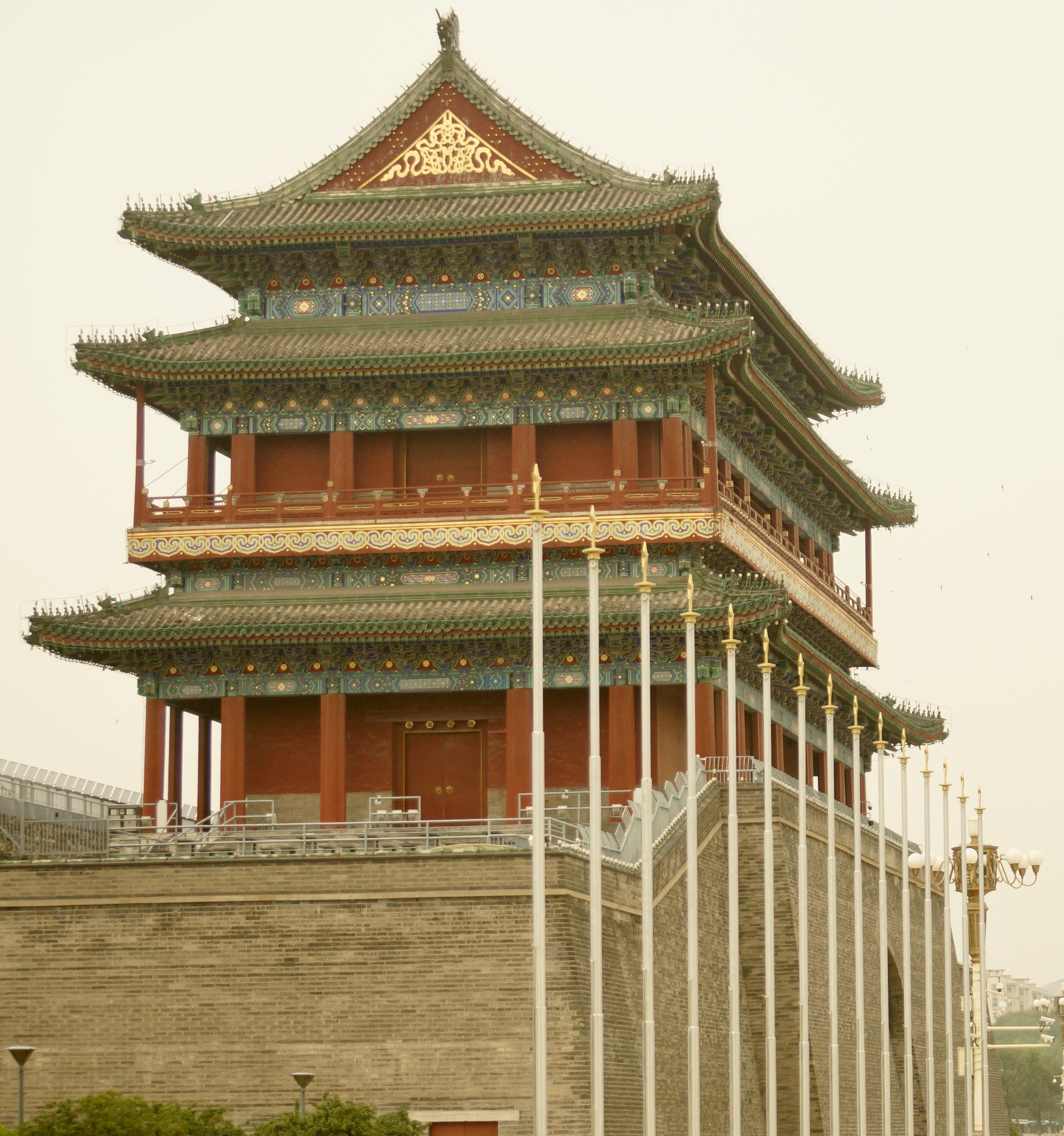
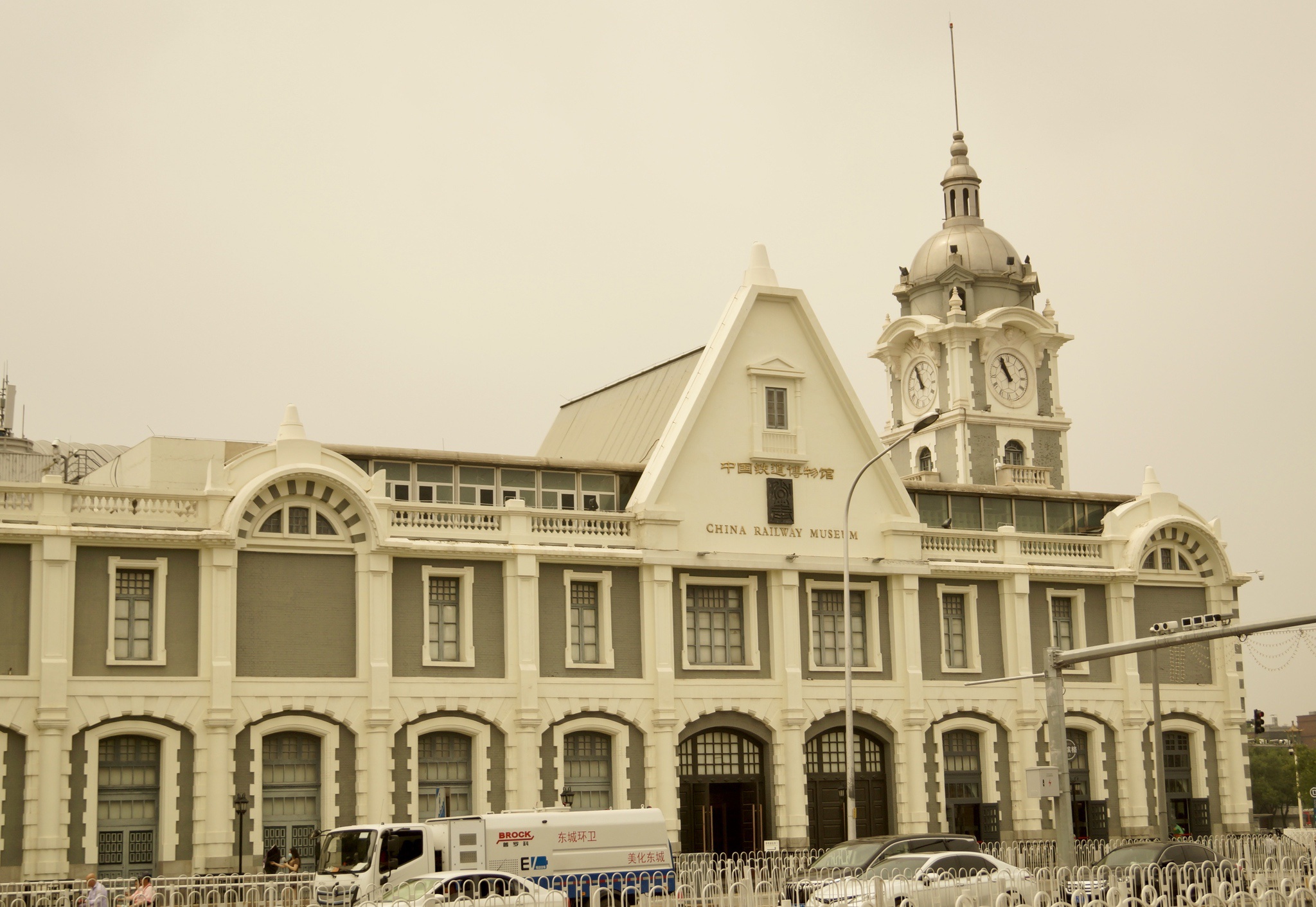
Built in 1419 during the Ming Dynasty Zhenyangmen was once the south gate to Beijing’s Inner City. Now it’s just a tourist attraction that is near Tiananmen Square. The first photo is looking from the China Railway Museum and when looking from the left to the right you see Zhenyangmen, the Mausoleum of Mao Zedong, and the Monument to the People’s Heroes.

Related Posts

Statue of Xuanzang in front of Giant Wild Goose Pagoda

Dave


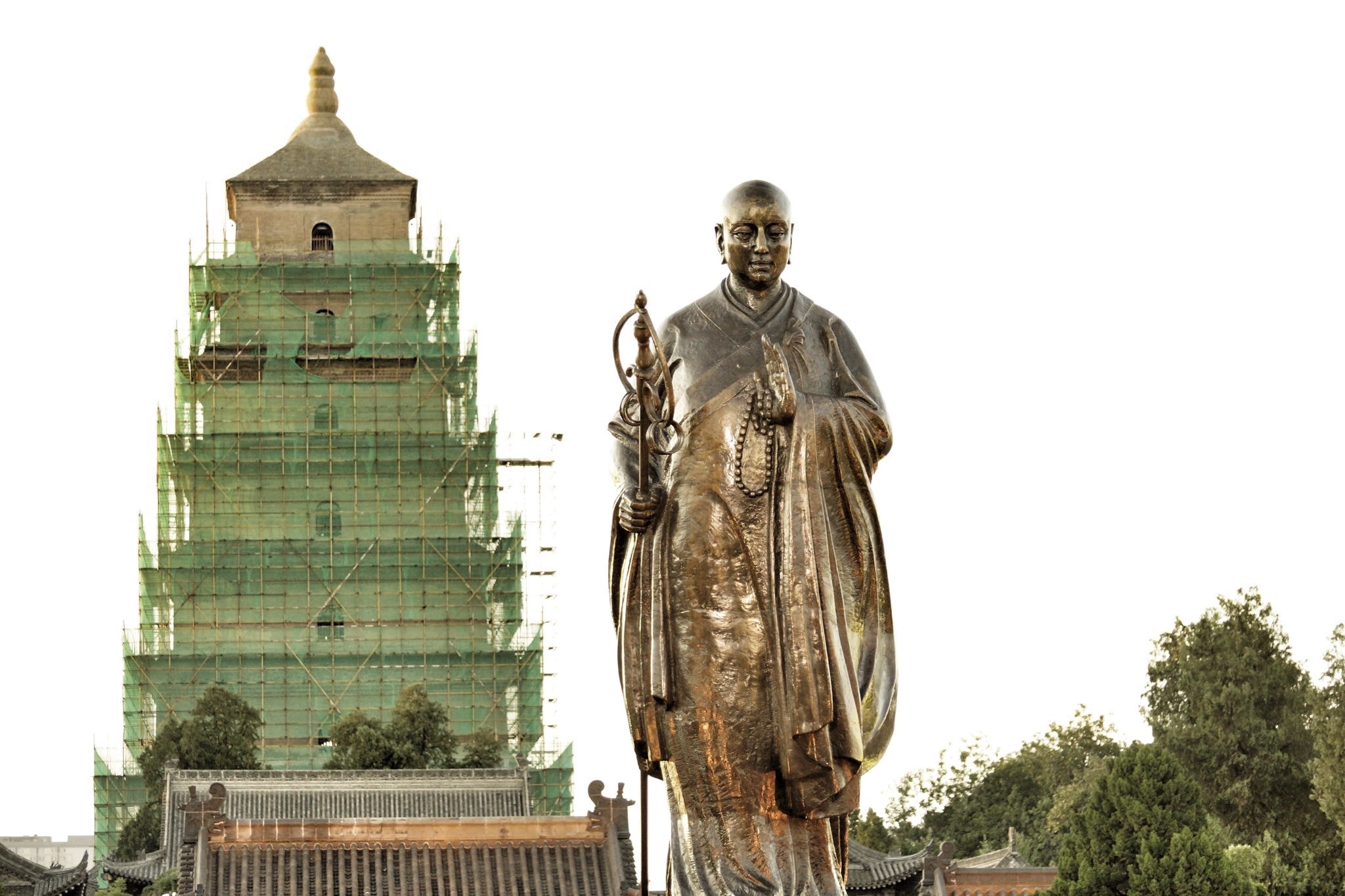
Xuanzang was a buddhist monk that traveled from China to India to learn about Buddhism and he brought back and translated many buddhist teachings during the time of 629-645 of the current era. Here is a photo of the statue of Xuanzang in Xi’an, China in front of the Wild Goose Pagoda.

Related Posts