

Went to 1600 Pennsylvania Avenue today to take a look at the White House. Here are some photos I took while there.

After checking out the White House I happened to notice the National Christmas tree looks like it lost its Christmas spirit.
Category: Photos
Too Much Monday Morning Excitement
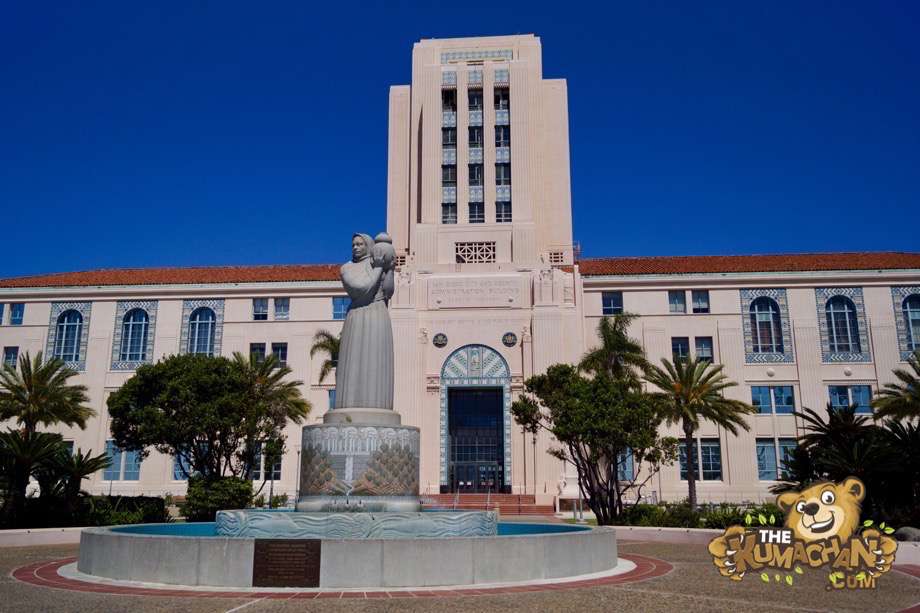
San Diego Administration Center
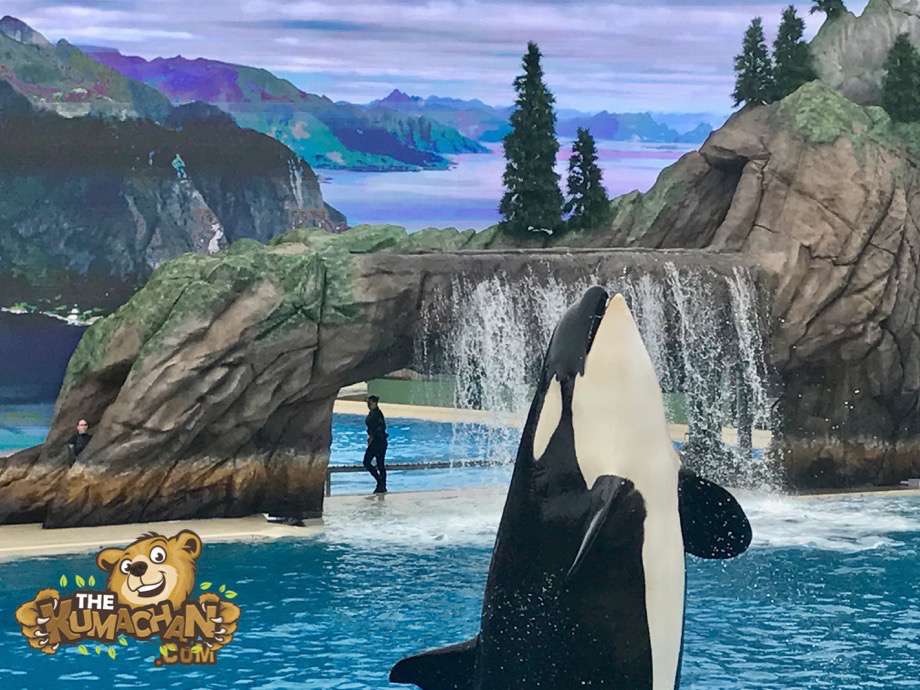
Orca Encounter Sea World San Diego


I went to the Orca Encounter show at Sea World in San Diego, California. The show has been changed as PETA (People for the Ethical Treatment of Animals) has protested Sea World numerous times and also the movie Black Fish has portrayed Sea World in a negative light. For me Sea World is doing nothing different than any zoo around the world is doing, except that Sea World works hard to help rehabilitate many animals in the wild. I have personally seen Sea World get called down to the local beach to where they captured an injured harbor seal and take it to fix it and then release it back into the wild. Sea World changed their show to be more friendly to the killer whales by showing behaviors that they would normally do in the wild. They showed characteristics of the orcas, hunting techniques, and even the size difference between and orca and a blue whale. Sea World also showed how they care for the orcas. It was certainly a good show and worth the chance to go visit.
After the show I walked back to the orca tank and to my surprise there was an orca that appeared to be sleeping. I talked with the Sea World trainer and she informed me that this particular orca seemed to enjoy sleeping while the others would swim around and learn from each other. The trainer also told me that orca’s can sleep while they are swimming. They do that by shutting down 1/2 of their brain. Even though this orca looks like it shut down 100% of it’s brain, it was pretty amazing to hear.
Related Posts
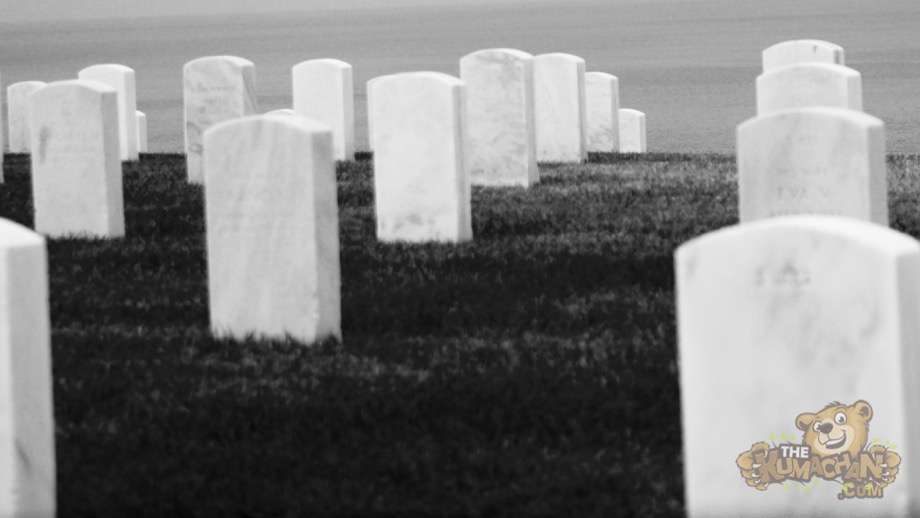
Memorial Day 2017

It takes a special kind of person to raise their hand and swear an oath to uphold the ideals that we believe in. Unfortunately some pay the ultimate price and never make it home. Please take time to remember those who have fallen while serving in line of duty and loved ones that are gone. Honor life by remembering those who are gone.
Related Posts
Where Freedom Takes Flight: A Moment on the Waters of Coronado


The boat cut slowly across the calm blue waters of San Diego Bay, its wake tracing pale ripples that glimmered under the late-morning sun. The air smelled of salt and diesel and faintly of kelp — that familiar perfume of the Pacific. Ahead, the skyline of downtown San Diego stood like a jagged reflection of glass and steel, but my eyes were drawn instead toward the expanse of Coronado. As we neared the northern tip of the island, a collection of massive hangars and long, flat runways came into view. Naval Air Station North Island — the birthplace of naval aviation.
It’s a place I’d heard about for years, but seeing it from the water was something entirely different. There was no fence between me and the sight this time, no sense of being an outsider peering through a gate. Just open sea and open sky, and the quiet, steady rhythm of the boat’s motor beneath my feet.
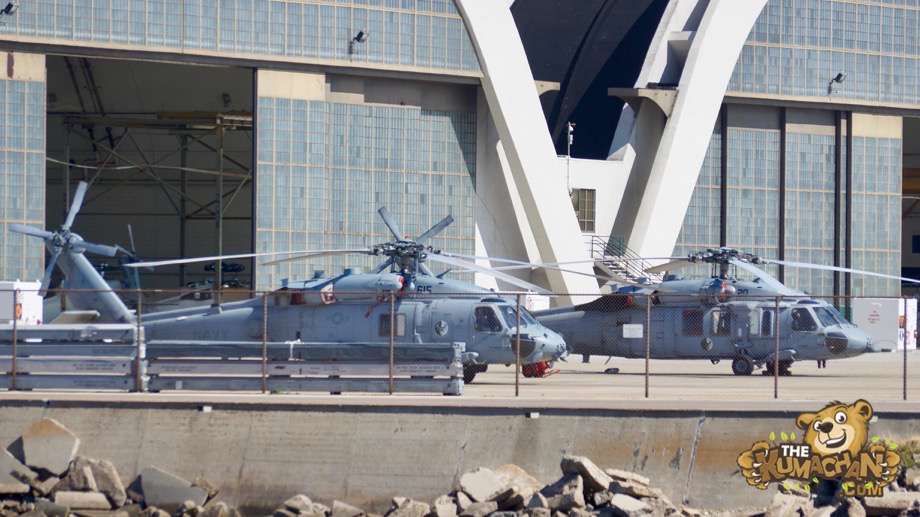
As we passed closer, the hum of distant machinery carried faintly over the water. On the flight line, rows of Navy helicopters sat gleaming under the sun — their rotors still, their matte gray bodies marked with numbers and insignias that caught the light like silver scars. Even from the distance of the bay, they seemed alive. A few figures moved around them, mechanics in tan coveralls and cranials — small, precise motions that hinted at the immense complexity behind each of those machines.
It’s hard to describe the feeling that moment brought. From the deck of the boat, the world seemed peaceful — the sea calm, the wind gentle — and yet there was something quietly electric about that view. Those helicopters, even resting, carried an aura of readiness. You could almost feel the stored energy within them, as if they were holding their breath, waiting for the next mission call that would send them roaring into the sky.
Someone on the boat pointed and said, “Those are the birds the SEALs use.” I nodded, though I already suspected as much. The MH-60s lined up on the tarmac weren’t just any helicopters — they were purpose-built for operations that most of us will never fully understand. Seeing them there, so close, I couldn’t help but imagine where they’d been. Maybe some had flown over the mountains of Afghanistan, or skimmed the surface of black water in the dead of night. Maybe one had carried men who’d rescued hostages, intercepted smugglers, or carried out operations that would never be acknowledged publicly.
It’s a humbling thing to realize that some of the quietest, most unassuming corners of the world — like this sunny stretch of California coast — serve as the launching points for acts of courage that echo globally.
The boat drifted slightly as the captain throttled down, giving us a slower, closer pass. The sound of gulls mingled with the distant whir of an engine test somewhere on the base. Every now and then, a flash of movement caught my eye — a helicopter door sliding open, a technician crouched beneath a rotor head, a spark of light as someone welded or tightened something with a tool. It was the language of readiness, spoken without words.
I found myself wondering what it must feel like to be part of that rhythm — to work there, to live in a world where every sound, every task, every routine moment connects somehow to something far larger. Maybe one of those aircraft was being prepped for a training run with the Navy SEALs. Maybe it would later deliver supplies to a carrier or perform a rescue off the coast. The possibilities were endless, and the thought filled me with a mix of curiosity and admiration.
Could one of those be the same type of helicopter that carried SEAL Team 6 to Abbottabad to find Osama bin Laden? The question surfaced almost involuntarily, born of the quiet awe that the sight inspired. I remembered watching the news that night in 2011 — the world learning of a mission completed flawlessly, of justice carried out in the shadows. It felt surreal to think that the machines responsible for such history might now be resting just yards away, their engines silent, their crews going about another ordinary day on base.
The waves rocked the boat gently as I leaned against the railing, trying to imagine those same aircraft in motion — rotors spinning, engines screaming, shadows streaking across moonlit terrain. In those moments, I felt both small and connected — aware of how vast the machinery of defense truly is, and how it stretches quietly beyond the horizon of civilian life.
From this vantage, North Island looked like a living paradox. On one side of the base, sailors and pilots worked methodically around aircraft capable of both destruction and salvation. On the other, beachgoers strolled along Coronado’s golden sand, kids building castles just a mile away from machines built for war. The contrast was stunning — and deeply human.
As we continued along the shoreline, the boat angled closer. I could see the insignia of the “Eightballers” and “Seahawks” squadrons painted proudly on the helicopters. These weren’t just machines; they were extensions of a tradition more than a century old. North Island has been home to naval aviation since 1911 — when men like Glenn Curtiss and Eugene Ely were experimenting with the impossible dream of landing airplanes on ships. From those fragile beginnings of fabric and wood came generations of aviators who took to the sky from carriers that today roam the world’s oceans.
During World War II, this very base became a lifeline for the Pacific fleet. Thousands of pilots trained here before heading into the uncertainty of combat. They practiced takeoffs and landings on makeshift carrier decks, rehearsing maneuvers that would mean the difference between life and death. Many never returned, but their legacy lived on — etched into the DNA of every aviator who passed through North Island after them.
As I watched the modern descendants of those aircraft — sleek, gray, and bristling with technology — I realized that the spirit of those early pilots still lingered here. You could feel it in the stillness of the airfield, in the way every movement seemed deliberate, disciplined, focused.
A helicopter engine started up in the distance, and that familiar, bone-deep sound rolled across the water like thunder. The rotor blades began to move, slow at first, then faster, until they blurred into a shimmering halo. The reflection of the spinning blades danced across the bay, fractured by the ripples from our boat. I felt the vibration before I even heard the full roar — a physical presence, the sound of power awakening.
Watching it lift was mesmerizing. The downdraft scattered a plume of dust and sea mist, and for a heartbeat, it seemed suspended — weightless, almost graceful. Then, with a tilt of its nose and a surge of thrust, it climbed toward the open Pacific, disappearing into the glare of sunlight.
Everyone on the boat fell silent. There’s a kind of reverence that moments like that inspire — not just for the machine, but for the people behind it. Somewhere inside that helicopter, a crew was focused entirely on the task at hand, trusting each other completely, trained for every contingency. It’s a trust born from countless hours of maintenance, coordination, and shared discipline.
I thought of the sailors on the ground — the mechanics tightening bolts, the officers running checklists, the fuelers working in the heat to make sure that everything functions perfectly. Their work rarely gets celebrated, yet without them, nothing flies. There’s a quiet nobility in that — the understanding that heroism doesn’t always happen in a flash of glory; sometimes it’s in the repetitive, meticulous care that keeps others alive.
The boat began to pick up speed again, and the base started to fade from view. From this distance, the helicopters looked almost like toys lined neatly on a shelf. But I knew better now. Each one represented an enormous web of effort — designers, engineers, pilots, families, and centuries of collective innovation all converging into a single moment of flight.
As we glided toward the open bay, I looked back over my shoulder one last time. The sun was beginning its descent toward the horizon, casting the entire base in warm, golden light. The hangars glowed faintly, and the sea mirrored the sky in molten hues. For a brief second, everything looked peaceful, almost poetic — a place of calm that existed precisely because of the vigilance that never rested there.
I thought about the men and women who call North Island home — not just the elite SEALs or the pilots, but everyone who keeps the gears turning quietly behind the scenes. Their lives are bound to that flight line, to those helicopters, to missions that will never make headlines. And as the boat rocked gently under my feet, I felt a deep sense of gratitude — not the loud kind, but the kind that settles in your chest and stays there.
It struck me that freedom isn’t always about grand gestures or dramatic battles. Sometimes, it’s about maintenance logs, flight checks, readiness drills — about ordinary people doing extraordinary things so the rest of us can drift peacefully through the bay, enjoying the sunshine without fear.
The last image I saw as we turned back toward port was a helicopter hovering just above the runway, its silhouette framed perfectly by the fading light. It looked timeless — part machine, part myth, suspended between sky and sea. And in that moment, I realized something simple but profound: there are few sights more powerful than peace sustained by quiet vigilance.
As the shoreline of San Diego drew closer and the hum of the base faded behind me, I felt the kind of respect that words can barely hold. The people on that island — the pilots, the crew, the dreamers who built it all — were carrying the weight of a legacy that stretches far beyond any one mission or one lifetime.
And as our boat sliced gently through the golden reflection of the setting sun, I knew I’d remember that view — those helicopters resting on the edge of the Pacific, waiting, ready — as one of the most quietly powerful scenes I had ever witnessed.
Related Posts
Political Dumb and Dumber

Kim Jong Un had no military experience whatsoever before Daddy made him a four-star general. This snot-nosed twerp had never accomplished anything in his life that would even come close to military leadership. He hadn’t even so much as led a Cub Scout troop, coached a sports team, or commanded a military platoon. So he is made the “Beloved Leader” of North Korea. Oh nuts!

The United States did the same thing. We took an arrogant phony community organizer, who had never worn a uniform, never ran so much as an ice-cream stand, and made him Commander-in-Chief. A guy, who had never had a real job, worked on a budget, or led anything more than an ACORN demonstration, and we made him “Beloved Leader” of the United States – Twice!
So if you think North Koreans are stupid…think about that.
Related Posts
Sights Around the Venetian Hotel in Las Vegas
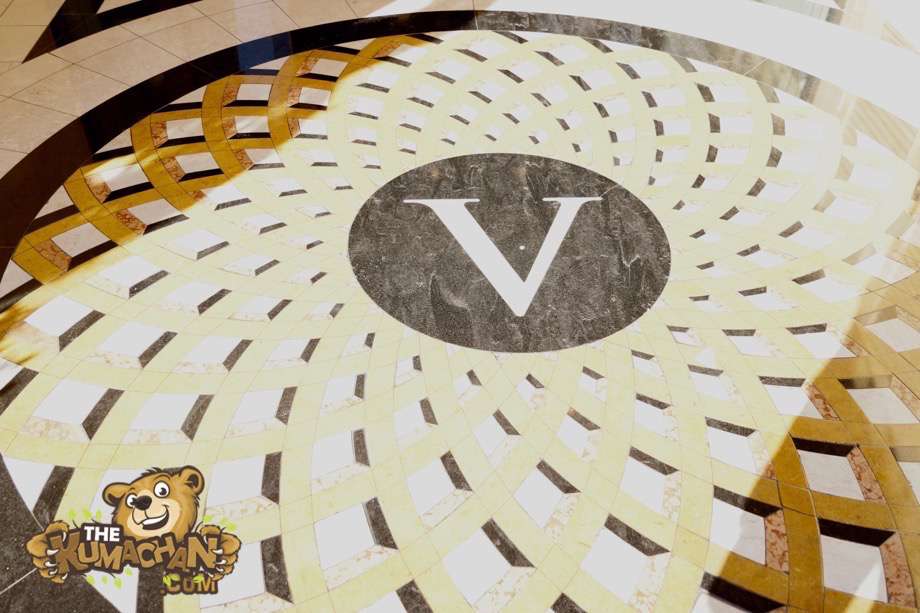
Here are some sights that can be seen around the Venetian Hotel in Las Vegas, Nevada.
Related Posts
Cali Comfort BBQ


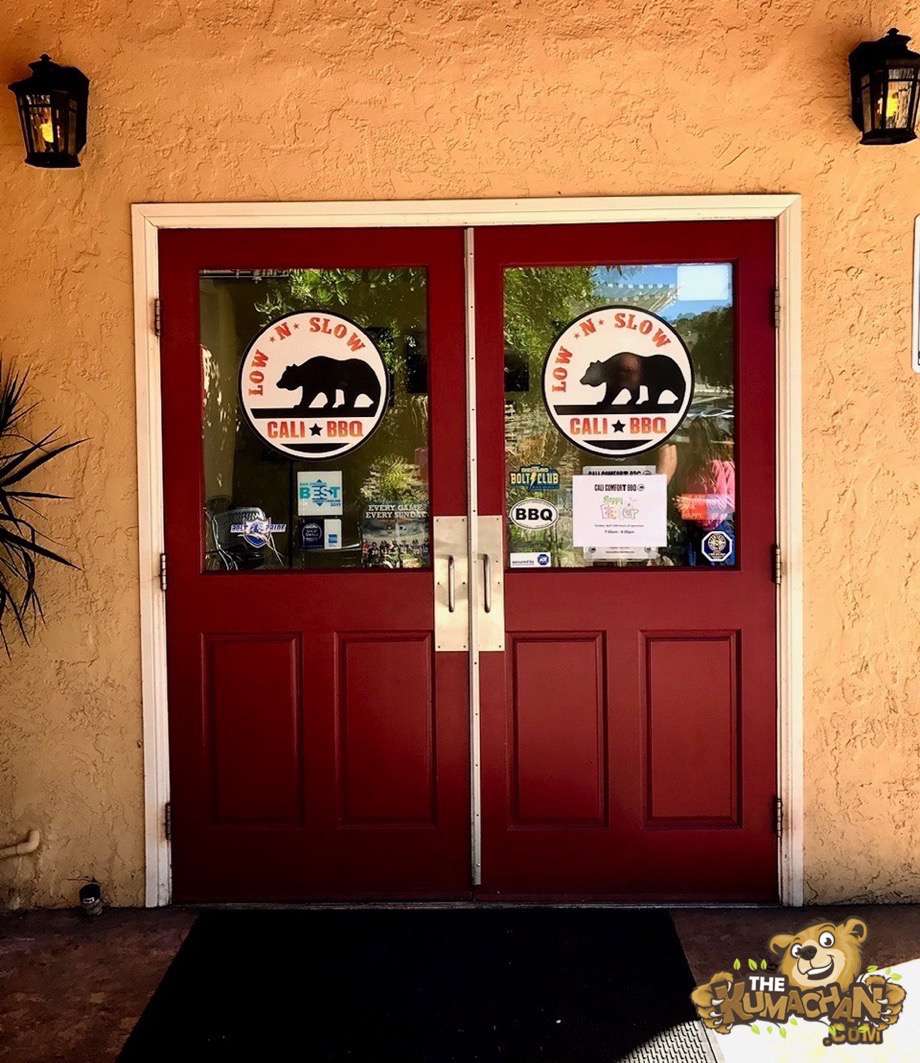
This weekend I went to La Mesa to and ate some Cali Comfort BBQ. It was a local joint with a sports bar feel to it. Here in the photos you can see Tri-tip, brisket, pulled pork sandwich, french fries, onion rings, and some pink and regular lemonade. The BBQ sauce was good and the staff was friendly. Here are some photos of the food and drinks.
Related Posts
Trump Hotel Las Vegas
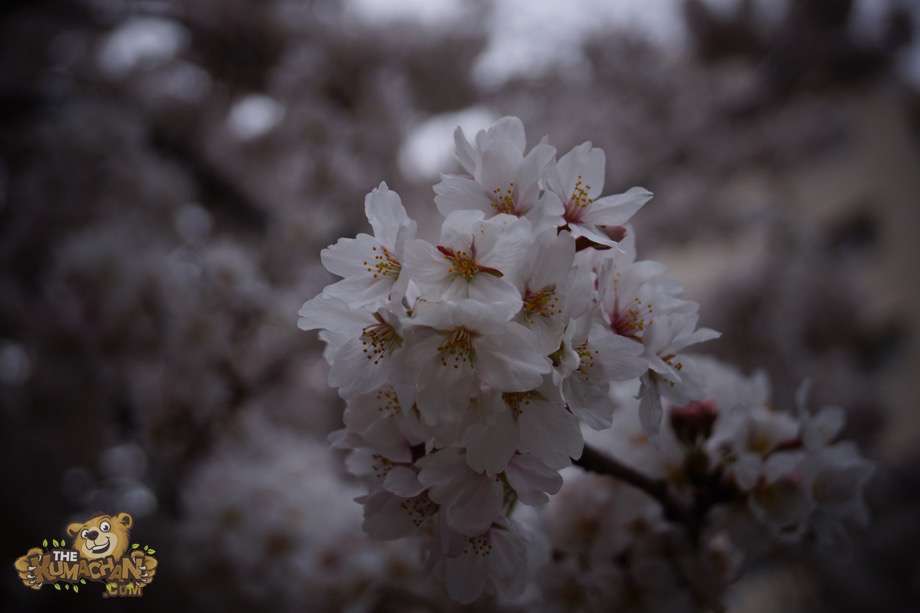
Cherry Blossoms in Japan
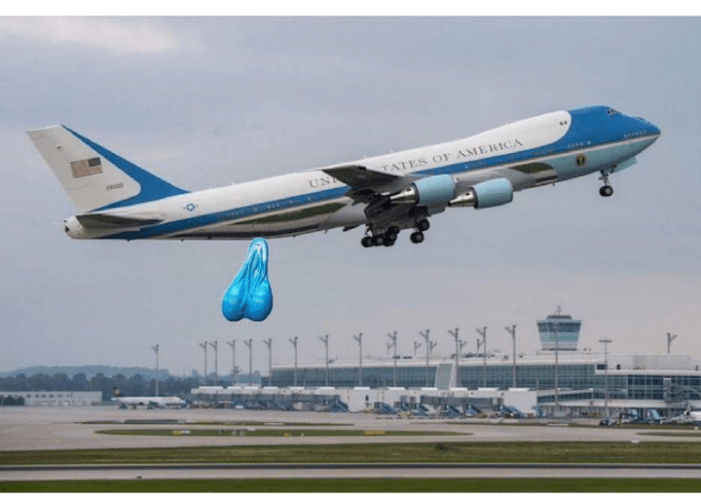
Air Force One’s New Ornament
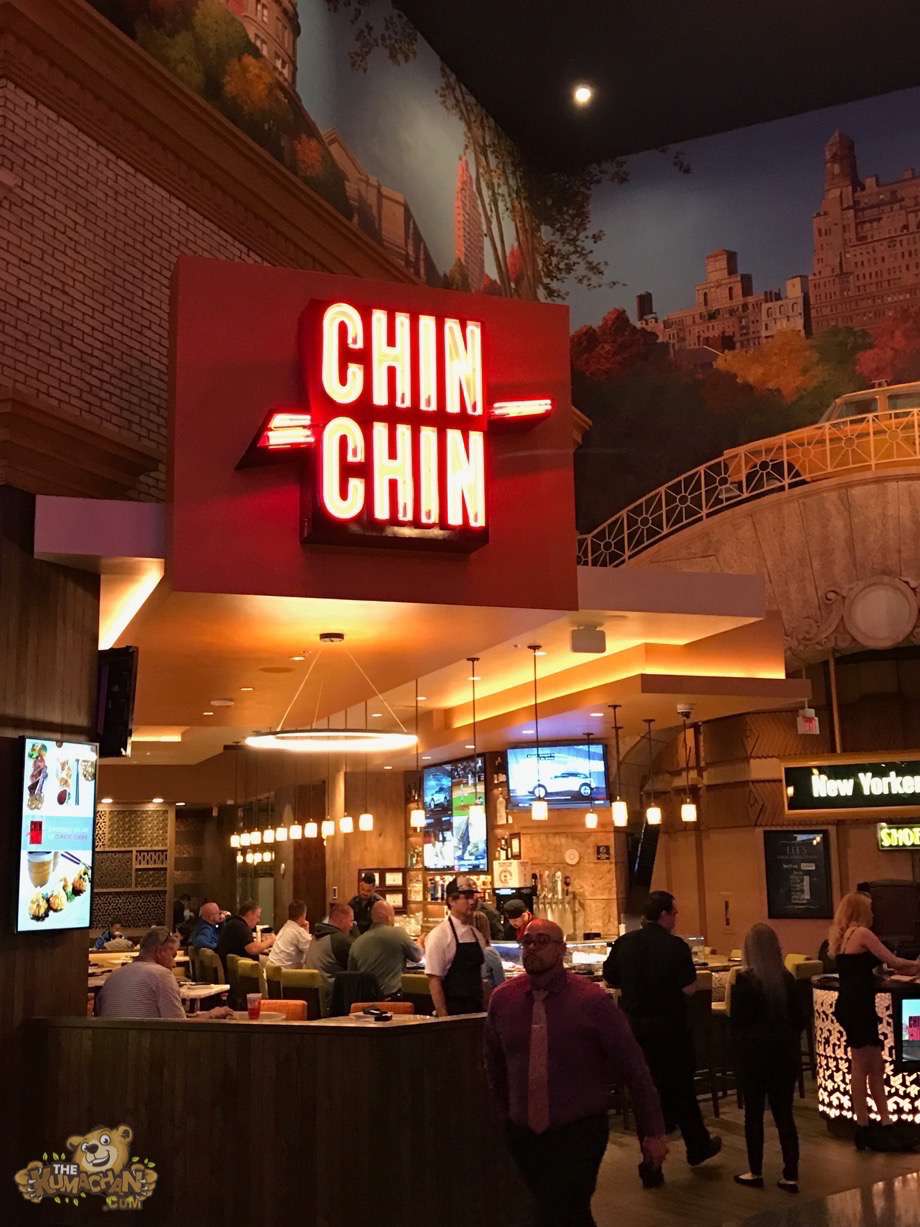
Chin Chin Restaurant
When I was in Las Vegas, Nevada I came across this restaurant. I saw the name and had to laugh because “chin chin” in Japanese means penis. I can’t say that I want to eat here. Who knows what they might serve? Yikes!
Related Posts
True Food Facts that will make you say “Whaaaaat?”
Did you know?
1. A strawberry isn’t a berry but a banana is.
2. Avocados and watermelon are berries, too.
3. Cashews grow on trees like this:

4. And Brussels sprouts grow in long stalks like this:

5. Chocolate milk was invented in Ireland.
6. Ketchup used to be sold as medicine.
7. Carrots were originally purple.

8. McDonalds sells 75 hamburgers every second of every day.
9. Yams and sweet potatoes are not the same thing.
10. Ripe cranberries will bounce like rubber balls.
11. An average ear of corn has an even number of rows, usually 16.
12. Betty White is actually older than sliced bread.

13. Humans share 50% of their DNA with bananas.
14. Honey never spoils. You can eat 32,000-year-old honey.
15. Peanuts are not nuts. They grow in the ground like this, so they are legumes.

16. Vending machines are twice as likely to kill you than a shark is.
17. Coconuts kill more people than sharks every year. So do cows.
18. Pound cake got its name from its original recipe, which called for a pound each of butter, eggs, sugar, and flour.
19. The probability of you drinking a glass of water that contains a molecule of water that also passed through a dinosaur is almost 100%.
20. Honey is made from nectar and bee vomit.

21. Pineapples grow like this:

22. Quinoa is the seeds of this plant:

24. Ginger is the root of a plant:

25. And cinnamon is just the inner part of this tree:

26. And artichokes are flowers that are eaten as buds. This is what they look like when flowered:

27. Spam is short for spiced ham.
28. Popsicles were invented by an 11-year-old in 1905.
29. Apples, like pears and plums, belong to the rose family.
30. The official state VEGETABLE of Oklahoma is the watermelon.
31. Peas are one the most popular pizza toppings in Brazil:

32. There are over 7,500 varieties of apples throughout the world, and it would take you 20 years to try them all if you had one each day.
33. The twists in pretzels are made to look like arms crossed in prayer.
34. Canola oil was originally called rapeseed oil, but renamed by the Canadian oil industry in 1978 to avoid negative connotations. Canola is short for Canadian oil.
35. And no matter what color Froot Loop you eat, they all taste the same.

Related Posts
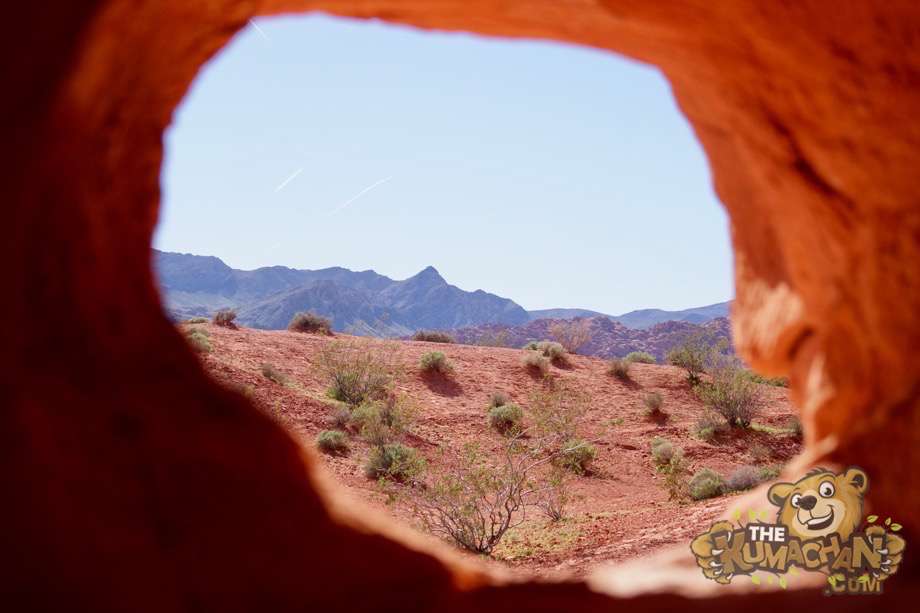
Valley of Fire
The Valley of Fire is located outside of Las Vegas, Nevada. It has spectacular views because the surrounding mountains are brown, but the Valley of Fire has a reddish tint to it. It must be because there is more iron in the dirt there. It is quite a site to see and in case you can’t make it there, here are some photos.


Related Posts
Signs of the Times
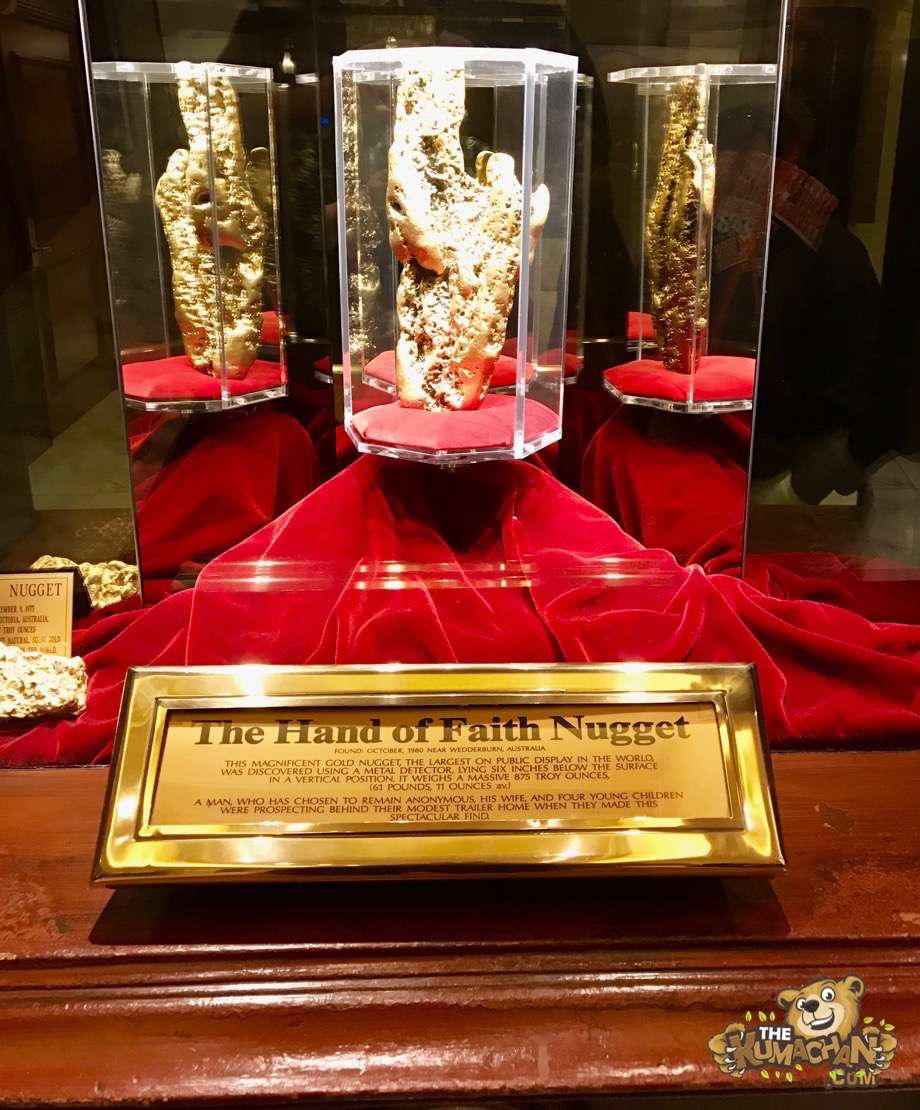
Hand of Faith and Robin’s Gold Nuggets


The Golden Nugget casino located on Fremont Street in Las Vegas has on display the “Hand of Faith” and Robin’s gold nuggets. These two golden nuggets were both found in Australia. The Hand of Faith nugget weighs in at a whopping 61 pounds 11 ounces. Wow! It is difficult to believe this huge nugget was found with only using a metal detector by Kevin Hillier. It was found behind his trailer and buried in the vertical position only 12 inches below the dirt. That’s quite an amazing find.


The Robin’s nugget was found in Australia November 9th of 1975 near Bendigo, Victoria, Australia. It weighs in at 189.7 troy ounces.
Related Posts
True Courage
Pawn Stars


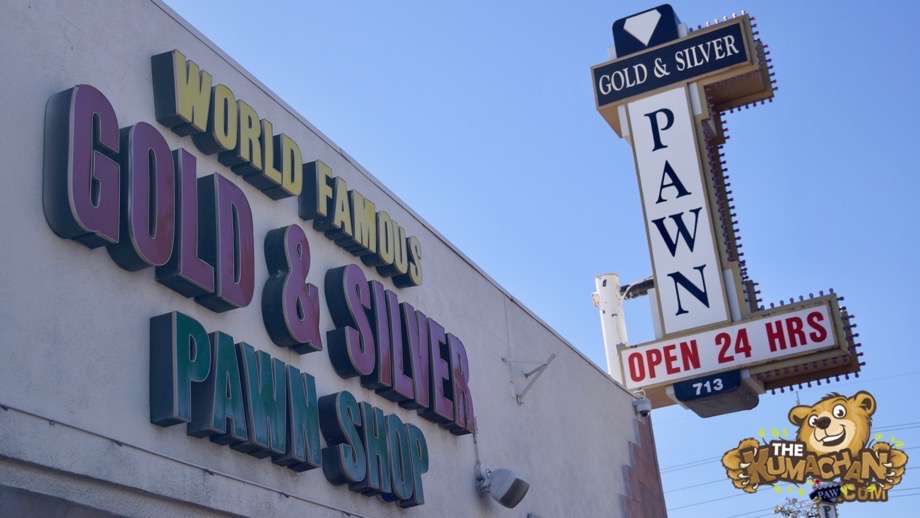
I was in Las Vegas, Nevada and decided to stop in on the Pawn Stars, t.v. show on the History channel, 24 hour pawn shop to see what it was like. To my surprise the pawn shop wasn’t very big, but it seemed to have a selection of old equipment, toys, art work, cartoons, comic books, money, weapons, guns, knives, instruments, and even t-shirts for sale. When talking with another person I was surprised to find out that Rick Harris, his son “Big Haus,” “Chumlee” or even the Old Man don’t really ever come into the pawn shop. When they do come into the shop, the shop is closed for filming and it isn’t open to the public, which means the people who come into the store on the show must be paid actors. That was kind of a disappointment to hear. Here are photos of what the shop looks like, what was inside it, and the different items.
Related Posts
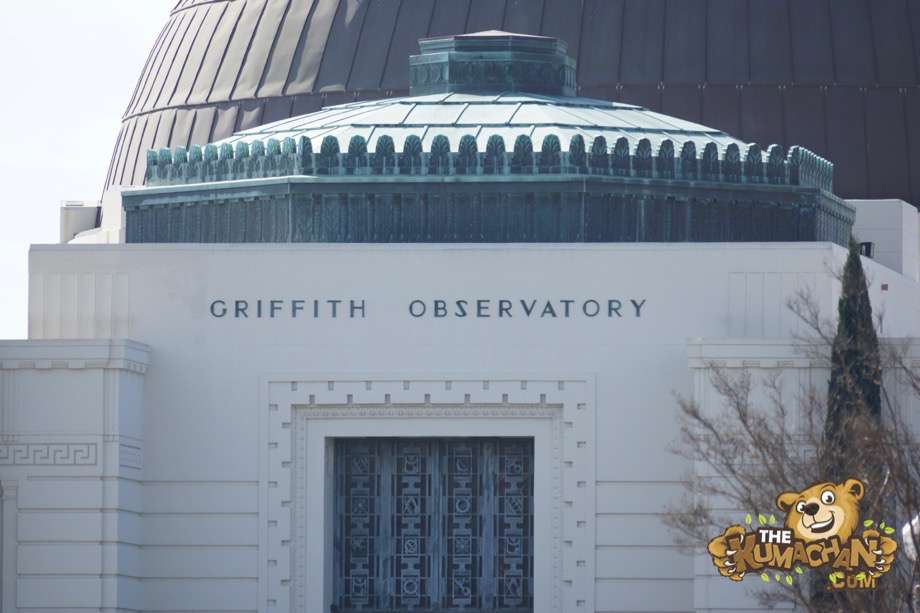
Griffith Observatory


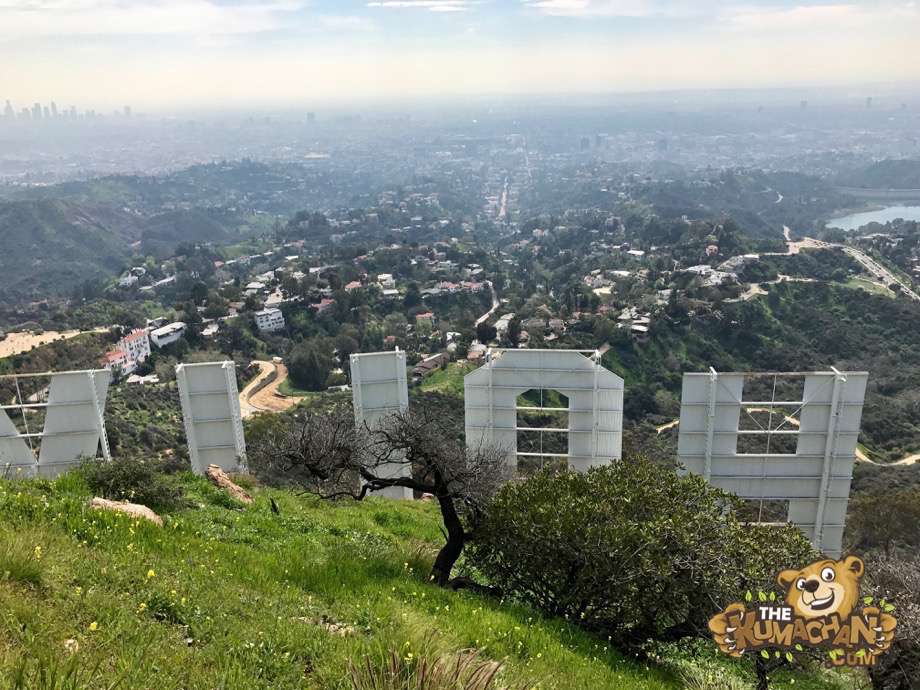
Last weekend I wanted to hike Mount Lee so I could get some photos behind the Hollywood sign. On the way up there I parked near the Griffith Observatory. The observatory was pretty cool because it is located high on a hill which I’m sure gives some spectacular views of the night sky. Here are some photos of the observatory.

Here is a view of Hollywood from near the observatory.

This is a view of the Hollywood sign from the observatory. As you can see it’s a pretty neat angle to see the iconic Hollywood sign from.