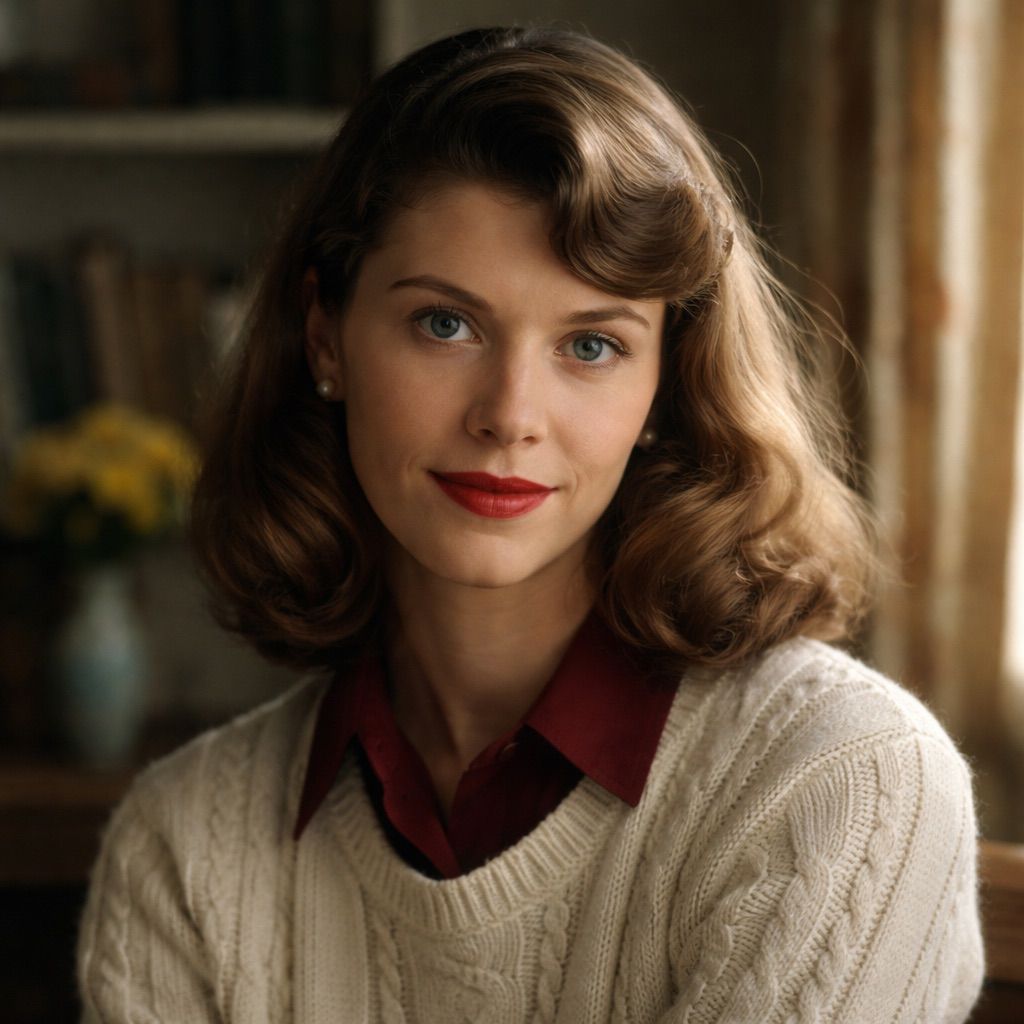
Sylvia Plath’s words have been a constant companion for me since I stumbled upon her poetry in college. Her language is like a wild animal that snatches my breath away, leaving me gasping for air. There’s something about the way she describes the world – dark, twisted, and beautiful all at once – that speaks to me on a deep level.
I remember being struck by how raw and honest her writing was. It felt like she had stripped herself bare, exposing every wound and scar for the world to see. I’ve always been drawn to authenticity in art, and Plath’s work seemed to embody that quality. But as I delved deeper into her life and writings, I started to feel a sense of discomfort. Her stories are often brutal, her emotions explosive, and her struggles with mental health devastating.
I think what unsettles me most is the way Plath’s writing can be both breathtakingly beautiful and utterly heartbreaking at the same time. It’s like she’s holding out a hand to you, inviting you into this dark, intimate world of hers, only to yank it away just when you think you’re getting close. I’ve found myself drawn back to her work again and again, despite (or because of) the pain it inflicts.
One of the things that fascinates me about Plath is how she navigated the expectations placed upon her as a woman. She was a brilliant student at Smith College, but her experiences with mental health issues and sexism made her feel like an outsider in both academia and society. Her writing often grapples with these tensions, revealing a deep sense of isolation and frustration.
As I read about Plath’s relationships – particularly her tumultuous marriage to Ted Hughes – I couldn’t help but wonder how she managed to keep creating amidst such chaos. It’s almost as if her art became an extension of herself, a way to process the turmoil that swirled around her. Her poetry is like a scream into the void, a desperate attempt to be heard above the din.
Sometimes I feel like I’m reading Plath through a lens of my own experiences. As someone who’s struggled with anxiety and depression, I see myself in her words – the desperation, the fear, the feelings of being trapped. But at the same time, I worry that I’m romanticizing her struggles, diminishing the complexity of her life by trying to apply my own narrative to hers.
This is where things get complicated for me. Plath’s writing has been a source of comfort and catharsis, but it also feels like a reminder of all the things I’m afraid to confront in myself. Her stories are full of darkness and despair, but they’re also infused with a fierce determination to live – to write, to create, to exist.
As I sit here with my thoughts swirling around me, I wonder: what would happen if I let go of some of that fear? Would I be able to tap into the same kind of creative fury that Plath did? Or am I just kidding myself, thinking I can channel her genius?
I’m not sure. All I know is that Sylvia Plath’s words continue to haunt me, refusing to let me look away. They’re a mirror held up to my own fears and insecurities, forcing me to confront the parts of myself that I’d rather keep hidden. And yet, in their darkness, I see a glimmer of hope – the possibility that even in the most broken places, there’s still beauty to be found.
As I delve deeper into Plath’s work, I find myself returning to the same themes again and again: the fragility of mental health, the suffocating nature of societal expectations, and the desperate quest for self-expression. It’s as if her writing is a doorway that swings open onto my own inner world, revealing all the hidden corners where my fears and doubts reside.
One thing that strikes me about Plath is how she used her writing as a form of resistance against the world around her. Her poetry is full of sharp edges and jagged lines, like a physical manifestation of her own fractured psyche. And yet, in the midst of all this chaos, there’s a fierce determination to create – to craft words that will cut through the noise and leave their mark.
I think about my own creative endeavors, how I often feel like I’m struggling to find my voice amidst the din of everyday life. It’s easy to get caught up in comparisons with Plath, wondering if I’ll ever be able to tap into that same kind of raw power and emotion. But as I read her words, I realize that maybe it’s not about emulating her – but rather, finding my own unique way to express the turmoil that rages within me.
There’s a passage in The Bell Jar where Plath describes feeling like she’s “a skeleton on the beach” after a great storm has passed. It’s an image that haunts me still – this idea of being stripped bare, exposed and vulnerable. But as I look closer at that passage, I see something else too: a deep sense of resilience, a determination to rebuild and recreate.
For me, Plath’s writing is like a mirror held up to my own struggles with anxiety and depression. It’s a reminder that even in the darkest moments, there’s still beauty to be found – if only we’re brave enough to look for it. Her words are a balm to my frazzled nerves, a reassurance that I’m not alone in this wild and crazy world.
But as I sit here with these thoughts swirling around me, I wonder: what happens when the storm finally passes? When the anxiety subsides and the darkness recedes? Will I still be able to tap into that same creative fury, or will it fade away like a mirage on a desert highway?
I’m not sure. All I know is that Sylvia Plath’s words continue to haunt me – pushing me to confront my fears, to explore the depths of my own inner world, and to find a way forward in the face of uncertainty.
As I ponder this question, I’m struck by how much of Plath’s writing is concerned with the tension between light and darkness, hope and despair. It’s as if she’s constantly navigating the fine line between these opposing forces, seeking to find a balance that feels authentic to her.
I think about my own life, and how often I’ve found myself caught in this same struggle. There are days when the anxiety feels overwhelming, like a tidal wave crashing over me, threatening to consume everything in its path. And then there are moments of clarity, when the sun breaks through the clouds and I feel a sense of purpose and direction.
It’s interesting to me that Plath often describes her creative process as a form of exorcism – a way to purge herself of the darker emotions that threaten to overwhelm her. Her writing is like a ritual, a way to confront the shadows within herself and emerge stronger on the other side.
I’ve always been drawn to this idea, the notion that art can be a kind of cathartic release. When I’m feeling overwhelmed or stuck, I often find myself turning to my own creative endeavors – whether it’s writing, drawing, or simply journaling – as a way to process my emotions and gain clarity.
But what happens when the storm finally passes? What happens when the darkness recedes and the light shines through? Do we lose that sense of urgency, that drive to create something meaningful out of our struggles?
I’m not sure. For me, it’s like I’m caught in a perpetual state of limbo – always reaching for the next creative high, always trying to tap into that same sense of raw emotion and vulnerability.
Perhaps that’s what makes Plath’s writing so compelling – her willingness to confront the darkness head-on, to stare it straight in the face and say, “I see you. I understand you.” It’s a powerful form of resistance, one that reminds me that even in the darkest moments, there is still beauty to be found.
As I sit here with these thoughts swirling around me, I’m struck by how much Plath’s writing has taught me about the importance of vulnerability. It’s not just about sharing our struggles – it’s about embracing them, confronting them head-on, and emerging stronger on the other side.
For me, that’s a lesson worth learning. As I navigate my own creative journey, I’m reminded that the line between light and darkness is often blurred – and that it’s in those moments of uncertainty that we find our truest selves.
As I reflect on Sylvia Plath’s writing and its impact on me, I’m struck by the way she blurs the lines between vulnerability and strength. It’s as if she’s saying, “I’ll show you my scars, but don’t think for a second that they make me weak.” Her words are like a battle cry, a declaration of independence in the face of adversity.
I think about how I’ve often felt torn between being open and honest about my struggles, and hiding behind a mask of confidence. Plath’s writing makes me realize that vulnerability is not a sign of weakness, but rather a strength – a willingness to be seen, to be heard, and to be understood.
But what does it mean to be vulnerable in a world that often values strength and resilience over sensitivity and emotion? I think about how society expects us to put on a brave face, to mask our pain with a smile or a witty remark. And yet, Plath’s writing shows me that there’s beauty in the brokenness – that the cracks and fissures are where the light gets in.
As I navigate my own creative journey, I’m struggling to reconcile this idea of vulnerability with the pressure to produce something polished and perfect. I feel like I’m caught between being true to myself and trying to meet the expectations of others. It’s a tension that I see played out in Plath’s writing as well – her struggle to balance her own desires with the demands of her loved ones, her career, and society at large.
I wonder if this is what it means to be an artist: to constantly walk the fine line between revealing our true selves and hiding behind a mask of creativity. Or is that just a romanticized notion, one that ignores the very real pressures and expectations that come with being an artist?
For me, Plath’s writing has been a reminder that the most powerful art comes from a place of vulnerability – a willingness to take risks, to push boundaries, and to explore the unknown. But what happens when we’re not just creating for ourselves, but for others as well? When do we prioritize our own needs over the expectations of those around us?
As I ponder these questions, I’m reminded of Plath’s famous phrase: “I took a deep breath and listened to the old brag of my heart.” It’s an image that resonates deeply with me – this idea of listening to our hearts, of tuning in to our deepest desires and fears. And yet, it’s also a reminder that our hearts are not always easy to hear – that there are moments when we’re too scared, too uncertain, or too hurt to listen.
In many ways, Plath’s writing is like a meditation on the complexity of human emotion – a recognition that our experiences are messy, multifaceted, and often contradictory. Her words are like a mirror held up to our own inner worlds, revealing all the hidden corners where our fears and doubts reside.
As I look back at my own experiences with anxiety and depression, I realize that Plath’s writing has been a source of comfort and guidance – a reminder that I’m not alone in this struggle. But it’s also forced me to confront my own limitations, to acknowledge the times when I’ve felt too scared or too uncertain to listen to my heart.
Perhaps that’s what makes Plath’s writing so enduring – its ability to capture the complexity of human emotion, to show us that even in the darkest moments, there is still beauty to be found. And perhaps it’s also why her words continue to haunt me, refusing to let me look away from the parts of myself that I’d rather keep hidden.
As I sit here with these thoughts swirling around me, I’m reminded of the importance of vulnerability – not just as an artist, but as a human being. It’s a lesson that Plath’s writing has taught me time and again: that our struggles are what make us strong, that our scars are what give us character, and that our imperfections are what make us beautiful.