
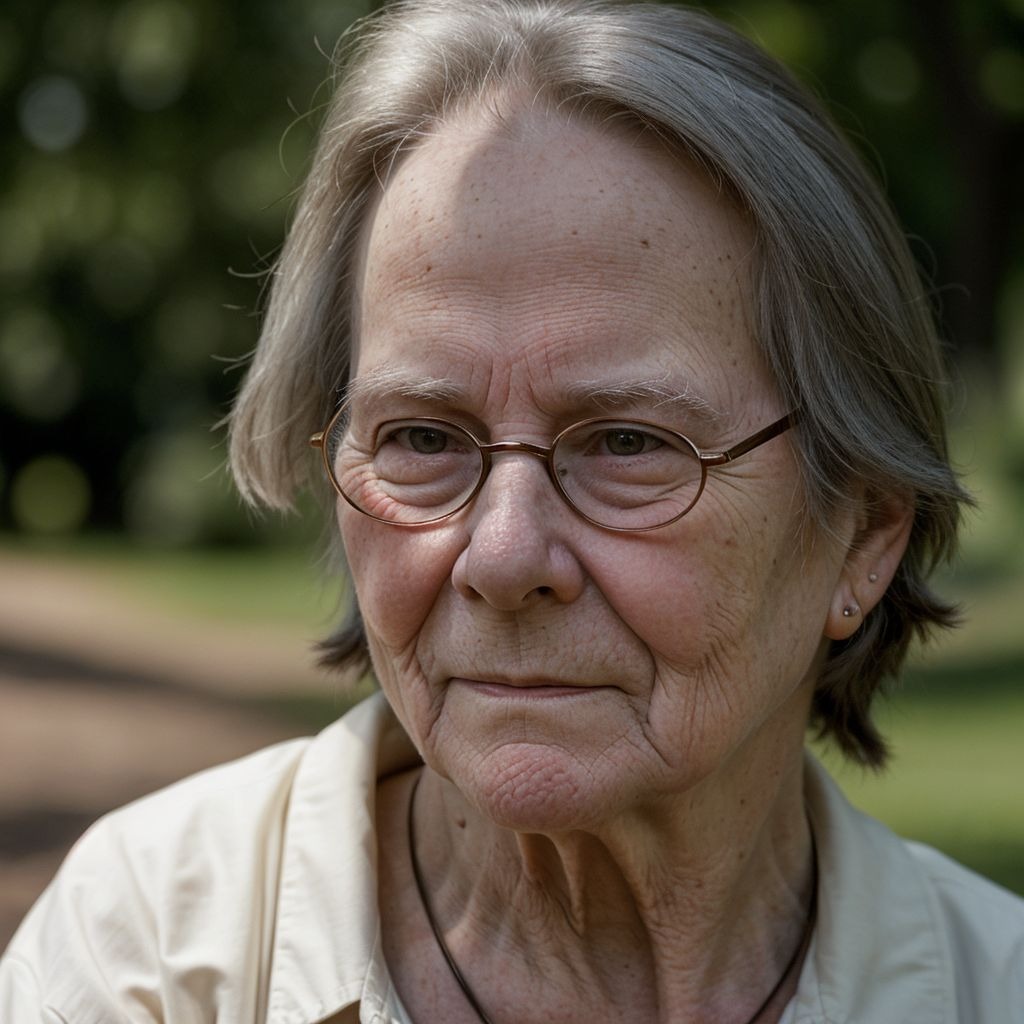
I’ve always been fascinated by Harper Lee’s life, particularly the years leading up to and following the publication of To Kill a Mockingbird. It’s as if she vanished into thin air after that book became a sensation. I wonder what drove her to withdraw from the public eye.
When I read about her struggles with fame and the pressure to write another bestseller, I couldn’t help but think of myself in a similar situation. As a recent college graduate, I’ve been grappling with the idea of pursuing a career in writing. The fear of not being able to replicate the success of my first major project (a creative thesis that was well-received by some and met with indifference by others) is suffocating at times.
I identify with Lee’s sense of isolation and disconnection from her peers. After To Kill a Mockingbird, she became an icon in the literary world, but I imagine it must have been daunting to navigate friendships and relationships with people who knew me as “the writer” rather than just Penelope. Did she ever feel like she was living in the shadow of her own creation?
The more I learn about Lee’s life, the more I realize how little we know about her true intentions and feelings behind writing To Kill a Mockingbird. Was it really a novel inspired by her childhood experiences with racial injustice, or was there something more complex at play? The ambiguity surrounding her motivations leaves me wondering if authors are ever fully in control of their own stories.
Lee’s reclusive nature has sparked conversations about the pressure to produce work and the commodification of artists. As someone who writes for personal expression rather than financial gain, I find myself drawn to her enigmatic figure. Perhaps it’s because she represents a way out – an escape from the constant scrutiny and expectation that comes with being a writer.
The more I delve into Lee’s story, the more questions arise about the role of identity in writing. Did she write To Kill a Mockingbird as a way to process her own feelings about racial tension and small-town life, or was it an attempt to impose a particular narrative on the world? Was she aware that her words would become synonymous with justice and empathy, or did that come later?
I often find myself questioning my own motivations for writing. Is it because I genuinely want to tell stories that resonate with others, or am I seeking validation through publication and praise? These doubts are what keep me going – the acknowledgment that even the most celebrated authors struggle with self-doubt and uncertainty.
Harper Lee’s life remains a mystery, one that I find captivating precisely because of its elusiveness. As someone who writes to clarify her own thoughts and emotions, I’m drawn to her silence as much as her words. In the end, it’s not what we know about her that fascinates me; it’s the unspoken, the unseen – the parts of her story that will forever remain untold.
As I continue to explore Harper Lee’s life, I find myself thinking about the relationship between silence and creativity. It’s as if she’s saying that sometimes the best stories are the ones left unwritten, or rather, unspoken. The more I learn about her reclusive nature, the more I wonder what secrets she might have kept hidden from the world.
I think back to my own experiences with writing, and how often I’ve felt like I’m revealing too much of myself in the process. There are certain stories that I know I’ll never share with anyone, not even close friends or family members. They’re private and intimate, and the thought of putting them into words feels almost invasive.
Lee’s decision to keep a low profile after To Kill a Mockingbird’s success is both intriguing and intimidating. Did she feel like she was losing herself in the process of becoming a public figure? Or was it simply a matter of self-preservation, a way of maintaining control over her own narrative?
As I ponder these questions, I’m struck by how little we talk about the emotional toll of writing. It’s often framed as a creative pursuit, a source of joy and fulfillment, but what about the parts that are messy and difficult? The writerly equivalent of post-traumatic stress disorder, perhaps? Lee’s silence seems like a deliberate choice to avoid the scrutiny and pressure that comes with fame.
I’ve noticed that when I write about my own experiences, I often feel exposed in ways that make me uncomfortable. It’s as if I’m laying bare my vulnerabilities for the world to see. And yet, at the same time, there’s a sense of liberation that comes from putting words onto paper. It’s like I’m exorcising demons or confronting fears head-on.
Lee’s story has made me realize how important it is to acknowledge the complexities of writing as an emotional process. We often talk about the craft itself – plot structures, character development, pacing – but what about the writer’s own psyche? The self-doubt, the anxiety, the fear of failure?
As I continue to explore Harper Lee’s enigmatic figure, I’m reminded that writing is both a deeply personal and deeply public act. It’s a paradox that I’m still trying to navigate in my own life as a writer.
I find myself drawn to the idea that silence can be a powerful creative force, one that allows writers to tap into their innermost thoughts and emotions without fear of judgment or criticism. Harper Lee’s reclusive nature seems to embody this concept – she chose to step away from the spotlight and maintain control over her narrative, allowing her writing to speak for itself.
This resonates with me on a deep level, as I often feel like my writing is an extension of myself, a way to process and make sense of the world around me. When I’m writing, I’m not just crafting words or sentences; I’m exposing myself, vulnerable and raw, to the page. It’s a terrifying feeling, but also exhilarating.
I wonder if Lee ever felt like she was losing herself in the process of becoming a public figure. Did she feel like she was living up to expectations, rather than creating work that truly reflected her own voice? I can relate to this feeling, as I’ve often struggled with the pressure to produce work that meets the standards of others.
As I continue to explore Lee’s story, I’m struck by the ways in which she subverted traditional notions of authorship. She wrote To Kill a Mockingbird under a pseudonym, and then disappeared from public view, leaving behind a mystery that continues to fascinate readers to this day. It’s as if she was saying that the writer is not always the most important part of the story – sometimes it’s the silence, the absence, that speaks louder than any words.
This idea haunts me, as I ponder my own role as a writer. Am I more than just the person writing these words? Or am I simply a vessel for the stories that need to be told? Lee’s enigmatic figure has made me realize how little we talk about the selflessness of writing – the willingness to surrender oneself to the page, to let go of ego and expectation.
As I delve deeper into her story, I find myself questioning my own motivations for writing. Is it truly about creating something new and original, or is it simply a way to validate my own existence? The more I learn about Lee’s life, the more I’m convinced that the best stories are often those that emerge from silence, from the unspoken moments of our lives.
I think back to my own experiences with writing, and how often I’ve felt like I’m searching for meaning in the words themselves, rather than the emotions they evoke. It’s as if I’m trying to grasp a ghost – an elusive feeling or idea that refuses to be pinned down.
Lee’s story has taught me to respect the mystery of writing, to acknowledge that sometimes the best stories are those that remain untold. As I continue to explore her enigmatic figure, I’m reminded that writing is not just about creating words on a page; it’s about embracing the unknown, and surrendering oneself to the silence.
As I reflect on Harper Lee’s reclusive nature, I find myself wondering if she ever felt like she was living in a state of perpetual limbo. Had she stepped out of the spotlight, but not entirely left it behind? Did she continue to write, but in secret, hidden from the prying eyes of the public? The more I ponder these questions, the more I feel like I’m uncovering a truth that’s both haunting and liberating.
It’s as if Lee’s silence has become a kind of creative freedom for me. A reminder that writing doesn’t have to be about external validation or recognition; it can be about the internal process of exploring one’s thoughts and emotions. When I write, I’m not just trying to create something beautiful or meaningful; I’m trying to understand myself better.
This realization has been both exhilarating and terrifying for me. As a writer, I’ve always felt like I’m putting myself out there, exposing my vulnerabilities to the world. But what if that’s not enough? What if the true power of writing lies in its ability to be silent, to be still, to be unknown?
I think back to my own experiences with social media and online platforms. How often do I feel like I’m performing for an audience, trying to curate a perfect image or persona? It’s exhausting, and it makes me wonder if I’ve lost sight of why I started writing in the first place – for myself.
Harper Lee’s story has taught me that sometimes the most powerful stories are those that are whispered, not shouted. That sometimes the best way to create is to be still, to listen, and to observe. It’s a lesson that I’m still trying to grasp, but it feels like a crucial one for me as a writer.
As I continue to explore Lee’s enigmatic figure, I find myself thinking about the role of silence in my own writing process. How can I create space for myself to be quiet, to listen to my inner voice? How can I let go of the need for external validation and simply focus on the act of creating?
These questions feel both daunting and liberating, like a weight has been lifted off my shoulders. It’s as if Harper Lee’s story has given me permission to explore my own creative process in a new way – one that values silence, stillness, and self-reflection above all else.
I’m not sure what this means for my writing future, but I do know that I’ll be approaching it with a newfound sense of freedom and curiosity. And as I sit here, reflecting on Harper Lee’s life and legacy, I feel a sense of gratitude towards her – for showing me that sometimes the most powerful stories are those that remain untold.
As I reflect on Harper Lee’s reclusive nature, I’m struck by how it speaks to my own fears about losing myself in the process of creating. When I write, I often feel like I’m fragmenting into smaller pieces, spreading myself thin across multiple projects and deadlines. It’s as if I’m trying to be everything at once – a writer, a thinker, a creator – rather than allowing myself to be fully present in any one moment.
I think about Lee’s decision to step away from the spotlight after To Kill a Mockingbird’s success. Was she running from the pressure of expectation? Or was she simply taking time to recharge and refocus on her own creative desires? Either way, it’s clear that she valued her artistic integrity above external validation – a quality that I admire and aspire to.
As I ponder my own motivations for writing, I’m reminded of the importance of staying true to myself. It’s easy to get caught up in the idea of creating something that will resonate with others, but what about the stories that only make sense to me? The ones that are messy and imperfect, yet authentic and honest?
Lee’s silence has taught me to respect the value of imperfection in my own writing. To not be afraid of making mistakes or taking risks – even if it means creating something that doesn’t meet the standards of others. It’s a liberating feeling, one that allows me to breathe a little easier as I sit down at my desk each day.
I wonder what Lee would say about her own creative process, had she chosen to share more about it with the world. Would she have spoken about the ways in which silence fueled her writing? Or perhaps about the importance of listening to her own inner voice, rather than trying to please others?
As I continue to explore her enigmatic figure, I’m struck by how little we talk about the role of intuition in creative decision-making. How often do we rely on external validation or criticism to guide our choices, rather than trusting our own instincts? Lee’s story has shown me that sometimes the most powerful stories are those that emerge from a place of quiet contemplation and inner knowing.
This idea feels both empowering and daunting, like I’m being asked to surrender myself to a process that’s both mysterious and unpredictable. And yet, as I reflect on Harper Lee’s life and legacy, I feel a sense of excitement and anticipation – for the unknown stories that lie ahead, and for the ways in which I’ll continue to grow and evolve as a writer.
As I close this reflection on Harper Lee’s reclusive nature, I’m reminded of the importance of staying curious about my own creative process. To keep exploring the mysteries of writing, even when it feels uncomfortable or uncertain. For it’s in those moments of silence and stillness that we often discover our most authentic voices – the ones that speak to us from deep within, and remind us of why we started creating in the first place.