Month: January 2024

Einstein’s Legacy: Unraveling the Brilliance of a Timeless Mind

Dave

Albert Einstein, an extraordinary physicist, was born on March 14, 1879, in Ulm, Germany. He has left an everlasting imprint on the field of science and is widely regarded as one of the most brilliant minds in history. Through his groundbreaking discoveries, he revolutionized our understanding of the universe, laying the foundation for modern physics. Among his notable achievements, Einstein’s renowned equation, E=mc², introduced the concept of mass-energy equivalence, serving as the cornerstone of the theory of relativity. In 1915, he fearlessly challenged the prevailing notions of space, time, and gravity by publishing his theory of general relativity. This audacious move led to remarkable advancements in cosmology and astrophysics.

Throughout his illustrious career, Einstein made significant contributions to science, putting forth revolutionary theories that continue to shape our comprehension of the natural world. His extensive research on the photoelectric effect, for which he received the Nobel Prize in Physics in 1921, paved the way for the development of quantum theory. In addition to his scientific brilliance, Einstein demonstrated an unwavering commitment to noble causes. He fearlessly voiced his support for civil rights, pacifism, and global disarmament. By believing in the power of human intellect and creativity, and advocating for social justice, he remains an enduring symbol of intellectual curiosity and humanitarianism.

Undoubtedly, Albert Einstein’s multifaceted contributions to science and his profound impact on society have solidified his position as one of the most influential figures of the 20th century.

Related Posts

Tiberius Claudius Caesar Augustus Germanicus: The Complex Legacy of Rome’s Enigmatic Emperor

Dave

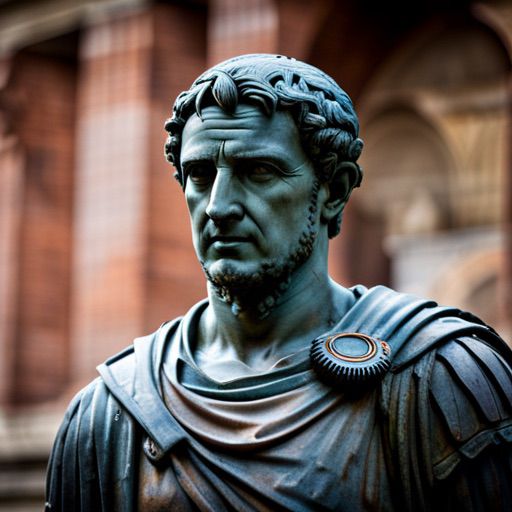
a statue of a man
Meet Tiberius Claudius Caesar Augustus Germanicus, also known as Claudius, a Roman emperor who ruled from 41 to 54 AD. Born in 10 BC into the powerful Julio-Claudian dynasty, he was the son of Nero Claudius Drusus, a prominent Roman general, and was destined for great things. However, his family considered him weak and mentally challenged due to his various health problems, which led to him being excluded from public life and not considered a potential emperor.

Despite his family’s opinion, after the assassination of his nephew Caligula, Claudius was declared emperor by the Praetorian Guard. And boy, did he prove them wrong! Despite his reputation as a weak and foolish man, Claudius showed himself to be a capable ruler, known for his administrative abilities and several important reforms, including improving the legal system and expanding the Roman Empire.

Under his rule, Britain was conquered, and significant contributions were made to the construction of important public works like aqueducts and roads. But that’s not all, Claudius was also a scholar and writer. He wrote several works on history and politics, including a 20-volume history of Rome, and was a patron of the arts, encouraging the development of literature and drama in Rome.

However, like any other ruler, Claudius had his flaws. He was criticized for his personal life, including his marriages to several women, some of whom were accused of plotting against him. He was also known for his fondness for gladiatorial games and was accused of being cruel to his opponents.

Despite these criticisms, Claudius is remembered as a successful and important emperor. He was the first Roman emperor to be born outside of Italy, and his reign marked a period of stability and prosperity for the Roman Empire. He passed away in 54 AD, possibly poisoned by his wife Agrippina, who wanted her son Nero to become emperor. Even after all these years, Claudius’s legacy continues to be studied and debated by historians and scholars, and he remains an essential figure in Roman history.

Related Posts

Red Square Revelations: Where History, Beauty, and Resilience Collide

Dave

The Red Square holds a significant and cherished place within Moscow, Russia, resonating deeply with the nation. One cannot help but recognize its historical and iconic status, as it carries immense cultural and historical importance for the Russian people. This square stands as an embodiment of power, revolution, and the collective national identity. What’s intriguing is that its name, “Red Square,” finds its origins in the Russian word “krasnyi,” which can be interpreted to mean both “red” and “beautiful.”

Enveloping this square are numerous remarkable architectural wonders, contributing to its grandeur. These include the illustrious Kremlin, the mesmerizing Saint Basil’s Cathedral, the State Historical Museum, and the renowned GUM department store. The presence of these magnificent structures undoubtedly amplifies the allure of the Red Square.

Throughout history, the Red Square has stood witness to countless momentous events that have significantly influenced the trajectory of Russia. Military parades, political demonstrations, and public gatherings have unfolded on its grounds, reflecting the nation’s triumphs and tragedies. The cobblestone ground beneath the feet of tsars, communist leaders, and protesters alike bears testament to the square’s consequential historical legacy.

A distinguishing feature of the Red Square is the presence of Lenin’s Mausoleum, where the embalmed body of Vladimir Lenin lies in state. This mausoleum serves as a poignant reminder of the communist era, drawing visitors from all corners of the globe. Its existence adds yet another layer of historical depth to the Red Square.

Beyond being a mere physical location, the Red Square embodies the unity and resilience of the Russian people. It stands as a tangible representation of the nation’s rich history, architectural splendor, and the indomitable spirit of its populace. Whether experiencing the annual New Year’s Eve festivities, witnessing the changing of the guards, or leisurely strolling along its cobblestone pathways, the Red Square never fails to captivate the hearts and minds of both locals and tourists. The impact it leaves on anyone fortunate enough to visit is truly indelible.

Related Posts

Raphael’s Radiance: A Healing Light in Spiritual Traditions

Dave

Archangel Raphael stands among the most beloved and comforting figures within religious and spiritual traditions throughout the world. Revered as the Angel of Healing, Raphael embodies compassion, restoration, mercy, and divine care. His presence has inspired countless individuals seeking relief from physical illness, emotional pain, spiritual struggles, and life’s many hardships. Across centuries of sacred writings, theological teachings, and personal testimonies, Raphael has been viewed as a powerful source of healing energy and guidance. Whether regarded as a literal heavenly being or as a symbol of divine restoration, his enduring legacy continues to offer hope and encouragement to those in need.

The name Raphael carries profound significance. Derived from the Hebrew words “Rafa” and “El,” it is commonly translated as “God heals” or “Healer of God.” This meaning reflects the central purpose associated with Raphael throughout religious history. Unlike warrior angels who confront darkness through battle or messenger angels who deliver divine revelations, Raphael’s mission is centered on healing and restoration. His role highlights the compassionate aspect of divine care, reminding humanity that healing is possible even in the midst of suffering and adversity.

One of the most well-known appearances of Raphael occurs in the ancient Book of Tobit, a text recognized in several Christian traditions. In this story, Raphael disguises himself as a traveler named Azarias and accompanies a young man named Tobias on a journey. Throughout the journey, Raphael offers protection, wisdom, and practical guidance. He ultimately helps heal Tobias’s father, Tobit, who had suffered from blindness, while also assisting Tobias in overcoming significant challenges. This story illustrates several of Raphael’s defining qualities: healing, guidance, protection, and compassion. It also emphasizes an important theme that appears repeatedly throughout traditions associated with Raphael—that healing often occurs through a process involving both divine assistance and human participation.

Healing is one of the most universal human needs. Every person experiences pain, loss, illness, disappointment, or emotional hardship at some point in life. While the specific circumstances may differ, suffering is a shared aspect of the human experience. Raphael’s enduring appeal stems largely from his connection to this universal reality. He represents the possibility that pain can be alleviated, wounds can heal, and brokenness can be restored. His presence offers reassurance that healing remains possible even when circumstances seem overwhelming.

Physical healing is perhaps the aspect of Raphael’s role most commonly recognized by believers. Throughout history, individuals facing illness or injury have prayed for his assistance. Hospitals, healing ministries, and religious organizations have often invoked Raphael’s name as a source of comfort and hope. Many traditions portray him as carrying a staff, symbolizing both healing and guidance. This imagery reflects the belief that healing involves more than simply curing symptoms; it involves restoring balance, strength, and well-being to the entire person.

For many people, physical illness can be one of life’s most difficult challenges. Illness often brings uncertainty, fear, and feelings of vulnerability. During such times, the idea of a compassionate healer watching over them provides comfort and encouragement. Whether viewed through a spiritual or symbolic lens, Raphael’s presence reminds individuals that they are not alone in their struggles. His influence encourages hope, patience, and trust during the healing process.

Yet Raphael’s role extends far beyond physical healing. Many spiritual traditions emphasize that emotional wounds can be just as painful as physical ones. Grief, heartbreak, trauma, anxiety, guilt, and depression can affect every aspect of a person’s life. Emotional suffering often leaves invisible scars that are difficult for others to see. Raphael’s compassion is believed to encompass these wounds as well. His presence offers comfort to those struggling with emotional pain and encourages the gradual process of recovery and renewal.

Emotional healing is rarely instantaneous. Unlike physical injuries that may heal according to predictable timelines, emotional wounds often require patience, reflection, and personal growth. Raphael’s influence is frequently associated with helping individuals navigate this journey. Through prayer, meditation, counseling, supportive relationships, and self-reflection, many people find themselves moving toward greater emotional well-being. Raphael serves as a symbol of the healing power that can emerge when individuals remain open to growth and transformation.

Trauma represents another area where Raphael’s role is often emphasized. Traumatic experiences can leave lasting emotional and psychological effects. Fear, anger, sadness, and feelings of helplessness may persist long after the original event has passed. Spiritual traditions frequently portray Raphael as offering support during the difficult process of healing from trauma. His presence symbolizes hope, reminding individuals that recovery is possible even after profound suffering.

Beyond physical and emotional healing, Raphael is also closely associated with spiritual healing. Spiritual wounds can arise from feelings of disconnection, loss of purpose, moral struggles, or crises of faith. At times, individuals may feel distant from God, uncertain about their beliefs, or disconnected from their deepest values. Raphael’s guidance encourages spiritual renewal and helps individuals rediscover meaning, purpose, and inner peace.

Many people experience periods in life when they question their direction or purpose. Such moments are often accompanied by feelings of confusion and uncertainty. Raphael’s role as a spiritual guide helps individuals navigate these challenges. Rather than providing all the answers, he encourages self-discovery, reflection, and a deeper connection to the divine. His influence reminds seekers that spiritual growth often emerges through life’s difficulties and that healing frequently involves transformation as well as restoration.

Another significant aspect of Raphael’s mission is his connection to travelers and journeys. In the story of Tobit, Raphael accompanies Tobias on a physical journey, guiding and protecting him along the way. Over time, this role expanded symbolically to include life’s broader journeys. Many people view Raphael as a protector of travelers and those embarking on new chapters in their lives. Whether facing a literal journey or a significant life transition, individuals often seek Raphael’s guidance and support.

Life itself can be viewed as a journey filled with unexpected challenges, opportunities, and lessons. Along this path, individuals encounter moments of joy, sorrow, growth, and change. Raphael’s presence symbolizes the idea that guidance and healing are available throughout this journey. His example encourages people to trust the process of growth, even when the destination is not yet visible.

Compassion lies at the heart of Raphael’s identity. Compassion involves more than simply recognizing another person’s suffering; it involves a desire to alleviate that suffering and promote healing. Raphael’s actions consistently reflect this principle. His role reminds humanity of the importance of kindness, empathy, and service to others. In many ways, Raphael inspires individuals not only to seek healing but also to become instruments of healing in the lives of those around them.

The symbolism associated with Raphael further reinforces his role as a healer. He is often depicted carrying a staff, a fish, or a vessel containing healing remedies. The fish originates from the story of Tobit, where Raphael instructs Tobias to use parts of a fish as a means of healing and protection. These symbols emphasize practical action alongside divine assistance. Healing is portrayed not as passive waiting but as a collaborative process involving faith, wisdom, and effort.

Light is another common symbol associated with Raphael. Just as light dispels darkness, healing brings restoration where pain and suffering once existed. Artistic depictions frequently portray Raphael surrounded by radiant green or golden light. Green, in particular, has become closely associated with healing energy and renewal. This imagery reflects the restorative qualities that Raphael represents and reinforces his role as a source of hope and vitality.

Modern society continues to face numerous challenges that make Raphael’s message highly relevant. Chronic illness, mental health struggles, emotional stress, social isolation, and spiritual uncertainty affect millions of people worldwide. Advances in medicine and psychology have greatly improved humanity’s ability to address many forms of suffering, yet the need for compassion, hope, and healing remains as important as ever. Raphael’s example serves as a reminder that healing involves caring for the whole person—body, mind, and spirit.

Interestingly, many aspects of Raphael’s symbolism align with modern understandings of wellness. Contemporary approaches to health increasingly recognize the interconnected nature of physical, emotional, mental, and spiritual well-being. True healing often requires attention to multiple dimensions of life rather than focusing solely on symptoms. Raphael’s role as a healer of the whole person reflects this holistic perspective and continues to resonate with individuals seeking comprehensive well-being.

Throughout history, countless individuals have reported experiences they associate with Raphael’s presence. Some describe feelings of peace during illness. Others recount moments of unexpected clarity, emotional release, or recovery following prayer and meditation. While such experiences remain deeply personal and difficult to verify objectively, they illustrate the powerful impact Raphael’s symbolism can have on those seeking comfort and healing.

Raphael’s enduring popularity also reflects humanity’s deep longing for restoration. People naturally desire wholeness, peace, and relief from suffering. The idea of a compassionate healer who offers guidance and support speaks to one of the most fundamental aspects of the human experience. Whether facing physical illness, emotional hardship, or spiritual uncertainty, individuals are drawn to sources of hope that remind them healing remains possible.

The influence of Raphael extends beyond personal healing into relationships and communities. Healing often involves reconciliation, forgiveness, and the restoration of trust. Broken relationships can create significant emotional pain and division. Raphael’s compassionate example encourages individuals to pursue understanding, empathy, and reconciliation whenever possible. In this way, his influence contributes not only to individual well-being but also to healthier relationships and stronger communities.

Ultimately, Archangel Raphael represents far more than the healing of physical ailments. He embodies the broader concept of restoration in all its forms. His presence reminds humanity that healing can occur within the body, mind, heart, and soul. He encourages individuals to remain hopeful during difficult times and to trust that growth and renewal are possible even after profound suffering.

Whether viewed as a literal heavenly healer or as a powerful symbol of compassion and restoration, Raphael continues to inspire countless people around the world. His example demonstrates that healing is not merely the absence of pain but the presence of peace, balance, and wholeness. Through his guidance, individuals are reminded that every wound has the potential to heal, every hardship can contribute to growth, and every journey of recovery begins with hope.

The enduring legacy of Archangel Raphael lies in his message of compassion, renewal, and transformation. His story reminds humanity that healing is one of the most profound expressions of divine love. In every generation, people continue to seek comfort during times of suffering and guidance during periods of uncertainty. Raphael’s presence serves as a reassuring reminder that healing remains possible, that hope can flourish even in difficult circumstances, and that restoration is available to all who are willing to embrace the journey toward wholeness.

Related Posts

J. Robert Oppenheimer: Architect of the Atom, Weaver of Scientific Ethics

Elias Rowen

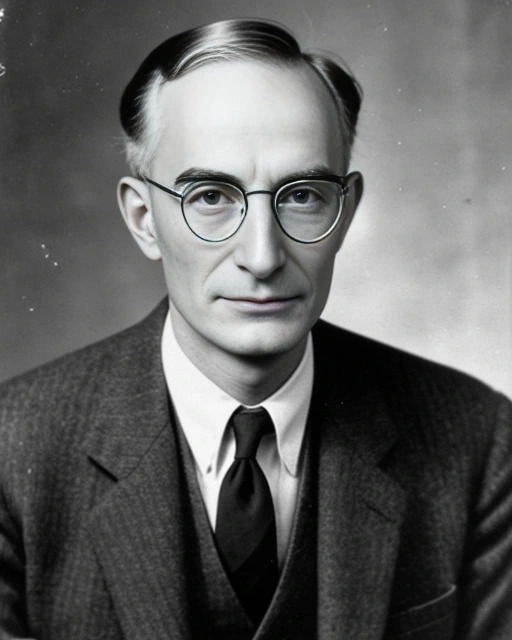
J. Robert Oppenheimer, a prominent American physicist widely recognized as the “father of the atomic bomb,” played a pivotal role in the development of nuclear weapons during the turbulent era of World War II. Born on April 22, 1904, in the vibrant city of New York, Oppenheimer exhibited remarkable intellectual prowess from a young age. He embarked on his academic journey at Harvard University, immersing himself in the study of physics. Subsequently, he pursued his Ph.D. at the esteemed University of Göttingen in Germany. Oppenheimer’s scientific career soared when he joined the distinguished faculty at the University of California, Berkeley, making significant contributions to the field of theoretical physics, with a particular focus on the enigmatic domain of quantum mechanics. However, it was his unwavering commitment to the Manhattan Project that irrevocably altered both his own life and the course of history.

In 1942, Oppenheimer was appointed as the esteemed scientific director of the covert and classified Manhattan Project, a highly secretive government initiative aimed at unraveling the enigmas of atomic energy and harnessing its enormous potential to create an atomic bomb. Under his exemplary leadership, a group of brilliant scientists and engineers worked tirelessly, united by the common objective of unraveling the complexities of nuclear fission. Oppenheimer’s exceptional organizational skills and ability to bring together individuals from diverse disciplines proved pivotal in the project’s resounding success. Armed with his unparalleled intellect and profound insights into the realm of physics, he expertly navigated numerous scientific obstacles with determination, each challenge only enhancing his unassailable reputation.

Amidst the weighty pressures and profound moral dilemmas associated with the development of such a devastating weapon, Oppenheimer’s unwavering dedication to his craft remained intact. The momentous and historic Trinity test in July 1945 stands as an indelible turning point in human history. The successful detonation of the first atomic bomb symbolized the unleashing of unparalleled destructive power, ultimately leading to the bombings of Hiroshima and Nagasaki in Japan, hastening the end of the cataclysmic World War II.

Nevertheless, Oppenheimer’s involvement in the Manhattan Project cast a shadow of ambiguity over his previously illustrious legacy. After the war, he emerged as a staunch advocate for international control of atomic weapons, expressing fervent concerns about the perilous arms race that loomed. Unfortunately, Oppenheimer’s progressive views and perceived associations with politically left-leaning groups during the McCarthy era inevitably resulted in accusations of disloyalty and alleged sympathies with communist ideologies. In 1954, he underwent a highly charged security hearing and, despite his invaluable contributions to national security, unjustly had his security clearance revoked.

Undeterred by these personal and professional setbacks, Oppenheimer tenaciously continued to make exceptional contributions to the scientific community. He resolutely returned to his true passion, teaching and engaging in research at the prestigious Institute for Advanced Study in Princeton, where he nurtured and mentored a forthcoming generation of physicists, leaving an indelible imprint on the realm of knowledge. Beyond his groundbreaking scientific achievements, the profound impact of Oppenheimer’s intellectual brilliance, inspiring leadership, and unwavering commitment to the ethical dimensions of scientific inquiry resonate through the annals of time.

The life and work of J. Robert Oppenheimer epitomize the intricately woven tapestry of science, politics, and morality. While his role in the development of the atomic bomb remains a contentious subject, his broader contributions to the advancement of physics cannot be easily dismissed or overlooked. Oppenheimer’s legacy serves as an enduring reminder of the immense power and weighty responsibility that inevitably accompany scientific breakthroughs, compelling us to continuously consider the ethical implications that underlie every action we undertake.

Related Posts

Dick Move Band Lives Up to Their Name

Dave

The concert lineup for the night featured three bands, with Dick Move kicking off the event, followed by The Breeders, and finally, the Foo Fighters headlining the show. Dick Move, although being the opening act, unfortunately failed to impress the crowd with their performance. Their sound was characterized by a lack of clarity, making it difficult to understand the lyrics or any message they were trying to convey. Moreover, their songs seemed to blend together, lacking diversity and originality. As they concluded their set and made their way off the stage, they decided to voice their political opinions by shouting “Free Palestine.” However, this unexpected political statement was met with disapproval from the audience. Understandably, concertgoers attend live shows to enjoy the music and escape from the political climate, rather than being confronted with divisive topics. Consequently, their politically charged outburst was not well-received, with many attendees feeling that it was inappropriate and unwelcome.

Related Posts

Unyielding Valor: The Saga of William Wallace, Scotland’s Eternal Hero

Dave

In the annals of Scottish history, one name stands out like a beacon of hope and defiance: William Wallace. Born in the tumultuous era of the late 13th century, Wallace would rise to become a legendary figure, forever etched in the memories of his countrymen.

With a spirit untamed by English oppression, Wallace emerged as a fierce leader, embodying the indomitable Scottish resistance. His presence alone struck fear into the hearts of his enemies. Renowned for his military genius and tactical brilliance, he orchestrated a series of triumphant campaigns against the English forces.

But it was at the Battle of Stirling Bridge where Wallace’s legend reached its zenith. With the odds stacked against them, the Scottish army, led by this fearless warrior, defied all expectations and achieved an astonishing victory. The reverberations of this momentous event echoed throughout the land, igniting a fire of nationalistic fervor that burned brighter than ever before.

Alas, the tides of fortune can be fickle, and Wallace’s glory was short-lived. The Battle of Falkirk dealt a crushing blow to his aspirations, leading to his capture and subsequent execution in 1305. Yet, even in death, his spirit refused to be extinguished.

The tale of William Wallace, the valiant knight who dared to challenge the might of a kingdom, captured the hearts and minds of generations. His legacy became an indelible symbol of Scottish resilience and the fight for independence. From the epic verses of Blind Harry’s “The Wallace” to the silver screen portrayal in the iconic film “Braveheart,” his story has resonated across time.

William Wallace, the embodiment of unwavering commitment and heroic deeds, continues to inspire and captivate. His name lives on, forever etched in the annals of Scottish history, as an enduring symbol of bravery, freedom, and the undying spirit of a nation.

Related Posts

Exploring the Wonders of Datang Everbright City in Xi’an

Dave

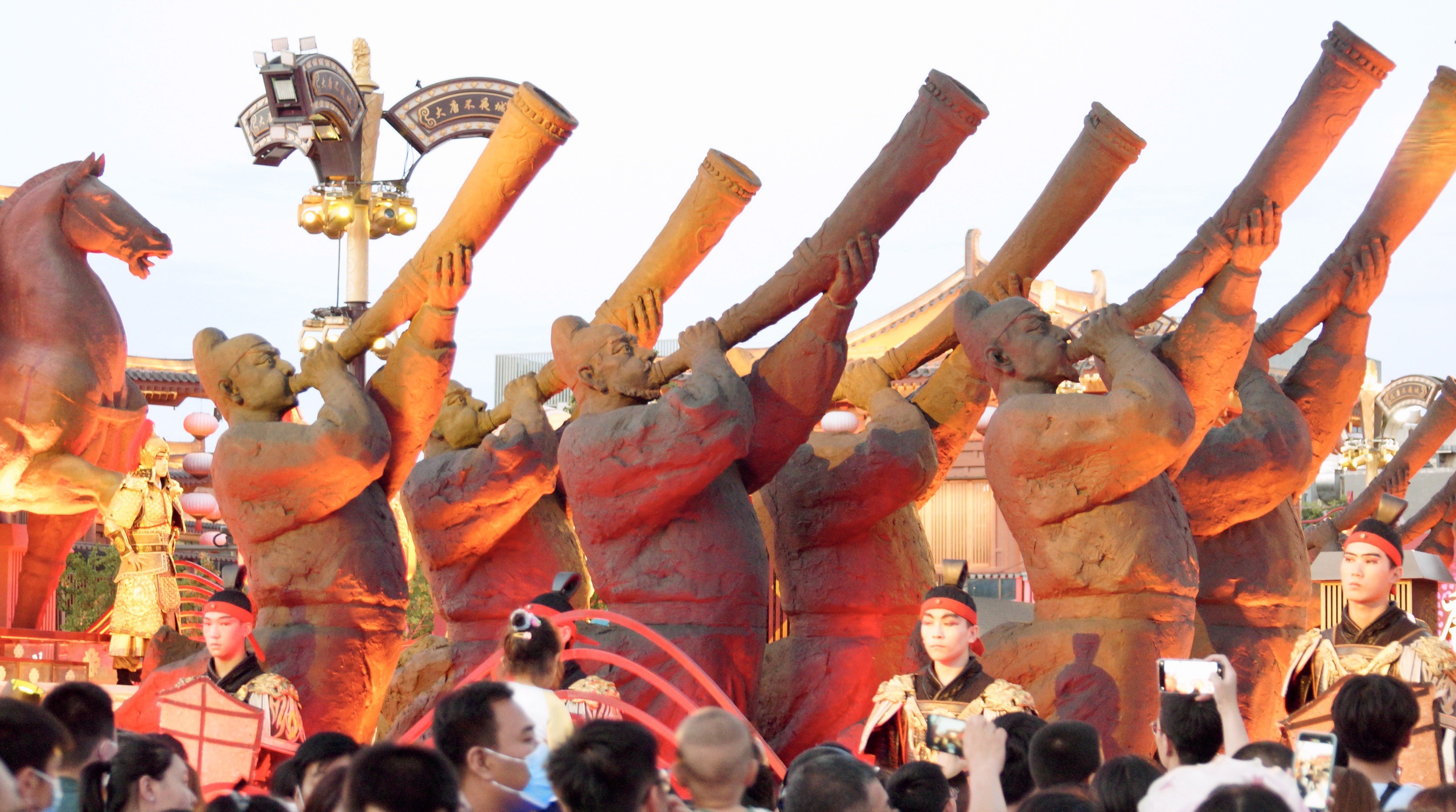
Datang Everbright City in Xi’an presents a captivating destination that effectively showcases the rich history and contemporary developments of China. Tucked away within the ancient city of Xi’an, this vibrant cultural complex offers a delightful fusion of traditional architecture and cutting-edge technology. As soon as you set foot here, you are instantly whisked away to a bygone era, greeted by splendid replicas of Tang Dynasty structures adorned with intricate carvings and vibrant hues. These architectural wonders not only provide visually pleasing sights but also offer a glimpse into the grandeur of the Tang Dynasty, widely regarded as the golden age of Chinese civilization. The meticulous attention to detail in their design and construction is truly commendable, making it an absolute must-visit for history buffs and architectural enthusiasts.

However, Datang Everbright City goes beyond being a mere historical site; it seamlessly integrates modern advancements to create an immersive and interactive experience for visitors. The Tang Paradise, a standout feature of this complex, is an enticing theme park that meticulously recreates the splendor of the Tang Dynasty. Here, one can explore breathtaking gardens, be mesmerized by captivating performances, and even take a serene boat ride across the picturesque lake. The clever use of cutting-edge technologies, such as awe-inspiring holographic projections and immersive virtual reality, adds an unparalleled charm to the overall experience, effectively bringing the history to life in the most captivating manner.

Another remarkable aspect of Datang Everbright City lies in its diverse range of cultural activities. From mesmerizing traditional Chinese dance performances and soul-stirring music concerts to captivating calligraphy demonstrations and elegant tea ceremonies, there is a plethora of engaging experiences catering to individual preferences. Moreover, visitors are provided with opportunities to participate in workshops where they can learn cherished traditional crafts like the delicate art of paper cutting and the exquisite mastery of silk embroidery. These activities allow participants to gain a profound understanding and appreciation for the rich tapestry of Chinese culture and artistic heritage.

Furthermore, Datang Everbright City takes its visitors on an extraordinary gastronomic journey through the flavors of ancient China. Within the complex, one can find a variety of exceptional restaurants and quaint food stalls serving delicious, authentic Tang Dynasty cuisine. Every dish, from the savory dumplings to the delectable sweet rice cakes, is meticulously prepared using traditional recipes and techniques, offering visitors an exquisite and authentic taste of the past.

Beyond its cultural and culinary wonders, Datang Everbright City also provides ample opportunities for relaxation and leisure. The expansive park surrounding the complex offers an idyllic setting for leisurely strolls amidst lush greenery or enjoyable picnics, providing a tranquil escape from the bustling city life. Additionally, numerous souvenir shops and boutiques are scattered throughout the complex, enticing visitors with unique handicrafts and treasured mementos that serve as tangible reminders of their extraordinary visit.

In conclusion, Datang Everbright City in Xi’an stands as an exceptional destination that seamlessly combines history, culture, and technology. Whether one finds themselves engrossed in the annals of the past, captivated by artistic marvels, or simply seeking an extraordinary and immersive experience, this cultural complex offers something truly extraordinary for every individual. Its meticulous attention to detail, interactive attractions enhanced by advanced technologies, and diverse range of engaging activities effortlessly establish it as a must-visit destination epitomizing the very best of ancient and modern China.

Related Posts

Echoes of Desolation: Unveiling the Tragedy of the Holodomor

Elias Rowen

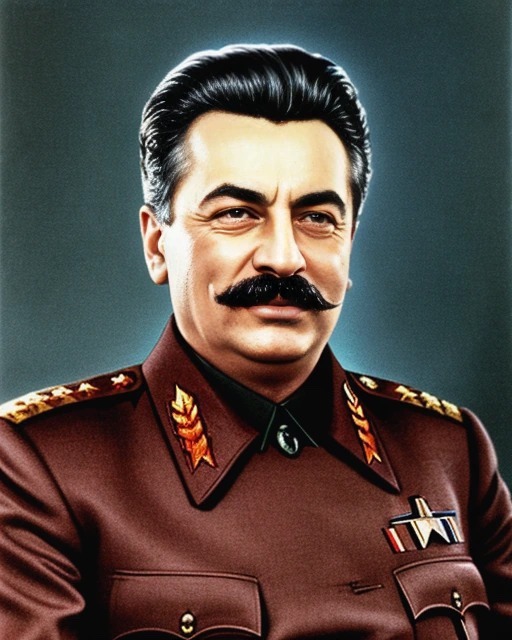
The Holodomor, or the Ukrainian famine of 1932-1933, holds a stark place in Ukrainian history. This devastating event was orchestrated by the Soviet Union, specifically under Joseph Stalin’s leadership, with the intention of suppressing Ukrainian nationalism and enforcing agricultural collectivization. The policies implemented during this distressing period resulted in the loss of countless Ukrainian lives, positioning it as one of the most tragic and fatal famines in recorded human history.

Under the guidance of the Soviet government, Ukrainian peasants suffered the forcible seizure of their grain and other crucial food supplies. This left them devoid of sustenance for themselves and their families, enduring unimaginable deprivation. Heart-wrenching accounts depict individuals resorting to extreme measures such as consuming grass and bark, and in some instances, even resorting to the unimaginable act of consuming their own children in desperate attempts to survive.

The effects of this famine were not confined solely to physical suffering. They resonated deeply within Ukrainian culture and identity. The deliberate targeting of Ukrainians and the erosion of their way of life left lasting wounds, wounds that can still be felt today. The Ukrainian famine of 1932-1933 serves as a poignant reminder of the immeasurable toll inflicted by political oppression and the cold-hearted disregard for human life.

Above all, it stands as a testament to the indomitable resilience of the Ukrainian people. They have persistently strived to preserve their history and honor the memory of those who perished during this tragic era.

Related Posts

Caligula Unveiled: The Madness and Intrigue of Rome’s Most Infamous Emperor

Dave

a man standing in front of a building
Get ready to witness the rise and fall of one of the most controversial figures in Roman history – Gaius Caesar Germanicus, also known as Caligula. Born in 12 AD as the third son of Germanicus, a beloved Roman general, and the granddaughter of Augustus, the first Roman emperor, Caligula was destined for greatness. With his charming looks, charisma, and wit, he was adored by the Roman people. However, his short-lived reign of only four years, from 37 AD to 41 AD, was nothing short of a rollercoaster ride filled with cruelty, extravagance, and madness.

Caligula’s ascension to the throne was relatively calm. Initially, he was a popular emperor who abolished unpopular taxes, restored democratic freedoms, and initiated massive building projects. However, it wasn’t long before things started spiraling out of control. Caligula’s behavior became increasingly erratic and bizarre, including donning women’s clothing and appointing his favorite horse as a consul.

The emperor’s cruelty was most evident in his treatment of the Roman Senate. He had many senators executed without any reason and publicly humiliated them. Caligula’s incestuous relationships with his sisters and rumored acts of extreme sexual depravity only added to his infamy. His reckless spending and taxation policies also put a tremendous strain on the Roman economy, leaving it in shambles.

But even with all his power, Caligula’s behavior eventually became too much for the people and the Senate to bear. In 41 AD, he met his demise at the hands of members of his own Praetorian Guard. Although his reign was short, Caligula’s legacy continues to fascinate historians and the public alike. He is remembered as one of Rome’s most notorious and eccentric emperors, whose reign serves as a cautionary tale about the dangers of absolute power.

Related Posts

The Art of Aging: Unveiling the Secrets of Okinawa Awamori

Dave

Okinawa awamori, which is an esteemed traditional distilled alcoholic beverage, holds a special place in the cultural heritage of Okinawa, Japan. It is deeply intertwined with the customs, traditions, and way of life on the island, with its origins dating back centuries. This exceptional libation is meticulously crafted using long-grain indica rice, undergoing a careful fermentation process with black koji mold and water. However, what truly sets this drink apart is its unique aging process; it is delicately entombed in traditional clay pots called kame and left to mature underground.

This underground seclusion allows the awamori to develop and unveil its complex flavors over time. The end result is an exquisite elixir that is both smooth and aromatic, boasting a distinctive taste profile with subtle undertones of tropical fruits, earthiness, and a gentle sweetness. The craftsmanship and quality of Okinawa awamori are highly esteemed, with many distilleries adhering to time-honored production methods passed down through generations. The production of awamori is not merely a skill; it is an artistic endeavor where master distillers devote their lives to perfecting this craft. Enthusiasts typically enjoy the spirit neat or over ice, relishing its intricate flavors sip by sip. Moreover, awamori imparts its distinct touch to various cocktails and culinary recipes, adding a unique flavor dimension to Okinawan cuisine.

Beyond its delightful taste, awamori carries significant cultural significance within Okinawan society. It takes center stage in traditional ceremonies, festivals, and celebrations, symbolizing unity and harmony while preserving local traditions. The spirit has also gained international recognition, attracting a growing interest among spirits connoisseurs worldwide who appreciate its exceptional qualities and cultural heritage. As a result, the production and consumption of Okinawa awamori continue to thrive, bolstering the island’s economy and sharing a valuable slice of Okinawan culture with the rest of the world.

Related Posts