
New Year’s Day is one of the rare moments when humanity seems to pause collectively, reflect on the past, and imagine what lies ahead. Yet while the idea of “a new year” feels universal, the way people mark this transition varies widely across cultures, religions, climates, and histories. For some, it is a quiet, spiritual reset; for others, it is a night of explosive noise, fire, color, and communal joy. Some celebrate in the depths of winter, others under summer skies. Some focus on ancestors and tradition, others on personal reinvention. Together, these celebrations reveal not just how people mark time, but how they understand life, continuity, and hope.
In much of the Western world, New Year’s Day is celebrated on January 1, following the Gregorian calendar. The night before is often louder and more dramatic than the day itself. Fireworks, countdowns, parties, and public gatherings dominate cities from New York to London to Sydney. The final seconds of the year are counted aloud, and the moment the clock strikes midnight is marked with cheers, kisses, and toasts. Champagne is uncorked, music swells, and people greet the future with a mix of optimism and relief. New Year’s Day that follows is typically quieter, devoted to rest, family meals, or watching televised events. Underneath the festivities lies a deeply ingrained tradition of making resolutions—personal promises to improve health, relationships, habits, or ambitions. This emphasis on self-improvement reflects a cultural focus on individual agency and fresh starts.
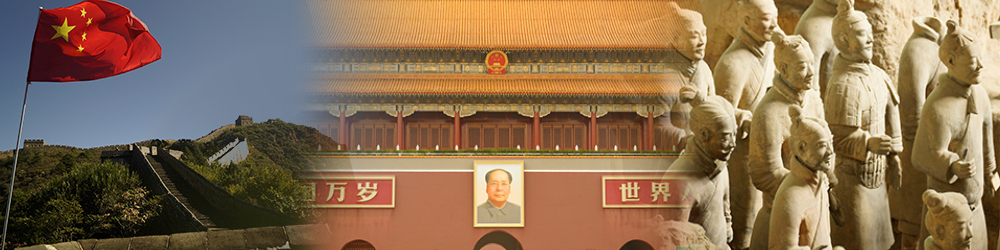
Across East Asia, New Year celebrations often follow the lunar calendar, meaning the holiday falls sometime between late January and mid-February. This celebration is not confined to a single day but unfolds over a period of weeks. Families travel long distances to reunite, homes are thoroughly cleaned to sweep away bad luck, and red decorations fill streets and doorways, symbolizing prosperity and protection. Firecrackers are set off to scare away evil spirits, and elaborate meals are shared, each dish carrying symbolic meaning—longevity, wealth, fertility, or harmony. Elders give red envelopes containing money to younger family members, reinforcing bonds across generations. Here, New Year is less about individual resolutions and more about family continuity, respect for ancestors, and collective fortune.
In South Asia, New Year celebrations vary widely depending on region, religion, and calendar system. In many parts of India, the New Year is celebrated in spring, aligning with agricultural cycles and ancient solar calendars. These celebrations often involve religious rituals, temple visits, and community feasts. Homes are decorated with intricate designs made from colored powders or flowers at their entrances, meant to welcome prosperity and positive energy. New clothes are worn, old grievances are set aside, and prayers are offered for abundance and harmony. Rather than focusing on a single night of revelry, these New Year observances emphasize balance—between humans and nature, material success and spiritual well-being.
In the Middle East and parts of Central Asia, New Year arrives with Nowruz, a festival rooted in ancient Persian traditions and celebrated at the spring equinox. Nowruz literally means “new day,” and it marks not only the start of a new year but the rebirth of the natural world. Preparations begin weeks in advance, with households cleaning thoroughly and setting up special tables displaying symbolic items such as sprouts, apples, and vinegar, each representing concepts like renewal, health, and patience. Families gather, elders are honored, and visits are exchanged among friends and neighbors. Nowruz blends the cosmic and the personal, tying human renewal to the cycles of the earth and emphasizing harmony, hospitality, and hope.
In Jewish communities, the New Year, known as Rosh Hashanah, usually falls in early autumn. Unlike many secular celebrations, this New Year is solemn and reflective. It marks the beginning of a period of introspection, repentance, and moral accounting. Religious services feature the sounding of the shofar, a ram’s horn whose haunting call is meant to awaken the soul. Families share symbolic foods such as apples dipped in honey, expressing the hope for a sweet year ahead. Rather than loud celebration, Rosh Hashanah invites quiet self-examination and ethical renewal, underscoring a cultural emphasis on responsibility, accountability, and spiritual growth.
In many African cultures, New Year celebrations are closely tied to agricultural rhythms, ancestral traditions, and communal identity rather than fixed calendar dates. In parts of West Africa, for example, New Year festivals may coincide with harvest cycles or important historical events. These celebrations often involve music, drumming, dancing, and elaborate costumes, transforming public spaces into living expressions of cultural memory. Elders play a central role, offering blessings and guidance, while younger generations participate through performance and ritual. New Year here is not just about the future; it is also about honoring the past and reaffirming the bonds that hold the community together.
In Ethiopia, the New Year, known as Enkutatash, is celebrated in September, marking the end of the rainy season and the arrival of spring flowers. The holiday is characterized by colorful attire, singing, and the exchange of bouquets, especially by children. Families gather for traditional meals, and religious services are held to give thanks for survival and renewal. Enkutatash reflects a deep connection between timekeeping, environment, and gratitude, highlighting how natural cycles shape cultural understandings of beginnings and endings.
In Latin America, New Year’s Eve is often a vibrant blend of indigenous traditions, European influences, and modern creativity. Fireworks and music fill the streets, but many families also observe unique rituals meant to shape the coming year. Some people eat twelve grapes at midnight, one for each month, making a wish with each bite. Others wear specific colors of clothing—yellow for prosperity, white for peace, red for love. In some places, people run around the block with suitcases to invite travel in the year ahead, or burn effigies symbolizing the hardships of the past year. These playful yet symbolic acts reflect a cultural tendency to blend joy, superstition, and communal celebration.
In Europe, New Year traditions differ from country to country, often reflecting regional history and climate. In Scotland, for example, New Year’s celebrations are famously elaborate, with customs emphasizing purification and luck. People clean their homes thoroughly before the year ends, and the first person to cross the threshold after midnight is believed to influence the household’s fortune for the year ahead. In Spain, the tradition of eating grapes at midnight is shared nationwide, turning a simple fruit into a collective ritual performed in unison. In Eastern Europe, New Year’s Day may be closely tied to religious observances, family meals, and folk customs that blend Christian and pre-Christian elements.
In Japan, New Year is one of the most important holidays of the year, marked by calm reflection rather than loud celebration. Families clean their homes, settle debts, and prepare special foods meant to bring longevity and good fortune. At midnight, temple bells are rung 108 times, symbolizing the cleansing of human desires and impurities. The first sunrise of the year is often watched in silence, and people visit shrines to pray for health, success, and peace. This contemplative approach reflects a cultural value placed on order, mindfulness, and inner balance.
In Islamic cultures, the New Year is marked according to the lunar calendar and does not typically involve celebration in the festive sense. The Islamic New Year commemorates the migration of the Prophet Muhammad from Mecca to Medina, an event that holds deep historical and spiritual significance. Observances are generally quiet, involving prayer, reflection, and remembrance. This restraint highlights a cultural emphasis on humility, devotion, and historical continuity rather than spectacle.
Across indigenous cultures worldwide, New Year celebrations are often deeply spiritual and tied to cosmology, land, and ancestral knowledge. For many Native American nations, the concept of a single New Year’s Day is less important than ongoing cycles marked by solstices, equinoxes, and seasonal changes. Ceremonies may involve fasting, dancing, storytelling, and offerings to the earth, reinforcing a worldview in which time is circular rather than linear. Renewal is not confined to a date but experienced continually through ritual and relationship with nature.
What unites all these diverse celebrations is not a shared calendar but a shared human impulse. New Year’s Day, whenever it falls, is a moment to pause and make sense of time. It offers a socially sanctioned opportunity to let go of regret, reaffirm identity, and imagine a better future. Whether through fireworks or prayer, feasts or silence, the act of marking a new year allows people to feel anchored in something larger than themselves—family, community, history, or the cosmos.
In a world that often feels fragmented, New Year celebrations reveal a powerful truth: while cultures differ in expression, the desire for renewal is universal. Each tradition, in its own way, answers the same fundamental question—how do we step forward into the unknown? The answers may be loud or quiet, communal or personal, ancient or evolving. But together, they form a global tapestry of hope, reminding us that no matter where or how we celebrate, the turning of the year is ultimately about believing that change is possible, and that tomorrow can be better than yesterday.