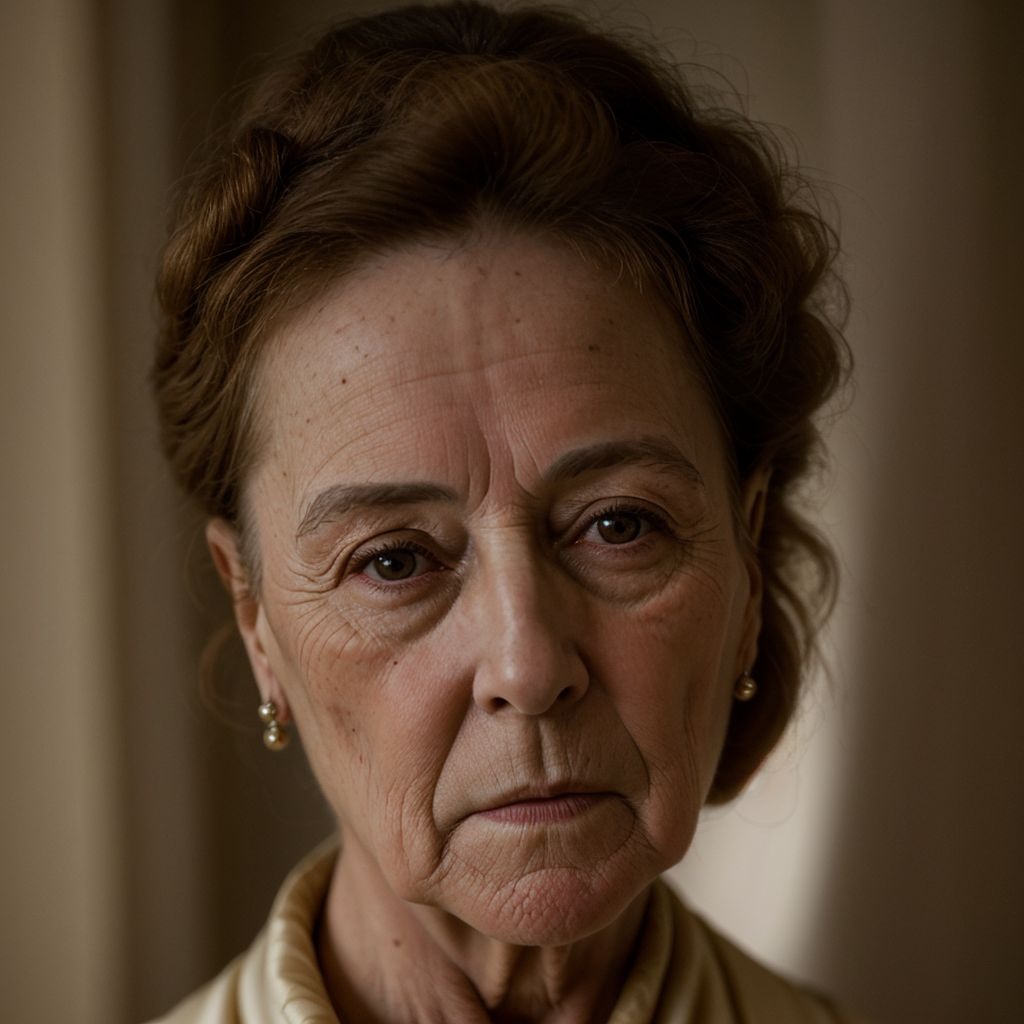
I’ve always been fascinated by Edith Wharton’s writing, particularly her novels about the social elite of her time. As I delved deeper into her work, I found myself drawn to the way she critiqued the societal norms that governed women’s lives during the Gilded Age. But what really resonated with me was her exploration of the tension between desire and duty.
I think about my own experiences with this tension. After college, I struggled to decide whether to pursue a “stable” career or follow my passion for writing. My parents and friends urged me to choose something practical, something that would guarantee a steady income and respectability. But my gut told me to take the leap and write full-time.
Reading Wharton’s novels, I felt like she understood this internal conflict perfectly. Her characters are often women trapped in lives they didn’t choose, forced to prioritize their families’ reputations over their own desires. And yet, they’re also fiercely intelligent and independent individuals who long for more. It’s a paradox that feels both deeply personal and universally relatable.
One of Wharton’s most famous novels is “The Age of Innocence,” which tells the story of Newland Archer, a man torn between his duty to marry the woman his family has chosen for him and his desire for the free-spirited Elisabeth Mingott. As I read the novel, I found myself identifying with Elisabeth’s sense of restlessness, her feeling that she doesn’t quite fit into the societal mold.
At times, Wharton’s portrayals of women’s lives feel eerily familiar to me. The pressure to conform, the expectation to be perfect, the suffocating weight of duty – it all feels like a constant companion in my own life. And yet, reading her novels also made me realize that I’m not alone in feeling this way. Wharton’s characters may live in a different time and place, but their struggles are somehow timeless.
But here’s the thing: Wharton’s work isn’t just about critiquing societal norms; it’s also about the complexities of human relationships. Her novels often feature intricate web-like structures, with multiple storylines and character motivations that intersect and overlap. It’s like she’s drawing a map of the messy, contradictory nature of human desire.
I’ve always been fascinated by how Wharton navigates these complex relationships in her writing. She doesn’t shy away from the dark or uncomfortable aspects of love and relationships; instead, she explores them with a nuance that feels almost surgical. Her characters are multidimensional, flawed, and often heartbreaking – which is why I think I connect with them so deeply.
One of my favorite Wharton novels is “The Custom of the Country,” which tells the story of Undine Spragg, a young woman who embodies the very qualities Wharton critiques in her other works. Undine is beautiful, charming, and ambitious – but also shallow, manipulative, and ultimately self-destructive. As I read the novel, I felt a mix of emotions: fascination with Undine’s audacity, frustration with her lack of depth, and even a hint of sadness that she’s doomed to repeat the same patterns over and over.
It’s this kind of nuanced characterization that makes Wharton’s work feel so compelling to me. She’s not interested in painting neat moral lessons or tidy conclusions; instead, she’s more concerned with capturing the messy, contradictory nature of human experience.
As I reflect on my own reactions to Wharton’s writing, I realize that it’s not just about admiring her as a writer – although I do deeply respect her craft. It’s also about identifying with her exploration of the tension between desire and duty, about recognizing the complexities of human relationships in her work. In a way, reading Wharton feels like looking into a mirror, seeing my own struggles reflected back at me.
But there’s something more to it than that, too. I think what I love most about Wharton’s writing is its willingness to confront the uncomfortable truths of our lives – and then, somehow, make those truths feel beautiful. It’s a paradox that feels both profoundly unsettling and deeply human, which is why I keep coming back to her work again and again.
As I delve deeper into Wharton’s writing, I’m struck by the way she tackles the complexities of desire and duty in relationships. Her characters are often trapped in webs of obligation, torn between their own desires and the expectations placed upon them by society. It’s a feeling that resonates deeply with me, especially when it comes to my own romantic relationships.
I think about the times I’ve found myself caught up in feelings for someone who wasn’t quite right for me – someone who represented stability, security, or a sense of “respectability” that my parents and friends would approve of. It’s like Wharton’s characters are whispering in my ear, urging me to prioritize my own desires over the expectations of others.
But what I love most about Wharton’s portrayal of relationships is its nuanced exploration of power dynamics. Her characters aren’t simply passive victims of societal norms or their own desires; they’re active agents who navigate complex webs of power and influence. In “The Age of Innocence,” for example, Newland Archer is both a product of his society and an individual with his own agency – he’s capable of making choices that challenge the status quo, even if they ultimately lead to heartbreak.
Wharton’s exploration of power dynamics also makes me think about my own relationships in new ways. I realize that I’ve often prioritized men who are confident, charismatic, and powerful over those who are kind, genuine, and vulnerable. It’s like I’m echoing the societal norms Wharton critiques – valuing qualities that are external, rather than internal.
But what if I flipped this script? What if I started valuing vulnerability, kindness, and genuine connection in my relationships? Would that make me a more authentic version of myself? Would it allow me to build stronger, more meaningful connections with others?
These questions swirl around in my mind as I continue reading Wharton’s novels. Her writing is like a mirror held up to the complexities of human experience – forcing me to confront my own desires, doubts, and fears head-on. And yet, even in its most uncomfortable moments, her work feels strangely beautiful – a testament to the power of nuance, complexity, and empathy in understanding ourselves and others.
As I ponder Wharton’s exploration of power dynamics in relationships, I’m struck by how it speaks to my own experiences with intimacy. Growing up, I was always told that vulnerability was a weakness, that showing emotions made me more susceptible to hurt. So, I learned to put on a mask, to hide behind a facade of confidence and control.
But Wharton’s characters are unapologetically vulnerable, and it’s this vulnerability that makes them so compelling. They’re willing to take risks, to expose themselves, even if it means getting hurt. And in doing so, they create space for genuine connection with others – connection that’s rooted in mutual understanding and empathy.
I think about the men I’ve dated in the past, and how I often prioritized their confidence and power over their kindness and vulnerability. It was like I was seeking a reflection of myself in them, rather than embracing my own unique qualities. But Wharton’s writing is challenging me to rethink this dynamic, to see that true intimacy requires a willingness to be vulnerable, to take risks, and to trust others.
It’s not just about relationships, though – it’s also about how I show up in the world. As a writer, I’m often torn between my desire for creative expression and the need for stability and respectability. But Wharton’s work is encouraging me to own my passion, to prioritize my own desires over the expectations of others.
I think back to the internal conflict I mentioned earlier, about whether to pursue writing full-time or a more stable career. It was like I was caught between two opposing forces – the desire for security and the need for creative expression. But Wharton’s characters are constantly navigating these kinds of tensions, finding ways to reconcile their desires with the expectations placed upon them.
It’s this kind of nuance that I admire about Wharton’s writing. She doesn’t offer easy answers or tidy solutions; instead, she presents complex, messy human experiences that resonate deeply with me. And it’s in those moments of resonance that I feel like I’m not alone, that I’m part of a larger conversation about what it means to be human.
As I continue reading Wharton’s novels, I’m struck by the way her writing is both deeply personal and universally relatable. It’s as if she’s capturing the essence of the human experience – all its complexities, contradictions, and paradoxes. And in doing so, she’s creating a space for me to explore my own desires, doubts, and fears.
I realize that Wharton’s work isn’t just about critiquing societal norms or exploring power dynamics; it’s also about the search for authenticity, for being true to oneself in a world that often values conformity. And as I reflect on this aspect of her writing, I’m forced to confront my own search for authenticity – and the ways in which I’ve compromised on my desires in order to fit in.
It’s funny how Wharton’s writing can be both a reflection of our times and a timeless commentary on human nature. As I think about her exploration of authenticity, I’m reminded of my own struggles with finding my place in the world. Growing up, I was always encouraged to fit in, to conform to societal expectations of what it means to be successful or respectable. But as I got older, I began to feel a growing sense of disconnection from those expectations, like they were suffocating me.
Reading Wharton’s novels feels like a breath of fresh air in this regard – she’s unapologetically herself, even when that means challenging the status quo. And it’s not just about her writing; it’s also about the way she lived her life. She was a woman who defied convention, who pursued her passions and interests with reckless abandon, even when they were considered unconventional for a woman of her time.
I think about how I’ve compromised on my own desires in order to fit in – taking on a “respectable” job, living in a neighborhood that’s deemed safe and stable, dating men who are confident and charismatic but not necessarily kind or genuine. It’s like I’m trying to check off all the right boxes, to be seen as successful and respectable by others.
But Wharton’s writing is challenging me to rethink this dynamic – to prioritize my own desires and passions over what others think of me. She shows her characters taking risks, making choices that are difficult or unpopular, but ultimately true to themselves. And in doing so, they find a sense of freedom, a sense of being alive.
It’s not always easy to do the same, though – to be authentic in a world that often values conformity. There are times when I feel like I’m stuck between two opposing forces – my desire for creative expression and the need for stability and respectability. But Wharton’s writing is giving me permission to explore this tension, to find a way to reconcile my desires with the expectations placed upon me.
As I continue reading her novels, I’m struck by the way she tackles the complexities of identity and self-discovery. Her characters are always struggling to find their place in the world, to define themselves against the backdrop of societal norms and expectations. And it’s not just about finding one’s own identity; it’s also about understanding the intricate web of relationships that shape our lives.
Wharton’s exploration of power dynamics, desire, and authenticity has me thinking about my own relationships – with friends, family, romantic partners, even myself. How do I show up in these relationships? Am I prioritizing my own desires and needs, or am I trying to fit into someone else’s mold?
It’s a question that feels both deeply personal and universally relatable, like Wharton’s writing always does. As I ponder it, I’m reminded of the way her characters navigate complex webs of power and influence – with vulnerability, empathy, and a willingness to take risks.
And it’s not just about relationships; it’s also about how I show up in the world as a writer, as an individual. Am I being true to myself, or am I trying to fit into someone else’s idea of what it means to be successful or respectable?
Wharton’s writing is giving me permission to explore these questions, to find my own way in the world without apology or pretension. And it’s a scary but exhilarating prospect – like stepping off a cliff and trusting that I’ll find my footing on the other side.