
Somewhere between the excitement of planning a beach day and the reality of stepping onto the sand, there’s a silent battle your skin prepares to fight. The sun is dazzling, the breeze is warm, the ocean glitters with invitation—and every one of those things comes with its own invisible cost to your skin. Saltwater dries it, UV rays wage war on its youth, wind whips at its moisture barrier, and sand… well, sand exfoliates with all the grace of an overzealous loofah. It’s easy to forget that “fun in the sun” is, for your skin, “an endurance marathon under extreme conditions.” The good news? You can have your beach and keep your glow, too—if you treat skincare like part of the adventure instead of a chore. The perfect beach-ready skincare routine isn’t about a bag of overpriced products; it’s about smart preparation, thoughtful protection, and post-sun repair that feels like a love letter to yourself.
The first chapter of any beach skincare story is the pre-game—the hours before your toes touch sand. Think of this as the “armor phase.” You’re not just slathering on sunscreen; you’re prepping your skin to handle heat, salt, and sweat with grace. Hydration starts here, and no, not just from your water bottle. A lightweight, water-based moisturizer with hyaluronic acid will pull hydration into your skin like a sponge, giving it a plump, dewy resilience that lasts longer under the sun’s glare. If you’re prone to oiliness, don’t skip this step—dehydrated skin produces more oil to compensate, and nothing ruins beach selfies faster than makeup melting off in greasy streaks.
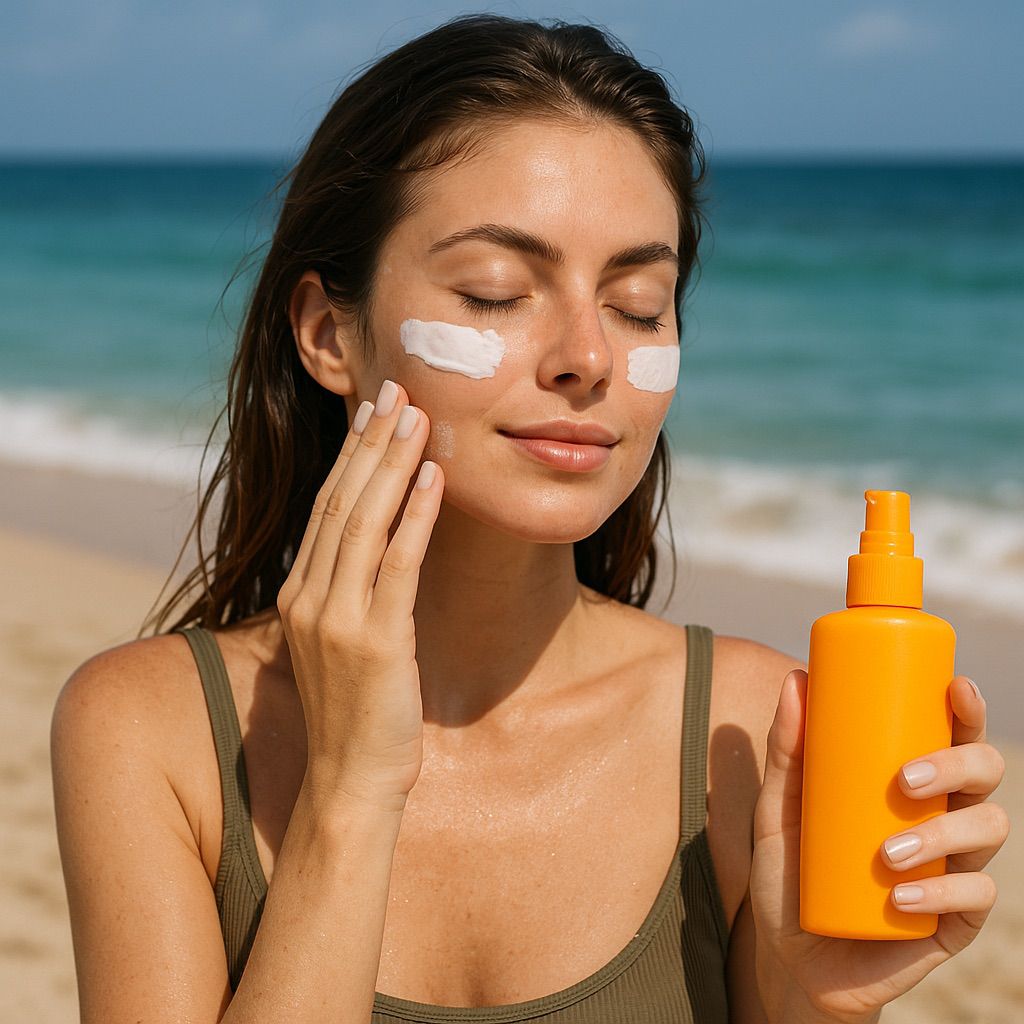
Then comes the star of the show: sunscreen. This is not a casual decision. For the beach, you want broad-spectrum SPF 50 or higher, water-resistant for at least 80 minutes, and ideally reef-safe to protect marine life. A good mineral sunscreen with zinc oxide or titanium dioxide sits on top of your skin, reflecting UV rays rather than absorbing them. Chemical sunscreens can be effective, too, but they need a solid 15–20 minutes to activate before exposure. The key is generous application—most people use about half as much as they should. A teaspoon for your face, a shot-glass worth for your body, and don’t forget the often-missed spots: ears, the back of your neck, tops of your feet, and the part in your hair if you’re not wearing a hat.
If you wear makeup, keep it minimal and functional. A tinted SPF can replace foundation, a dab of cream blush can add warmth without caking, and a waterproof brow gel will keep your face expressive after a swim. Skip heavy powders, which will mix with sweat and sunscreen to create an unwelcome paste. Your pre-beach look should say “sun-kissed” before you even step outside, so that when the real sun-kiss arrives, it only enhances what’s already there.
Arriving at the beach is when the maintenance phase kicks in. You wouldn’t expect your phone battery to last all day without recharging; the same goes for your sunscreen. Reapply every two hours, or immediately after swimming, sweating, or toweling off. This is the step that separates the bronze goddesses from the crispy lobsters. A spray sunscreen can be handy for quick touch-ups, but make sure to rub it in for even coverage—sprays are notorious for missing spots in the wind. Keep a stick sunscreen in your bag for quick reapplication to high-burn zones like your nose, shoulders, and cheekbones.
The beach environment tests more than just your SPF discipline. Saltwater can be both your friend and foe—its natural minerals can calm inflammation and help heal minor skin issues, but it’s also incredibly dehydrating. When you come out of the water, rinse with fresh water if possible, then reapply a light layer of moisturizer before topping up your sunscreen. This mini-refresh takes less than five minutes and can make the difference between glowing all evening and looking like you spent the day in a dehydrator.
Lips are the unsung casualty of beach days. They have almost no natural sun protection, and once burned, they take days to recover. A lip balm with SPF 30 or higher is non-negotiable, and it’s worth finding one that’s both water-resistant and non-waxy, so it won’t melt into a mess in your beach bag. Reapply often—you talk, drink, and eat, which means it wears off faster than you realize. Bonus tip: choose a tinted one for a subtle pop of color that makes you look instantly put together without any extra effort.
Hair isn’t skin, but it plays in the same arena. Salt and sun can fade color, weaken strands, and dry out your scalp. A leave-in conditioner with UV protection creates an invisible shield against damage, while a wide-brimmed hat not only protects your face but your hairline and scalp too. If you’re swimming, consider braiding your hair to prevent tangles and minimize breakage. Your future self—brushing out post-beach knots—will thank you.
As the day winds down and the sun dips low, the skincare story shifts to recovery mode. This is where you turn from defense to repair, helping your skin bounce back from everything it’s endured. The first step is cleansing. Salt, sand, sweat, and SPF form a stubborn film on your skin, and a gentle, oil-based cleanser can break it down without stripping your moisture barrier. Follow with a water-based cleanser for a double-cleanse that leaves your face truly fresh. Your body deserves the same care—a hydrating shower gel or cream cleanser will soothe and soften while washing away the day.
After cleansing comes the crucial replenishment phase. Your skin has lost moisture, so it’s time to feed it deeply. An aloe vera gel or cooling after-sun lotion can calm any heat and redness, while a ceramide-rich moisturizer will help repair the skin’s barrier. If you’ve overdone it and have the telltale tightness of an impending sunburn, stash your after-sun products in the fridge before applying. The chill will feel incredible, and the cool temperature helps reduce inflammation faster.
Nighttime is also the perfect window for targeted treatments. Antioxidants like vitamin C can help fight free radical damage from sun exposure, while niacinamide calms redness and improves skin elasticity. Avoid heavy exfoliation right after a beach day—your skin is already sensitized—but a few days later, a gentle scrub or chemical exfoliant can help remove dead skin cells and keep your tan looking even.
Don’t forget hydration from the inside out. After hours under the sun, your whole body is thirsty. Water should be your main drink, but coconut water or electrolyte-rich beverages can speed up recovery. Your skin reflects your internal hydration levels more than any product can compensate for.
Perhaps the most humanizing truth about beach skincare is that it isn’t about perfection—it’s about respect. Respect for your skin’s limits, for the environment you’re in, and for the fact that a day at the beach is supposed to be joyful, not stressful. Some days you’ll miss a reapplication. Sometimes your nose will peel despite your best efforts. That’s okay. Skincare is cumulative, not a pass/fail test, and the goal is to leave the beach feeling good in your skin—not obsessing over every freckle.
The real secret to a beach-ready skincare routine is making it feel like part of the day’s pleasure, not a set of interruptions. Apply sunscreen with the same anticipation as zipping up your beach bag. Reapply with the same satisfaction as taking your first sip of cold lemonade. Slather on after-sun lotion while reliving the day’s highlights in your mind. The more these rituals feel woven into your experience, the more they become a natural part of how you do the beach—effortless, enjoyable, and effective.
So when you pack your bag next time, think beyond towels and snacks. Think of your skin as a travel companion—one that’s been with you your whole life, one that will be with you for decades to come. Treat it well on the shore, and it will thank you long after the waves have faded from your ears and the sand has been shaken from your shoes.