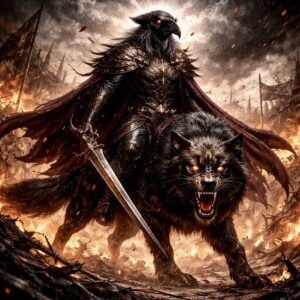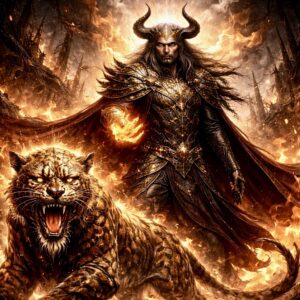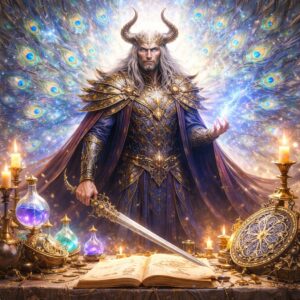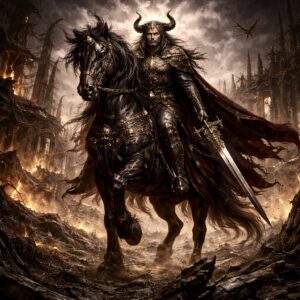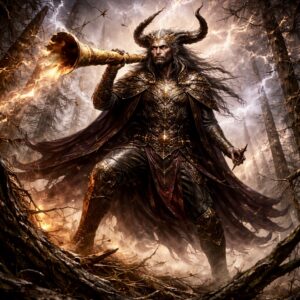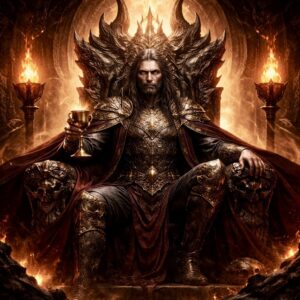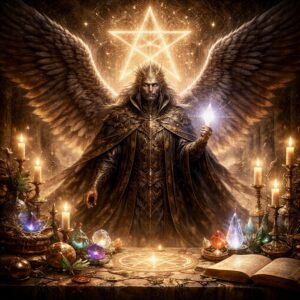
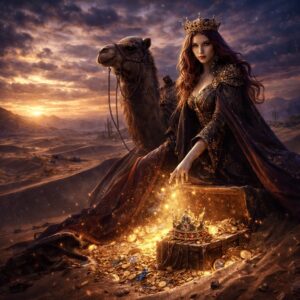
There is something undeniably theatrical about Gremory. In a catalog of spirits that ride beasts, command legions, and build fortresses from shadow, she appears adorned with a duchess’s crown, seated upon a camel, radiating nobility rather than brute force. Within the pages of the Lesser Key of Solomon, Gremory—sometimes spelled Gomory—emerges as a Great Duchess …
Category: Religion
Ose: The Shapeshifting Demon Who Warps Identity, Truth, and the Fragile Line Between Sanity and Insight
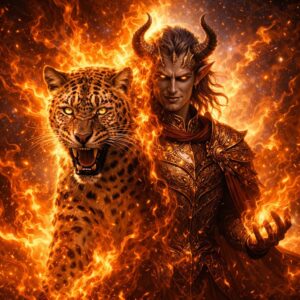
Ose is not a demon that attacks the body first. He goes after something far more vulnerable: certainty. In the Ars Goetia, Ose is named as a Great President of Hell, commanding legions and appearing initially as a leopard before taking on human form. But these descriptions only scratch the surface. Ose’s true domain is …
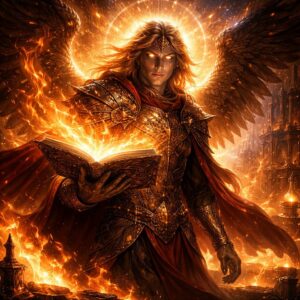
Amy: The Fire-Bearing Demon of Knowledge Who Reveals the Secrets of Stars, Spirits, and Hidden Power
In demonology, Amy is a figure who rarely draws attention through terror or grotesque spectacle, yet his presence carries a gravity that lingers long after his name is spoken. Listed in the Ars Goetia as a President of Hell, Amy governs knowledge that burns rather than dazzles, illuminates rather than comforts. He is described as …
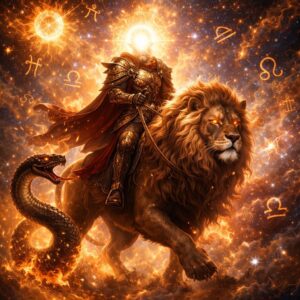
Orias: The Shape-Shifting Marquis Who Commands Stars, Status, and Sudden Transformation
Orias is not a demon of brute force or theatrical menace. He does not roar, threaten, or dominate through fear. Instead, he moves through the margins of power, altering trajectories quietly but decisively. In the Ars Goetia, Orias is named as a Great Marquis of Hell, appearing as a lion riding a powerful horse, with …
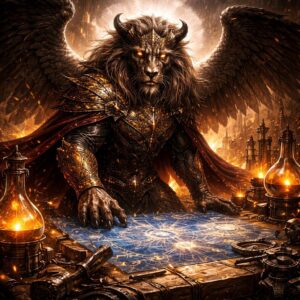
Vapula: The Infernal Duke Who Teaches Science, Craft, and the Dangerous Power of Knowing How Things Work
Vapula is not a demon of chaos, temptation, or raw destruction. He is something far more unsettling because he does not feel ancient in the way other infernal figures do. Vapula feels modern. He feels engineered. In the Ars Goetia, Vapula is described as a Great Duke of Hell who appears as a lion with …
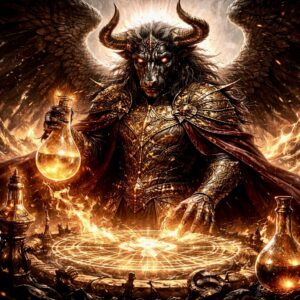
Zagan: The Alchemist King Who Turns Lies Into Truth and Chaos Into Command
Zagan is not a demon of subtlety, and he is not a demon of comfort. Among the spirits of the Ars Goetia, he occupies a singular position as a King and President of Hell, a title that immediately suggests authority layered upon authority. Zagan does not operate from the margins. He rules from the center …
Valac: The Childlike Demon Who Commands Serpents and Uncovers What Is Hidden
Valac is one of the most unsettling figures in the Ars Goetia precisely because he does not look like what people expect a demon to be. He does not arrive crowned in fire or armored in menace. Instead, he appears as a small child with angelic wings, riding or accompanied by serpents. This contrast is …
Andras: The Demon of Discord Who Thrives on Betrayal, Bloodshed, and Broken Trust
Andras is not subtle, and he is not patient. Among the spirits of the Ars Goetia, he stands out as one of the most openly hostile, volatile, and dangerous figures ever committed to parchment. Where many demons manipulate quietly, negotiate cleverly, or seduce with promises, Andras operates with a blunt and terrifying clarity of purpose. …
Haures (Flauros): The Infernal Duke of Fire Who Burns Lies Down to the Bone
Haures, also known as Flauros, is not a demon who works in shadows. He is fire made articulate, destruction with a voice, revelation delivered through heat so intense it leaves nothing hidden behind. In the Ars Goetia, Haures is described as a Great Duke of Hell, commanding legions and appearing first as a terrifying leopard …
Andrealphus: The Peacock Demon Who Masters Geometry, Astronomy, and Cold Precision
Andrealphus is not a demon of passion, temptation, or chaos. He is something far colder, far more exacting, and in many ways more unsettling. Where other infernal figures appeal to desire, ambition, or fear, Andrealphus appeals to intellect stripped of empathy. In the grimoires of the Ars Goetia, he is listed as a Marquis of …
Cimejes (Cimeies): The Infernal Marquis Who Commands Ruins, Lost Things, and the Discipline of War
Cimejes, sometimes written as Cimeies, is not a demon of spectacle. He does not dominate the imagination through grotesque excess or theatrical cruelty. Instead, his presence is quieter, more austere, and far more unsettling once you understand what he represents. In the grimoires of the Ars Goetia, Cimejes is listed as a Marquis of Hell, …
Amdusias: The Infernal Musician Who Commands Sound, Storms, and Falling Forests
Amdusias is not a demon that arrives quietly. In the grimoires where his name is written, he is associated with sound before sight, vibration before form. He is described as a Great Duke of Hell, commanding legions, but his authority does not manifest through law, deception, or temptation. It manifests through resonance. Music, thunder, the …
Belial: The Lawless King Who Teaches Power Without Allegiance
Belial is one of the oldest names to surface when human beings try to give shape to rebellion. Long before grimoires cataloged demons into tidy hierarchies, Belial already existed as an idea: the force that refuses to kneel, the will that rejects imposed order, the voice that whispers that authority is a human invention, not …
Decarabia: The Star-Shaped Marquis Who Reveals Secrets Through Stones and Wings
Decarabia is one of those infernal figures whose reputation is built less on fear and more on curiosity. In the old demonological texts, he is not described as a roaring tyrant or a punisher of souls, but as a keeper of hidden knowledge, a quiet revealer of truths that already exist but remain unseen. His …
Seere: The Swift Prince of Hell Who Bends Distance, Destiny, and Desire
Seere is not the kind of demon that announces himself with thunder or terror. His power is quieter, faster, and far more unsettling once you sit with it. In the old grimoires, Seere is described as a Prince of Hell who rides upon a winged horse and moves with impossible speed, carrying messages, altering circumstances, …
Dantalion: The Many-Faced Demon Who Commands Minds, Memories, and Desire
Dantalion is one of those names that feels as if it has been whispered rather than written, carried forward by ink-stained fingers, candle smoke, and the uneasy fascination humans have always had with the hidden machinery of the mind. To encounter Dantalion in the old grimoires is not to meet a roaring monster or a …
The Silent Avenger: Andromalius, Hunter of Thieves
If you close your eyes and picture a demon, you might imagine wings and claws, fire and shadow, a creature born only for destruction. But not all the spirits that inhabit the old grimoires fit that mold. Some are more subtle, more strange, and in many ways more unsettling because of it. Among these is …
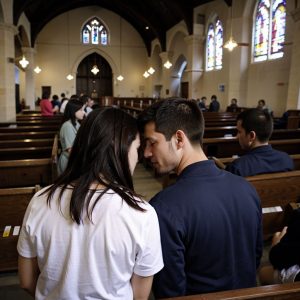
Bridging Divides: The Week of Prayer for Christian Unity
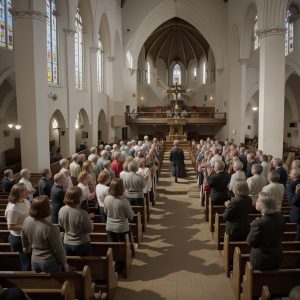
Every January, Christians around the world come together for the Week of Prayer for Christian Unity, a profound and hopeful observance dedicated to fostering unity among diverse denominations. Rooted in the belief that followers of Christ are called to be one, this global initiative transcends doctrinal differences to focus on shared faith and mutual respect. …
Bound Together in Faith: Celebrating Christian Unity Week
Every year, from January 18 to January 25, Christians around the world observe Christian Unity Week, a time dedicated to prayer, reflection, and action toward greater unity among the many branches of the Christian faith. This week stems from the ecumenical movement, which seeks to heal the divisions within Christianity and promote cooperation among Catholic, …
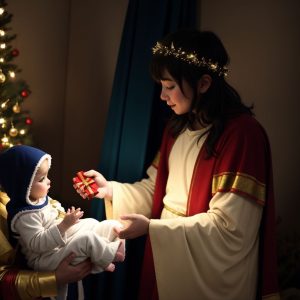
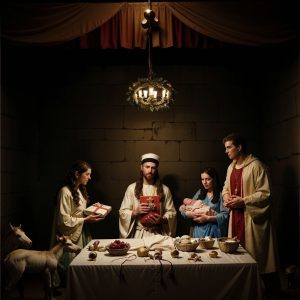
Religious Reflection: The Deep Significance of Epiphany in Christian Faith
Epiphany, celebrated on January 6, holds profound meaning in the Christian calendar. It marks the moment when the divinity of Jesus Christ was revealed to the Gentiles through the visit of the Magi, or Wise Men. This revelation signifies that Christ came not only for the Jewish people but for all of humanity. The importance …
Epiphany: A Celebration of Christ’s Revelation to the Gentiles
On January 6, Christians around the world celebrate the Epiphany, a holiday that marks the revelation of Jesus Christ to the Gentiles, symbolized by the visit of the Magi. The term “epiphany” means “manifestation” or “appearance,” and the day commemorates the moment when the wise men, guided by a star, traveled from the East to …
Pu’u o Maluka Heiau: A Sacred Sanctuary on the Hill of Escape
Nestled in the verdant landscapes of Oahu, Puu o Maluka Heiau—also known as the “Hill of Escape”—stands as a quiet yet powerful testament to Hawaii’s rich cultural and spiritual history. This ancient Hawaiian temple, or heiau, was once a place of refuge and a sacred site for religious ceremonies. As you ascend the hill, you …
Soulful Reflections: Exploring the Essence Across Cultures
The notion of the soul permeates a vast array of religious, philosophical, and cultural frameworks, each offering a distinctive interpretation regarding its essence and significance. Within Christianity, the soul is deemed an eternal entity created by God, predestined for judgment based on ethical conduct, emphasizing a linear trajectory from earthly existence to eternal afterlife. Similarly, …
Unveiling the Truth Behind Voodoo: A Cultural Perspective
Voodoo’s enigmatic allure has always mesmerized Western minds. Usually, in popular culture, it would be expressed as a dark and mysterious practice surrounded by witchcraft and curses. What we see in media explications is pretty much misleading. Indeed, what hides under, is a deep treasure about spiritual traditions. Emerging from Africa and transformed by the …
Whakarewarewa: Embracing Maori Tradition in a Geothermal Wonderland
Whakarewarewa, a Maori village located near Rotorua in New Zealand, is a unique and culturally significant place that offers visitors a deep insight into Maori traditions, lifestyle, and geothermal practices. This village, also known as Whakarewarewa Thermal Village, is home to the Tūhourangi Ngāti Wāhiao people who have lived here for centuries, harnessing the natural …
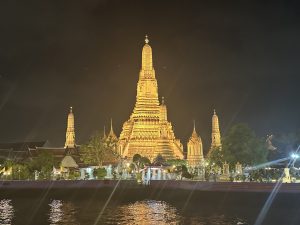
Dawn’s Embrace: Exploring Wat Arun – Bangkok’s Iconic Temple of Beauty and History
Experience the breathtaking beauty and rich history of Wat Arun Ratchawararam Ratchawaramahawihan, also known as the Temple of Dawn, located in the bustling city of Bangkok, Thailand. This iconic Buddhist temple is a must-visit for tourists and locals alike, with its stunning architecture and spiritual significance. Its name, meaning “Temple of Dawn,” pays homage to …
Unraveling the Enigma of Warlocks: Tracing the Mystique of Male Practitioners of Dark Magic
Warlocks, shrouded in mystery and often feared for their mastery of the occult, have long captured the fascination of people across cultures and throughout time. In this article, we embark on a journey to unravel the complexities of the warlock, delving into their origins, depictions in myth and folklore, historical contexts, and modern interpretations. Through …
Changing Cultural Attitudes: Implications for Religious Institutions
Shifting cultural attitudes towards religion and spirituality, marked by increasing secularization and skepticism towards organized religion, have significantly impacted engagement with religious institutions and trust in their teachings and authority. This article explores the dynamics of changing cultural attitudes and their implications for religious institutions. By examining the factors driving secularization and skepticism, as well …
Embracing the Spirit of Saint Patrick: A Global Celebration of Irish Heritage
Get ready to don your green attire and join in on the global celebration of St. Patrick’s Day! This cultural and religious holiday, held every year on March 17th, pays tribute to the patron saint of Ireland, Saint Patrick, and the rich Irish heritage. What began as a religious feast day in Ireland has now …
Scandals and Controversies: The Impact on Trust in Religious Institutions
Scandals and controversies within religious institutions, ranging from clergy abuse to financial mismanagement, have profoundly shaken public trust and respect for these once-revered organizations. This paper examines the consequences of such scandals on the reputation and credibility of religious institutions, as well as their broader implications for society. By exploring the dynamics of these scandals …
- 1
- 2