
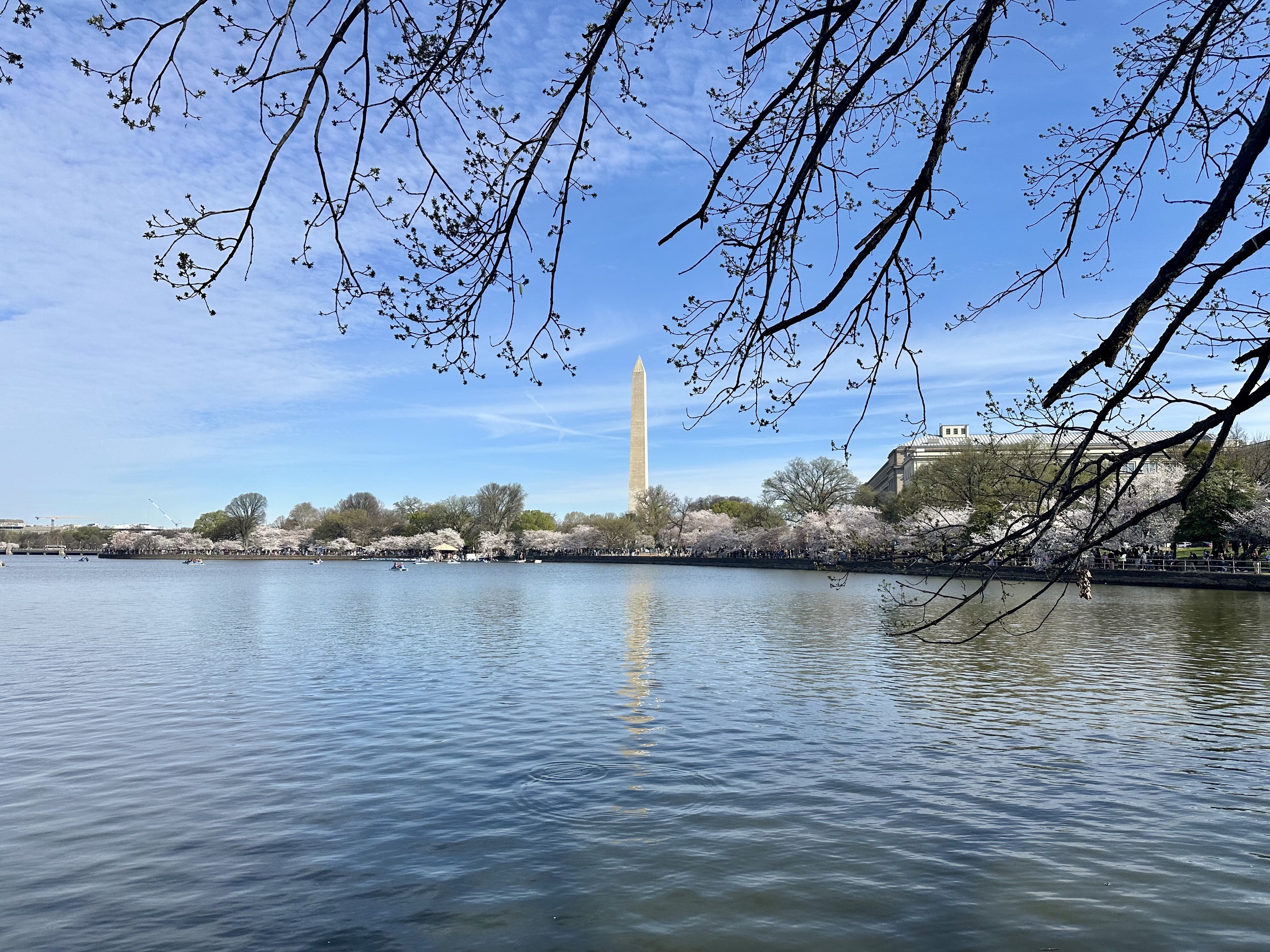
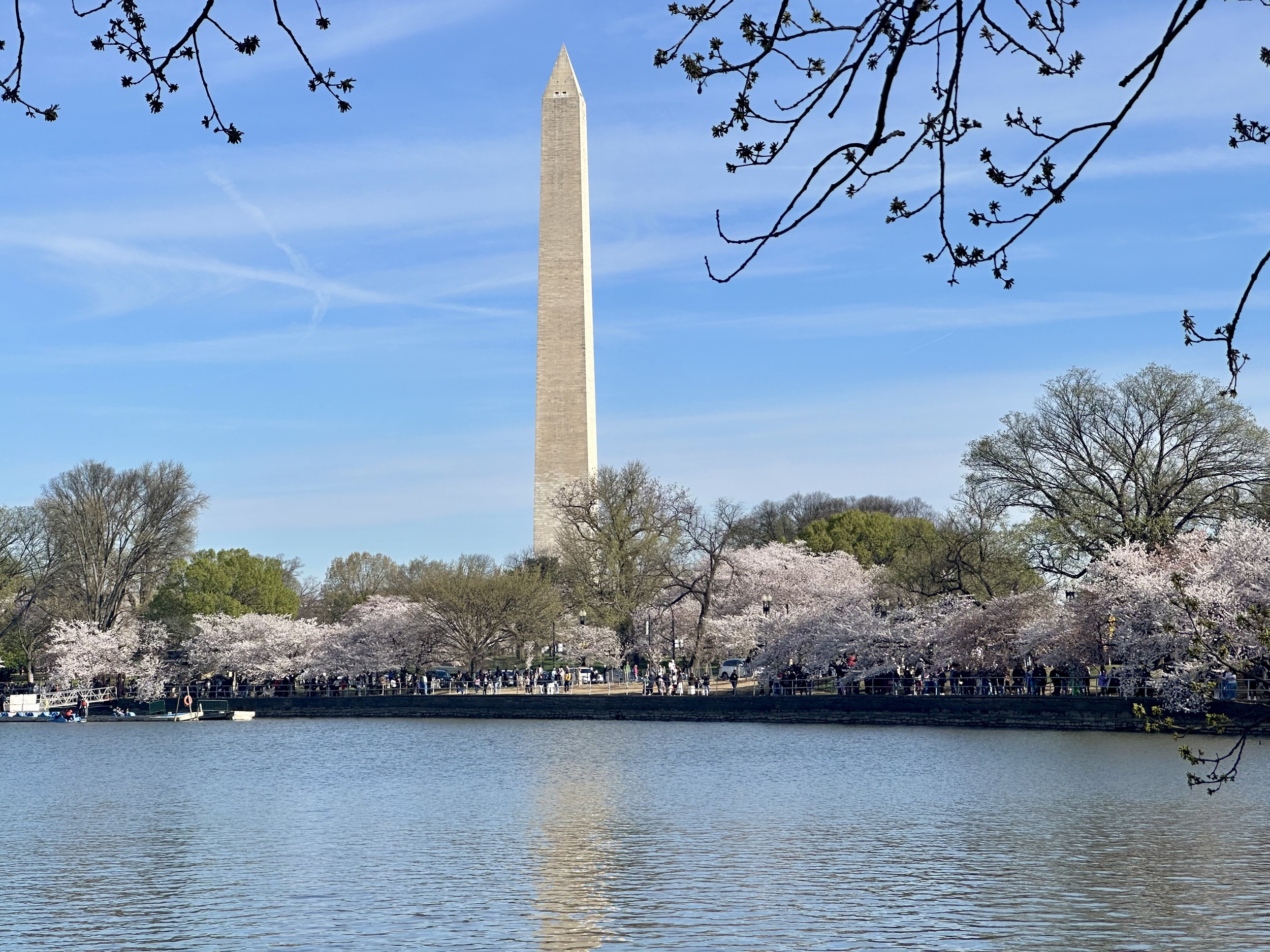
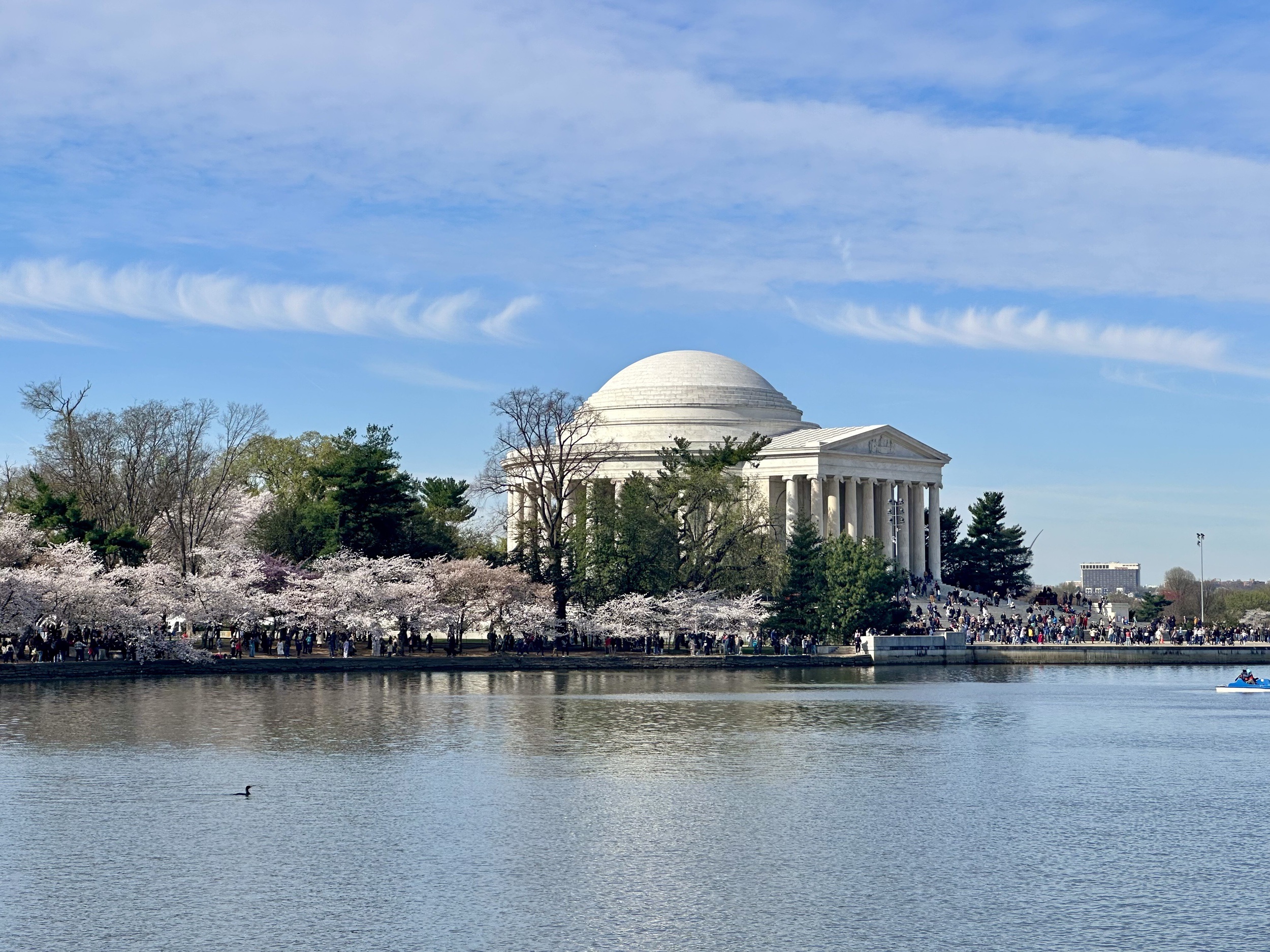
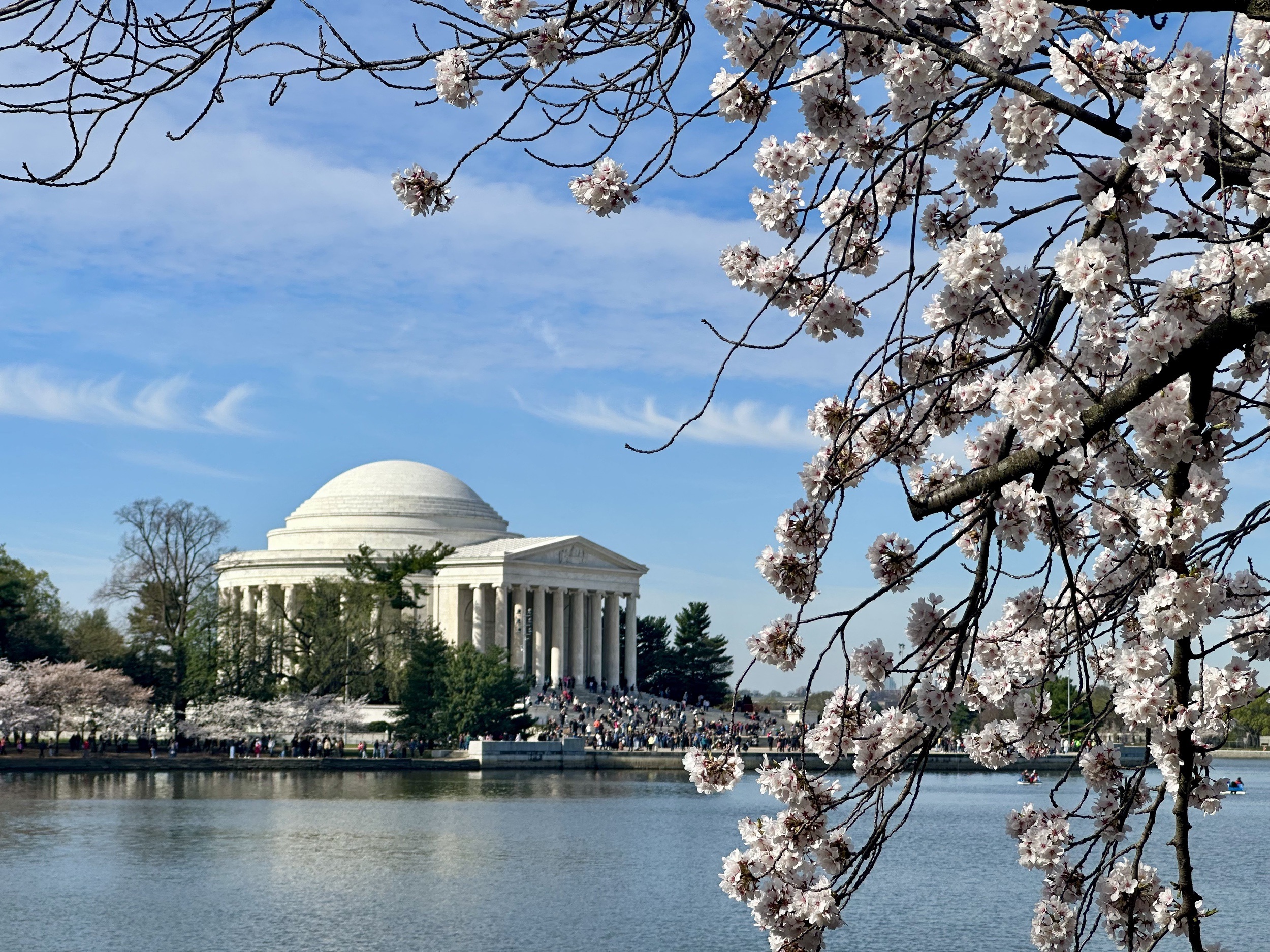
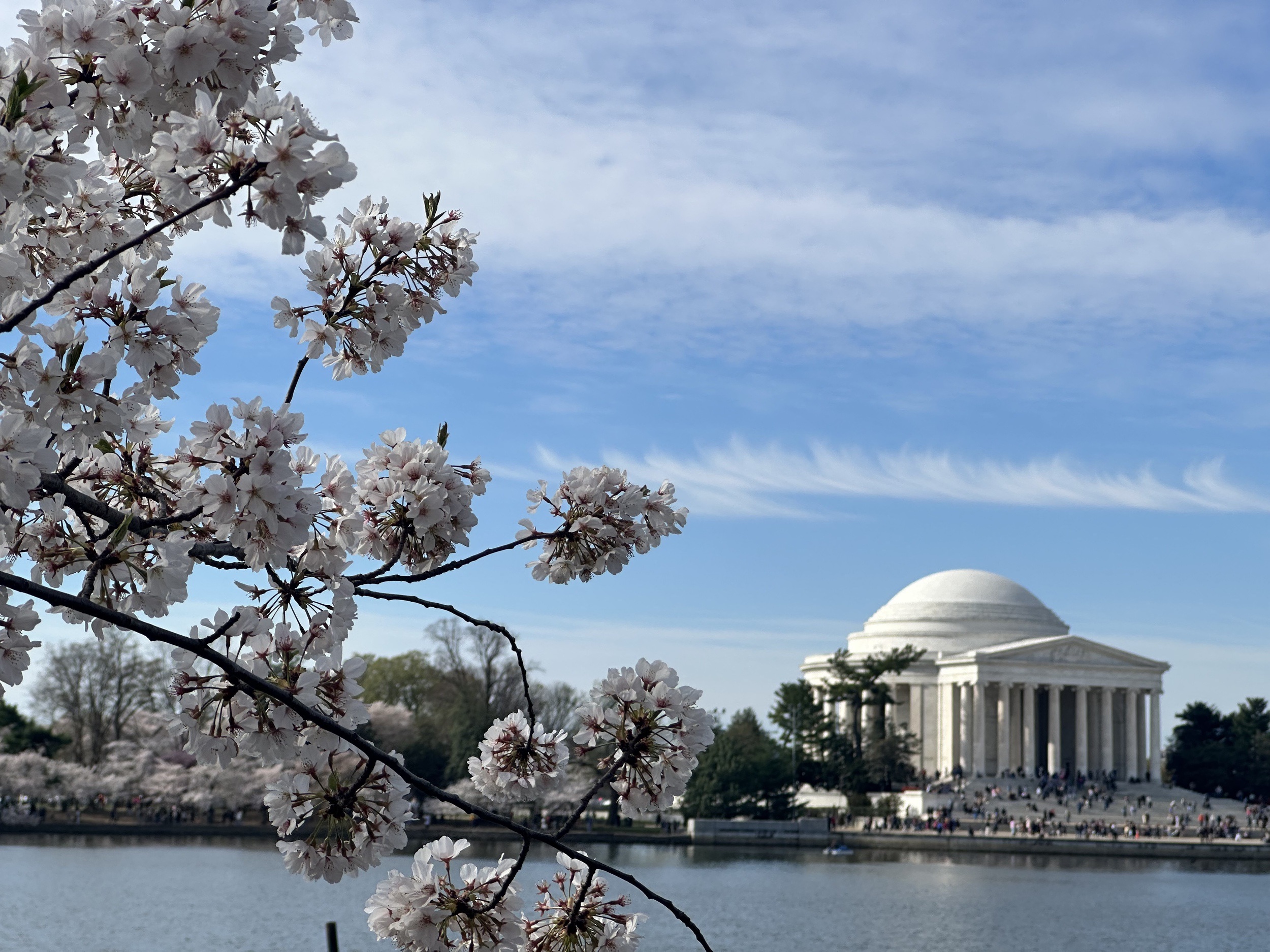
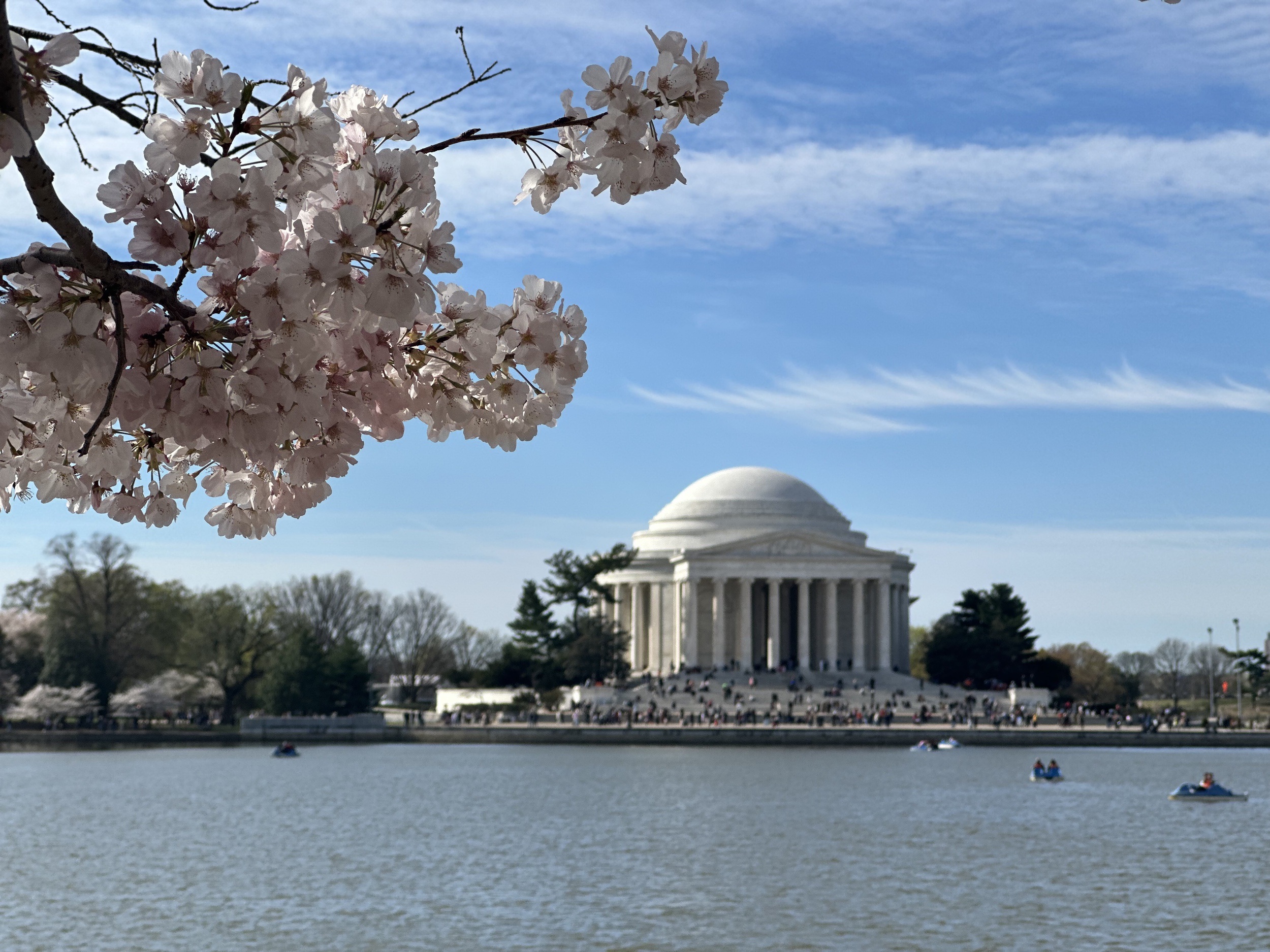
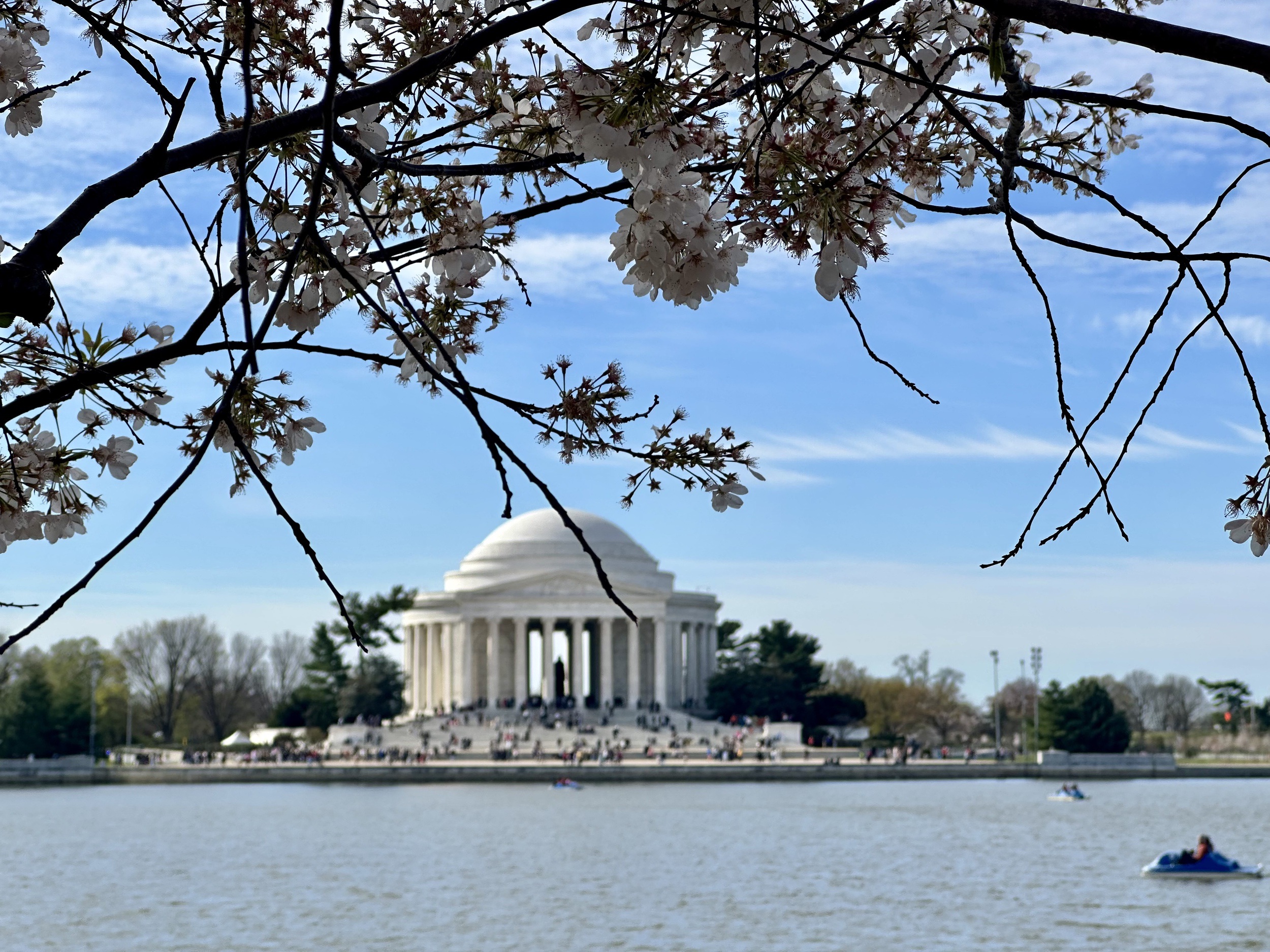
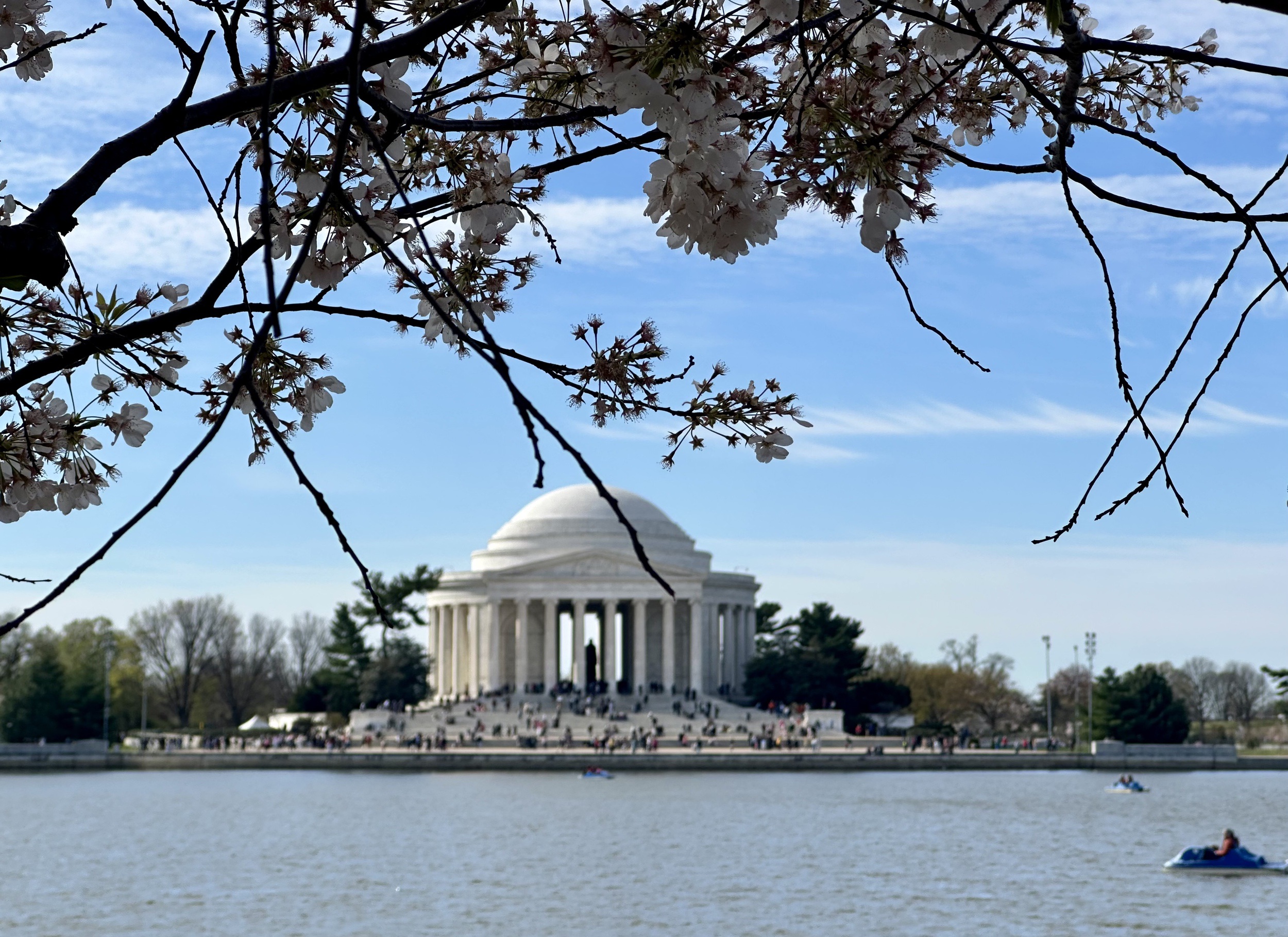
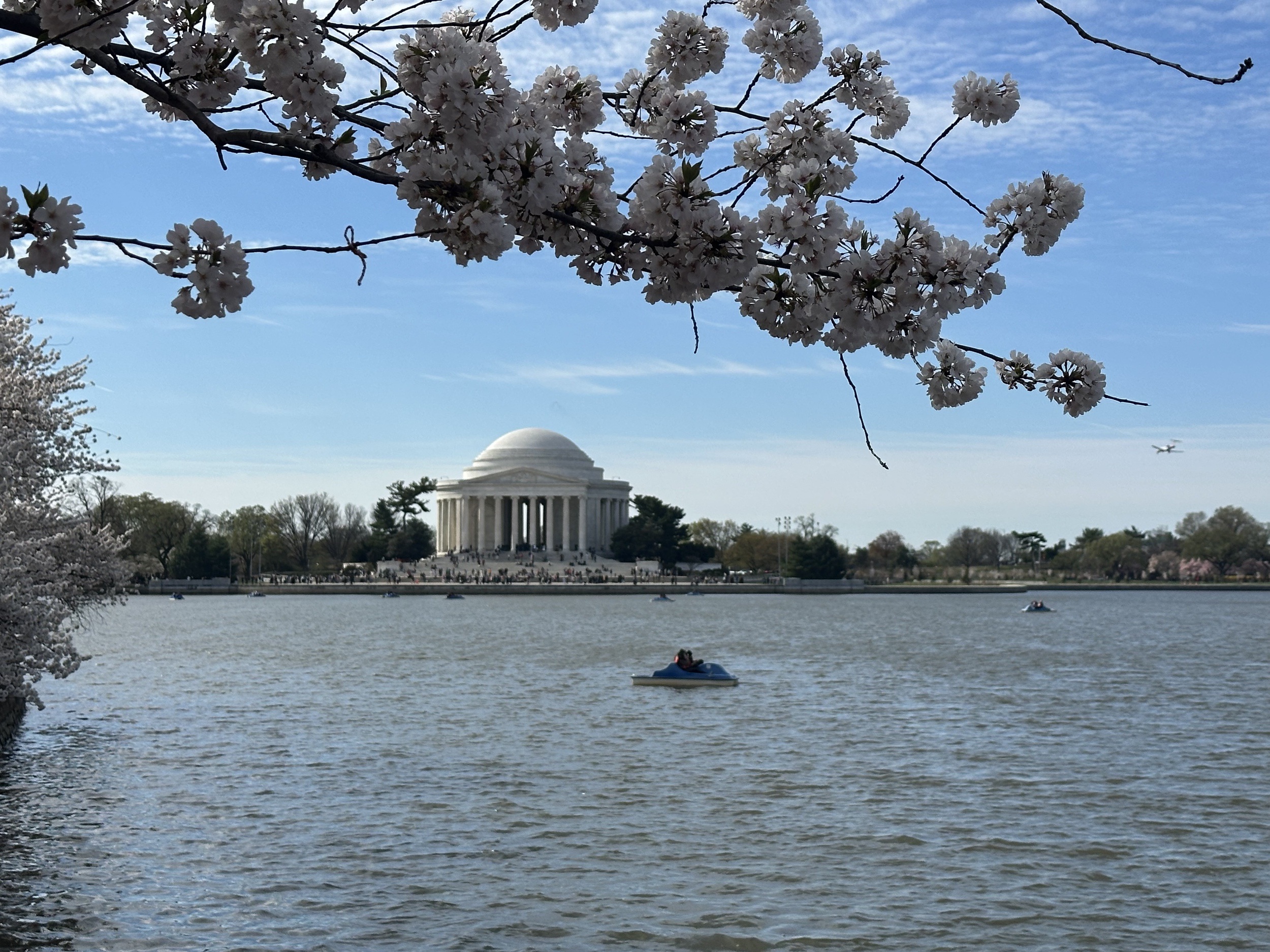
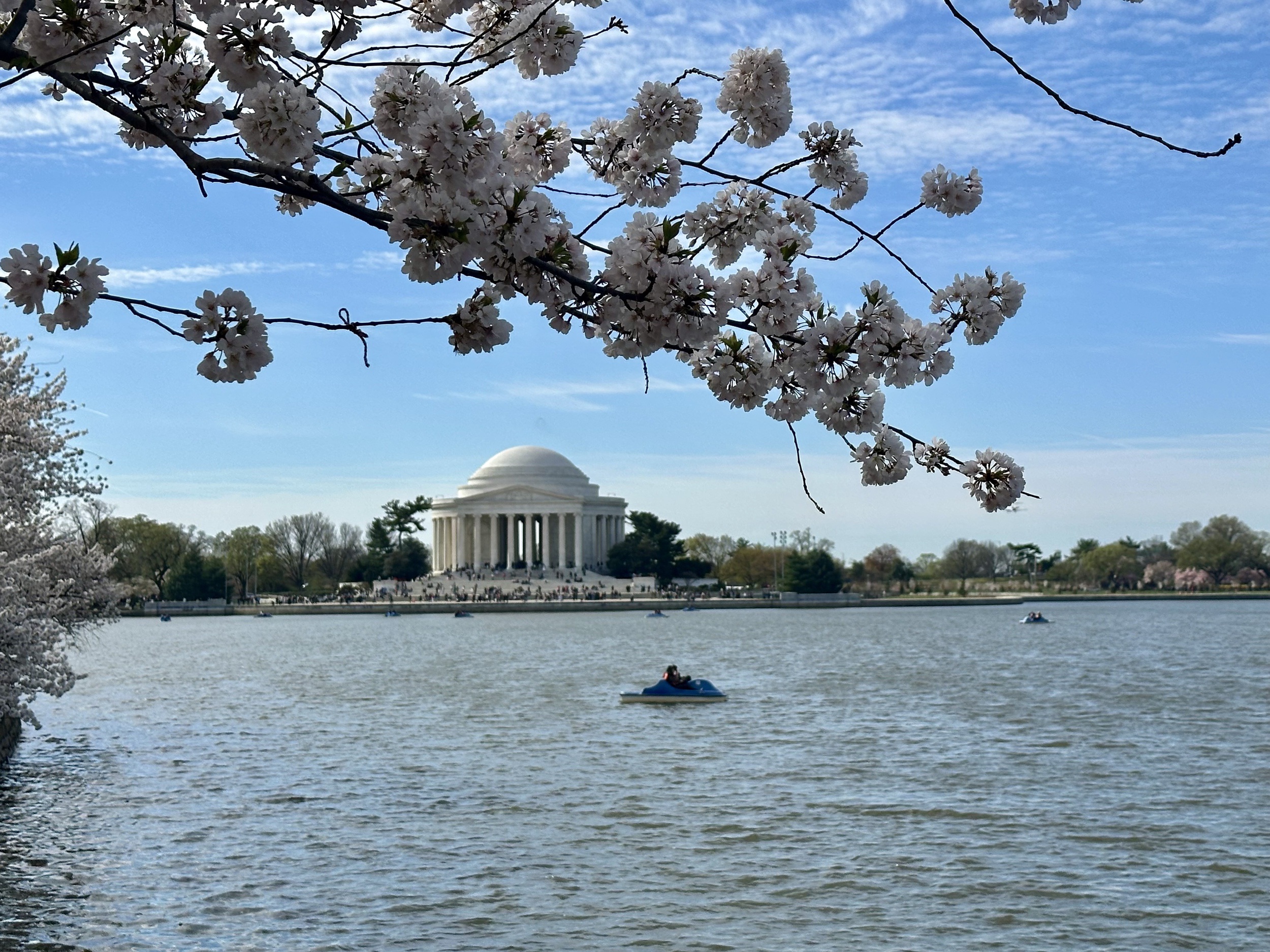
There’s a moment every year in Washington, D.C. when the city softens. The sharp edges of marble monuments blur just slightly, the air feels lighter, and even the usual rush of people seems to slow down. It doesn’t happen because of a holiday or a national event. It happens because, almost overnight, the cherry blossoms around the Tidal Basin burst into bloom.
If you’ve never seen it in person, it’s easy to underestimate what makes it so special. After all, they’re just trees, right? Flowers that bloom and fall like they do in countless places around the world. But standing there, surrounded by soft pink and white petals drifting through the air, it becomes clear that this isn’t just about the blossoms themselves. It’s about the way they transform everything around them—the light, the mood, even the way people interact with one another.
The story behind these trees is as meaningful as the experience of seeing them. In 1912, the city of Tokyo gifted thousands of cherry trees to the United States as a gesture of friendship. That gift, rooted in diplomacy and goodwill, has outlived generations. Today, those trees—or rather, their descendants—stand as living symbols of connection between cultures, quietly reminding visitors that beauty and peace can be shared across oceans.
Walking along the Tidal Basin during peak bloom feels almost surreal. The branches stretch outward, heavy with blossoms, forming a canopy that filters the sunlight into a soft, diffused glow. It’s the kind of light photographers chase, but here it exists naturally, effortlessly. The water mirrors everything—the sky, the monuments, the blossoms themselves—creating a kind of symmetry that makes you pause, if only for a second.
And then there are the petals. They don’t just fall; they drift. Slowly, unpredictably, like tiny pieces of confetti carried by the wind. Every so often, a gentle gust sends a small flurry into the air, and for a brief moment, it feels like you’re standing inside a snow globe that’s been lightly shaken. It’s fleeting, delicate, and impossible to fully capture in a photo.
What makes the experience even more powerful is the contrast. Just steps away, you have some of the most recognizable landmarks in the country—the Thomas Jefferson Memorial, the Washington Monument in the distance, the long stretch of the National Mall. These are symbols of permanence, built to endure for centuries. And yet, surrounding them are blossoms that last only a week or two before they begin to fade.
That contrast creates a kind of quiet tension. On one hand, you’re looking at structures meant to stand forever. On the other, you’re immersed in something that exists only briefly. It’s a reminder—subtle but unmistakable—that not everything meaningful is meant to last.
The crowds, of course, are part of the experience. During peak bloom, the Tidal Basin becomes one of the most visited spots in the country. People come from everywhere—families, tourists, photographers, couples, joggers who suddenly slow down to take it all in. At first glance, it might seem like the crowds would take away from the beauty, but in a strange way, they add to it.
There’s something about seeing so many people collectively pause, collectively appreciate the same thing, that makes the moment feel shared. You’ll notice strangers smiling at each other, pointing out particularly beautiful clusters of blossoms, or stepping aside so someone else can get a photo. It’s a small shift, but it’s noticeable. For a little while, people seem more patient, more present.
If you arrive early in the morning, before the crowds fully settle in, the experience changes again. The light is cooler, softer, and the basin is quieter. You can hear the water, the distant sounds of the city waking up, and the occasional rustle of branches overhead. It feels more personal, more introspective. Like the city is offering you a private glimpse before the day begins.
Evenings bring their own kind of magic. As the sun sets, the sky shifts through shades of gold, orange, and eventually deep blue. The blossoms take on a slightly warmer tone, and the reflections in the water become more pronounced. By the time night falls, the monuments are lit, and the blossoms seem to glow faintly in the artificial light. It’s a different kind of beauty—quieter, more subdued, but no less striking.
There’s also an emotional layer to the experience that’s hard to put into words. Maybe it’s the fleeting nature of the blossoms, or maybe it’s the setting, surrounded by symbols of history and identity. But for many people, being there feels meaningful in a way that goes beyond aesthetics.
You might find yourself thinking about time—how quickly things change, how certain moments come and go before you’re ready for them to end. The blossoms, in their short-lived brilliance, seem to embody that idea perfectly. They don’t last, and they’re not meant to. Their beauty comes from that very fact.
And yet, they return every year. That’s the other side of it. Even though each bloom is temporary, the experience itself is cyclical. Predictable, in a comforting way. No matter what changes in the world, the blossoms come back. They remind you that some things, even if fleeting in the moment, are part of a larger rhythm.
For locals, the cherry blossoms often mark a kind of seasonal reset. The end of winter, the beginning of something lighter. For visitors, they can feel like a once-in-a-lifetime experience, even if they end up coming back again and again. There’s a pull to it, something that makes people want to revisit the same place, year after year, just to see how it feels this time.
And it never feels exactly the same. The timing shifts slightly each year, the weather changes, the crowds ebb and flow differently. Even your own perspective changes. What you notice one year might be completely different the next.
Maybe one year, it’s the reflections in the water that catch your attention. Another year, it’s the way the petals collect along the edges of the walkway, forming a soft, pink carpet. Another time, it might be the expressions on people’s faces—the quiet awe, the excitement, the calm.
The cherry blossoms near the Tidal Basin aren’t just a visual experience. They’re a reminder of how powerful simple things can be. Trees, flowers, light, water—none of it is complicated. But together, in the right moment, they create something that feels almost extraordinary.
As you leave, whether it’s after a quick visit or a long, unhurried walk around the basin, there’s often a sense that you’ve witnessed something you can’t fully hold onto. You might have photos, of course, maybe even dozens of them. But the feeling itself—the way the air felt, the way the light shifted, the way the petals moved—that’s harder to capture.
And maybe that’s the point. Not everything needs to be preserved perfectly. Some experiences are meant to be felt, remembered imperfectly, and then revisited when the time comes again.
Because it will come again. The blossoms will return, the basin will fill with color, and for a brief window each year, Washington, D.C. will once again feel just a little softer, a little quieter, and a little more connected to something timeless.